


AC Maintenance and Refrigerant Concerns in Portland
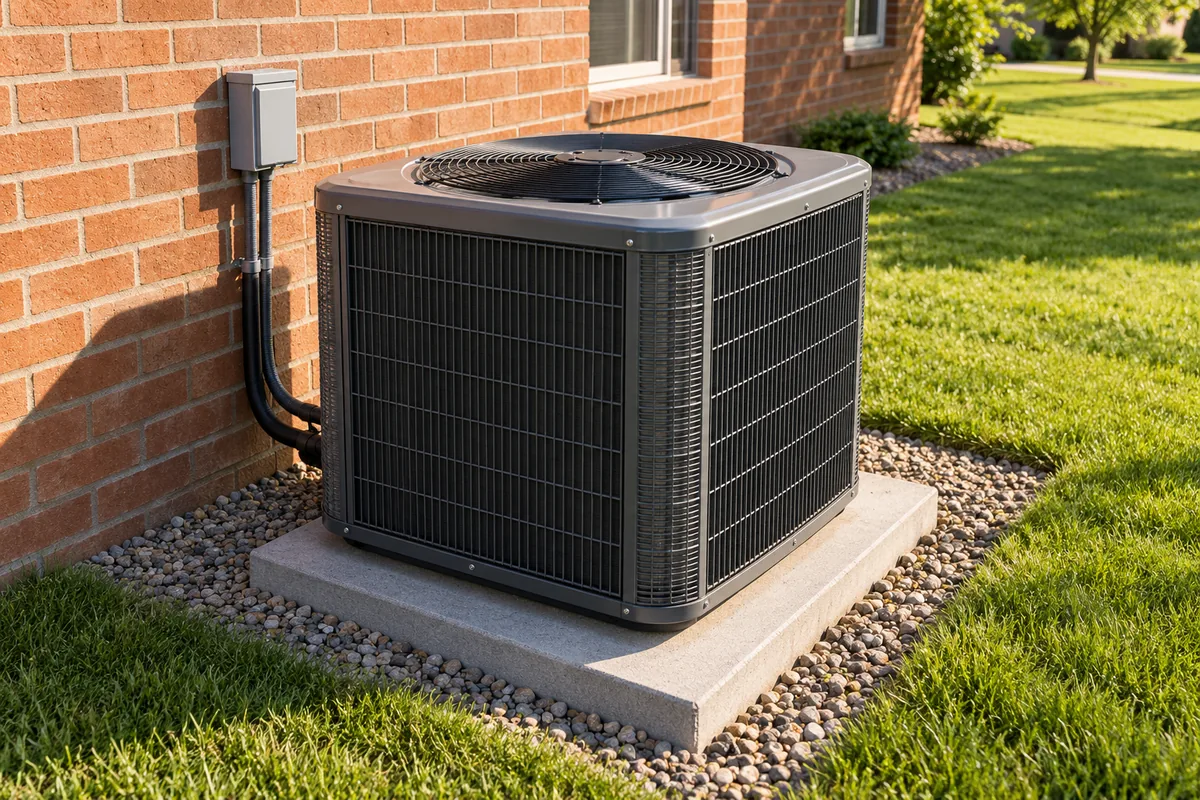
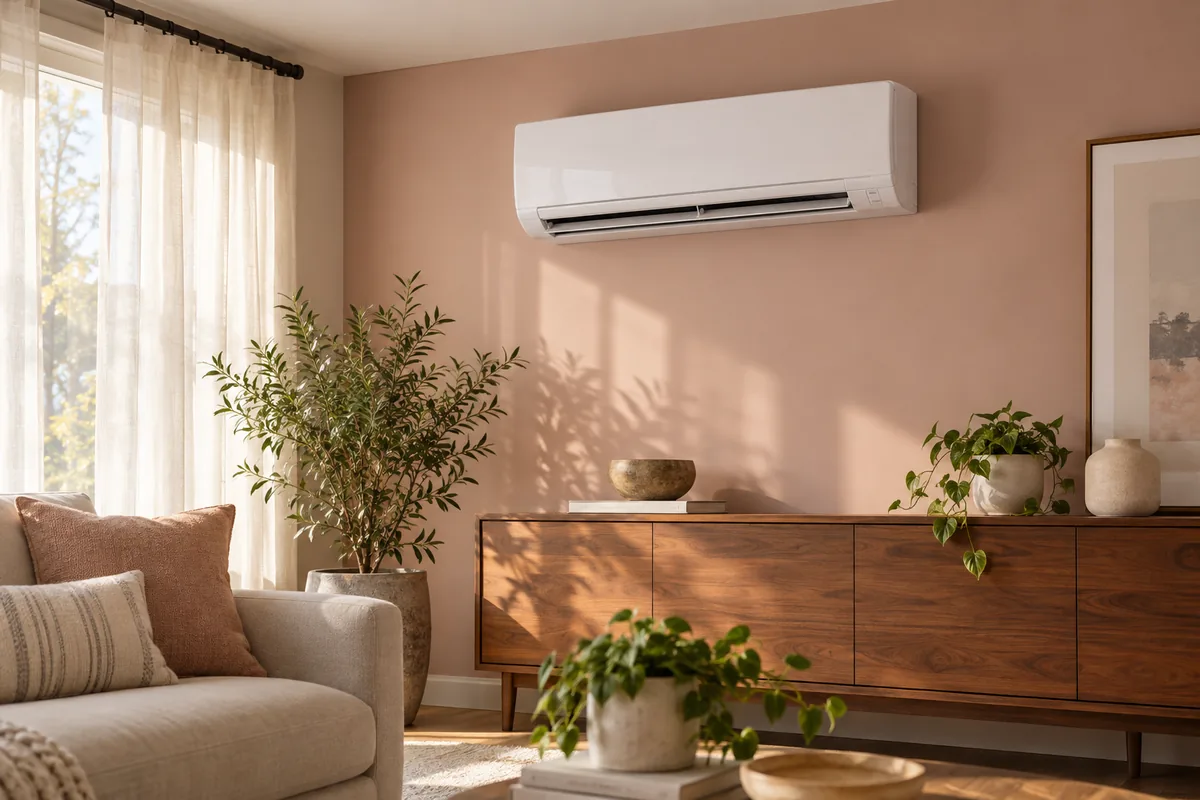
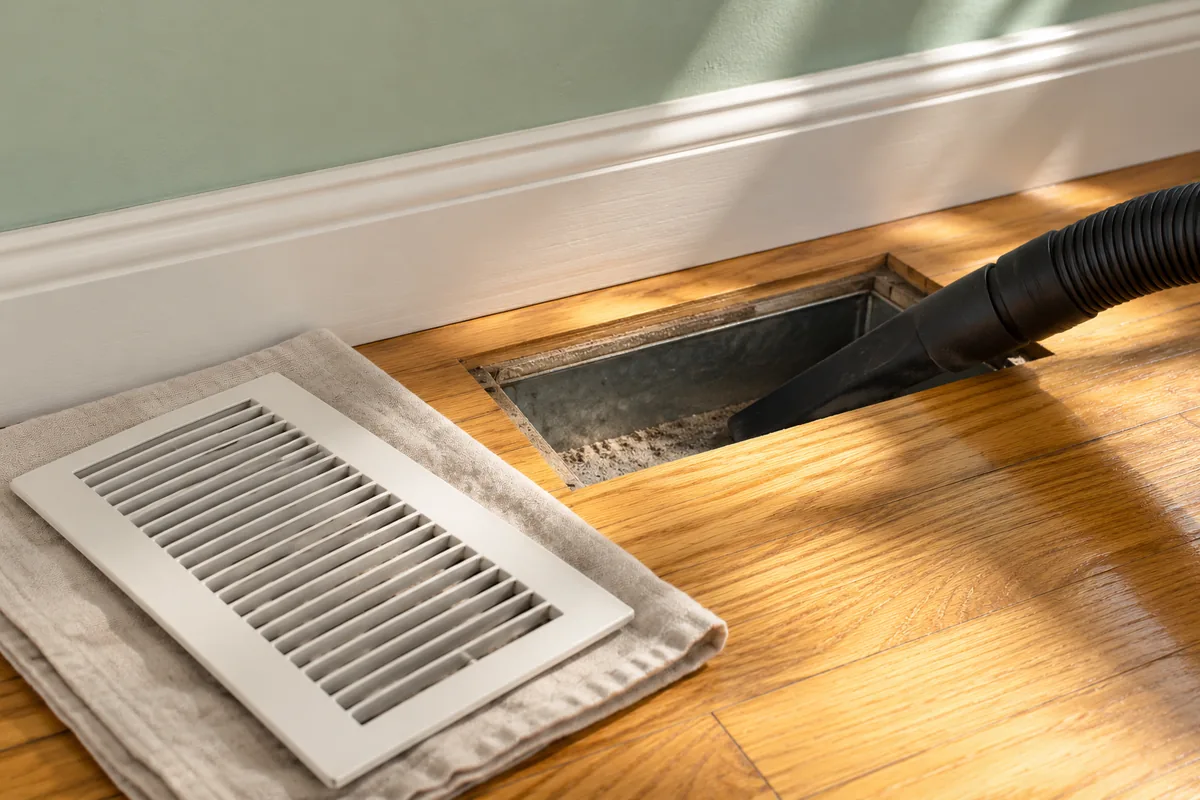
HVAC & Appliance Repair Guys provides AC maintenance in Portland, OR. Routine care focuses on the equipment’s airflow, coil condition and drainage needs. It does not mean adding refrigerant at every visit: the system should not use refrigerant up like fuel. Report poor cooling or a prior recharge so the request includes any needed diagnosis.
Our AC maintenance service considers the actual equipment and its care needs. Adding refrigerant is not a substitute for understanding a cooling problem. Keep a suspected low charge separate from a measured finding. A service request does not require you to choose the cause before a technician reviews it.
Earlier Refrigerant Work and Cooling Results
If someone previously added refrigerant, share the date and the available service note. Identify the equipment named in that record. Ask whether the note describes an addition, a leak finding or a completed repair. These are different actions, even when one receipt mentions several of them.
Explain what happened afterward. Cooling may have improved, stayed the same or changed again later. Describe that result without assuming a repeated symptom proves the same cause. The earlier record gives the current assessment context.
Leave refrigerant connections, gauges and charging work to trained service technicians. You do not need to buy a product or open the circuit before the visit. Existing equipment details may help identify the setup. If a label is out of reach, use the records you already have and mention the access limit.
Routine Maintenance and Refrigerant Repairs
Repeated refrigerant additions do not repair a leak. Discuss the findings and proposed work to locate and address its cause before approval.
Our AC repair service in Portland covers an active cooling fault. Routine upkeep and fault diagnosis serve different purposes. Confirm their scope and price when arranging the appointment. Do not assume a maintenance booking includes every repair a later finding may suggest.
Keep the completed care, test findings and separate recommendations with the equipment details. Improved room cooling does not establish which work was done or resolve every open question; retain any remaining next step.
Contact HVAC & Appliance Repair Guys to arrange AC maintenance in Portland and mention any poor cooling, earlier refrigerant addition or unresolved leak concern.
Frequently Asked Questions
What if the outdoor unit is a heat pump?
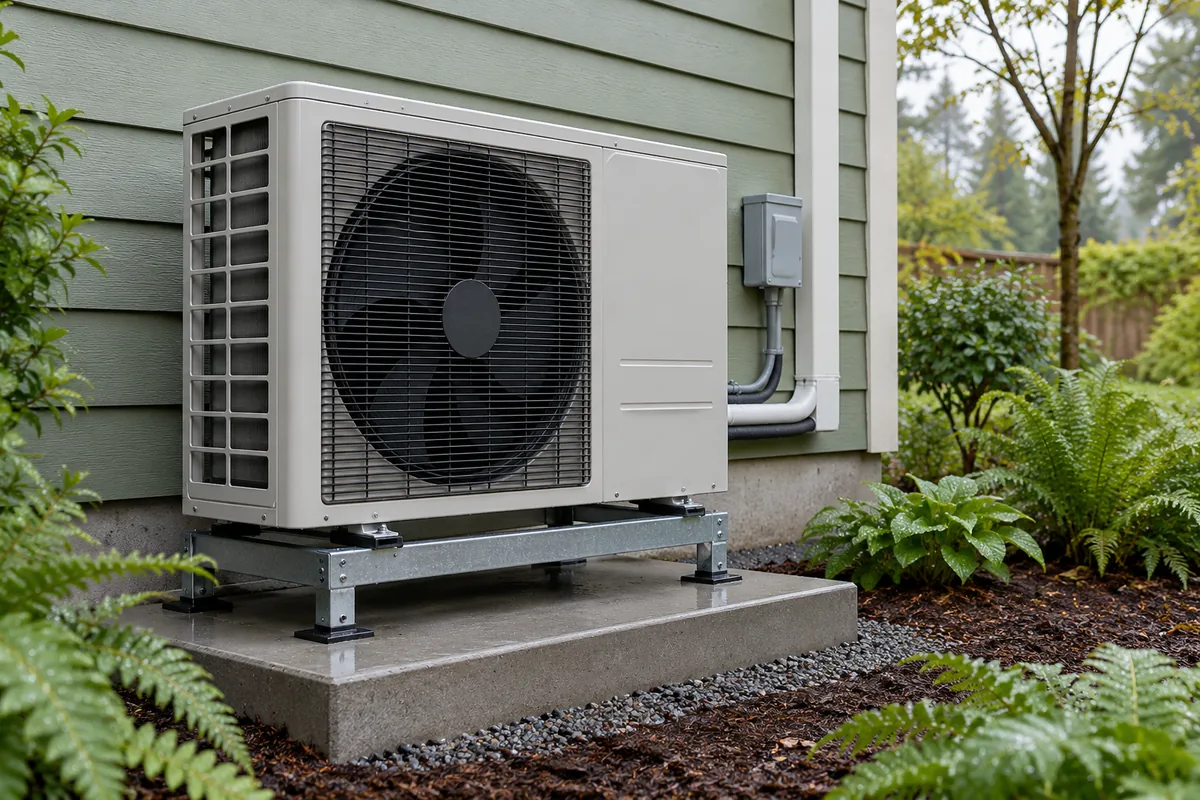
Say so when discussing the equipment. Heat pumps serve heating and cooling functions, so the intended scope should name the relevant modes. Do not assume that an outdoor cabinet alone identifies a cooling-only system.
Does warm air at one outlet prove that the system needs refrigerant?
No. It describes an observation, not a confirmed cause. Name the area and describe how the rest of the home feels during normal cooling. The current findings should guide the service decision.
Should I bring a refrigerant product that matches an old receipt?
Discuss the service request first and leave product selection and circuit work to the technician. An old receipt may refer to equipment or work that has since changed. Keep it as history rather than treating it as a current instruction to add material.
Request AC Maintenance in Portland, OR
For AC maintenance in Portland, OR, call HVAC & Appliance Repair Guys or submit a service request through the form on this page.
Before your visit
AC Maintenance details for Portland, OR
Maintenance is preventive service for operating equipment. Share equipment details and service history before the Portland, OR visit. Describe an active failure clearly so the request is not treated as a routine tune-up.
Name the on-site contact
Confirm who can meet the technician, approve the visit, and discuss any recommended work at the Portland, OR address. If an owner, tenant, manager, or facility contact is different from the person submitting the request, share the correct names and telephone numbers before the visit.
Send photos of the equipment
A clear photo of the model and serial label, control display, thermostat or affected area can improve planning for Portland, OR. Include the equipment type and approximate age when known. Photos help us plan the visit; they do not replace an on-site check.
Share prior service history
Recent maintenance, earlier repairs, replaced parts, renovations, and recurring symptoms help explain the equipment’s service history. Share relevant records and any current concerns for the Portland, OR visit.
Use safe interim steps
Stop using equipment that is leaking, smoking, overheating, damaging the property, or repeatedly tripping protection. For the Portland, OR request, describe the safe steps already taken. Do not bypass controls, reach into moving equipment, or handle energized, fuel, or refrigerant components.