

Furnace Repair in Washougal, WA
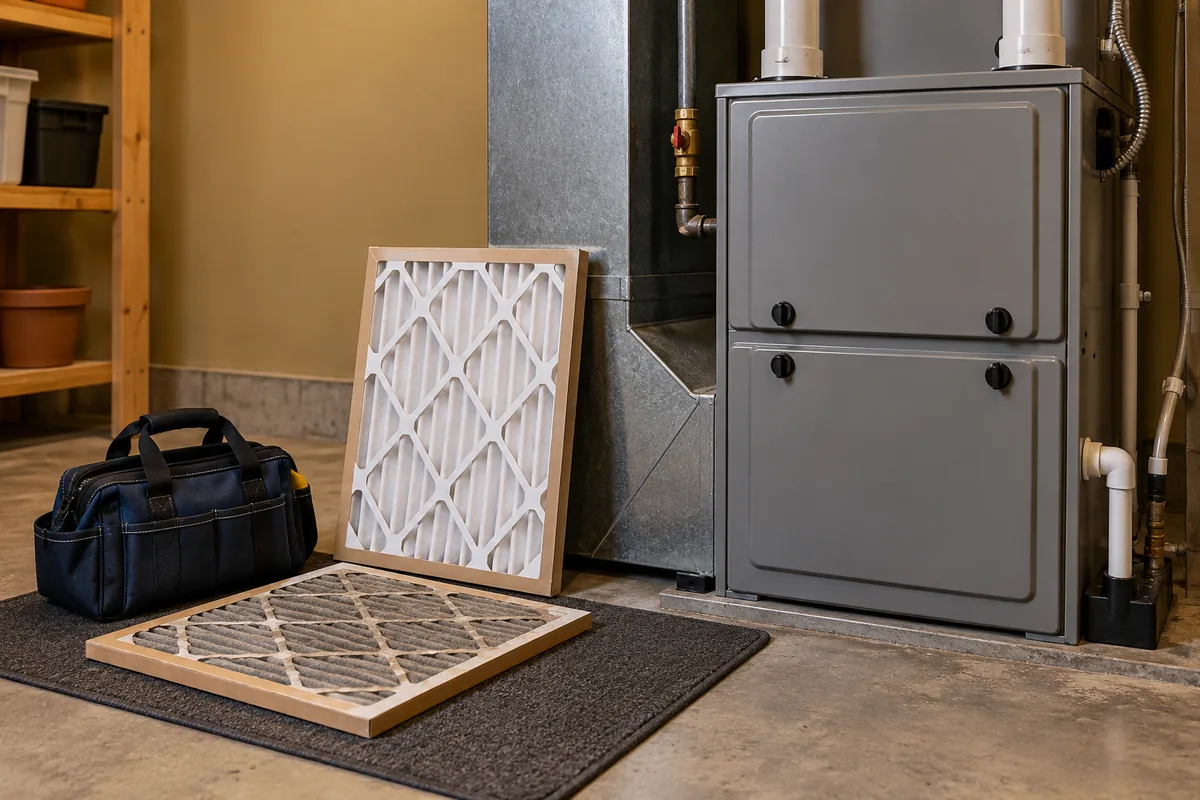
HVAC & Appliance Repair Guys provides furnace repair in Washougal, WA for no heat, weak airflow and repeated stops. We assess the current fault and explain repair options. Mention recent care and whether heating improved, stayed poor or changed afterward.
Our furnace repair service checks the control request, equipment response and heat reaching the rooms. Routine care does not replace diagnosis of a furnace that will not heat or repeatedly shuts down.
Heating and Airflow Symptoms
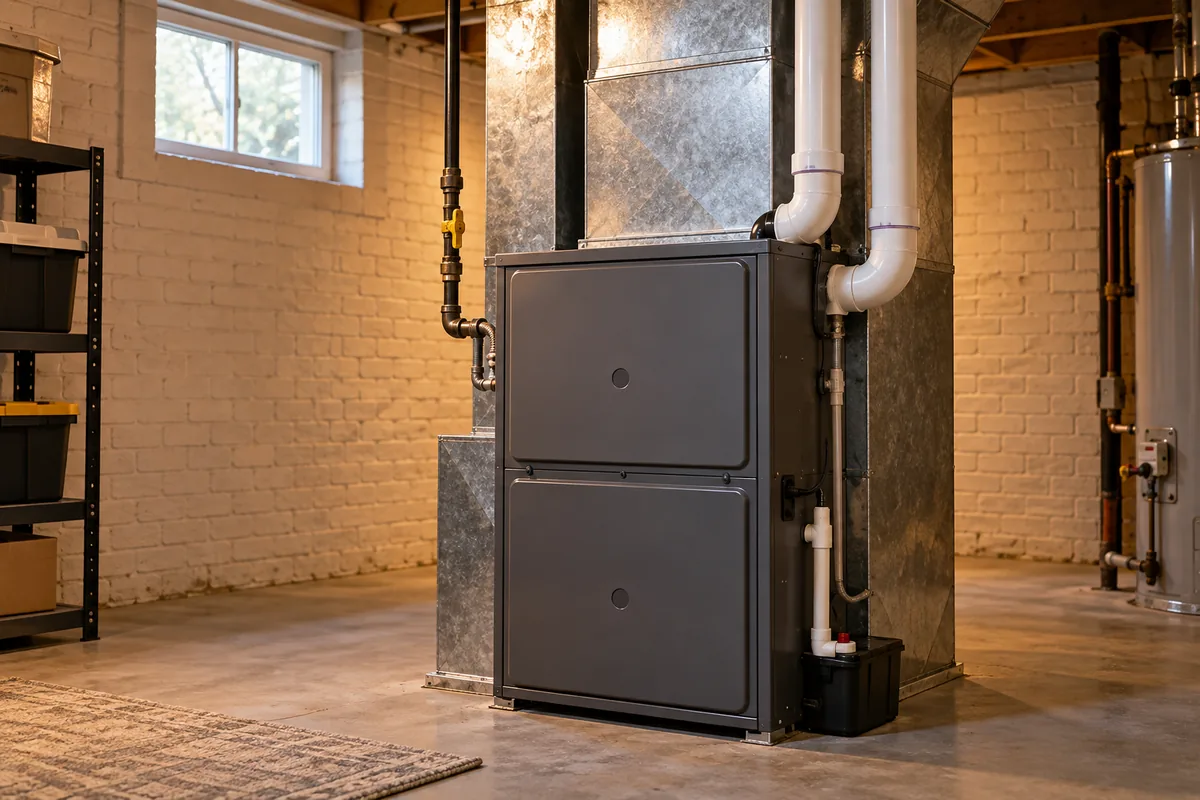
A furnace that stays silent differs from one that begins heating and stops early. Gas and electric equipment have different components, so share the furnace type and available model details.
A blower can run without useful heat. Tell us whether air stays cool, warms briefly or arrives with little force. One cold room needs a different description from weak heat throughout the home.
Keep recent care notes available, including filter work and any recommendation that was not completed. Those details help guide the checks without establishing the condition of every component.
Heating Before and After Routine Care
State whether the heating fault began before the care, appeared afterward or continued through it. Noticing a problem after service does not establish that the work caused it; the current fault needs assessment.
Describe what the furnace does during a normal heat request. It may stay off, move cool air or stop before the rooms warm. Include a visible message if you already have one. A clear account does not require you to choose a failed part.
Unfinished Care and Current Repair Needs
If an earlier care task remains unfinished, ask how it relates to the heating fault and whether separate repair work is needed.
Our furnace maintenance service covers planned upkeep separately from diagnosis of a furnace that has stopped working or keeps losing heat. Describe the active heating fault when arranging help.
Review the diagnosed fault, proposed repair and price before approval. Confirm the terms of a return request rather than assuming the earlier visit covers it.
Visible Messages, Sounds and Safe Observations
Keep the current setting and any visible message with the room result. Mention a new sound if you heard one during normal use. Explain when it occurred and whether heat changed. Do not start suspect equipment again just to record strange noises.
Leave panels, wiring, gas parts and safety controls untouched. Do not undo internal work or repeat resets to compare the result. Share existing notes and the current response instead.
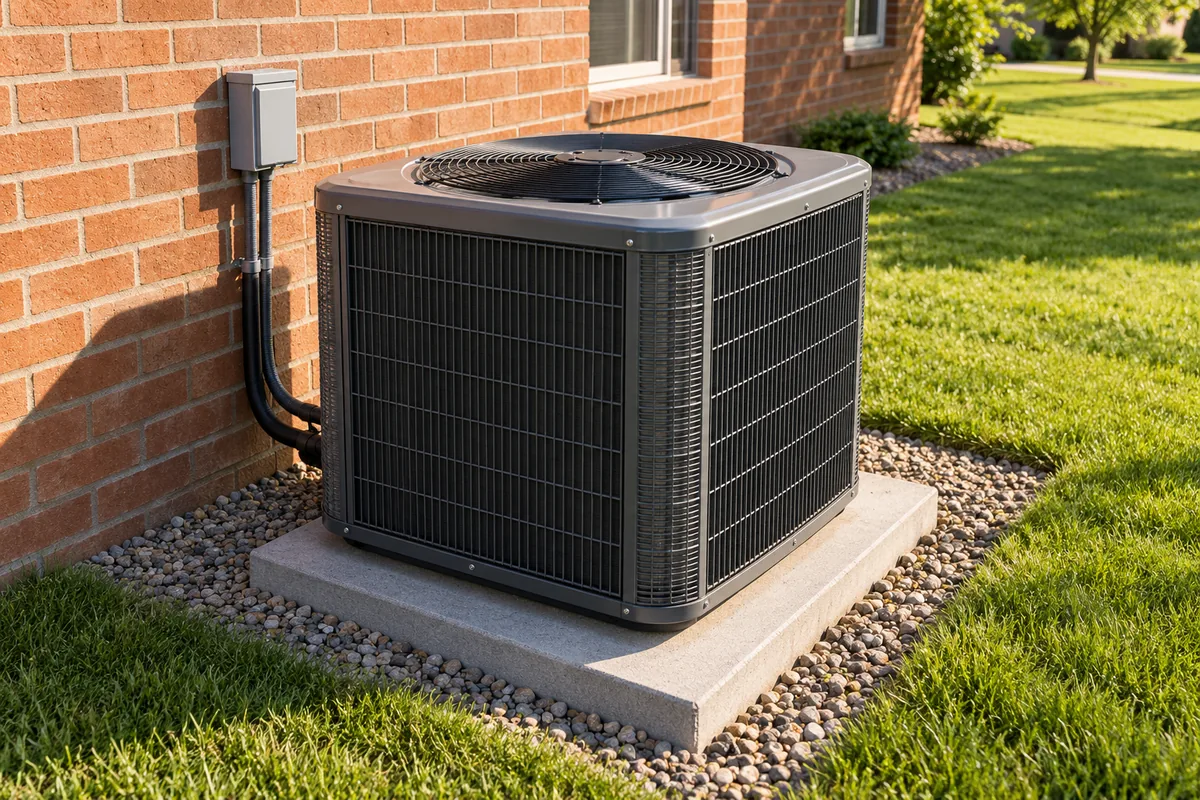
If an air conditioner also has trouble, identify it separately when booking and confirm which equipment the visit can assess. An AC fault does not establish the cause of the furnace problem.
Repair Recommendations and Heating Checks
Ask how the proposed work addresses the heating fault and whether further checks or parts require another visit.
After repair, ask what heating operation was checked and whether anything needs follow-up.
Frequently Asked Questions
What if I cannot find the detailed care record?
Share the service date, equipment details and any work you remember. Let us know which records are unavailable; the technician can assess the current problem with the information you have.
Does a problem after care automatically qualify for a free return visit?
Confirm the applicable terms and the purpose of the request with the company. Do not assume a price or coverage from timing alone. Keep the earlier scope and current finding clear when discussing the next step.
Request Furnace Repair in Washougal, WA
Contact HVAC & Appliance Repair Guys to request furnace repair in Washougal and describe the current heating problem and any change after recent care.
For furnace repair in Washougal, WA, call HVAC & Appliance Repair Guys or submit a service request through the form on this page.