



AC Repair in Hillsboro, OR
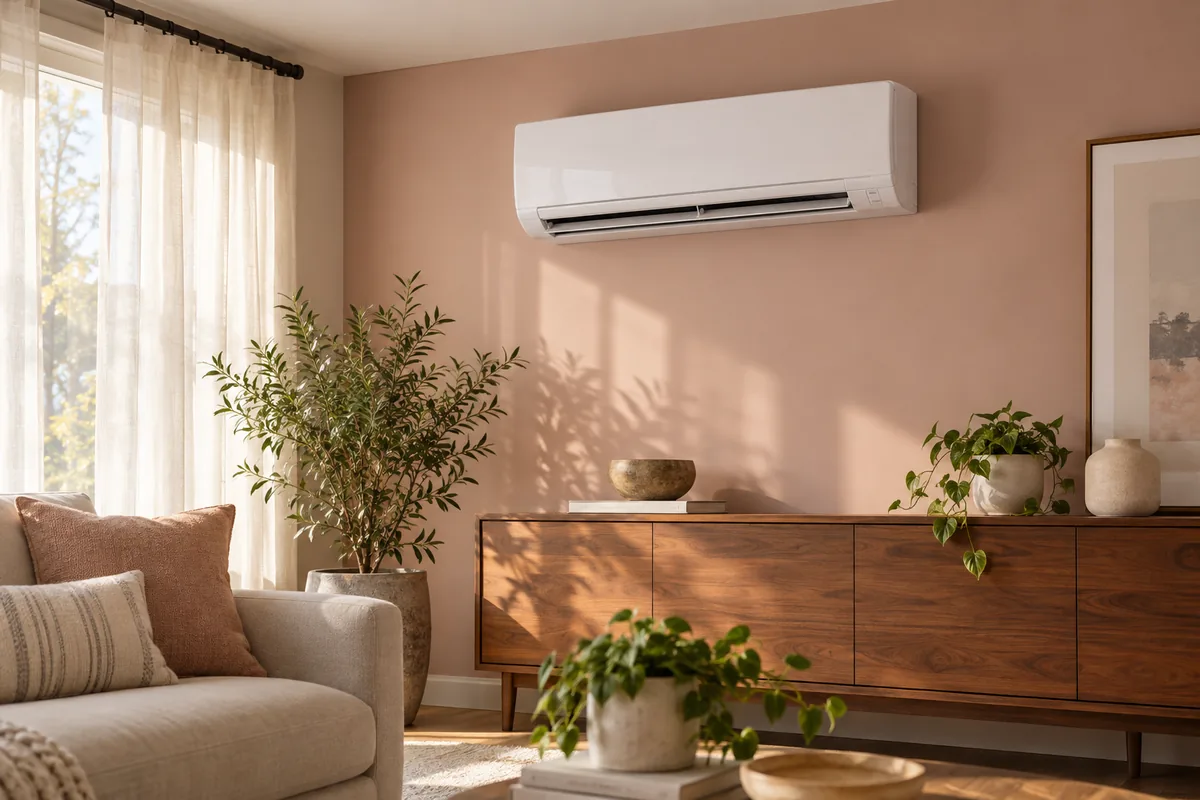
HVAC & Appliance Repair Guys provides AC repair in Hillsboro, OR for poor cooling, weak airflow, ice and repeated shutdowns. We assess the current fault and explain repair options. If the change followed filter care or earlier work, include that sequence without assuming it identifies the cause.
Our AC repair service checks the air path and cooling operation together. Tell us whether the system stays off, runs without cooling or works at first and then fades.
What Changed in Cooling and Airflow?
Strong airflow with warm air differs from low flow across the home. The indoor blower can run while another part of the cooling system has a fault. Describe the affected rooms, thermostat setting and when performance changes.
Visible ice, water and shutdowns help define the problem too. Stop cooling if ice appears, do not chip it away, and keep clear of wet electrical equipment. You do not need to open panels or recreate the fault for the visit.
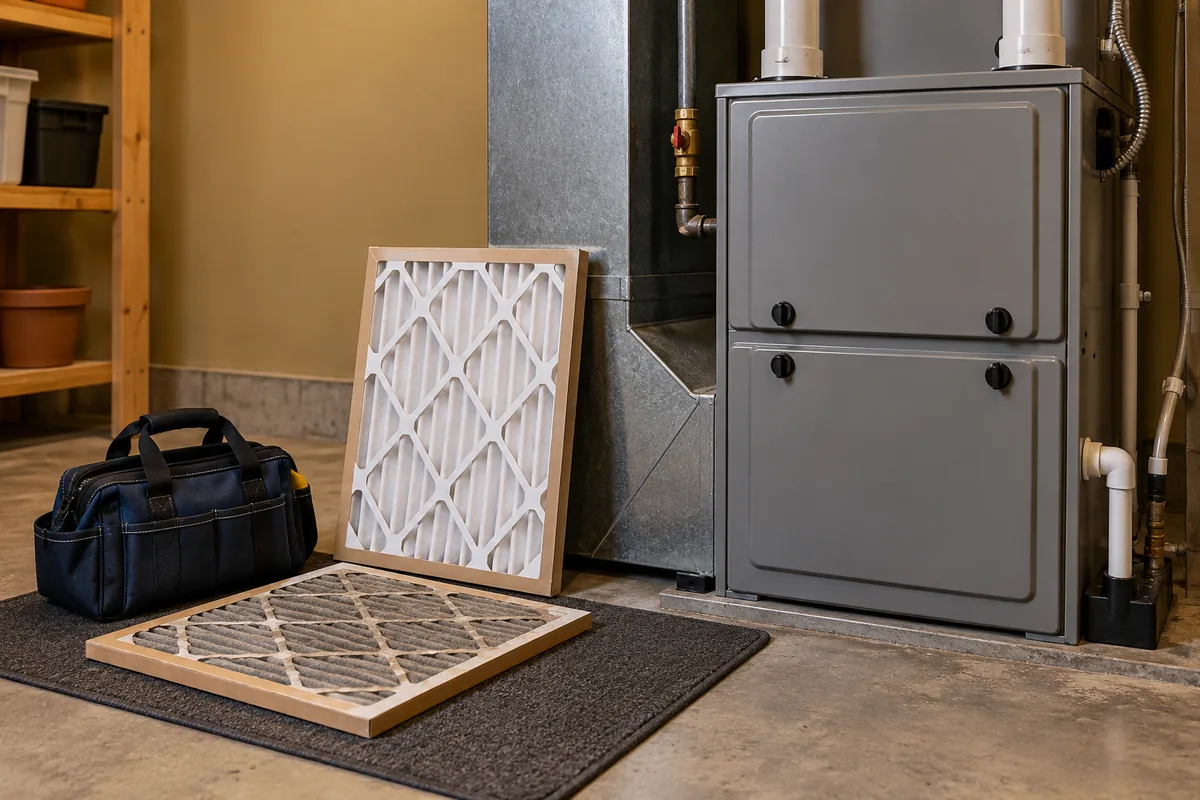
If a filter changed recently, share its size, type and location if known. Explain whether cooling weakened before or after the change and what improved. The filter may have been changed in response to the problem rather than causing it.
Filter Suitability and the Air Path
A filter that restricts airflow can affect system performance, but that possibility does not rule out another fault. Equipment checks establish which conditions are present.
Compare the affected spaces during the same period of use. One weak vent is a different account from weak flow throughout the home. Say if the change appears at the start of a run or develops later. Avoid relying on a single room description to characterize the entire system.
Do not run the system without a filter as an experiment, remove covers, alter internal controls or force operation. An assessment does not require you to recreate the fault before arrival.
Filter Choice and Repair Options
Ask whether the assessment confirms a filter-related issue or another fault. A higher filtration rating does not automatically make a filter suitable for every system. The choice should account for the installed equipment and airflow requirements.
A diagnosed repair is different from an ordinary filter change. Review how the proposed work addresses the fault, along with its price, before approval.
Our AC maintenance service provides a separate route for planned care. After addressing an active fault, you can discuss the filter type and future care needs for your system. The appropriate plan depends on the actual setup and use. One generic interval should not replace that discussion.
Service Access and Cooling Checks
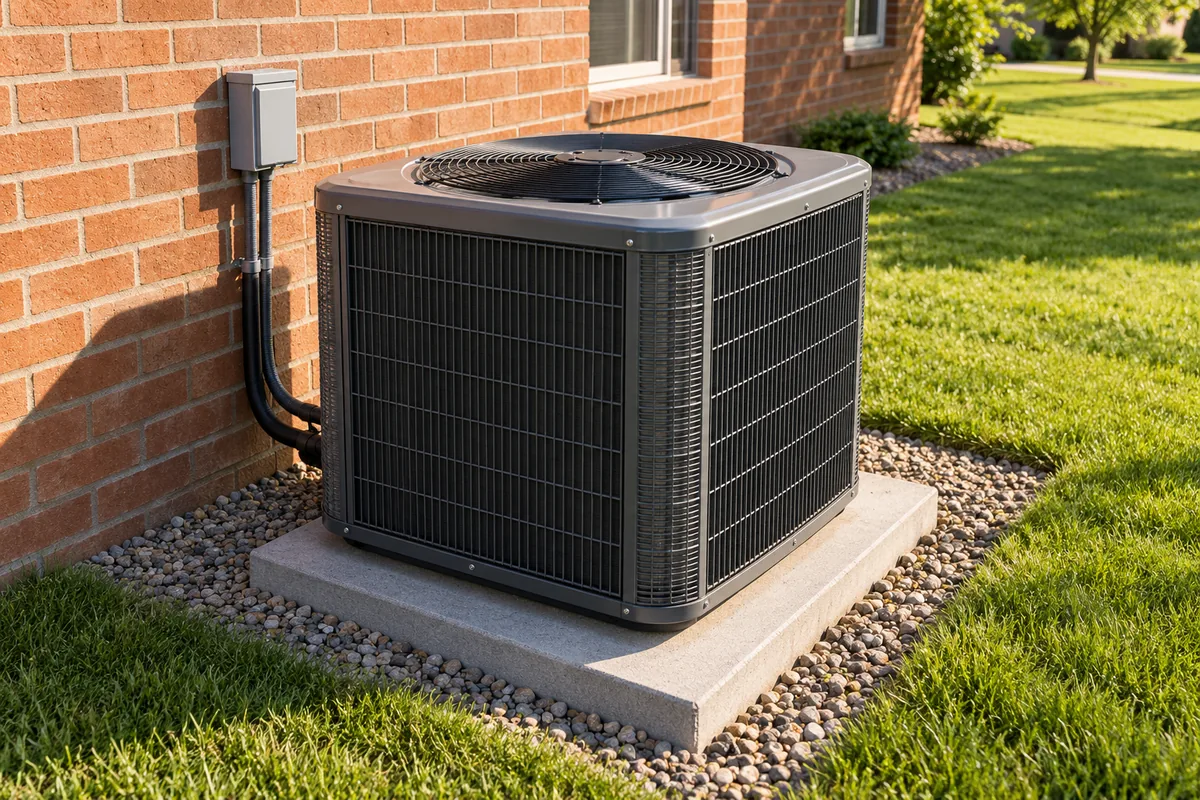
Provide access to the thermostat, indoor equipment and outdoor unit, and mention difficult or locked access when booking. Share any available filter information and recent repair history without dismantling equipment.
After the work, ask whether cooling and airflow both improved and whether further work is needed. Report any remaining symptom by room and timing.
Request AC repair in Hillsboro from HVAC & Appliance Repair Guys and describe the remaining cooling or airflow problem and any recent filter change.
Frequently Asked Questions
Is a photo of the filter package useful?
It can preserve the stated dimensions and type if you already have the package. Include the location where you used that filter. The label can help identify the product, but it does not prove the fit or condition of the complete air path.
What if someone else changed the filter?
Share the date and product details they can confirm. If the timing or type is unknown, state that clearly. The request can begin with the current cooling behavior without a complete account of the earlier task.
Does an unchanged filter size mean two products are equivalent?
Size alone does not show whether a filter suits the system. Keep the full product details for review with the installed system. Do not assume that two filters serve the same needs just because their listed dimensions match.
Can one visit cover a separate unit with a different filter?
Name both units when arranging the appointment. Explain which has the cooling concern and whether you want both reviewed. Confirm the scope rather than treating a repair request for one system as a service request for all equipment.
Request AC Repair in Hillsboro, OR
For AC repair in Hillsboro, OR, call HVAC & Appliance Repair Guys or submit a service request through the form on this page.