



Commercial Kitchen Equipment Repair in Hillsboro
HVAC & Appliance Repair Guys provides commercial kitchen equipment repair in Hillsboro, OR. We assess supported cooking, cooling and ice equipment with changed performance or a complete stop. Tell us the model, affected function and current result so we can confirm support.
A familiar sound or lighted display cannot establish that every part of the equipment works correctly. Tell us what staff expected during normal use and what they observed instead. Keep the comparison tied to that machine. The technician needs more than a general report that it has power.
Cooling and Cooking Performance Faults
For a cooling cabinet, explain the reading or storage-area change and when staff saw it. Include the source of any temperature observation. A display and a separate check may refer to different points. We need the context rather than a single number treated as a diagnosis.
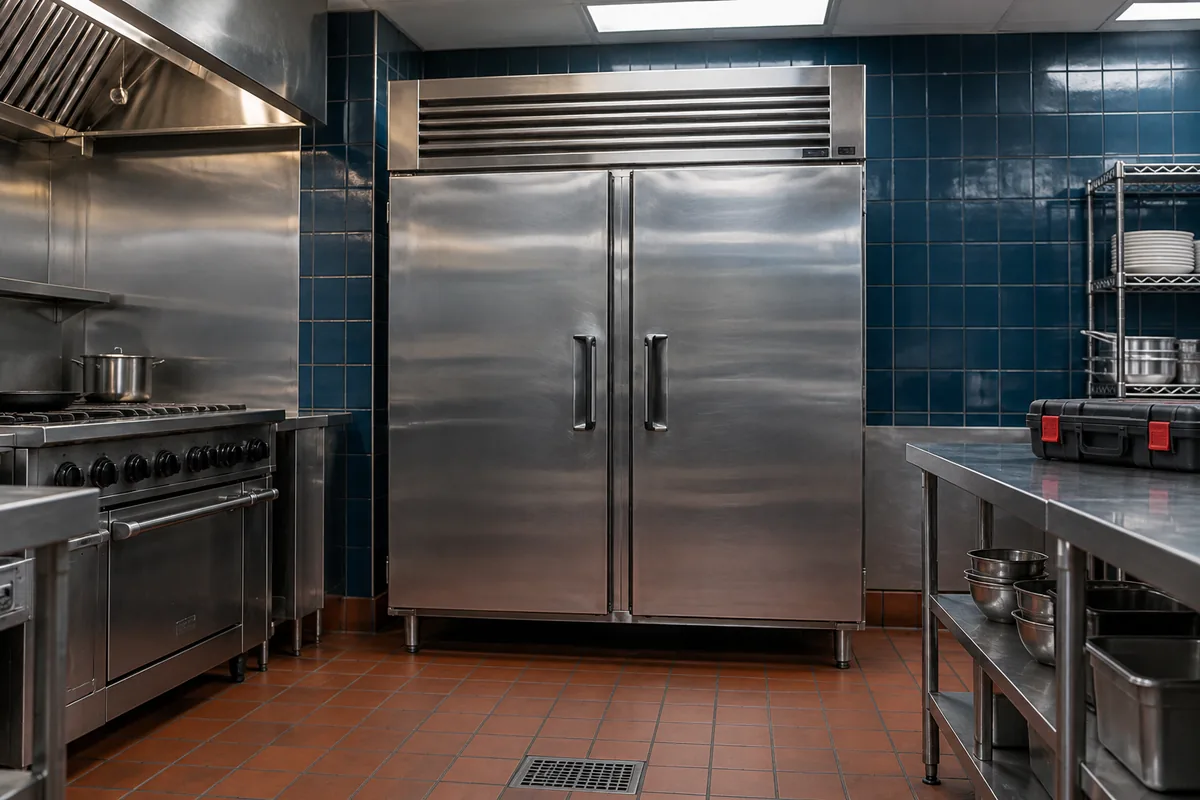
Our commercial refrigeration repair in Hillsboro provides the service route for chilled equipment. A freezer or another appliance should have its own model and symptom report. Similar appearance does not mean the same operating role. Keep each request distinct when listing multiple units.
For cooking equipment, describe changed heat, an early stop or a section that behaves differently from the rest. Include the exact warning if visible. Do not bypass controls or run unusual tests to prove the complaint. Staff do not need an internal part name to explain the changed result.
Intermittent Faults and Workload Changes
Say when the equipment last performed normally under familiar use. Note a recent workload change, service visit or adjustment as context. Those events may help the assessment without proving the cause. A busier shift can coincide with a real fault, so preserve both facts if they apply.
Distinguish a longer cycle, weaker heat and an early stop. These are different performance changes and should be described separately.
Tell us whether the issue persists during quieter periods or appears only at certain times. Keep dated observations rather than changing settings repeatedly. A later normal moment does not erase an earlier concern. The sequence can help the technician review a fault that varies during the day.
An ice machine needs a record of fresh output apart from ice already in storage. Our commercial ice machine repair in Hillsboro covers that request. Note when staff last saw new ice arrive and what the unit does now. Stored quantity alone cannot establish current production.
Model Details and Safe Observations
Send the complete model from a label staff can reach safely. Add a photo of the display or visible condition if useful. Keep each image tied to the correct unit and date. Do not remove guards, open covers or move connected machines for a better view.
Mention a new sound, visible leak or other change separately from the main complaint. Explain where it appears and when, if known. Follow the site’s process for faulty equipment and the affected work area. Product-use decisions remain with the business’s procedures rather than a repair booking.
Service Access, Repair Cost and Follow-Up
Describe the unit’s position and fixed fittings that restrict service access. Identify who can meet the technician and who can approve costs. Discuss the work window and any purchase-order requirement. A narrow quiet period may not fit every assessment or repair.
We explain the findings and proposed work before approval. Ask which symptoms the repair addresses, what remains unresolved and whether parts or another visit are needed.
The commercial appliance repair overview covers the broader scope. Keep each machine’s findings with its symptom history, distinguishing completed work from open actions for the next shift.
Contact HVAC & Appliance Repair Guys to request commercial kitchen equipment repair in Hillsboro and describe each affected model and the result that changed during normal use.
Frequently Asked Questions
Should staff change settings until the result improves?
Avoid repeated changes solely to test a repair theory. Report the settings or resets staff already tried and what happened next. Normal observations provide a clearer history than a series of new adjustments.
What if several machines show poor results during the same shift?
Keep a model and symptom record for each one. Report shared timing as context without assuming one cause. We review the equipment list and scope before confirming what the visit can cover.
Request Commercial Kitchen Equipment Repair in Hillsboro, OR
For commercial kitchen equipment repair in Hillsboro, OR, call HVAC & Appliance Repair Guys or submit a service request through the form on this page.