


Furnace Repair in Oregon City, OR
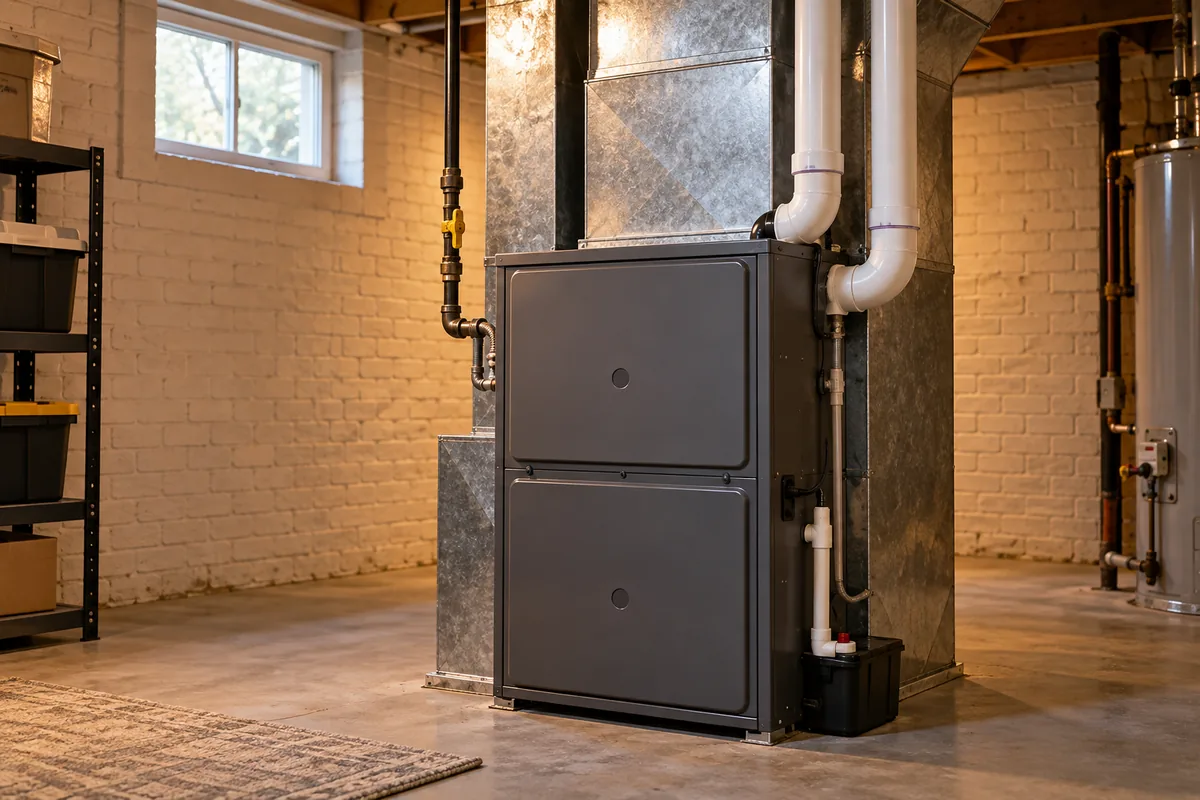
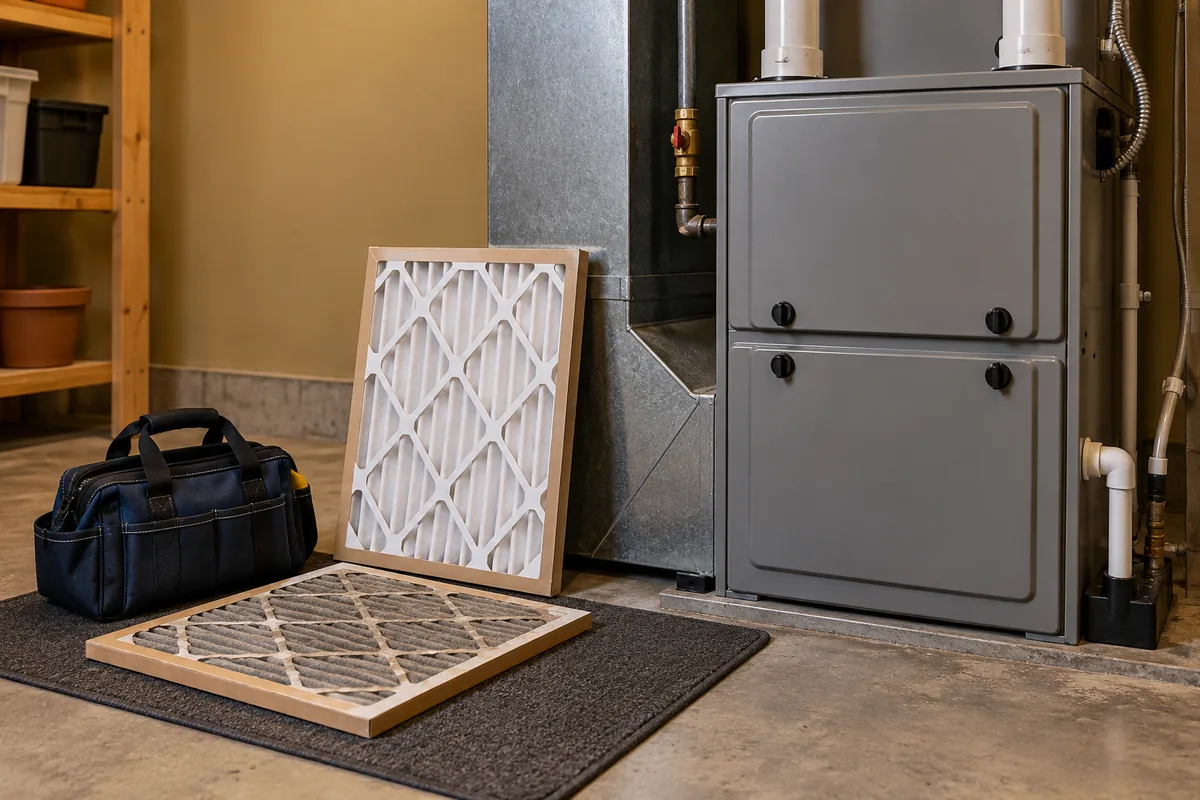
HVAC & Appliance Repair Guys provides furnace repair in Oregon City, OR for no heat, repeated stops and weak airflow. We assess the installed equipment and explain the repair options before you approve work. Tell us whether the furnace stays silent, moves cool air or heats briefly before stopping.
Our furnace repair service connects the control request with heat production and air delivery. Some repairs need a model-specific part or further testing after the initial assessment. We explain that next step alongside the diagnosed fault.
No Heat, Brief Starts and Cold Air
On fuel-burning furnaces, ignition and flame checks are part of startup. Airflow restrictions can also interrupt heating. A short run does not identify a sensor or control board by itself; the technician checks the installed equipment and operating conditions.
A blower may keep moving air after useful heat stops, or circulate air between cycles under a fan setting. Describe whether the air ever warms and whether the rooms approach the requested temperature.
Weak flow across several rooms differs from one cold area. Mention a recent filter change, blocked return or similar airflow trouble during cooling. A heating-part repair may not resolve a separate air-distribution concern.
Equipment Identity and Parts
Share safely accessible model details or existing records. Gas and electric heating setups have different components, and similar-looking parts are not automatically interchangeable.
An old part number can help identify earlier work, but the current model and fault determine what is needed now.
Review the proposed part and work before approval. If the item changes, ask what that means for the repair.
Price, Further Checks and Return Visits
Review the repair price and included work, including any testing stage that must precede another decision. Approve changes before additional work begins.
Parts availability, access and further testing can affect completion. Confirm what remains and how the return visit will be arranged; an appointment does not guarantee a finished repair that day.
If replacement becomes worth comparing, assess its scope against the diagnosed repair. A parts delay alone does not establish that a new furnace is needed.
Furnace Use While a Repair Is Pending
Follow the technician’s guidance on whether the furnace can be used while work remains. A brief return of heat or cleared message does not establish that the pending repair is complete.
Leave safety controls, panels, wiring and gas components untouched. Do not force repeated starts to check whether the awaited part is still necessary. Report the current stopped or limited operating state for the agreed professional work.
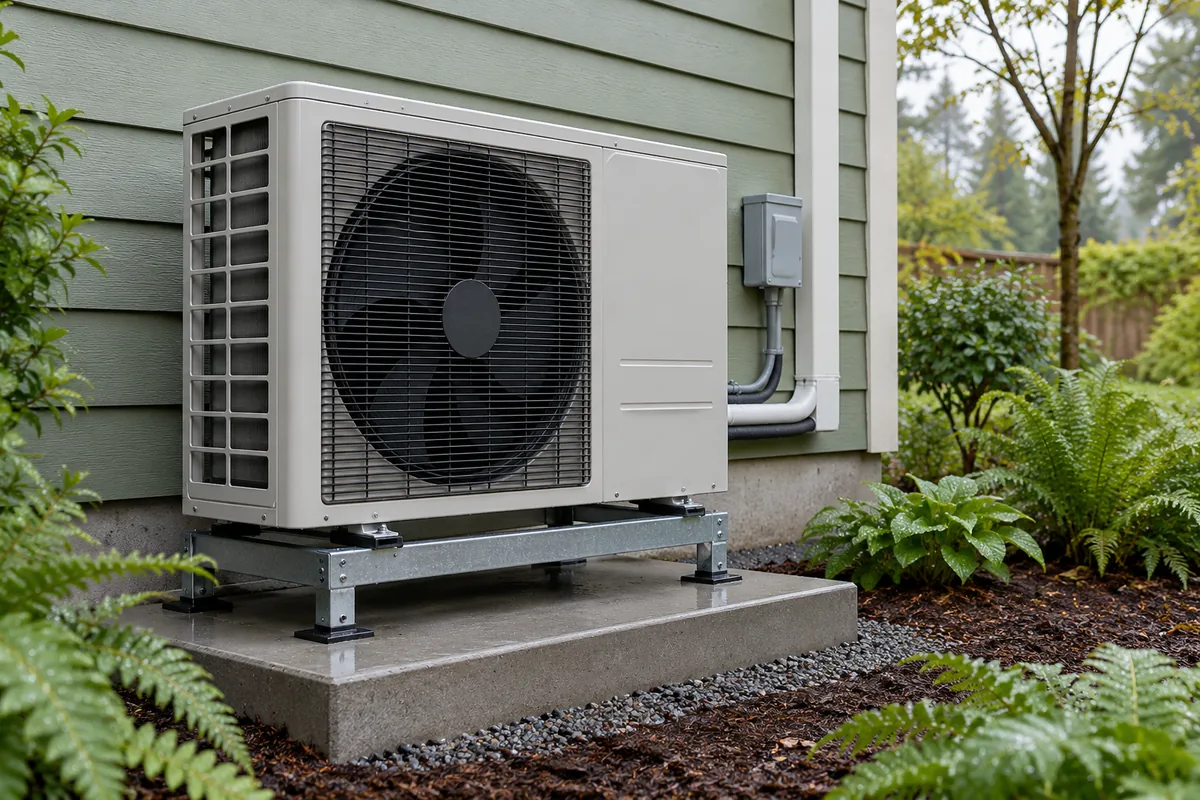
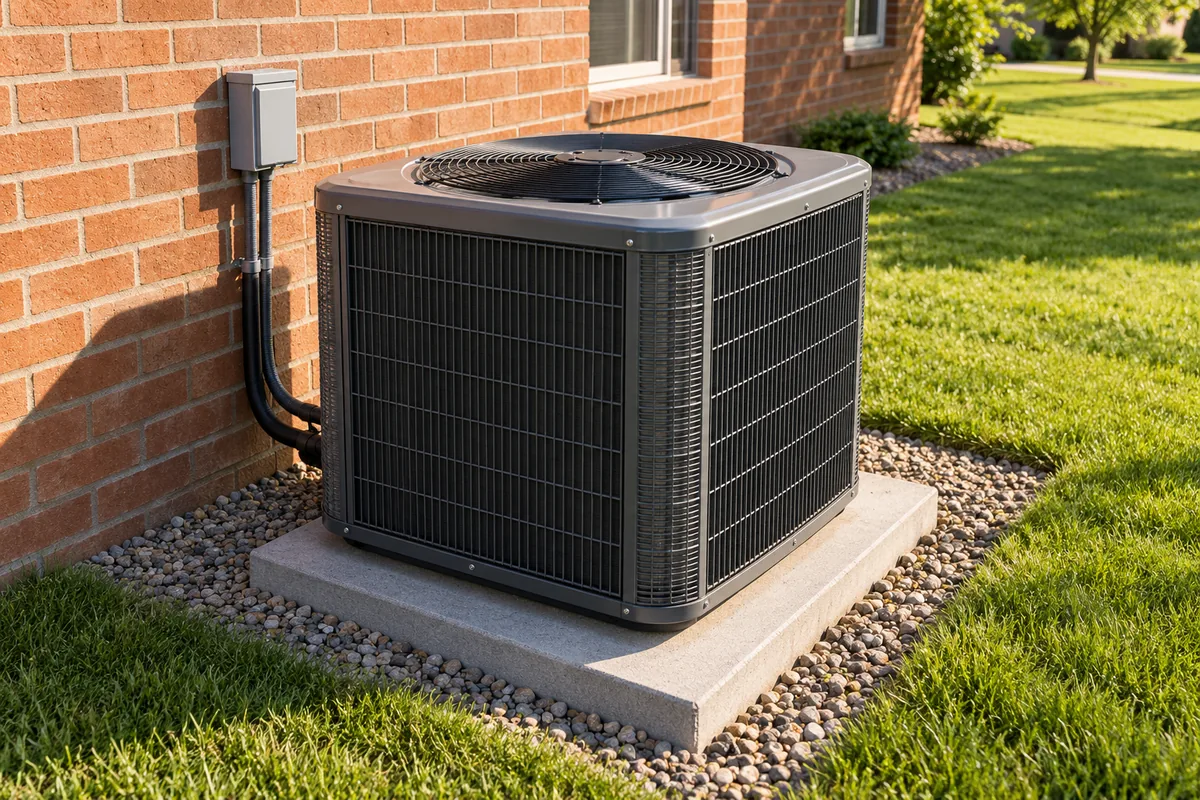
Our HVAC repair service in Oregon City also covers faults in connected systems. Identify any separate air conditioning or heat pump concern. A furnace part order does not automatically include work on another unit or mode. Confirm any added scope before assuming it fits the return appointment.
Changes Before a Return Visit and Service Access
Report a changed furnace response or new visible message before the return visit.
Mention any equipment work completed since diagnosis. If the finding concerns the wall control, thermostat repair & installation can address that task. A room-temperature difference alone does not establish a control failure.
Provide access to the furnace and normal controls. If someone else meets the technician, share the agreed work and identify who can approve changes.
Heating Checks and Separate Maintenance
Confirm any changed repair scope and price before work proceeds. Furnace maintenance covers routine care as a separate request from the active heating fault.
After repair, ask what heating checks were completed and whether they addressed the original room and equipment complaint.
If another concern remains, ask what further step is needed.
Frequently Asked Questions
Can I use a part I already bought for the return repair?
Discuss it with the company before assuming it belongs in the plan. Confirm that the item fits the actual equipment and the agreed work. A matching-looking package or old receipt does not establish that the item addresses the current finding.
What if I need to change the return appointment after the part is ready?
Contact us to arrange a new time and report any change in the furnace’s condition. Continue to follow the technician’s guidance while the repair is pending.
Request Furnace Repair in Oregon City, OR
Contact HVAC & Appliance Repair Guys to request furnace repair in Oregon City and discuss the heating fault, any needed parts and the next repair step.
For furnace repair in Oregon City, OR, call HVAC & Appliance Repair Guys or submit a service request through the form on this page.