

Furnace Repair in Camas, WA
HVAC & Appliance Repair Guys provides furnace repair in Camas, WA for no heat, repeated stops, weak output and cold airflow. We assess the installed furnace and explain repair options. Tell us what the equipment does and whether all rooms or one area stays cold.
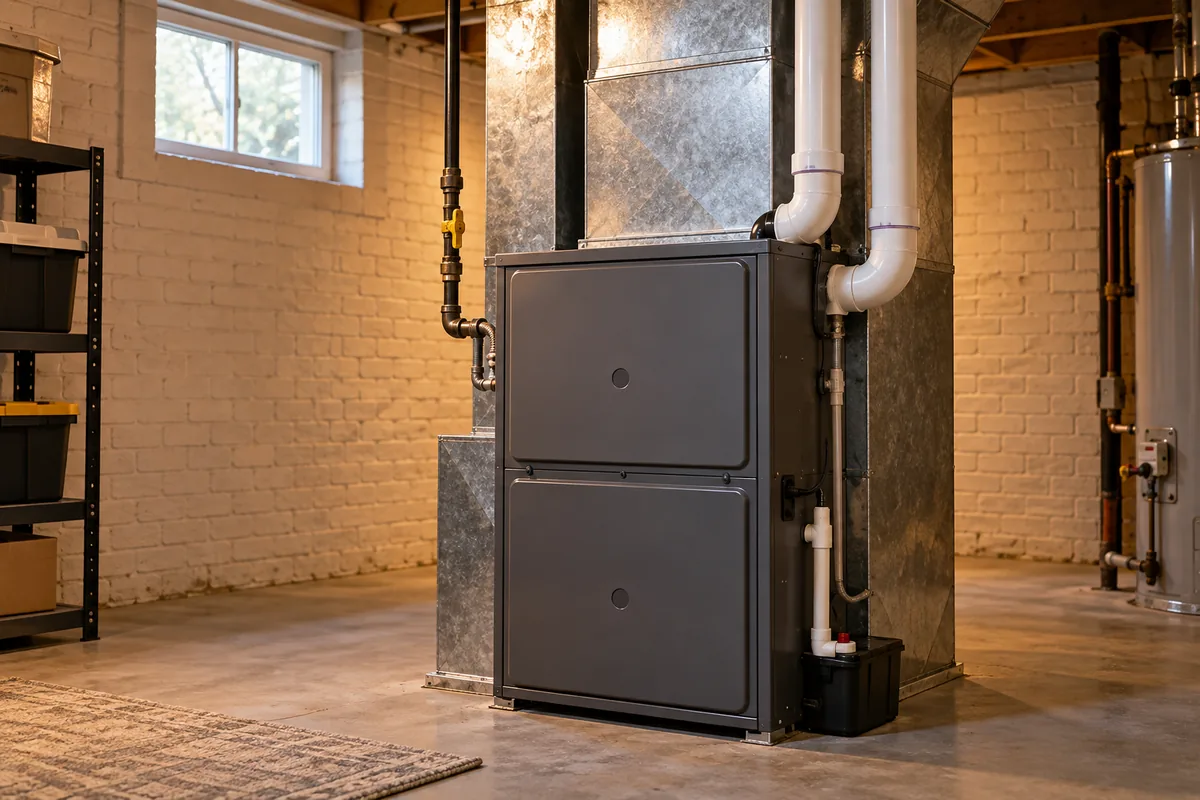
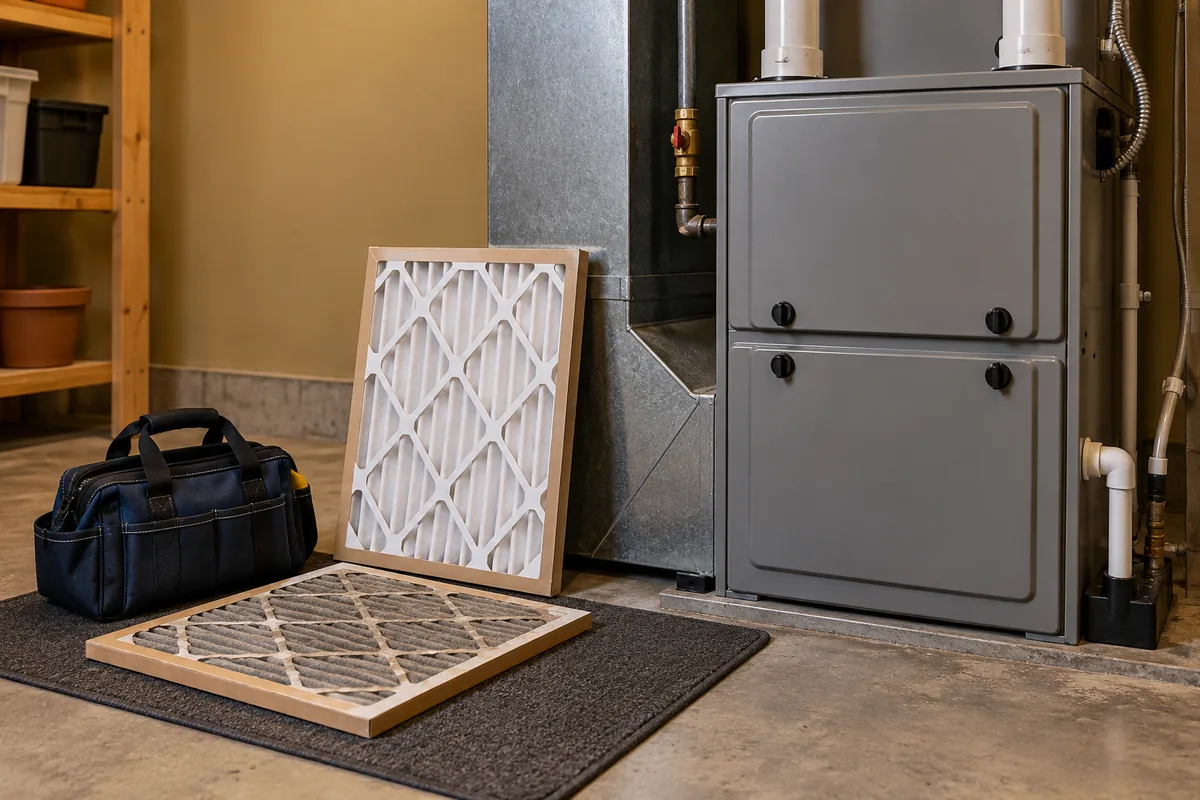
Our furnace repair service checks the heating request, heat production and air delivery. A running blower does not establish that the furnace is producing heat. Share the furnace type if known; gas and electric equipment have different components and startup arrangements.
No Heat, Short Runs and Weak Airflow
A furnace that stays silent needs different checks from one that starts and then stops. On fuel-burning equipment, ignition and flame checks form part of startup, while airflow restrictions can also interrupt heating. Describe the response without selecting a sensor or control board in advance.
Note the normal mode, requested temperature and any visible message. Tell us whether airflow is weak throughout the home or only one room, and mention recent filter or control changes. Leave panels and safety controls in place; do not force repeated restarts.
If a model label is hard to reach, use available equipment records instead. Do not climb or enter a difficult space just to collect information.
Furnace Location and Service Access
Describe the furnace location, control location and any high opening, narrow route, locked room or fixed obstacle. Arrange entry and discuss belongings that obstruct the normal route. Do not move fixed equipment or alter a structure to prepare; separate access work needs its own agreement.
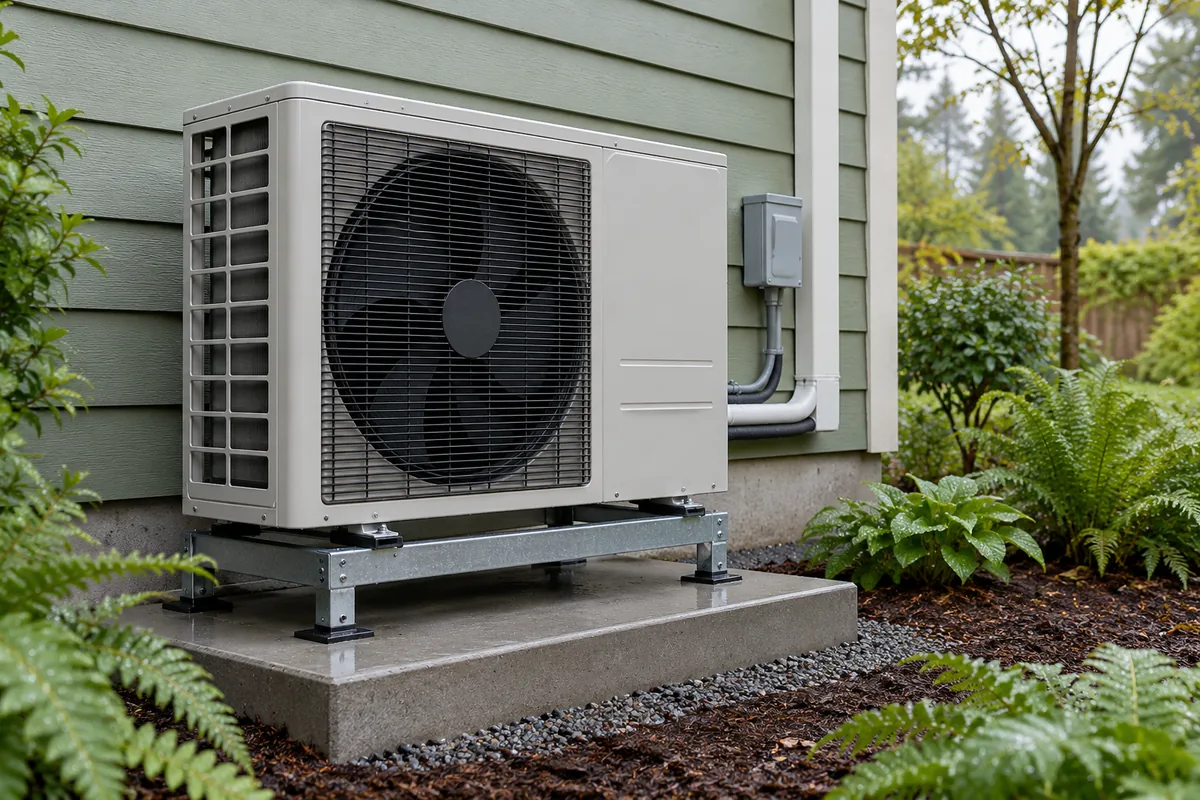
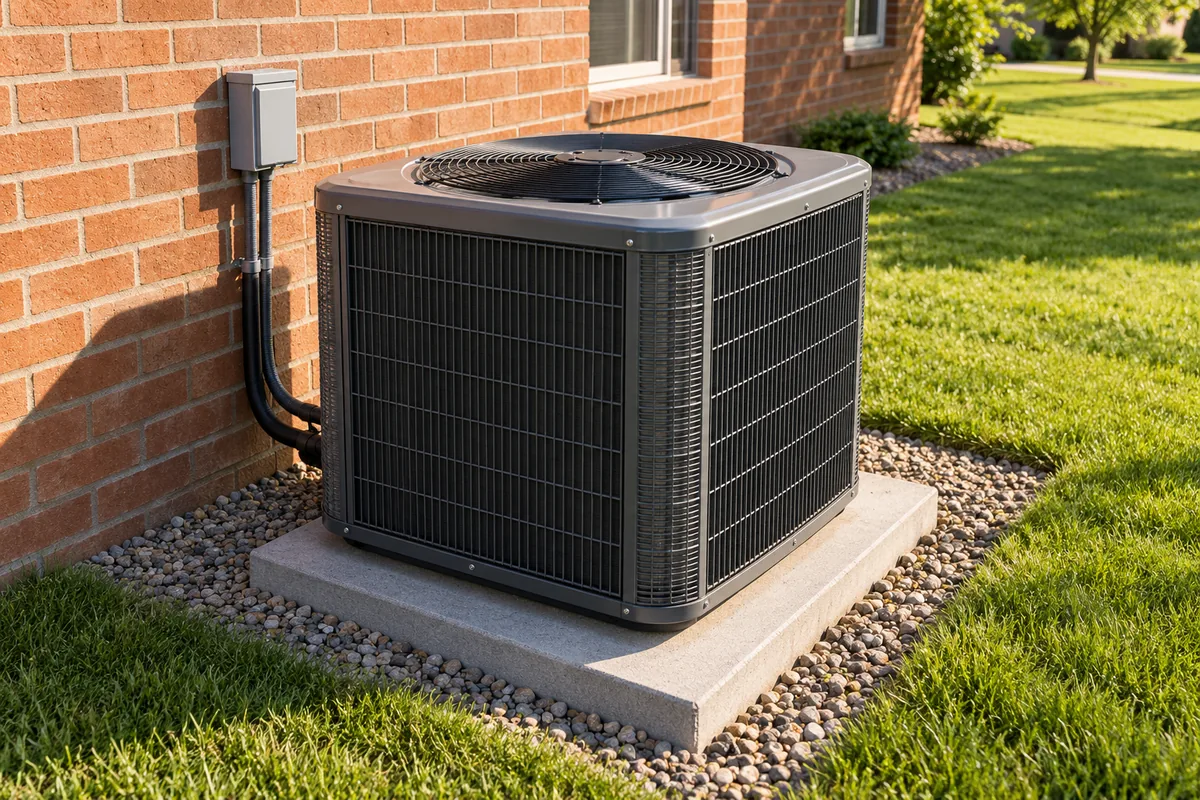
Our HVAC repair service in Camas covers wider heating and air conditioning concerns. Identify any heat pump or other unit needing attention and describe its access separately so we can review the work for each system.
Repair Findings, Access Limits and Heating Checks
Review the diagnosed fault, repair and price before approval. If an access limit prevents a check or repair, ask what further step is needed.
After service, ask what heating operation was checked and whether another repair or access step remains.
Frequently Asked Questions
Can another person provide entry if I cannot attend?
Confirm who will provide entry, answer questions and approve added work. Share the equipment location and original heating complaint with that person; permission to enter does not by itself authorize extra repairs.
Should I remove a protective furnace cover before the visit?
No. Leave protective covers and internal parts in place. Describe the route and any known obstacle instead. The technician can handle the access needed for the agreed equipment assessment.
Does difficult access mean the furnace needs replacement?
No. Access affects planning and the work the visit can perform, but it does not identify a failed part or decide replacement by itself. Review the actual findings and any proposed option with its own scope.
Request Furnace Repair in Camas, WA
Contact HVAC & Appliance Repair Guys to request furnace repair in Camas and discuss the heating fault and access to the furnace and controls.
For furnace repair in Camas, WA, call HVAC & Appliance Repair Guys or submit a service request through the form on this page.