



Ice Maker Repair in Portland
HVAC & Appliance Repair Guys provides ice maker repair in Portland, OR for stopped production, dispensing faults, changed ice and leaks. We assess the model and affected function, then explain the proposed work and price before approval.
Checks follow the step that fails: filling, freezing, releasing ice or dispensing it. Depending on the design, findings may involve water flow, an inlet valve, sensing, controls or the release cycle. Our ice maker repair service covers the broader assessment.
Refrigerator Ice Makers and Separate Machines
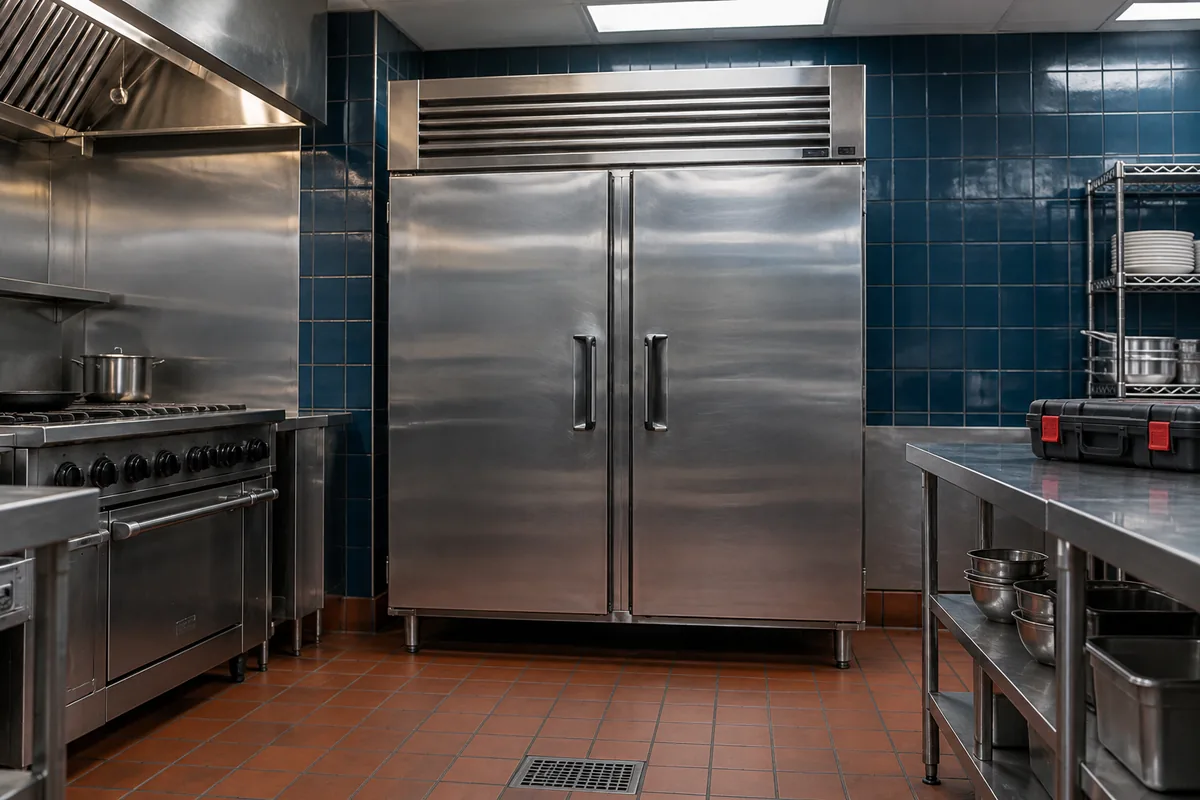
State whether the ice maker belongs to a refrigerator or is a separate machine. Use the correct model from a reachable label or an existing record. A fitted unit may have a label that is hard to reach. Explain that and leave heavy equipment in place.
If several similar units are at the property, identify the room and appliance for each request. Keep photos, model details and repair records with the correct unit. Confirm the scope for any additional machine.
Production, Dispensing and Cooling Symptoms
Describe when the change began and what still works. Ice in the bin but no delivery differs from a bin with no new ice. Include the dispenser response during normal use, any new sound and the full control message. If someone else uses the appliance, their observations can help.
Add leaks, changing ice shape or cooling complaints as separate facts. For a refrigerator feature, include both food-storage sections.
An existing photo can show a visible condition. Leave guards in place and do not force a mechanism to demonstrate the problem; observations from ordinary use are enough for the request.
Requesting Ice Maker Repair in Portland
Contact HVAC & Appliance Repair Guys to request ice maker repair in Portland. Provide the address, unit number and any access limits. If another person provides entry, identify who can approve work and how to reach them during the visit.
Other Appliance Requests and Charges
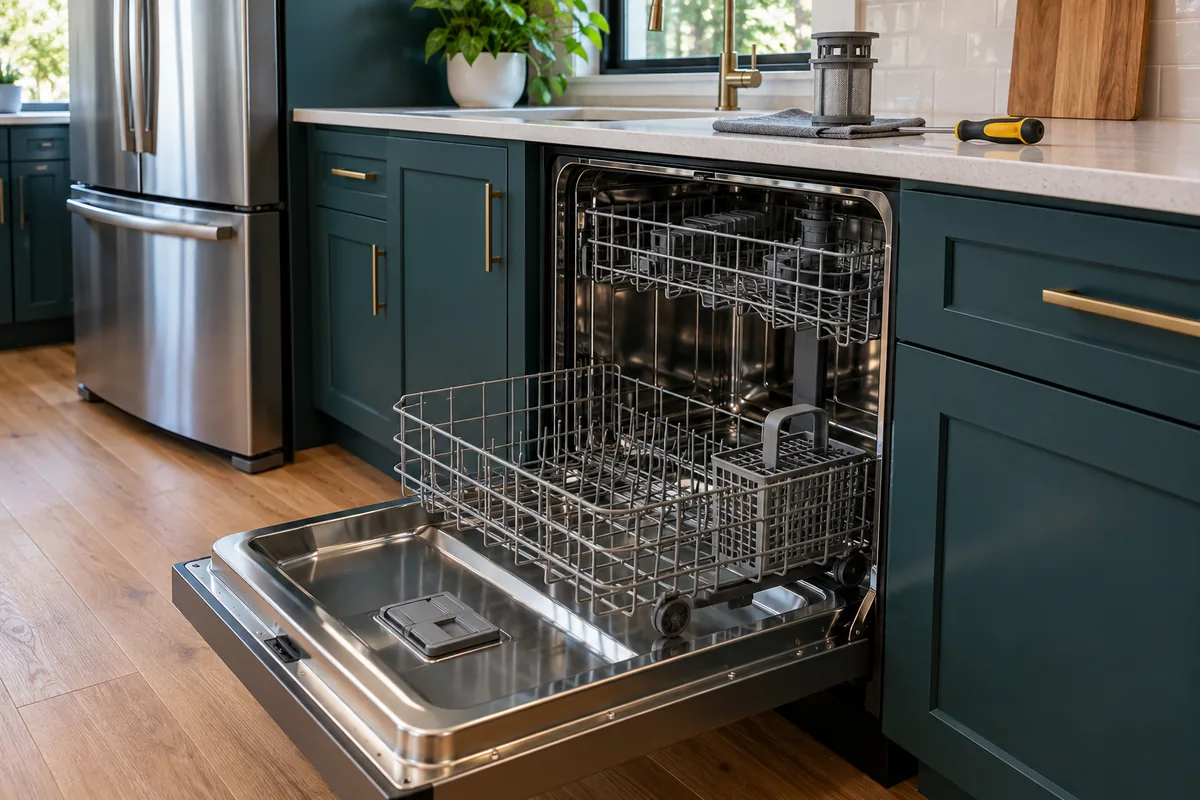
Our Portland appliance repair service covers other household machines. Mention any separate freezer, dishwasher or other appliance when arranging service, with its model and symptoms. Confirm the additional scope and charges.
Diagnostic Fee, Repair Price and Availability
The diagnostic service call costs $99. We credit the fee toward an approved repair; it remains payable if you decline. After assessing the equipment, we explain the findings, proposed work and repair price.
Ask what the repair addresses and which warranty terms apply to the job. Same-day service is subject to availability. Parts and further findings may affect completion beyond the first visit. We clarify the next step with the person who can make the decision.
Frequently Asked Questions
Should I describe a separate undercounter unit as a refrigerator problem?
Identify it as a separate machine and provide its own model. Explain the installation and current symptoms. A nearby fridge’s number does not identify the fitted ice maker.
Can the person using the appliance add details later?
Yes. Date new observations and link them to the correct unit. Say whether they describe a new change or clarify an earlier event so the technician can follow the sequence.
Request Ice Maker Repair in Portland, OR
For ice maker repair in Portland, OR, call HVAC & Appliance Repair Guys or submit a service request through the form on this page.