



Commercial Kitchen Equipment Repair in Milwaukie
HVAC & Appliance Repair Guys provides commercial kitchen equipment repair in Milwaukie, OR. We assess supported cooking, cooling, ice and washing equipment, then explain the findings and proposed work. Provide each affected model and symptom so we can confirm support and plan the visit.
A chilled cabinet that runs warm differs from a fryer that will not heat. Reduced ice output differs from a dish machine stopping mid-cycle. Describe each unit’s changed function and business priority; staff do not need to choose a failed part.
Equipment Identity and Fault History
Give each machine a consistent name, asset number or kitchen position. Attach the safely accessible full model, photos and previous service documents to that record so similar units remain distinct.
Record the last normal use, first observed change, exact display message and whether the machine stays off, performs poorly or stops at a particular stage. Include visible leaks, new sounds and any reset already attempted with its result. Leave unknown details clear; do not repeat tests to recreate the fault.
Cooking Equipment and Fryer Faults
For a cooking appliance, explain whether the concern involves a complete stop, changed heat or only part of the unit. A display that lights up does not establish that the machine performs its full cooking function. Tell us what staff noticed during normal operation. Do not test hidden components or bypass controls for the service request.
Identify the type and exact model rather than use one general label for the whole cooking line. An oven, range and fryer can have different service needs even when all three involve heat. Say which unit or section has changed. We confirm support for the actual equipment before agreeing on the repair scope.
For a fryer concern, our commercial fryer repair in Milwaukie provides a focused service route. Describe its present behavior and any warning without attempting work around hot oil or internal components. Note whether staff have taken the unit out of use under the site’s procedures. That status helps clarify the business’s immediate need.
Distinguish a machine that never reaches its usual result from one that works briefly and stops, and identify any section that behaves differently. Those patterns guide assessment without proving a common part failure.
Mention changes in workload or how the machine is used. New demand and an equipment fault can occur together, so the assessment needs both the actual use and observed behavior.
Chilled and Frozen Storage Problems
A cooling request should identify whether the equipment serves chilled or frozen storage. The intended function matters to the complaint. Record the source, place and time of any reading staff already have. A display value and a separate check may reflect different points, so keep those observations distinct.
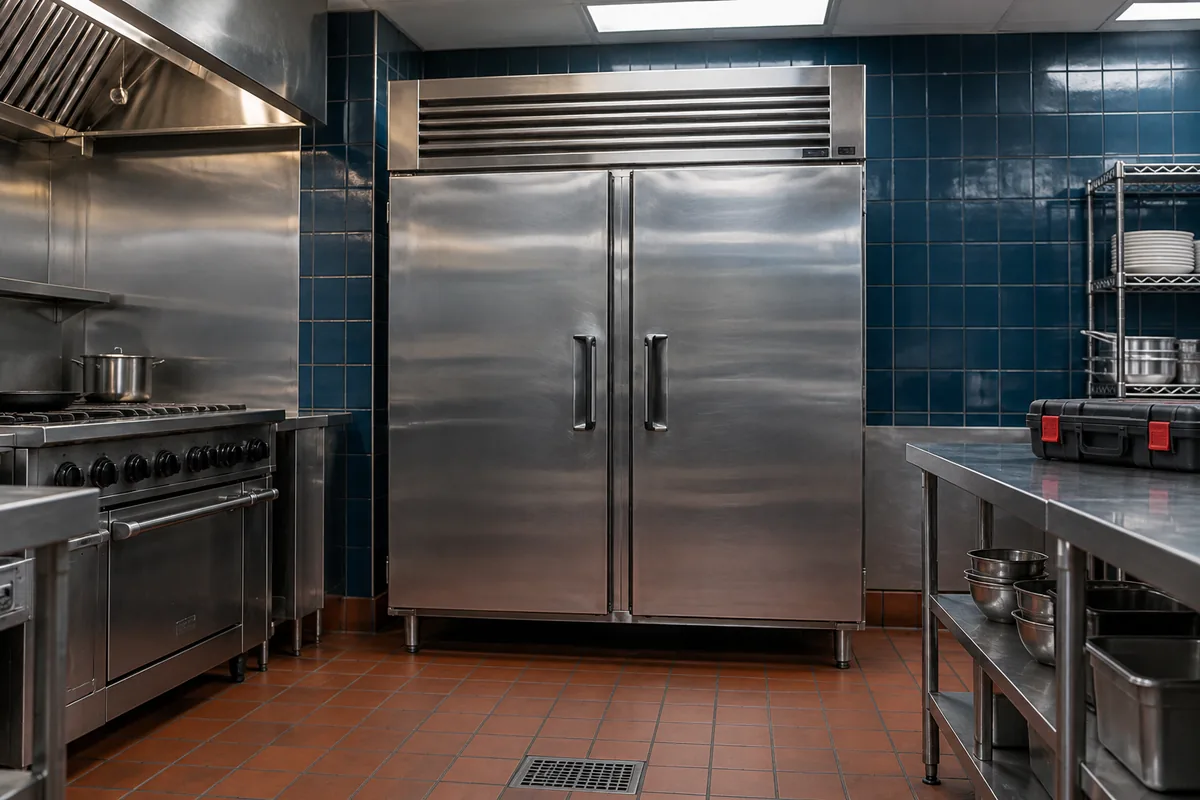
Our commercial refrigeration repair in Milwaukie covers requests for chilled equipment. Describe whether the cabinet runs, stays off or changes behavior during the day. Include a warning, visible frost or a door concern as separate facts. A temperature number alone cannot identify the part or work the unit needs.
For a freezer, keep its model and symptom history separate from any refrigerator nearby. Note whether the concern affects one area or the whole cabinet, if staff can tell safely. A colder spot does not prove the rest performs normally. Do not remove covers or reach into hidden areas to collect more readings.
Tell us if a door no longer closes as usual or a visible item blocks it. Do not force hardware or adjust fittings to test a theory. Describe any recent change in stock layout as context. The equipment assessment should consider the reported conditions without treating them as a diagnosis in advance.
Keep decisions about stored goods within the business’s handling procedures. A service booking, a later cold reading or a completed part change cannot by itself establish product condition. Inform the responsible site manager of the observed changes. Tell us if stock affects access needed for the agreed equipment work.
Ice Production, Storage and Dispensing
An ice machine needs a report about fresh output as well as the current bin level. Ice can remain from an earlier batch after production stops. A low supply may also coincide with heavier demand. Tell us what staff have actually seen the machine do, rather than use the quantity in storage as the whole fault report.
Our commercial ice machine repair in Milwaukie provides the specific service path. Include the full model of the production unit if safely accessible. If the bin has a separate label, identify which piece each number describes. We should not infer the machine model solely from a storage-bin label.
Record reduced output, a complete stop or another changed function in plain terms. Include the exact message if a warning appears. A new sound, visible water or changed ice appearance belongs in the history with its timing. Staff should not open covers or reach into moving equipment to observe an internal cycle.
A point-of-use or dispensing concern may require a distinct description from a production fault. Explain the actual setup and affected function. Support for one ice machine does not imply support for every attached design. We review the exact model and proposed work before confirming the scope.
Keep ice-use decisions separate from the repair assessment. Follow the site’s procedures for the supply while the concern remains open. Do not taste suspect ice to investigate a service complaint. A machine repair or booking does not certify the ice for use.
Dishwasher Cycles and Wash Results
For commercial dishwashing equipment, identify the model and describe what staff see during normal use. A machine that does not start differs from one that stops partway through a task. Say whether the concern involves filling, draining or another observed stage, if known. Staff do not need to assign a technical cycle name to explain the sequence.
Keep the exact warning and note when it appears. If the result has changed but the unit still runs, describe the changed result rather than claim a particular internal failure. Tell us about known recent work or settings changes. The technician can review that context with the equipment and reported behavior.
Do not bypass a door control, remove covers or reach into equipment to force a test. Follow the site’s process for a machine with an open concern. Describe limits on what staff can safely observe. We confirm support for the actual unit before proposing any work.
Repairing a component does not establish every wash-process result or replace the business’s operating procedures. Review which equipment fault the repair addresses and discuss any separate wash-process concern before approving work.
If the machine and surrounding fittings both have issues, report them separately. Water nearby does not prove which part or connection caused the problem. Explain the location and timing without dismantling a drain or line. Equipment repair and work on the surrounding space may require different scopes.
Shared Events and Earlier Repairs
If several machines changed behavior at the same time, report the shared event while retaining each unit’s own warning and current state. Include visible site changes, such as water nearby or a warmer room, without assuming the appliance caused them. The assessment determines any connection and whether surrounding work falls within scope.
Match previous repairs, parts and pending work to the correct machine, even when one invoice covers several units. For a recurring concern, explain how long normal operation lasted and what differs now; earlier work does not establish the current cause.
Service Access and Work Windows
Describe each unit’s position, the route to it and limits such as fixed counters or tight gaps. A safely taken wide photo can help. Leave connected equipment, lines and fixed fittings in place, and discuss preparation when scheduling.
Explain when each station can be available. A short gap between busy periods may not allow all assessment or repair work; review the proposed window with the equipment list and scope.
Choose a site contact who can identify the machines and share the fault history. If another shift reported the symptoms, leave dated notes, model details and messages with that contact.
Estimates, Parts and Approval
We explain the findings, proposed work, price and exclusions for each machine before approval. Identify who can approve costs and any purchase-order requirement, especially if a different contact provides access.
Ask which repairs need parts or another visit and what step is pending. Keep earlier service records and written coverage available for related questions; a returning warning does not automatically establish a free visit or the same cause.
Repair Options and Future Equipment Needs
Compare the proposed repair with the model’s support, condition, open concerns and the function you need restored. Age, earlier costs or a fixed number of visits do not decide every case. Ask about remaining uncertainty before choosing the next step.
Mention plans for higher demand, a different layout or moving the equipment. Repairing the current fault does not establish suitability for every future use or include that additional work.
Specify routine-care needs separately from faults. Cleaning may not resolve an equipment failure, and repair does not automatically include a complete care program. Confirm both scopes when they apply.
Equipment Status After the Visit
Keep completed work and pending approvals, parts or return visits under the correct unit, with a contact for the next action. Add later output changes or warnings alongside the earlier history.
Our commercial appliance repair overview explains the broader service. Discuss additional machines before expanding the appointment.
Contact HVAC & Appliance Repair Guys to request commercial kitchen equipment repair in Milwaukie and list each affected model, changed function and operating priority.
Frequently Asked Questions
Can one appointment cover cooking and cooling equipment?
List each model, symptom and access need when booking. We review equipment support and the requested work before confirming whether the visit can cover all listed units.
What if the equipment starts working normally before the visit?
Report when that happens and keep the earlier symptom record. A normal moment does not establish the cause or erase an intermittent concern. We can review the current state with the full sequence of observations.
Does repair service decide whether stored food or ice is fit for use?
No. The technician’s equipment finding does not determine the condition of food or ice. The business must use its own product-handling process for that decision. A working appliance after repair is not evidence of what happened to its contents earlier.
Request Commercial Kitchen Equipment Repair in Milwaukie, OR
For commercial kitchen equipment repair in Milwaukie, OR, call HVAC & Appliance Repair Guys or submit a service request through the form on this page.