

Commercial Ice Machine Repair in Milwaukie
HVAC & Appliance Repair Guys provides commercial ice machine repair in Milwaukie, OR for no ice, low output and other operating problems. We review the model and assess the affected function before proposing work. Tell us whether the concern is at the production unit, storage bin or separate dispenser.
The machine that makes ice may sit on a separate storage bin, with another point where staff or guests get ice. These pieces may have different models and repair needs.
Start with what staff can observe safely. Say whether new ice still arrives, whether it remains in storage and what happens at the point of use. You do not need to know the name of an internal part. The technician can review the actual fault from the model and symptom history.
Production-Unit and Bin Identification
Photograph an accessible label with enough context to show where it sits. A close view alone may leave us unsure which unit it identifies. Include letters and numbers as shown. Staff should not move connected equipment or remove a panel to reach a hidden label.
If two labels are visible, explain which belongs to the machine and which belongs to the bin. Share the information you have rather than guess a missing model. A bin number alone may not identify the production unit. We can clarify what other detail the service request needs.
For multiple machines, use a consistent name or position on each model photo and symptom note.
Production, Storage and Dispensing Problems
No new ice, low output and trouble getting ice from storage are different complaints. Tell us which one staff have seen. Include the last known normal behavior and when the change began. The technician needs that sequence as well as the current bin level.
Ice left from an earlier batch does not establish that the machine is still producing now. Tell us when staff last saw fresh ice arrive, if known.
Add a display warning exactly as written. Note any new sound or water near the equipment, with the place and time. Do not reach into a chute or moving parts to locate the issue. We can review safe observations without an attempt to expose the fault.
Connected Equipment and Service Access
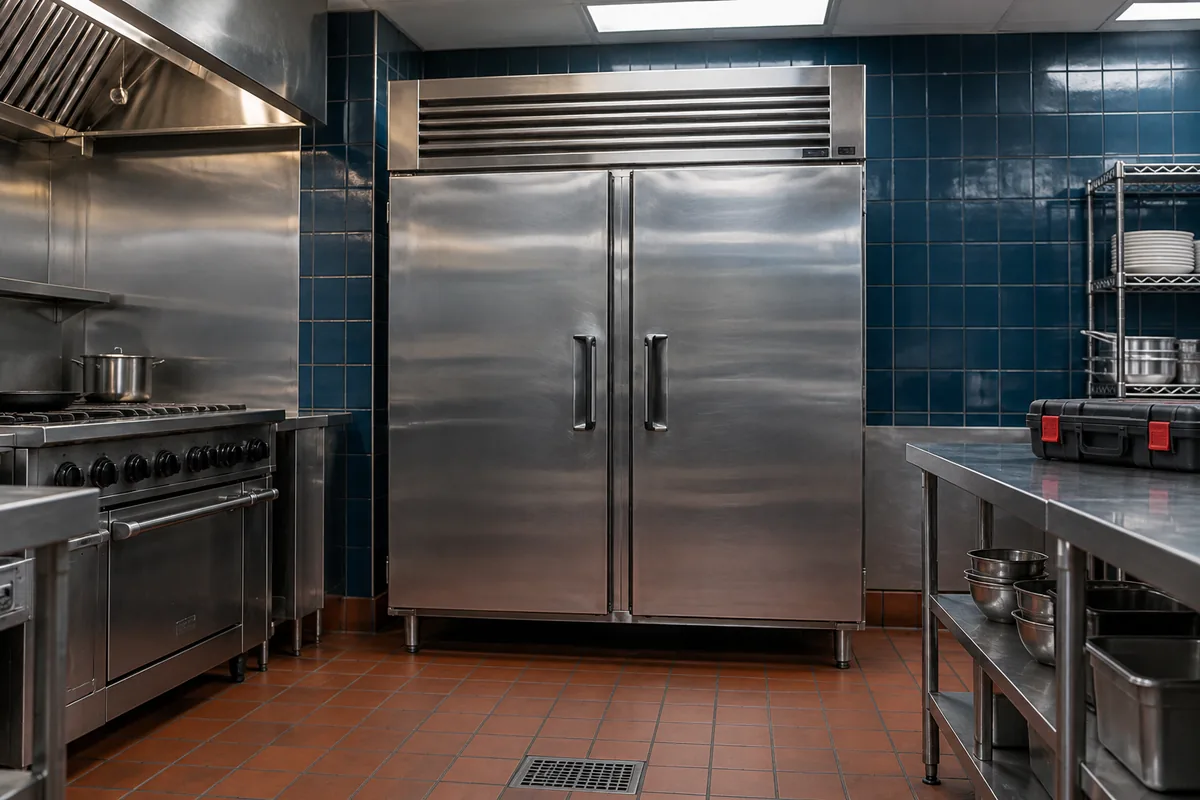
A wider view can show how the equipment stands within the work area. Include fixed counters or other features that affect access. Do not disconnect lines, remove guards or pull out a fitted unit to prepare. Explain the limit on the view instead.
Include dates and findings from recent work, plus what changed afterward. The technician assesses the current fault alongside that history.
For a separate cold-storage fault, our commercial freezer repair in Milwaukie covers freezer requests. Include that unit’s model and behavior separately so we can review the additional work.
Model Support and Proposed Repairs
Ask which piece of equipment the assessment and proposed repair cover. Model support for one machine is not a promise that we handle every attached design or accessory. We review the exact setup before agreeing on work. Any additional unit should have a clear place in the request.
We explain the finding and proposed repair before approval. Ask whether the work needs parts or another visit and which equipment concern it addresses.
Provide the site contact, symptom notes, repair approver and any purchase-order requirement.
Outstanding Work and Ice-Use Decisions
Confirm the completed work and any parts or access still needed for the affected equipment.
Our commercial ice machine repair overview explains the broader service. Follow the site’s procedures for ice-use decisions. A repair booking or part change does not establish whether the ice is fit for use. Tell us about later equipment changes and when they occurred.
Frequently Asked Questions
Does a bin problem mean the production unit needs repair?
Not automatically. Describe what happens during normal use and whether new ice still arrives. The technician can assess the affected function. Do not assign one piece’s symptoms to the whole setup without evidence.
Request Commercial Ice Machine Repair in Milwaukie, OR
Contact HVAC & Appliance Repair Guys to request commercial ice machine repair in Milwaukie and discuss the affected production unit, bin or dispenser.
For commercial ice machine repair in Milwaukie, OR, call HVAC & Appliance Repair Guys or submit a service request through the form on this page.
Before your visit
Commercial Ice Machine Repair details for Milwaukie, OR
Before scheduling commercial ice machine repair, gather the information that can be observed safely. The technician explains the findings and recommended work before you decide. The $99 service call covers diagnosis and is applied toward the total when the repair is approved. The finding and price are reviewed first.
Describe when the problem occurs
For commercial ice machine repair in Milwaukie, OR, explain when the symptom began, whether it is constant or intermittent, and what was happening immediately beforehand. Note any error code, unusual sound, leak location, temperature change, tripped protection, or loss of function without opening equipment or touching unsafe components.
Clarify utilities and shutoffs
Tell us whether power, water supply or drainage is involved in the commercial ice machine repair request and whether a wider building utility interruption has occurred. Describe any safe shutdown already carried out. Do not operate an unfamiliar valve or disconnect, reset protection repeatedly, or enter an unsafe area to gather this information.
Describe hard-to-reach areas
For commercial ice machine repair in Milwaukie, OR, describe whether the ice machine is built in, has tight clearances or is in an area controlled by building management. Leave equipment and panels in place. Mention any access obstruction before the visit; equipment diagnosis and repair may be separate from cabinet or finish-restoration work.
Use safe interim steps
Stop using equipment that is leaking, smoking, overheating, damaging the property, or repeatedly tripping protection. For the Milwaukie, OR request, describe the safe steps already taken. Do not bypass controls, reach into moving equipment, or handle energized, fuel, or refrigerant components.