


GE Dryer Repair for Separate Units and Laundry Centers
HVAC & Appliance Repair Guys provides GE dryer repair in Portland Metro. We assess heat loss, drum faults, early stops and loads that stay damp. We explain the findings, intended repair and price before you approve the work.
A separate dryer stacked above a washer differs from a unitized laundry center. The latter combines washer and dryer sections in one appliance. That affects the access plan and equipment record. Tell us which setup you have, and leave the stack or shared cabinet intact for assessment.
Our dryer repair service covers the drying task. On a laundry center, include whether the washer section still works and what changed in the dryer section. Those facts guide the checks without proving that both sections share the same failed part. We review the installed design before connecting one symptom to the other.
Cycle Alerts and Extended Tumble
Some GE models offer Damp Alert, which can sound during a cycle while drying continues. If the signal is your concern, state the selected option and what the machine does next. A beep is not always an early stop. The final load result helps establish whether the program actually failed to finish.
An extended-tumble option can also keep the drum moving without heat after the main drying cycle. That differs from a heated program that no longer warms clothes. Tell us when the movement occurs and which options you chose. We check the actual controls rather than apply a feature from a different GE model.
For a displayed message, preserve the exact letters or light pattern. Include the stage where it first appeared. Do not keep resetting the panel to make the message vanish. The history helps the technician choose checks, while the code alone does not identify the part that needs replacement.
Heat Loss and Damp Loads
For no heat, say whether the drum turns and whether the load ever warms. Heat that appears briefly then fades gives a different clue from a cycle that stays cool throughout. Use what you observed during normal use. There is no need to open a panel or touch internal parts to check heat.
Gas and electric models can produce similar drying complaints through different systems. The full model and installed utility guide the assessment. A running motor does not confirm that the heating path works. Leave power, gas and protected safety parts unchanged before the visit.
For a damp load, describe the fabrics and where moisture remains. A thick seam, bundled sheet and whole wet load are different reports. Include the chosen dryness level and whether the cycle ends on its own. These details help us separate load conditions from a repeat problem with heat, sensing or moisture removal.
Share any difference you already noticed between a timed run and an automatic cycle, including the settings. Do not run a special comparison for us.
Drum Faults, Noise and Repeated Stops
A dryer that will not start needs a description of the control response. Note whether the screen lights, a click or hum follows, or the drum moves briefly. A motionless drum is different from one that tumbles with no heat. Keeping that distinction clear avoids calling every startup concern a bad motor.
For noise, name the stage and rhythm in ordinary words. A regular scrape during drum movement differs from a short sound at the end. Do not bypass the door switch or remove covers to locate it. The technician can assess the drive and support system without those steps from you.
Stop using the machine for smoke, sparks, severe scraping, a burning smell, excess heat or power trips. If it restarts after cooling, preserve that timing as part of the report. Cooling does not establish that the fault has gone away. Do not keep restarting the dryer to finish the load.
Exhaust Routes and Installation Access
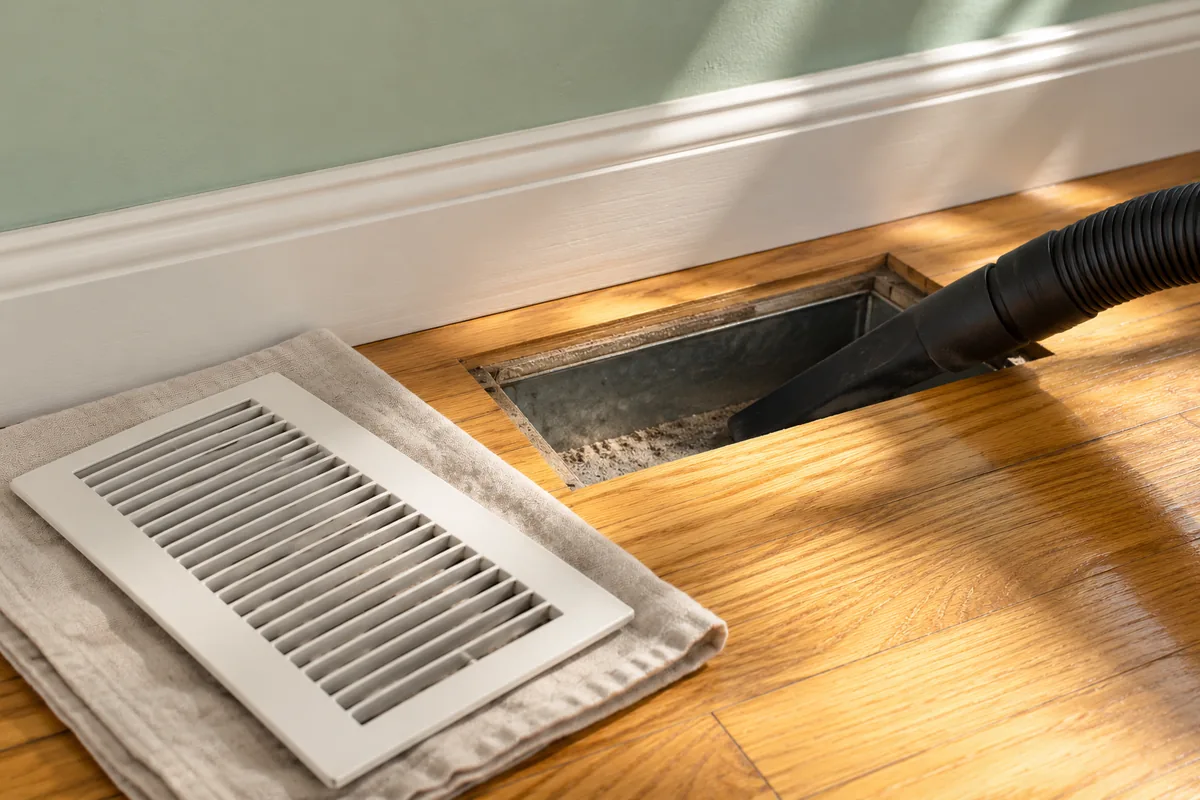
On a vented unit, a long dry time can involve both the dryer and its exhaust route. Tell us about recent vent work or movement of the appliance. A clean lint screen does not prove that the whole route works well. We explain where the findings place the work before adding an exhaust task to the repair scope.
Leave fixed ducting and utilities connected. Describe a closet, raised floor or tight side clearance that may limit the visit. For a laundry center, show the whole installed cabinet through normal safe access. The access plan should match the combined unit, rather than assume that the upper section lifts off like a separate dryer.
The complete model label matters even when the family name or front looks familiar. Preserve every character and use an existing record if the tag is out of reach. Do not move a connected unit just to find it. We discuss that access limit before parts decisions.
Repair Options for Dryers and Laundry Centers
Ask what finding supports the proposed task and which drying result it should restore. Parts support, the condition of the cabinet and past major repairs all affect the choice. If an intermittent fault does not occur at the visit, we explain that limit. A brief successful start alone does not confirm a complete repair.
Our GE appliance repair overview covers other equipment concerns. For a unitized laundry center, the condition of the washer section can also matter to a replacement decision. That does not mean a dryer fault automatically requires work on both sections.
Replacement fit includes the opening, utility setup and exhaust route. A new unit with a similar width may still need different access or connections. For separate stacked appliances, stack hardware needs its own match as well. Compare those installation needs with the defined repair task before treating replacement as a simple swap. Contact HVAC & Appliance Repair Guys to request GE dryer repair, including the model and laundry setup.
Frequently Asked Questions
Does a damp-load signal mean the GE dryer has stopped early?
Not always. On models with Damp Alert, the signal can sound while the cycle continues. Note the selected option, what happens after the beep and the final result. We assess that sequence before treating the signal as a fault.
Can I remove the upper section of a laundry center before service?
Leave the shared cabinet intact. A unitized appliance is not the same setup as two separate machines held by a stacking kit. Describe the model and access instead, so we can plan the work around the actual construction.
If the washer section works, does that rule out a dryer fault?
No. It is useful information about the unit, but it does not establish that the drying system works. Report each section’s behavior separately. The technician checks the relevant design before deciding which part or connection needs attention.
Request GE Dryer Repair in Portland Metro
For GE dryer repair in Portland Metro, call HVAC & Appliance Repair Guys or submit a service request through the form on this page.