



Commercial Kitchen Equipment Repair in Lake Oswego
HVAC & Appliance Repair Guys provides commercial kitchen equipment repair in Lake Oswego, OR, for selected cooking, cooling, ice and washing equipment. Share the full model and current symptoms so we can confirm support and plan the assessment.
A complete stop, poor output and a warning during otherwise normal operation are different complaints. Describe what staff observe now. Earlier service history can help, but you can request repair when the equipment’s age or prior performance is unknown.
Equipment Models and Separate Components
Provide the full model from a label staff can reach safely. Include the equipment type and a clear position or asset name. Similar metal cabinets may serve different roles. Do not infer the service scope from appearance or the name staff happen to use for the unit.
If the setup has separate pieces with their own labels, show which number belongs to which piece. A storage bin, production unit or related accessory may need a distinct description. We review the actual models rather than assume one label covers the entire setup. Staff should not dismantle equipment to locate more information.
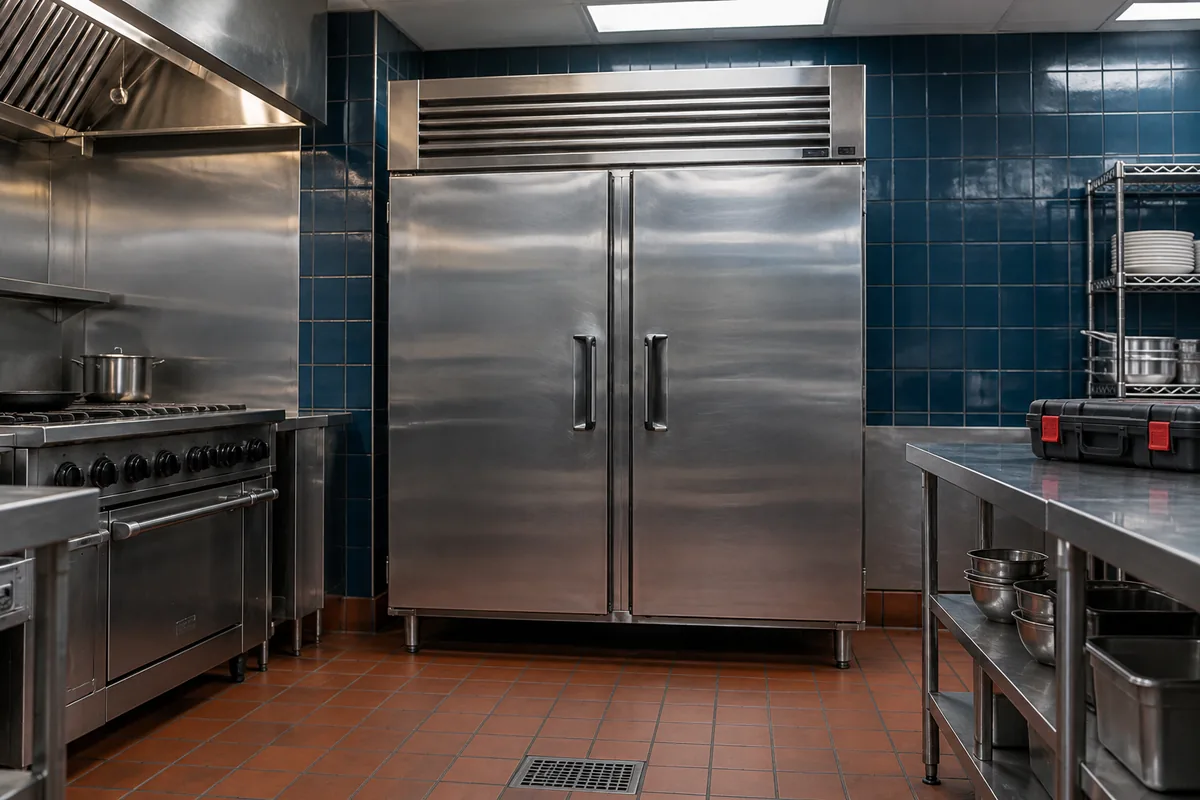
A wider photo can show where the machine stands and what sits around it. Include fixed counters or fittings that limit access. Do not pull out connected units just to get a better view. Describe the access limit so we can discuss what the assessment may need.
Current Cooking and Cooling Performance
Tell us what staff observe during the site’s normal use of the equipment. Note whether the unit starts, continues running and produces the expected result. Keep the display message exactly as shown. A light or familiar sound alone does not establish that the machine performs its full function.
If no one knows its earlier normal performance, say so. Use current observations rather than a comparison with a different model nearby. Machines can have different uses and controls. The technician can review the concern without treating another machine’s behavior as the standard for yours.
For a chilled cabinet, our commercial refrigeration repair in Lake Oswego provides a focused route. Record the source and time of any reading. Keep a freezer or other appliance separate in the request. A temperature number without equipment context cannot identify the needed repair.
For cooking equipment, describe changed heat, an early stop or a warning rather than testing hidden components. Do not bypass controls or use unusual settings to see what the machine can do. Follow the site’s process for equipment with an open concern. We can review safe observations and the actual model. For a fryer fault, request commercial fryer repair in Lake Oswego with the model and observed heating or operating problem.
Ice Production and Wash-Cycle Problems
For an ice machine, describe whether fresh output slowed or stopped. Ice already in a bin may predate the fault. Identify the production unit separately from a storage bin or accessory with its own label.
For a dish machine, describe filling, washing and draining separately, or explain a poor result after a completed cycle. Do not bypass controls or change chemical dosing to test a theory. The actual model and site setup need assessment.
Include earlier completed work, moves or settings changes when known. Keep gaps explicit rather than turning an old quote or a colleague’s recollection into a confirmed diagnosis.
Repair and Future Equipment Plans
Tell us about plans to relocate the machine, change its role or increase demand. Repair of the present fault does not establish suitability for every new use or include those alterations.
Identify the equipment owner and repair approver when they differ from the daily operator. Confirm support for each additional model rather than assuming a broad kitchen request includes every design.
Assessment, Repair Cost and Approval
Choose a contact who can identify the machines and share the fault notes. Describe fixed fittings and the available work window, and provide the approval contact and any purchase-order requirement.
We explain the assessed issue, work and price before approval. Ask what remains unresolved and whether parts or another visit are needed. Keep proposals for separate machines distinct.
Completed Repairs and Pending Work
Keep each model, symptom history and finding together, separating completed work from pending actions. Include who will arrange access or handle follow-up for the next shift.
The commercial appliance repair overview explains the broader service. Follow the business’s procedures for products and equipment while the concern remains open. A repair appointment does not establish product condition or replace those operating decisions.
Request commercial kitchen equipment repair in Lake Oswego from HVAC & Appliance Repair Guys and share the models, current symptoms and any details that remain unknown.
Frequently Asked Questions
Should staff copy settings from a similar machine?
Do not change controls merely because another model looks alike. Report the present setting and any changes staff already made. We assess the actual model and fault before proposing a repair.
Does an old quote prove which part the machine needs now?
No. Keep the old record, but describe the present symptom separately. A prior proposal does not prove completed work or the cause of a new concern. The technician reviews the current equipment before recommending repair.
Request Commercial Kitchen Equipment Repair in Lake Oswego, OR
For commercial kitchen equipment repair in Lake Oswego, OR, call HVAC & Appliance Repair Guys or submit a service request through the form on this page.