


Heat Pump Repair in Lake Oswego, OR
HVAC & Appliance Repair Guys provides heat pump repair in Lake Oswego, OR for poor heating, lost cooling, weak airflow and repeated stops. We assess the equipment and explain repair options. If an intermittent fault clears before the visit, describe both the earlier failure and the present response.
Tell us whether heating, cooling or both are affected and whether the rooms reach the requested temperature. A running fan does not establish useful output. The technician uses those observations with equipment checks before selecting a repair.
Our heat pump repair service addresses the installed system and the problem you report. Include whether comfort returned on its own or after a change someone made. The present normal response does not replace the earlier fault history.
Intermittent Faults and Visible Messages
Use the details you know from ordinary operation. Note the selected mode, visible room reading and whether airflow changed. Include an approximate time if that is all you remember. An incomplete but accurate account is more useful than a detailed theory about an unseen failed part.
Save the exact display message if one appeared. If there was no message or you cannot recall it, describe the equipment response and loss of comfort instead.
Explain any resets or setting changes already made and what followed. Do not repeat them to force the event for a demonstration. Leave safety controls, wiring and equipment panels intact.
Modes, Airflow and Outdoor Ice
A heat pump that cools but will not heat may have a control or mode-change fault. The symptom does not identify a reversing valve or other part by itself. The indoor and outdoor equipment need to respond together.
Weak airflow can affect comfort in either mode. Identify whether every room or one area has low flow and mention filter changes or blocked vents. A heating or cooling component repair may not resolve a separate air-distribution problem.
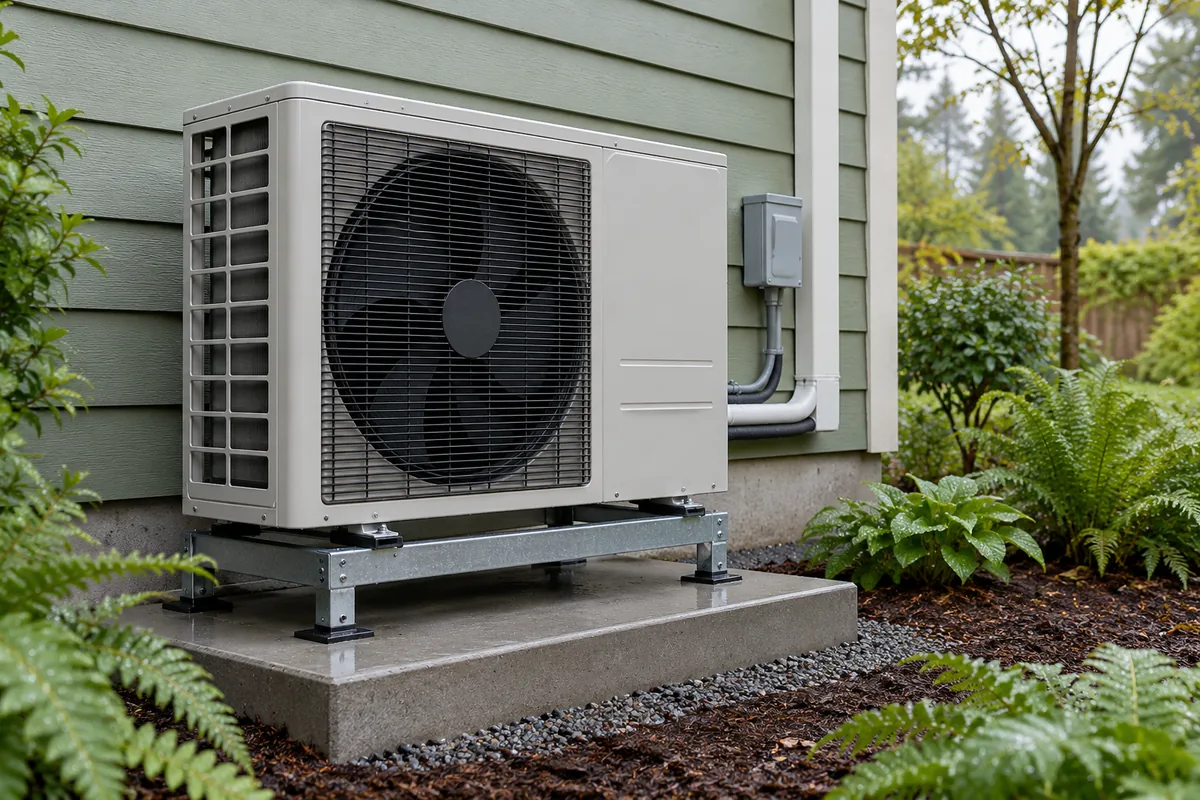
Some outdoor frost clears during normal defrost in heating mode. Persistent ice with loss of heat needs assessment. Do not chip the coil, force a fan or keep resetting the system to reproduce the problem.
Diagnosis When the Fault Is Not Present
If the fault is absent during the visit, ask what the checks establish and what further observation or testing would help. Review the next task and price before approval.
Keep any requested normal-use observation simple and relevant to the original fault. A note about the next event may help if it happens during ordinary use. You do not need to monitor every operating cycle or run the equipment until a failure occurs. Discuss unclear follow-up guidance before changing the setup.
Our HVAC repair service in Lake Oswego covers a broader request involving other equipment. Identify a separate heat source if it affects the account of room comfort. A warm room may not establish which unit supplied the heat. A fault in one system does not establish the cause of a problem in another.
Repair Costs, Parts and Further Visits
Review the diagnosed fault, proposed repair and price before authorizing parts or a larger equipment change.
Parts or further checks may require another visit; confirm what remains and the next step. Heat pump maintenance covers routine care separately from active fault diagnosis.
Operating Checks and Returning Symptoms
If the problem returns during normal use, report its mode, timing and room effect, including anything that differs from the earlier event.
After repair, ask which operating checks were completed and whether conditions left a concern needing follow-up.
Request heat pump repair in Lake Oswego from HVAC & Appliance Repair Guys through the service form below. Describe the earlier failure and current response, including any message you saved; the fault does not need to be recreated for the request.
Frequently Asked Questions
Should I cancel the visit if the heat pump starts working again?
Report the change before deciding how the visit should proceed. Keep the earlier fault and any current concern available for review. A temporary return to normal use does not identify what caused the failure.
Can a visit be useful without an immediate part recommendation?
Yes, if it clearly records the checks, findings and any limit on the diagnosis. Ask what remains uncertain and what the next useful step would establish. Do not confuse the lack of a supported part choice with proof that no problem exists.
Does no visible fault code mean there was no failure?
No. Describe the actual loss of heating or cooling and the conditions you observed. A display message is one kind of evidence. The room result and equipment response can still define a useful repair request.
Should I buy the part I suspect before another check?
Let the current findings establish the needed work first. A suspected part may not match the cause or equipment requirements. Review the proposed repair and price before selecting supplies.
Request Heat Pump Repair in Lake Oswego, OR
For heat pump repair in Lake Oswego, OR, call HVAC & Appliance Repair Guys or submit a service request through the form on this page.