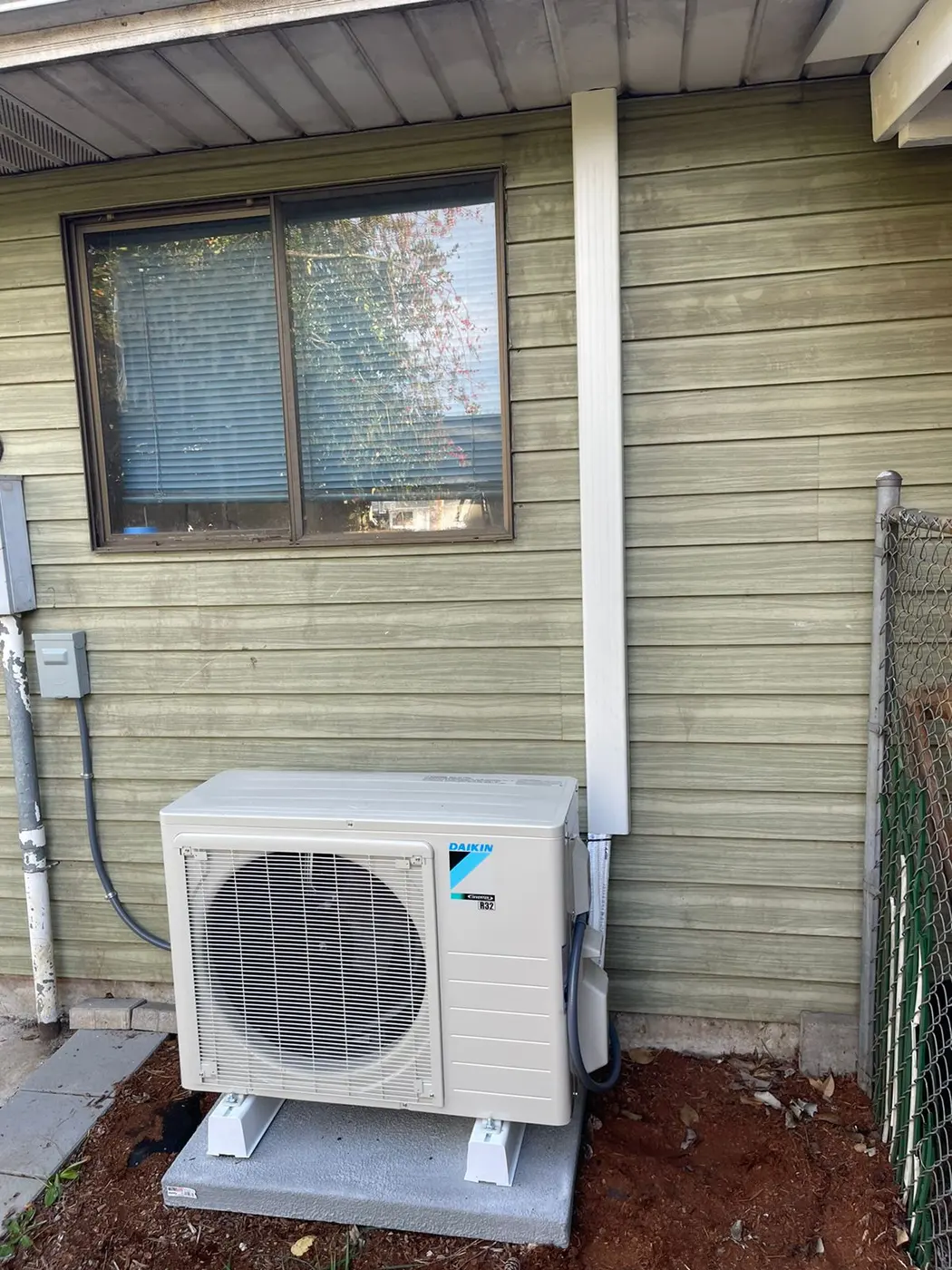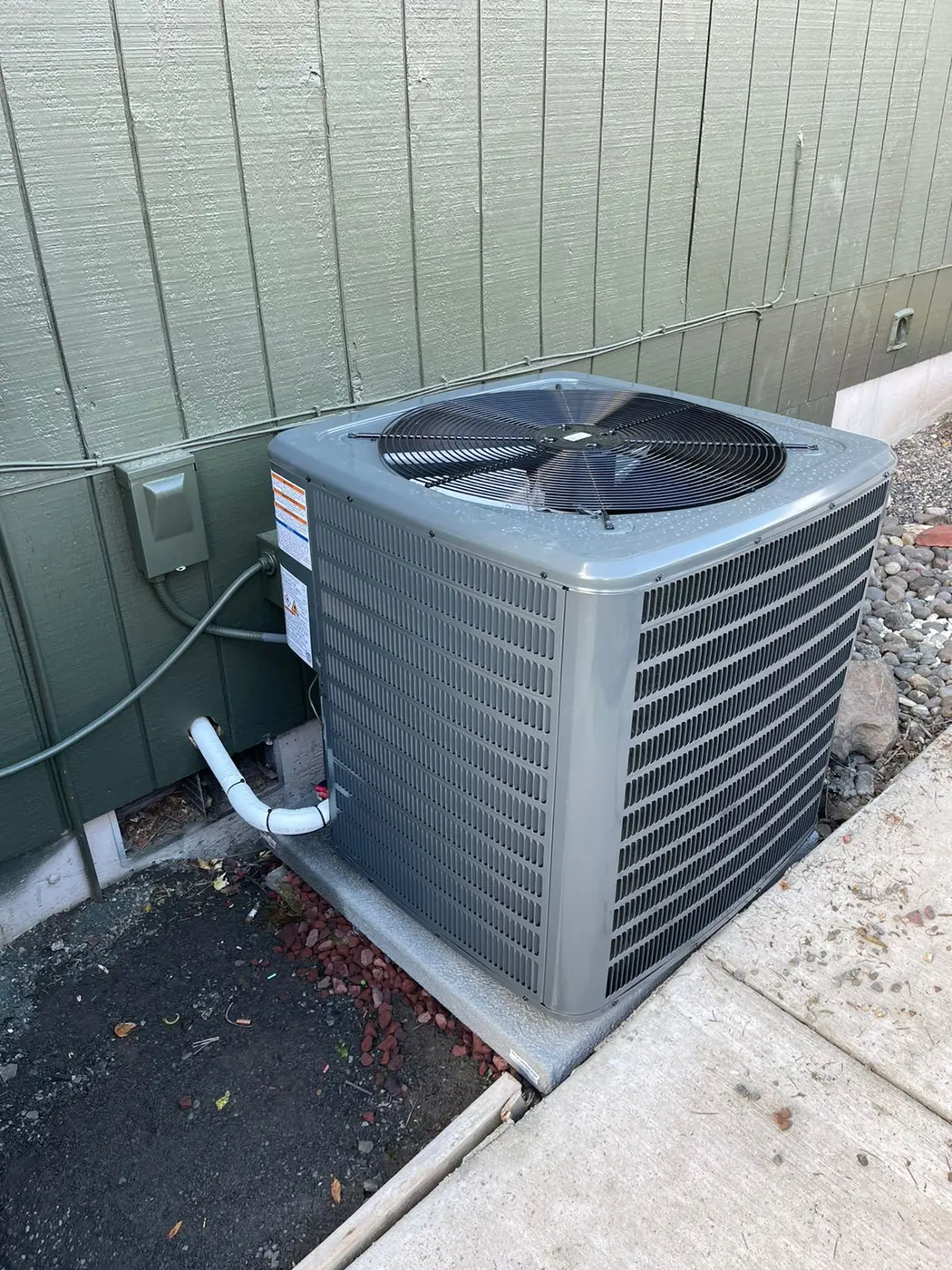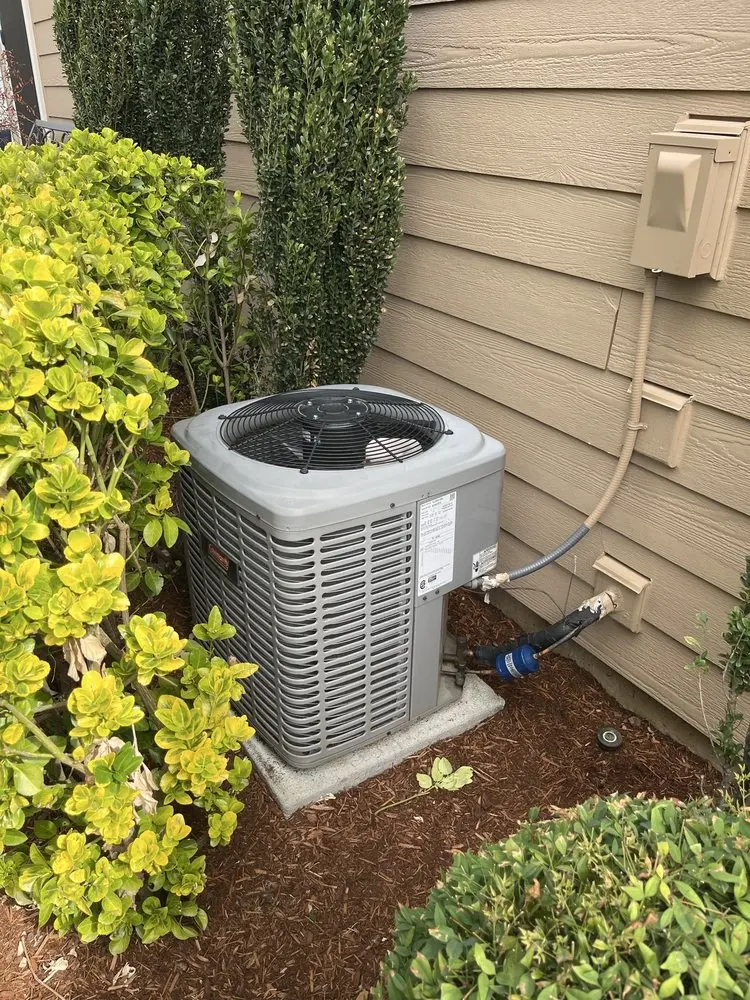




AC Installation and Replacement in Portland
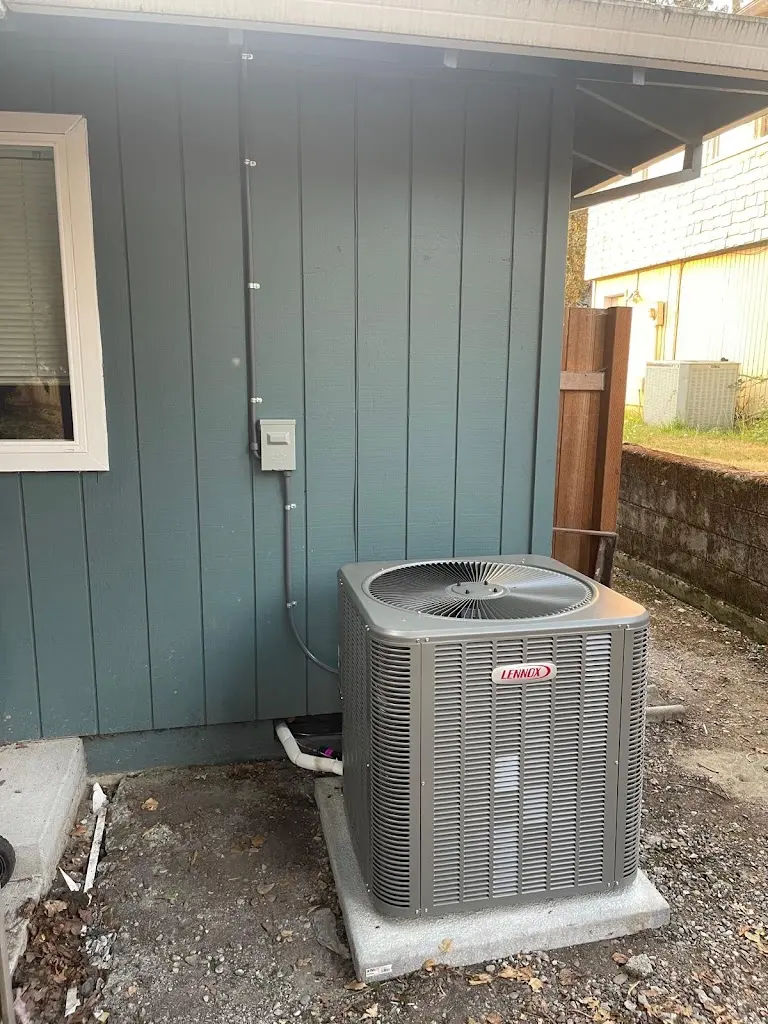
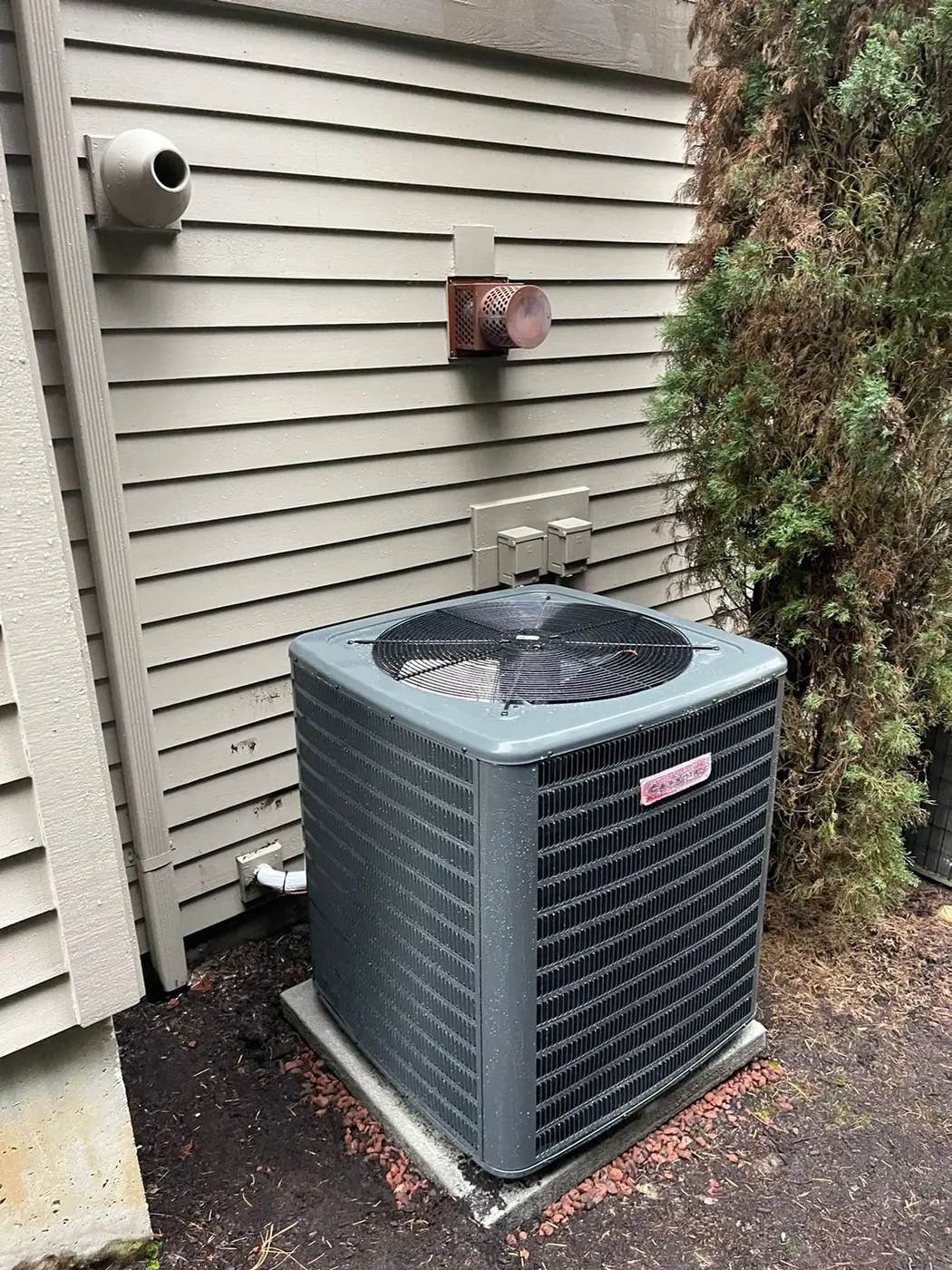
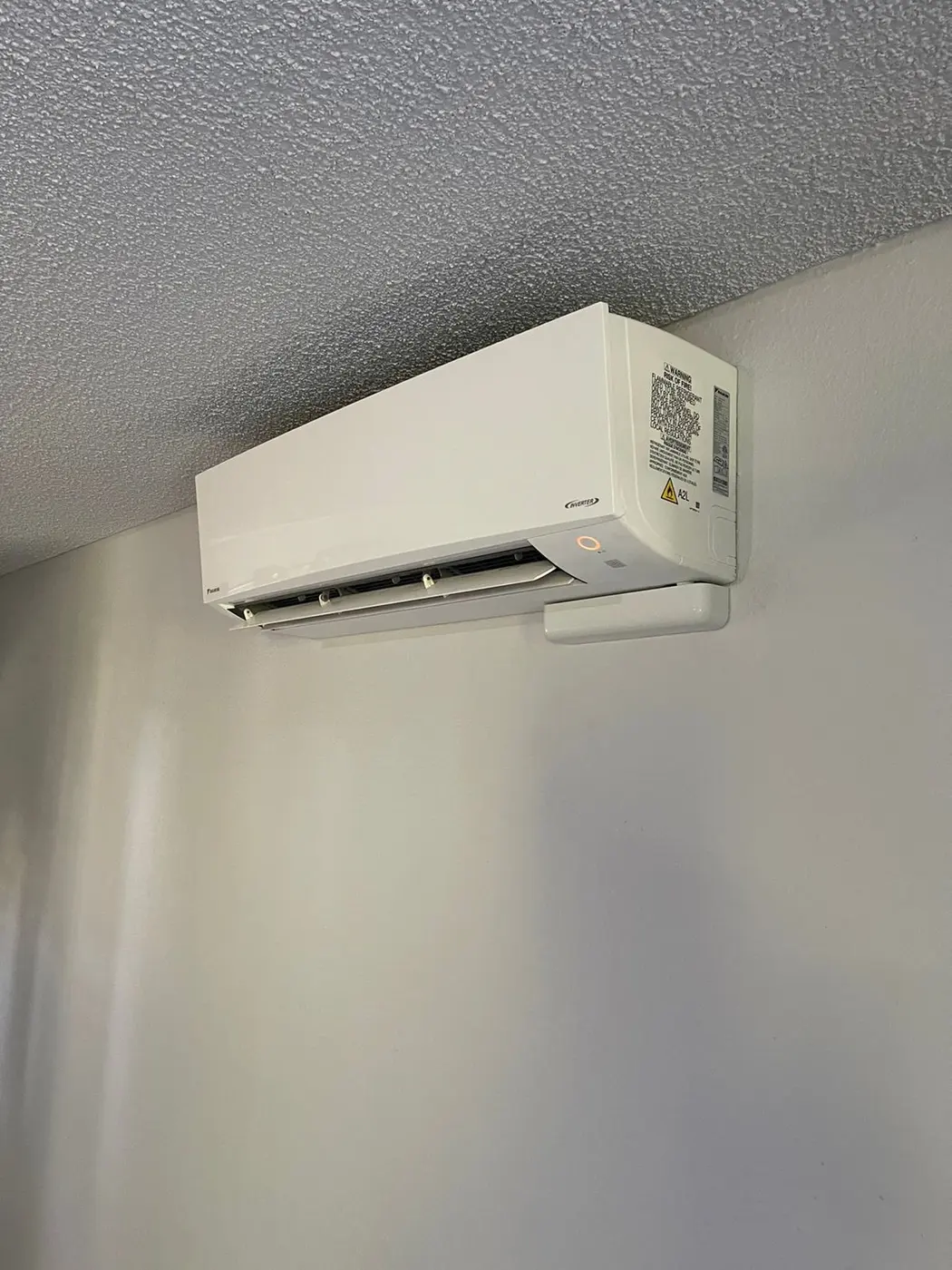
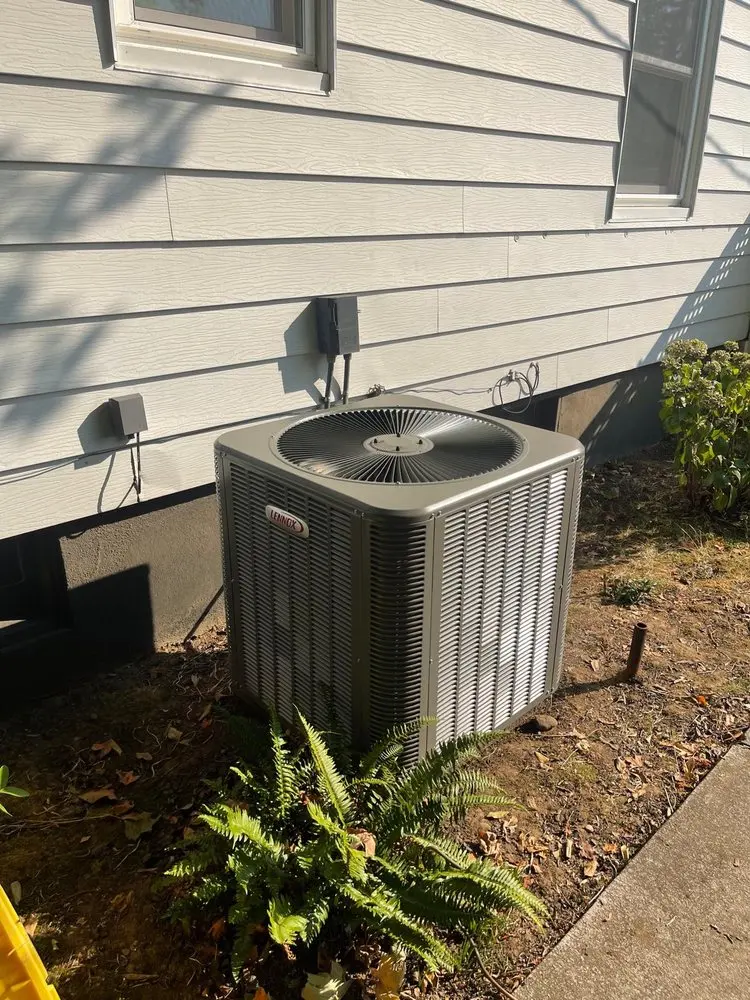
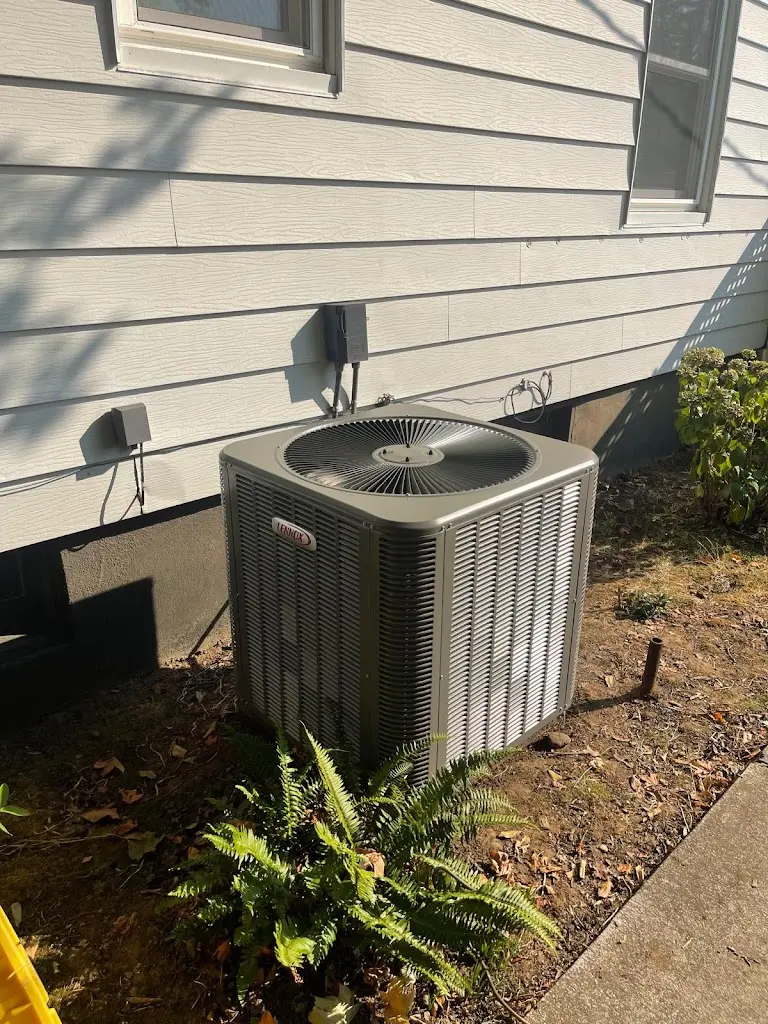
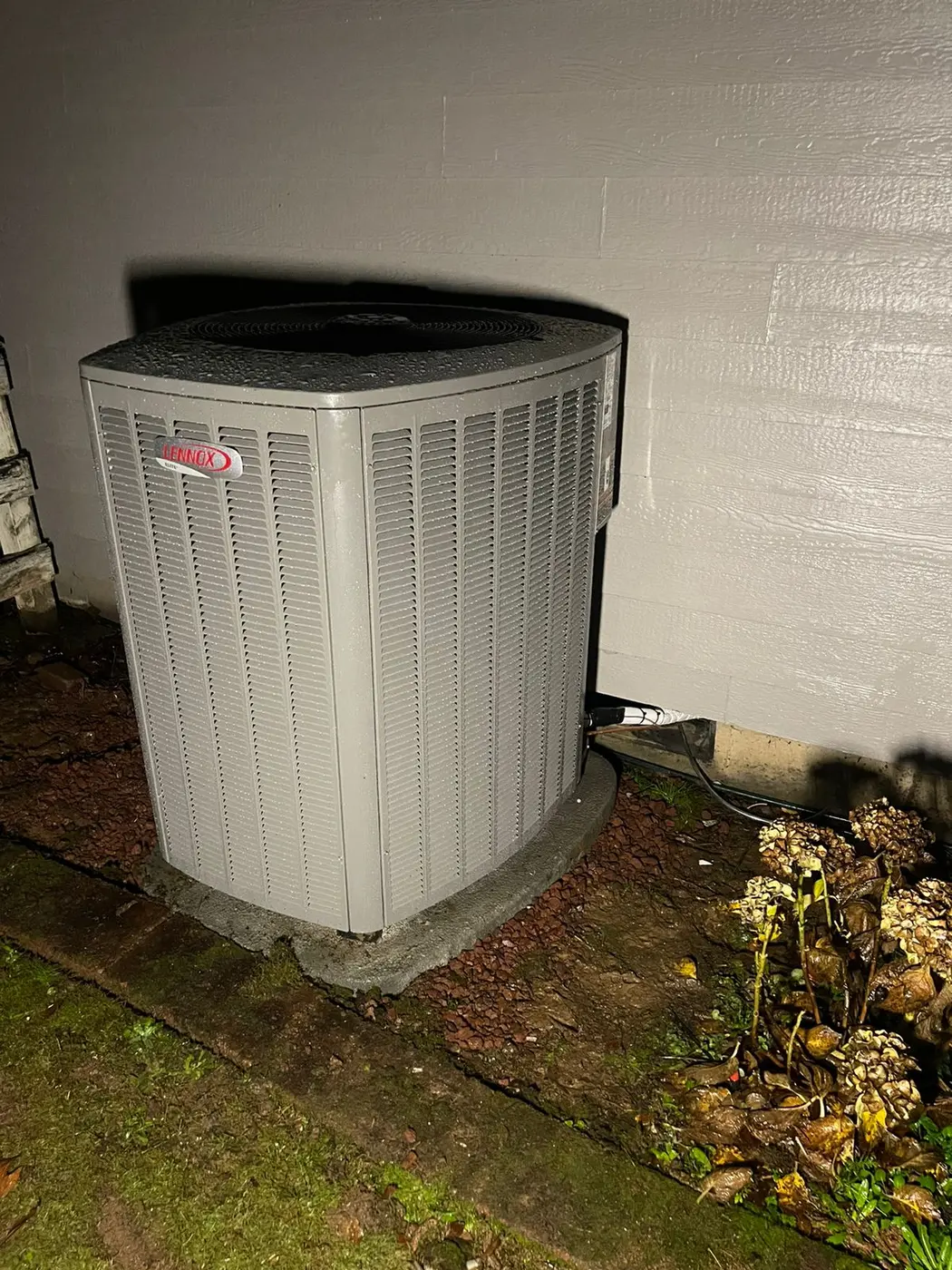
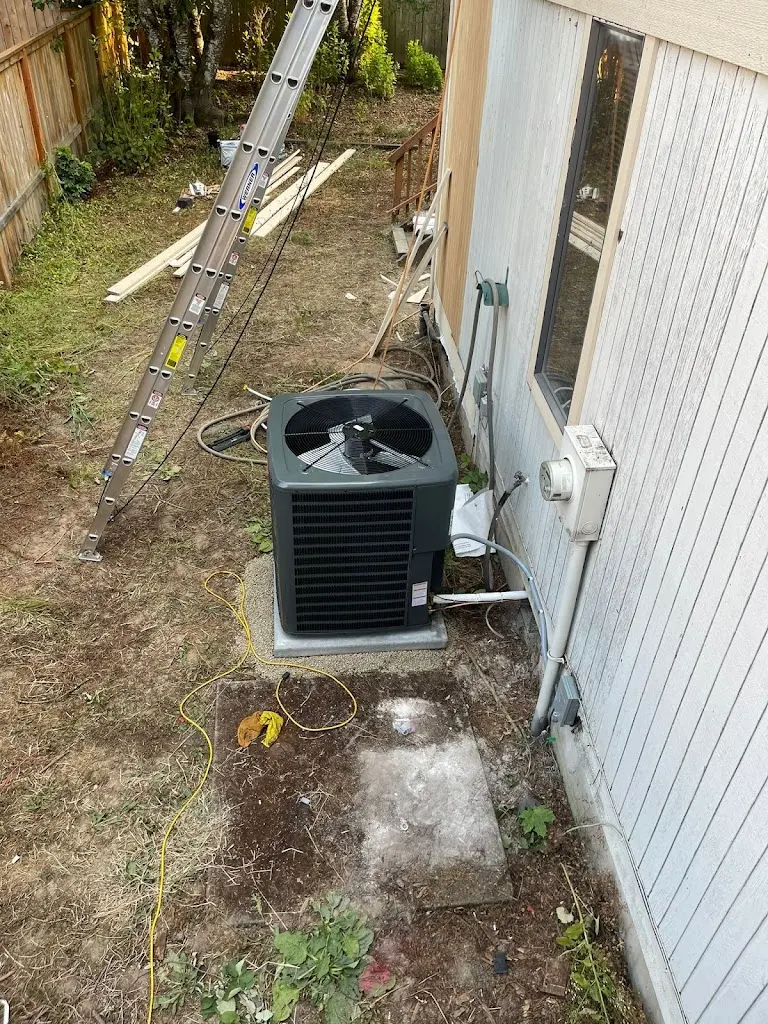
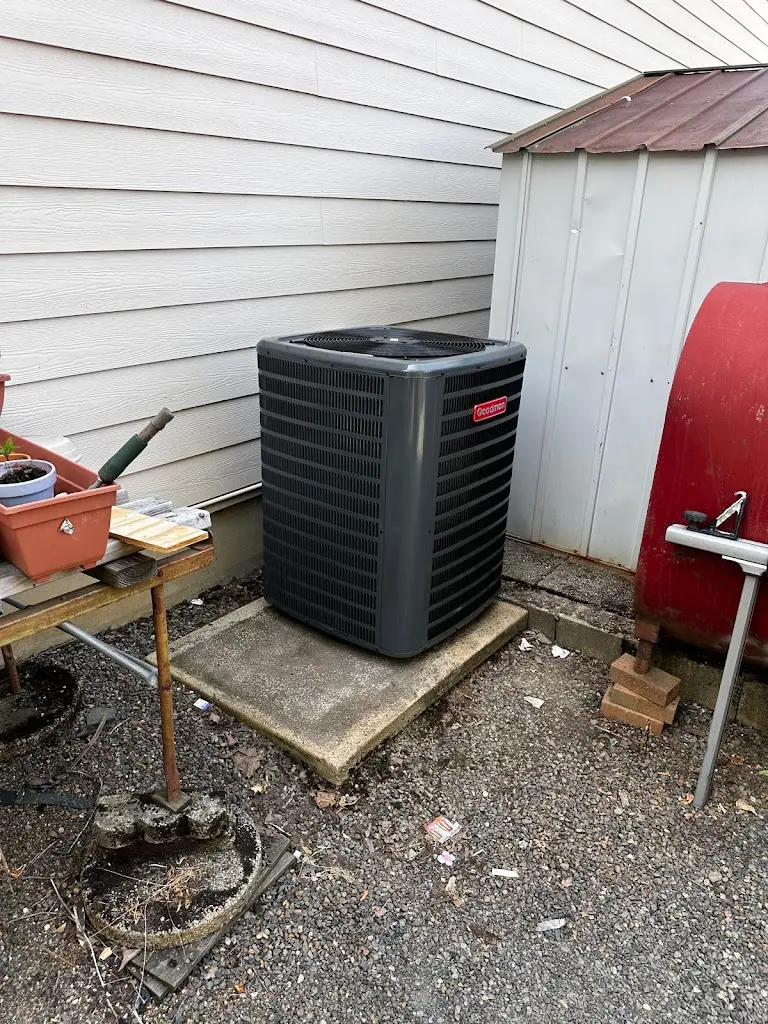
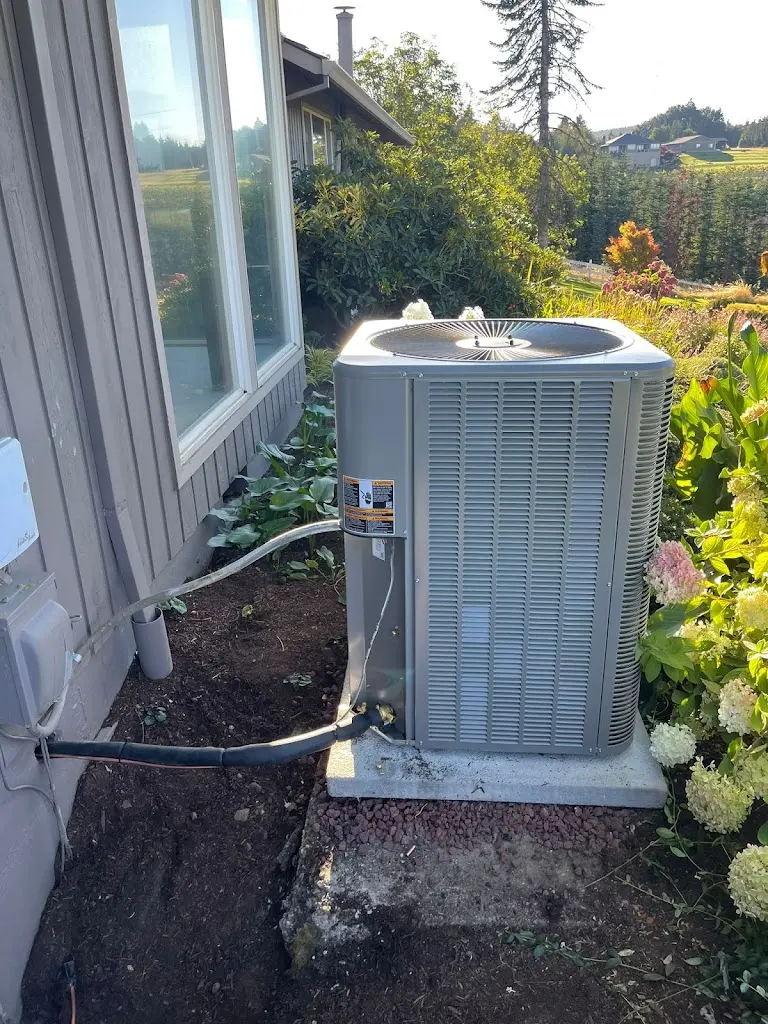
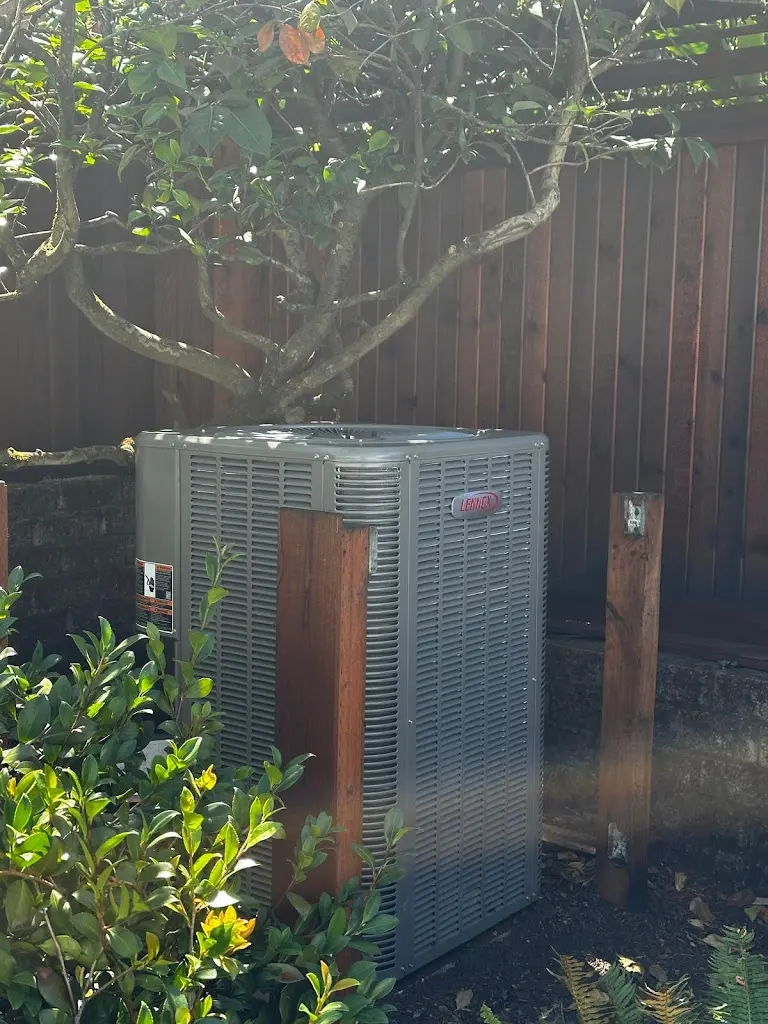
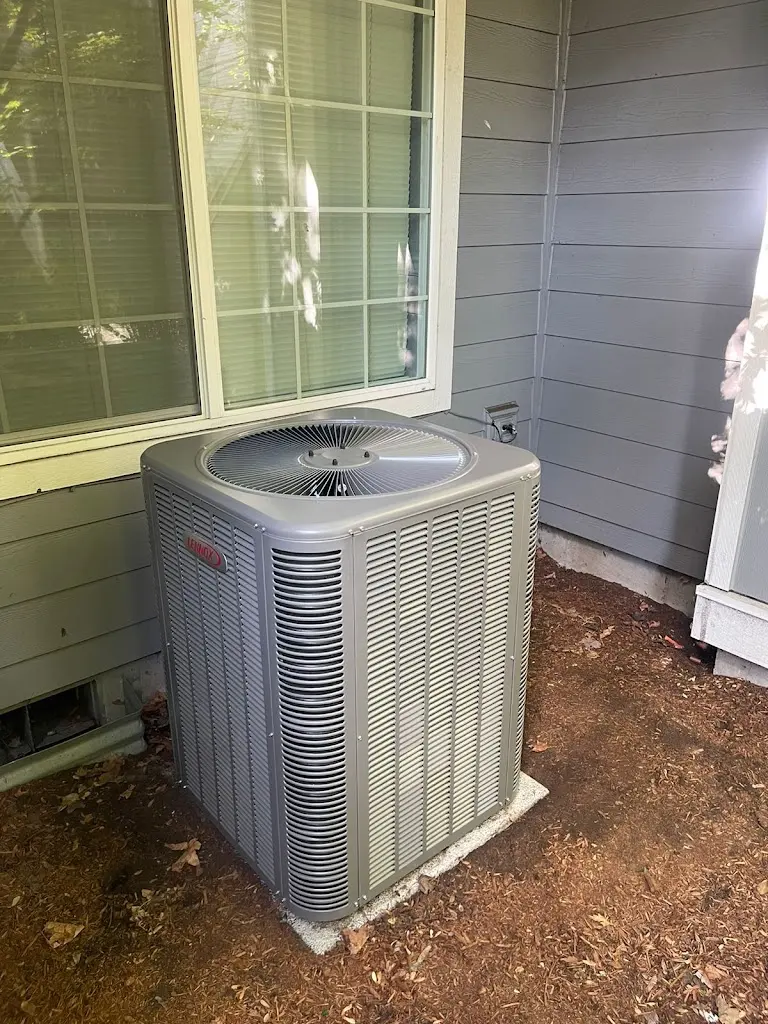
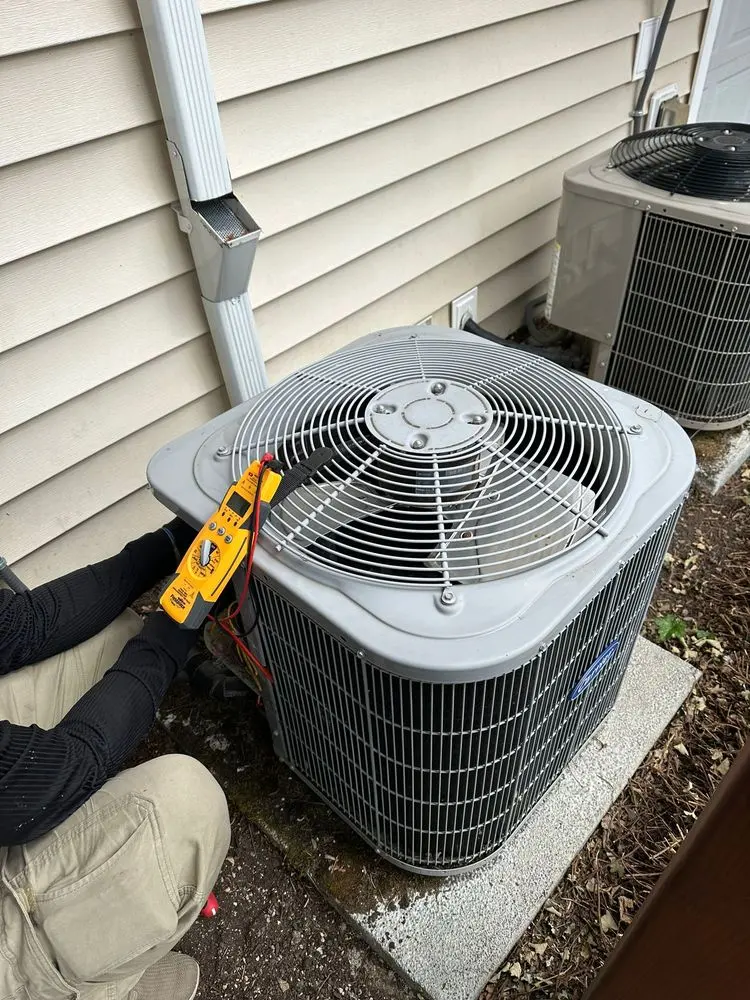
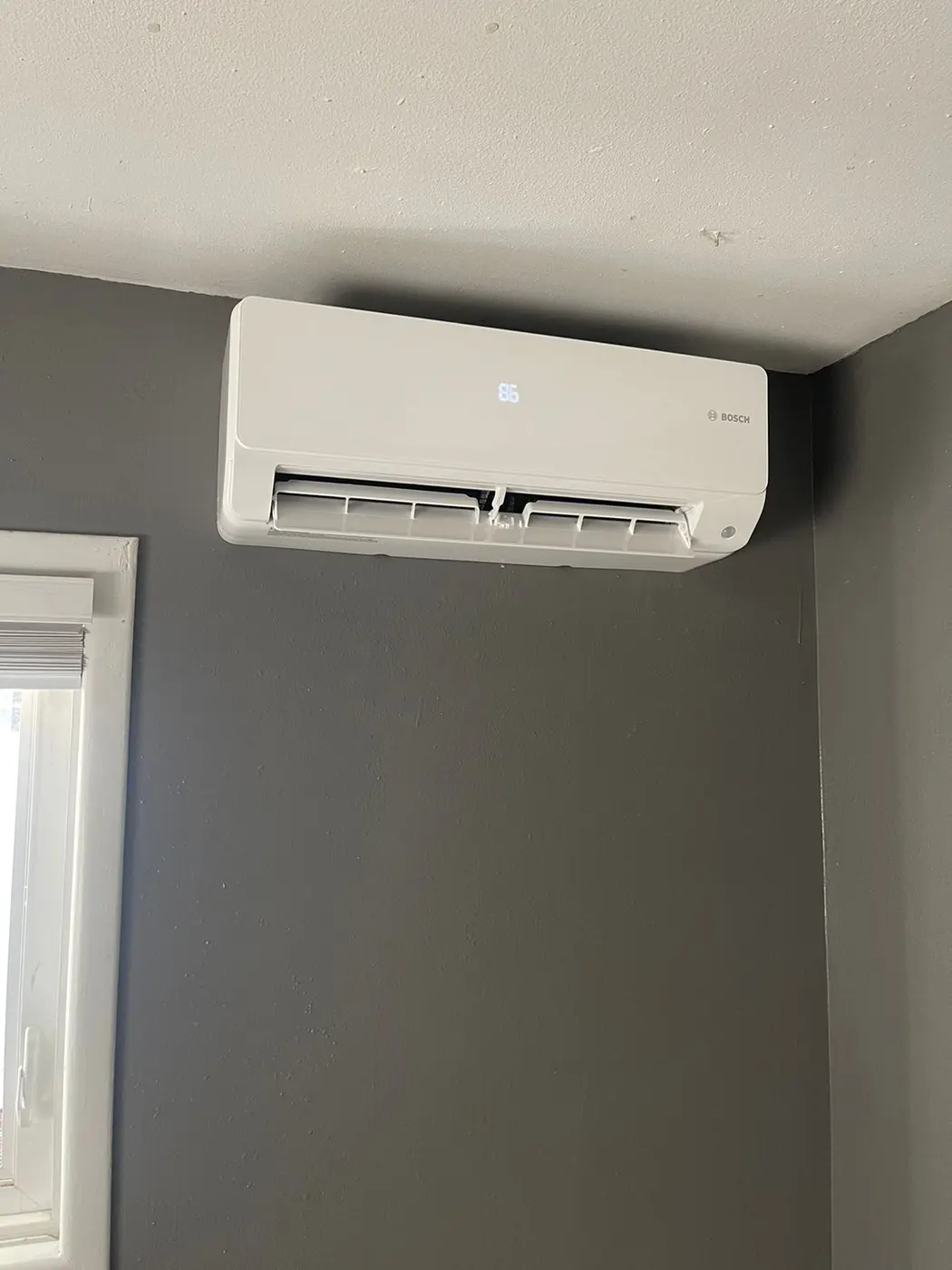
Adding central air or replacing an existing air conditioner? HVAC & Appliance Repair Guys provides AC installation in Portland, OR. The right plan brings together your home’s cooling needs, suitable equipment and the connections needed to install it.
Our air conditioning installation service offers a free on-site estimator visit for installation or replacement. Tell us which rooms need cooling, where temperatures are uneven and what you want to change about the current setup. The free installation estimate covers the proposed project; request repair diagnosis separately if you need the active leak assessed.
Adding AC or Replacing Existing Equipment
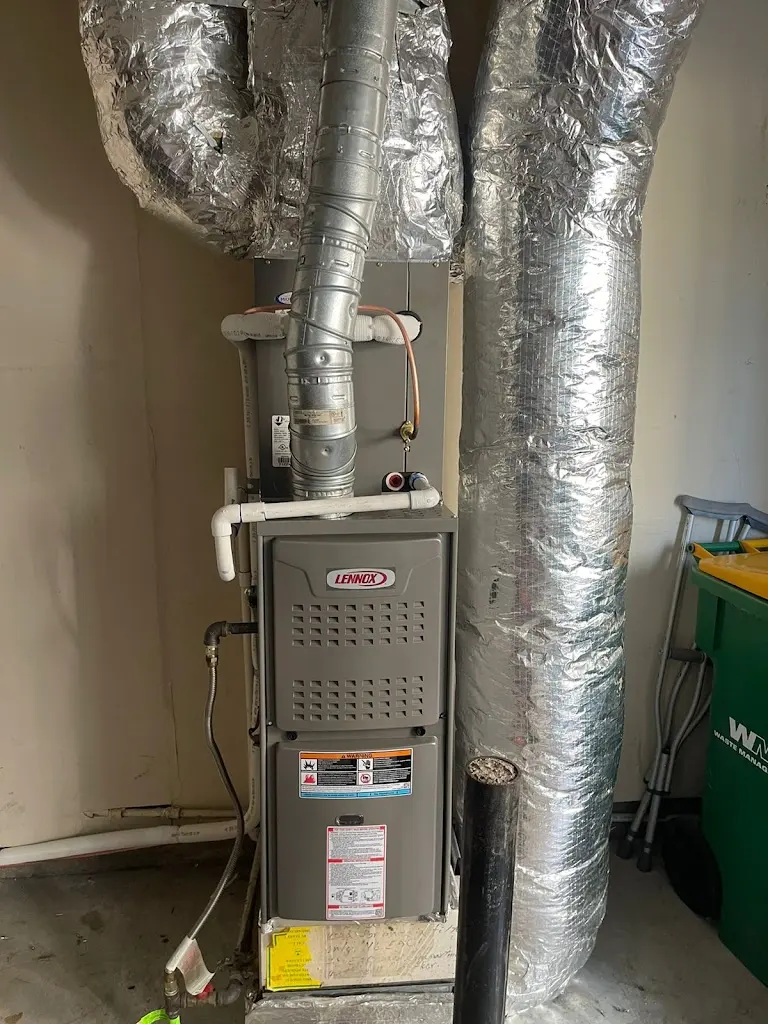
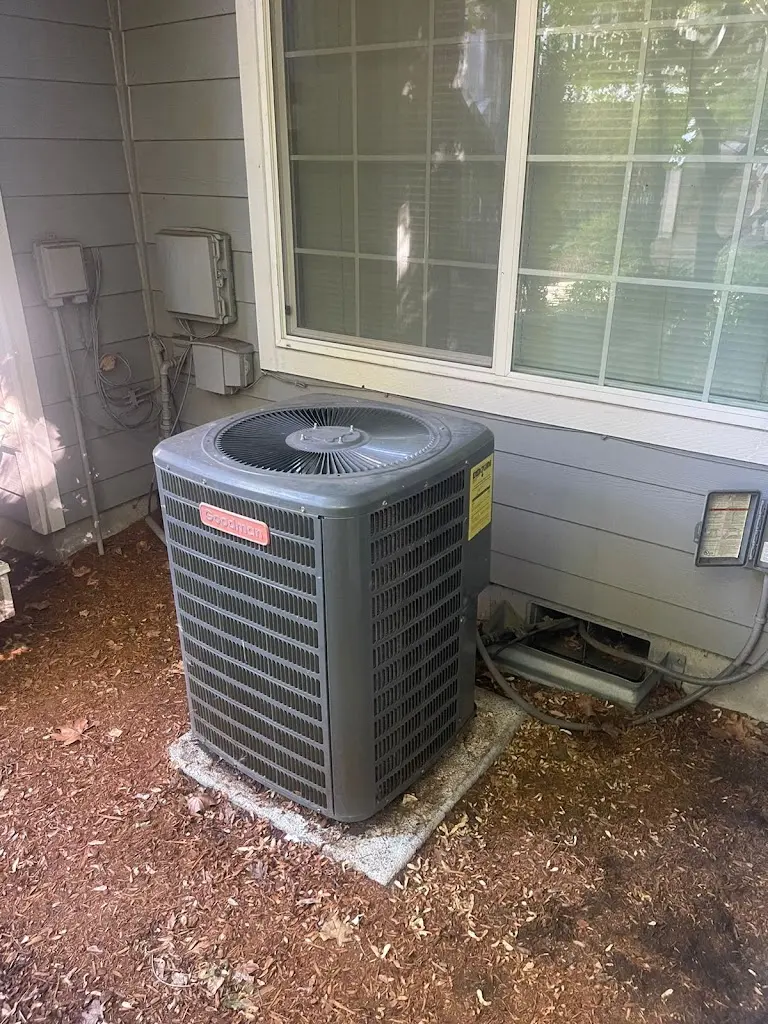
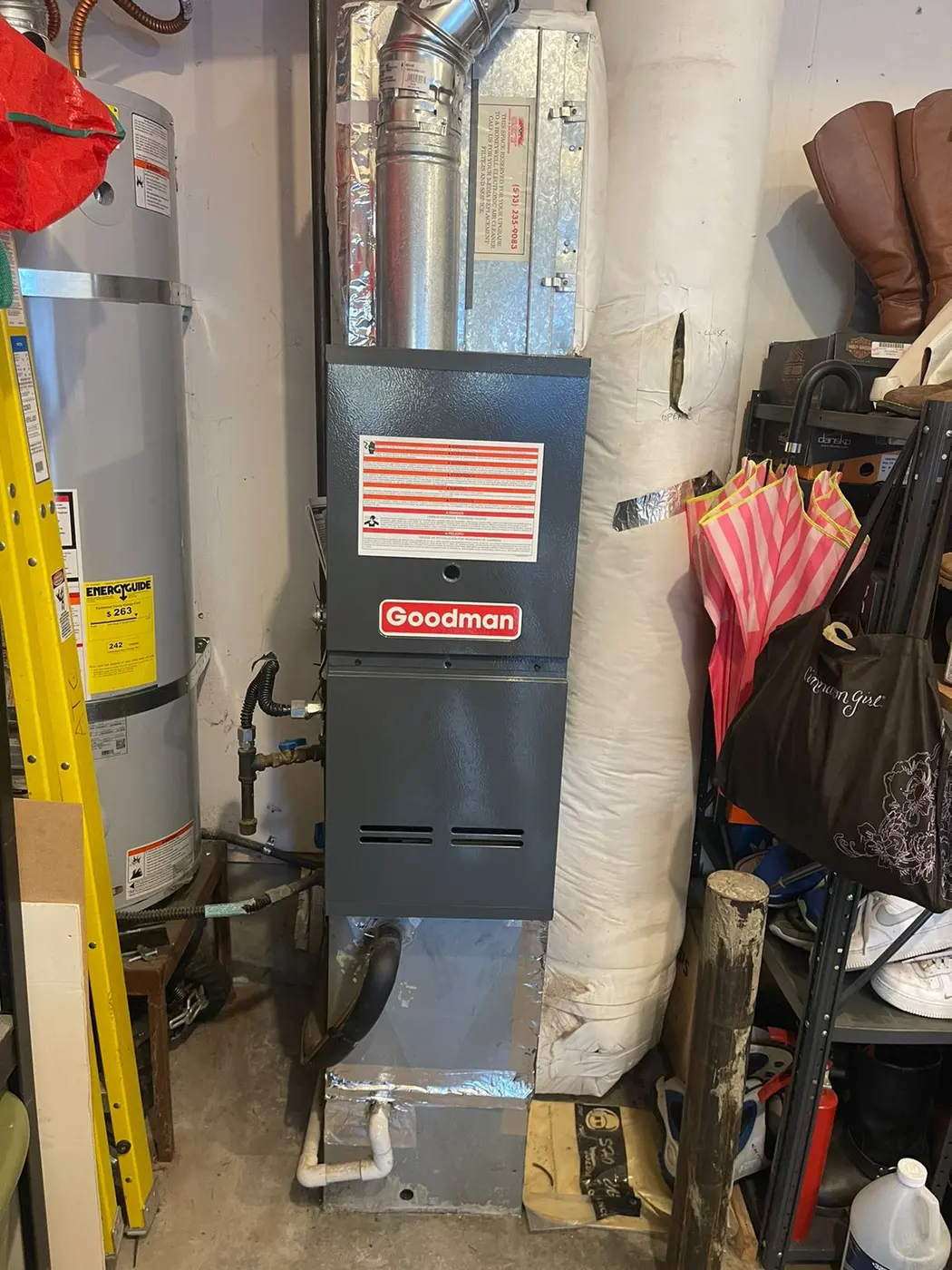
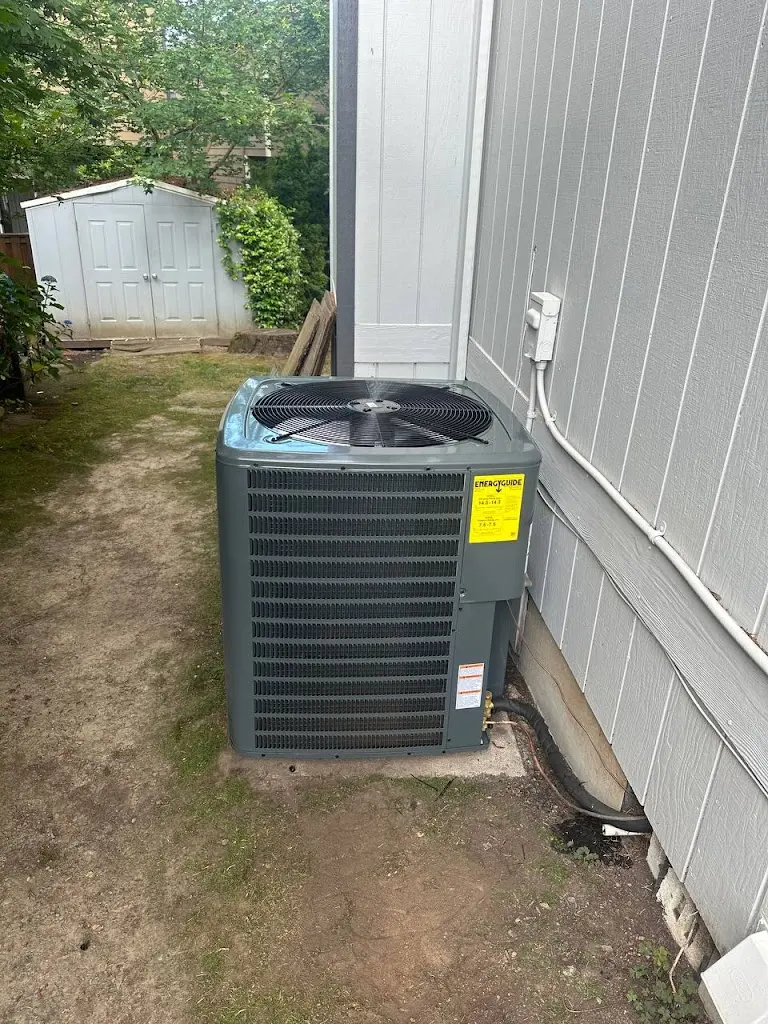
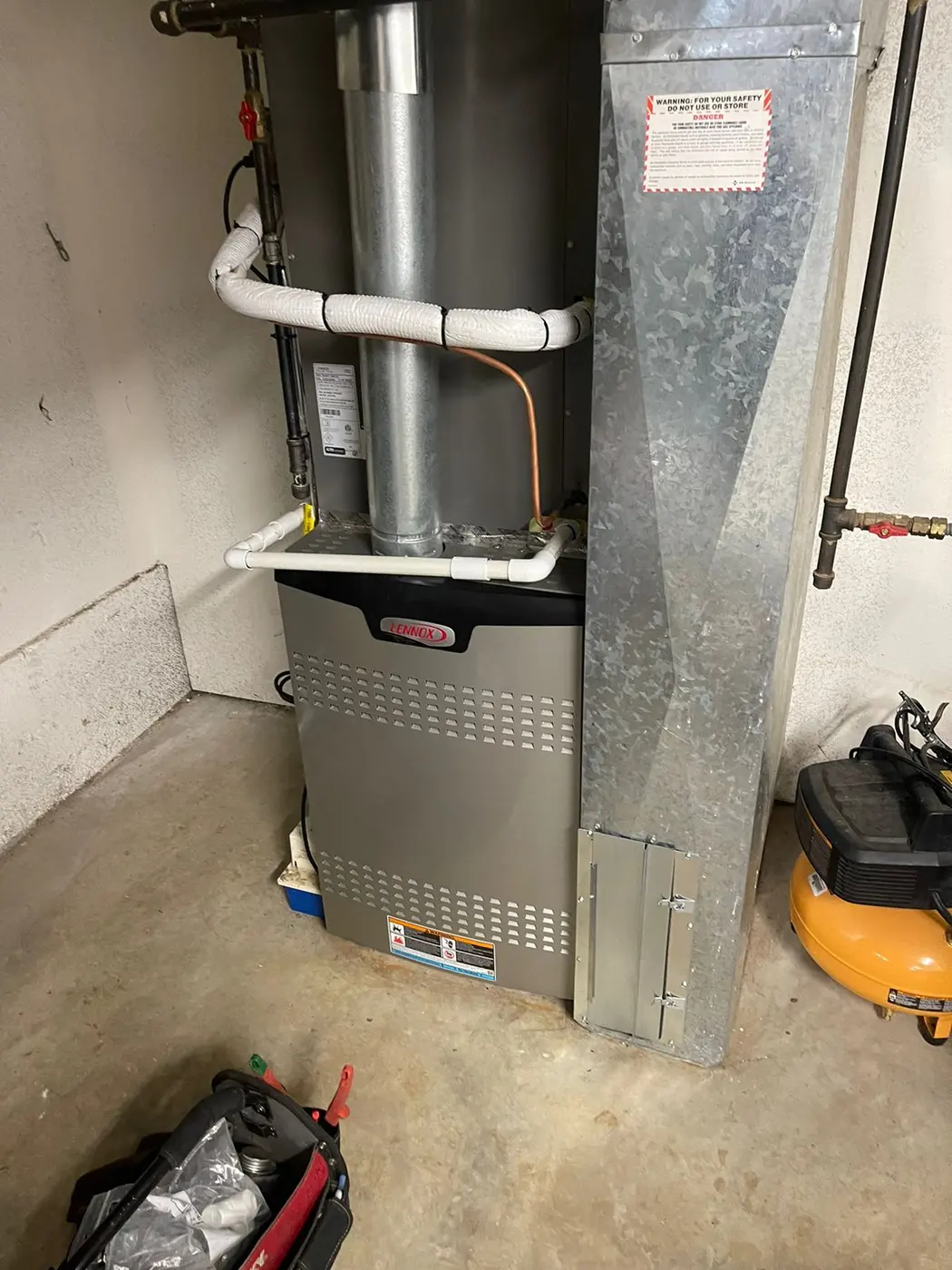
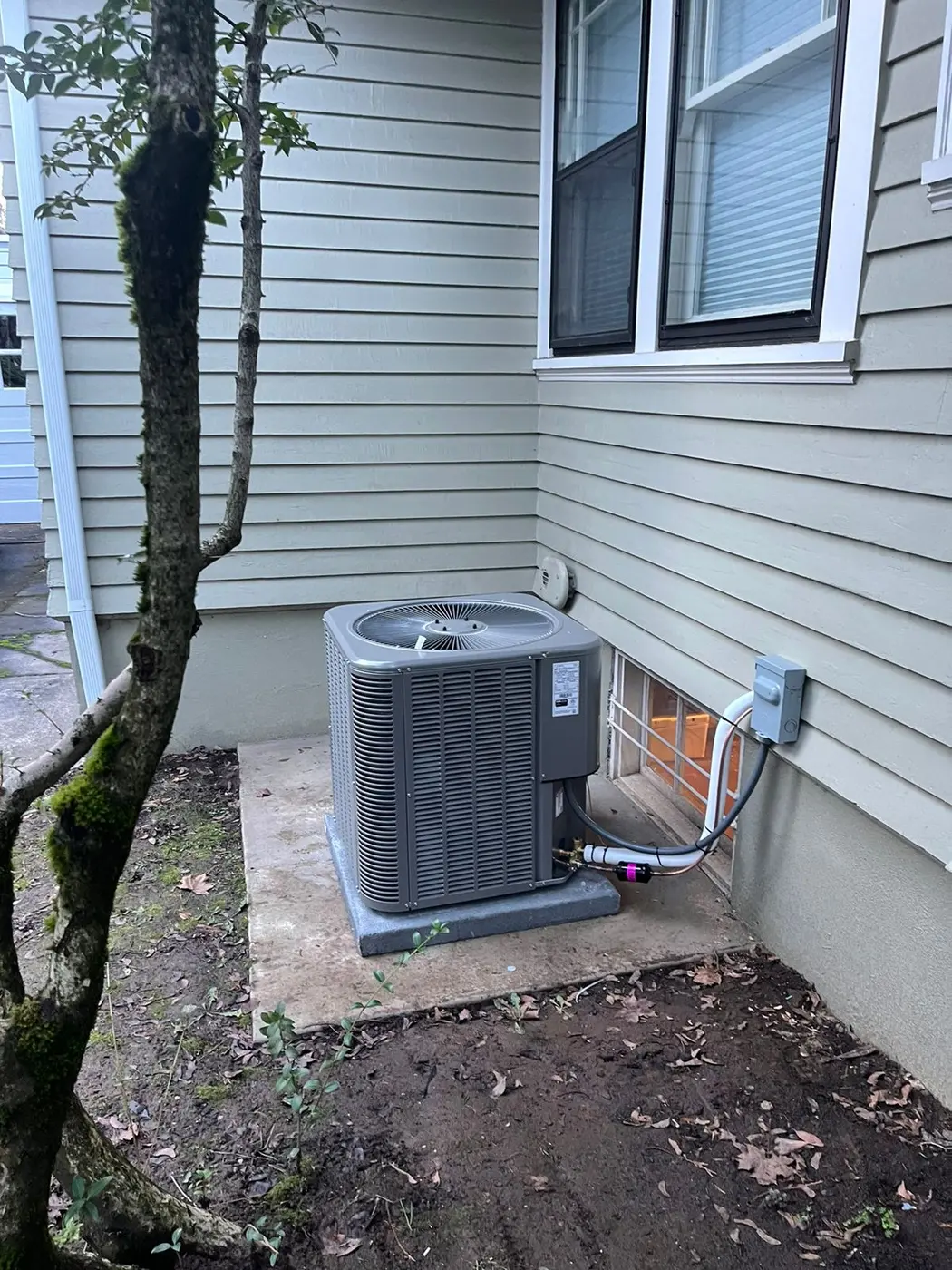
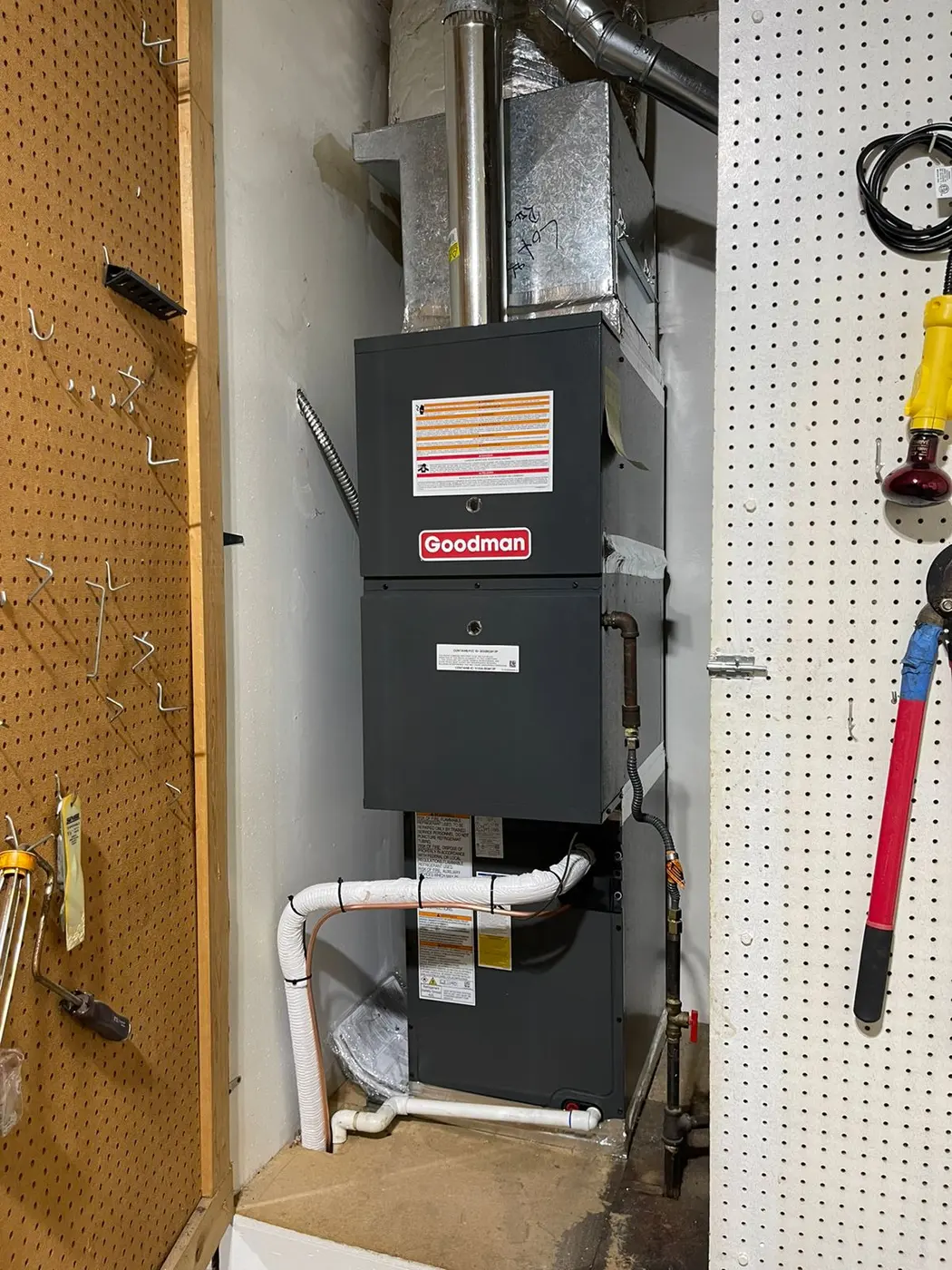
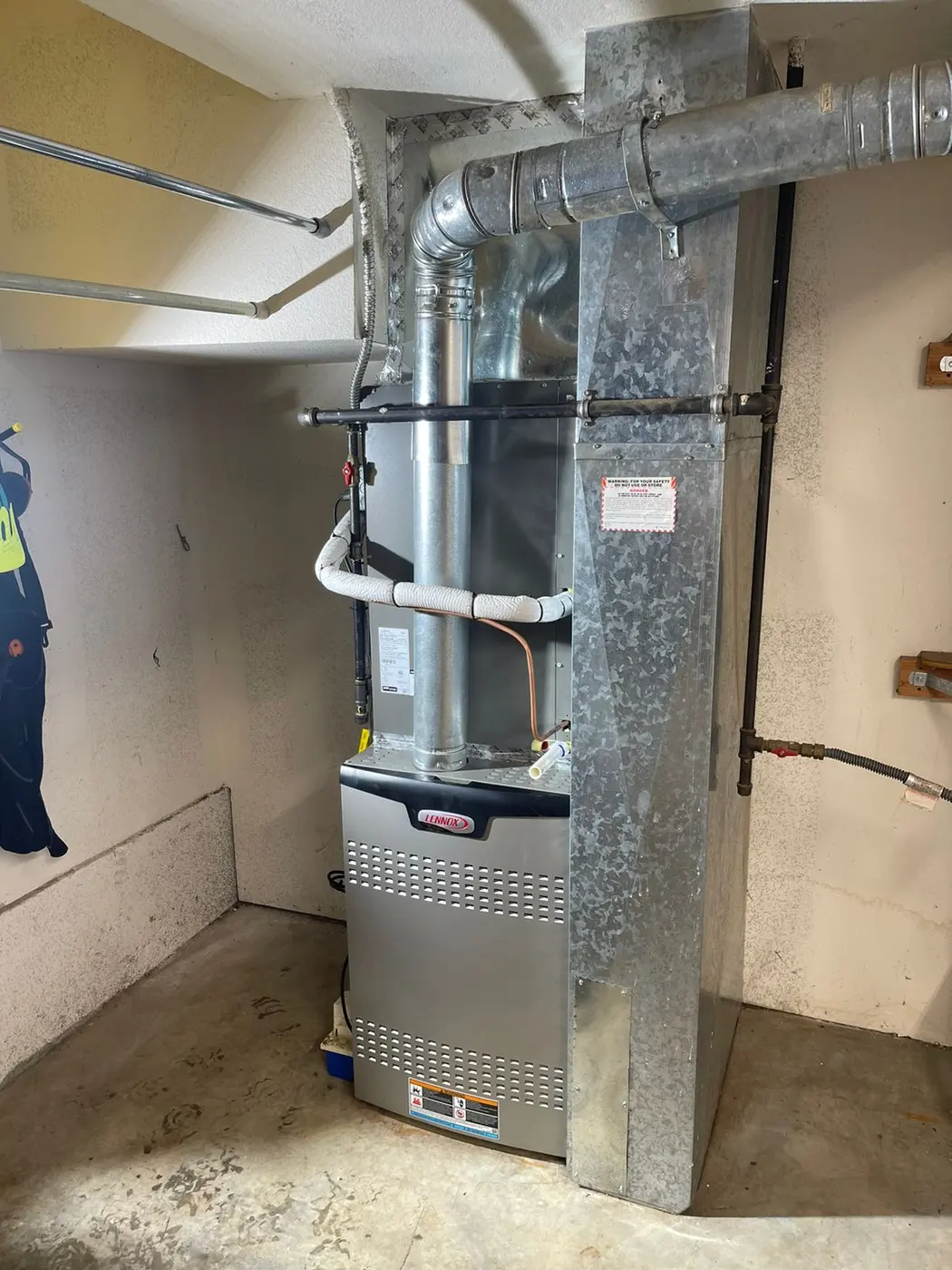
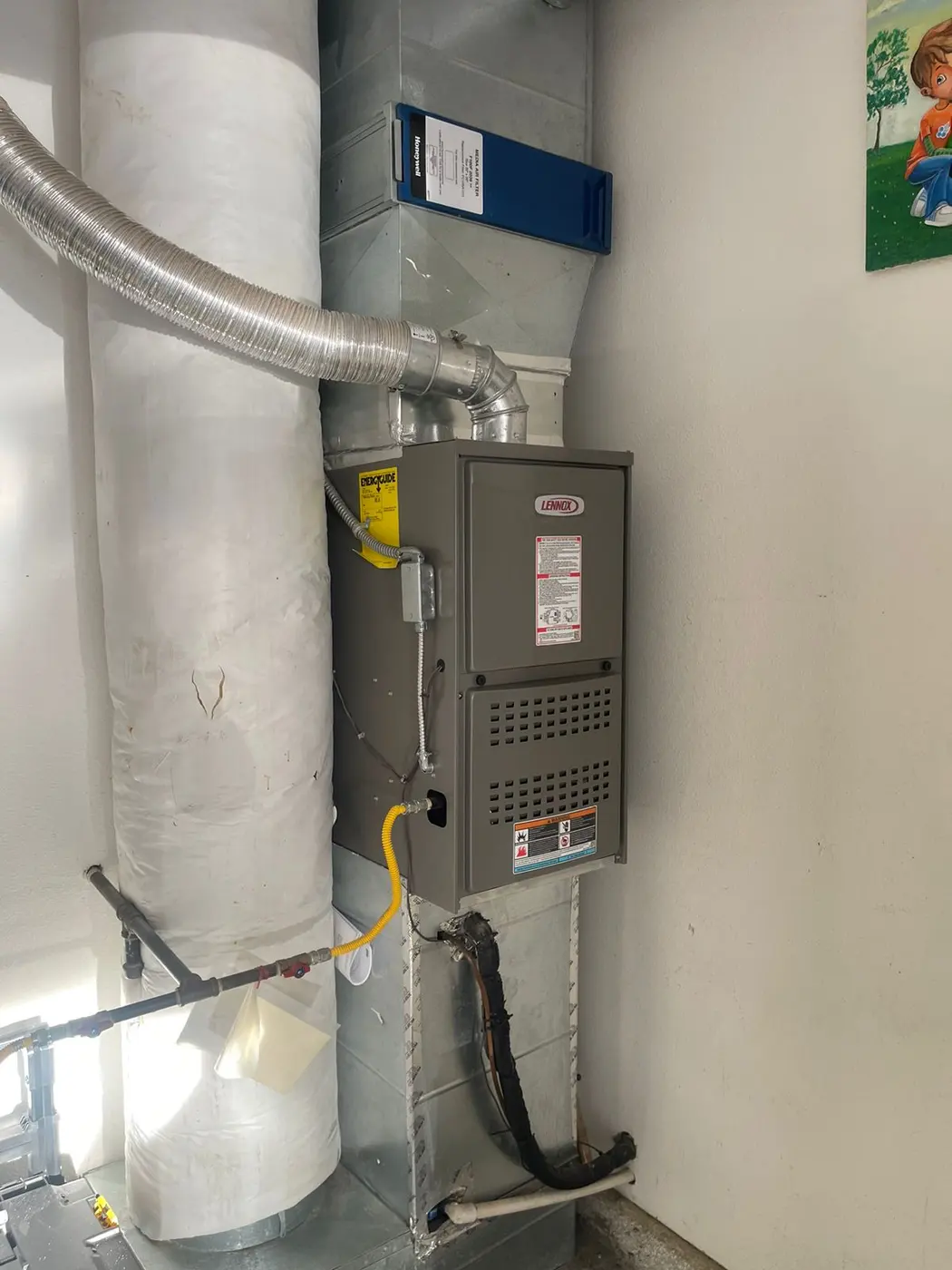
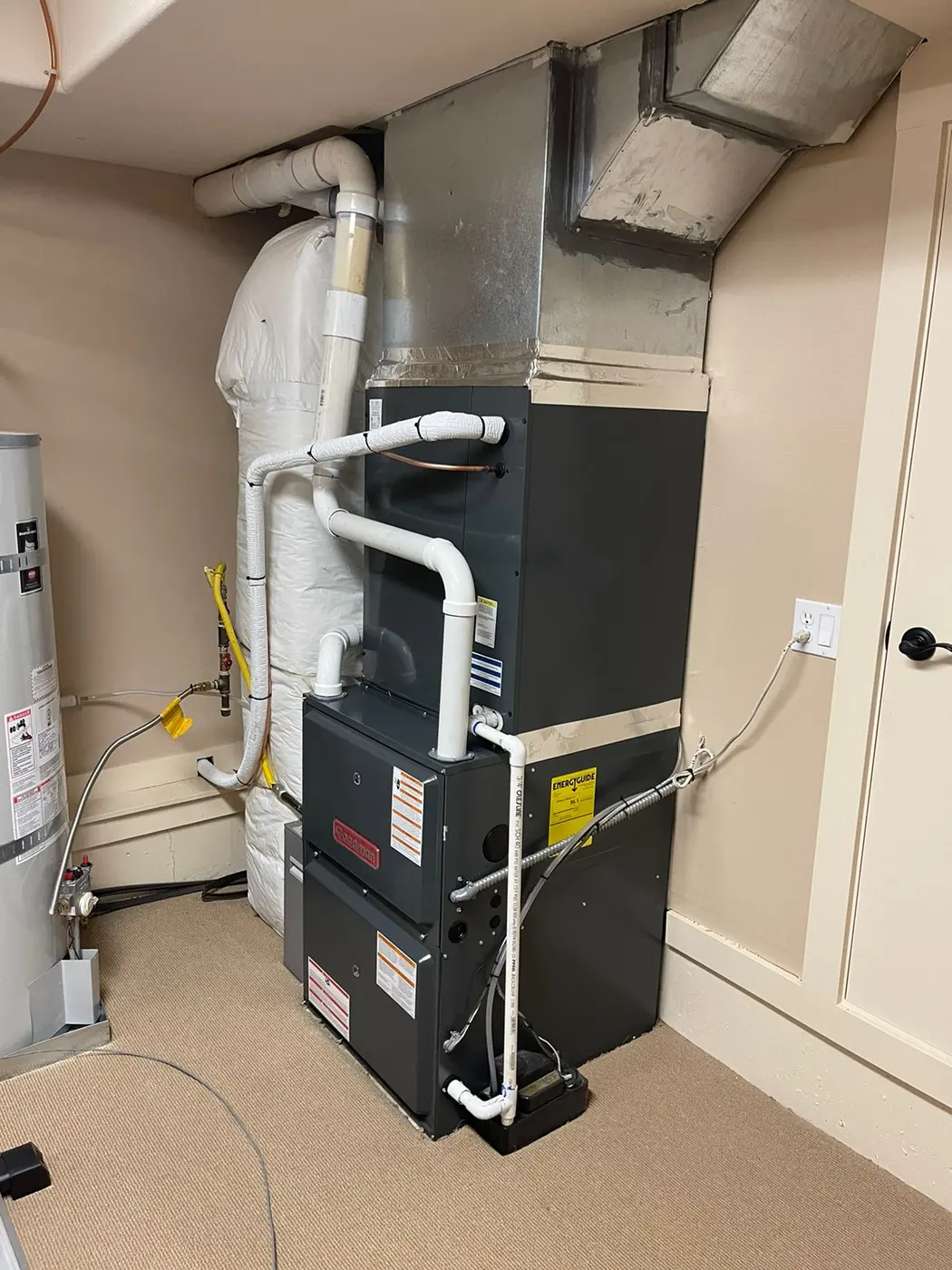
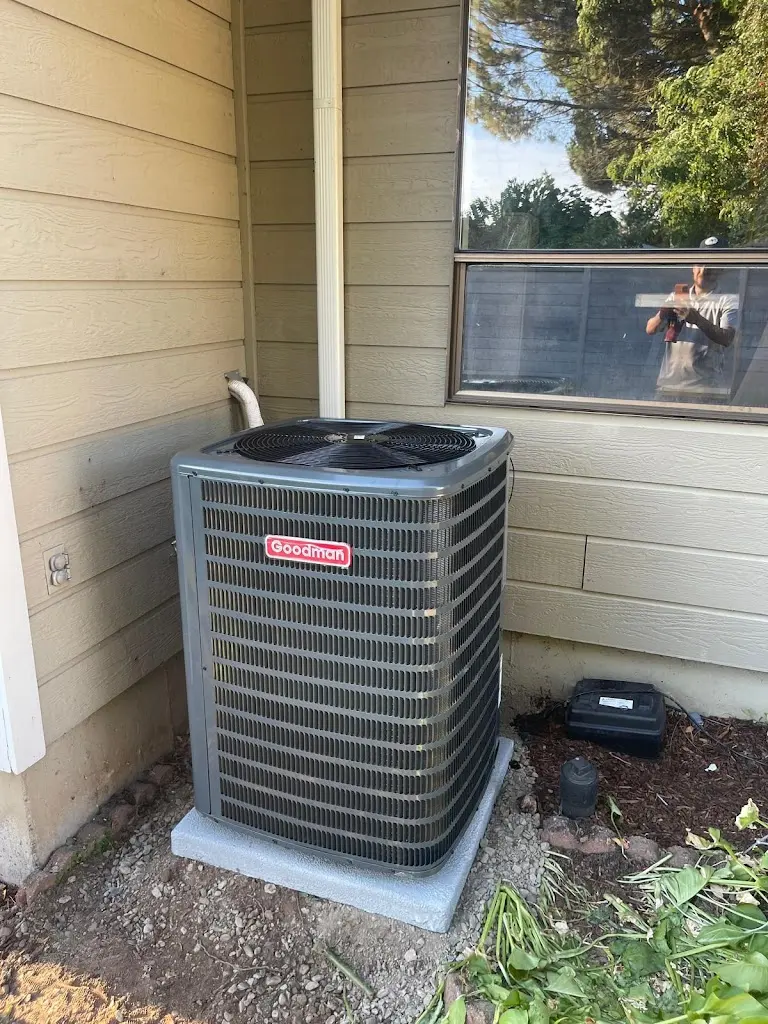
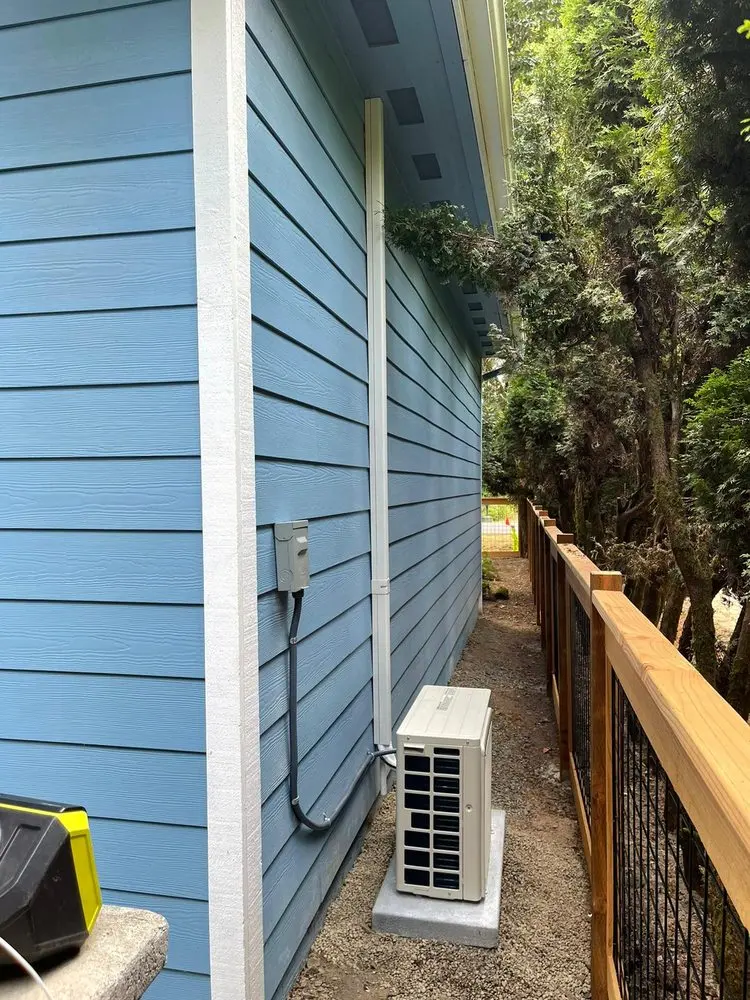
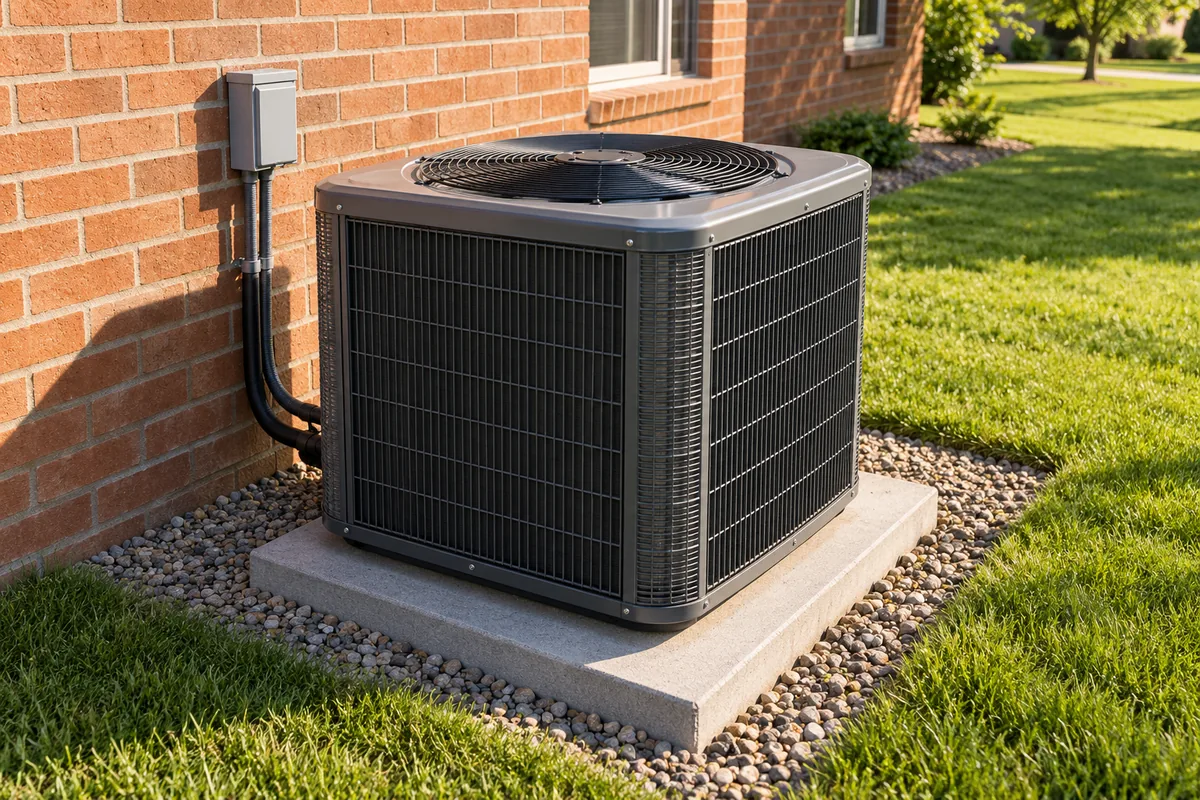
For a home getting central air for the first time, the review needs to cover indoor and outdoor equipment locations, airflow and connection routes. For replacement, clarify which components can remain and which will change. A similar-looking unit does not establish compatibility with the existing system.
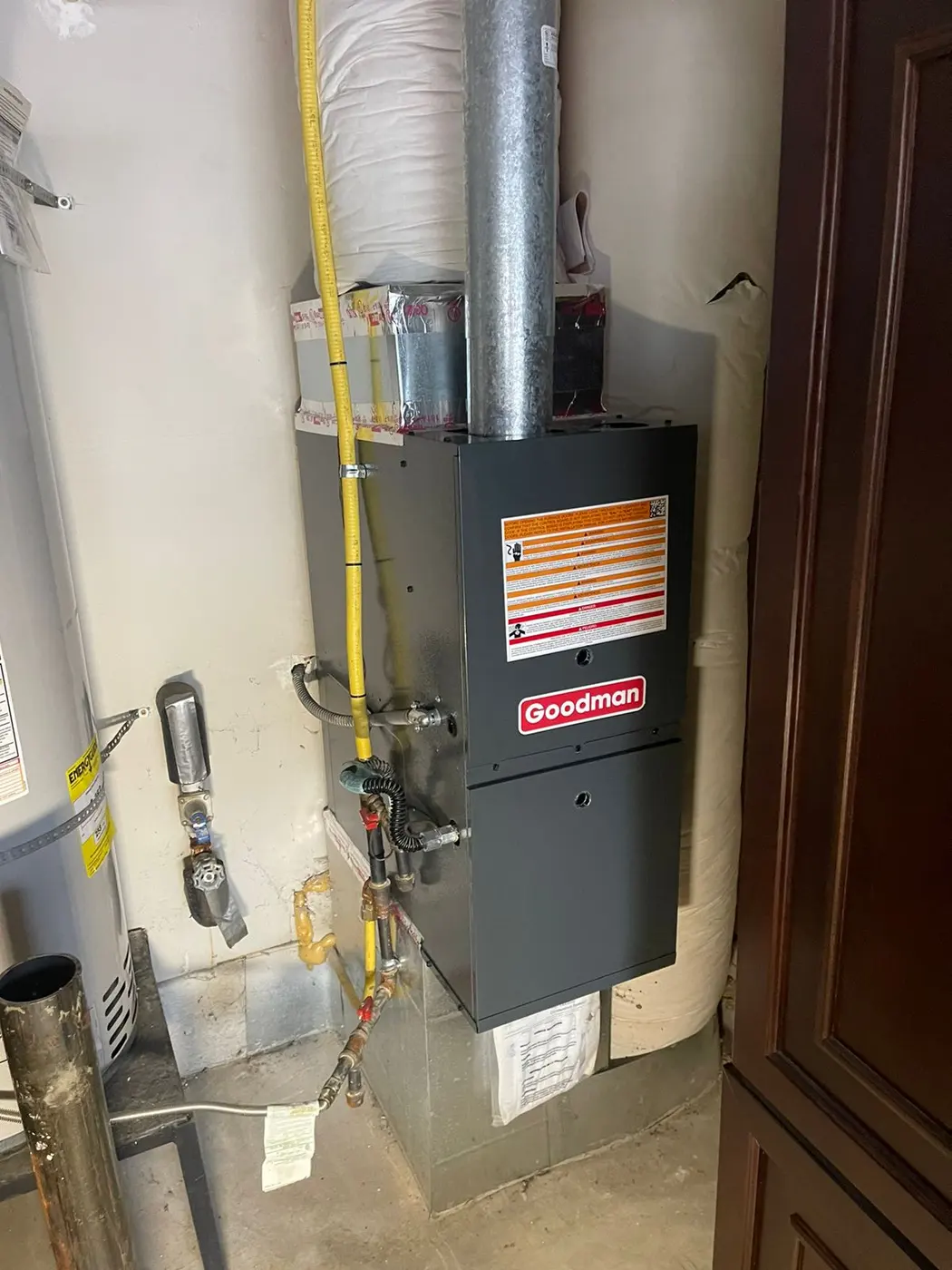
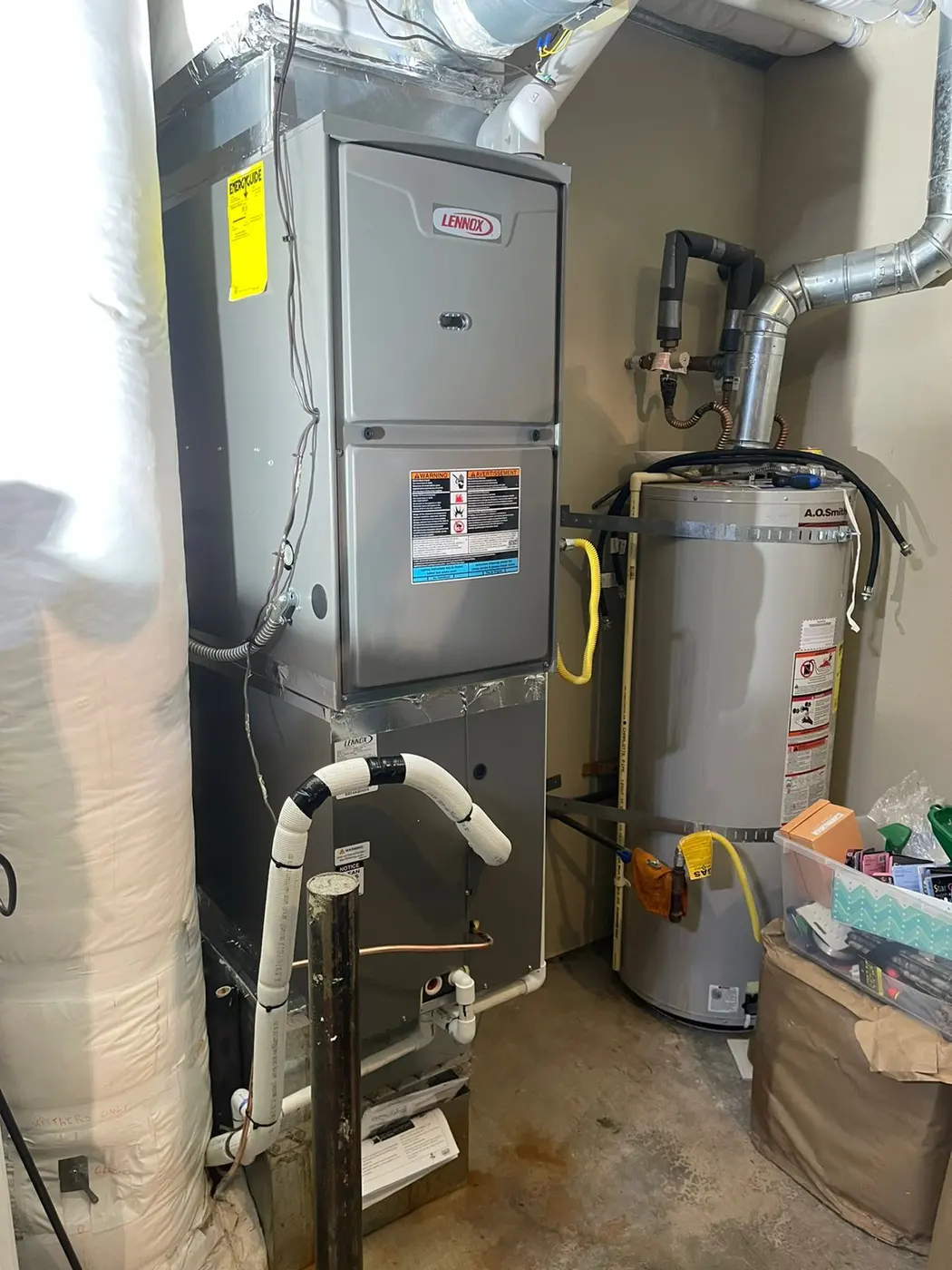
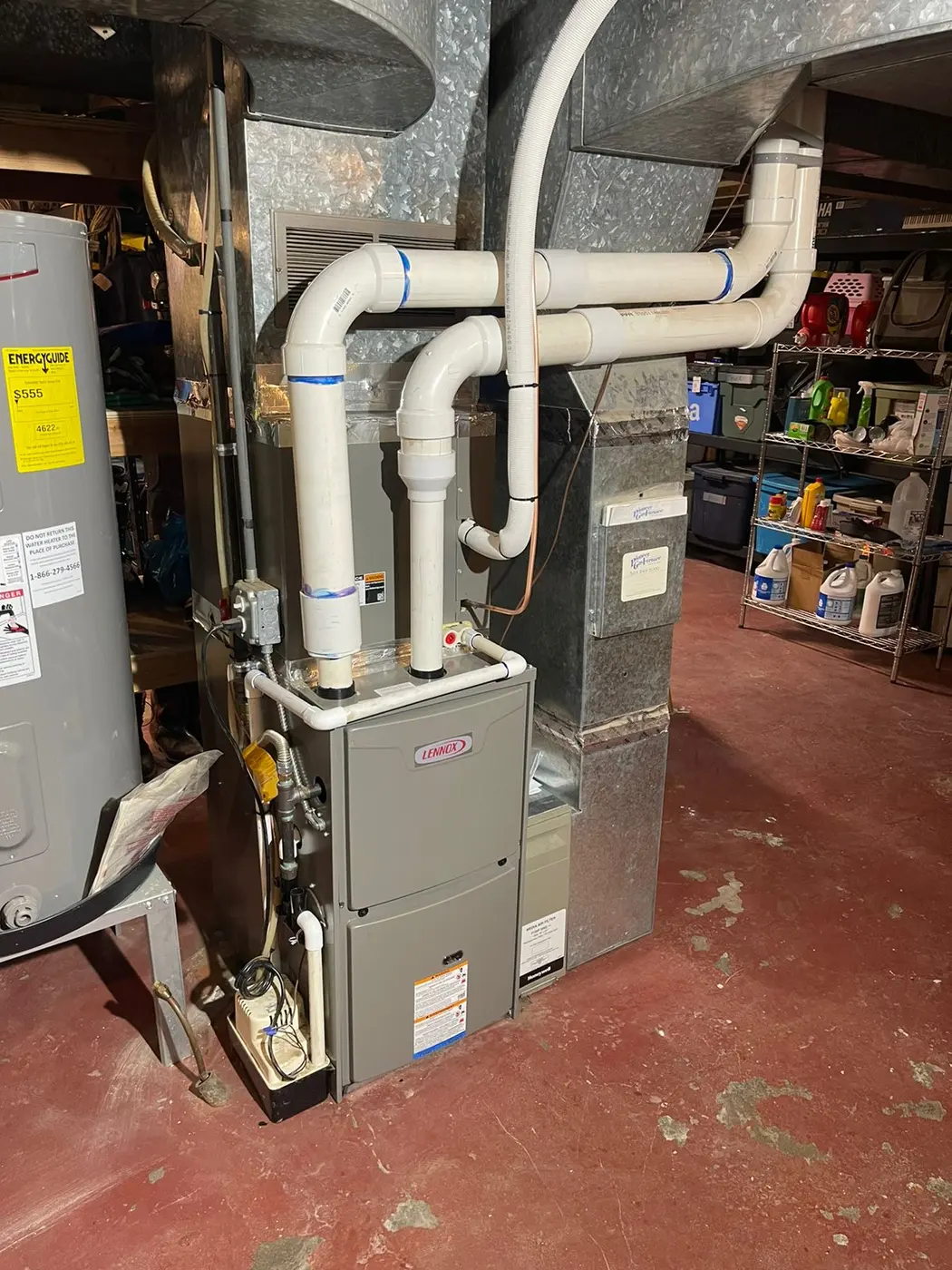
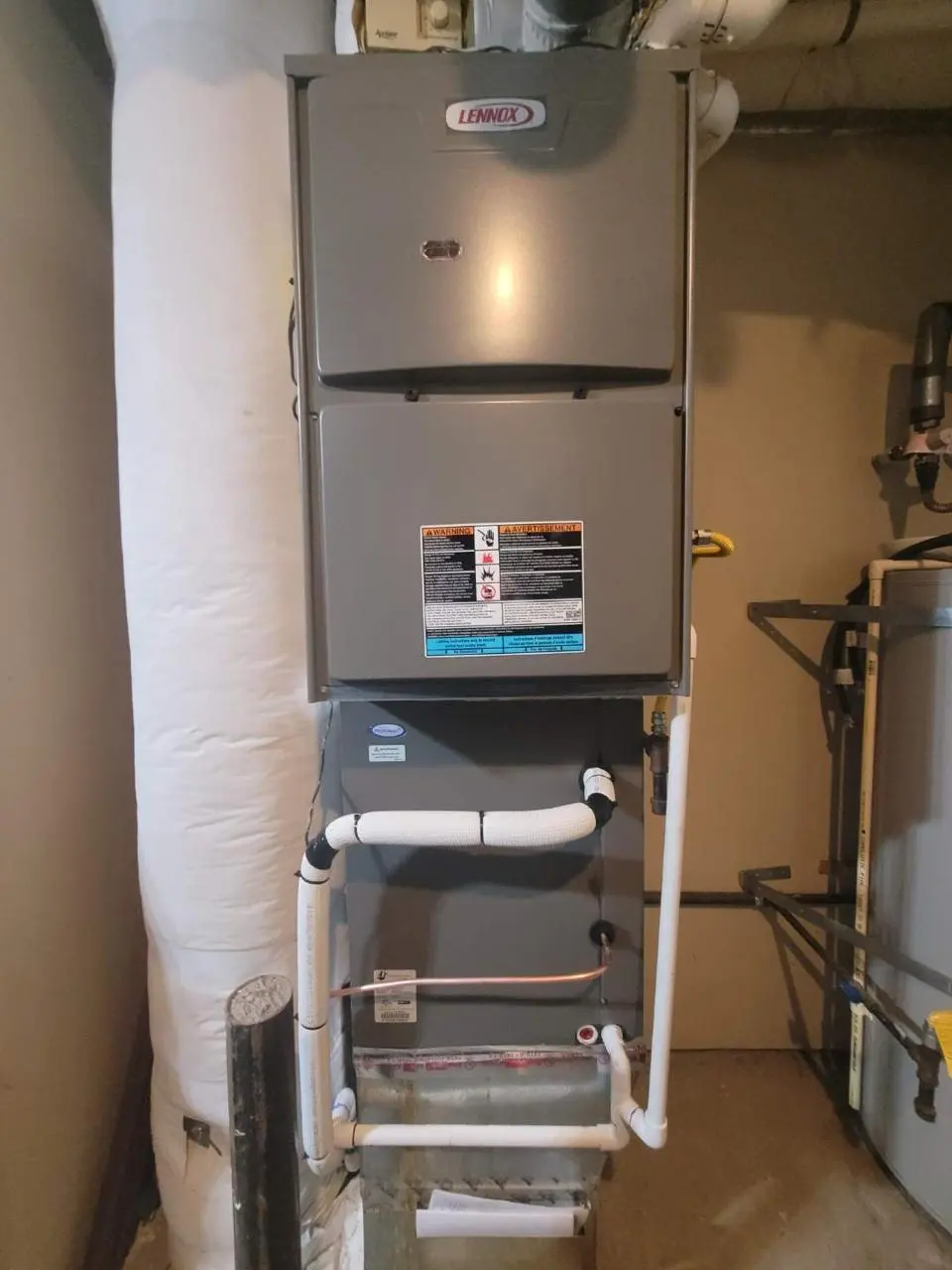
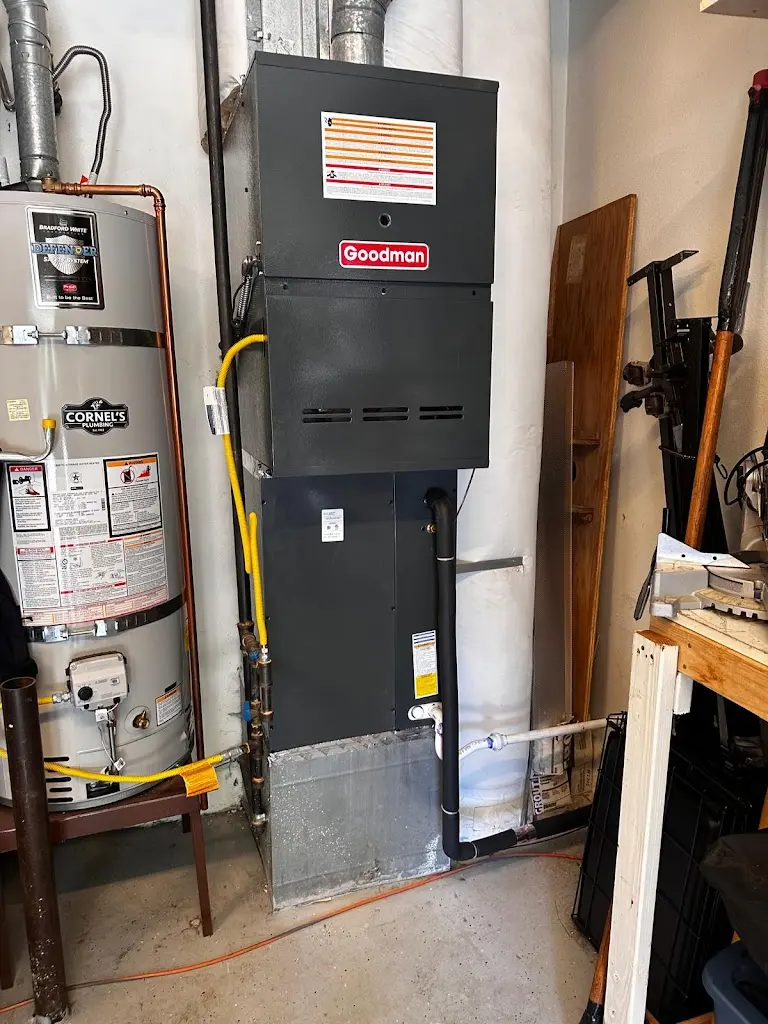
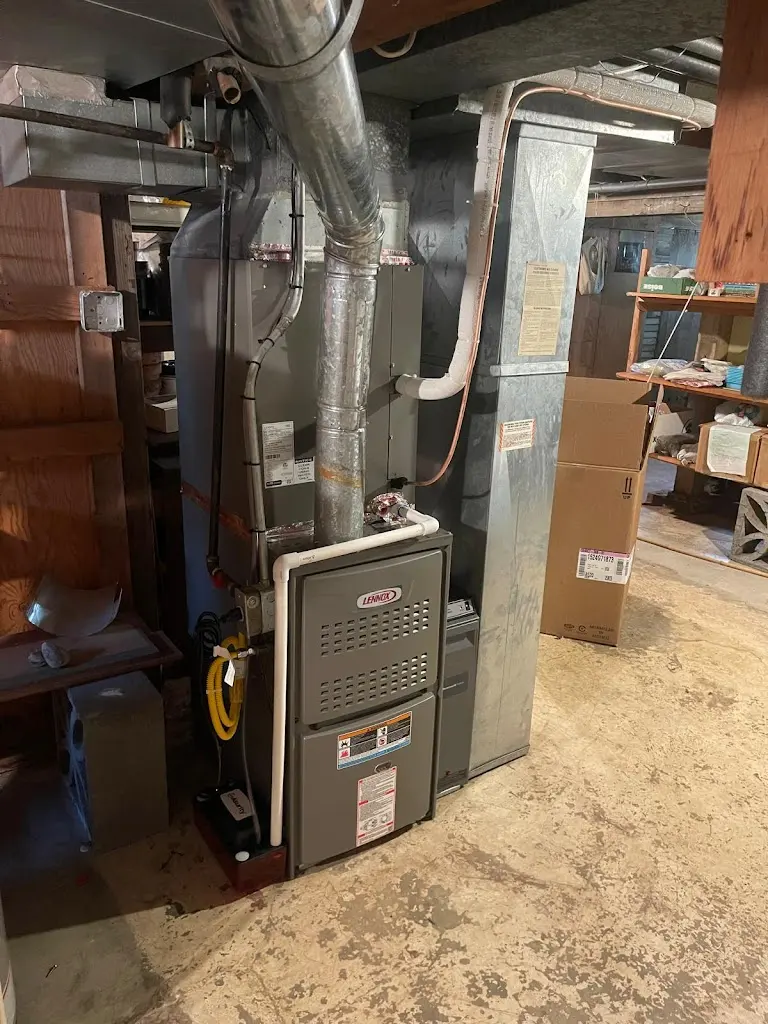
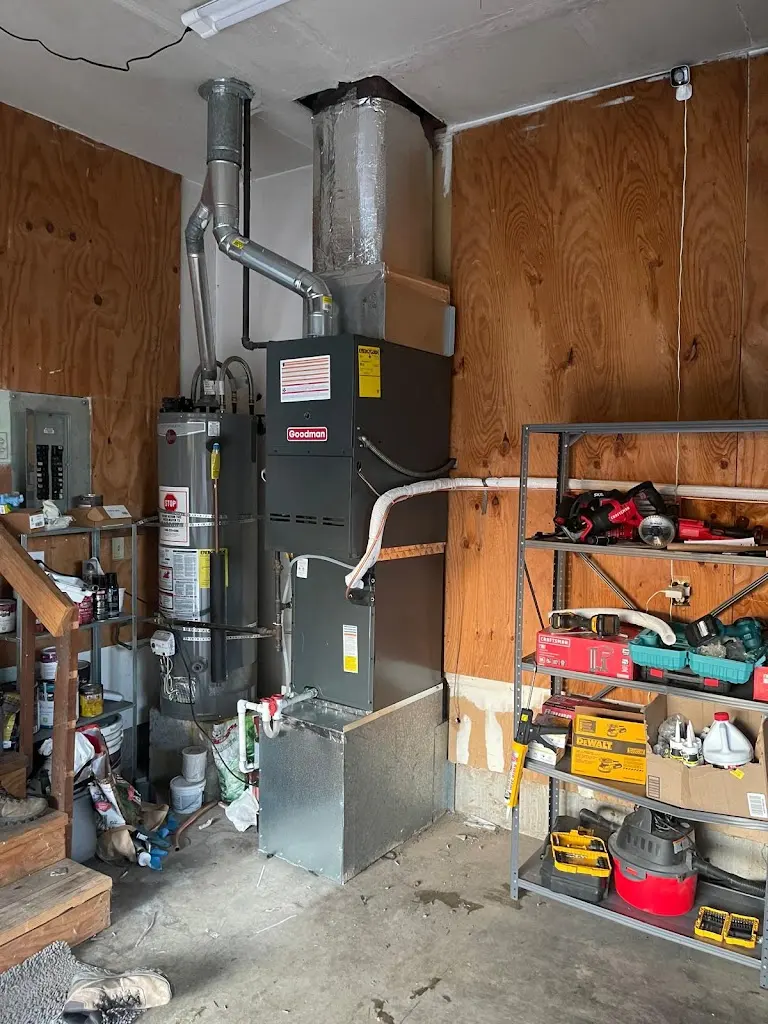
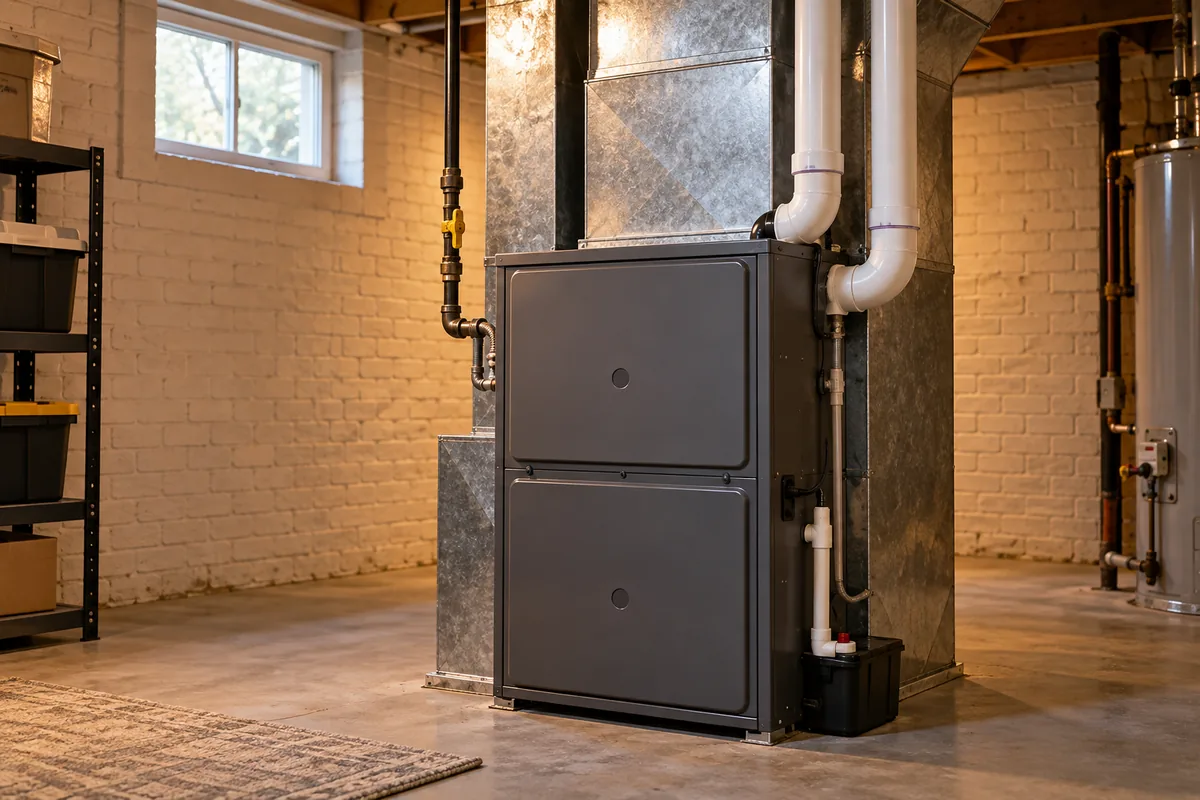
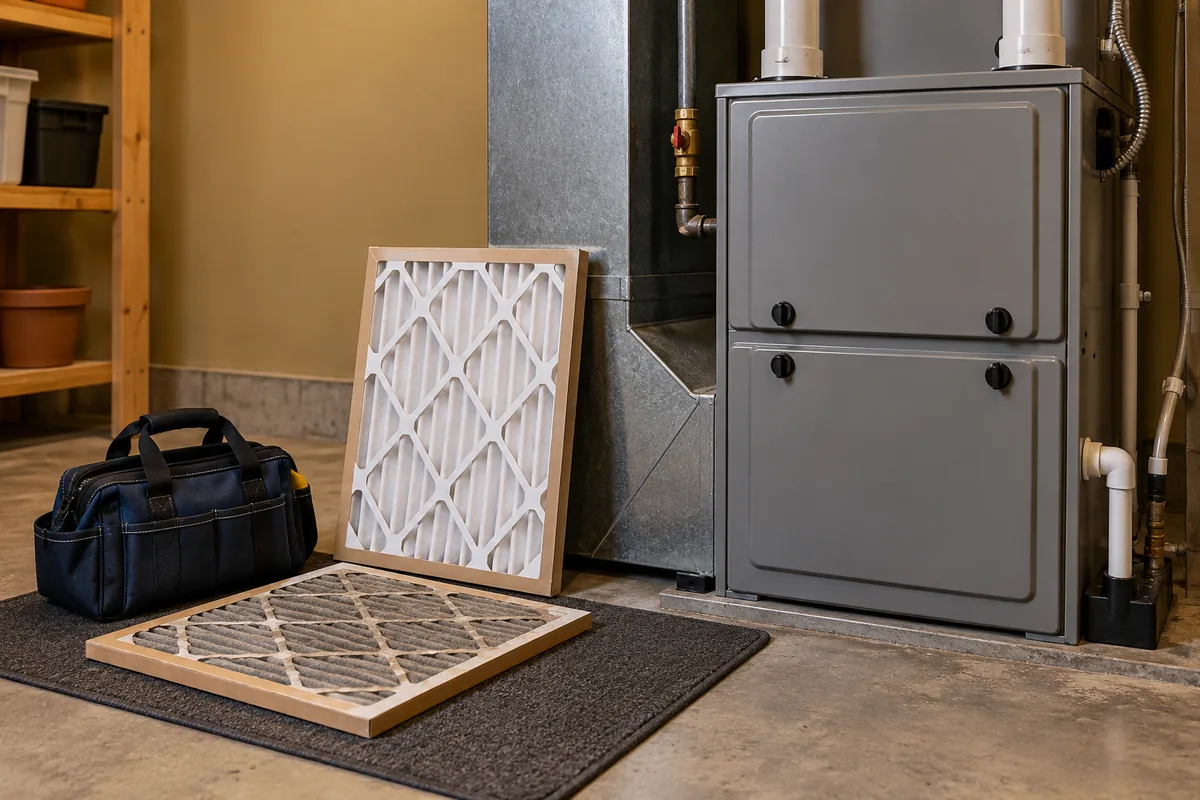
If the project also changes the furnace or shared indoor components, our HVAC installation service in Portland covers the broader scope. Include those choices before finalizing the cooling proposal.
Equipment Fit, Cooling Capacity and Airflow
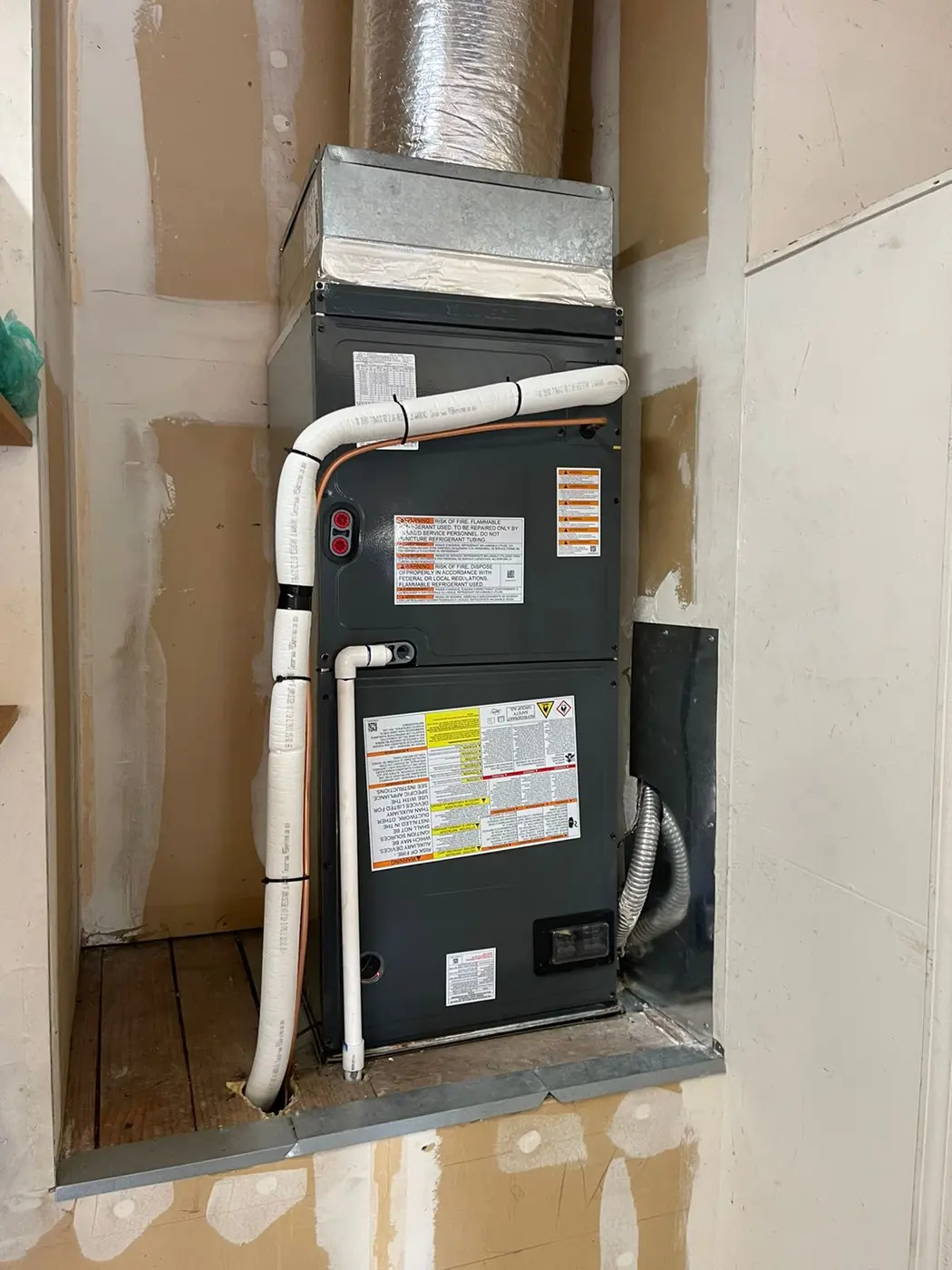
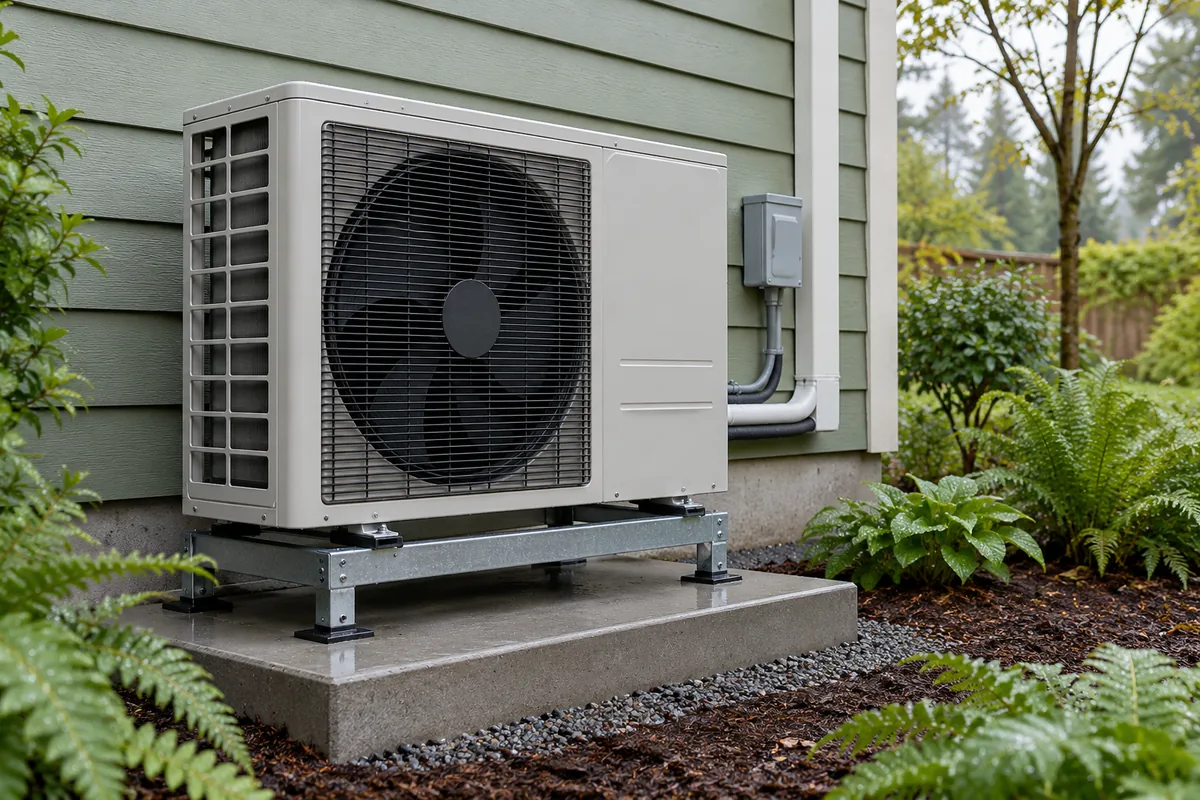
A central cooling project needs suitable capacity and an outdoor unit matched to the indoor coil and blower. Existing space, duct airflow and long-standing warm rooms all belong in the discussion; choosing a larger unit alone does not resolve every comfort problem.
Review the proposed equipment alongside the refrigerant lines, wiring and indoor connections it needs. Ask which existing components are suitable for reuse and which changes are included in the installation price.
Drainage and Access in the Installation Plan
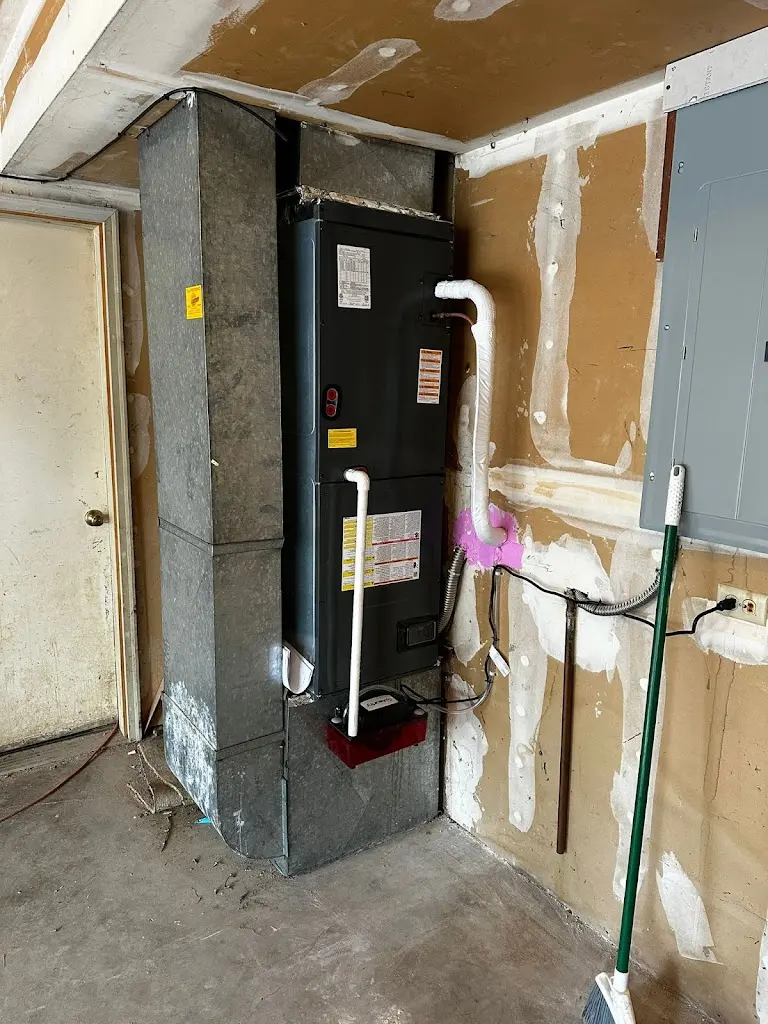
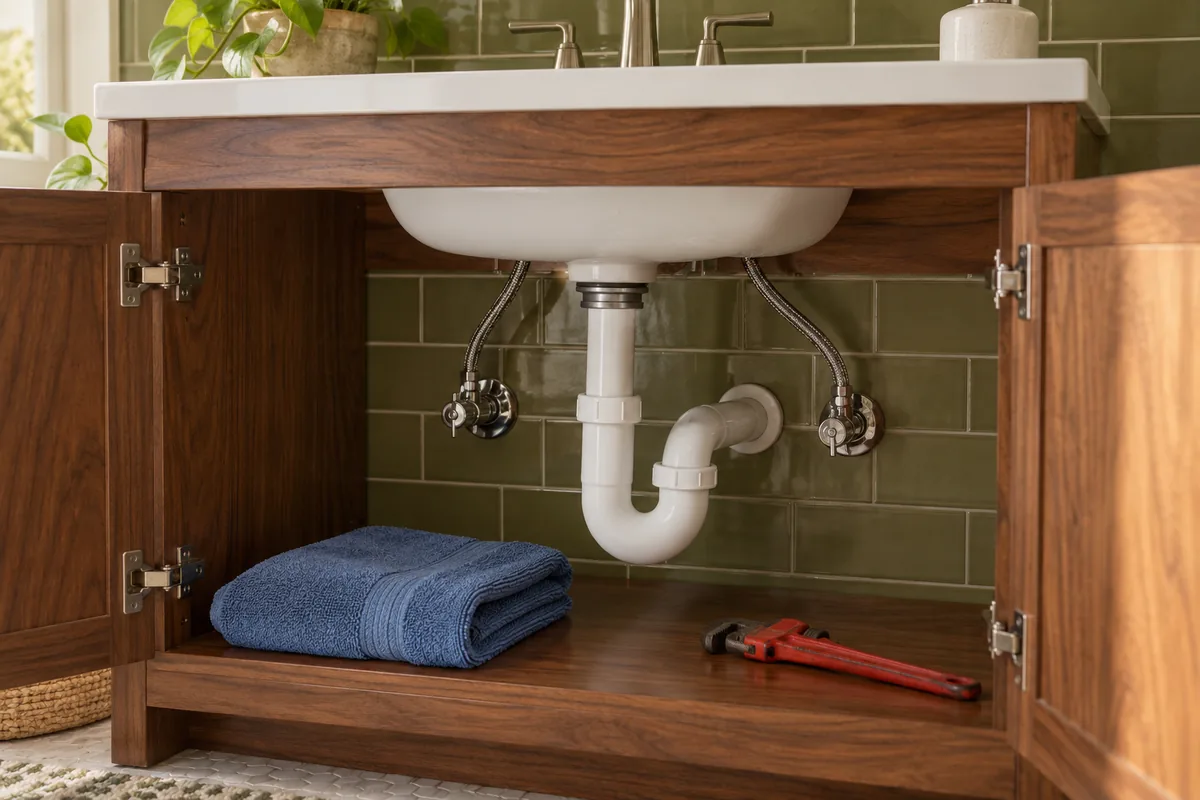
The indoor coil produces water during normal cooling, so drainage belongs in the equipment plan. Show any visible drain route and share previous water concerns or documented findings. An old drain or pump is not automatically suitable for the new setup; the proposal should explain any reuse, replacement or further assessment.
If a connection route needs access through a finished area, confirm which access and surface work is included and what remains separate. Do not open equipment, disconnect a drain or clear it to prepare for the visit.
Reviewing the Proposal and Completed Work
Before approval, review the equipment, connection changes, access work and any unresolved assessment with the proposed price. If findings change the required work, review the reason, revised scope and price before approving it.
At handover, ask which equipment and connections changed, what operating checks were completed and whether any follow-up remains. Keep the installed model details and care instructions for future service.
Contact HVAC & Appliance Repair Guys for a free on-site AC installation or replacement estimate in Portland.
Frequently Asked Questions
Does an old drain pump have to stay in the new setup?
Do not assume either reuse or replacement. Identify the existing part if you know it, then ask what the proposed equipment and route need. The current plan should explain any decision involving that part.
Can I choose a route based only on how little pipe I can see?
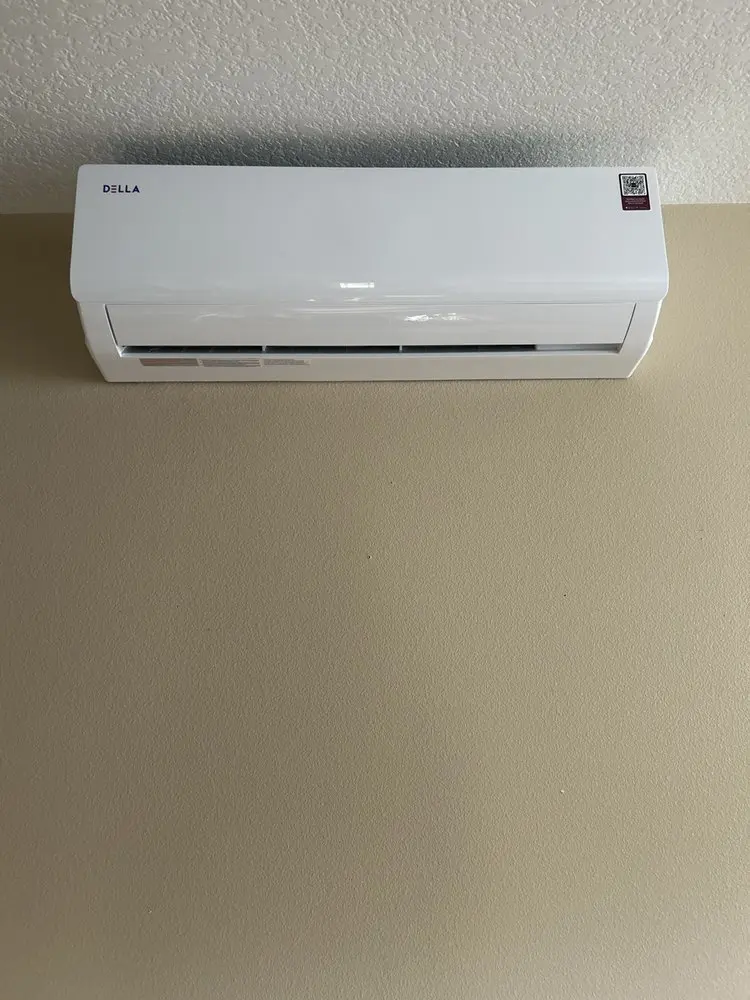
Describe the appearance you prefer, but review it with the equipment and access needs. Concealing a route does not by itself make it suitable. Confirm the actual arrangement before treating the preferred appearance as the approved installation.
How is the new cooling capacity selected?
Capacity should follow the home’s cooling load and intended rooms. Windows, insulation, sun exposure and duct airflow matter alongside floor area. Mention long-standing warm rooms so the estimate considers air delivery rather than assuming a larger unit will fix them.
Request AC Installation in Portland, OR
For AC installation in Portland, OR, call HVAC & Appliance Repair Guys or submit a service request through the form on this page.