



Heat Pump Repair in Tualatin
HVAC & Appliance Repair Guys provides heat pump repair in Tualatin, OR, for heating or cooling loss, weak airflow and repeated stops. If the fault appeared after a fence, deck or yard project near the outdoor unit, mention that history too. The current equipment response and surroundings both matter to the assessment.
Describe the heating or cooling problem first. The unit may fail to start, run without enough room comfort or behave differently from before. Then explain what changed nearby and when. Keeping those two accounts clear helps the service review consider the site without choosing a cause from timing alone.
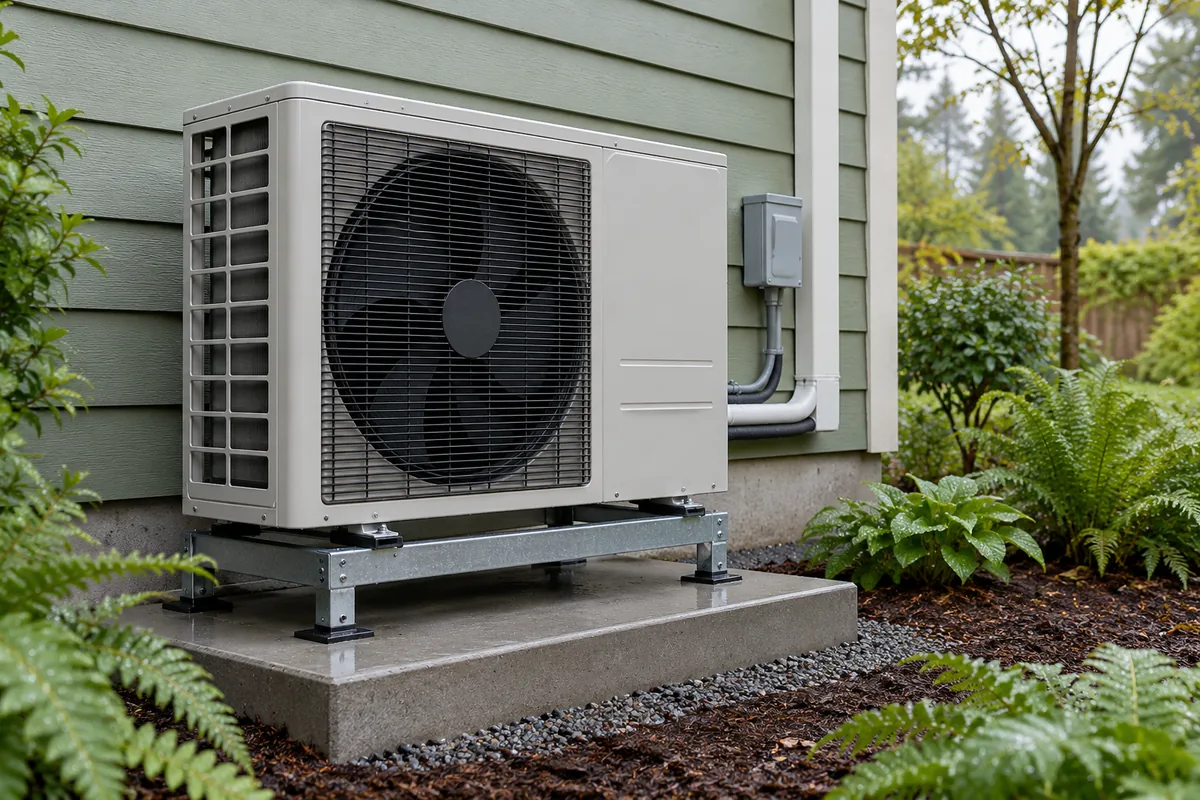
Outdoor Structures, Operating Space and Service Access
Explain whether a fixed structure, stored material or changed ground surface now sits near the unit. State which side you can see and what looks different. Do not reach through a fence or into equipment to inspect it.
Outdoor equipment needs suitable space to operate, but the correct requirements depend on the actual model and site. A walkway wide enough for a person does not establish the needed operating space. Equally, a close-looking object does not diagnose the current fault. The visit should keep access, equipment requirements and operating findings distinct.
Avoid applying one clearance distance to every heat pump. Do not cut a fixed structure, move the unit or disturb connected lines to test whether the problem improves. Tell us what surrounds the equipment and any limit on reaching it. A site change and an equipment repair need clear, separate scopes.
Heating and Cooling Performance after Nearby Work
Tell us whether the concern affects heating, cooling or both, and whether the unit stays idle or runs without meeting the room setting. A fan sound alone does not establish useful output. Describe what you have already noticed rather than switching modes to reproduce the fault.
If outdoor work occurred between seasons, explain when each mode last worked as expected. Heating before the project and a cooling failure months later do not establish that the project caused the change.
Our heat pump repair service assesses the existing system and the concern you report. Note any change in indoor airflow, outdoor activity or the normal display. Keep a message in its original wording where possible. There is no need to force another run or switch modes to complete the account.
Indoor Airflow and Outdoor Ice
Weak airflow throughout the home differs from a single room that has always felt uncomfortable. Mention filter or return-air concerns you know about without opening equipment. A repair to the outdoor unit may not resolve a separate air-path problem.
Brief outdoor frost and defrost can occur during heating. Heavy ice that persists while the home loses heat needs assessment. Do not chip the coil or force a stopped fan to turn.
Equipment Access after a Site Change
Explain any gates or routes changed by the project, as well as access to the indoor unit and controls. The technician may need more than a view of the outdoor cabinet.
Keep the approach clear where you can safely do so, but leave fixed structures and equipment connections intact. Do not climb over an obstruction or remove covers to prepare. If a location is not safely reachable, state that in advance. The team can explain how that limit affects the planned assessment.
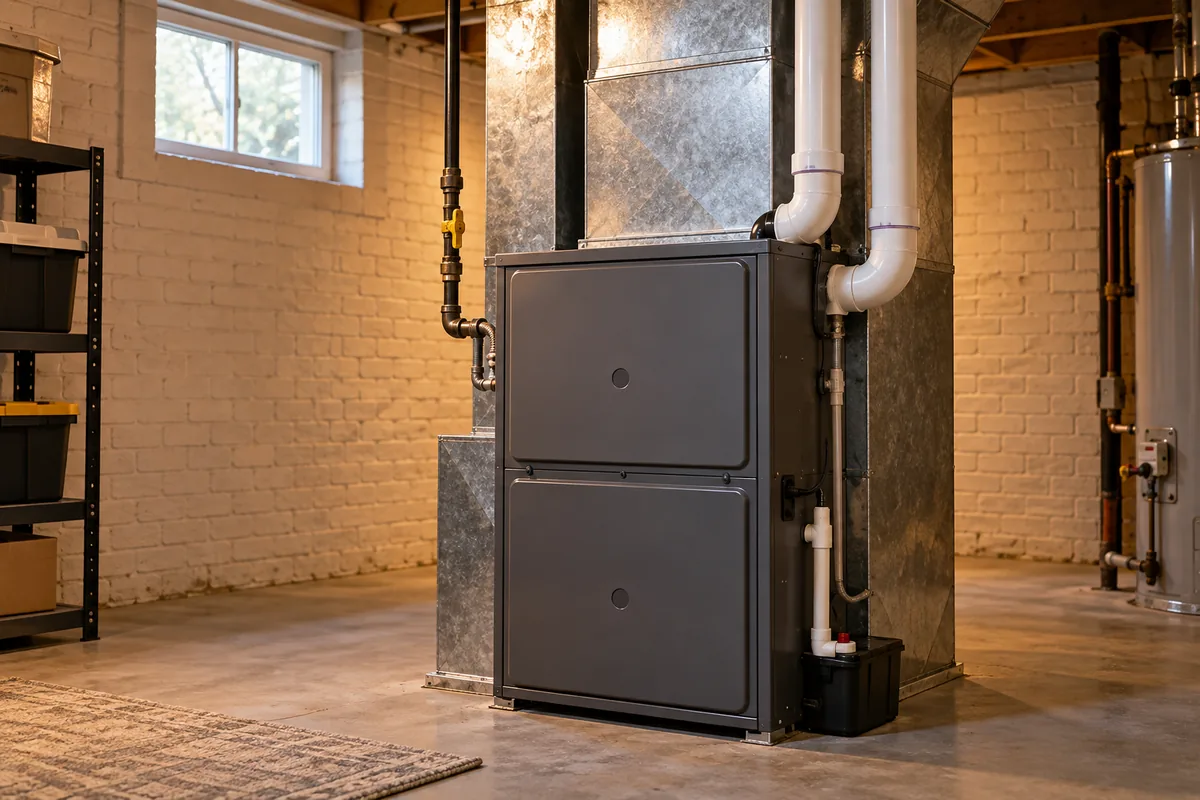
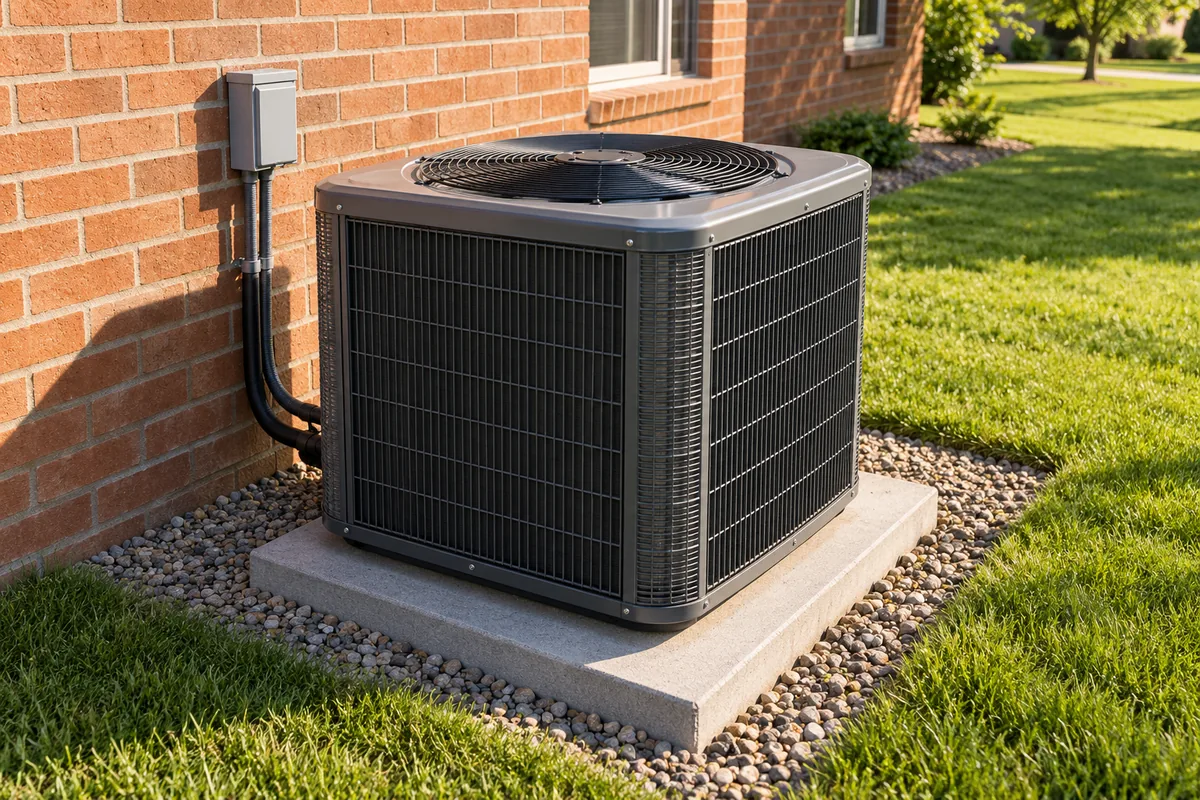
Our HVAC repair service in Tualatin covers a wider heating and cooling request. Mention a separate central air system or furnace only if it also has a concern. A project near one unit does not mean every system needs the same work. Confirm which equipment the appointment includes.
Equipment Repairs and Separate Site Work
Ask what the assessment found and how the proposed repair addresses the fault. If separate site or access work is necessary, confirm its purpose, scope and who will handle it.
Review the work and price before approval. If a site change is needed before further equipment checks, ask what those later checks will establish.
After the work, discuss the operating result and any remaining equipment or site concern. Keep those findings for a follow-up if the fault returns.
Request heat pump repair in Tualatin from HVAC & Appliance Repair Guys through the service form below. Describe the heating or cooling fault and any nearby site changes, leaving fixed structures and equipment connections intact.
Frequently Asked Questions
Should I move the outdoor unit away from the new structure myself?
No. Moving connected equipment is not preparation for a repair visit. Describe the structure and available route instead. Any relocation proposal needs its own assessment and scope, separate from diagnosing the current fault.
What if I do not know whether the project involved the heat pump?
Say which work you can confirm and leave equipment involvement unknown. Share any relevant work record already available. The visit can consider the current setup without treating a gap in the history as proof of damage.
Can routine system maintenance settle whether the new layout caused the fault?
Report the active failure when arranging service. Routine care and a diagnosis address different questions. A care task does not by itself establish the cause or confirm that the new surroundings meet the equipment requirements.
Does restoring the old layout guarantee normal operation?
No. A visible change may be relevant, but the current findings must establish the problem. Keep any proposed site work tied to a stated purpose. Changing the layout alone does not confirm that the equipment fault is repaired; its operating result still needs assessment.
Request Heat Pump Repair in Tualatin, OR
For heat pump repair in Tualatin, OR, call HVAC & Appliance Repair Guys or submit a service request through the form on this page.
Before your visit
Heat Pump Repair details for Tualatin, OR
Before scheduling heat pump repair, gather the information that can be observed safely. The technician explains the findings and recommended work before you decide. The $99 service call covers diagnosis and is applied toward the total when the repair is approved. The finding and price are reviewed first.
Share the service address
For Tualatin, OR, include the street address, building or unit number, room, and the equipment involved. Mention gates, elevators, building check-in, loading restrictions, or another access step before the appointment so the technician knows how to reach the equipment.
Confirm permission for the work
For rentals, managed properties, and multi-unit sites in Tualatin, OR, confirm who may approve diagnosis and repair. If building management controls a utility room, roof, mechanical space, shutoff, or common area, arrange that access before the appointment whenever possible.
Share prior service history
Recent maintenance, earlier repairs, replaced parts, recurring symptoms, renovation work, and previous estimates can change the next diagnostic step. Send any relevant history for the Tualatin, OR request, but avoid assuming that an earlier diagnosis still explains the current heat pump repair problem.
Use safe interim steps
Stop using equipment that is leaking, smoking, overheating, damaging the property, or repeatedly tripping protection. For the Tualatin, OR request, describe the safe steps already taken. Do not bypass controls, reach into moving equipment, or handle energized, fuel, or refrigerant components.