


HVAC Repair in Tualatin
HVAC & Appliance Repair Guys provides HVAC repair in Tualatin, OR, for installed heating and cooling equipment. You can begin a service request with a simple description of what is wrong. Explain whether the system never starts or runs all afternoon without reaching the set temperature. Describe that difference rather than trying to name a failed component.
The technician uses the complaint, equipment details and checks at the property to identify the fault. Similar symptoms can have different causes, so the repair recommendation follows the assessment.
For HVAC repair in Tualatin, share your address, system type and symptoms. Same-day appointments may be available; diagnosis, parts or further testing may require follow-up work.
Startup, Short Runs and Continuous Operation
Think through the last time the system tried to heat or cool: whether the thermostat responded, air began to move and room temperature changed. Include whether the fan continued after useful heat or cooling stopped.
For short runs, note roughly when the unit stops, whether it restarts on its own and any control message. Avoid repeated resets to force a longer run; describe the pattern you have already observed.
A constant run has its own context. Tell us whether the rooms gradually improve, remain unchanged or drift farther from the set temperature. Mention if you recently changed the setting or schedule. That information helps distinguish a new request from a system that no longer meets a setting it previously maintained.
For an intermittent fault, a brief dated note can preserve what happened even if the equipment later recovers. Record the selected mode, displayed temperatures and visible message. You do not need to collect technical measurements. Keep covers in place and avoid touching internal electrical, gas or refrigerant components.
Cooling, Furnace and Shared-System Faults
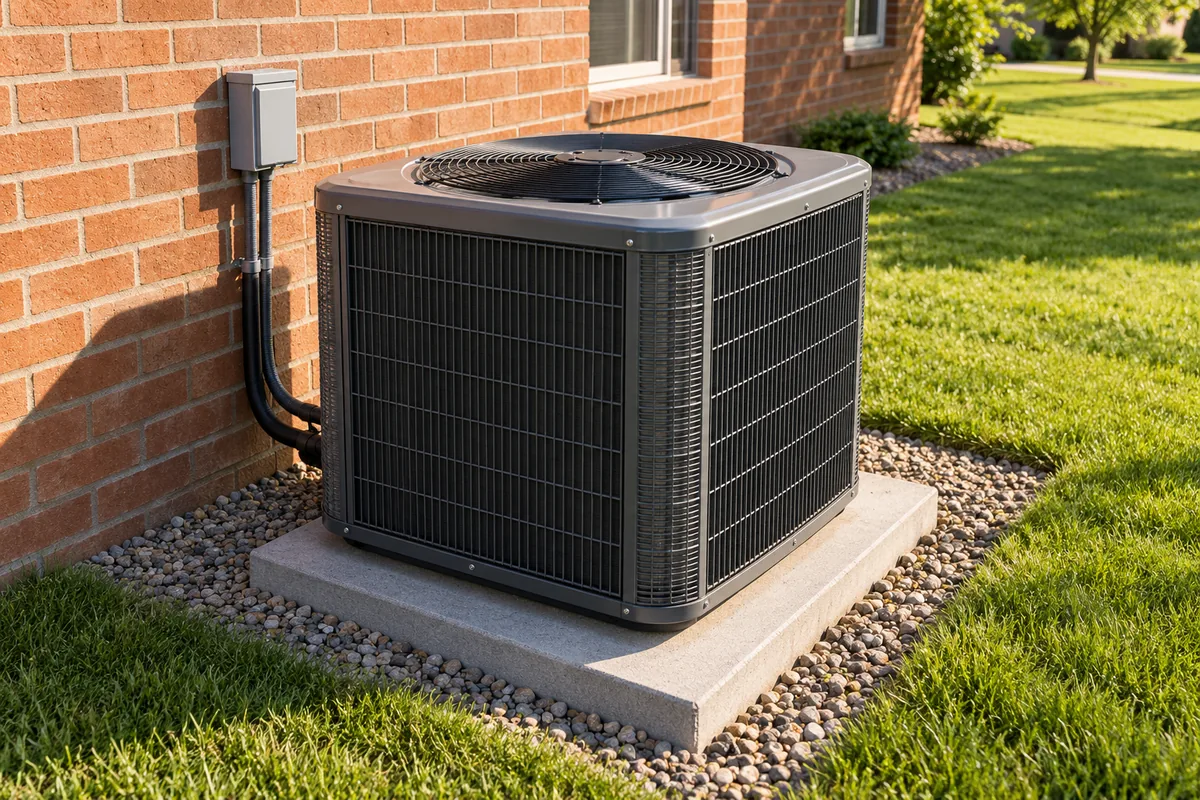
For a cooling complaint, describe airflow and air temperature separately. Weak airflow throughout the home differs from normal airflow that stays warm. Mention visible frost or water and where it appears without opening the equipment. Our AC repair service in Tualatin provides the focused cooling-service scope.
An air conditioner that stops cooling does not automatically need a refrigerant top-up. Ask what supports the proposed work and what it should correct. Repeating a treatment without understanding a recurring problem can leave the original complaint unresolved.
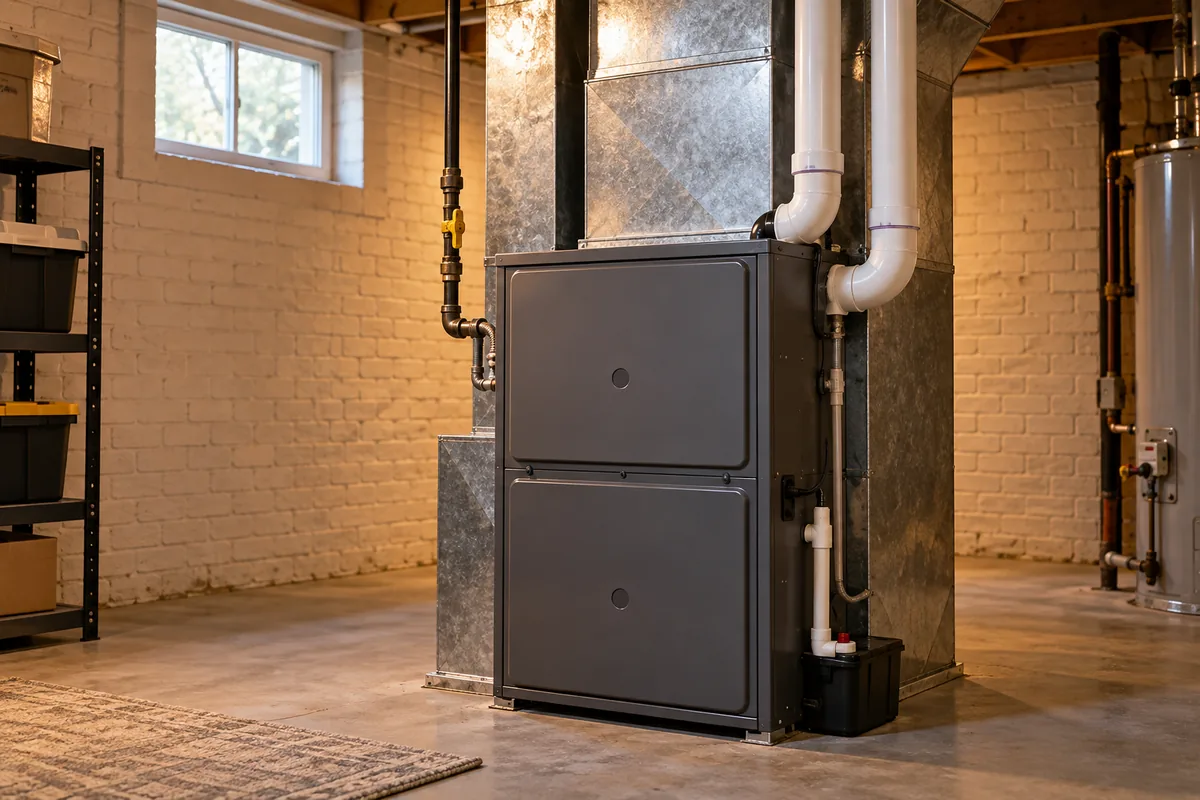
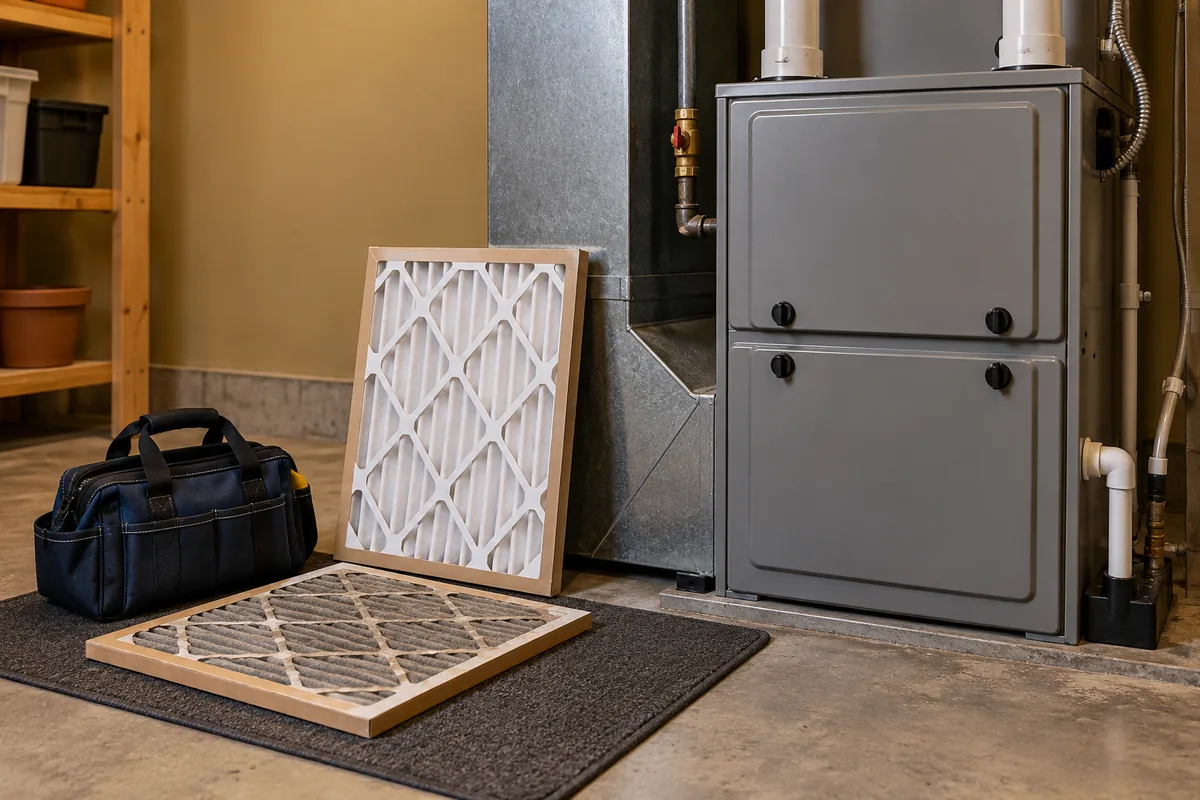
For a furnace, explain whether there is no response, a brief attempt to start, or airflow that never becomes warm. A control message or prior repair record can help establish the sequence. Our furnace repair page for Tualatin covers that heating service. Do not bypass a safety control or keep trying to run equipment that appears unsafe.
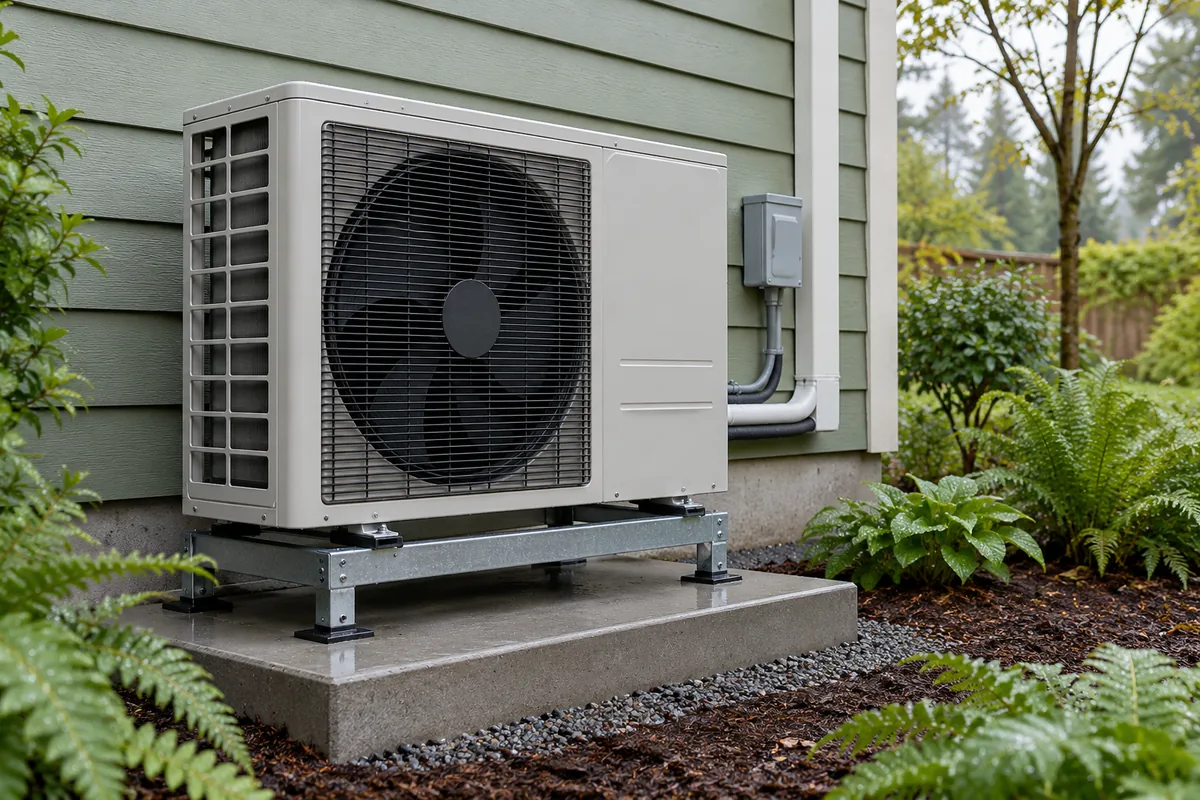
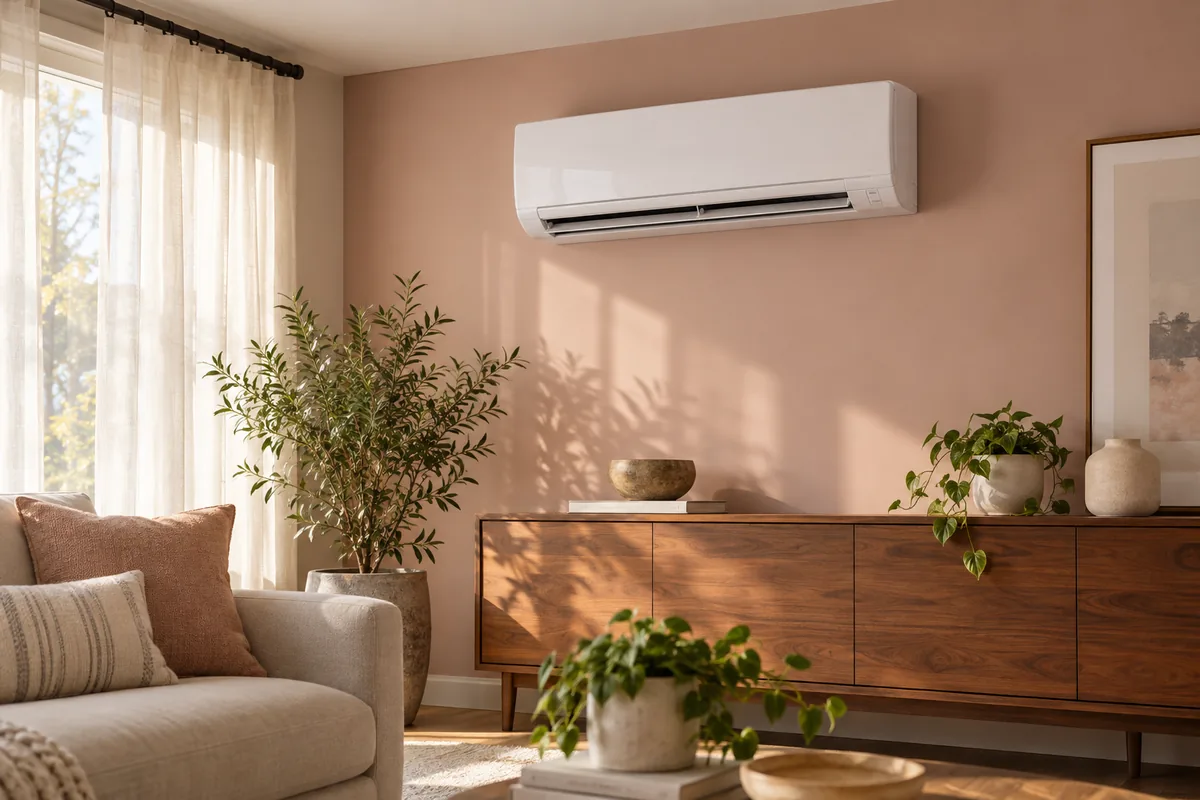
Heat pumps use one system for heating and cooling, so mention whether one mode still works. For a ductless system, name the indoor unit with the fault and those that still work. The number of affected rooms or indoor heads helps describe the fault. It does not prove that every component needs work.
Also explain whether separate controls serve different parts of the property. A working system upstairs may not tell us anything about the equipment serving another area. We need to identify the unit tied to the complaint before agreeing on a repair scope. That matters especially when labels, controls or equipment locations are unclear.
Repair Findings, Price and Operating Checks
Ask what the technician found and how the proposed work addresses the reported symptom. If another issue remains, clarify which task will restore operation and which needs separate attention.
Review the price, parts, labor and return-visit needs before approval. If the cause remains uncertain, ask what further assessment would establish.
Share earlier work details if a symptom has returned. The date and repair scope provide context, while the current findings determine whether the same cause or a different fault is present.
After the repair, ask how the technician checked the original failed start or loss of heating, and whether any separate issue remains.
Maintenance and Replacement Options
Regular maintenance supports planned upkeep. A system that has stopped working needs a fault diagnosis. Our HVAC maintenance in Tualatin covers that planned service. Mention an active fault when requesting an appointment, even if the system is also due for routine care.
If replacement becomes an option, compare it with the repair on a defined scope. Our HVAC installation service in Tualatin includes a free on-site estimator visit for installation or replacement. That offer does not make repair diagnosis a free service. A new system proposal requires its own review and approval.
Equipment size, location, connections and controls all affect a replacement project. A single uncomfortable room or an older model number is not enough to select new equipment. Ask which work the proposal includes and which existing components would remain.
Safe Access for HVAC Repair
Tell us where the equipment sits and how to reach it when requesting the visit. Mention a locked room, a gate, an attic entry or crawlspace access. Keep the approach clear of stored items where possible. Do not move the unit, disconnect lines or remove covers to create working space.
Arrange for someone to explain the complaint and review the proposed work. If entry and approval involve different people, make that arrangement clear before arrival.
Have safely accessible model details, prior repair records and notes about recent thermostat, schedule or equipment changes ready for the visit.
Contact HVAC & Appliance Repair Guys to request HVAC repair in Tualatin and describe the operating sequence, affected rooms and any visible message.
Frequently Asked Questions
What if I cannot tell whether the problem is heating or cooling equipment?
Describe the mode selected on the thermostat and what happens in the rooms. If you know where the indoor and outdoor units are, include that information. We can use those details to understand the setup without asking you to open equipment.
Can a fault still matter if it clears on its own?
Yes. Recovery does not establish why the system stopped or whether the issue will return. Save the message and timing if you can do so safely. Let us know that the equipment currently works as well as what happened earlier.
Do higher bills prove that the system needs replacement?
No. A bill change alone does not identify a fault or establish the right equipment size. Describe any change in run time or comfort alongside the bill concern. The repair or replacement decision needs more specific information.
Should I buy a part before requesting service?
Avoid choosing a part based only on a symptom or a similar-looking unit. Model details and the actual fault determine the work needed. Start with an assessment so the proposed repair addresses the problem in your equipment.
How should I describe a noise I cannot name?
Use ordinary words and say when it occurs: at startup, during a run or after the unit stops. Note where it seems to come from without reaching into the equipment. A safe recording may help, but you do not need to recreate the fault.
Request HVAC Repair in Tualatin, OR
For hvac repair in Tualatin, OR, call HVAC & Appliance Repair Guys or submit a service request through the form on this page.
Before your visit
HVAC Repair details for Tualatin, OR
Share the equipment, symptoms, access details, and the name of the person who can discuss the work. The $99 service call covers diagnosis and is applied toward the total when the repair is approved. The finding and price are reviewed first.
Share the service address
For Tualatin, OR, include the street address, building or unit number, room, and the equipment involved. Mention gates, elevators, building check-in, loading restrictions, or another access step before the appointment so the technician knows how to reach the equipment.
Confirm permission for the work
For rentals, managed properties, and multi-unit sites in Tualatin, OR, confirm who may approve diagnosis and repair. If building management controls a utility room, roof, mechanical space, shutoff, or common area, arrange that access before the appointment whenever possible.
Share prior service history
Recent maintenance, earlier repairs, replaced parts, recurring symptoms, renovation work, and previous estimates can change the next diagnostic step. Send any relevant history for the Tualatin, OR request, but avoid assuming that an earlier diagnosis still explains the current hvac repair problem.
Use safe interim steps
Stop using equipment that is leaking, smoking, overheating, damaging the property, or repeatedly tripping protection. For the Tualatin, OR request, describe the safe steps already taken. Do not bypass controls, reach into moving equipment, or handle energized, fuel, or refrigerant components.