


Washer Repair in Beaverton
HVAC & Appliance Repair Guys provides washer repair in Beaverton, OR, for filling, washing, draining, spinning and door problems. We also assess leaks and unusual movement, then explain the proposed equipment repair and price.
For a leak, tell us where water first appeared and whether the washer was filling, washing or draining. Our washer repair service covers the assessment. The location helps guide checks without identifying a failed part on its own.
Water Leak Locations and Safe Observation
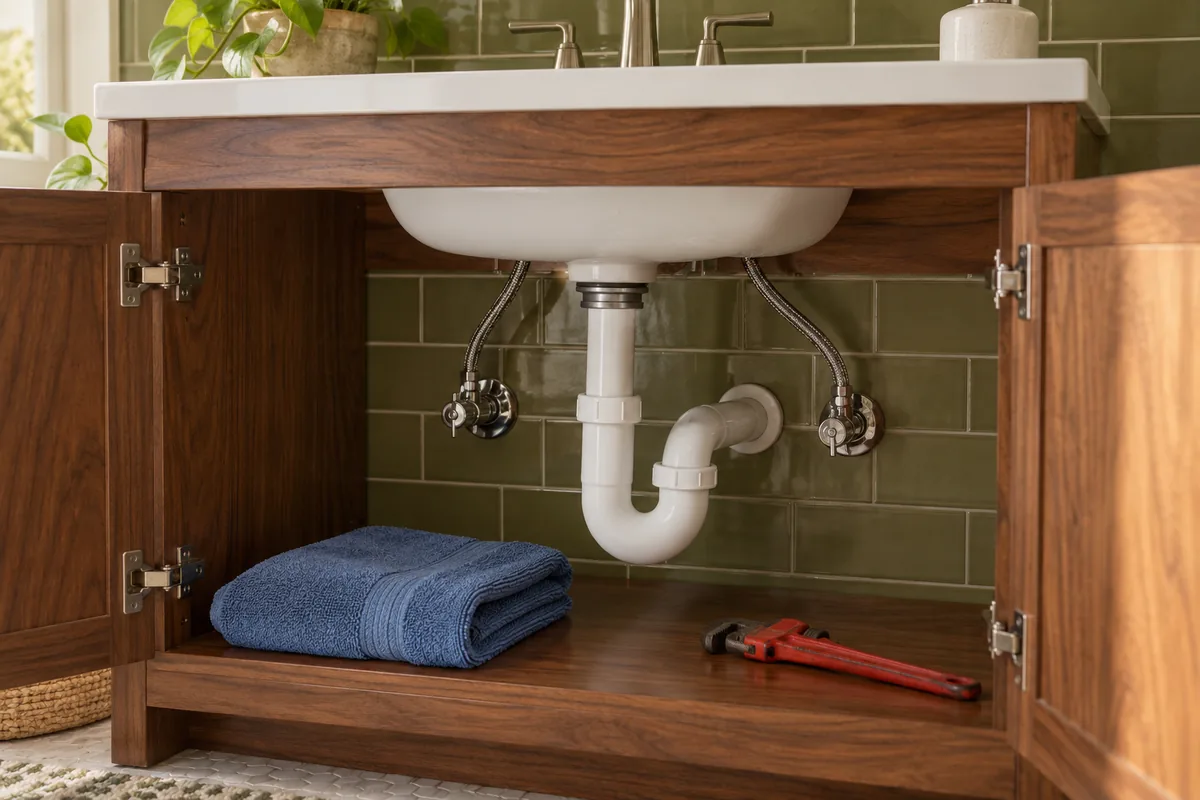
Note when you first noticed water and whether the same area becomes wet again. A dated photo from a dry, accessible position can preserve the pattern. If another appliance or fixture sits nearby, mention it. Do not assume the washer caused every wet spot in the room.
Stay clear of wet electrical parts. Leave panels and connections in place, and do not move heavy equipment to trace a source behind it. A photo can support the description without exposing hidden parts. The actual source still needs assessment before we explain the repair scope.
When the Cycle Stops or Clothes Stay Wet
Give the selected program, last stage observed and complete display message. A blank panel differs from a machine that accepts a selection but never fills. Water remaining in the tub differs from clothes that stay wet after the washer drains.
For shaking or noise, describe whether it begins during washing or fast spin. Mention heavy suds or a door that will not release. Do not force the door, bypass a lock or repeat leaking or violently shaking cycles.
Washer Type, Model and Laundry Access
Tell us whether the washer is front-loading, top-loading, part of a laundry center or below a separate dryer. Use its own model number from an accessible label or record, and leave stacked equipment in place.
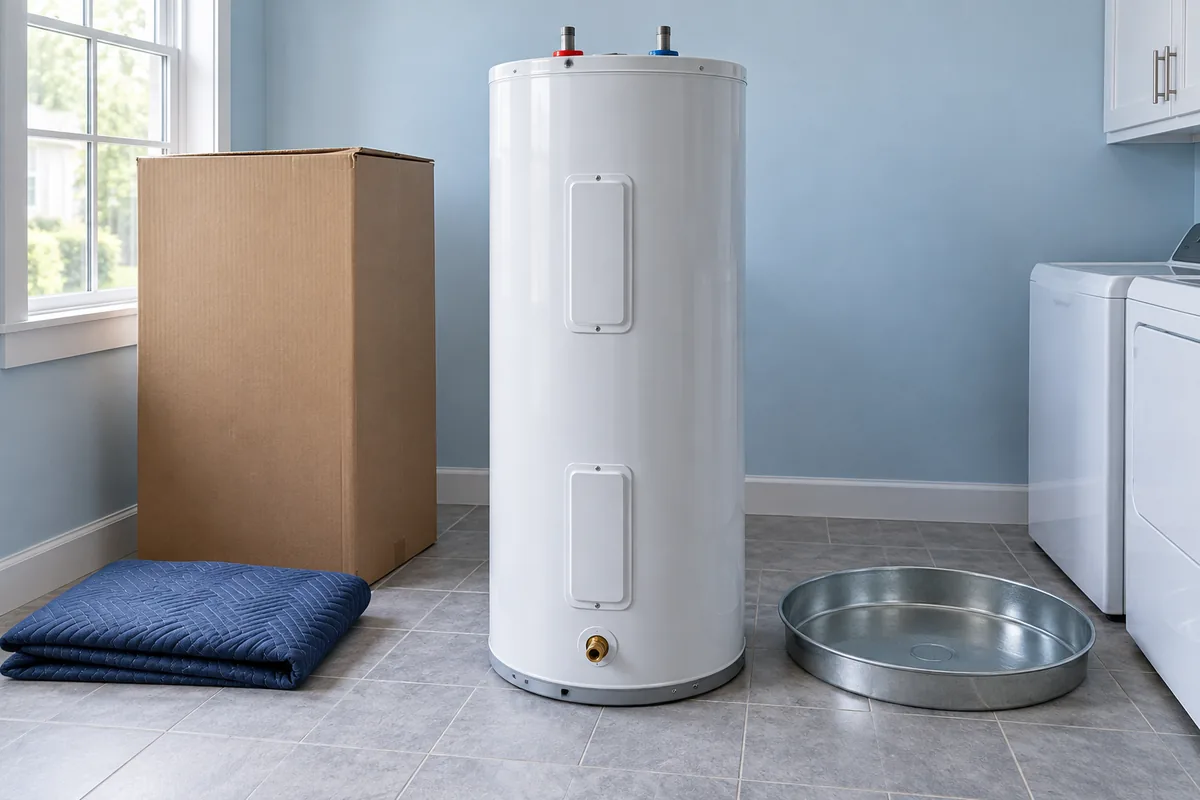
A wide photo can show a drain pan, nearby surfaces and the route to the unit when present. Describe these as access details, separate from the leak diagnosis. Our Beaverton appliance repair page covers other household machines. Confirm any additional unit and its charges when arranging service. For a separate drying fault, request dryer repair with the dryer’s own model and symptoms.
Diagnostic Fee, Repair Price and Separate Restoration
Provide the full address, entry contact and person who approves repairs. The diagnostic service call costs $99.
We credit that fee toward an approved repair; it remains due if you decline. We explain the findings, proposed work and price before approval. A wet floor alone cannot establish the final parts list or cost.
We explain applicable warranty terms before approval. Any floor or cabinet restoration is a separate scope question. Same-day appointments depend on availability; parts or further diagnosis may require another visit.
Contact HVAC & Appliance Repair Guys to request washer repair in Beaverton and describe the first wet area or changed cycle stage, current condition and laundry setup.
Frequently Asked Questions
Does water near the door prove the door seal needs replacement?
No. Record the first wet area, cycle stage and any visible suds. The model and assessment guide the parts decision. The nearest visible component may not explain the whole fault.
Should I run another cycle so I can photograph the leak?
Use observations or photos you already have rather than repeating a leaking cycle just for evidence. Describe the timing and current condition. Leave the machine and connections intact.
What if the floor dries before the visit?
Keep the earlier photo or note with its date and location. Explain whether the leak returned and what the washer did during it. An absent puddle does not erase that history.
Will the appliance repair include floor restoration?
Confirm the scope separately. Mention the floor condition for access, but do not assume it forms part of the washer repair. We explain the proposed equipment work before approval.
Request Washer Repair in Beaverton, OR
For washer repair in Beaverton, OR, call HVAC & Appliance Repair Guys or submit a service request through the form on this page.