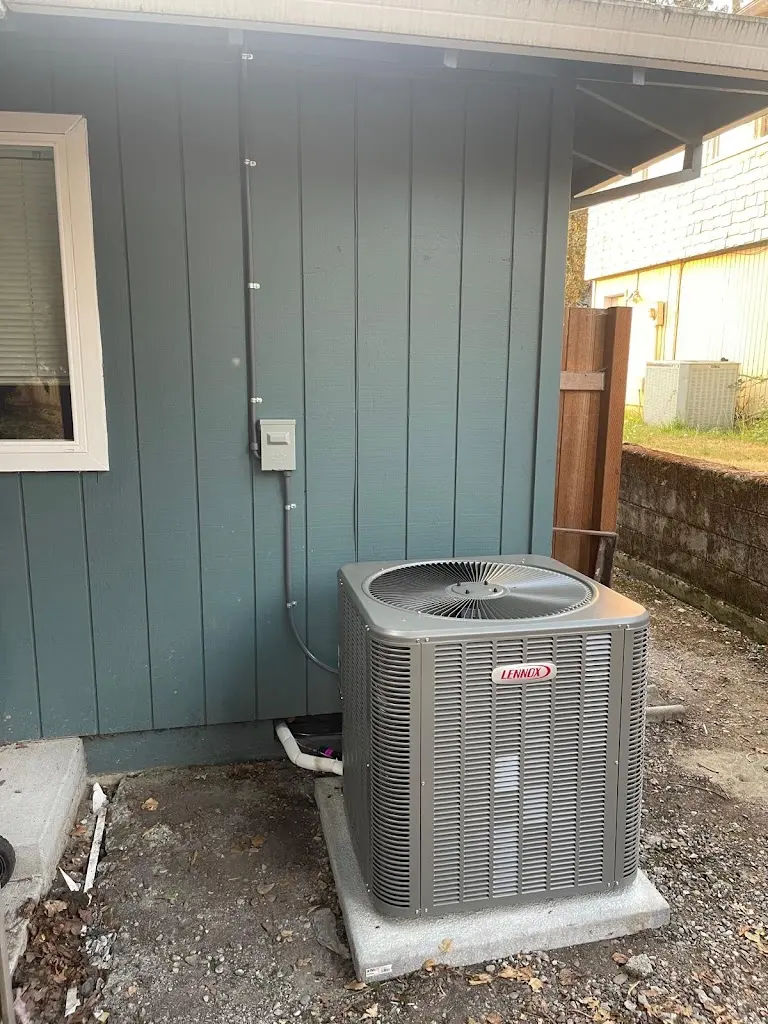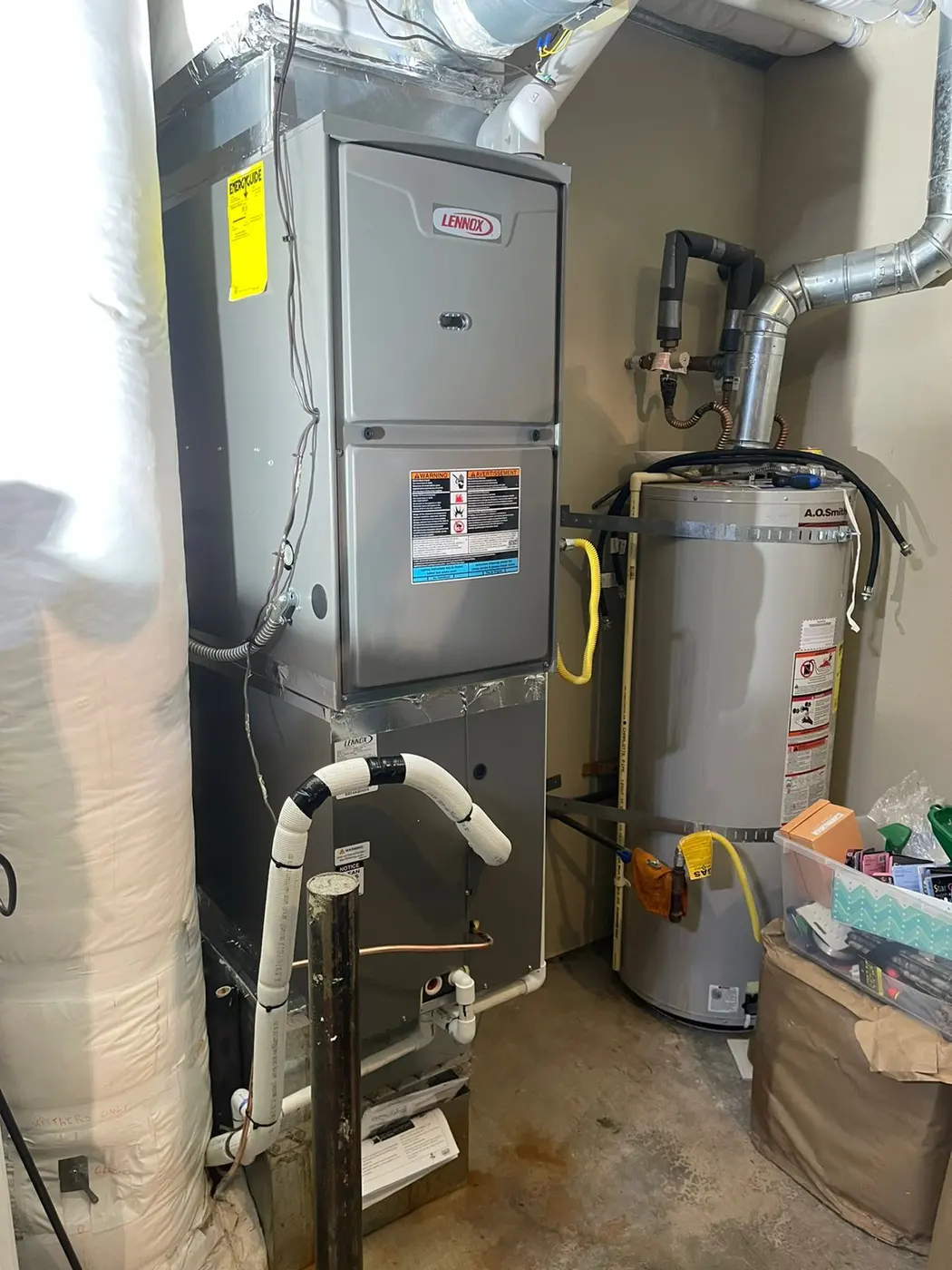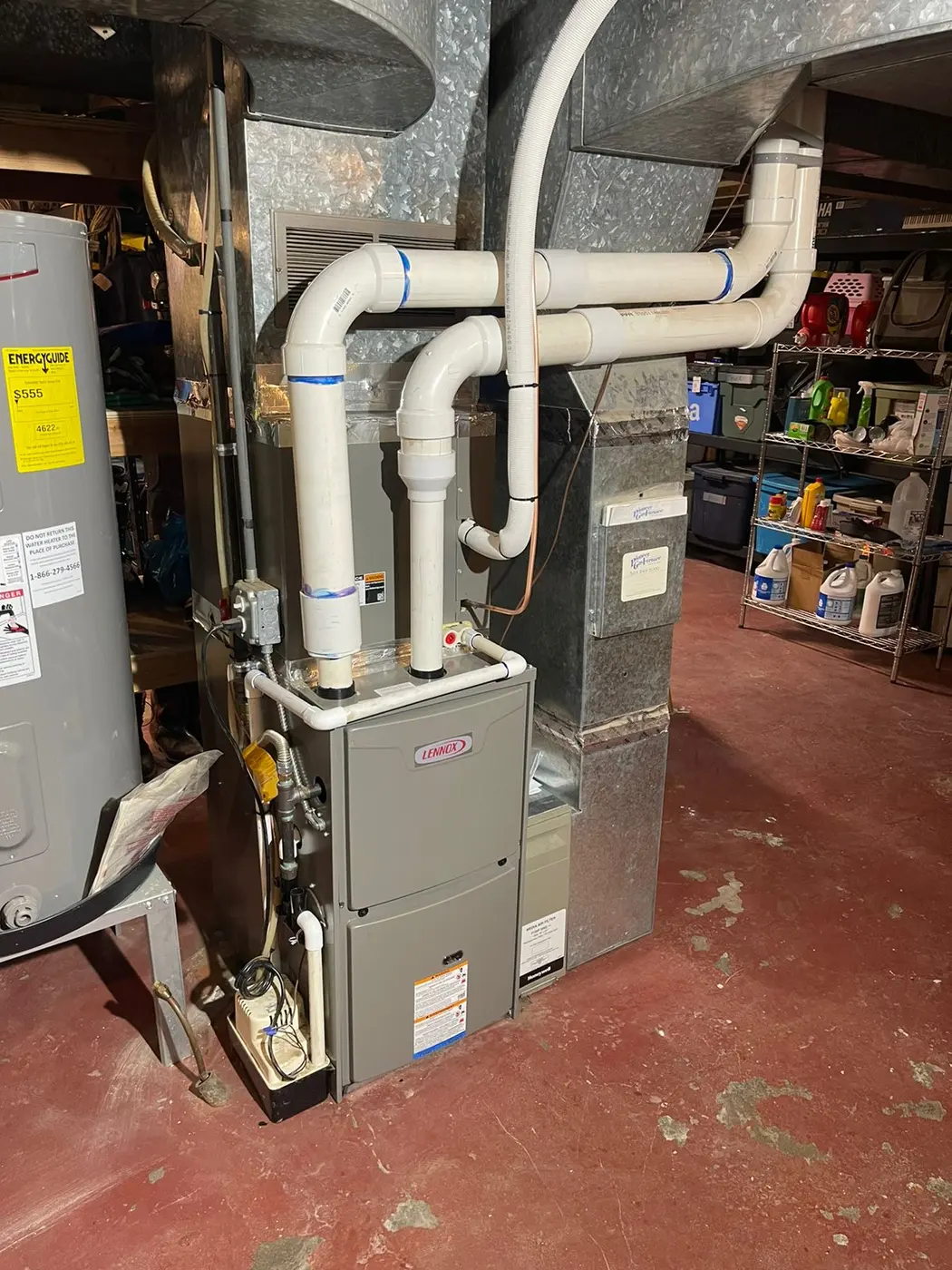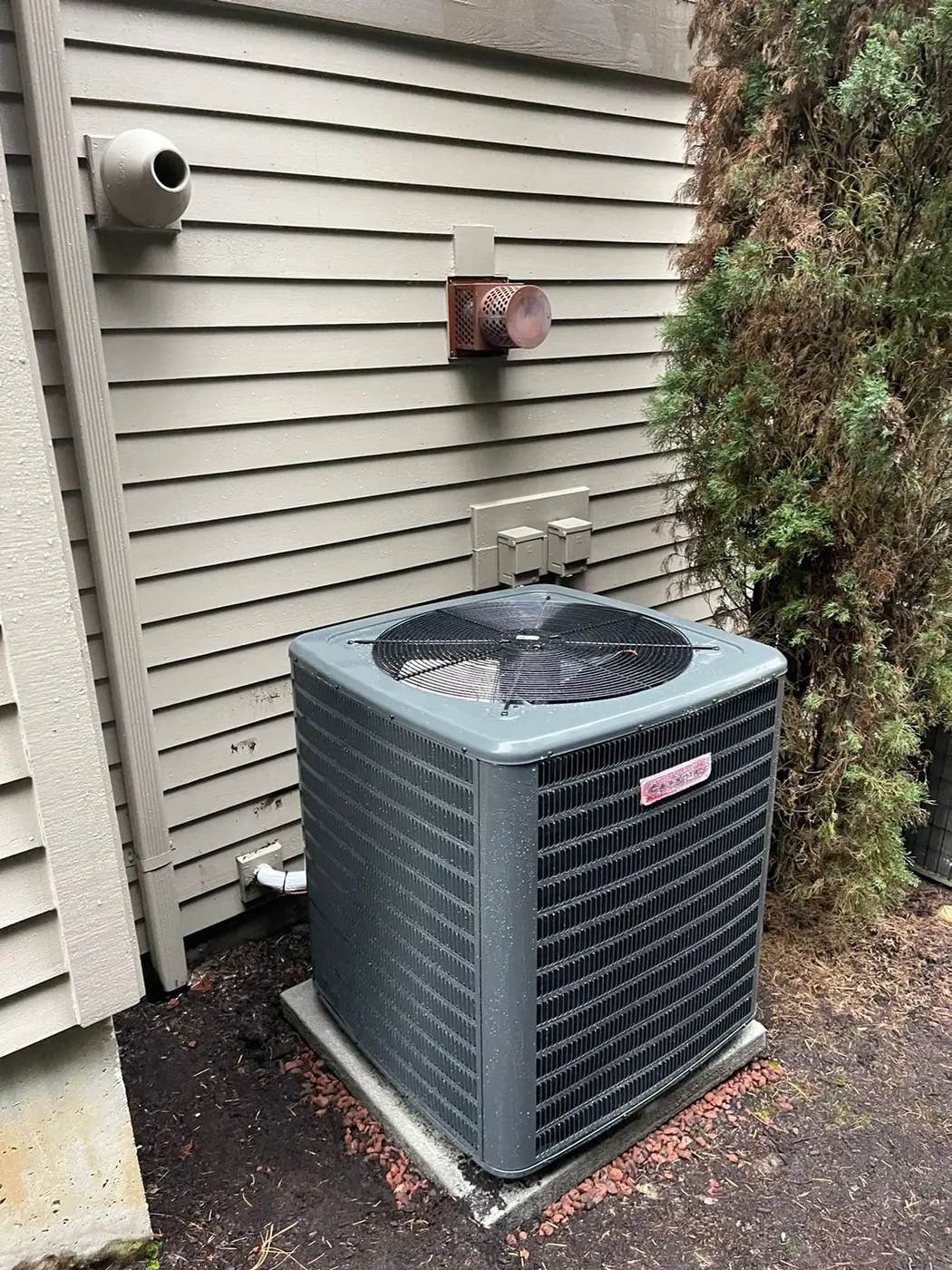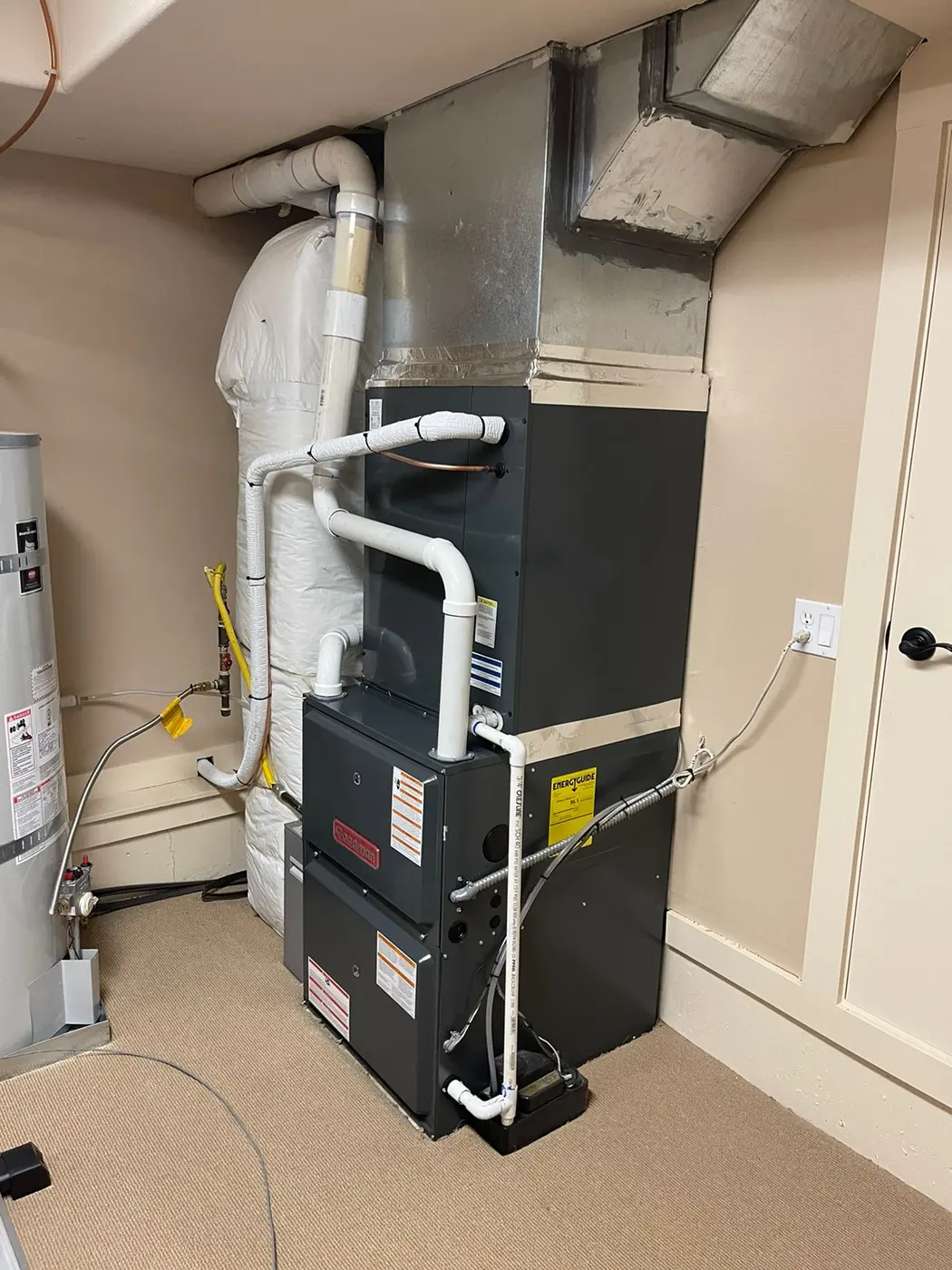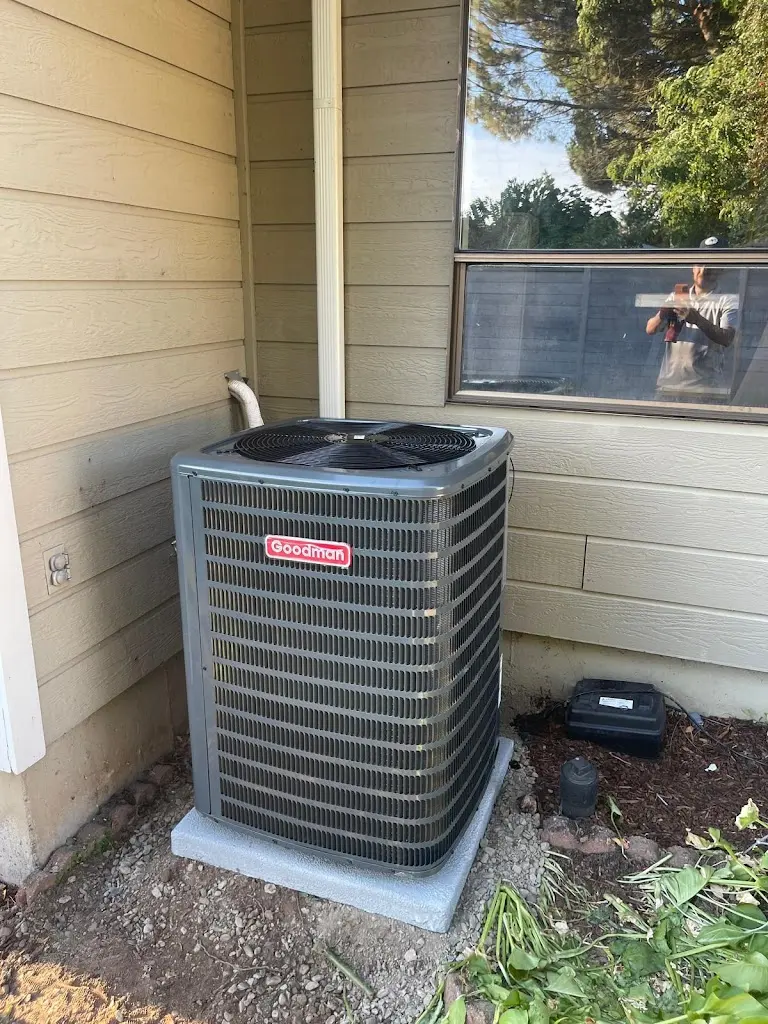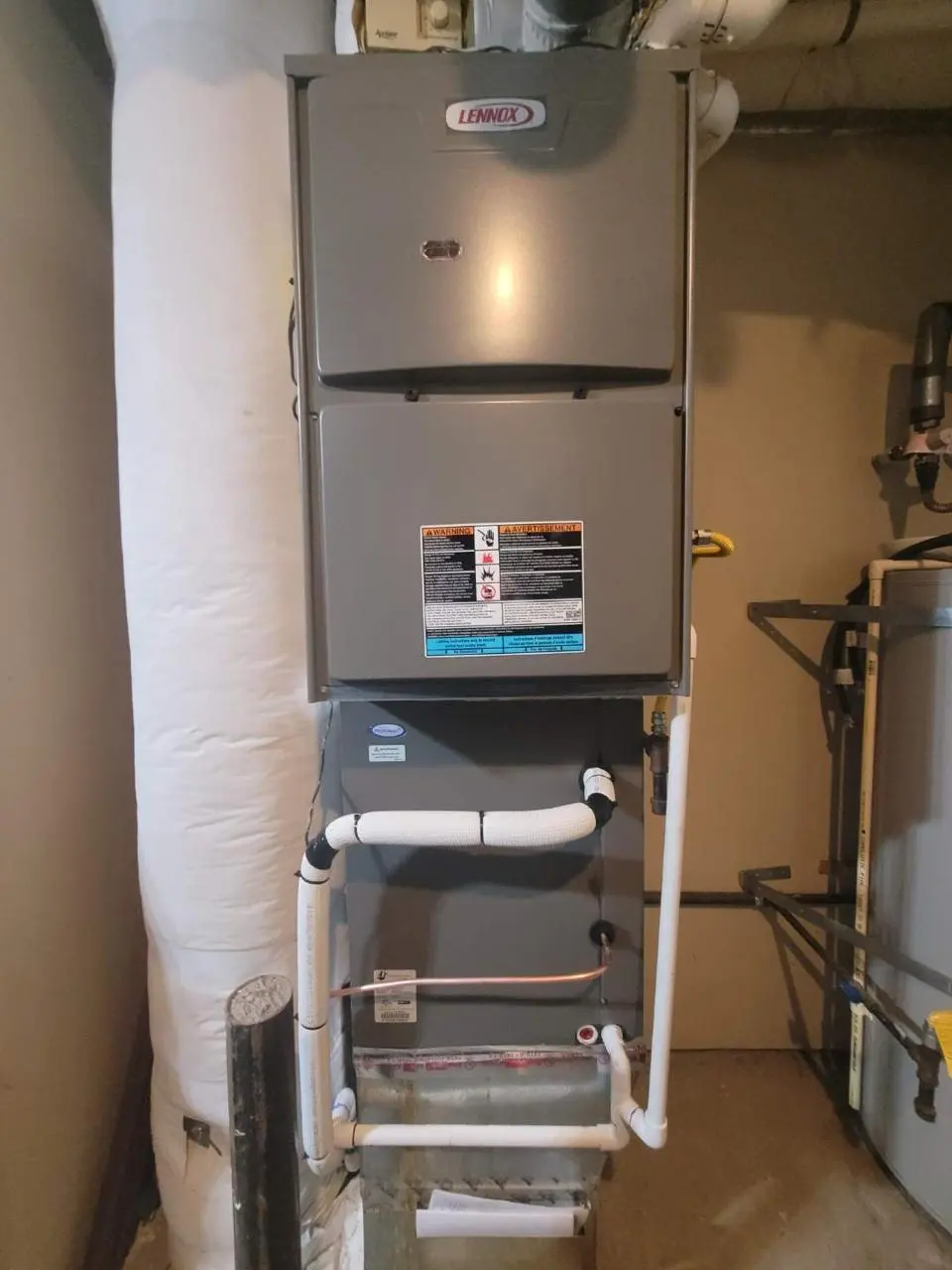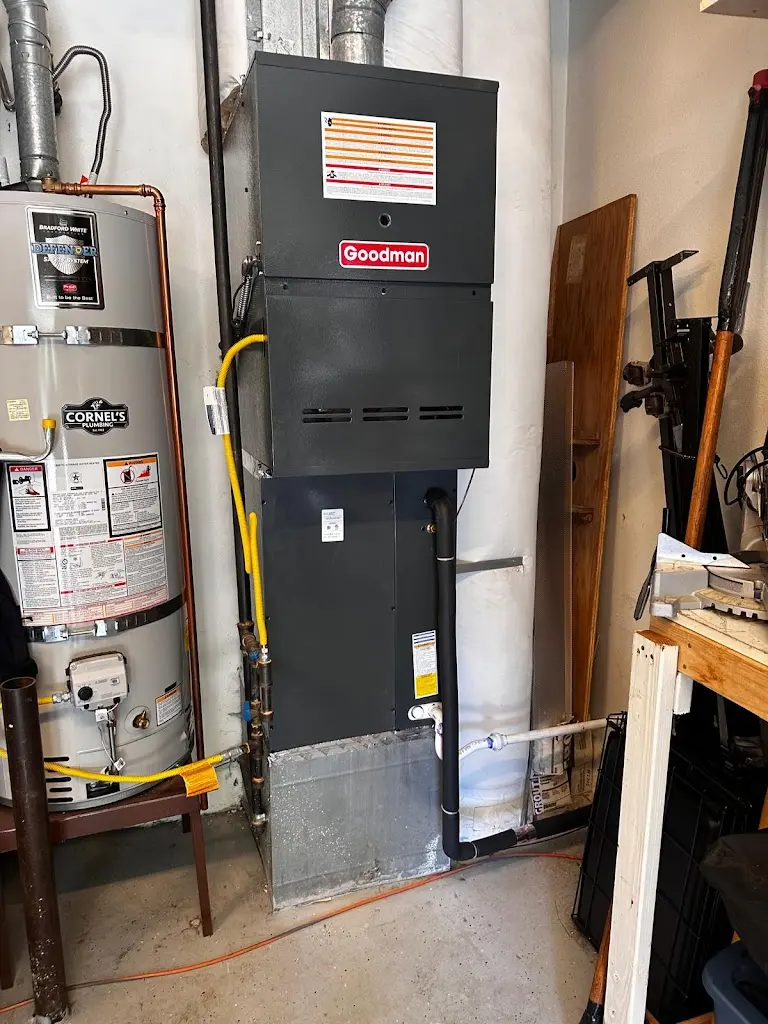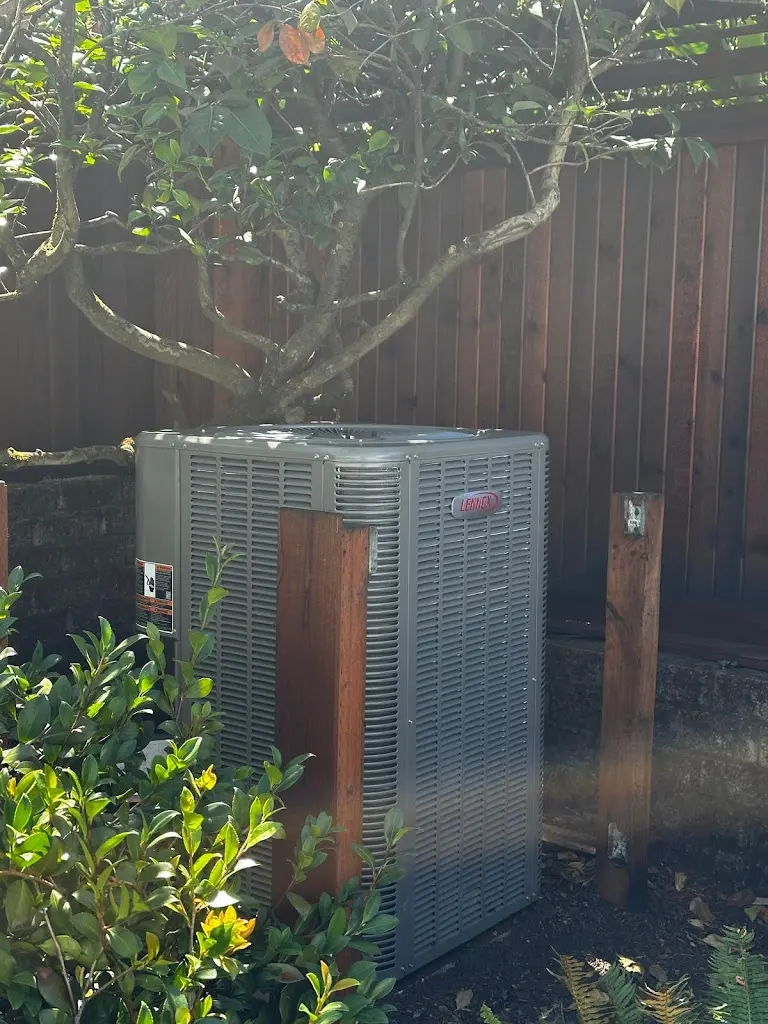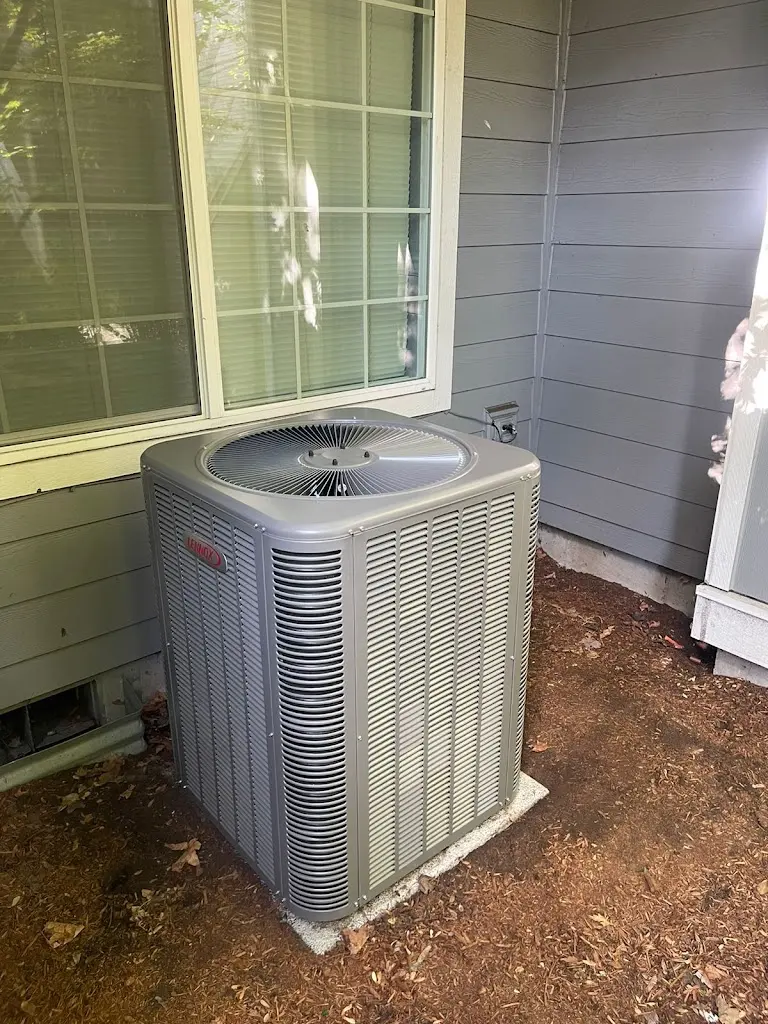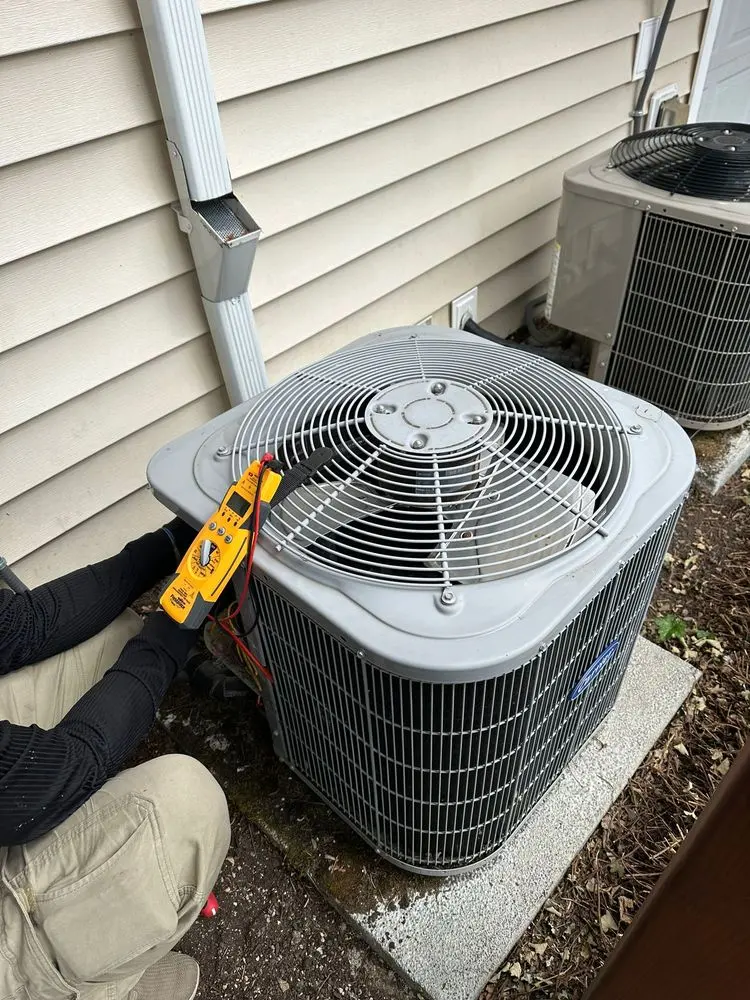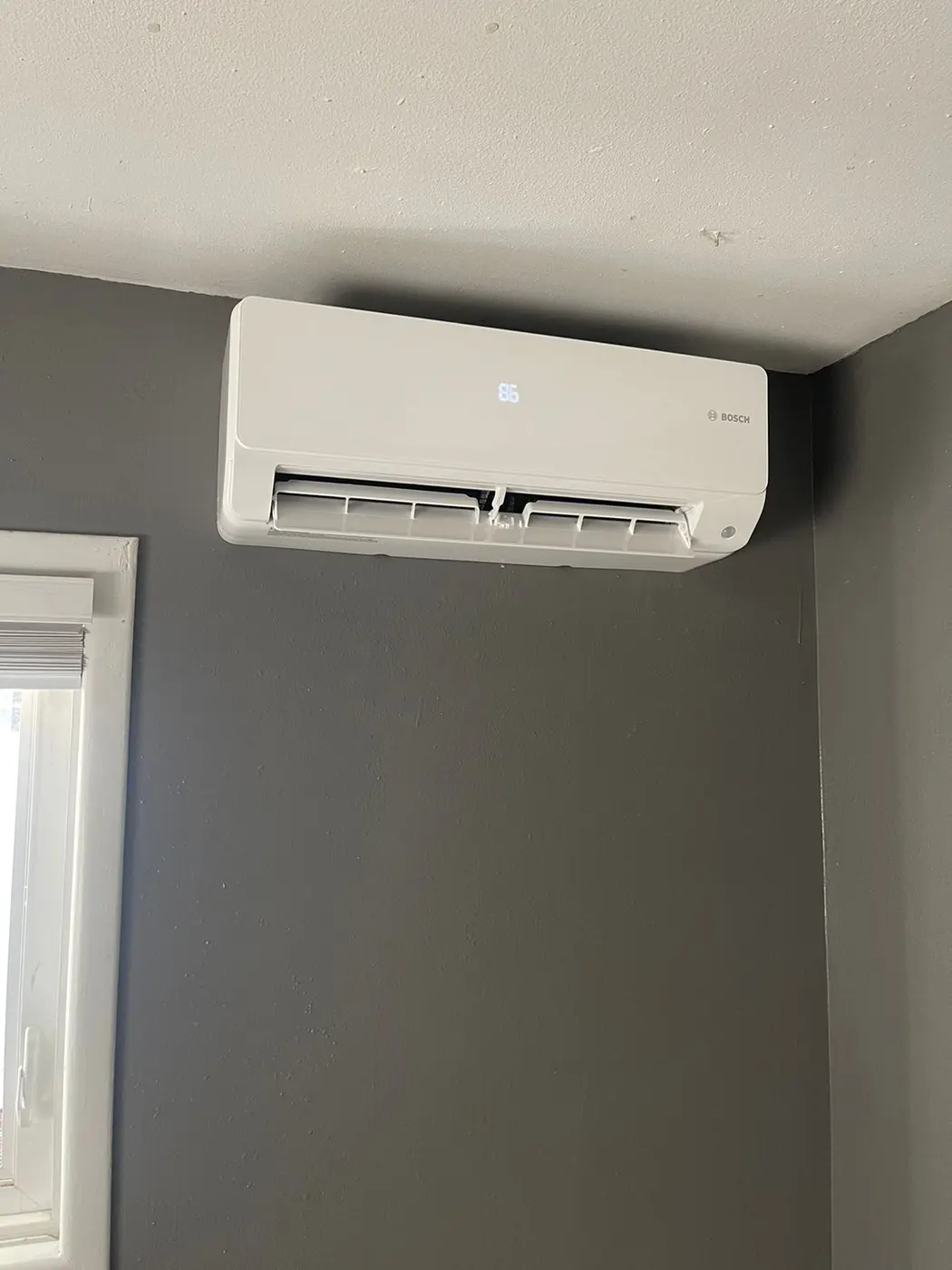



Heat Pump Installation and Equipment Features in Wilsonville
HVAC & Appliance Repair Guys provides heat pump installation in Wilsonville, OR. Equipment descriptions can make several different features sound like one choice. We offer a free on-site estimator visit for installation and replacement. Use that discussion to connect a proposed feature with the room comfort and everyday use you want.
Begin with a specific concern instead of a preferred label alone. You may want steadier airflow or clearer temperature control. Explain when the issue matters and which rooms it affects. A feature comparison becomes more useful when it has a clear purpose.
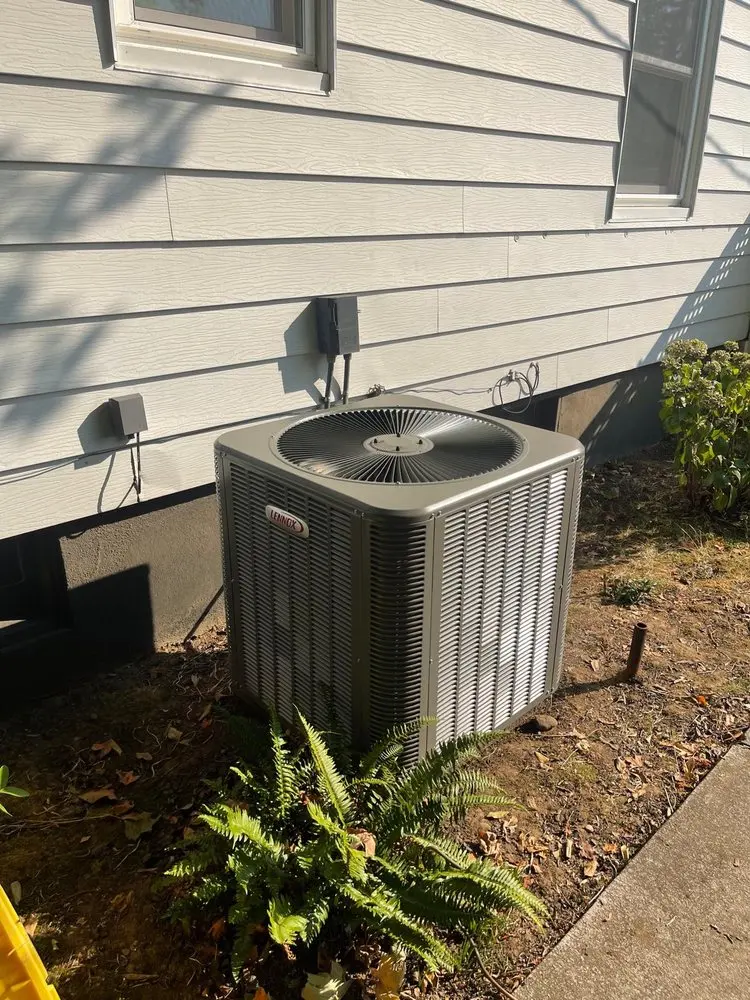
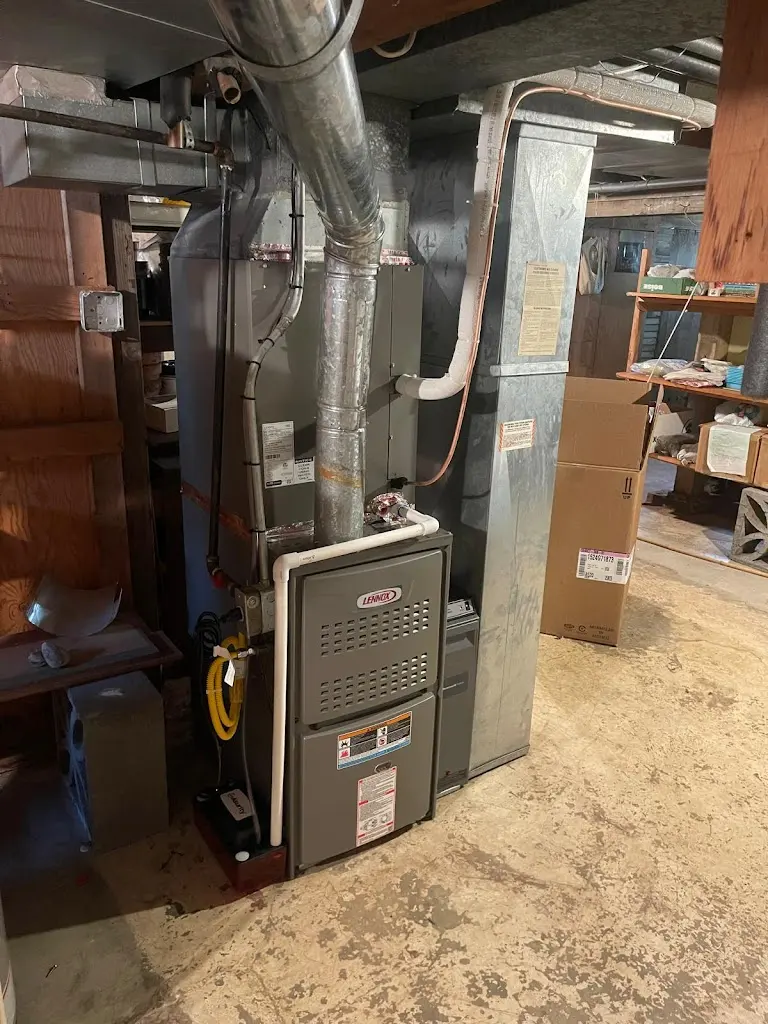
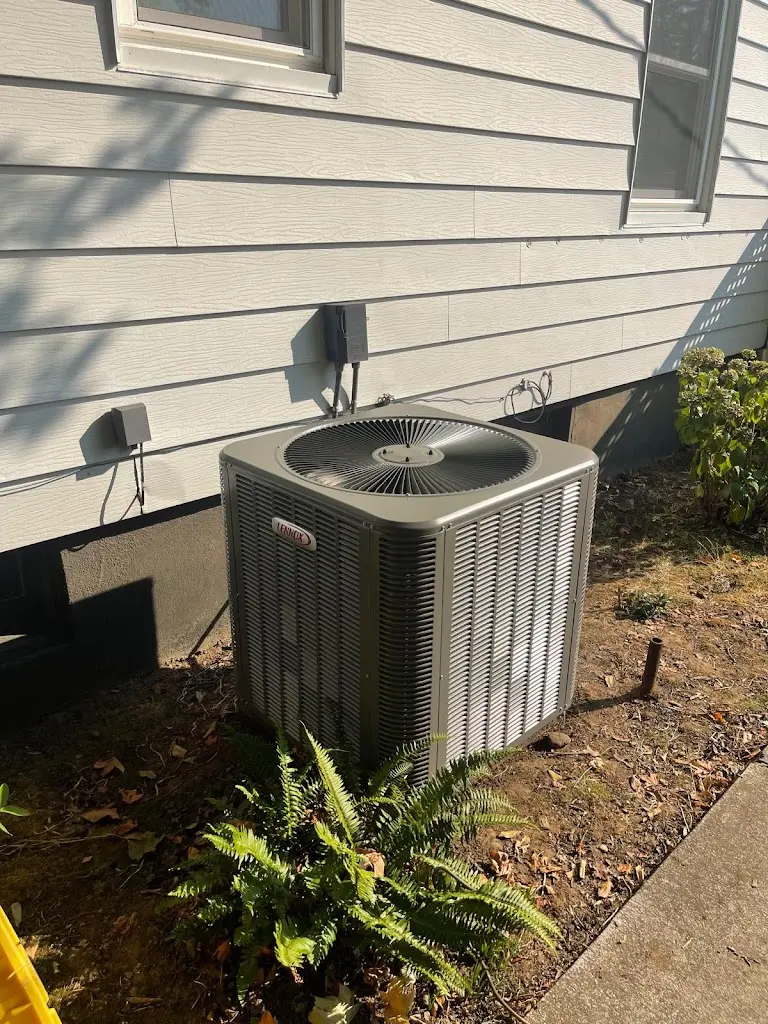
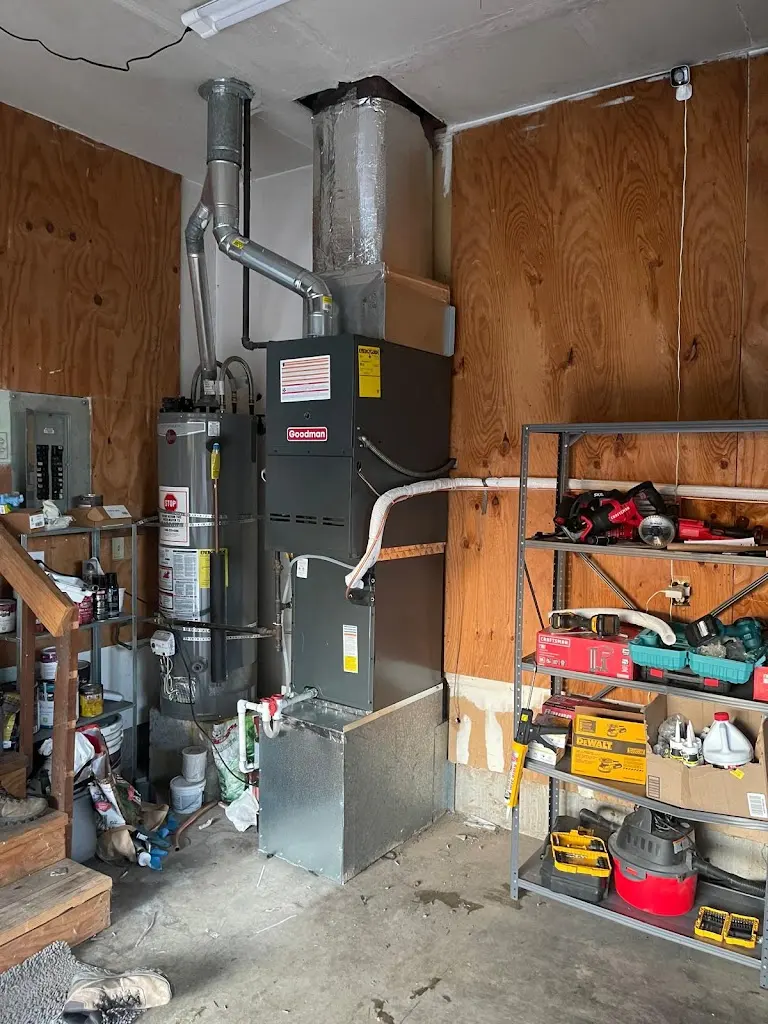
Keep the full project in view while comparing options. Indoor equipment, outdoor equipment and controls need a suitable plan together. A feature on one item does not describe all three. Ask the estimate to identify which component provides the function you are discussing.
Variable-Speed Compressors and Indoor Blowers
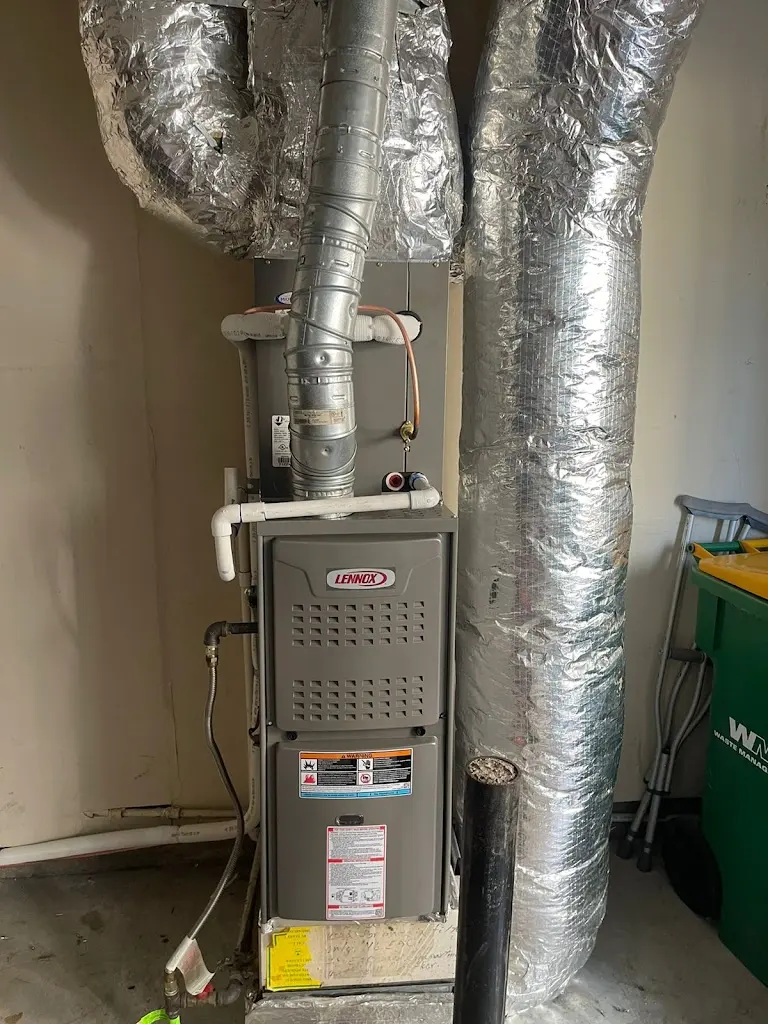
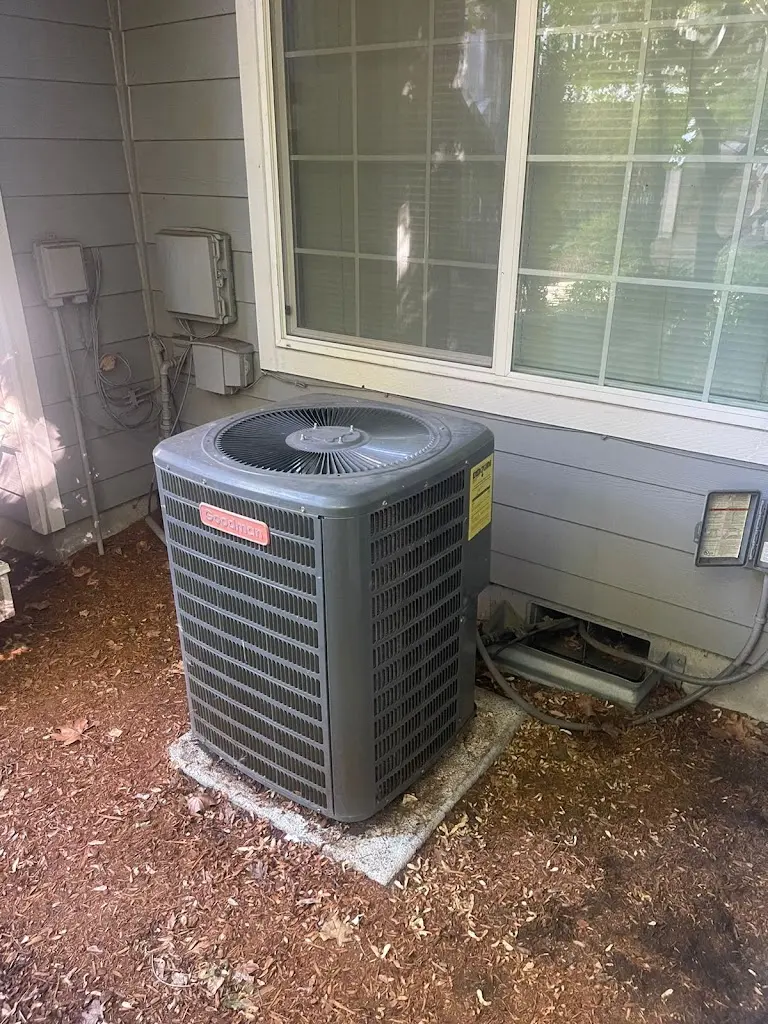
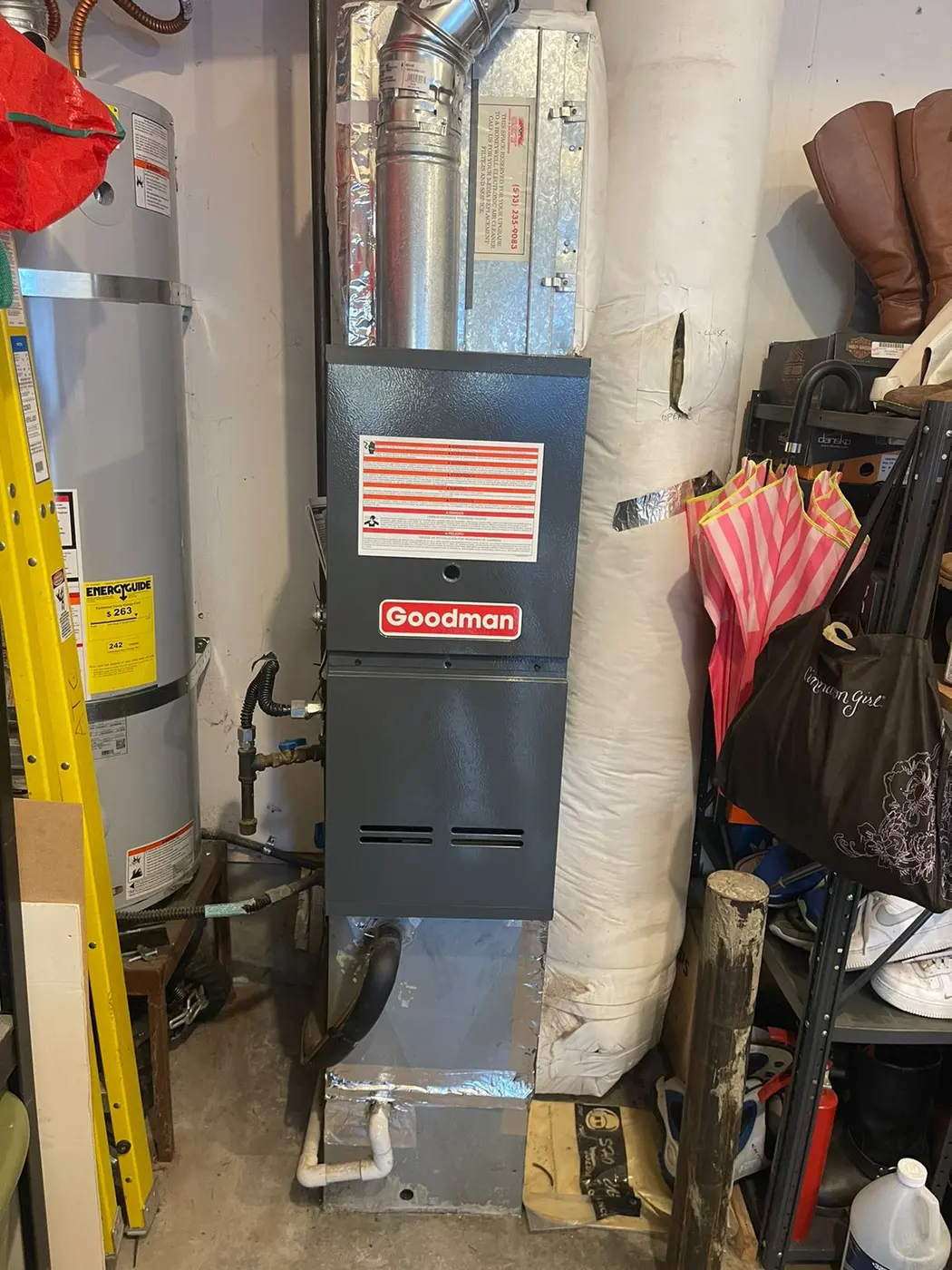
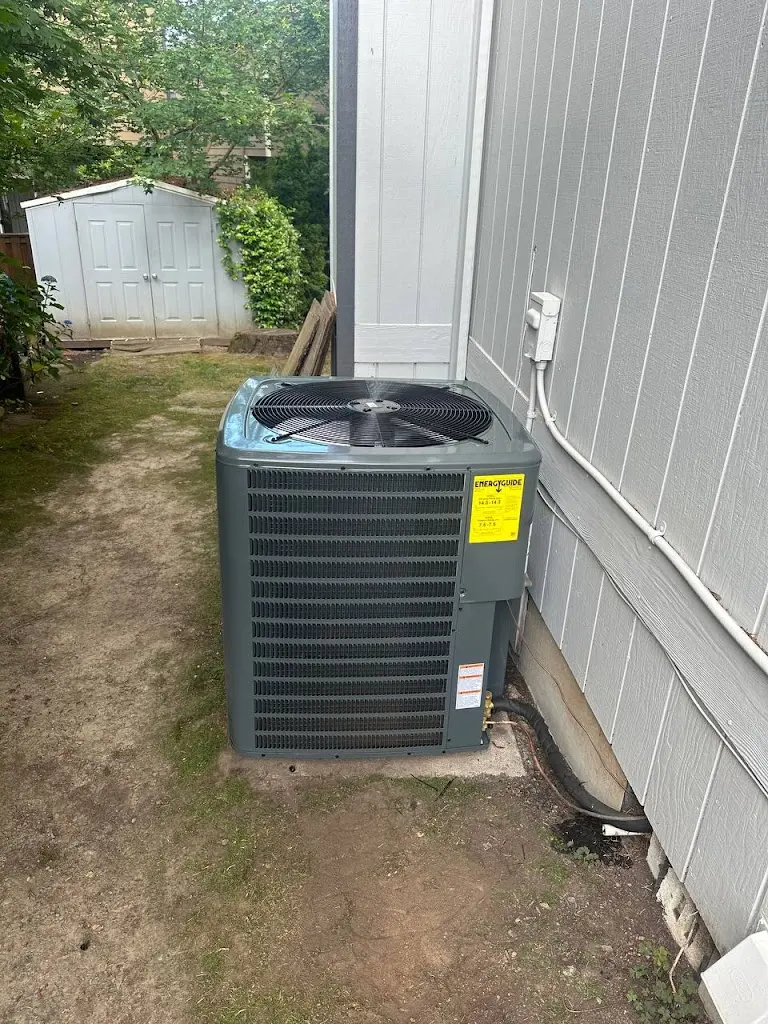
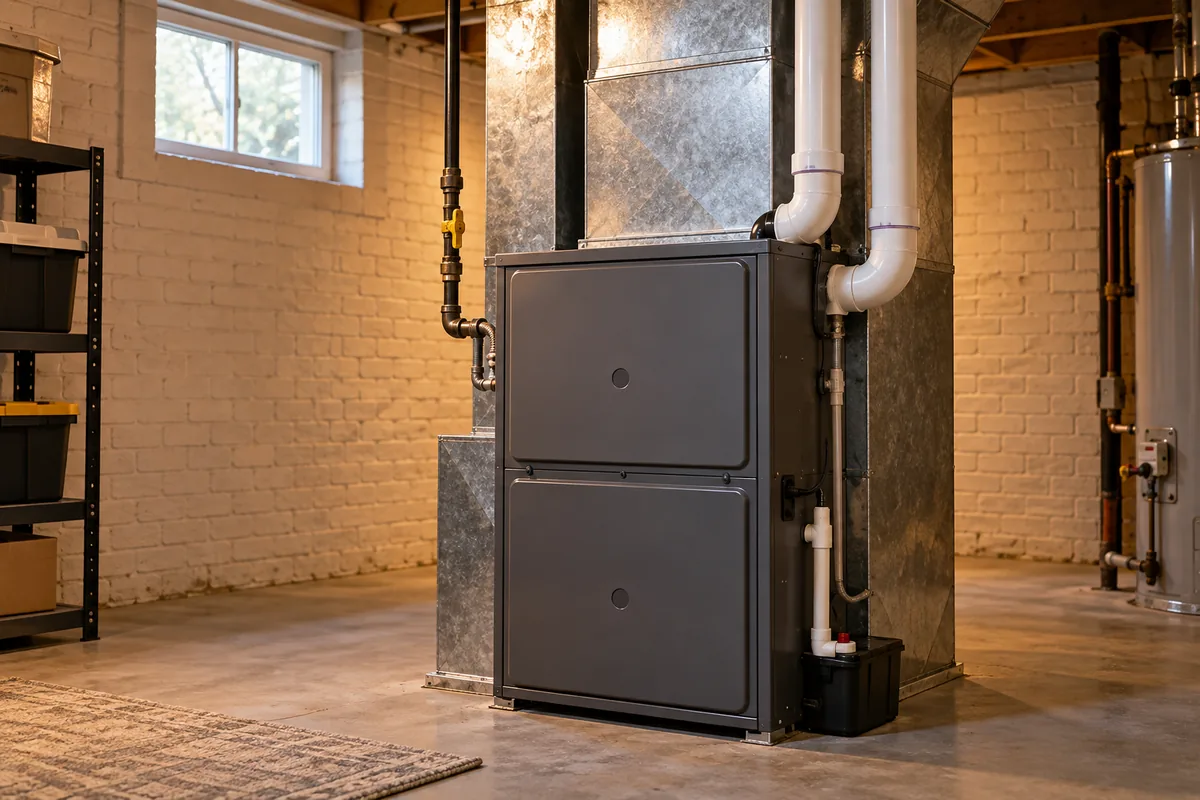
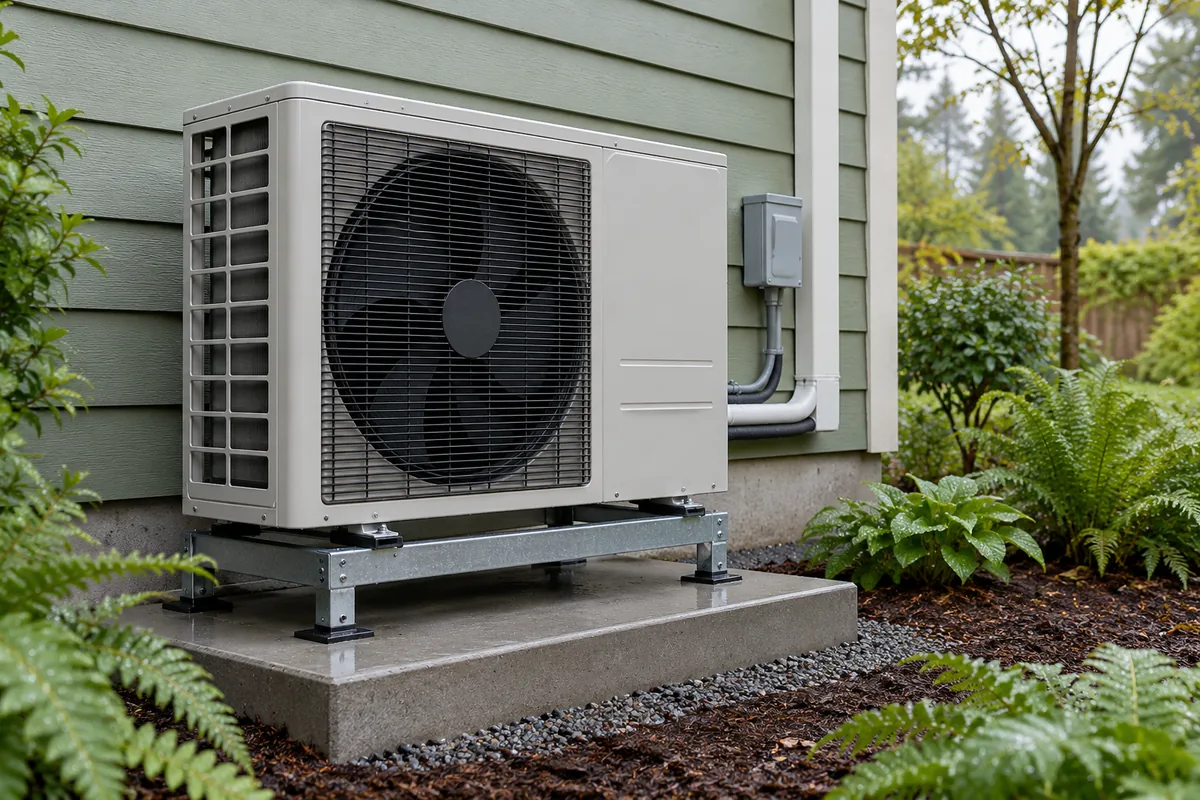
A variable-speed compressor can vary the heat pump’s output. A variable-speed indoor blower changes the movement of air through the indoor setup. Those descriptions concern different parts of the system. A blower feature alone does not establish the outdoor compressor type.
Ask which indoor and outdoor models provide the stated speed features. The answer should describe the selected combination, rather than a general label shared by several options.
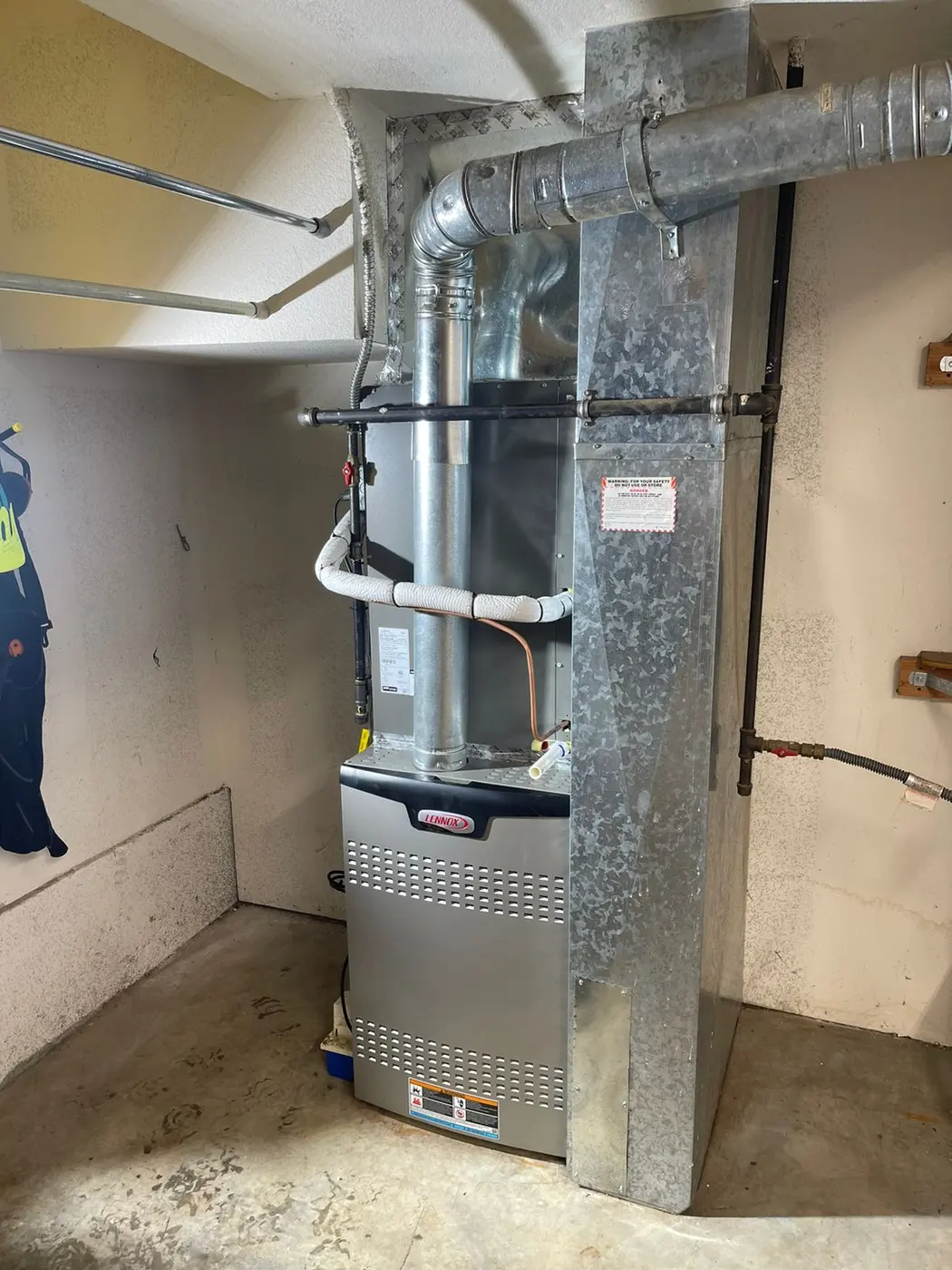
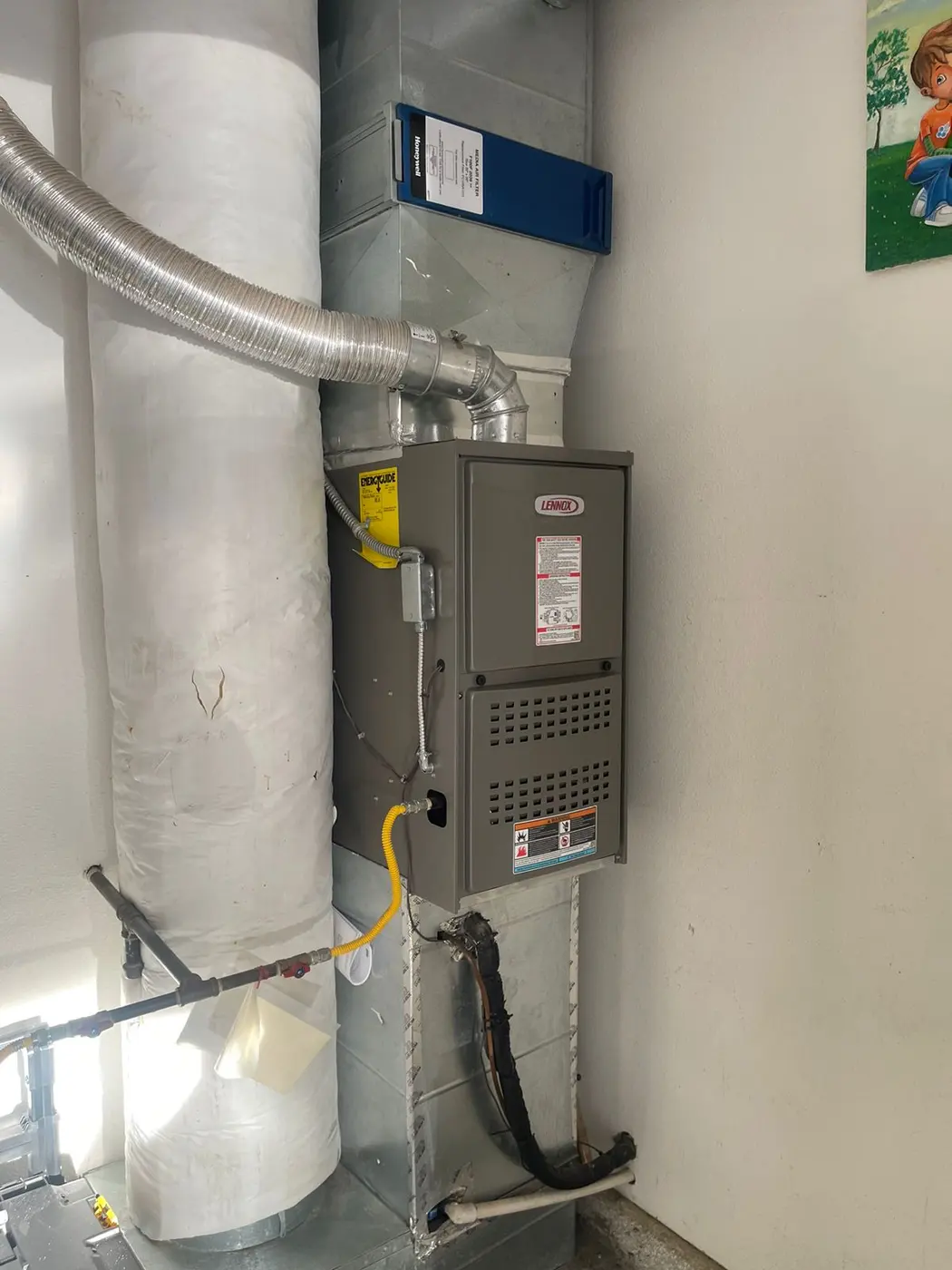
If one component will remain, include its model in the comparison. New outdoor equipment does not change every feature of a retained indoor unit. Likewise, a new indoor blower does not turn every retained outdoor unit into a different compressor design. Ask which functions the actual combination supports.
Compatible Controls and Everyday Settings
Explain how you want to adjust temperature during a normal day. Include any preference for simple controls or a routine shared by several people. The chosen control must support the proposed equipment. More buttons or a familiar display do not prove that fit.
Ask which normal settings will matter after installation. Keep owner adjustments separate from setup intended for the service team. You should not need to test advanced options to find out what the equipment can do. The proposal and handover should make the supported everyday functions clear.
Our heat pump installation service reviews the full heating and cooling setup. If another heat source stays, include its control role in the feature discussion. An option that changes how the heat pump runs still needs a defined plan for retained equipment. Keep that relationship visible in the price and work scope.
Room Comfort, Airflow and Equipment Sound
Describe a room that falls short separately from how the equipment sounds or feels when it starts. The system may need a review of room coverage or air delivery as well as a new model. A variable-speed label does not establish the cause of an existing comfort problem. The estimate should connect the proposed work to the concern you raised.
Keep heating and cooling needs in the same conversation. A feature that interests you during warm weather may not answer your main winter concern. Ask how each option addresses the functions you use. Avoid letting one attractive detail replace a complete comparison of the project.
If quieter operation is a priority, describe where sound affects daily life. Include the equipment location and the rooms you use nearby. Do not treat a speed label as a promise of silence at every position. The actual equipment and placement belong in that discussion.
Our HVAC installation service in Wilsonville covers a wider project involving other equipment or room needs. If a desired feature depends on broader changes, those tasks should be included when comparing installation options.
Complete Installation Options and Energy Use
Review the equipment, required controls and related installation tasks in each price. One option may retain more components while another changes the full pair. Those totals describe different work. Ask what each extra task contributes to the result you want.
Energy use depends on the complete setup and how the household uses it. A feature name does not establish a fixed bill reduction. If a comparison includes an estimate of savings, ask which assumptions support it. Keep adding a new cooling function separate from reducing the cost of an existing one.
A current breakdown may still need repair diagnosis before you decide on replacement. The free estimator visit addresses installation planning. Share confirmed findings where available. An untested fault should not become the reason every higher-feature option appears necessary.
Selected Equipment and Normal Operation
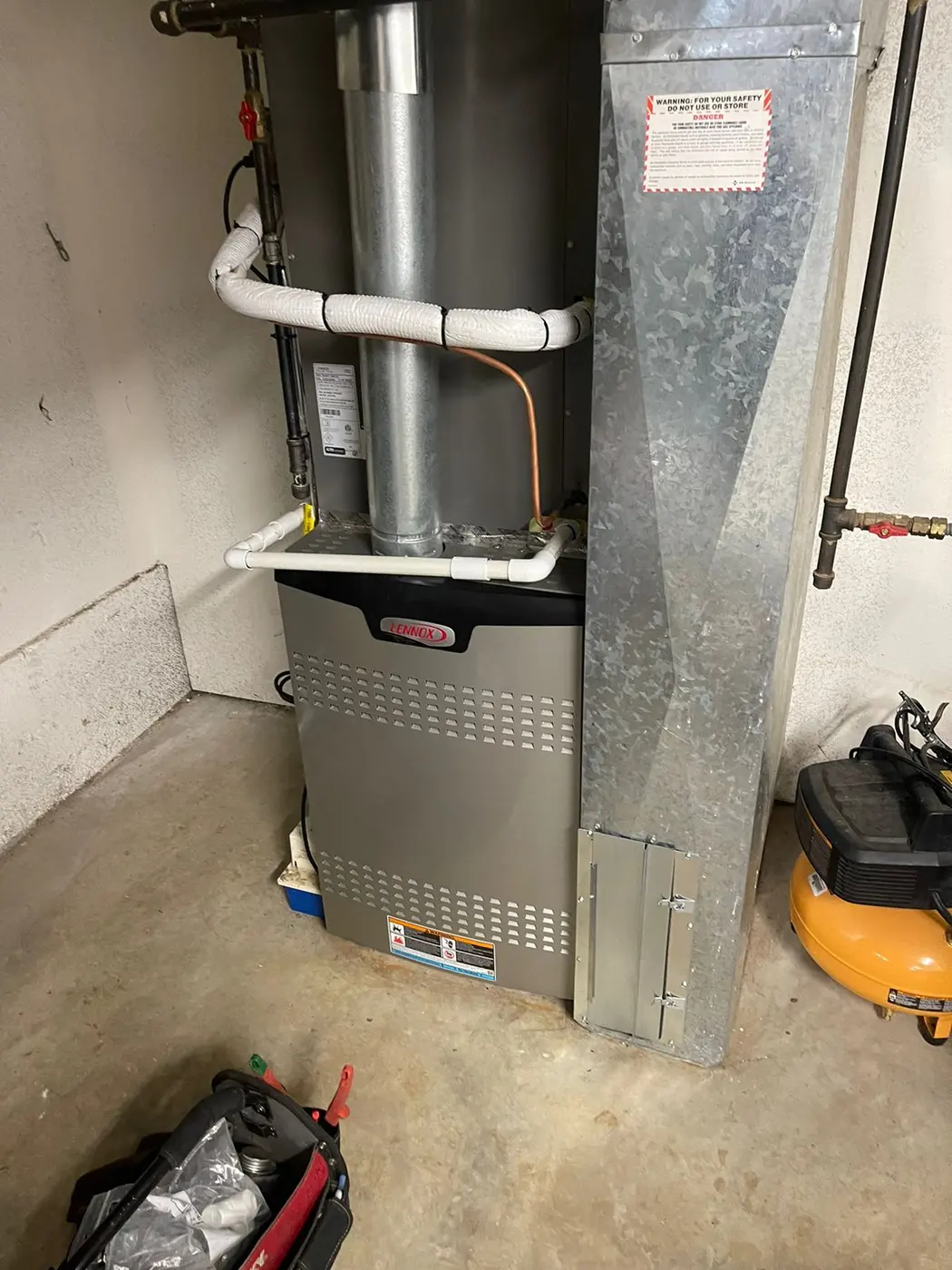
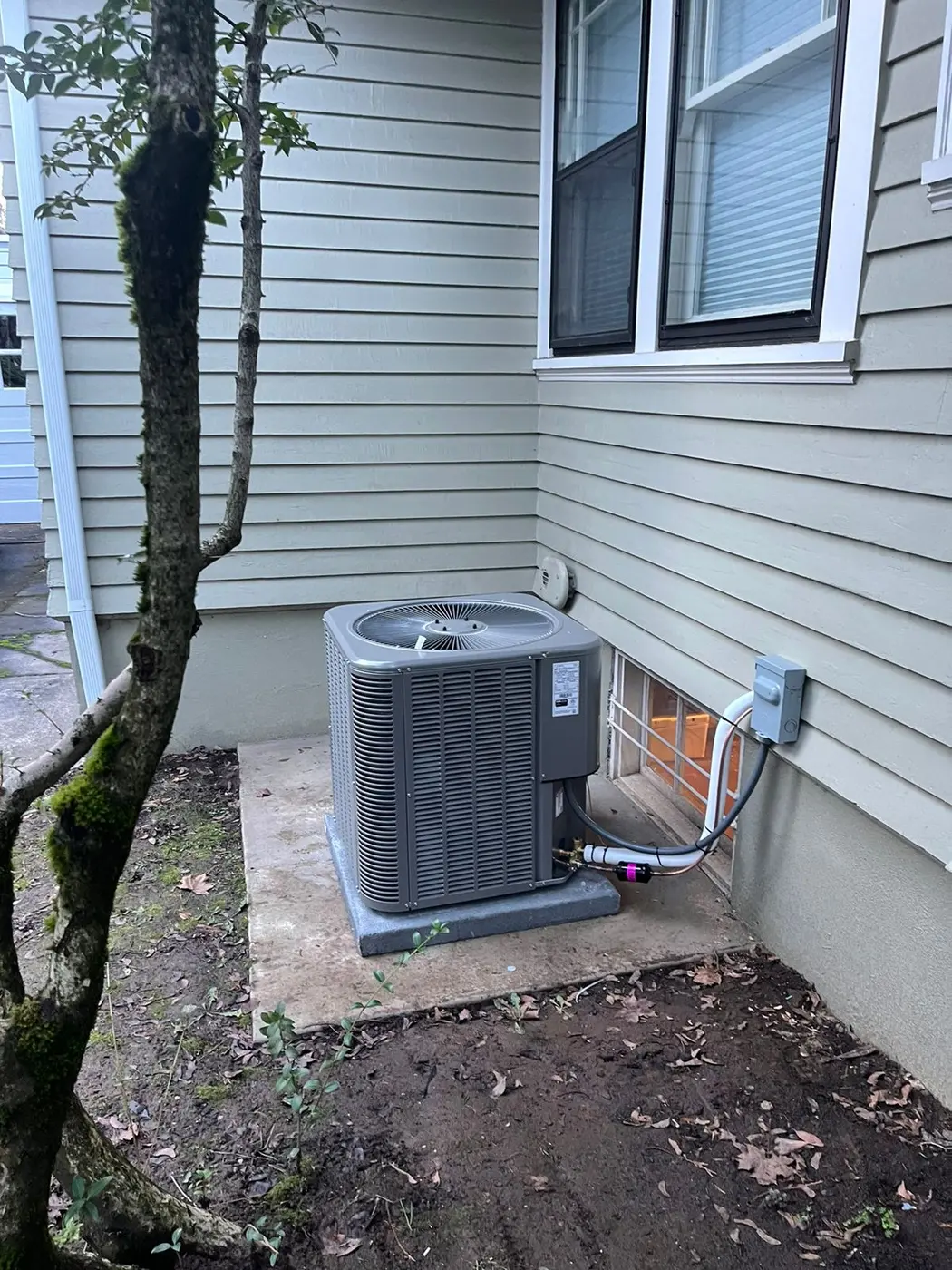
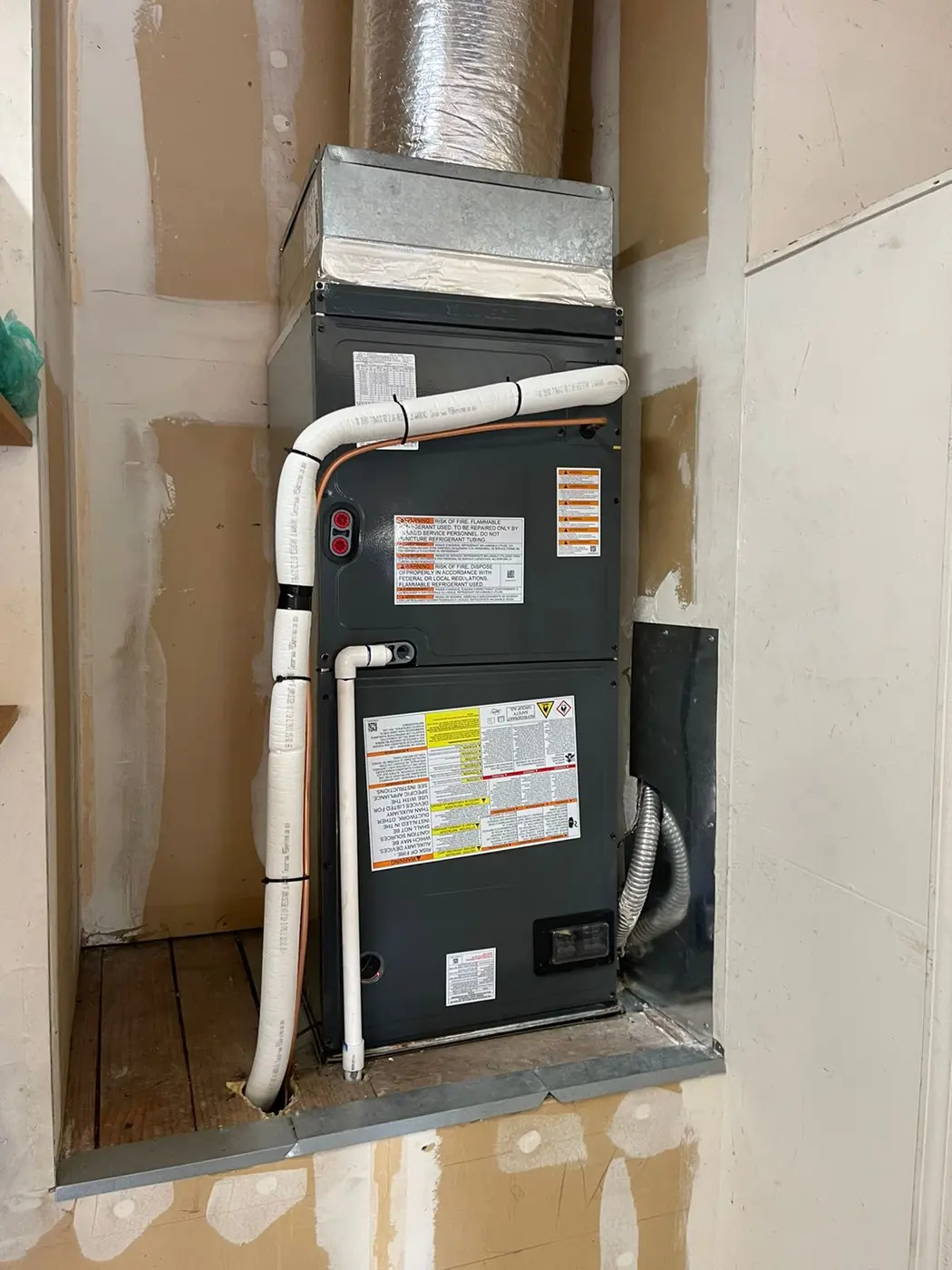
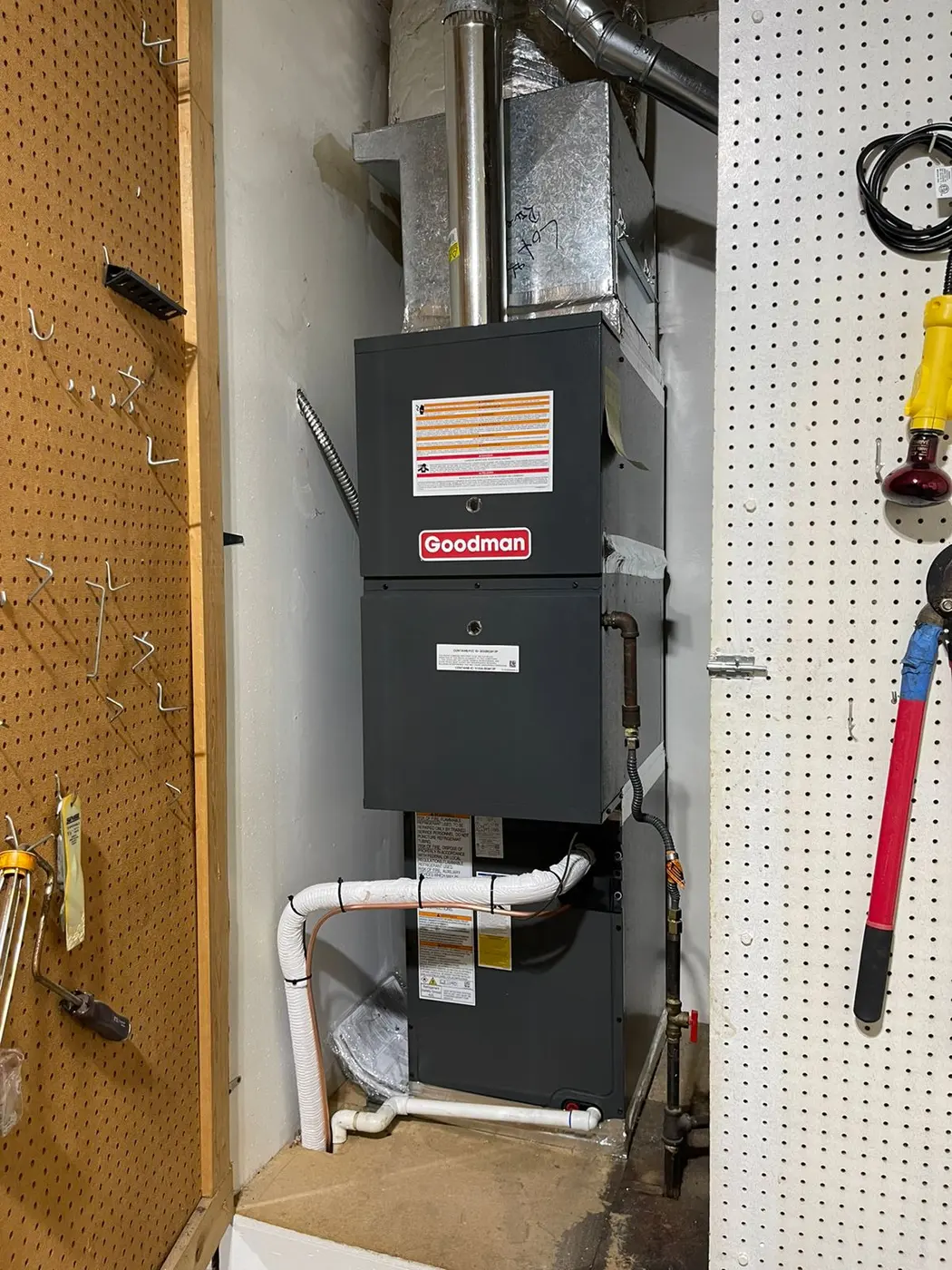
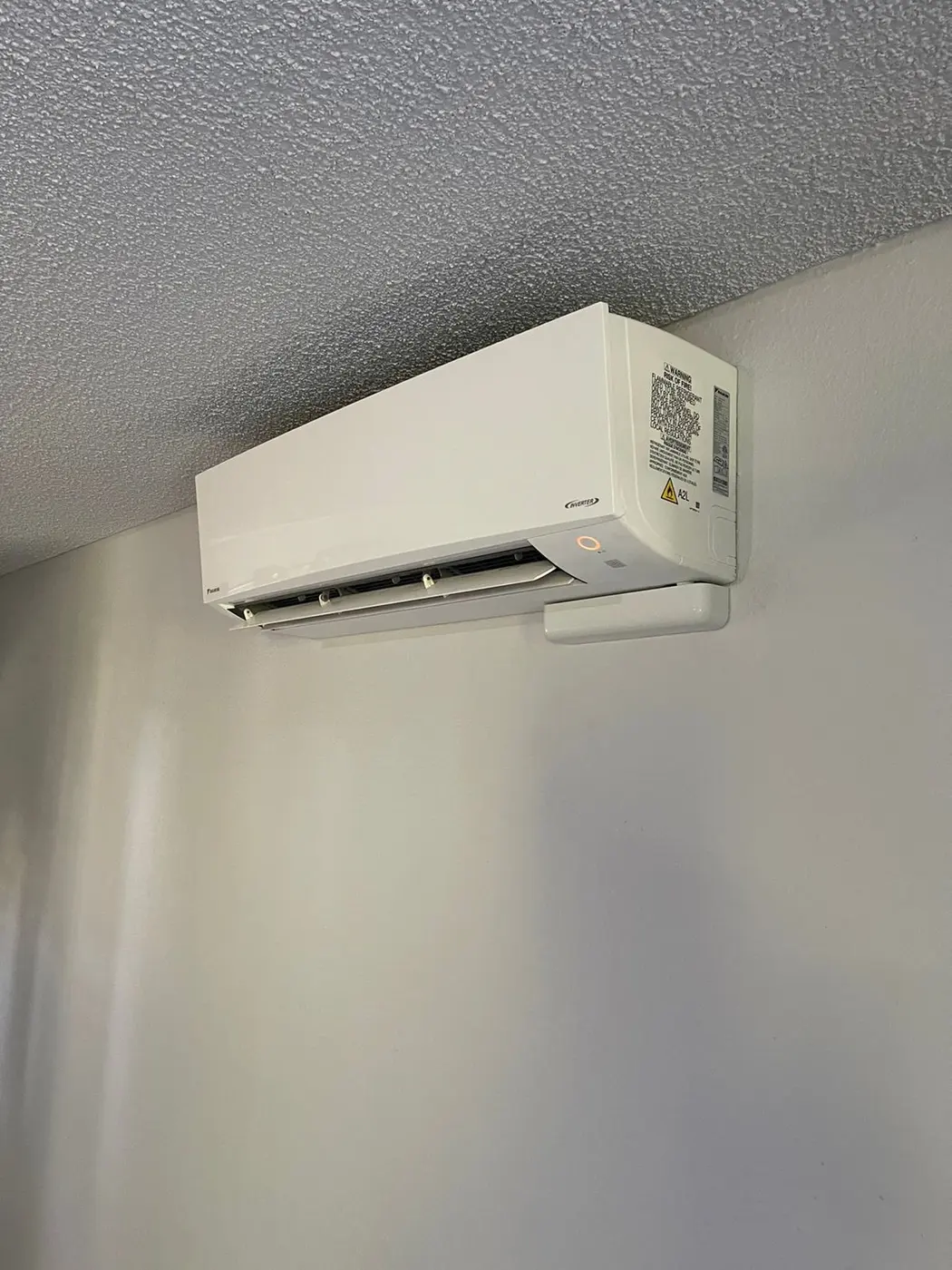
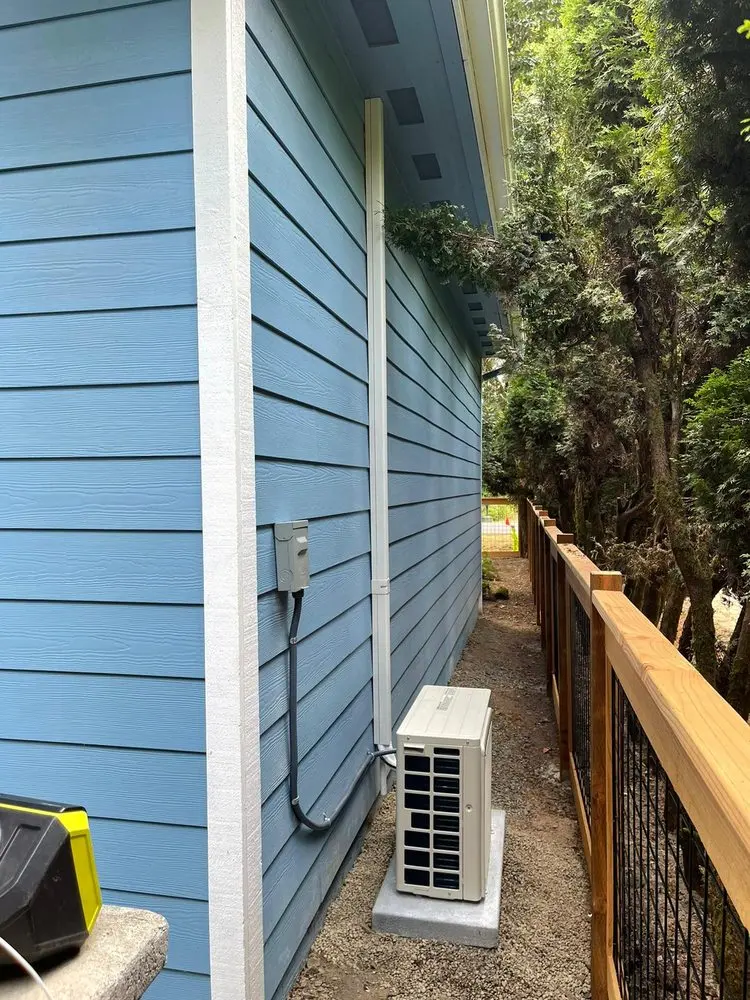
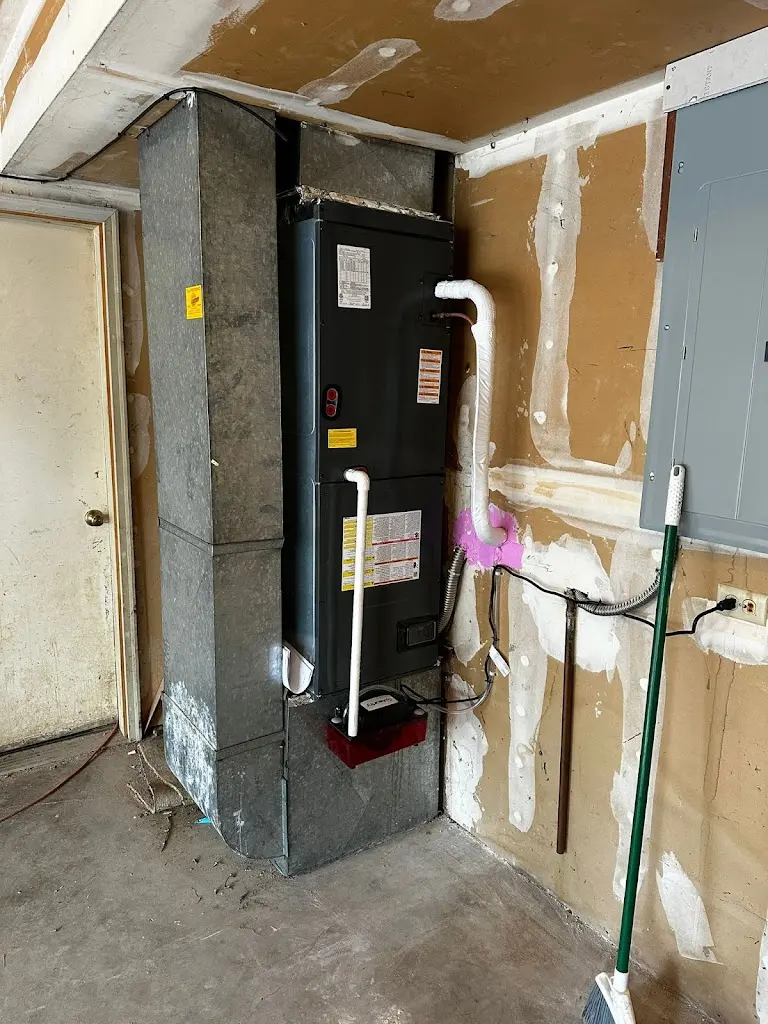
Before approval, confirm the selected indoor unit, outdoor unit, controls and retained parts, including any changed model. Identify which component provides each feature in the chosen option.
At handover, review normal heating and cooling operation with the installed controls. Ask which checks were completed and whether any work remains. Keep the model details and care guidance for future heat pump maintenance.
Contact HVAC & Appliance Repair Guys for a free on-site heat pump installation estimate in Wilsonville and compare the equipment features that matter for your home.
Frequently Asked Questions
Does a variable-speed indoor fan prove that my outdoor unit has a variable-speed compressor?
No. They are separate components with different roles. Check the actual outdoor model and the planned indoor match. A description of the blower alone does not identify how the compressor operates.
Must I choose the option with the most features?
Choose based on your comfort goals, the functions you need and the complete project scope. Ask how each additional feature changes everyday use and whether it requires other work.
Should I expect the new equipment to run exactly like the old setup?
Ask for guidance on the selected models and controls. Different equipment can behave differently during normal use. Report a new loss of heating or cooling for review.
Request Heat Pump Installation in Wilsonville, OR
For heat pump installation in Wilsonville, OR, call HVAC & Appliance Repair Guys or submit a service request through the form on this page.