


Commercial Kitchen Equipment Repair in Sherwood
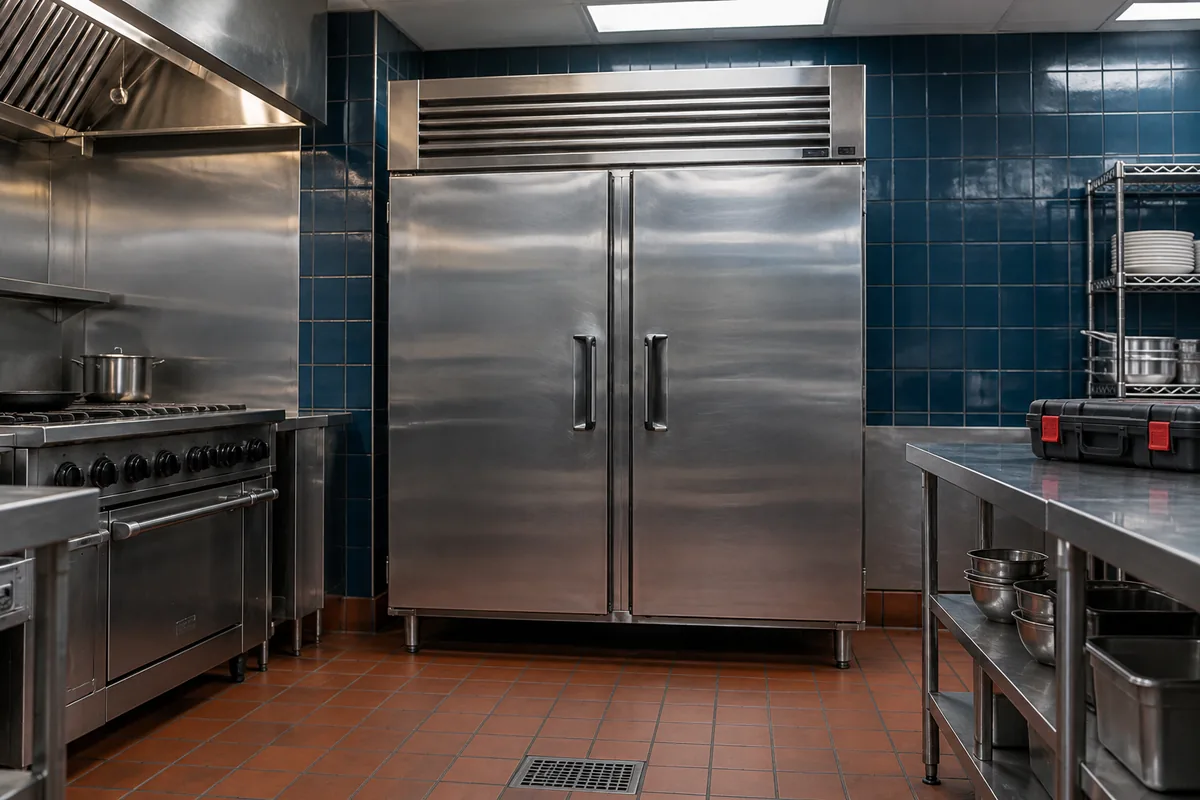
HVAC & Appliance Repair Guys provides commercial kitchen equipment repair in Sherwood, OR, for selected cooking, cooling, ice and washing equipment. Provide the full model and symptoms so we can confirm support and diagnose the affected function.
Describe a complete stop, poor results or a cycle that stops early, including any exact message. For fitted equipment, also explain fixed counters, adjacent machines and the available access. Leave connected units in place.
Equipment Type and Operating Symptoms
A cooking unit that never heats differs from one that starts normally and loses heat later. For a cooling cabinet, describe the affected area and the source and time of any reading. Our commercial freezer repair in Sherwood covers frozen-storage requests with their own model and symptoms.
For an ice machine, describe fresh output separately from the ice in storage. A bin label may not identify the production unit above it. For washing equipment, record the last cycle stage that worked and whether water remains or the finished result changed.
Use model information from safe access or existing records. A wider photo can identify the machine shown in a close label image. If a label is hidden, explain where it sits rather than removing covers, fixed panels or connected equipment.
Repair Cost, Parts and Access
We explain the assessed fault and proposed repair before approval. Ask what access the work requires and whether parts or another visit may be necessary. The model and finding guide that plan. A tight location alone cannot establish the price, duration or outcome of a repair.
Identify who can approve costs and any purchase-order requirement. The proposal should distinguish appliance repair from additional equipment requests or changes to the surrounding area.
The commercial appliance repair overview explains the broader scope. Keep the finding, equipment identity, access notes, completed work and remaining steps together for anyone handling a return visit.
Repair and Changes to the Workspace
Identify who controls counters or shelving that limit access. Appliance repair does not automatically include altering those fittings, moving the machine or changing its use. Discuss any wider plan separately and confirm the work actually included.
Service Access and Station Availability
Tell us when the relevant station can be available and who will meet the technician. Give that contact the model and fault history if another shift saw the problem. Include additional machines before booking because they may need different access or appointment time.
Follow the business’s equipment and product-handling procedures. Explain whether stock affects service access and discuss preparation; an equipment appointment does not determine product condition.
Request commercial kitchen equipment repair in Sherwood from HVAC & Appliance Repair Guys and describe the model, fault and access around each fitted machine.
Frequently Asked Questions
What if the person approving work will not be on site?
Identify the approver and a way for the site contact to reach them. Share any purchase-order requirement in advance. Clear authority helps a finding lead to a practical decision without expanding the work beyond approval.
Request Commercial Kitchen Equipment Repair in Sherwood, OR
For commercial kitchen equipment repair in Sherwood, OR, call HVAC & Appliance Repair Guys or submit a service request through the form on this page.