



Mini-Split Installation in West Linn
HVAC & Appliance Repair Guys provides mini-split installation in West Linn, OR. Replacing central equipment with a room-based setup requires more than choosing a group of indoor heads. Our free on-site estimator visit covers installation and replacement. Start by defining the heating and cooling functions the new project must provide.
A central system delivers air through ducts. Ductless heads deliver air directly into their intended areas. Changing that delivery method means reviewing the room plan as well as the equipment. The old central unit’s size does not automatically define the new head count or complete combination.
Explain whether you want to replace the central system entirely or retain part of its role. A ductless addition to a difficult room is a different project from a full conversion. Keep those options separate from the start. The proposal should identify the result you are actually considering.
Closed Rooms and Smaller Spaces
Name every area the project should serve. Include rooms that normally stay closed for sleep, work or privacy. Do not limit the discussion to the largest open spaces. A head in a living area does not by itself establish comfort behind each closed door.
Also identify smaller spaces that the present system serves. Ask how the proposed plan addresses their needs. A drawing with heads in the main rooms can still leave an area unclear. Confirm those areas’ coverage before approving a whole-home installation.
Describe normal use as well as room names. A room used daily can need a different routine from a space used only at certain times. Keep each requirement visible without assuming one head per room. The actual layout and proposed air paths should guide the arrangement.
If a room will change use, state which decision is firm. An office planned for daily work differs from a possible later use. The new equipment must have a defined current job. Keep uncertain future areas separate from the rooms the present project promises to serve.
Heating and Cooling Coverage
A summer cooling plan does not automatically establish the full winter heating plan. Ask which proposed models provide each function. Identify the areas each mode should serve. A feature on one indoor head does not prove a complete heat source for every room.
If some existing heat will stay, explain the role it will retain. Ask which controls will operate it after the project. Keep that equipment visible in the finished-system description. Retained heat should not remain in the proposal merely because no one decided what happens to it.
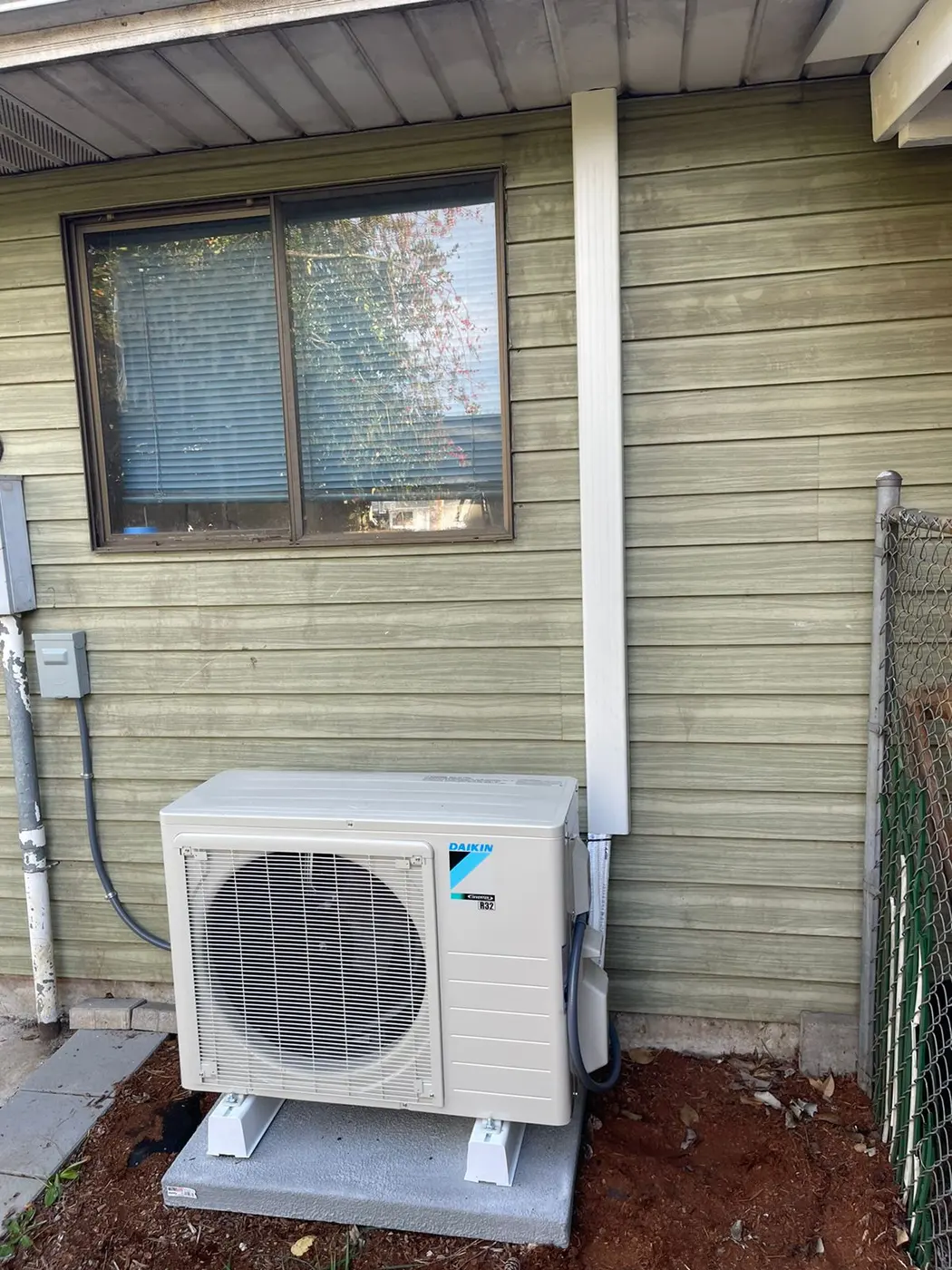
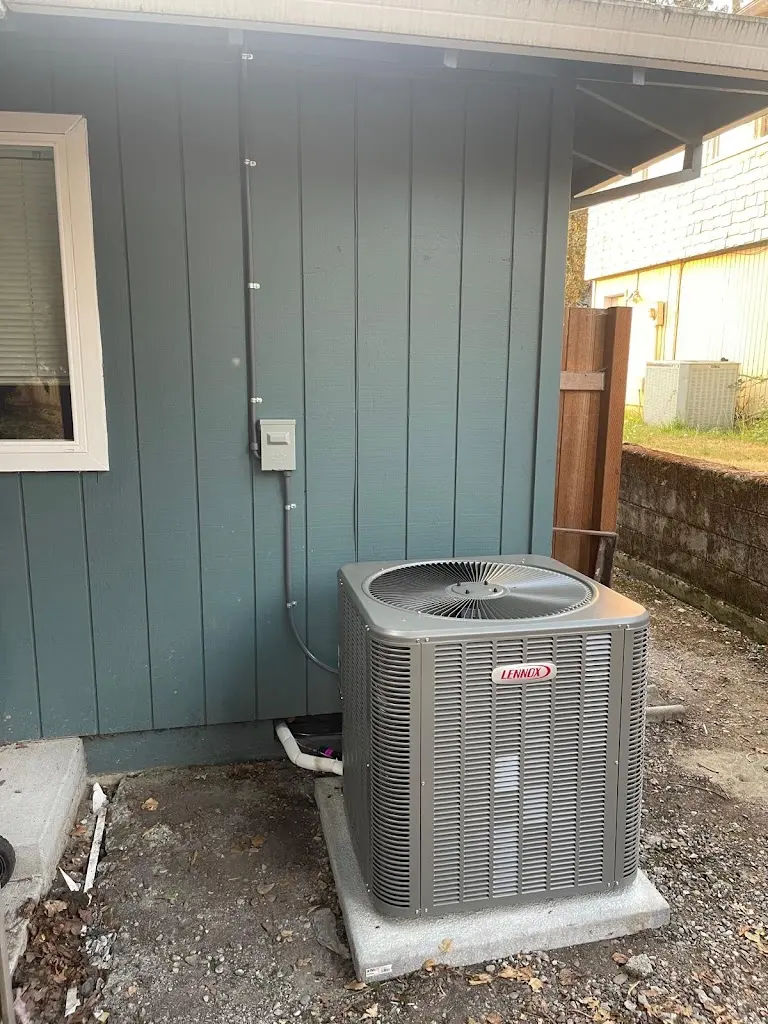
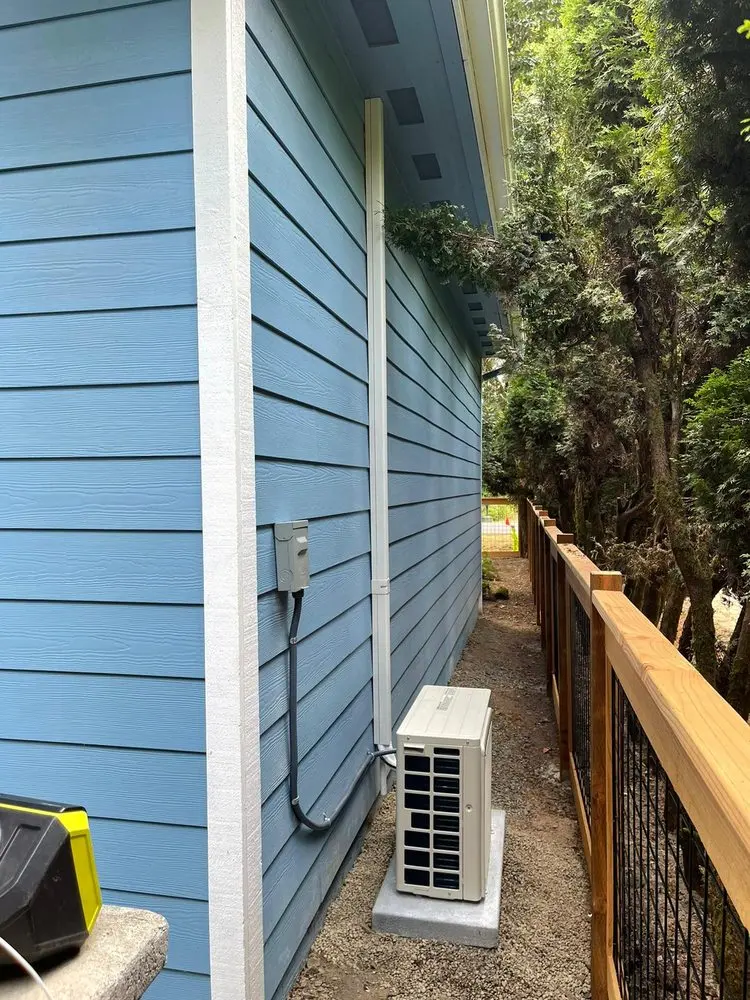
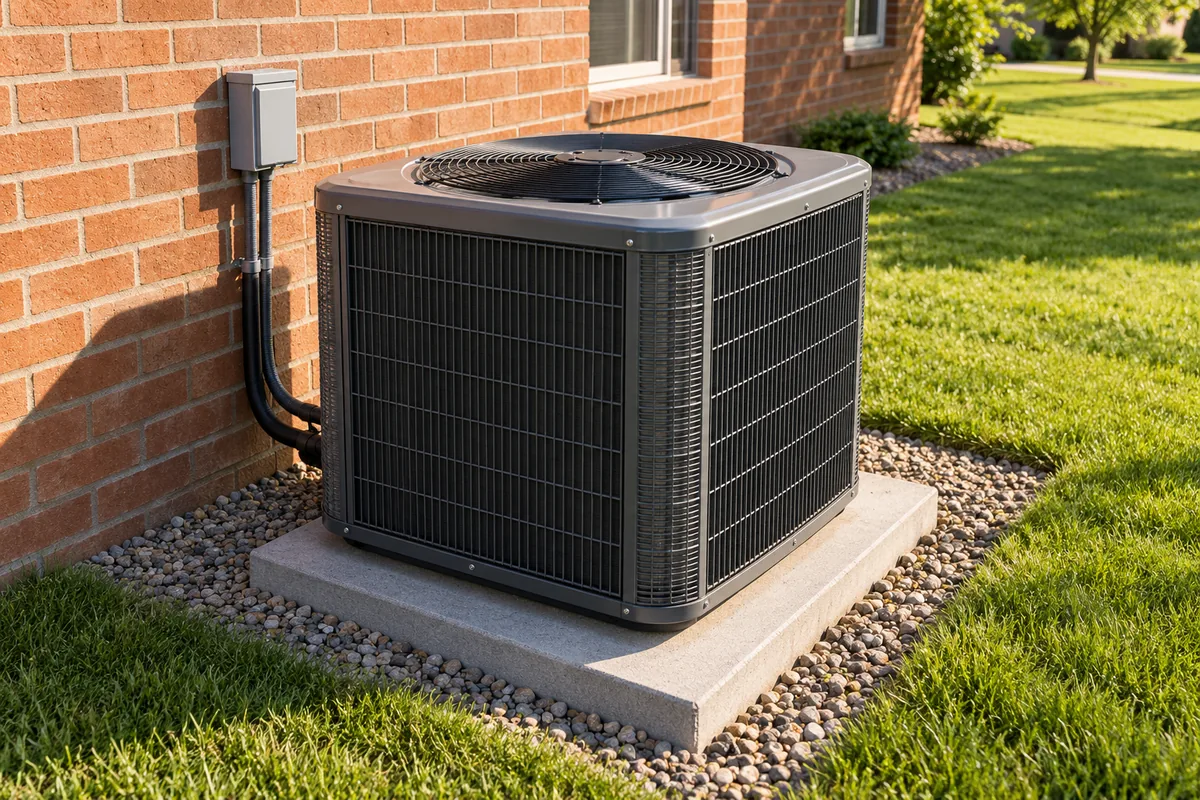
Our mini-split installation service reviews indoor heads and outdoor equipment as one arrangement. Discuss any limit that matters when several rooms request different modes. Separate remotes do not establish unlimited independent operation. The actual model combination needs to support the functions the household expects.
Shared Outdoor Equipment and Separate Systems
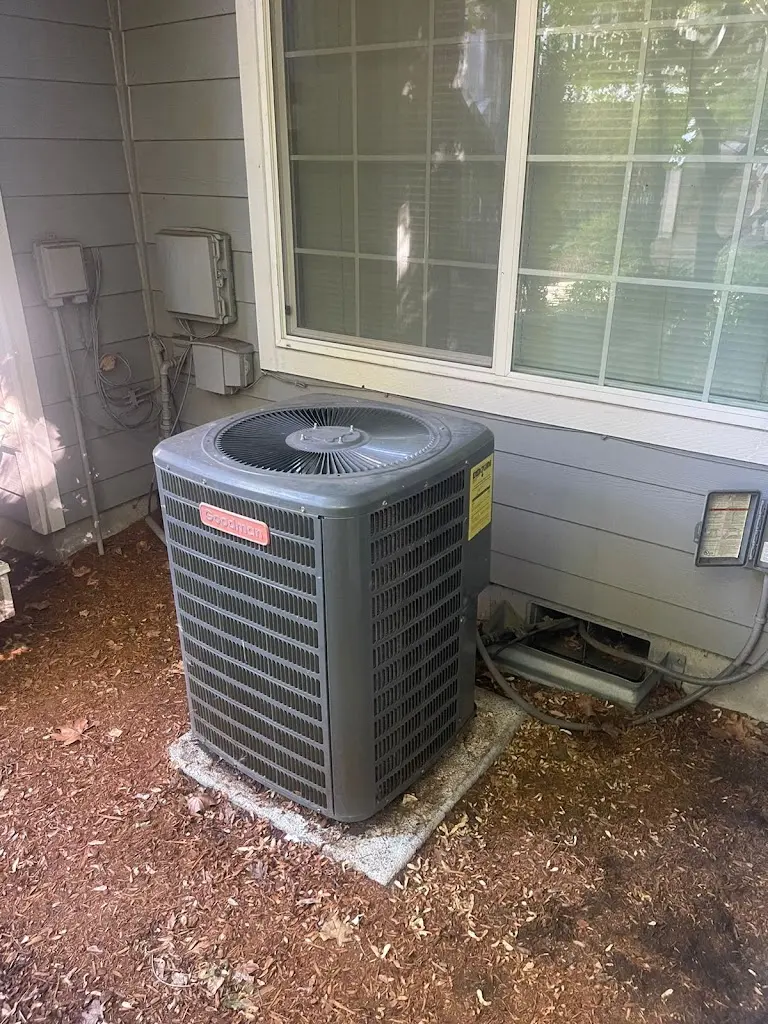
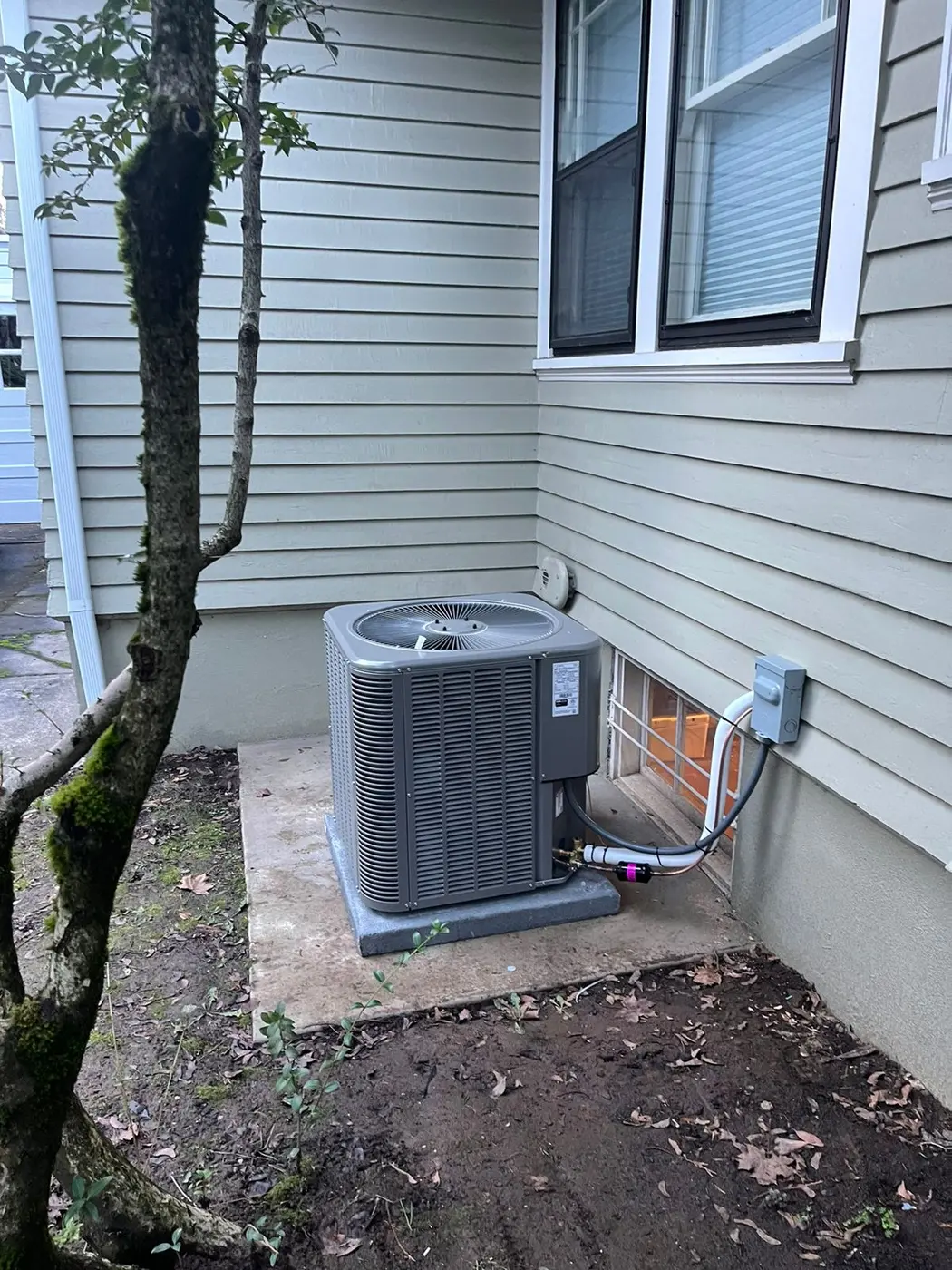
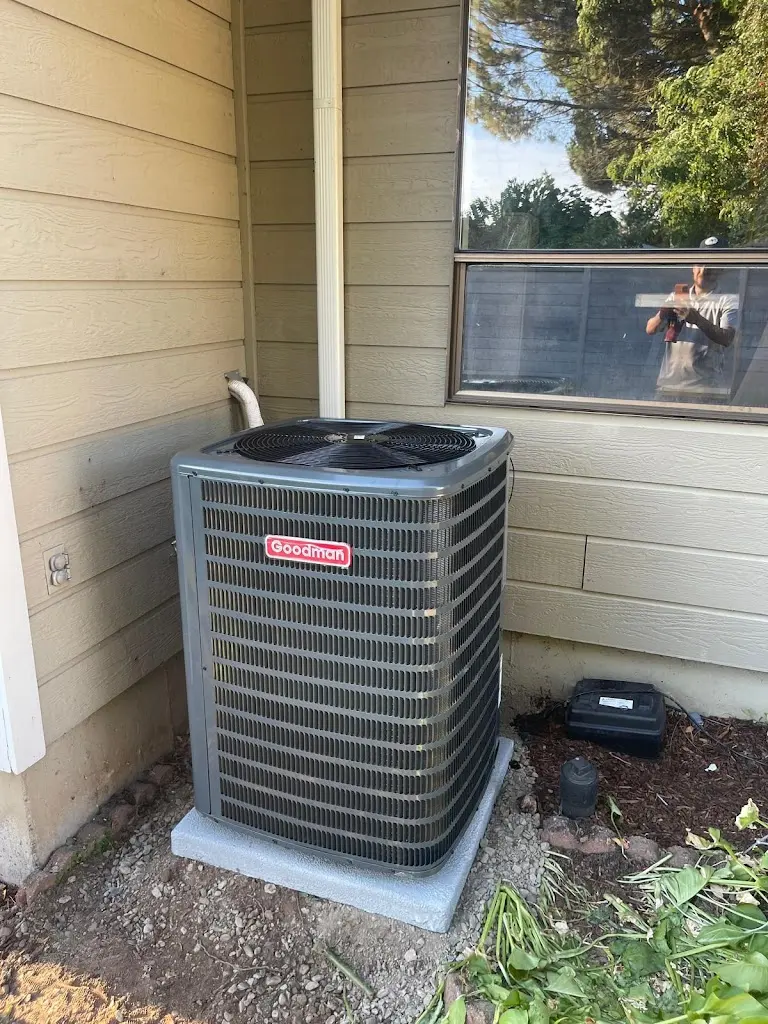
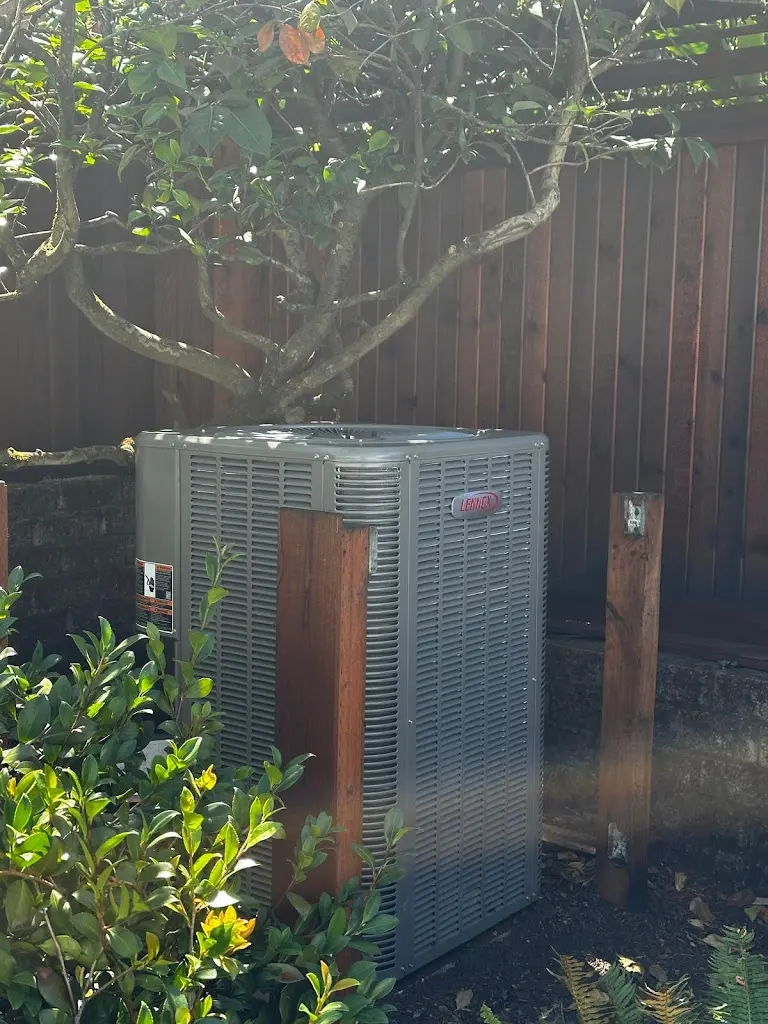
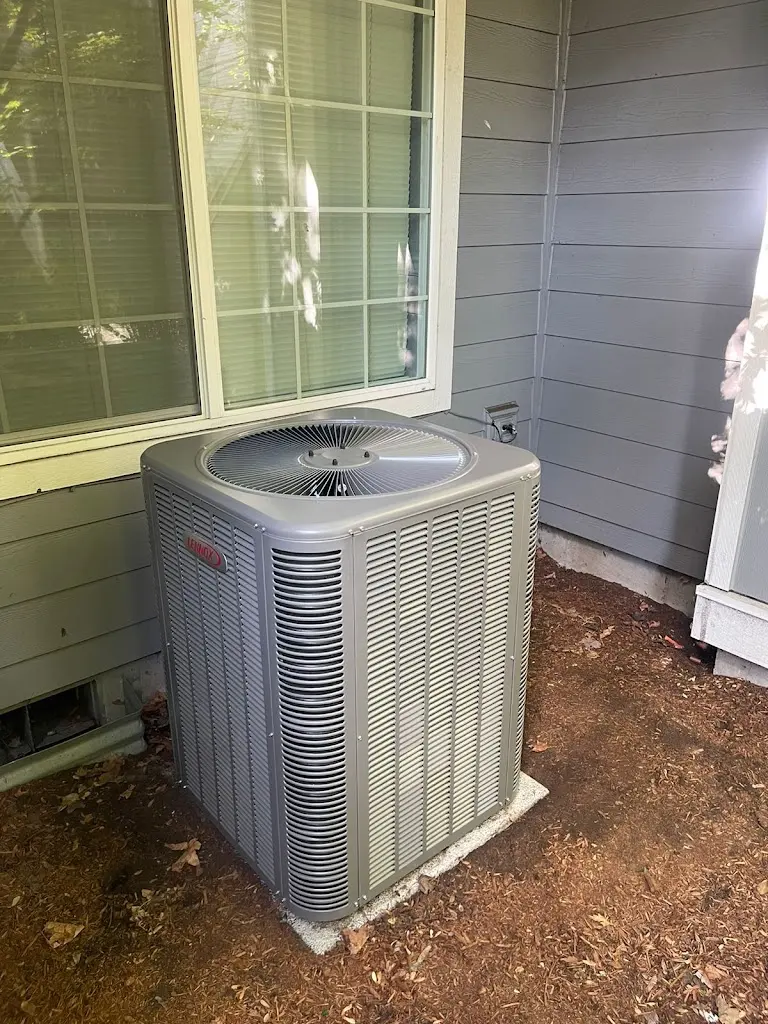
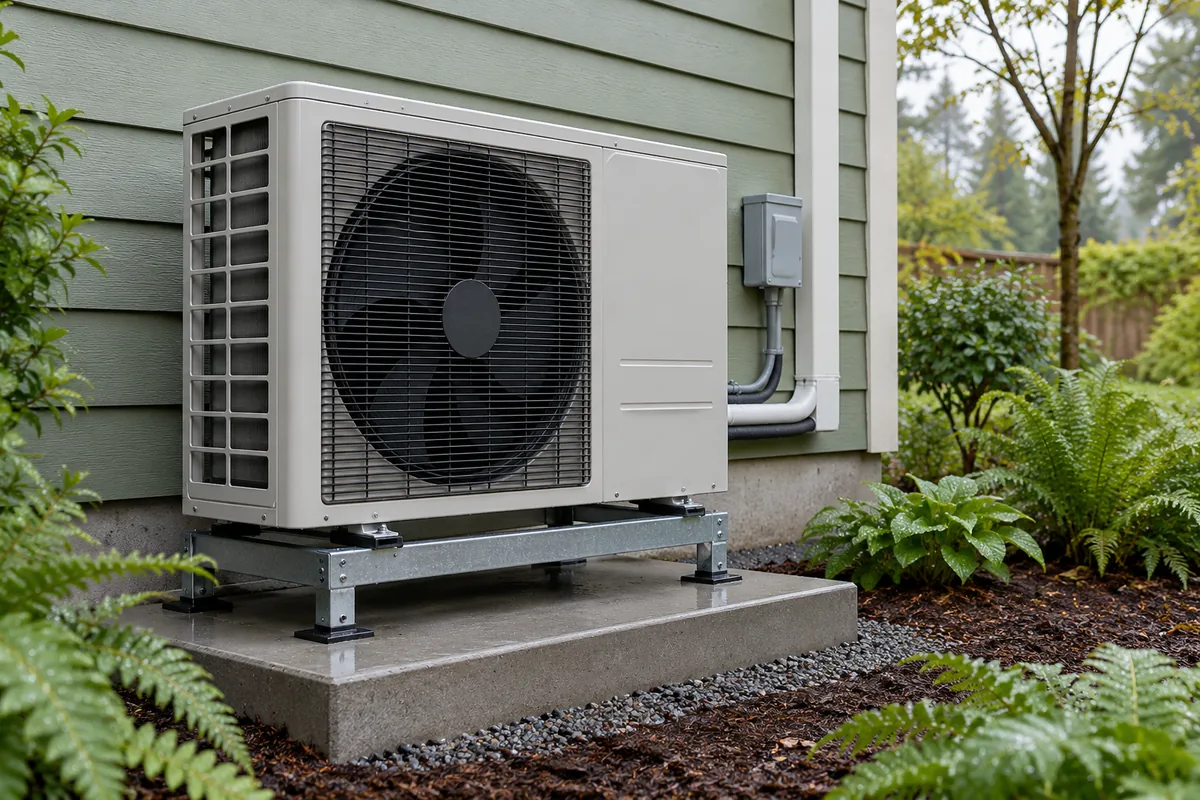
Ask which indoor units share an outdoor unit and which belong to separate systems. Compare the connections, controls and room routines each arrangement supports; fewer outdoor units are not automatically better for every home.
For shared equipment, review the supported indoor combination rather than simply adding head labels. Capacity needs to reflect room size, windows, insulation and other load conditions. A spare connection does not guarantee future expansion; keep any later room conditional on a review of its needs and the equipment match.
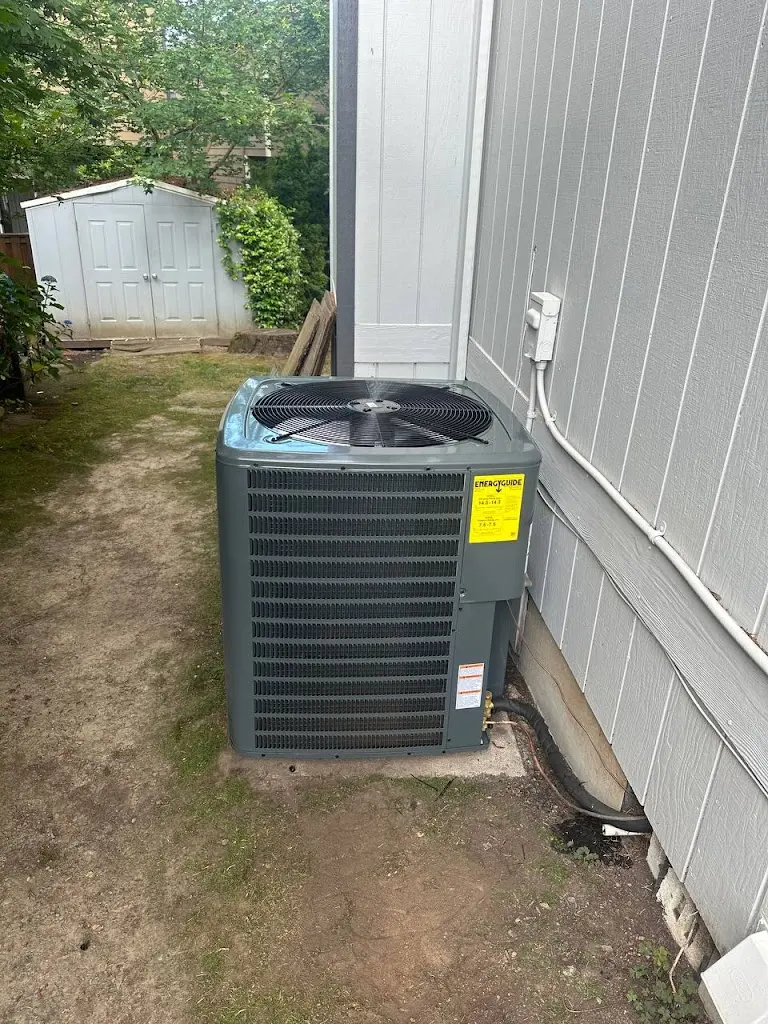
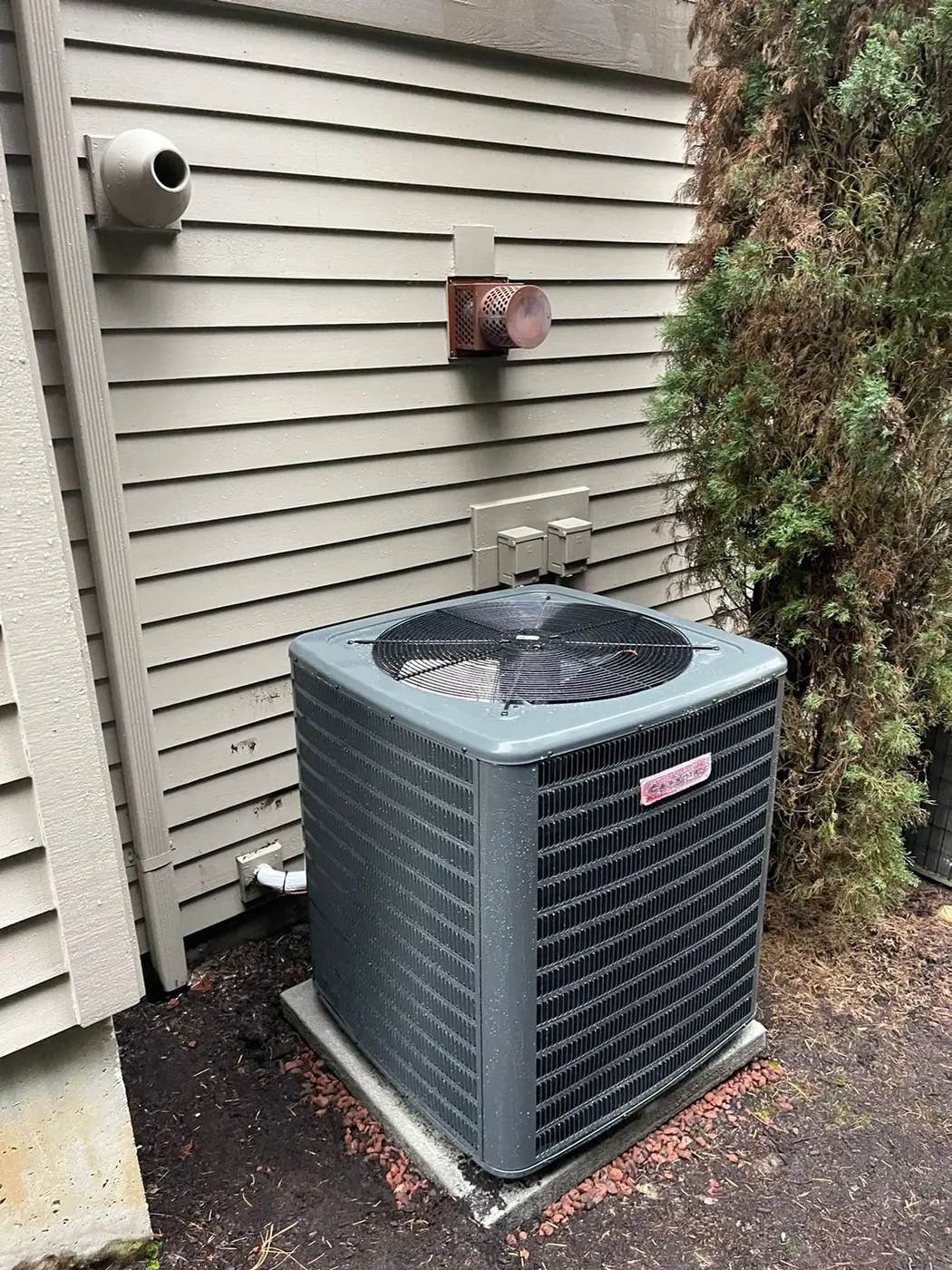
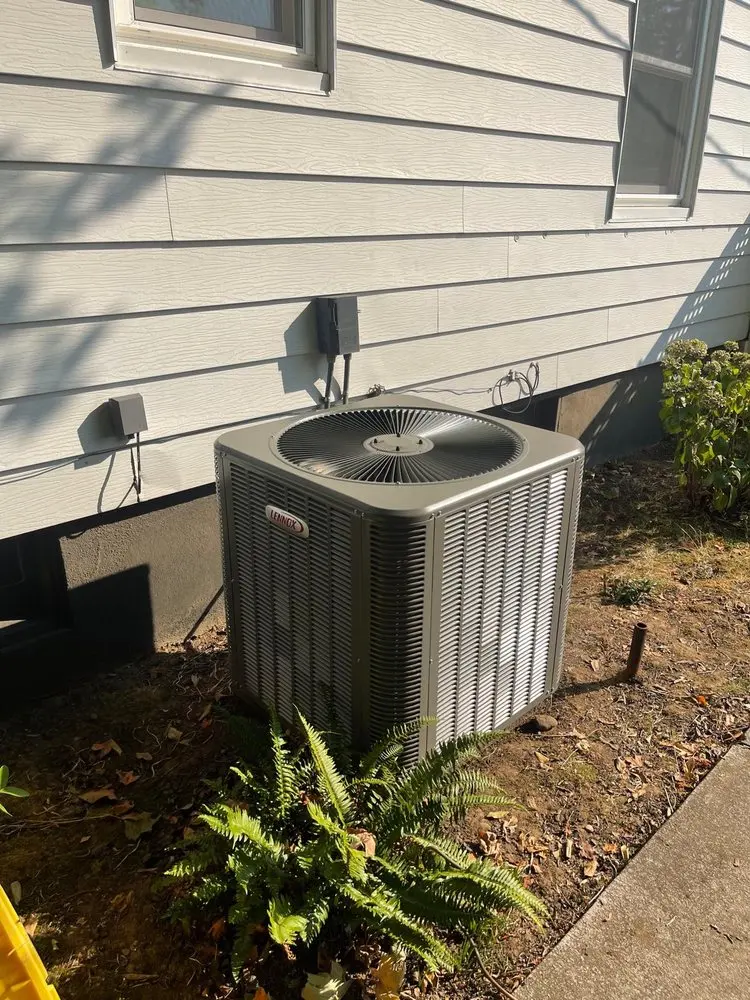
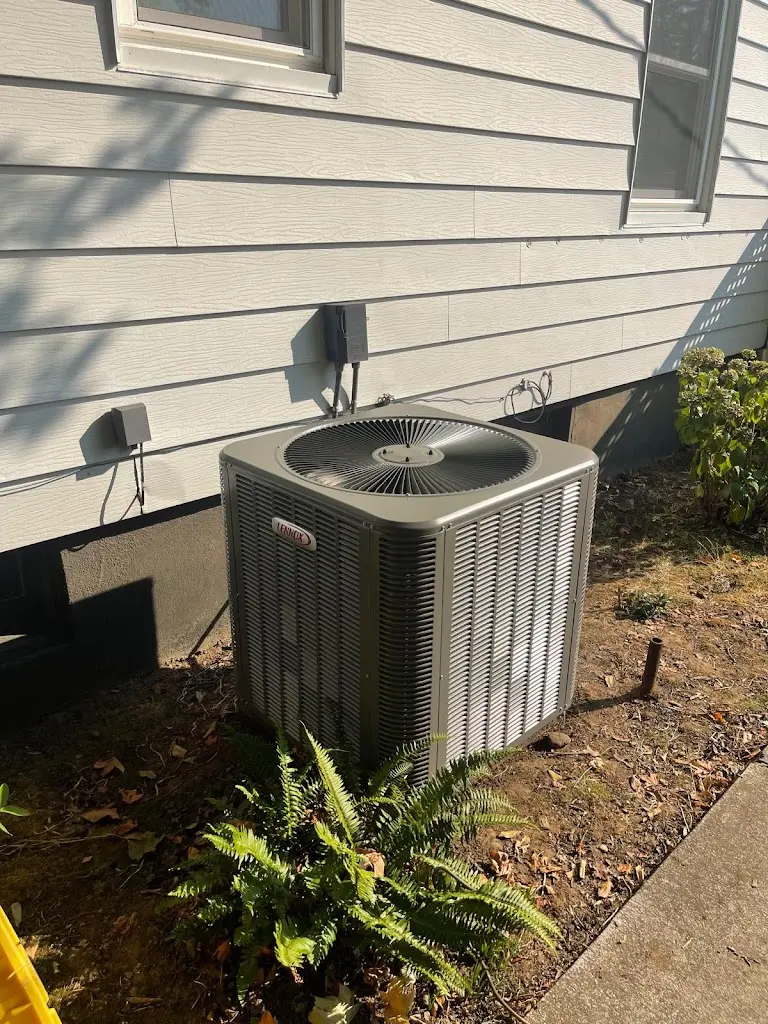
For separate systems, identify every outdoor location and access route. More than one system can create several sets of site work. Keep those tasks in the total scope. A room-by-room price comparison should not omit the equipment required outside.
Indoor Positions in Furnished Rooms
Show where people normally sit, sleep and work. Include fixed storage and the doors the room uses. A clear wall in an empty room may become a poor location once furnishings return. The proposed head needs a useful air path and practical access for care.
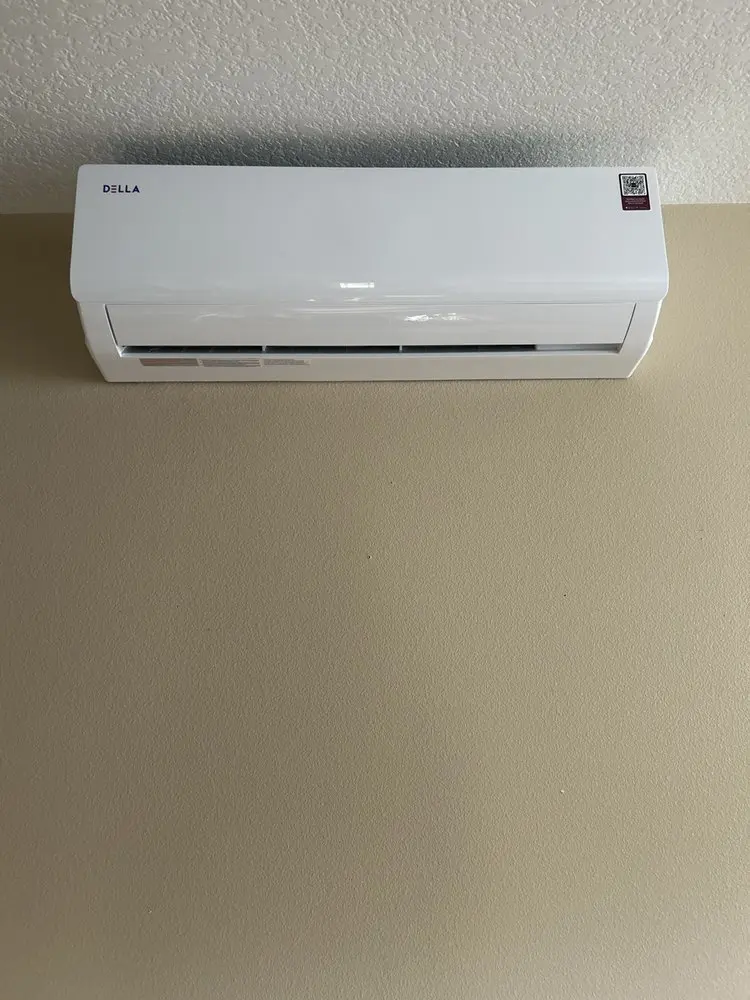
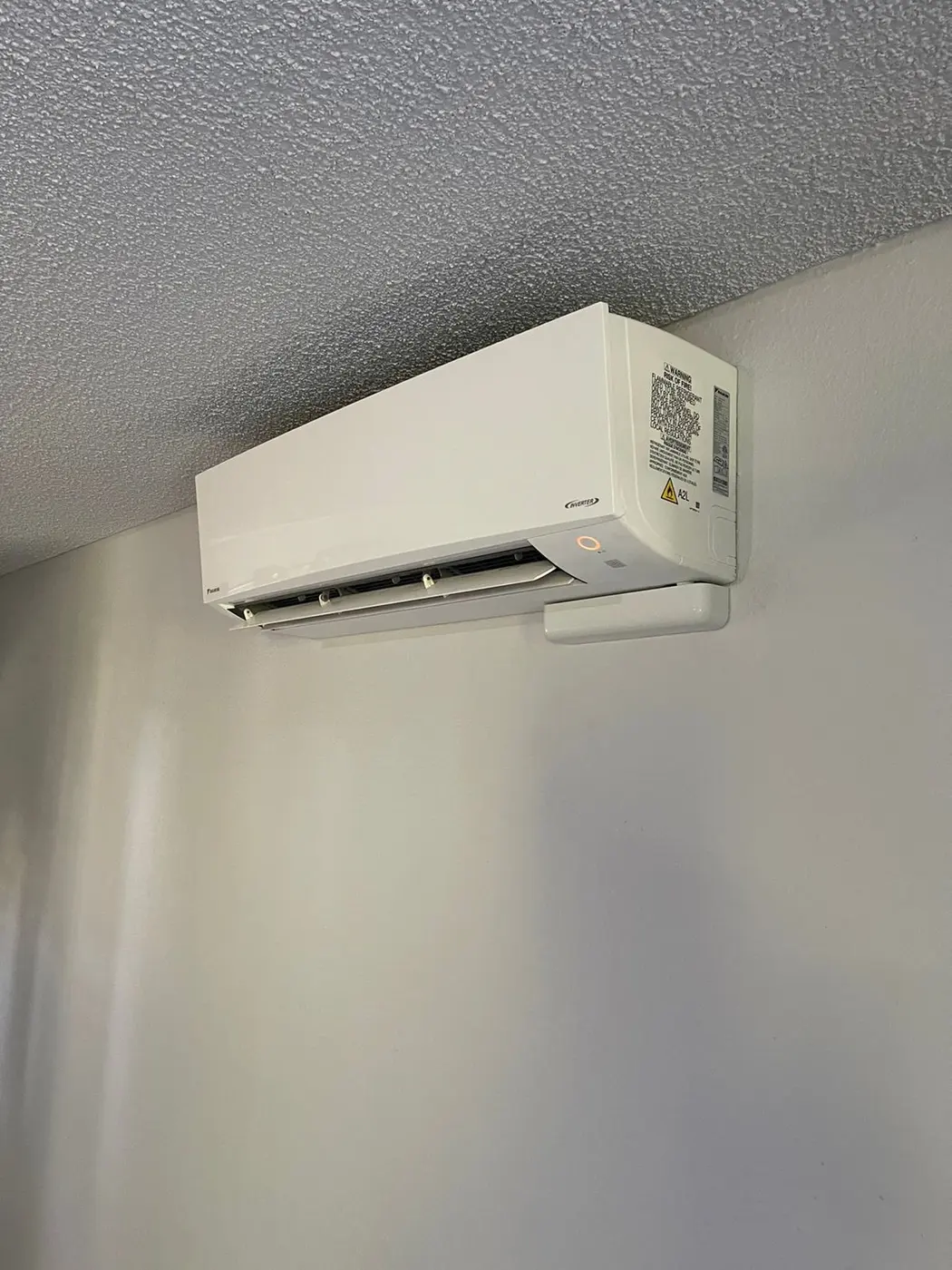
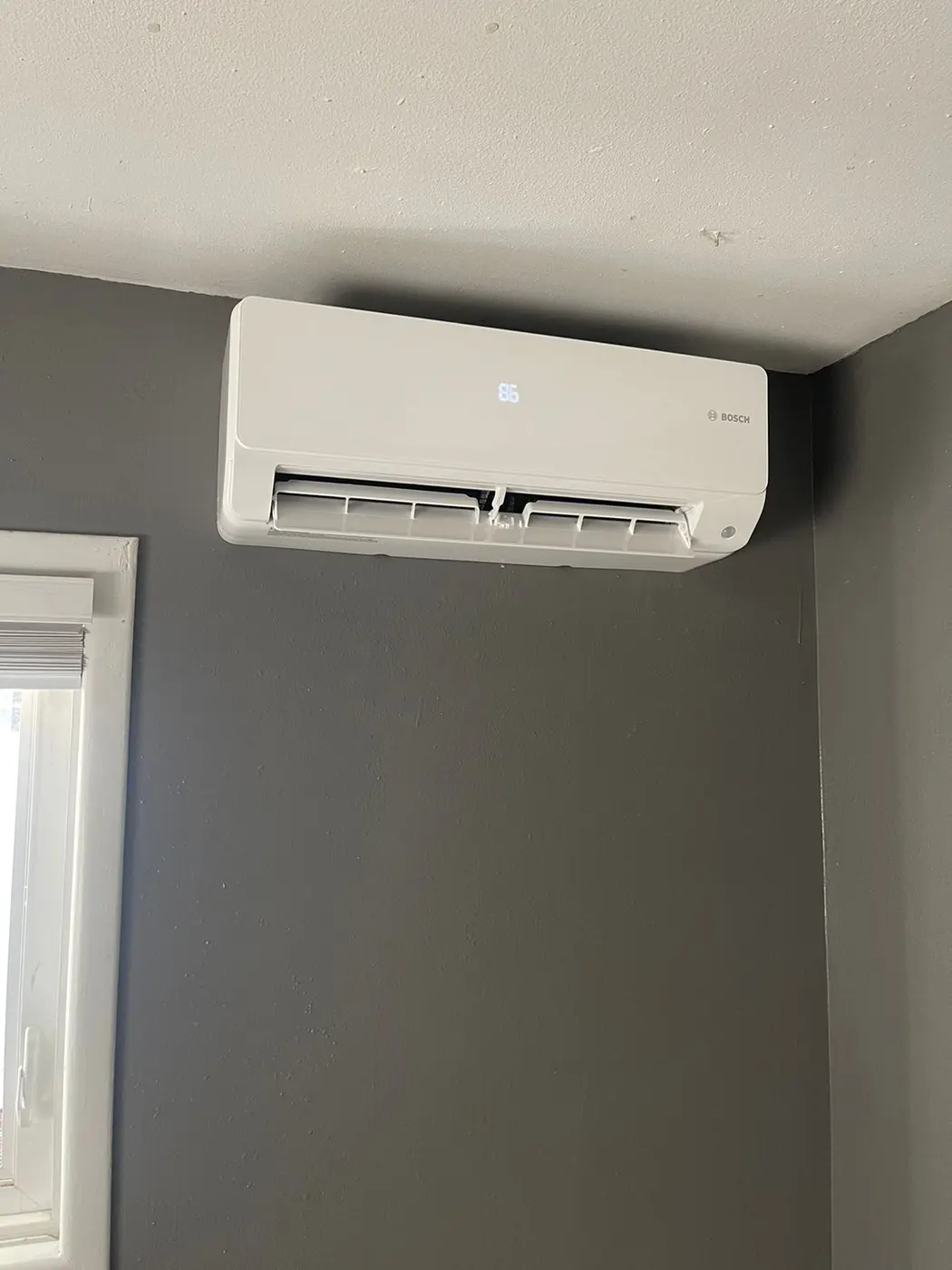
Explain any preference about visible equipment. Ask which actual indoor forms fit the proposed models and rooms. A pictured style does not confirm that it is suitable or included. Compare the available options through their required work as well as their appearance.
Keep the controls practical for the household. Identify who adjusts each area and whether simple settings or an agreed schedule matter most. A conversion can replace one familiar routine with several controls. The plan should make that change clear before installation.
Connections, Drainage and Finish Work
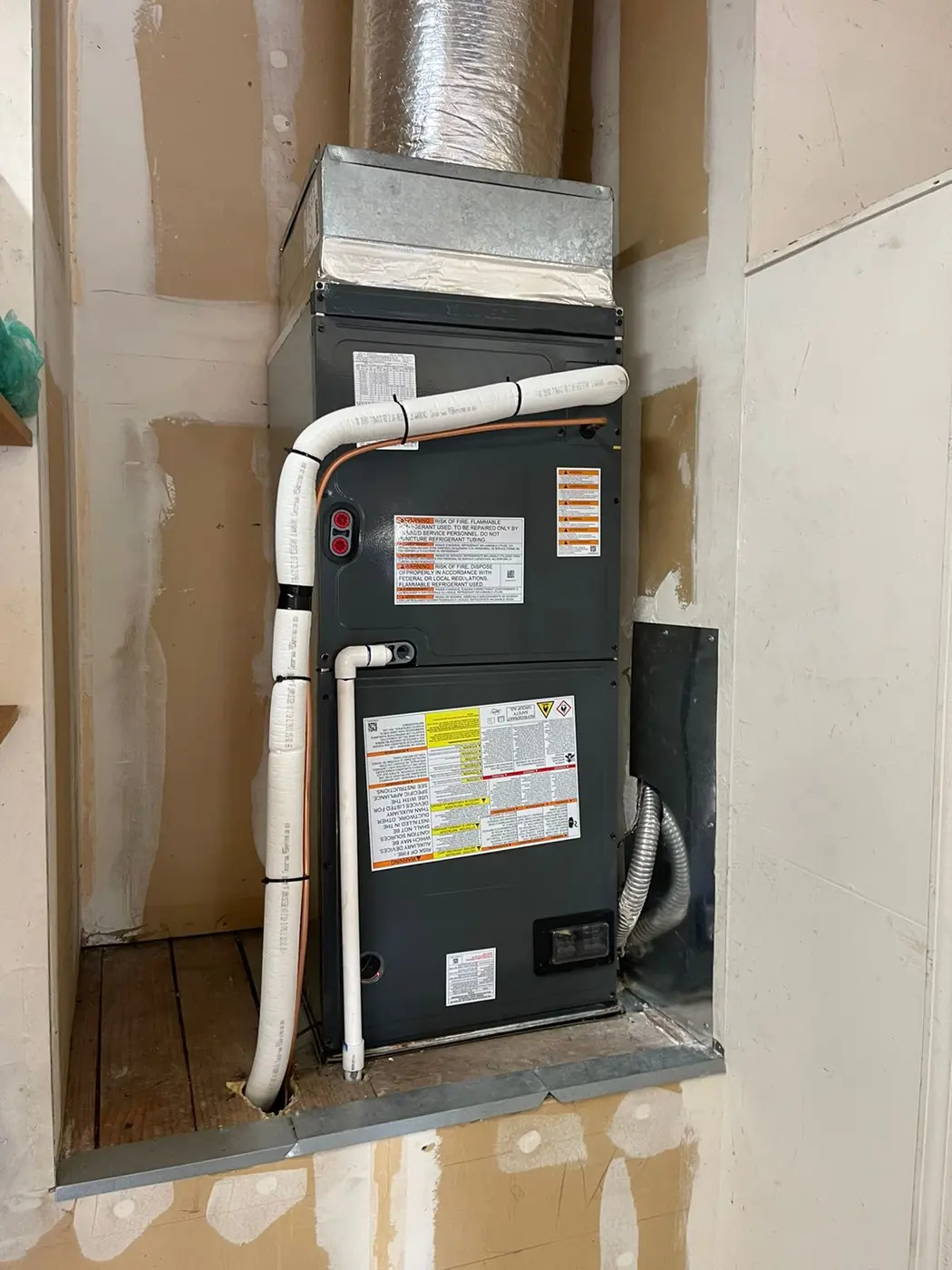
Each indoor unit needs suitable refrigerant lines, wiring and condensate drainage. Ask the estimator to show the connection work for every unit; a route that works for one room may not suit another.
Keep concealed or hard-to-reach areas clear as conditions needing review. A short distance on a floor plan does not establish an easy route through the home. Finished walls, fixed storage and separate access points can affect the tasks. Do not treat an unconfirmed path as ready for installation.
Ask which covers, openings and surrounding finish tasks the price includes. Visible equipment is only part of the finished appearance. Keep any separate work clearly outside the equipment scope.
Existing Central Equipment and Ductwork
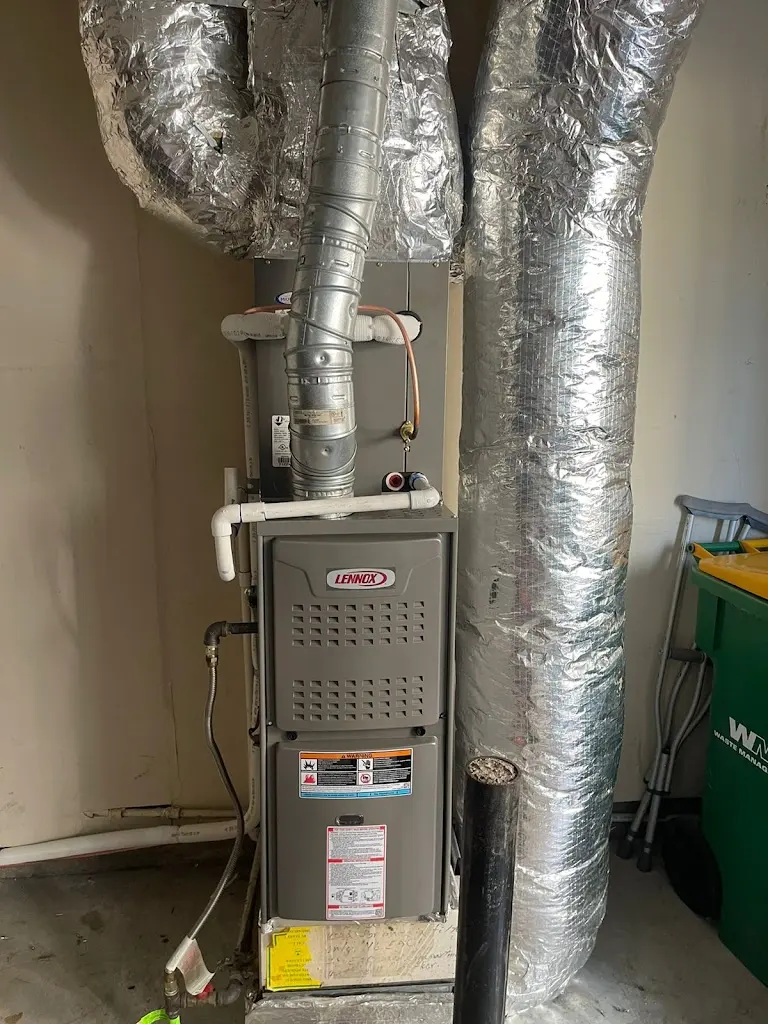
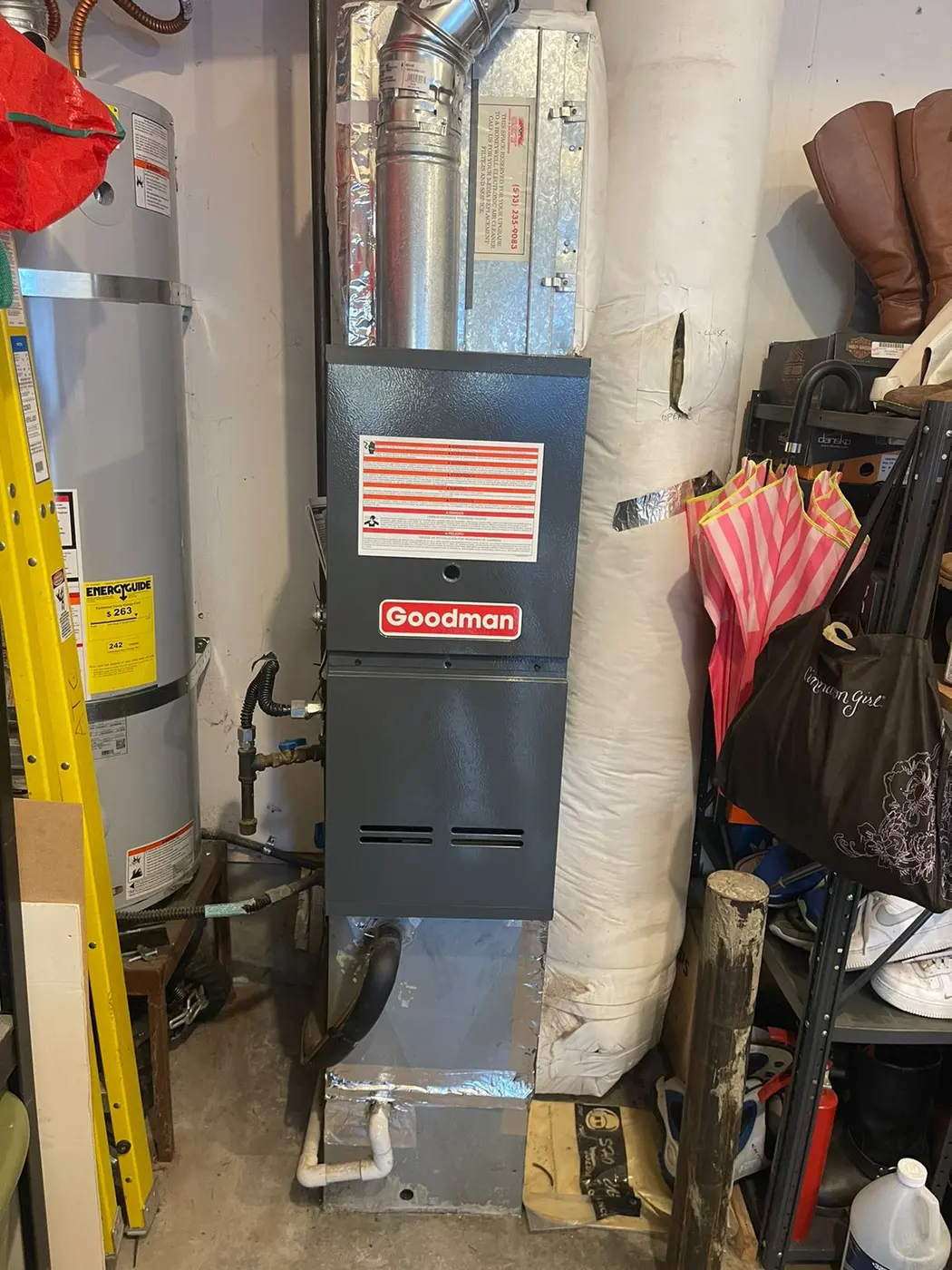
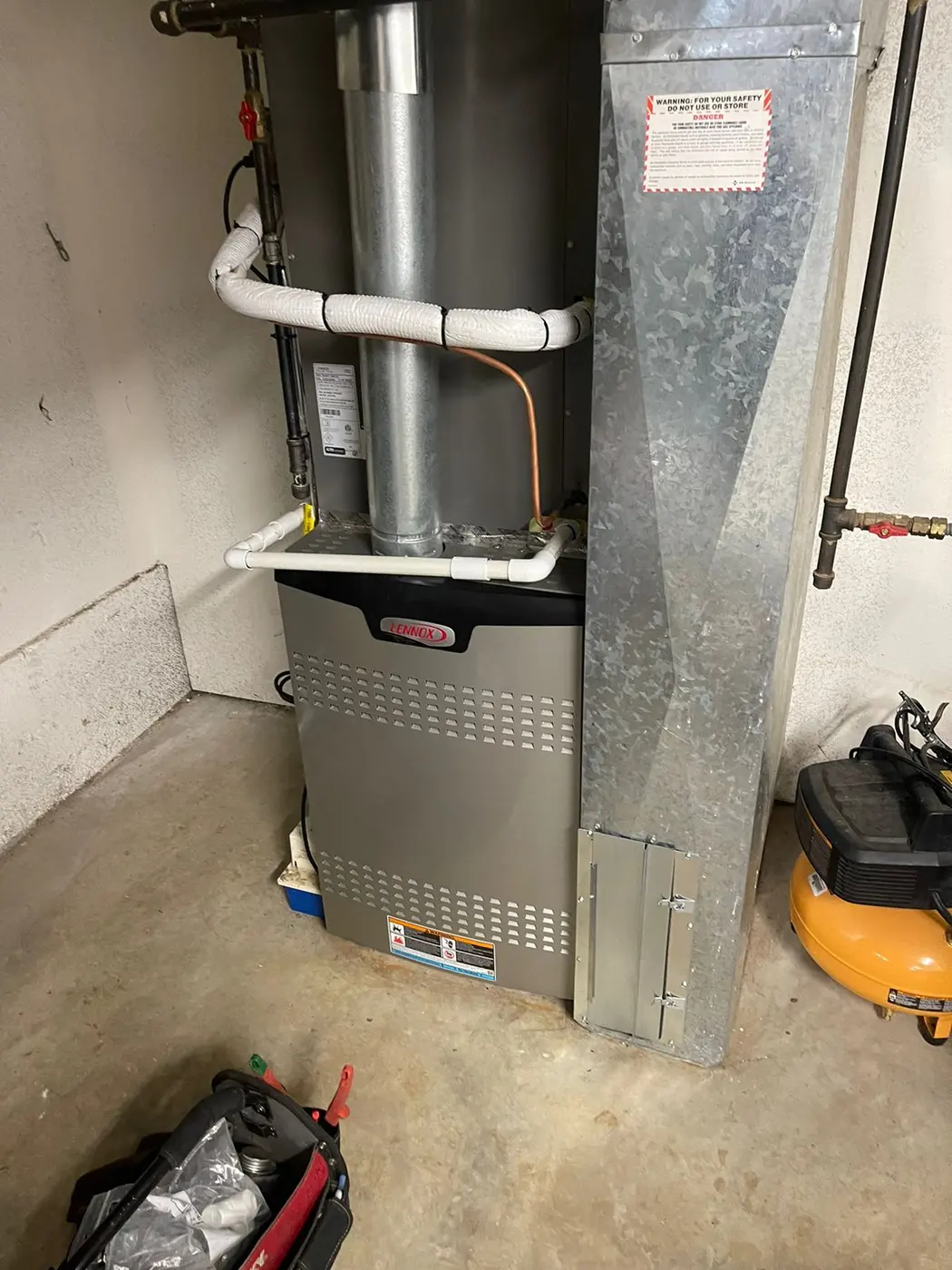
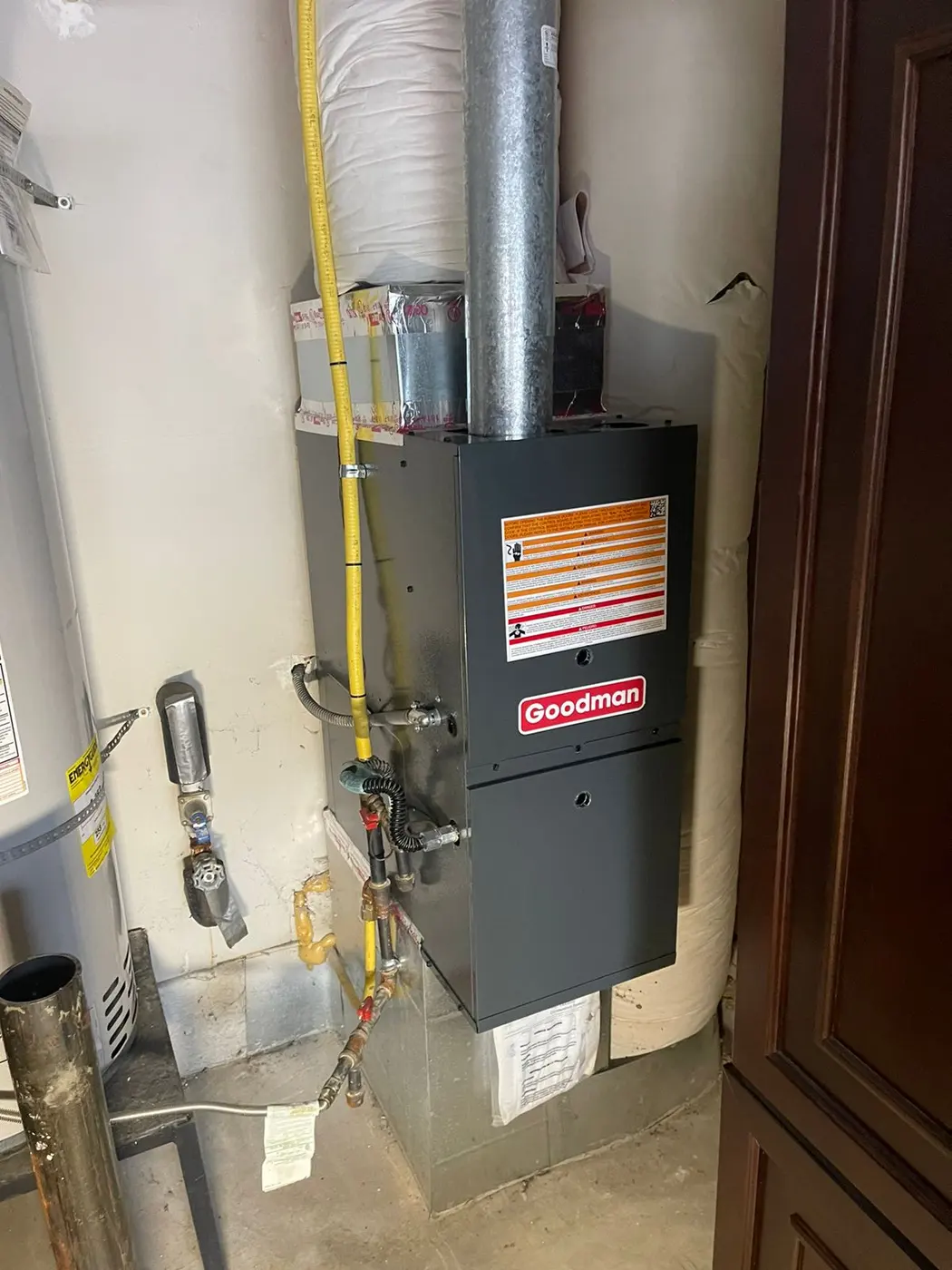
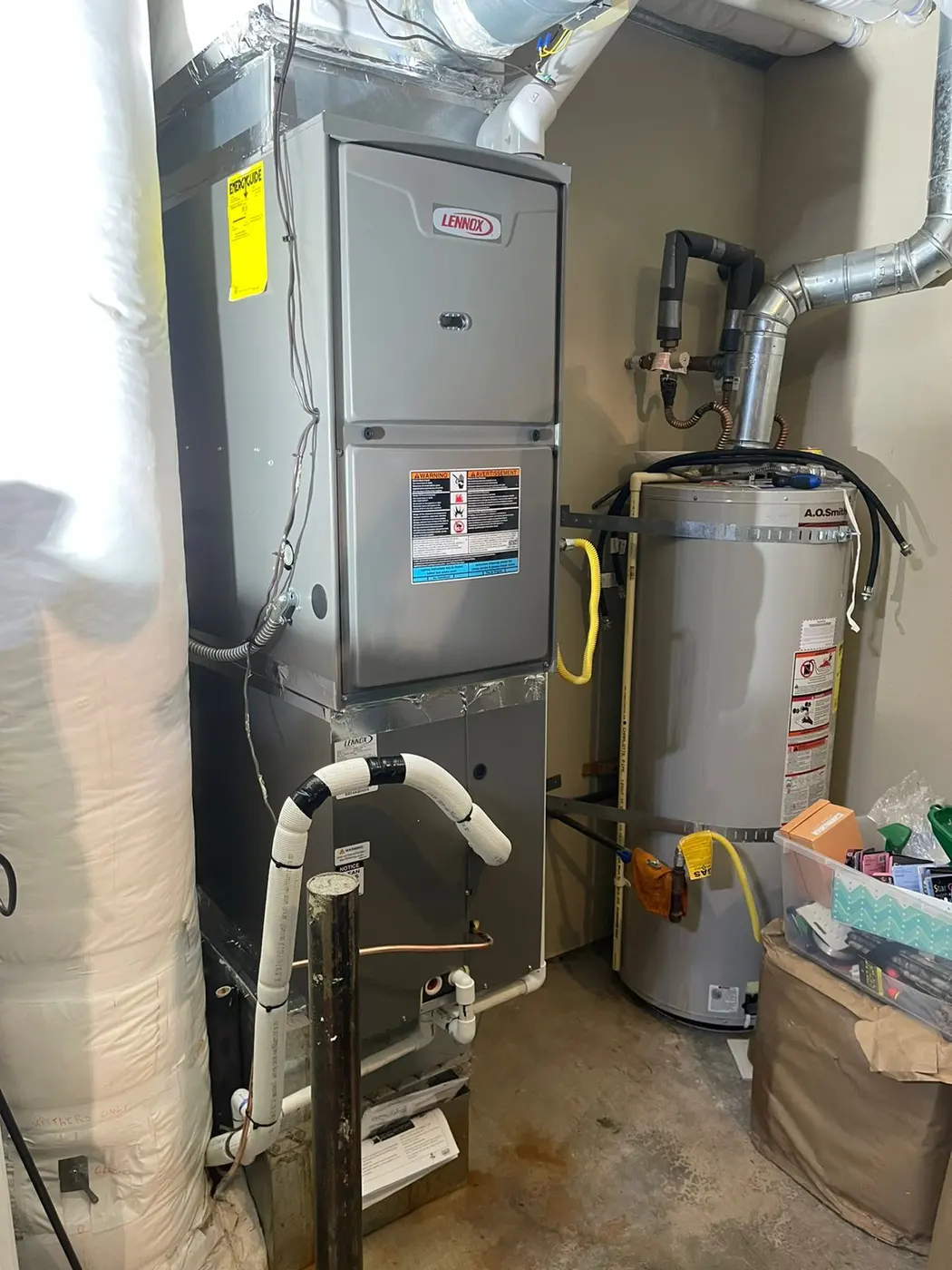
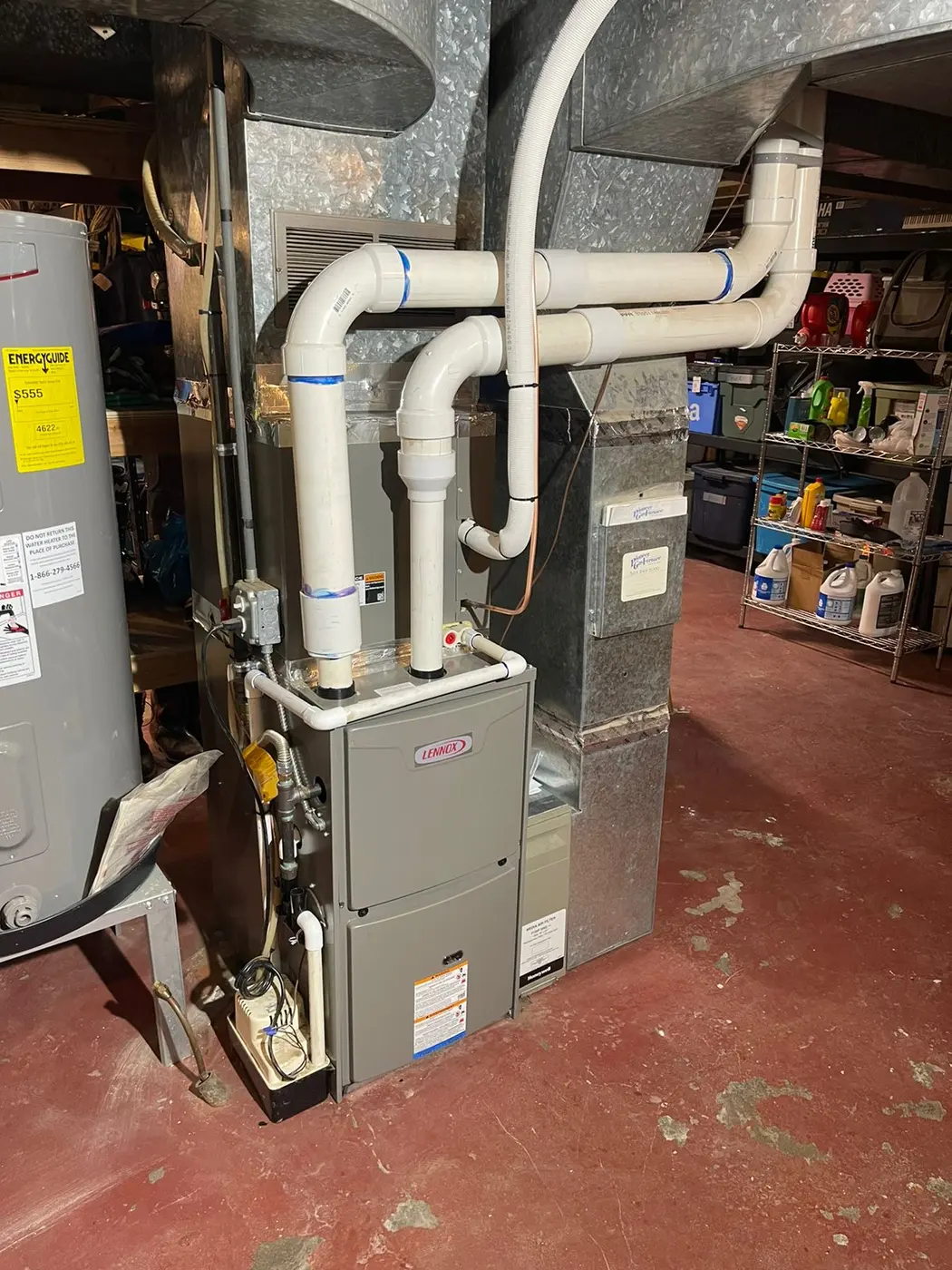
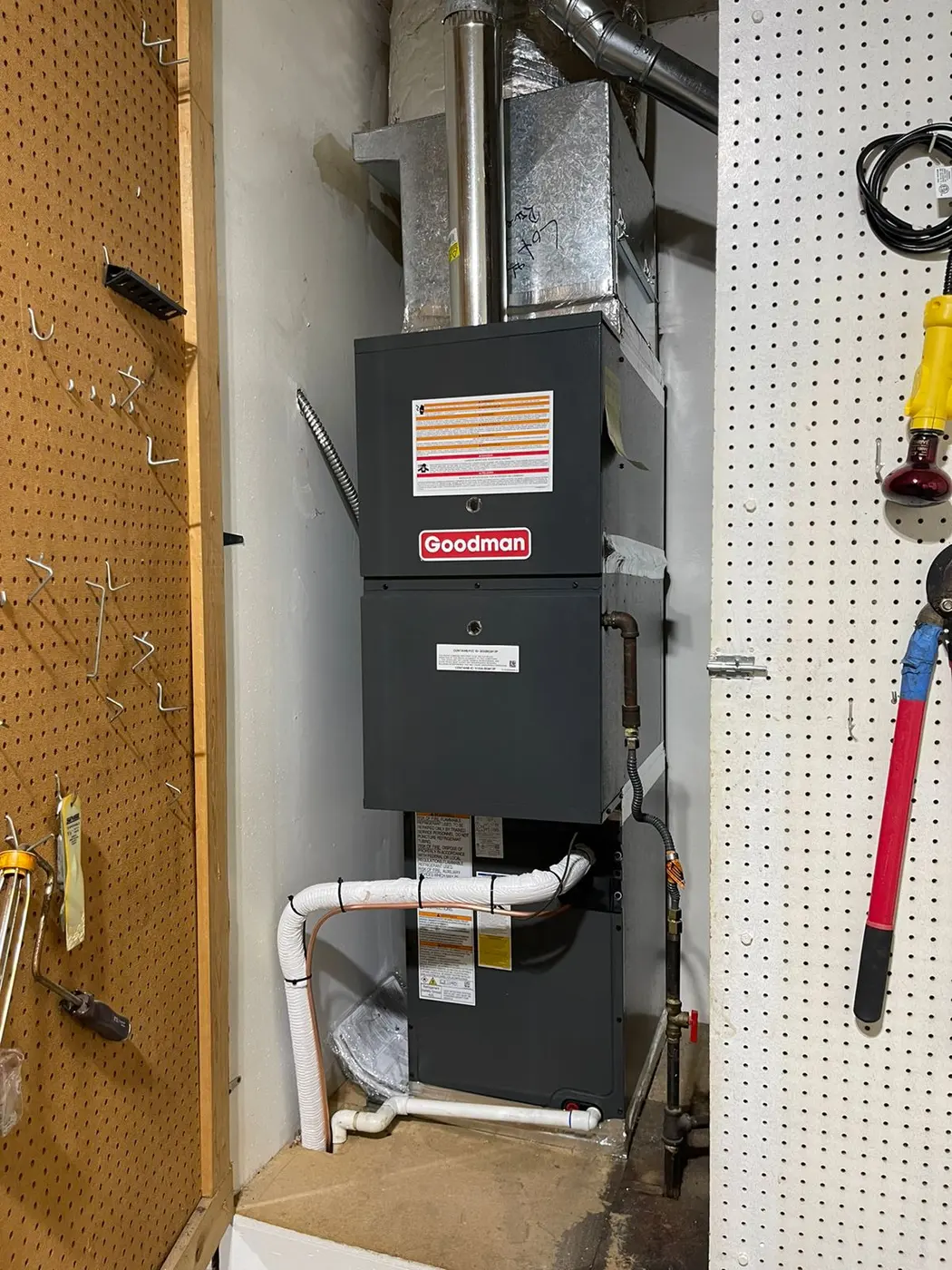
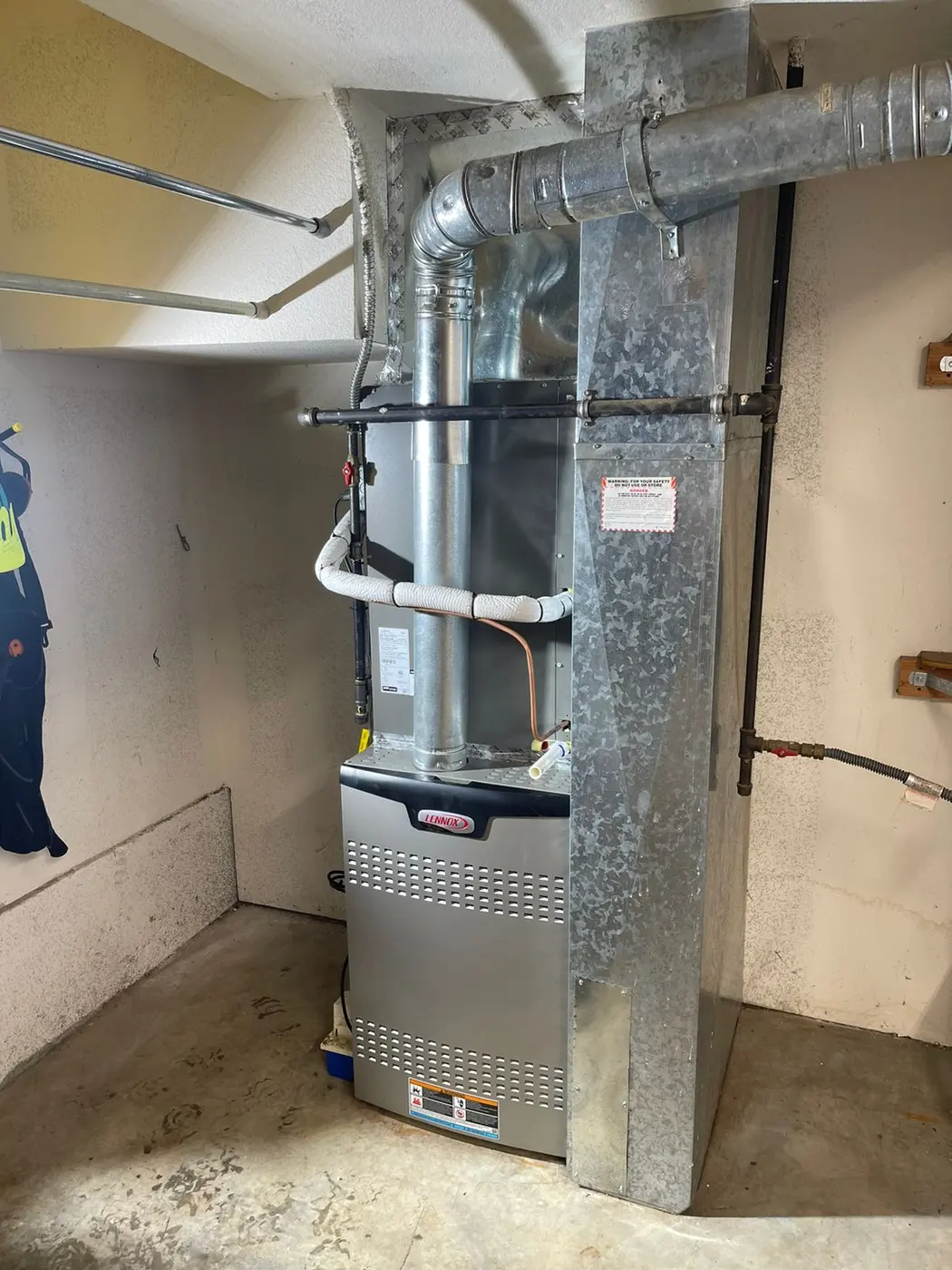
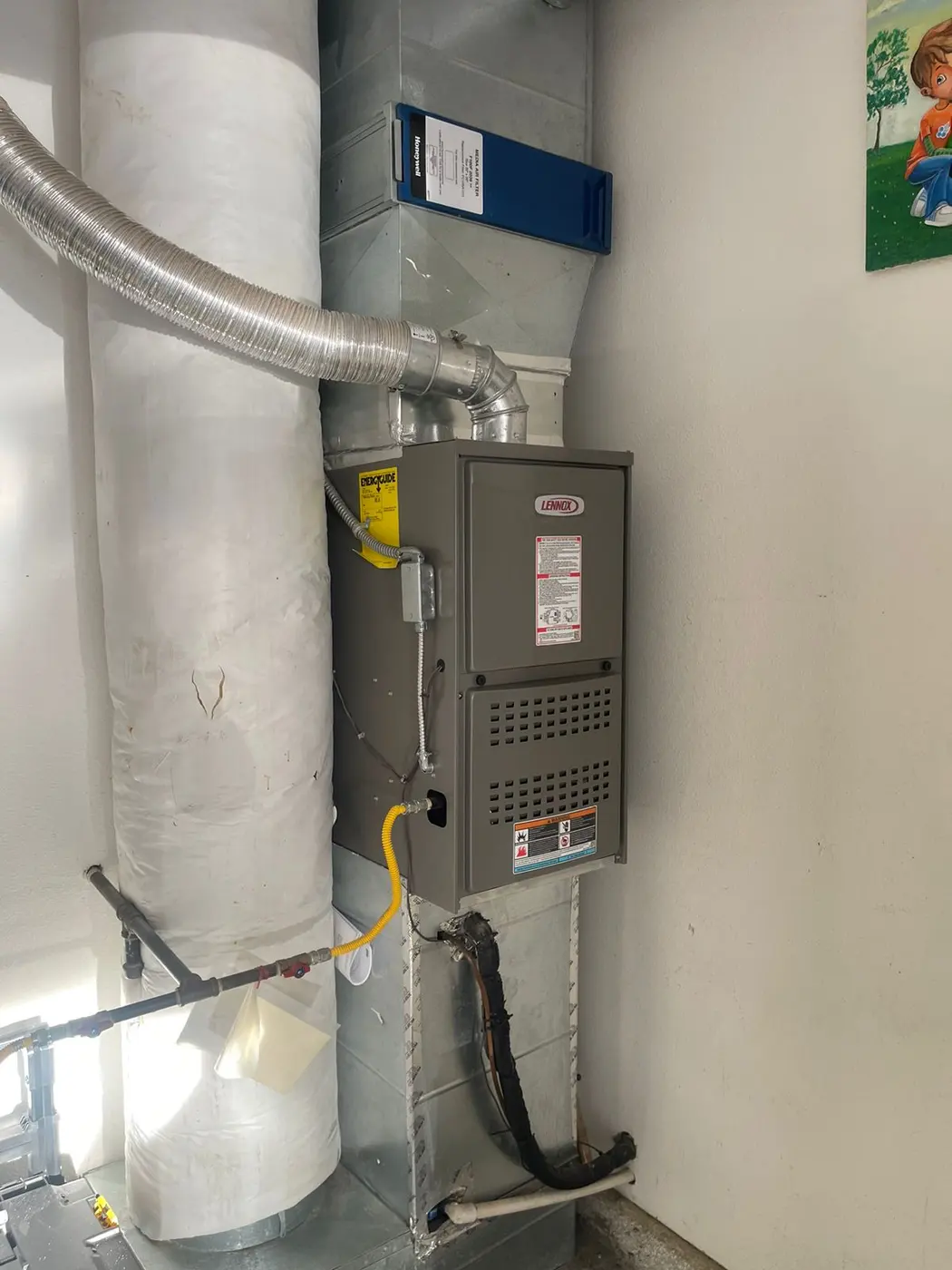
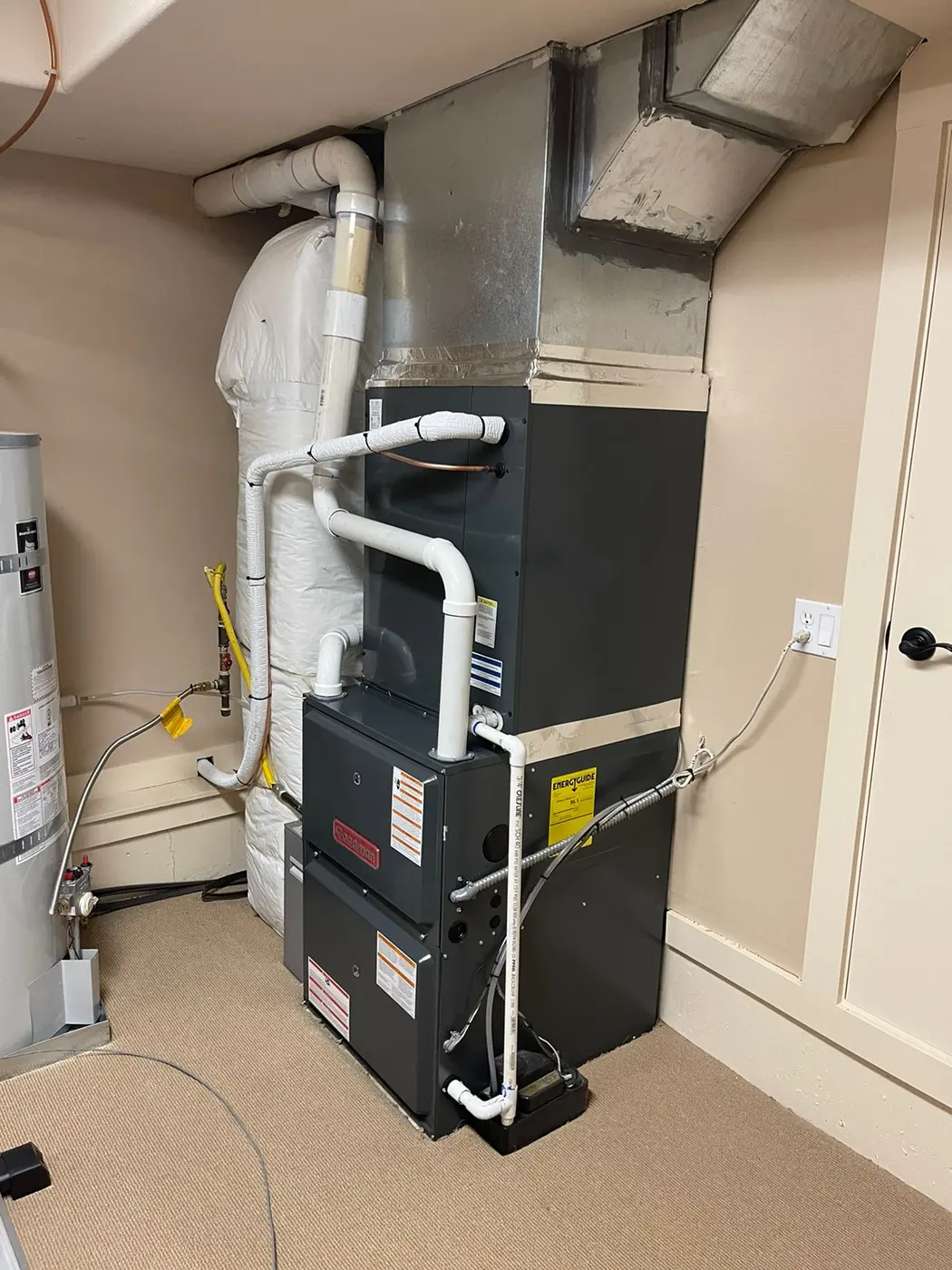
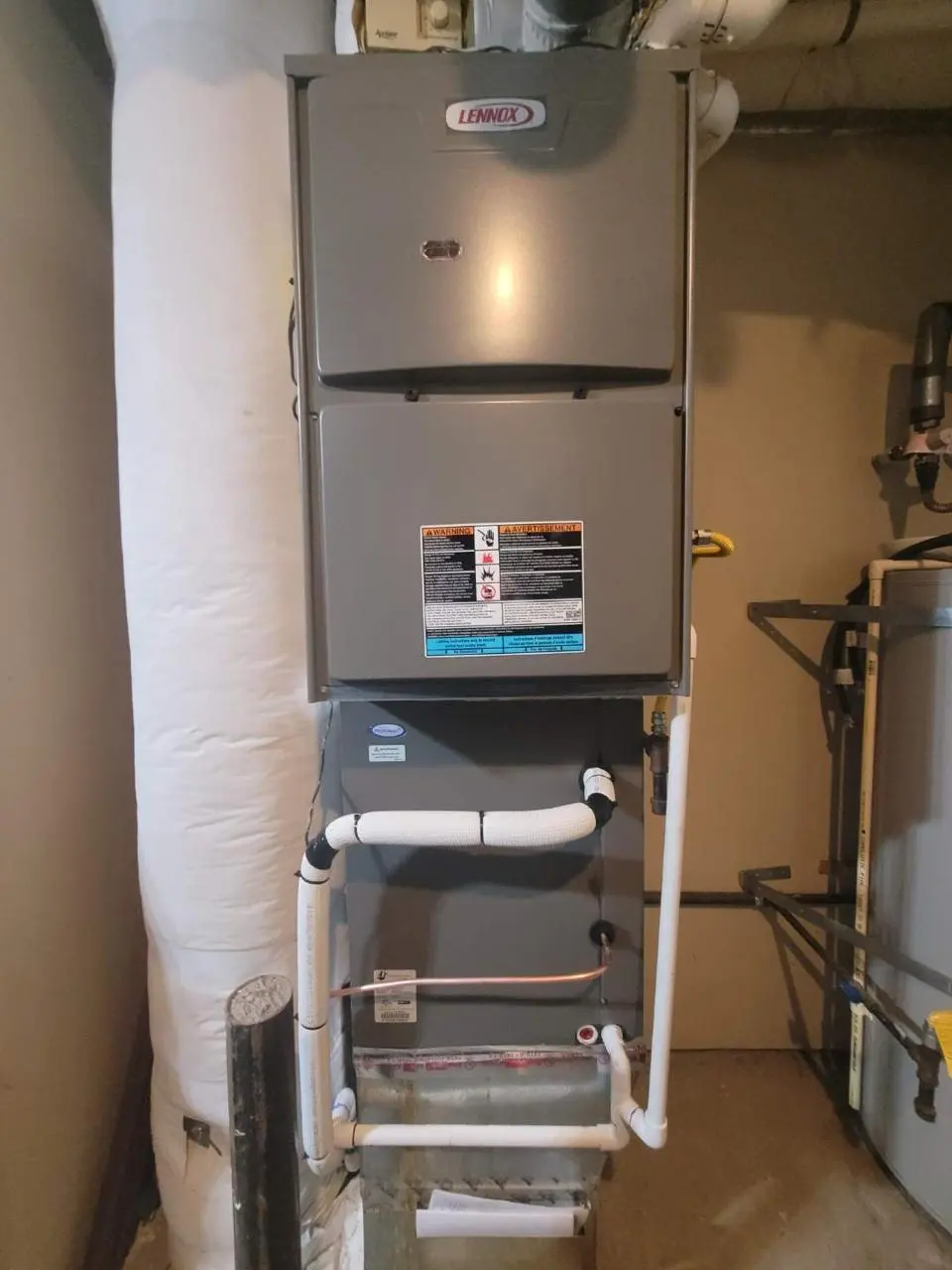
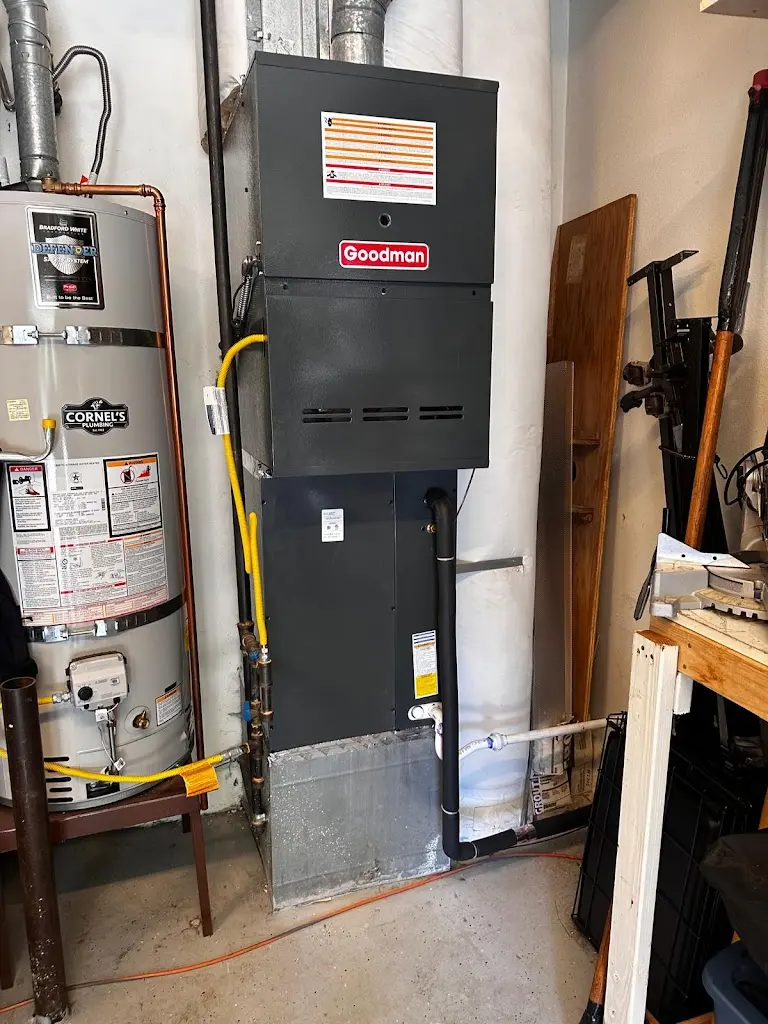
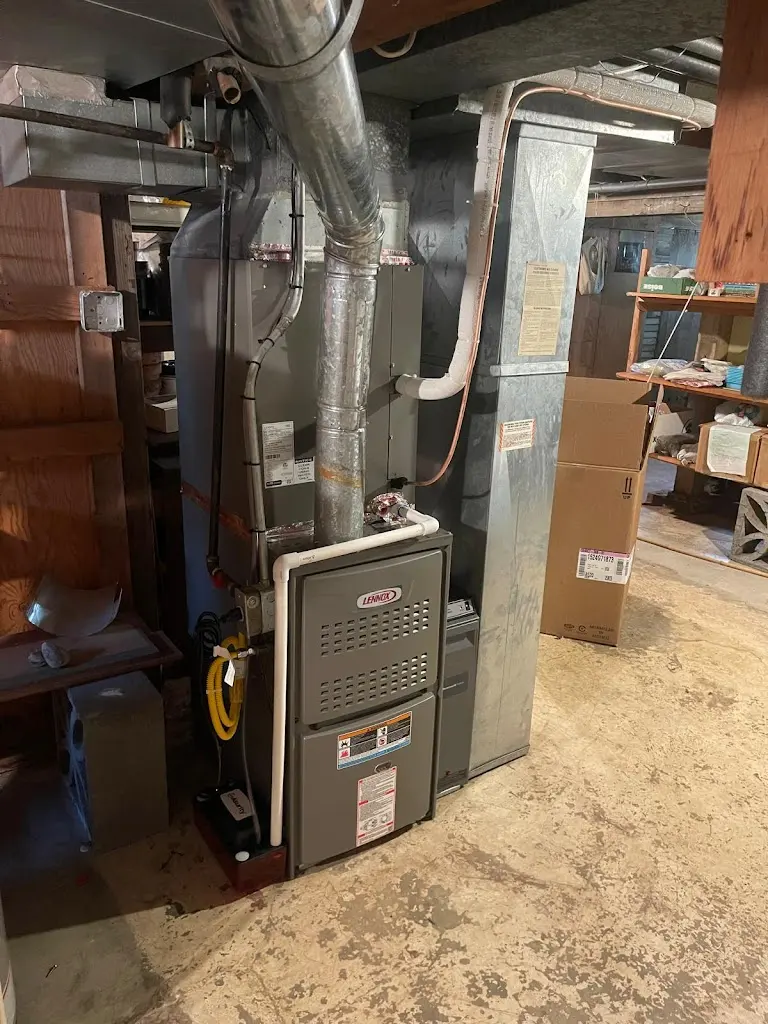
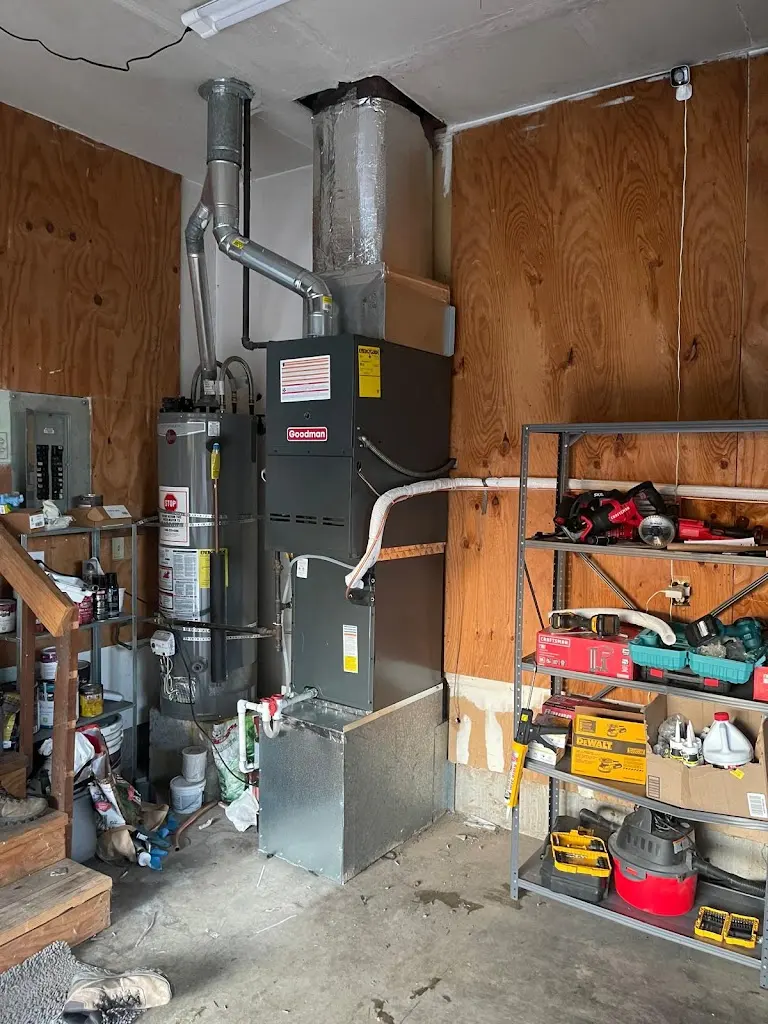
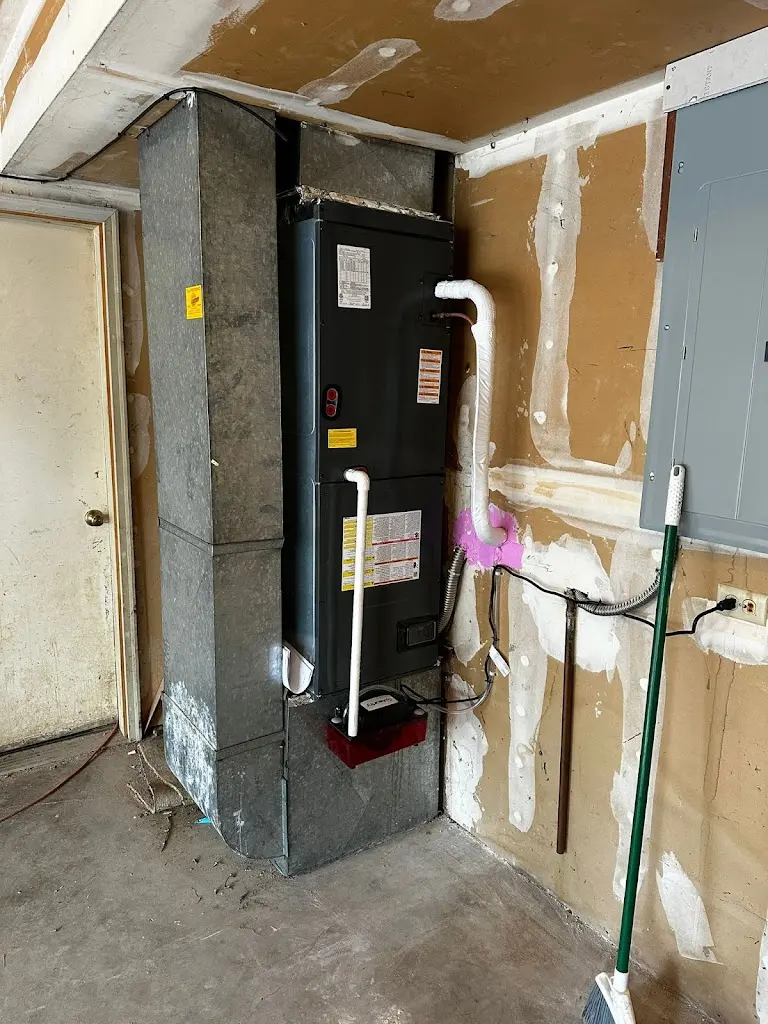
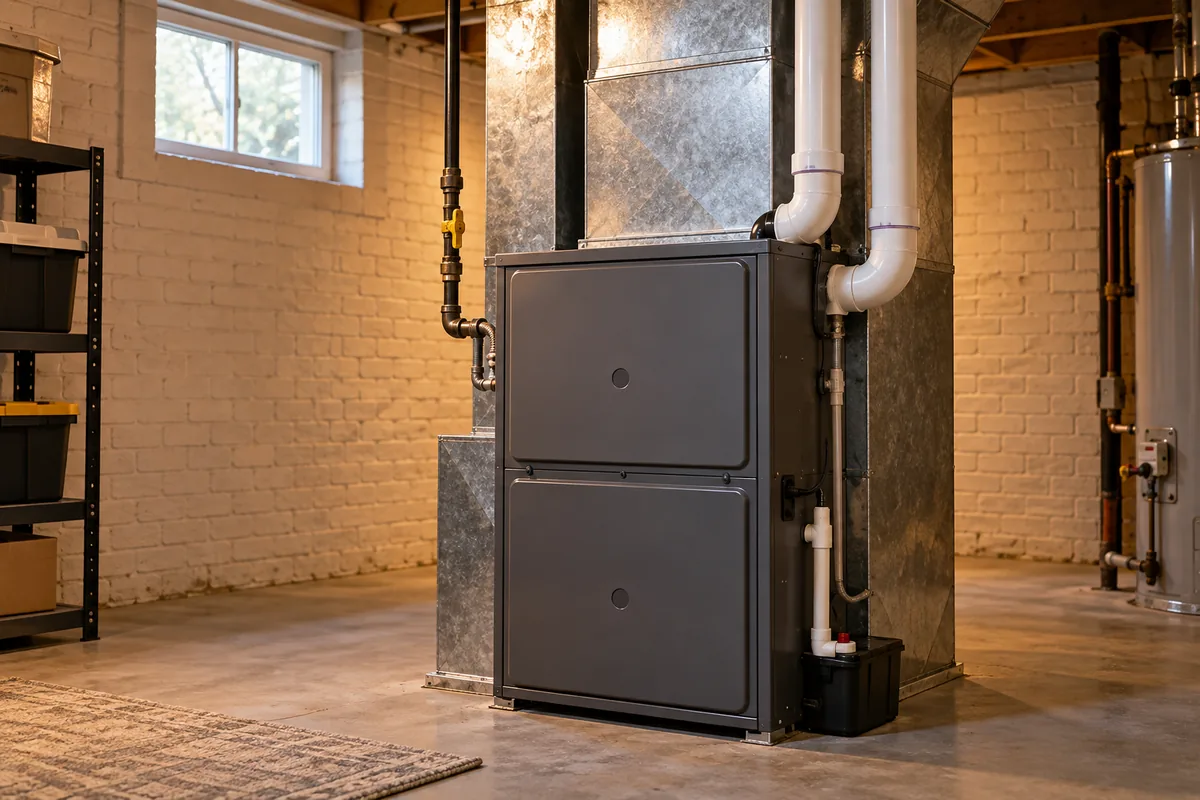
Identify each central component the proposal removes or retains. Include controls and any attached equipment relevant to the project. New ductless heads do not, by themselves, explain what happens to the old setup. The removal plan needs its own clear boundaries.
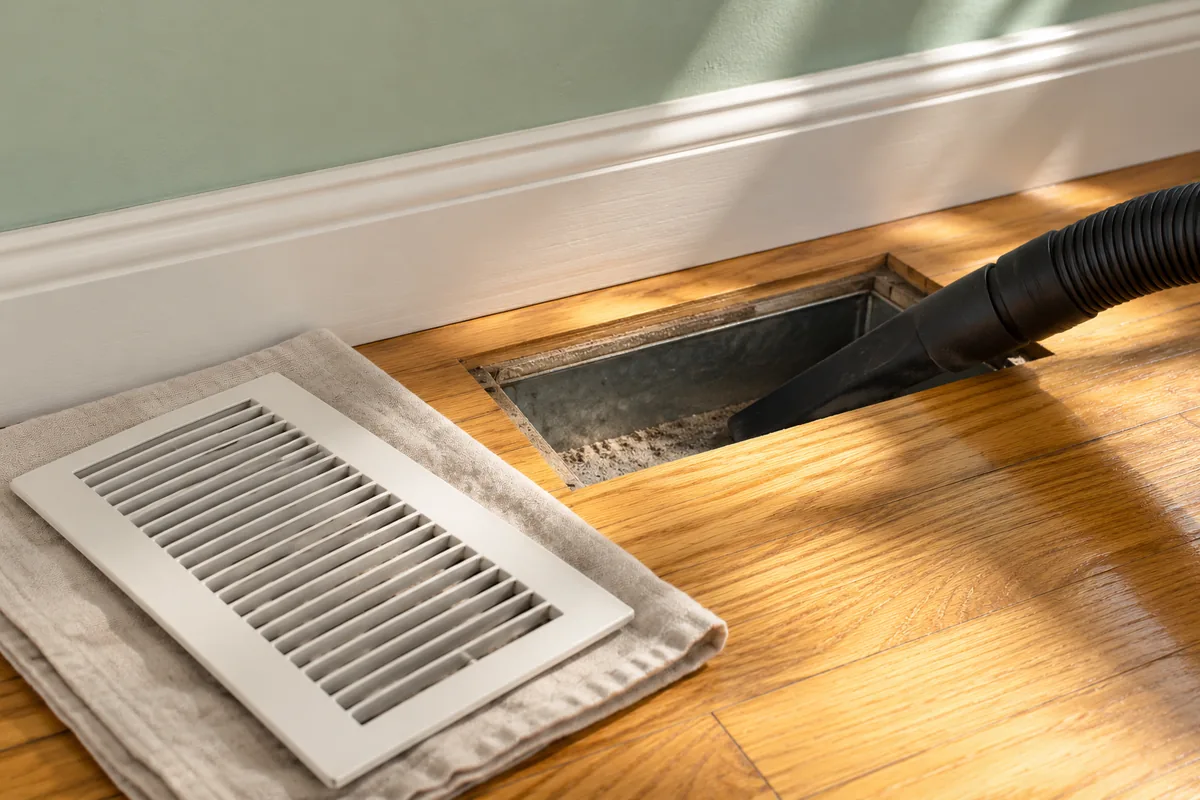
Ask what work, if any, the agreement includes on existing ducts and openings. Do not assume the installation removes every duct or changes every visible grille. Likewise, do not assume those items keep an operating role without review. The final scope should state the intended result.
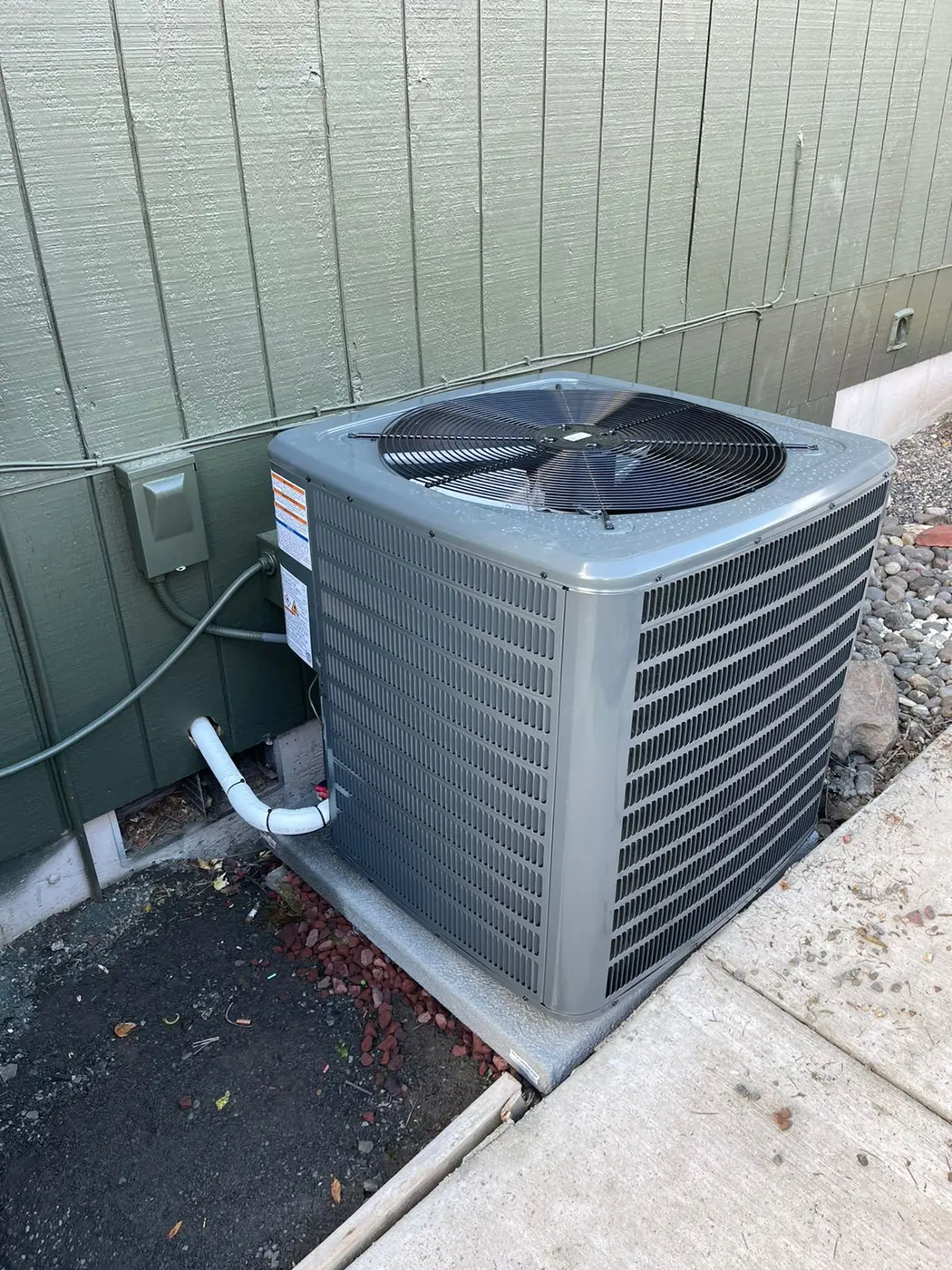
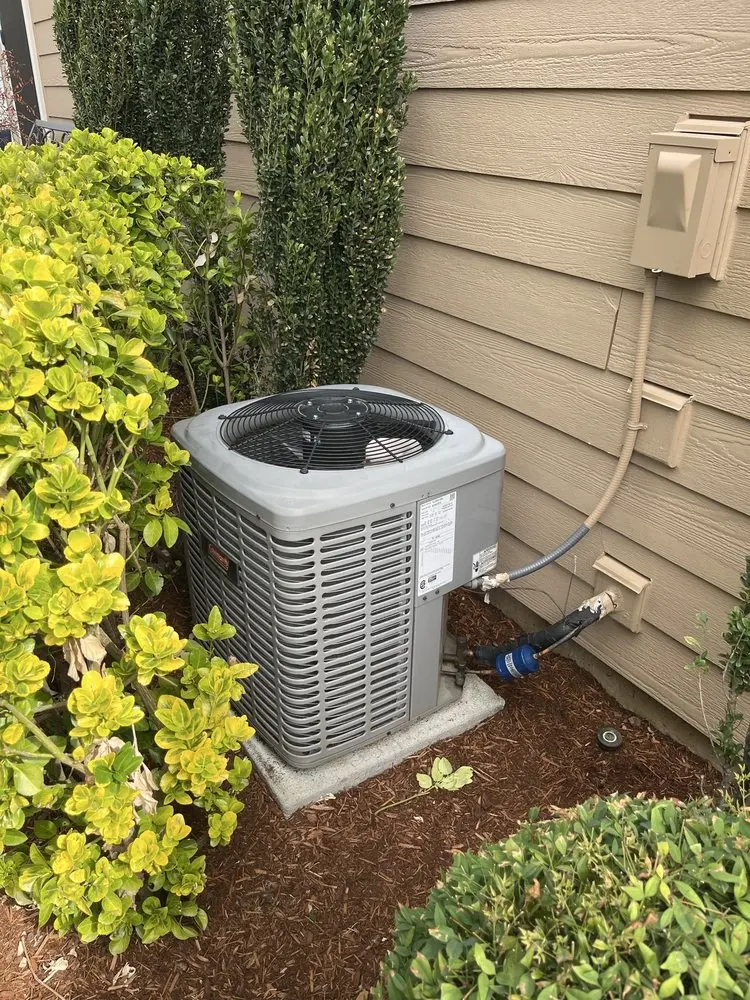
Our HVAC installation in West Linn covers the wider equipment change. Use that discussion to compare retaining suitable central equipment with replacing its defined functions. Keep each approach tied to the same room needs. A partial room addition should not look like a lower-priced version of full conversion when its coverage differs.
Complete Project Costs and Performance Limits
Compare room coverage, selected models, connections and removal work together. One option may retain central heat while another changes both heating and cooling, so their totals represent different scopes. Ask which tasks are required and which add a preferred appearance or control feature.
Future energy cost depends on the installed setup and household use; a ductless label does not guarantee fixed savings. If a current central-system fault affects the decision, keep its diagnosis separate from the free installation estimate.
Service Interruption and Installation Access
Confirm the sequence and expected interruption to heating or cooling across the included rooms. Shared connections and access can affect areas where no equipment is being replaced that day. Arrange entry and identify who can approve a scope change, using the current room plan.
Leave existing equipment and connections intact until the agreed work. Clear ordinary belongings where practical and safe, but do not disconnect a central unit, remove a head or close old openings. The approved scope should define those tasks and their order.
Installed Room, Equipment and Control Map
At handover, map each room to its head, normal control and outdoor equipment, including the role of retained systems. Review completed heating and cooling checks and record any remaining concern or further check against the relevant room. One head’s result does not establish the result everywhere.
Keep final models, approved changes, removal details and any separate finish task with the completed scope. Preserve access for care and use those equipment details when planning mini-split maintenance in West Linn. Contact HVAC & Appliance Repair Guys to request a free on-site estimate for mini-split installation or replacement in West Linn.
Frequently Asked Questions
Does a ductless conversion require one indoor head in every room?
There is no universal count for every layout. The intended spaces, air paths and normal door use need review. Ask how the proposed arrangement serves each area before approving a full-home scope.
Can I keep central heat while changing how the home cools?
That can be an option to review. Identify the equipment and rooms involved, then confirm the retained heating role and controls. The final proposal must describe that combination rather than imply a complete central-system removal.
Does the new installation include removing all old ducts?
Do not assume it does. Ask which duct-related tasks and surrounding finishes belong in the agreement. Equipment removal and complete duct removal are different scopes. Keep the intended condition of retained items clear.
Can I compare full conversion with adding only one room unit?
Yes, but compare their different results openly. A room addition may leave the main system and most of its role unchanged. A full conversion needs a plan for every included area and function. Their equipment totals alone are not an equal comparison.
Request Mini-Split Installation in West Linn, OR
For mini-split installation in West Linn, OR, call HVAC & Appliance Repair Guys or submit a service request through the form on this page.