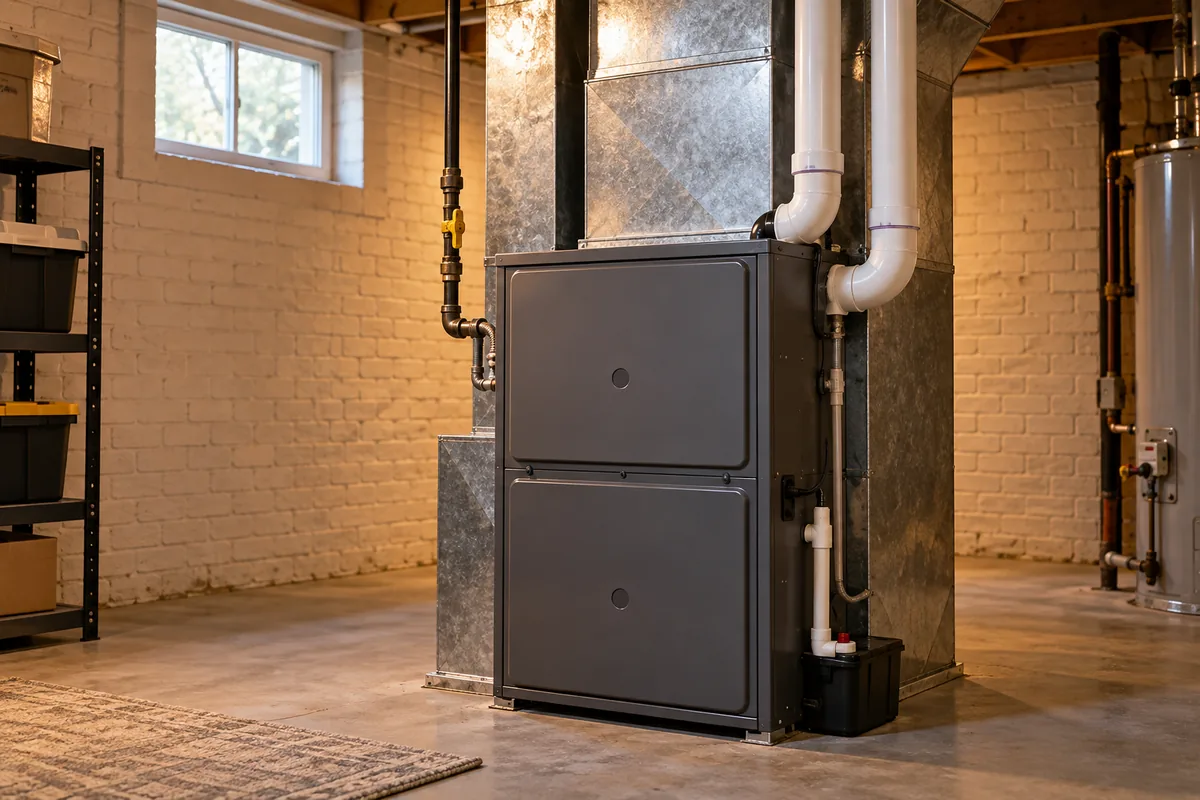


Furnace Repair in Clackamas, OR
HVAC & Appliance Repair Guys provides furnace repair in Clackamas, OR for no heat, weak airflow and furnaces that start and stop before the rooms warm. We assess the equipment and explain repair options. Mention recent filter work, especially if heating or airflow changed around the same time.
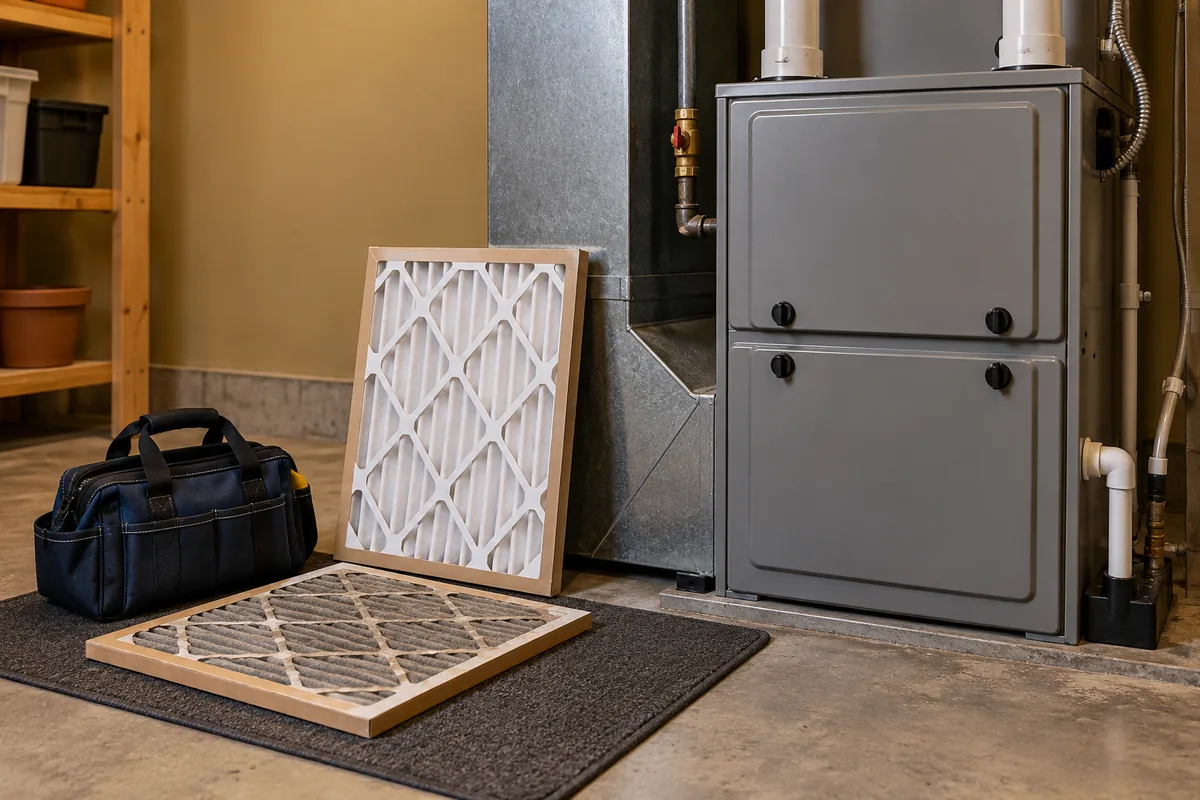
Our furnace repair service checks the heating request, furnace response and air delivery. A new filter does not test the whole system, and its installation date alone does not identify the cause.
Filter Replacement, Cleaning and Arrangement Changes
Tell us whether the task replaced a filter, cleaned a washable filter or changed the arrangement, along with its location and date if known.
Share available size and type information from packaging or records. Similar appearance or brand does not establish the same fit or effect on airflow.
Mention whether the filter arrangement changed. Adding a filter at another opening differs from replacing the intended one. Tell the technician about that change without adding or removing more filters as a test.
Weak Airflow Across the Home or in One Room
Describe whether airflow is weak across the home or only in one area, and whether it changed after filter work. If you do not know the earlier performance, the current symptoms are enough to begin.
Identify which rooms remain cold and which still warm. Mention separate systems or controls if they serve different areas.
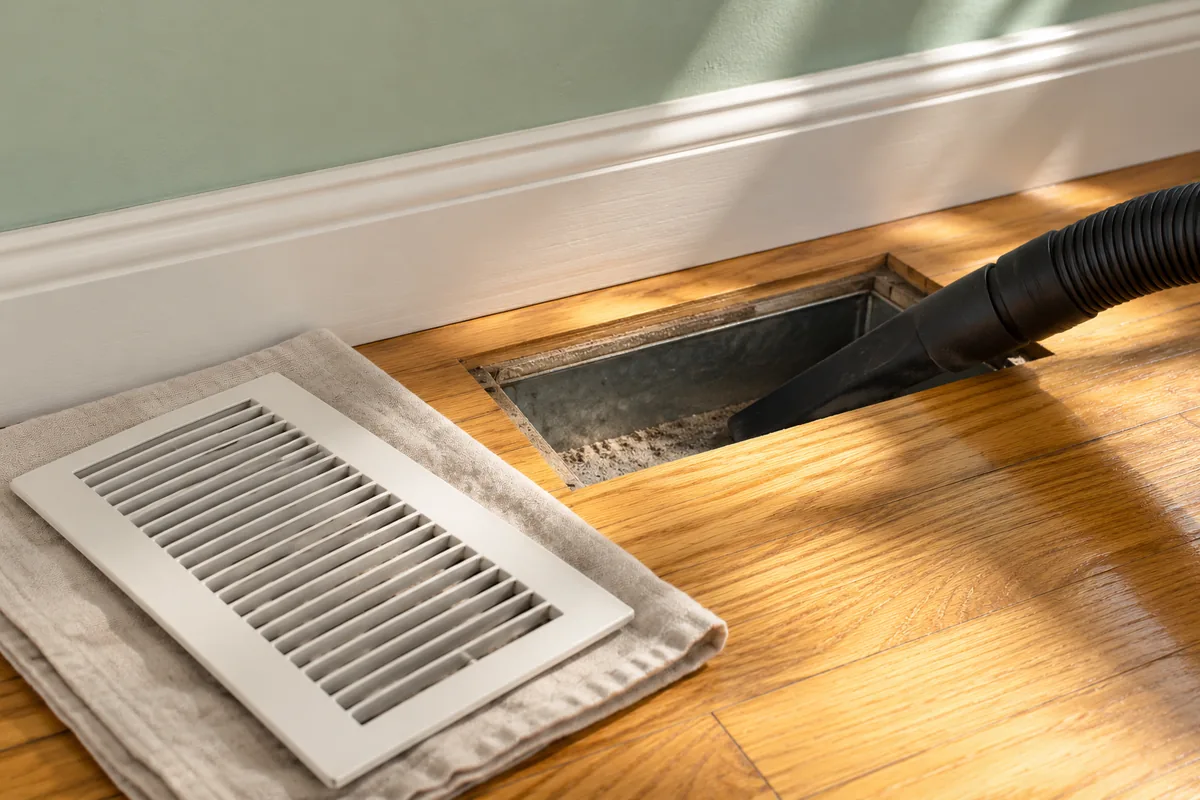
Mention changes near a return or supply opening, such as moved furniture, storage or room work. These details help the assessment consider the air path alongside the furnace; they do not identify a failed component.
Airflow Strength and Heat Production
A fan can move air while the furnace fails to provide the expected heat. Tell us whether the air stays cool, becomes warm briefly or delivers steady warmth that does not meet the room need. Keep that result distinct from the strength of the flow. The assessment may need both observations.
Explain whether the furnace starts and then stops or never seems to begin heating. Note an ordinary control setting and any message already visible. A repeated stop may involve more than one possible cause. Do not assume that it proves a filter issue, a failed sensor or a bad blower motor.
Leave service panels and safety controls in place. Do not keep restarting the furnace or operate it with parts removed to compare airflow. A repair request can use the observations already available. Internal checks should follow the actual equipment and the reported problem.
Filter Fit and Furnace Diagnosis
Filter fit includes more than matching a familiar-looking opening. The type and intended arrangement matter to the equipment and air path. Ask what the current setup requires. A more restrictive product is not automatically a better choice for a heating concern.
The technician checks the filter arrangement alongside the heating fault. Ask whether a filter task addresses the whole complaint or another repair is also needed.
If the filter type is unknown, leave selection for assessment rather than guessing. Do not install a second filter to make up for uncertainty about the first. The correct arrangement depends on the actual setup.
Repair Recommendations and Related HVAC Faults
Review the diagnosed fault, proposed work and price before approval. Restoring an intended air path and replacing a failed component are different tasks.
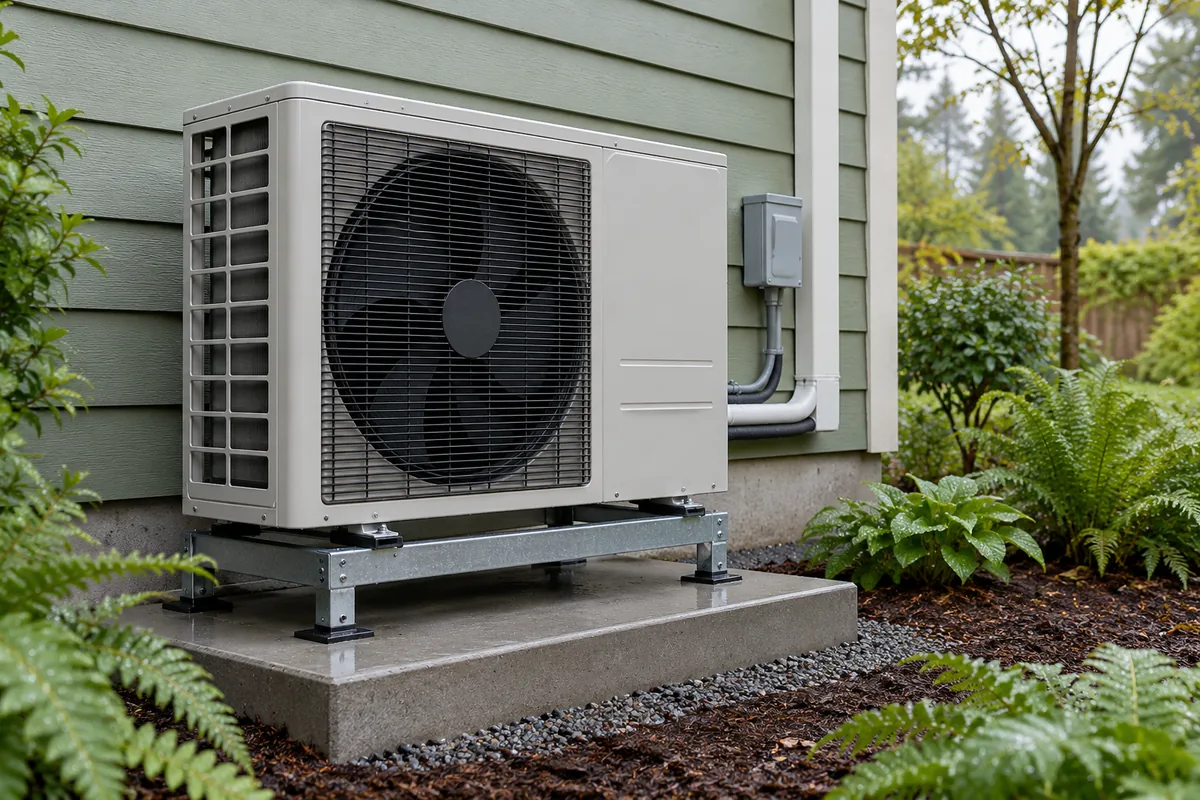
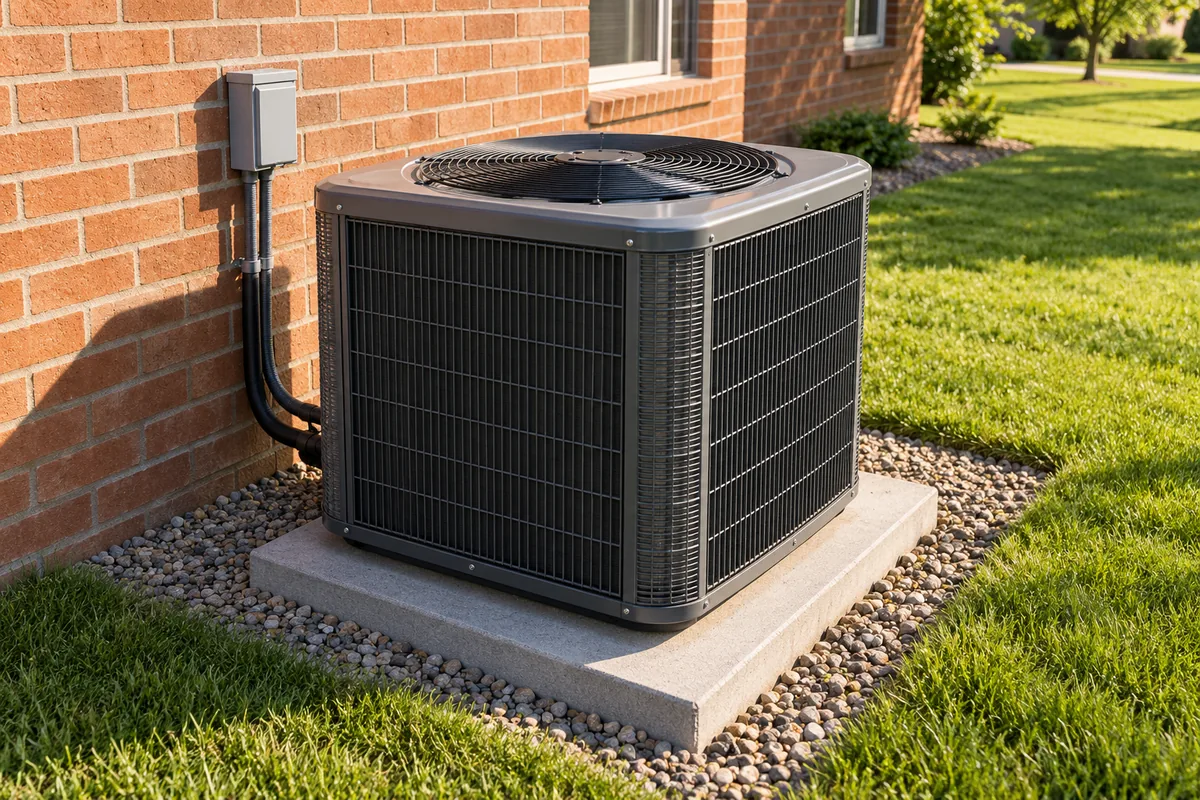
If the same concern also affects cooling, our HVAC repair service in Clackamas covers that wider request. Shared indoor equipment may matter in both modes. Describe the results separately, including any mode that still works. One result does not answer every question about the connected setup.
Ask whether further checks or parts require another visit and what remains to be done.
Heating Checks and Filter Care After Repair
After the repair, ask how airflow and heating were checked and whether any part of your original concern still needs attention. Keep the result with the service record.
Keep the filter details, location and normal owner-care guidance with the service record, including which tasks need professional help. If assessment established a different filter requirement, use that guidance rather than the old label. For routine care, furnace maintenance is separate from diagnosing an active loss of heat.
If the concern returns, describe the current heating and airflow pattern and any change since the repair.
Frequently Asked Questions
Should I put the old filter back in to compare heating?
Do not use a used or uncertain filter as a diagnostic experiment. Keep any available product details for the technician and describe what changed. The correct fit and current equipment condition should guide the next step.
Does a filter reminder mean the furnace has measured poor airflow?
Not necessarily. A reminder may use a timer rather than measure the condition you are reporting. Keep the message, completed filter task and heating symptom separate. Confirm how the actual control handles the reminder without assuming it diagnoses a fault.
Request Furnace Repair in Clackamas, OR
Contact HVAC & Appliance Repair Guys to request furnace repair in Clackamas and discuss the heating or airflow problem and any recent filter work.
For furnace repair in Clackamas, OR, call HVAC & Appliance Repair Guys or submit a service request through the form on this page.