


HVAC Repair for Heating, Cooling and Airflow Problems
HVAC & Appliance Repair Guys provides HVAC repair in Beaverton for heating, cooling and airflow faults at homes in the service area. Describe the gap between the setting you choose and what the equipment does. That response helps focus the diagnosis without guessing at a replacement part.
For example, a thermostat may call for cooling while the indoor fan runs and the rooms stay warm. That description is more useful than a broad report that nothing works. Another home may have no fan response at all. Those two patterns can lead to different checks, even when both households feel too warm.
For HVAC repair in Beaverton, share your address, system type and whether heating or cooling still works. We diagnose the problem and explain the proposed repair before you approve the work.
AC, Furnace and Heat Pump Repair
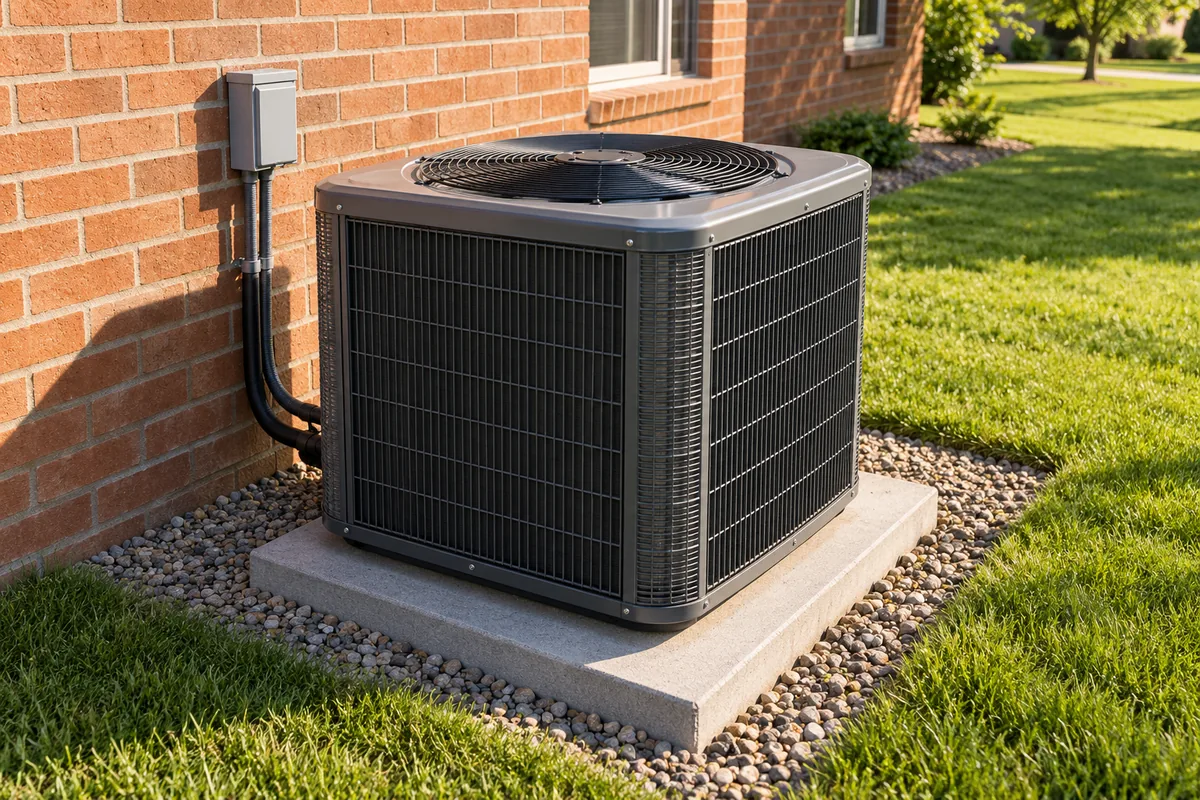
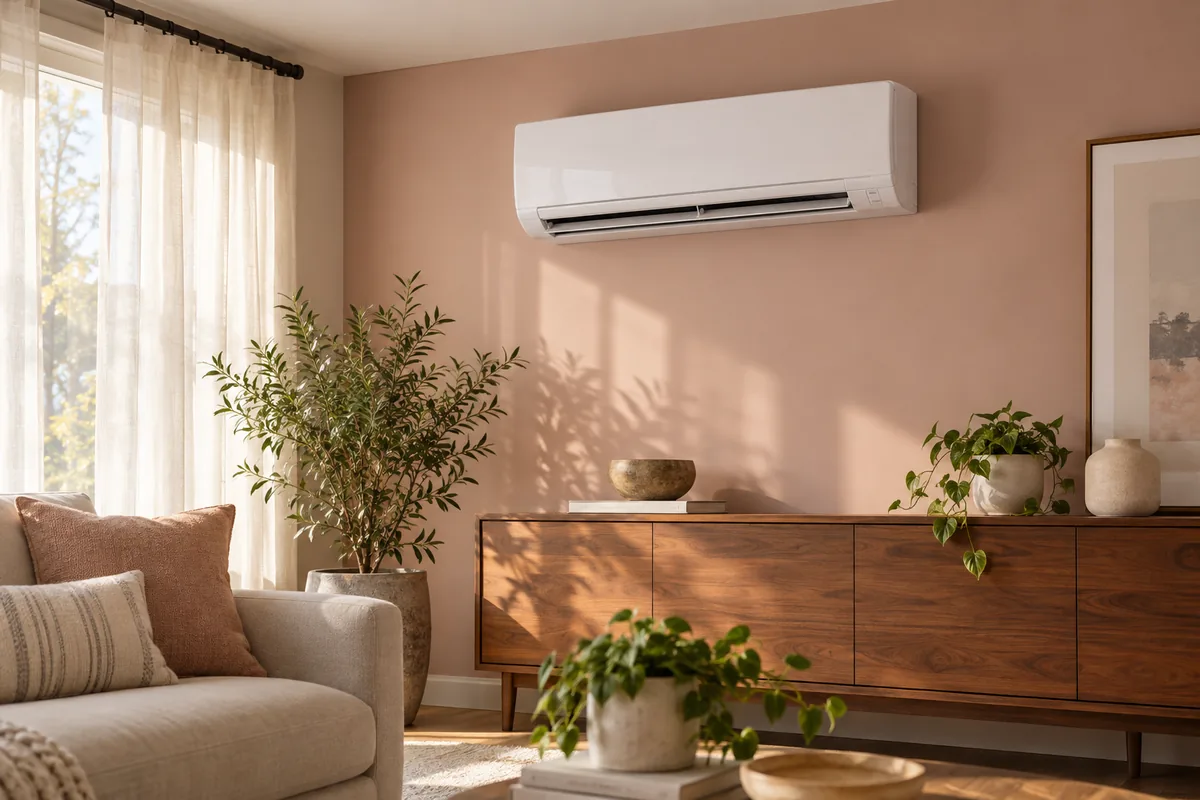
If the problem is limited to cooling, our AC repair service addresses that equipment request. Note whether air is weak, air feels warm or the unit does not start. Those are different clues. A fan moving air does not prove that the cooling process is working.
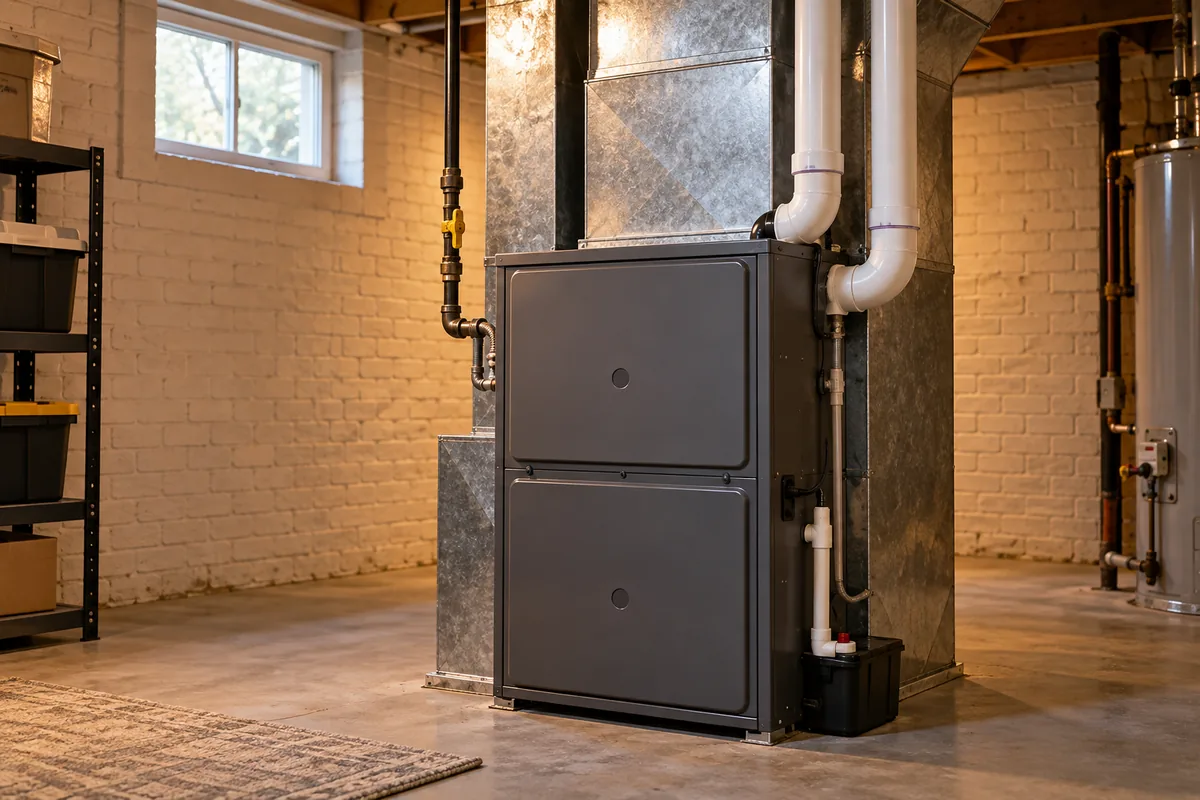
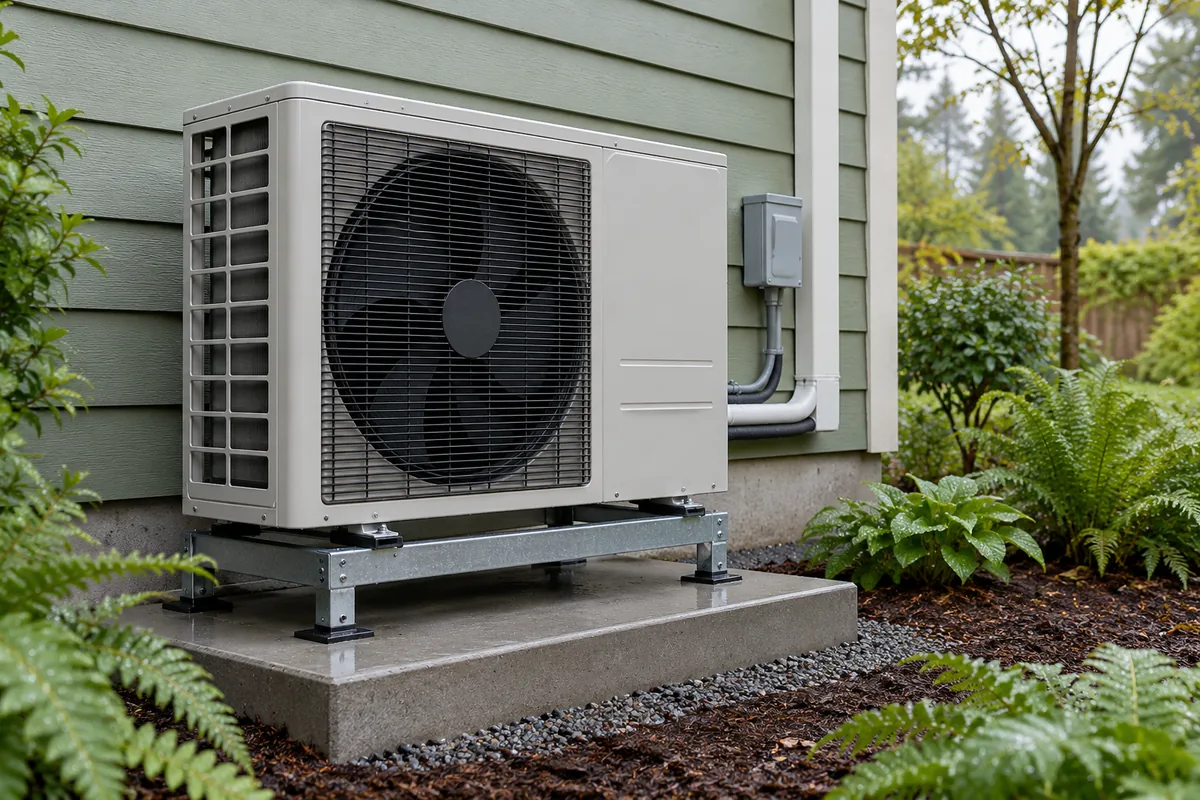
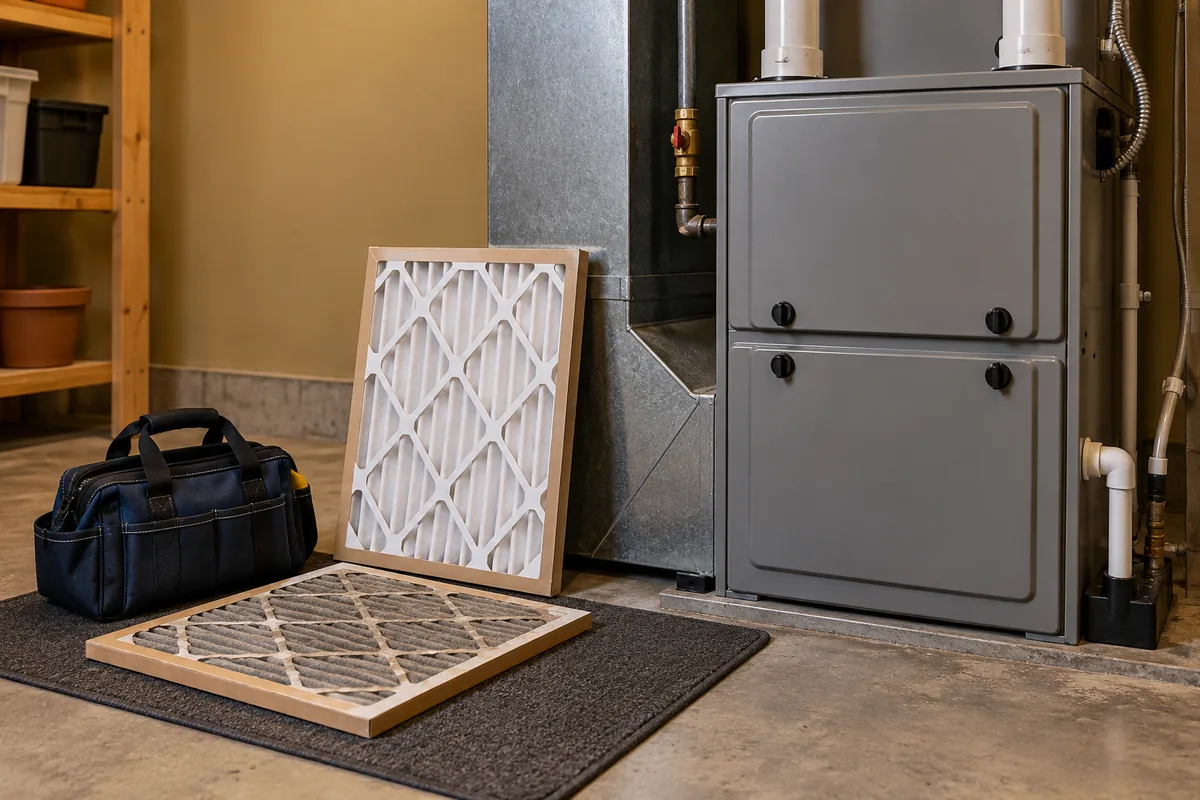
For a separate heating unit, furnace repair covers no heat and faults during a heating cycle. If the same outdoor equipment heats and cools, heat pump repair may be the closer match. Tell us which setup you have if you know it. An accessible model label can help when you are unsure.
The equipment type narrows the service request, but it does not replace testing. A control complaint may begin at the thermostat and end at a fault elsewhere in the system. A room with weak airflow may need a different review from one receiving air at the wrong temperature. Explain the symptom before choosing a component.
Fault Timing, Display Messages and Safe Preparation
Record when the change first appeared and what happened just before it. A filter change, new setting, power loss or earlier repair can provide useful context. Do not assume that the latest event caused the fault. The timeline simply helps the technician review the system with the relevant history in view.
If the unit works briefly and then stops, note whether the room reaches the set point first. Keep any visible display message or code. A short written account can preserve details that disappear when the system starts working again. Avoid repeated resets that erase the pattern without addressing why it occurs.
Keep preparation outside the equipment cabinet. You can describe a sound, photograph an accessible display and clear the approach to the unit. Leave panels, wiring and safety controls in place. Do not force equipment that appears unsafe to run again so the technician can hear the problem.
Repair Price, Parts and Installation Estimates
Review the findings, proposed repair and price before approving work. Ask whether a part needs ordering and whether the work calls for a return visit. Same-day service is subject to availability. The first visit may end with a parts order or a plan for further work.
Maintenance and diagnosis serve different purposes. If the system has stopped working, describe the fault when booking so we can plan a repair visit.
We offer a free on-site estimator visit for HVAC installation in Beaverton. This reviews a new project and gives you another scope to compare. It serves a different purpose from diagnosing the current fault.
Equipment Access and the Repair Record
Tell us where the thermostat and equipment sit and who will provide entry. Mention any locked gate, equipment room or access through an attic or crawlspace. If another person will provide entry, let them know which areas the technician needs to reach.
Keep the findings and approved work with the equipment details. Note which work was completed and which recommendations you have not approved. If the symptom returns, explain whether it follows the same timeline and mode.
Request HVAC repair in Beaverton from HVAC & Appliance Repair Guys and share the system type, affected rooms and heating or cooling symptoms.
Frequently Asked Questions
What if I do not know whether the system is a heat pump?
Describe the equipment you can see and share an accessible model label if available. Explain whether the same system provides heating and cooling. You do not need to open panels or identify a component before asking us to review the request.
Should I request repair if only one room feels wrong?
Describe that room and whether the issue is weak airflow or air at the wrong temperature. A room-specific concern may involve the air path or controls rather than failure of the whole unit. The visit needs that distinction from the start.
Can you set a final repair price from symptoms alone?
A symptom description helps define the request, but it may not establish the cause. The findings support the proposed repair and price. Ask what the work includes and whether parts or further tests affect the next step.
Can I compare a repair with replacing the equipment?
Yes. The diagnosis explains the repair option, while an installation estimate reviews the new project. Tell us that you want to compare both so the appointment discussion reflects the decision you are trying to make.
Request HVAC Repair in Beaverton, OR
For hvac repair in Beaverton, OR, call HVAC & Appliance Repair Guys or submit a service request through the form on this page.
Before your visit
HVAC Repair details for Beaverton, OR
Include the service address, equipment details, and the order in which symptoms appeared. The technician checks the cause on site. The $99 service call covers diagnosis and is applied toward the total when the repair is approved. The finding and price are reviewed first.
Describe when the problem occurs
For hvac repair in Beaverton, OR, explain when the symptom began, whether it is constant or intermittent, and what was happening immediately beforehand. Note any error code, unusual sound, leak location, temperature change, tripped protection, or loss of function without opening equipment or touching unsafe components.
Send photos of the equipment
A clear photo of the model and serial label, control display, thermostat or affected area can improve planning for Beaverton, OR. Include the equipment type and approximate age when known. Photos help identify the request but do not replace on-site testing or confirm that a particular part is required.
Prepare a safe work area
Before service in Beaverton, OR, provide ordinary safe access and move loose storage only when it can be done without risk. Keep children and pets away from the work zone. Leave panels, built-in equipment, piping, wiring, and refrigerant components in place for the technician to evaluate.
Describe hard-to-reach areas
If the suspected problem is behind a finish, below grade, above a ceiling, inside cabinetry, or in another concealed area, mention it when requesting hvac repair in Beaverton, OR. Diagnosis and repair access may be separate from drywall, tile, flooring, landscaping, or other finish restoration.