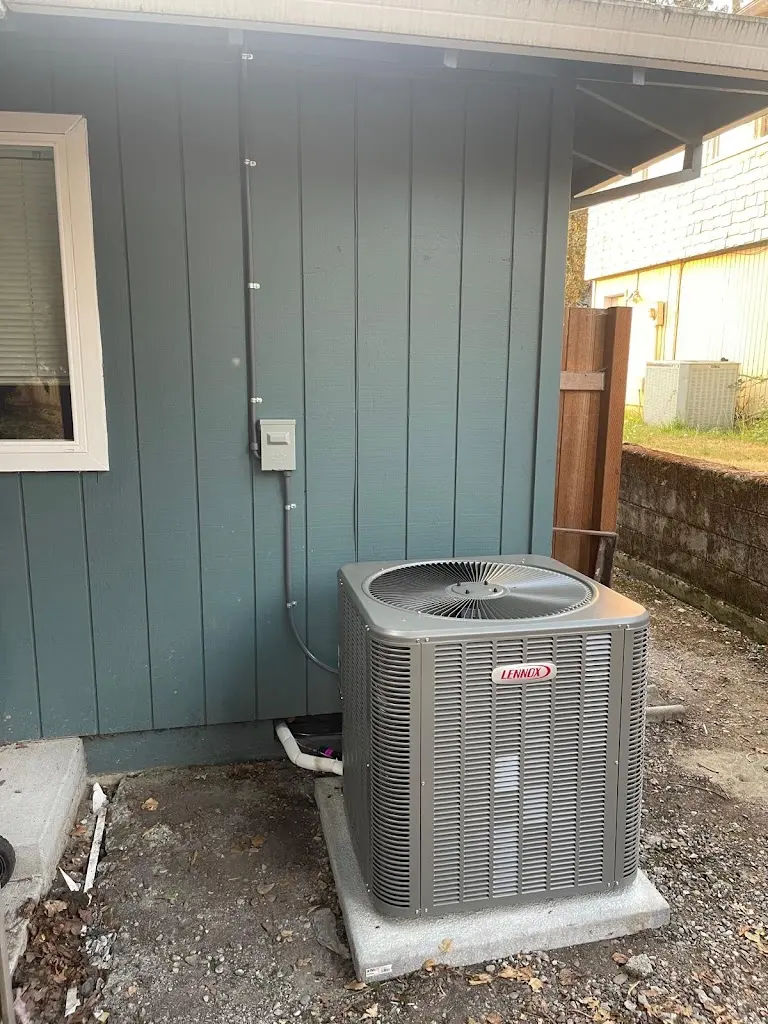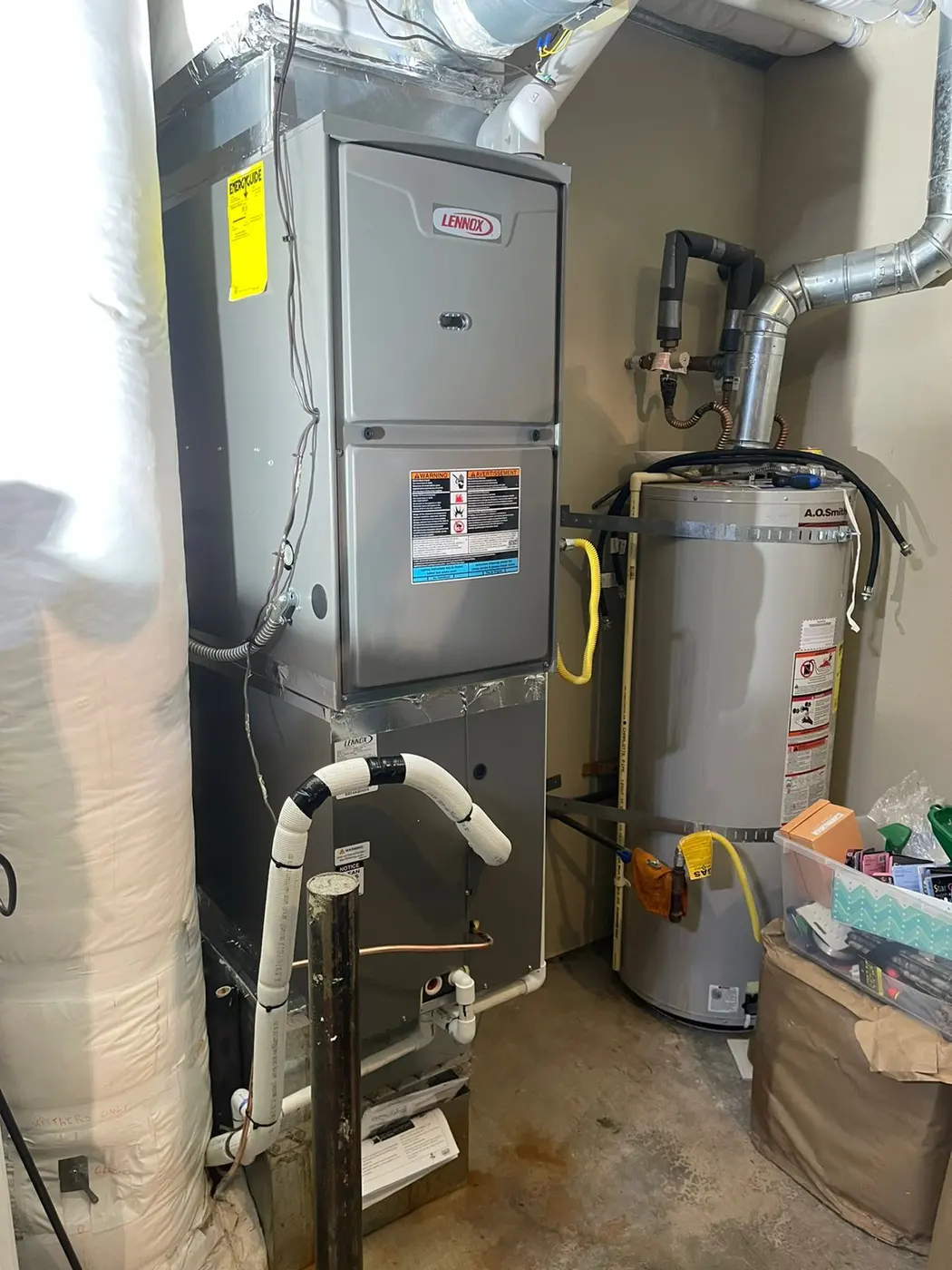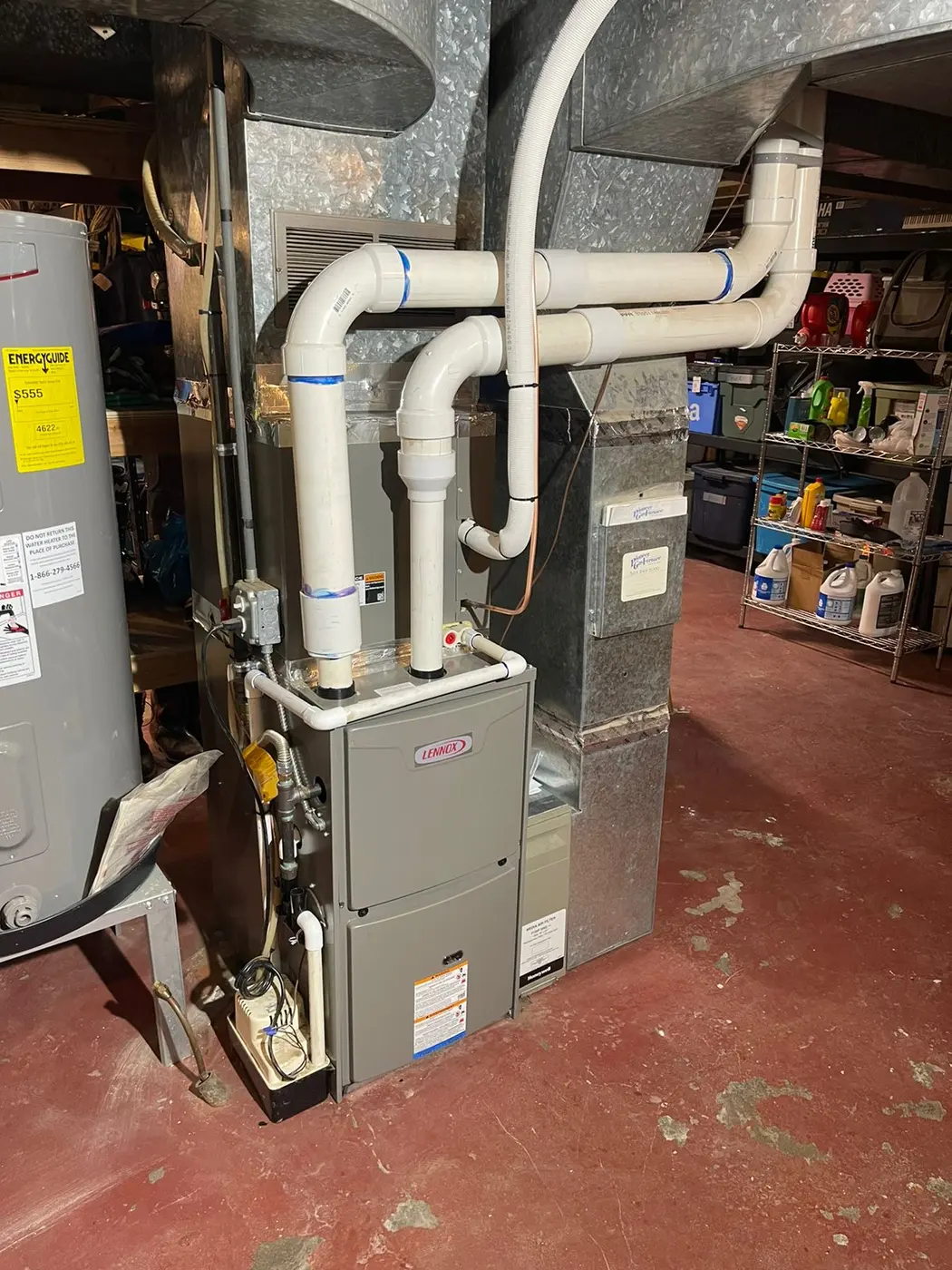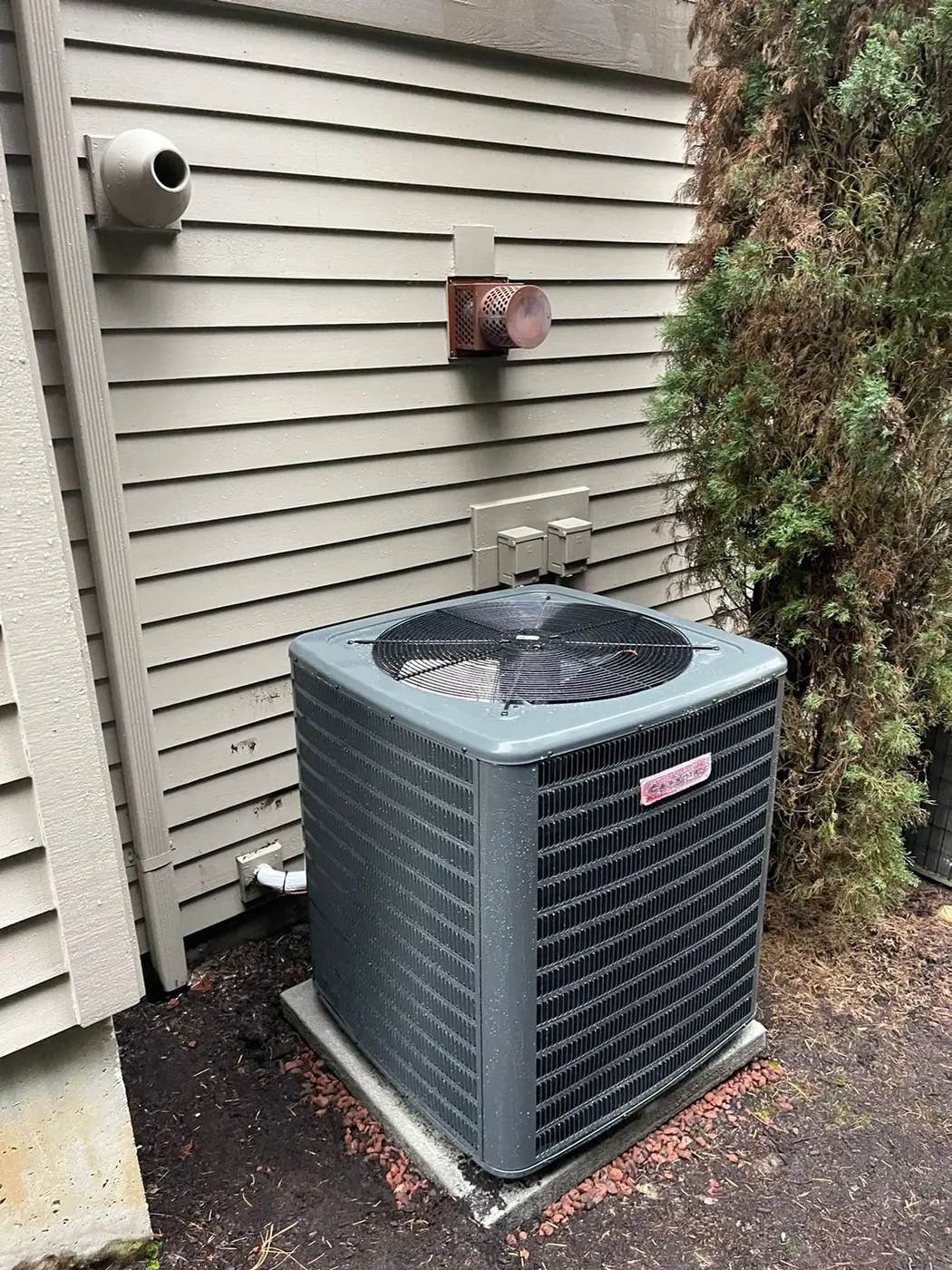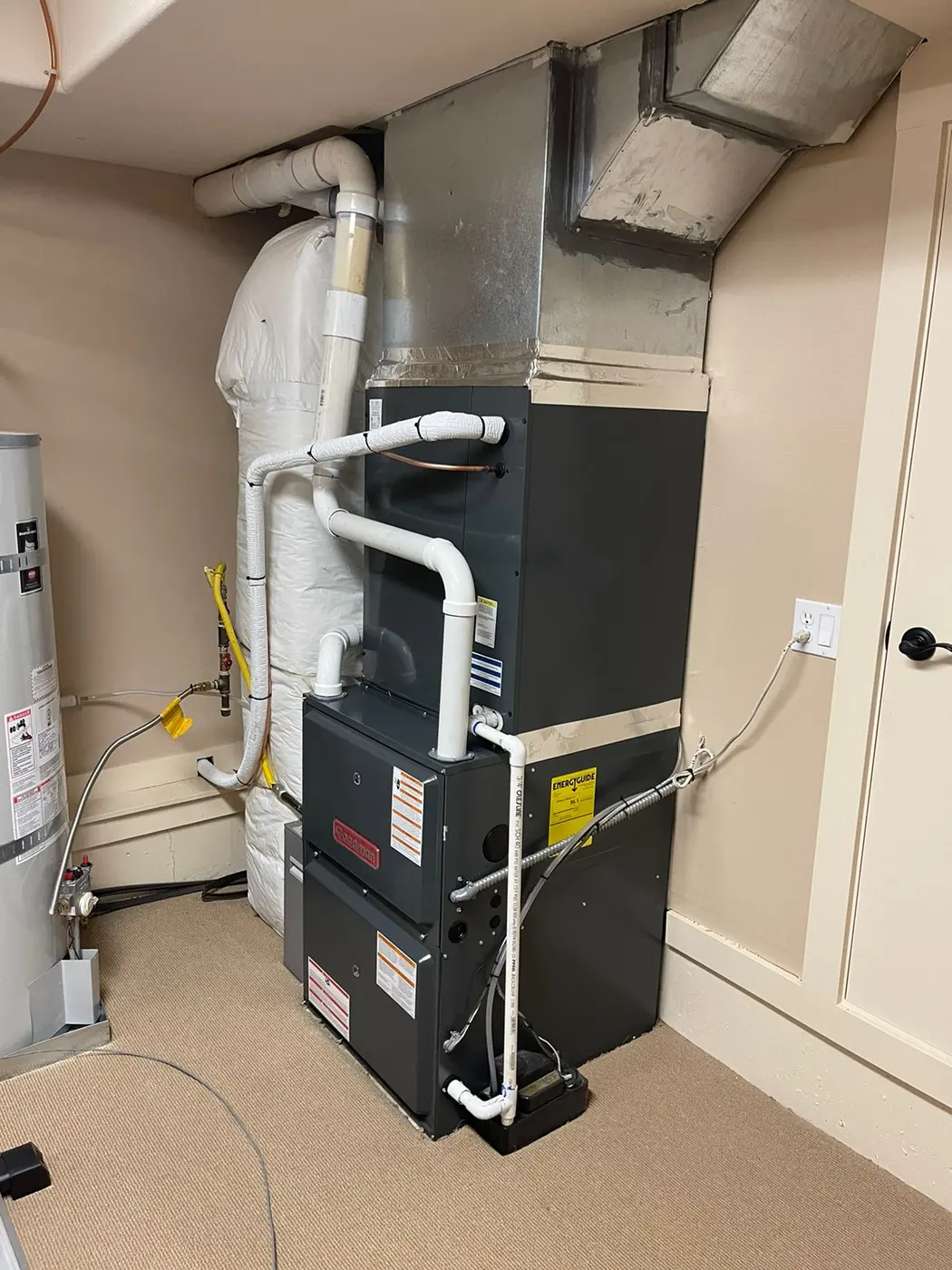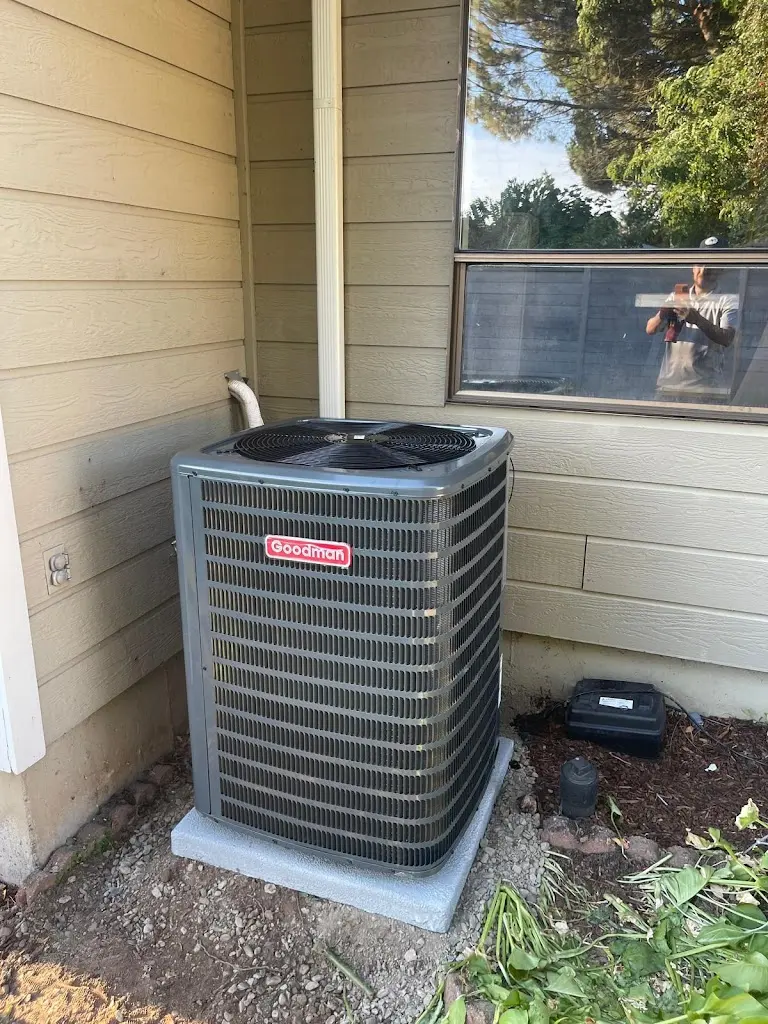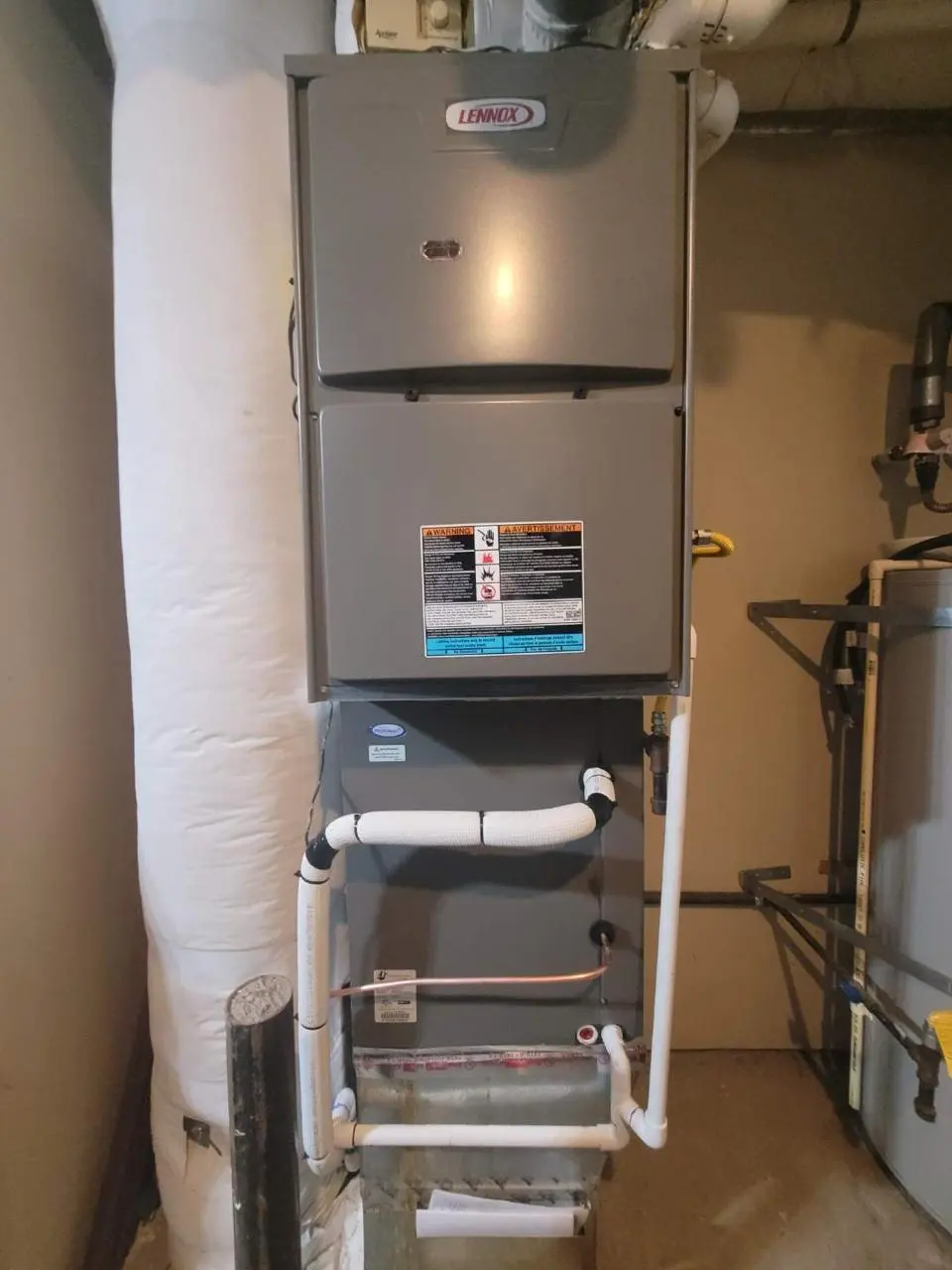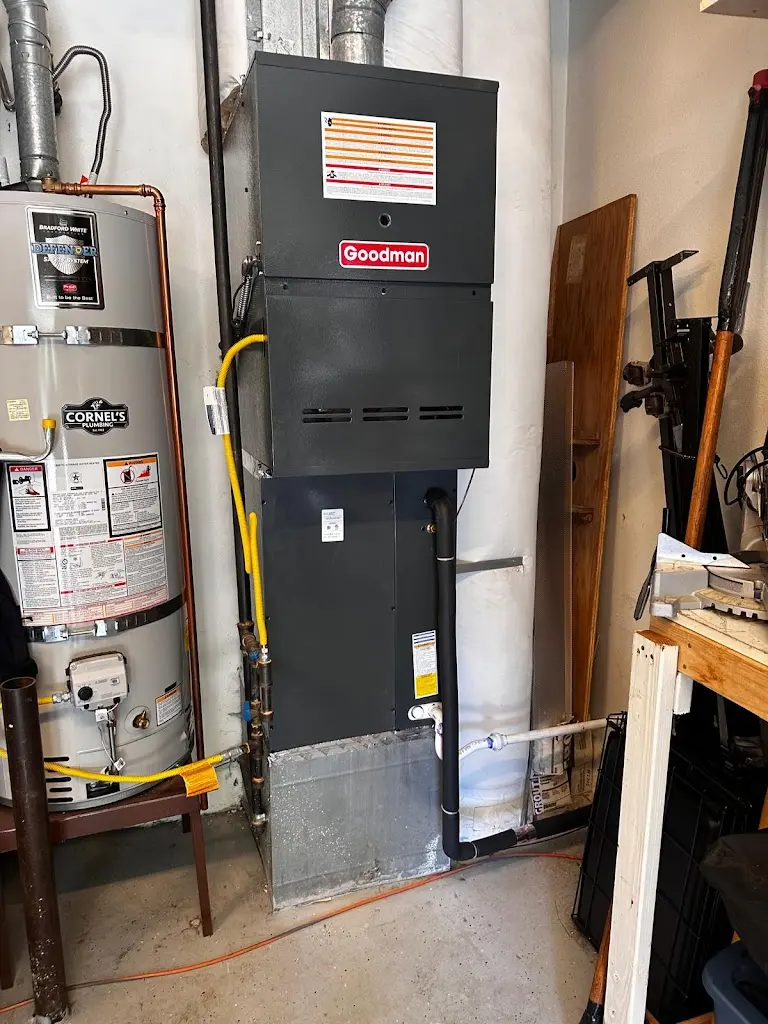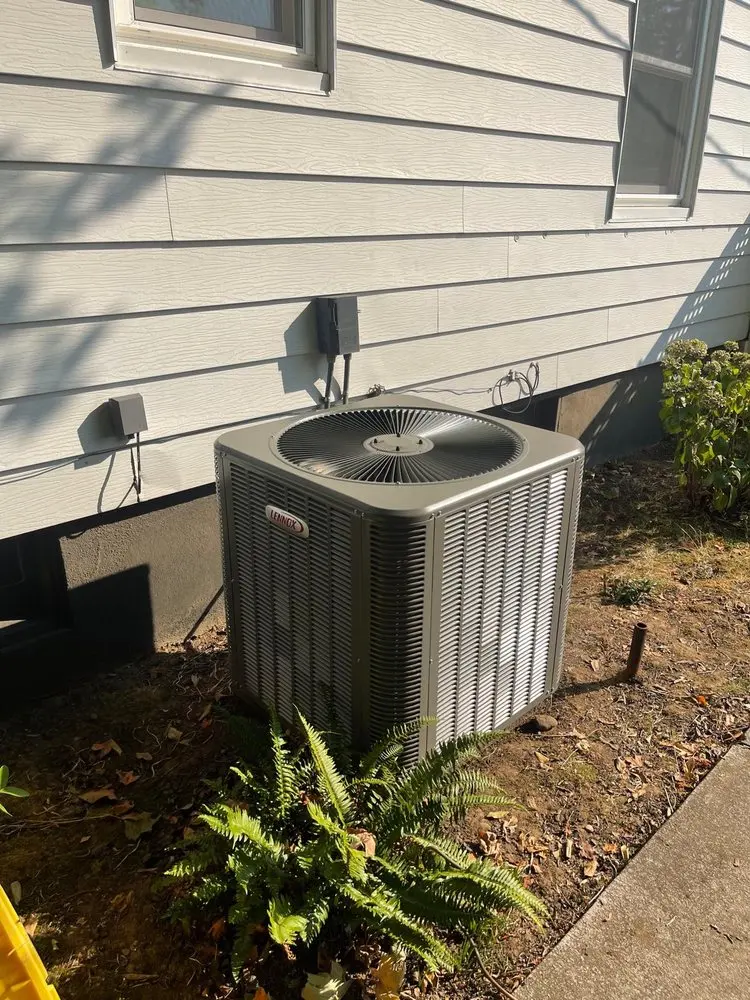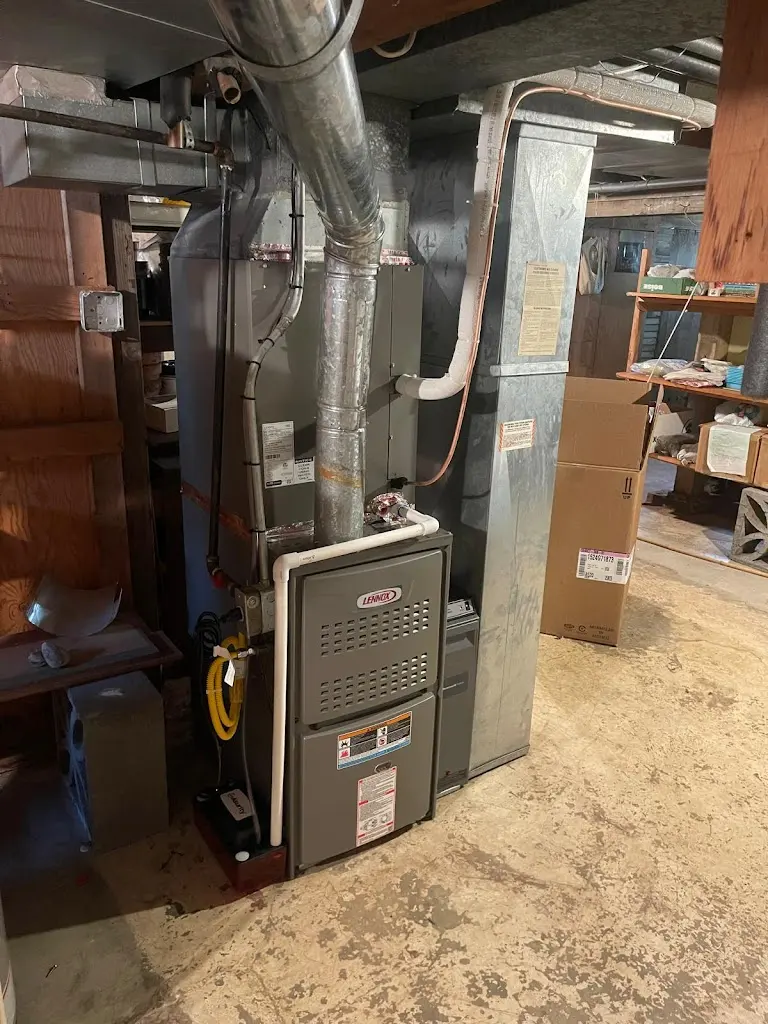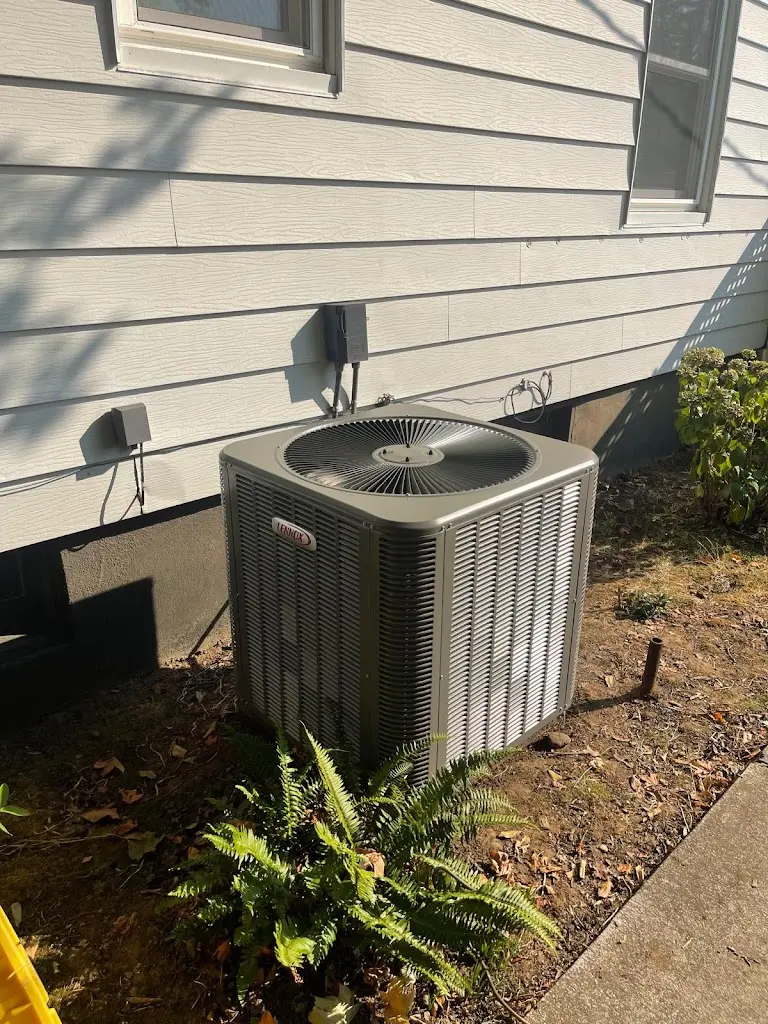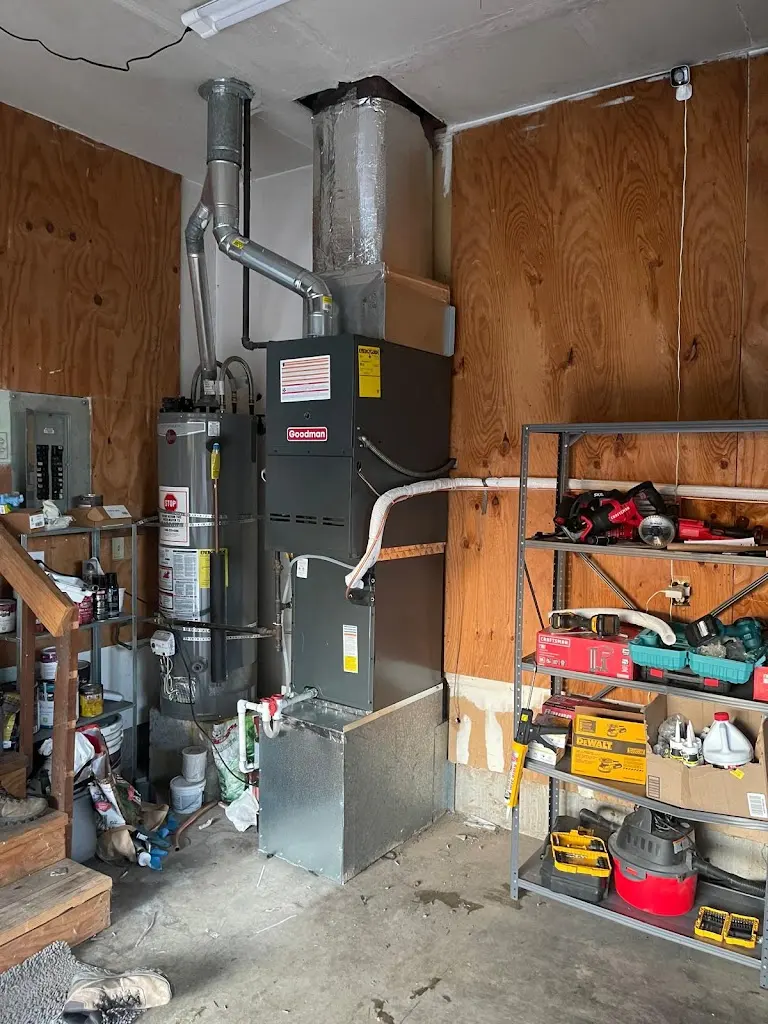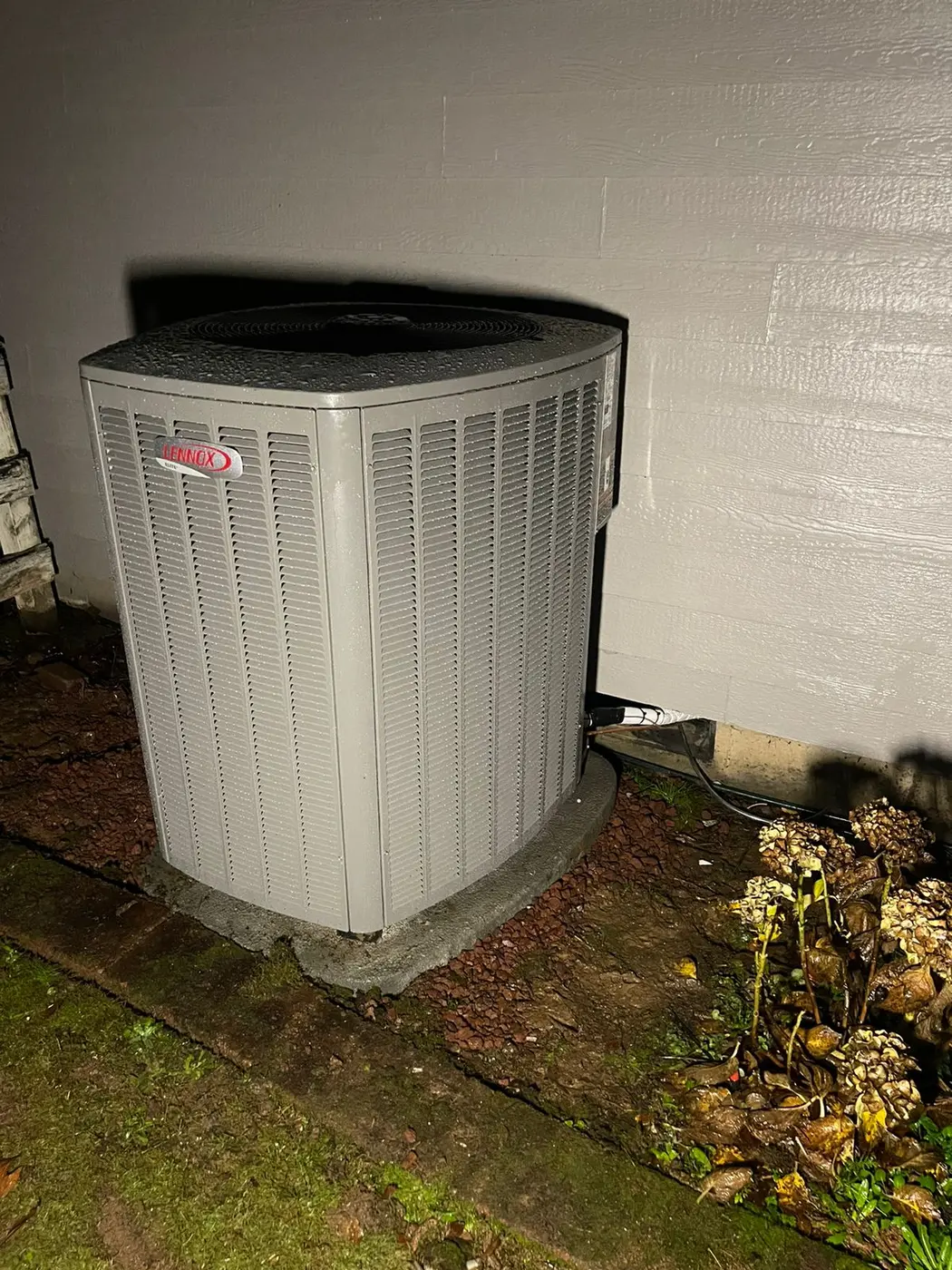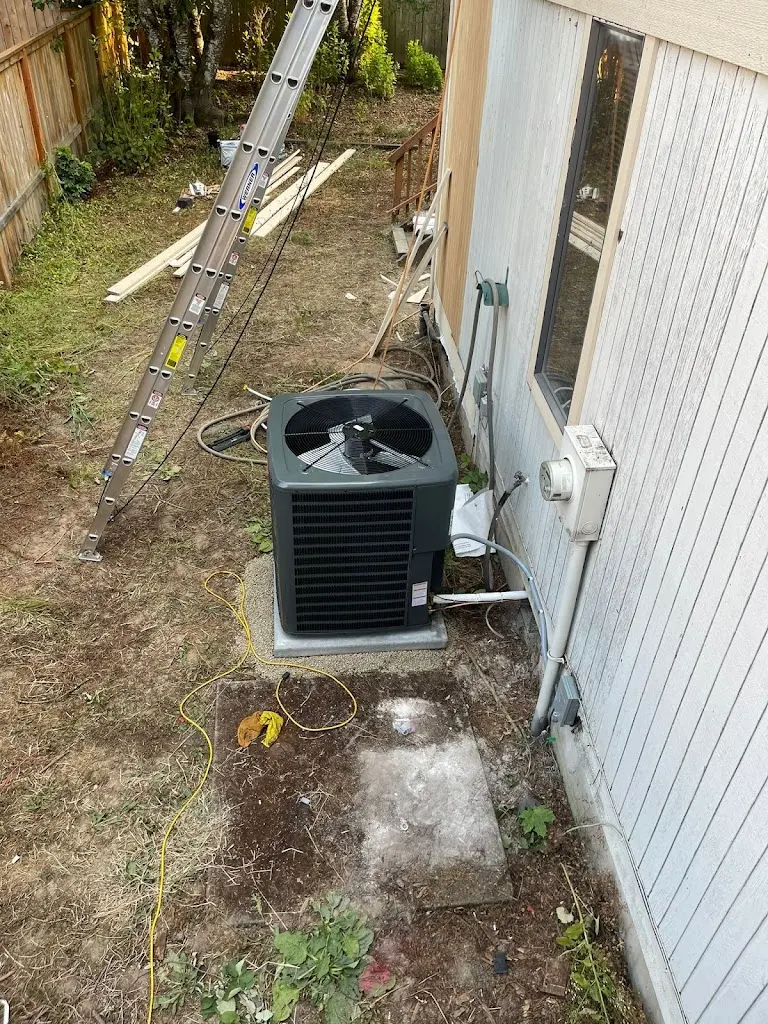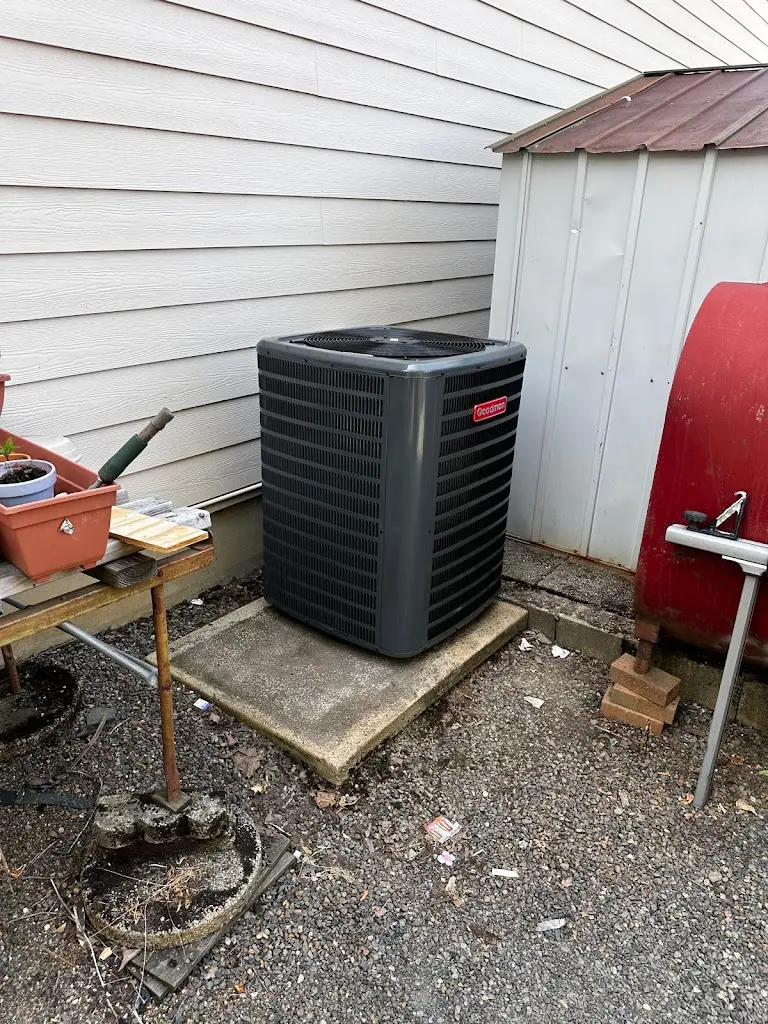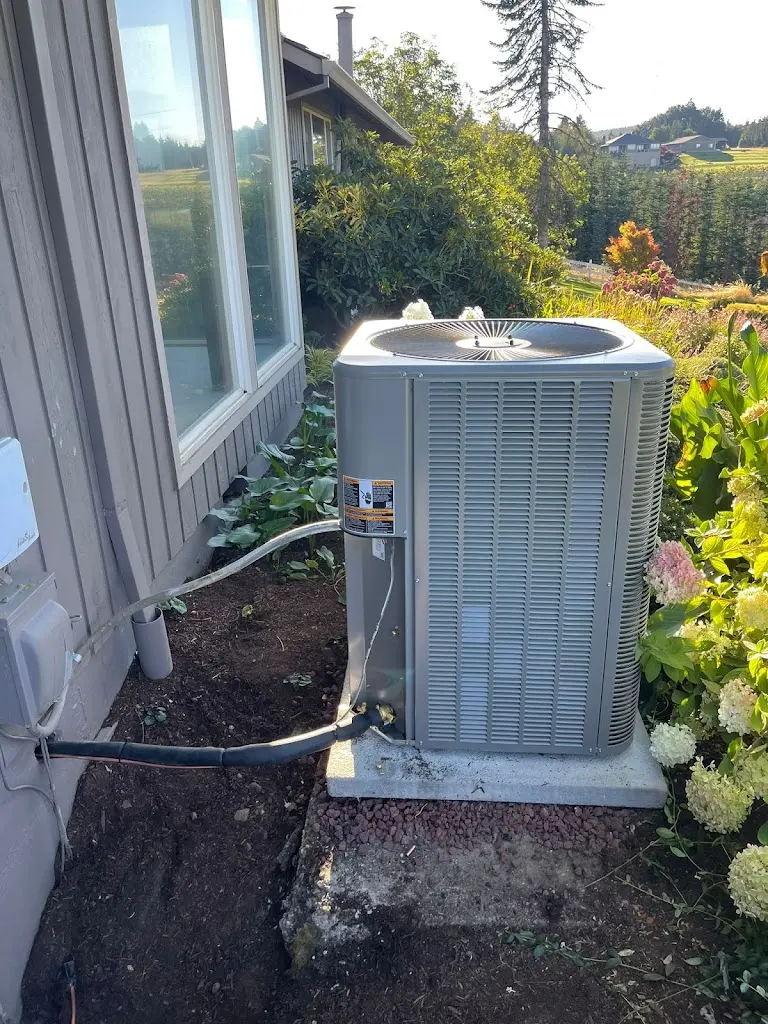



HVAC Installation in Newberg
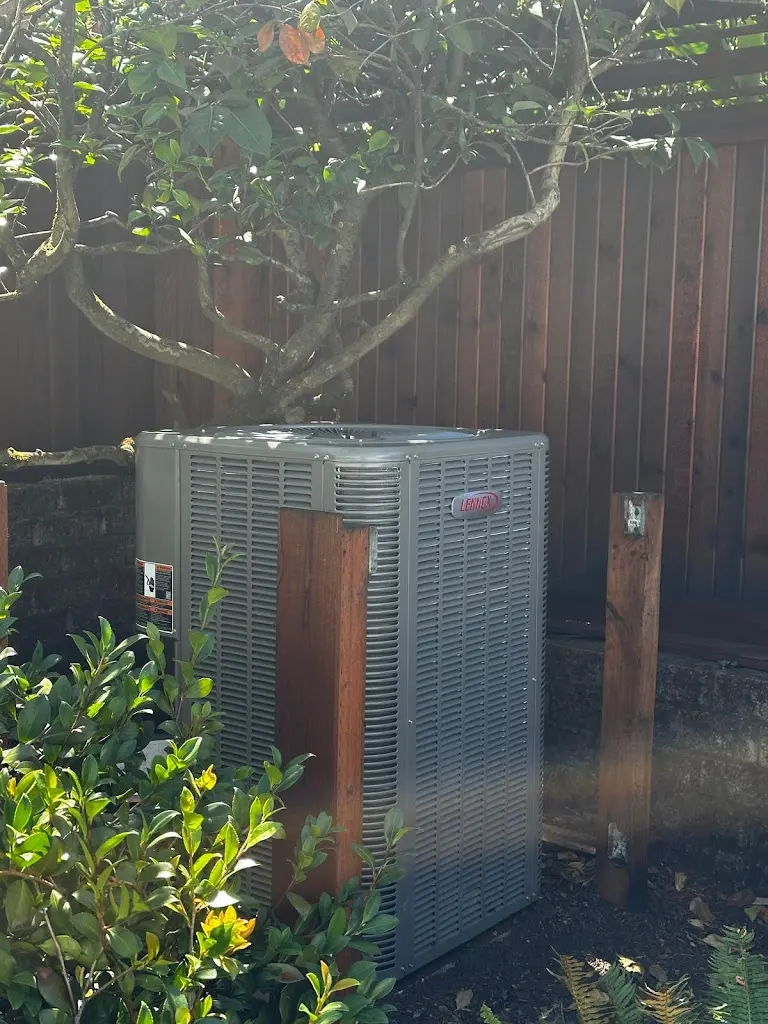
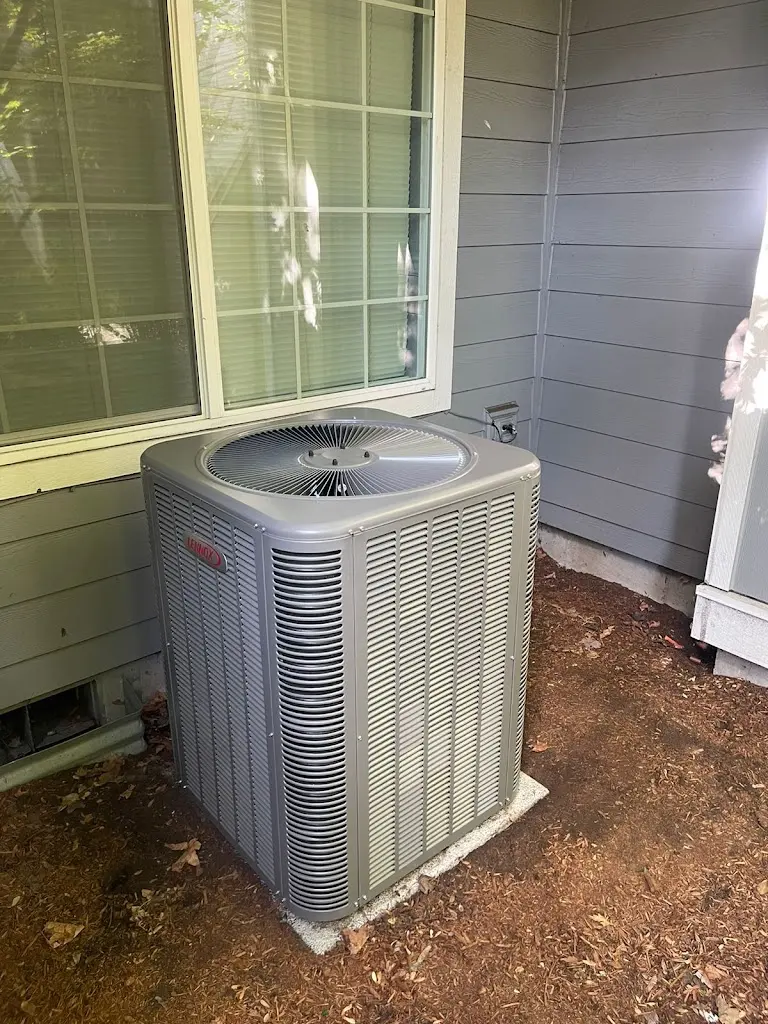
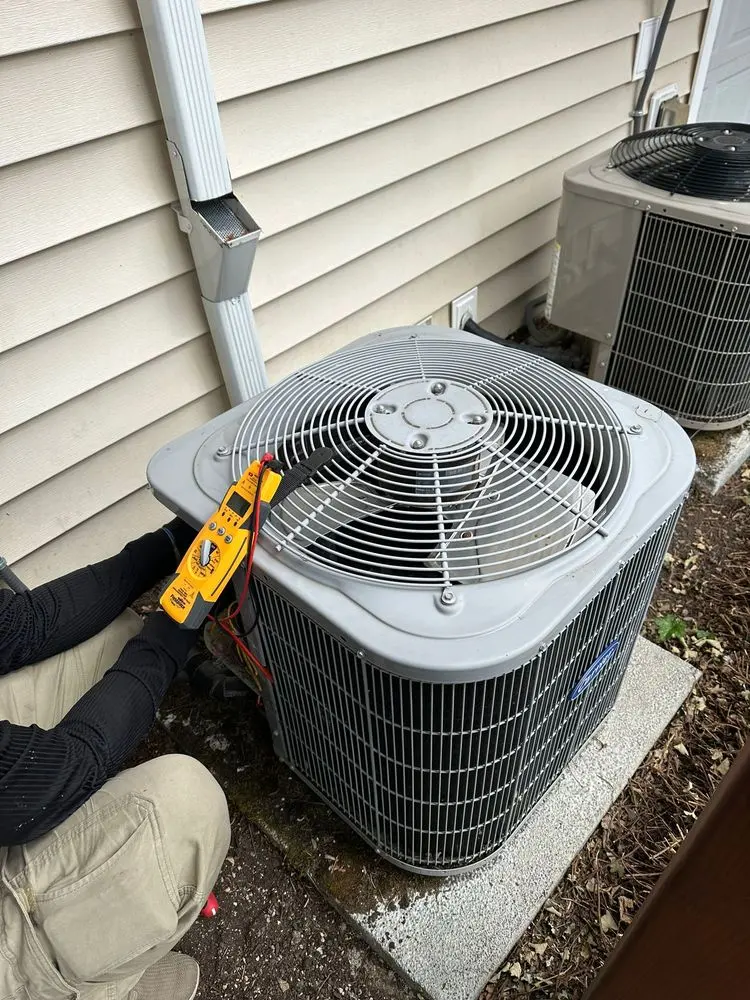
HVAC & Appliance Repair Guys provides HVAC installation in Newberg, OR. You can review a replacement before a complete breakdown forces the decision. Explain what is prompting the change and which parts of the current setup still work well. The estimate should address the actual need rather than assume every component must go.
We offer a free on-site estimator visit for installation or replacement. Describe the current heating and cooling equipment and any concerns about comfort. Mention planned changes to the rooms or how you use them. Those facts help define the scope of a new system.
Our HVAC installation overview explains the kinds of system changes we plan. For the Newberg estimate, arrange someone who can explain the project and provide equipment access. A clear project goal makes that first visit more useful than a request based only on an old model number.
Heating, Cooling and Room-Based Installation Options
Consider whether the goal is a heating replacement, added cooling or a change to both. Those options can involve different indoor equipment, controls and connections. Ask what each option includes and what it would leave in place. Comparing the full work makes the choices clearer than comparing product names alone.
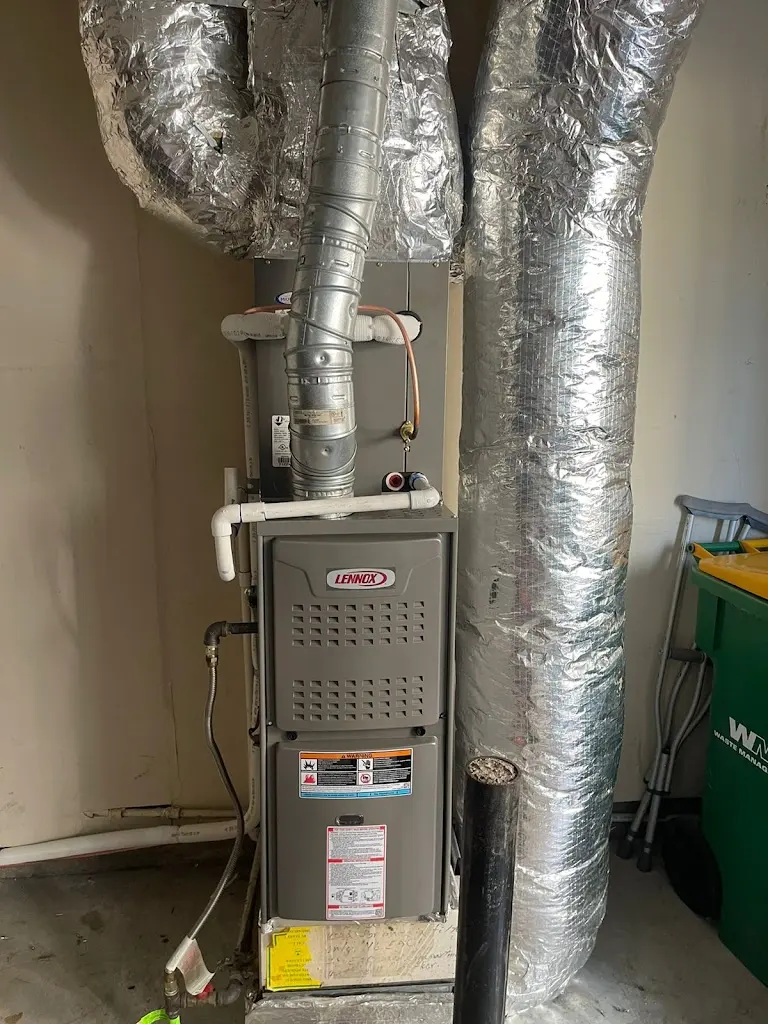
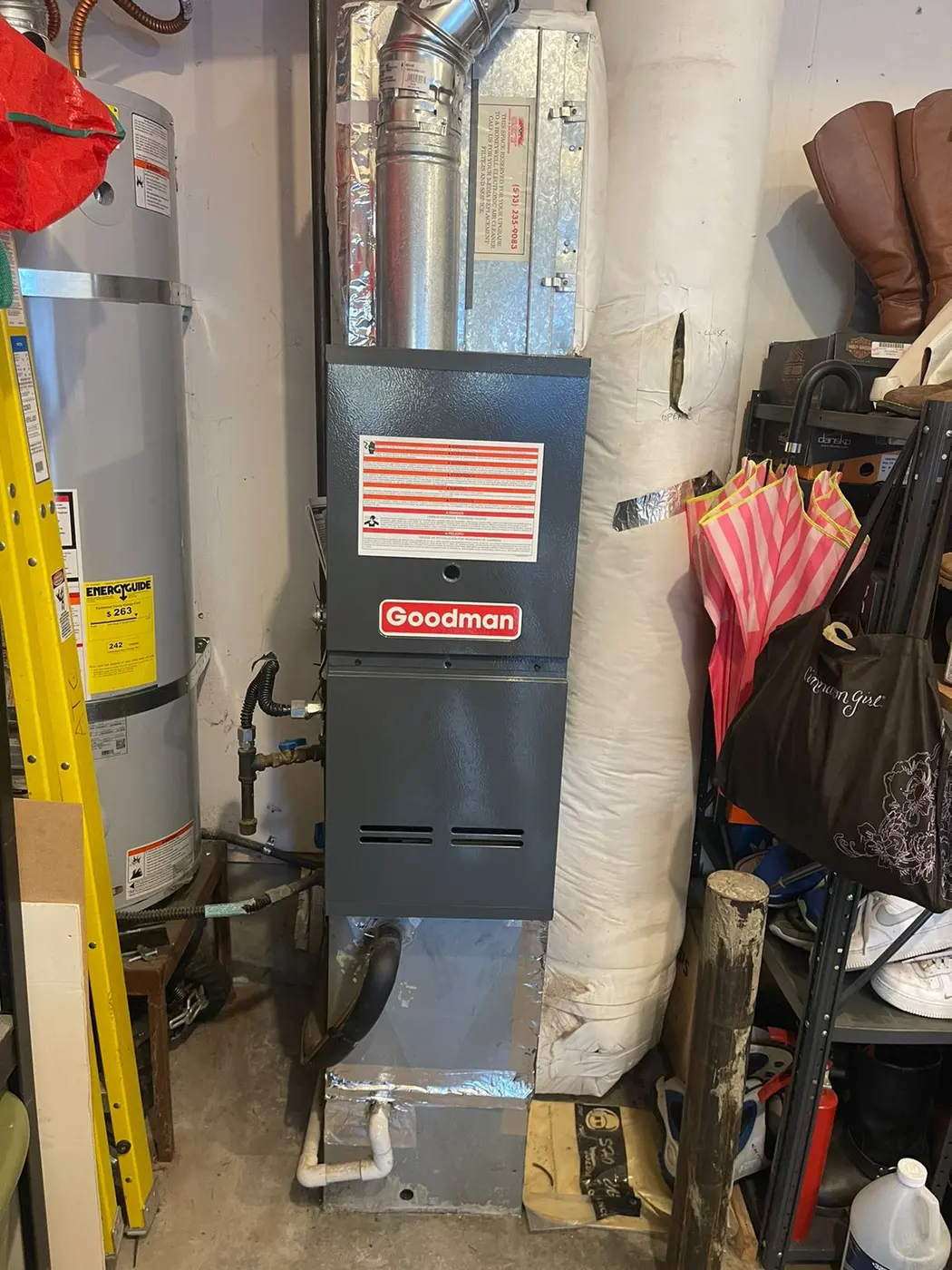
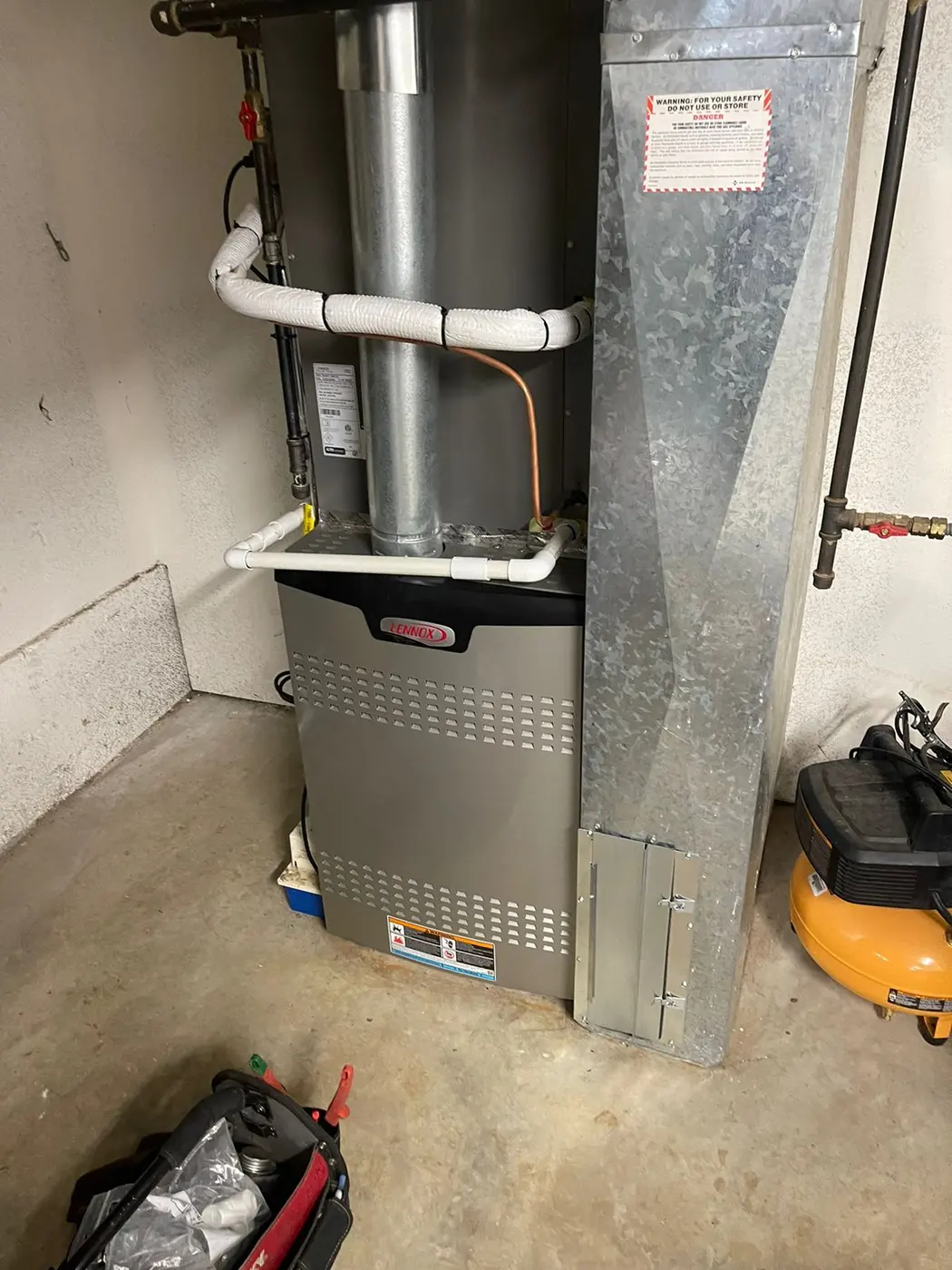
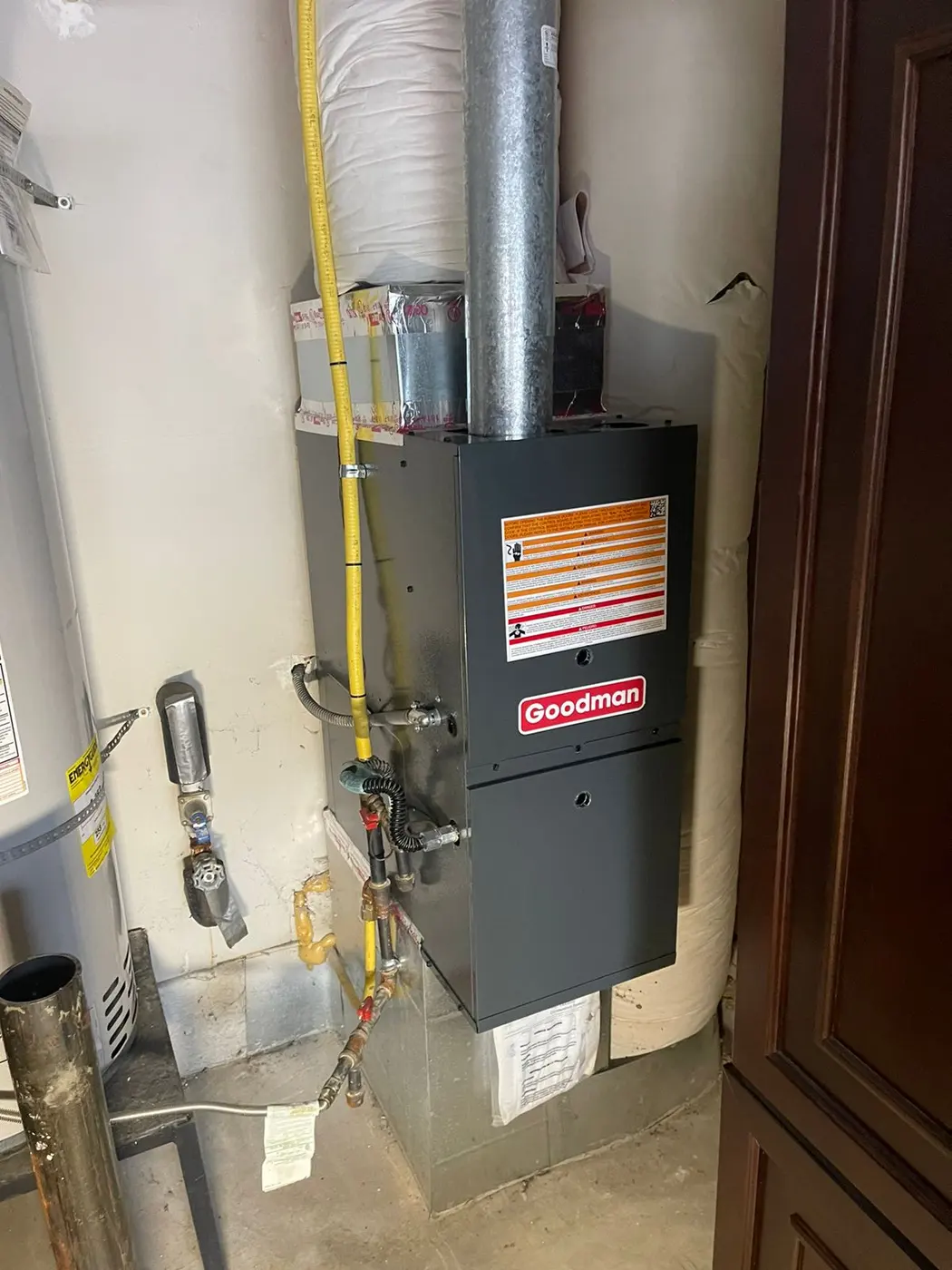
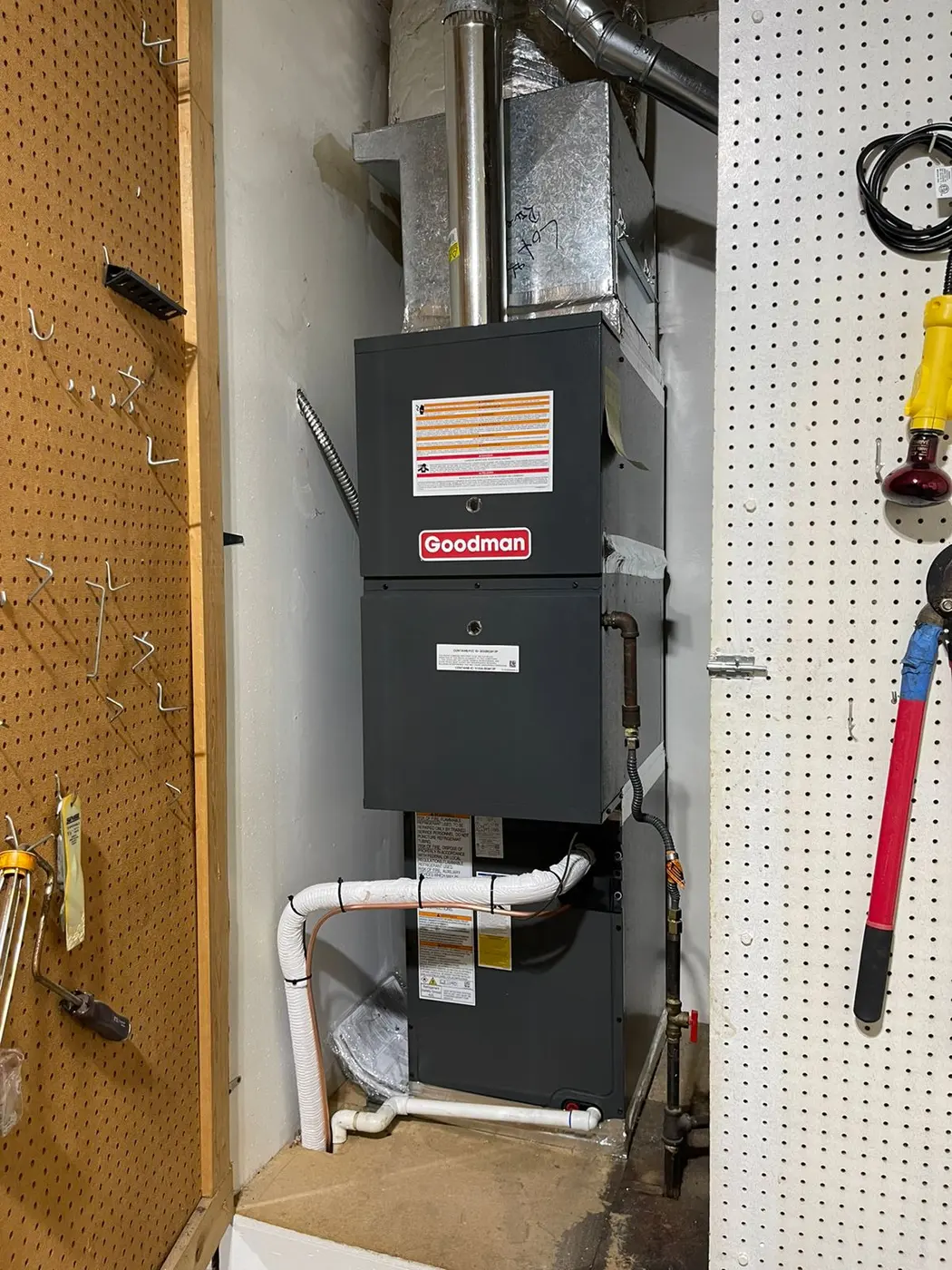
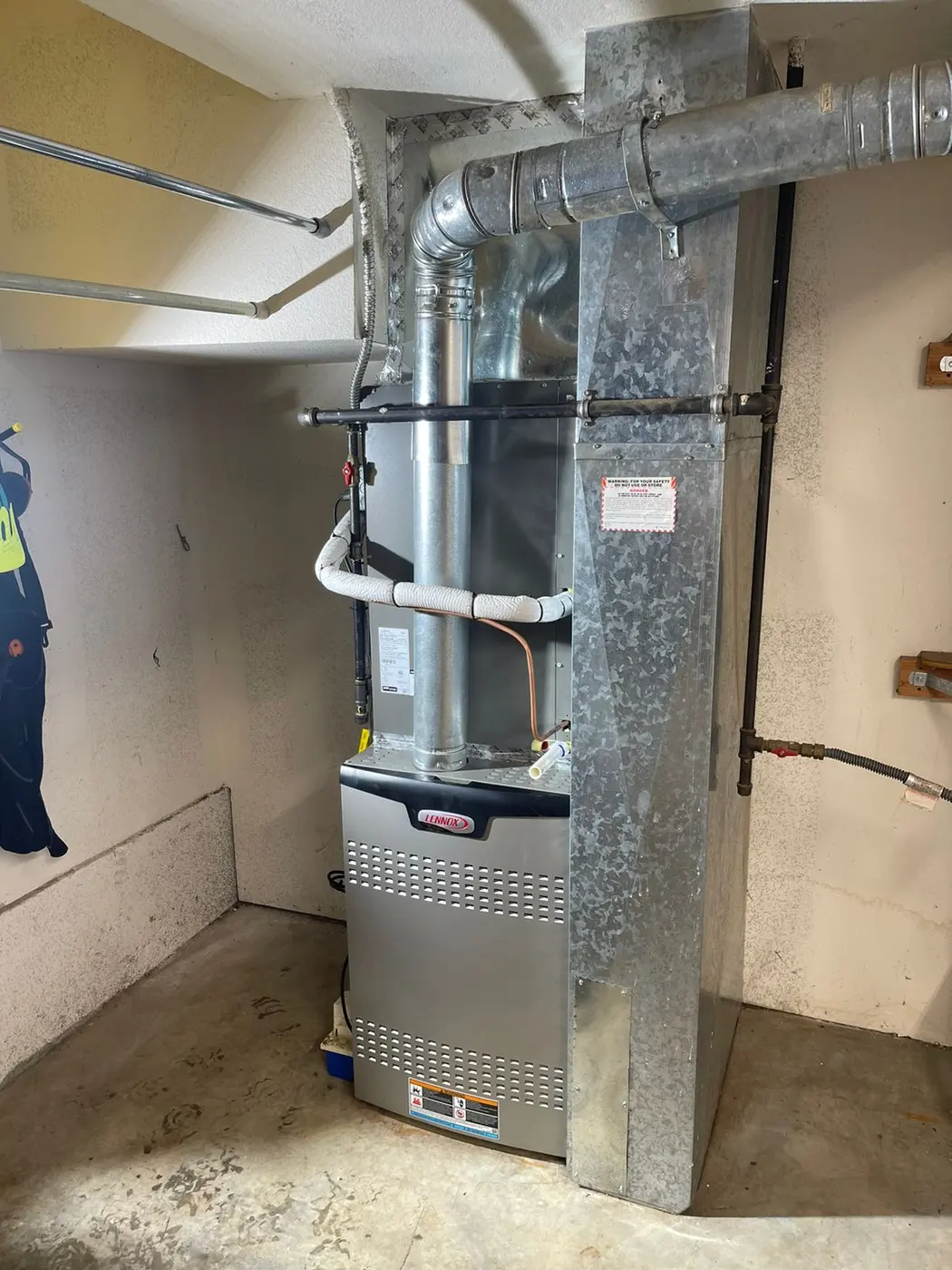
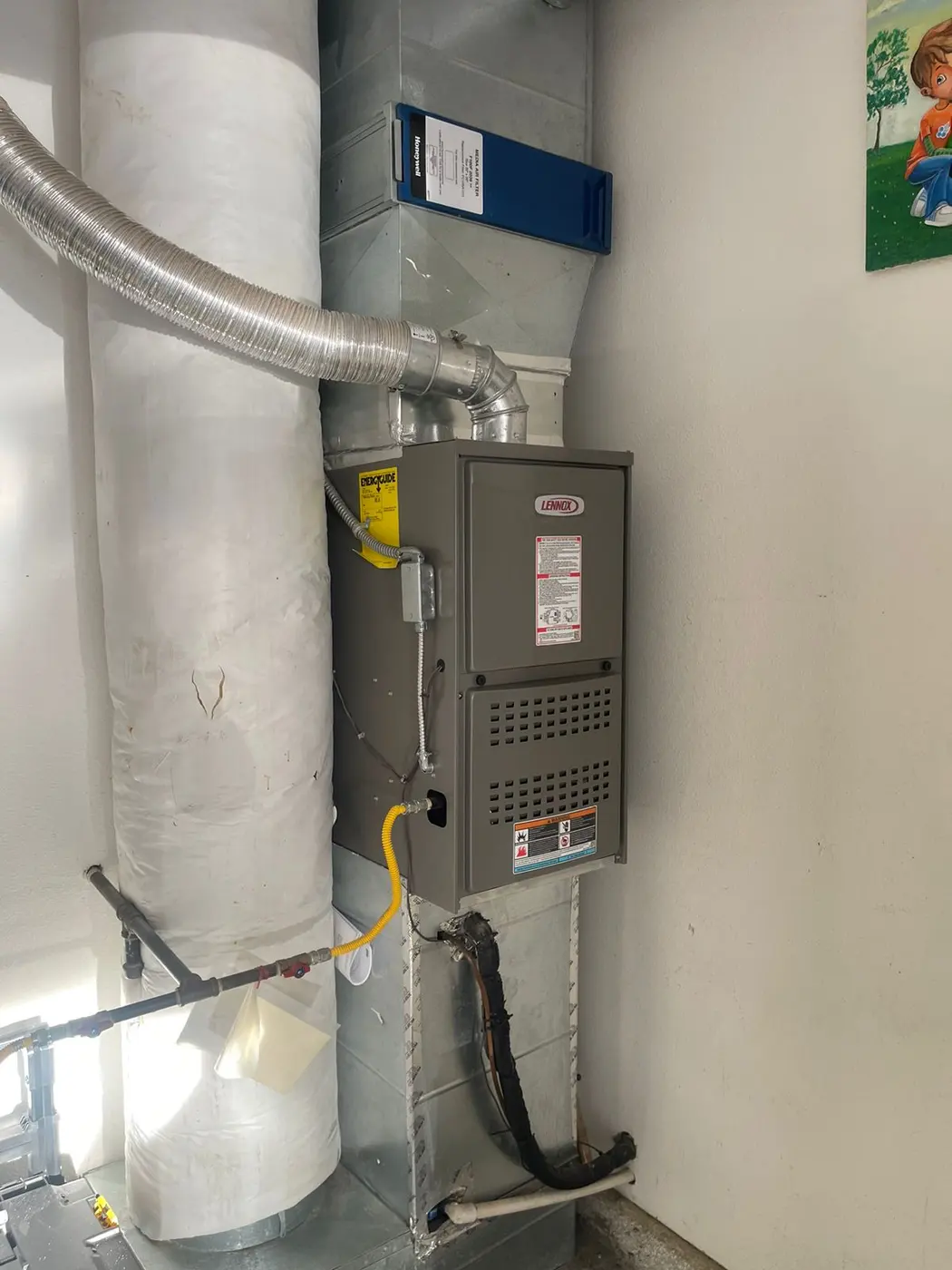
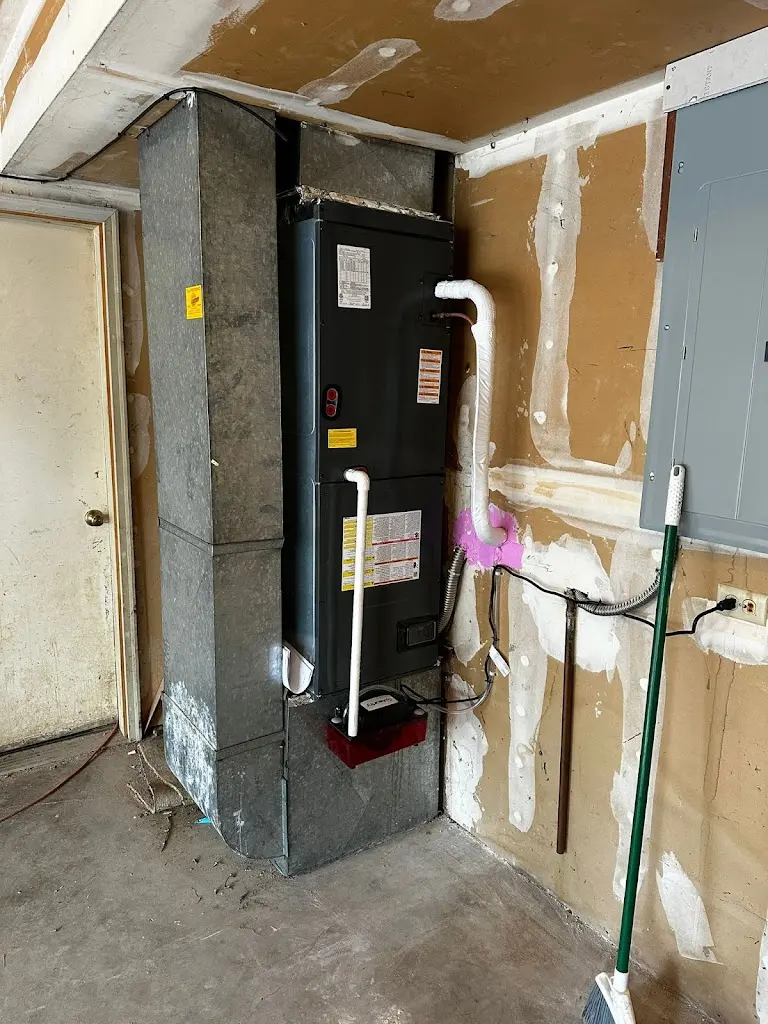
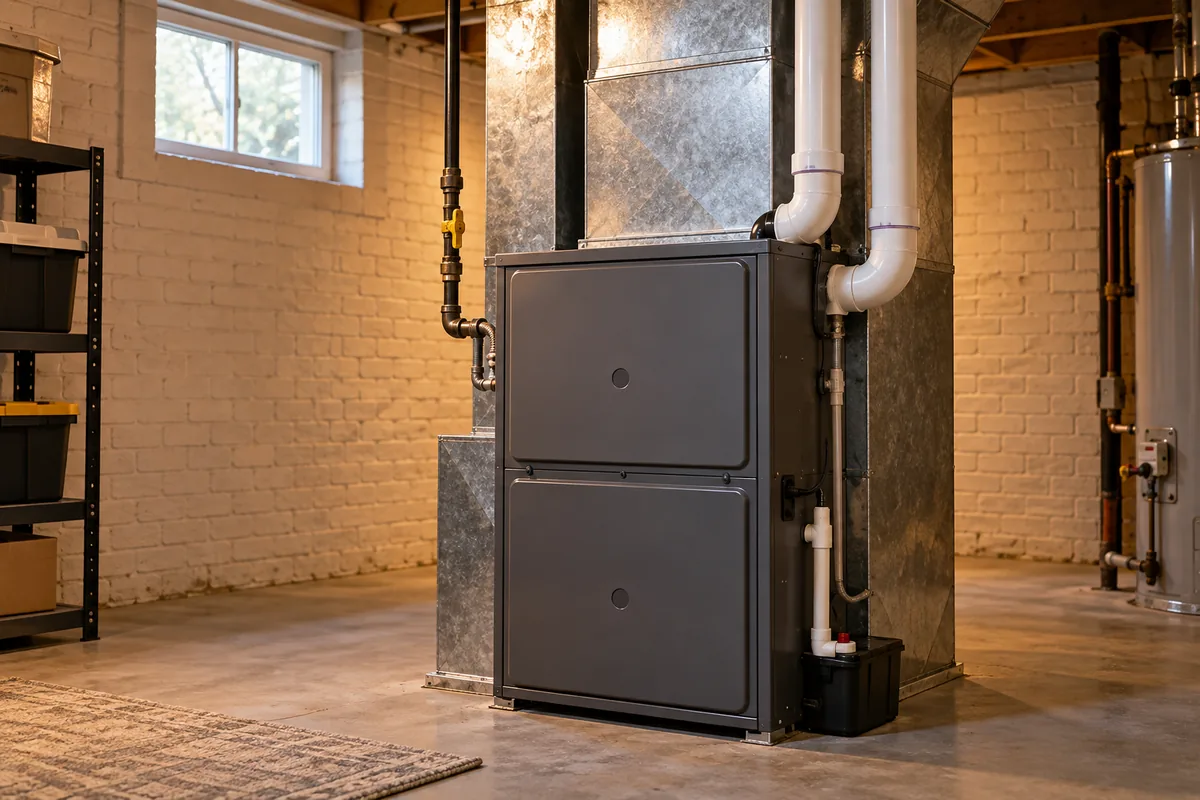
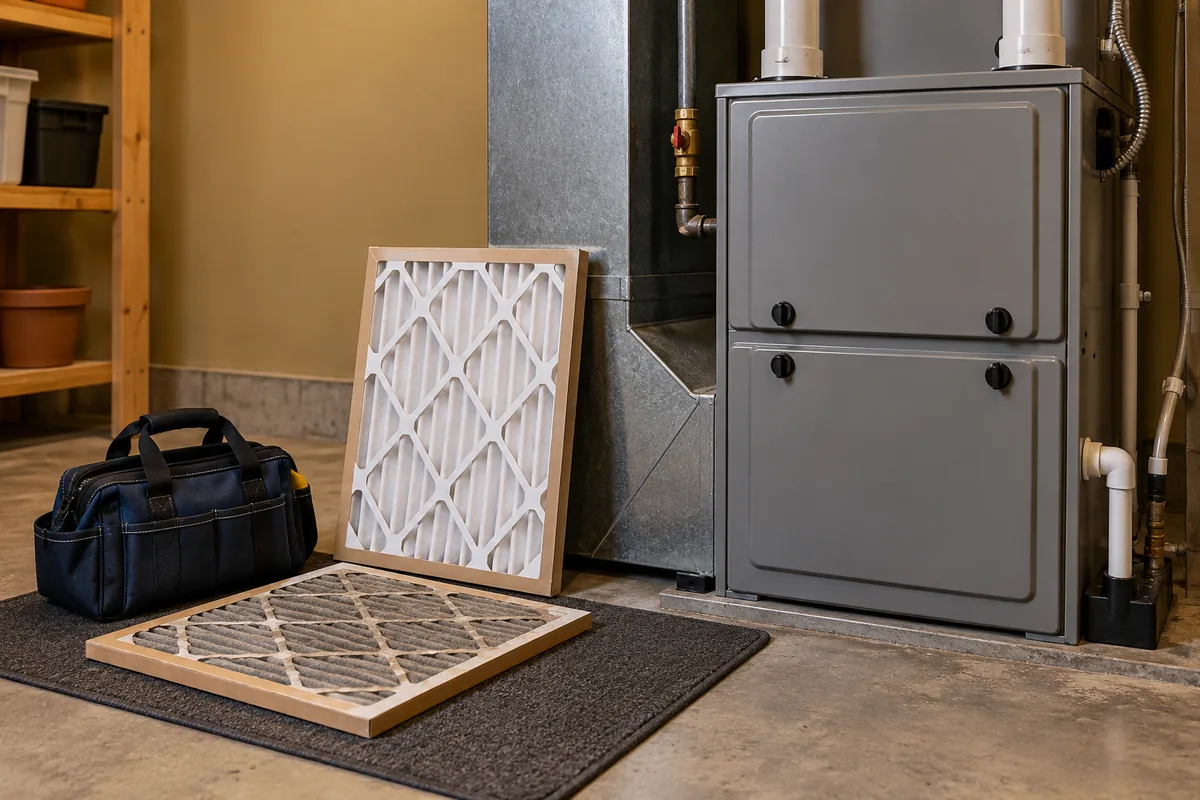
For a heating replacement, see furnace installation in Newberg. Discuss any cooling equipment that shares the setup. The new heating equipment should suit the combination you intend to use. A planned later change also belongs in that discussion.
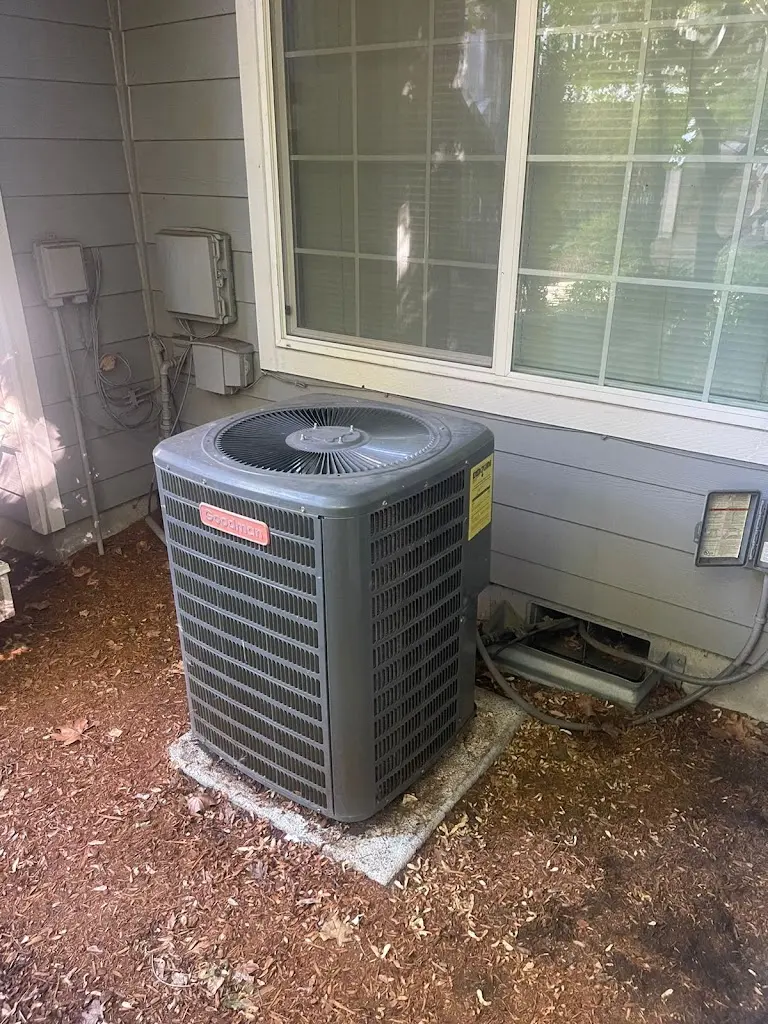
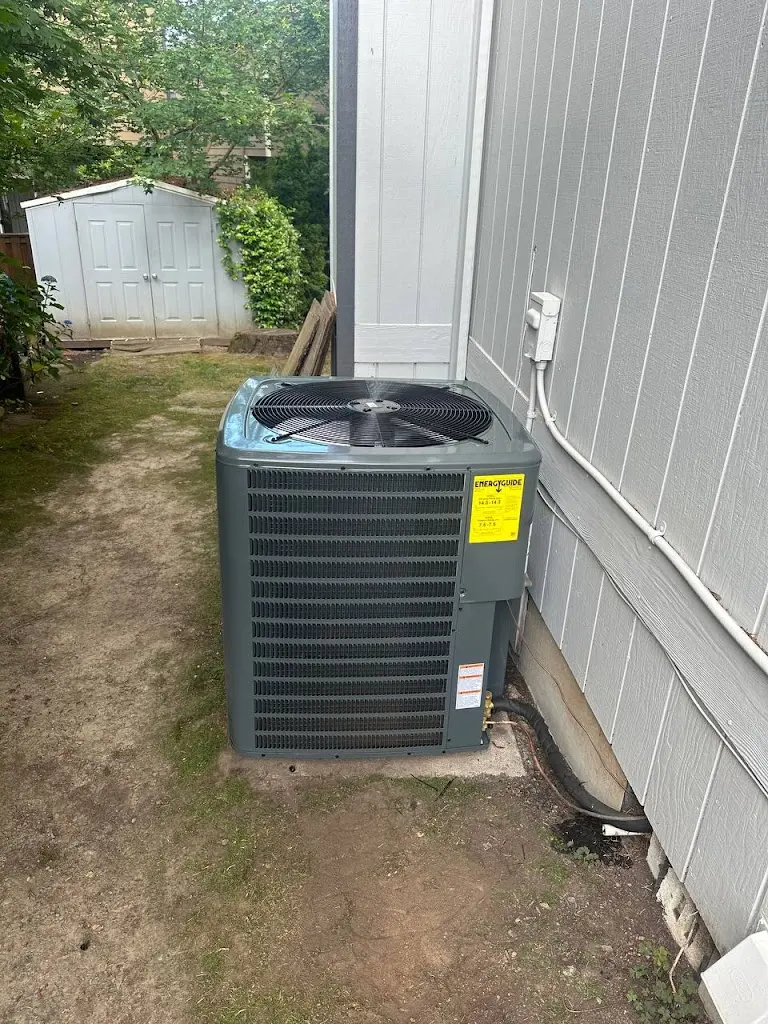
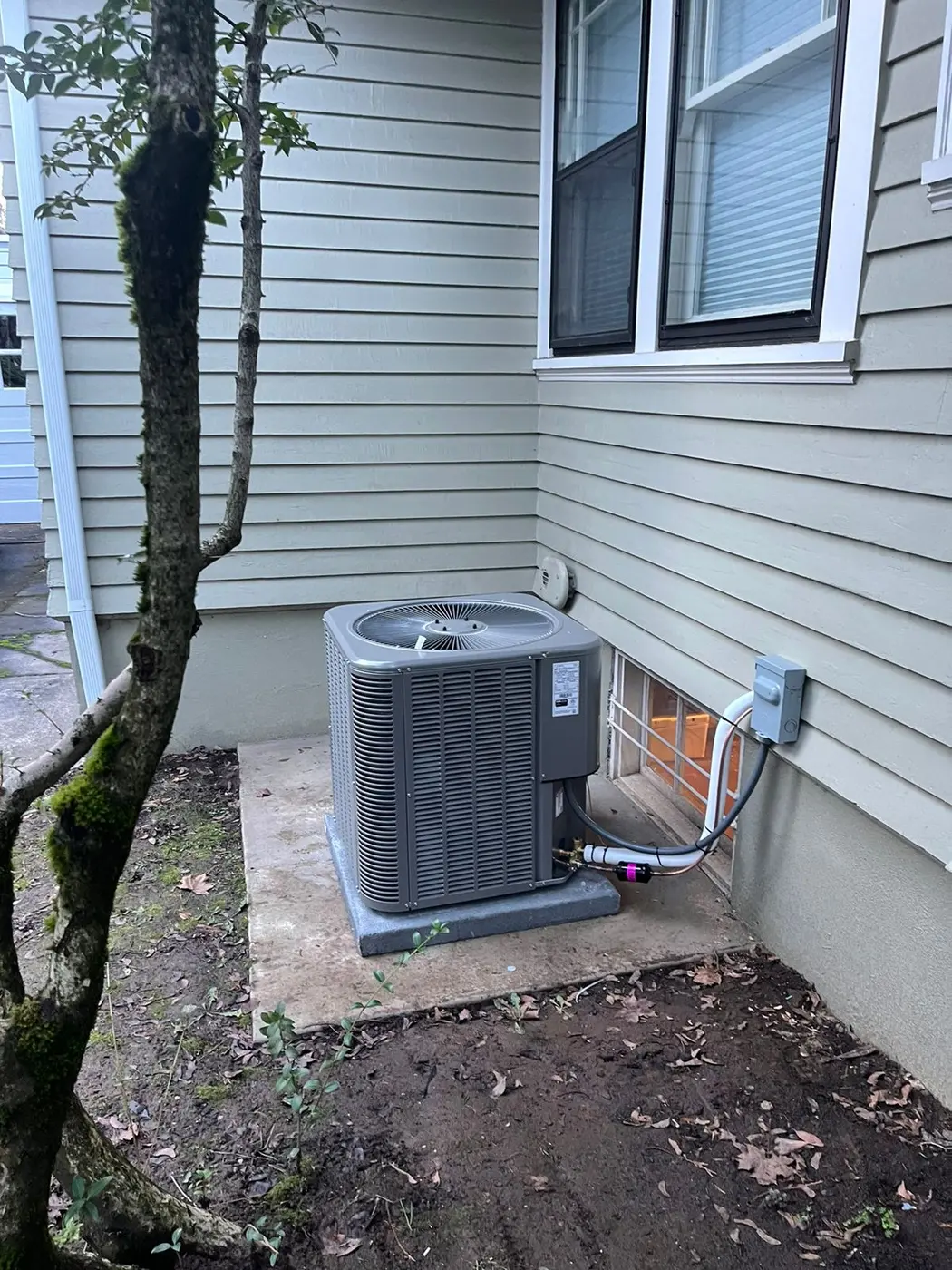
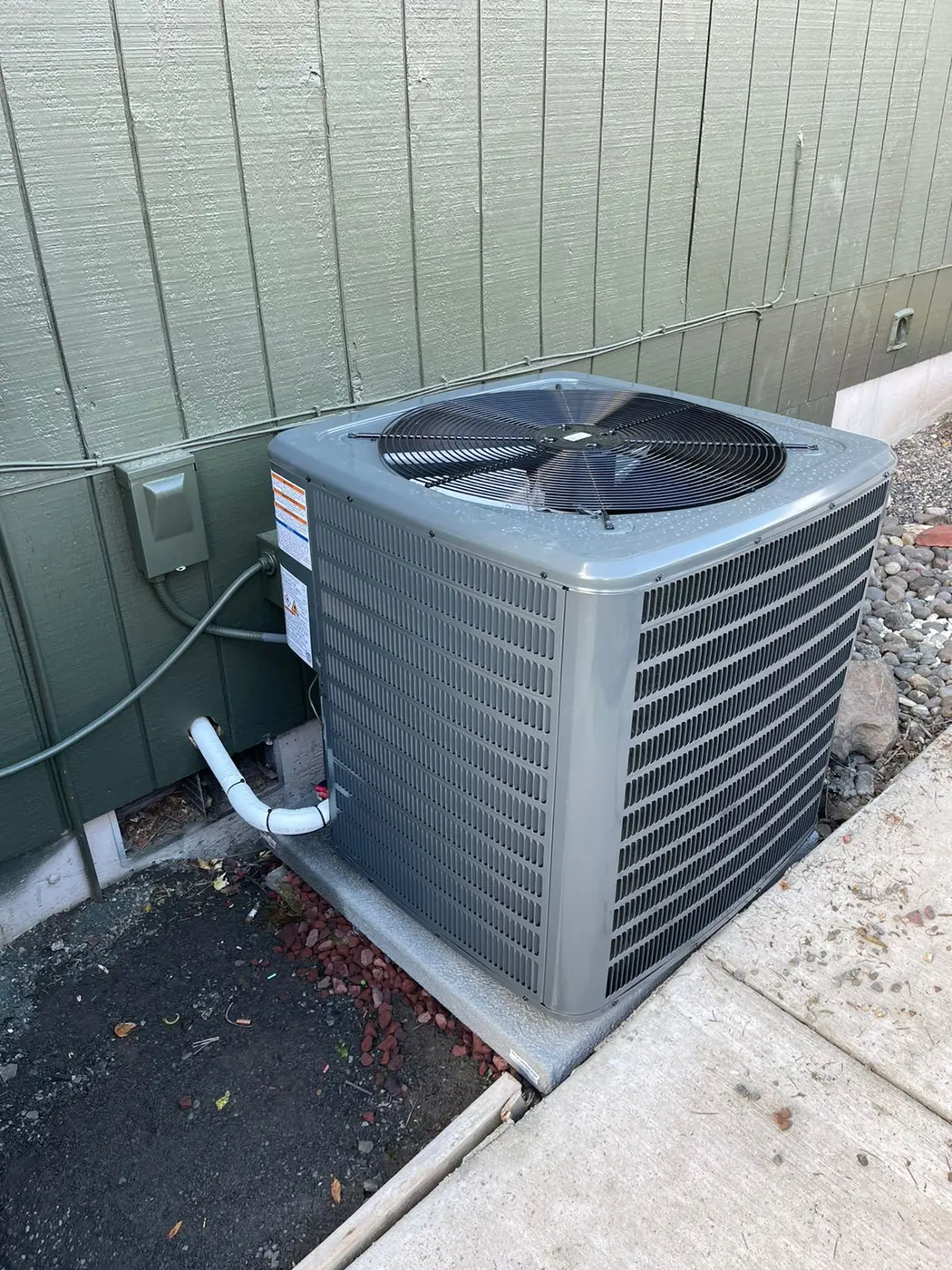
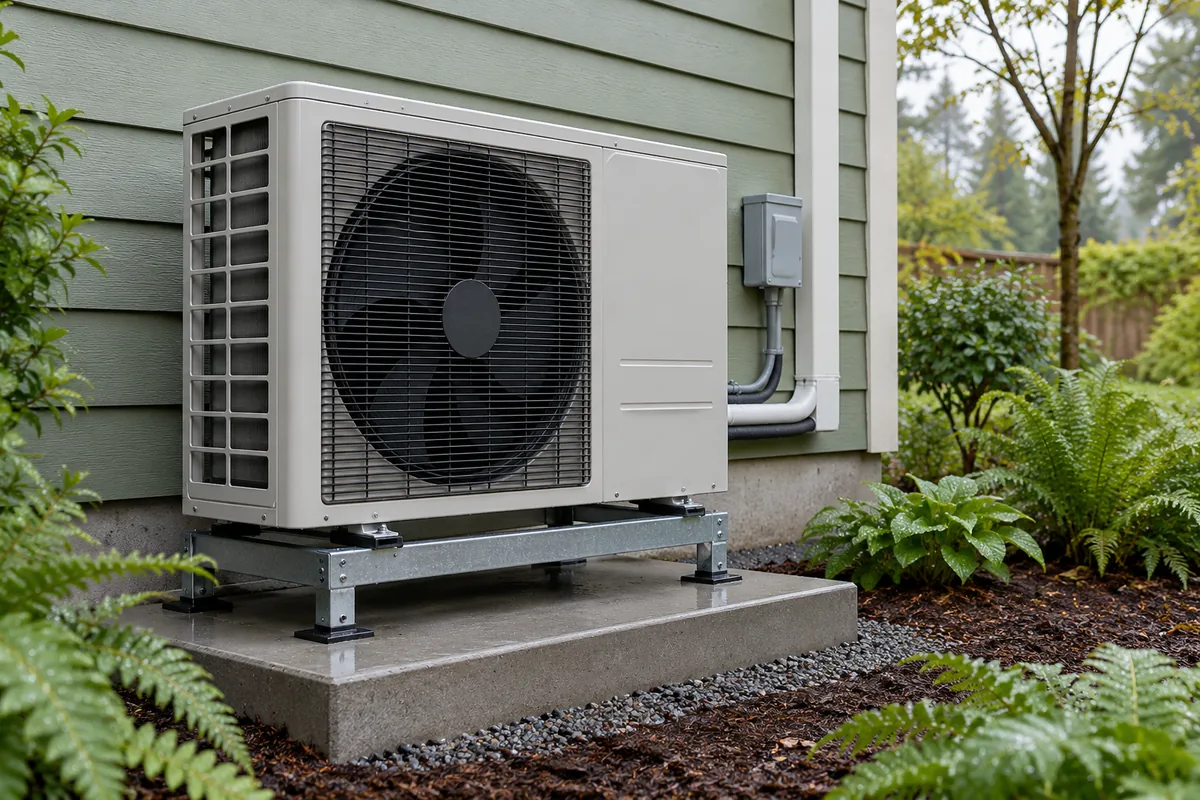
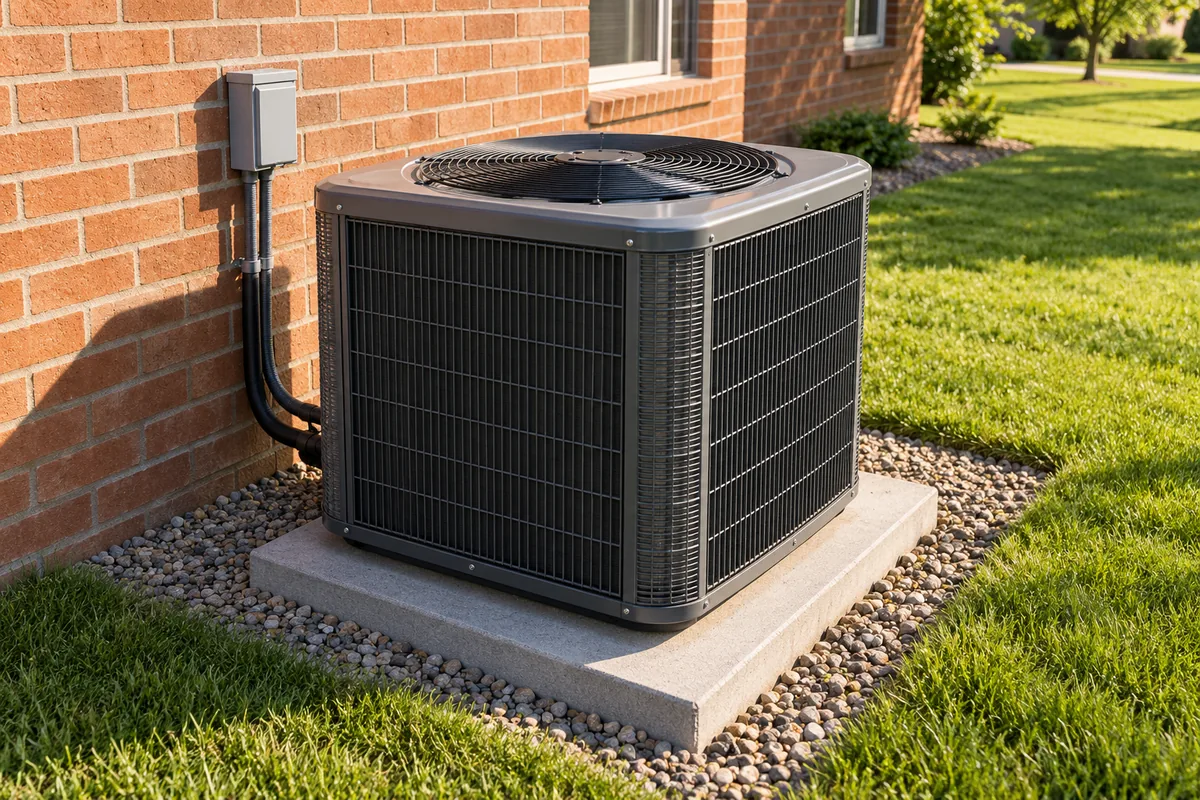
For a heat pump that serves heating and cooling, the local heat pump installation service addresses that project. Clarify which existing components remain and what the new controls must manage. A change in system type may alter the installation work beyond the outdoor unit.
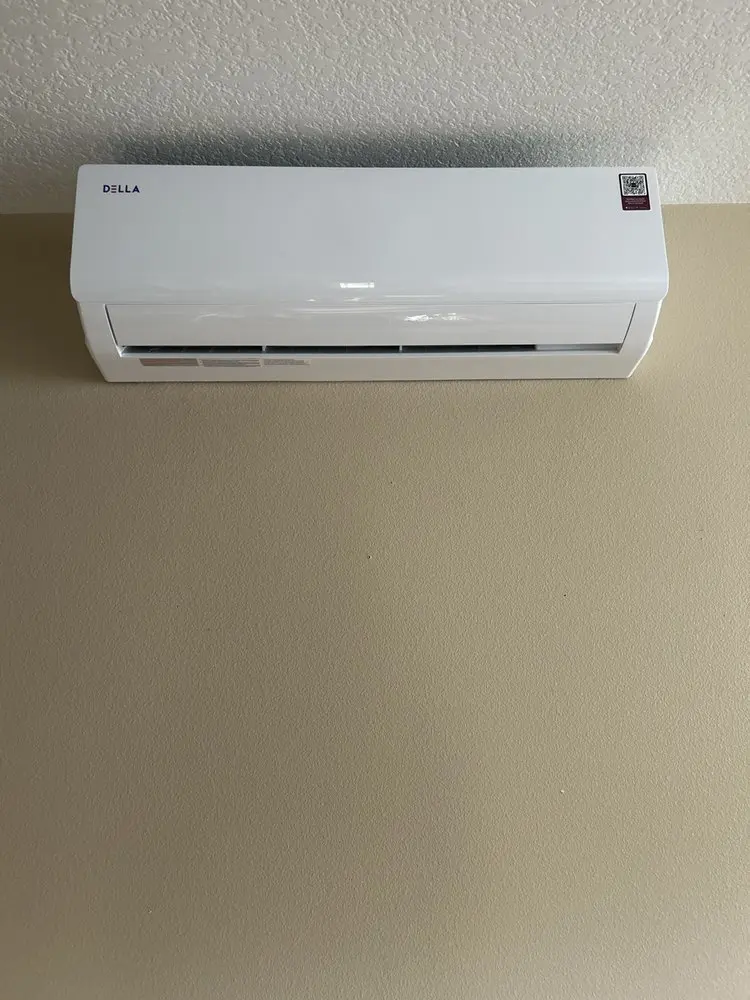
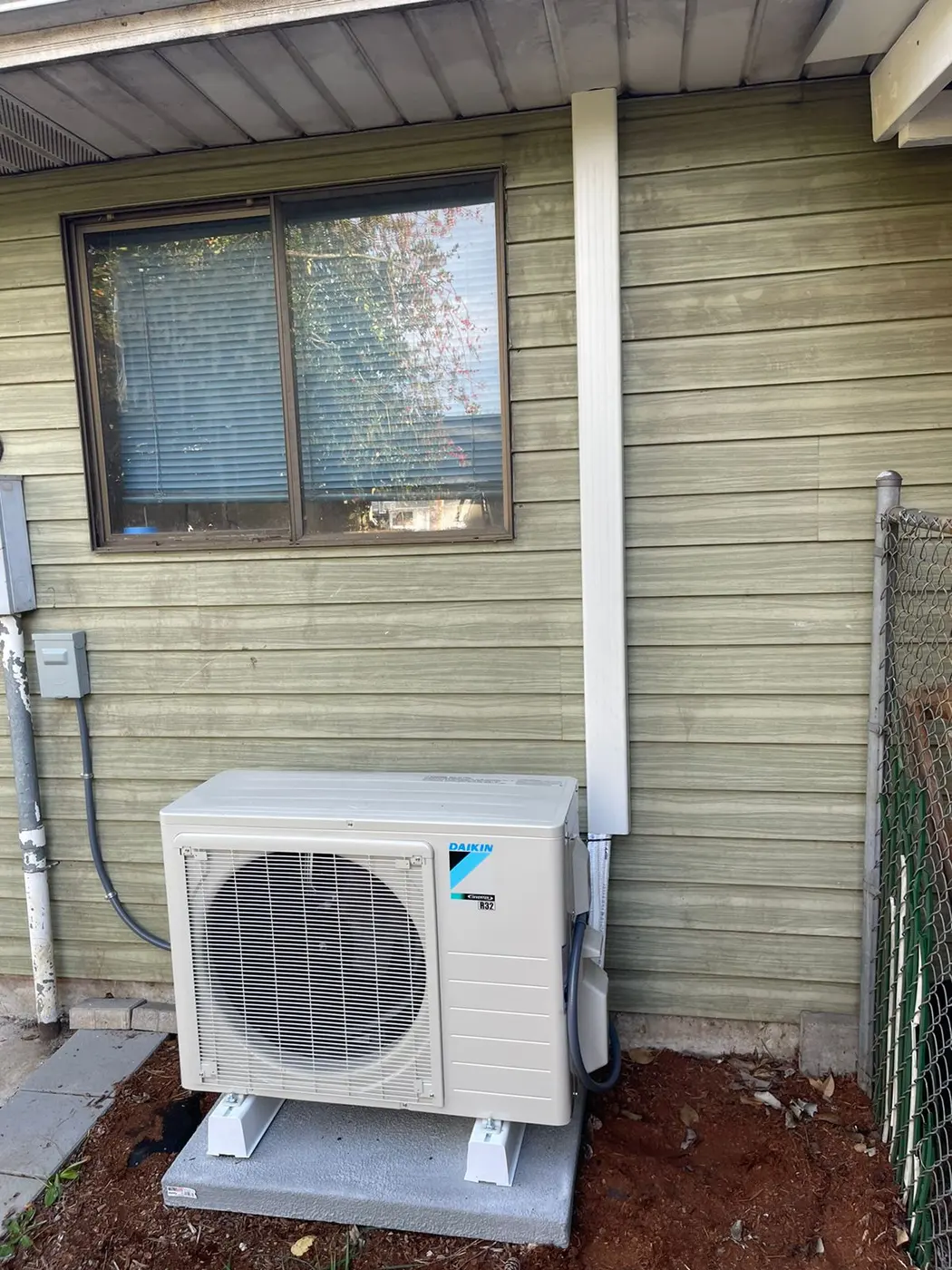
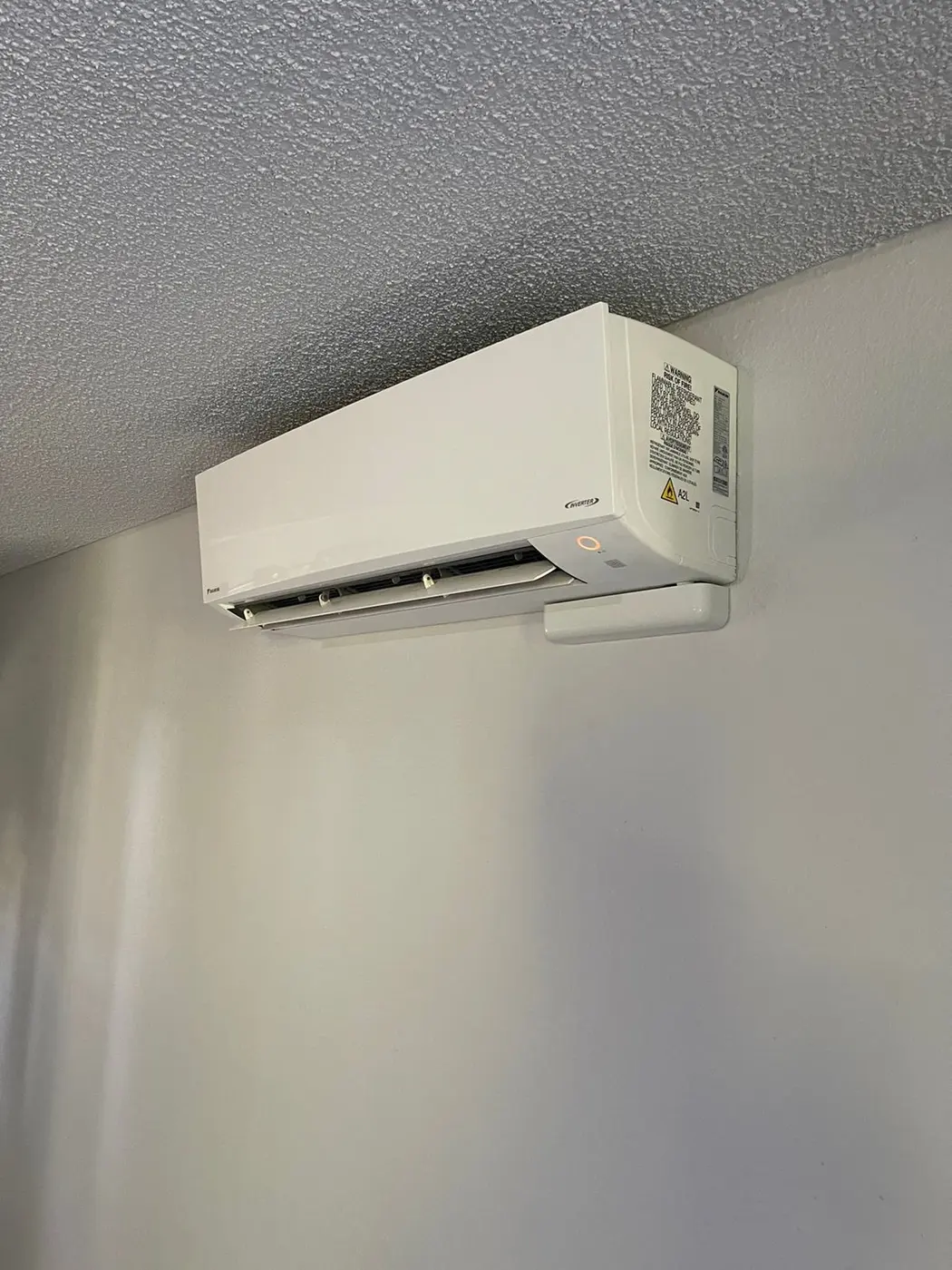
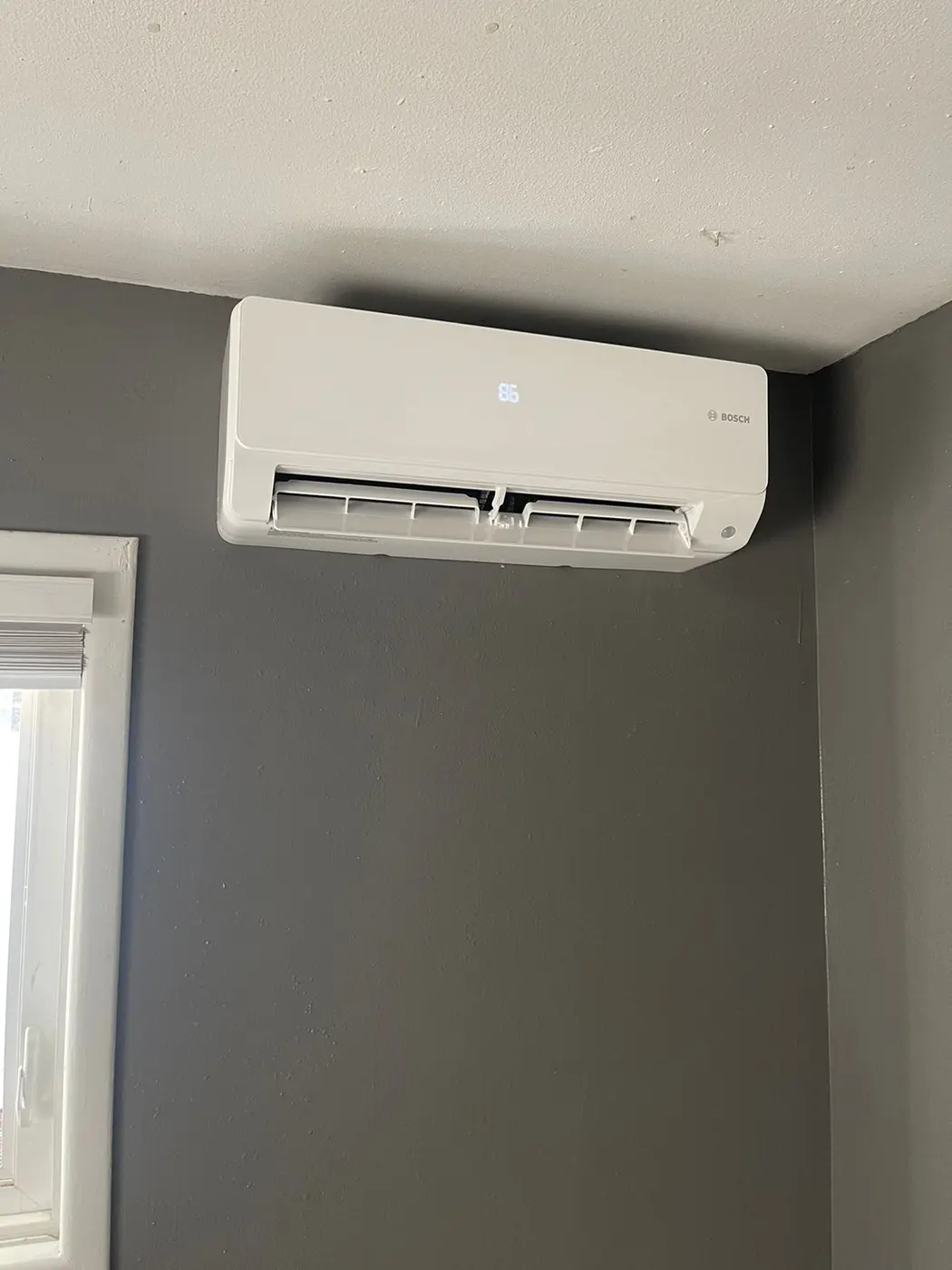
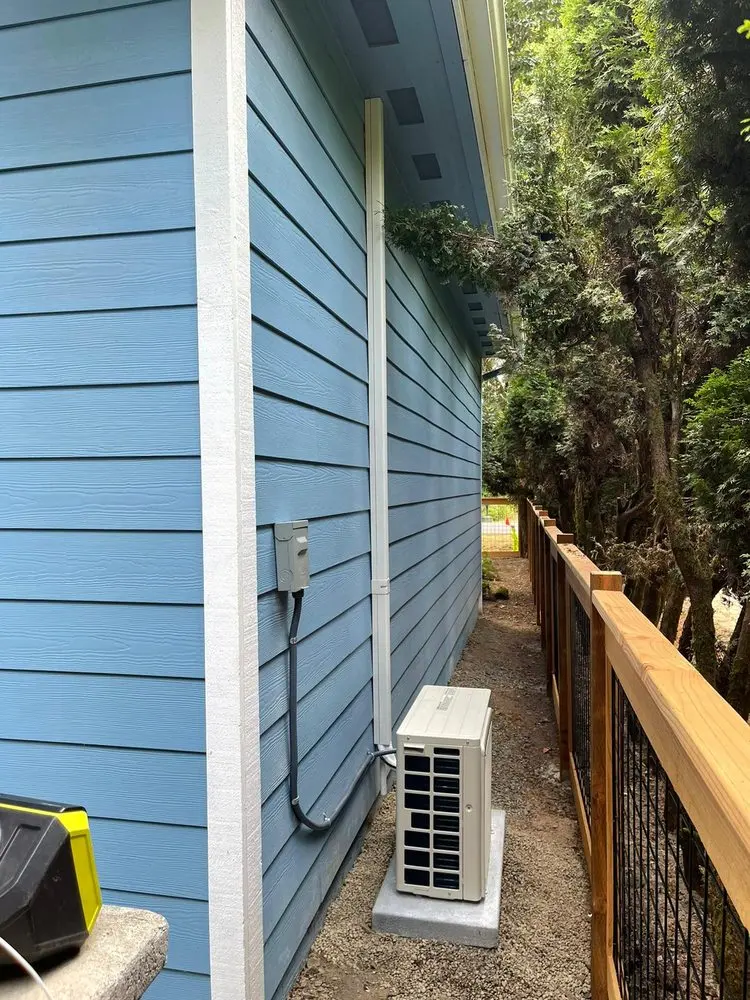
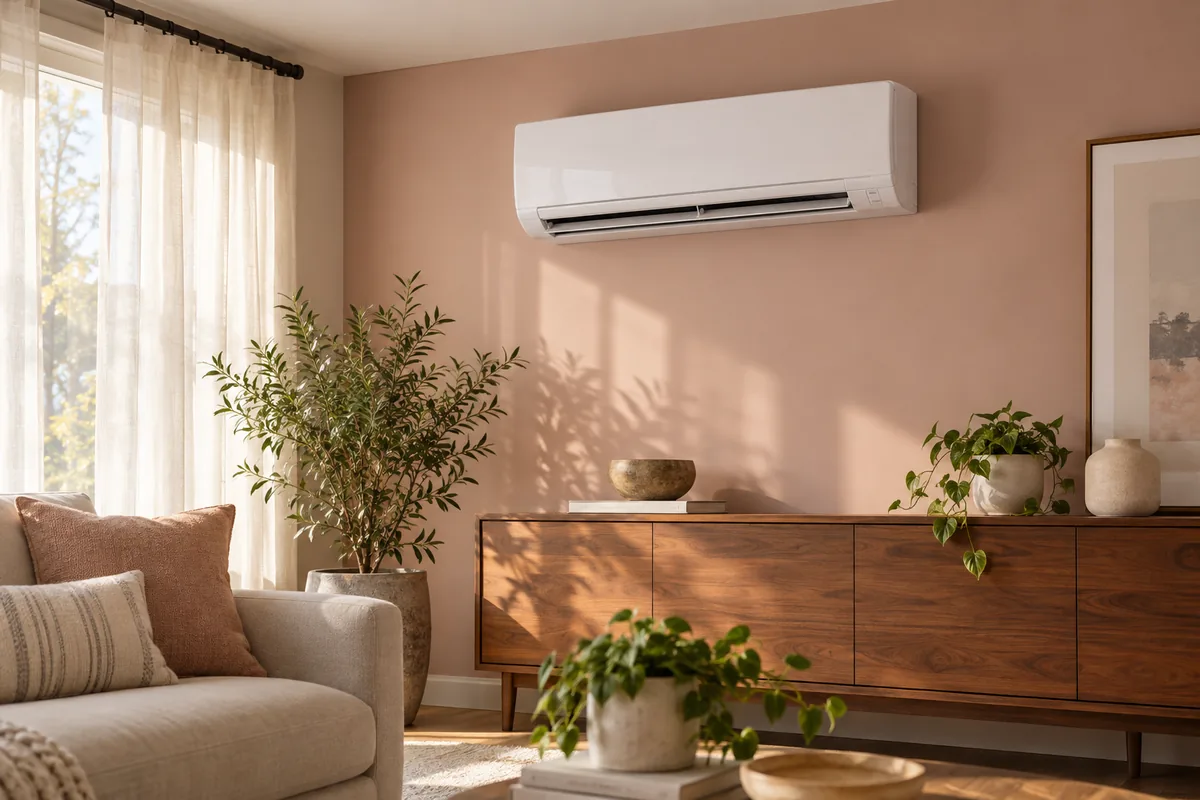
If you want room-based indoor units, our mini-split installation service explains that approach. Identify the rooms and your preferred equipment locations. The model and connection routes need review before those positions become part of the plan.
System Capacity, Airflow and Existing Equipment
The old unit label can help describe the current setup. It does not, by itself, determine the right size for the next system. Explain where comfort falls short and whether the property use has changed. The estimate should consider those needs before selecting equipment.
Airflow and controls can affect comfort alongside the equipment itself. A new unit will not automatically resolve every room concern. Ask how the proposed work addresses each issue you raised. It should be clear when a separate condition falls outside the project.
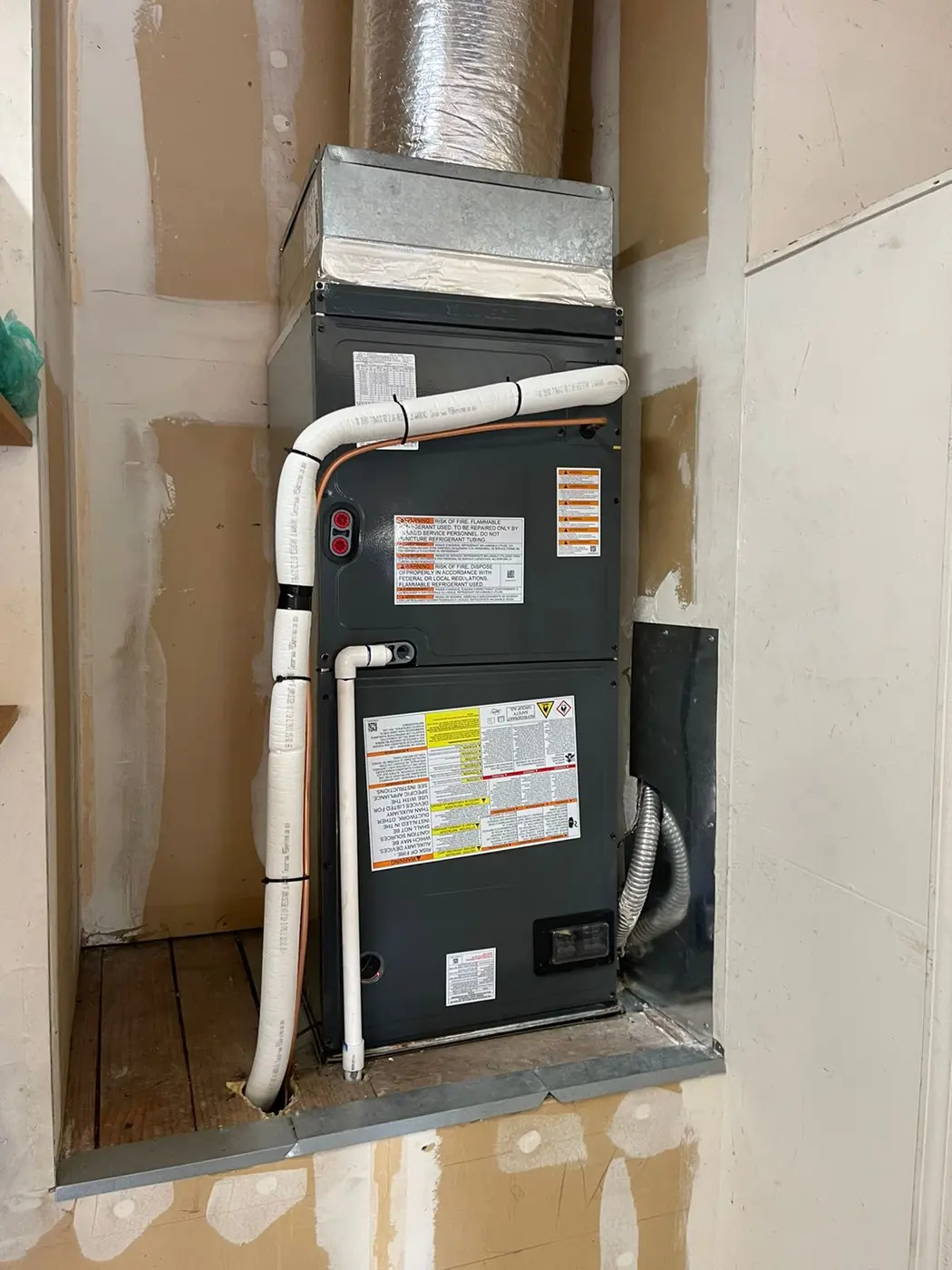
Review the components the plan will keep. Existing indoor equipment, ducts and connections may place requirements on the new combination. The scope should explain what suits the project and what needs changing. It should not treat an uninspected condition as a confirmed fit.
Also discuss access for installation and future service. Mention locked areas, tight routes and attic or crawlspace entry before the estimate. Equipment placement needs room for the intended work. Do not move the current unit or remove panels to make the site look ready.
Installation Price, Timing and Preparation
Check the proposed units, controls, labor and connection changes in the price. Ask about removal of old equipment and any work needed before installation. If another project affects the area, explain its timing. The order of work should reflect the actual preparation needs.
Confirm when heating or cooling will be out of service and how the work will proceed. Arrange someone who can provide access and approve project decisions. Clear stored items from the route where safe. Leave equipment and connections intact until the installation work begins.
If you also need a repair assessment, keep that request separate from the free installation estimate. A repair visit asks what is wrong with the current system. A replacement proposal defines a new project.
New Controls and Operating Checks
Review how to use the controls in the completed setup. Ask what checks confirmed the system response and what ongoing care the new equipment needs. The normal settings may differ from the old system. A short handover should connect the controls to the equipment that now serves the rooms.
Keep the installed model details and project record together for future service and equipment changes, including any existing components that remain part of the system.
Request HVAC installation in Newberg from HVAC & Appliance Repair Guys through the service form below. Ask for a free on-site estimator visit and describe why you are considering replacement, your desired timing and the equipment that still works well.
Frequently Asked Questions
Can I discuss replacement while the equipment still works?
Yes. Explain your goals and desired timing at the estimator visit. A planned review can define the proposed work before you decide to proceed. Confirm the equipment and schedule when you are ready to approve the project.
Does a new system always require a new thermostat?
The proposed equipment determines the control requirements. Ask whether the plan retains the current control or includes a change. A familiar brand or display does not by itself establish that the control suits the new combination.
What if I want to keep an existing indoor component?
Raise that preference during the estimate and provide the model details if available. The component’s condition and compatibility with the planned equipment need review. Ask the estimator to identify which items can stay and explain why.
Request HVAC Installation in Newberg, OR
For HVAC installation in Newberg, OR, call HVAC & Appliance Repair Guys or submit a service request through the form on this page.