


Mini-Split Installation and Replacement in Newberg
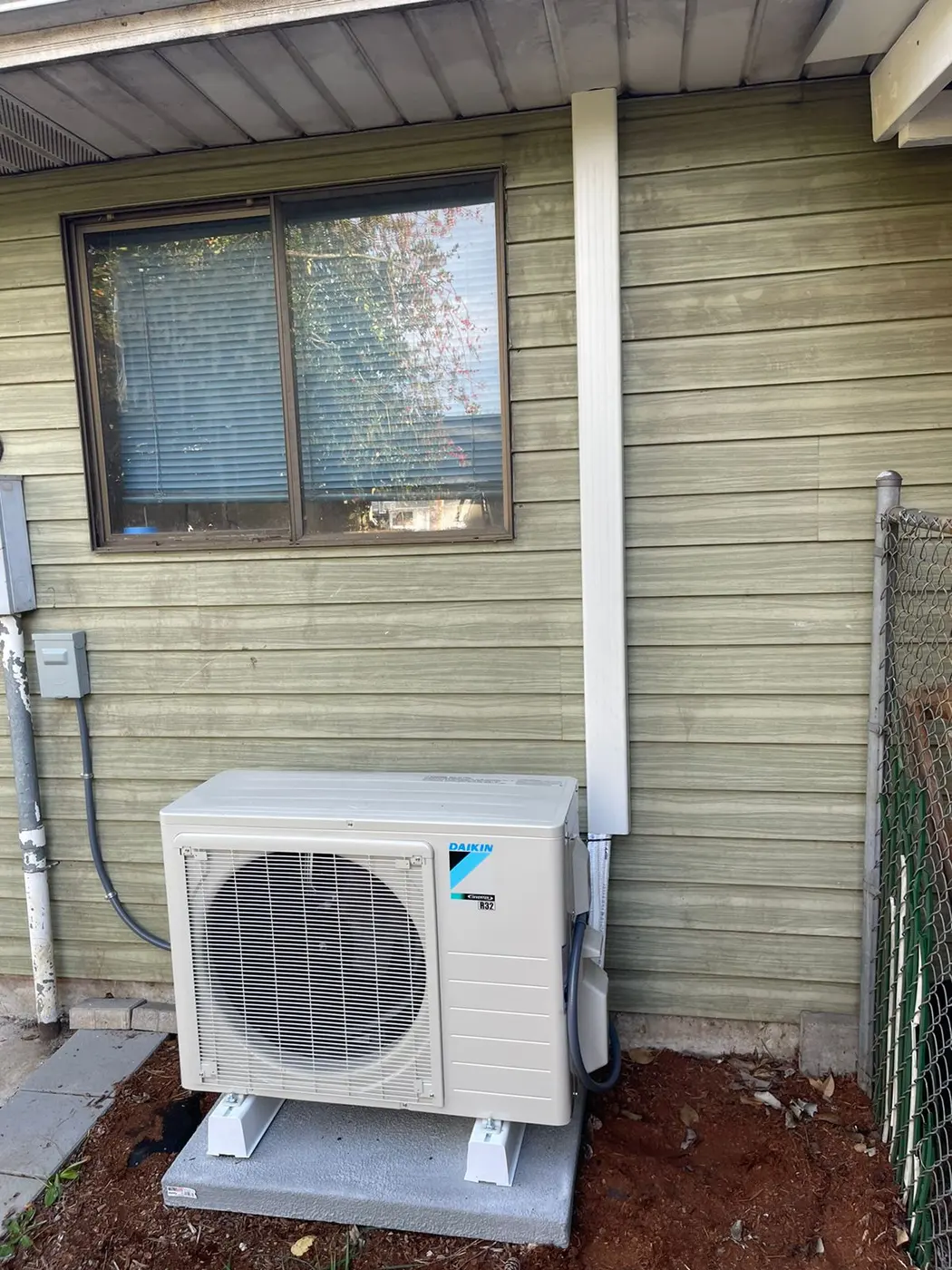
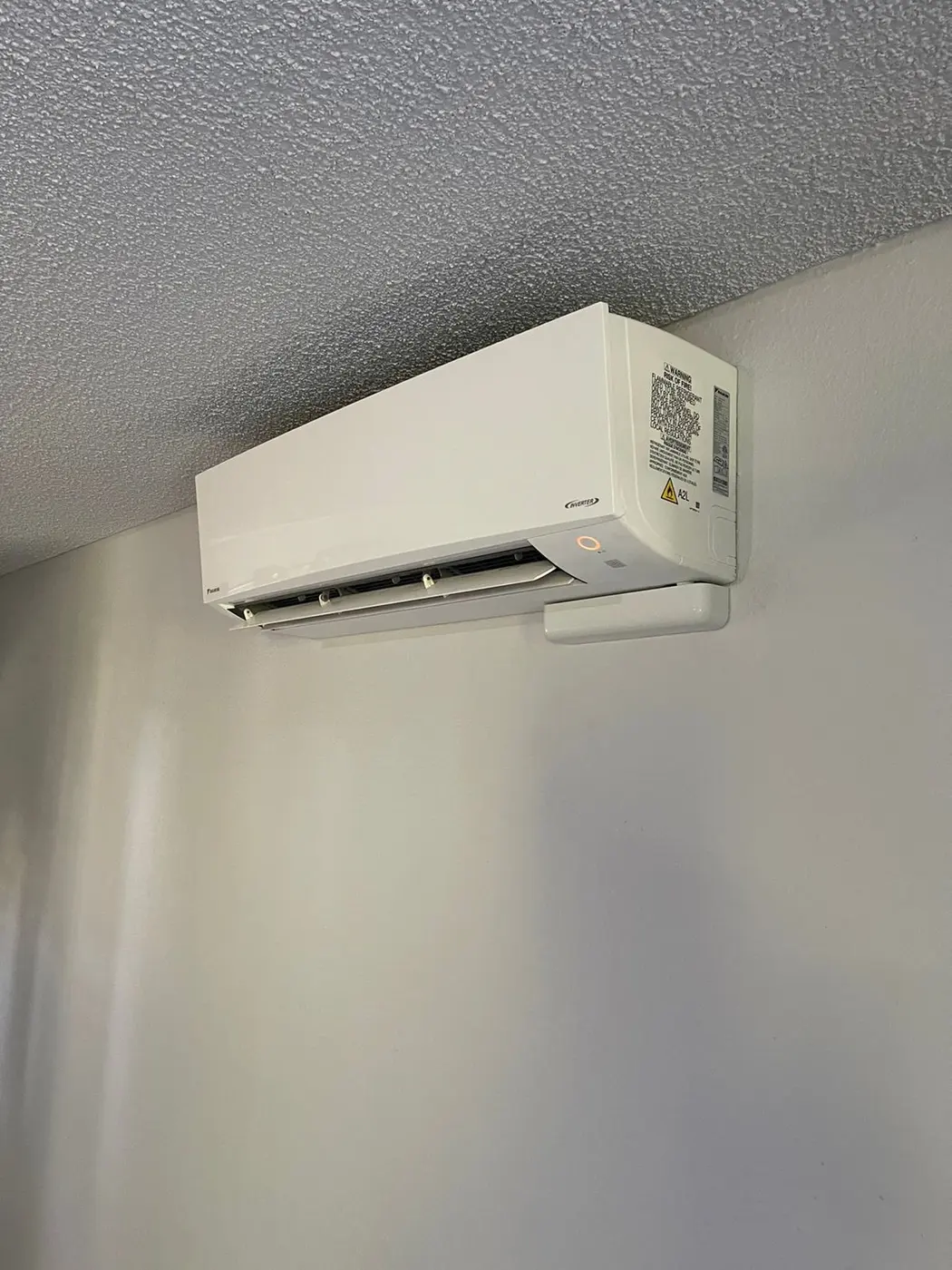
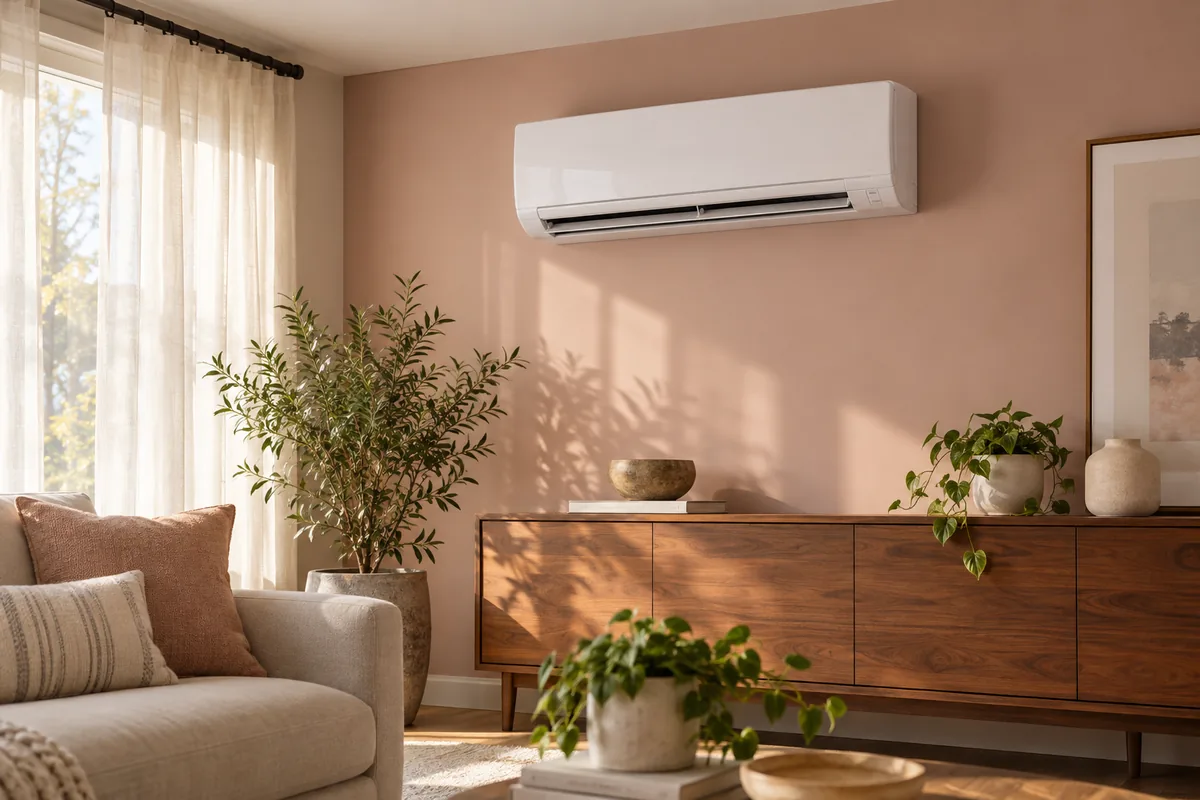
HVAC & Appliance Repair Guys provides mini-split installation and replacement in Newberg, OR. A multi-room project may use several indoor units connected to one outdoor unit or separate systems for different spaces. Our free on-site estimate compares arrangements that fit the proposed work.
Our mini-split installation service covers that planning alongside the installation itself. A lower count of outdoor units is not the only measure of a good fit. The room schedule, controls, connections and equipment combination also shape the choice.
Room Use, Capacity and Required Functions
Name the spaces to include and describe their normal use, schedules and door positions. Room size is one capacity input; windows, insulation and other conditions affect the load too. These details let the estimate connect equipment selection with the rooms rather than begin from a requested number of heads.
Next, state whether the goal is air conditioning, heating and cooling, or a change to an existing ductless system. Do not assume every proposed model has the same functions. A bedroom cooling project and a plan to replace the main source of heat ask different things of the equipment. The quote should make the intended role clear.
Keep possible later work separate. You may want one room now and more rooms in a future stage. That is useful planning information, but it does not make future expansion automatic. Ask which options the current design actually supports and which would need a separate project.
What Changes When Outdoor Equipment Is Shared
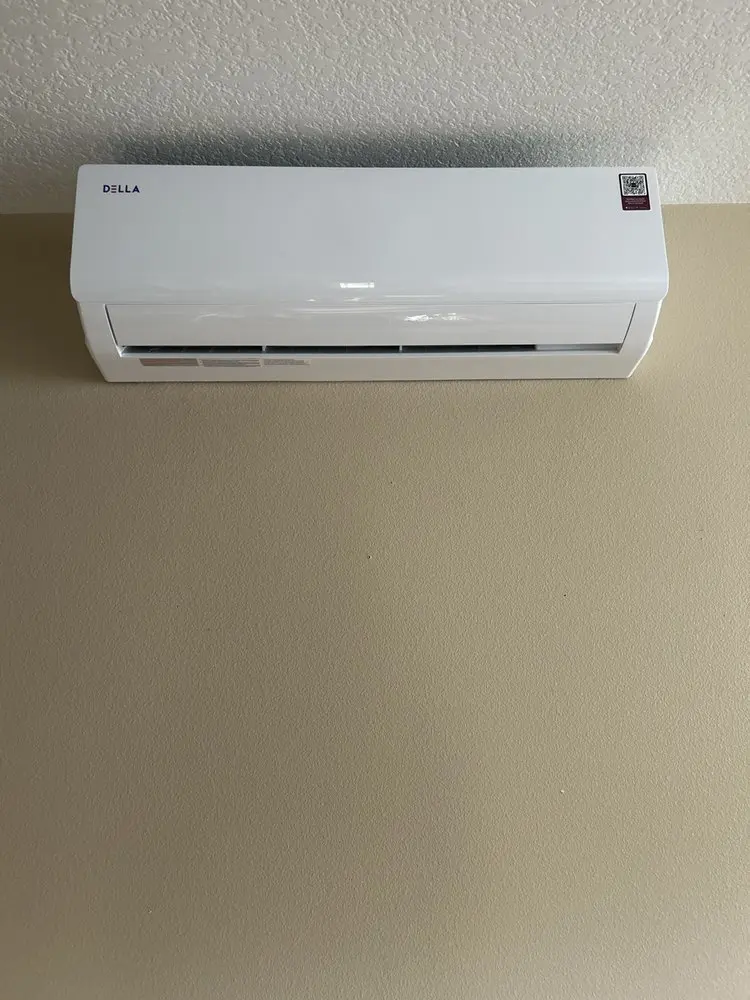
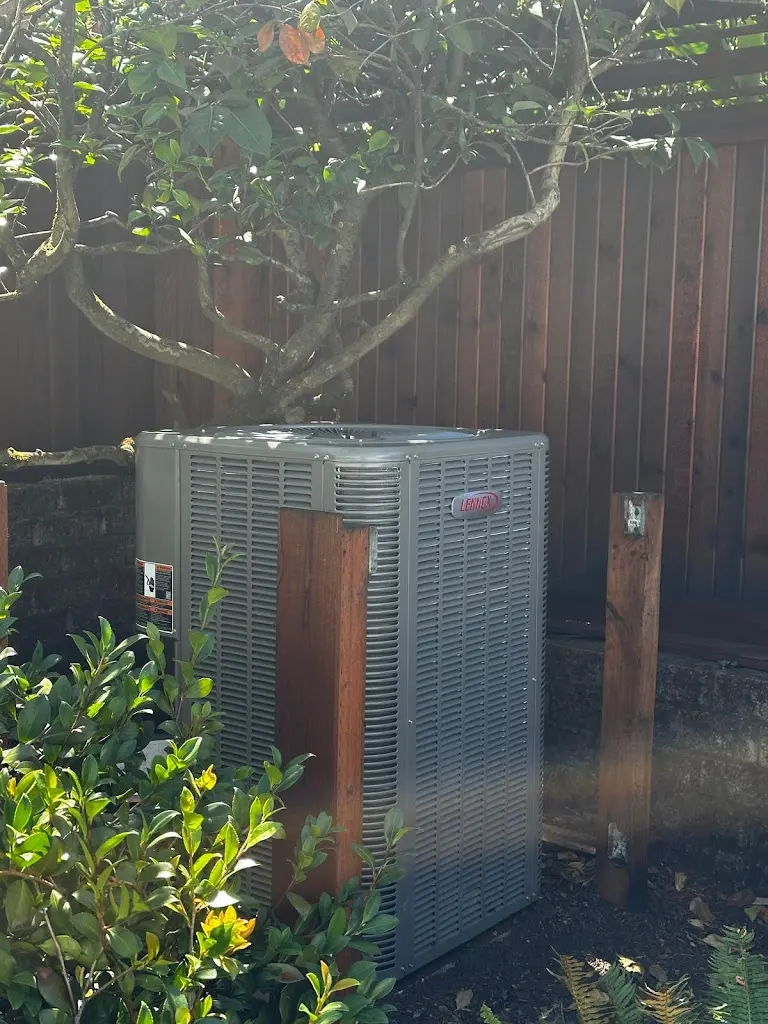
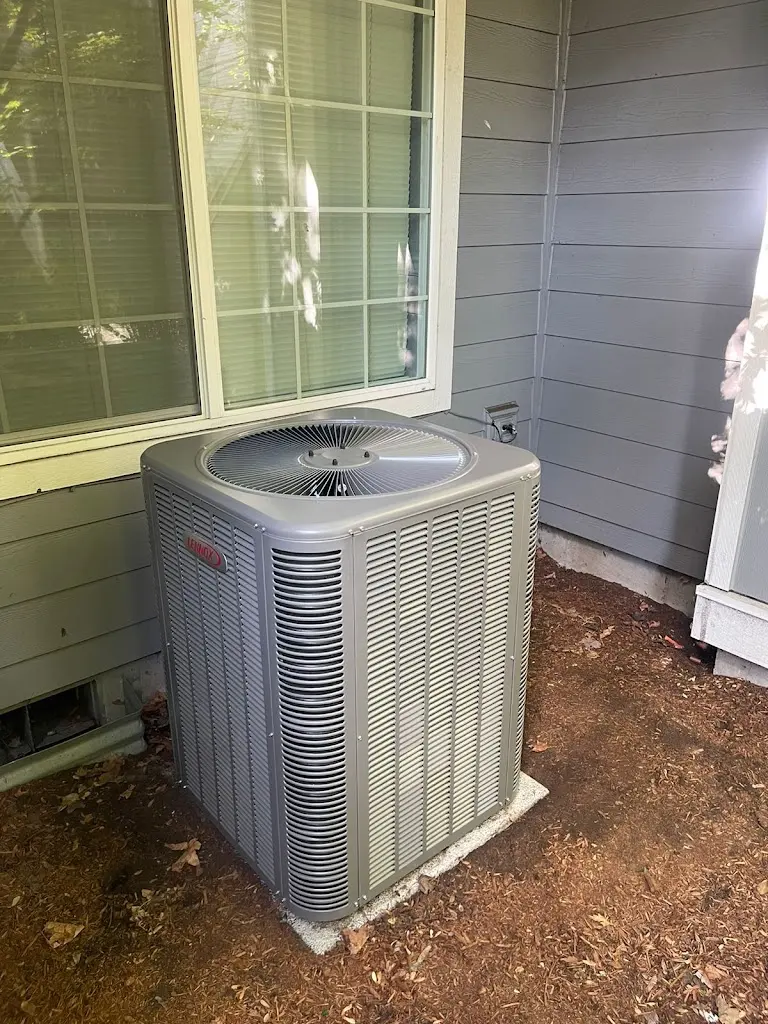
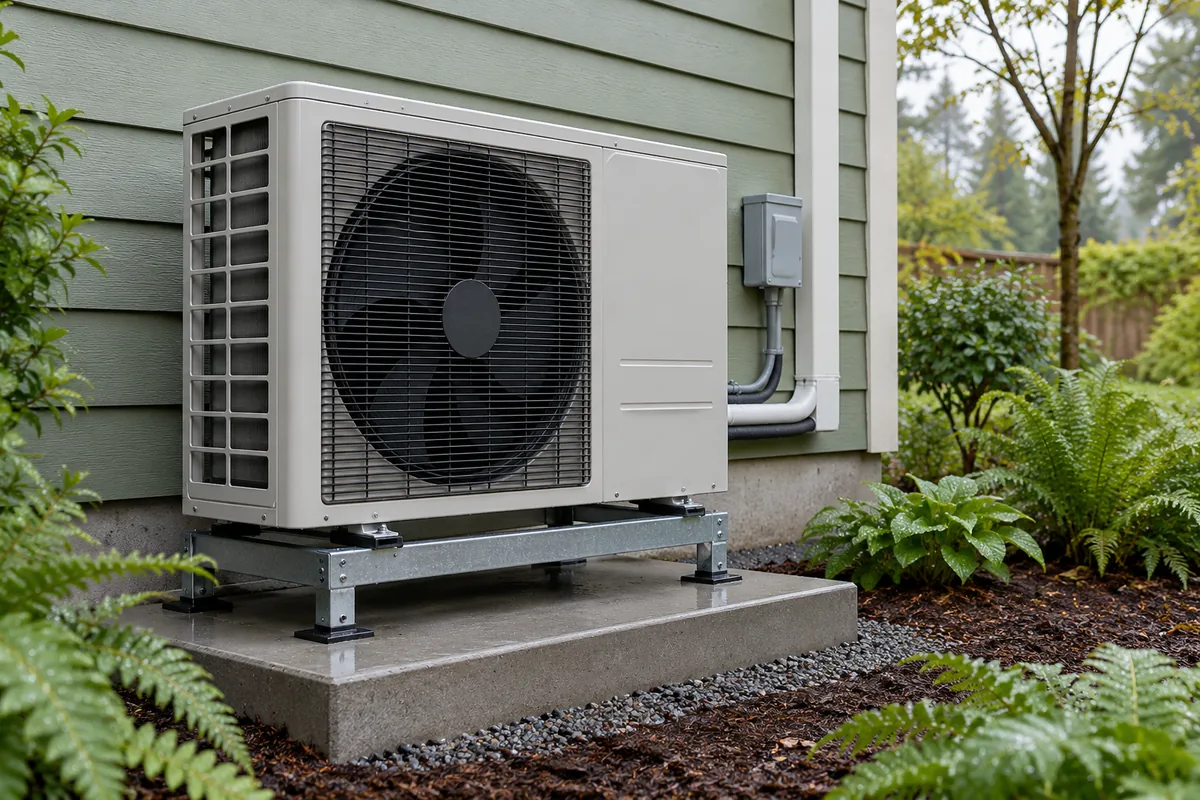
A multi-zone arrangement can connect several indoor heads to one outdoor unit. That shared unit must support the proposed combination. Head count alone does not prove that the equipment belongs together. The estimate should name the units and the rooms they serve.
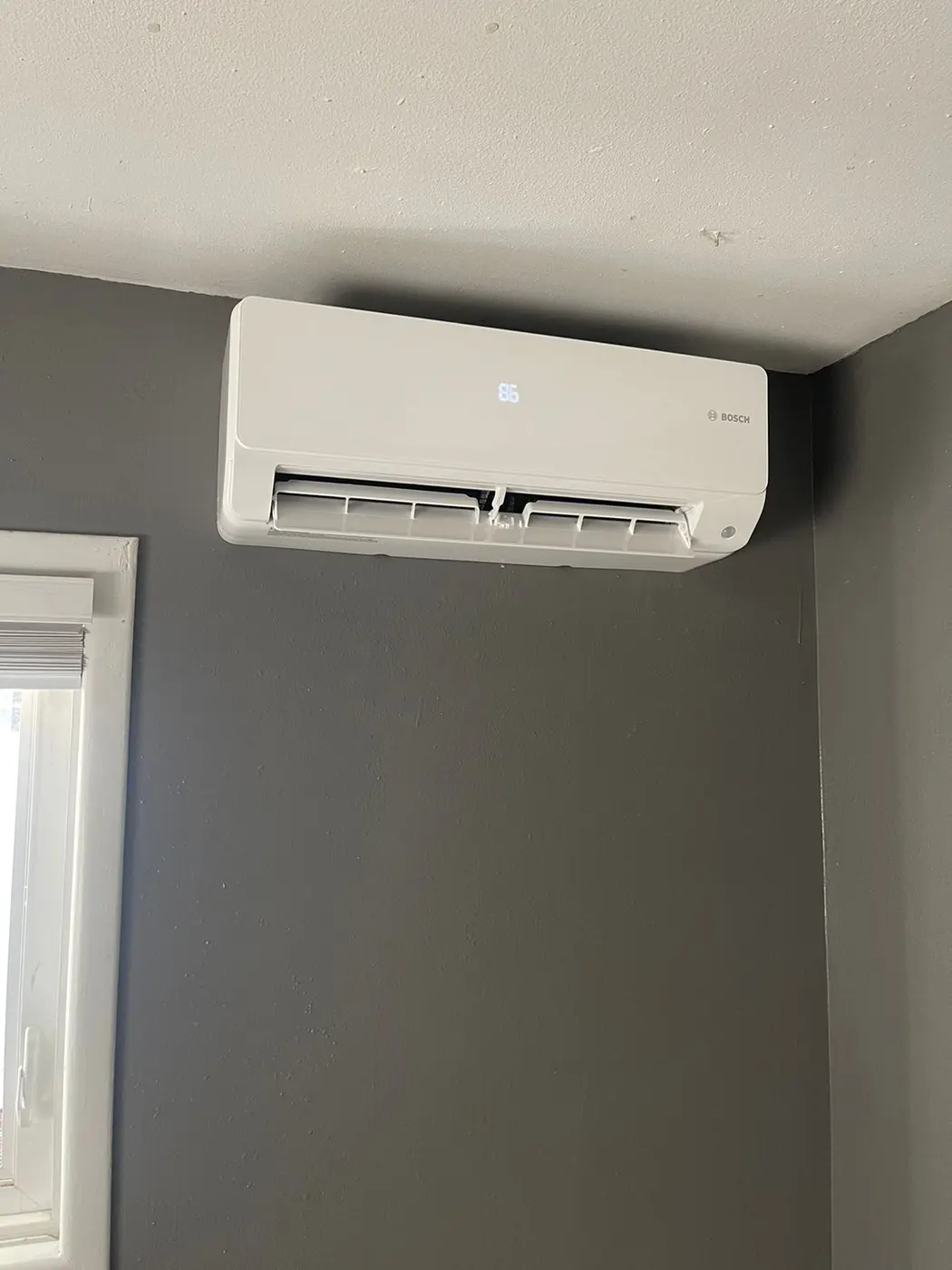
Shared equipment also makes the control discussion important. Ask how the selected heads operate together and which settings remain local to each room. Separate remotes do not by themselves prove that every head can use any mode at the same time. The answers must come from the actual proposed system.
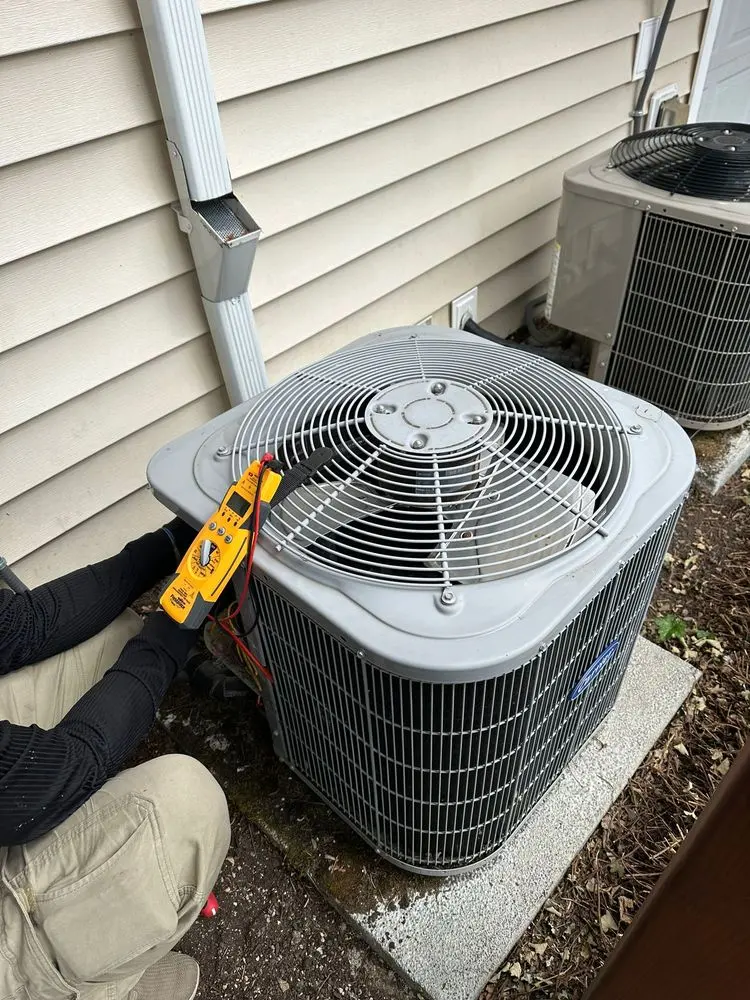
Consider future service when comparing arrangements. Ask how a problem with shared equipment could affect the connected rooms.
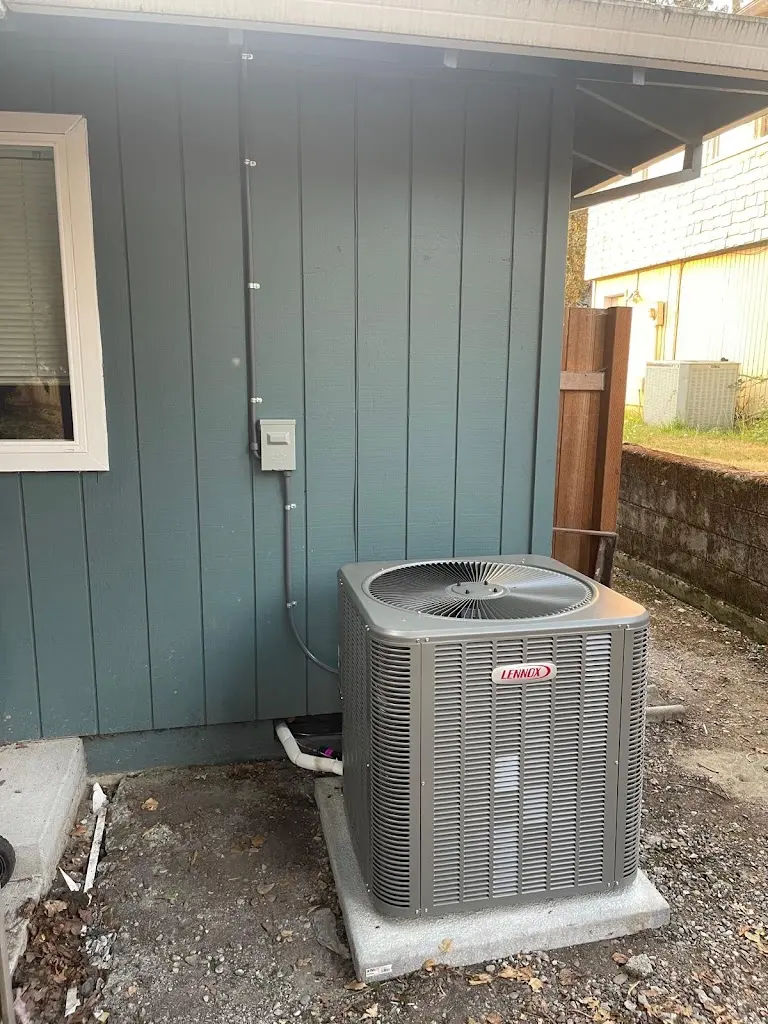
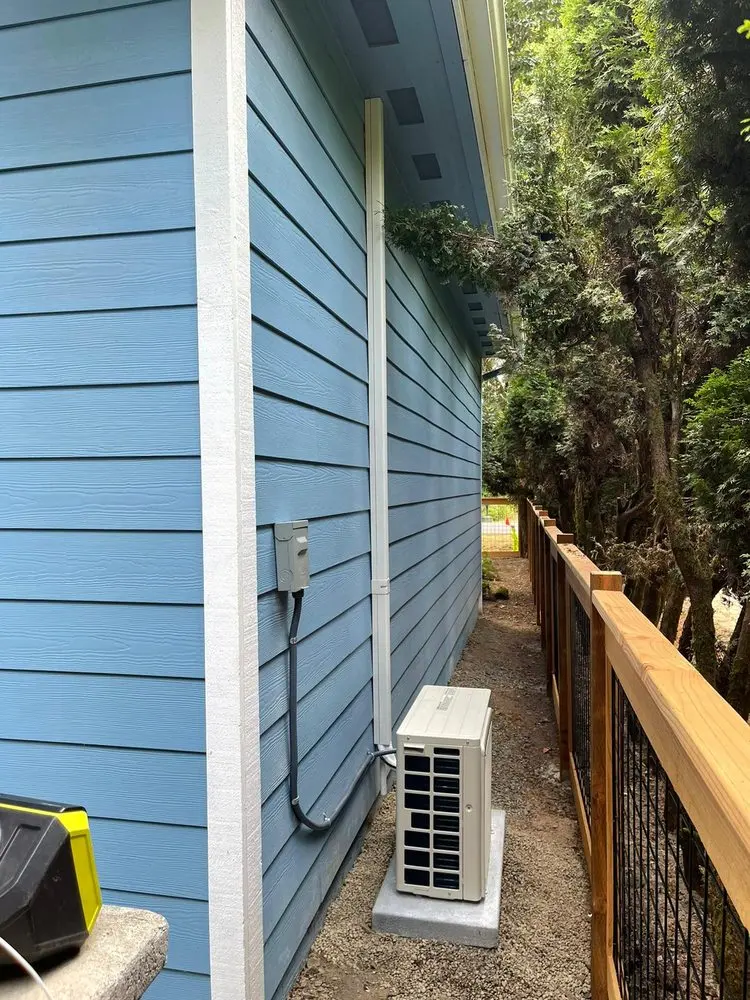
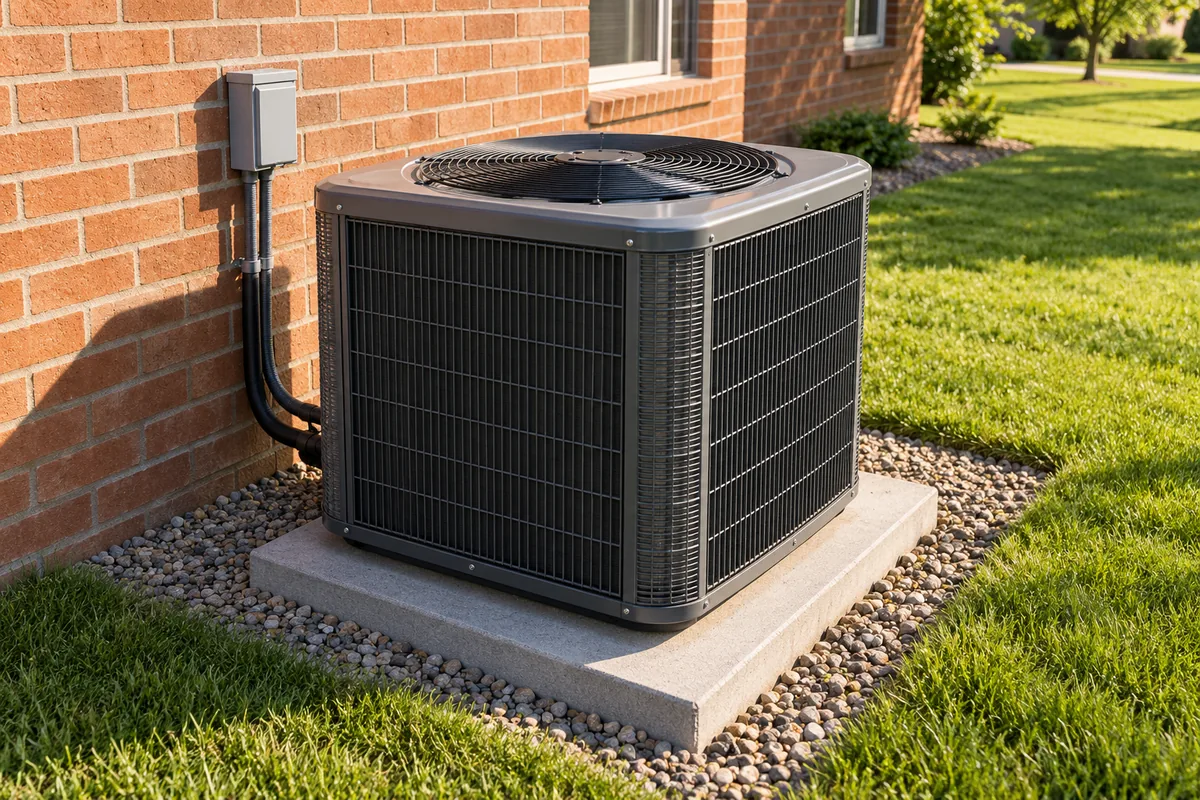
The outdoor position and the routes to each room still need review. One shared unit can serve multiple connections, so a neat equipment count does not describe all the work. Ask where those routes will go and what the quoted installation includes. Include drainage and access in the same discussion.
When Separate Systems Belong in the Comparison
Separate single-zone systems give each served space its own indoor and outdoor equipment. That changes the equipment layout and the installation work. It does not establish a universal advantage in price or energy use. Compare complete proposals for your rooms rather than choosing from a general claim.
Separate systems may be worth discussing when rooms have different intended roles, such as an office with fixed work hours and a living space used all day. Compare how those routines would work with independent systems or additional heads on shared equipment.
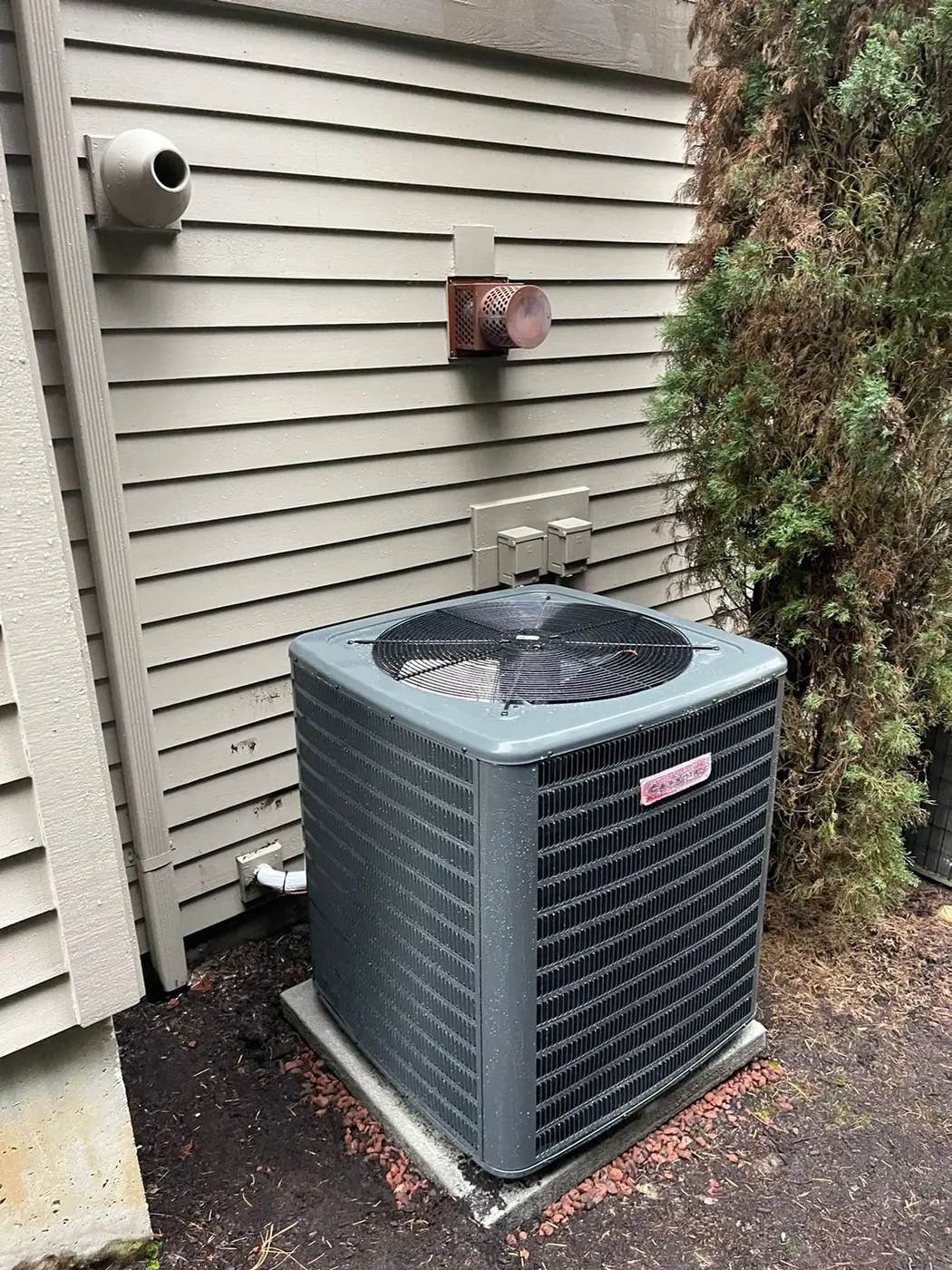
Each proposed outdoor position needs a practical plan. More than one system means reviewing the locations, connections and access for each. Make sure both the indoor appearance and the outside layout meet your expectations. A price comparison should include those differences, not just the equipment labels.
Equipment, Site Work and Price
A useful quote identifies the rooms covered, the model combination and the included connection work. It also states which current equipment remains in use. Compare those points before comparing the total price. Two ductless systems can have similar descriptions while covering different parts of the home.
Ask what would change if you selected the other arrangement. The answer might involve another outdoor location, different routes or a different control setup. Request a clear distinction between included work and an optional later addition.
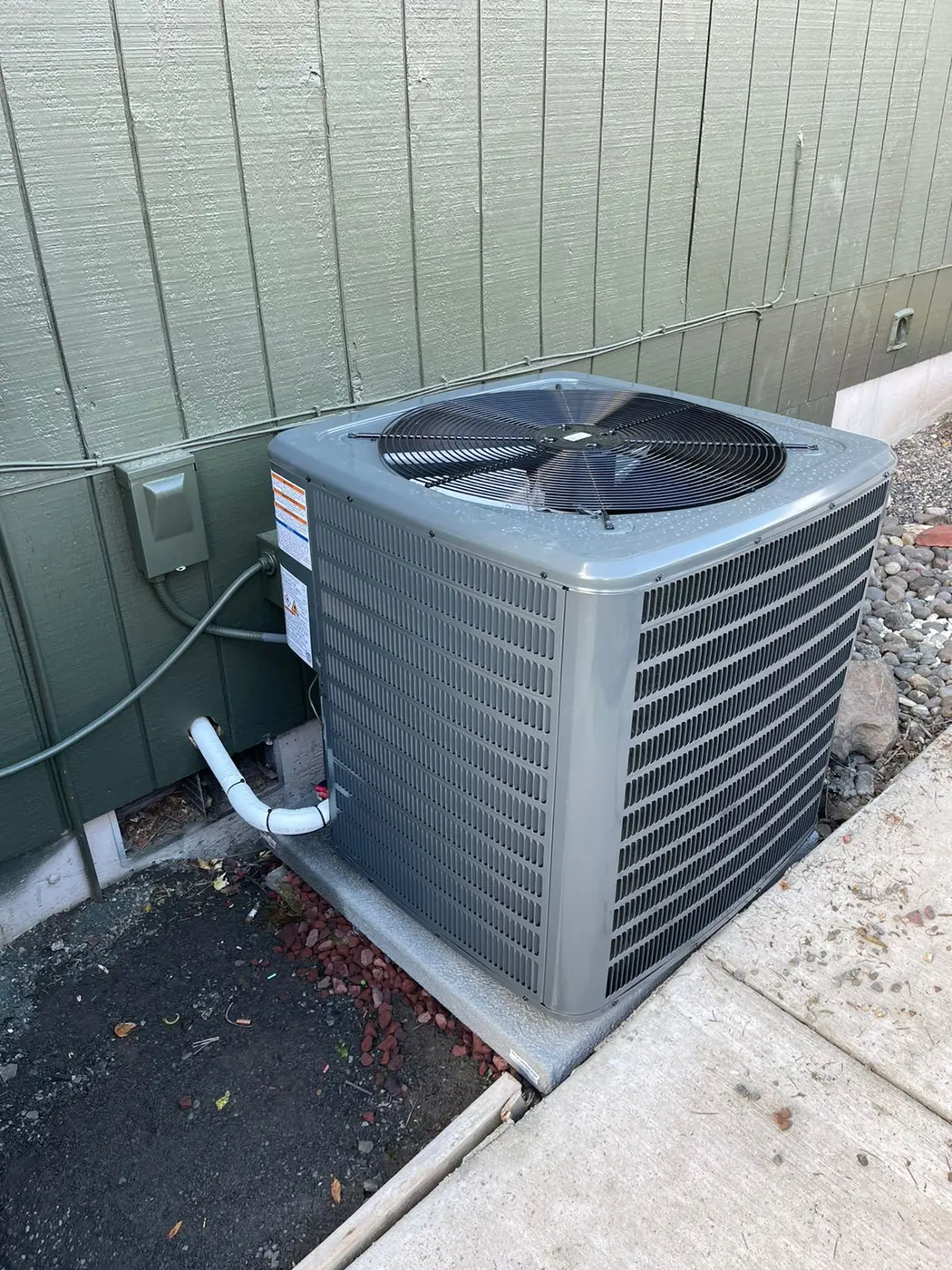
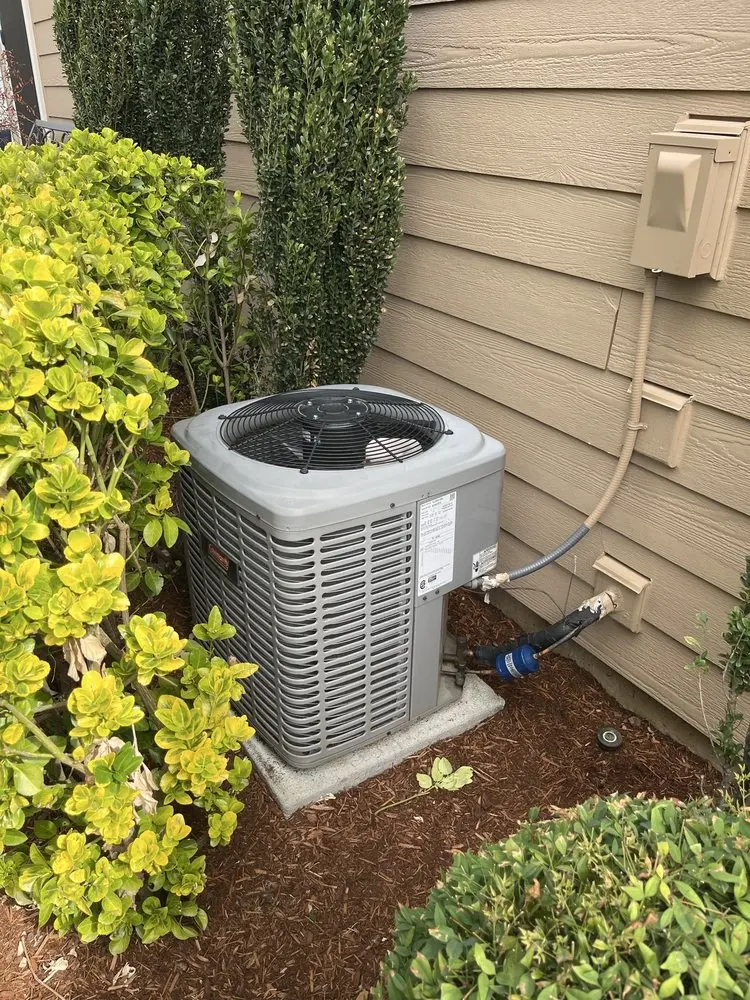
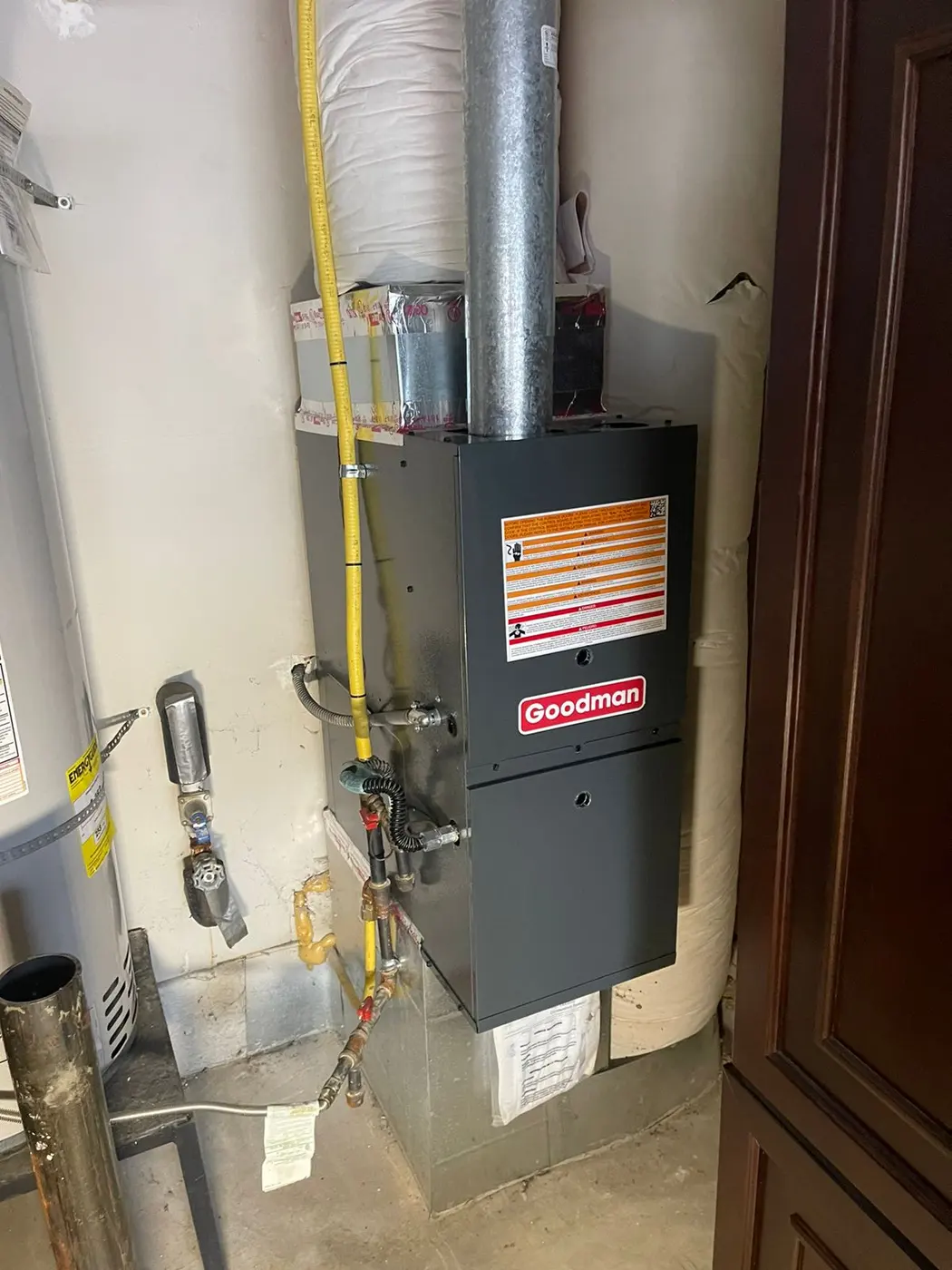
Our HVAC installation services in Newberg cover broader heating and cooling changes. Use that wider scope if the project also replaces the main system or changes retained equipment. The ductless proposal should still identify its own rooms and functions.
Approved Configuration and Handover
Before the installation, confirm which configuration you approved. If a proposed model or route changes, review its effect on the room plan and price. A substituted component needs more than a similar name. It must fit the intended equipment combination and work.
At handover, match each room and control to the equipment that serves it. Review ordinary settings for the selected model and keep the equipment list with the finished scope. Ask which checks are complete and whether anything remains open. Contact HVAC & Appliance Repair Guys to request a free on-site estimate for mini-split installation or replacement in Newberg.
Frequently Asked Questions
Is one outdoor unit always the better choice for several rooms?
No single arrangement is best for every project. Shared and separate systems have different equipment, location and control needs. The comparison should use your actual rooms and proposed scope rather than an automatic preference for fewer outdoor units.
Can different rooms use different settings on a shared system?
Room controls may offer separate settings, but the shared equipment can limit how modes work together. Ask about the specific proposed models. Do not assume separate remotes guarantee heating in one room and cooling in another at the same time.
Can I compare the options during a free estimate?
Yes. We offer free on-site estimates for installation and replacement. Describe the rooms, schedules and intended functions so we can discuss suitable options. The final proposal should identify the arrangement and work you select.
Request Mini-Split Installation in Newberg, OR
For mini-split installation in Newberg, OR, call HVAC & Appliance Repair Guys or submit a service request through the form on this page.