



Furnace Maintenance in Tualatin
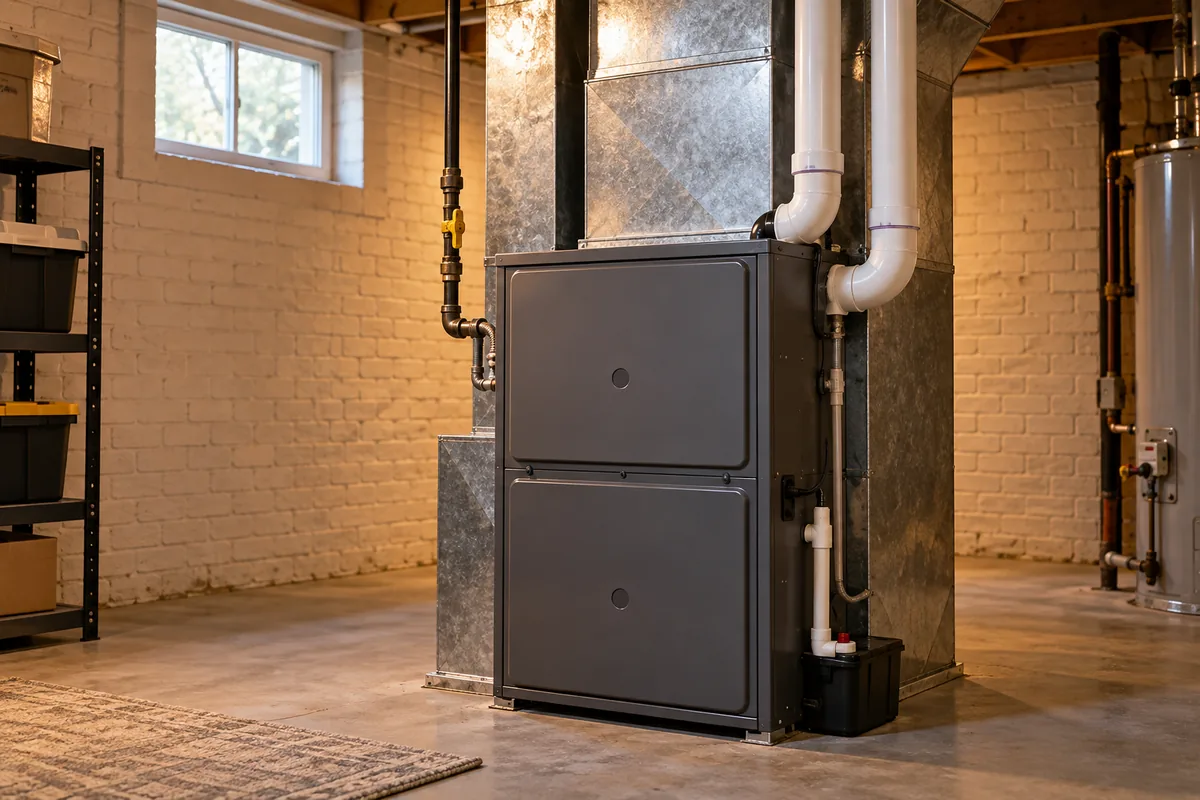
HVAC & Appliance Repair Guys provides furnace maintenance in Tualatin, OR. Airflow, blower, control and heating-operation needs belong to the furnace’s care plan. An attached air cleaner or humidifier may need different tasks or supplies. Identify those devices and current concerns when booking so the work addresses the actual combination in use.
Begin with the equipment you actually have. An old invoice may describe a device that is no longer present, while a current attachment may have a separate record. Keep those details with the correct item. Leave an uncertain connection as a question instead of assuming every box near the furnace serves the same function.
Our furnace maintenance service covers agreed care for the installed heating unit. Confirm any accessory and its care task separately before treating them as included.
Furnace and Accessory Care History
Keep furnace and accessory care dates separate. An accessory filter change does not record a furnace inspection.
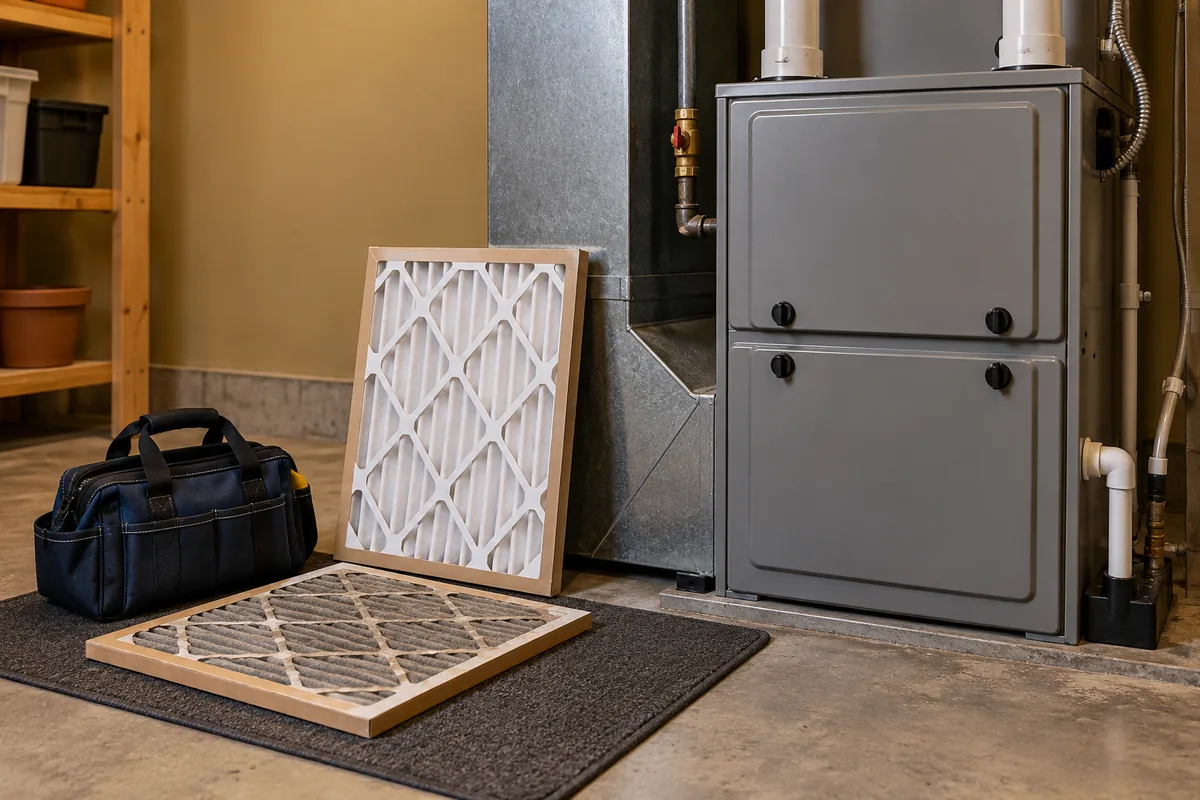
Use a model record or existing package to identify a supplied item where available. Keep it attached to the device it fits. A spare item for an air cleaner may not describe the furnace filter. The review should establish the actual arrangement before deciding which product or care task belongs in the visit.
If an accessory is no longer in use, say so. A device that remains connected may still raise a scope question even when no one uses its normal controls. Do not disconnect it or assume that its condition has no bearing on the care request. Explain its known state and let the equipment review establish the relevant work.
If earlier replacement left components in place, identify what changed and what remained. Retained equipment keeps its own service history.
Furnace Heating and Accessory Concerns
Keep the furnace heating result visible in the request. Say whether the rooms reach the expected setting and whether operation has changed. If an accessory shows a message or no longer responds as expected, describe that separately. Two changes at the same time do not establish that one caused the other.
Explain where you noticed the concern and which normal control you were using. An unfamiliar display may belong to the accessory instead of the furnace. Preserve the wording where known without guessing its meaning. The exact device and its setup should guide the review.
A question about indoor comfort can have more than one part. Describe the room condition you want to understand rather than selecting a product from a symptom alone. Care for an attached item does not promise a particular health or comfort outcome. Ask which equipment finding supports any recommended task.
Our furnace repair service in Tualatin addresses a current heating fault. If the furnace has stopped or behaves differently, include that condition before discussing routine care. Review diagnosis and corrective work separately from the upkeep already planned.
Accessory Inspection, Cleaning and Supplies
Ask whether the accessory task involves inspection, cleaning or replacement of a care item. Confirm that action alongside the furnace tasks; a device name alone does not identify the work.
Confirm which replacement care items, if any, the proposed price includes. Mention an item you already own before approving the work. Its presence does not establish that it fits the installed device or changes the charge. The agreement should identify both the product and the task.
Do not assume all attached items use the same care method or interval. Keep guidance with the actual device and model. A cleaning routine for one part may not fit another. Avoid applying a product, washing an internal item or removing covers simply to prepare for the visit.
If an inspection leads to additional work, ask which finding supports it and which device it concerns. Review the proposed task and price before approval.
Access to the Furnace and Accessories
Describe the furnace location and any accessory control or service area you know. A clear route to the main cabinet may not give access to an attached device. Mention locked spaces or ordinary storage that affects the work. The plan should account for the locations the included tasks need to reach.
If you cannot identify every connection, leave that detail for the visit. You do not need to follow wires, tubing or hidden air paths. Existing records and a plain location description can start the discussion. Keep unknown relationships separate from confirmed equipment details.
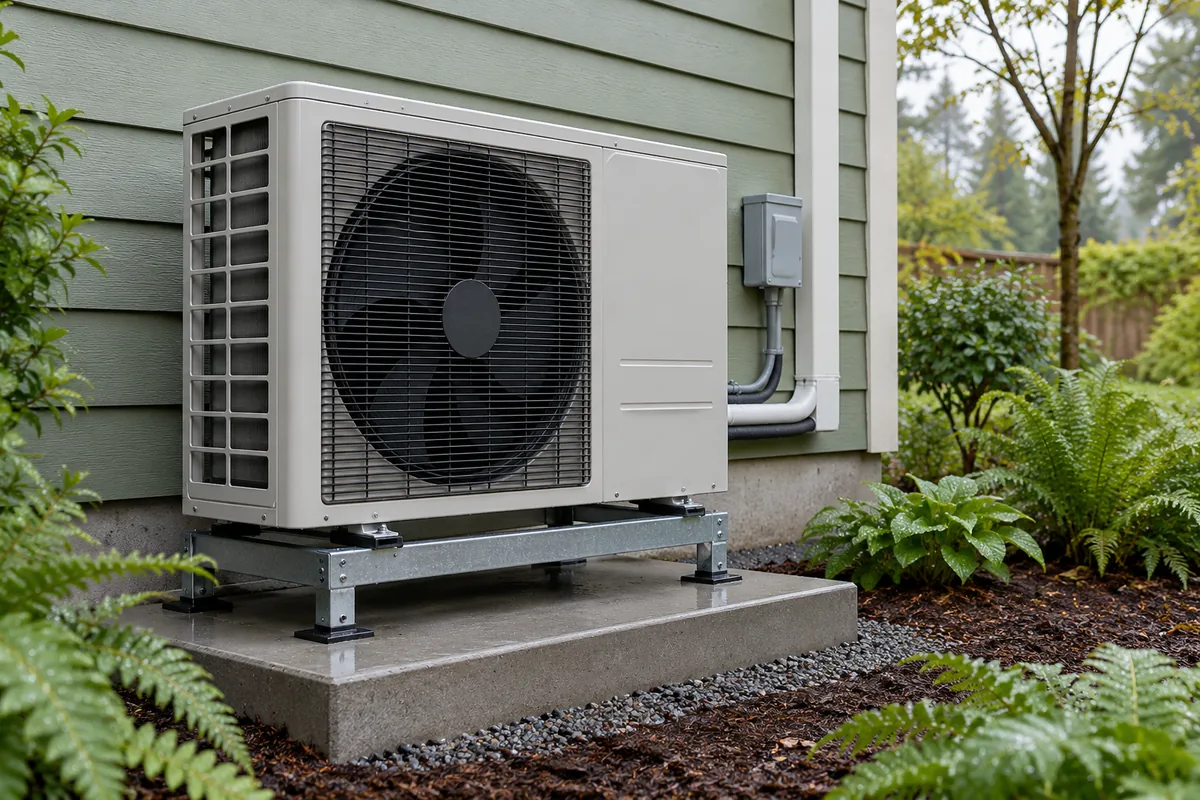
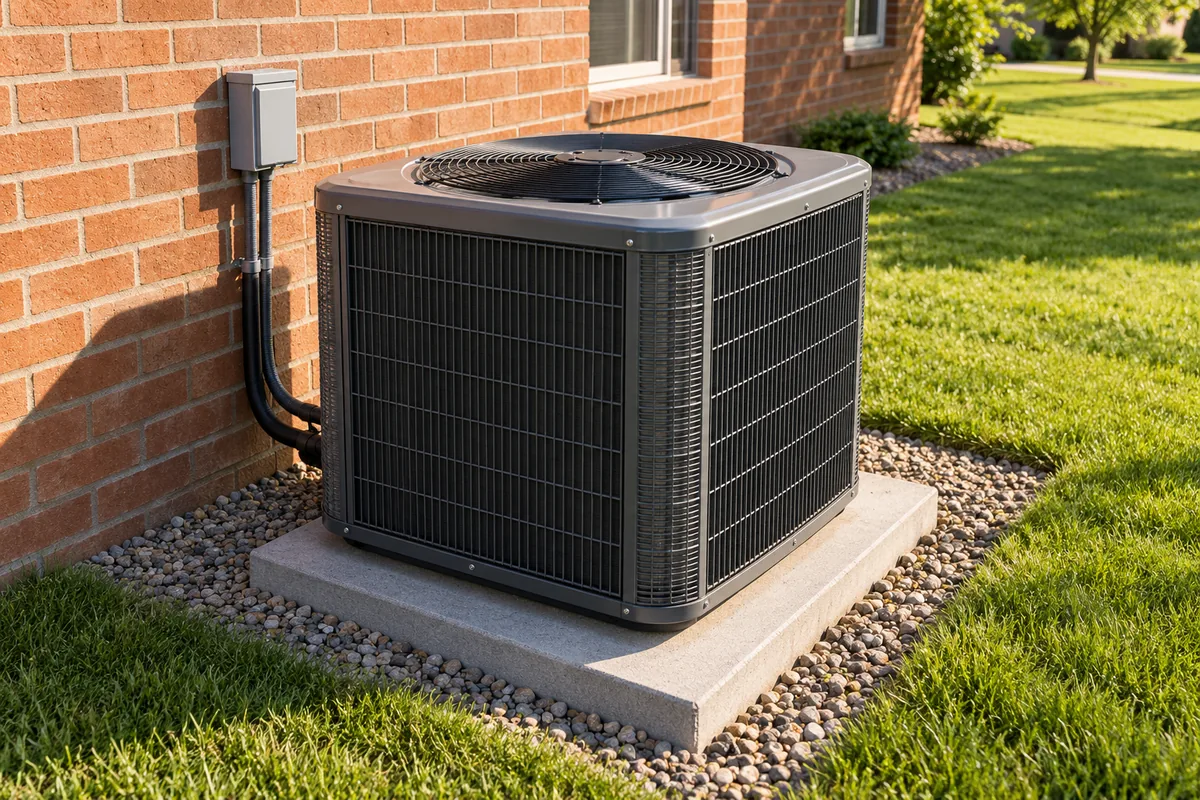
Name a separate heat pump or cooling system if it also needs care. That is an additional request, even when the units share controls or air paths. Confirm the broader scope before relying on one service date for all heating and cooling work. The included tasks should remain clear for each unit.
Completed Furnace and Accessory Work
Record furnace and accessory tasks separately, including supplied items and relevant check results.
If a task remains unfinished, record the affected device, the reason and the agreed next step. Keep it separate from the furnace or accessory work already completed.
Use the record when planning later care or buying supplies, and keep new heating concerns separate from routine supply needs. Contact HVAC & Appliance Repair Guys to request furnace maintenance in Tualatin and discuss any attached accessories that need care.
Frequently Asked Questions
Does an attached device automatically belong in every furnace visit?
No. Name the device and request when discussing the appointment. Confirm which tasks the agreed scope includes. A connection to the furnace alone does not define the included work or price.
What if I cannot tell which filter serves which device?
Share the locations and existing records you know. Leave the match open rather than assigning one product to every part. You do not need to remove panels to make that distinction before booking.
Does a new furnace make retained accessories new too?
No. Keep the furnace installation date with that unit and preserve the history of parts that remained. A later care plan should identify the actual combination instead of assigning one age to all components.
Should a cleared accessory message count as completed maintenance?
Only the work performed defines the completed care. A display change is a separate observation. Keep any check, cleaning or replaced item in the record rather than relying on the screen alone.
Request Furnace Maintenance in Tualatin, OR
For furnace maintenance in Tualatin, OR, call HVAC & Appliance Repair Guys or submit a service request through the form on this page.
Before your visit
Furnace Maintenance details for Tualatin, OR
Maintenance is preventive service for operating equipment. Share equipment details and service history before the Tualatin, OR visit. Describe an active failure clearly so the request is not treated as a routine tune-up.
Share the service address
For Tualatin, OR, include the street address, building or unit number, room, and the equipment involved. Mention gates, elevators, building check-in, loading restrictions, or another access step before the appointment so the technician knows how to reach the equipment.
Confirm permission for the work
For rentals, managed properties, and multi-unit sites in Tualatin, OR, confirm who may approve the visit and any recommended work. If building management controls a utility room, roof, mechanical space, shutoff, or common area, arrange that access before the appointment whenever possible.
Share prior service history
Recent maintenance, earlier repairs, replaced parts, renovations, and recurring symptoms help explain the equipment’s service history. Share relevant records and any current concerns for the Tualatin, OR visit.
Use safe interim steps
Stop using equipment that is leaking, smoking, overheating, damaging the property, or repeatedly tripping protection. For the Tualatin, OR request, describe the safe steps already taken. Do not bypass controls, reach into moving equipment, or handle energized, fuel, or refrigerant components.