



HVAC Maintenance in Tigard: Included Work and Price
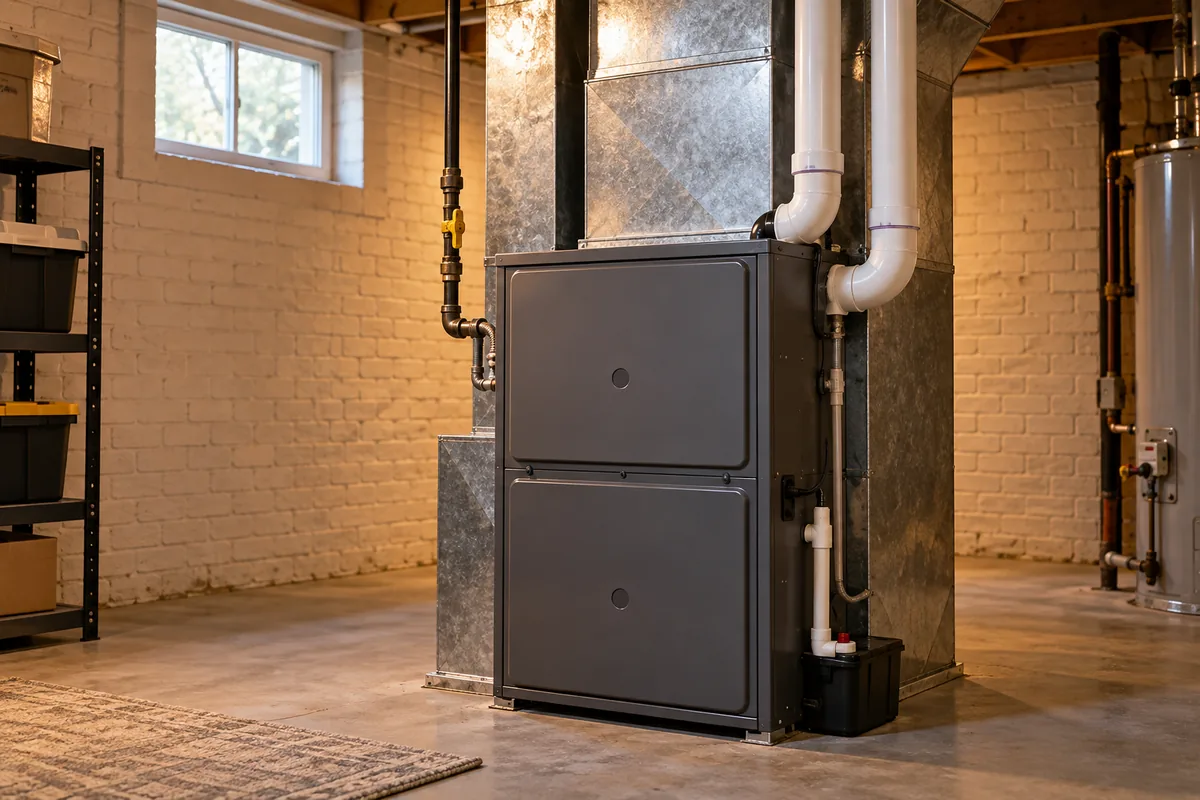
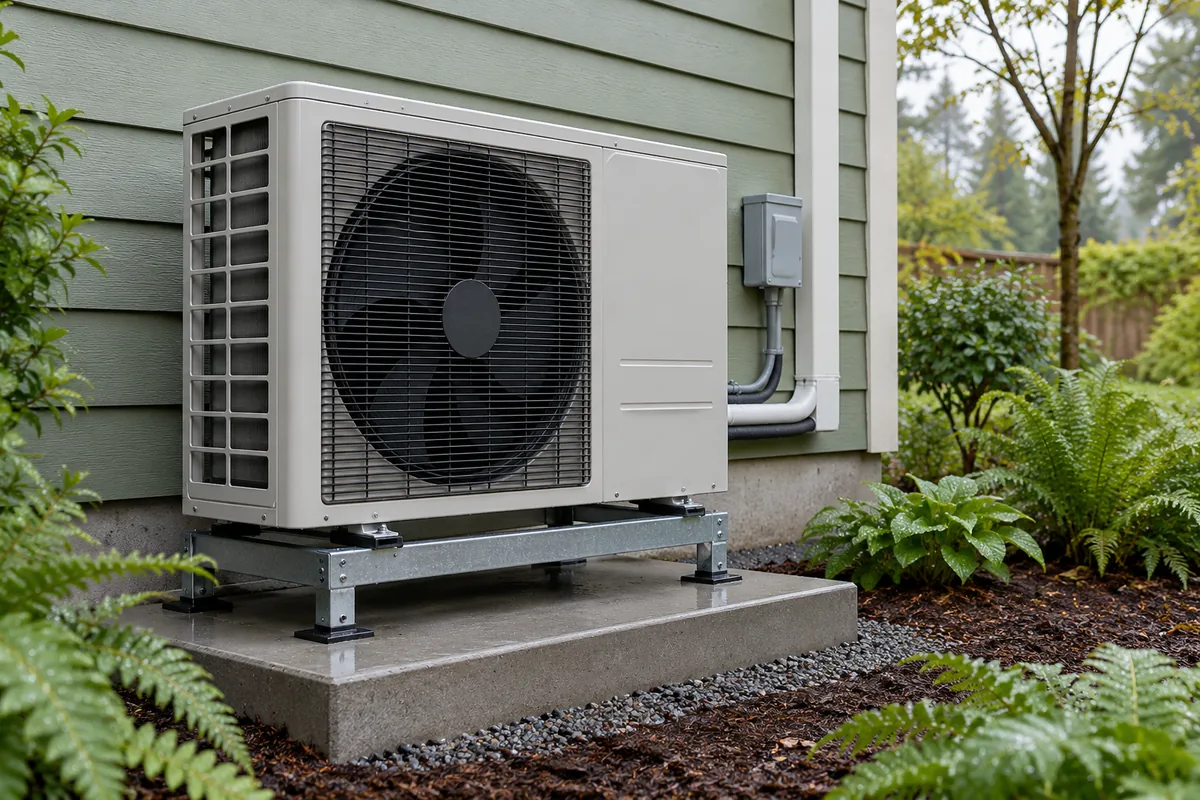
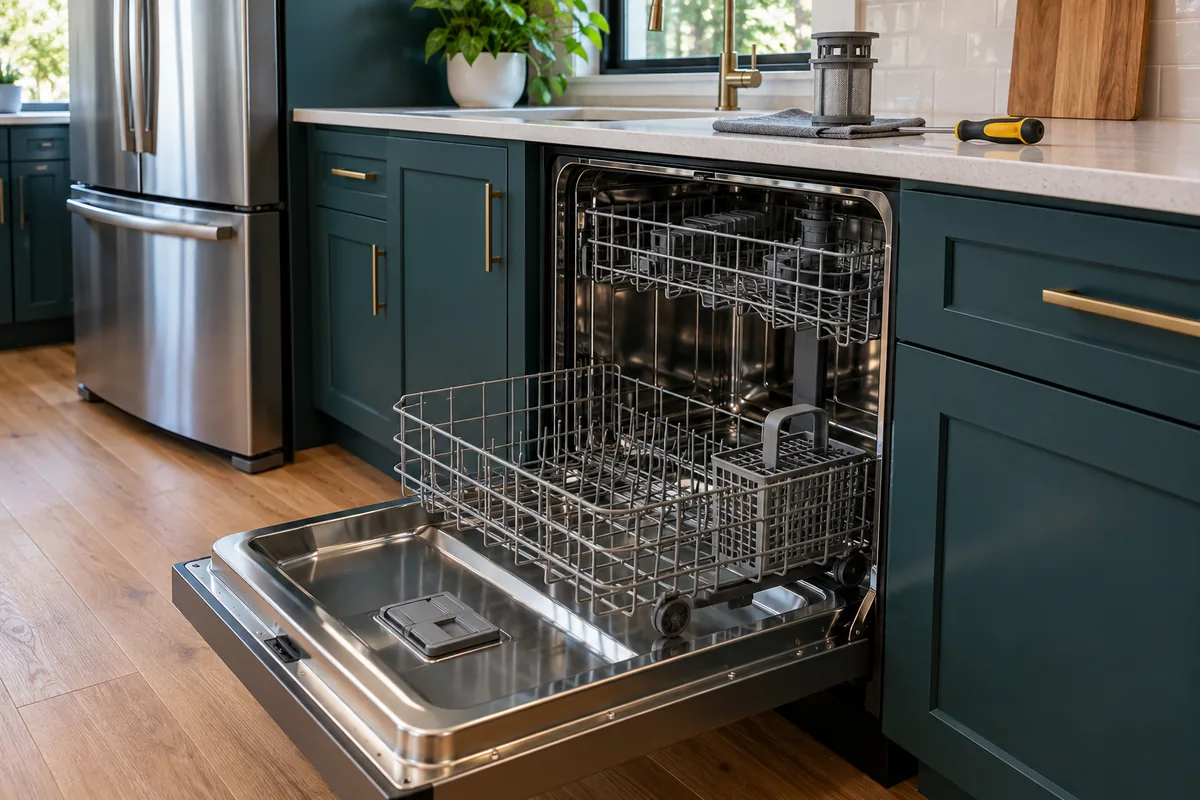
HVAC & Appliance Repair Guys provides HVAC maintenance in Tigard, OR. Relevant care can involve filters, airflow, coil condition, drainage and controls, with tasks suited to the equipment. When comparing prices, check which of those tasks and which units each proposal covers. A tune-up label alone does not define the work.
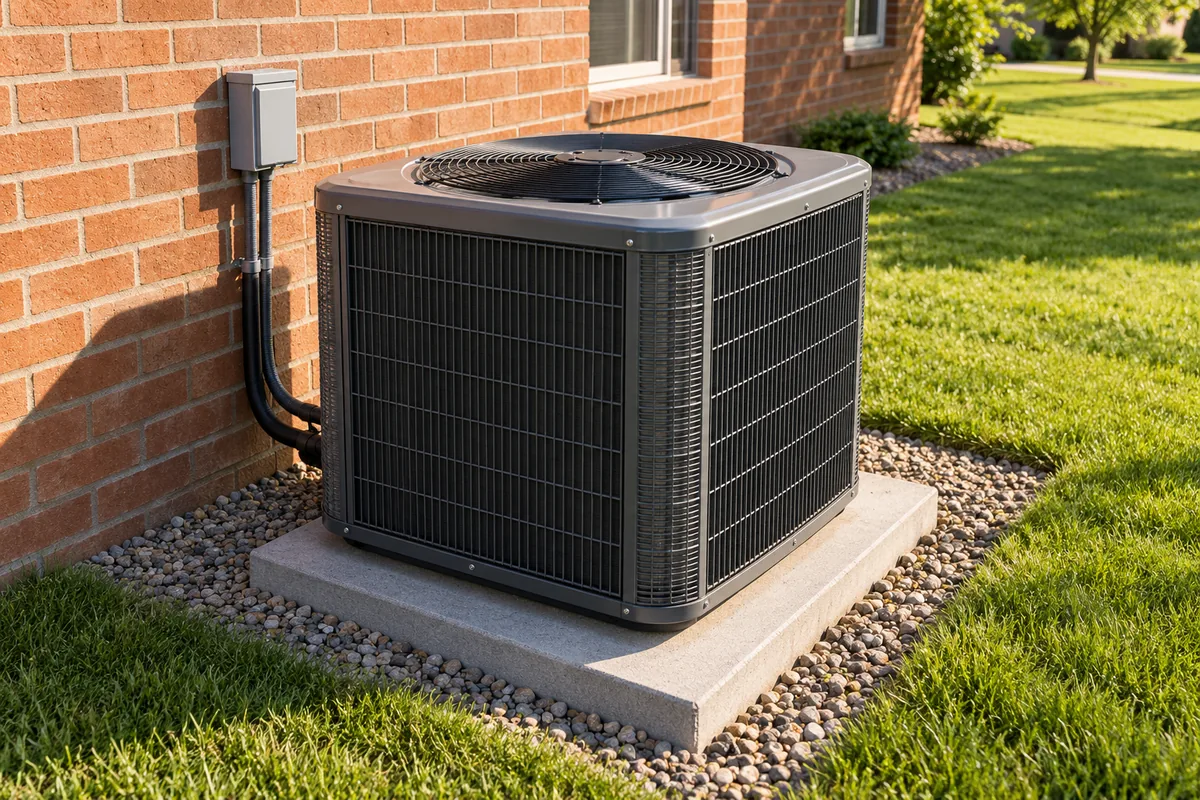
Our HVAC maintenance service covers planned care for the agreed equipment. For the cooling unit specifically, see AC maintenance in Tigard. State which system or component needs attention and include any current loss of heating or cooling so the request distinguishes upkeep from a fault assessment.
Checks, Cleaning and Supplied Care Items
An inspection can identify a need without including the cleaning or repair that follows. Confirm whether a proposal includes carrying out the work or only assessing the need; similar service names can describe different tasks.
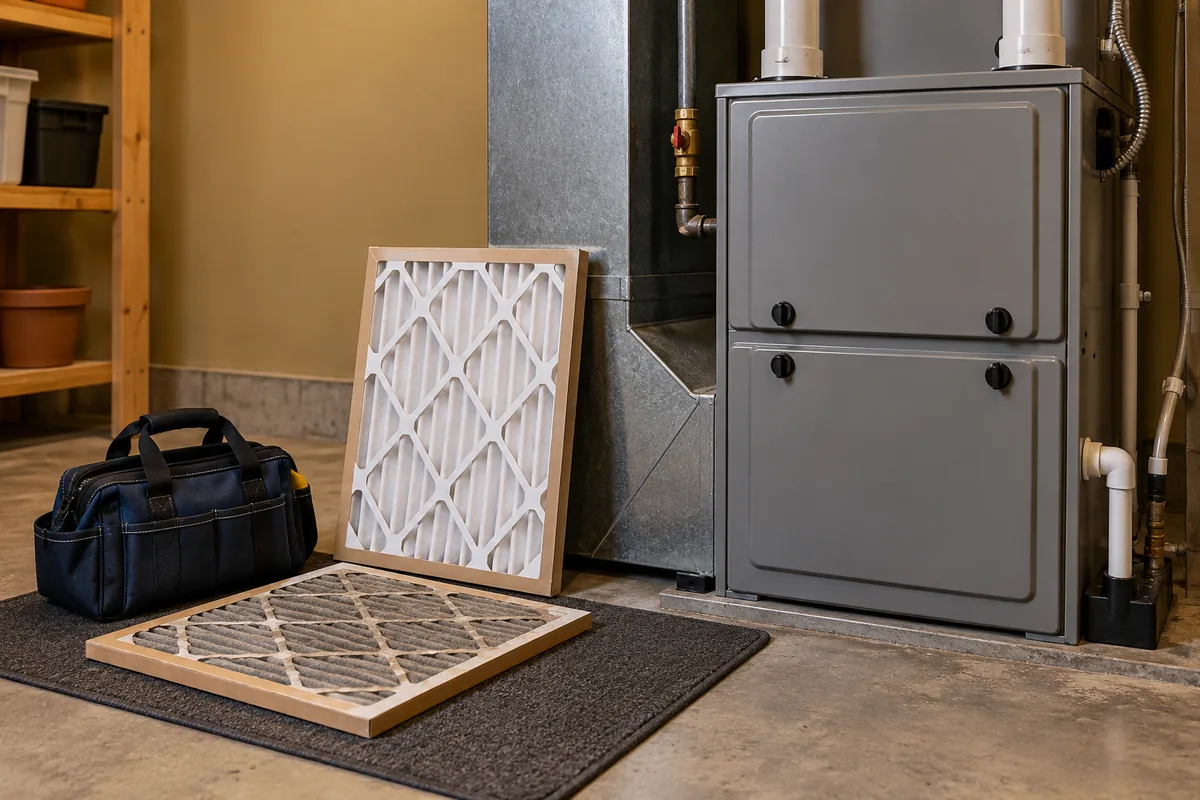
Ask whether the price includes a filter or other care items. Any supplied product must fit the installed equipment; an item for one system may not suit another.
Report any current operating problem when arranging the visit. Our HVAC repair service in Tigard addresses faults separately from routine maintenance. Confirm the diagnosis and any repair costs before approval.
Additional Work and Future Visits
Review added tasks and their price before approval. Ask which equipment or area each task covers and why it is relevant. Cleaning inside ductwork has a different scope from equipment care; discuss air duct cleaning separately if that is the concern.
A one-time visit and an ongoing arrangement are different commitments. Confirm any future visits and terms; a maintenance label does not establish discounts, repeat bookings or a standing schedule.
Explain equipment locations and access limits in advance. Ask how a proposal handles any check that needs different access, and keep unfinished work clear in the result.
Completed Maintenance and Open Items
Keep completed tasks, findings and open items with the agreed scope. Use that record to identify which care is due and which concerns remain before the next appointment.
Frequently Asked Questions
Can I compare a single-unit price with a whole-property care quote?
First confirm which equipment each proposal includes. If the scopes differ, the prices describe different work. Ask for the units and tasks to be clear before making the comparison.
What if I already own the filter listed in a proposed visit?
Mention that before approving the scope and ask how it affects the work and price. The item must still fit the actual setup. Do not assume the same agreement applies without discussing the change.
Does an old care price automatically apply to the next visit?
Confirm the current scope and price when arranging new work. Equipment needs and requested tasks may differ. A past invoice is a useful record of earlier work, not an automatic agreement for a future appointment.
Request HVAC Maintenance in Tigard, OR
Contact HVAC & Appliance Repair Guys to request HVAC maintenance in Tigard and confirm the equipment, included tasks and price for your visit.
For HVAC maintenance in Tigard, OR, call HVAC & Appliance Repair Guys or submit a service request through the form on this page.
Before your visit
HVAC Maintenance details for Tigard, OR
Planning hvac maintenance for Tigard, OR starts with equipment details, filter and service history, access, and current operating condition. Describe a no-heat, no-cooling, leak, or shutdown symptom clearly if repair diagnosis may be needed instead.
Share the service address
For Tigard, OR, include the street address, building or unit number, room, and the equipment involved. Mention gates, elevators, building check-in, loading restrictions, or another access step before the appointment so the technician knows how to reach the equipment.
Name the on-site contact
Confirm who can meet the technician, approve the visit, and discuss any recommended work at the Tigard, OR address. If an owner, tenant, manager, or facility contact is different from the person submitting the request, share the correct names and telephone numbers before the visit.
Share prior service history
Recent maintenance, earlier repairs, replaced parts, renovations, and recurring symptoms help explain the equipment’s service history. Share relevant records and any current concerns for the Tigard, OR visit.
Describe hard-to-reach areas
If the equipment or ductwork is behind a finish, below grade, above a ceiling, inside cabinetry, or in another concealed area, mention it when requesting hvac maintenance in Tigard, OR. Access for service may be separate from drywall, tile, flooring, landscaping, or other finish restoration.