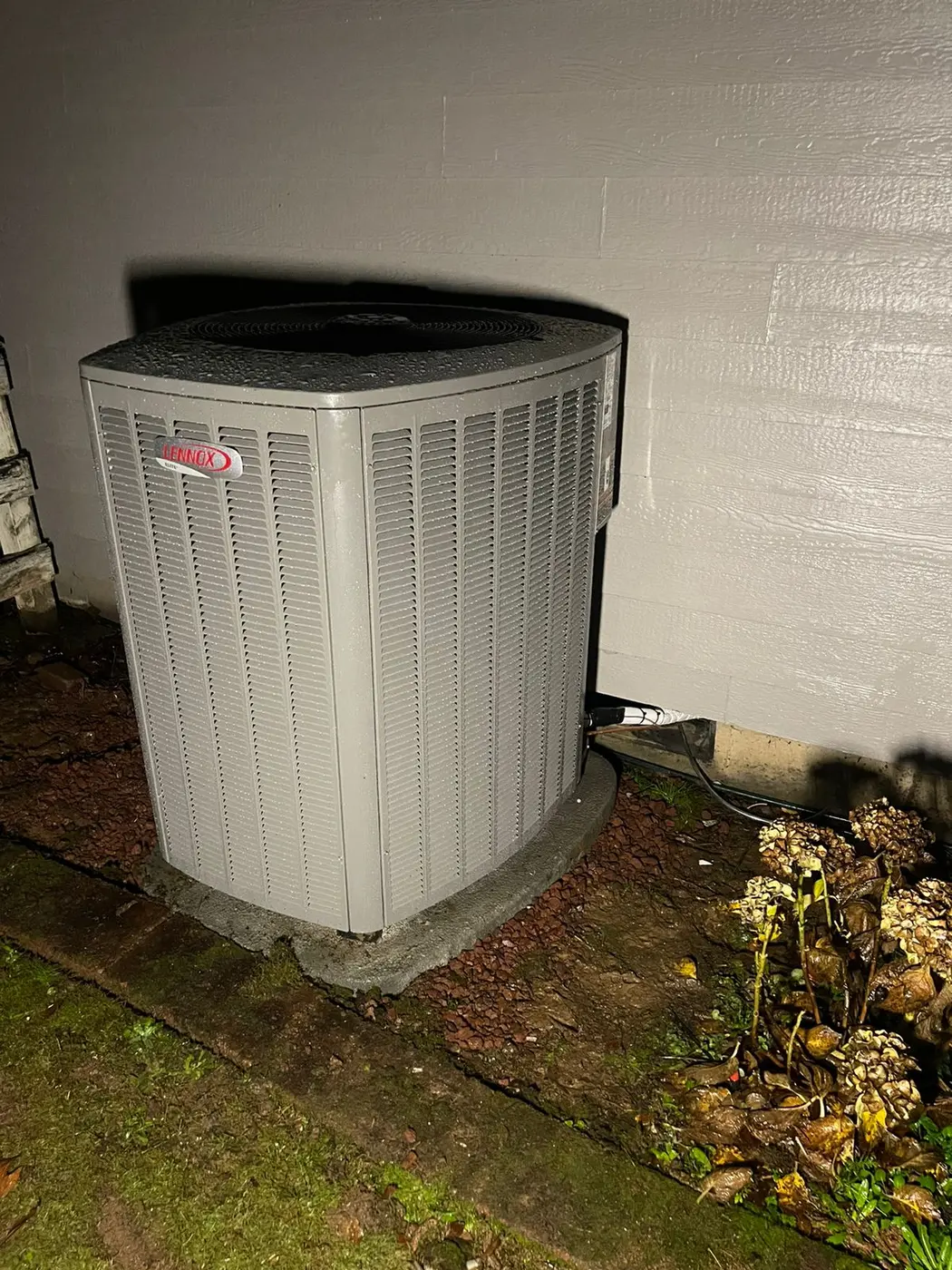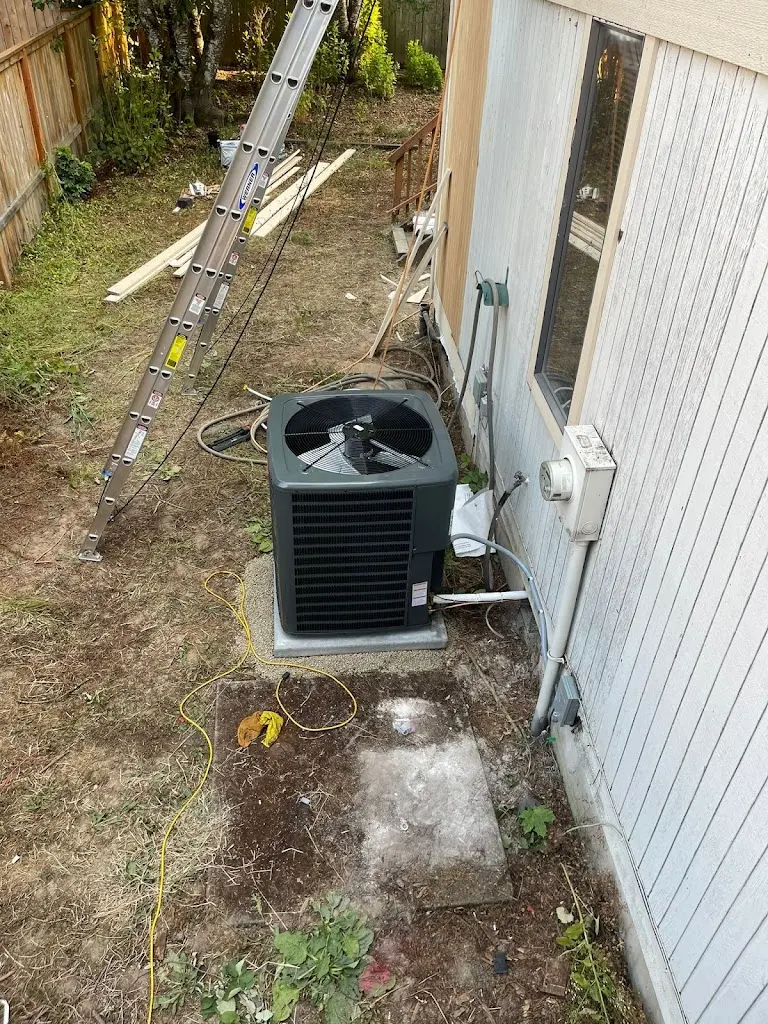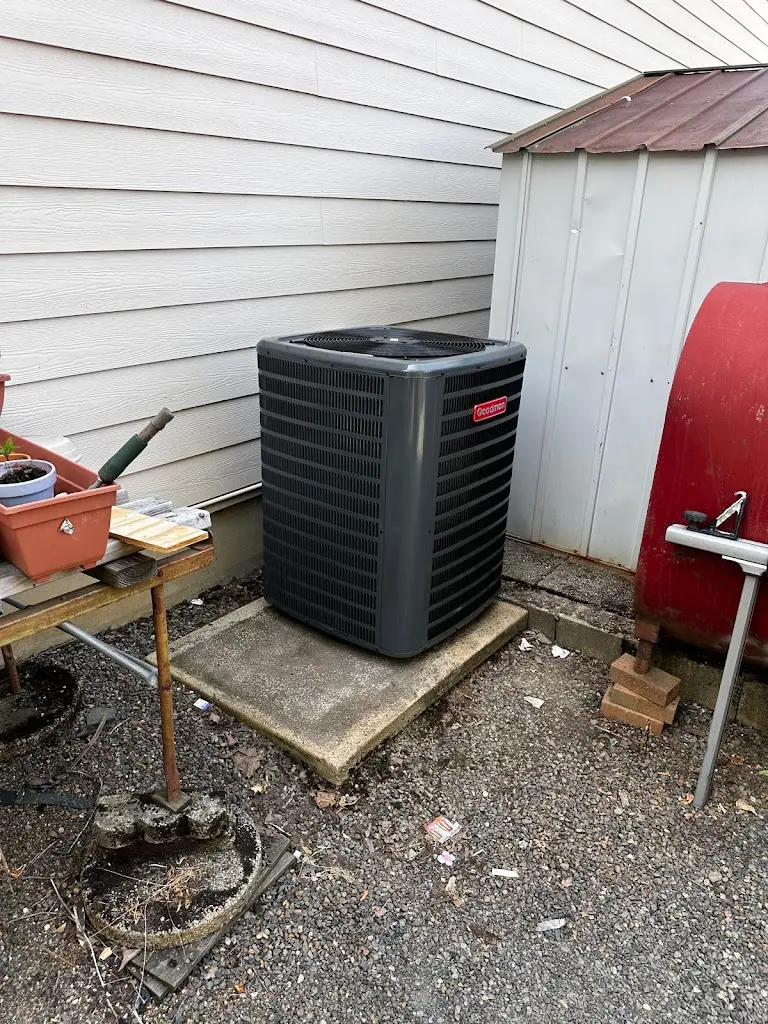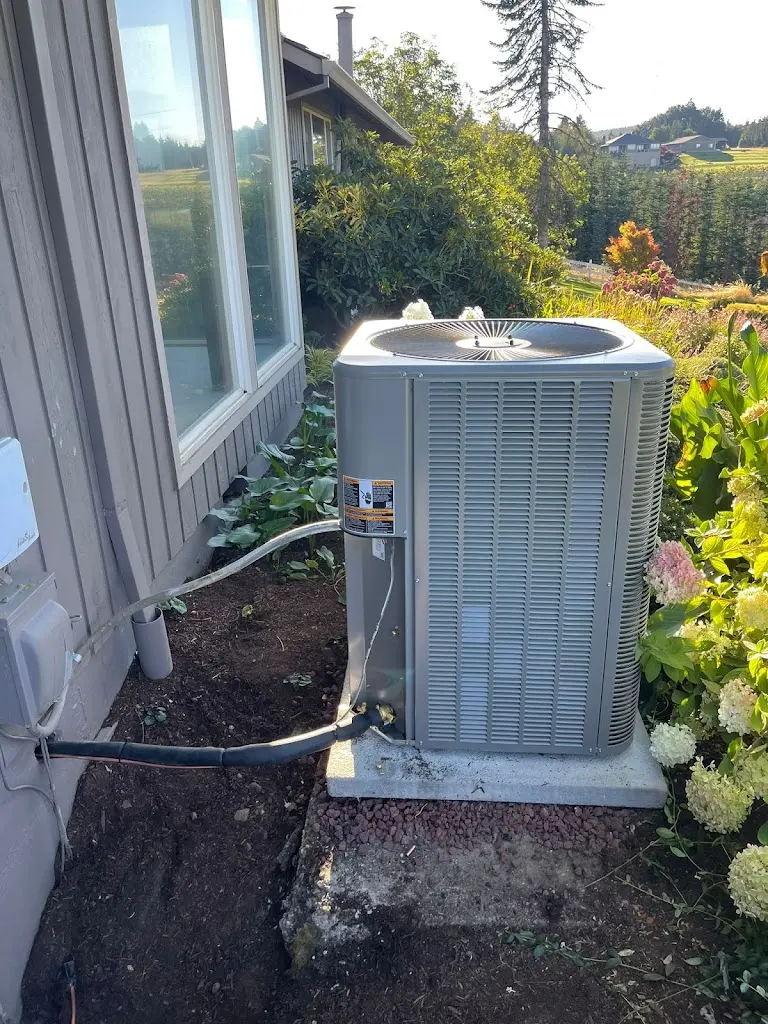




HVAC Installation in Wilsonville
HVAC & Appliance Repair Guys provides HVAC installation in Wilsonville, OR, with a free on-site estimator visit for installation or replacement. Start with the heating and cooling functions you need and the rooms to serve. If the current setup is unfamiliar or its history is incomplete, the site review can establish the relevant equipment before defining the change.
Explain what you know and what remains uncertain. A visible unit, a control in a hallway and a vent in a room are useful observations. They do not necessarily identify which components work together. You do not need to reconstruct that whole relationship before asking about a new installation.
Our HVAC installation service covers planned heating and cooling changes. State the result you want from the project, such as replacing failed equipment or adding a function the home lacks. Keep that goal separate from assumptions about the old setup. The proposal needs to connect current facts with the work you want to approve.
Furnace, AC, Heat Pump and Room-Based Options
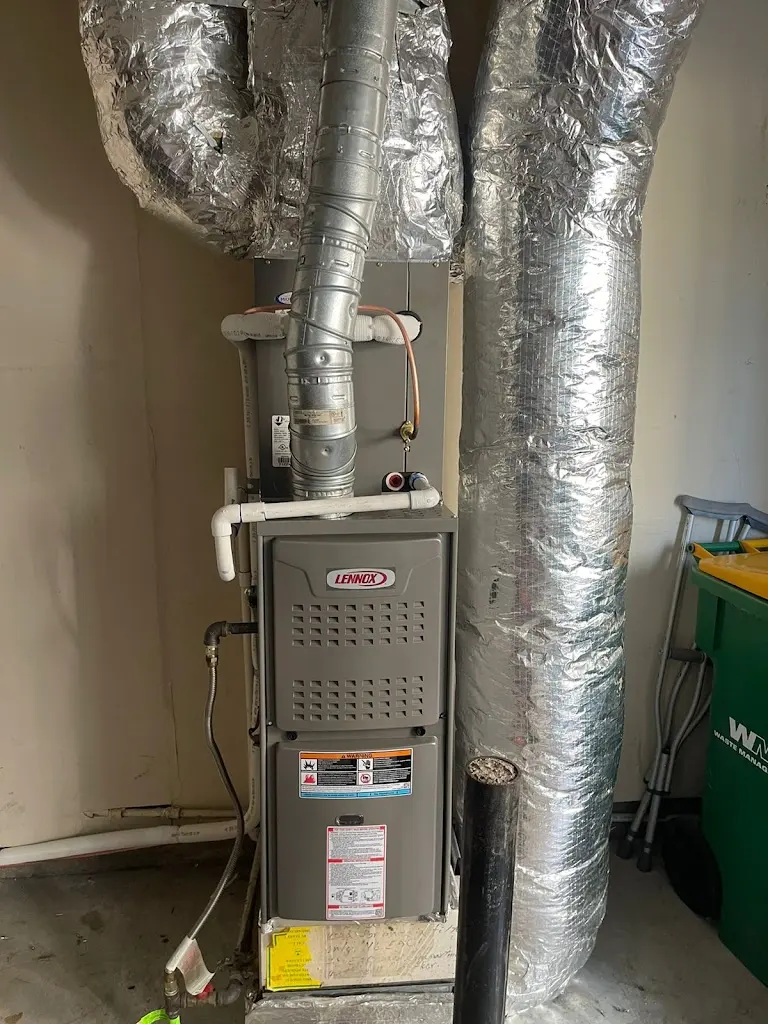
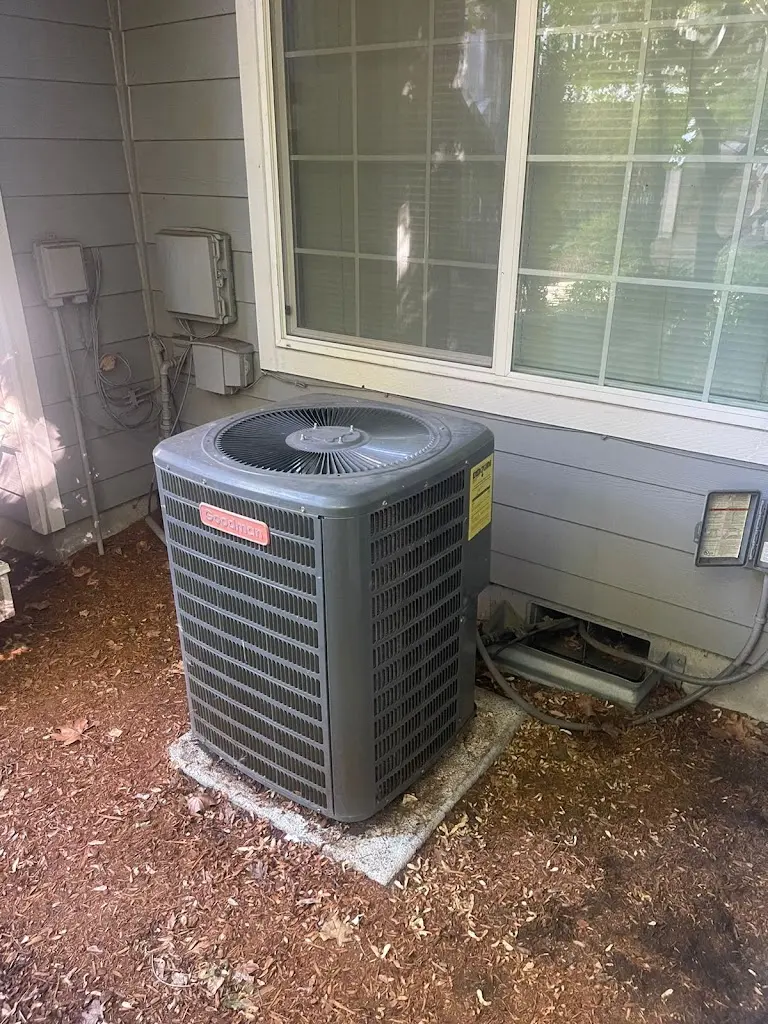
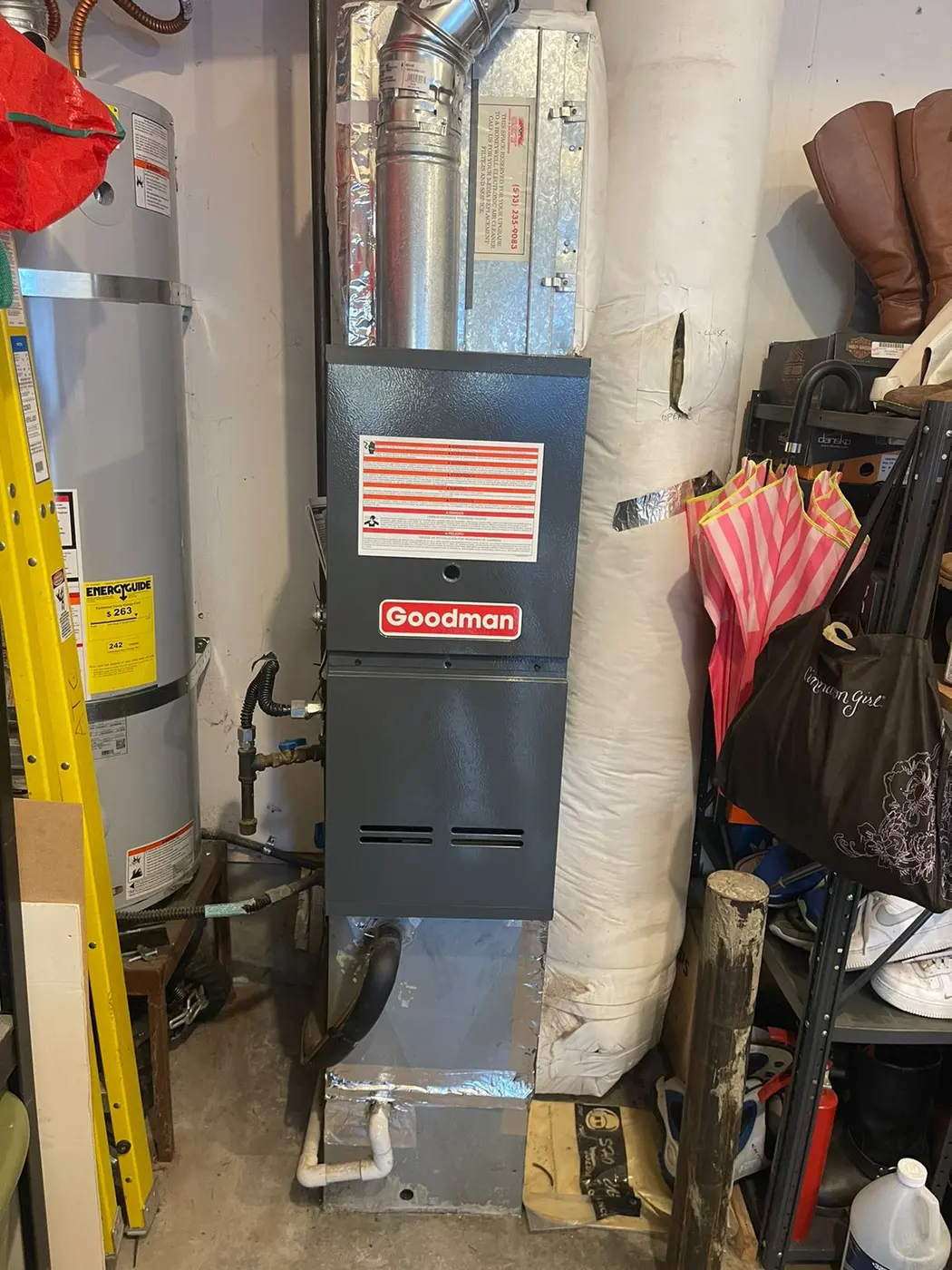
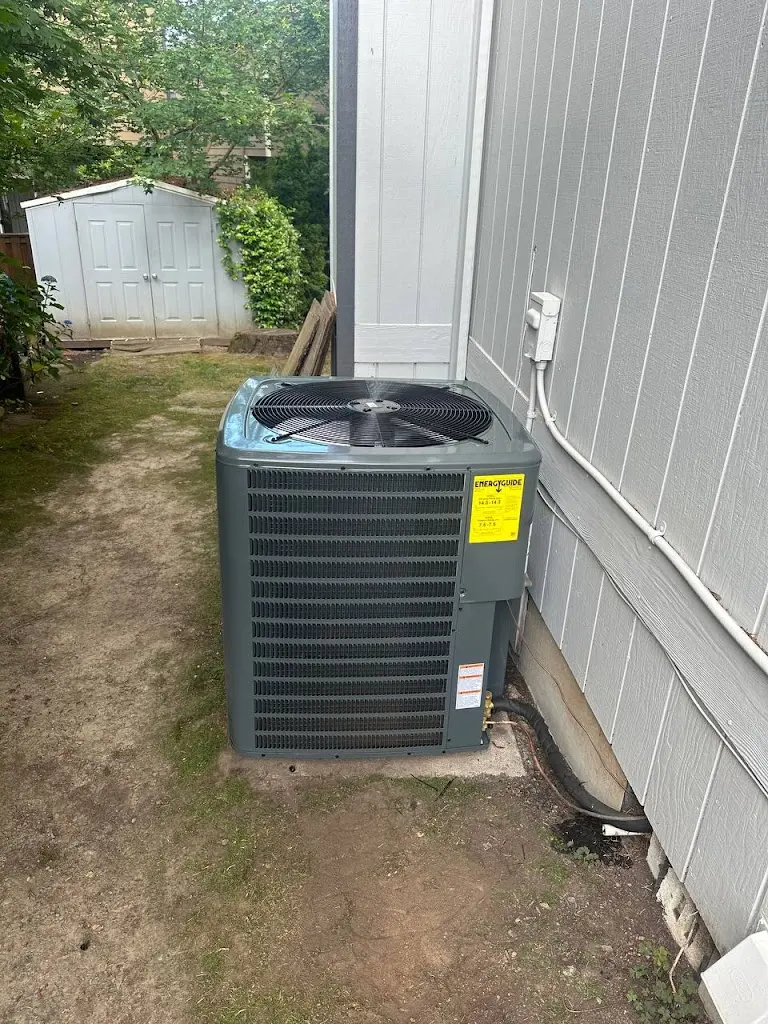
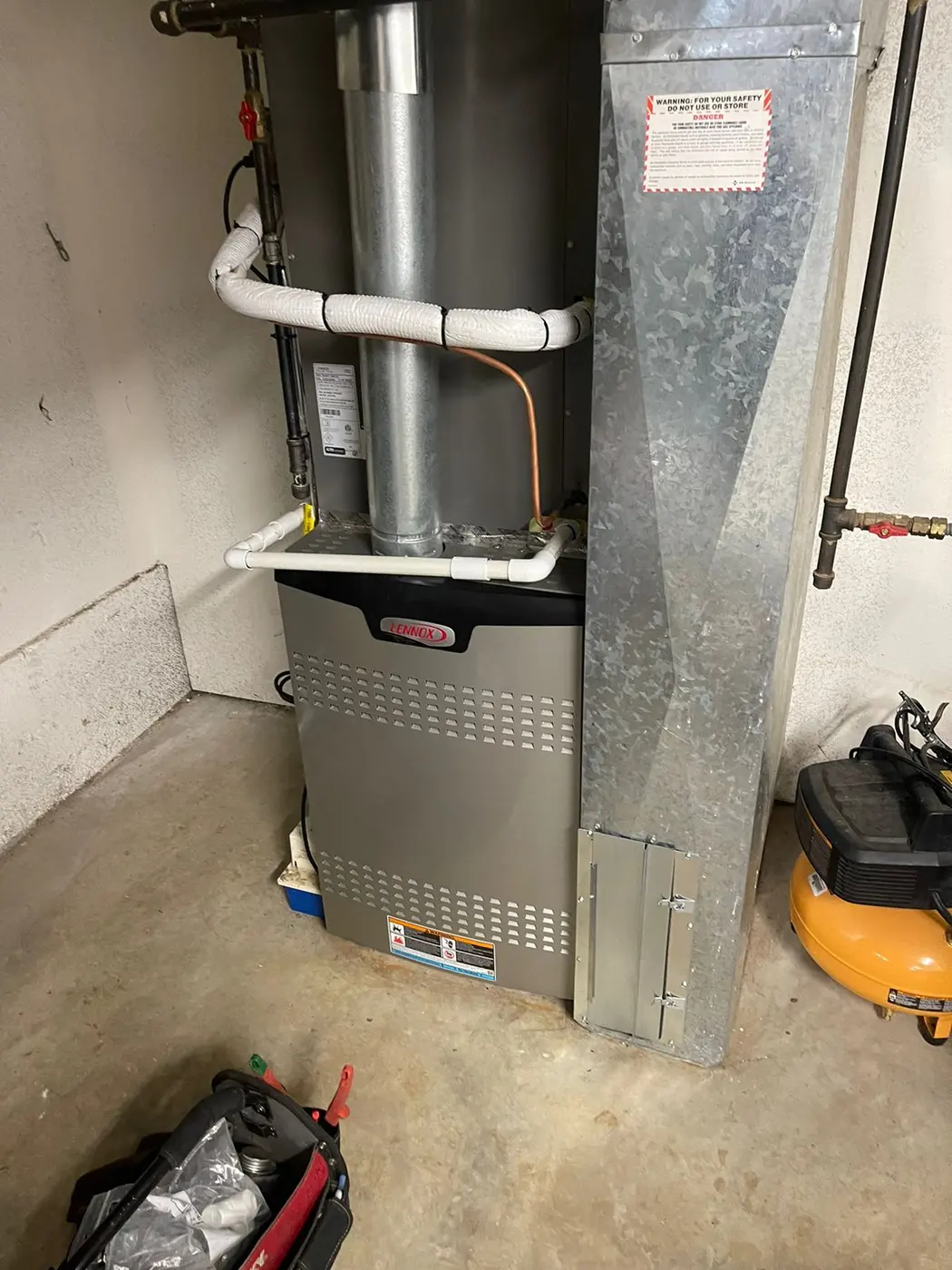
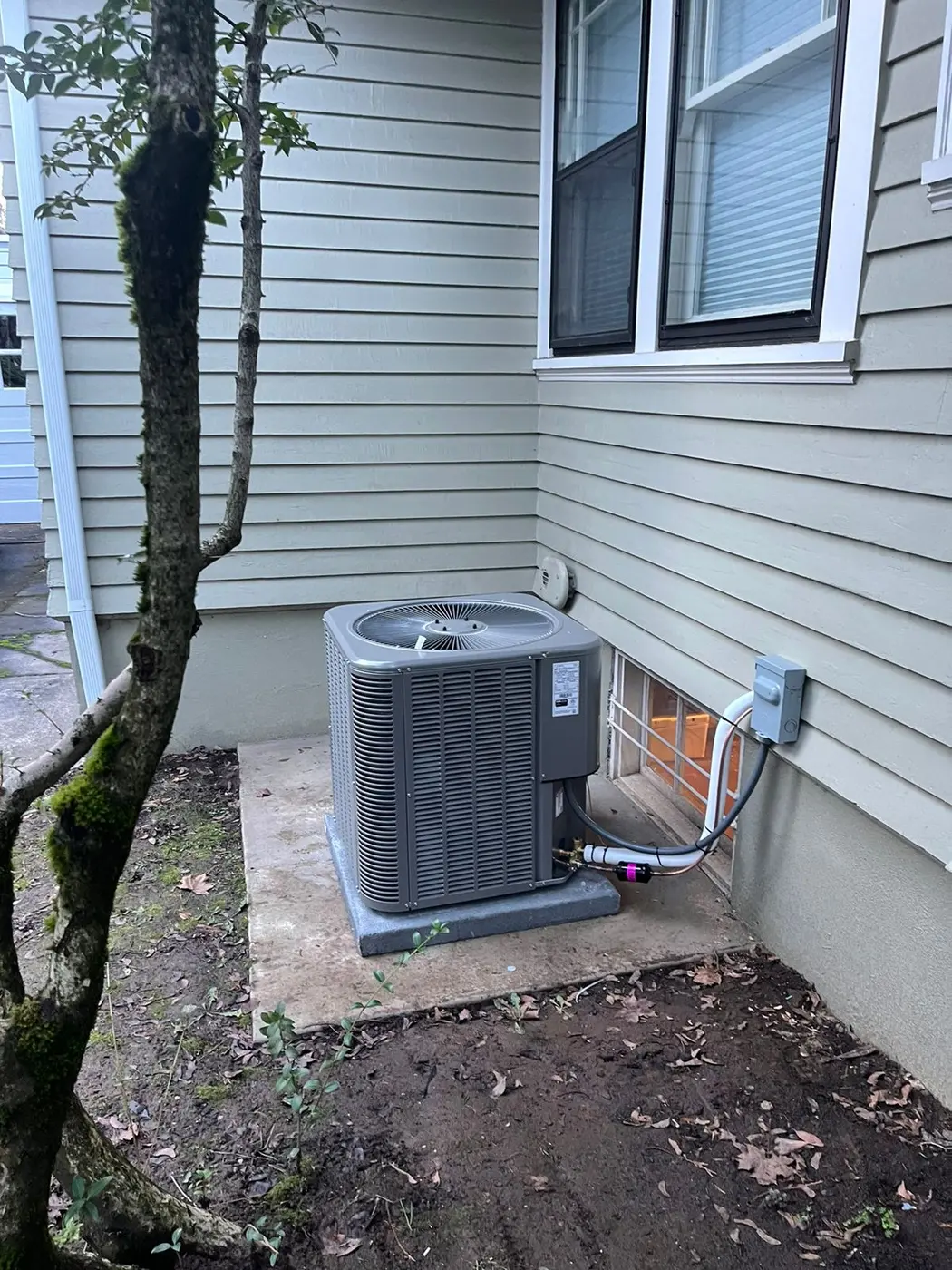
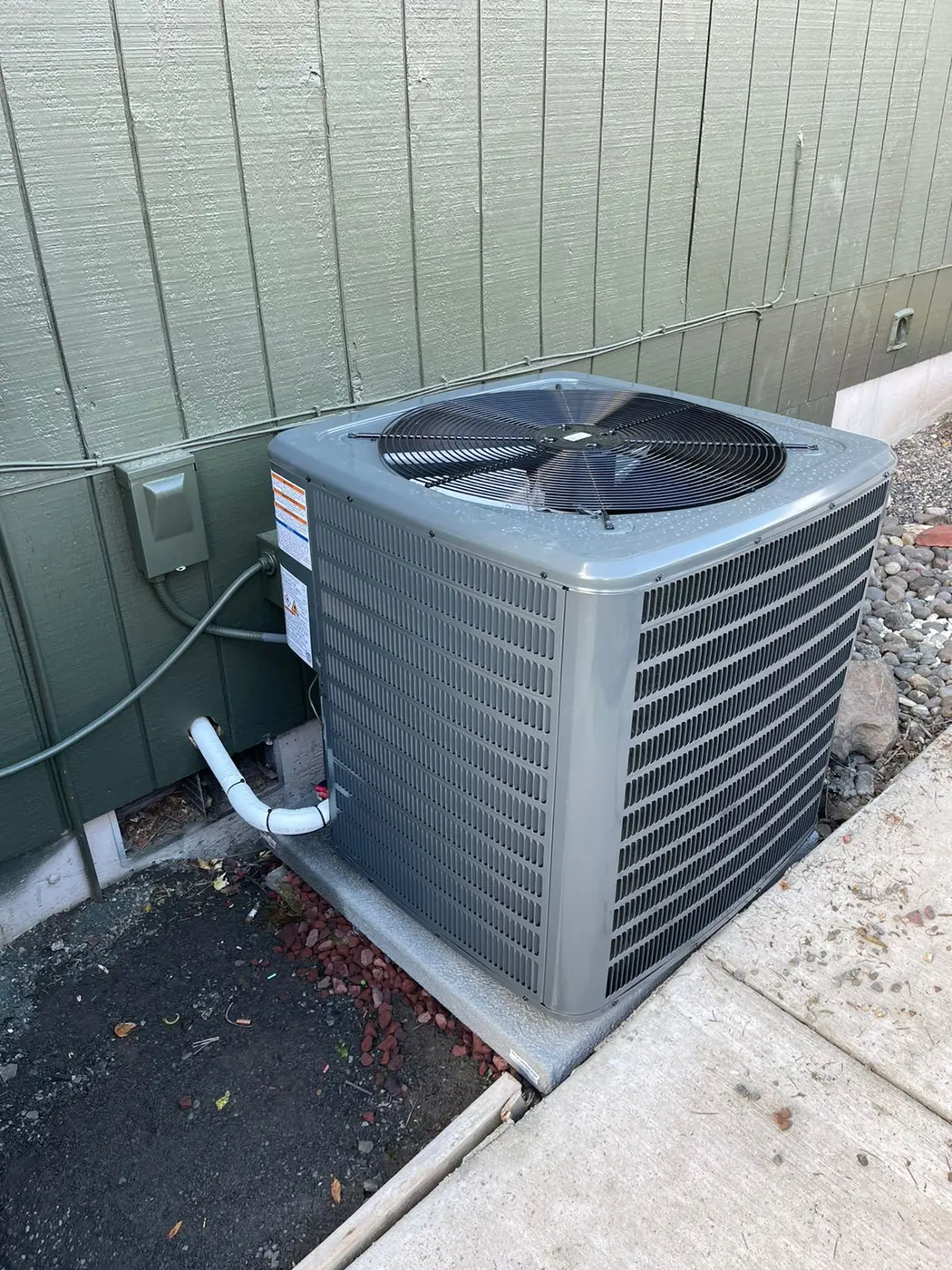
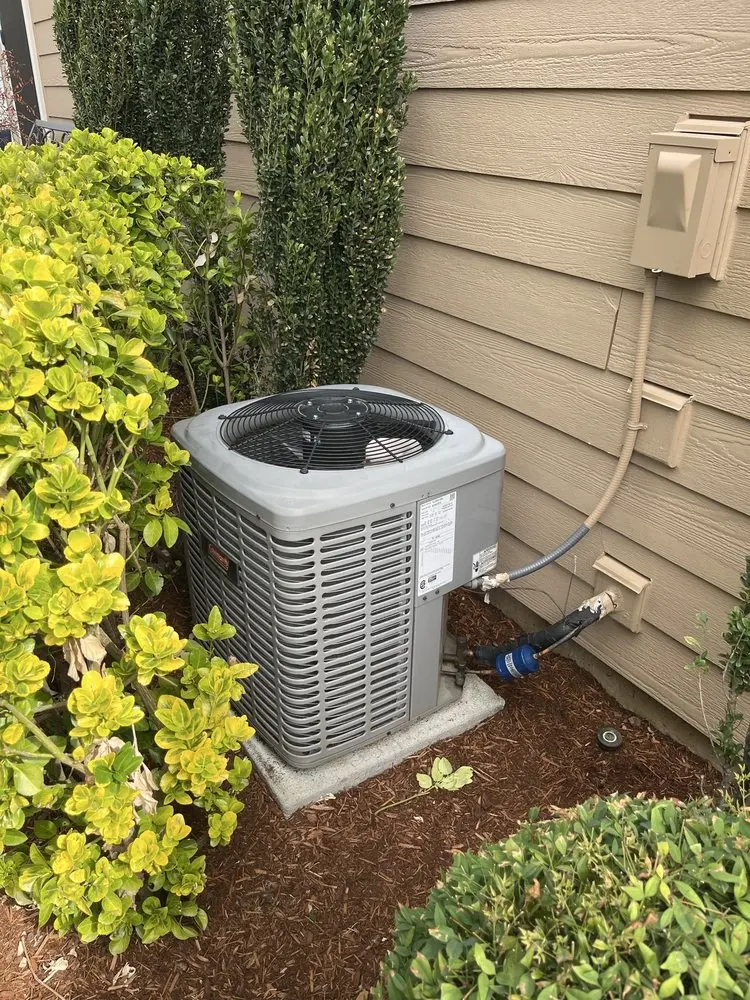
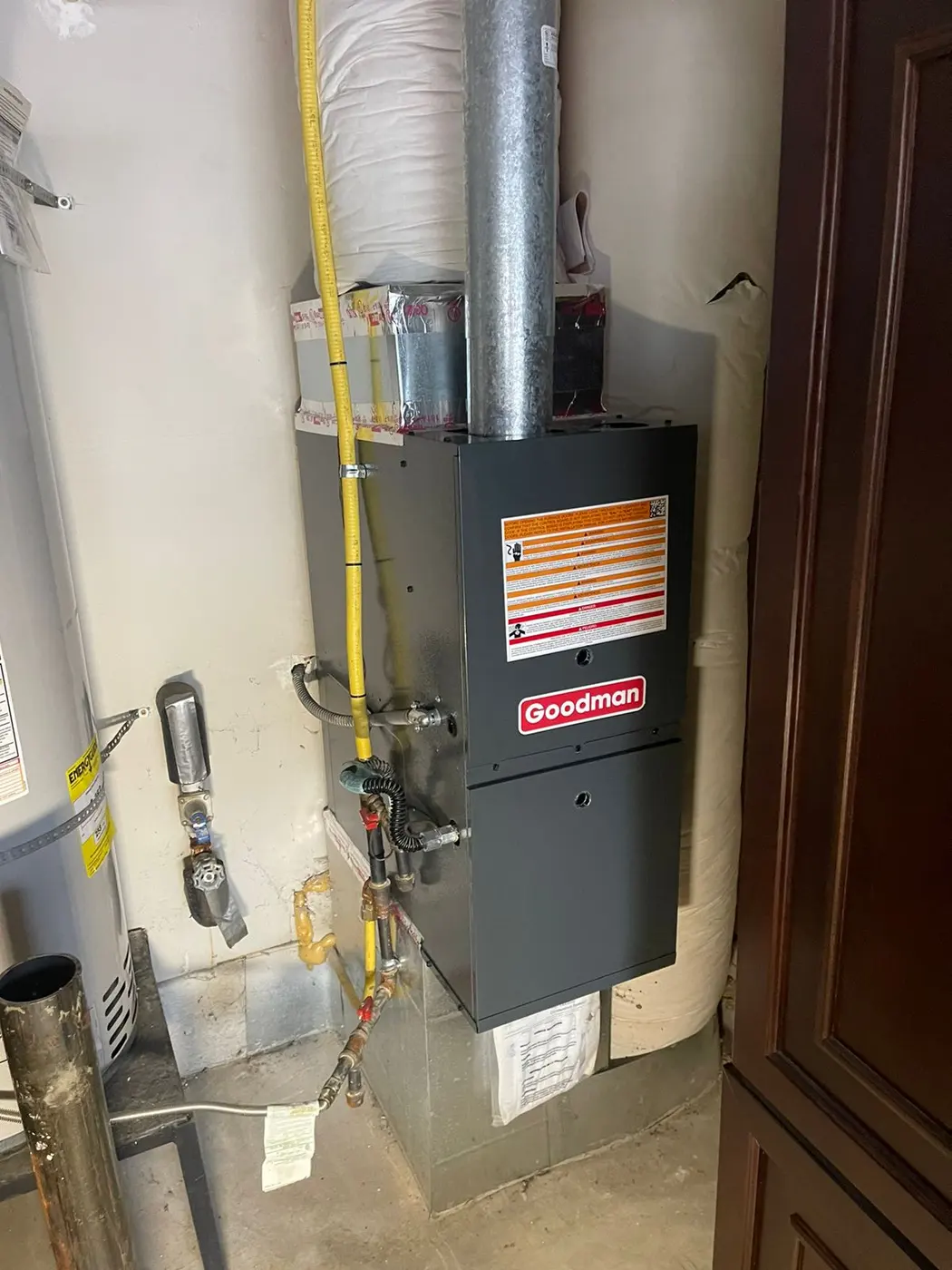
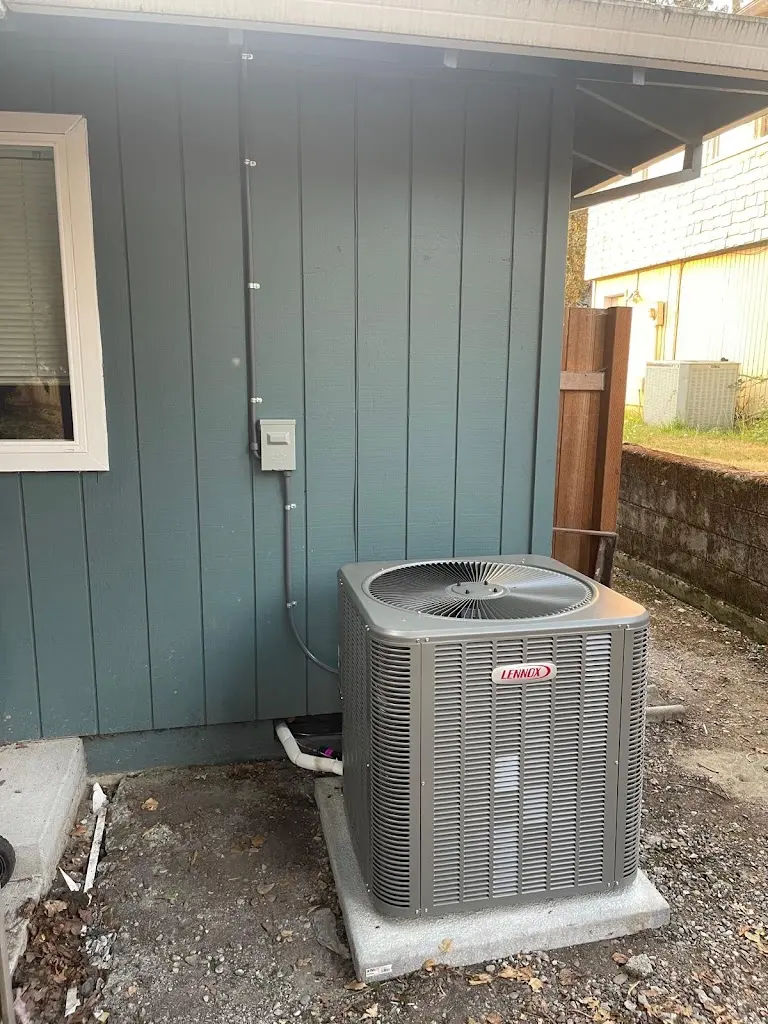
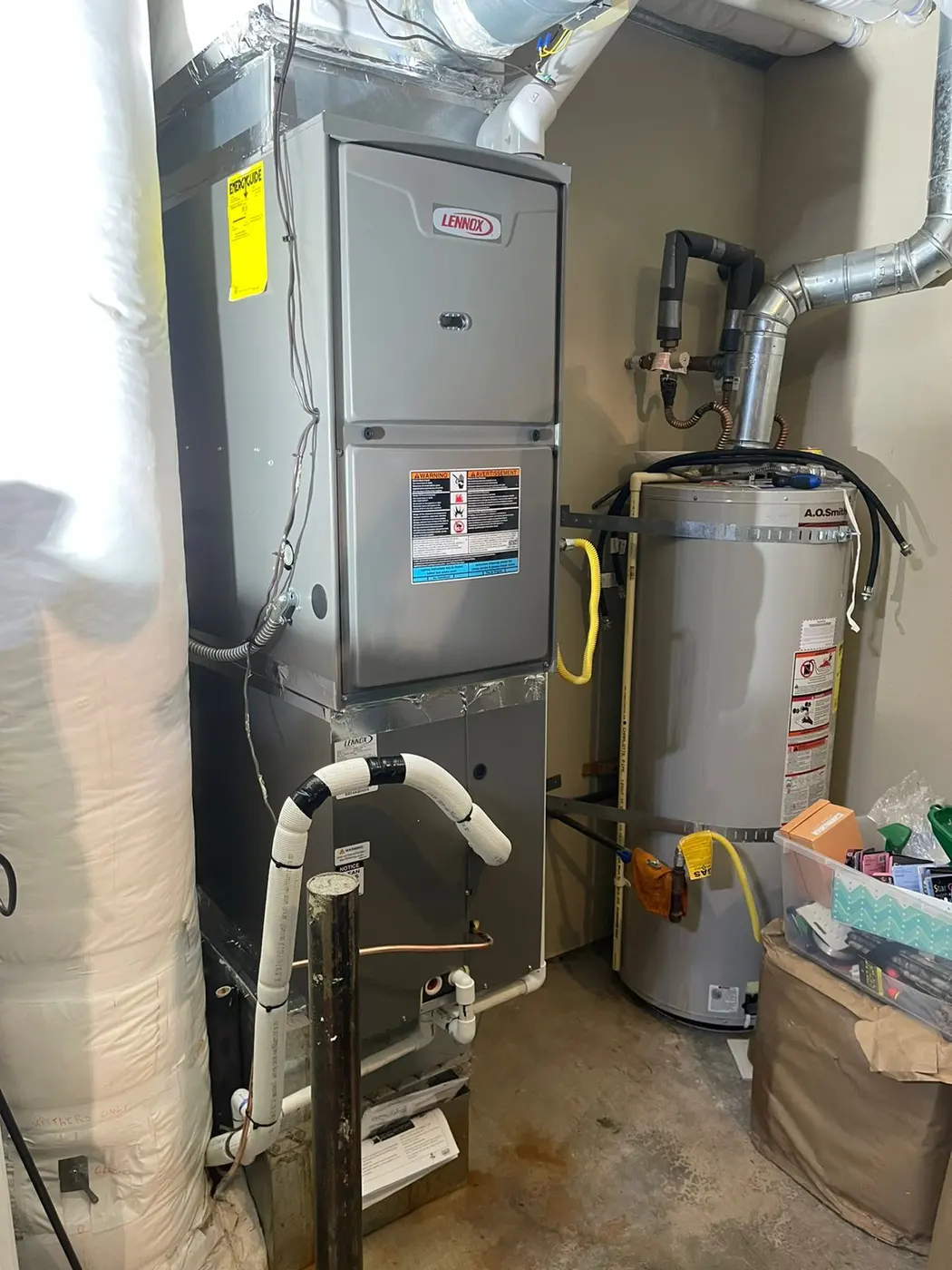
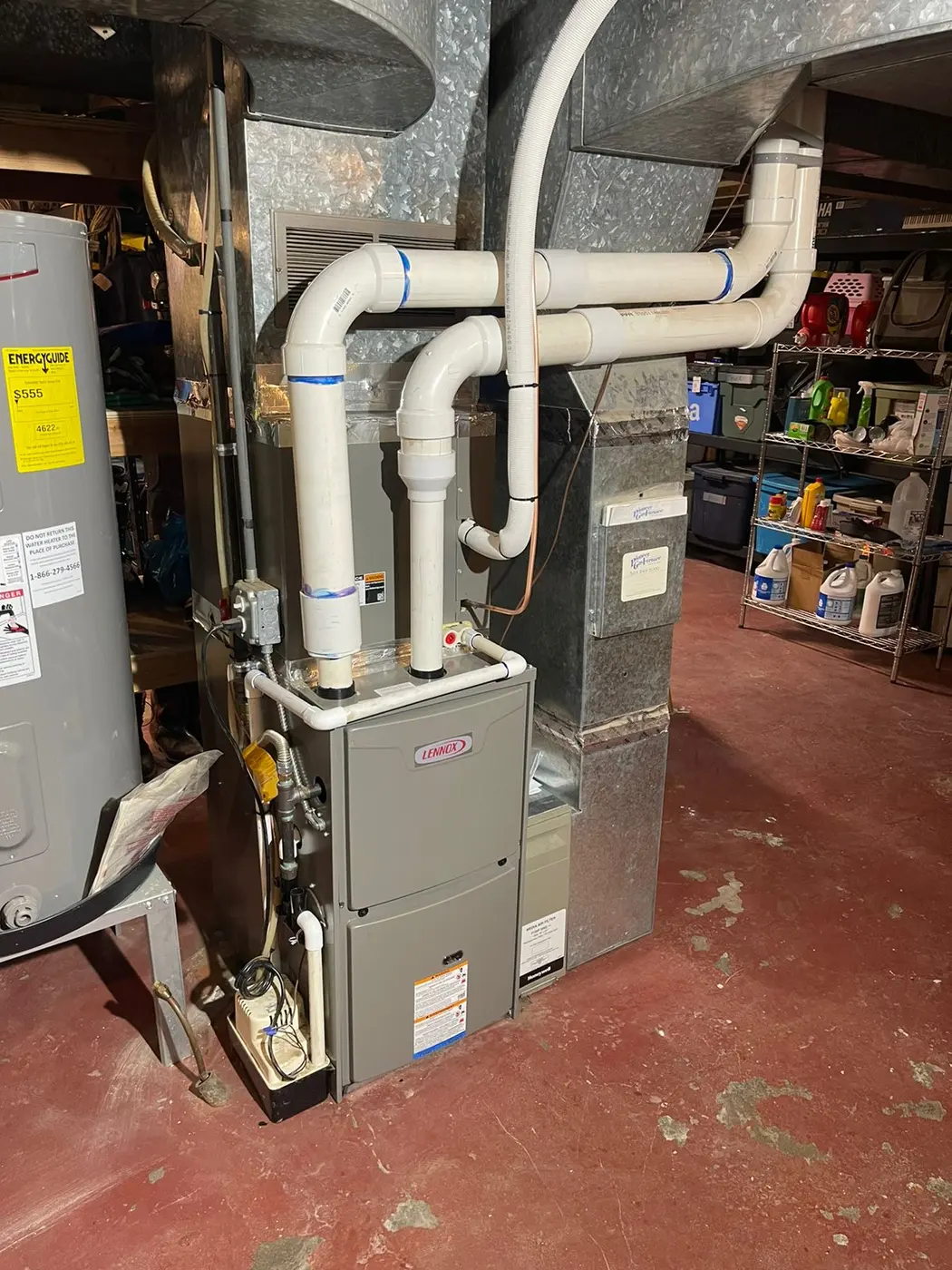
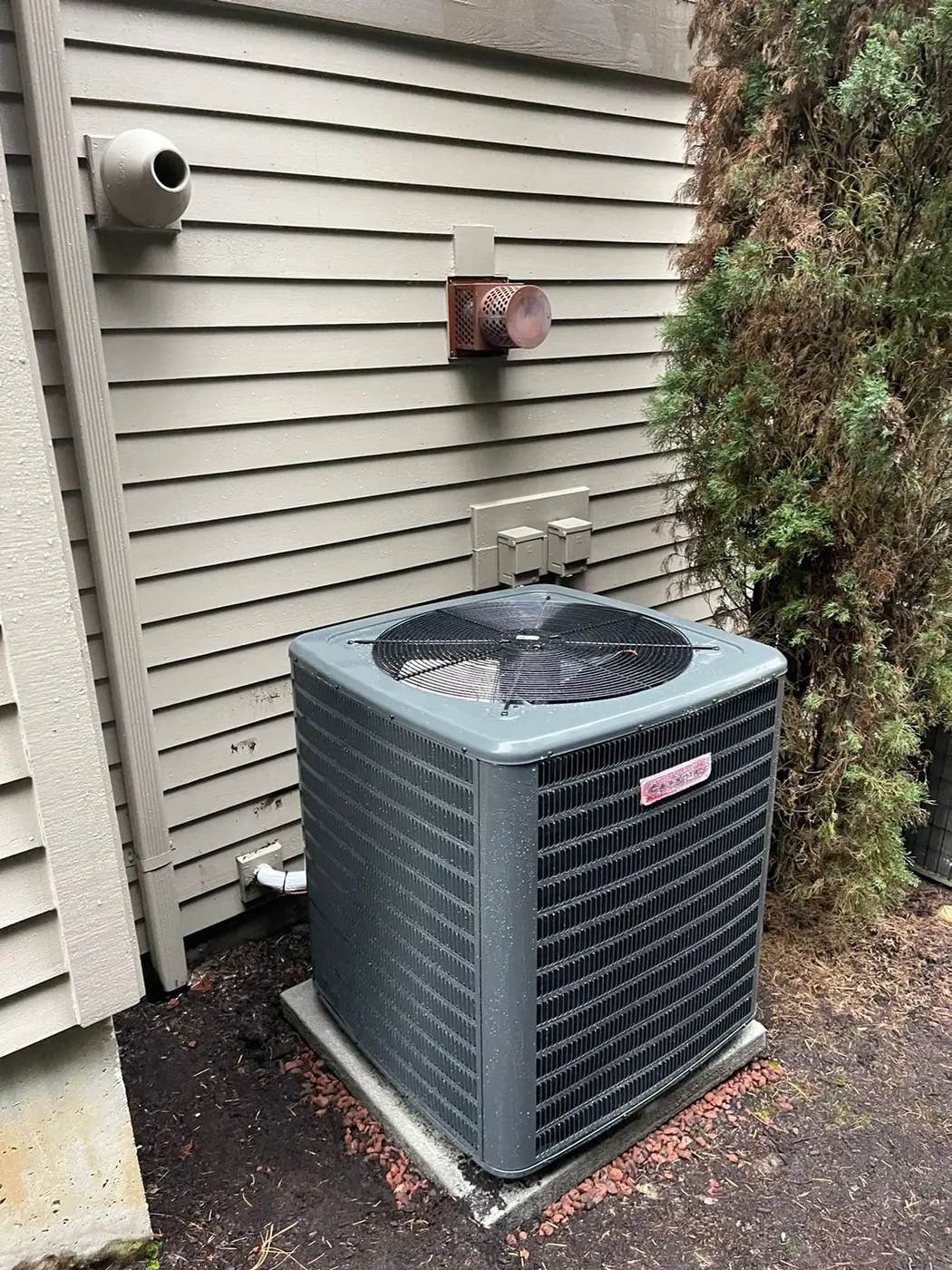
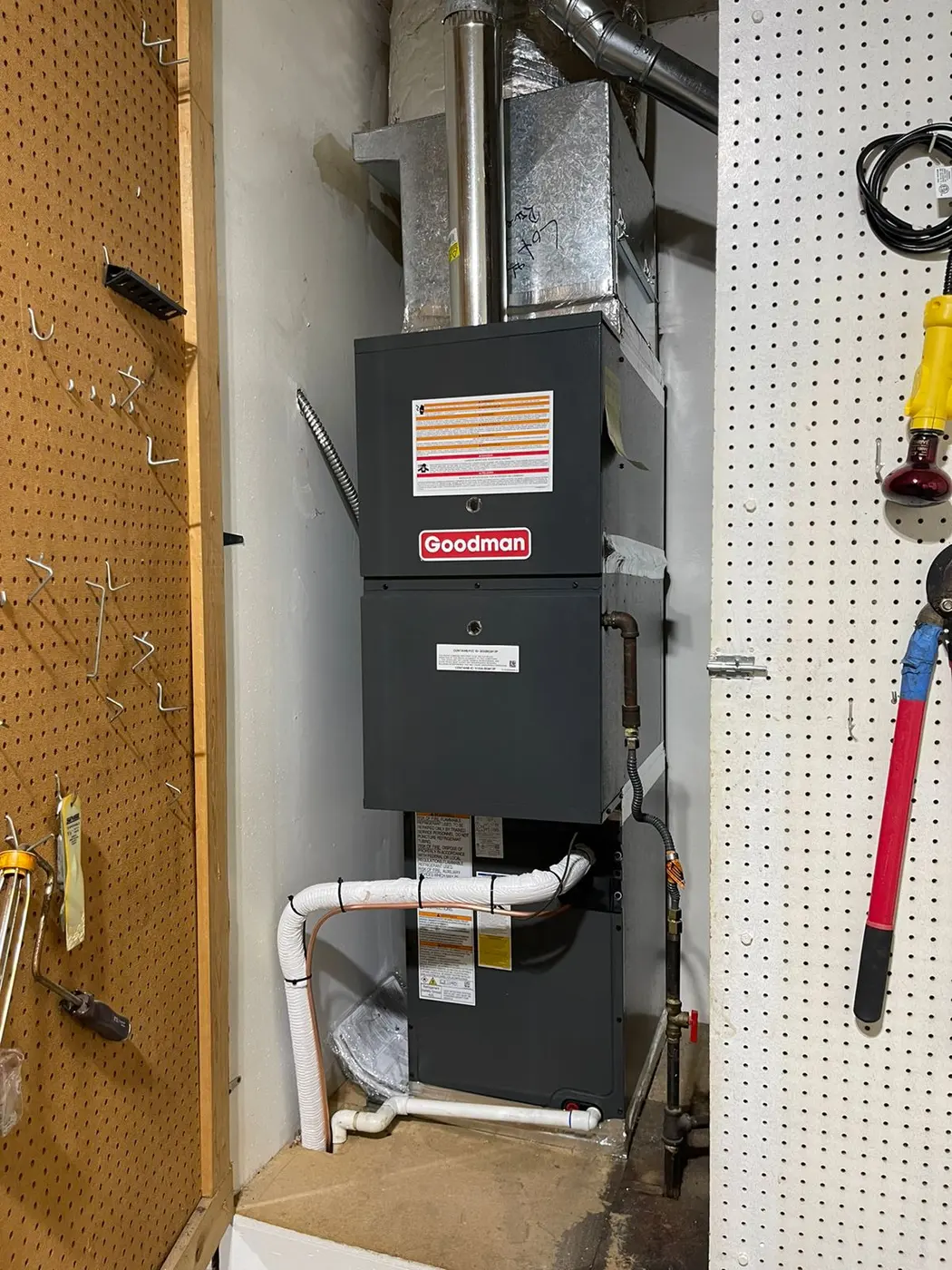
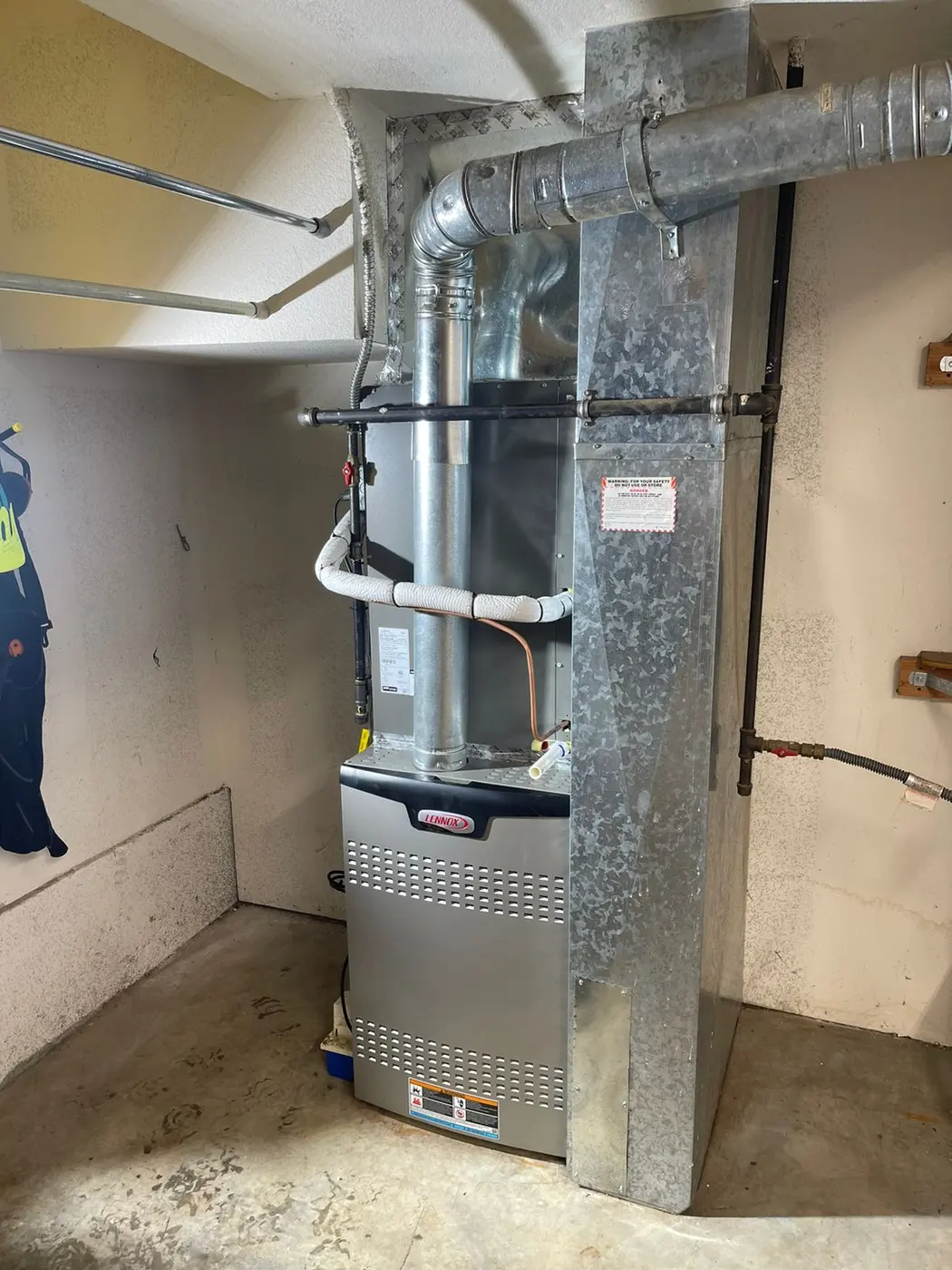
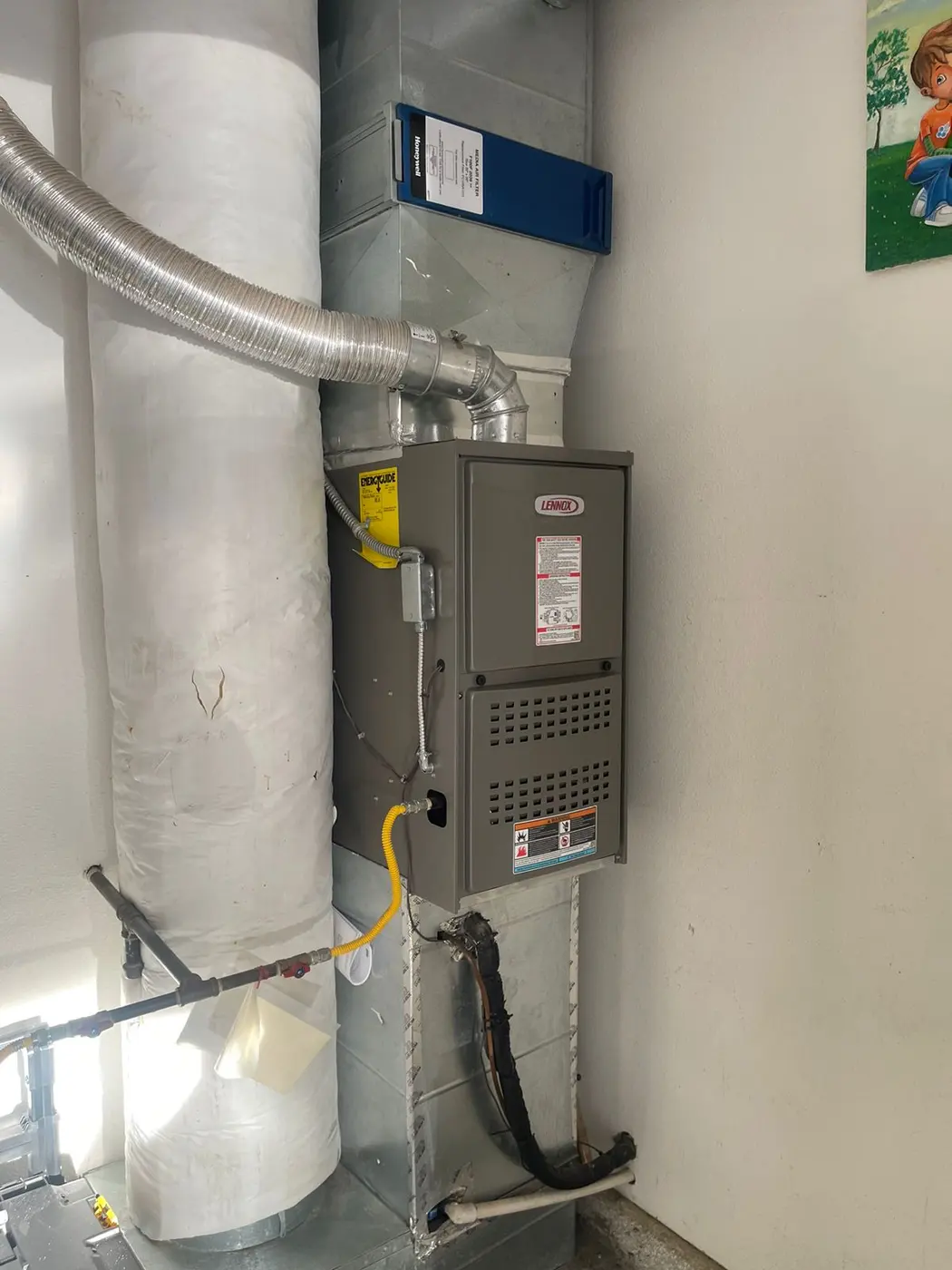
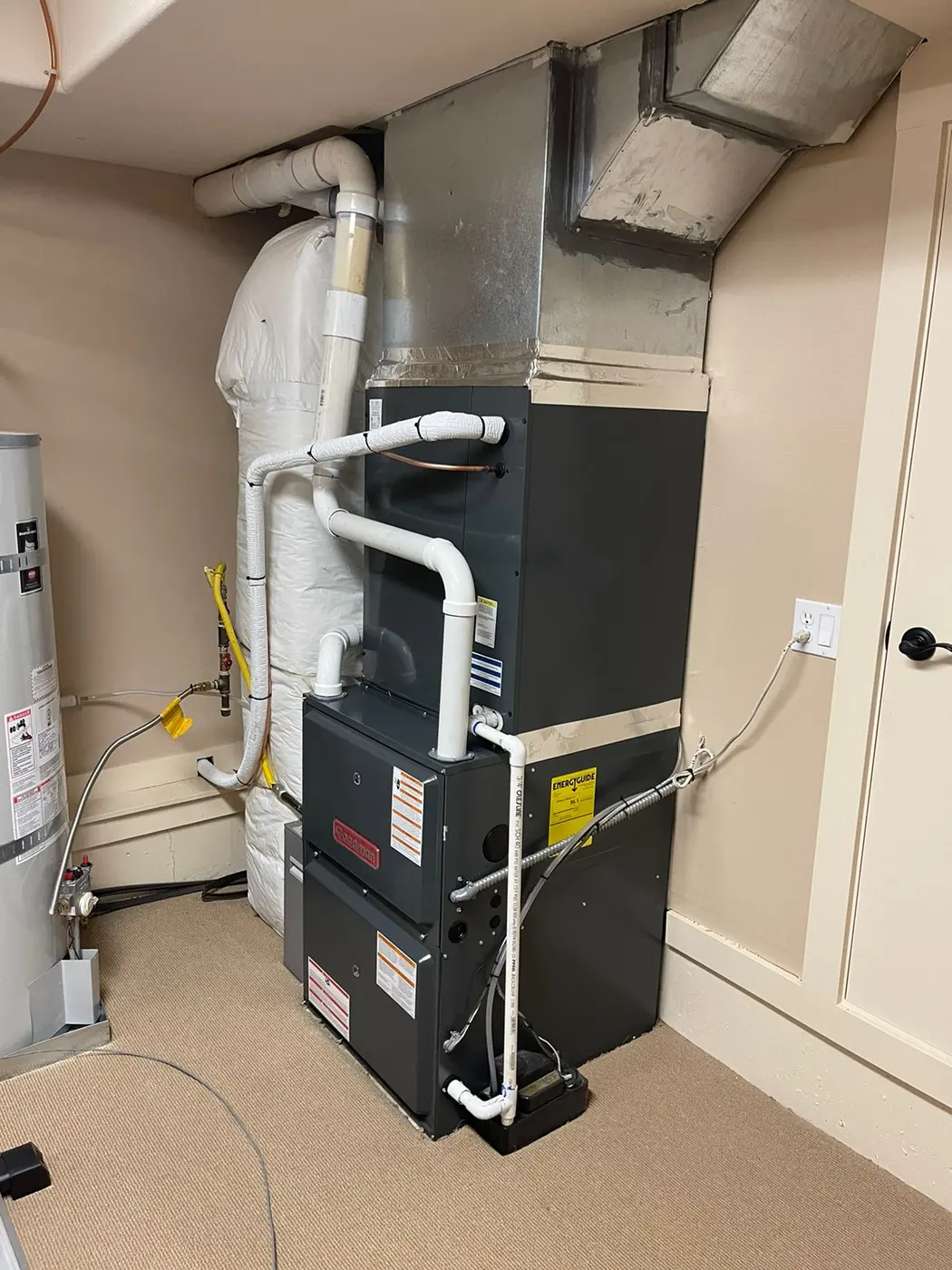
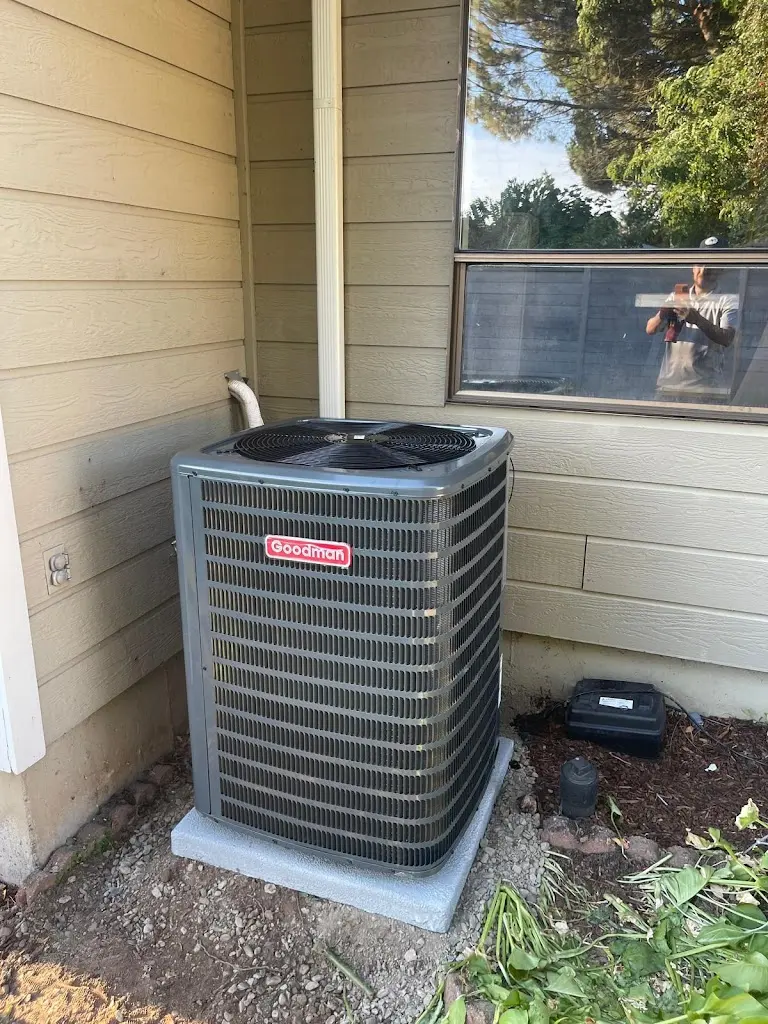
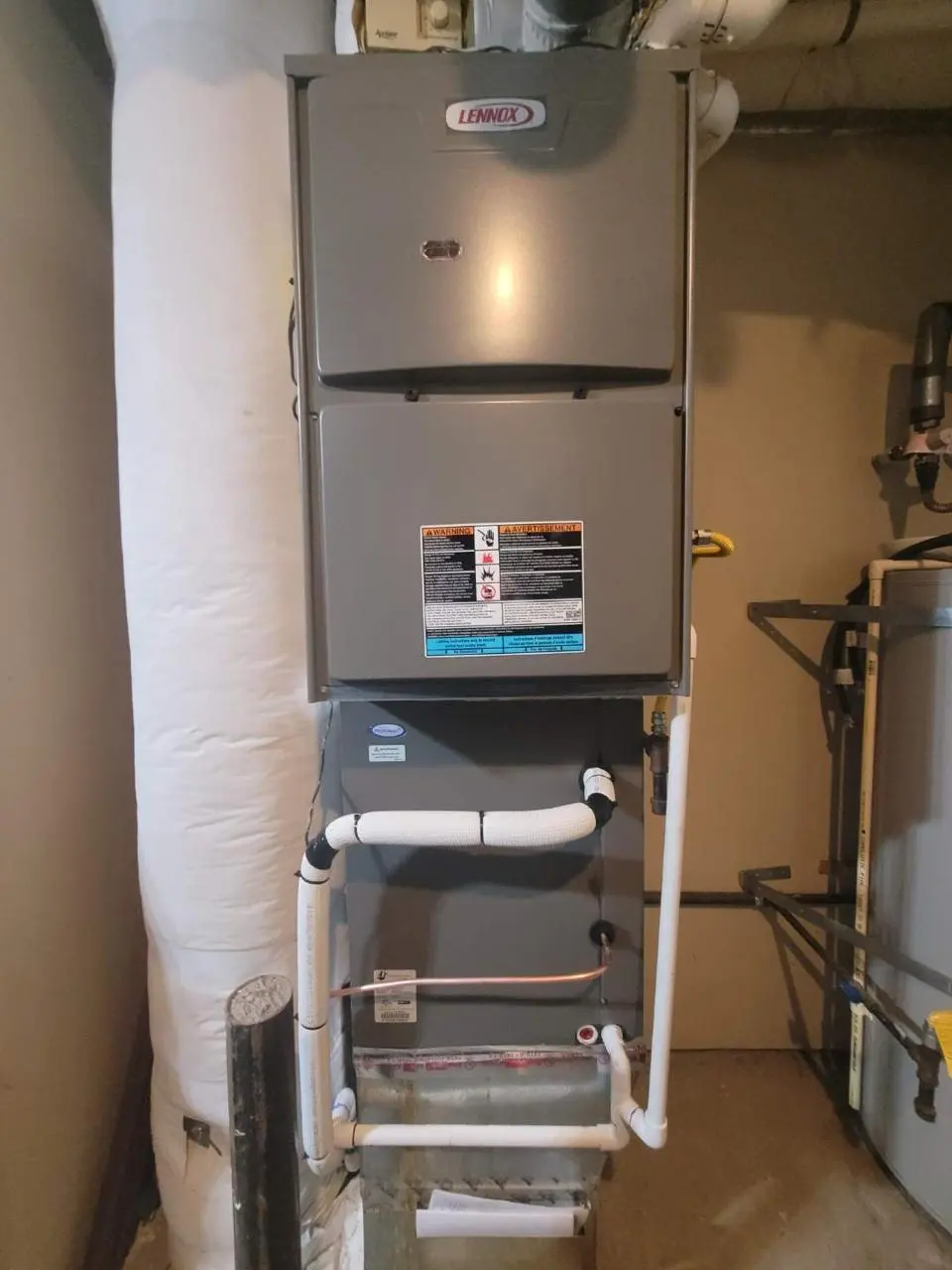
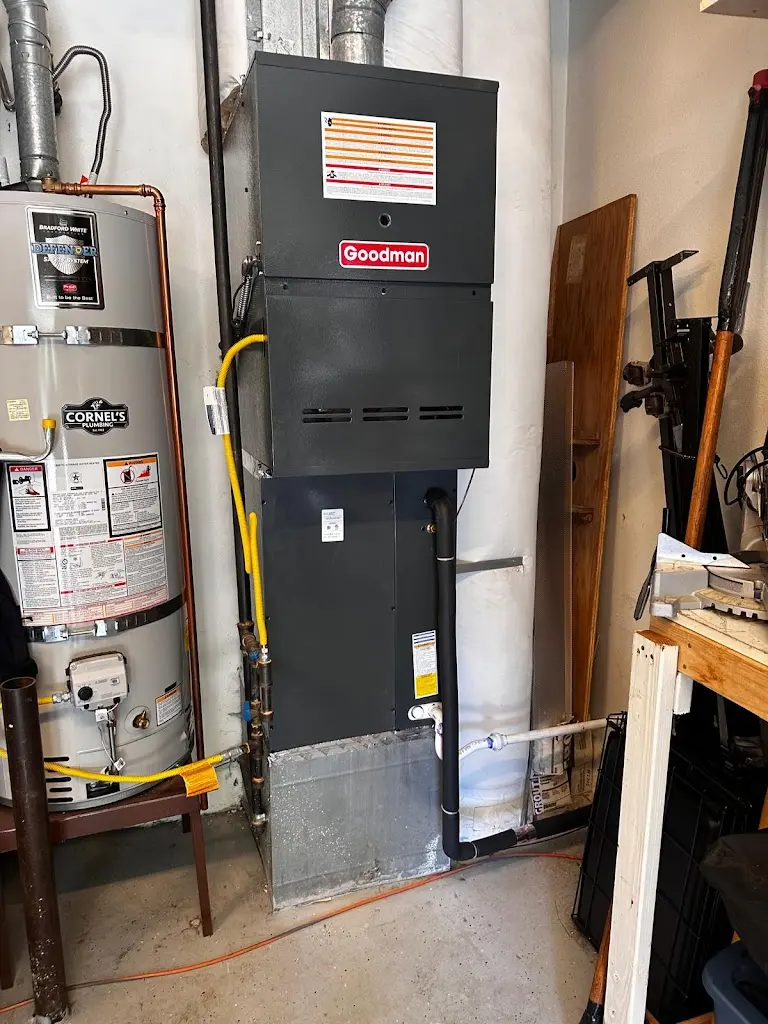
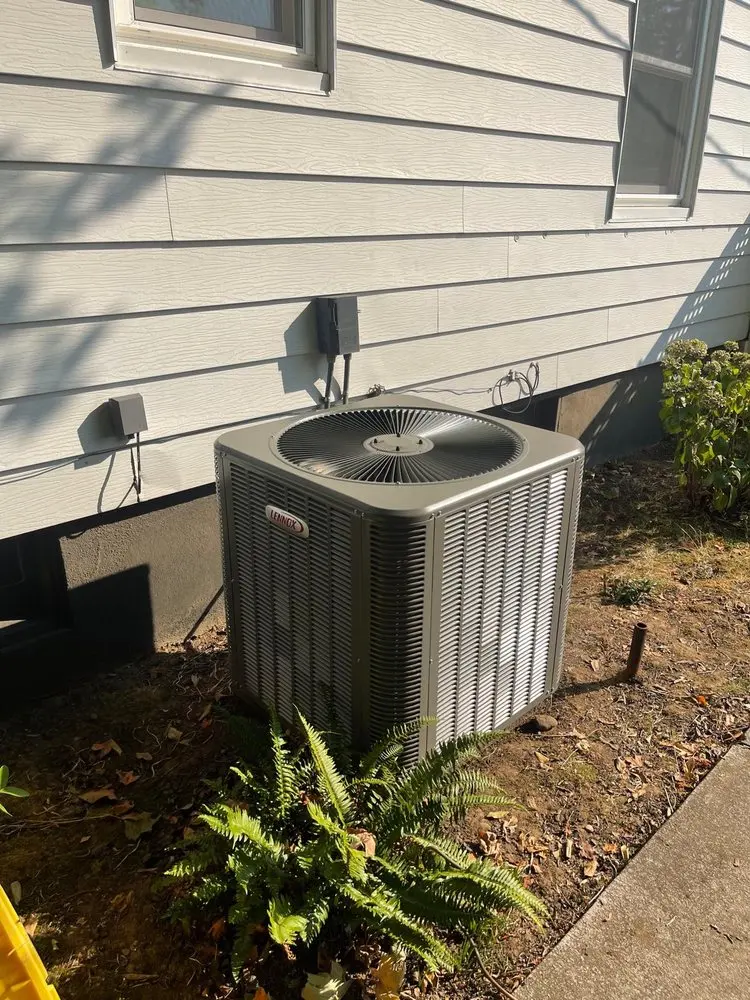
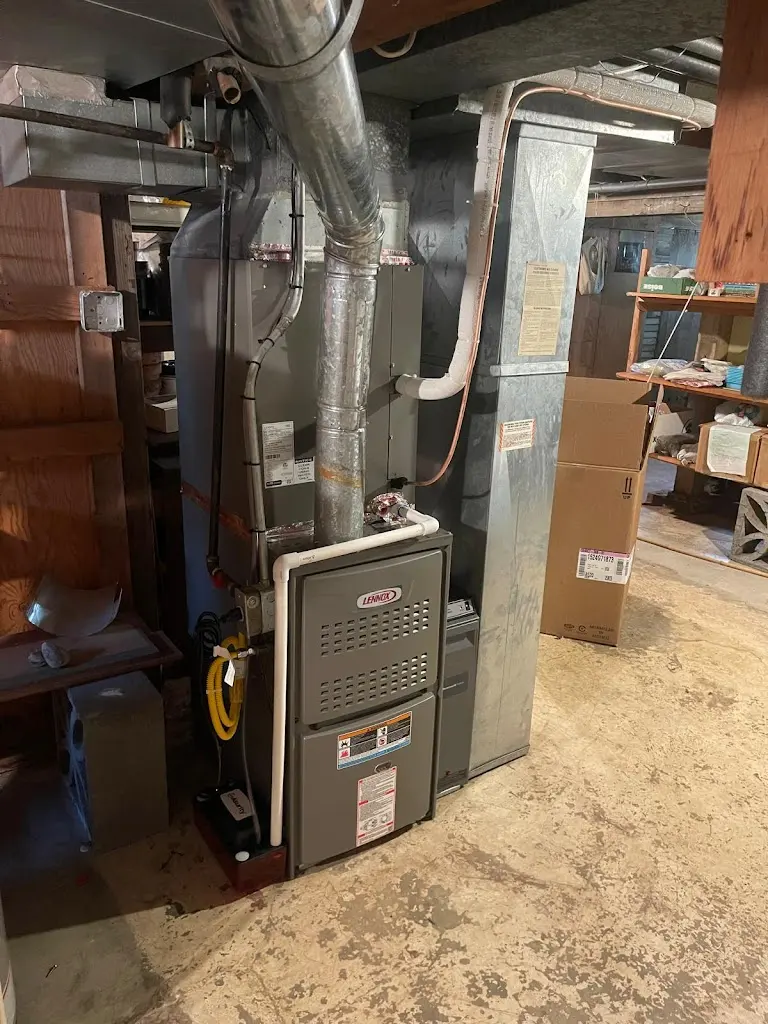
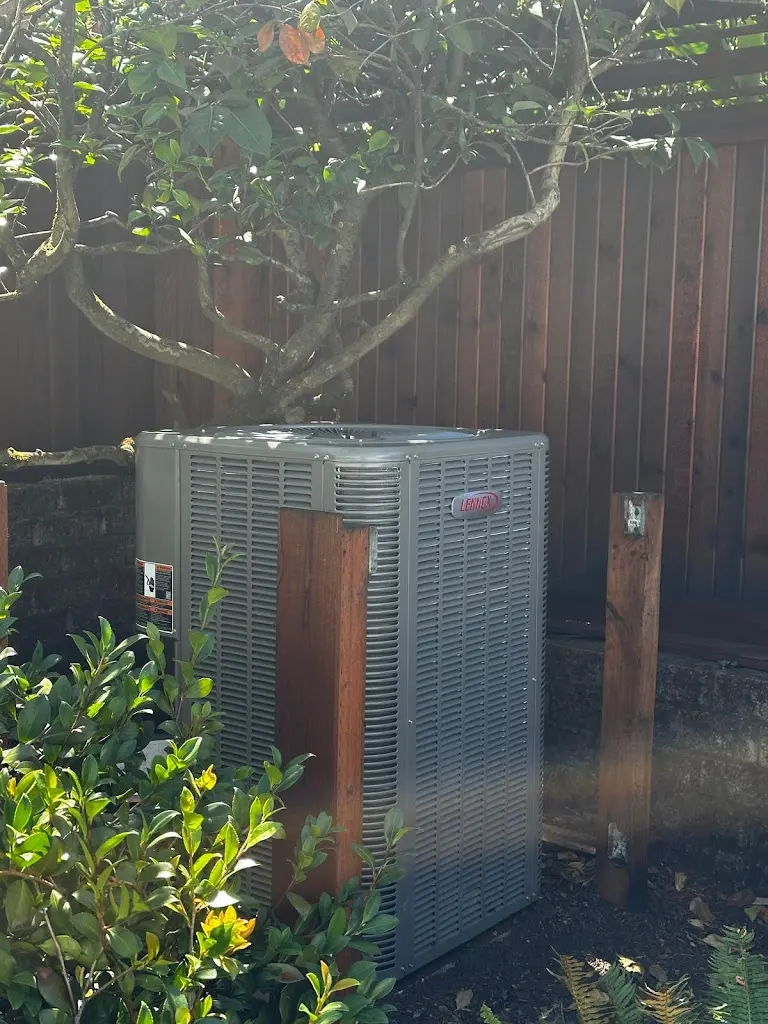
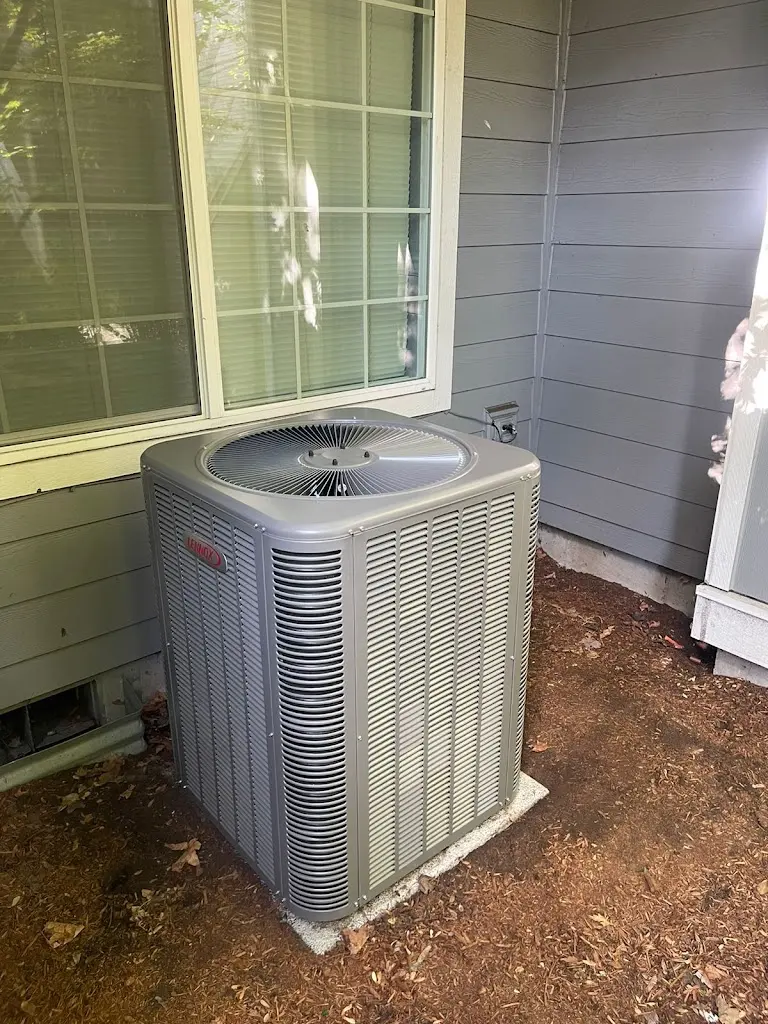
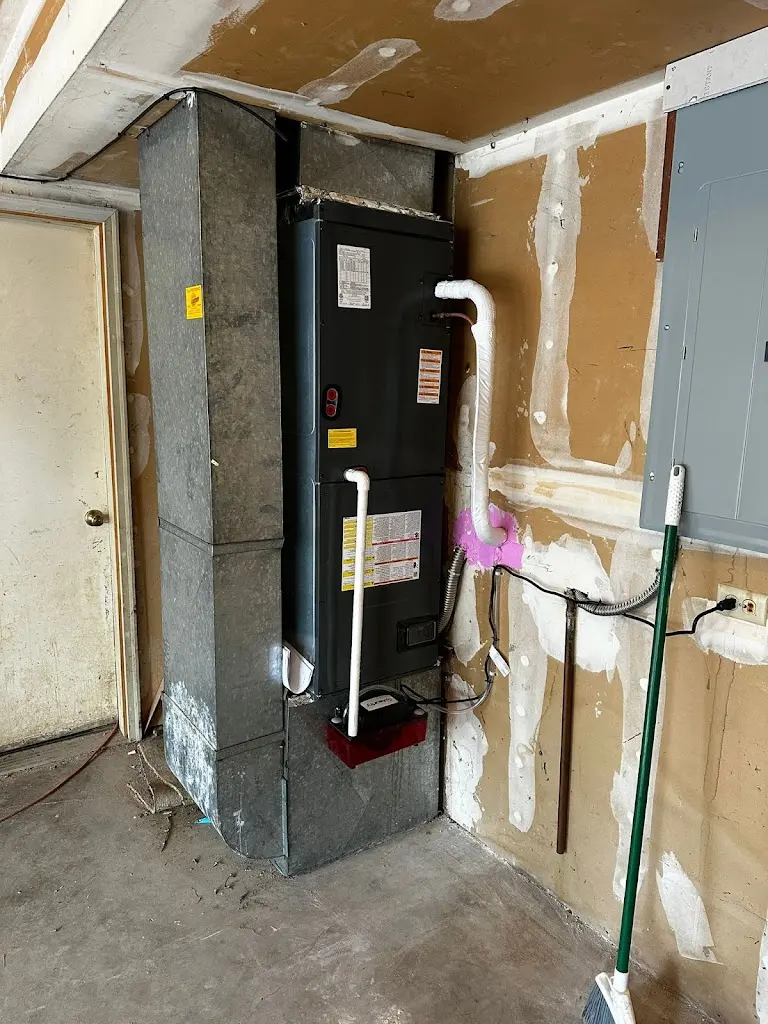
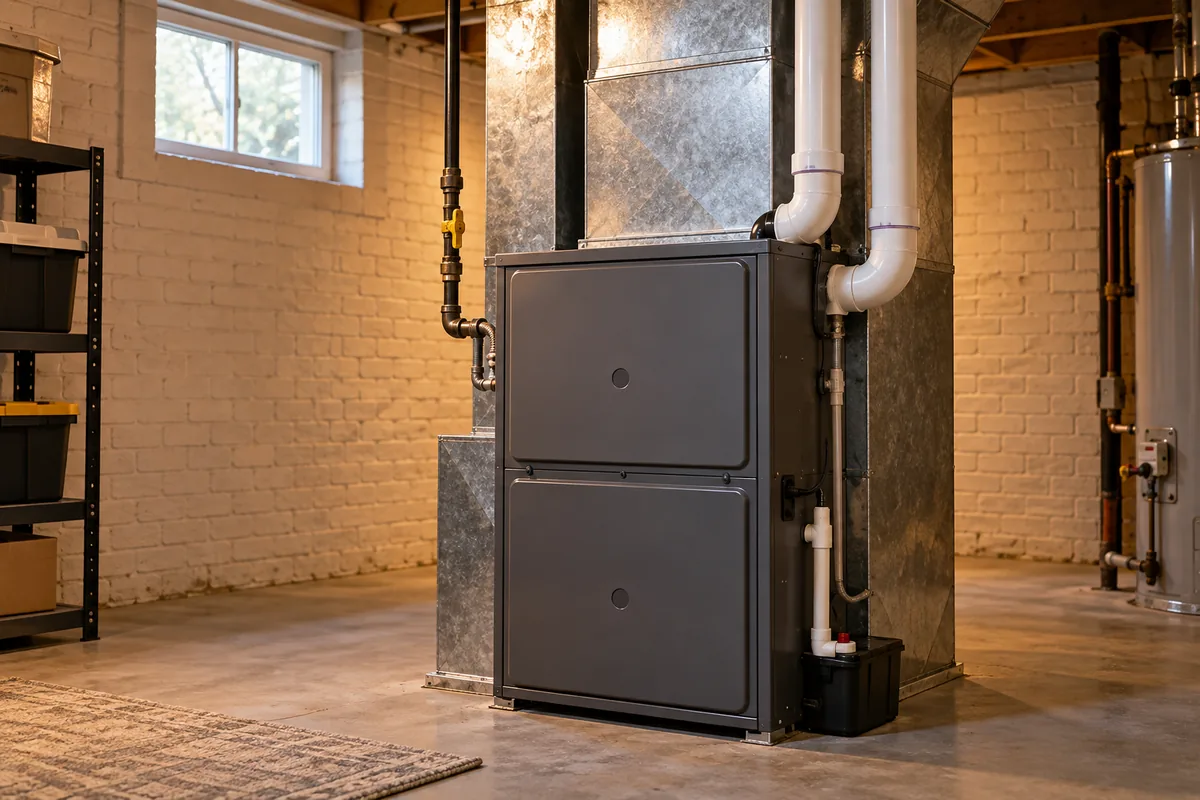
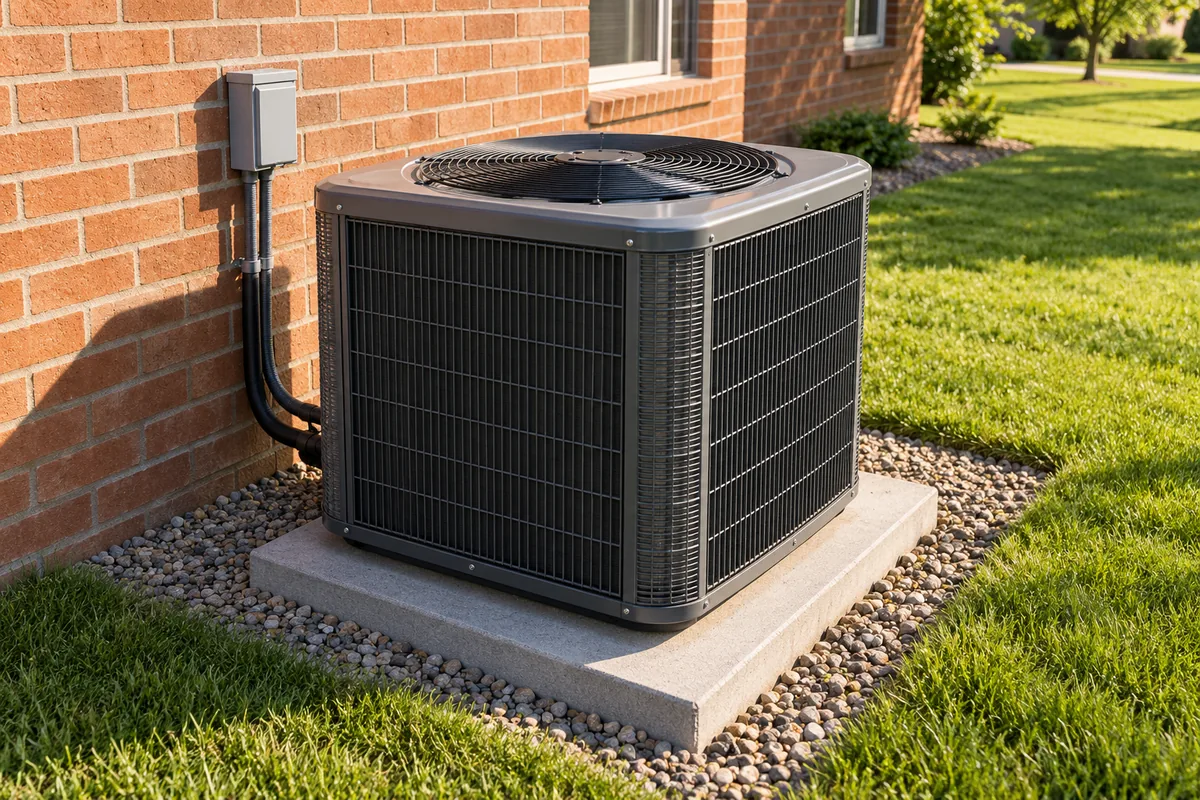
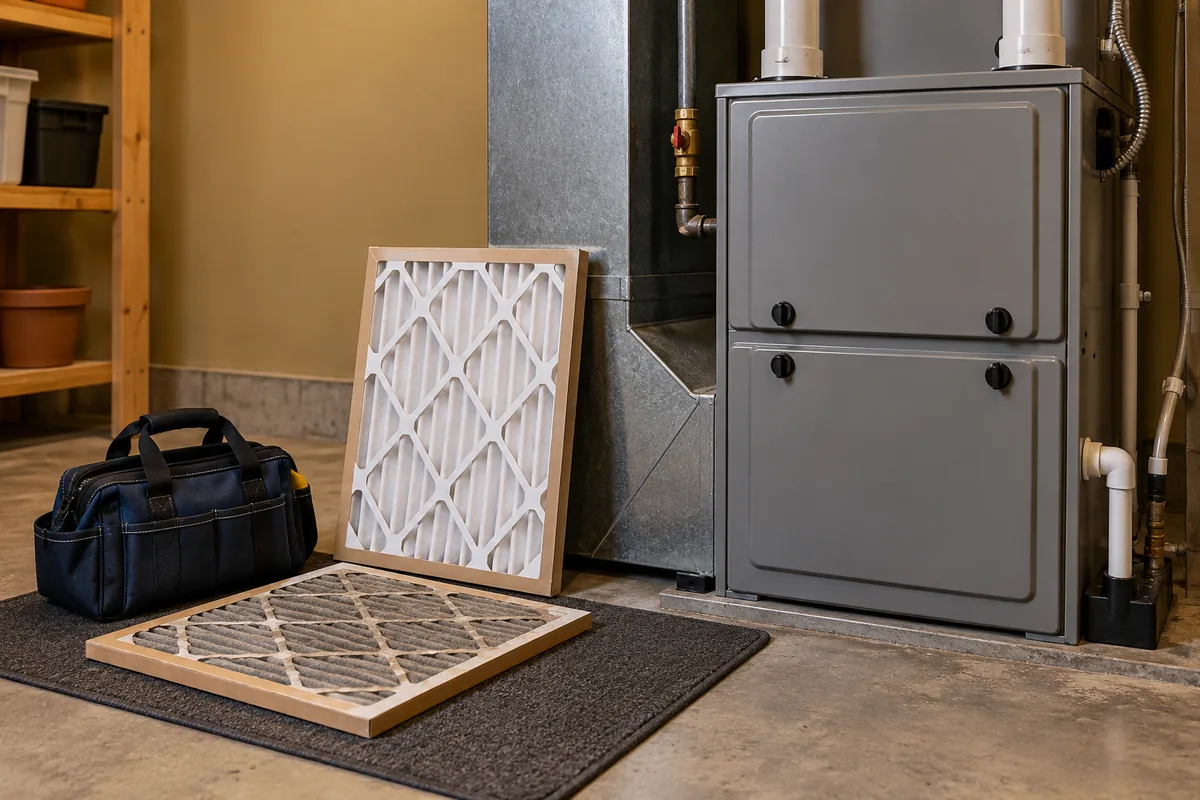
A furnace supplies heating, while a split-system air conditioner supplies cooling through a suitable indoor coil and blower. A project can change one function while retaining equipment for the other, but the proposed combination and controls need assessment. A working component does not automatically suit every replacement.
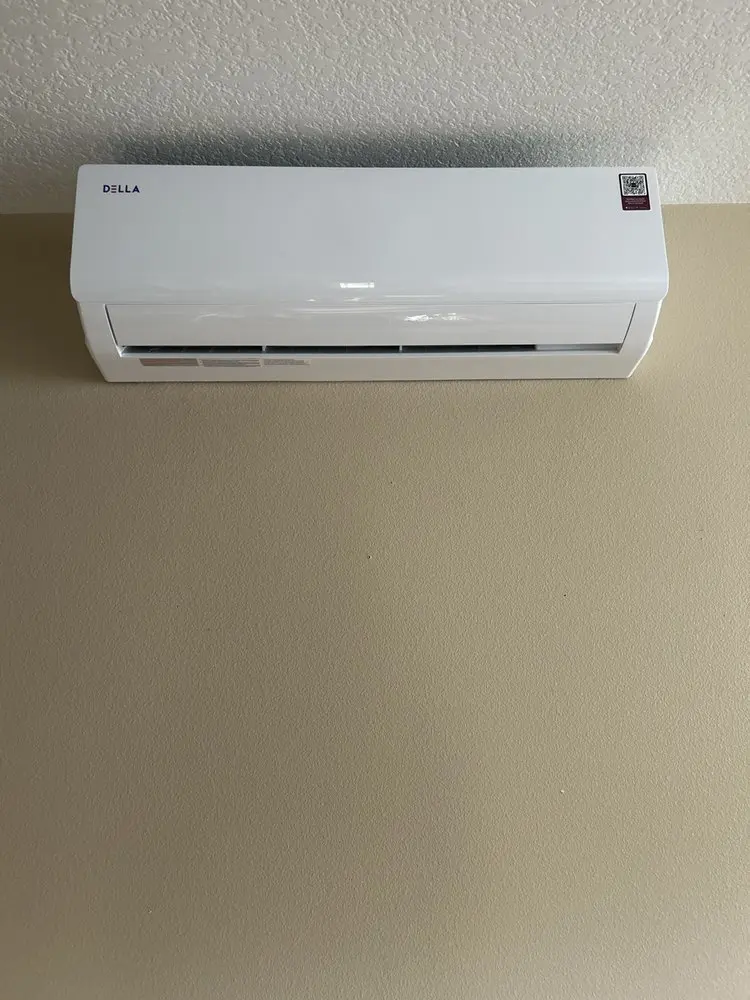
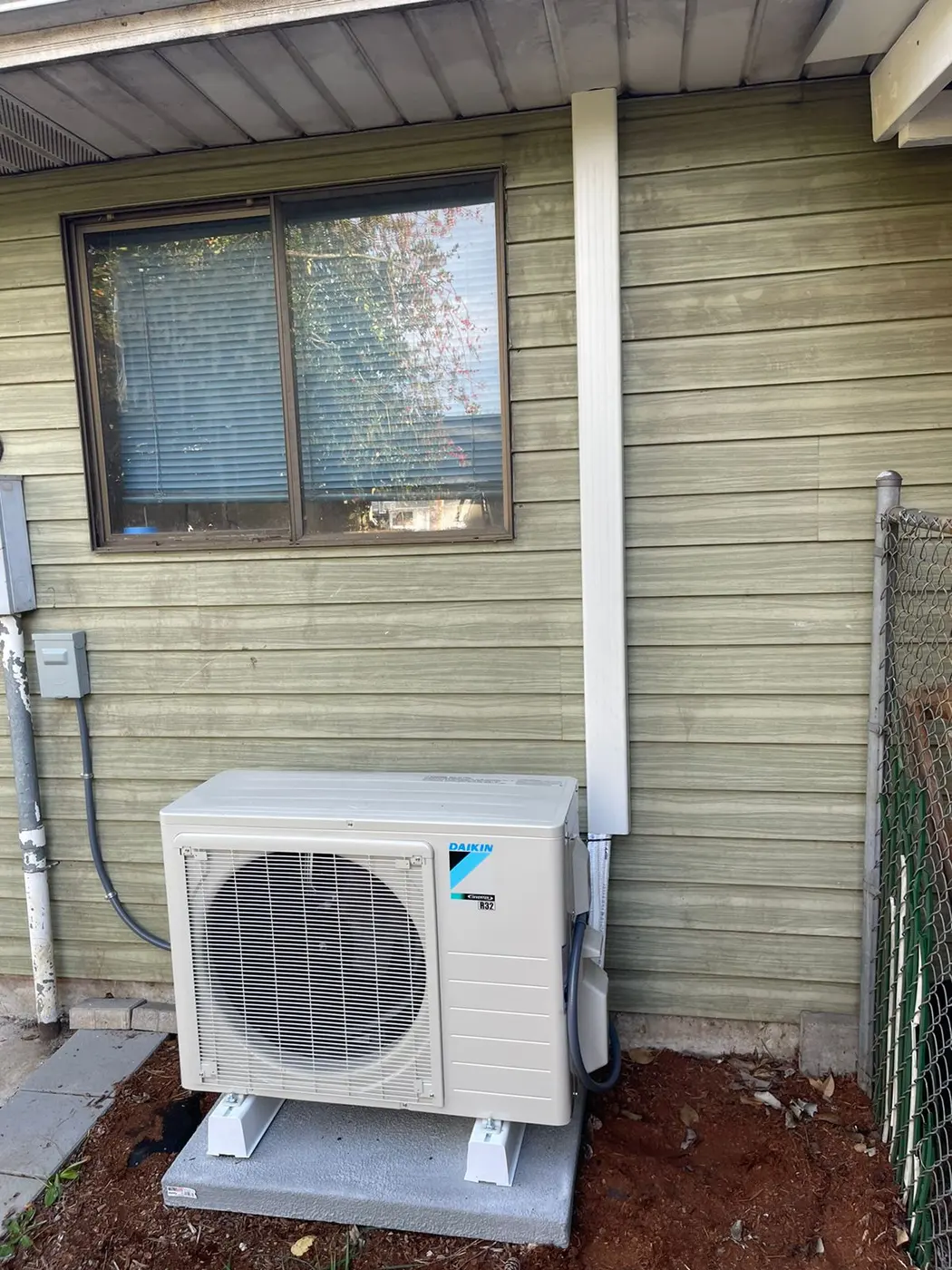
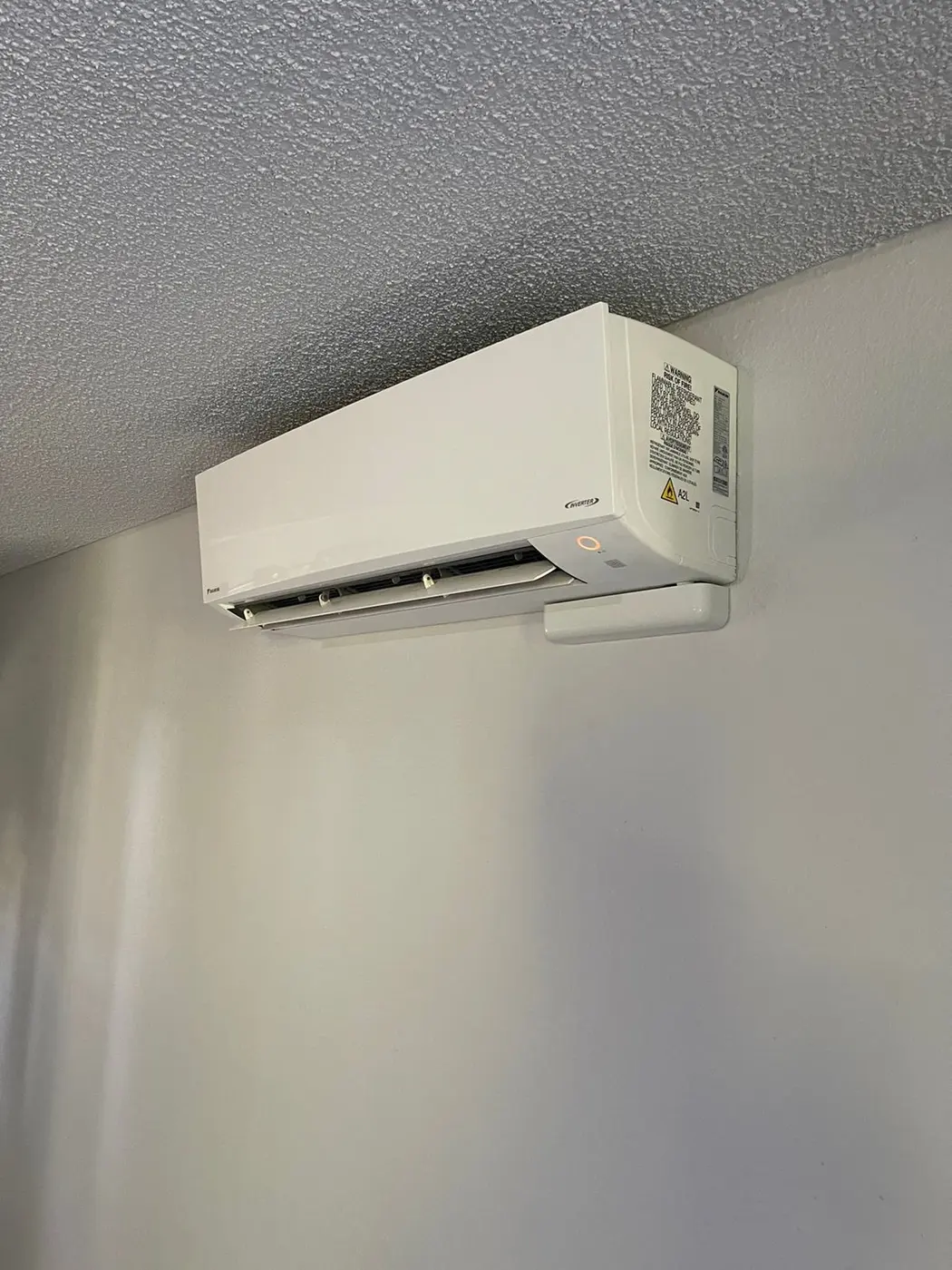
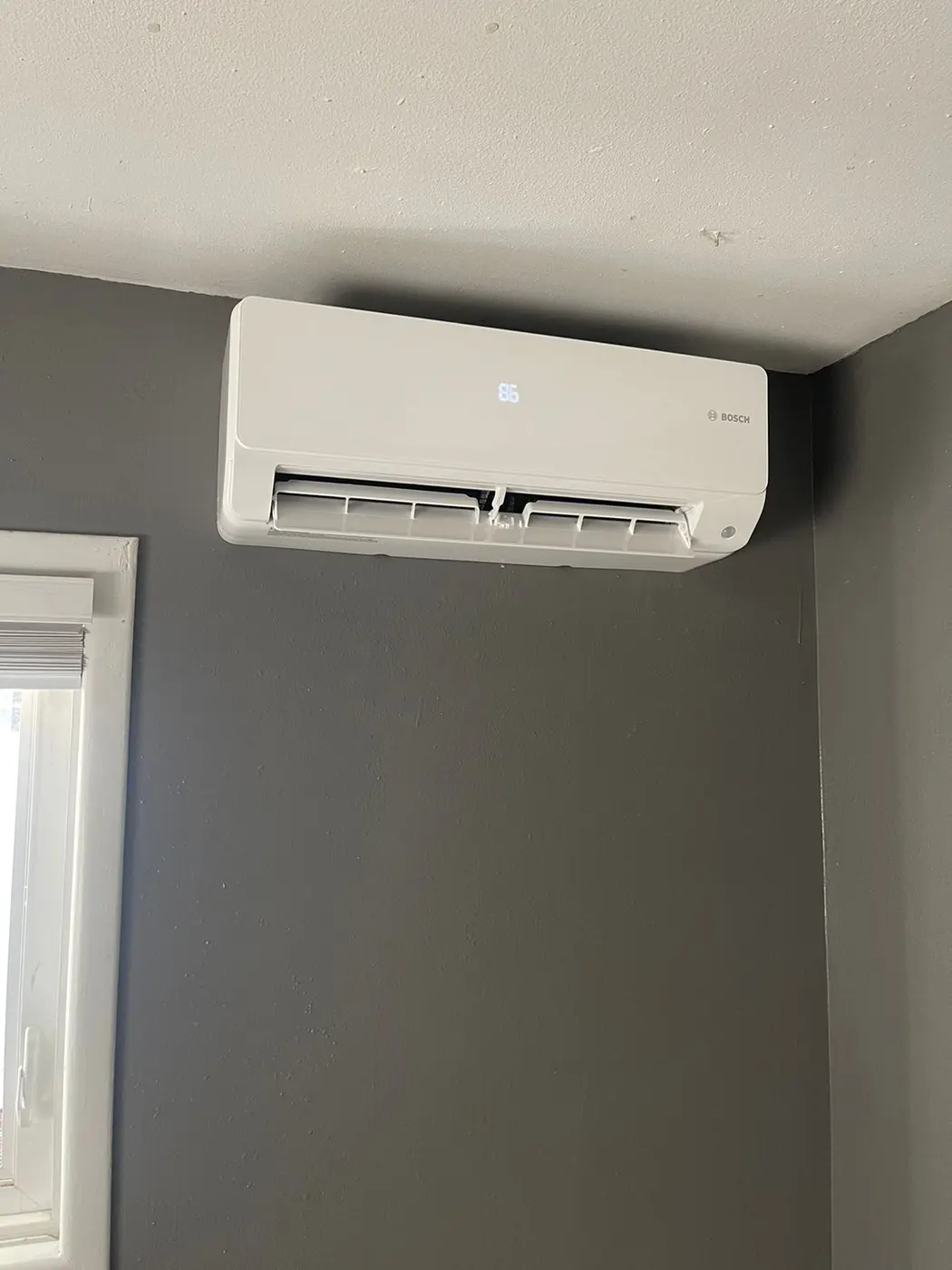
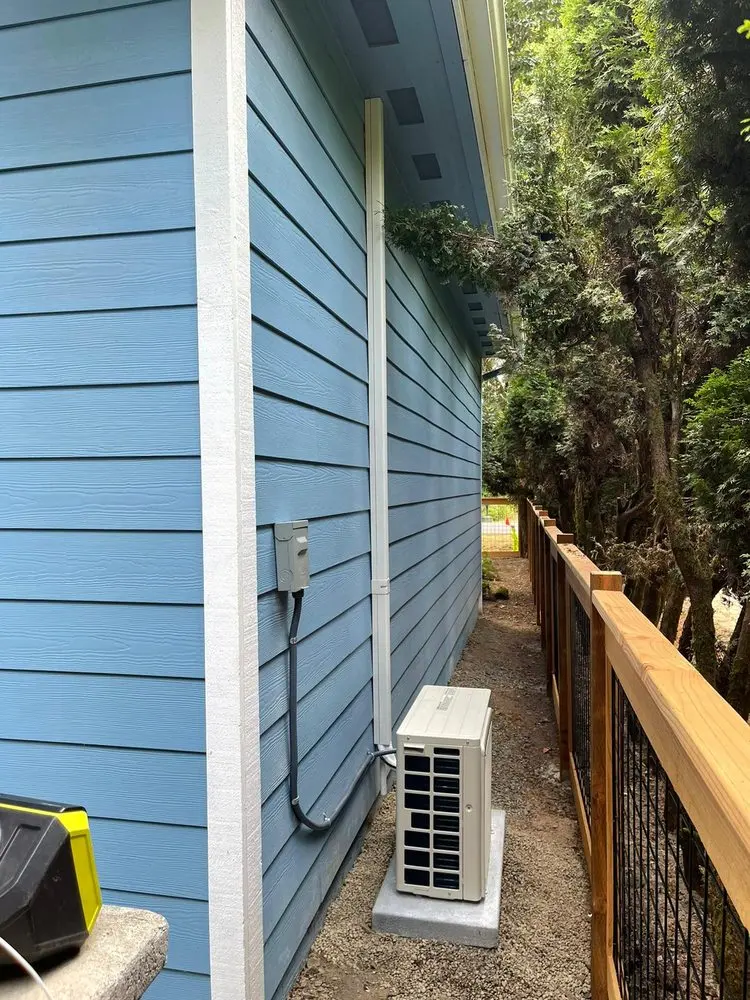
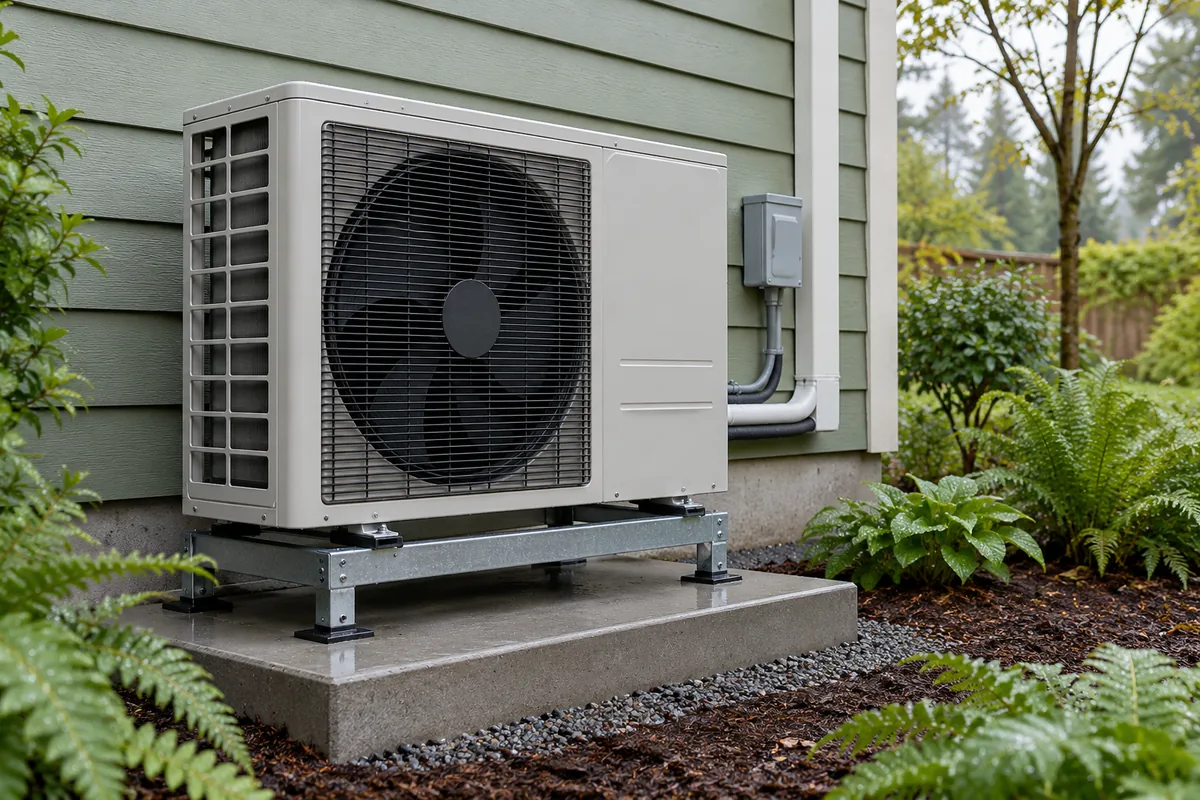
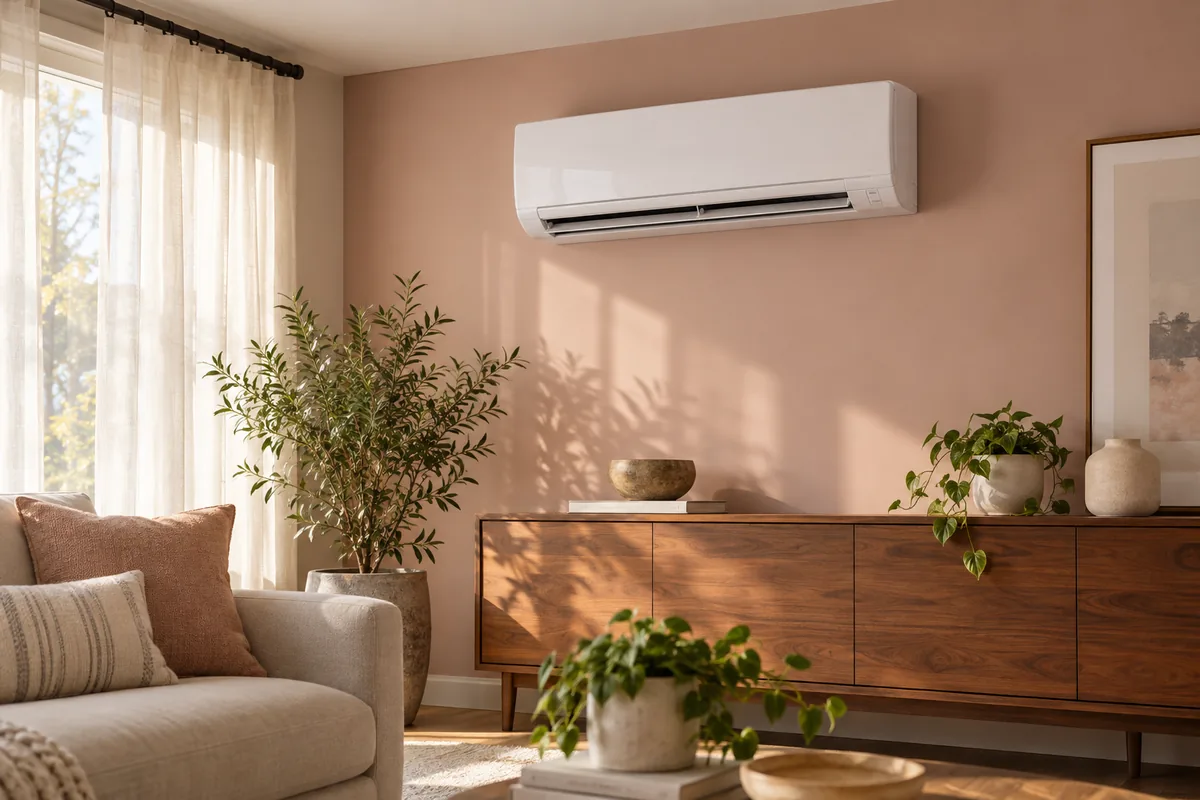
A heat pump can provide both heating and cooling. Its scope should identify the indoor equipment and the role of any other heat source that stays. If a particular room or separate area needs attention, a mini-split may be another arrangement to assess. The intended coverage should guide that comparison.
Share accessible model details and describe which areas the controls appear to serve. Several displays do not by themselves prove that there are several independent systems. Leave difficult labels and hidden connections for the visit; you do not need to enter confined spaces or remove covers to prepare.
Current Faults and Planned Heating or Cooling Changes
A new owner may discover both a present problem and features they would prefer to change. Describe each one. A room that has no heat needs a different discussion from a wish for clearer controls or cooling in another area. Combining them into a general request for a new system can hide the actual decision.
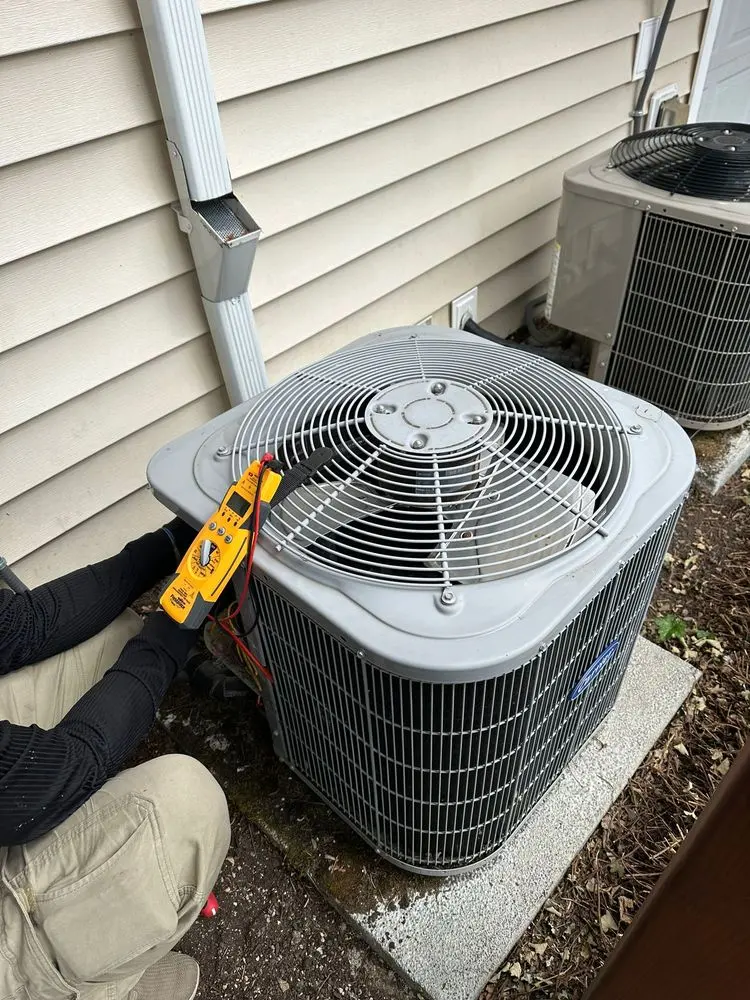
For diagnosis of a current failure, our HVAC repair in Wilsonville service addresses that separate work. The free estimator visit applies to installation or replacement planning and does not establish the cause of an existing fault. Say which question you need answered when arranging the appointment.
If replacement is your chosen direction, describe the intended room coverage and daily use. The estimator can review those needs alongside the present equipment. A model that served the previous household may not define your preferred functions. At the same time, a different routine does not automatically mean that every component must change.
Mention known plans for the space, and distinguish settled changes from possibilities. A room you will use as an office may raise a clear comfort goal. A possible future addition remains a separate assumption to discuss. The current proposal should identify the needs it actually covers.
System Capacity, Airflow and Equipment Locations
The old capacity label is useful context, but the new selection should reflect current heating and cooling demand. Room use, windows, insulation and changes to the property matter. Choosing a larger unit is not automatically a solution to an uncomfortable room.
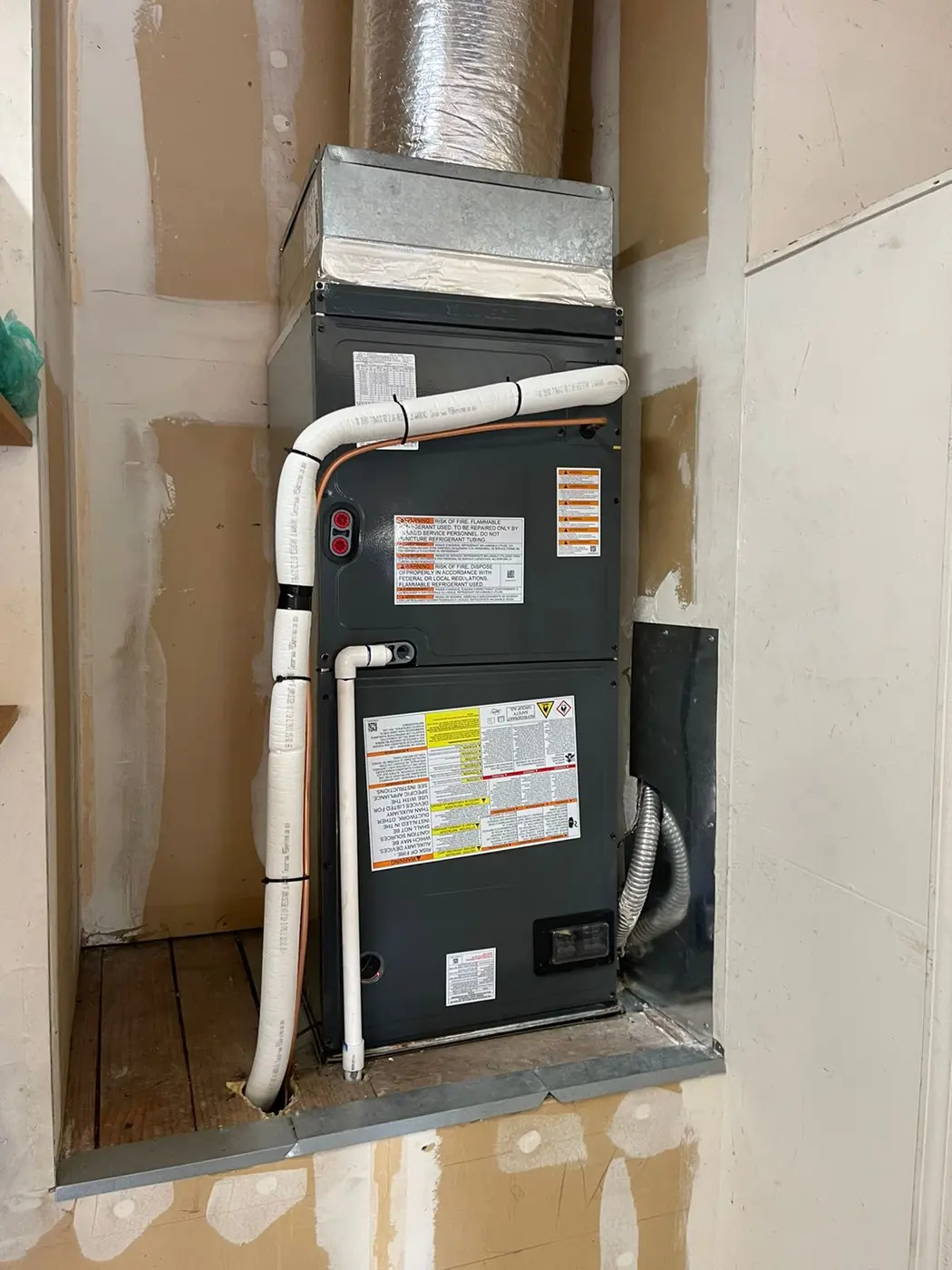
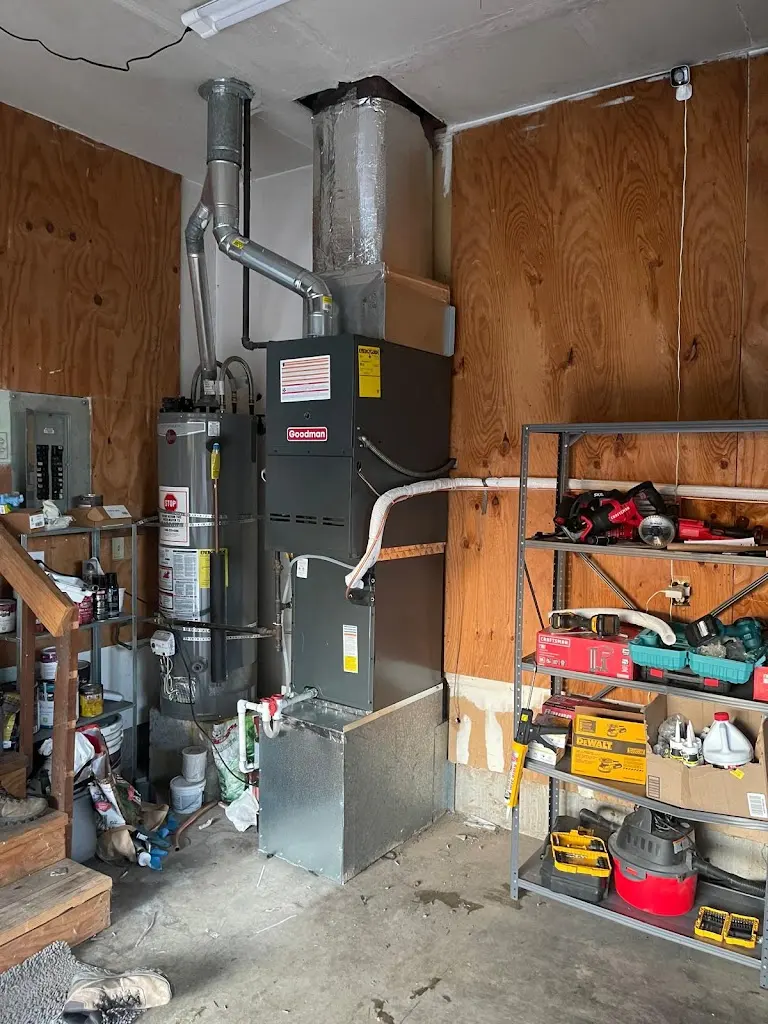
For a ducted system, assess the air paths to and from the rooms alongside the indoor equipment. Ask which components can remain and whether any airflow work is part of the proposal. A retained part needs a suitable condition and match, not simply the same brand name.
Review indoor and outdoor positions, connection routes and future service access. If a condition cannot be inspected, the estimate should identify how it will be resolved before related work. Keep available earlier records as context, while ensuring the new scope describes the current property and equipment.
Installation Price, Access and Everyday Controls
Before scheduling, review the equipment, retained parts, connection work and price. Ask which system serves each included area when more than one is present. Confirm the planned interruption to normal heating or cooling and the access needed. The agreed scope should be clear to the person who will approve decisions during the work.
At completion, review ordinary controls and the operating checks relevant to the project. Ask how to select the modes and adjustments you will use. Keep those normal-use details separate from advanced equipment settings.
Retain the installed models, locations and completed tasks with any open item, including older equipment that remains part of the setup. Use that record to identify the affected unit if a future concern develops.
Request HVAC installation in Wilsonville from HVAC & Appliance Repair Guys through the service form below. Ask for a free on-site estimator visit and describe the rooms and functions you need, sharing what you know about the current setup and what remains uncertain.
Frequently Asked Questions
Do I need to know the age of every unit before requesting an estimate?
No. Share reliable records and accessible details where you have them. Leave an uncertain age or history open rather than guessing. The project review can identify which facts matter to the proposed work.
Does taking over a home mean I need new equipment?
Ownership changes do not determine equipment condition or installation needs. Explain the current function and the changes you want. A repair assessment and an installation proposal support different decisions.
Should I choose the same capacity as the old unit?
Not from its label alone. The review should account for current room needs and the air system. Tell the estimator about uneven temperatures or changed room use so the proposed capacity and any airflow work have a clear basis.
Can some existing equipment remain?
Possibly. The retained components must suit the new equipment and controls, and their condition needs review. Ask the estimator to name those parts and explain their role so you can compare a limited replacement with a wider project.
Request HVAC Installation in Wilsonville, OR
For HVAC installation in Wilsonville, OR, call HVAC & Appliance Repair Guys or submit a service request through the form on this page.