


Trane HVAC Repair for Room and System Problems
HVAC & Appliance Repair Guys provides Trane HVAC repair in Portland Metro. Start with where the problem appears and which control serves that area. One zone that stays cold or warm differs from a system that stops throughout the home. That distinction helps explain the service request before anyone chooses a part.
Trane systems can use different control setups. A suitable ComfortLink II zoning system directs air through dampers and allows separate zone settings. If that is your setup, mention the control model and affected zone. Do not assume every Trane unit uses the same zoning or control features.
For Trane HVAC repair, share the indoor and outdoor model details if safely available. Same-day appointments may be available; parts, access and testing can affect completion.
Room, Zone or Shared Equipment?
If one zone feels wrong, note whether its vents still move air. Compare the complaint with another area on the system and say when the difference began. A zone control setting is one clue, but it does not identify the failed component. The equipment and its airflow path need context from the installed setup.
If every zone loses heat or cooling together, make that clear. Describe whether the blower runs and whether the unit stops or continues trying. A shared symptom needs a different starting point from one room that has always felt different. Keep new faults separate from older comfort concerns in your account.
Leave dampers, wiring and installer settings alone while preparing for service. Note any recent control change rather than trying several setup options. The technician needs a stable description of the fault. Repeated changes can make it harder to connect a symptom to what the system was doing.
Furnace, AC and Heat Pump Symptoms
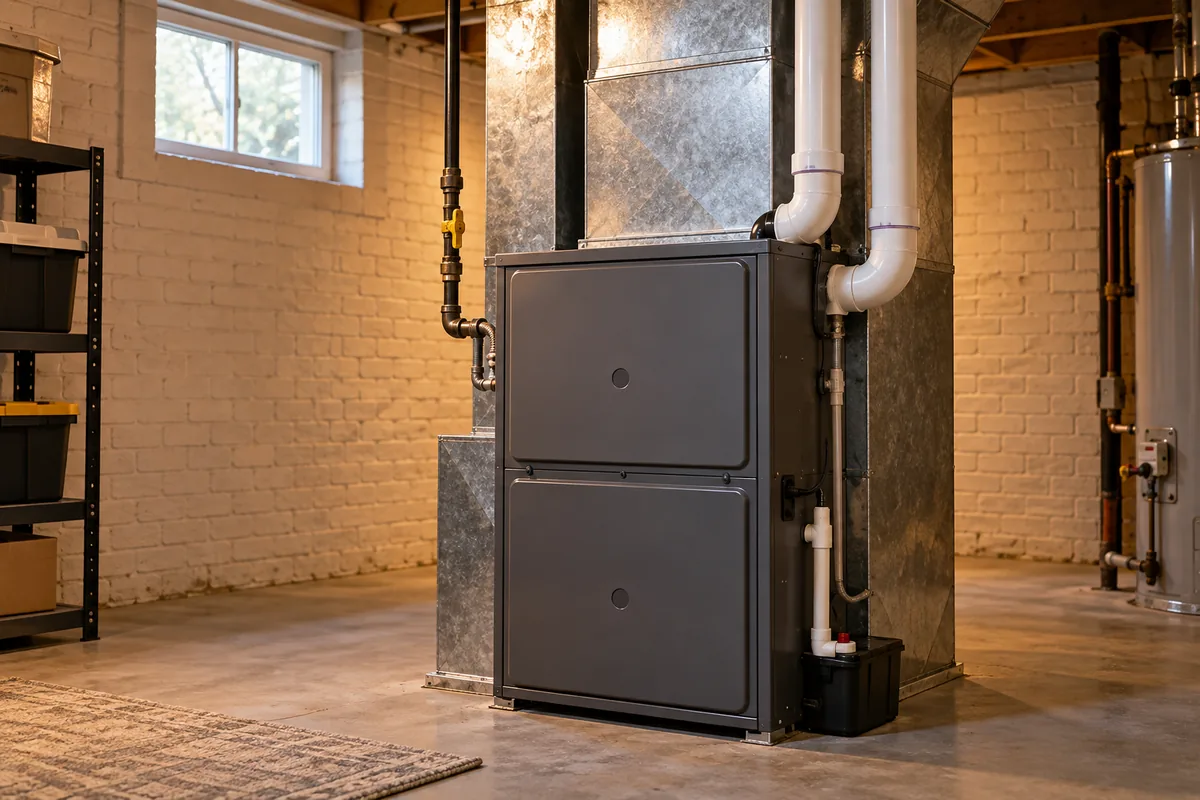
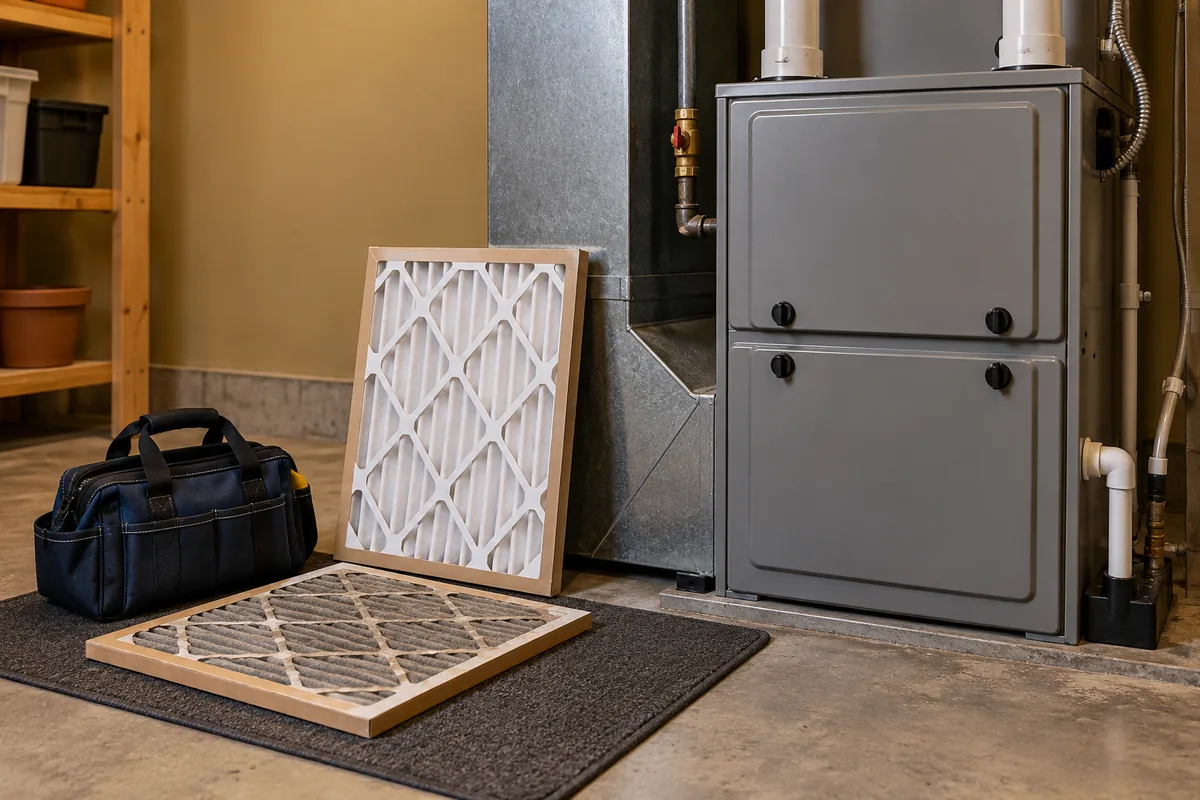
For a furnace, report whether it never starts, loses heat during a run or leaves the blower on after heat stops. Our Trane furnace repair service covers those heating concerns. Save an accessible fault message if one appears. Do not bypass a safety control to keep the unit operating.
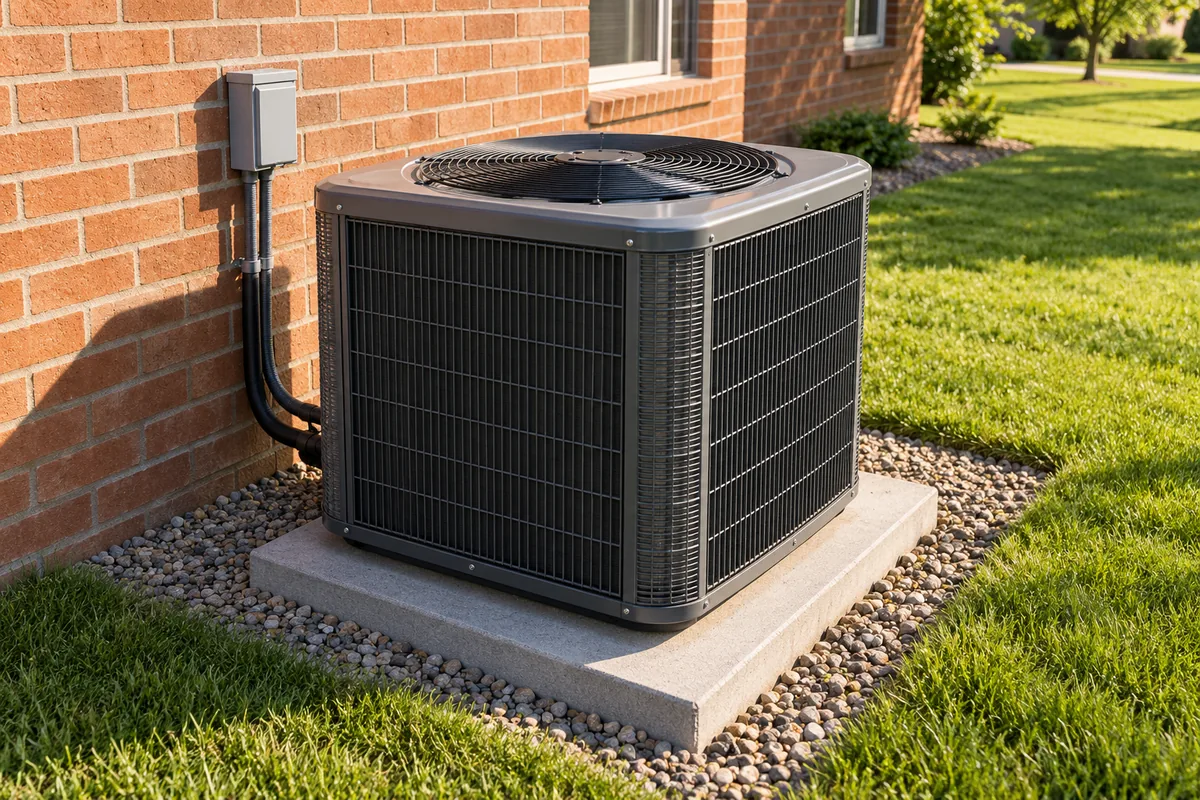
For an air conditioner, distinguish weak airflow from air that moves normally but stays warm. Mention visible frost or water without opening equipment. The Trane AC repair page provides the cooling-service scope. Those symptoms need assessment rather than an automatic refrigerant or part change.
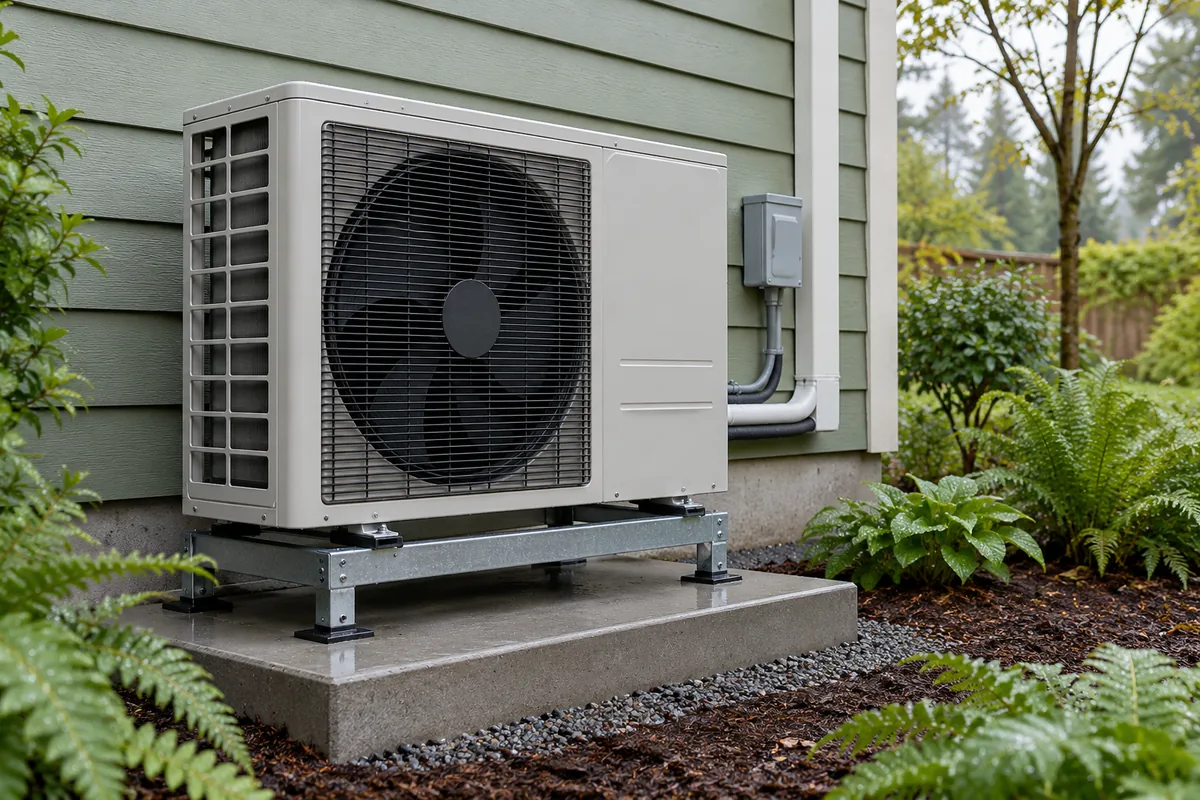
For an existing heat pump system, tell us whether heating and cooling both show the fault. Include the control mode and what happens when the unit tries to run. The brand name does not settle which component needs work. A model-specific finding should support the proposed repair.
If the fault is intermittent, keep a brief record of when it occurs. Note the displayed temperatures, message and approximate run time. Explain whether the unit recovers on its own or stays off. Do not repeatedly reset it just to make the complaint appear again.
Repair Findings, Price and Replacement Estimates
Review the repair explanation before making a decision. Ask which finding accounts for the reported loss of comfort and which work should correct it. If there are separate zone and equipment issues, discuss each one clearly.
Check the repair price, parts and labor included in the work. Confirm any need to order a component or return for further testing. If the diagnosis remains incomplete, ask what is unconfirmed and what the next assessment would establish.
Our HVAC maintenance service covers planned care. If the system has stopped heating or cooling, describe that fault when booking so diagnosis can be planned separately from upkeep.
If replacement becomes an option, our Trane HVAC installation service covers a separate proposal. A free on-site estimator visit applies to installation or replacement. It does not make repair diagnosis a free service. New equipment needs review of the existing controls, connections and installation needs.
Contact HVAC & Appliance Repair Guys to request Trane HVAC repair and identify the affected zone, equipment response and any control message.
Frequently Asked Questions
Does a different temperature in each zone mean there is a fault?
Not by itself. Separate zone settings can request different temperatures. Describe which area fails to reach its own setting and whether the change is new. Compare each zone with its own setting.
Should I buy another wall control before the visit?
Start with the control model and the equipment it serves. A similar-looking control may not suit that setup. Ask which findings support a control repair or change before choosing a part.
What access should I mention when requesting service?
Tell us where the indoor and outdoor units sit and whether locks, gates or attic access affect the route. Arrange both entry and someone who can approve the work. Leave panels and connections intact while clearing stored items from the approach.
Can a prior repair record help with a zone complaint?
Yes. It may show which equipment or control work took place before the change. Share the date and scope if available, without assuming the earlier work caused the new issue. The technician still needs to assess the current fault.
Request Trane HVAC Repair in Portland Metro
For Trane hvac repair in Portland Metro, call HVAC & Appliance Repair Guys or submit a service request through the form on this page.
Before your visit
HVAC Repair details for Trane
Include the service address, equipment details, and the order in which symptoms appeared. The technician checks the cause on site. The $99 service call covers diagnosis and is applied toward the total when the repair is approved. The finding and price are reviewed first.
Identify the exact product configuration
For Trane hvac repair, describe how the equipment is installed and powered. Include the exact model number when it is safely visible; models from the same brand can use different configurations.
List earlier repairs and parts
Share prior Trane service dates, replaced components, recurring failures, and any part already supplied or ordered. A previous repair can be useful history, but the current condition still needs to be tested before the same cause or part is assumed.
Describe the utility connections
State which utilities serve the Trane equipment and whether another appliance or system is also affected. This helps describe whether the issue is limited to the equipment or affects the property more broadly.
Estimate age and current condition
Approximate age, corrosion, prior leaks, repeated failures, physical damage, and overall condition can affect whether Trane hvac repair remains practical. Age alone does not identify the fault. Compare the diagnostic findings with the equipment’s condition before deciding between repair and replacement.