



Partial or Complete AC Replacement in Hillsboro
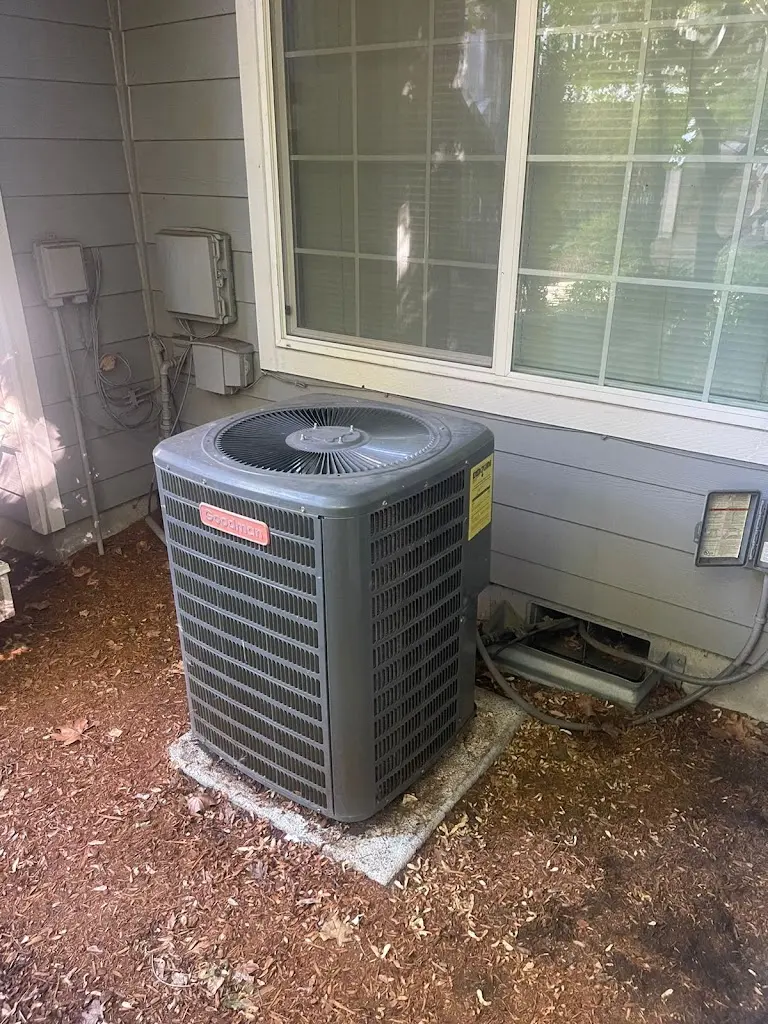
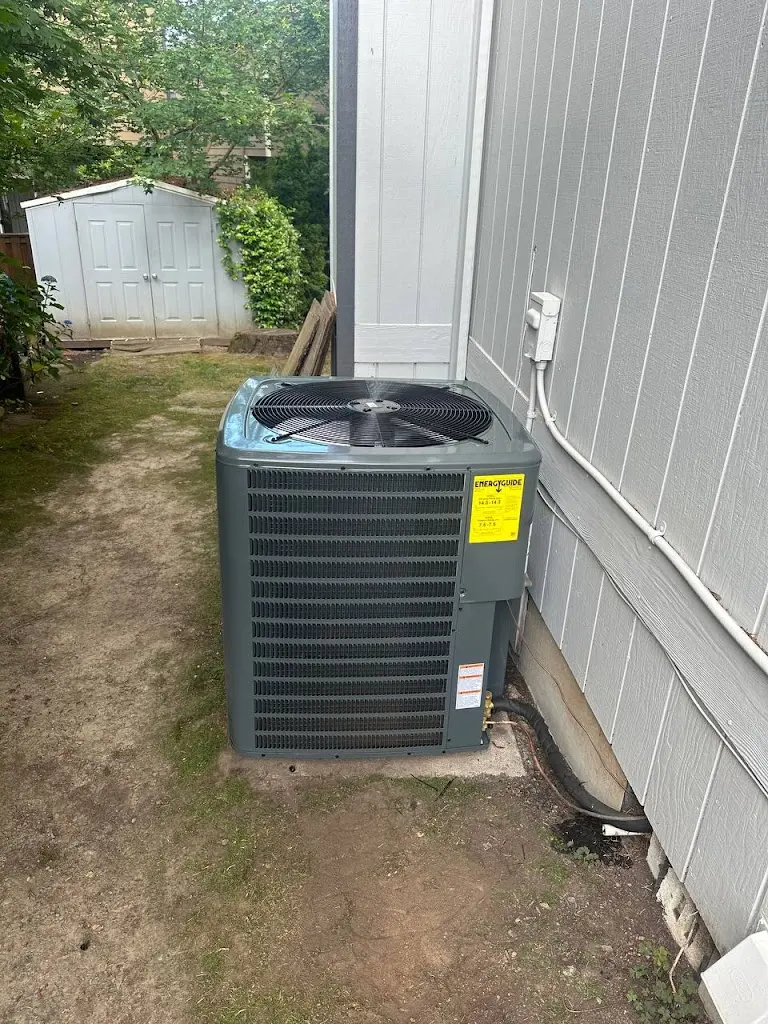
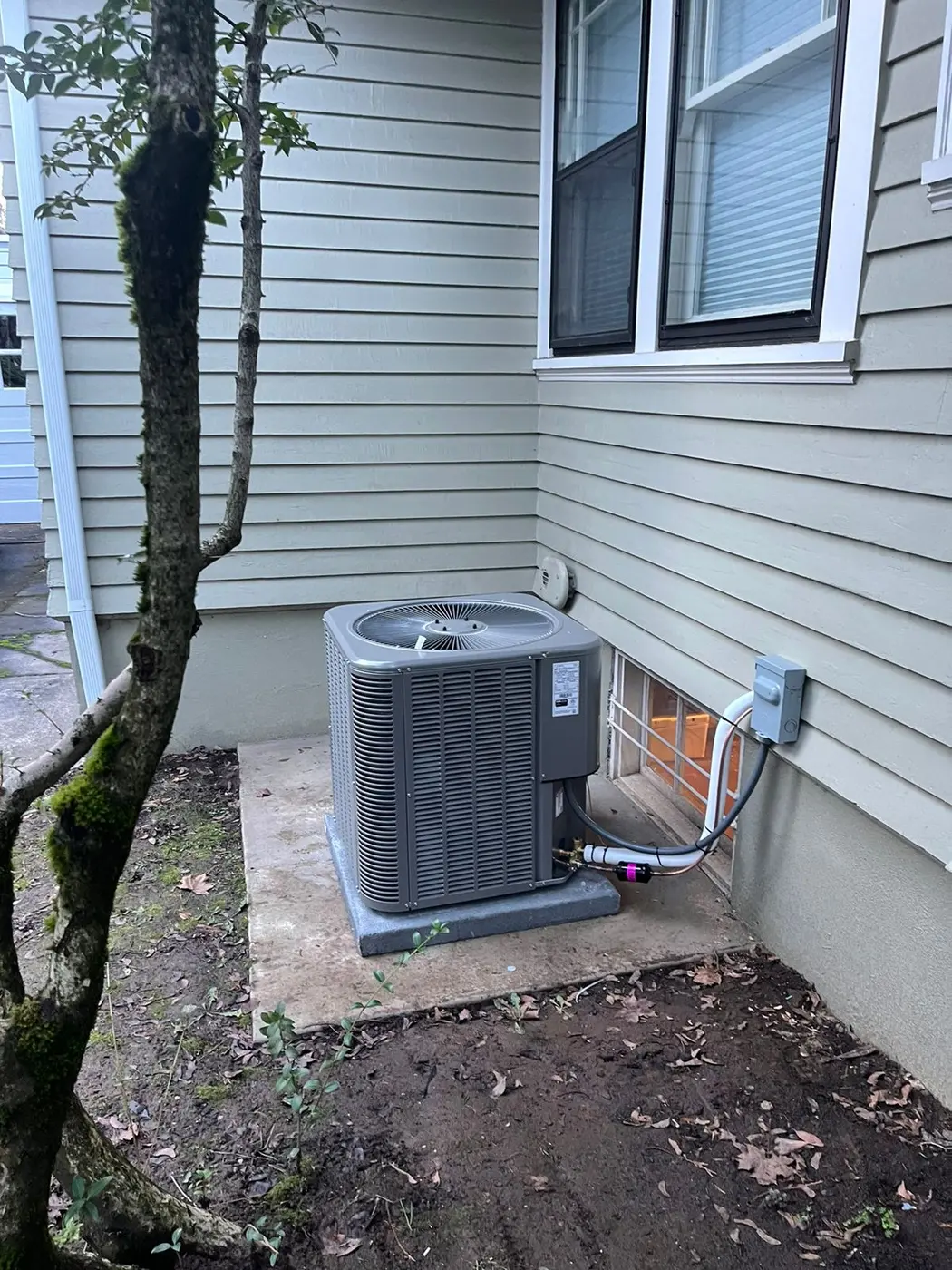
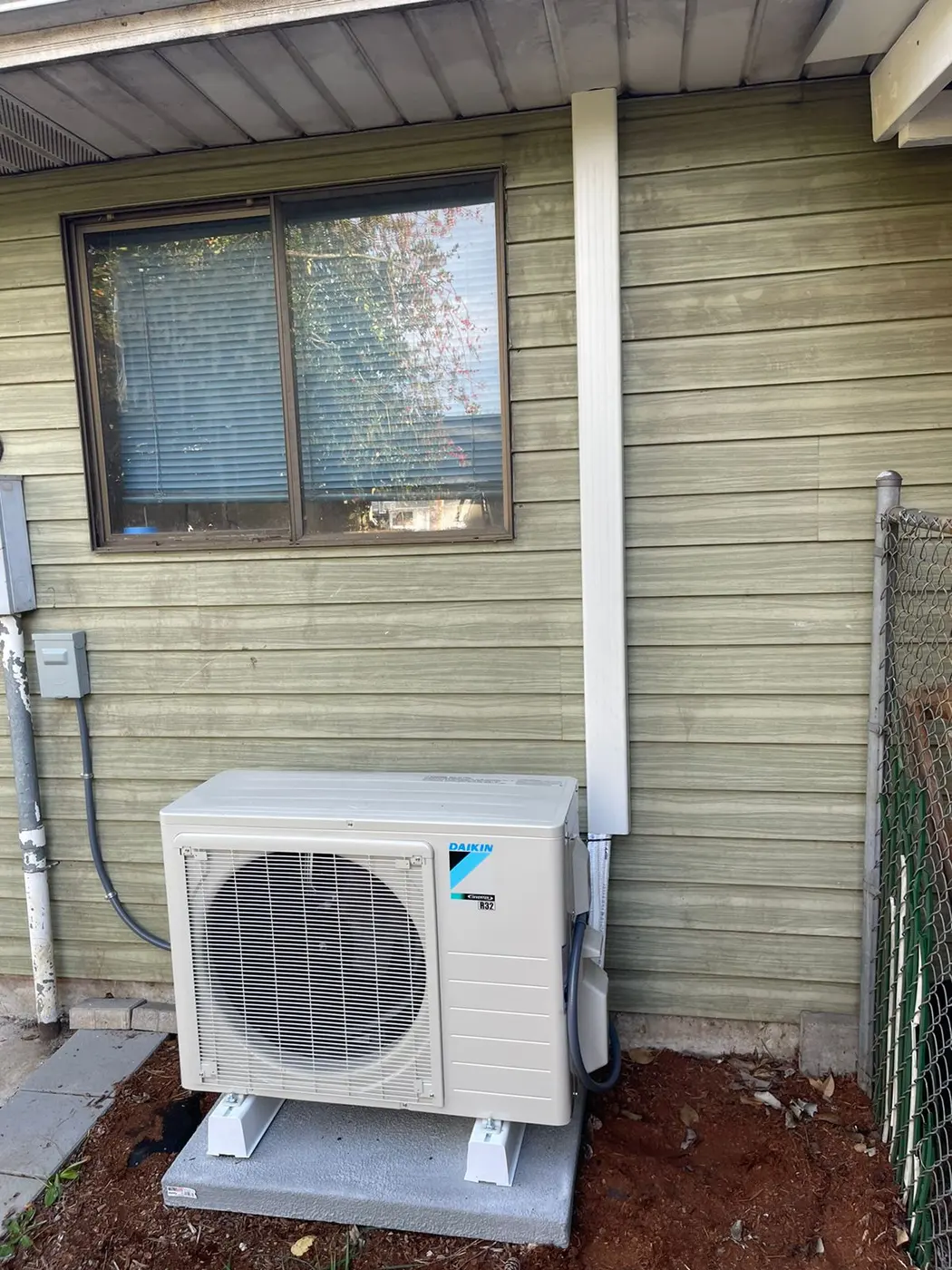
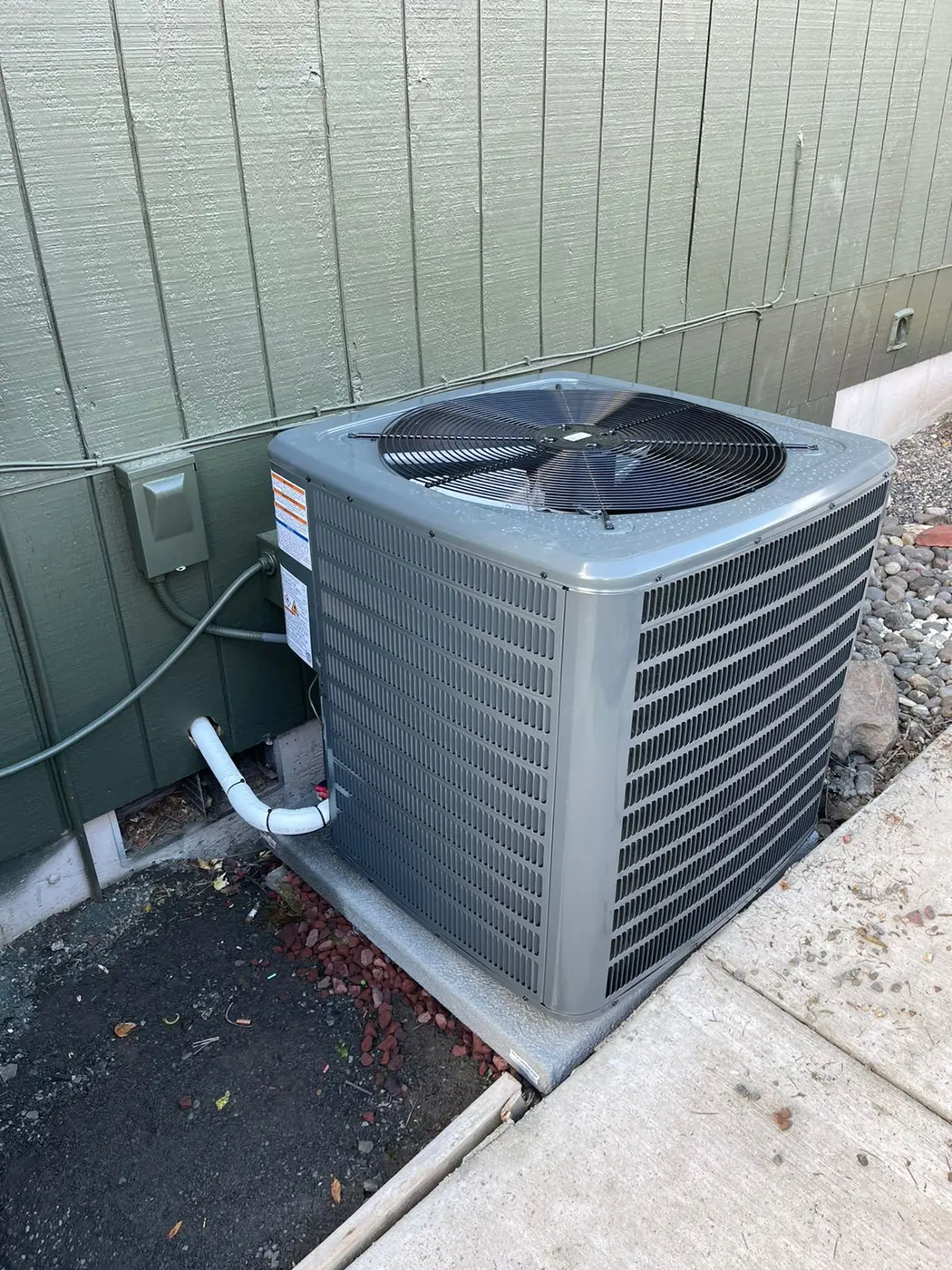
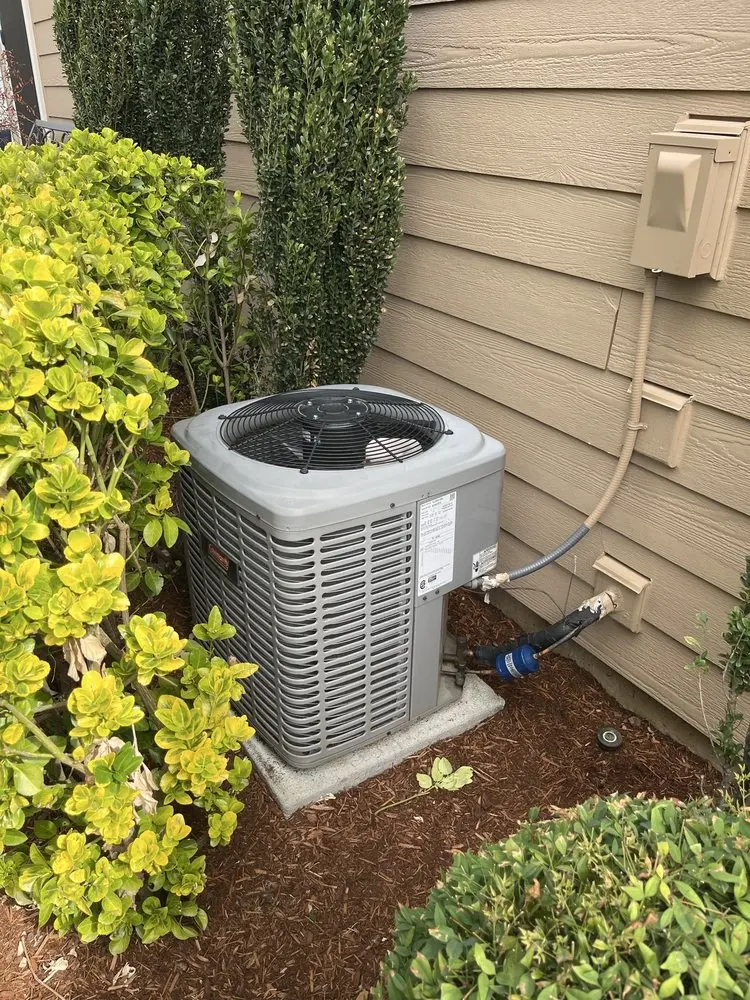
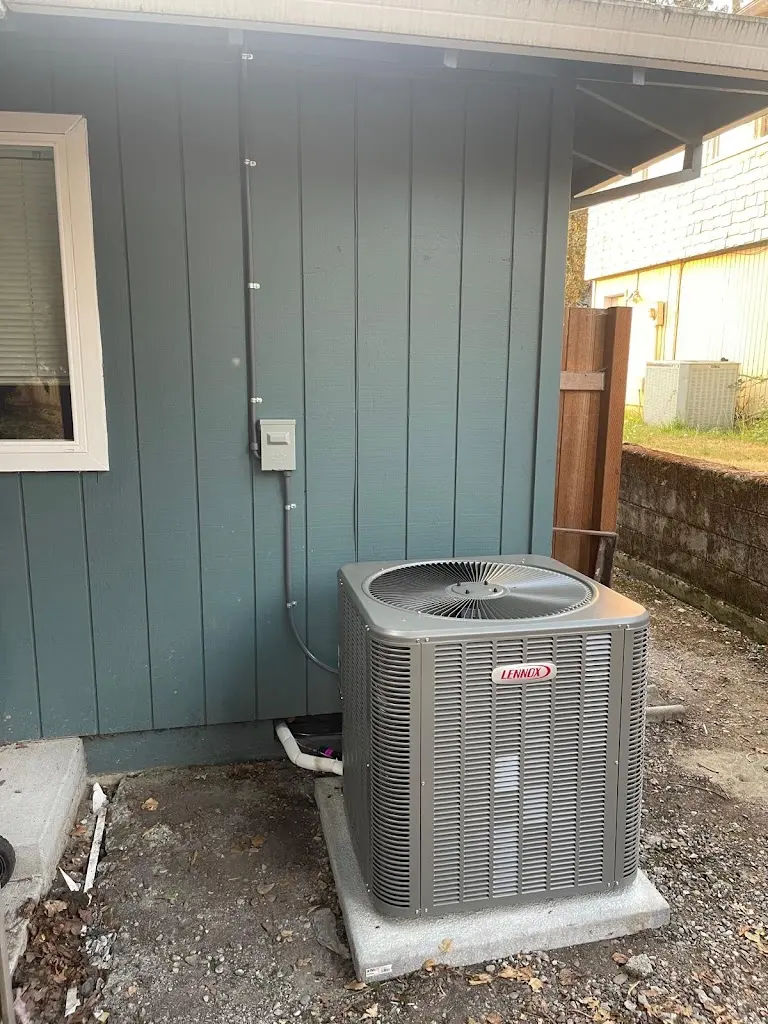
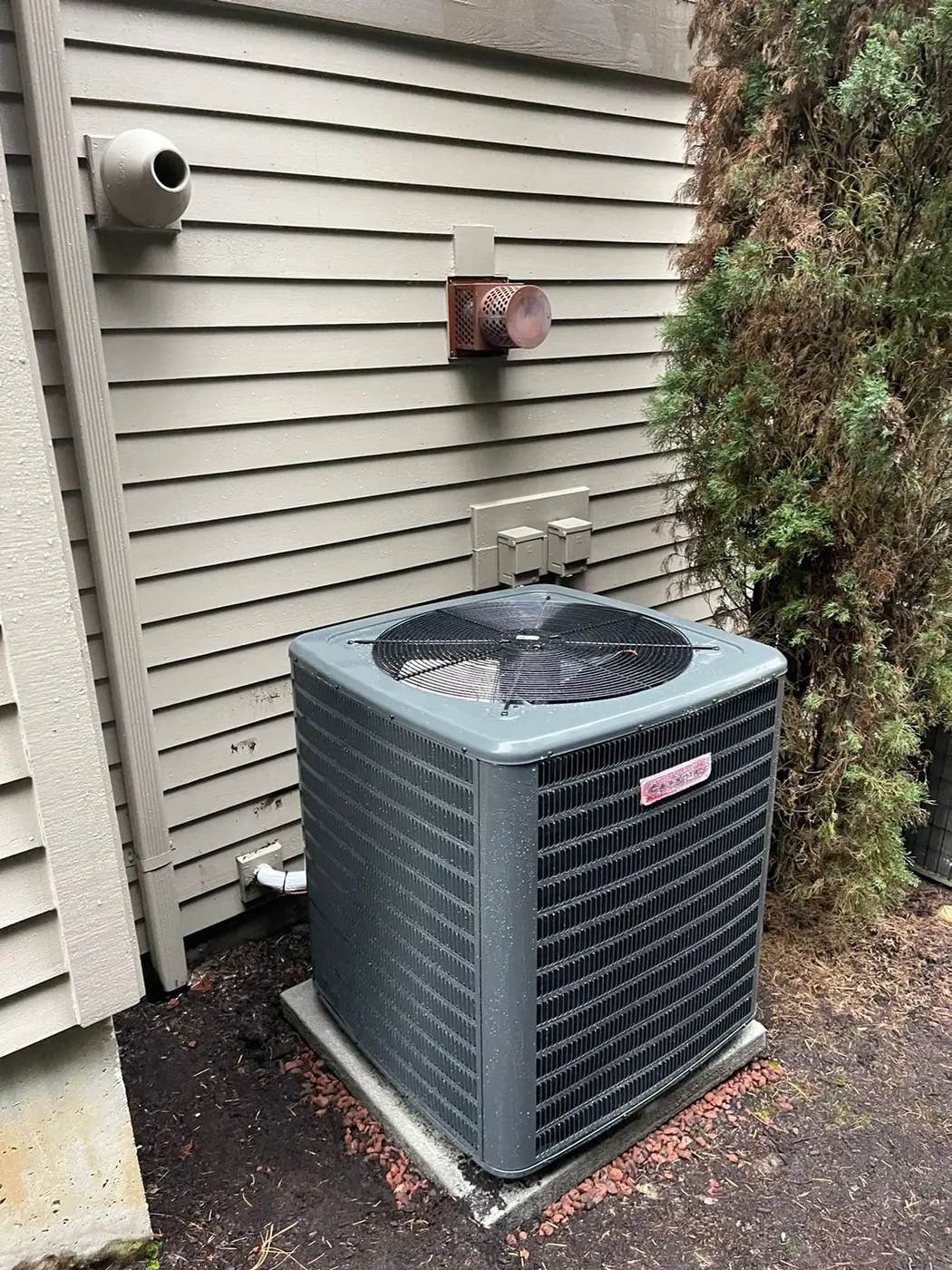
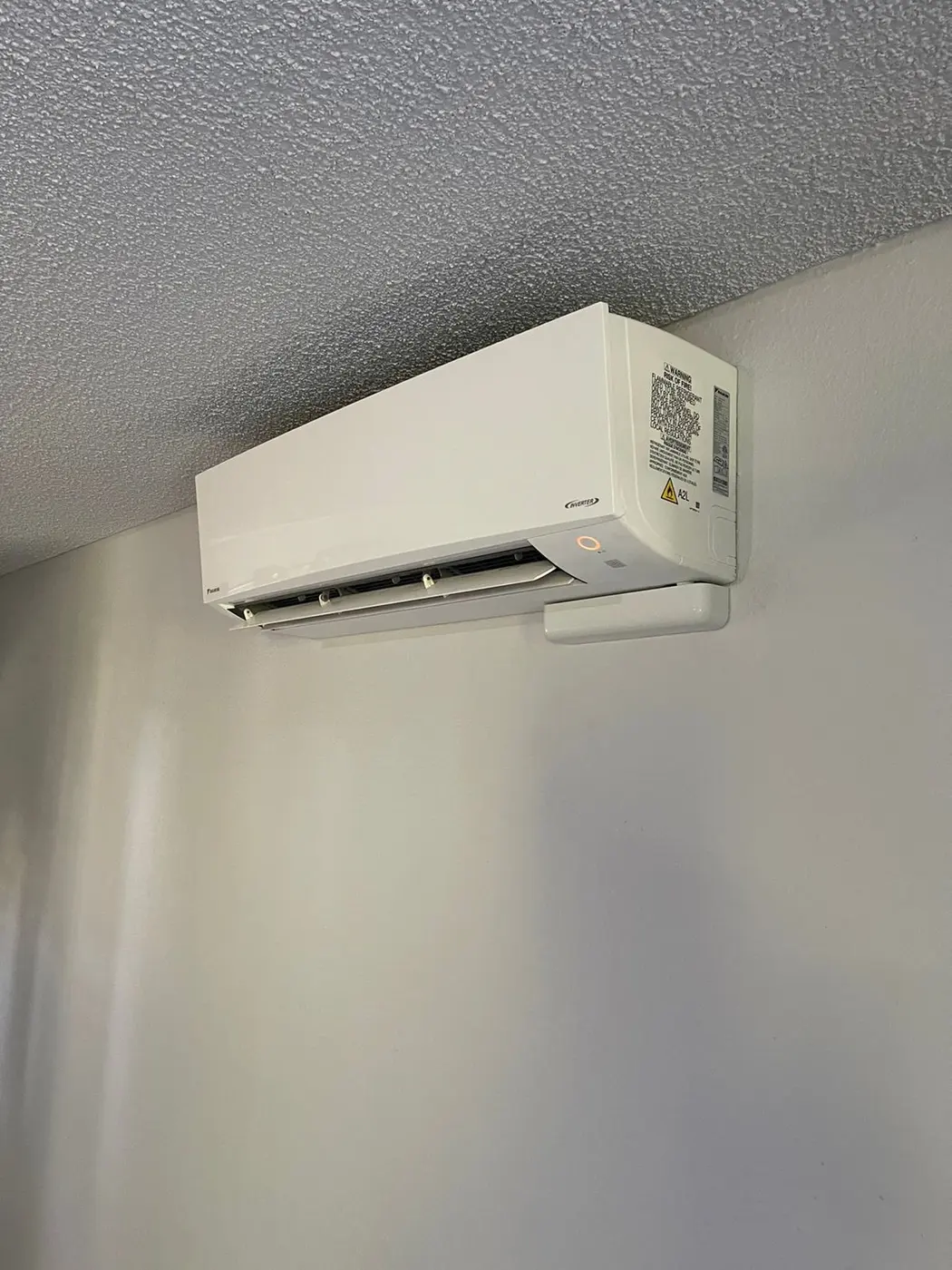
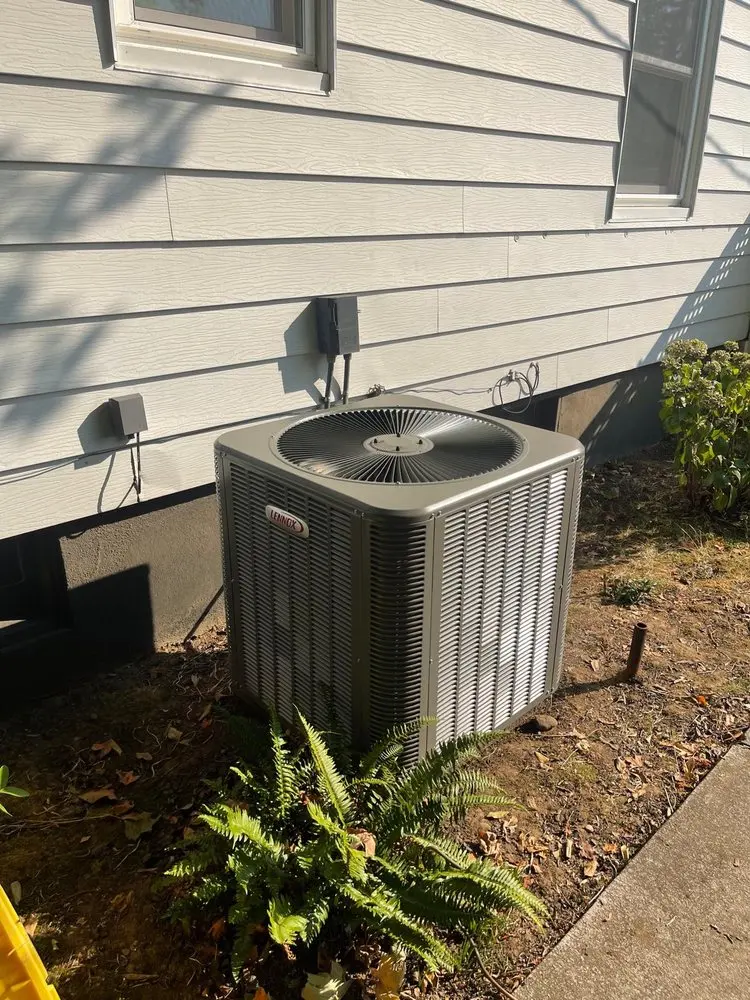
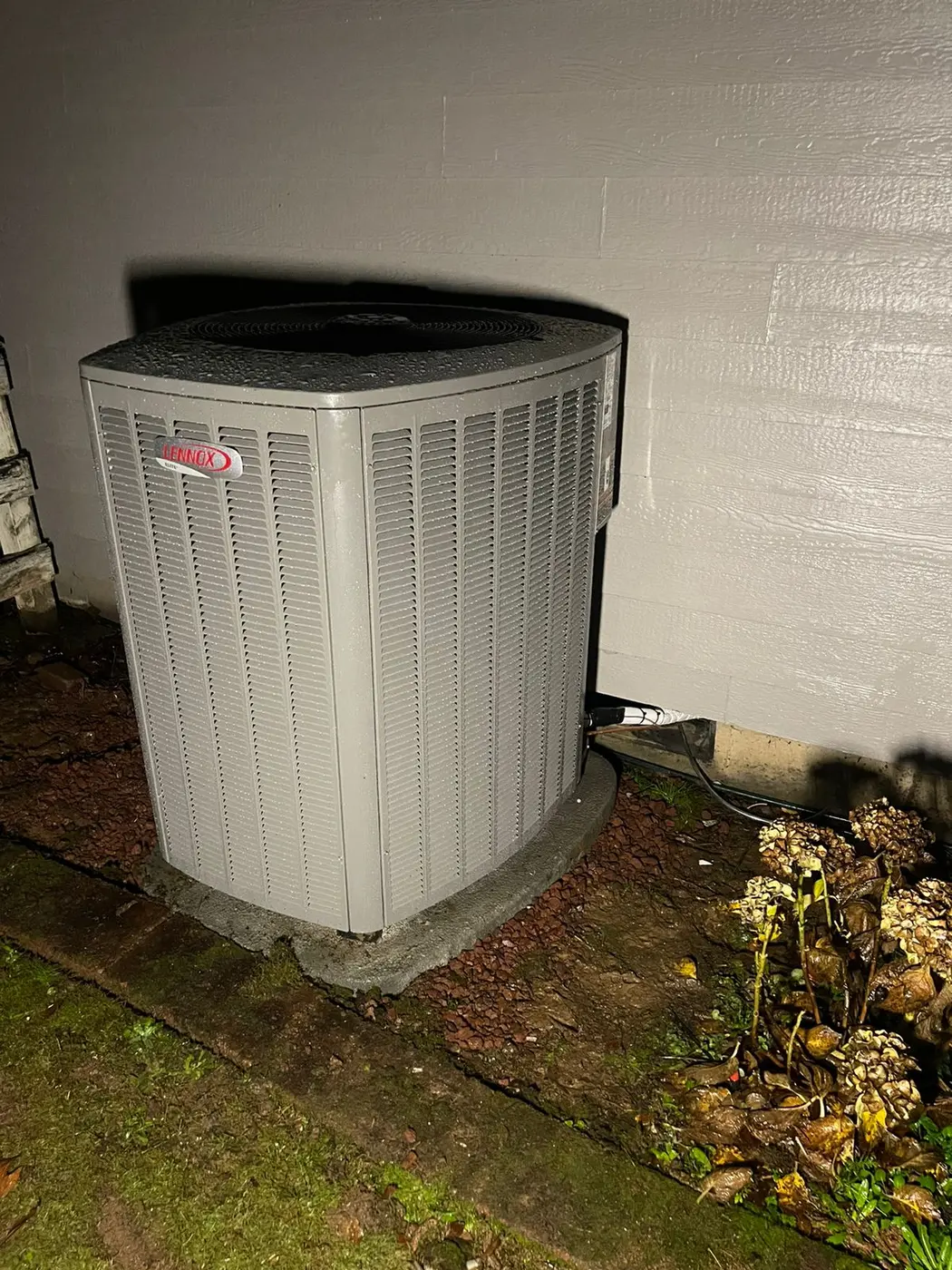
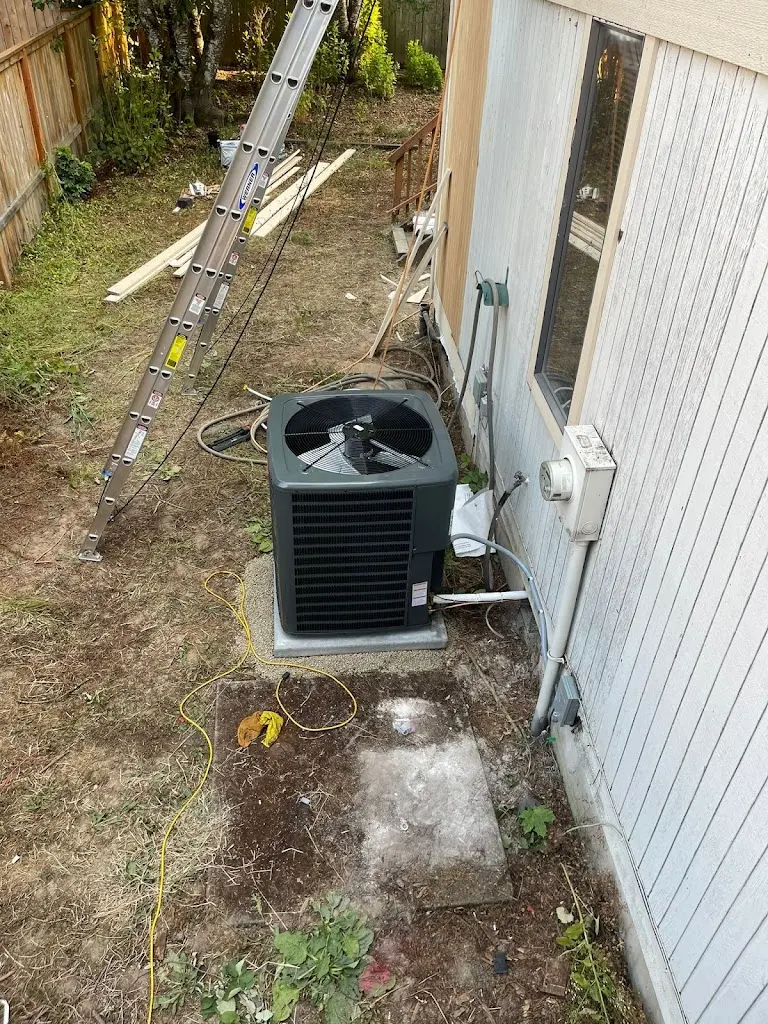
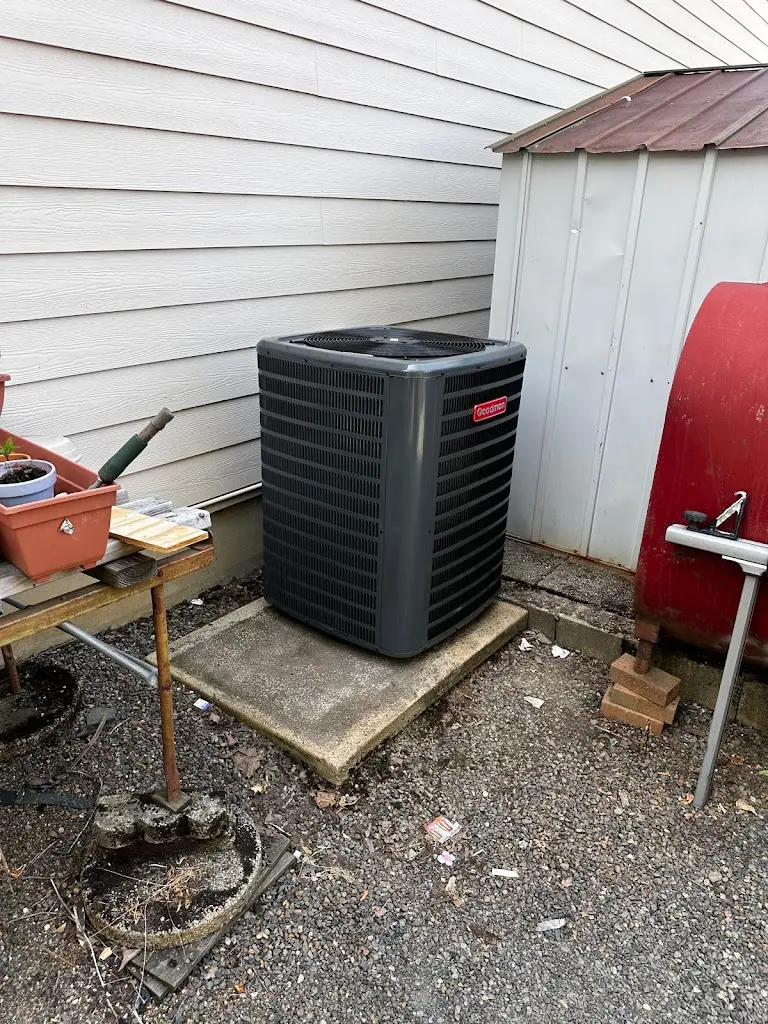
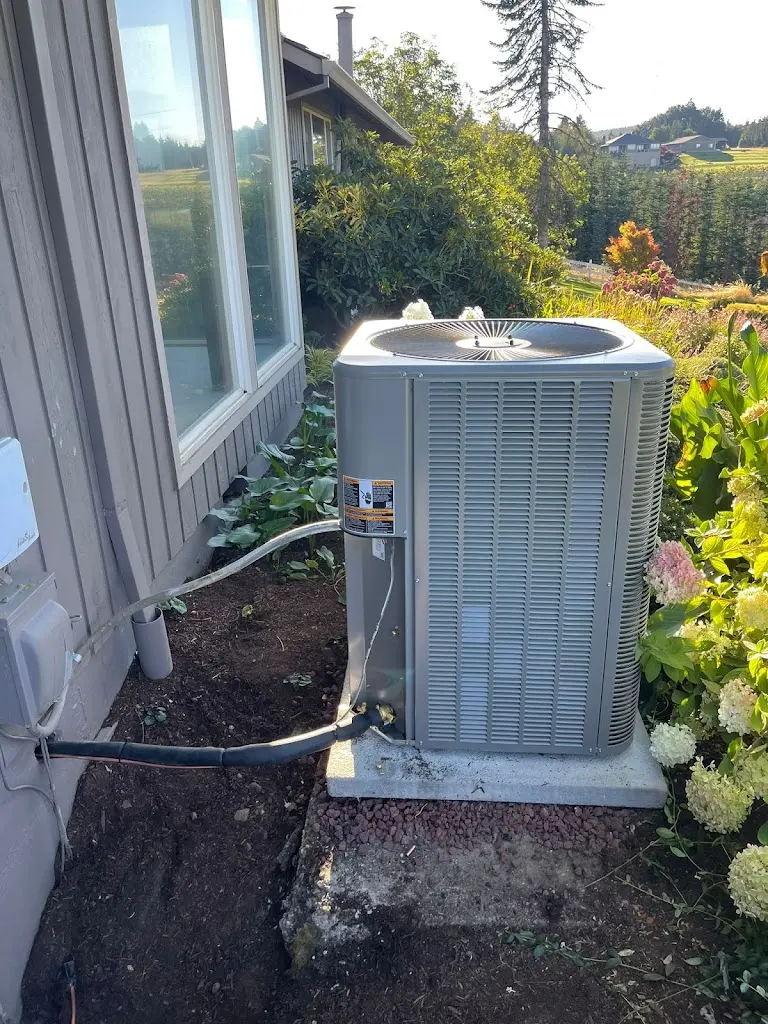
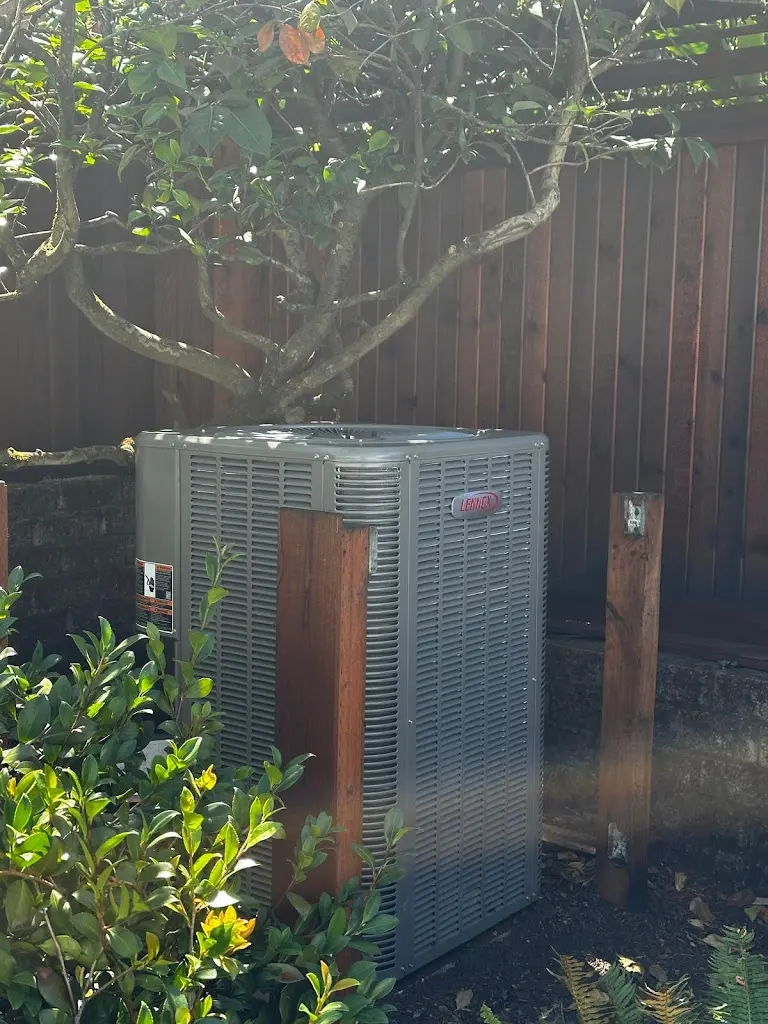
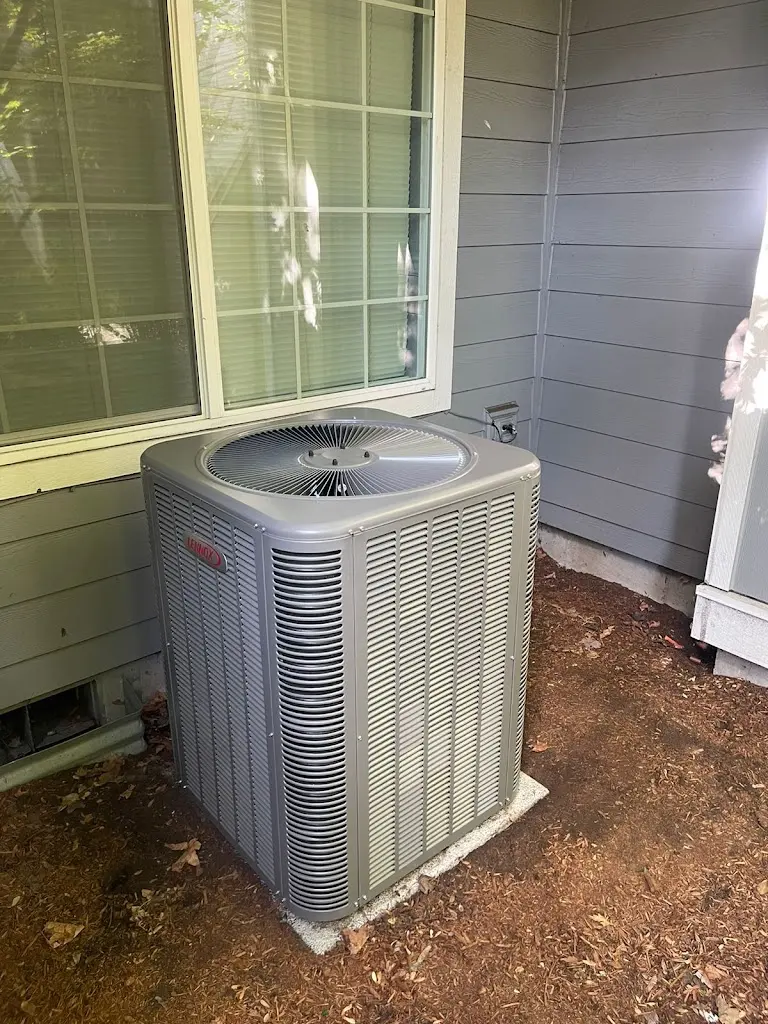
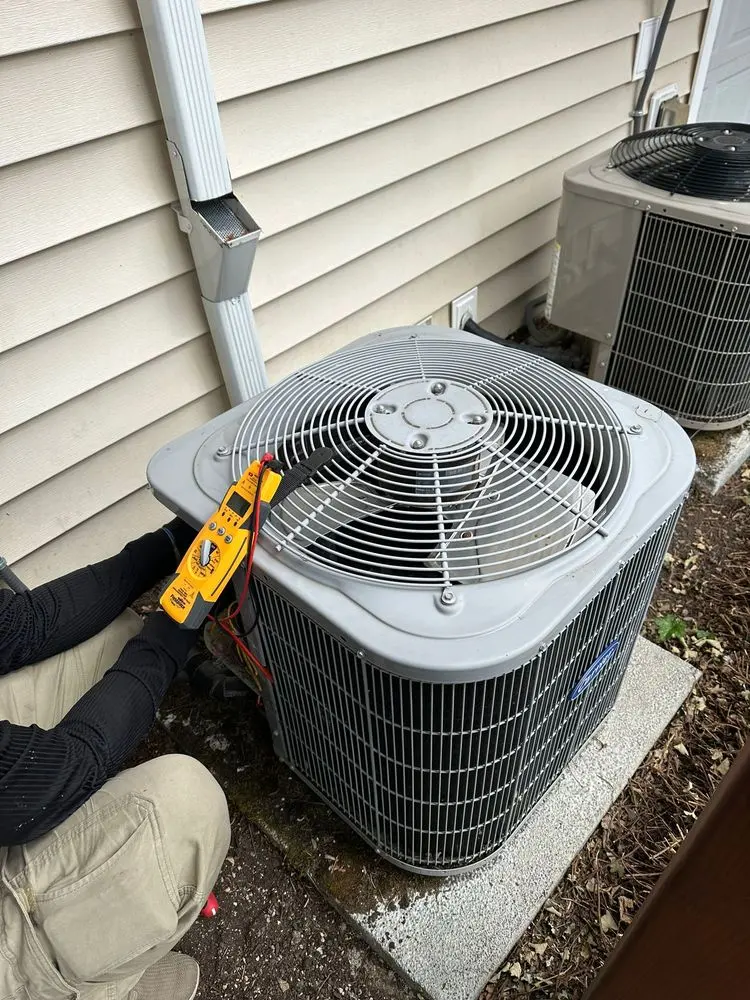
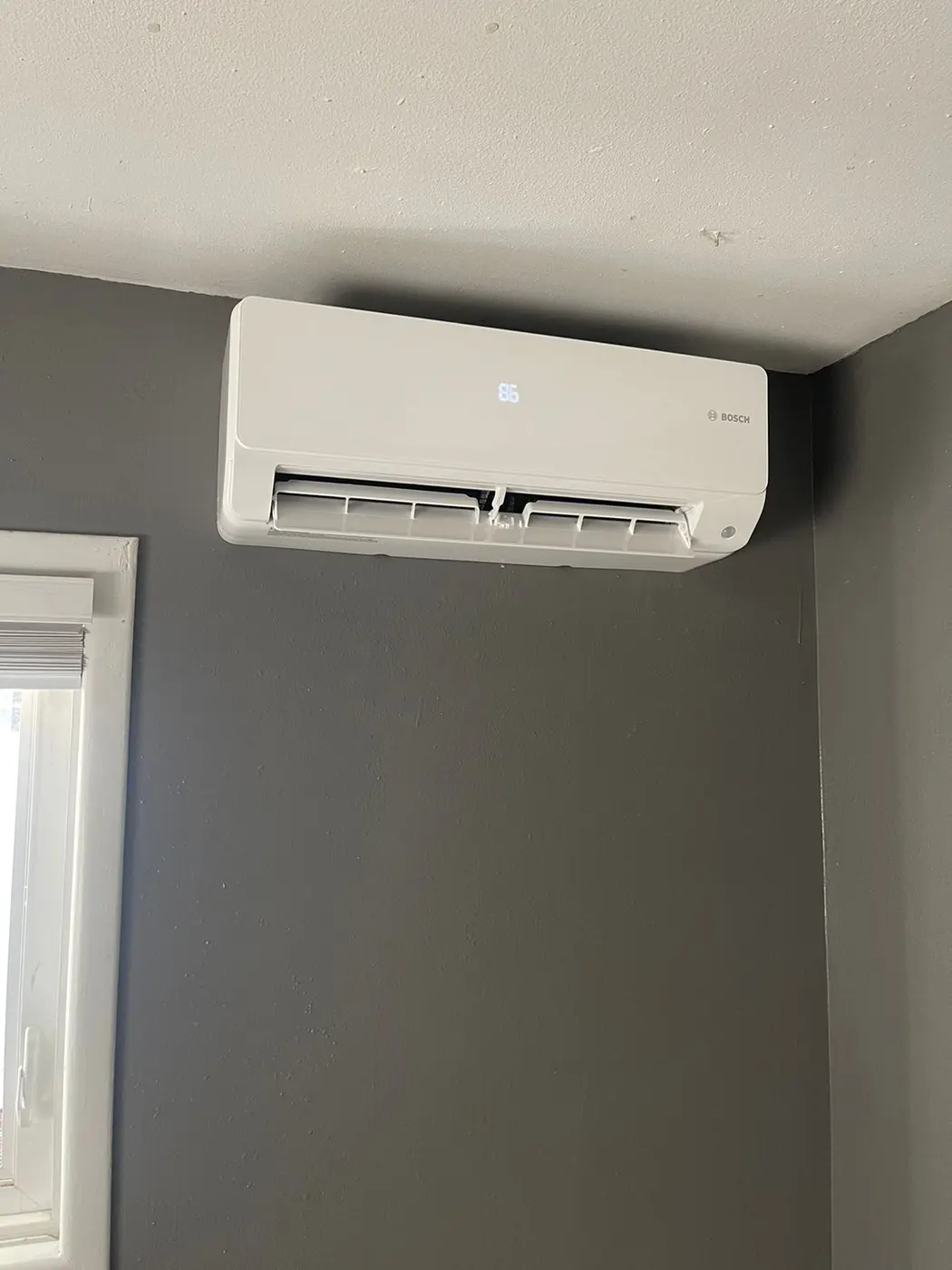
HVAC & Appliance Repair Guys provides AC installation in Hillsboro, OR. Replacing an outdoor unit and replacing the complete cooling setup are different projects. Tell us which equipment you expect to change and which parts you hope to keep; the proposal should identify what can work together.
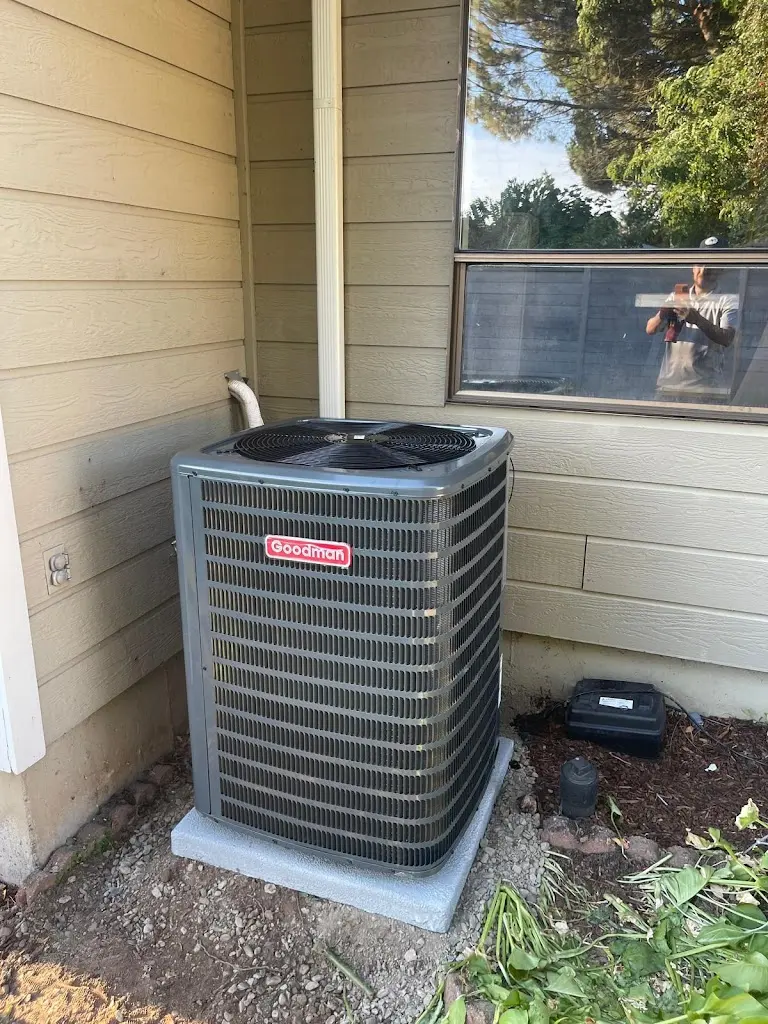
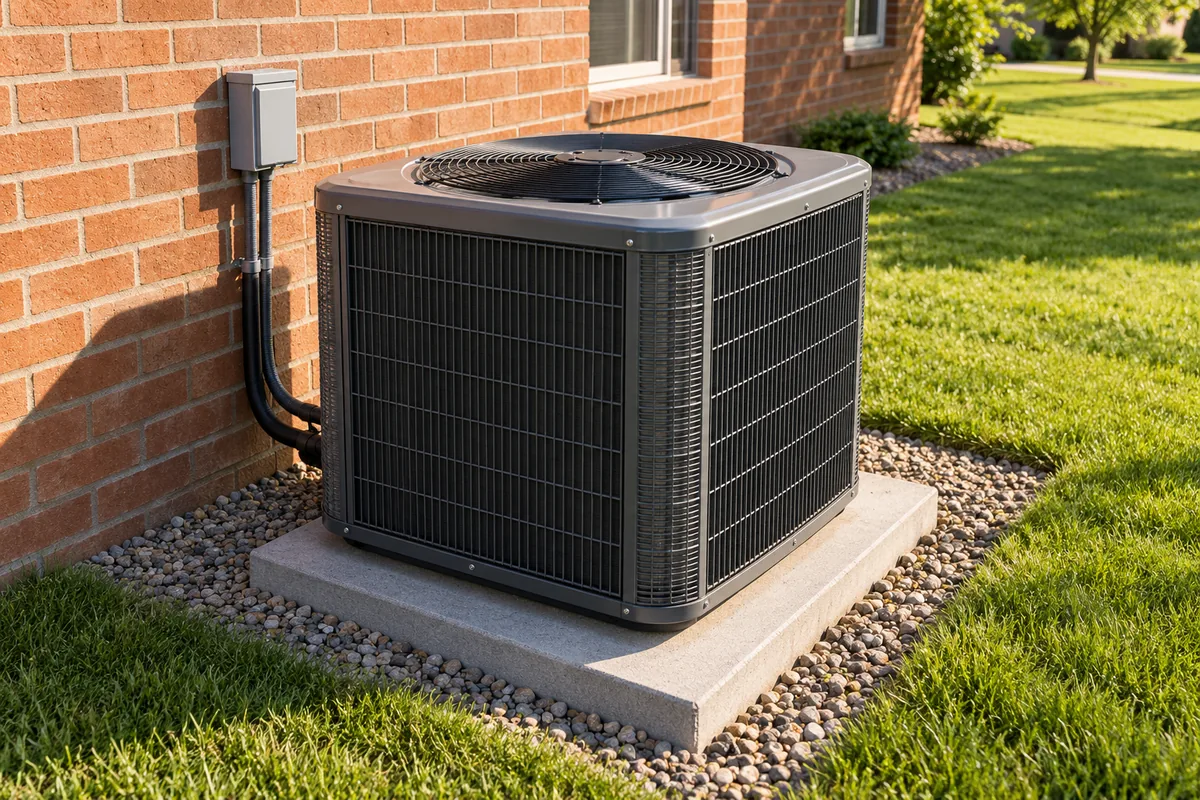
Our air conditioning installation service includes a free on-site estimator visit for installation or replacement. The visit can review the indoor and outdoor setup together. An outdoor cabinet is only part of a central AC system. The estimate needs to account for the parts that will continue working with it.
If you are adding central air for the first time, describe the rooms to be cooled and the indoor equipment already in place. For a new system or replacement, capacity should follow the home’s current cooling load. Mention persistent warm rooms or weak airflow so the review considers duct air delivery rather than assuming the old unit’s size, or a larger replacement, will meet the need.
Existing Equipment, Age and Condition
Share any model details and installation records you have for the indoor and outdoor equipment. A brand name alone may not identify the combination. Leave unknown details for the on-site review.
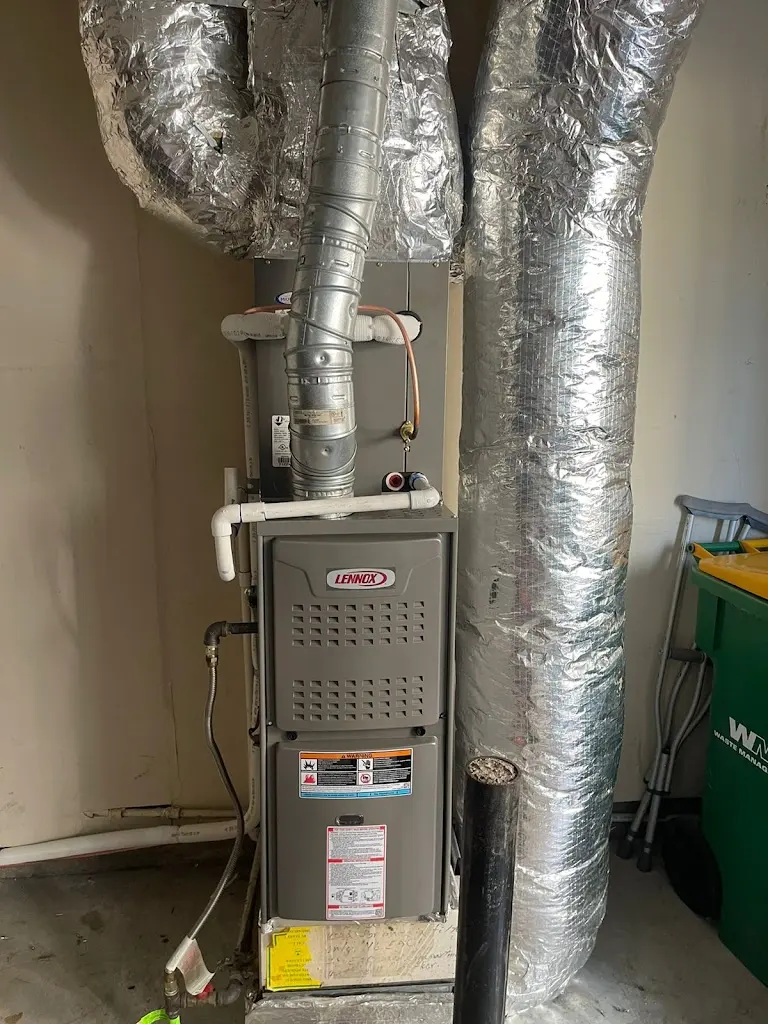
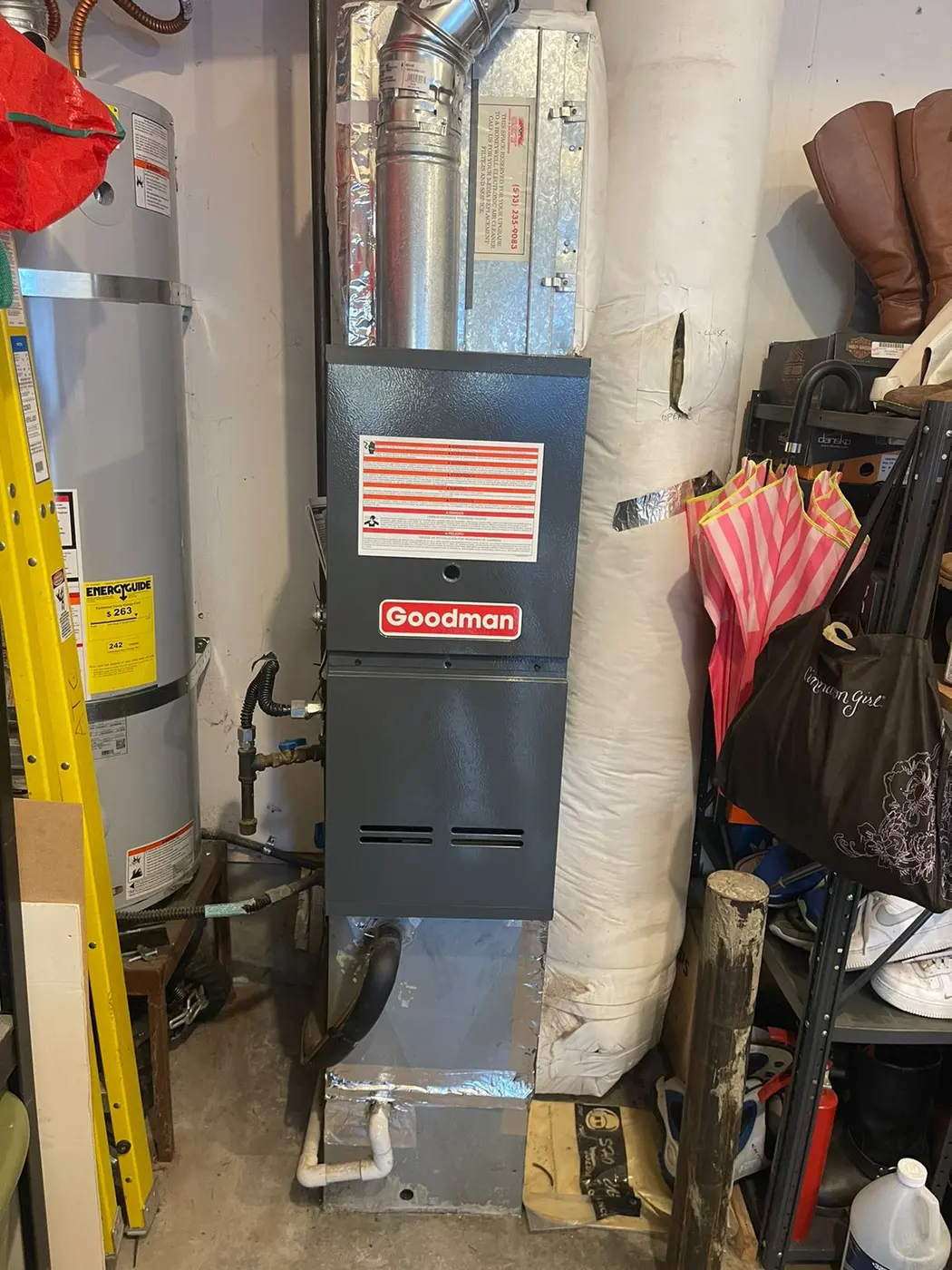
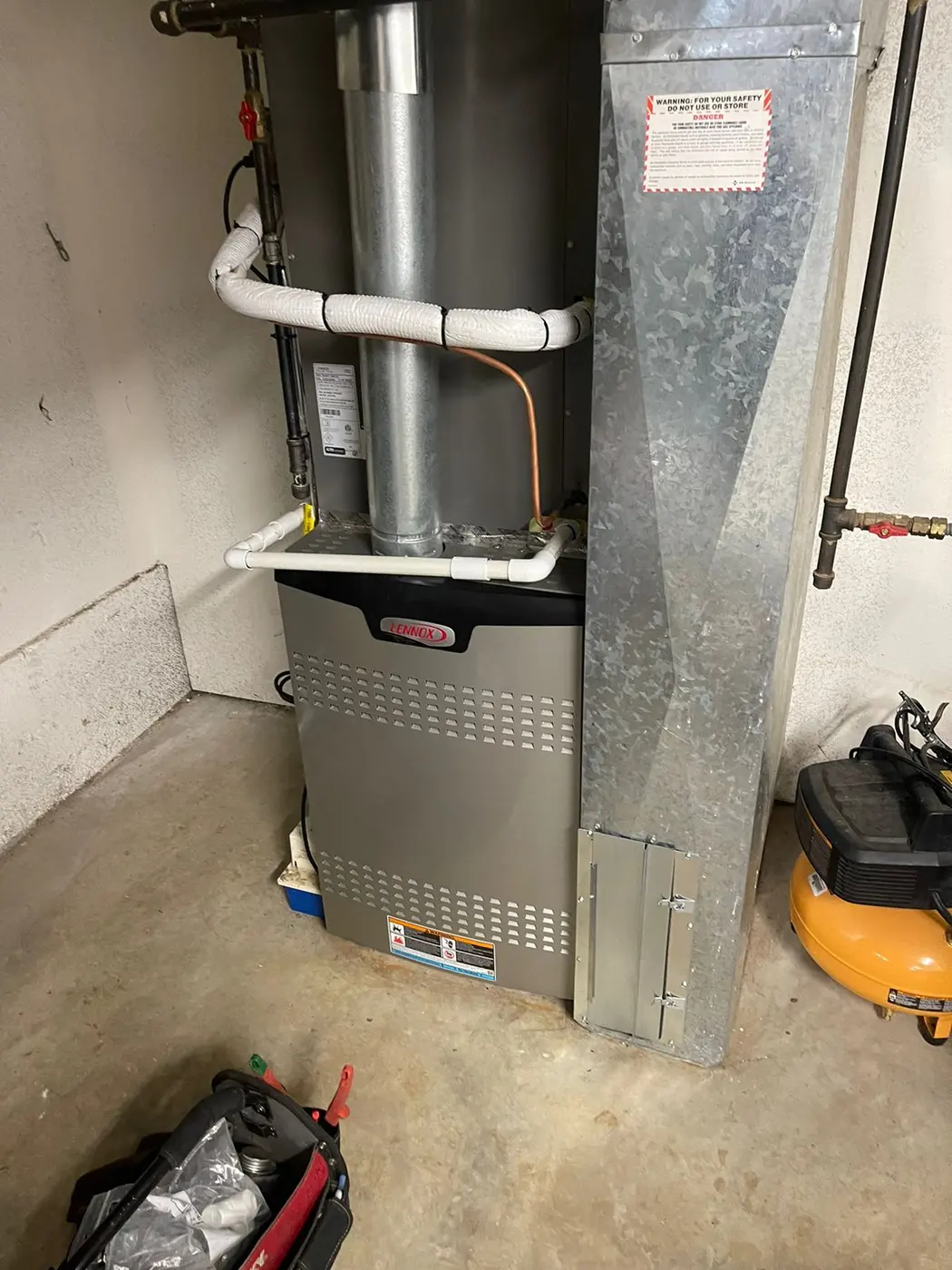
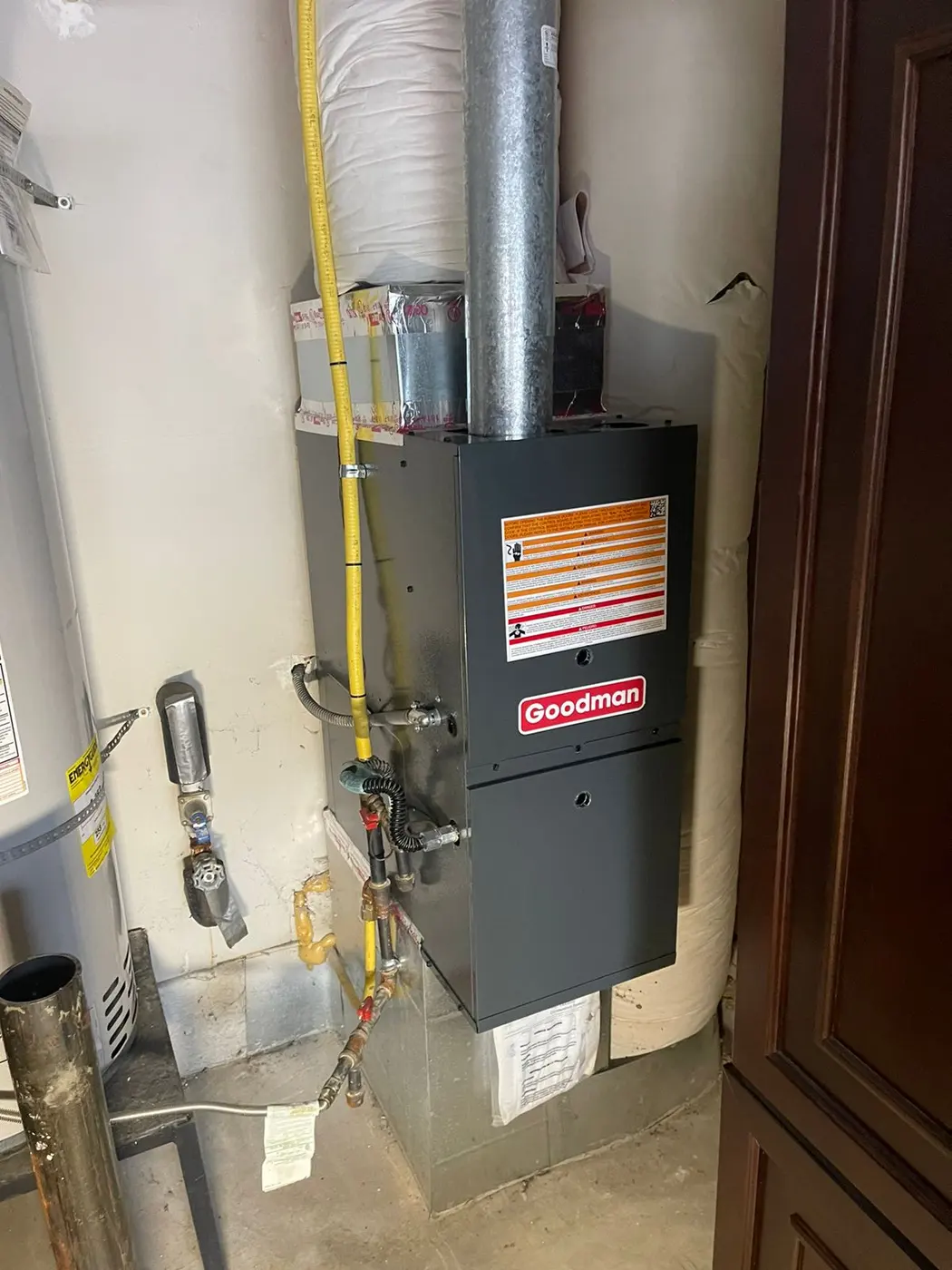
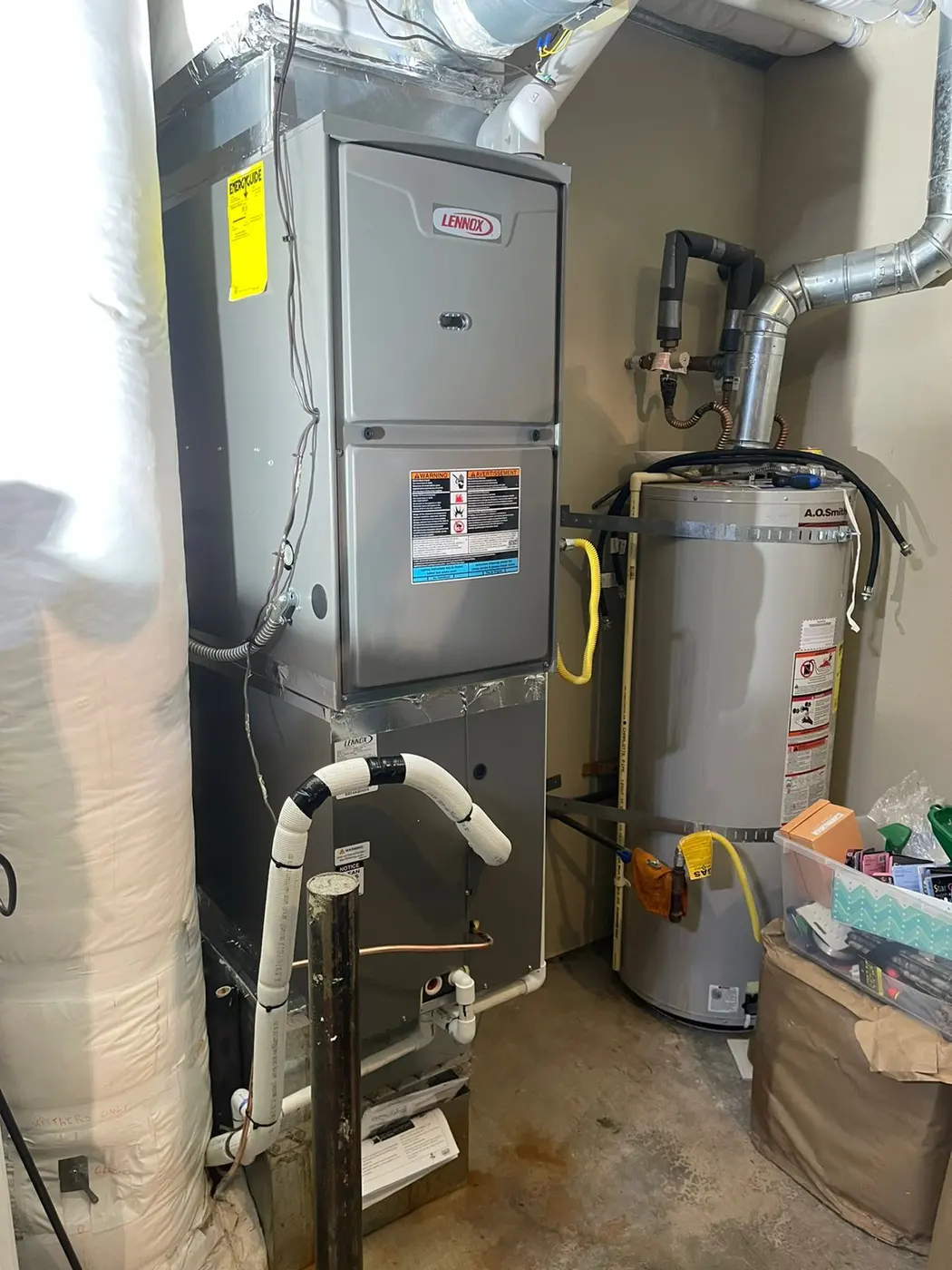
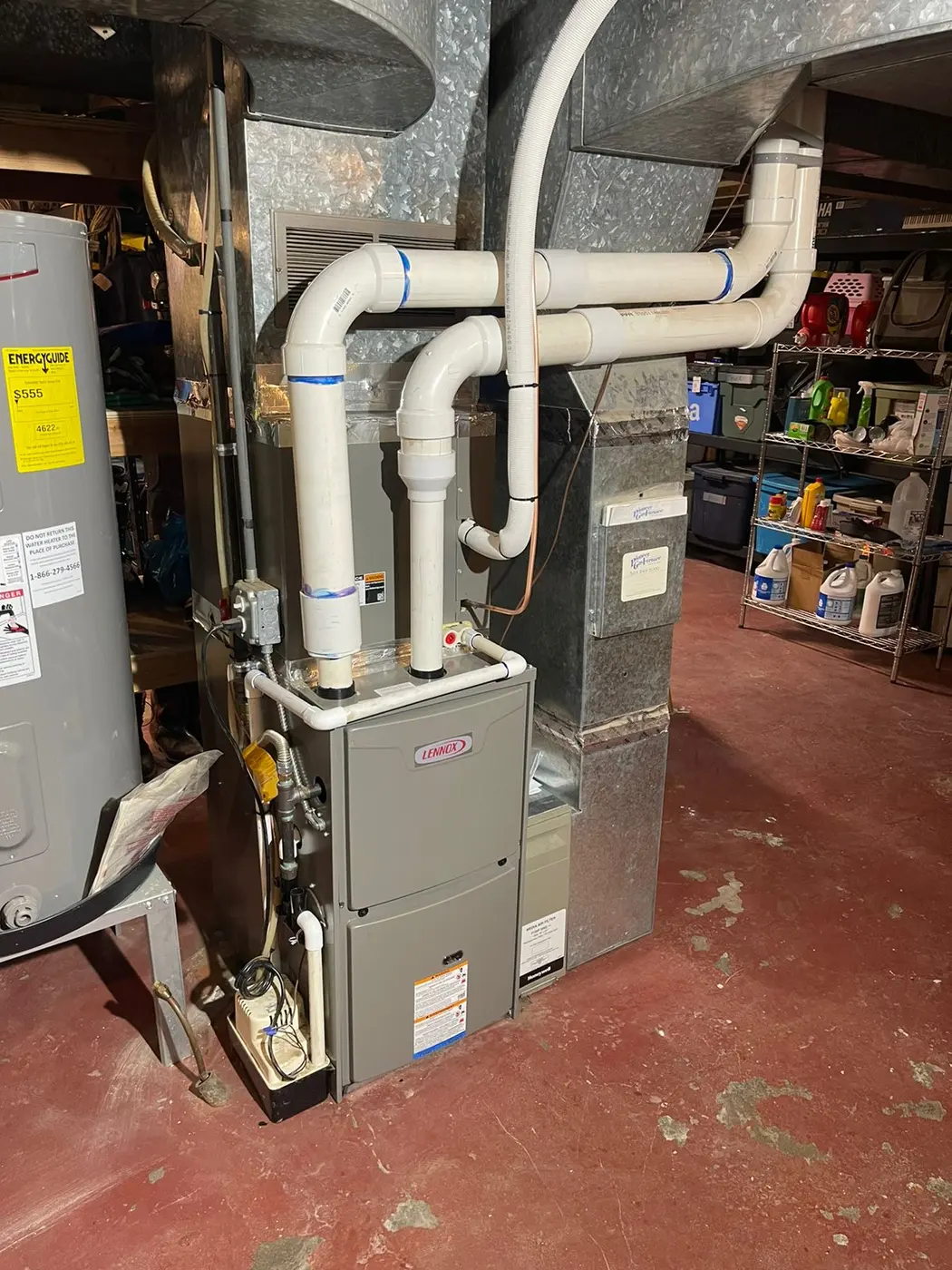
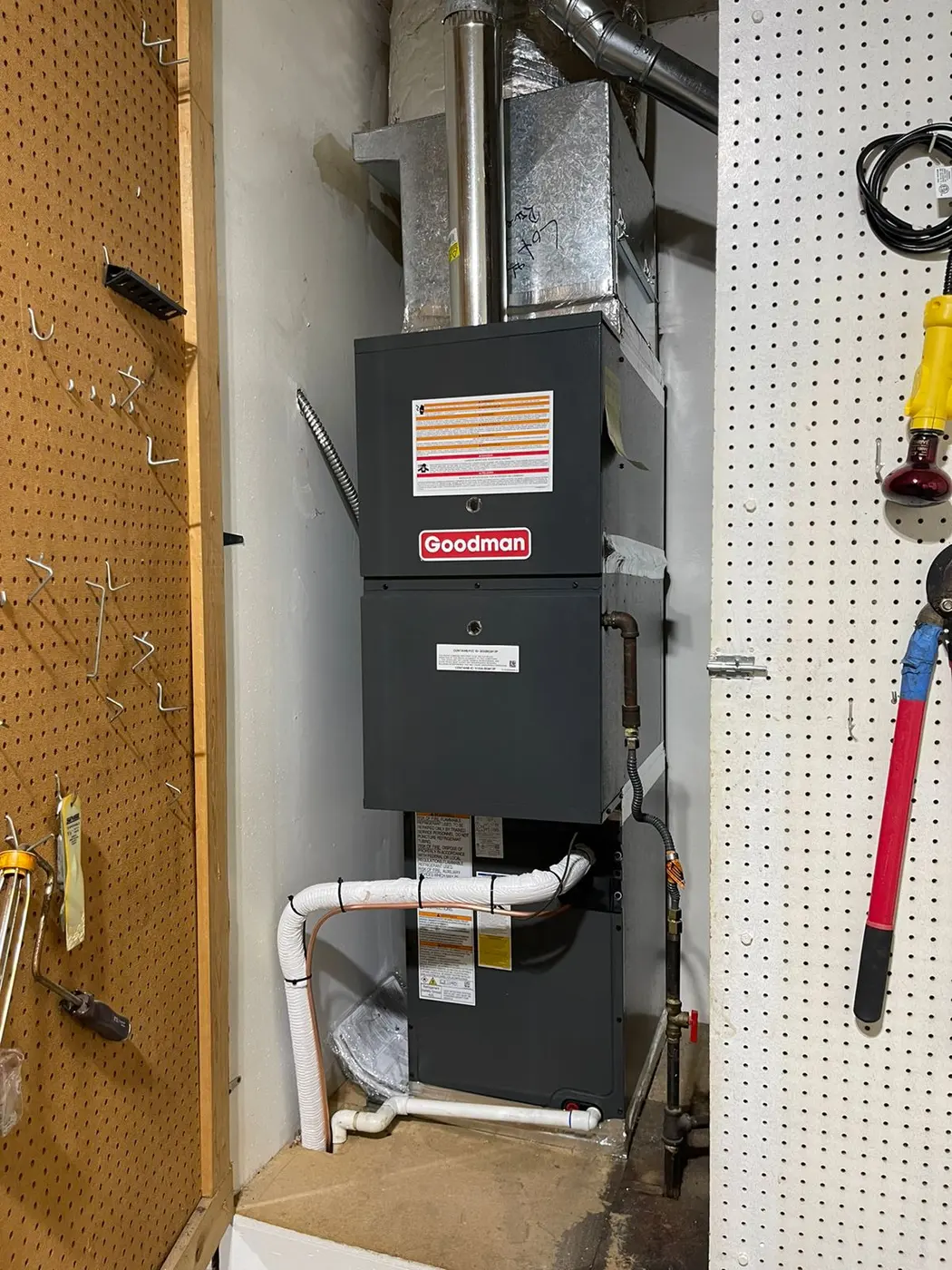
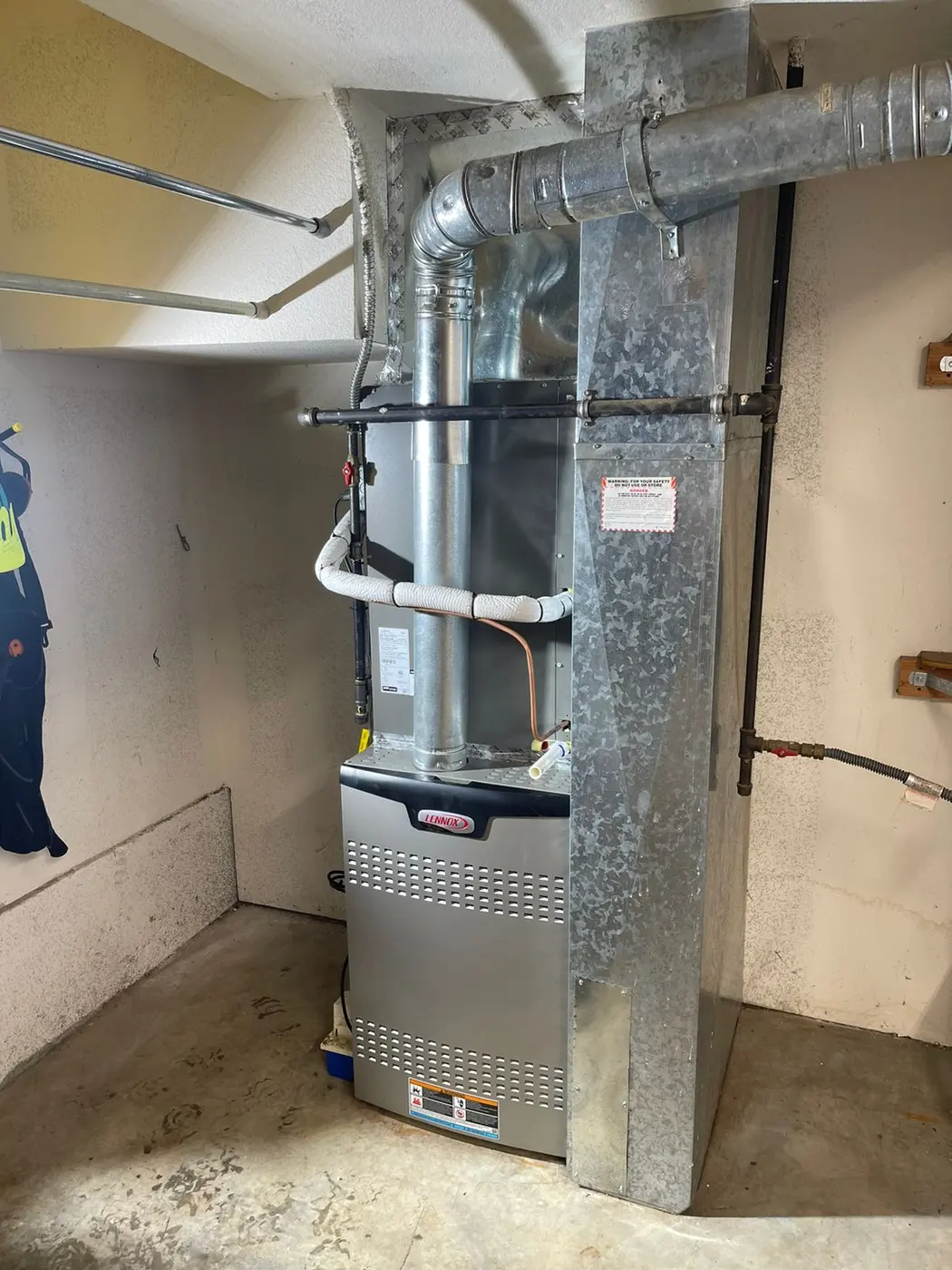
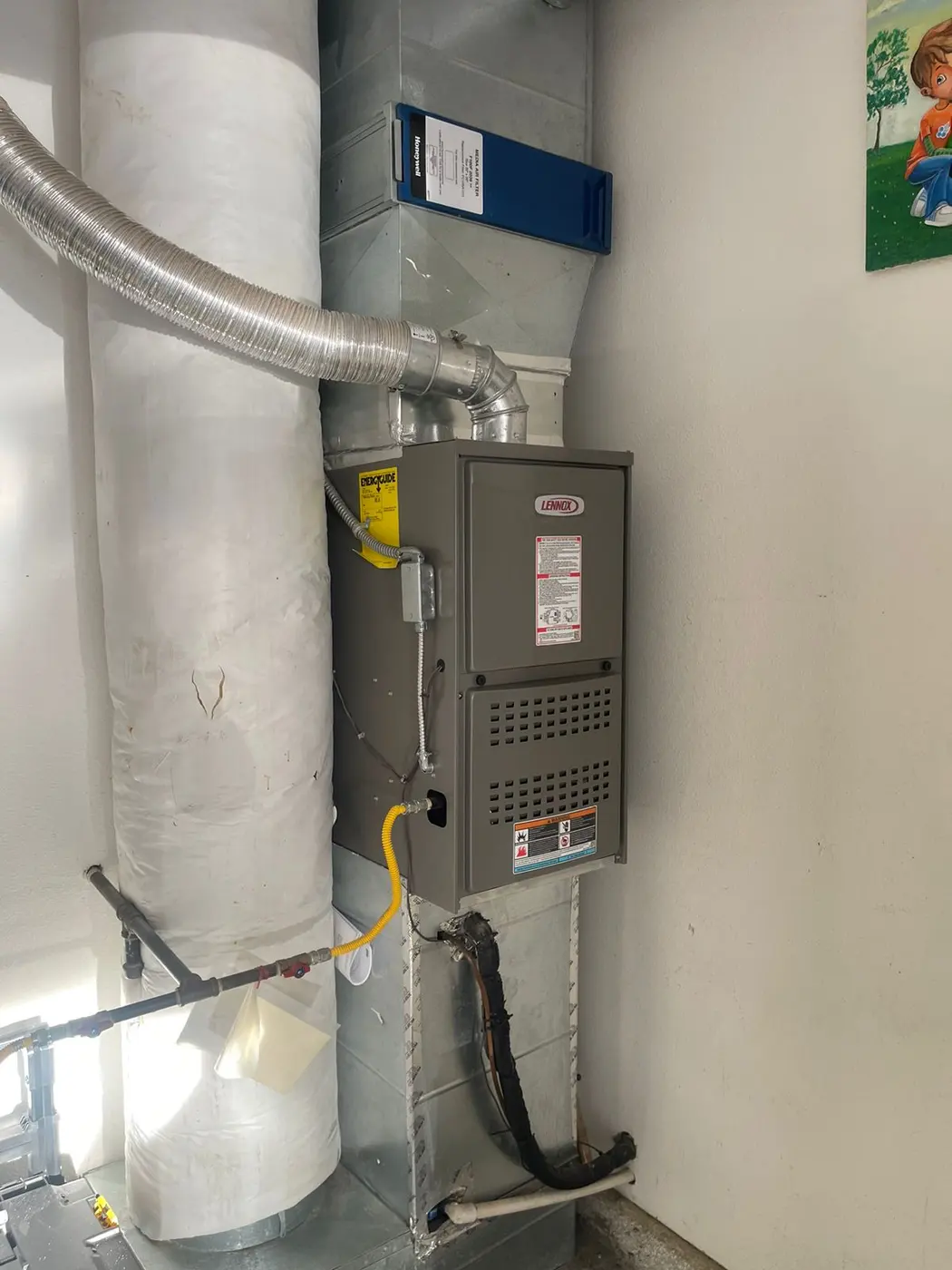
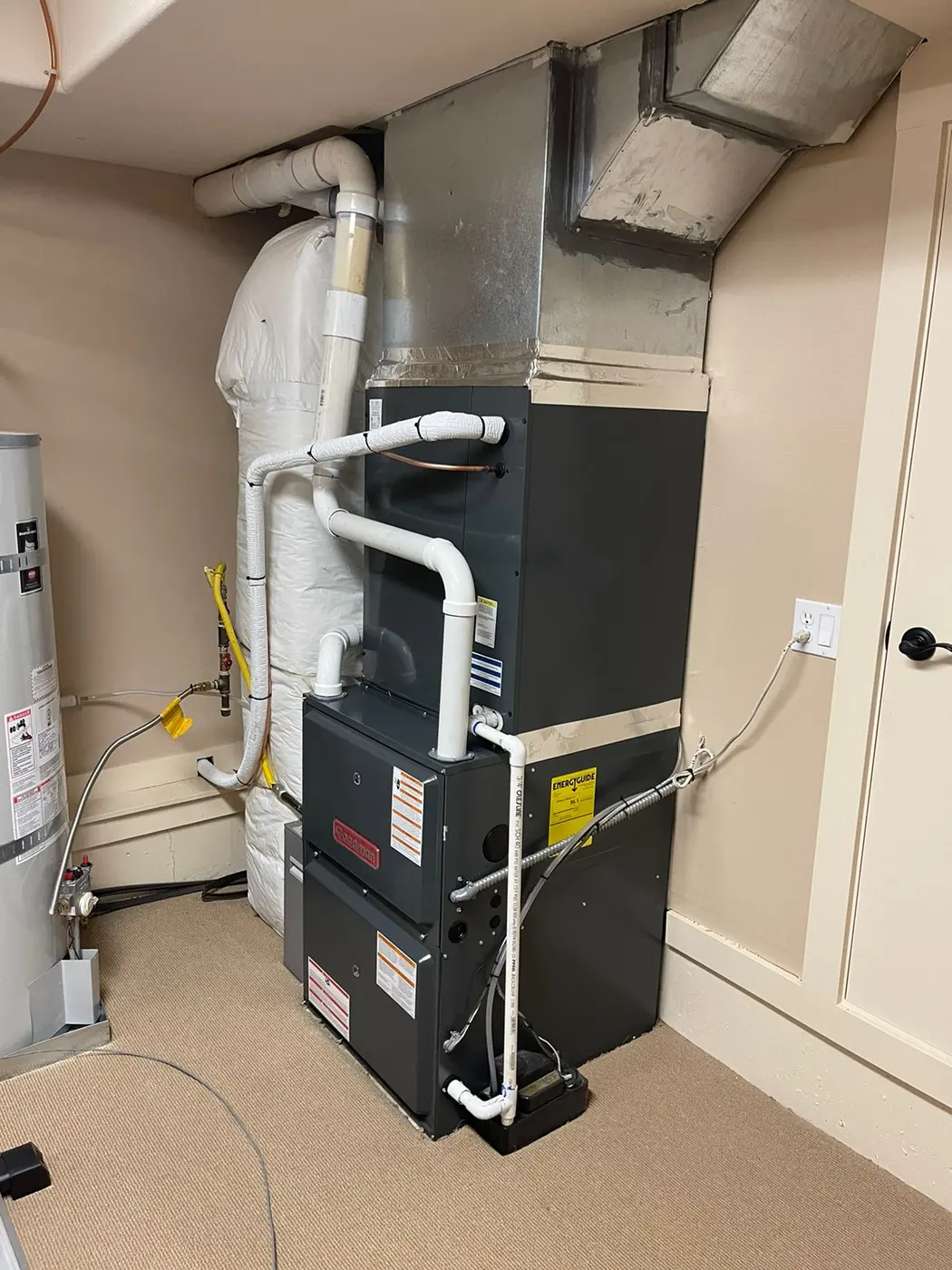
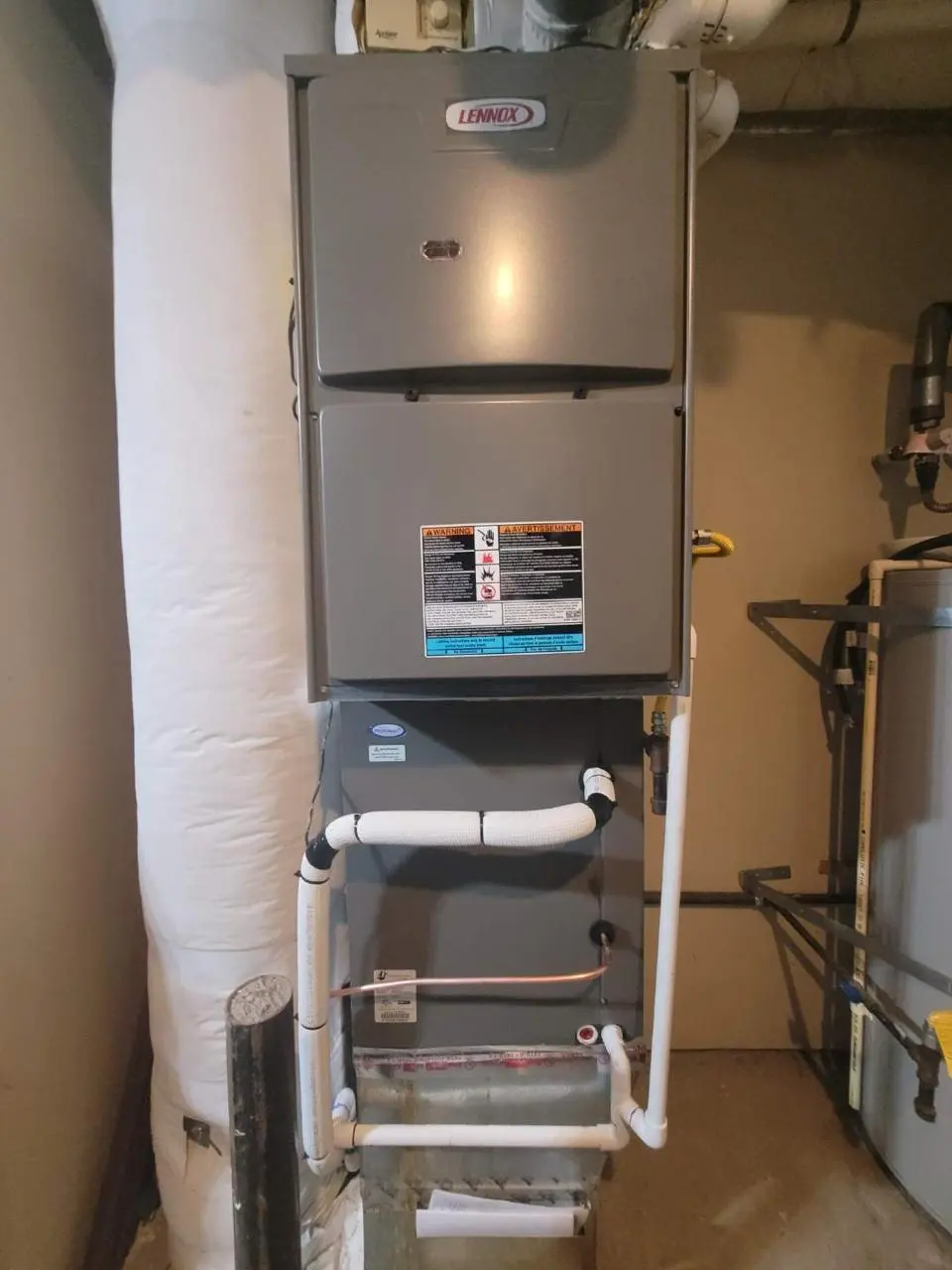
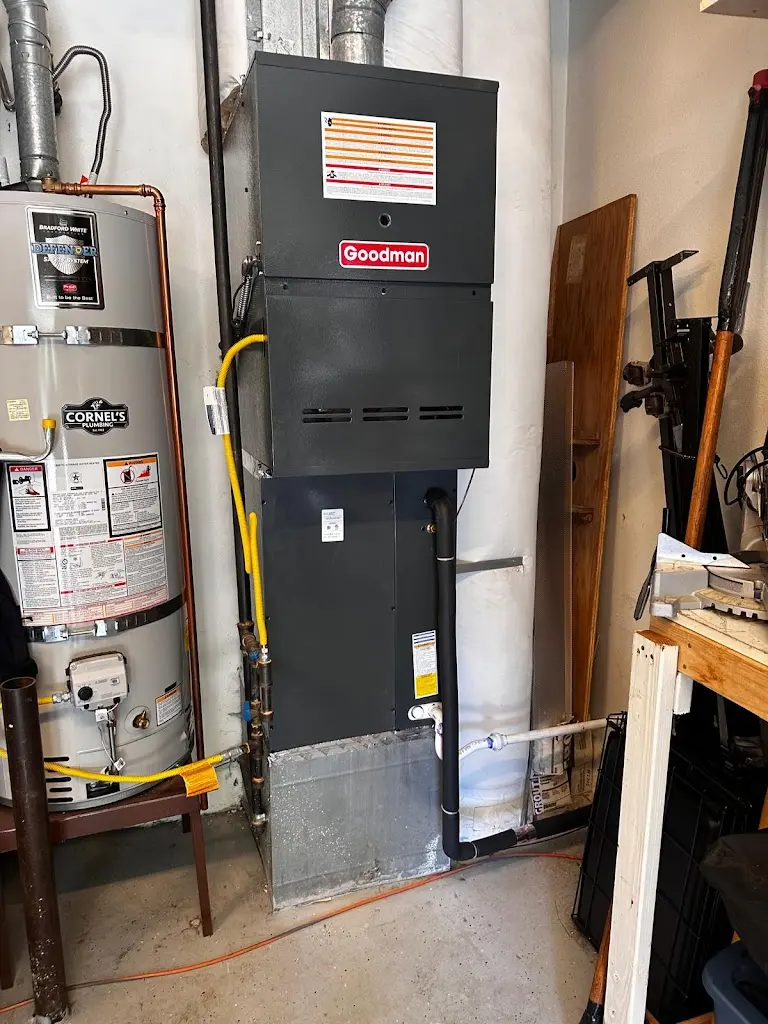
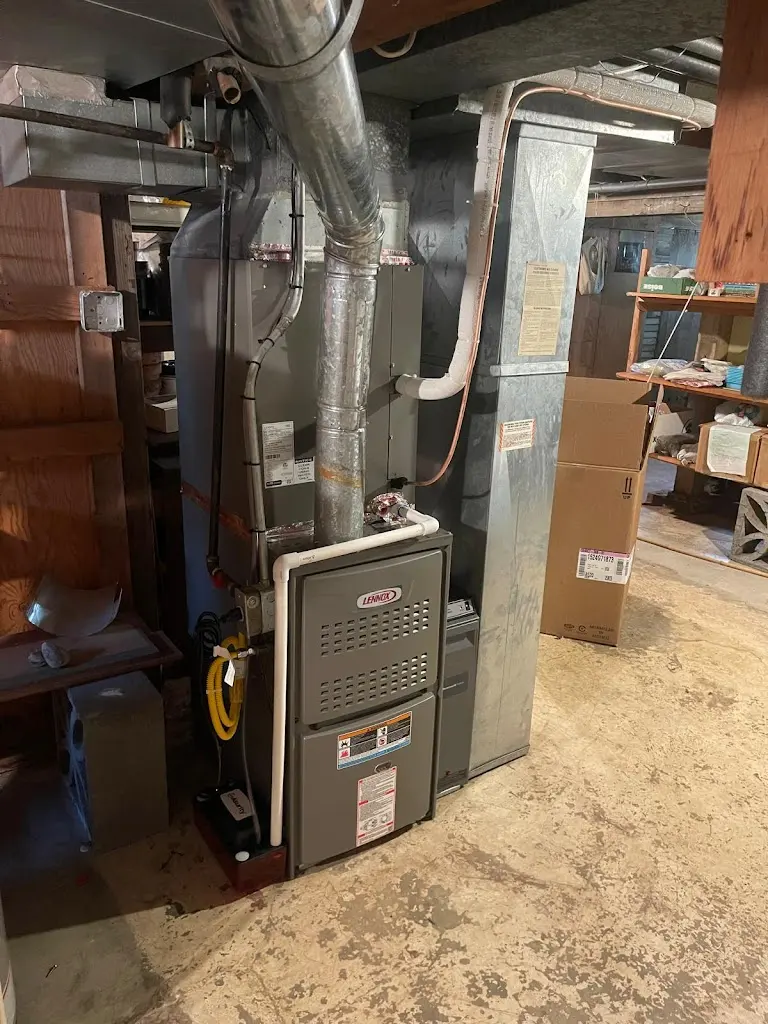
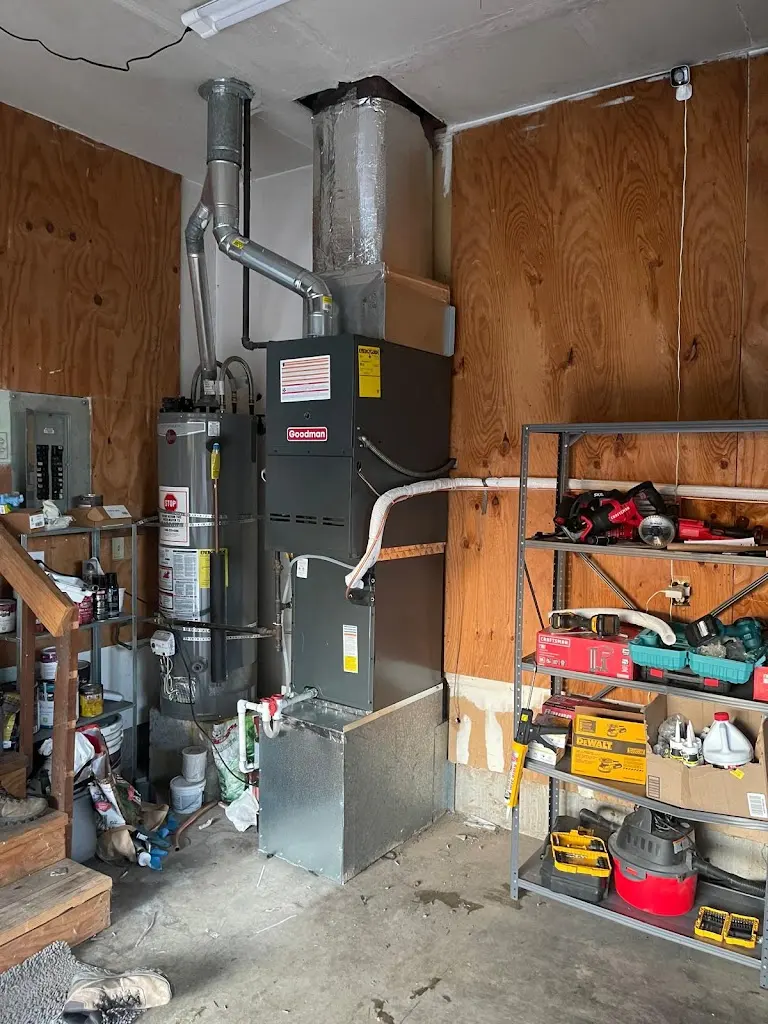
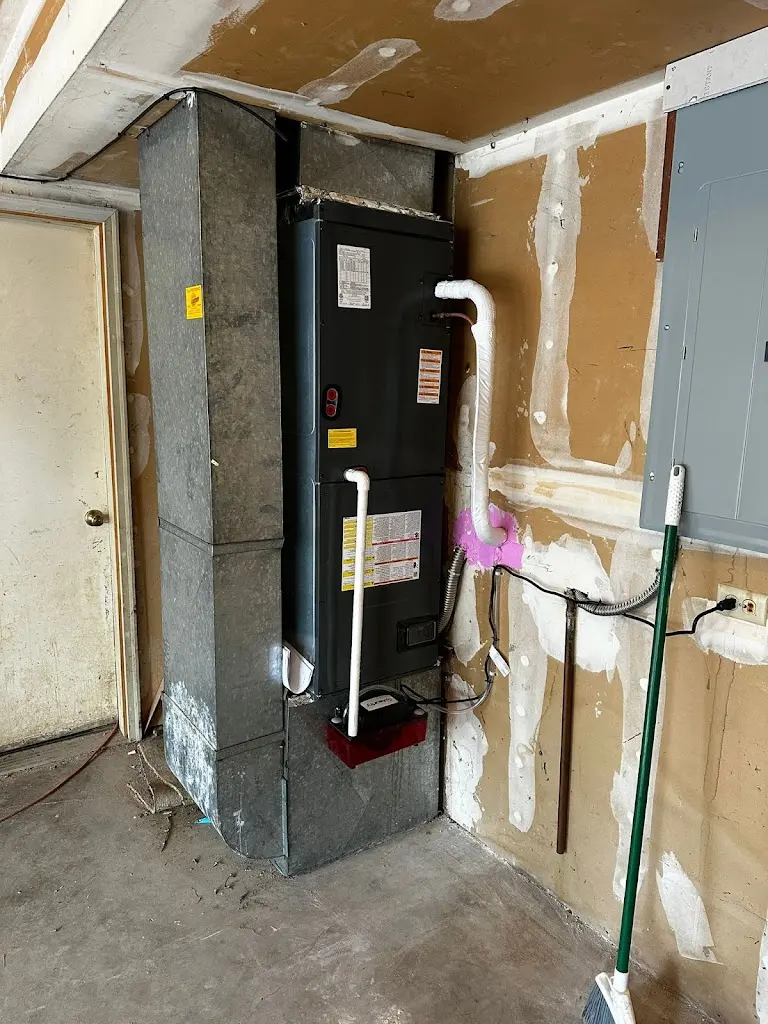
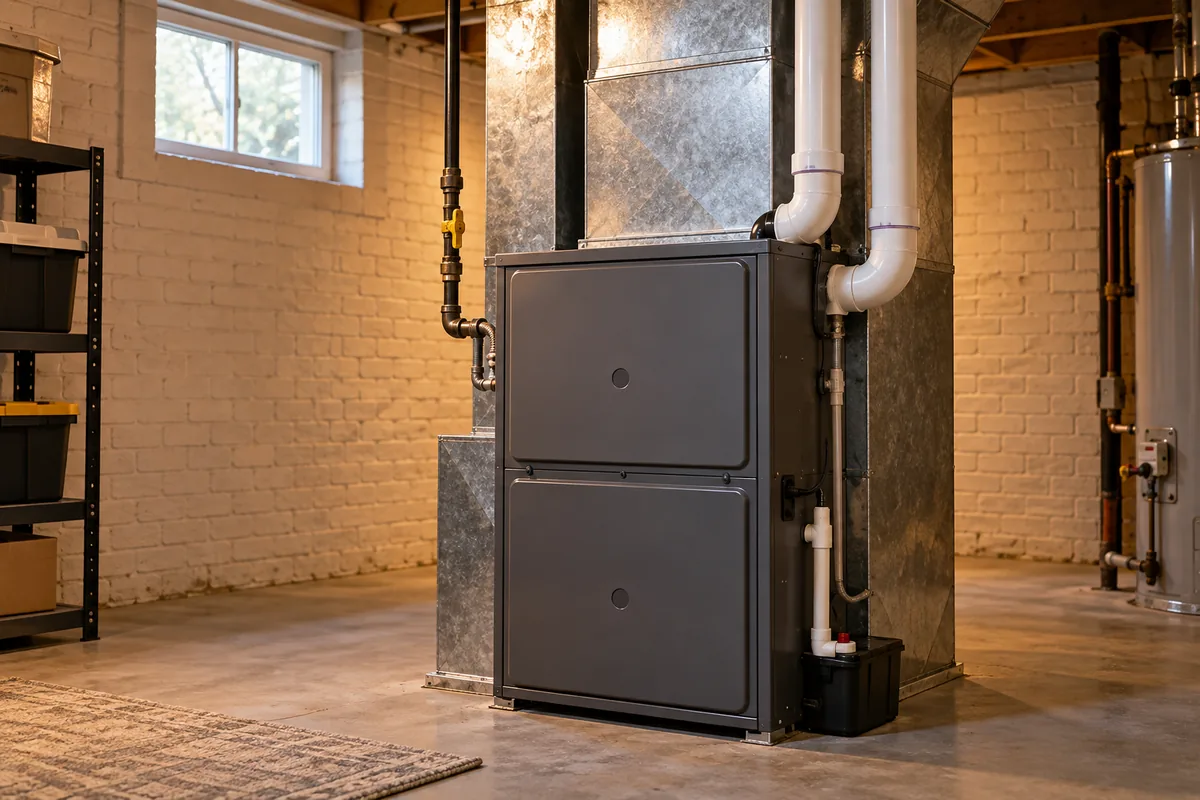
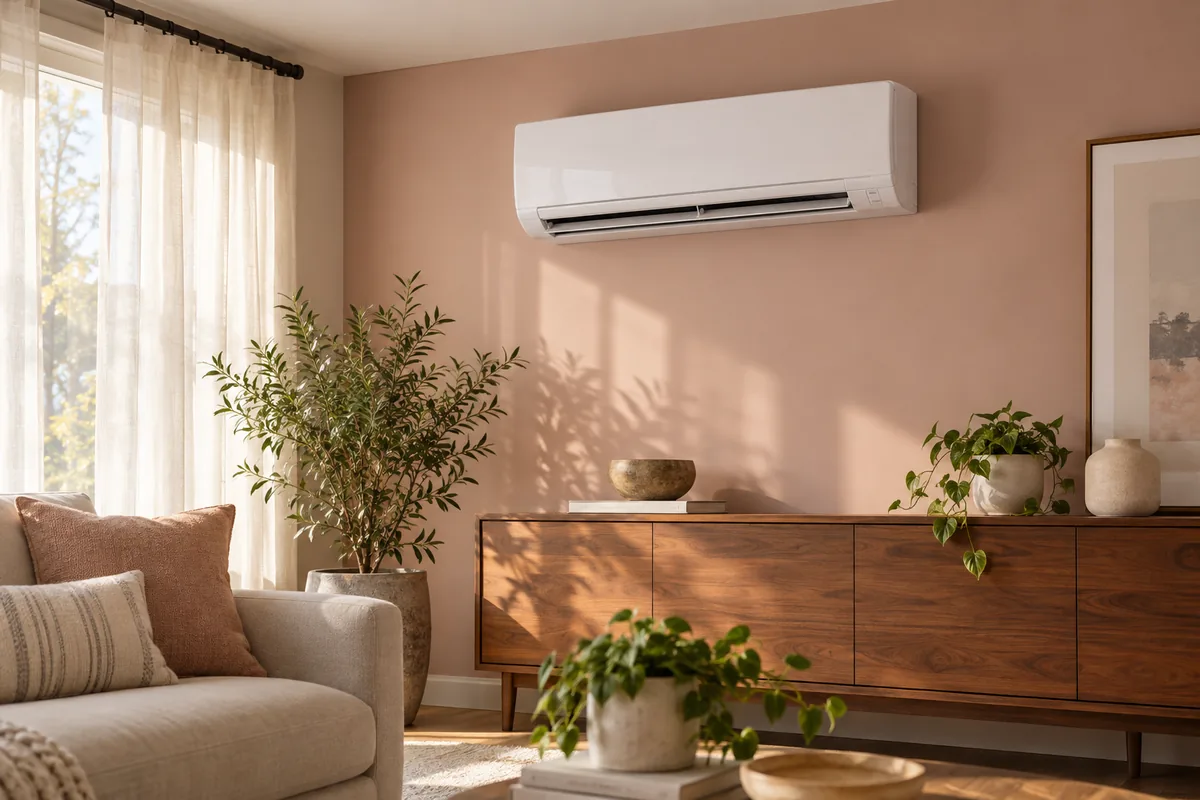
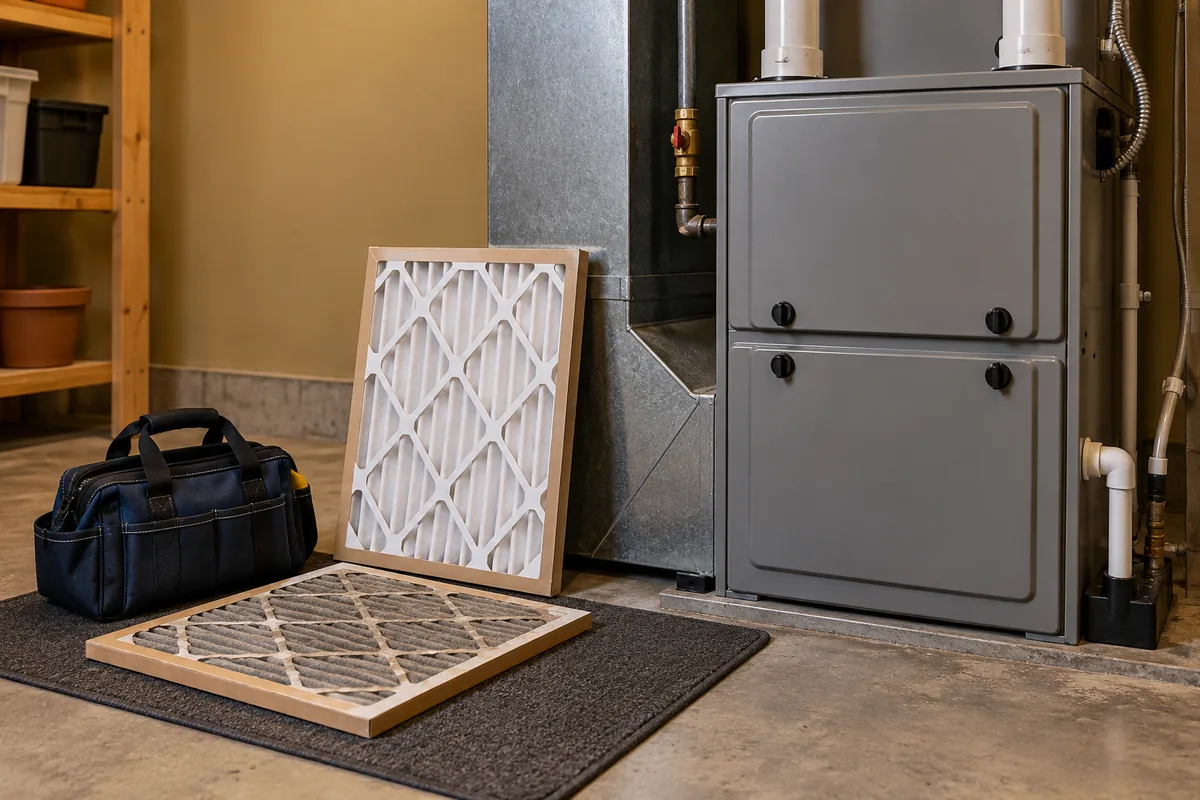
Explain whether the indoor equipment also provides heating or moves air for both modes. A working furnace may be part of the setup you want to retain. Its heating response does not by itself confirm every requirement of the new cooling equipment. The estimator needs to consider its role in the proposed combination.
Mention prior changes that affected only one part of the system. The current outdoor unit may not have the same installation date as the indoor coil or control. Keep those histories separate. Treating everything as one age can hide a later change that matters to the project.
Describe what the existing air conditioner does well and which concern prompted replacement. If a repair diagnosis already identifies a fault, share that finding. Keep it separate from a general preference for newer equipment. The project should address the actual goal without assuming every old part has failed.
Compatibility for Partial AC Replacement
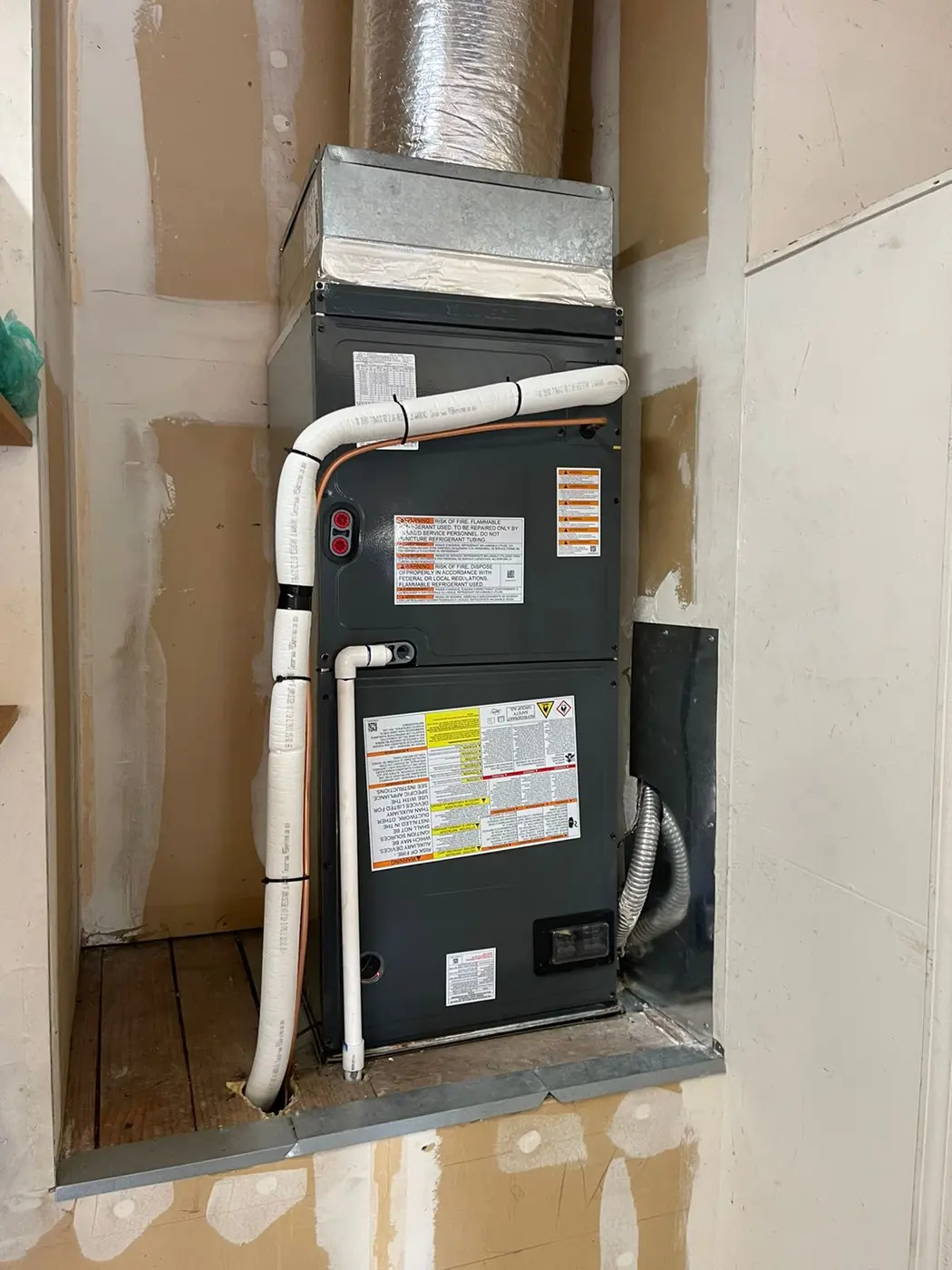
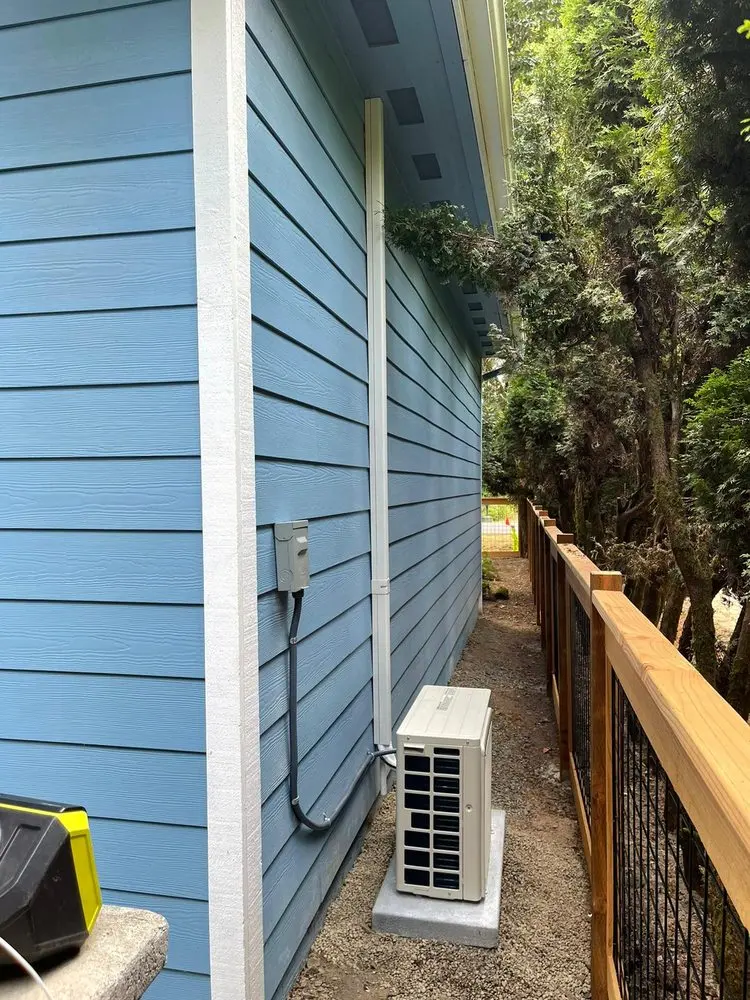
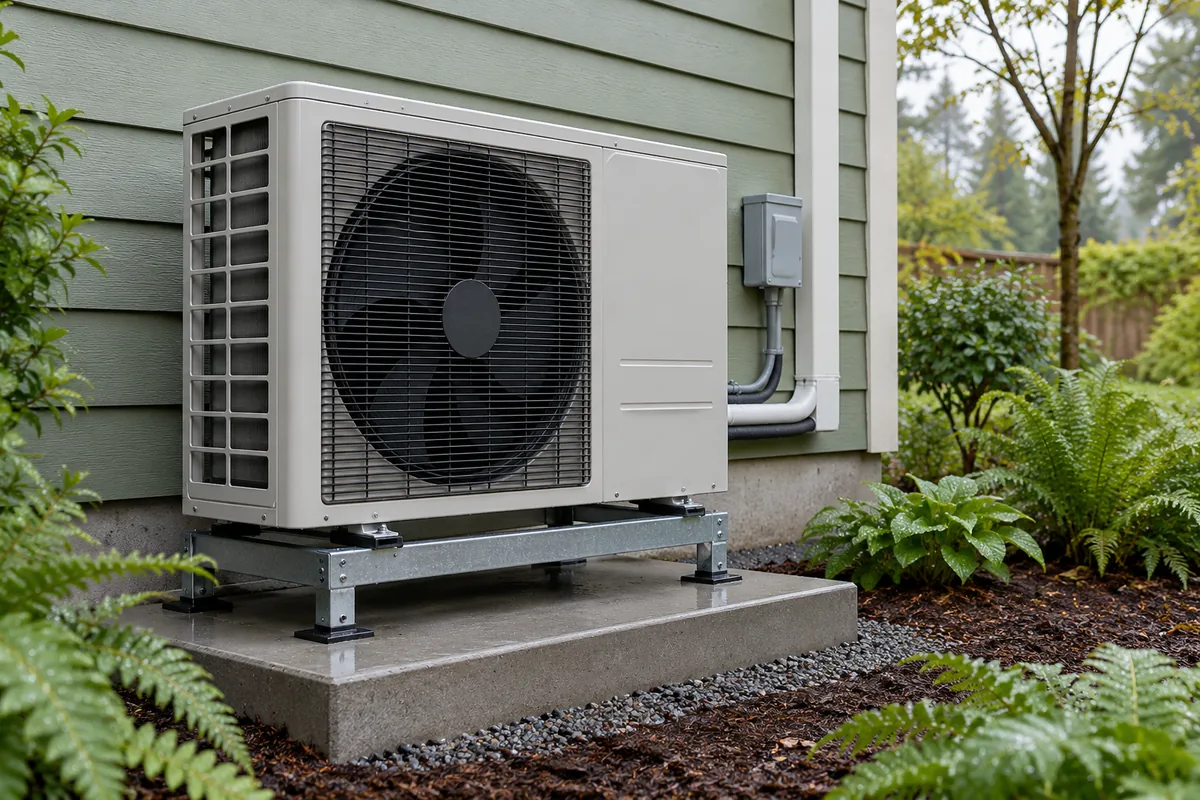
Ask how the proposed outdoor unit works with the indoor coil and air-moving equipment. The actual model combination matters. Similar size or appearance is not proof that two parts form the right setup. The proposal should explain which components match and which need to change.
If you want to keep the furnace or another indoor component, ask which checks support its compatibility with the proposed cooling system before approving the partial replacement.
For a project that changes heating and cooling together, our HVAC installation service in Hillsboro covers the broader plan. Bring both goals into the estimate so the proposal explains how the equipment will work together.
Controls, Connections and Installation Access
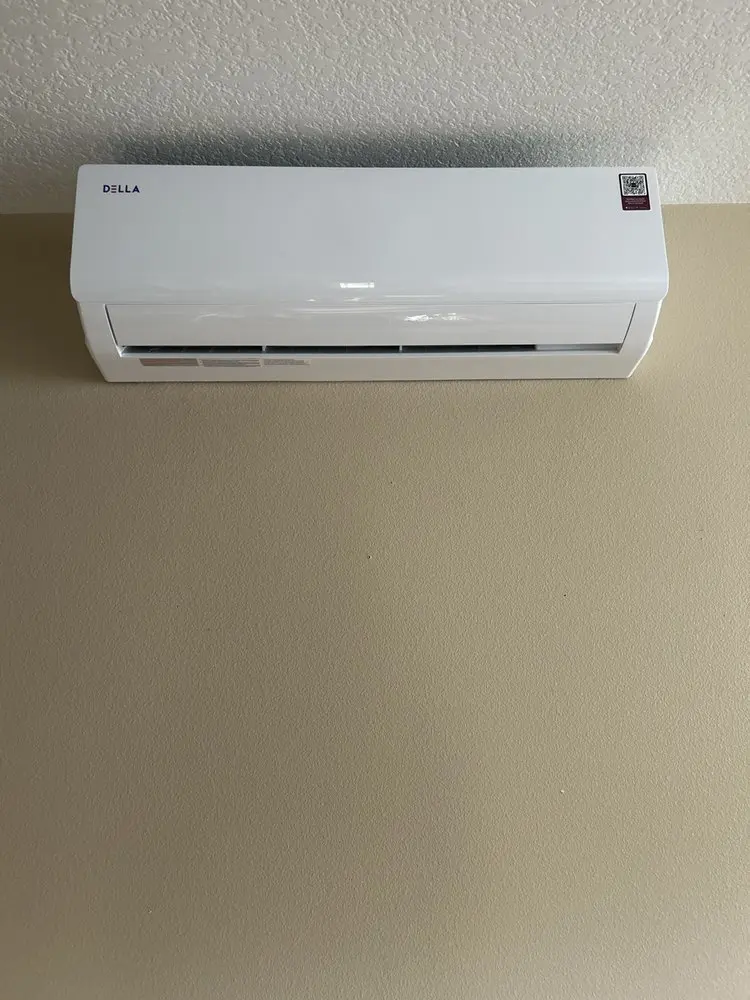
Ask whether the current thermostat stays and which functions the completed setup will provide. If you want different control features, describe the daily need they should serve. A new control should fit the actual equipment. More features are not a substitute for a clear operating plan.
Line, drainage and other connection work should be reviewed separately from equipment retention. Existing connections may need assessment before reuse can be confirmed; keeping one component does not mean every nearby connection can stay.
Point out access limits around the indoor and outdoor units. Equipment replacement may need a different route from ordinary service access. Mention finished areas or stored items that affect the work. Do not remove or disconnect existing equipment to prepare for the estimate.
What Each Replacement Proposal Includes
If you compare a partial replacement with a wider project, keep the equipment lists and work scopes side by side. One plan may replace the outdoor unit while another includes indoor components and controls. Those are different results, even if both carry an AC installation label. Price alone does not show the difference.
Ask what each proposal leaves in place and which checks support retaining those parts. Keep any further testing or unresolved condition visible in the written scope.
If a later finding changes the equipment combination, review the revised models, work and price before approving it. A model change may affect more than one part of the installation.
Installed Equipment and Normal Operation
Keep installed model details, retained components and completed tasks together for later care or repair. Ask which heating or cooling functions the team checked for the agreed project.
Before the team leaves, review normal control use and the care guidance for this setup. Raise unresolved questions or room-comfort concerns, and ask whether the completed checks show a need for further work.
To discuss partial or complete AC replacement in Hillsboro, request a free on-site estimate from HVAC & Appliance Repair Guys.
Frequently Asked Questions
What if the equipment on site differs from an old estimate?
Point out the difference and use the actual model details for the current review. The earlier document may describe a previous setup or a plan that never happened. It should not establish a new equipment match without checking the current system.
Can I assume two parts from the same brand will work together?
No. The specific models and the installed setup matter, not just the brand name. Ask how the proposed combination meets the project needs. Matching names on the cabinets do not replace a review of the actual equipment.
Can a retained indoor part become a separate project later?
Discuss that possibility while reviewing the current plan. Keep any future change separate from the scope you approve now. A later replacement still needs its own equipment match and work review rather than an assumption that any new part will fit.
Request AC Installation in Hillsboro, OR
For AC installation in Hillsboro, OR, call HVAC & Appliance Repair Guys or submit a service request through the form on this page.