


From a Kitchen Fault to an Agreed Repair
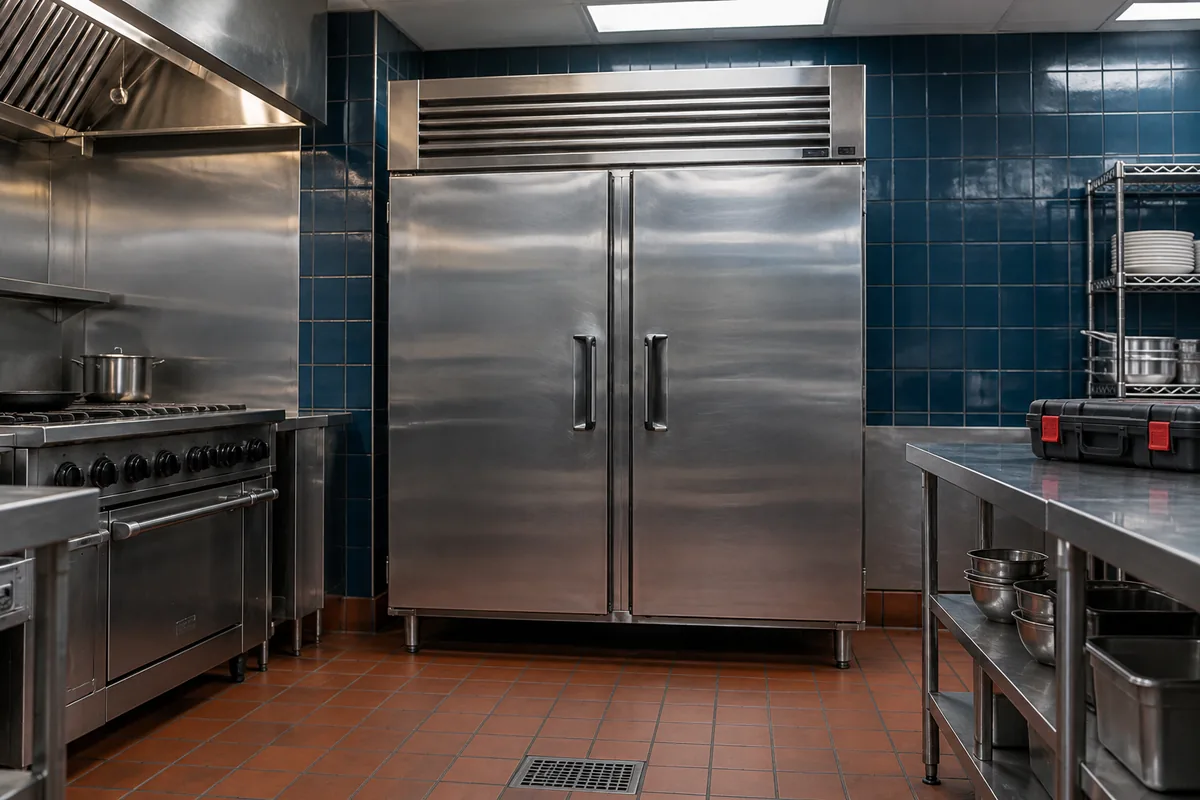
When equipment interrupts a working kitchen, the first decision is what service the actual machine needs. HVAC & Appliance Repair Guys reviews commercial kitchen equipment repair in Tualatin, OR. We confirm model support and the requested work before arranging a visit. The process begins with the fault staff can describe, not a promise that one appointment will cover every appliance.
A useful request connects three things: the affected unit, its changed behavior and the business’s immediate need. Those facts serve different purposes. The model helps define equipment support, the behavior frames assessment and the business impact helps set priority. Keeping them distinct makes the next conversation more precise.
For example, “the prep cabinet runs but its usual reading has changed” describes more than “the kitchen cooling has a fault.” That example identifies an observed result without naming a failed part. It still needs the actual model and timing. Staff do not have to complete a technical diagnosis before asking us to review a repair request.
The same approach works for cooking, frozen storage, ice production and wash equipment. Each type has a different job, so the symptom should describe that job. A running motor, light or display is only one observation. It does not establish that the machine performs every function staff need from it.
We explain assessed findings and proposed repairs before approval. This guide shows how to make that work decision clear, from the first report through any return visit. It does not promise support for every design, a fixed repair price or completion within a particular shift. Those details depend on the equipment, finding and agreed scope.
Give the Equipment an Identity Staff Can Keep Using
Begin with a stable name or location inside the site. “Freezer by the rear storage door” can distinguish a unit when several machines look alike. An asset number can serve the same purpose. Use the chosen identity on messages, photos, quotes and later follow-up so the record does not change between shifts.
Add the complete model from a label staff can reach safely. Preserve letters, numbers and suffixes rather than shorten the model to a familiar family name. Different versions may need different work review. If some characters are unreadable, mark the gap instead of guessing from another machine nearby.
A close label photo can show the number, while a wider image establishes which unit it belongs to. Keep those views together. Staff should not move connected equipment, remove covers or enter a restricted space for a better photograph. Tell us where access stops so we can discuss the information still needed.
Some setups include separate pieces, such as an ice-producing unit and a storage bin. A label on one piece may not identify the other. Say which item each number describes and which function has changed. We review the actual setup before confirming support for the proposed work.
If the business uses several similar units, create a short record for each affected one. Avoid sending an unlabelled set of photos with one general symptom. That can attach a warning or earlier repair to the wrong machine. A consistent identity keeps technical findings, approvals and parts steps tied to the equipment they concern.
Describe Events in the Order Staff Saw Them
The first report should separate the last known normal use from the first observed problem. Those times may not reveal the exact moment a fault began. If no one watched the machine between them, preserve that gap. An accurate interval is more useful than a precise-looking failure time based on a guess.
Next, explain what changed. The unit may stay off, stop after a short run or continue operating with poor results.
Record the visible message exactly if one appears. Record each new sound, water concern or output change separately. Do not turn several observations into a guessed part diagnosis.
Keep later events in the same sequence. If the machine briefly works normally, note when and for how long staff observed that behavior. Do not erase the original concern or declare a permanent recovery from one normal moment. A fault that varies can need both the failed and normal periods in its history.
State what staff already tried, including a restart or settings change, and the result. Do not repeat those actions solely to make the report more complete. Further changes can alter the state the technician needs to understand. The request can start from existing observations without an improvised test.
A simple comparison can help: “the display returned, but no fresh output followed” preserves two separate facts. It is different from saying the machine restarted successfully. Use plain language about what staff saw. The technician can assess the technical meaning without requiring the reporting person to identify an internal cycle or component.
Frame a Chilled-Cabinet Complaint with the Reading Source
For chilled storage, identify the cabinet’s purpose and the area where staff noticed a change. A prep cabinet, display case and other refrigerated setup should not share a vague room-wide description. Tell us which unit runs warm, stays off or shows a warning. Keep that behavior with its own model and site name.
A temperature report needs its source. A built-in display and another normal check may describe different locations or conditions.
Record where each value came from and when staff obtained it. Do not average unrelated readings into one figure or assume a difference identifies the faulty part. The assessment needs the observations in their original context.
Our commercial refrigeration repair in Tualatin provides a focused path for chilled equipment. Describe whether the concern affects the whole cabinet or one area, if staff can tell safely. Include a new sound or visible frost as additional information. A colder spot is not proof that every other part of the cabinet performs normally.
Tell us about normal door use and any recent change in stock layout. Those facts may help explain the timing without proving the cause. A busy period can coincide with an equipment problem, so neither fact should cancel the other. Avoid a special loading test or repeated control changes designed to force a particular result before service.
Keep product-handling decisions separate from the repair request. The business’s procedures and responsible manager govern its stored goods. A later cold reading cannot alone establish what happened earlier or whether contents remain fit for use. We assess the equipment and agreed work; a booking is not a product-condition finding.
Treat Frozen Storage as Its Own Equipment Request
A freezer report should describe frozen-storage equipment rather than borrow the expectations or history of a nearby refrigerator. Include the full model.
Explain whether the unit is a standalone cabinet, fitted machine or part of a larger setup. The layout helps define the request. It does not establish support for every design before we review the actual equipment.
State whether staff see continuous running, long stops, a changed display or another difference from normal use. Record those observations without opening panels to determine which component makes a sound. The fact that one part of the machine appears active cannot prove that the whole system performs correctly. A plain account of current behavior is enough to begin the review.
For a concern that affects only one area, name that area and the source of the observation. Staff may report a difference between shelves, sections or points they routinely check. Keep the time and recent use with those notes. Do not probe hidden spaces or stage a new test merely to supply a more complete-looking temperature map.
If the freezer recently moved or had work, share the date and any written finding. Explain how it behaved before and afterward. A previous event may be relevant without being the cause of the present complaint. We assess the current machine rather than assume that an earlier part name settles a new repair decision.
Tell us how frozen stock affects access to the unit and who handles the site’s product decisions. Do not empty, move or reload equipment on a guess about what the repair needs. Discuss preparation when arranging service. The scope should distinguish technical access from the business’s separate choices about inventory and continued operation.
Describe Doors, Frost and Water as Separate Observations
A cooling machine can have a visible door concern along with changed performance. Tell us whether the door catches, leaves a gap or no longer closes as it used to. Identify the affected door on a multi-door unit. A safe photo can show its position and condition without requiring staff to hold heavy parts or remove fittings.
A visible seal problem does not guarantee that a seal replacement addresses every reported symptom. The cabinet may have more than one concern, or the finding may point elsewhere.
We review the actual model and behavior before proposing work. Keep the cooling history beside the door report. A visible part should not narrow the repair discussion before assessment.
For frost, note where it appears and whether staff have seen it return. A patch around an opening differs from an observation deeper inside the cabinet. Location can help frame the request, but it cannot identify a cause on its own. Do not chip ice, apply heat or take covers off to expose a suspected component for a photograph.
For water, describe the visible location and timing instead of naming a blocked drain as a fact. Water beneath an appliance does not establish which part or connection needs work. Follow the site’s process for the affected area. Staff should not disconnect lines or reach into wet hidden spaces to trace a source for the service request.
A wider view may show nearby equipment or fixed fittings that matter to assessment and access. Explain whether staff see water at one unit or several.
Keep each machine’s symptoms distinct even if the affected floor area overlaps. The proposed repair should follow the finding and identify the concern it addresses. State any separate site issue outside that scope clearly.
Explain Cooking Results Apart from Power and Display State
A cooking appliance can turn on yet fail to deliver its usual result. Tell us whether the complaint involves heat, an early stop, a changed cycle or only part of the unit. The display state belongs in that account, but it is not the whole account. A light or selected setting cannot prove the actual cooking function has returned to normal.
Identify the exact machine and, where relevant, the affected section. An oven complaint should not become a general fault report for a range beside it. If one area behaves differently from another, describe the difference in plain language. We confirm support and assess the actual equipment before deciding what work the concern requires.
Include the setting and operating mode staff used when they noticed the change, if known. Record later adjustments separately instead of replacing the original conditions with the new ones. The technician needs to understand what happened under normal use. Staff do not need to compare hidden components or attempt a technical test to make that history useful.
For a result that varies across several uses, note the pattern and any known workload change. Describe a unit that starts normally and later stops as that sequence.
Distinguish it from one that never reaches its usual result. Explain which behavior staff have seen. Avoid treating a single successful use as proof that an intermittent concern has disappeared for good.
Keep business operating decisions with the responsible site contact while the fault remains open. The repair assessment addresses the machine and agreed work. A normal display or a booked visit does not approve the cooking process. Tell us what equipment staff have taken out of use so the request accurately reflects the site’s present needs.
Keep Fryer Faults Specific to the Unit and Its Work
A fryer complaint needs the machine’s own model and symptom history. Describe whether it does not start, changes heat behavior, shows a warning or has another observed problem. Say whether one section differs from the rest if that is part of the normal view. We review the model and work scope rather than assume every commercial fryer shares one repair approach.
Our commercial fryer repair in Tualatin provides the focused service route. Keep the exact message and time with the report. Do not work around hot oil, bypass controls or open internal areas to determine a part failure. A technician can assess the fault without staff performing an improvised repair before the appointment.
If normal results changed after a recent service visit or other known event, include that history. State what work the record actually shows and what staff observed afterward. An earlier proposal is not proof that someone completed the repair. The current finding should not depend on an assumed part change or an invoice that belongs to a different unit.
Tell us about the practical work window and conditions around the fryer. A station used throughout the shift may need a different access discussion from equipment already out of use. Do not assume the full assessment or repair will fit a brief gap. We clarify the proposed work in relation to the actual machine and available area.
Ask which reported concern the repair aims to resolve and what remains outside that proposal. Equipment work and the business’s oil-handling or cooking procedures are different responsibilities.
Keep those boundaries clear before approving costs. State what the completed equipment task establishes. It does not promise every result from the station under all later operating conditions.
Separate One Cooking Fault from a Whole-Line Request
Several cooking appliances can affect the same menu or shift without sharing a technical fault. Identify each requested unit, its model and the changed function. A general phrase such as “the line will not heat properly” may conceal different problems. One machine might stay off while another has an uneven or intermittent result.
The business can still set one priority order for the group. Explain which unit affects planned work most and why.
That order reflects operating needs, not a diagnosis or a guarantee of completion order. The technician must review each machine’s actual condition before recommending its work. A more urgent request is not automatically a simpler repair.
If staff report a shared event before several changes, keep the event and equipment observations separate. Give the timing and any facts the site contact knows. Do not conclude that one part, connection or repair will resolve every concern. The service record should allow the assessment to establish a relationship rather than assume it in advance.
For a machine with both a door or handle issue and a changed cooking result, report both. A visible hardware concern can be important without explaining the whole complaint.
Ask whether the proposed work covers one finding or several. Keep each symptom distinct when reviewing the proposal. The business should know whether a narrow repair addresses all its concerns or only some.
Clarify additional equipment before booking whenever possible. A visit for one oven or fryer does not automatically include a review of every nearby station.
We need the models, symptoms and work-area details to confirm a sensible scope. Use a complete request list for the appointment, estimate and later work record. It keeps each stage tied to the actual approval.
Distinguish Ice Production from the Supply in Storage
An ice shortage can involve changed production, higher demand or another concern with the setup. Tell us when staff last saw fresh ice arrive, not just the level in the bin. Stored ice may remain from an earlier batch. A full-looking bin cannot establish current production, and a low level alone cannot prove a specific machine fault.
Our commercial ice machine repair in Tualatin helps keep that equipment request focused. Include the model of the production unit and any separate bin label staff can safely see.
State which piece each photo describes. The actual equipment determines the service scope. Storage size or a familiar name on one label cannot establish the whole setup.
If output has declined, compare it with a period of familiar use when possible. Explain any known change in demand without assuming it accounts for every symptom.
A new workload and an equipment fault can both matter. Use staff observations already available. Do not run extra cycles or force a test to produce a certain result.
A visible warning, new sound or water around the equipment belongs in the report with its time. Say whether it occurs before fresh ice arrives, during a pause or at another point staff can observe normally. The sequence is useful even without technical cycle names. Do not open the machine or reach toward moving parts to collect more detail.
Separate production from any issue getting ice at the point of use. Some setups involve additional equipment or a distinct function that needs its own model review.
Describe what still works and what does not. Support for the production machine has a defined scope. Do not assume it covers every connected design or accessory.
Report Wash-Equipment Problems by the Observed Stage
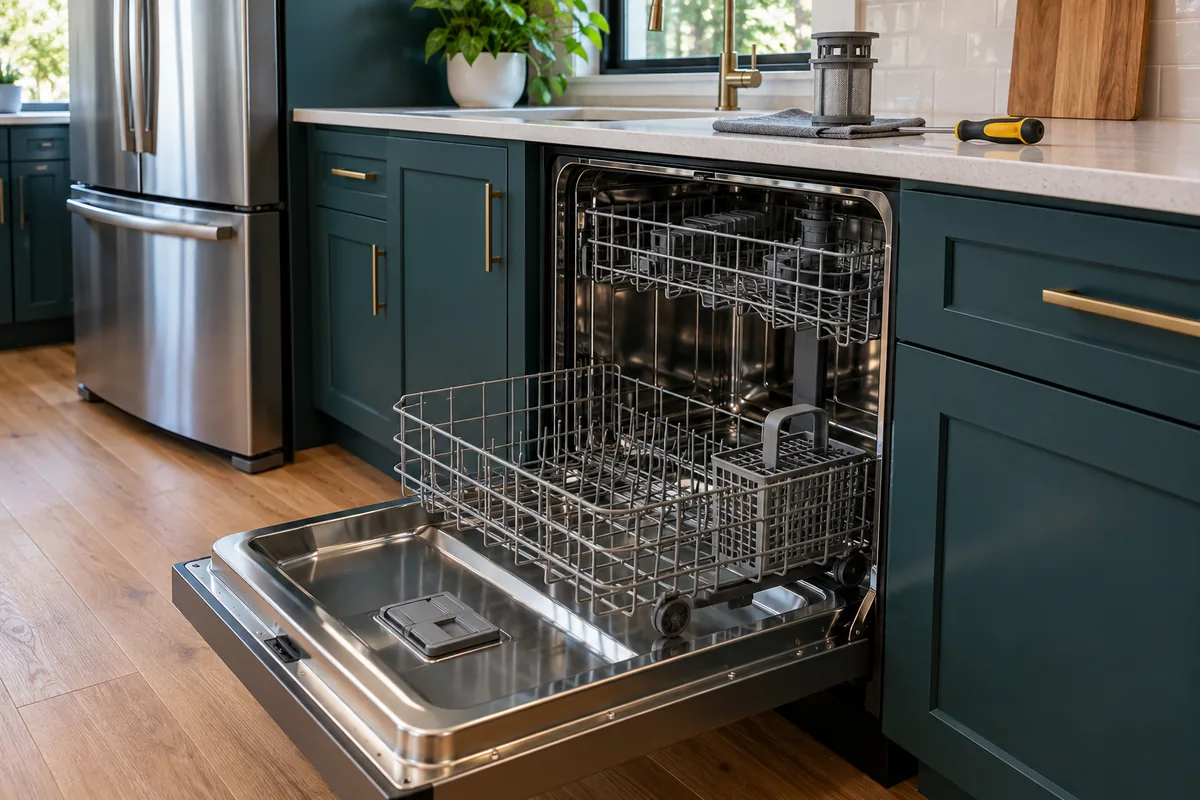
Commercial dishwashing equipment should have a model-specific fault record. Tell us whether the machine fails to start, stops during use or finishes with a changed result. If staff can identify the visible stage, include it in plain terms. The request does not require an internal diagnosis or a technical name for every part of the process.
For example, staff may find water after the expected end. That differs from a machine that never begins its usual task. Keep the timing clear and record the exact display message.
Do not reduce both reports to “the dishwasher has a fault.” The technician needs enough detail to assess the actual concern without assuming the same cause for different outcomes.
Describe known changes in routine use or recent service as context. If a written record shows earlier work, link it to the correct unit. Staff should not copy a finding from another machine simply because both perform dishwashing. A shared function does not make the models, fault histories or repair needs identical.
We review support and proposed work for the actual equipment before confirming the scope. Do not bypass door controls, remove covers or force a cycle to reproduce a complaint. Explain what staff can see safely and where that view stops. Technical access and assessment belong in the work plan, not an improvised test performed to make a booking possible.
Keep questions about the wash process separate from a claim about the failed component. A finished equipment repair does not by itself settle every operating result or replace the business’s procedures. Ask what the finding establishes and what the proposal covers. Any concern outside that repair should remain explicit so the service expectation is clear before approval.
Keep Routine Care and Repair Expectations Distinct
A request may mention cleaning, poor results and an equipment warning together. Describe each concern rather than assume one care task will resolve the whole situation. A machine can need attention to its reported fault even when staff have followed their normal routine. Equally, an equipment repair is not a promise to provide an unstated long-term care program.
Tell us what routine work staff know occurred and when. Use an existing record if one is available, and leave uncertain details open. The history can help explain the current state without proving that one action caused the problem. Do not add treatments, mix products or dismantle equipment merely to test a repair theory before service.
For ice or wash equipment, distinguish a changed result from a specific internal diagnosis. Staff can report unusual appearance or performance without deciding which part or treatment will fix it. We review the model and actual concern. Product-use or process decisions remain with the business’s responsible person and procedures while the equipment issue is open.
Ask whether the proposed appointment addresses the fault, a separate care request or both. The answer should identify the work rather than rely on a broad service label. Clarify any expectation about materials, access or later steps before approval. This prevents a limited repair from becoming an assumed promise to cover every aspect of the machine’s future upkeep.
The business may want to change its routine after repair. Keep that question separate from the immediate work decision.
We can explain the scope of the equipment finding. We do not establish a new program merely by completing a part change. A clear record should show what the visit covered and which additional questions still need a separate discussion.
Use Prior Service Records Without Guessing at the Cause
An earlier invoice can help establish what someone found and what work followed. Read those stages separately. A diagnosis, an estimate and an installed part are not the same fact. If the record does not say which stage the work reached, explain the gap rather than assume the machine received a complete repair.
Attach each document to the correct equipment identity and date. A kitchen may have several similar units, and one invoice may mention more than one machine. Do not let a part listed for one appliance become the history of another. The current assessment should use the actual unit’s known condition and earlier work.
Describe the period after that service. The machine may have worked normally for a long time, improved only briefly or retained the same symptom.
Each account raises different questions. A count of past visits cannot replace that sequence. We need the current complaint and what staff actually observed between the earlier work and this request.
A returning warning does not alone prove an earlier repair failed. Nor does a new message prove the concern is unrelated. Keep the earlier finding and present behavior available so the technician can assess the connection. This avoids turning a short code or remembered part name into a diagnosis before anyone reviews the current equipment.
If earlier written coverage might affect the work decision, raise that question with the relevant record. Clarify the terms that apply before approving new costs. Do not assume a free return visit or a particular outcome simply because service happened before. The technical finding, proposed repair and any coverage question need clear treatment within the actual agreement.
Set Priorities Across Machines and Shifts
The business may need one repair sooner than others. Explain the next operating period, available alternatives and the equipment’s role.
Explain that practical priority for each affected unit. It helps organize the request without determining the technical cause. A machine’s importance to the shift does not guarantee a short or simple repair.
Keep machines with different statuses distinct. One may remain in normal use with an occasional concern. Staff may have taken another out of use under site procedures.
Tell us which description applies now. A general claim that the whole kitchen is down can obscure useful facts. Identify working equipment and faults that need separate decisions.
Name the contact who can explain the original complaint and the person who will be present during service. If those are different people, pass the record between them.
Include the model, exact warning and any steps staff already tried. A new contact needs more than a brief message saying the machine has a fault. Leave the sequence clear in the notes.
For multiple approval paths, identify who can decide on work for each machine. Some businesses want to review findings as a group; others approve repairs one at a time.
Either approach needs clear proposals and equipment identities. One approval should cover defined work on the named unit. It should not imply permission for unrelated repairs across the site.
Update the request if a unit’s status changes before the visit. Preserve the original history and add the new observation with its time.
The work priority may change even when the technical cause remains unknown. Tell us about additional equipment before expanding the appointment. The scope should reflect the actual request and available work window.
Plan Access Around the Real Installation
Day-to-day use and technical service may require different access around a machine. Explain how the unit fits into the kitchen, including counters, shelving or other fixed features nearby. A wider view can show more than a long list of guessed measurements. Staff should not pull out connected equipment or alter the surrounding area merely to prepare an image.
State which sides are accessible from the normal work area and where access ends. If a model label or visible concern is out of reach, say so. We can review the next step from an honest description of the limit. A missing photograph is preferable to an unsafe attempt to expose hidden parts before the work scope is clear.
Discuss the route to the equipment and the available service period. An open building does not mean every station is ready for repair at the same time. A short gap between shifts may not allow all the assessment or work a machine needs. Let the visit plan reflect the actual equipment list and site conditions rather than an assumed completion window.
Clarify who controls fixed fittings if they affect access. Repairing a machine does not automatically include removing counters or changing the surrounding workspace.
Those tasks may have a separate scope and approval. Make that boundary clear in the proposed work. The business can then plan preparation around the actual repair scope.
Tell us whether stock, utensils or other normal station contents limit the area needed for service. Discuss preparation rather than moving items on a guess about the repair.
Product-handling decisions remain with the business’s procedures. The access plan should identify the needs of the technical work. Inventory and operating decisions remain separate from the equipment appointment.
Connect the Finding to the Work You Approve
After assessment, we explain the finding and proposed repair in relation to the actual complaint. Ask which function the work addresses and whether any reported concern remains outside it. A visible improvement in one area should not stand in for a clear answer about another. The proposal should help the business understand what it is choosing to have repaired.
An estimate should keep the machine identity and work scope clear. For several units, distinguish each finding and repair decision rather than combine them under a vague kitchen-wide label. Clarify who can approve the costs and any purchase-order requirement. The person providing access may need to reach a different decision maker before work can proceed.
Ask about any parts or return visit the plan needs. A completed assessment does not establish immediate parts availability.
It also does not guarantee that all work can finish during that appointment. The model, condition and access can affect the next step. Discuss the known plan and remaining uncertainty rather than assume a fixed completion time from the visit itself.
Track each stage: the repair proposal, the business’s approval and the work we finish. A part in an estimate is not necessarily an active order.
A planned return visit also does not mean the repair has finished. Clarify the current status before arranging staff or another access window. A short, accurate work record can prevent avoidable confusion between the site contact and approver.
If the assessment identifies more than one concern, ask how the proposed steps relate. A door issue and a cooling fault, for example, may require separate findings and decisions. Do not assume one approved task automatically covers every symptom on the equipment. The repair scope should state what the plan addresses and what still needs a later choice.
Weigh Repair Against Changes in Business Needs
A repair proposal should reflect the equipment’s present fault and condition. Age, earlier bills and past interruptions provide context, but they do not identify a current failed part on their own. Ask what the finding supports and what remains uncertain. No universal age cutoff or visit count can decide the best equipment choice for every kitchen.
Consider whether the existing machine still suits the site’s normal use. Explain plans for more demand, a changed work area or a different equipment role.
Those plans raise additional questions. Repair can address an agreed fault. It does not automatically approve a new equipment use or make the existing setup suitable for every future workload.
Past spending also needs a clear role in the discussion. Earlier repairs explain history, but they cannot guarantee that no other fault will occur.
Focus the next approval on the assessed condition, proposed work and limits of that plan. Compare options using facts the business can support. Previous costs do not promise future reliability.
If the machine has an incomplete history, identify the gaps before drawing a firm conclusion. We can review present symptoms and the available records without inventing an age, part replacement or earlier diagnosis. Unknown details may limit what anyone can conclude from the past. They do not justify a confident repair-or-replacement rule that ignores the current finding.
Keep broader equipment-change plans distinct from the repair request. Mention a possible move, different unit or layout change so expectations remain clear.
The agreed visit should not silently expand into installation or workspace alterations. Clear boundaries help the business make its next decision. That choice should follow the repair proposal it actually has.
Leave the Next Shift a Clear Equipment Status
After the visit, keep the finding and work record with the model and stable unit name. Mark what is complete, what awaits approval and what depends on a part or return appointment. Assign a contact for each open action. The next shift should be able to see the status without treating every machine as either untouched or fully restored.
Preserve the original symptom history even if later observations change. Add new warnings, normal periods or different results as dated updates. That sequence can make follow-up more useful than a fresh complaint with no reference to earlier work. It also helps distinguish a returned symptom from a separate concern that began afterward.
Retain any clear preparation or access arrangement for a later visit. Tell the next contact which equipment and area the work requires. If the business changes its schedule or adds another machine to the request, discuss that before the appointment. A return visit should follow the agreed scope rather than inherit new expectations from an incomplete handoff.
Our commercial appliance repair overview explains the broader service coverage. For a Tualatin kitchen request, keep the equipment list, current priorities and approvals aligned as the work progresses. We review the actual models and concerns, then explain the proposed repair. That gives the business a defined next step instead of an open-ended promise about the entire kitchen.
Frequently Asked Questions
Can one request include several types of kitchen equipment?
Yes, list each unit, model and symptom before booking. We review support, access and the requested work before confirming the scope. A shared appointment does not automatically include every appliance or all later additions to the list.
Do staff need to prove which component failed?
No. Provide the current behavior, exact warning and known history from safe observations. The technician assesses the fault before proposing a repair. Do not remove guards or run unusual tests simply to make a service request more detailed.
What if the machine works normally when the visit takes place?
Keep the earlier times, symptoms and any later recovery in the same record. A normal moment does not erase the reported concern. The technician can assess the available evidence and explain what the finding supports or still leaves uncertain.
Does a finished repair decide whether food or ice is fit for use?
No. Equipment work does not establish the full history or condition of its contents. Keep product decisions within the business’s procedures and with the responsible manager. A working machine is a separate finding from whether products remain suitable for use.