

Furnace Repair in Sherwood, OR
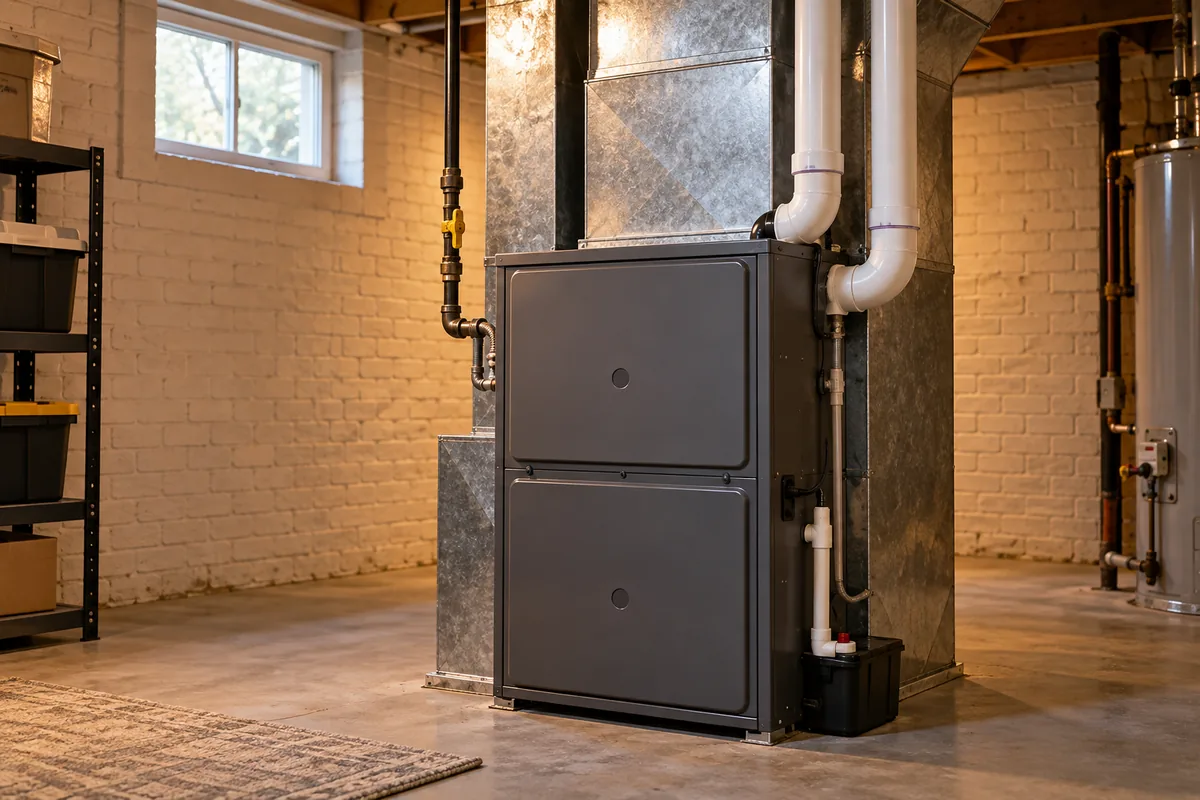
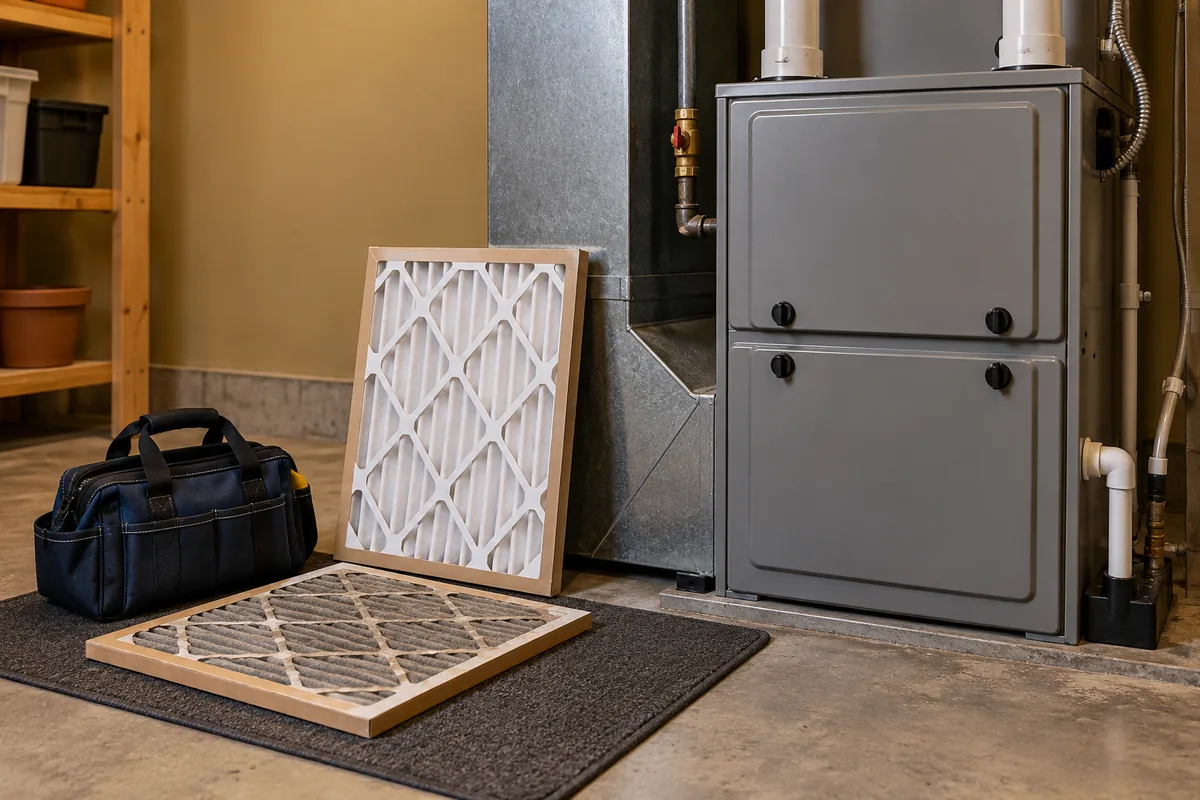
HVAC & Appliance Repair Guys provides furnace repair in Sherwood, OR for no heat, repeated stops and weak output. We assess the equipment and explain repair options. If the furnace runs for a long time while rooms stay cold, describe the air movement and warmth as well as the duration; runtime alone does not identify a part or equipment size.
Our furnace repair service assesses the current response before recommending work. Explain whether warm air arrives steadily, appears briefly or never arrives. A moving fan and active heating are different observations.
Long Heating Runs and Room Temperatures
Note the ordinary setting and the displayed room temperature. Say whether you recently asked for a larger change than usual. A changed request can affect what you notice without explaining every heating concern. There is no single run time that diagnoses all furnaces.
Describe whether all served rooms have the problem or one lags behind, and mention any airflow change. Warm air with weak flow differs from strong flow that stays cool.
Keep the last known normal heating result in the account. If the long run began after a control, filter or room-use change, mention it. Timing can help without proving the cause. Do not close vents or enter service settings to force a faster room response.
Repair Findings and Heating Results
Ask which finding explains the lost room warmth. A long run does not automatically mean the home needs a larger furnace. It also does not establish that a thermostat or blower motor failed. Review the work and price after the assessment identifies the relevant condition.
Our HVAC repair service in Sherwood covers wider heating and cooling concerns. Identify each affected unit or mode and its symptoms; a shared comfort problem does not establish the same fault in all equipment.
After service, ask which heating response was checked, whether it addresses the original room pattern and what remains uncertain. A brief successful start alone may not explain a longer comfort problem.
Frequently Asked Questions
Does a larger temperature increase mean the furnace will heat faster?
A larger request does not diagnose the current problem or guarantee faster recovery. Use the normal setting history to explain what happened. Ask about operation for the actual setup rather than forcing an extreme request as a test.
Should I report that the furnace stops only occasionally during the long run?
Yes, include the stops and what the rooms do at those times. That detail differs from continuous heating or a fan that runs alone. Describe the pattern without assigning a fixed number of minutes that must be normal for every unit.
Can a repair guarantee equal warmth in all rooms?
A furnace repair does not automatically provide equal temperatures in every room. Ask which fault and heating result the work addresses and whether separate room or air-path concerns need review.
Request Furnace Repair in Sherwood, OR
Contact HVAC & Appliance Repair Guys to request furnace repair in Sherwood for long operation with poor warmth, repeated stops or weak output.
For furnace repair in Sherwood, OR, call HVAC & Appliance Repair Guys or submit a service request through the form on this page.