

Furnace Repair in Portland, OR
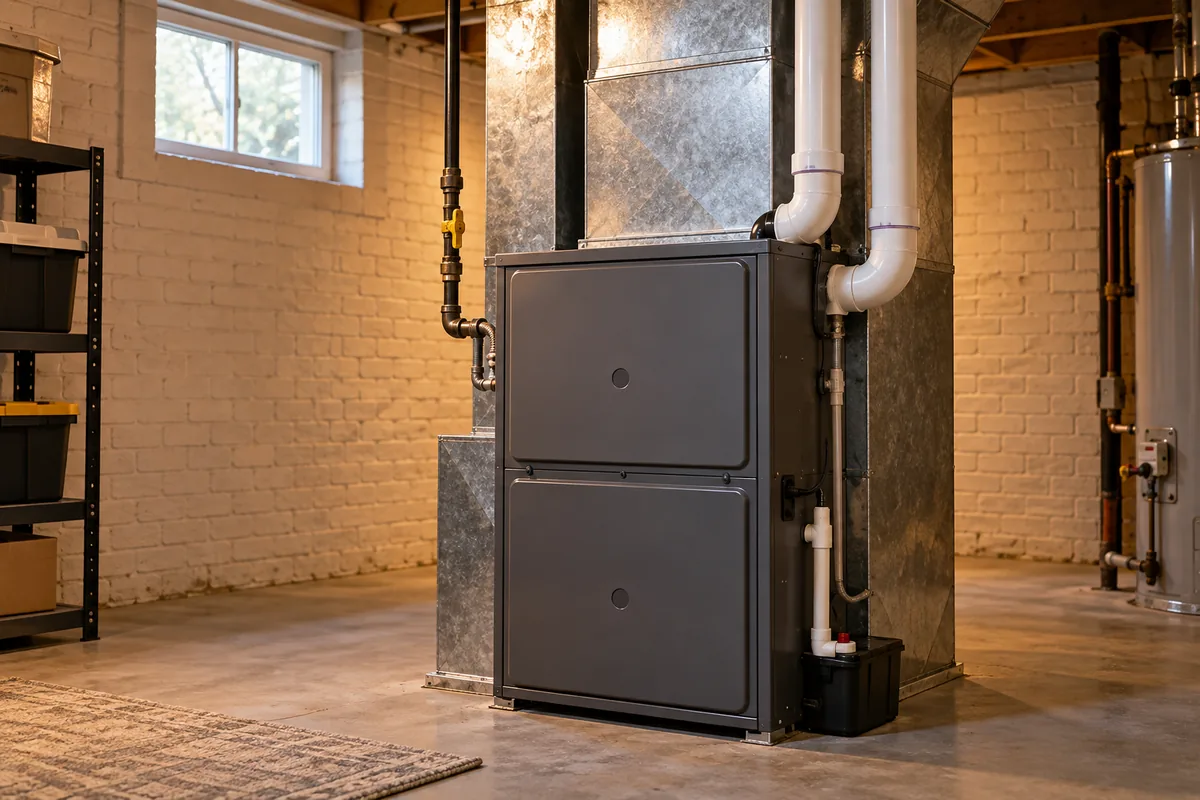
HVAC & Appliance Repair Guys provides furnace repair in Portland, OR for no heat, repeated stops, weak output and changes in furnace operation. We assess the installed equipment, explain the fault and review repair options before you approve the work. You do not need to identify a failed part to arrange service.
Our furnace repair service connects what happens at the thermostat and furnace with the result in your rooms. Tell us whether the system stays silent, blows cool air or heats briefly before stopping. Share the furnace type if known: gas and electric equipment have different components and startup arrangements.
No Heat, Brief Starts and Unusual Sounds
A furnace that never starts needs different checks from one that begins heating and stops early. On fuel-burning equipment, ignition and flame checks are part of startup; airflow problems can also interrupt operation. A short run alone does not identify a flame sensor or control board for replacement.
Note the selected mode, requested temperature and any visible message. Copy a code exactly if you can see it without opening a panel. Its meaning depends on the furnace model and operating condition.
For a new noise, describe whether it occurs at startup, while air moves or as the unit stops. Leave covers in place and do not recreate a fault to obtain a recording.
Cold Air and Weak Airflow Need Different Checks
A running blower moves air but does not establish that the furnace is producing heat. A fan setting can keep air moving between heating cycles, while a fault can leave the blower running after heating stops. Tell us whether the air ever warms and whether the rooms approach the set temperature.
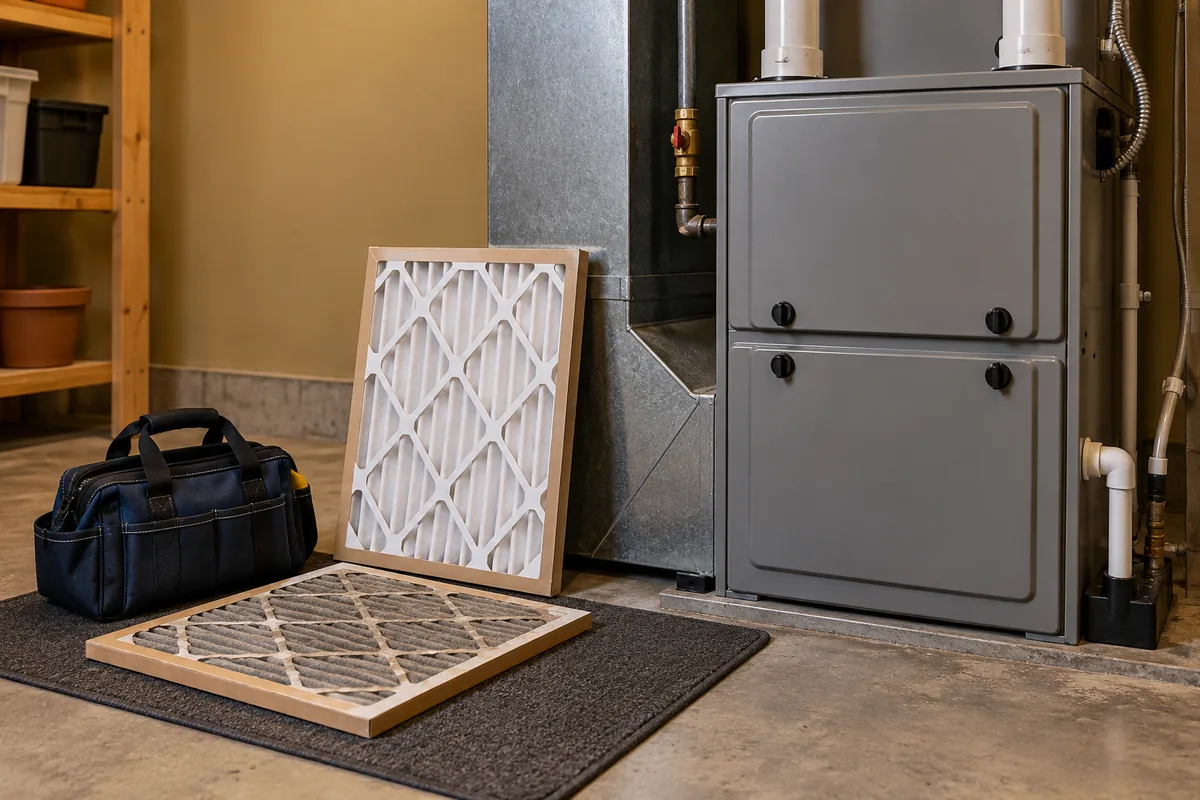
Weak flow throughout the home differs from one cold room. Filter condition, a blocked return or a shared air-path problem can affect several rooms; a narrower distribution concern may affect one area. Mention recent filter changes or work near ducts, and whether the same airflow problem occurs during cooling.
If the problem followed a thermostat change, include that history. The control must suit the connected equipment, but replacing it will not correct every no-heat complaint. Diagnosis should check the request for heat and the furnace’s response together.
When a Flame Sensor Is Part of the Repair
On a furnace that uses a flame sensor, flame detection forms part of the heating safety sequence. The technician checks that sequence before recommending cleaning or replacement. Those are different tasks, and the appropriate choice depends on the finding and the part’s condition.
If the proposal calls for a new flame sensor, confirm the required part, price and next step before approval. A generic sensor name does not establish availability or completion time.
Ask how the proposed sensor work addresses the heating fault and whether a further operating check or return visit is needed.
Internal Furnace Work and Safety Controls
Do not remove a sensor, clean internal parts or bypass a safety control to test a theory. Leave wiring, gas components and protective covers in place. Share observations and records already available; internal service depends on the actual equipment.
Avoid repeated restarts when the furnace keeps stopping. A temporary return of heat does not confirm that the underlying condition has cleared. Describe what happened during normal use and the state the equipment is in now. The professional assessment should guide any return to operation.
Share recent repair records and describe what improved afterward. Earlier sensor work is useful history, but the present fault still needs diagnosis.
Repair, Routine Care or Furnace Replacement
Our furnace maintenance service covers planned upkeep. A furnace that will not heat or repeatedly stops needs an active repair request. Cleaning one component during a repair does not mean a full maintenance visit was completed.
Equipment condition, recurring faults and the proposed repair help frame a replacement decision. Age or an efficiency label alone does not establish which option suits the furnace.
If replacing the entire furnace becomes relevant, request a furnace installation proposal with a clear scope and estimate. Compare that project with the diagnosed repair and the furnace’s overall condition.
Service Access and Heating Checks After Repair
Have the address, accessible model details and symptom history ready. Provide a clear route to the furnace and thermostat, and mention locked rooms or difficult access when booking. Leave equipment intact for the technician.
After the work, ask what heating checks were completed and whether anything needs follow-up. For an intermittent problem, describe any later recurrence using the same setting, sound and startup pattern.
Frequently Asked Questions
Does every heating system use a flame sensor?
No. The furnace type and heating arrangement determine which components apply. A part used in a gas furnace may not belong in a different heating setup.
Can the thermostat look normal while the furnace has a fault?
Yes. The display can show the requested temperature while the furnace cannot provide heat. Testing needs to check the equipment’s response as well as the control. Mention recent thermostat work and any visible message.
Can a repair promise a specific reduction in energy bills?
A repair does not guarantee a specific reduction in energy bills. Use, conditions and other loads also affect costs. Review the work for the heating fault it addresses; a component name alone cannot establish future savings.
Request Furnace Repair in Portland, OR
Contact HVAC & Appliance Repair Guys to request furnace repair in Portland for lost heat, repeated stops, weak airflow or changed operating sounds.
For furnace repair in Portland, OR, call HVAC & Appliance Repair Guys or submit a service request through the form on this page.