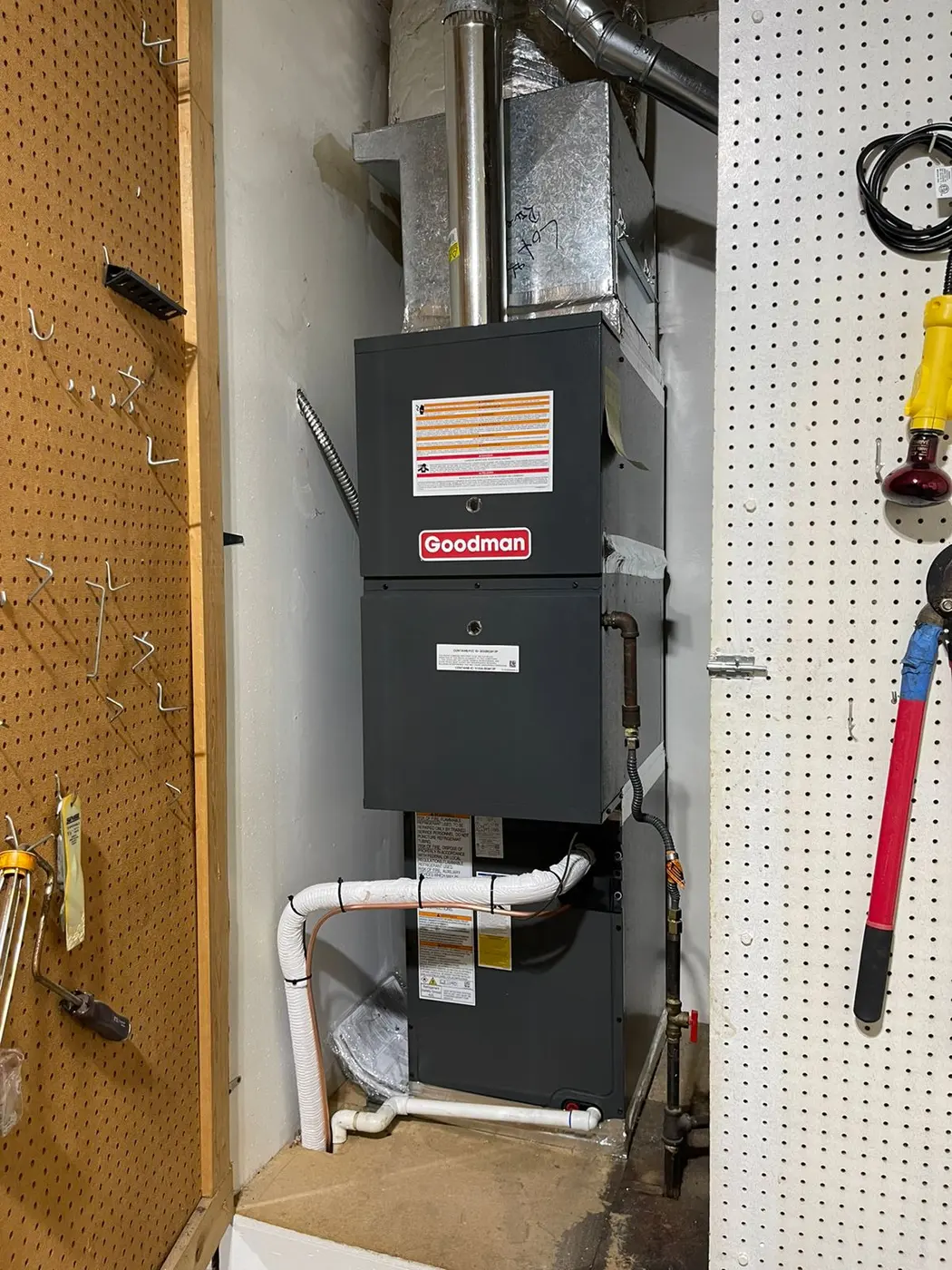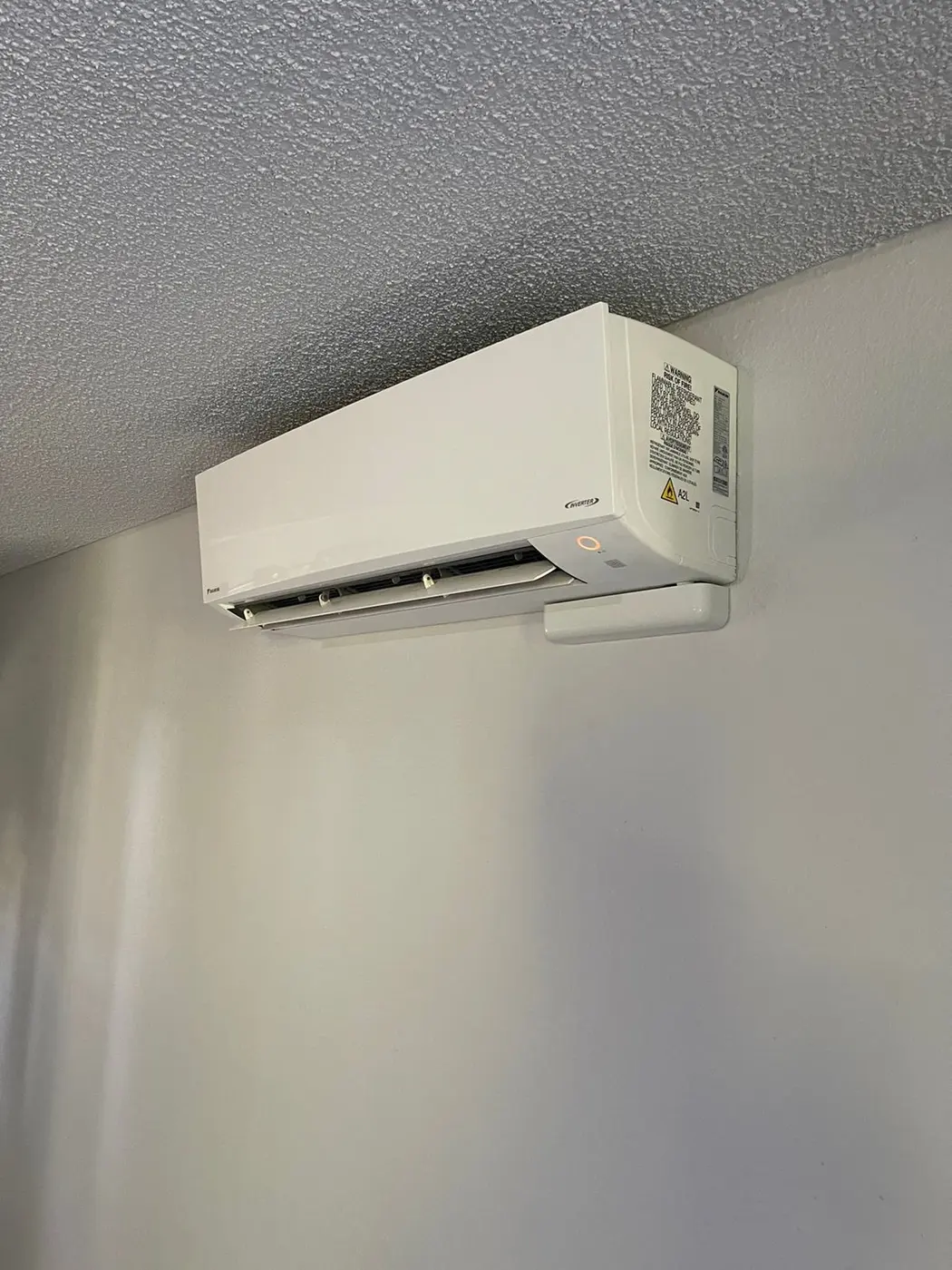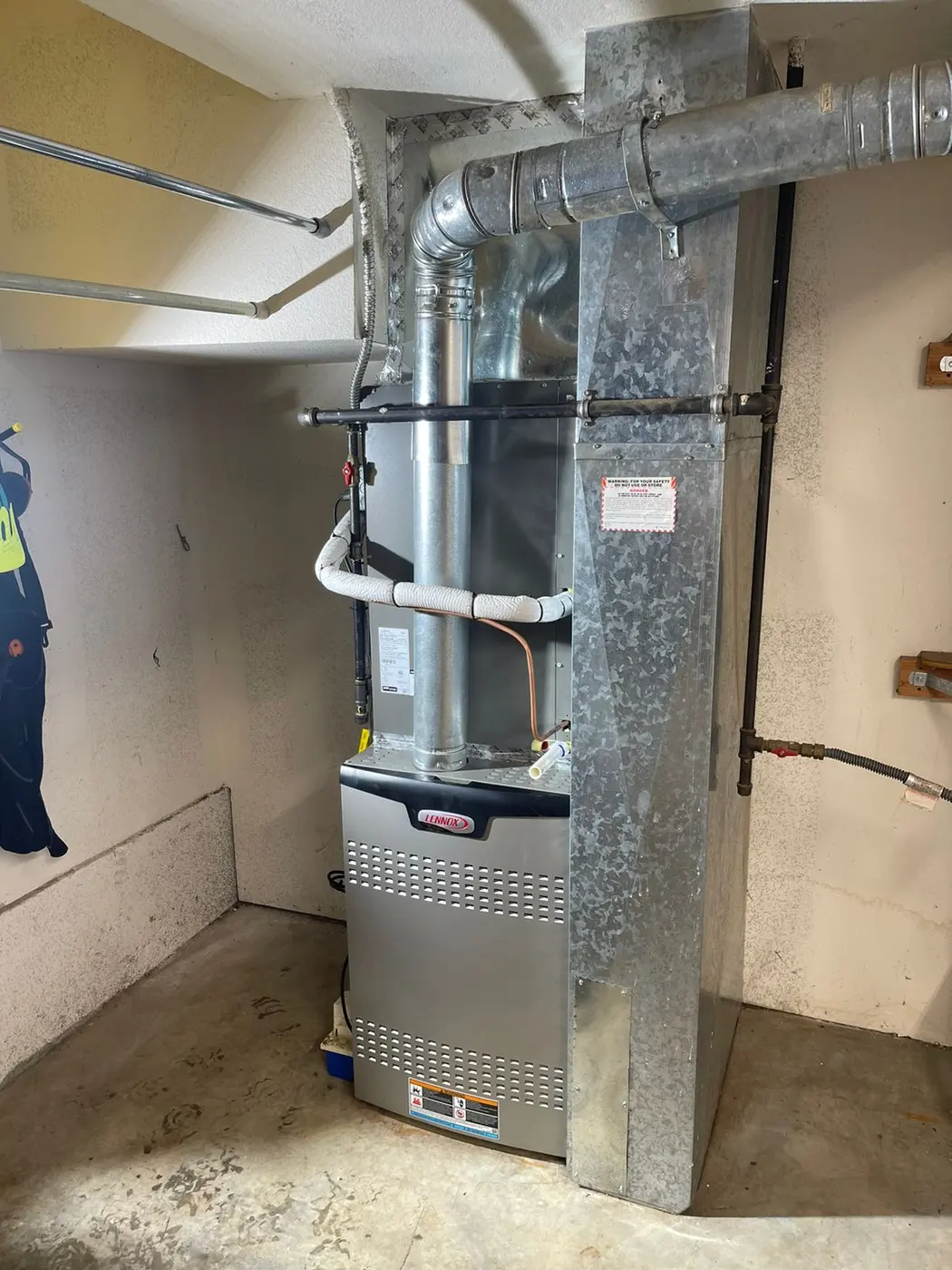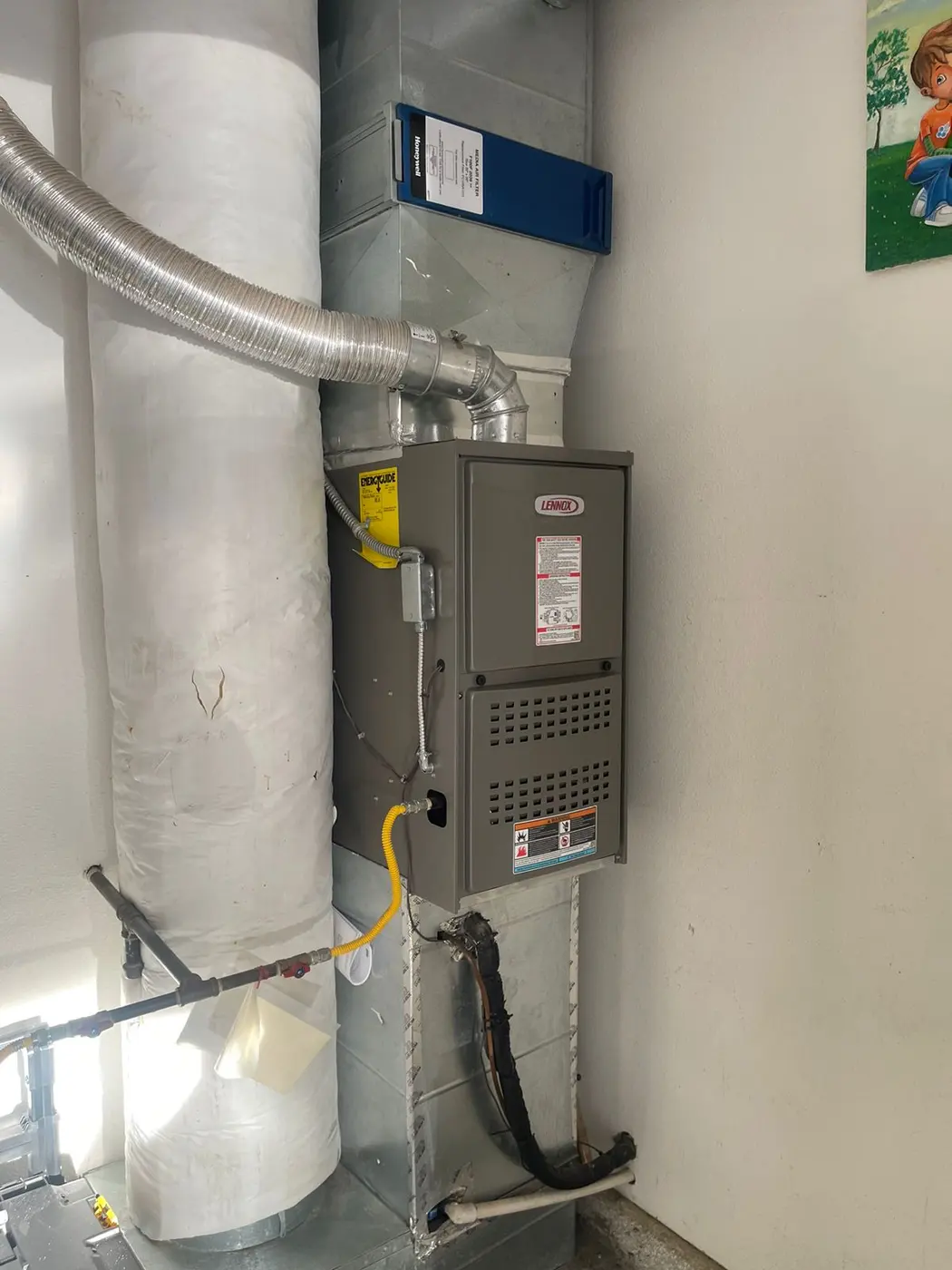




HVAC Installation in Happy Valley
HVAC & Appliance Repair Guys provides HVAC installation in Happy Valley, OR. A furnace replacement, a cooling addition and a heat pump serving both seasons involve different equipment and work. A mini-split can be considered for a particular area. Describe which rooms and functions the project should serve before choosing units or their locations.
We offer a free on-site estimator visit for installation or replacement. Review heating and cooling demand, existing ducts and the equipment you hope to retain alongside any comfort problems. Indoor and outdoor placement, connection routes and access for later service then need to support that plan. Mention any planned changes to the property or areas you need to keep usable.
Our HVAC installation overview explains the process. Provide the Happy Valley address and access details when requesting an estimator visit. We will confirm appointment availability and discuss the installation schedule after reviewing the equipment and site requirements.
Indoor and Outdoor Placement and Service Access
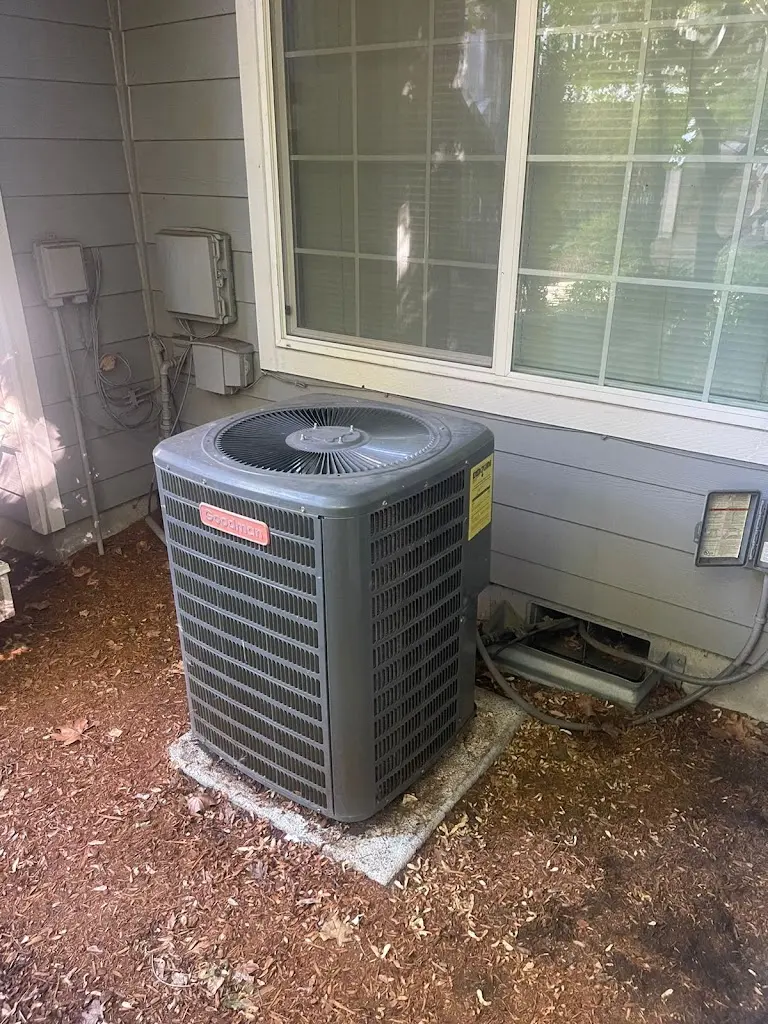
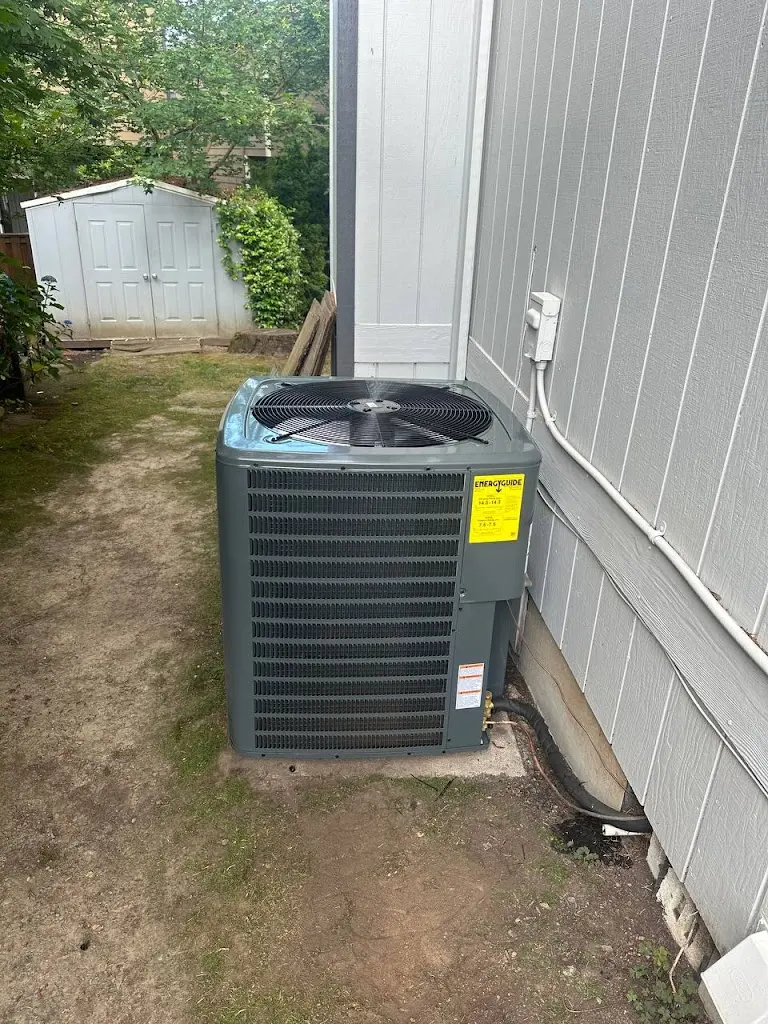
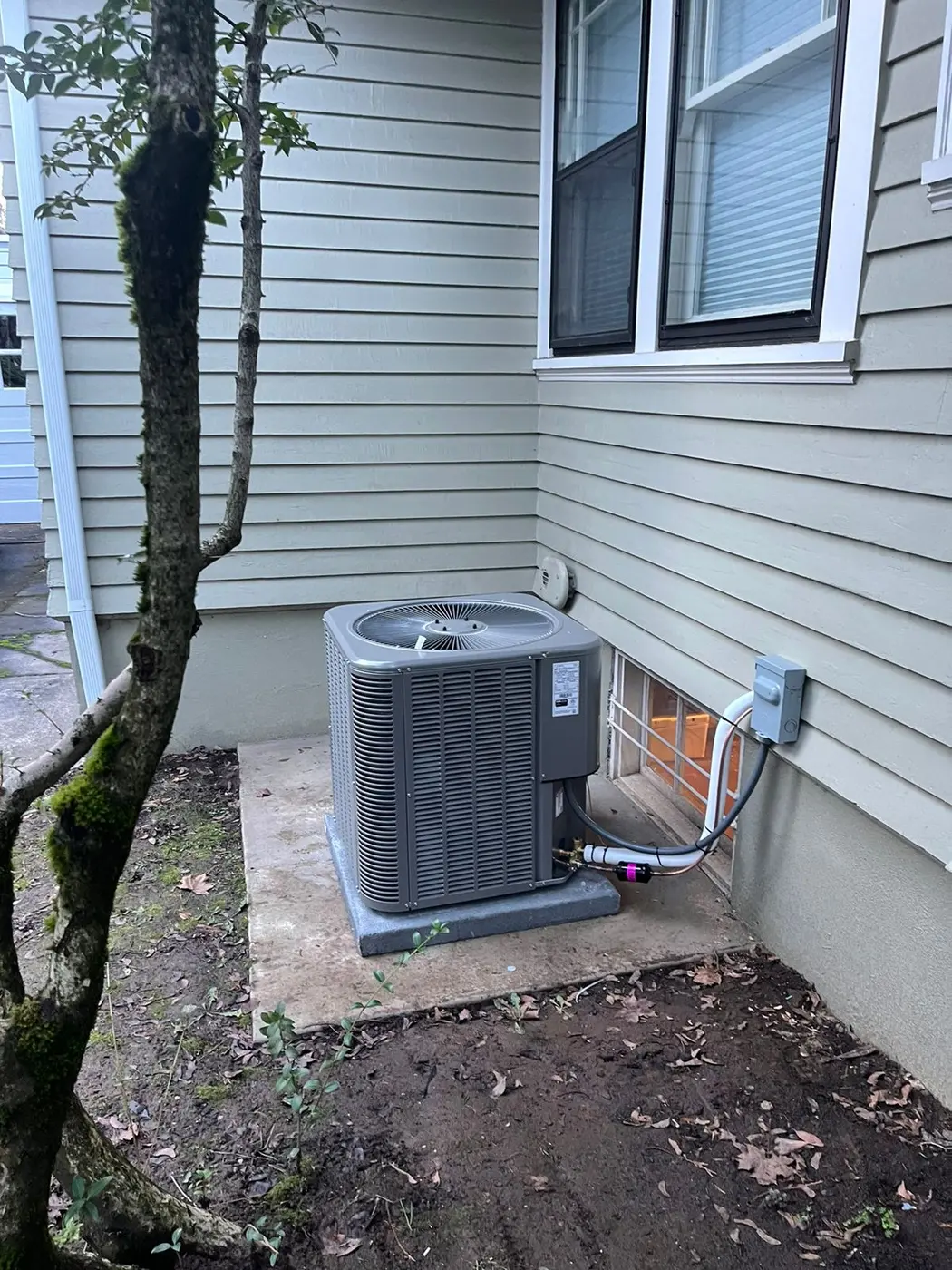
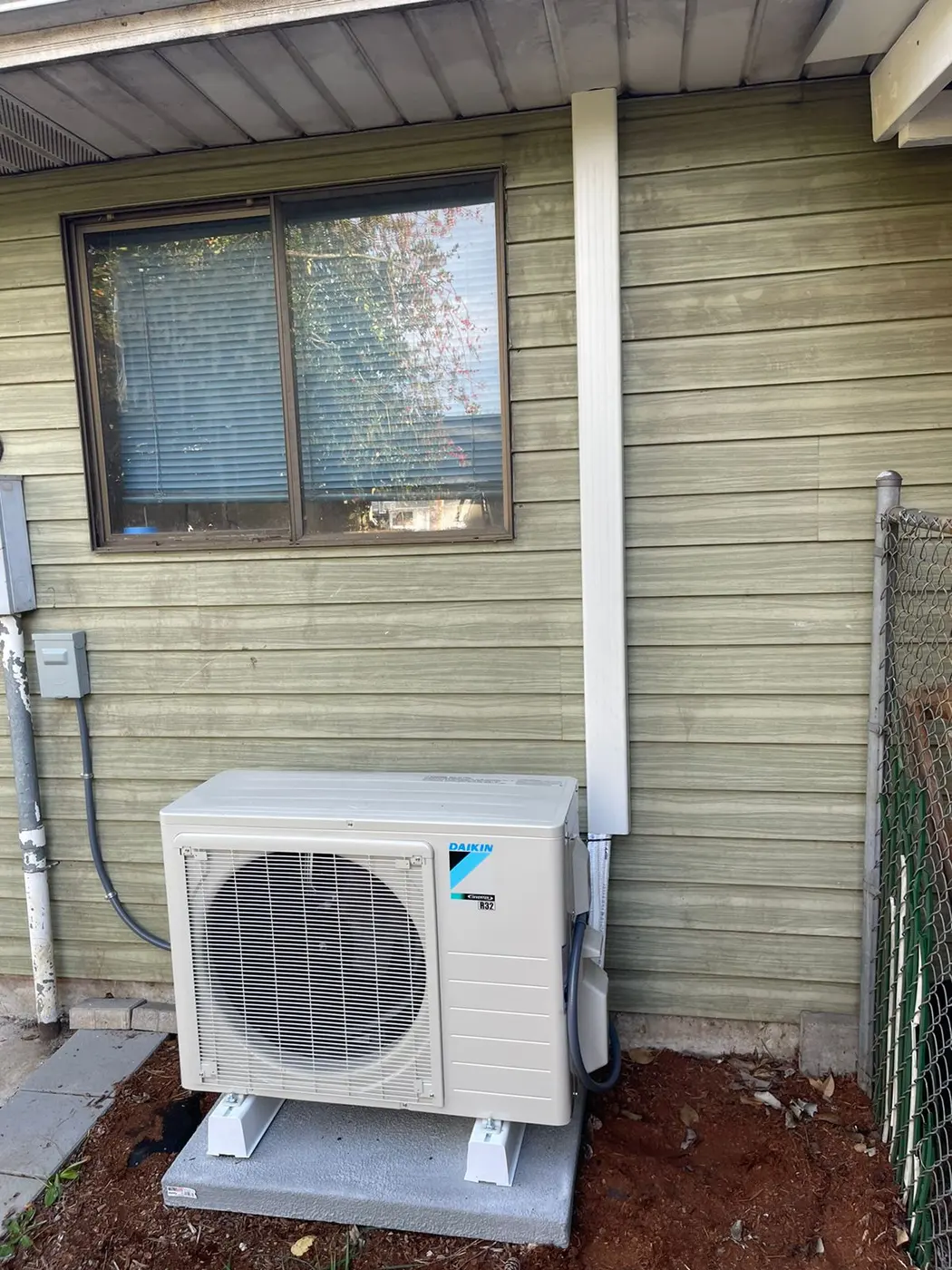
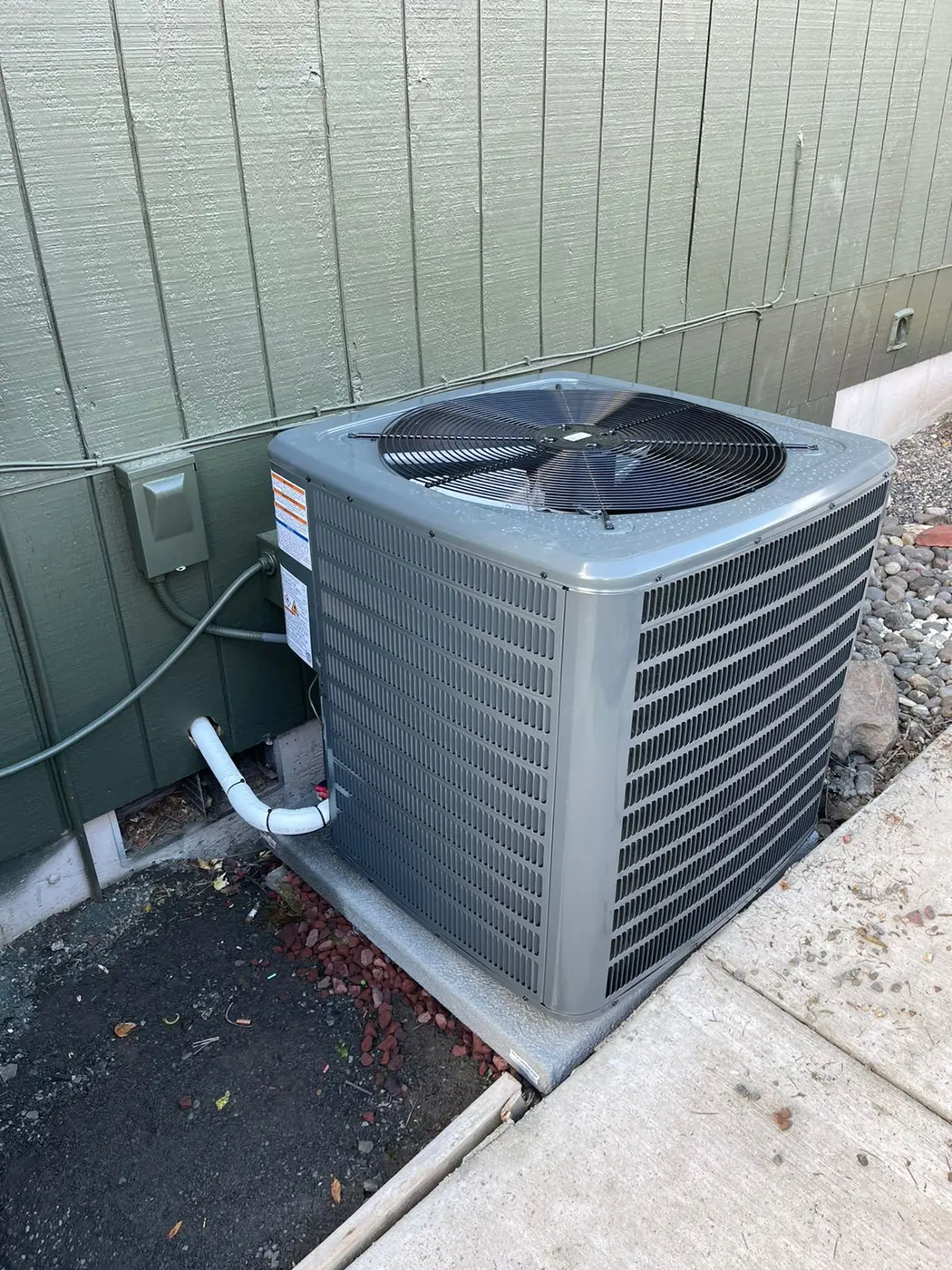
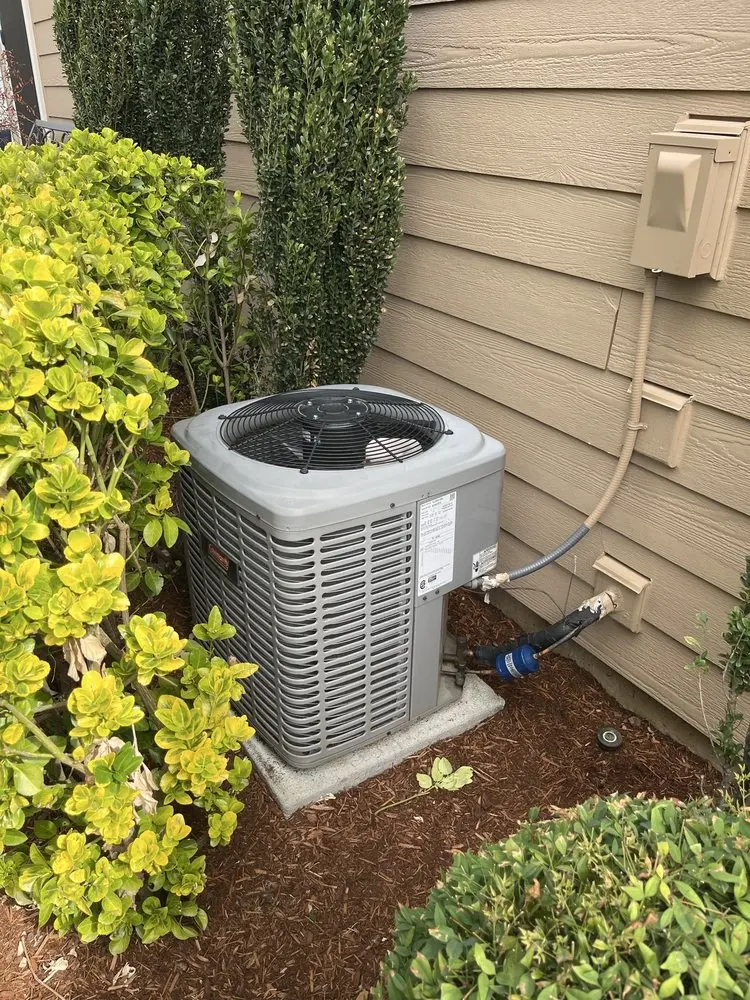
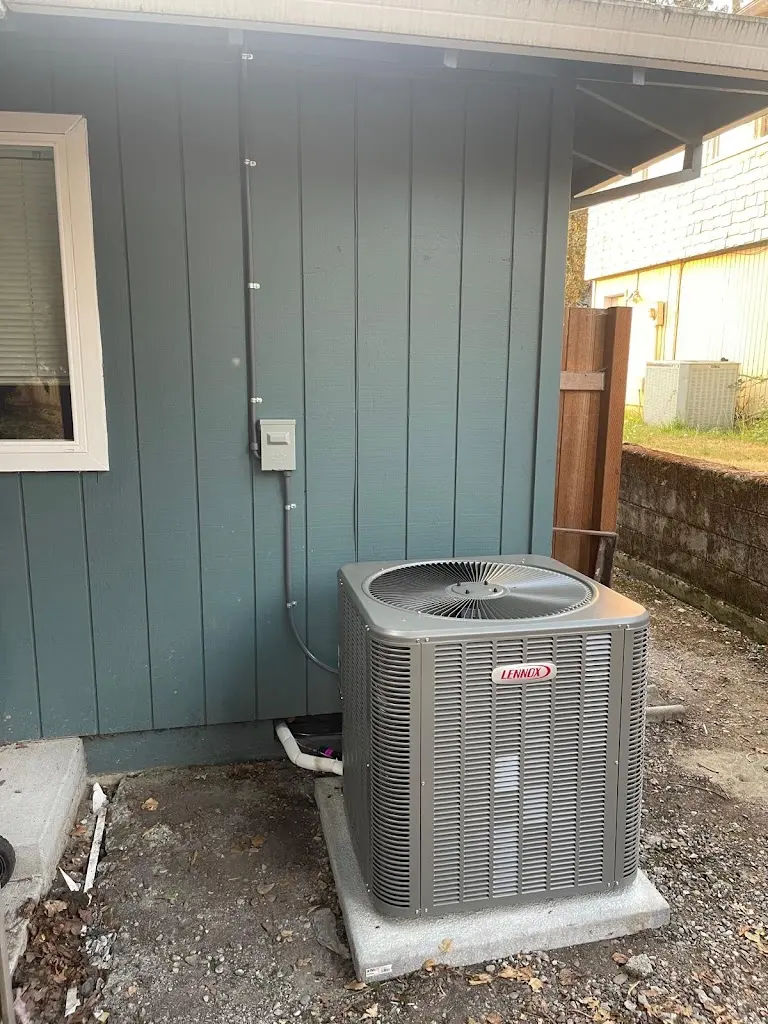
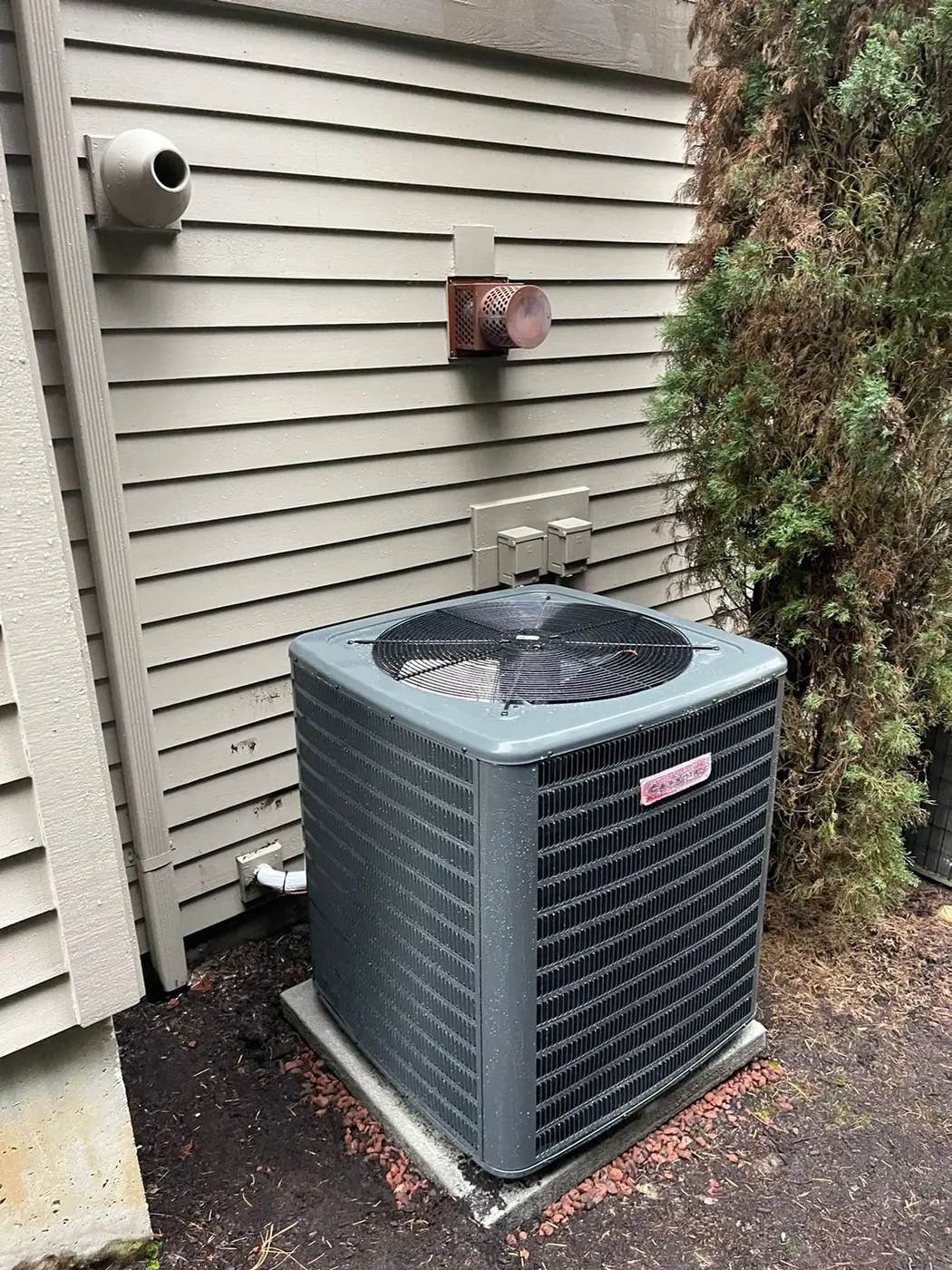
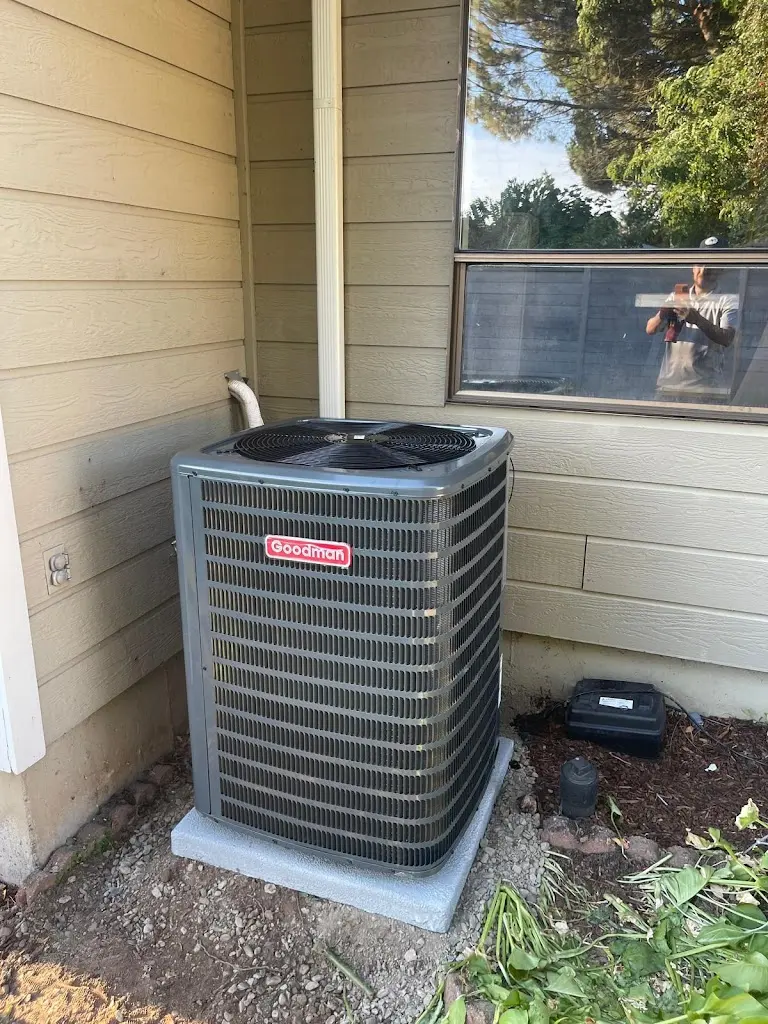
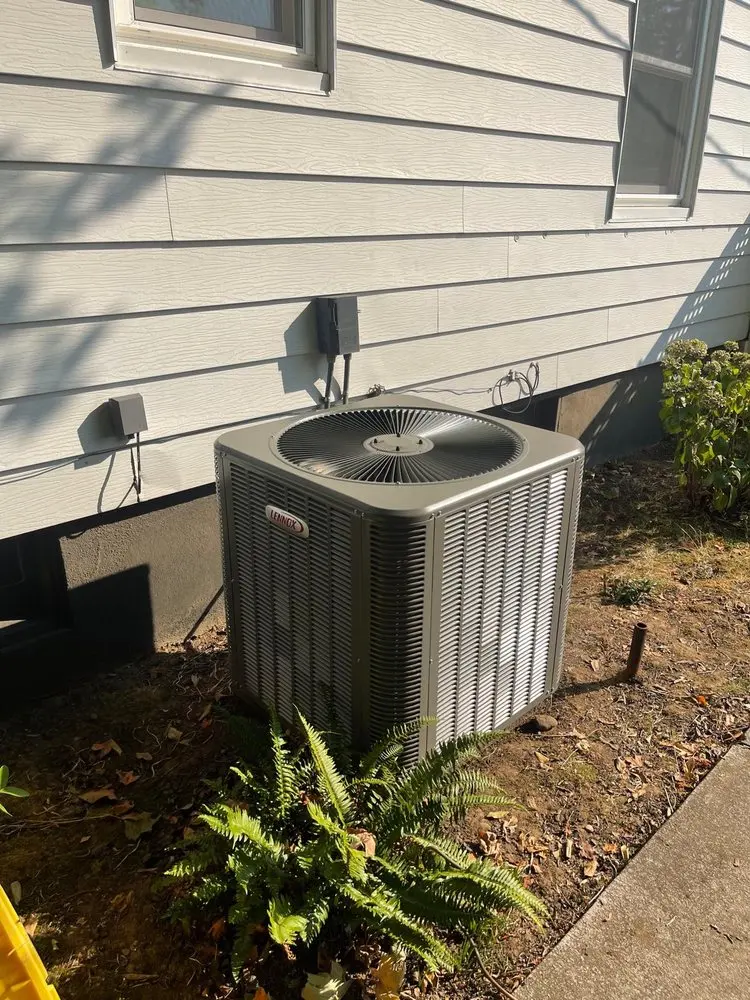
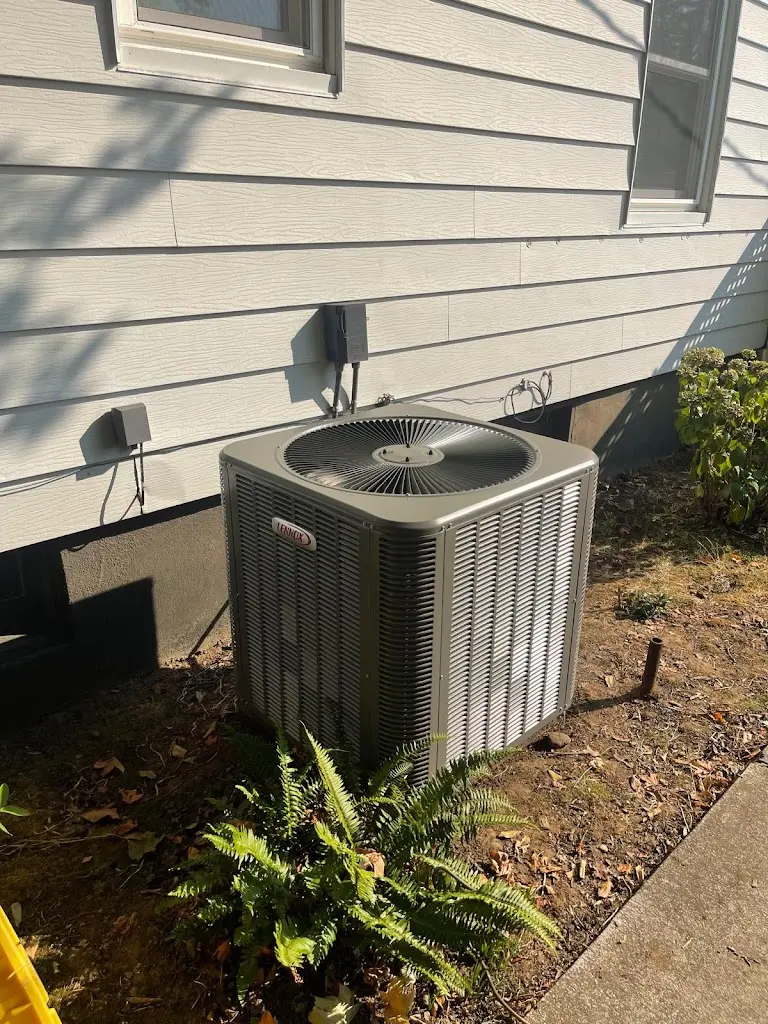
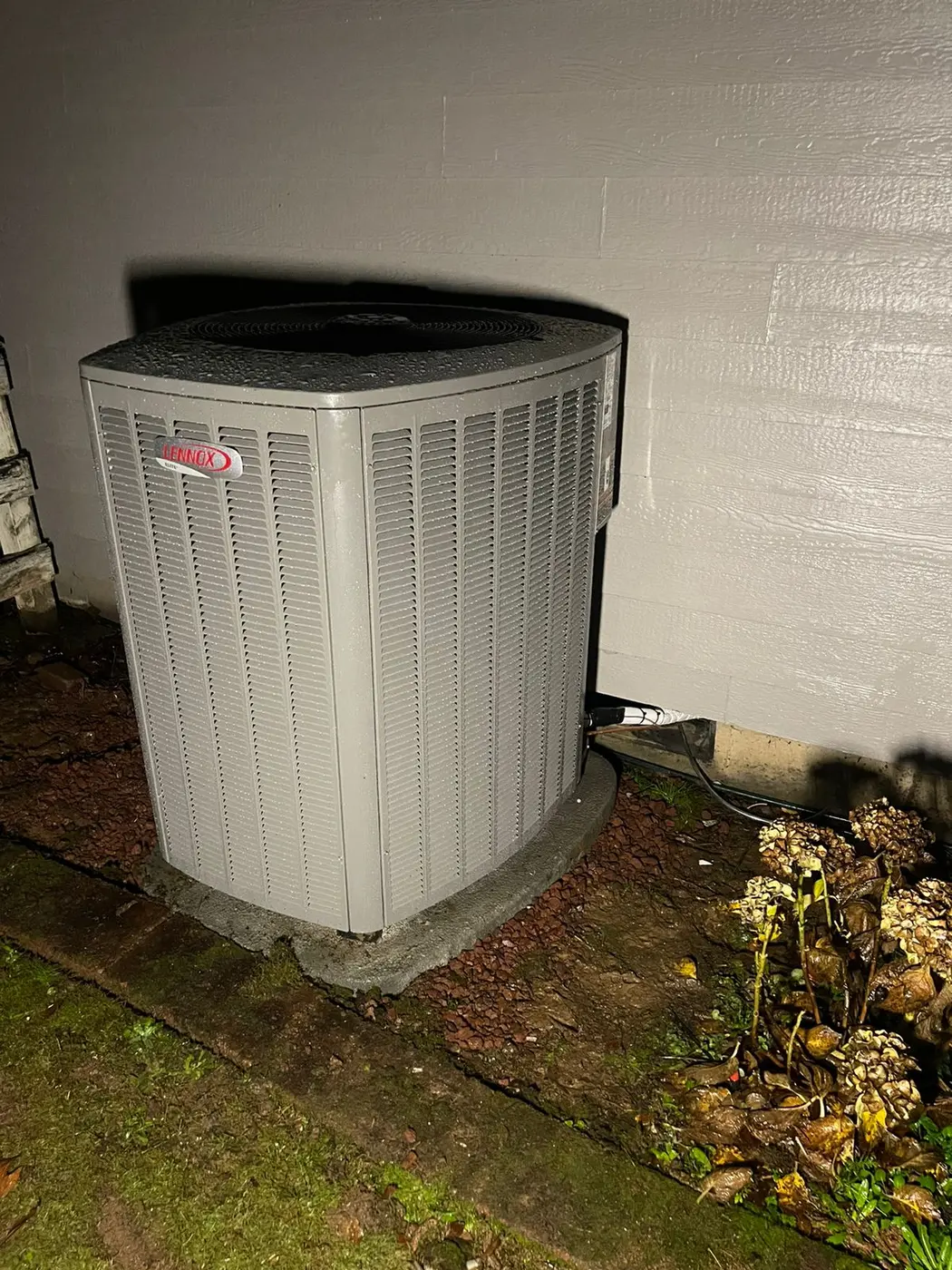
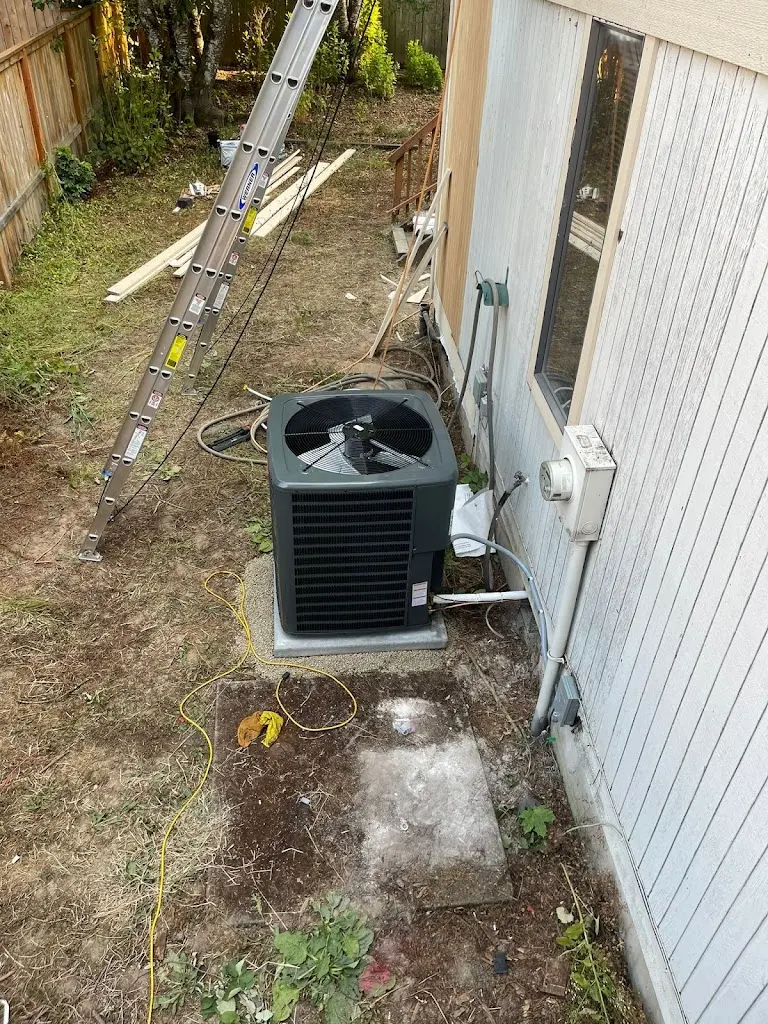
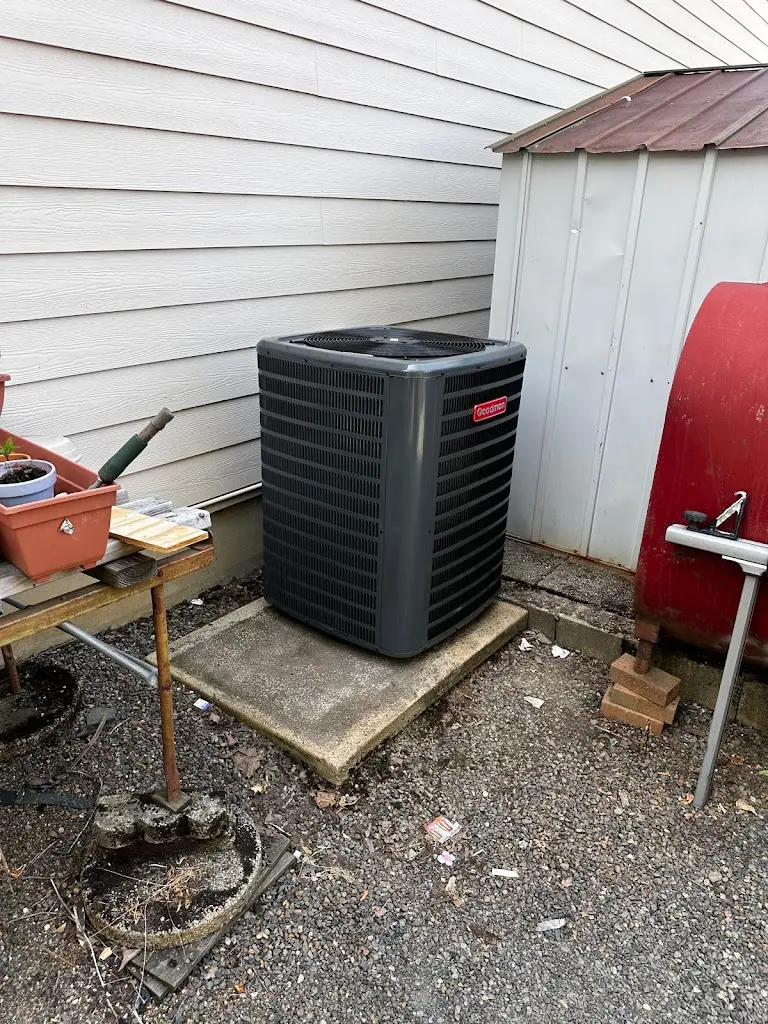
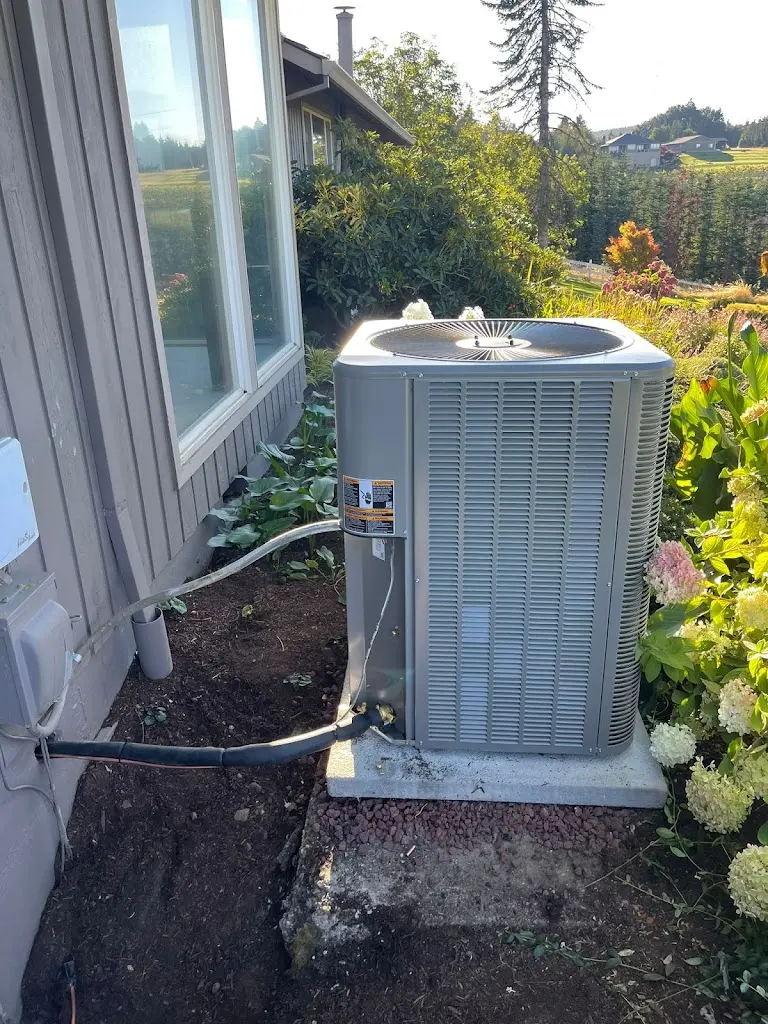
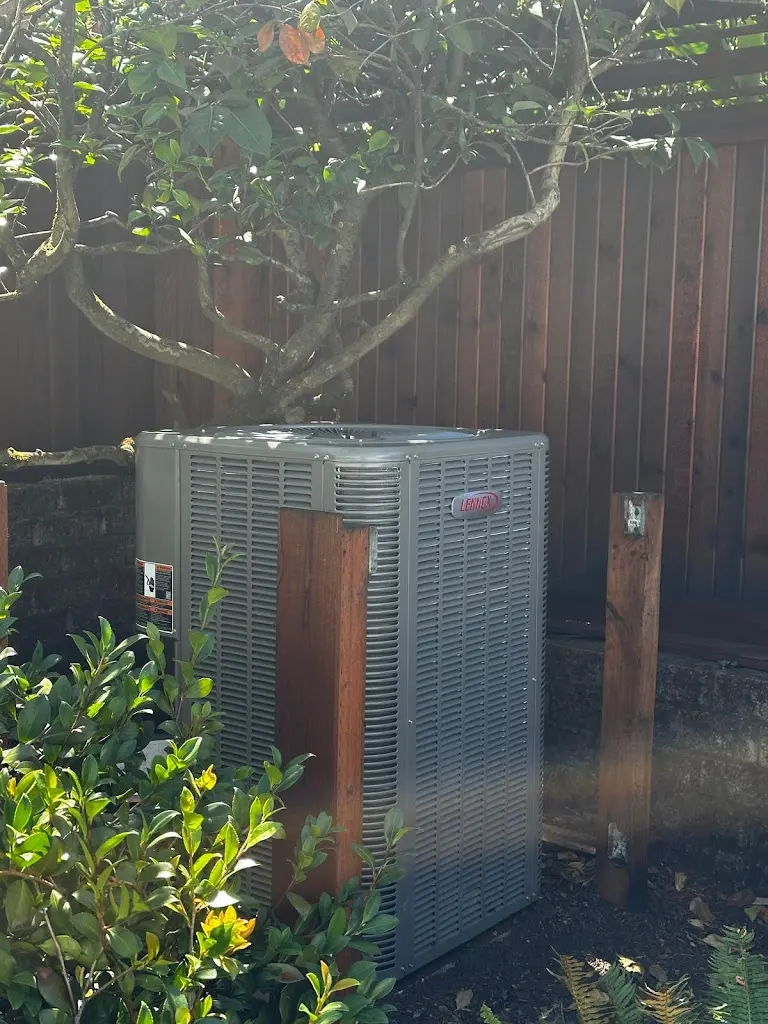
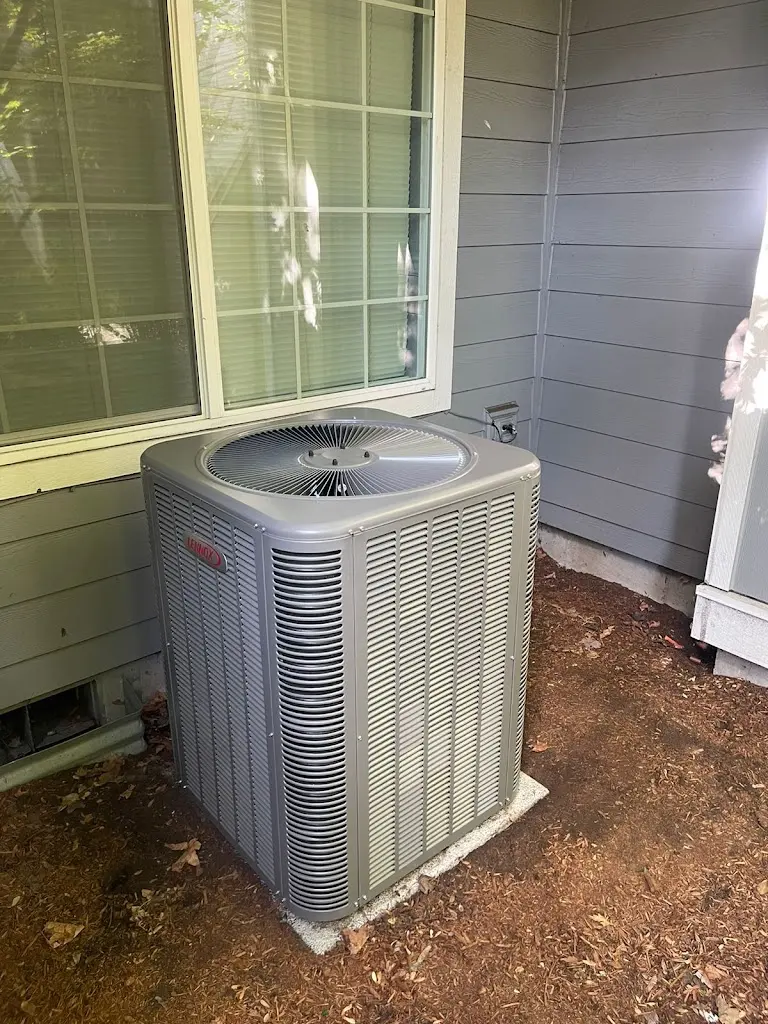
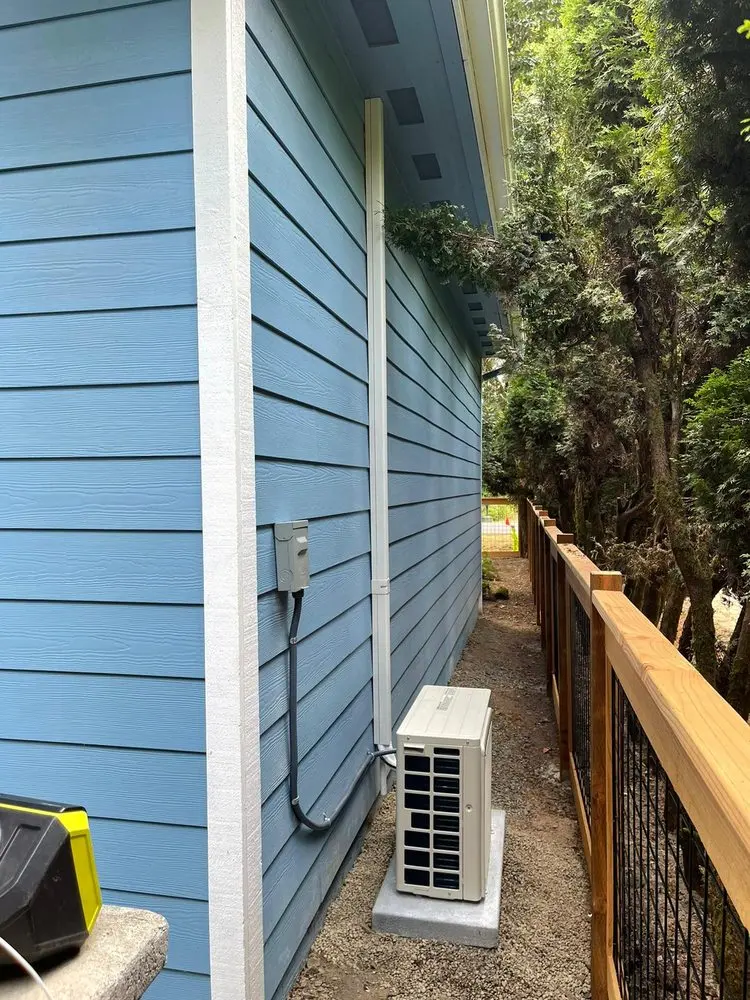
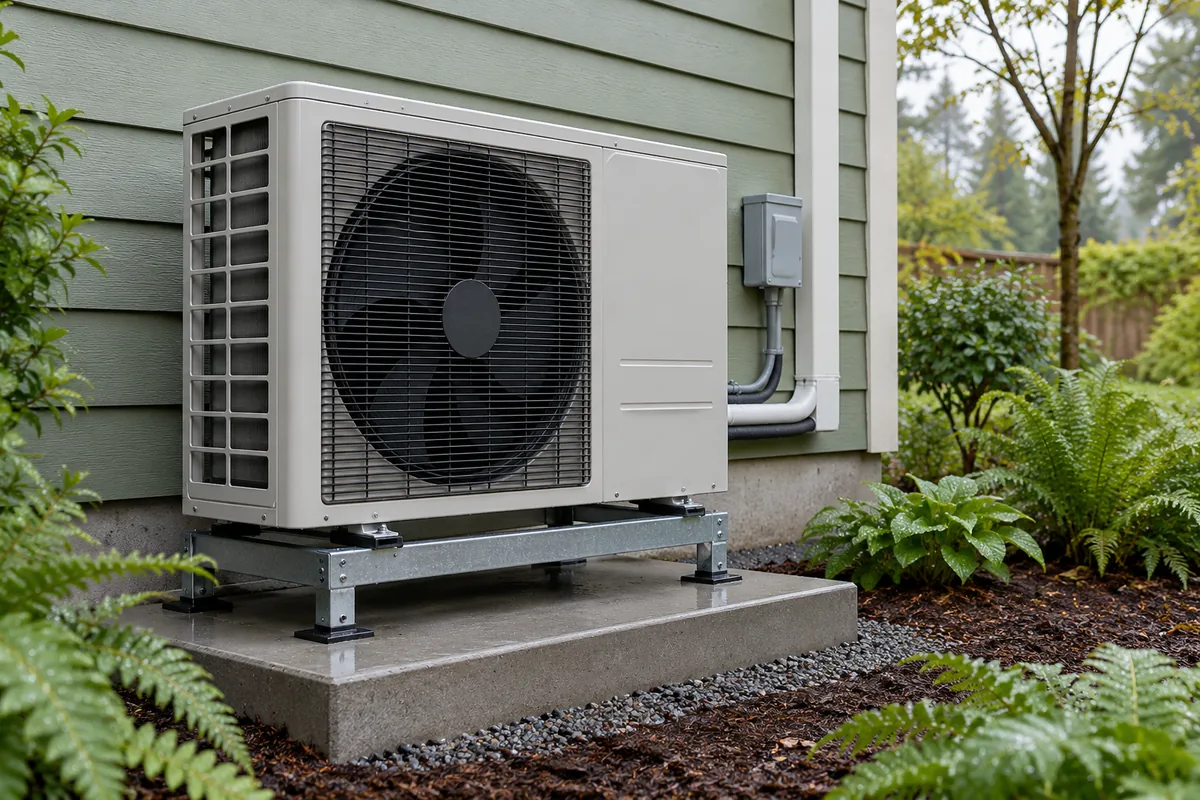
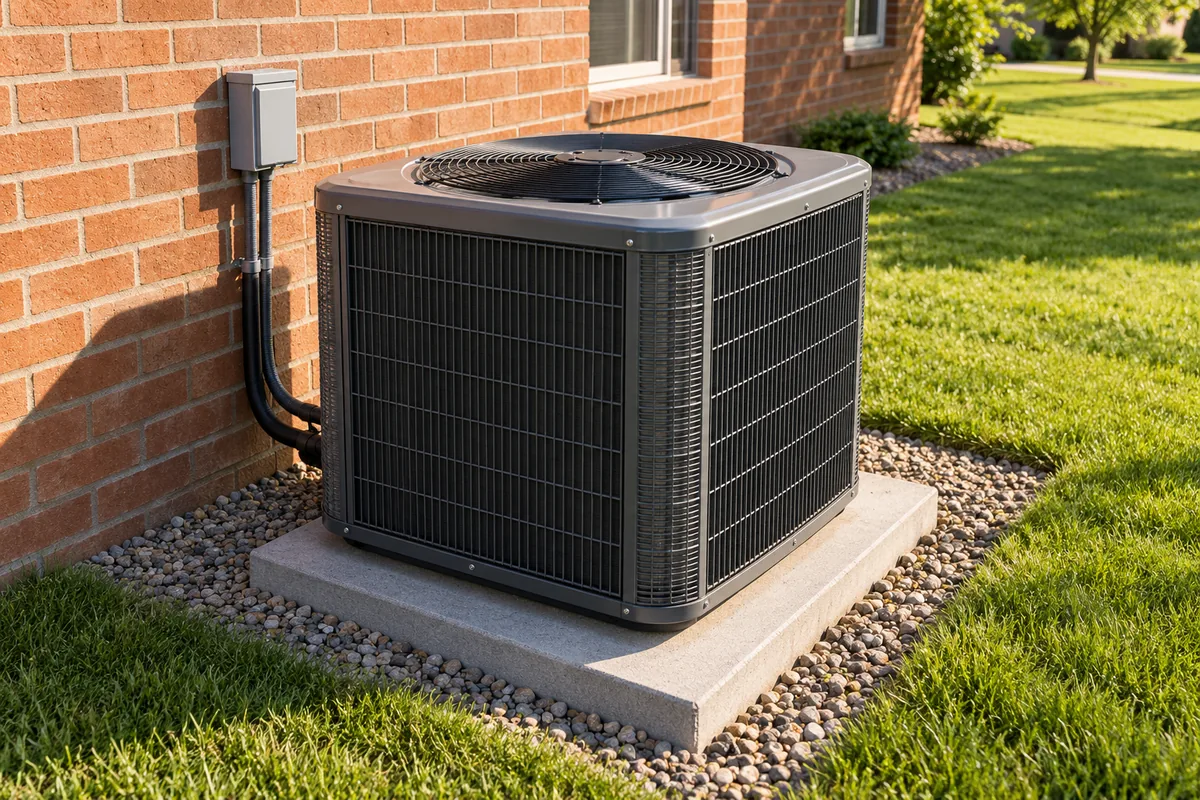
An outdoor unit location needs more review than finding an empty patch beside the home. Working space, airflow and routes to the indoor components can affect the proposal. Tell us about nearby uses of the area that matter to you. The estimator should explain the intended position and the work it requires.
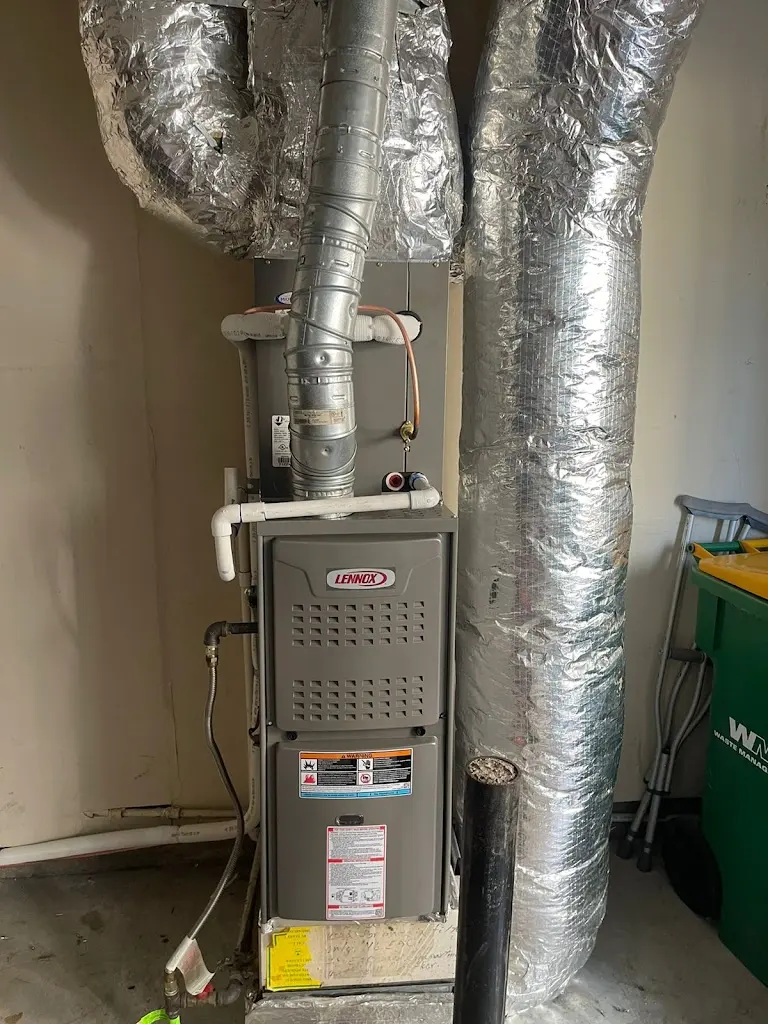
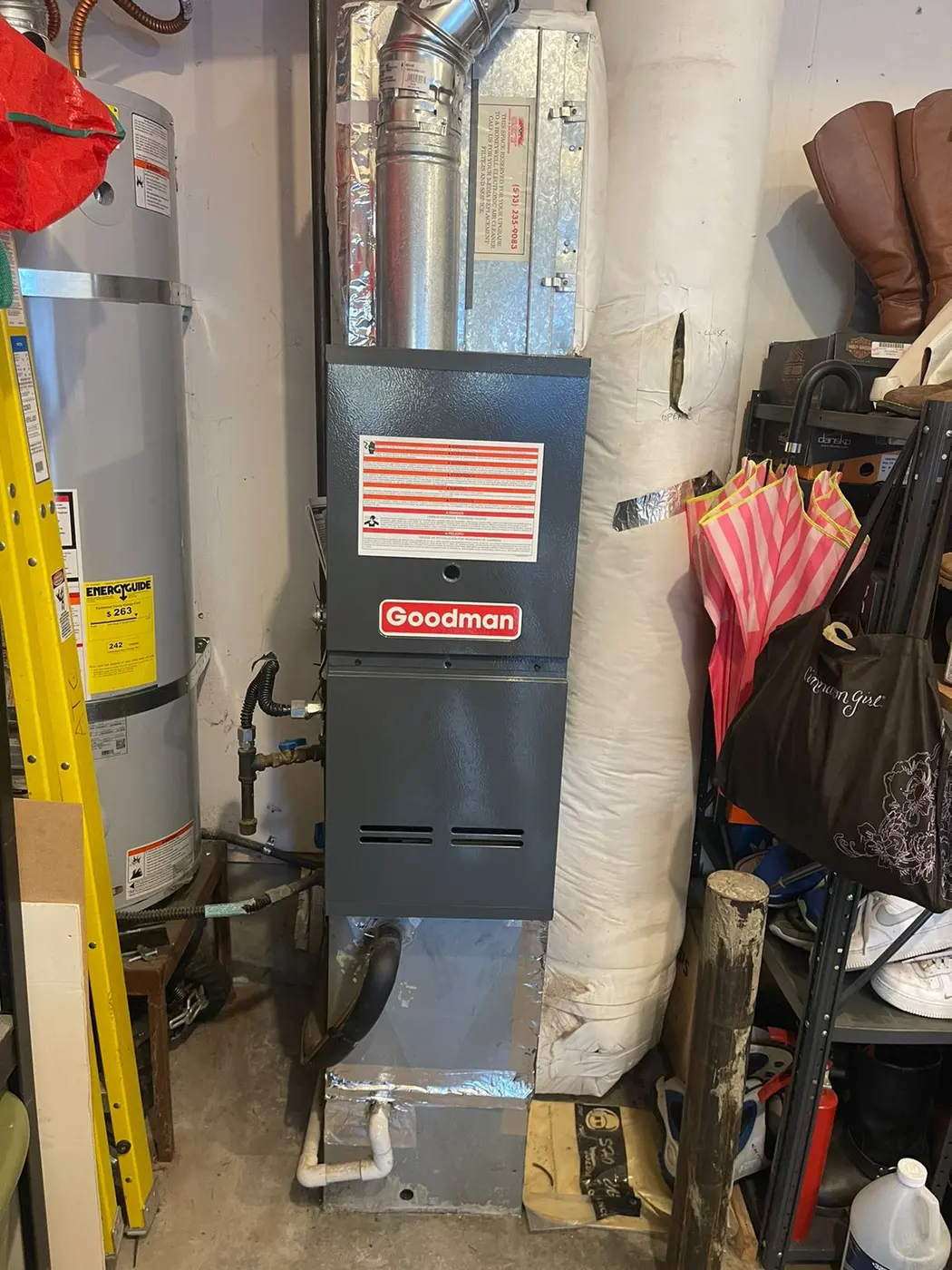
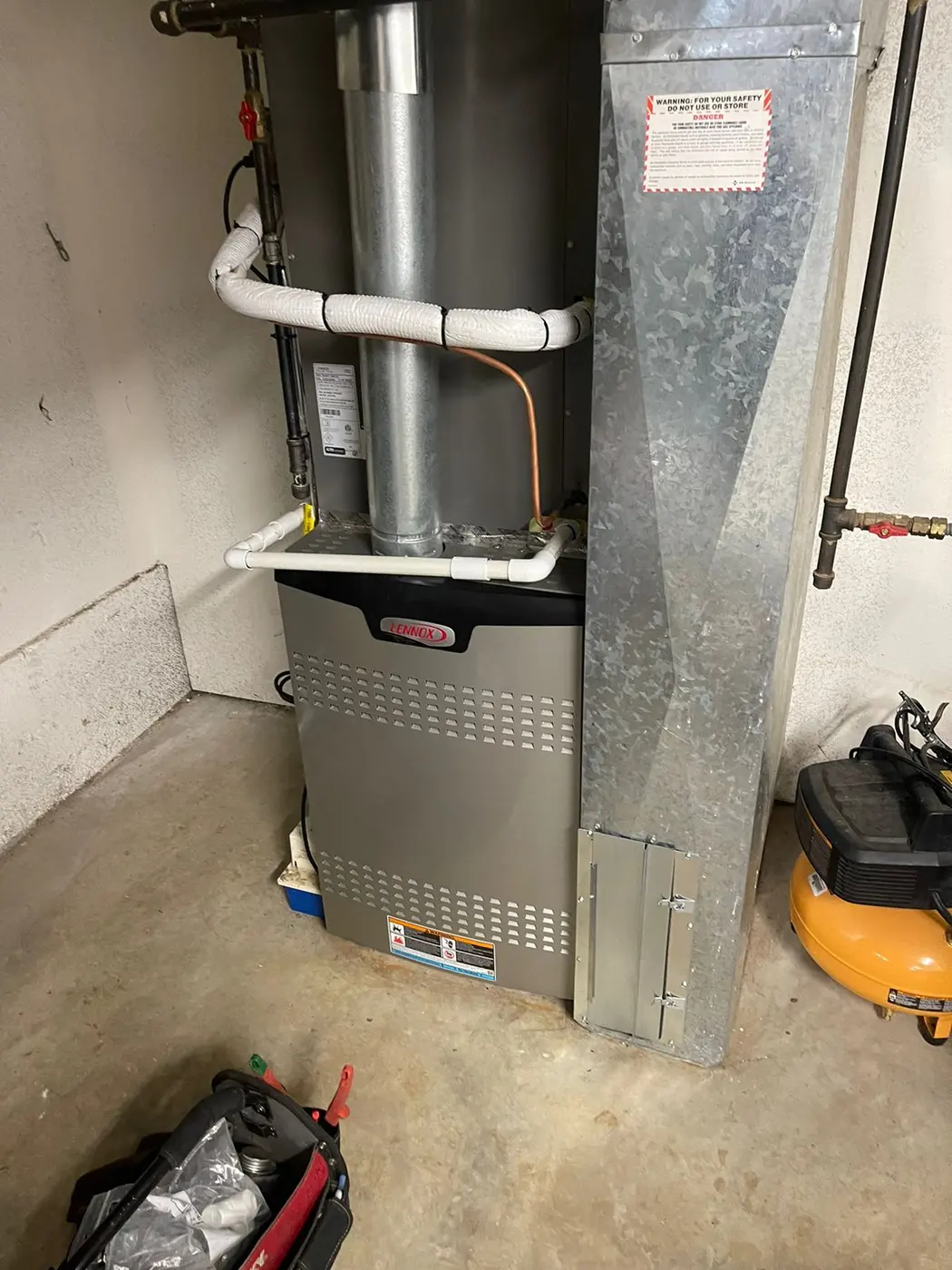
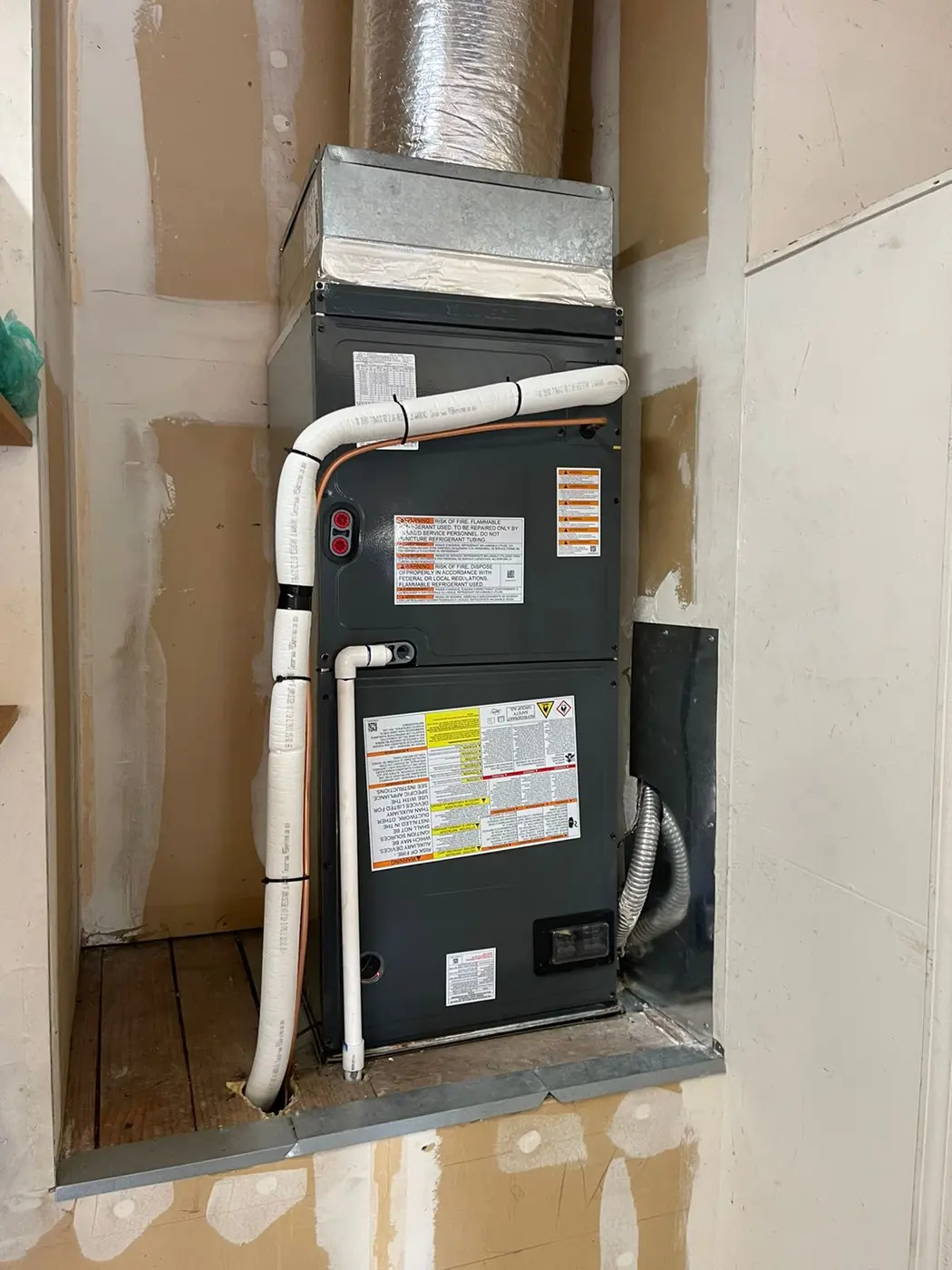
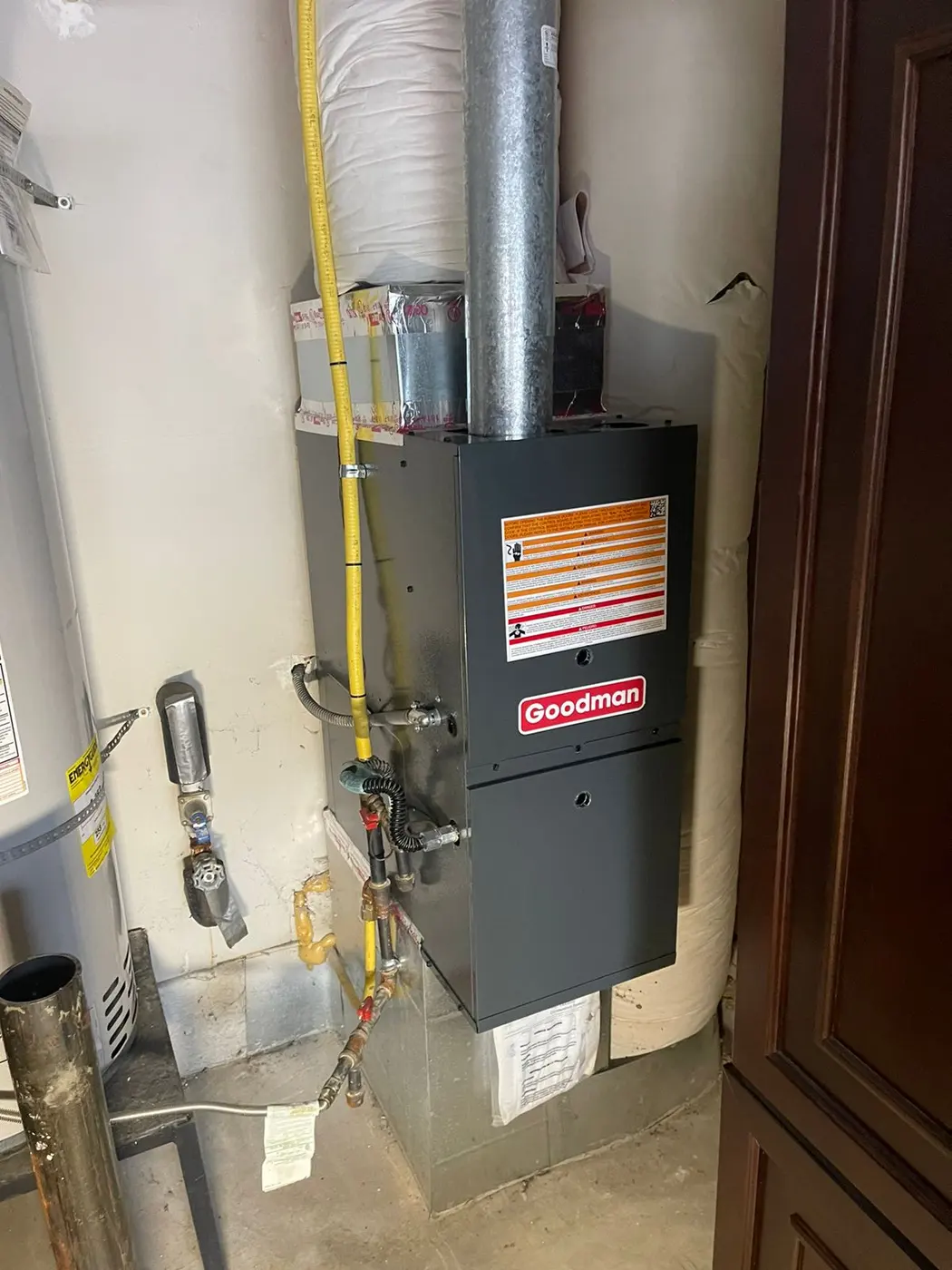
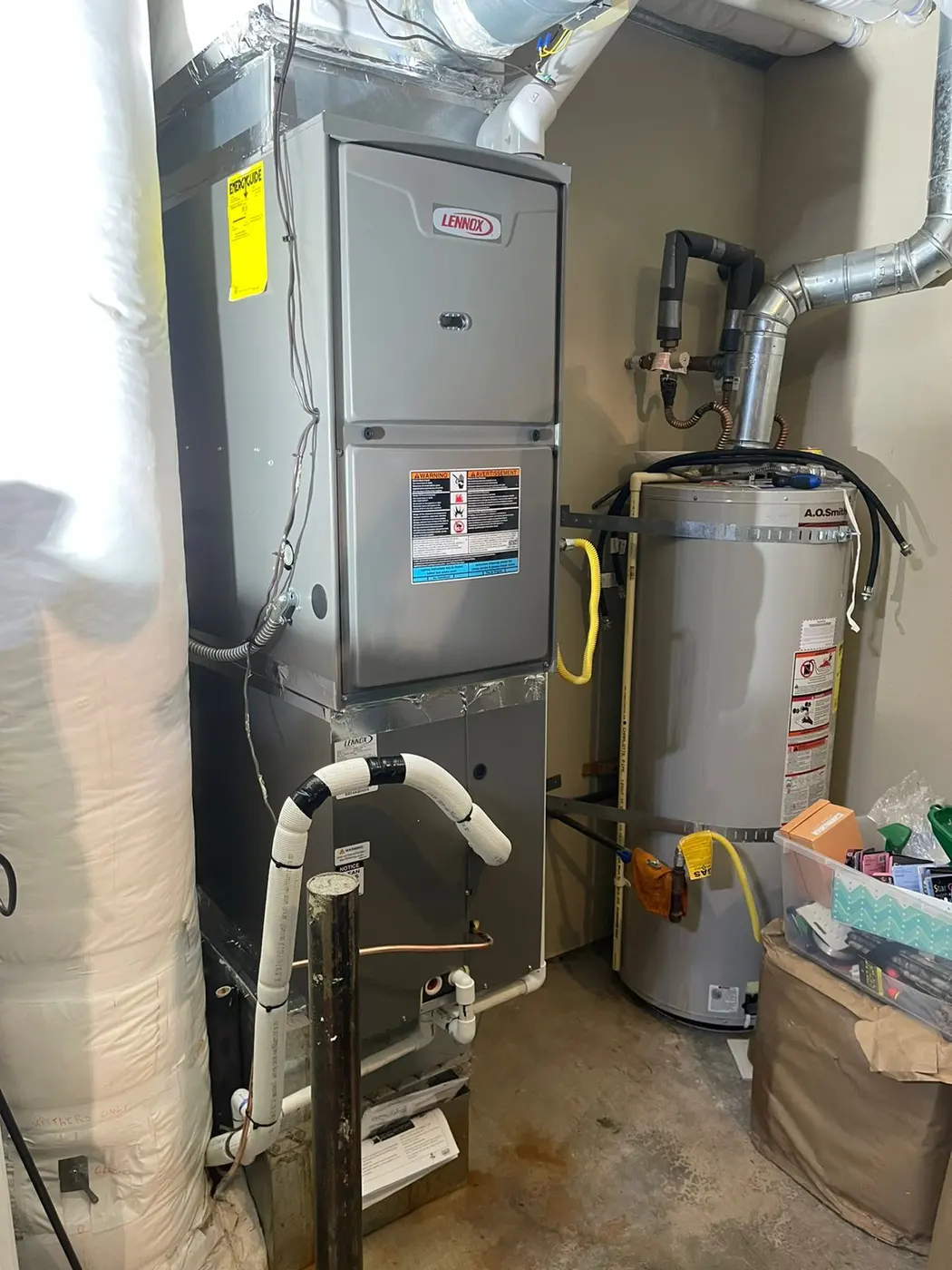
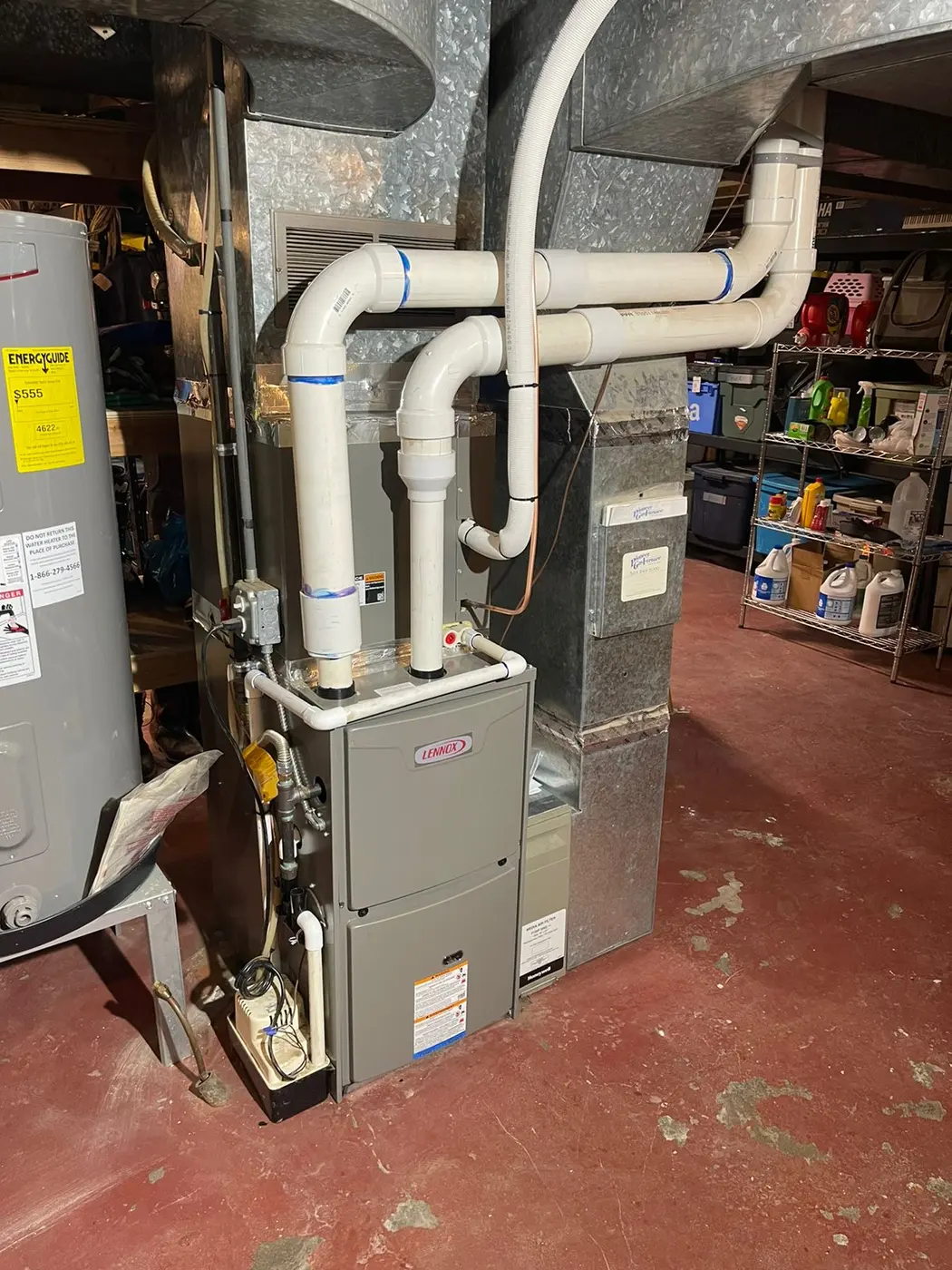
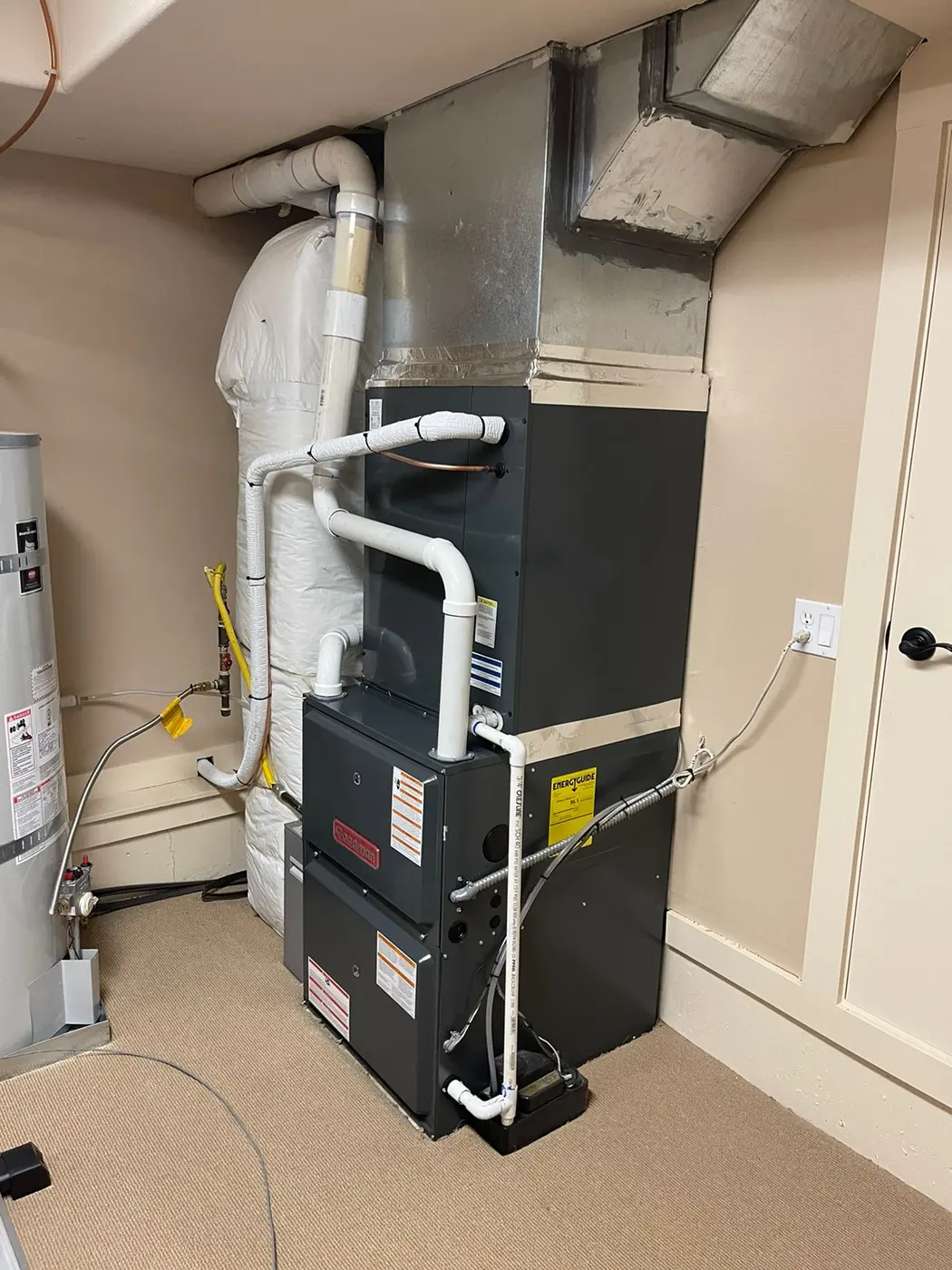
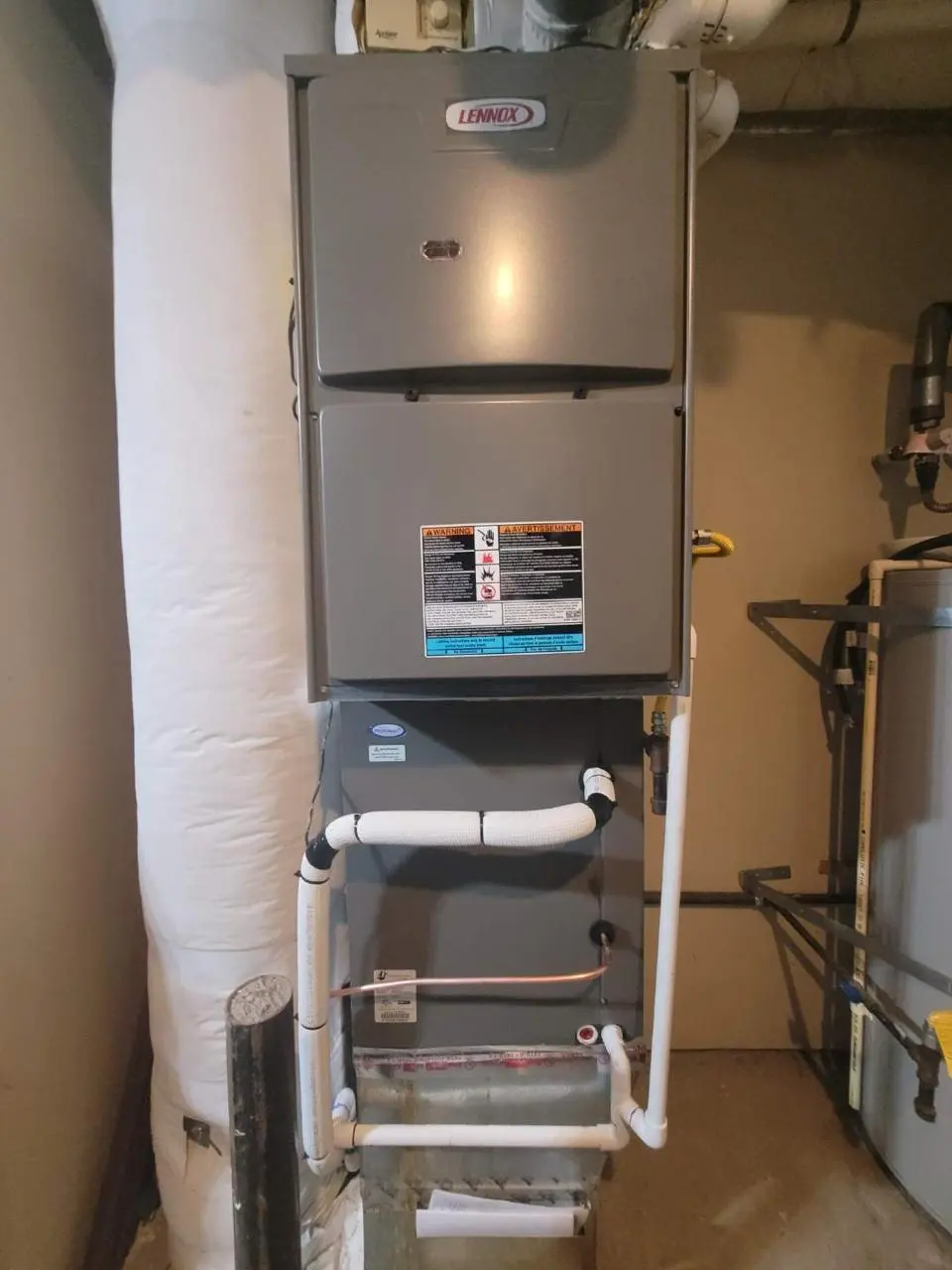
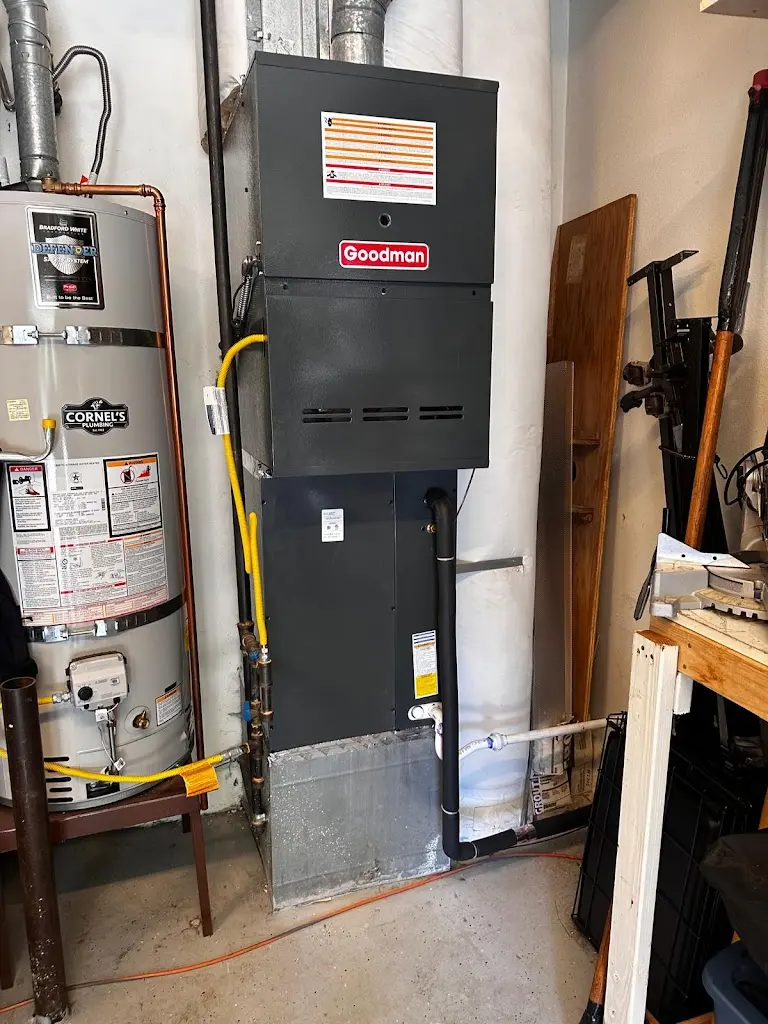
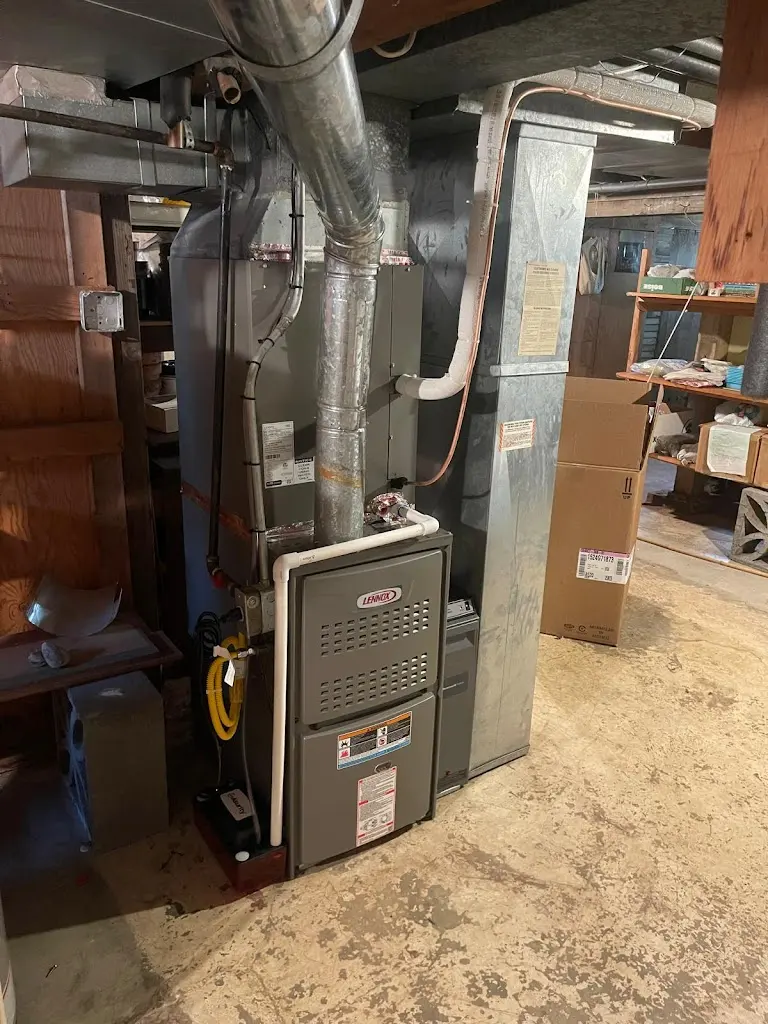
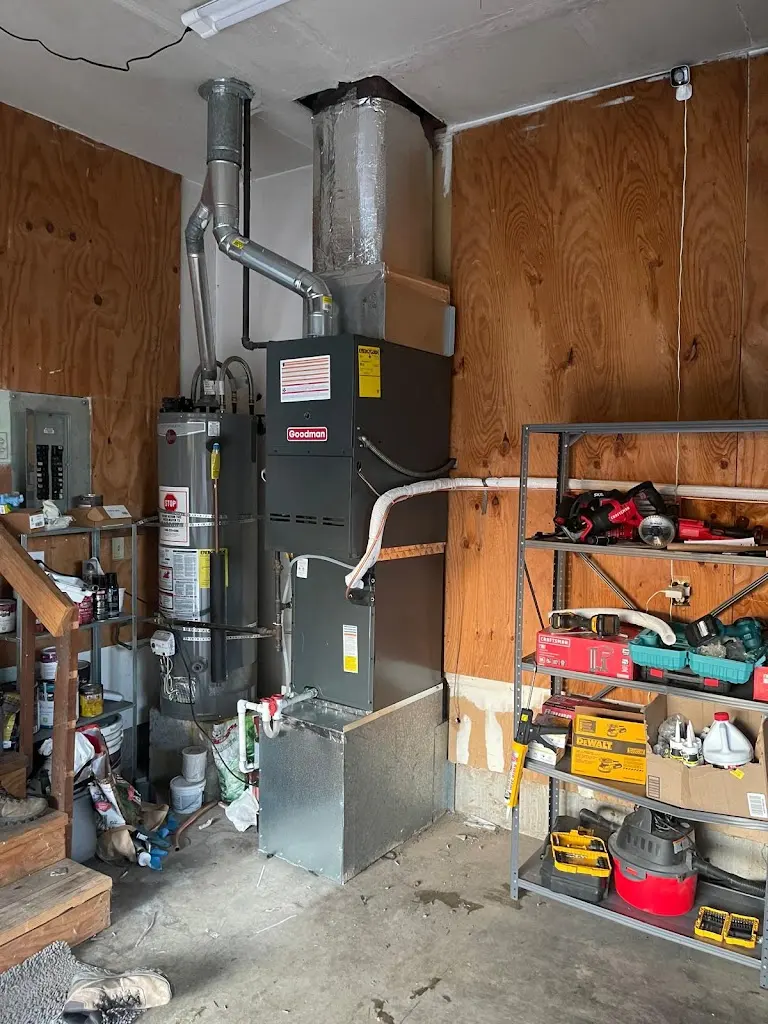
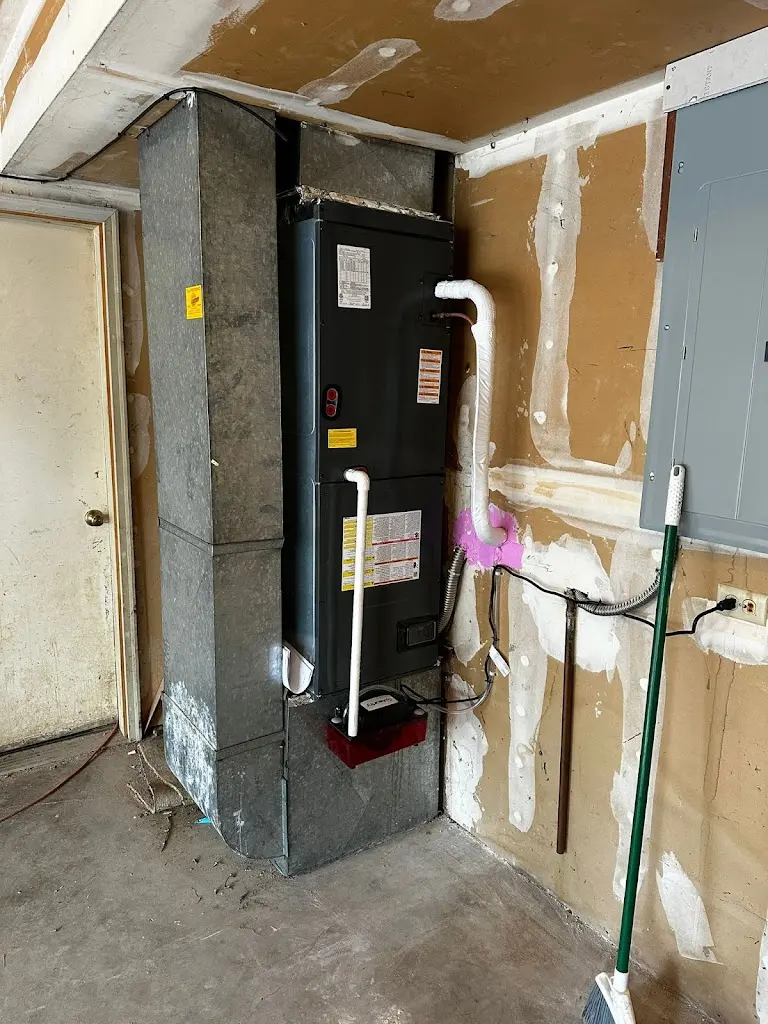
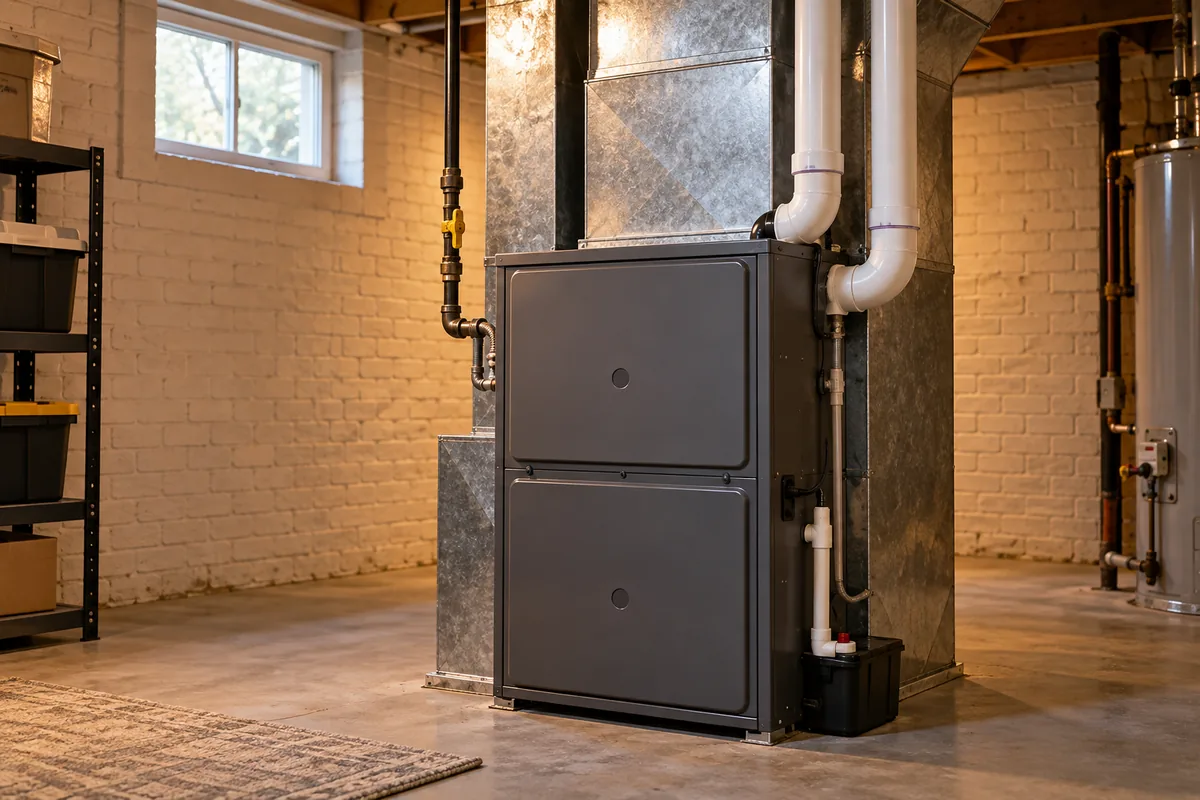
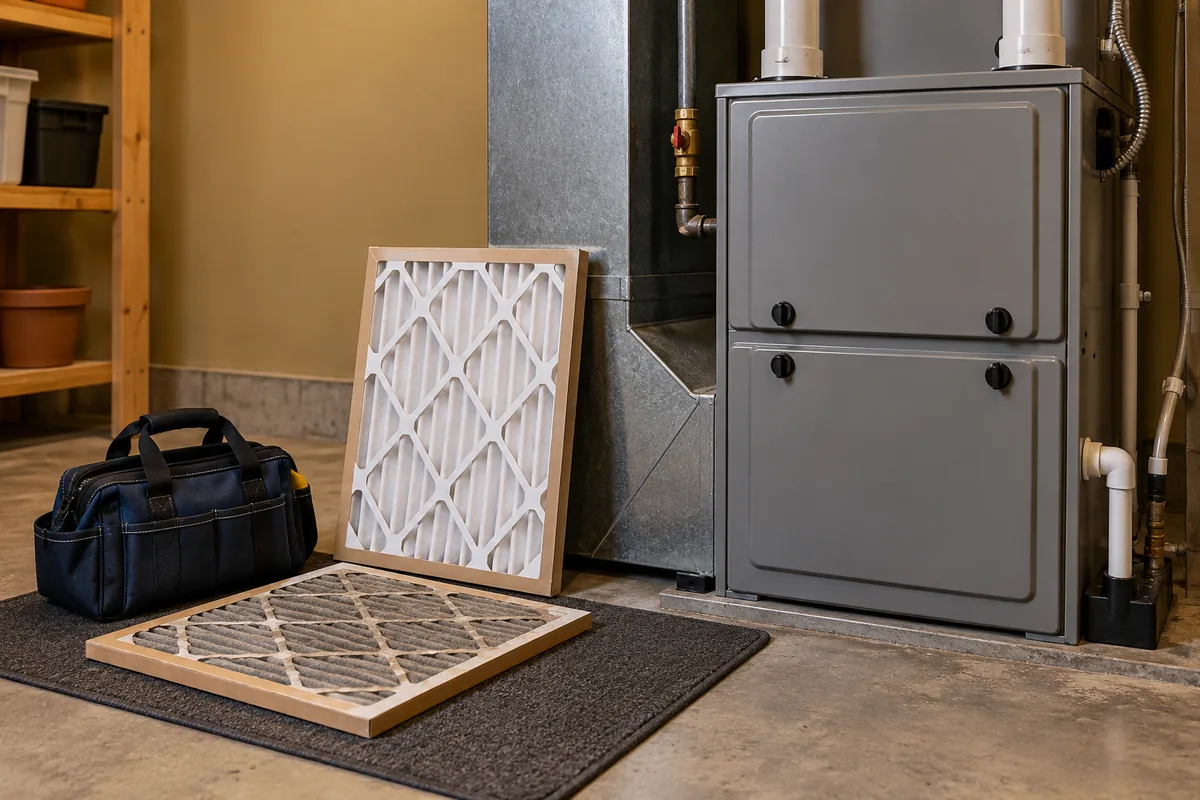
Indoor equipment also needs a suitable location and a route for service access. A tight utility area or concealed position may affect the work plan. Mention doors, stored items or fixed features that limit access. Do not move or disconnect the current unit to make space before the review.
For heating and cooling through a heat pump, see heat pump installation in Happy Valley. The plan should connect the indoor and outdoor components as one system. Discuss any existing equipment that will remain in use.
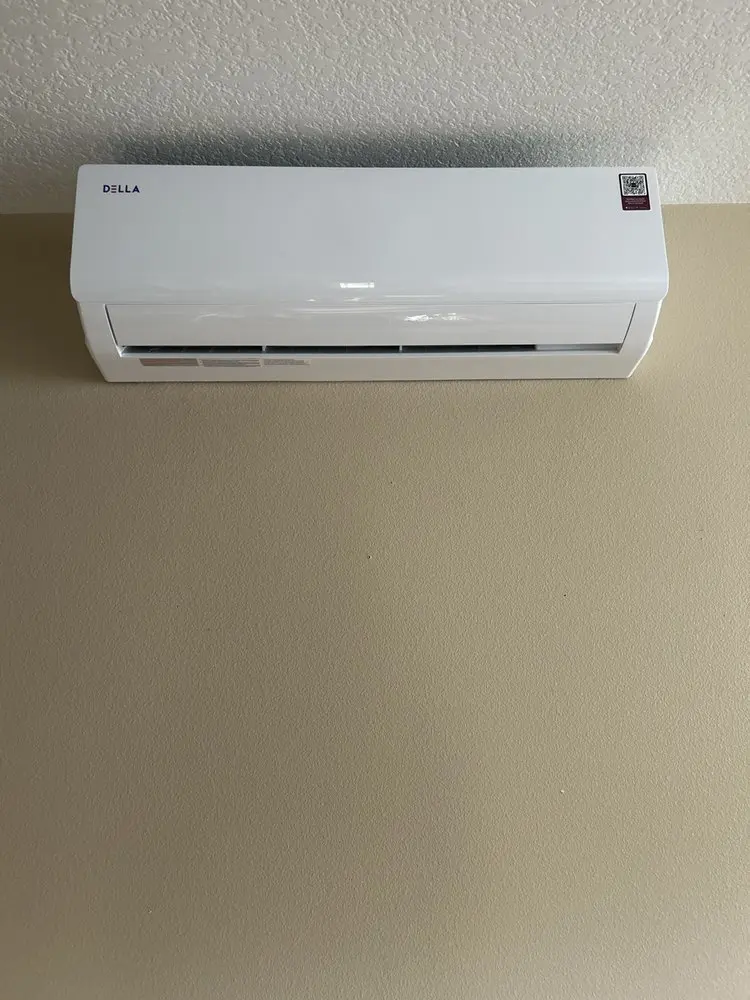
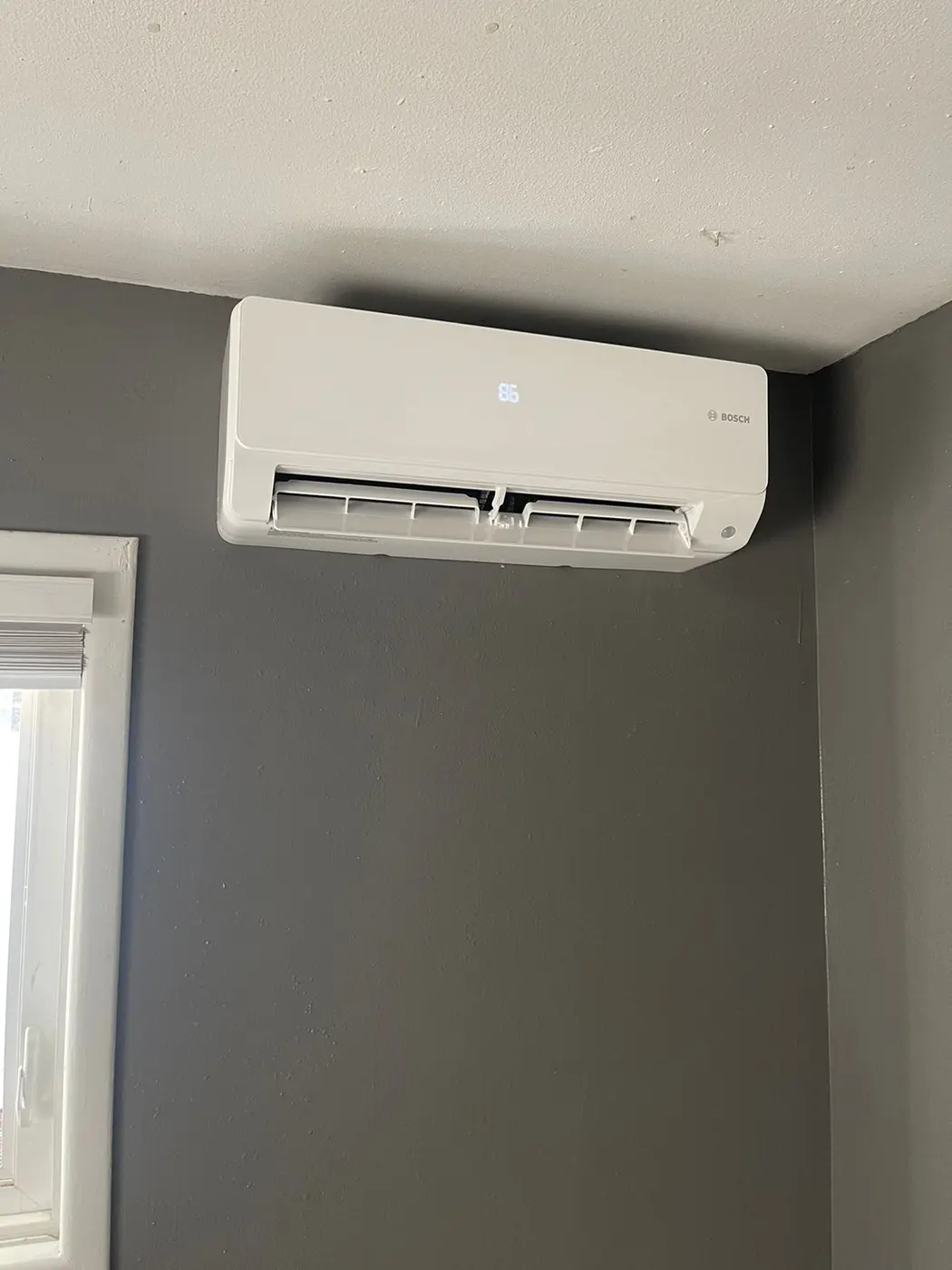
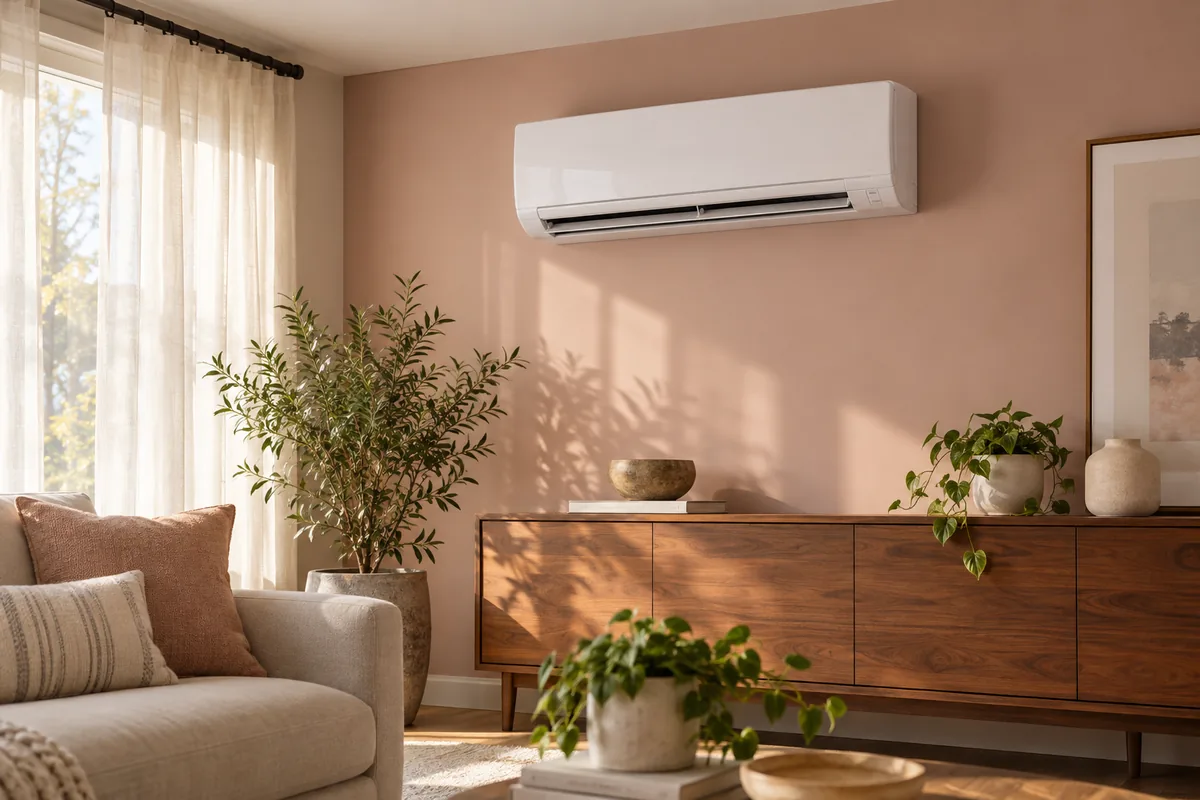
For room-based indoor units, the mini-split installation service covers that approach. Preferred wall or ceiling locations still need review for airflow, access and connection routes. The place that looks best may not meet all the installation needs.
Control Compatibility and Retained Components
A new system must respond to the controls planned for it. Include the current thermostat or control model in the discussion, if known. Ask whether it will stay or whether the proposal includes a new control. A similar-looking display does not establish that it suits the new equipment.
Also clarify which ducts, indoor components and connections the project retains. The old equipment label does not settle the new capacity or combination. Explain where comfort falls short and how you plan to use the rooms. Those needs should shape the project review.
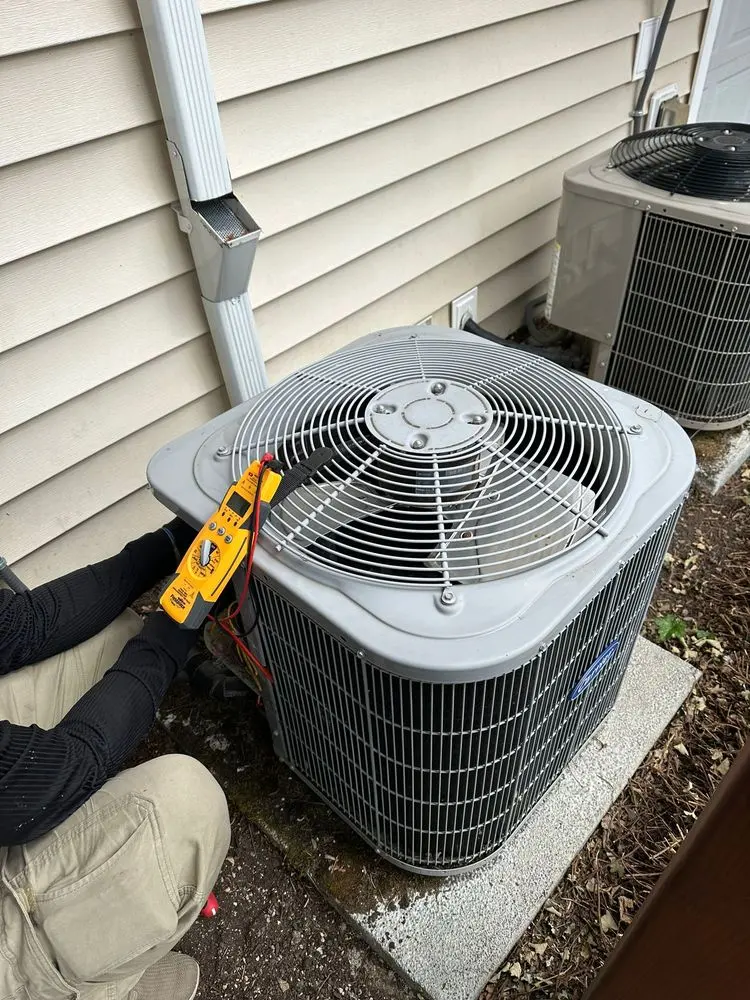
If the immediate concern is a failed system, HVAC repair in Happy Valley addresses fault assessment. That is separate from the free installation estimator visit. A clear diagnosis and a defined replacement scope let you compare different ways to address the problem.
Installation Price, Preparation and Operating Checks
Review the units, labor and site work in the proposed price. Confirm old-unit removal, connection work and controls where relevant. Ask how the team will resolve any part of the site that still needs inspection. The estimate should distinguish confirmed work from an assumption.
Before the installation date, agree on access and the planned interruption to heat or cooling. Arrange someone who can provide entry and discuss project decisions. Clear the route of personal items where safe. Leave protective covers and connections in place.
After the work, review the normal modes and settings of the new controls. Ask what checks confirmed the system response and what care the setup will need. Keep the installed model details with the work record for later maintenance and service.
Request HVAC installation in Happy Valley from HVAC & Appliance Repair Guys through the service form below. Ask for a free on-site estimator visit and describe the rooms to serve, preferred equipment positions and any access limits.
Frequently Asked Questions
Can I suggest a different location from the existing outdoor unit?
Yes. Explain your preference during the estimator visit. The proposed location still needs review for the equipment, connections and access. A location change may alter the installation work, so it should appear clearly in the scope.
Will every installation use the same control arrangement?
No. The equipment combination determines the control needs. Ask how the chosen control works with the proposed system and which parts of the current setup remain. Make that decision as part of the project rather than after installation.
What if other planned work needs the same area?
Explain the other work and its timing when planning the installation. Access and preparation may affect the order of tasks. Confirm the project schedule around those facts without assuming that all work can happen in the same space at once.
Request HVAC Installation in Happy Valley, OR
For HVAC installation in Happy Valley, OR, call HVAC & Appliance Repair Guys or submit a service request through the form on this page.