


Heat Pump Repair in Wilsonville
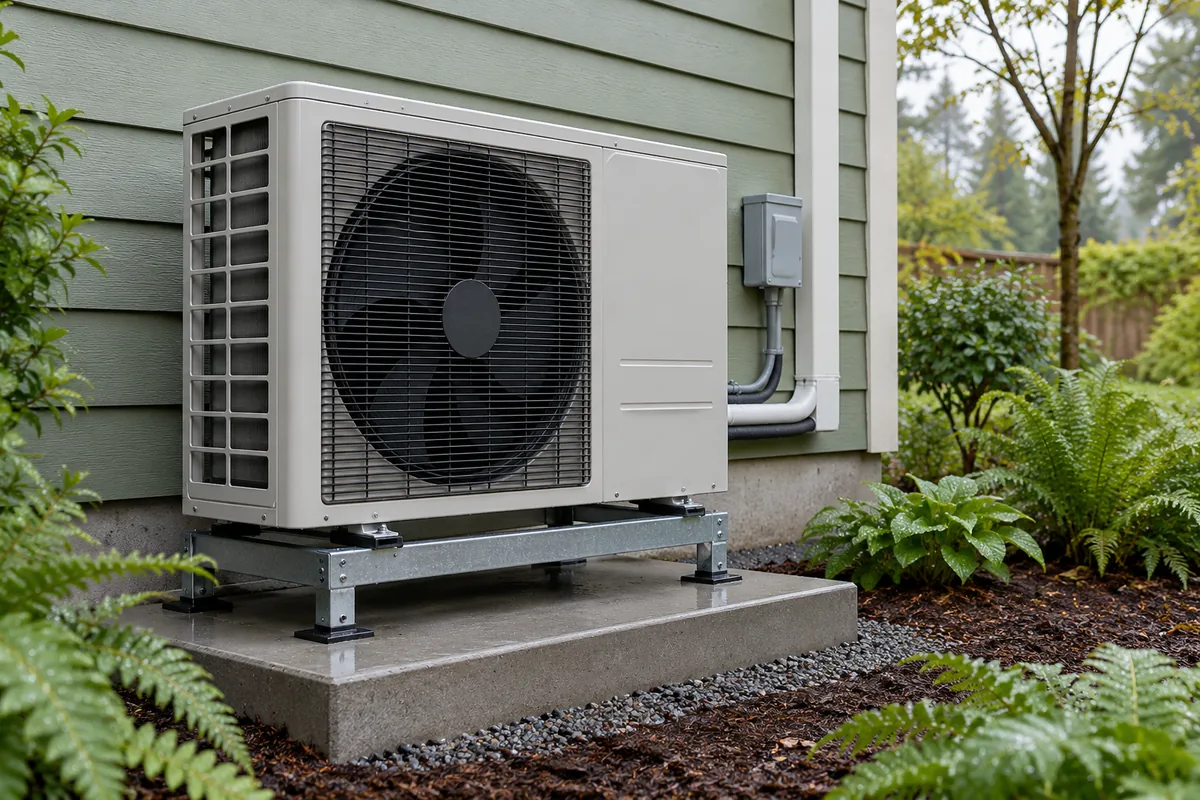
HVAC & Appliance Repair Guys provides heat pump repair in Wilsonville, OR, for lost heating or cooling, weak airflow and unexpected stops. A fault may also become apparent when the system changes modes under automatic control. Describe the selected mode and room result so the assessment addresses the comfort problem as well as the control response.
Keep the complaint specific to the event. The system may stay in one mode, change at an unexpected time or stop giving useful comfort after the change. These are different reports. Describe the sequence from normal use rather than forcing the heat pump through both modes to compare them.
Automatic Mode Selection and Fan Auto
Some installed controls can select heating or cooling automatically. The available functions depend on the control model and setup. That system setting differs from a fan setting labeled Auto. Tell us where the word appears on your normal display rather than assuming both labels describe the same function.
Include the displayed room temperature and requested temperature or range. If you know when the change occurred, mention that too; a later reading may describe different conditions.
Do not enter installer menus to enable a mode or alter the rules between heating and cooling. There is no single setting range that fits every heat pump. The service assessment should use the actual equipment requirements. A repair request does not need a homeowner to change the control setup first.
Room Temperature and Response in Each Mode
Describe whether the rooms warmed, cooled or moved farther from the setting. Note weak airflow separately and whether it affects one room or the whole home. Air moving through vents does not establish useful heating or cooling.
If the heat pump did eventually respond, retain that part of the sequence. A delayed response differs from a mode that never begins. Explain whether the room result then improved or remained poor. Avoid using one start as proof that every part of the complaint has ended.
Our heat pump repair service considers the installed controls and equipment together. Keep any visible message with the mode and time when it appeared. Do not reset the system to make a message return.
New Automatic Settings and Changed System Behavior
Tell us whether automatic mode selection worked before or whether you have only just begun using it. An unfamiliar function and a newly failed function call for different questions.
Mention a schedule change, new control or recent repair, with the date if known. That history can guide the checks without establishing the cause.
If several controls serve the property, name the one involved in the unexpected change. Identify the rooms you associate with it and any separate system that still works. Multiple displays do not always mean separate equipment. Leave an uncertain connection for the service assessment to clarify.
Heating and Cooling Modes and Separate Heat Sources
If the home has a separate furnace or another source of warmth, include it in the account. A warm room alone may not show which equipment supplied the heat. Keep any known change between heat sources distinct from a change between heating and cooling. Those questions may involve different checks.
Our HVAC repair service in Wilsonville covers broader concerns involving other equipment. Identify the units needing attention and confirm the scope before the visit.
Arrange access to the normal controls and both indoor and outdoor equipment. Tell us about a separate locked area or a person who must provide entry. Leave wiring and cabinet covers intact. The technician needs a usable route to the equipment, without a prior attempt to trace or change internal connections.
Control Setup, Component Repairs and Operating Checks
Ask what the findings show about the control request and equipment response. Review whether the proposed work is a setup correction or a component repair, along with its price and purpose.
If the system behaves normally during the visit, ask what the checks established and whether a further check is needed. An intermittent symptom may remain unresolved when its cause cannot yet be confirmed.
After service, discuss the modes checked and any testing limits or remaining concern. If the fault returns, describe the settings and room result for the new event.
Request heat pump repair in Wilsonville from HVAC & Appliance Repair Guys through the service form below. Describe where Auto appears on the control and what happened to room comfort, without entering installer menus or forcing mode changes.
Frequently Asked Questions
Does every heat pump control have automatic heating and cooling selection?
No. The model and installed setup determine the available functions. Describe the modes your normal display offers. Do not alter service settings to add a feature before the equipment review.
Is fan Auto the same as automatic switching between heat and cool?
They are separate control functions. Keep the label and its place on the display clear in your account. That helps the service request describe the setting you actually used rather than a different function with the same word.
Should I force both modes to prove which one fails?
Use observations you already have from normal operation. You do not need to make repeated changes or select extreme temperatures before the visit. The technician can determine which checks fit the installed equipment and current conditions.
Does unexpected cooling mean the reversing valve needs replacement?
That symptom alone does not choose the repair. The control request and actual equipment response need assessment. Ask which finding supports a proposed part before approving it.
Request Heat Pump Repair in Wilsonville, OR
For heat pump repair in Wilsonville, OR, call HVAC & Appliance Repair Guys or submit a service request through the form on this page.
Before your visit
Heat Pump Repair details for Wilsonville, OR
Share the equipment, symptoms, access details, and the name of the person who can discuss the work. The $99 service call covers diagnosis and is applied toward the total when the repair is approved. The finding and price are reviewed first.
Name the on-site contact
Confirm who can meet the technician, authorize diagnosis, and review the finding at the Wilsonville, OR address. If an owner, tenant, manager, or facility contact is different from the person submitting the request, share the correct names and telephone numbers before the visit.
Describe when the problem occurs
For heat pump repair in Wilsonville, OR, explain when the symptom began, whether it is constant or intermittent, and what was happening immediately beforehand. Note any error code, unusual sound, leak location, temperature change, tripped protection, or loss of function without opening equipment or touching unsafe components.
Prepare a safe work area
Before service in Wilsonville, OR, provide ordinary safe access and move loose storage only when it can be done without risk. Keep children and pets away from the work zone. Leave panels, built-in equipment, piping, wiring, and refrigerant components in place for the technician to evaluate.
Use safe interim steps
Stop using equipment that is leaking, smoking, overheating, damaging the property, or repeatedly tripping protection. For the Wilsonville, OR request, describe the safe steps already taken. Do not bypass controls, reach into moving equipment, or handle energized, fuel, or refrigerant components.