

Commercial Kitchen Equipment Repair in Washougal
HVAC & Appliance Repair Guys provides commercial kitchen equipment repair in Washougal, WA, for selected cooking, cooling, ice and washing equipment. Give the full model and current symptoms so we can confirm support and arrange diagnosis.
Describe the changed function and last normal use. If another shift will meet us, pass those notes to the site contact. Unknown times can remain unknown; staff do not need a guessed part diagnosis to request service.
Cold Storage and Ice Production
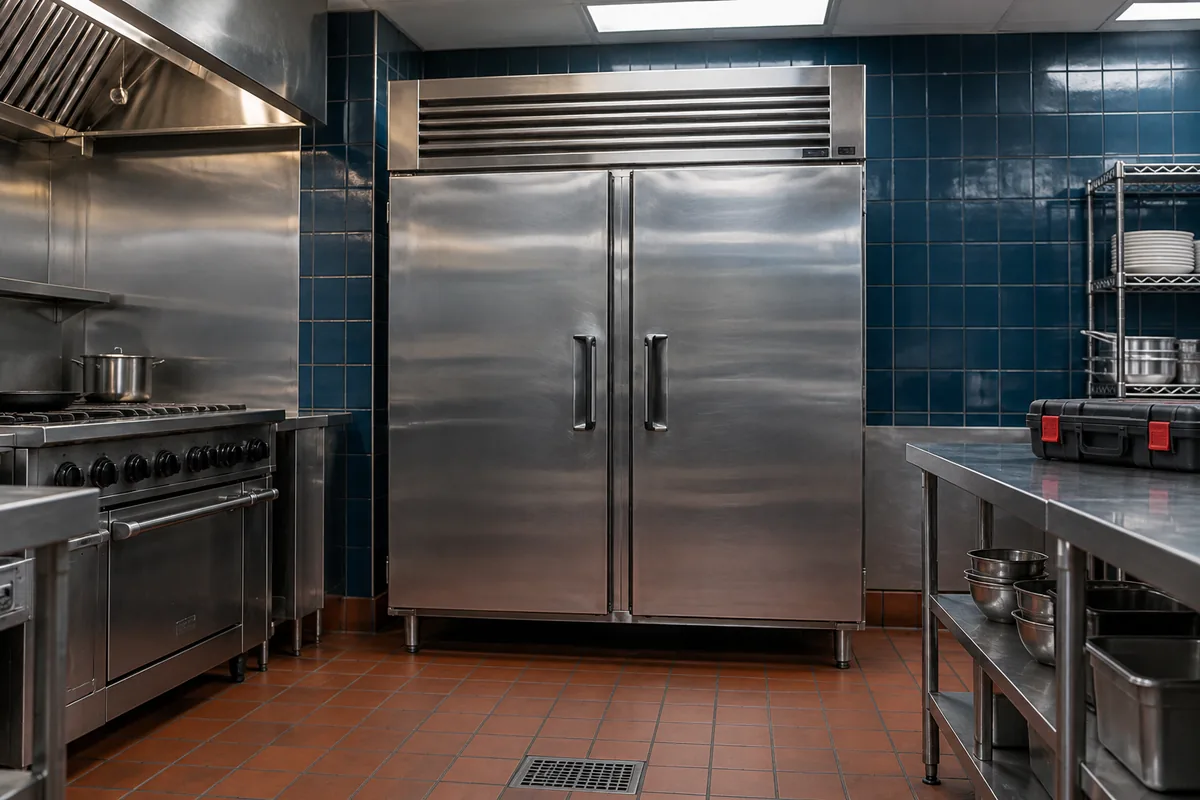
For a cooling cabinet, describe whether it stays off, runs warm or changes during the day. Keep the source and time with any reading, and distinguish a freezer from chilled storage. A working display does not establish the whole cabinet’s performance.
Our commercial ice machine repair in Washougal covers production concerns. Tell us when staff last saw fresh output, rather than relying only on ice already in storage. Use the production unit’s own model and identify any separate bin label.
Keep later recovery or messages with the original fault and the correct unit. Do not move connected equipment or open covers to collect more information.
Cooking and Washing Equipment
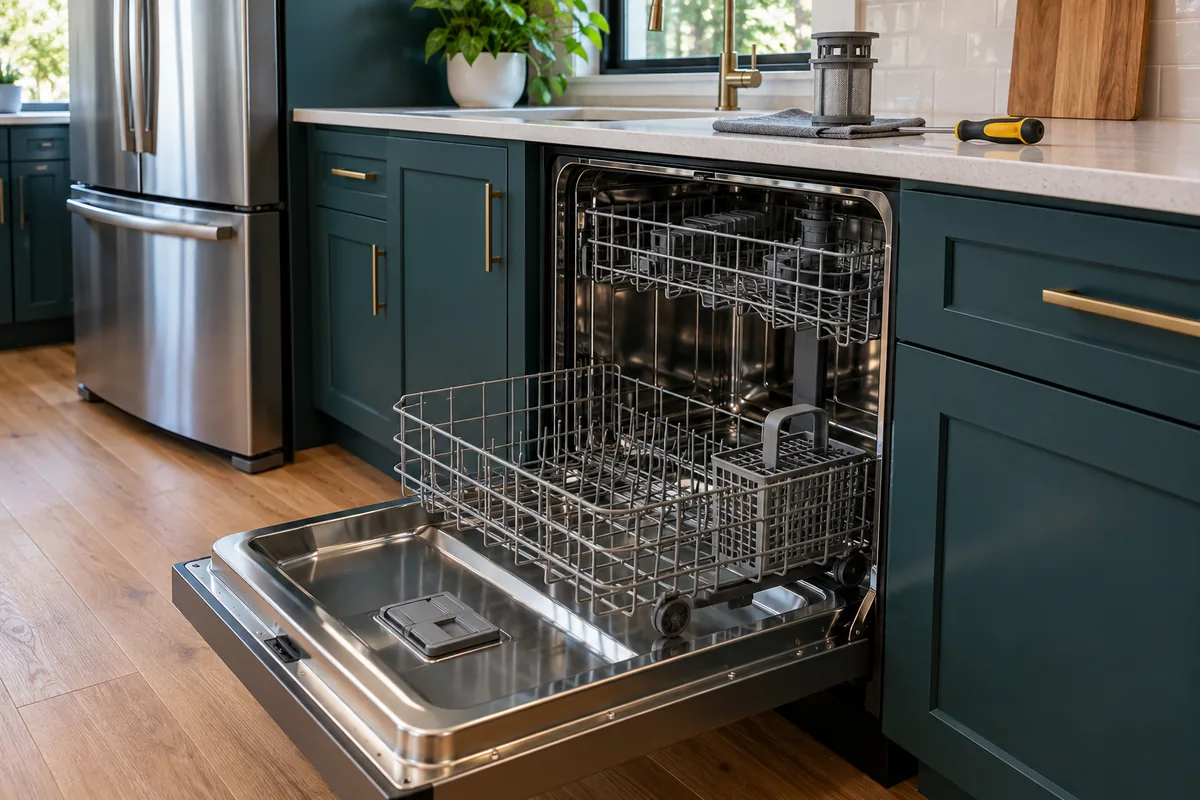
A cooking machine that never heats differs from one that stops during use. Identify the section, selected setting and actual result. For a dish machine, record whether it fails to fill, stops partway through a cycle, will not drain or finishes with poor results.
Include resets, settings changes or earlier completed work with their results. Do not ask each shift to repeat a test to recreate the fault. The technician uses the existing history with the model and assessment.
Site Access and Repair Approval
Name the person who can meet the technician and show the affected machine. Explain fixed fittings or other access limits around the work area. Discuss a realistic service window. Do not assume the equipment can move or that all repair work will fit a brief pause between shifts.
Identify who can approve costs if the site contact cannot, include any purchase-order requirement and provide a way to reach the decision maker.
Repair Findings and Pending Work
We explain the assessed finding and proposed repair before approval. Ask whether the plan requires parts or another visit.
Keep the equipment identity on that decision and any later work record. Mark completed tasks and open steps separately. The next shift should see which concerns remain.
The commercial appliance repair overview covers the broader service scope. For your Washougal request, add later changes to the same history. Follow the business’s procedures for equipment and product use while the concern remains open. An appointment or completed part change does not establish the condition of stored goods.
Request commercial kitchen equipment repair in Washougal from HVAC & Appliance Repair Guys and share the affected models, current faults and site contact.
Frequently Asked Questions
What should a new shift know before meeting the technician?
Provide the machine identity, current symptoms, exact warning and known timing. Include actions staff already took and the person who can approve costs. The contact can then explain the request without guessing what an earlier shift saw.
Should we remove the old warning note if the display clears?
Keep it with its time and add the new state afterward. A cleared message does not establish the cause or a permanent recovery. Both observations may help the assessment.
Request Commercial Kitchen Equipment Repair in Washougal, WA
For commercial kitchen equipment repair in Washougal, WA, call HVAC & Appliance Repair Guys or submit a service request through the form on this page.