

AC Repair in Lake Oswego, OR
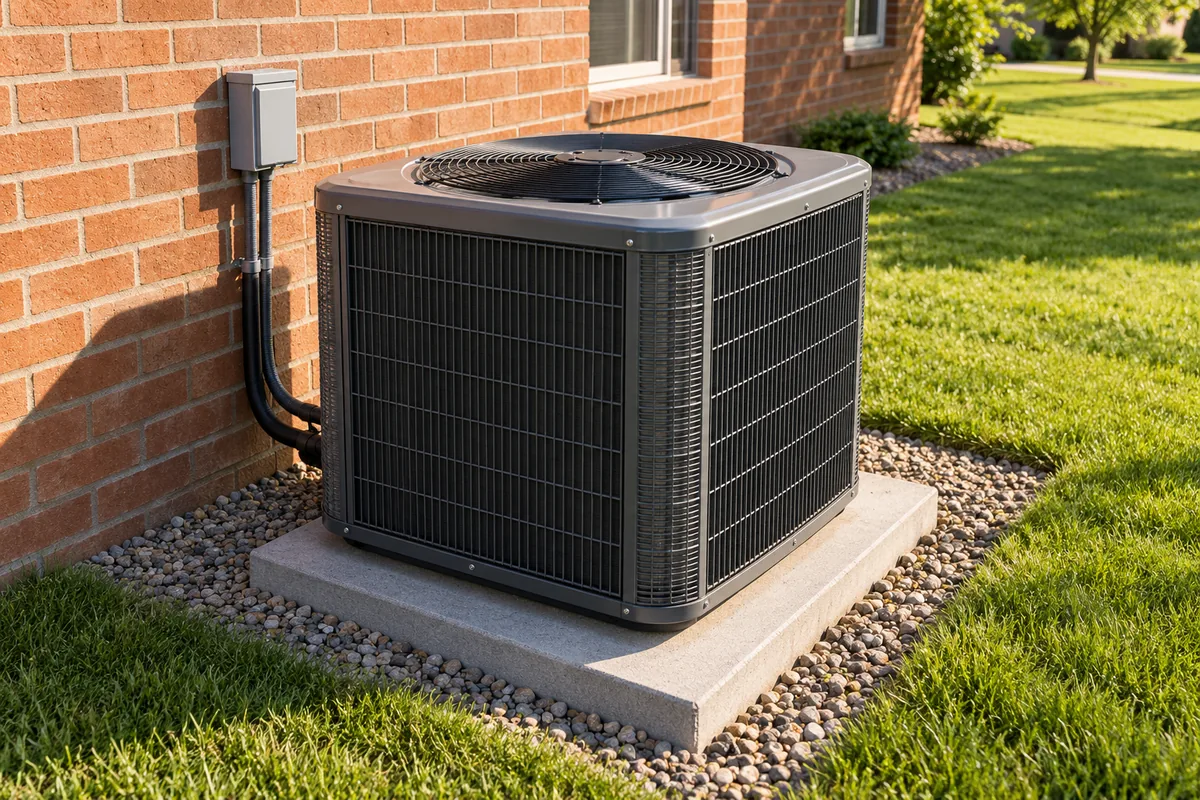
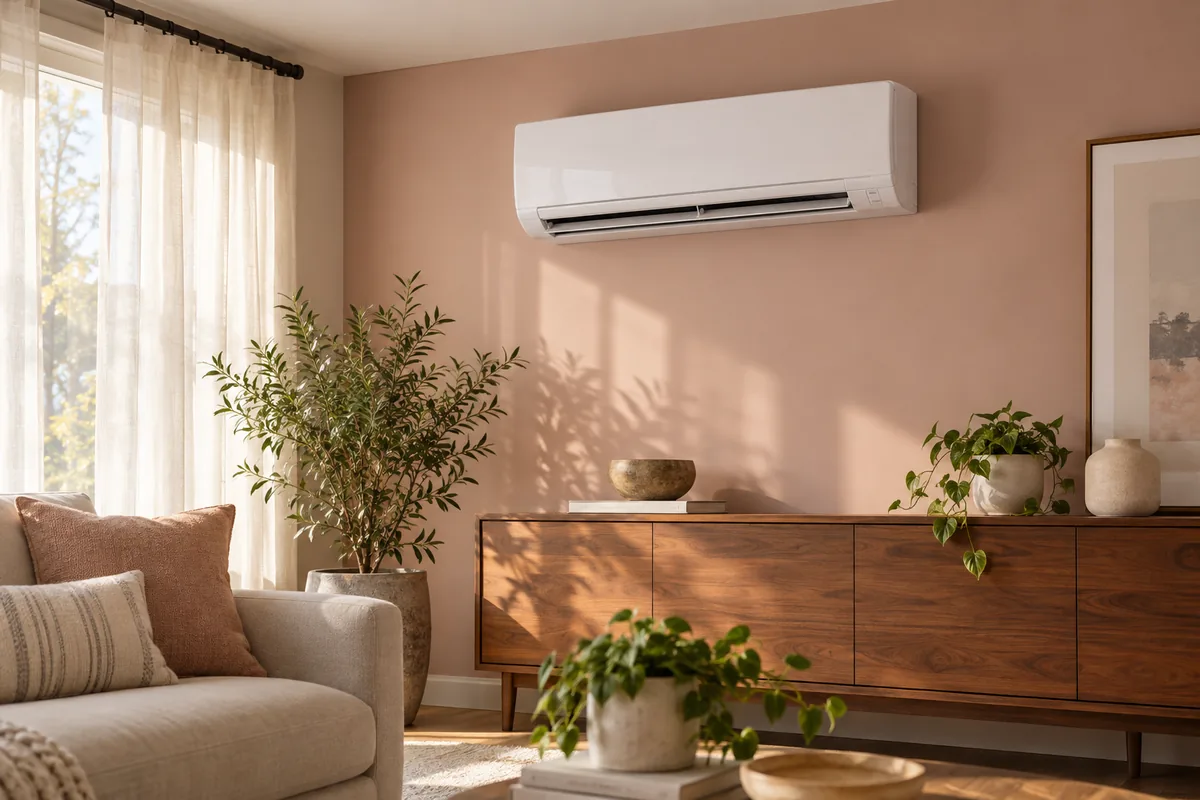
HVAC & Appliance Repair Guys provides AC repair in Lake Oswego, OR for a system that will not cool, has weak airflow or stops unexpectedly. We assess the equipment and explain repair options. If cooling begins normally and fades later, include that change so the visit addresses more than the first moments of a run.
Our air conditioning repair service considers both equipment operation and the result in your rooms. Describe whether the problem affects the whole home or one area, and whether air movement changes along with cooling.
Airflow and Cooling During a Run
Note whether airflow stays similar while the air feels warmer or whether the flow itself weakens. The indoor fan can continue moving air while another cooling component has a fault.
Include the rooms where you notice the change. If one area remains comfortable while another warms, keep that difference in the account. A broad loss of cooling presents a different question from one room falling behind. Identify any separate unit that serves the affected space.
If the display shows the requested setting and room temperature, note both values and the time. A short sequence of readings can help explain how cooling changed.
Intermittent Cooling and Safe Observations
Describe when the concern first began and whether it happens on every run. State if the system stops on its own or if cooling merely becomes weaker while it continues. Include any visible message and the moment you noticed it. The request does not need a guessed technical cause.
If the unit starts cooling again after a pause, retain that observation too. A temporary return of cooling does not establish that the fault has cleared. Do not use repeated resets as a test or keep restarting equipment to reproduce a failure. Report the pattern that occurred during normal use.
Mention visible ice or water without opening the unit to search for it. Stop cooling if the equipment is frozen or leaking water, and arrange review. Do not chip ice, reach into the cabinet or bypass a protective switch. Useful information should come from what you can observe safely.
Recent Work and Separate Cooling Systems
Mention recent service, control changes and when the current problem began. A prior repair is useful history but does not identify the present fault.
Keep the history for each system distinct if the home has more than one. Cooling from a second unit does not establish the performance of the first. Identify which control, rooms and equipment belong to the concern where known. The technician can clarify an uncertain connection during the visit.
Limits of Intermittent-Fault Diagnosis
A fault that develops later in a run may not appear at the start of the appointment. Share the earlier sequence so the technician can relate it to checks supported by the current conditions. Some questions may remain open if the fault does not occur; discuss any further testing or return visit needed.
Controls may be part of the review, especially when the displayed request and equipment response differ. Our thermostat repair in Lake Oswego service covers a defined control concern. Do not assume that replacing the thermostat will solve a loss of cooling simply because its screen remains active.
Repair Cost and Cooling Checks
Review the diagnosed fault, proposed work, parts and price before approval. Ask how the repair addresses the cooling pattern you reported.
Parts or further testing may require another visit. Confirm what remains to be done and the next scheduling step.
After the work, keep a record of the operating checks and report any continuing concern during normal use. Explain whether the original fading pattern returned, changed or stopped, and mention any new symptoms.
Request AC repair in Lake Oswego from HVAC & Appliance Repair Guys and describe how cooling changes during a normal run, including any pauses, messages or remaining symptoms.
Frequently Asked Questions
Should I lower the setting much further to test the system?
Do not create an unusual operating test for the appointment. Report the setting you normally used and the result you saw. A more extreme setting does not identify the faulty part. It can also change the conditions you want to describe.
What if I only notice the problem when I return home?
Explain that you do not know exactly when the cooling began to change. Keep the arrival time and the room condition you found. An honest limit on the timeline is more useful than assuming the unit performed the same way throughout your absence.
Can I describe a display message after it disappears?
Yes. Keep the exact wording or an existing photo if you have one, along with when it appeared. Say whether it cleared on its own or after an action. Do not recreate the fault solely to make the message return.
Request AC Repair in Lake Oswego, OR
For AC repair in Lake Oswego, OR, call HVAC & Appliance Repair Guys or submit a service request through the form on this page.