



Fujitsu HVAC Repair for the Affected Room and System
HVAC & Appliance Repair Guys provides Fujitsu HVAC repair in Portland Metro. A useful request starts with which area lost comfort and which unit serves it. Tell us whether you have one indoor unit or several, and which controls you use. We assess the installed equipment and reported fault before proposing work.
If the label includes AIRSTAGE or another product-family name, include that detail with the model number. The family name helps describe the setup, but it does not establish every feature or part requirement. Indoor and outdoor model details are useful together. Do not assume that two units with similar covers have the same internal arrangement.
Our HVAC repair service overview explains the wider repair scope. You can begin a request without a model number if you cannot reach the label safely. Describe the equipment and its location rather than removing panels or climbing to collect details. We can use the initial description to clarify the visit needs.
Same-day appointments may be available. Repair completion depends on the findings, parts and access. We explain any testing or return visit needed.
Brief Operating Changes Versus a Lasting Fault
Some Fujitsu heating setups delay or reduce indoor airflow while the system warms up. A heat pump can also pause normal heating for defrost. Those operating events can differ from a fault that leaves the room without heat. The model, duration and return to normal operation matter when assessing the complaint.
An indicator light may change during a normal operating event on some models. That does not make every flashing light harmless. Record which lights change and what happens to heat or cooling at the same time. A repeated alert with poor comfort deserves more context than a guess based on the color of the lamp.
Note the time when the change starts and whether the system recovers on its own. Do not force repeated restarts to shorten a pause or erase a message. The pattern gives the technician information to assess. A unit that stays off or never restores comfort needs a clear account of that continuing failure.
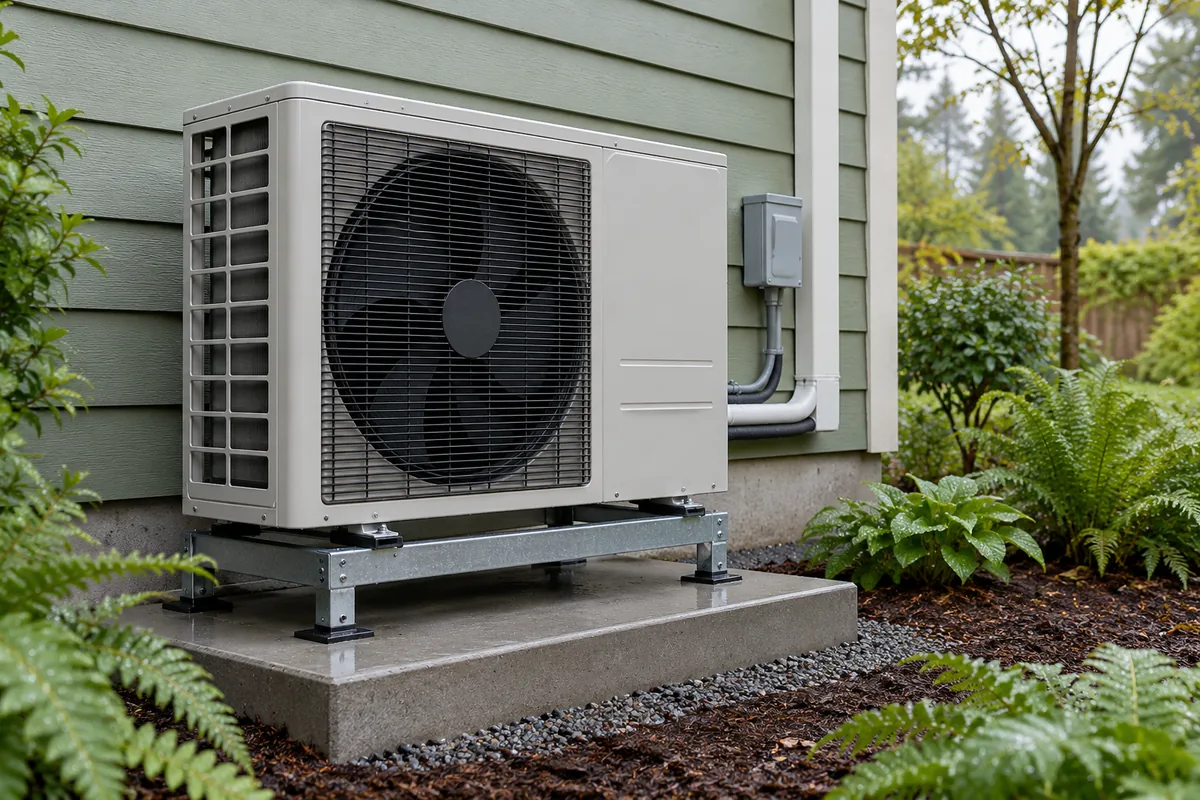
Our Fujitsu heat pump repair service covers heating and cooling faults in that equipment. Mention whether both modes show the issue or only one. A change in one mode is useful evidence, but it does not establish the failed component by itself.
One Indoor Head or Several Affected Units?
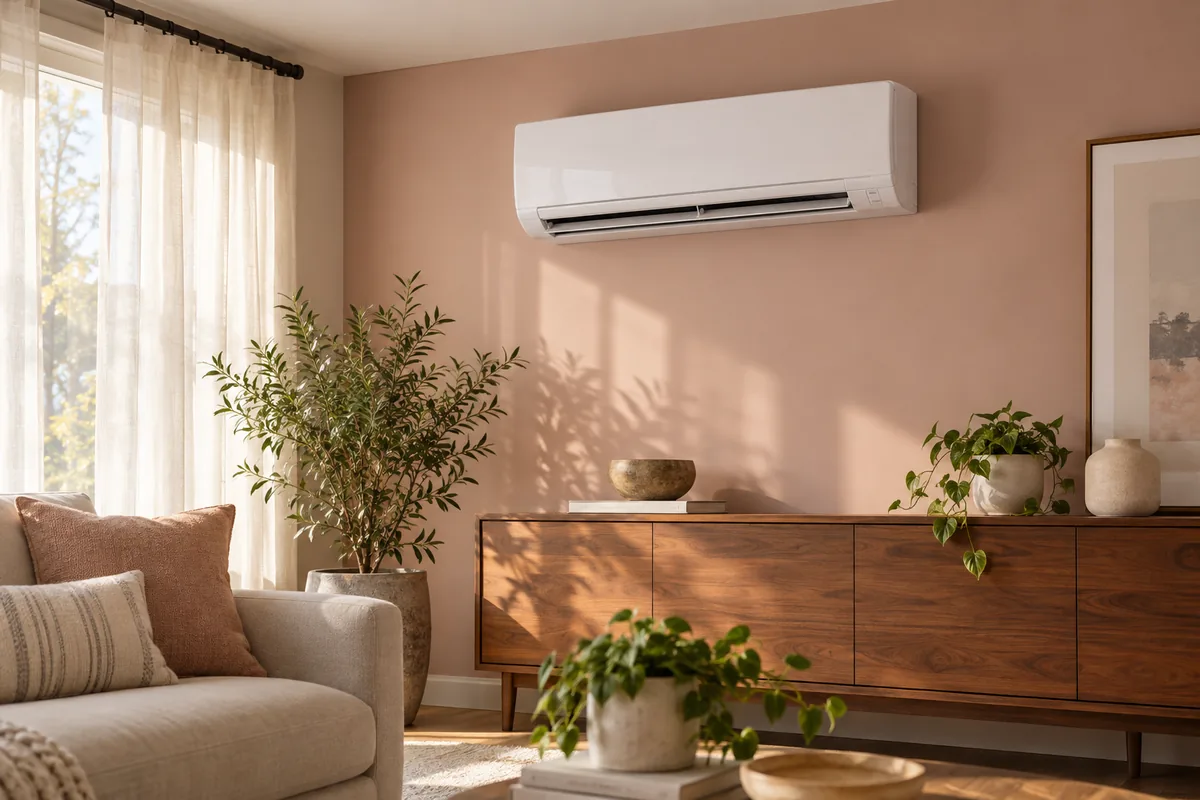
With a multi-room setup, describe each affected indoor unit separately. Identify a room or location so the technician can match the complaint to the right head. Tell us which units still respond normally and which do not. If you know which outdoor unit they share, include that information without guessing at hidden connections.
A single head that does not meet its setting needs a different description from every head stopping at once. Note the selected mode, fan setting and any message for the affected unit. Keep another unit with a different symptom separate in your account. That avoids turning several observations into one assumed cause.
An indoor head may respond to a handheld remote, a wall control or another installed control arrangement. Say which one you used when the problem occurred. If there is more than one remote, keep track of which remote belongs to the affected space. The exact controls matter when assessing whether commands reach the intended equipment.
Where the system supplies air through vents, describe the rooms and registers tied to the complaint instead. You do not need to know the route of concealed ducts to request service. Tell us where comfort changed and whether the airflow changed too. The equipment assessment can then follow the actual setup.
Airflow Changes, Water and New Sounds
Separate a loss of airflow from a loss of heating or cooling. Air that moves at a normal rate but stays at the wrong temperature differs from a unit that barely moves air. Note whether the change begins at startup or after a steady run. A room temperature and set temperature can add useful context.
On equipped models, quiet or dry settings can change the fan behavior. Mention those settings rather than assuming low fan speed always means a failed motor. A setting check does not rule out a fault. Persistent poor comfort still needs assessment in the context of the model and the selected mode.
If you see water near an indoor unit, report where it appears and whether the unit was running. Do not remove a cover, reach into a drain path or add chemicals to try to solve it. Water location helps describe the complaint without proving its source. Keep that observation separate from any frost or water seen outdoors.
For a sound, explain when it occurs and where you hear it. A noise at startup, a noise during a run and a sound after shutdown provide different clues. Record it only if you can do so without reaching near moving parts. Do not keep unsafe equipment running to obtain a recording.
Repair Findings, Price and Shared Equipment
Ask what the technician found and how the proposed repair addresses the room or unit you reported. A code, noise or weak output alone is not a full diagnosis. If more checks are necessary, discuss what remains unknown and what the next step involves.
Review the parts, labor and price before authorizing the repair. Confirm whether the plan involves a part order or return visit. If the work targets one indoor unit, ask whether any shared equipment also needs attention. Work on one indoor unit does not automatically include every shared component.
If the fault returned after earlier service, provide the prior date and work details. The same symptom can arise for a different reason, so the history is context rather than proof. Ask how the new findings compare with the reported earlier problem. Keep the new repair record to support future service decisions.
After the repair, ask how the technician checked the original complaint and whether any separate issue still needs attention.
Maintenance, Added Units and Replacement Estimates
Scheduled HVAC maintenance addresses ongoing care. If the unit already leaks, stops or fails to provide heat or cooling, disclose that fault when arranging the appointment. Routine care is not a substitute for defining an active repair. Both needs can exist on the same system.
Adding an indoor unit or replacing equipment is a separate project from fixing a fault. Our Fujitsu mini-split installation service covers that planning. An indoor unit needs to suit the rest of the system. An available space on the wall does not establish that the existing outdoor equipment can support the addition.
We offer a free on-site estimator visit for installation or replacement. That offer is separate from repair diagnosis. Review the proposed equipment and installation work before approval so you can compare the new project with the repair option.
Request Fujitsu HVAC repair from HVAC & Appliance Repair Guys and identify the affected room or unit, control and change in operation.
Frequently Asked Questions
What if the remote display changes but the indoor unit does not respond?
Describe the display, the indoor unit response and the control you used. Include any recent remote or control change. Do not assume the remote or the indoor board is defective from that observation alone. The installed control arrangement needs assessment.
Can I request service for a ceiling-mounted or concealed indoor unit?
Describe the unit location and available access when making the request. A ceiling or concealed unit may need a different approach from a wall-mounted head. Do not remove ceiling panels or fixed equipment to prepare; confirm the access needs with us first.
Should I change the operation mode on every indoor head as a test?
Report the modes in use and the pattern you already see. Avoid repeated mode changes just to provoke a result. The model and shared-system layout determine how the units should operate together. That context belongs in the assessment.
What if a light stops flashing before the visit?
Keep a record of the light pattern, time and equipment behavior if you observed them safely. A short video can help show the sequence. Tell us that the indication cleared as well as whether comfort returned, so the description reflects both events.
Request Fujitsu HVAC Repair in Portland Metro
For Fujitsu hvac repair in Portland Metro, call HVAC & Appliance Repair Guys or submit a service request through the form on this page.
Before your visit
HVAC Repair details for Fujitsu
Before a hvac repair visit, share equipment details, symptom history, and access notes. The $99 service call covers diagnosis and is applied toward the total when the repair is approved. The finding and price are reviewed first.
Capture the full symptom
Describe what the Fujitsu unit does and does not do, when the behavior began, and whether it is intermittent. Include the complete error code, indicator pattern, temperature reading, leak location, sound, or control message without clearing data repeatedly or opening energized equipment.
Include the relevant controls
For Fujitsu hvac repair, include the thermostat or wall-control model, displayed message, operating mode, zoning information, and the indoor or outdoor component that is not responding. Paired HVAC equipment may require separate model identification.
Use photos without unsafe disassembly
Useful images can include the Fujitsu rating label, control display, surrounding installation, visible leak, damaged surface, or error message. A short sound or operation video may help describe an intermittent symptom, but media cannot confirm the failed component or replace safe on-site testing.
How parts availability affects the repair
Part availability for Fujitsu equipment depends on the exact model, revision, failed component, and current supply. We verify the diagnosis before treating a part as required. Repair timing depends on confirmed part compatibility and availability.