


Furnace Maintenance in Wilsonville
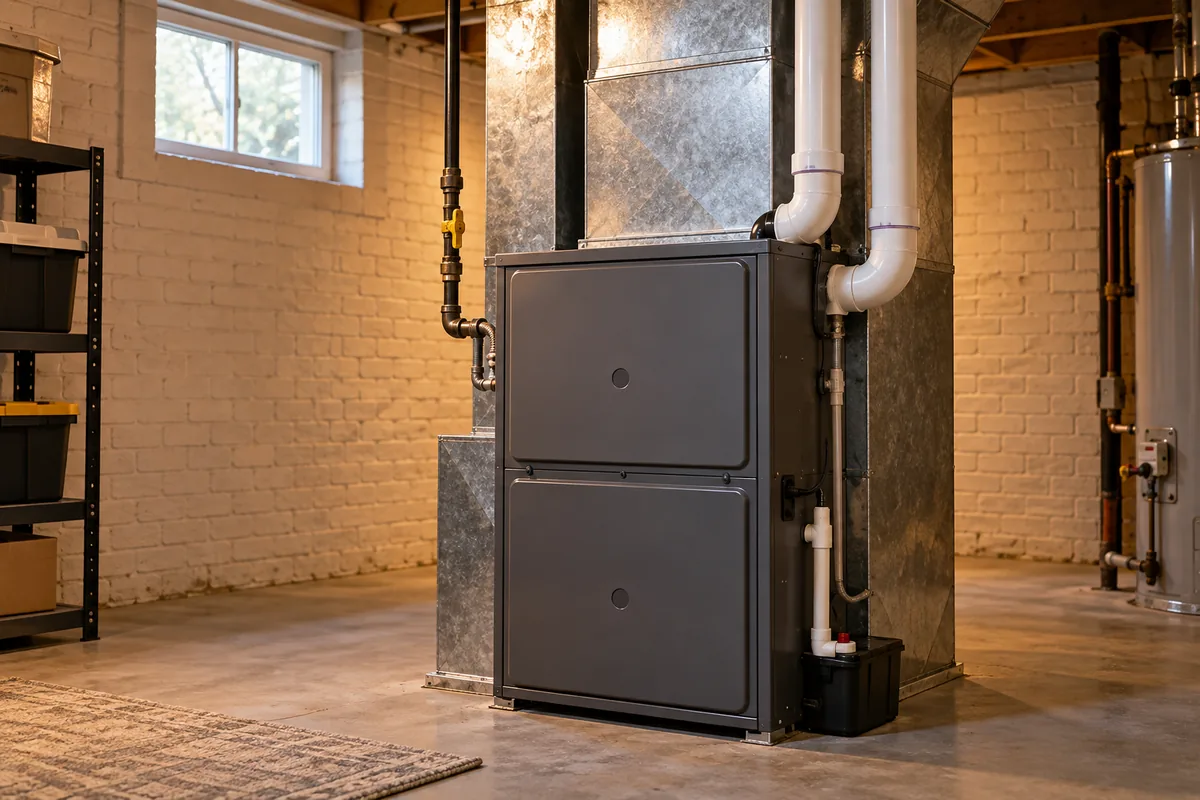
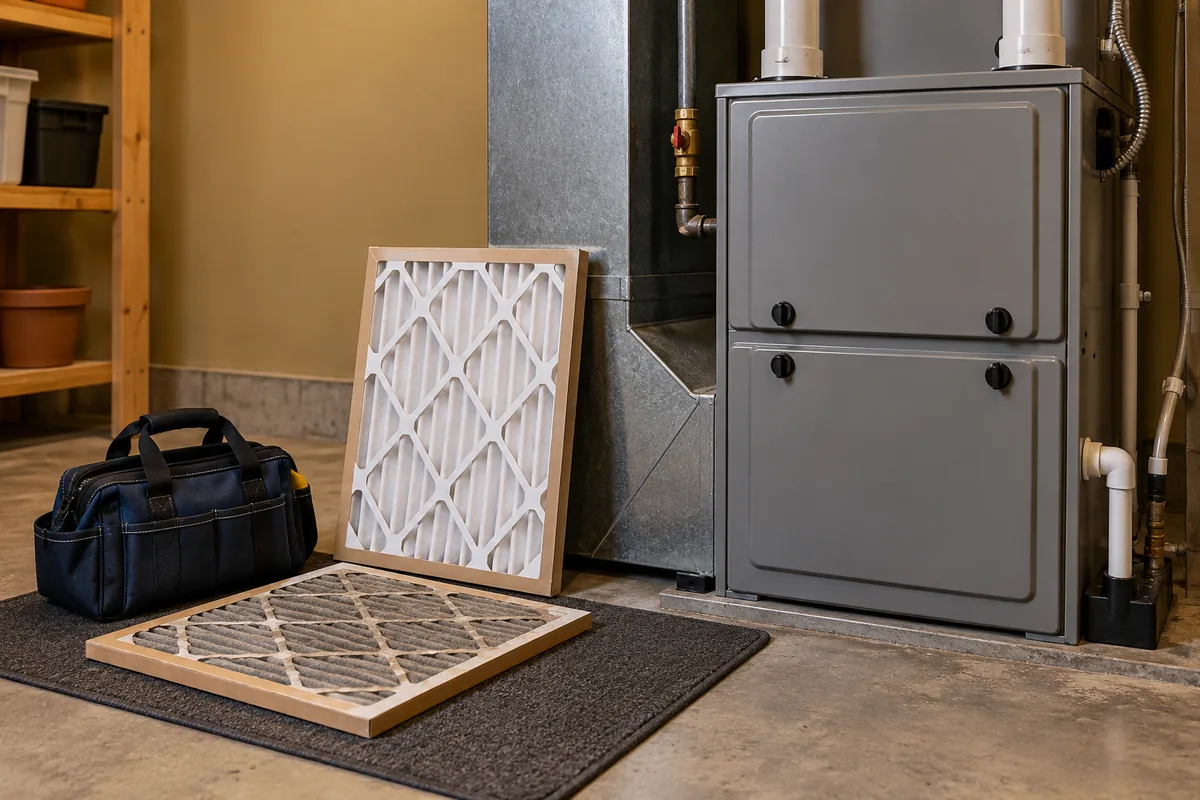
HVAC & Appliance Repair Guys provides furnace maintenance in Wilsonville, OR. The installed unit’s needs guide filter, blower, control and heating-component care. For a gas furnace, a heat-exchanger inspection may be one relevant professional check. Share any earlier concern so its findings and limits remain clear alongside routine tasks.
Heat-exchanger inspection, burner cleaning and blower care concern different parts of a gas furnace. Completing one task does not establish the condition of the others. The model, access and agreed work determine the relevant inspection.
Our furnace maintenance service covers planned upkeep for the installed unit. Describe any earlier note about the heat exchanger when arranging the appointment.
Furnace Details and Earlier Inspection Findings
Share the model and location from existing records, especially where several furnaces are present. Leave an uncertain match to a former unit open for review.
Explain whether the check is routine care or follows an earlier finding. For an earlier concern, share what the first inspection established and what it left unresolved.
Keep a suggestion for further inspection separate from a confirmed defect, and preserve the wording of the earlier record. Do not shorten an uncertain note to a statement that the part failed.
If the furnace is out of use because of a known concern, report that state before the visit. Keep any prior operating guidance with the request. Do not restart suspect equipment to show a symptom. The team needs to plan from the condition that actually exists.
Heat-Exchanger Inspection and Access Limits
Ask which part of the heat exchanger was inspected and whether access limited the view. Findings from an inspected area do not establish the condition of an inaccessible area; retain that limit with the result.
If the proposed scope calls for more access or another test, ask what additional question it would answer. Do not assume that all possible checks belong in every routine visit. The reason and work should be clear before approval. Any extra task needs its own place in the agreement and price.
Ask for a plain explanation of the task, finding and limit. Leave equipment covers and connections intact before the appointment, and share existing records and current heating behavior.
Record heat-exchanger inspection separately from cleaning and operating checks. Completion of one does not imply the others occurred.
Observed Conditions and Confirmed Defects
Ask whether the note records an observed condition, a concern needing further inspection or a confirmed defect. Keep the exact finding and any operating guidance with the equipment record.
Keep any inspection image with its date, component identity and work notes. Ask what it shows and how it supports the finding; an unidentified close-up may be difficult to interpret.
A room still feeling warm does not cancel a documented equipment concern. Equally, a room that feels cool does not identify a damaged heat exchanger on its own. Keep the room result and equipment finding as separate facts. The service assessment should explain their relevance without guessing from one symptom.
If uncertainty remains, ask what further information or check could resolve it. Keep that proposed step separate from completed work before approving anything additional.
Repair and Replacement Decisions
Our furnace repair service in Wilsonville addresses a current fault and corrective work. If the care findings identify a concern, ask what the proposed diagnosis or repair will address. Review the scope and price separately from the maintenance already agreed. A finding does not give automatic approval for every next task.
If replacement is proposed, ask which confirmed finding supports it and what the project includes. Furnace age or an unclear note alone does not explain the recommendation.
If another visit is proposed, clarify whether it would finish an inspection or carry out an approved repair, including the access and approval it needs.
Follow the guidance for the furnace’s present operating state. If it is unclear, ask before changing that state; routine care does not resolve an outstanding equipment concern by itself. Keep the unit-specific guidance with the work record.
Inspection Results and Follow-Up
Retain the inspection scope, findings and limits with the correct furnace. Record other care tasks separately.
A completed check does not promise that the furnace will remain fault-free for a fixed period. It describes what the visit established under its stated conditions. Keep future care and any current follow-up as distinct plans. One does not substitute for the other.
If later operation changes, describe the new event alongside the earlier record. Include the room result and timing where known, without forcing another run. A past finding can provide context without explaining every later symptom. The current condition should guide the next assessment. Contact HVAC & Appliance Repair Guys to request furnace maintenance in Wilsonville and share any existing heat-exchanger concern.
Frequently Asked Questions
Does burner cleaning also count as a heat-exchanger inspection?
They describe different tasks. Read the completed work for the component and action it names. Ask which inspection actually took place rather than inferring it from another cleaning entry.
What if an old note and a new note use different wording?
Keep both dates, scopes and findings available for review. Ask whether they describe the same area and type of check. Different wording alone does not establish that one visit corrected or disproved the other.
Should I approve a new part from an unclear inspection note?
Ask what the check confirmed and what the proposed work would address first. Keep uncertainty visible until the service explanation resolves it. Approval should relate to a defined task and price.
Request Furnace Maintenance in Wilsonville, OR
For furnace maintenance in Wilsonville, OR, call HVAC & Appliance Repair Guys or submit a service request through the form on this page.
Before your visit
Furnace Maintenance details for Wilsonville, OR
Maintenance is preventive service for operating equipment. Share equipment details and service history before the Wilsonville, OR visit. Describe an active failure clearly so the request is not treated as a routine tune-up.
Name the on-site contact
Confirm who can meet the technician, approve the visit, and discuss any recommended work at the Wilsonville, OR address. If an owner, tenant, manager, or facility contact is different from the person submitting the request, share the correct names and telephone numbers before the visit.
Describe current operation
For furnace maintenance in Wilsonville, OR, note recent performance changes, filter or service history, thermostat behavior, drainage concerns, and whether the equipment is operating. Report an active shutdown, leak or no-heat condition clearly because it may require repair diagnosis rather than routine maintenance.
Prepare a safe work area
Before service in Wilsonville, OR, provide ordinary safe access and move loose storage only when it can be done without risk. Keep children and pets away from the work zone. Leave panels, built-in equipment, piping, wiring, and refrigerant components in place for the technician to evaluate.
Use safe interim steps
Stop using equipment that is leaking, smoking, overheating, damaging the property, or repeatedly tripping protection. For the Wilsonville, OR request, describe the safe steps already taken. Do not bypass controls, reach into moving equipment, or handle energized, fuel, or refrigerant components.