



Bryant HVAC Installation in Portland Metro
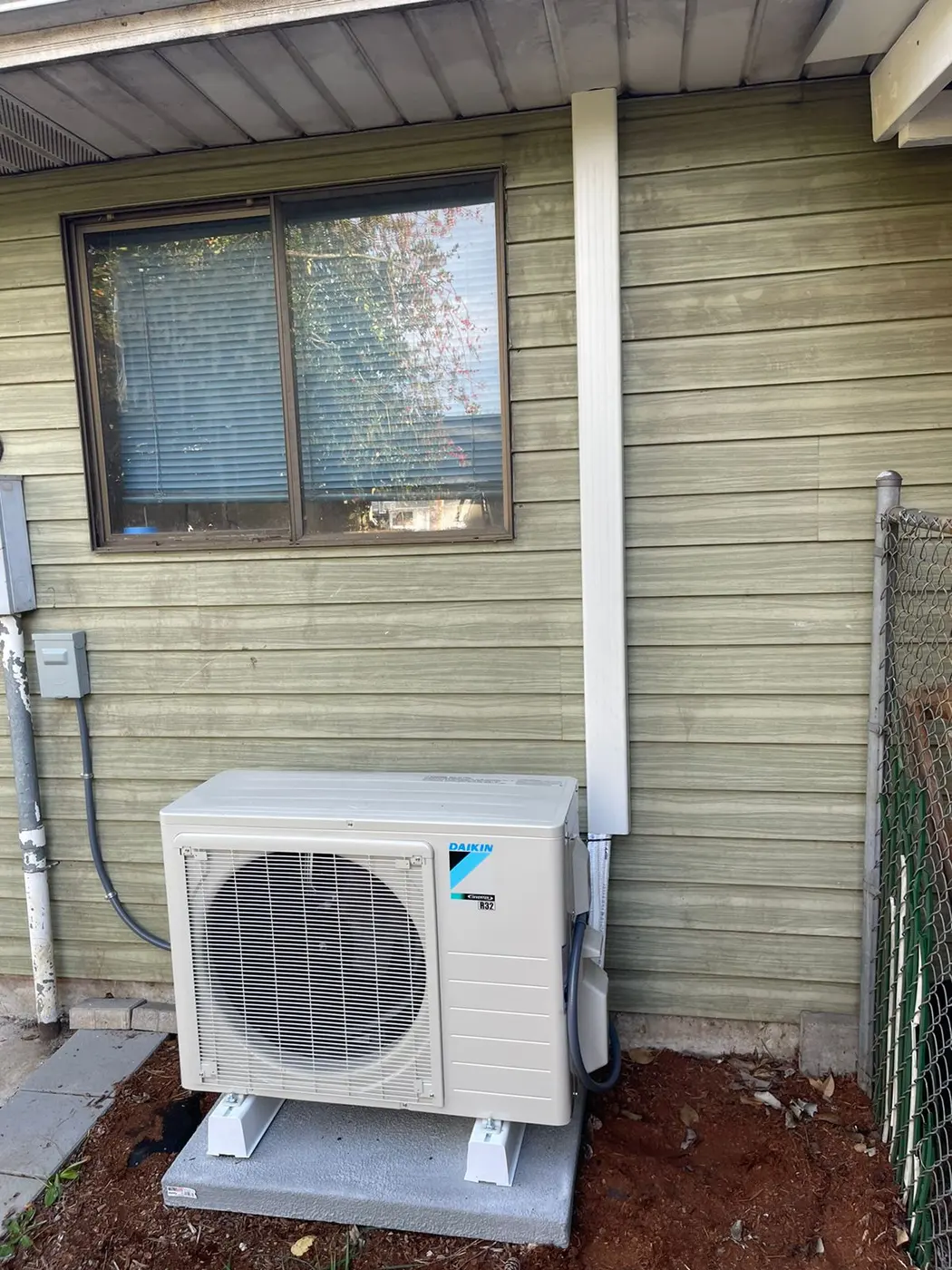
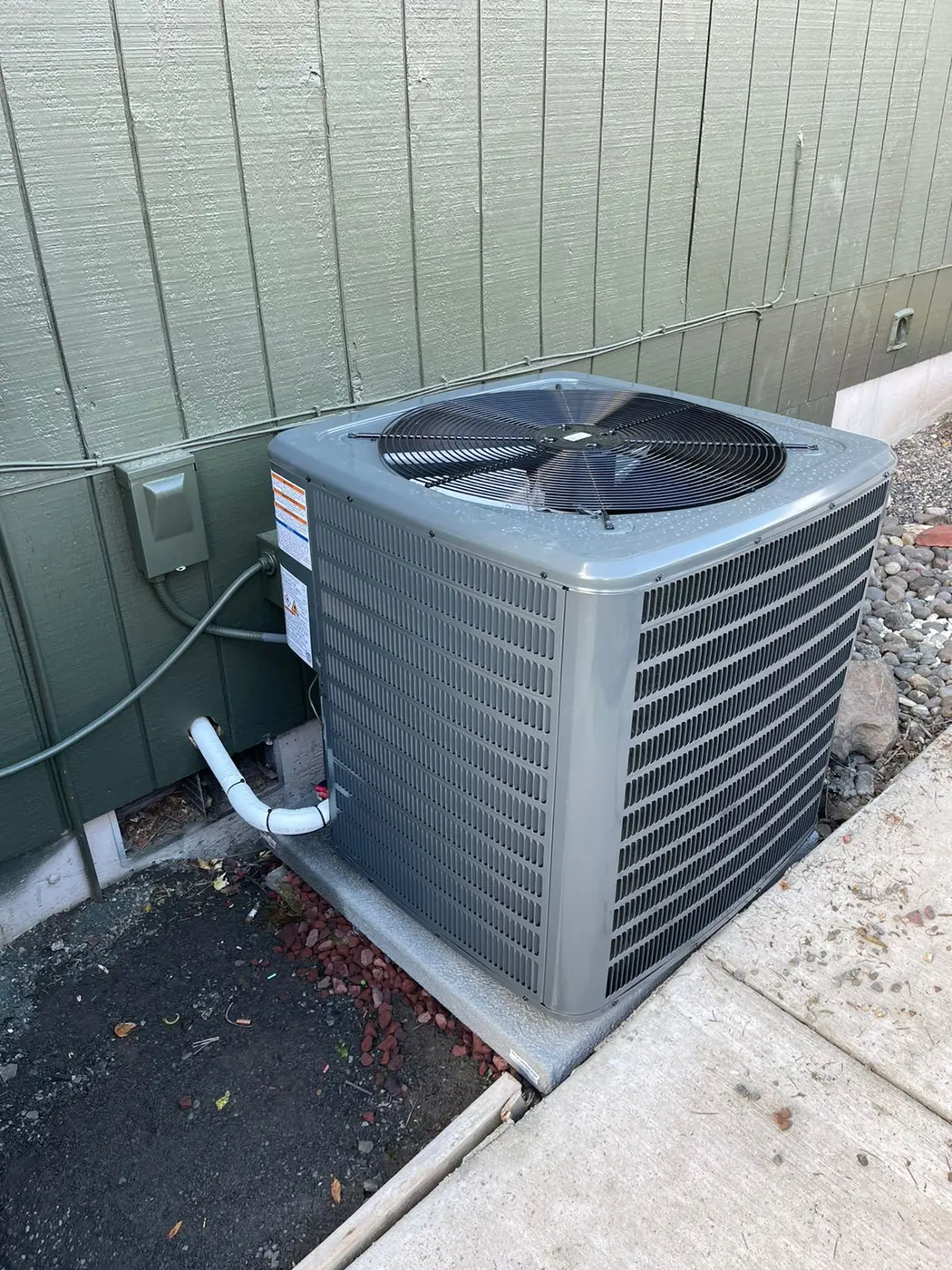
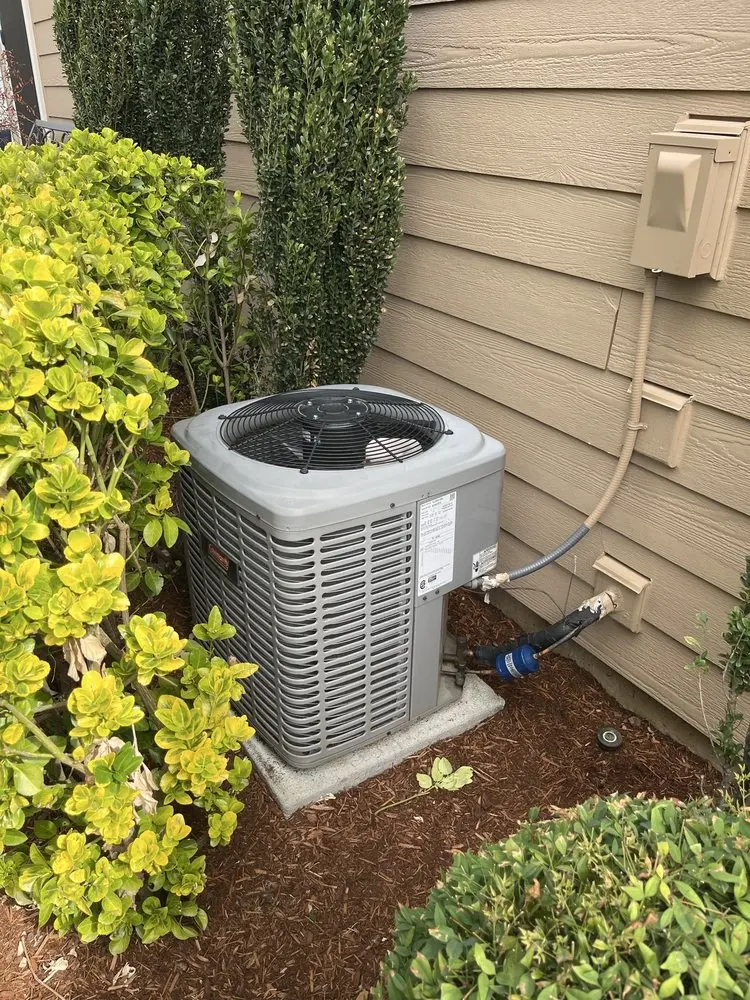
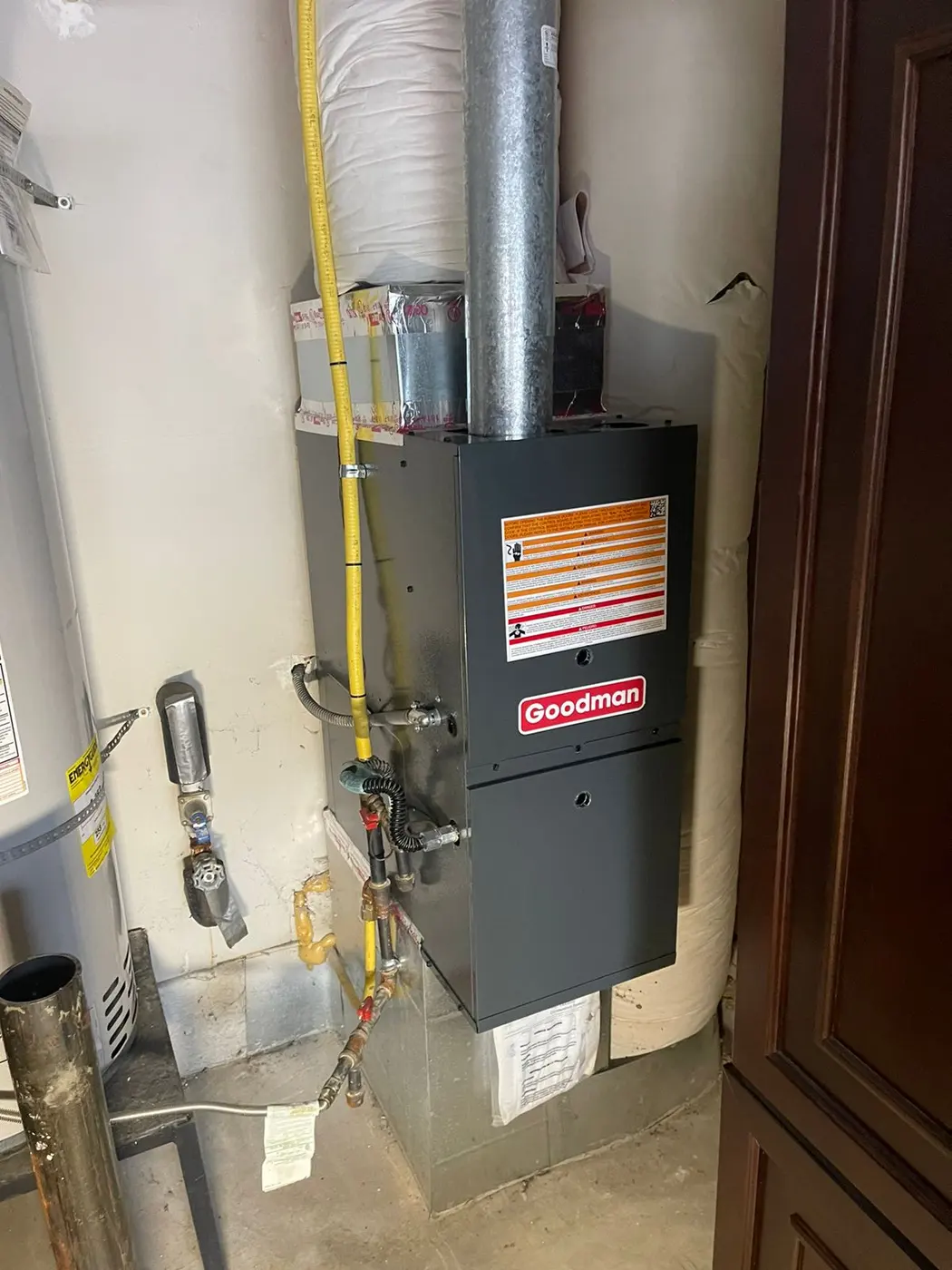
HVAC & Appliance Repair Guys provides Bryant HVAC installation in Portland Metro. We review the equipment the home uses now and what you want the project to achieve. That may mean replacing one part of a supported system or planning several equipment changes together.
Our HVAC installation service covers the overall project. For a Bryant installation, we define the models and controls that will form the proposed setup. The estimate should connect the equipment list to the work needed in your home.
Heating, Cooling and Room Comfort Goals
Start with the problem or change that led you to consider new equipment. You may have a failed furnace, aging cooling equipment or rooms that never feel right. These starting points can lead to different scopes, even when each proposal uses the same brand.
We discuss what the installation should address and what may remain a separate concern. A new equipment package is not automatically a solution to every comfort issue. The plan needs a reason for each part of the work, tied to the home’s condition and the result you want.
Furnace Installation and Shared Indoor Equipment
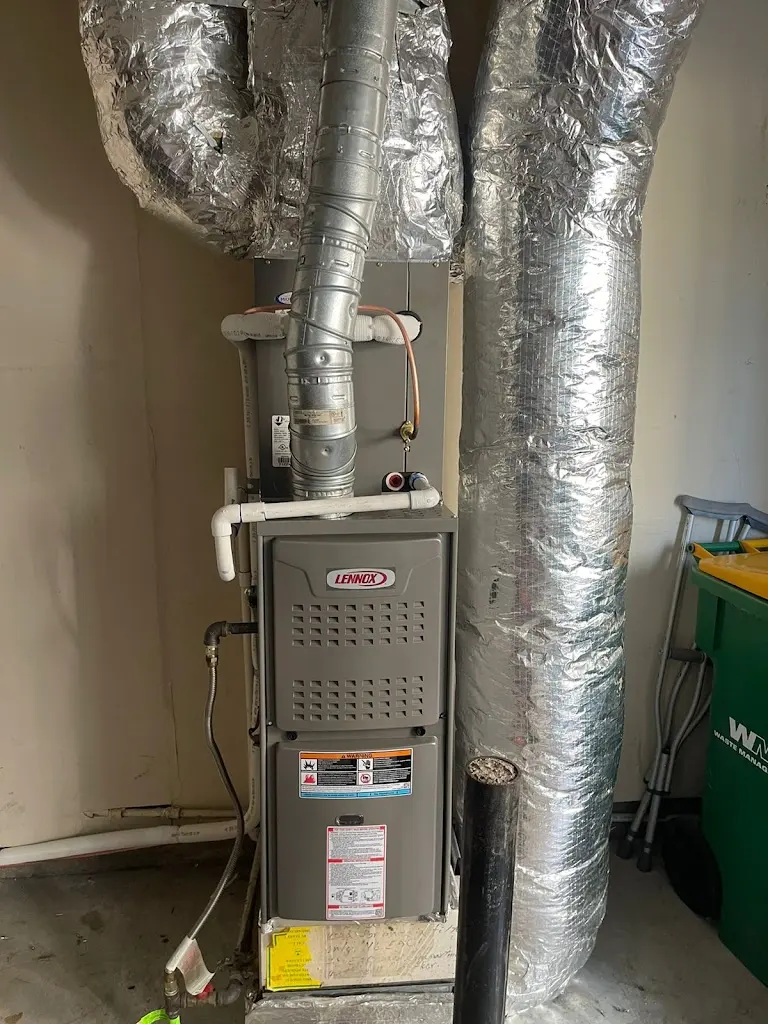
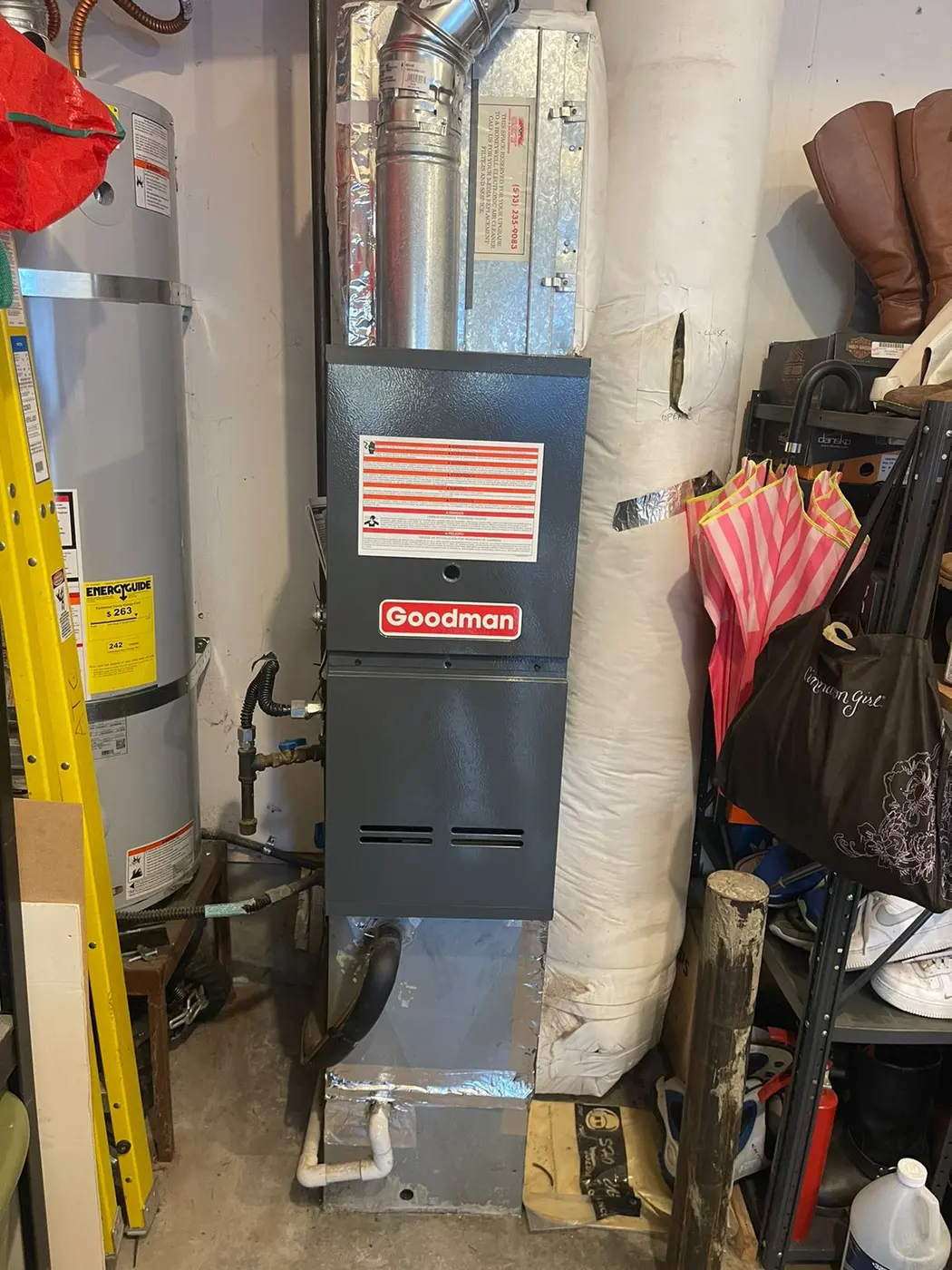
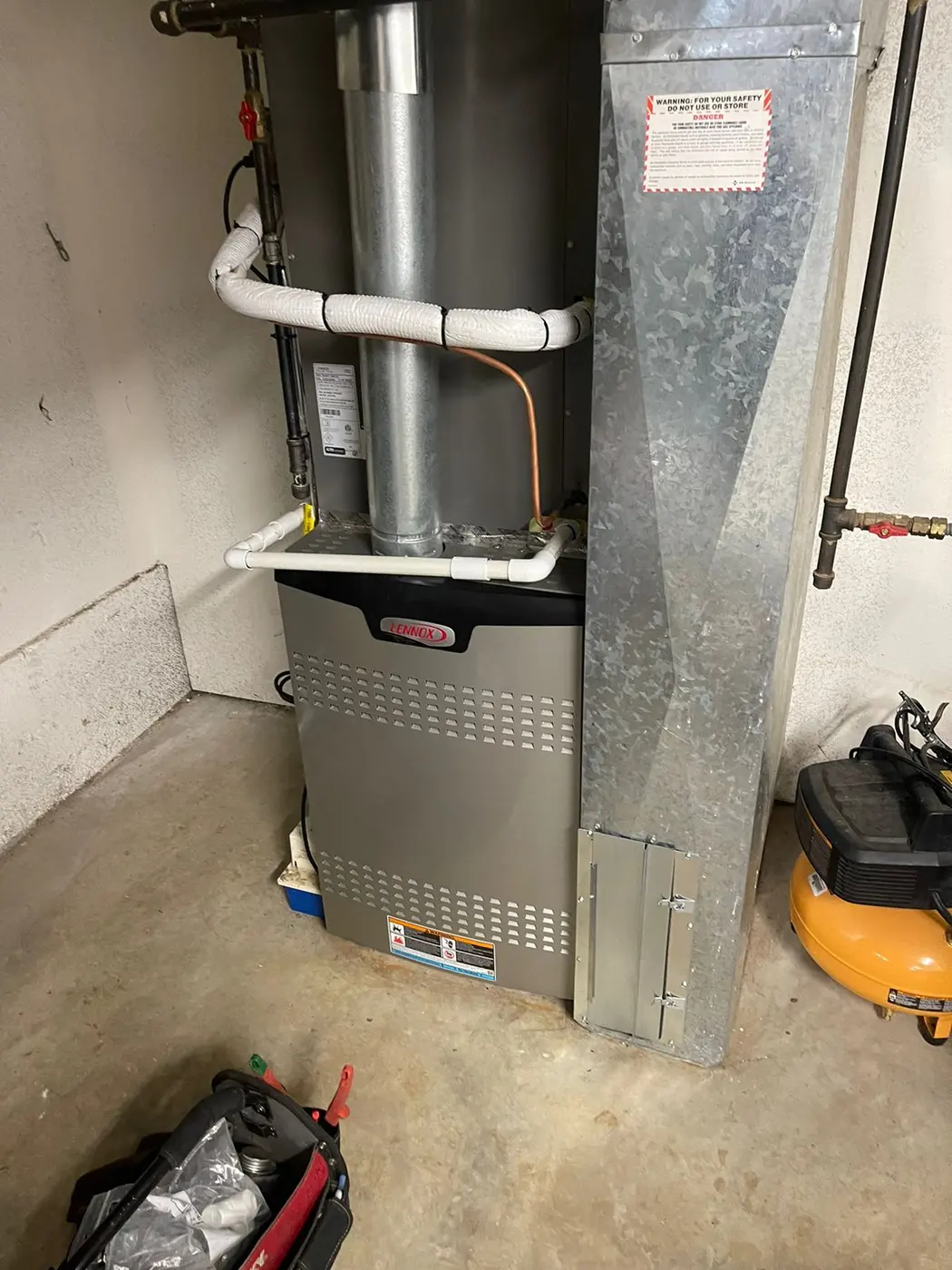
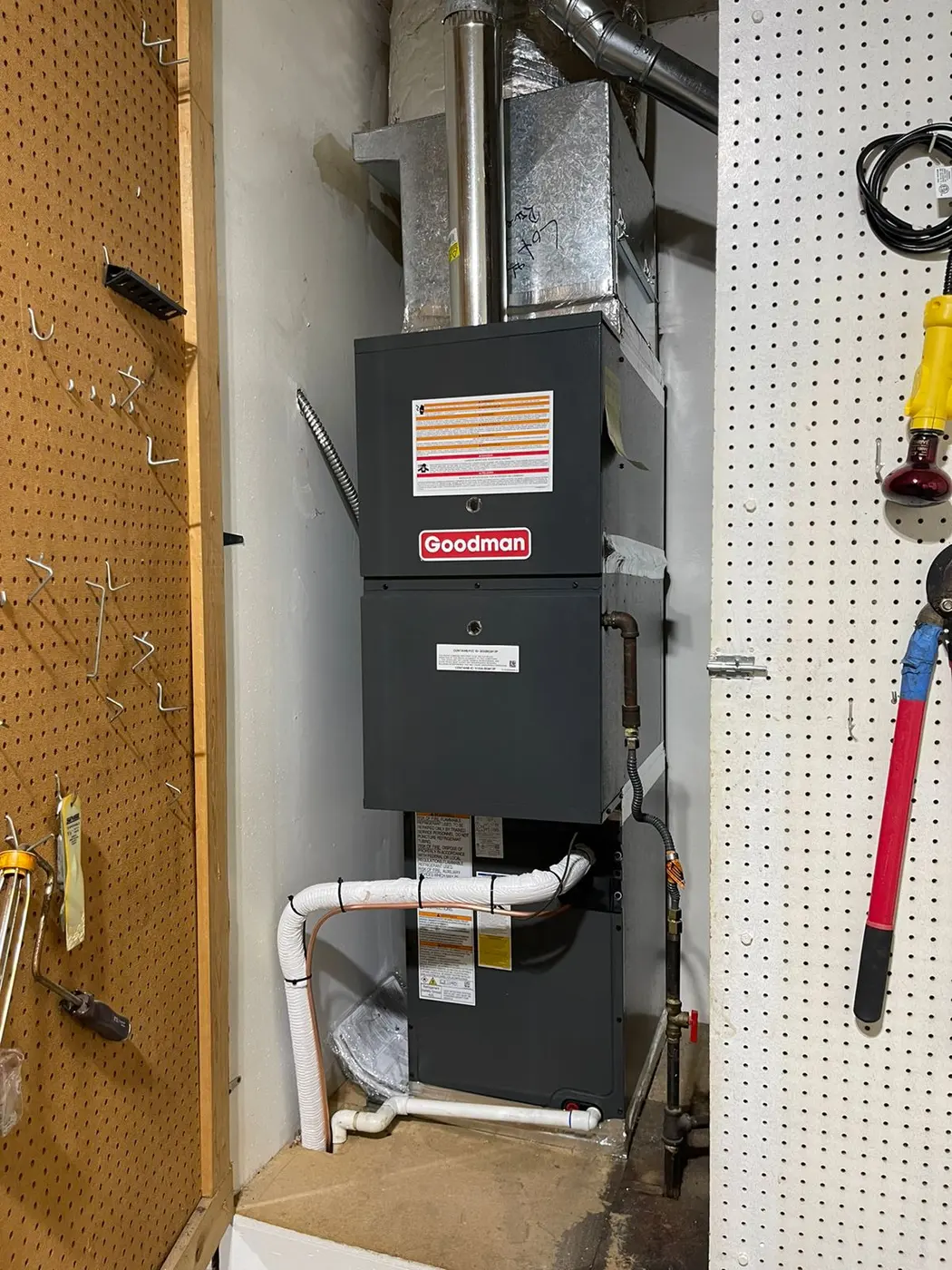
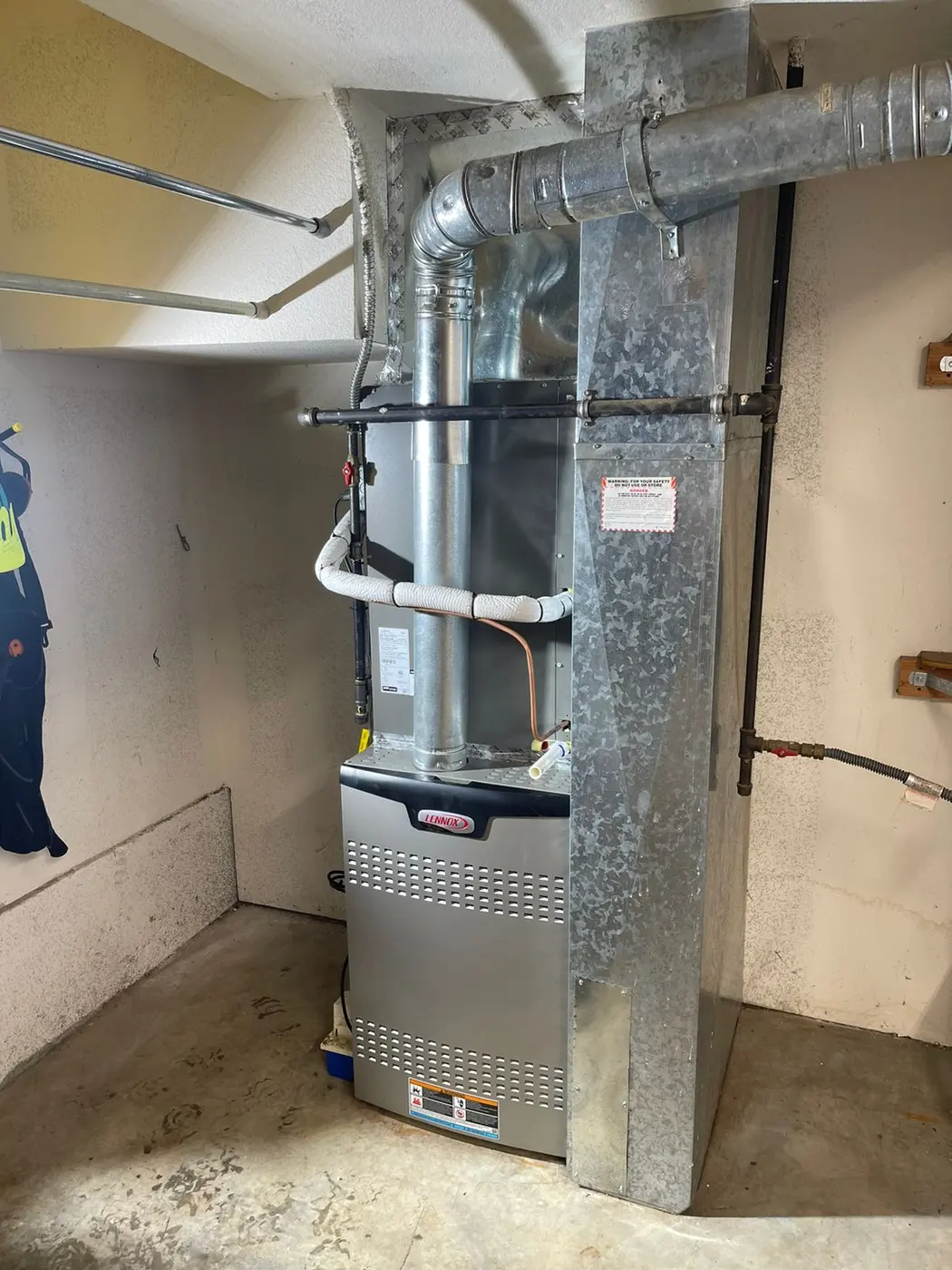
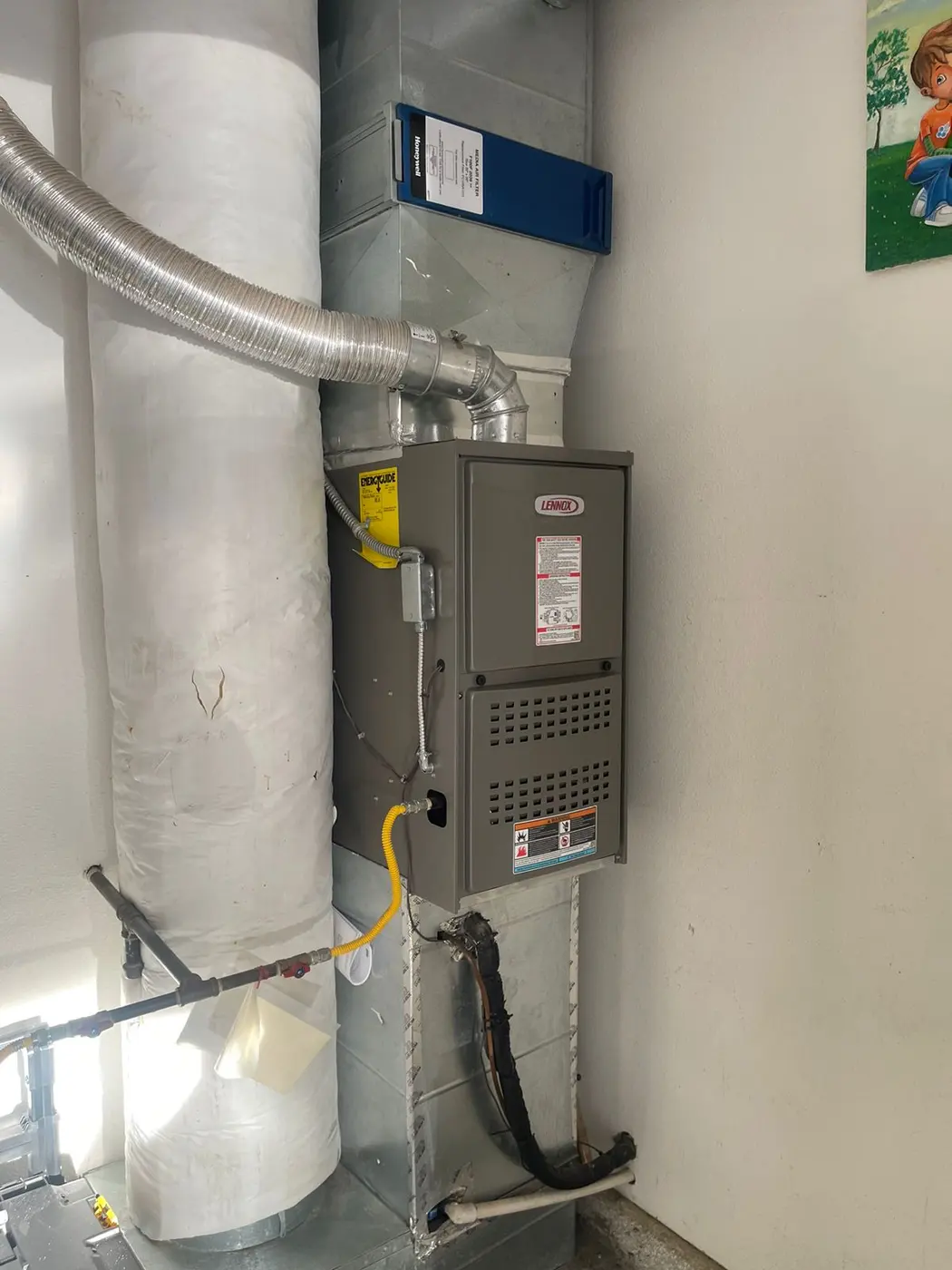
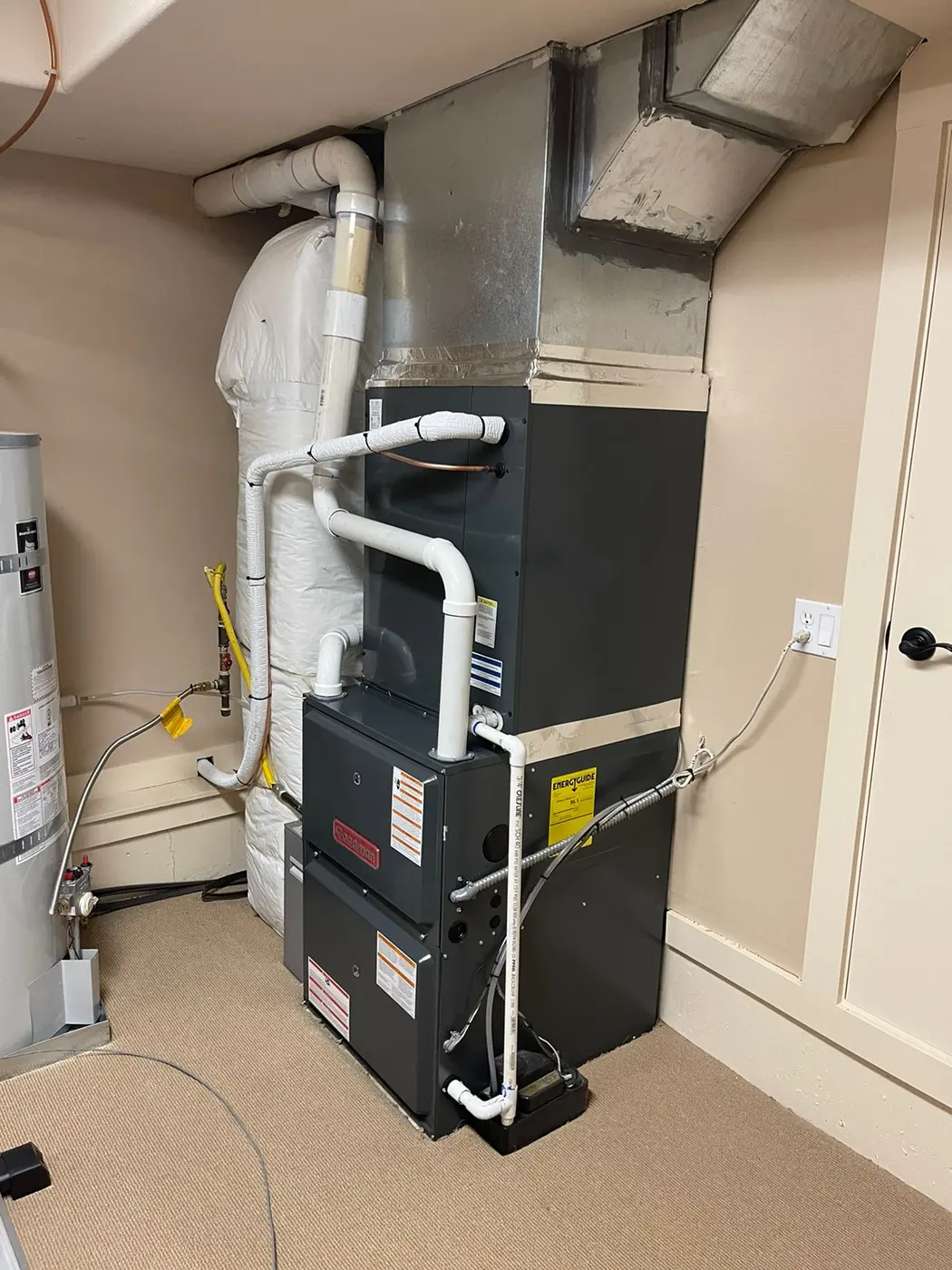
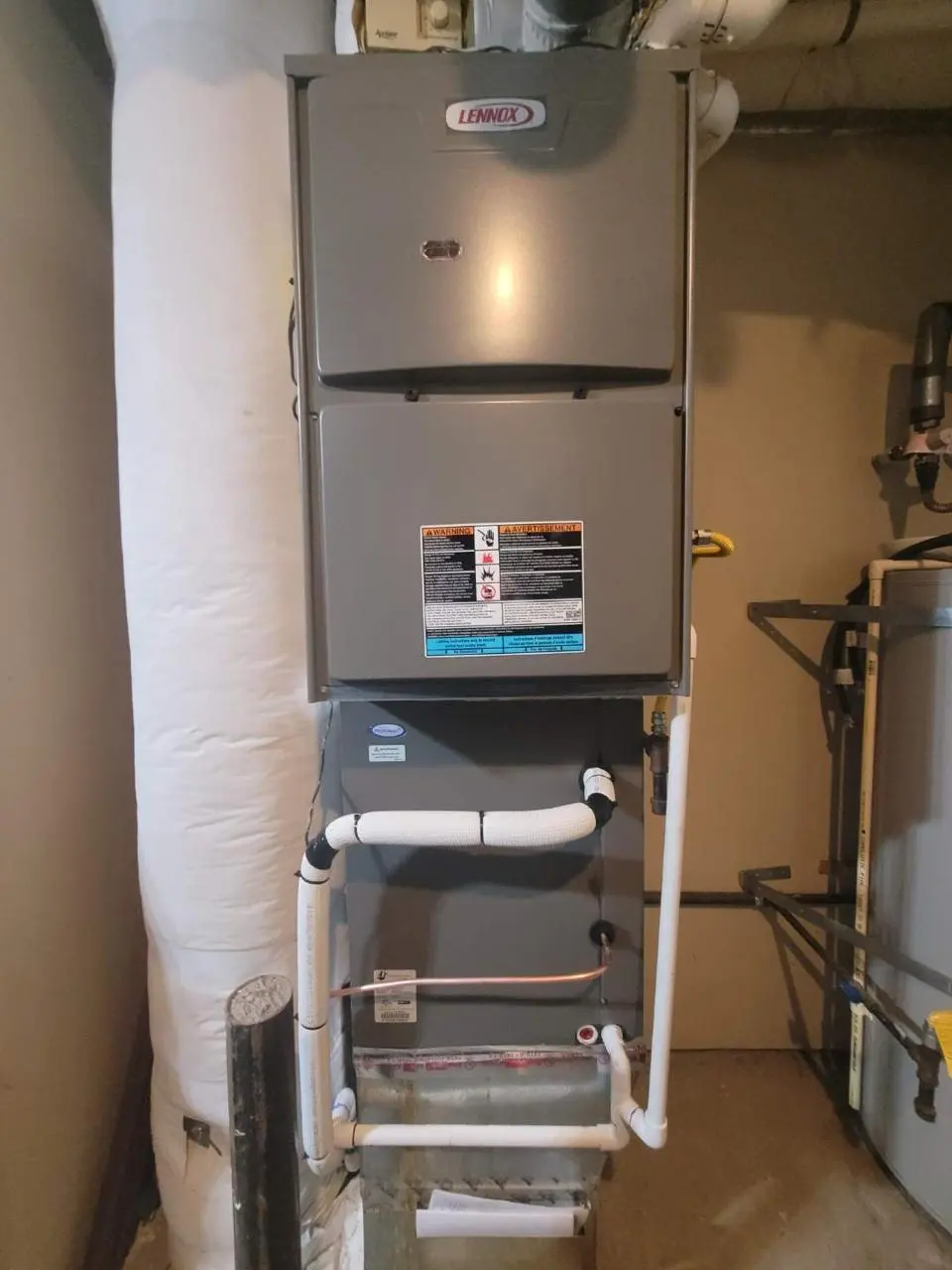
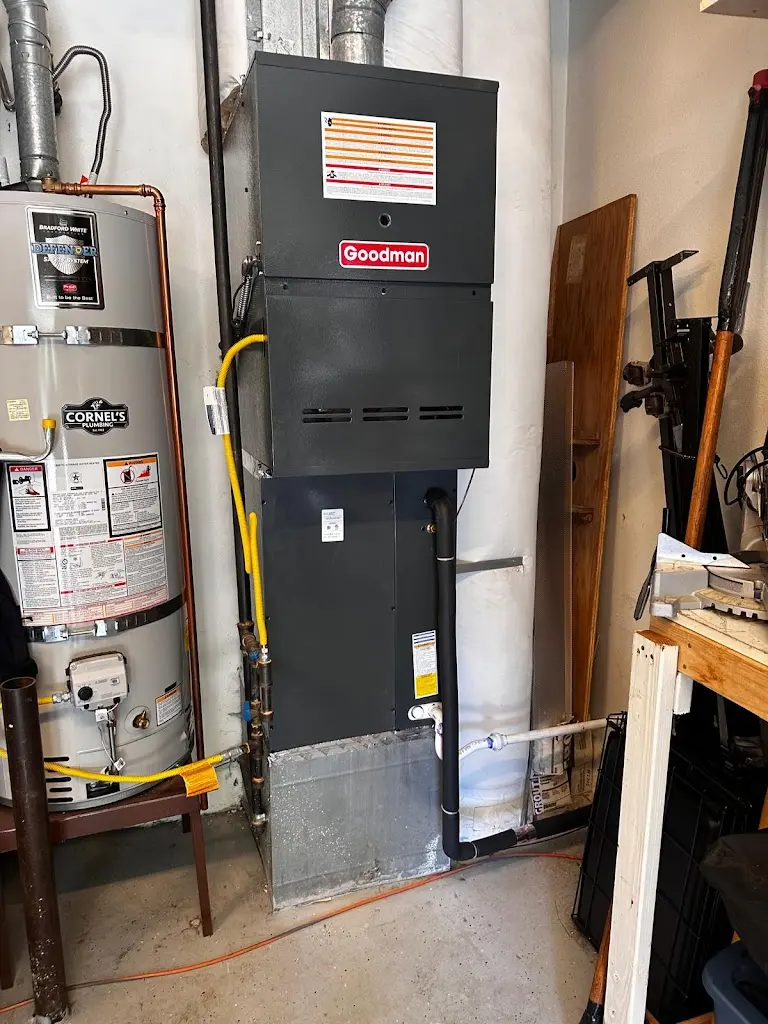
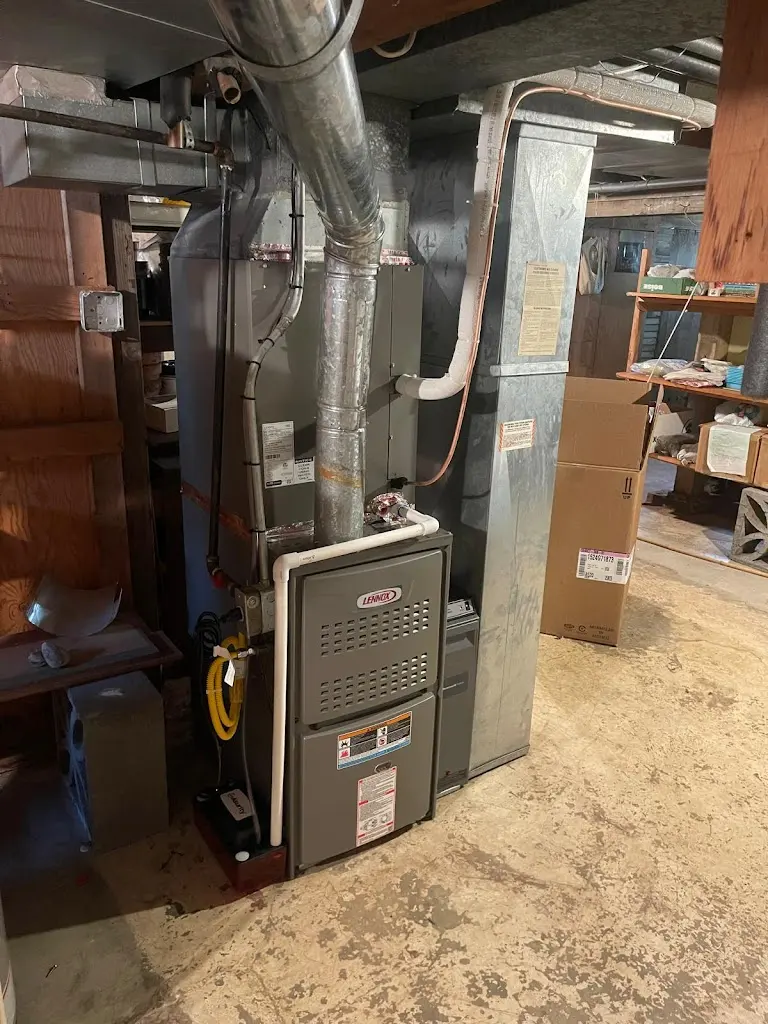
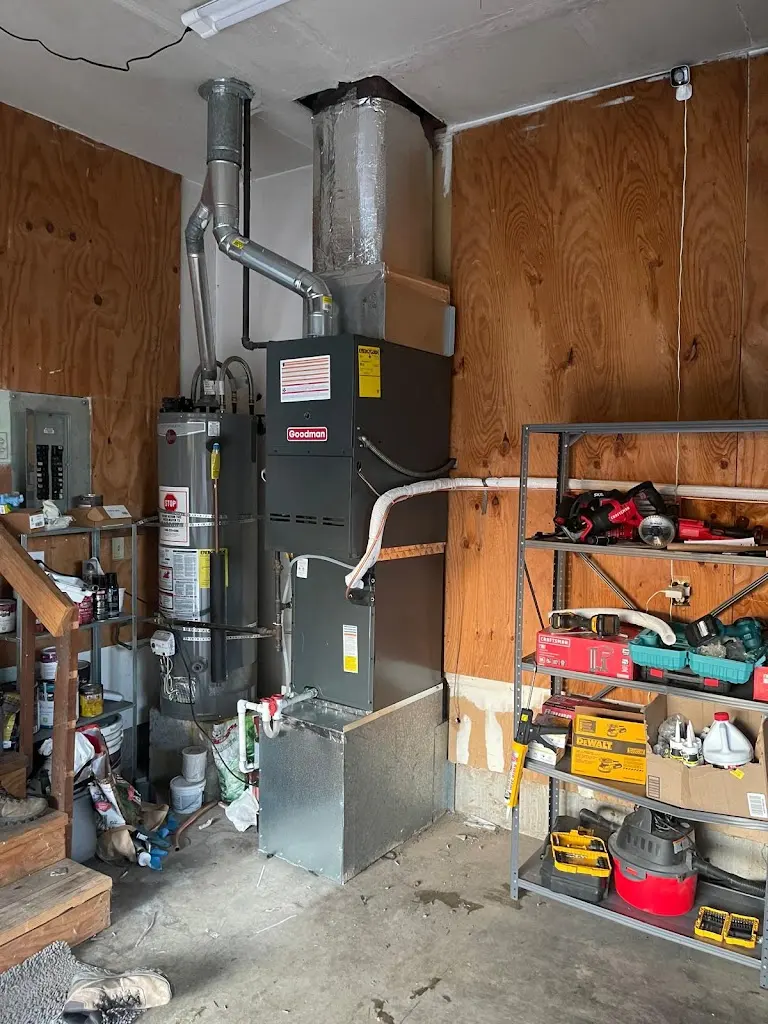
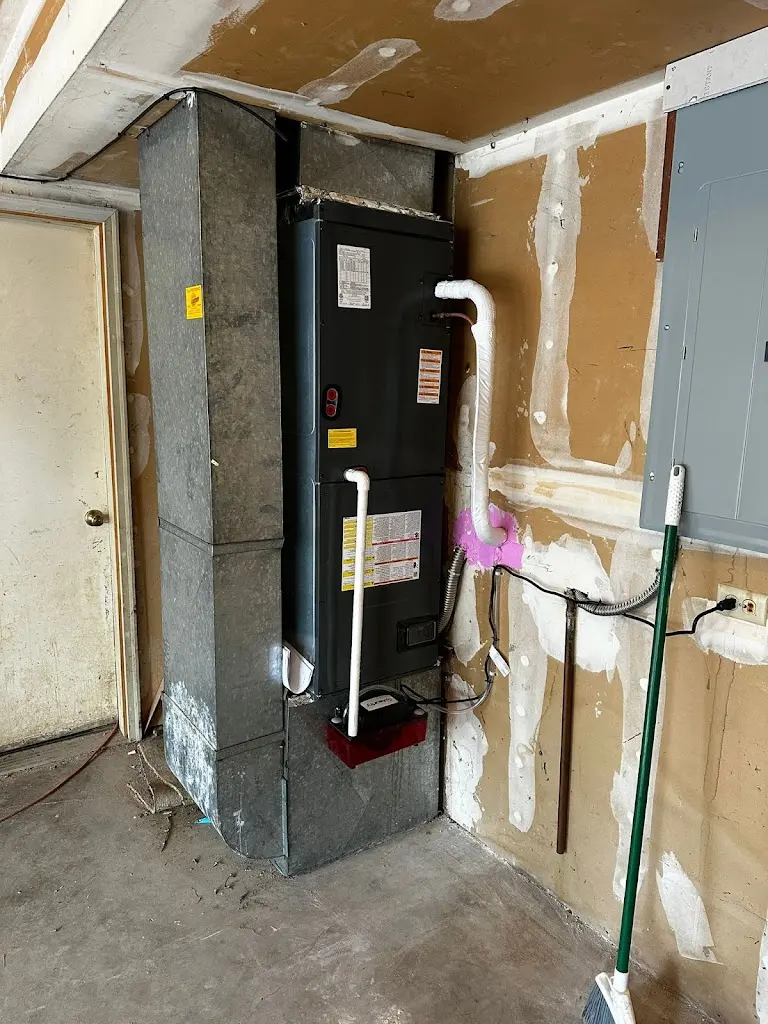
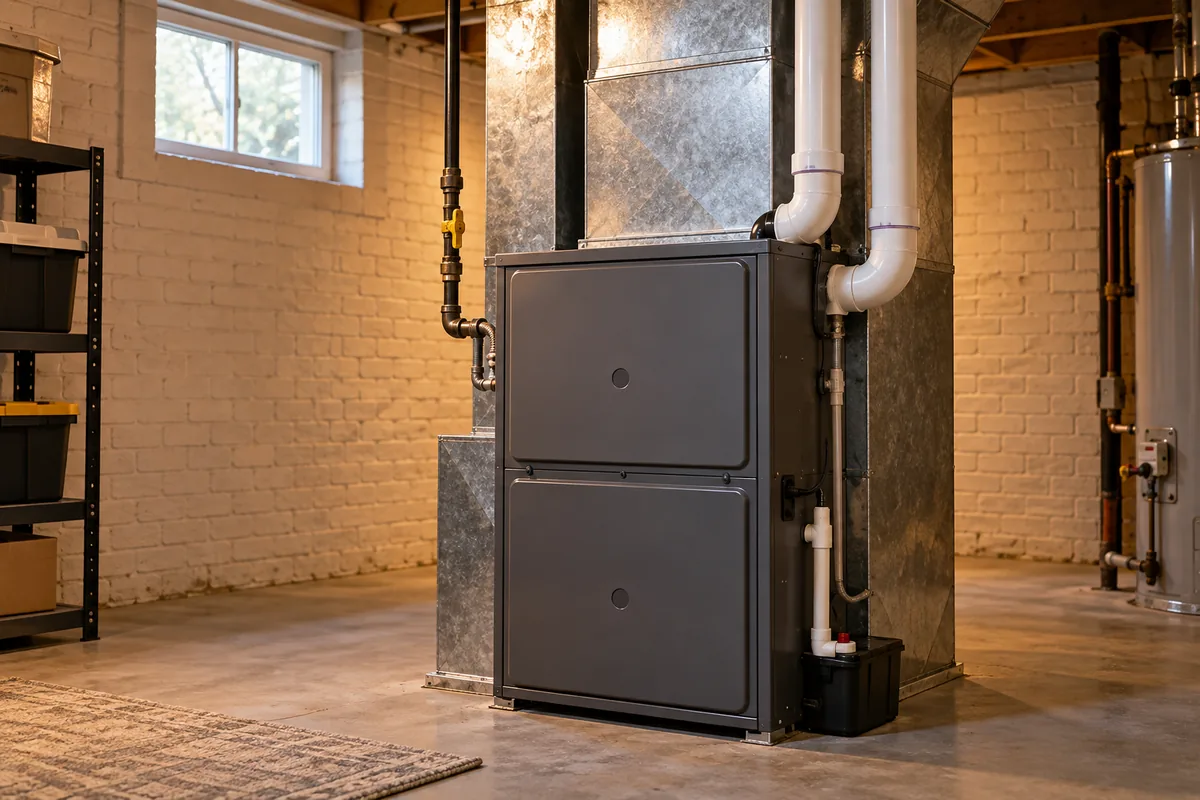
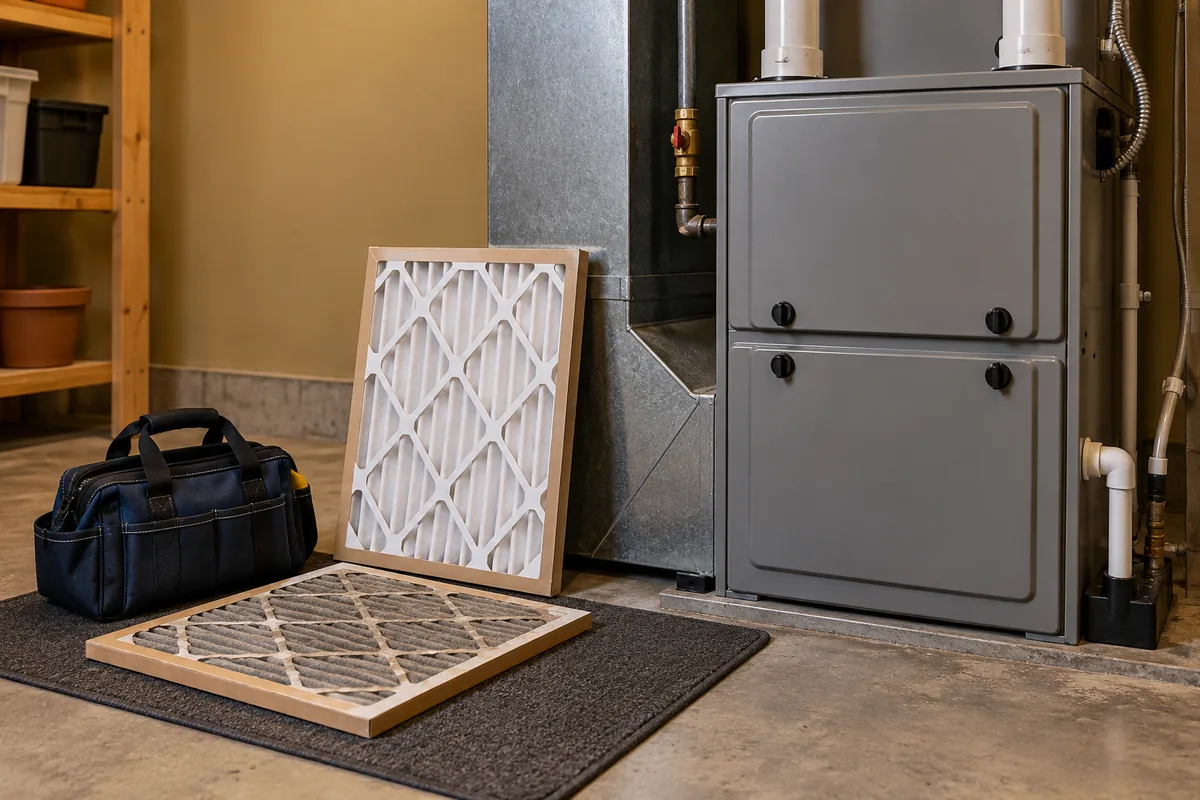
A gas furnace supplies heat through the indoor air system. If that is the main change, our Bryant furnace installation service covers the specific project. The proposal should identify the selected furnace and the other equipment that will continue to work with it.
A furnace change may also affect the blower, controls or the connection to cooling equipment. We review those relationships before treating the new furnace as a separate purchase. If another component must change to support the proposed setup, that work belongs in the estimate from the start.
AC Replacement and Indoor Airflow
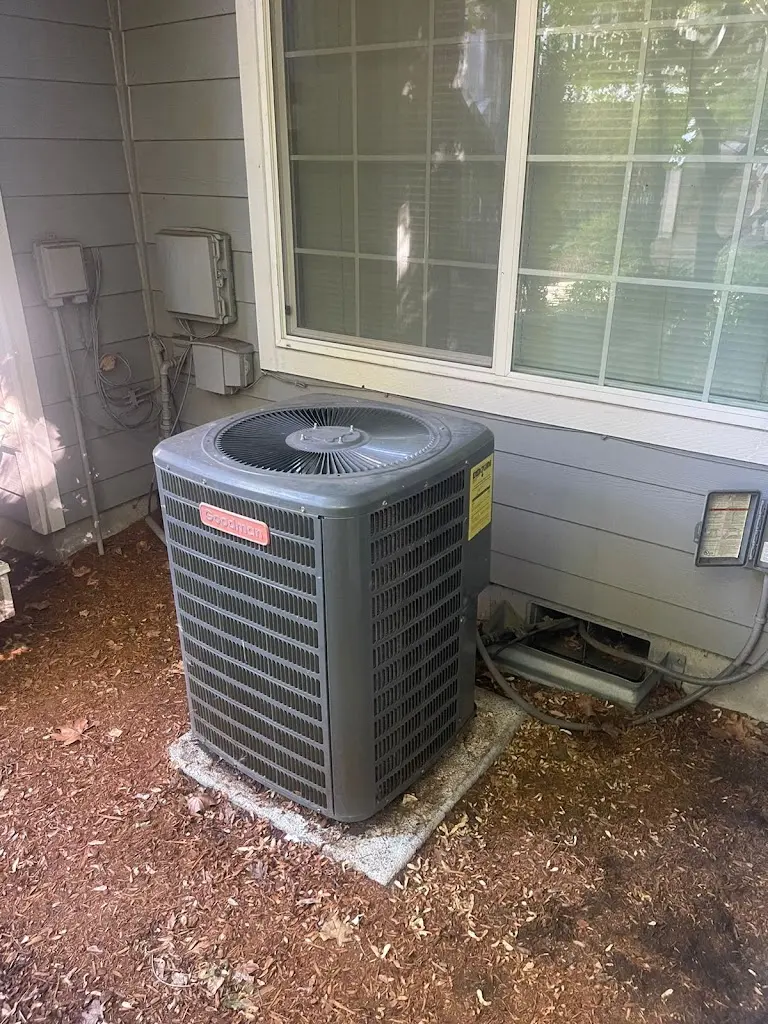
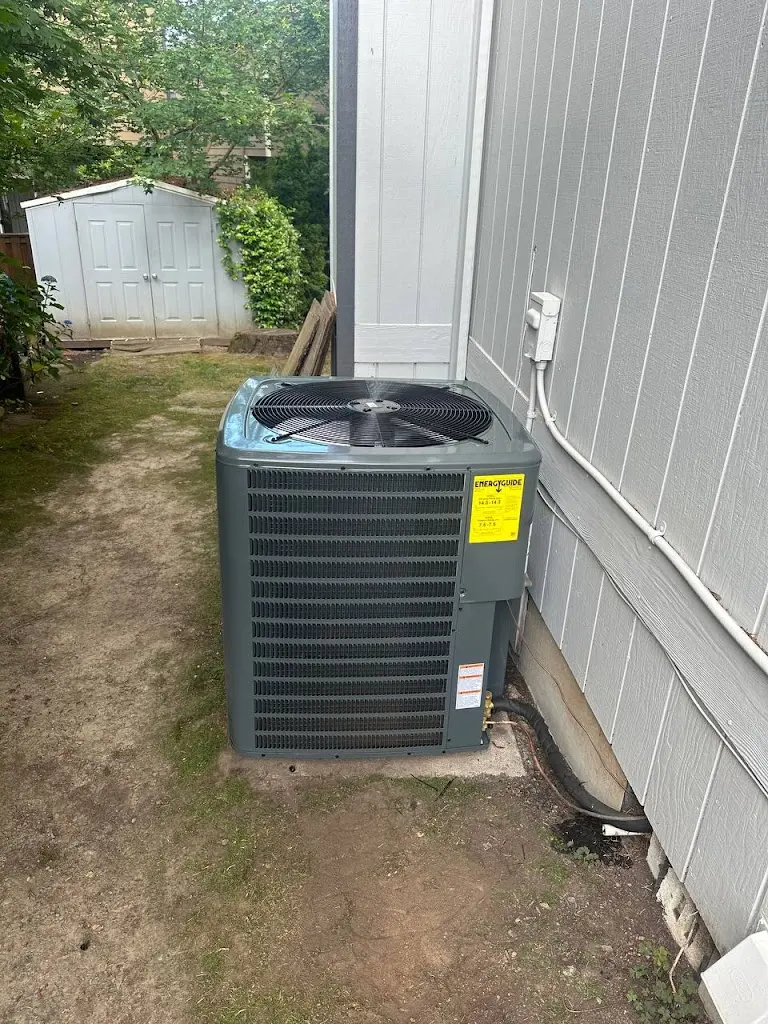
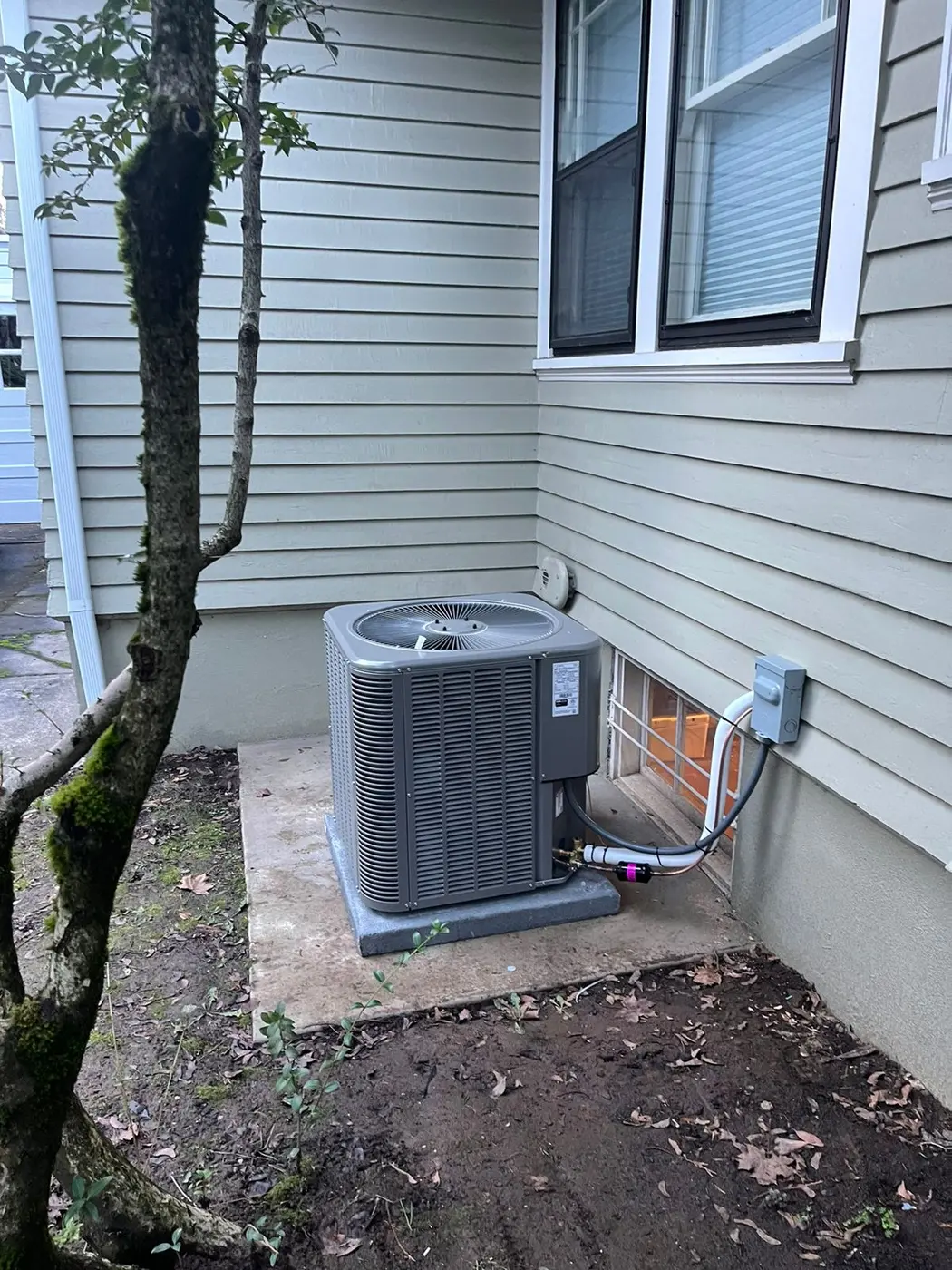
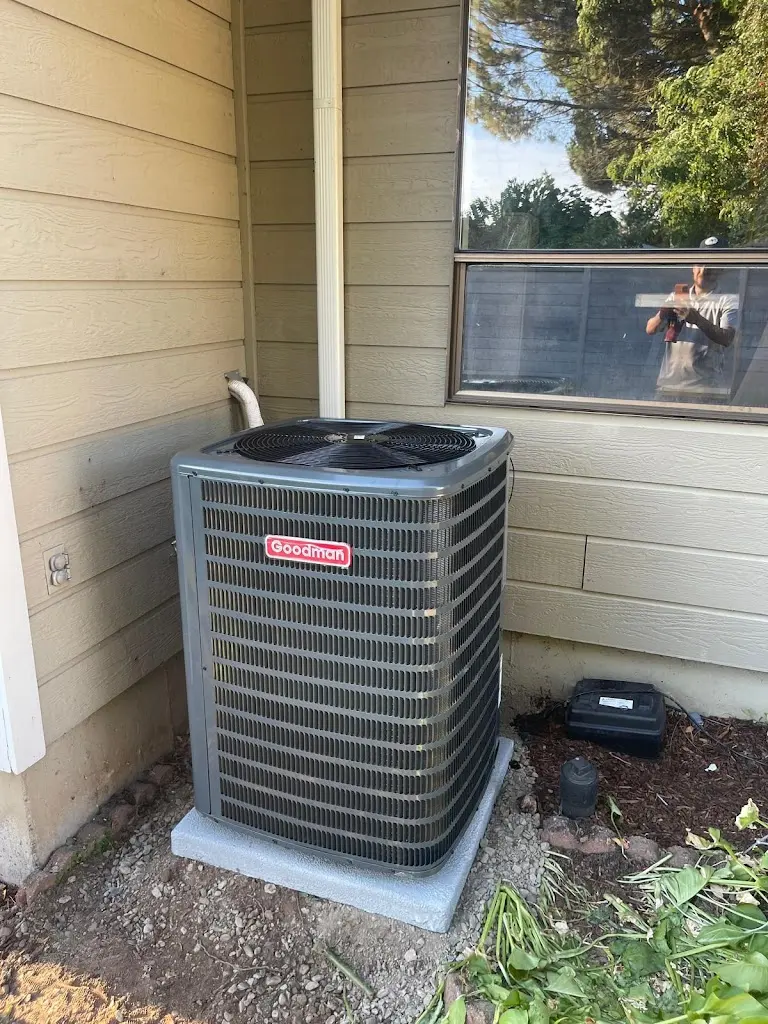
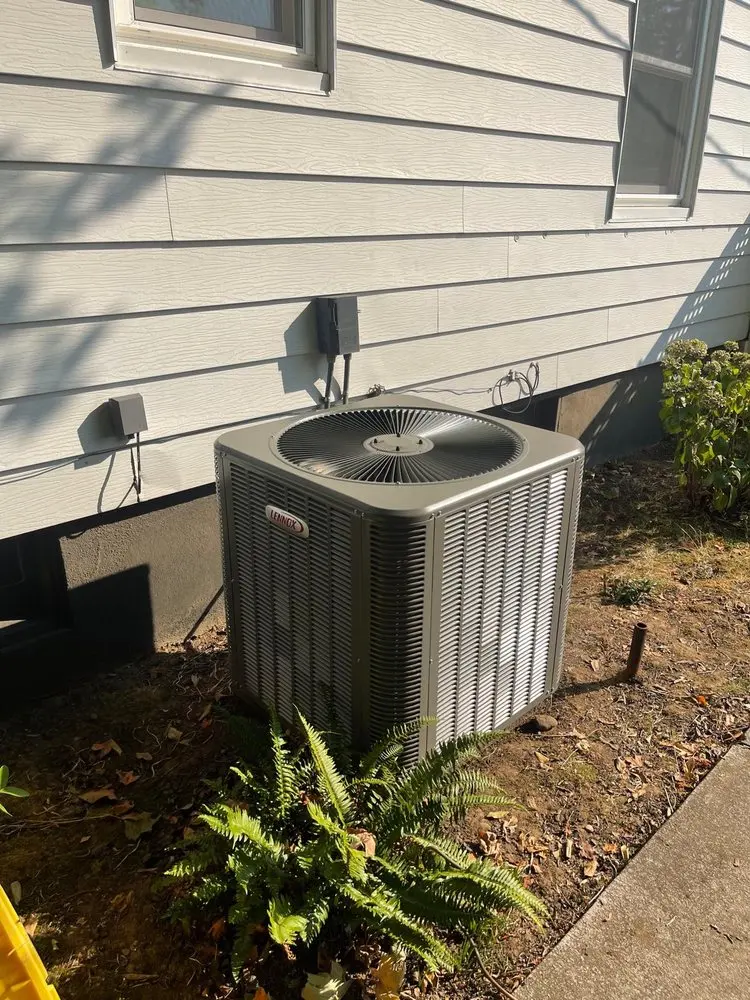
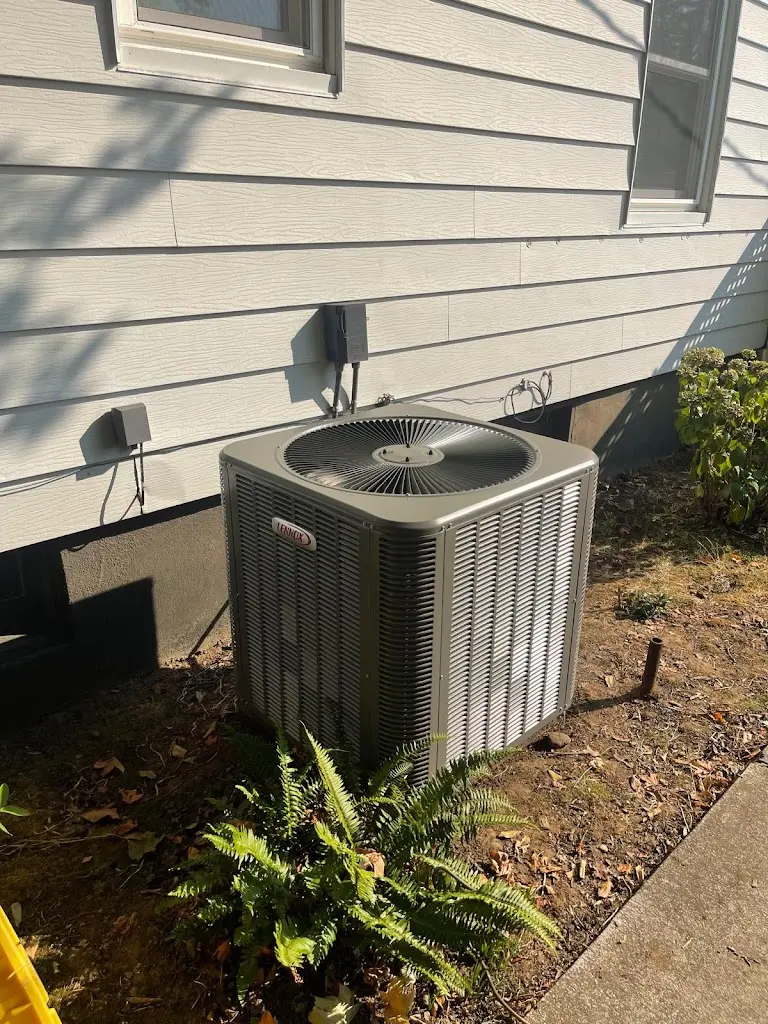
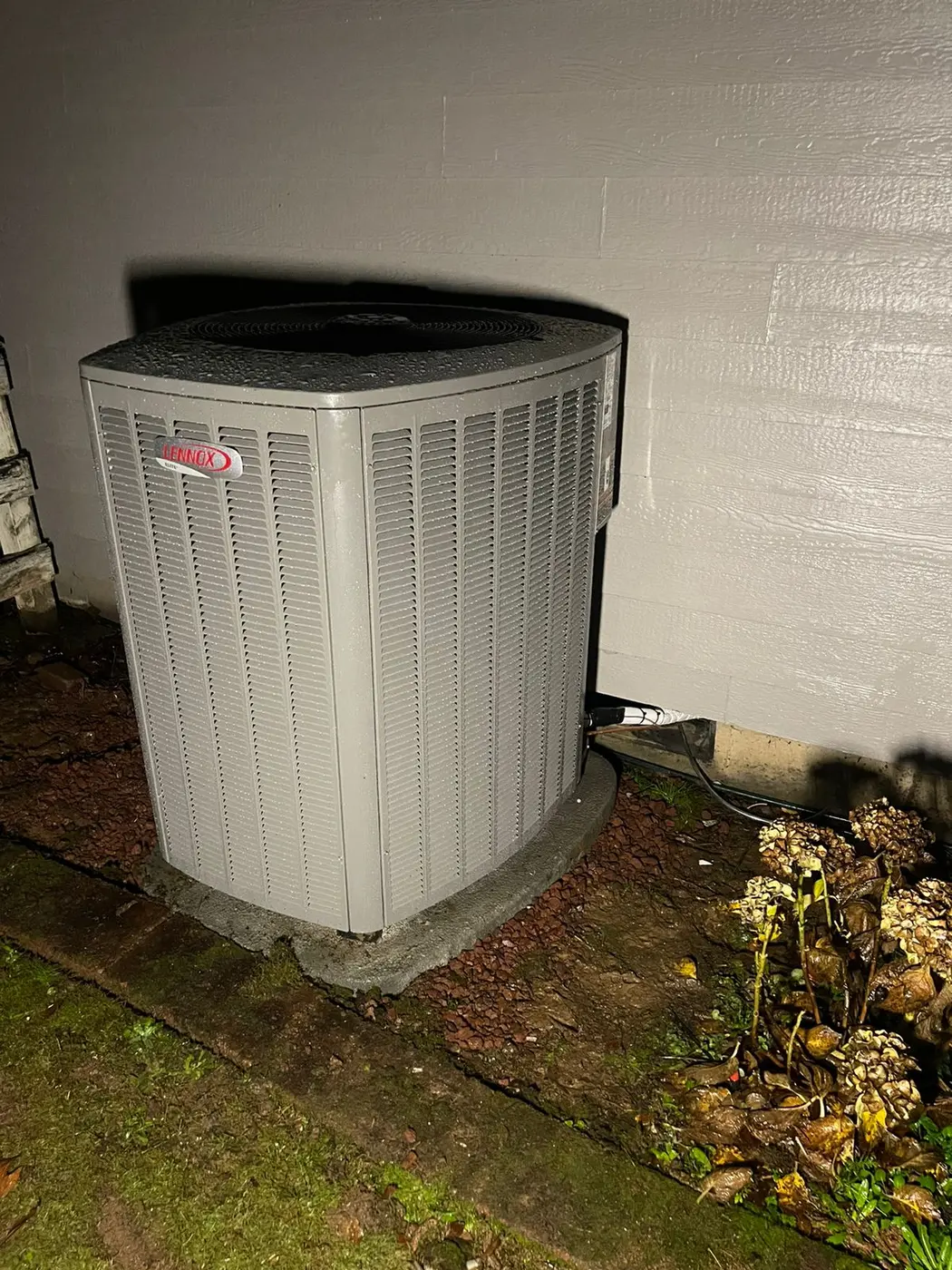
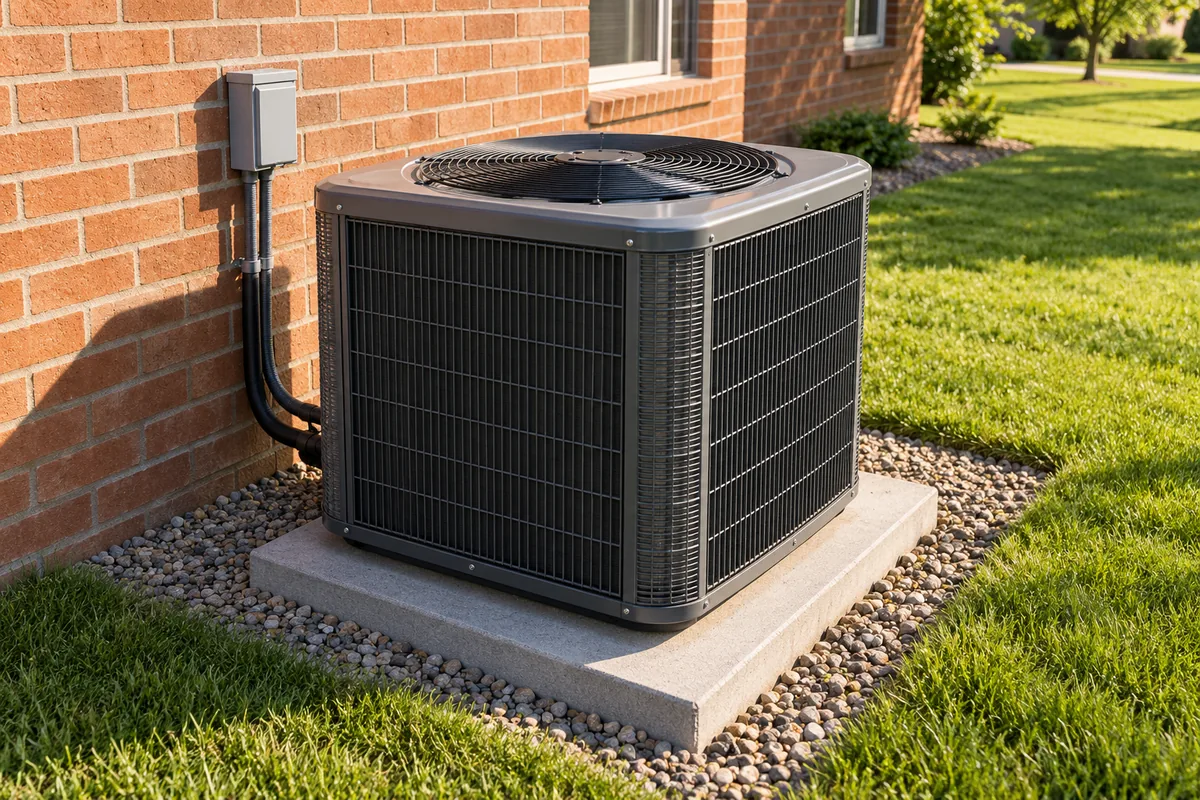
Our Bryant AC replacement addresses new air conditioning equipment. The outdoor unit needs a suitable indoor coil and air system. The assessment therefore includes the parts that move cool air through the home, even if the existing furnace remains in place.
A cooling project should also account for rooms that lag behind on warm days. That complaint may involve more than the outdoor unit. We describe any airflow work in the plan. That work should have a clear purpose in the cooling project, alongside the new equipment.
Heat Pumps and Furnace-and-AC Options
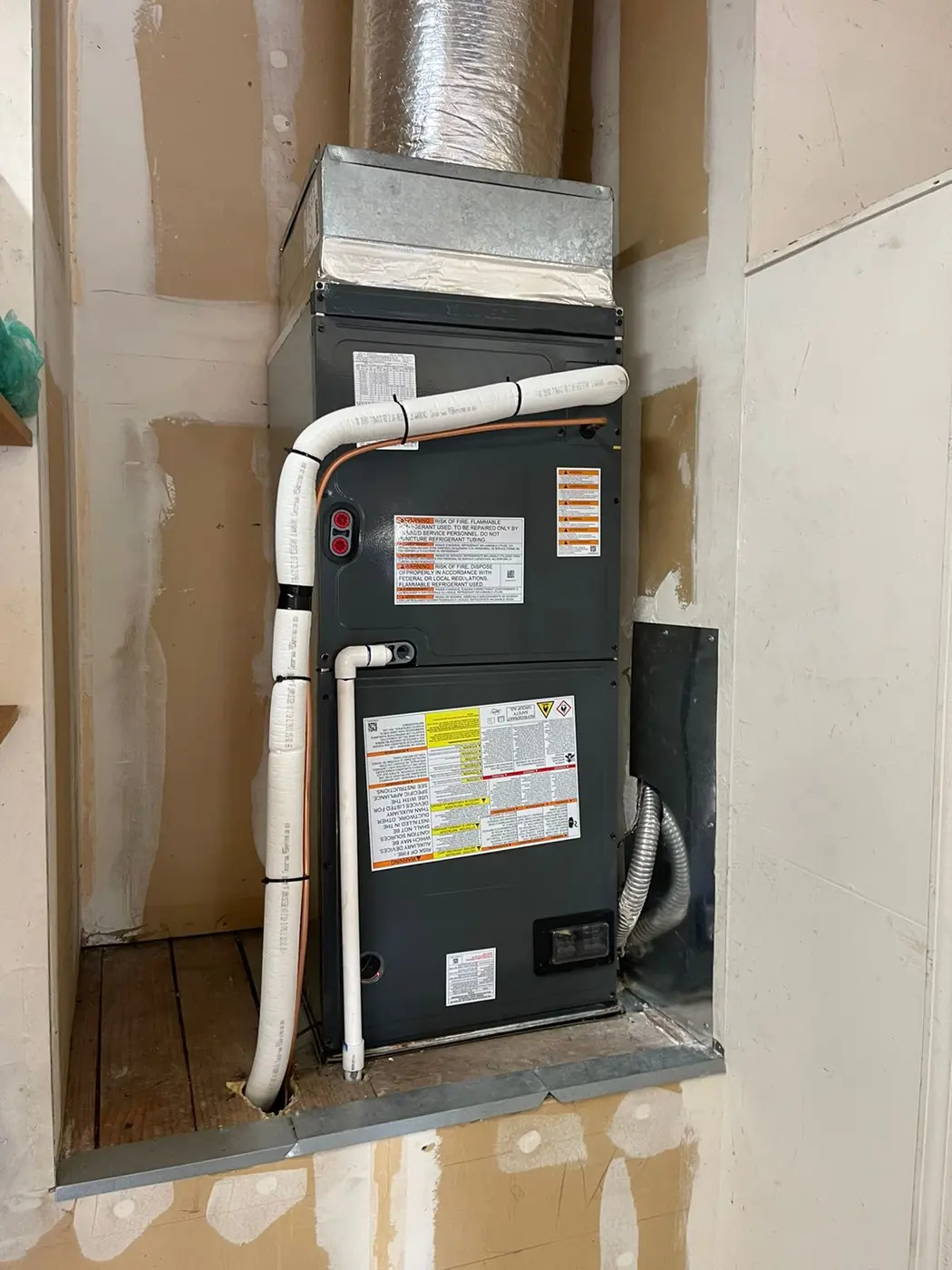
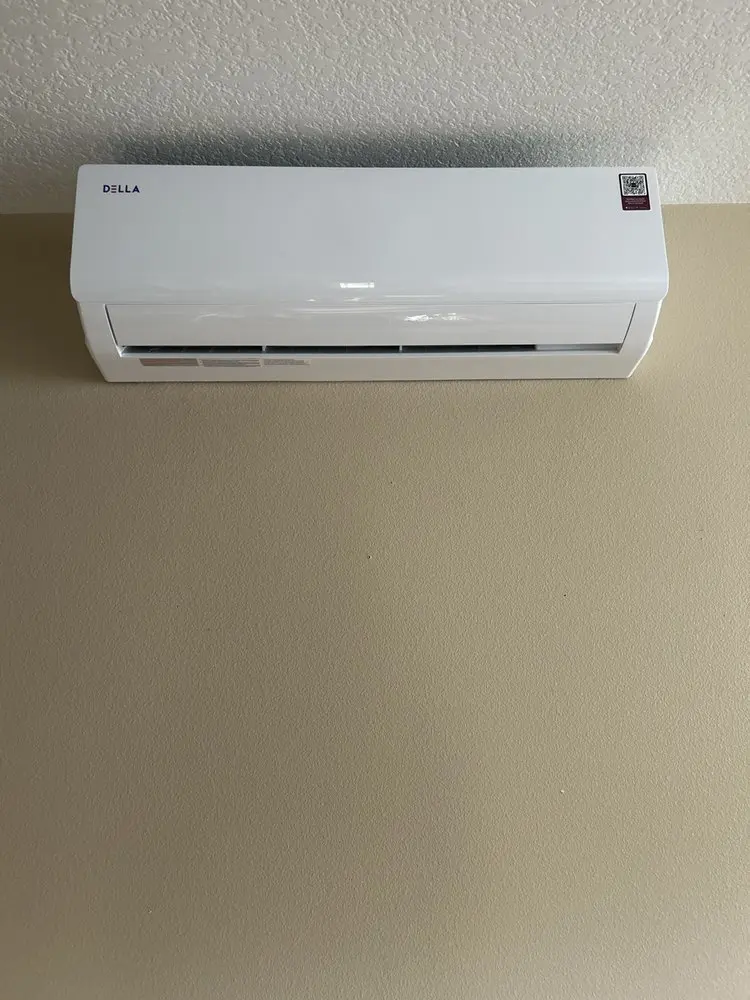
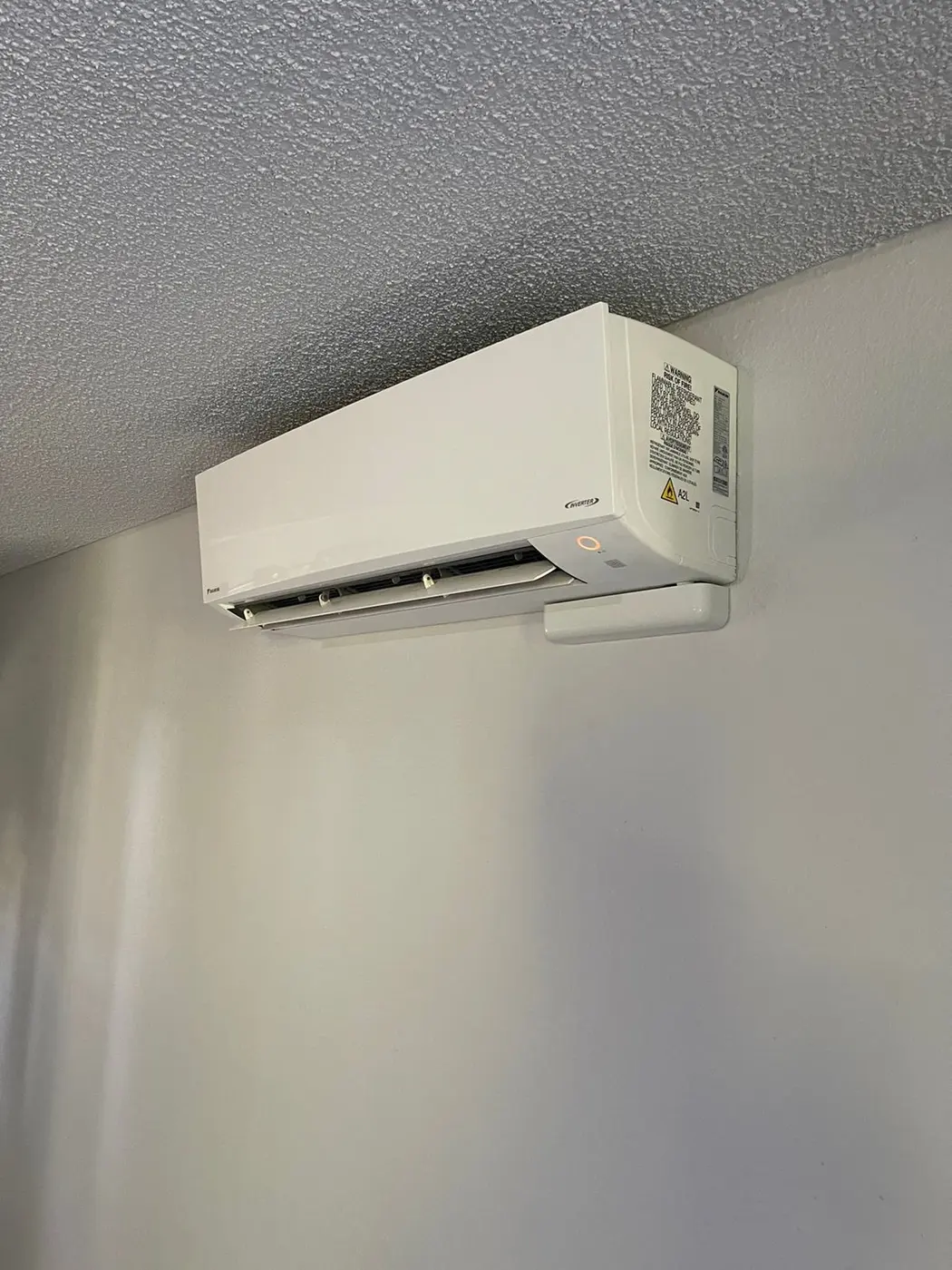
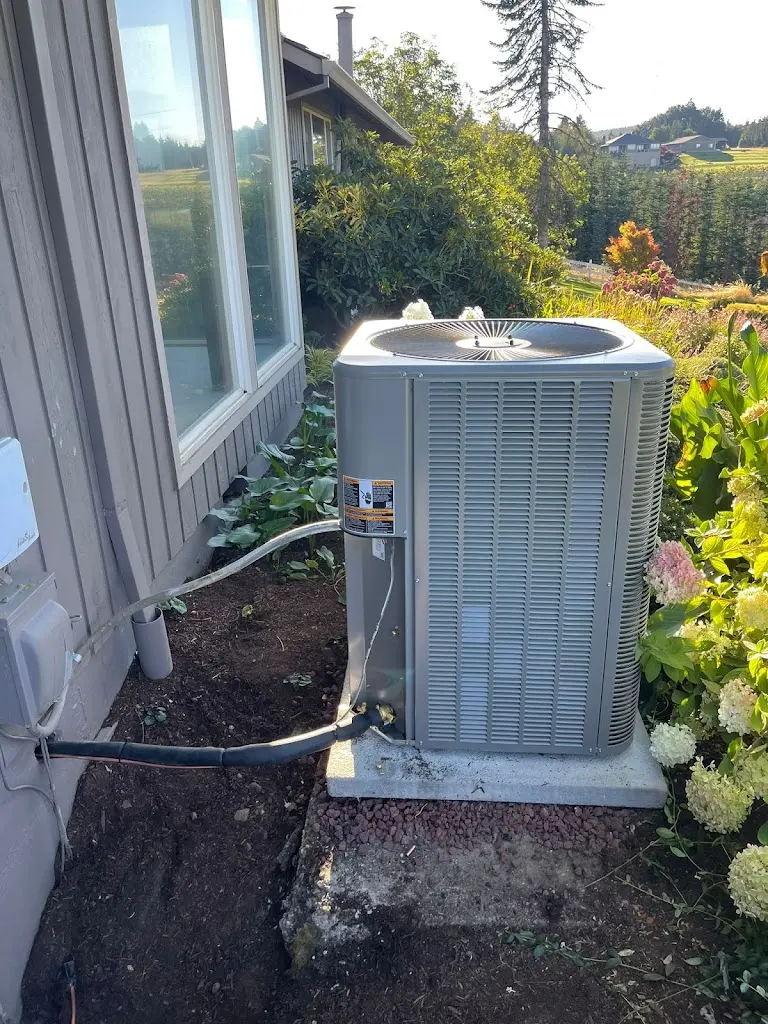
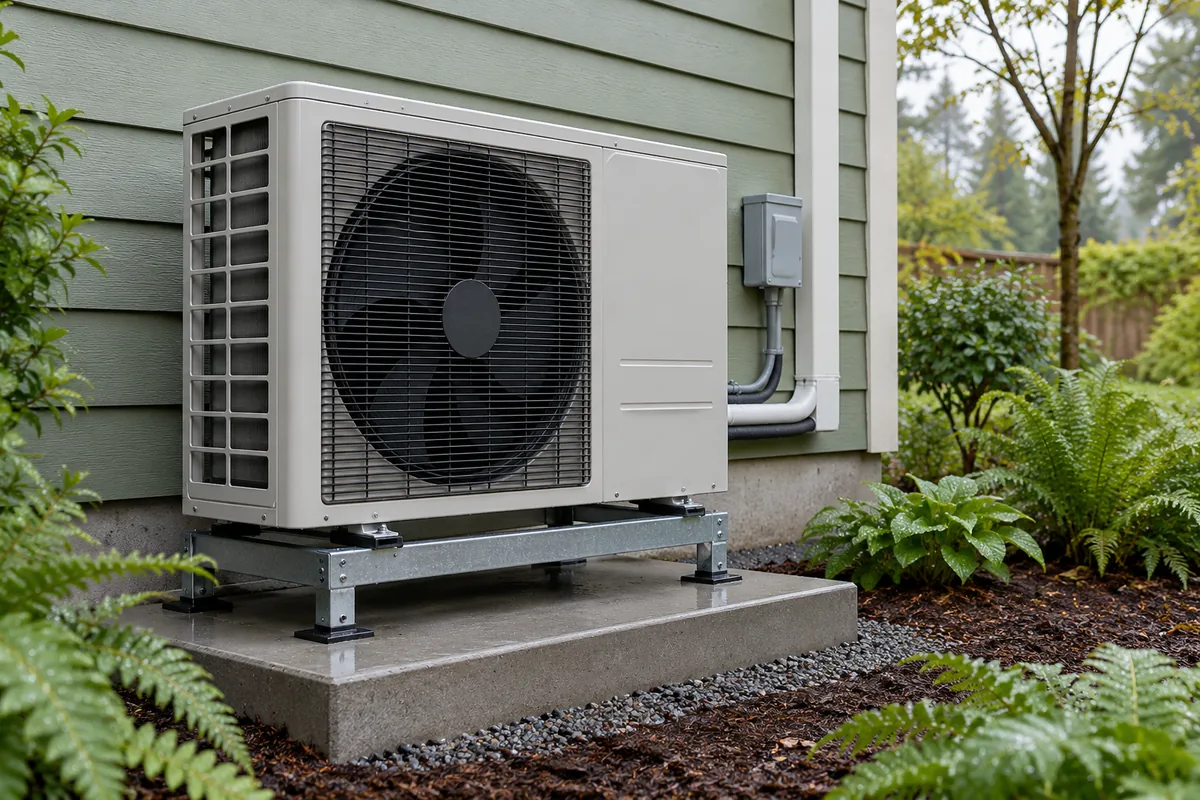
A heat pump provides heating as well as cooling. Our Bryant heat pump installation service covers that arrangement. Its design needs a review of demand in both seasons, the indoor pairing and the role of any other heat source.
If you want to compare this with a furnace-and-AC plan, compare the full scope on each side. One option may keep more existing equipment while another may change the indoor unit or controls. The useful comparison includes those differences, rather than only the cost or size of the outdoor equipment.
Bryant Evolution Controls and Equipment Compatibility
The Bryant Evolution 293VAN heat pump is one example of variable-speed equipment managed by Evolution Connex controls. Other Bryant products can have different requirements. This is why a product-family label is not enough to establish which wall control or indoor unit a project needs.
We check the actual proposed combination and state any control changes clearly. The plan should not assume that every existing thermostat supports the new equipment. At handover, you should understand the everyday settings without needing to learn the technical service menus used during installation.
System Size and Current Home Needs
The current equipment size is useful background, but it is not a complete design. The home may have changed since the last installation. Added living space, altered room use or long-standing comfort complaints can all be relevant to the assessment.
We review heating and cooling needs with the air system that serves the rooms. A larger unit is not the default answer to weak airflow in one area. The proposed capacity should have a basis in the home, while separate duct concerns should have their own explanation in the scope.
Ductwork and Return Air
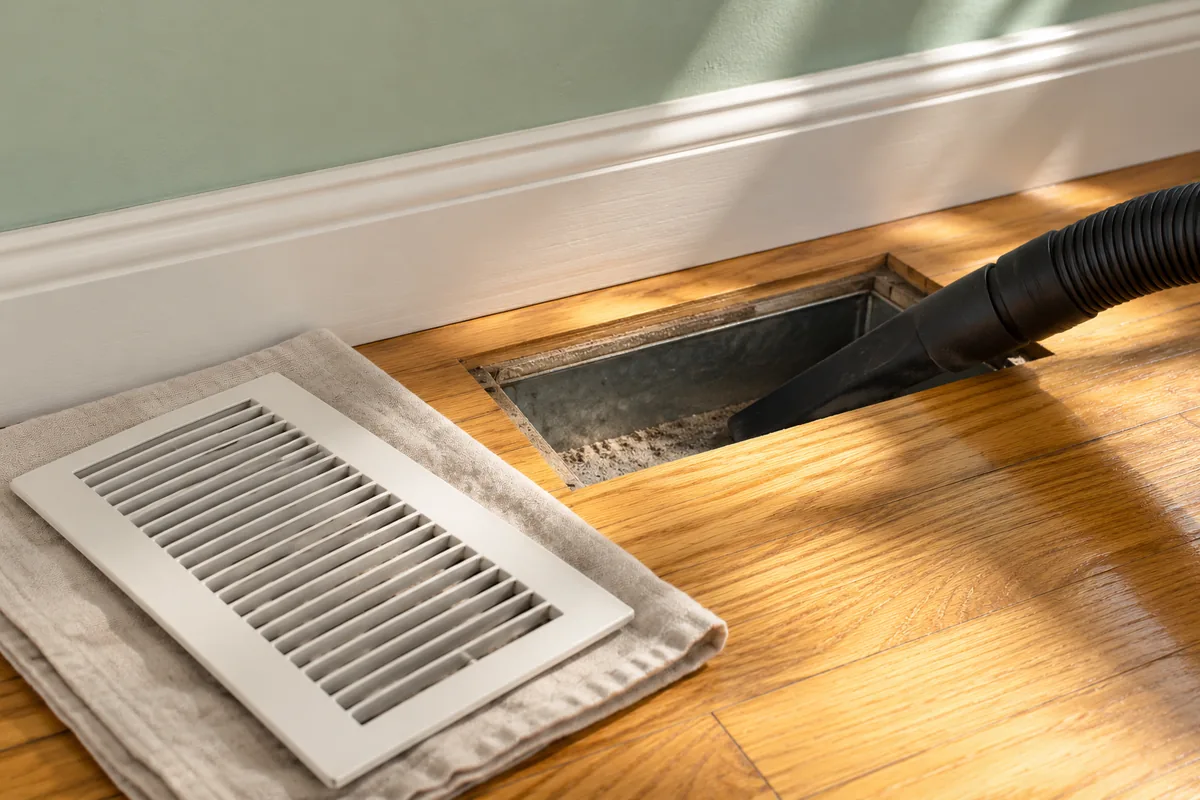
Existing ducts may remain useful, but their presence alone does not settle the installation plan. Air has to reach the intended rooms and return to the equipment. The assessment should consider that path alongside the indoor unit and the planned system output.
If the findings call for duct changes, we describe which work forms part of the project. A limited adjustment and a broader duct project are different commitments. Those boundaries should be clear when you compare estimates. They also help show which comfort goals the project will address.
Retained Equipment and Compatibility
Replacing everything at once is not the only possible approach. Some existing components may have a useful role in a supported new setup. We assess their condition and equipment match before including them as retained parts in the proposal.
The estimate should identify which existing components will remain, their role in the new system and any known limitations. Keep those details with the installation records for future service.
Equipment Access, Connections and Changeover
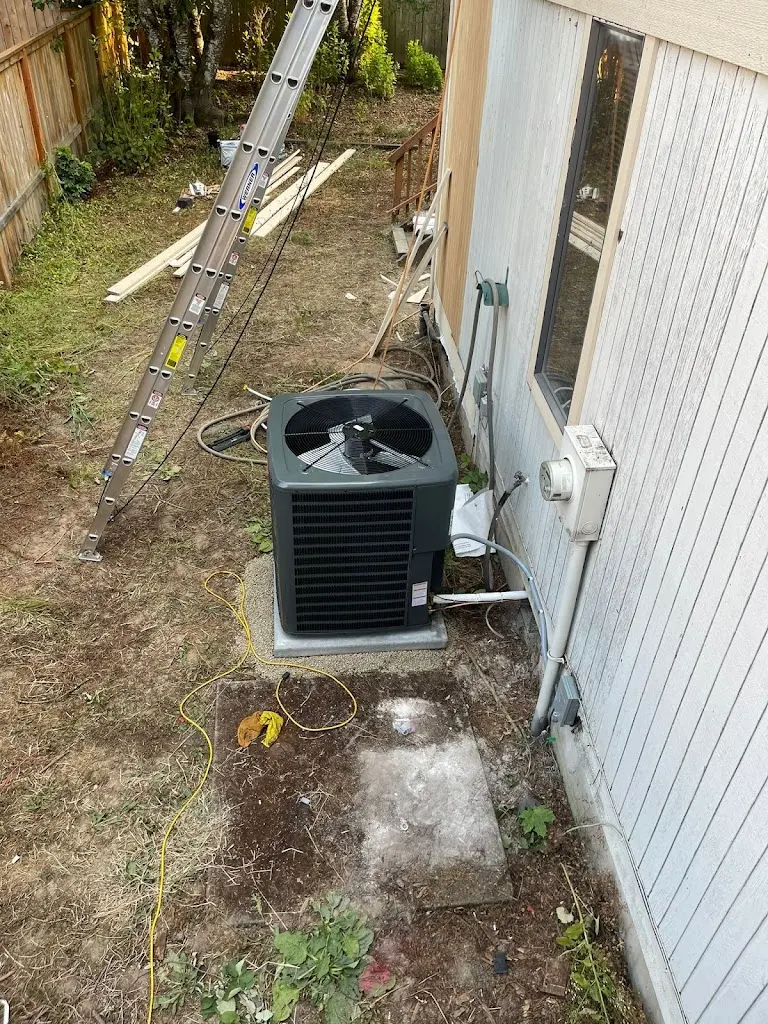
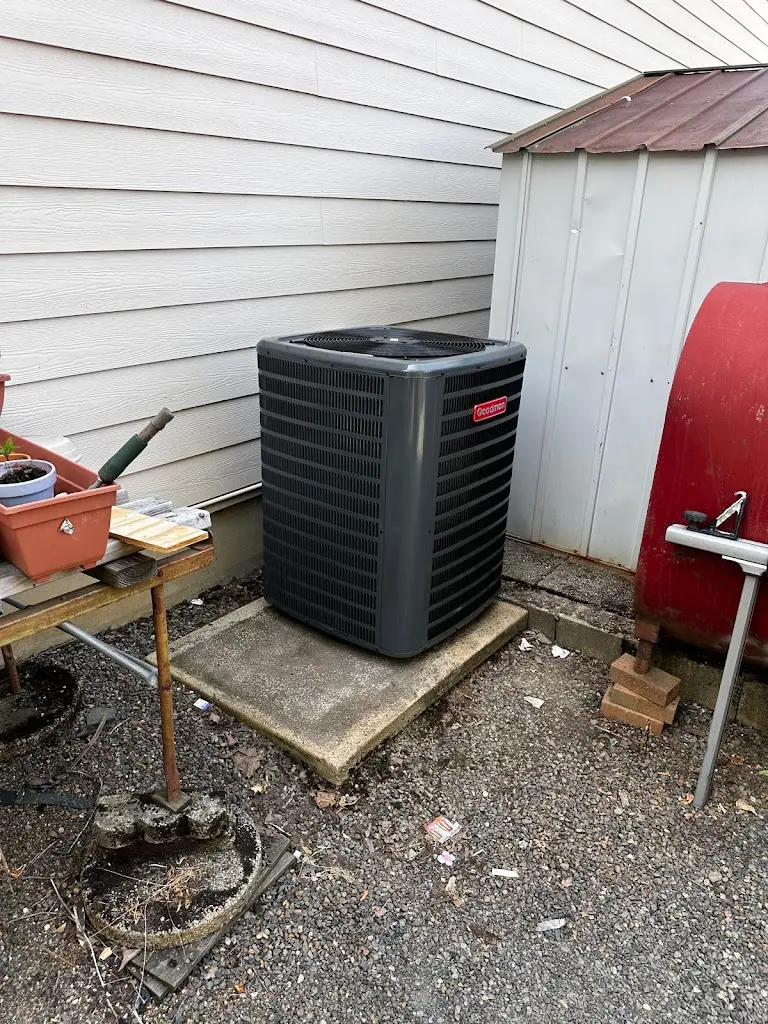
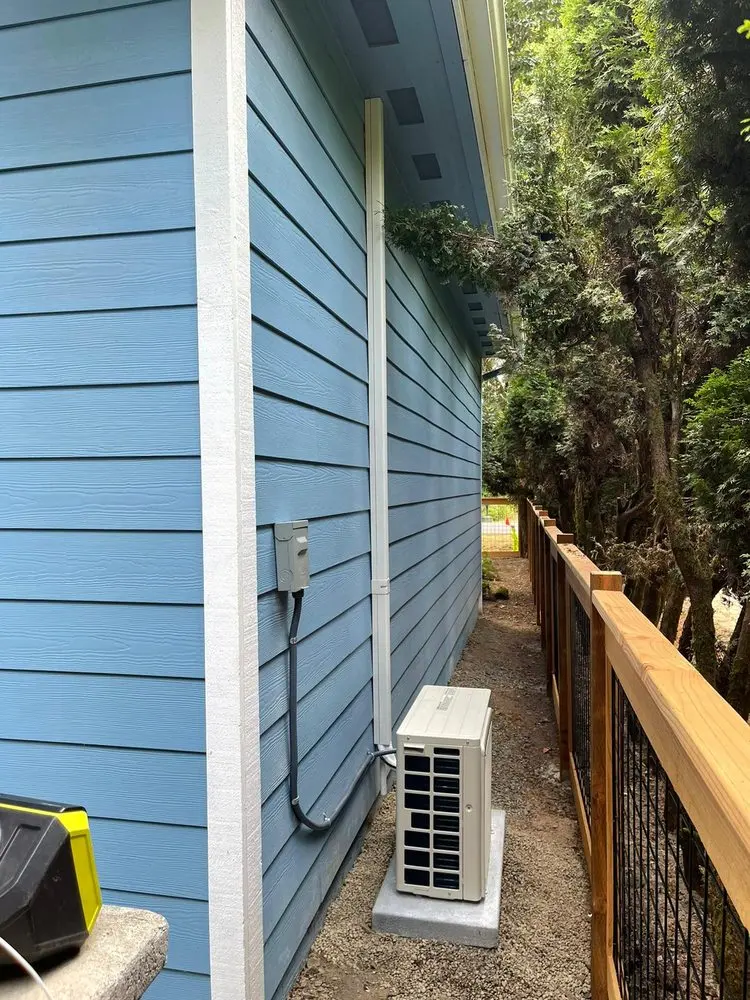
We review the indoor work area, outdoor placement and access routes for removal and installation. Cabinet dimensions are only part of the picture. The equipment also needs room for connections, airflow and future service once the project is complete.
Power requirements and changes at connection points can add work beyond the unit swap. The proposal should identify those needs as clearly as the equipment itself. Share any limits on access or work hours. We can then plan around your use of the home during the changeover.
Included Installation Work and Operating Checks
The proposal should name the equipment, retained parts and work required to connect the setup, along with any excluded concern or separate project.
After installation, we check the functions relevant to the equipment and controls included in the job. We then review ordinary heating and cooling use and explain what changed. Discuss any separate issue that remains at handover.
Request Bryant HVAC installation from HVAC & Appliance Repair Guys using the service form below. Describe the heating and cooling changes you need and any equipment you hope to retain so the complete installation options can be assessed.
Frequently Asked Questions
Do I need to choose between a furnace, AC and heat pump before requesting an assessment?
No. Explain your current equipment and the change you want. We can review the suitable project types and define the full scope of an option before you choose the equipment.
Will new HVAC equipment automatically give every room its own temperature setting?
No. Separate zones need an appropriate air system and controls. If independent areas are important, describe that goal early so the design discussion includes it.
Can the installation estimate include some work now and leave another concern for later?
Yes, when the proposed setup supports that approach. The scope should make each stage and any limitation clear. A later change still needs its own assessment rather than an assumption that all future equipment will match.
Request Bryant HVAC Installation in Portland Metro
For Bryant HVAC Installation in Portland Metro, call HVAC & Appliance Repair Guys or submit a service request through the form on this page.
Before your visit
HVAC Installation & Replacement details for Bryant
Planning hvac installation & replacement for Bryant starts with the property and existing system. Use this checklist to document equipment, utilities, placement, access, and comfort priorities before the estimator visit. The on-site estimator visit is free. The estimator reviews fit and the proposed work before preparing a proposal.
Record the model and serial number
For Bryant hvac installation & replacement, share the complete model and serial number exactly as shown on the rating label when it is safely visible. A product family or marketing name alone may not identify the configuration, revision, compatible part, or service information needed for planning.
Describe the installation goal
For Bryant hvac installation & replacement, describe the existing equipment, rooms or functions served, comfort or operating goals, utility type, and any placement concern. During the free on-site visit, the estimator reviews fit, access, and the proposed work before preparing a proposal.
Explain installation and access
For Bryant hvac installation & replacement, describe tight clearances, connected utilities, or other obstacles to ordinary service access. Do not pull out heavy or built-in equipment simply to photograph the rear or rating label.
Describe the utility connections
State which utilities serve the existing Bryant equipment. These details help the estimator understand the connections already in place.
Identify paired equipment separately
For Bryant work involving a split heating or cooling system, record the indoor-unit and outdoor-unit model numbers separately, along with the thermostat or wall control. Paired components can have different labels and service histories, so one model number should not be treated as identification for the entire system.