

Furnace Maintenance in Vancouver, WA
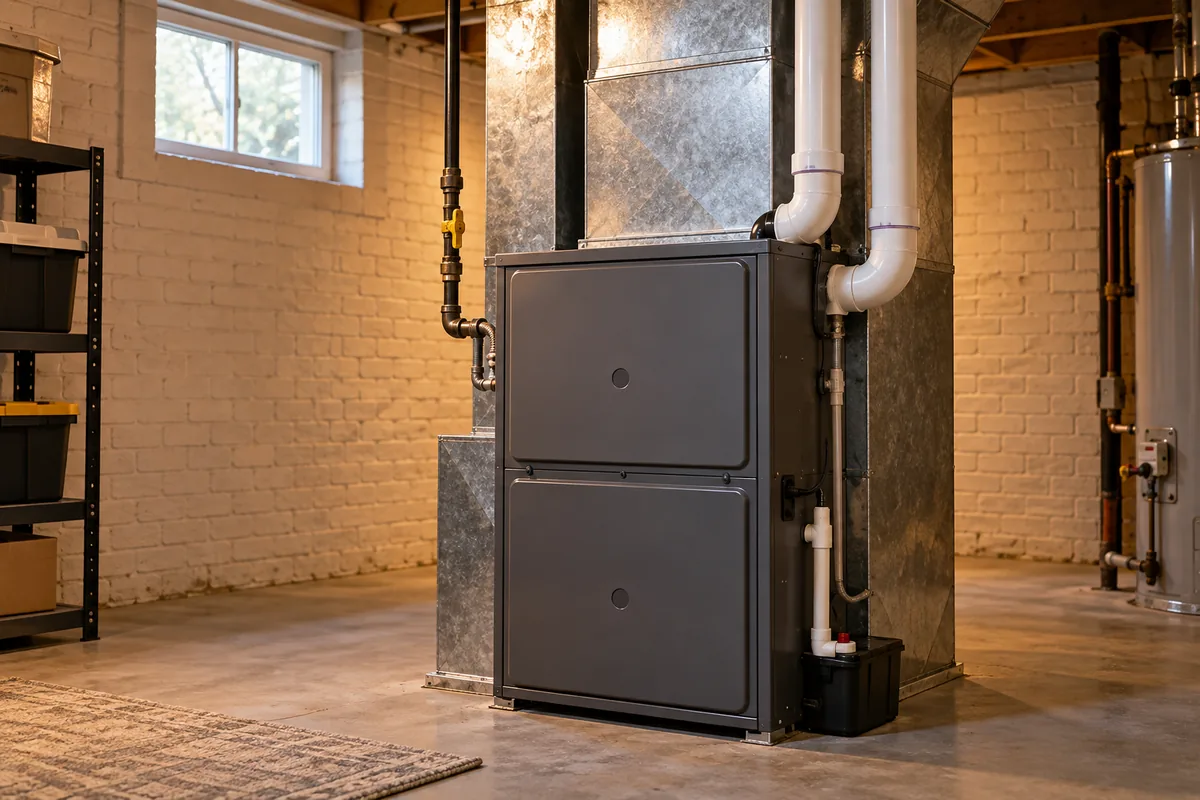
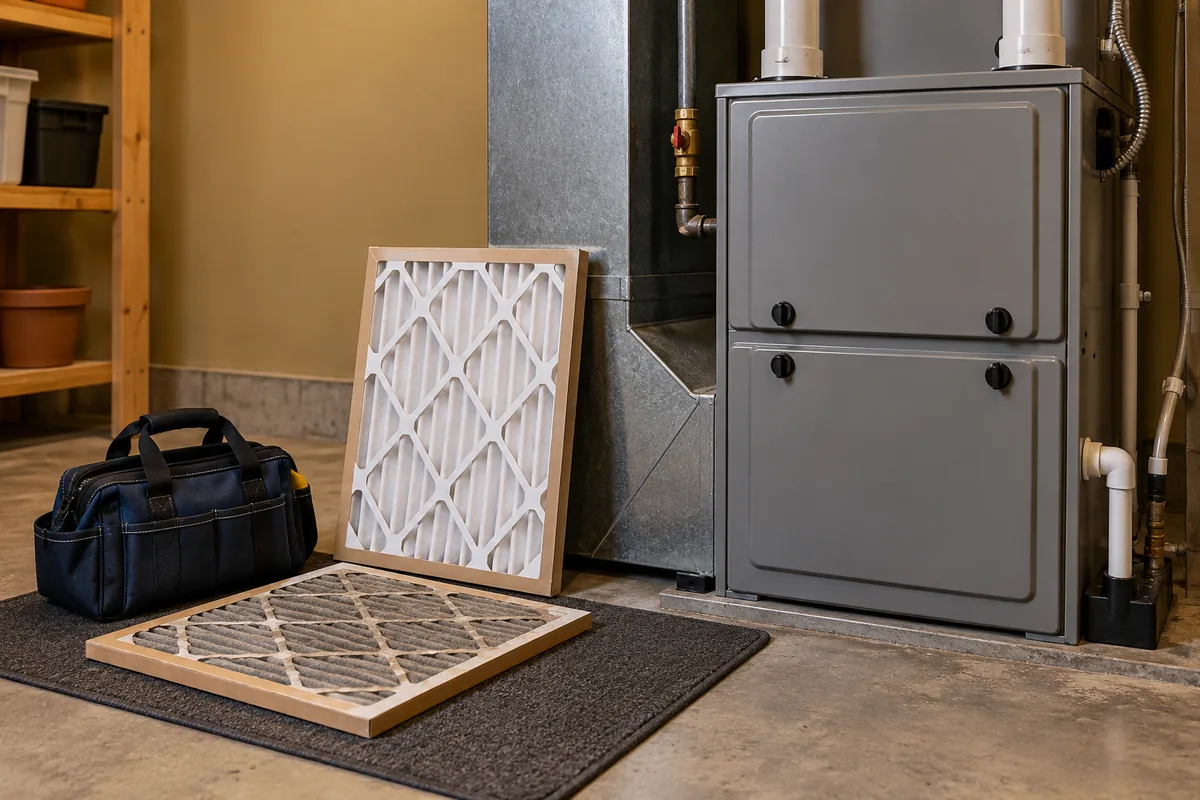
HVAC & Appliance Repair Guys provides furnace maintenance in Vancouver, WA. Airflow, blower, control and heating-operation care should follow the central unit’s condition. Describe any room-comfort concern and whether another heater is in use. Its warmth can affect the room result without showing how the furnace itself performs.
Explain why the separate heater came into use. The room may have felt cool before, or someone may simply prefer more warmth there. Keep the reason as you know it. Use of another heat source does not, by itself, prove a fault in the furnace.
Our furnace maintenance service covers agreed care for the central unit. Describe the room concern alongside the tasks you want to arrange. Name any other equipment as context. Do not assume a furnace appointment includes work on a separate room heater.
Room Comfort and Other Heat Sources
Say whether the cool-room concern began before or after the heating routine changed, and when the room is occupied. Leave uncertain dates or earlier patterns unknown.
Keep the furnace setting, room reading and use of the separate heater as different facts. A reading taken while both heat sources are in use has that context. It should not become a result for the furnace alone. Share the ordinary conditions you observed rather than trying to create a controlled test.
Also explain how the rest of the home feels. One room may need attention while other rooms reach the usual setting. Or several areas may have lost warmth. Those accounts give the review different questions, even when the same central unit serves them.
Furnace Response During Normal Use
Note whether the furnace starts, keeps running and sends warm air to the rooms as far as you can tell. Keep fan noise separate from warmth. A sound does not show every part of the heating process. You do not need to identify the internal cause to report the change.
If the system also provides cooling, describe which mode relates to the concern. Earlier cooling work may not include furnace heating checks. If you want the ducts cleaned, discuss air duct cleaning as a separate service.
Describe the normal heating setup and any changes you have already made. You do not need to switch off other heat or force longer furnace runs before the appointment; the technician can determine which checks are appropriate.
Maintenance, Heating Faults and Room Comfort
Ask which furnace tasks the planned visit includes. A check, a cleaning and a part repair are different actions. The findings should explain any work beyond the agreed care. A goal of making one room warmer does not approve every possible equipment change.
Our furnace repair service in Vancouver addresses a current failure. If the central unit no longer provides heat, state that directly when arranging help. Keep the repair review distinct from routine care.
A room concern may still need more review after a useful furnace task. Ask what the checks established about the unit and what remains open about that room. Do not assume the next step must be a bigger furnace. A wider project needs its own findings and scope.
Heating Checks and Remaining Room Concerns
Before the technician leaves, review the maintenance completed and the heating checks performed. Note whether another heater was in use so the room result has the correct context.
If the room result changes later, describe any change in the heating arrangement and share it with the service record. The sequence may help explain the concern but does not prove its cause.
Before arranging more work, identify the remaining equipment or room question. Completed care and an unresolved comfort concern can both belong in the record. Contact HVAC & Appliance Repair Guys to request furnace maintenance in Vancouver and discuss the central heating and room-comfort concerns.
Frequently Asked Questions
Does using another heater mean the furnace needs replacement?
No. Describe why you use it and how the furnace now performs. The current findings should support any equipment decision. Another source of warmth is context rather than a diagnosis.
Does furnace maintenance include servicing a portable heater?
Confirm the actual equipment in the agreed scope. A central furnace visit does not automatically cover a separate device. Mention the additional request before assuming it belongs in the work.
What if the room feels comfortable only with the extra heat?
Explain that pattern and the conditions you normally use. Keep it separate from a confirmed furnace fault. The service review should determine which checks will clarify the room concern and the central unit’s response.
Request Furnace Maintenance in Vancouver, WA
For furnace maintenance in Vancouver, WA, call HVAC & Appliance Repair Guys or submit a service request through the form on this page.
Before your visit
Furnace Maintenance details for Vancouver, WA
A useful Vancouver, WA maintenance request explains how the equipment is operating and when it was last serviced. Maintenance is preventive service for operating equipment. Describe an active failure clearly so the request is not treated as a routine tune-up.
Share the service address
For Vancouver, WA, include the street address, building or unit number, room, and the equipment involved. Mention gates, elevators, building check-in, loading restrictions, or another access step before the appointment so the technician knows how to reach the equipment.
Describe current operation
For furnace maintenance in Vancouver, WA, note recent performance changes, filter or service history, thermostat behavior, drainage concerns, and whether the equipment is operating. Report an active shutdown, leak or no-heat condition clearly because it may require repair diagnosis rather than routine maintenance.
Share prior service history
Recent maintenance, earlier repairs, replaced parts, renovations, and recurring symptoms help explain the equipment’s service history. Share relevant records and any current concerns for the Vancouver, WA visit.
Use safe interim steps
Stop using equipment that is leaking, smoking, overheating, damaging the property, or repeatedly tripping protection. For the Vancouver, WA request, describe the safe steps already taken. Do not bypass controls, reach into moving equipment, or handle energized, fuel, or refrigerant components.