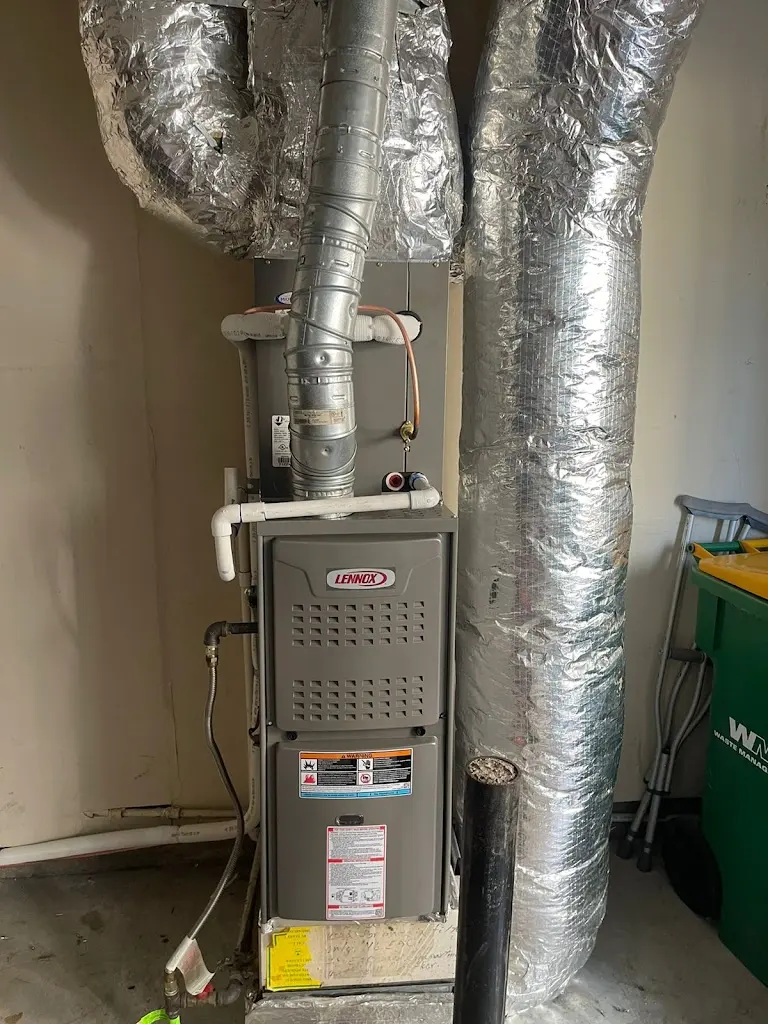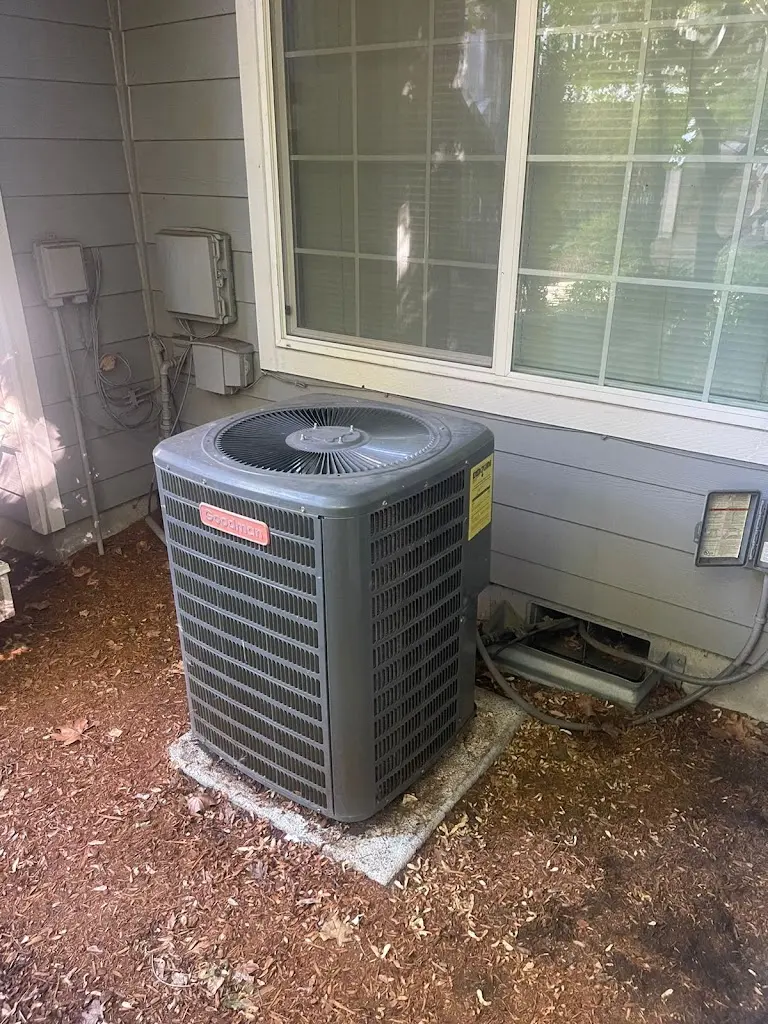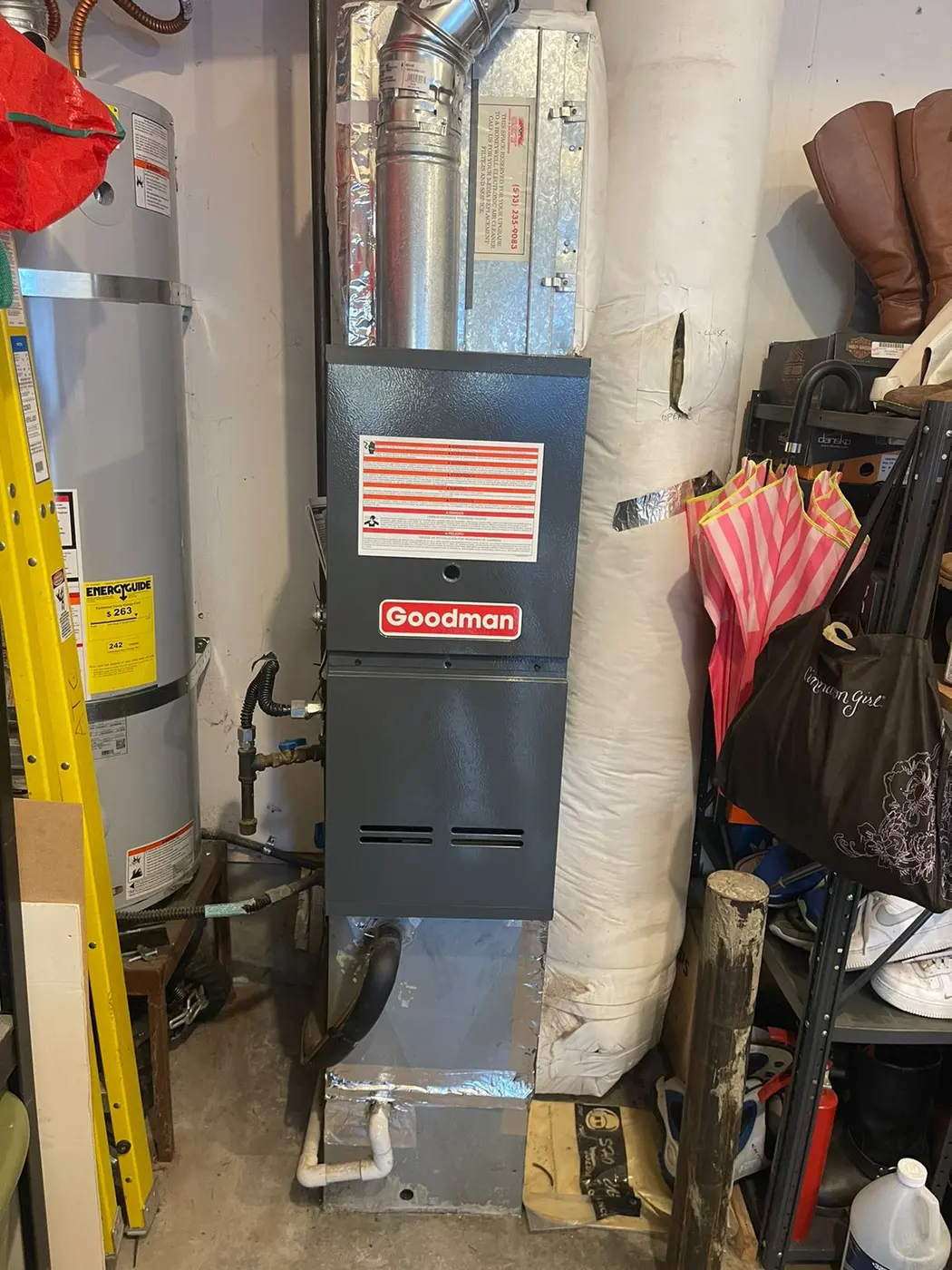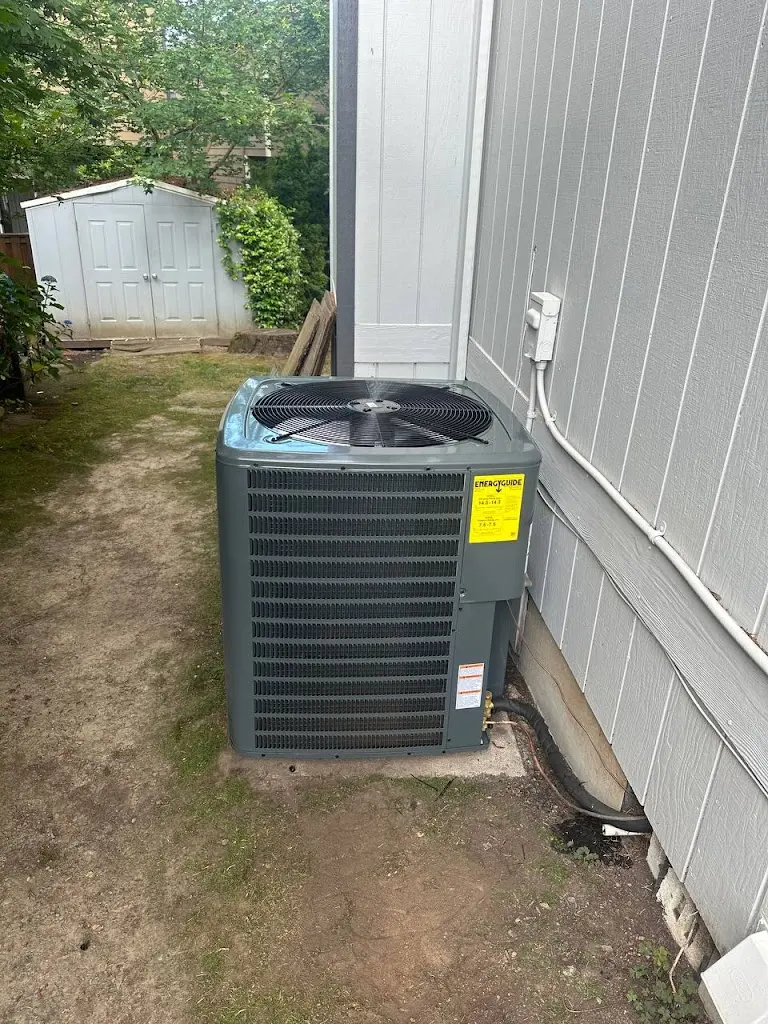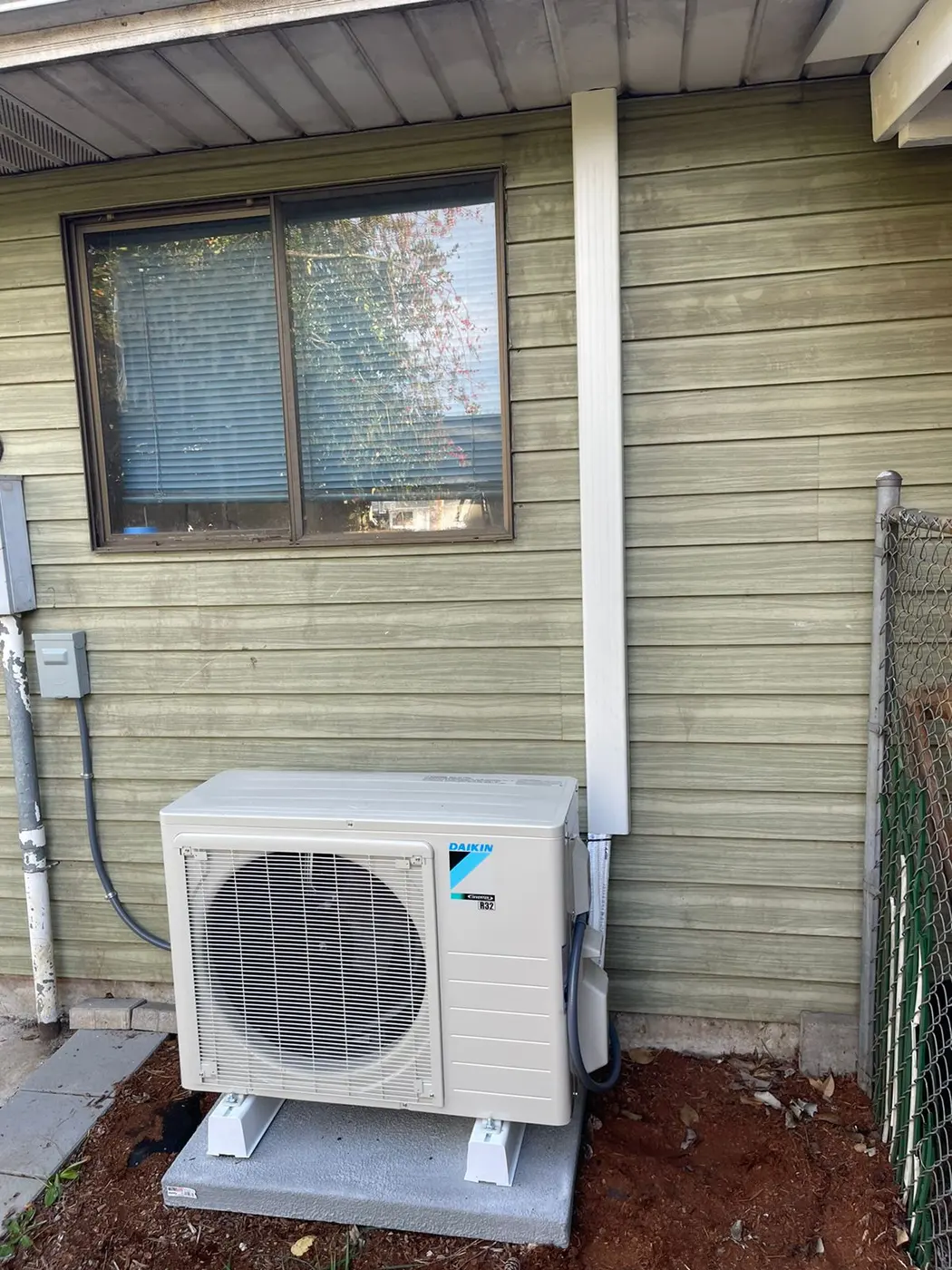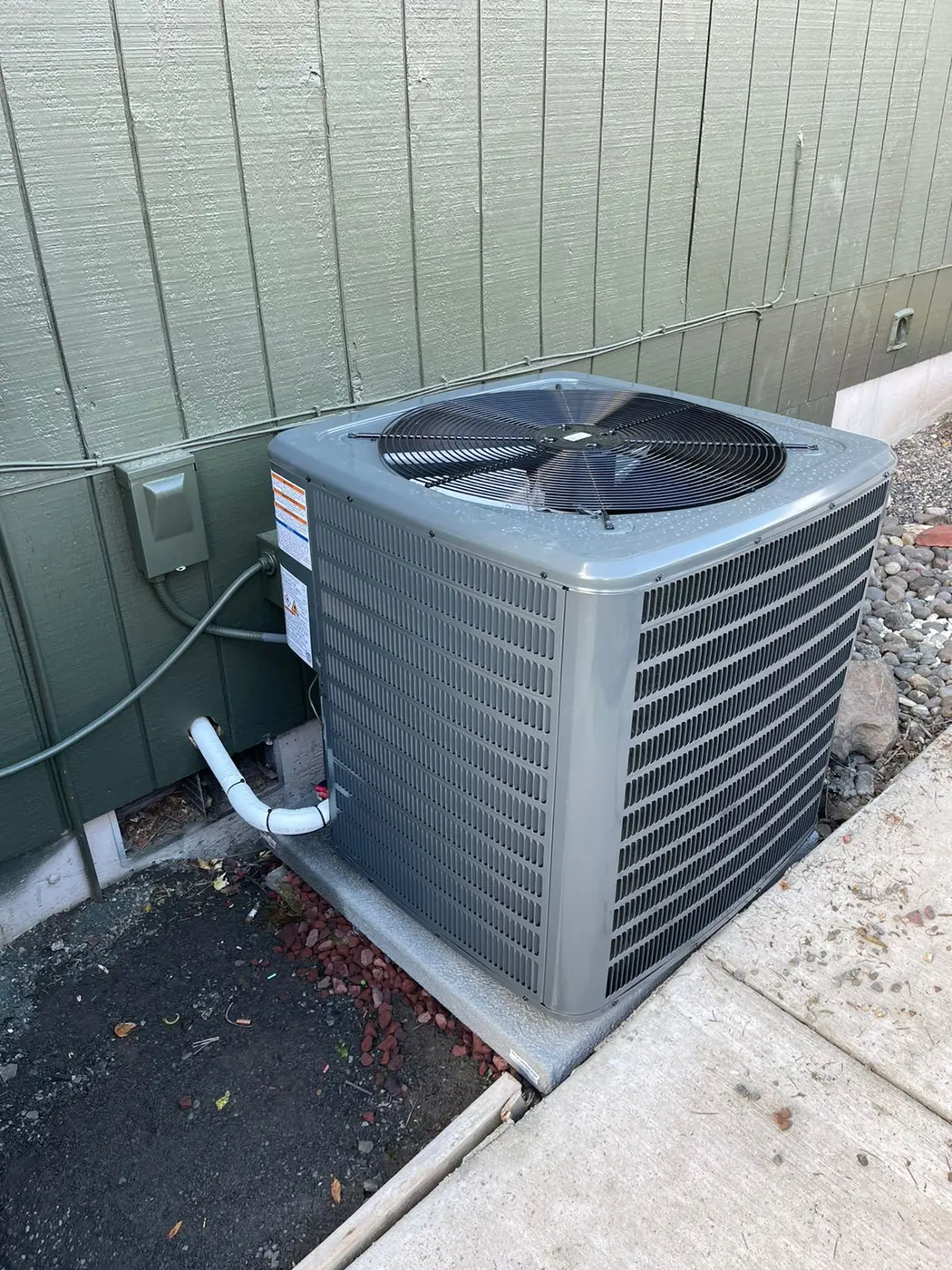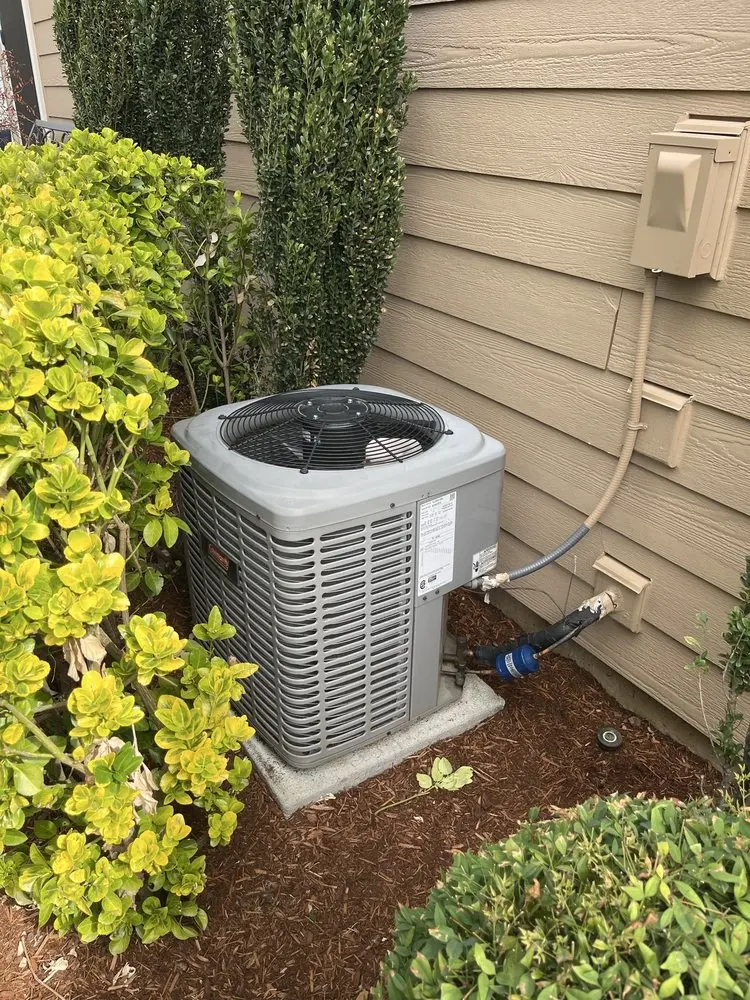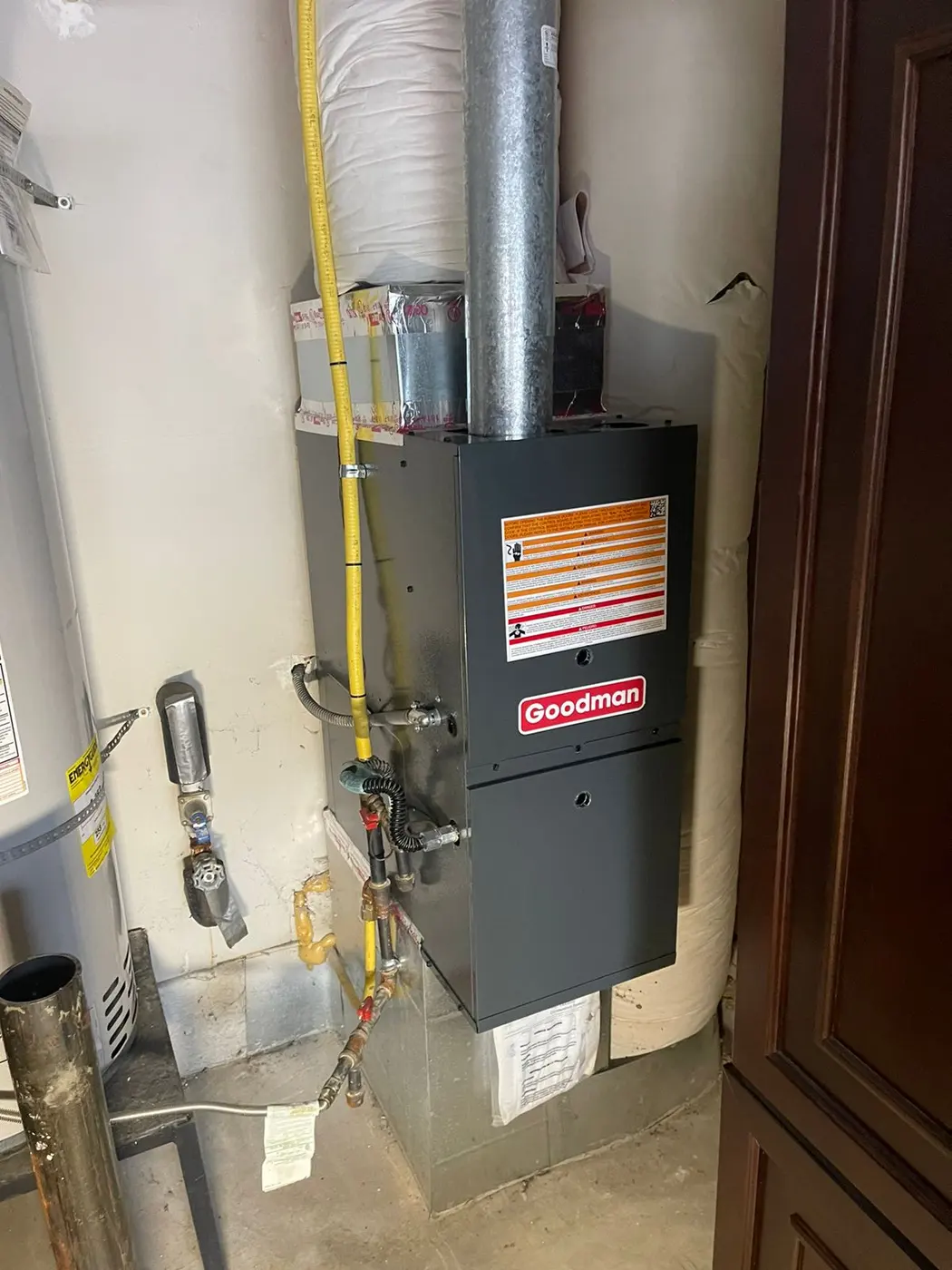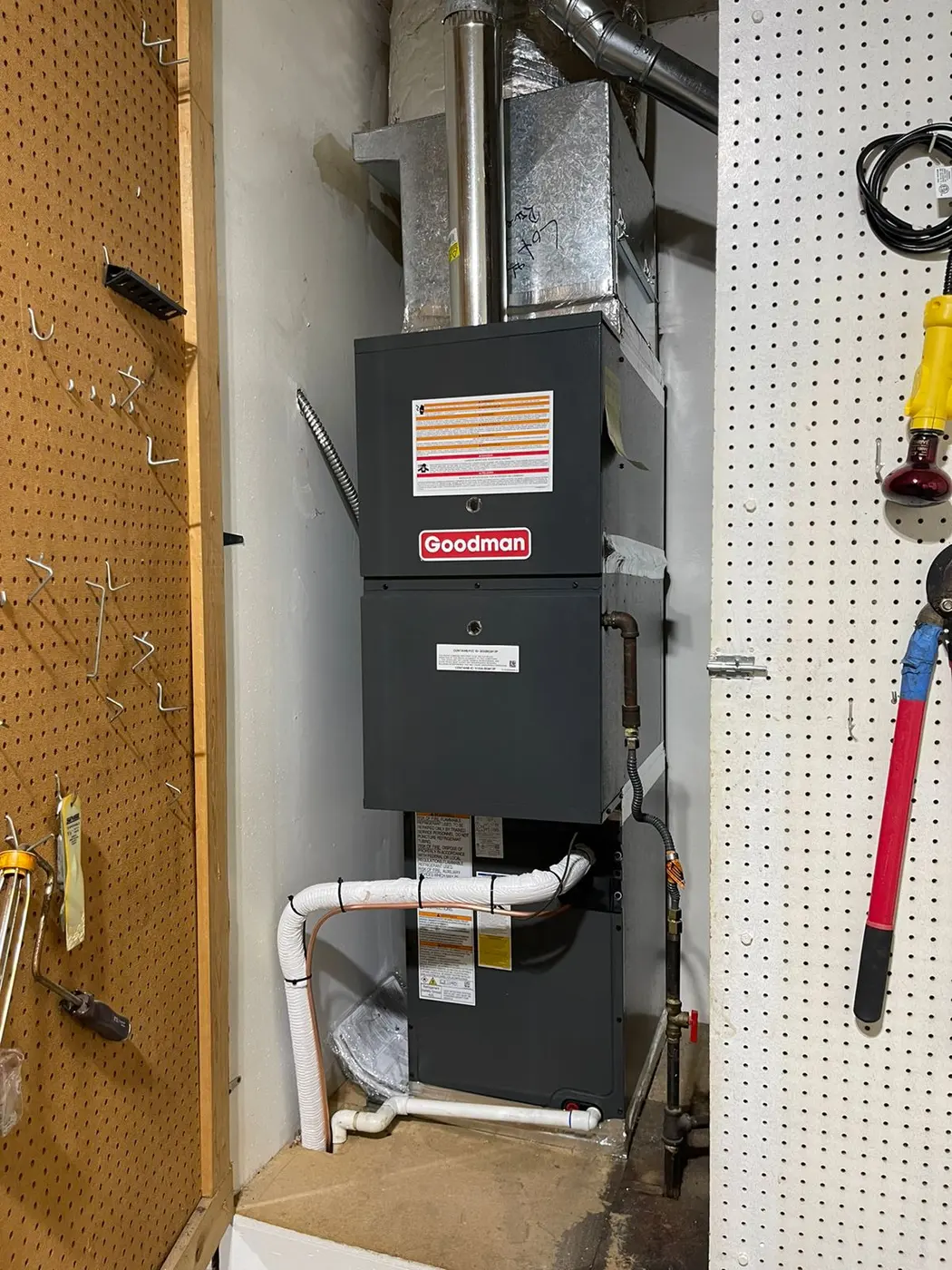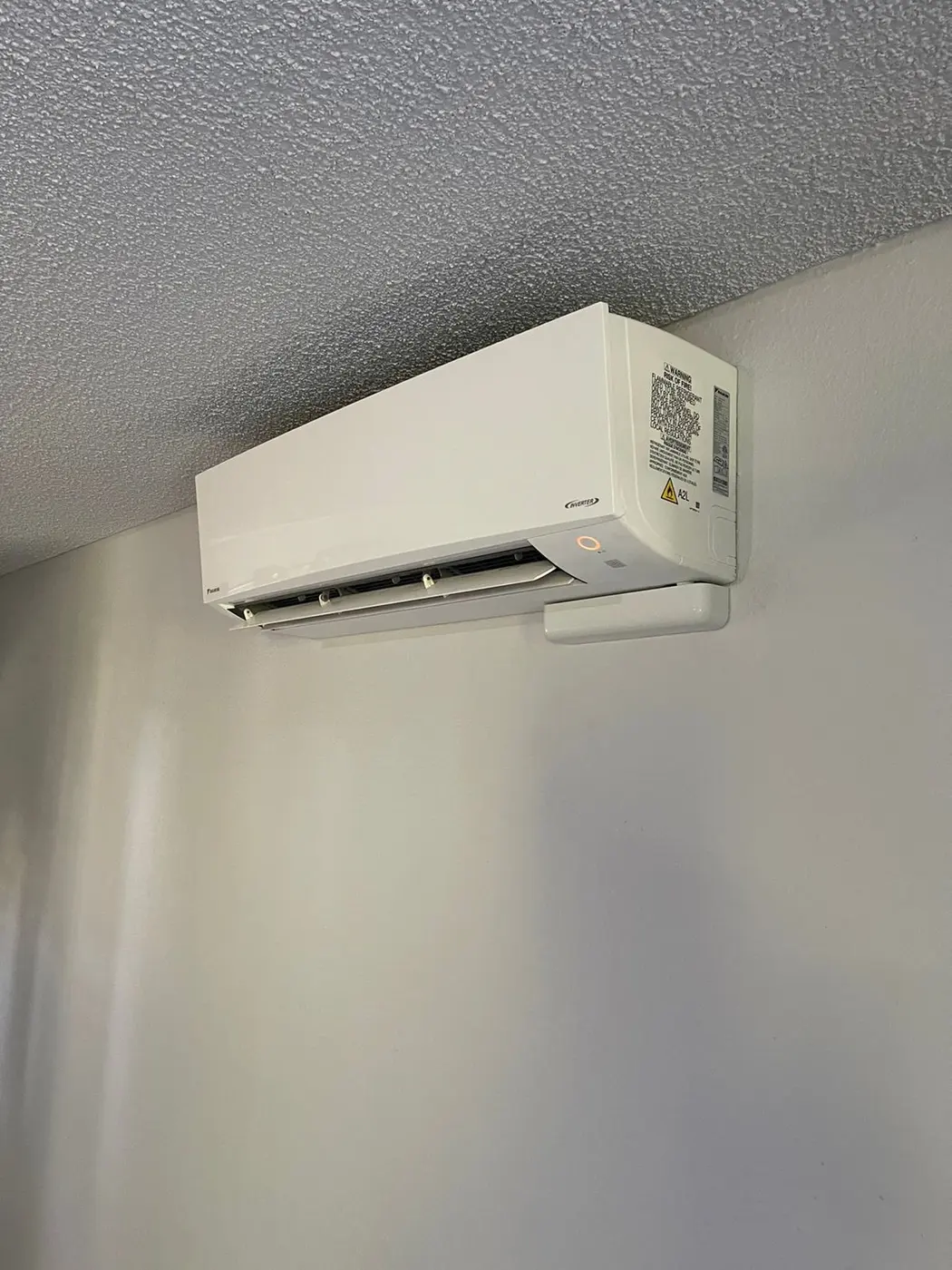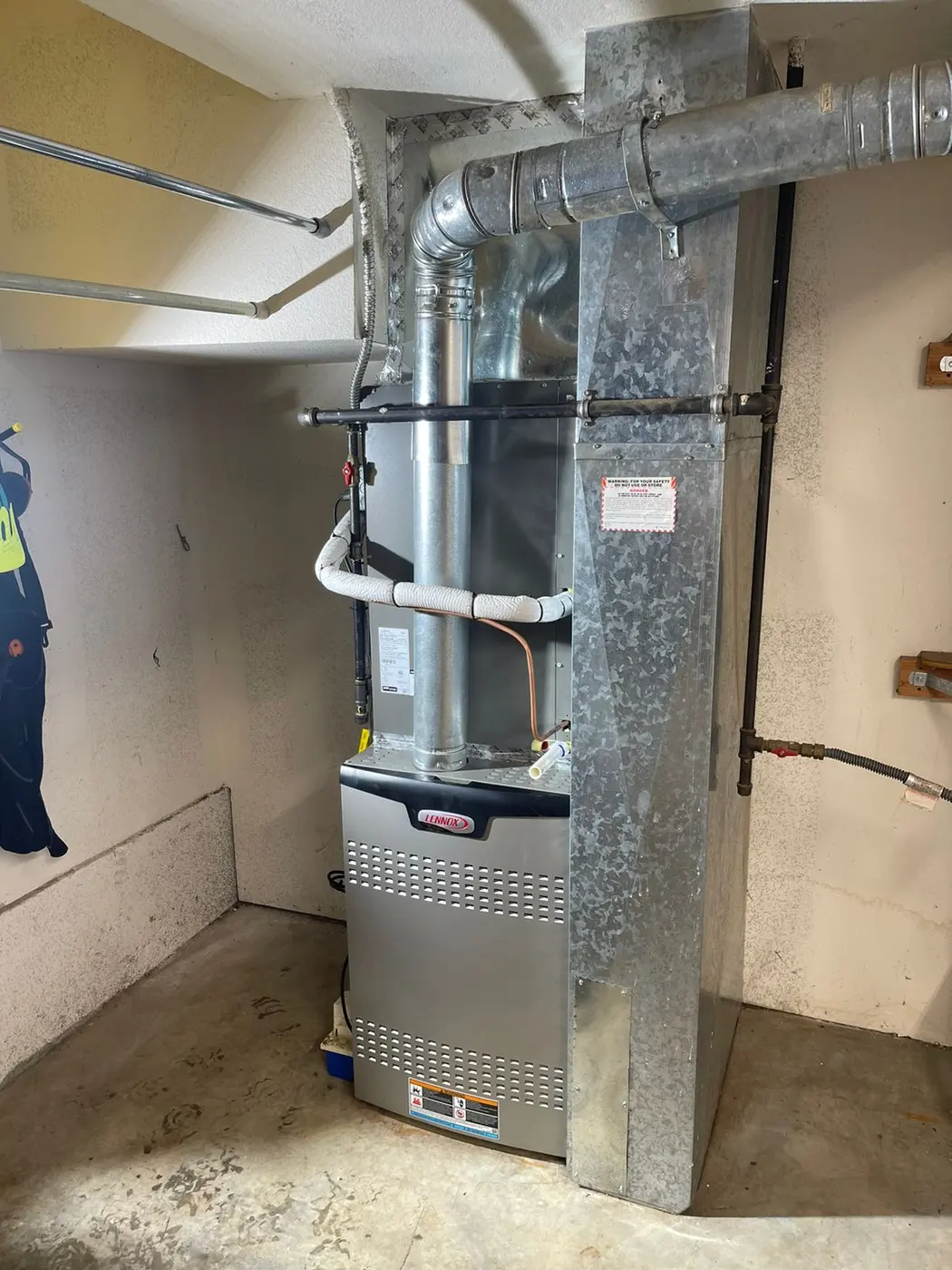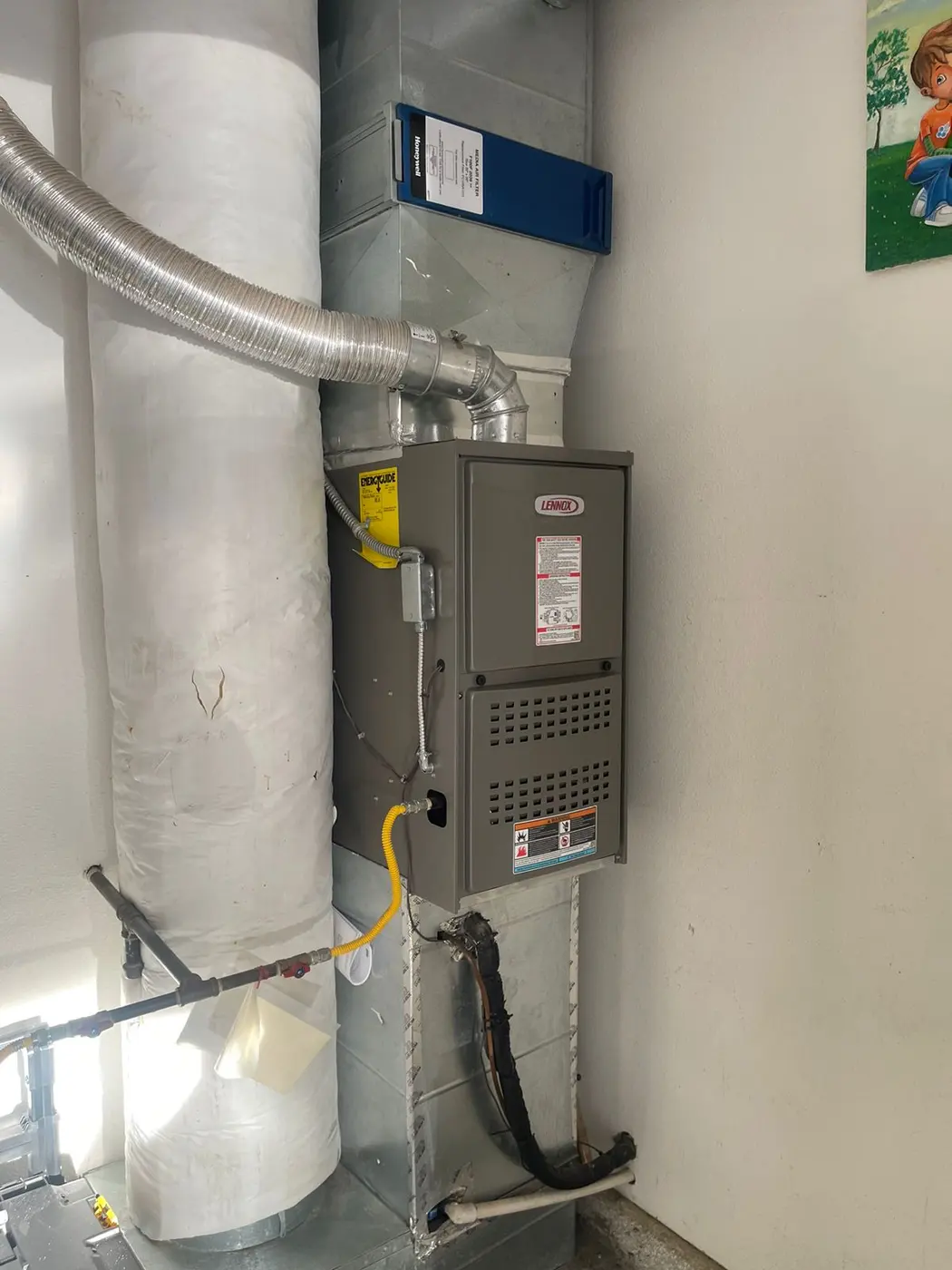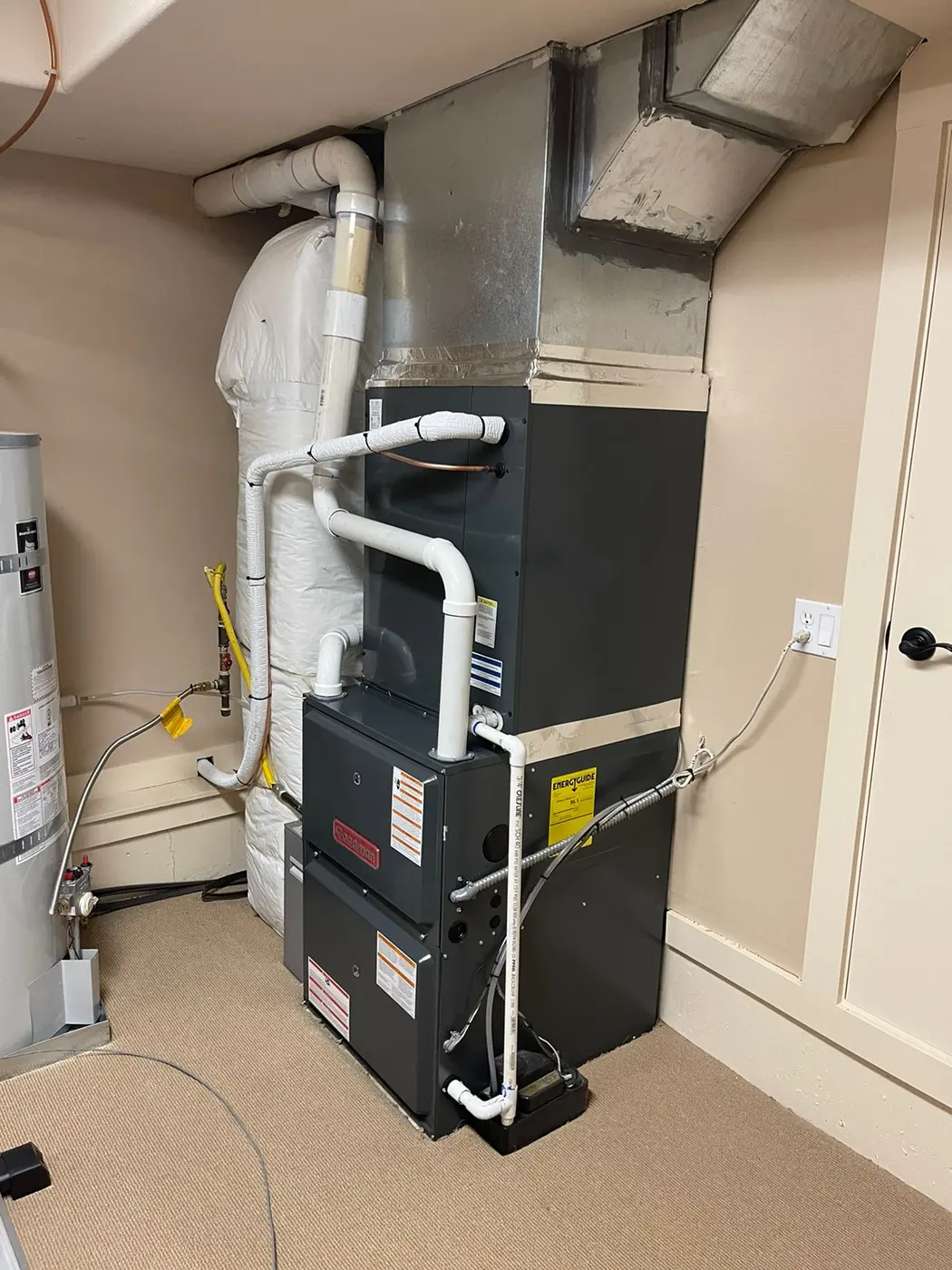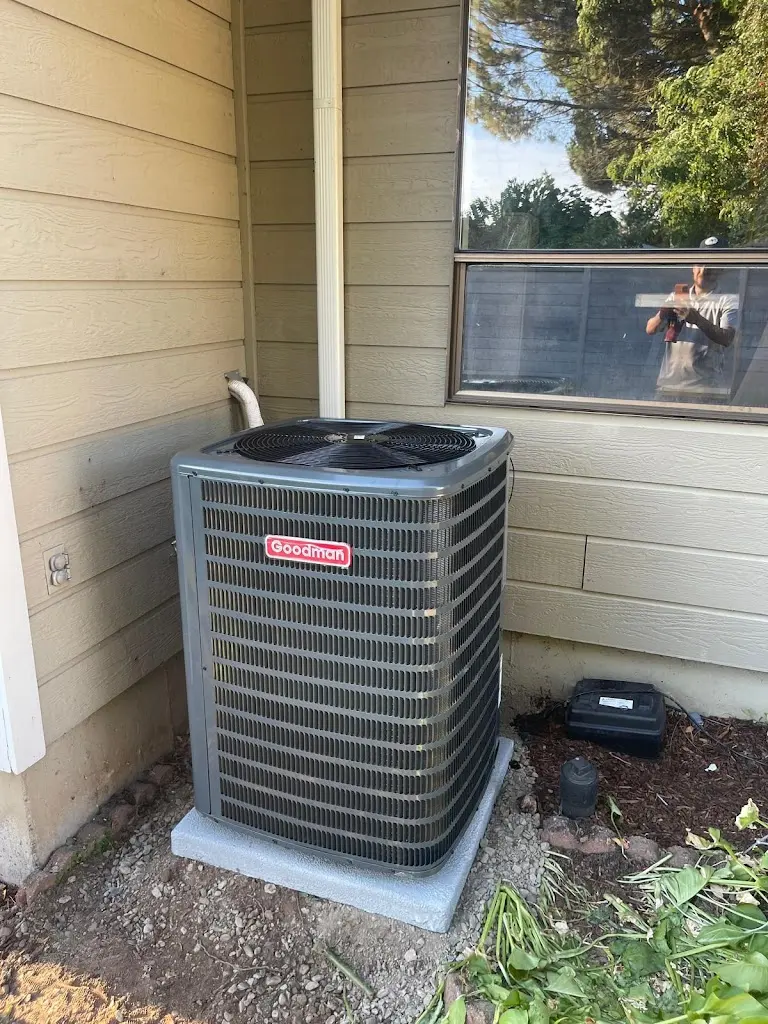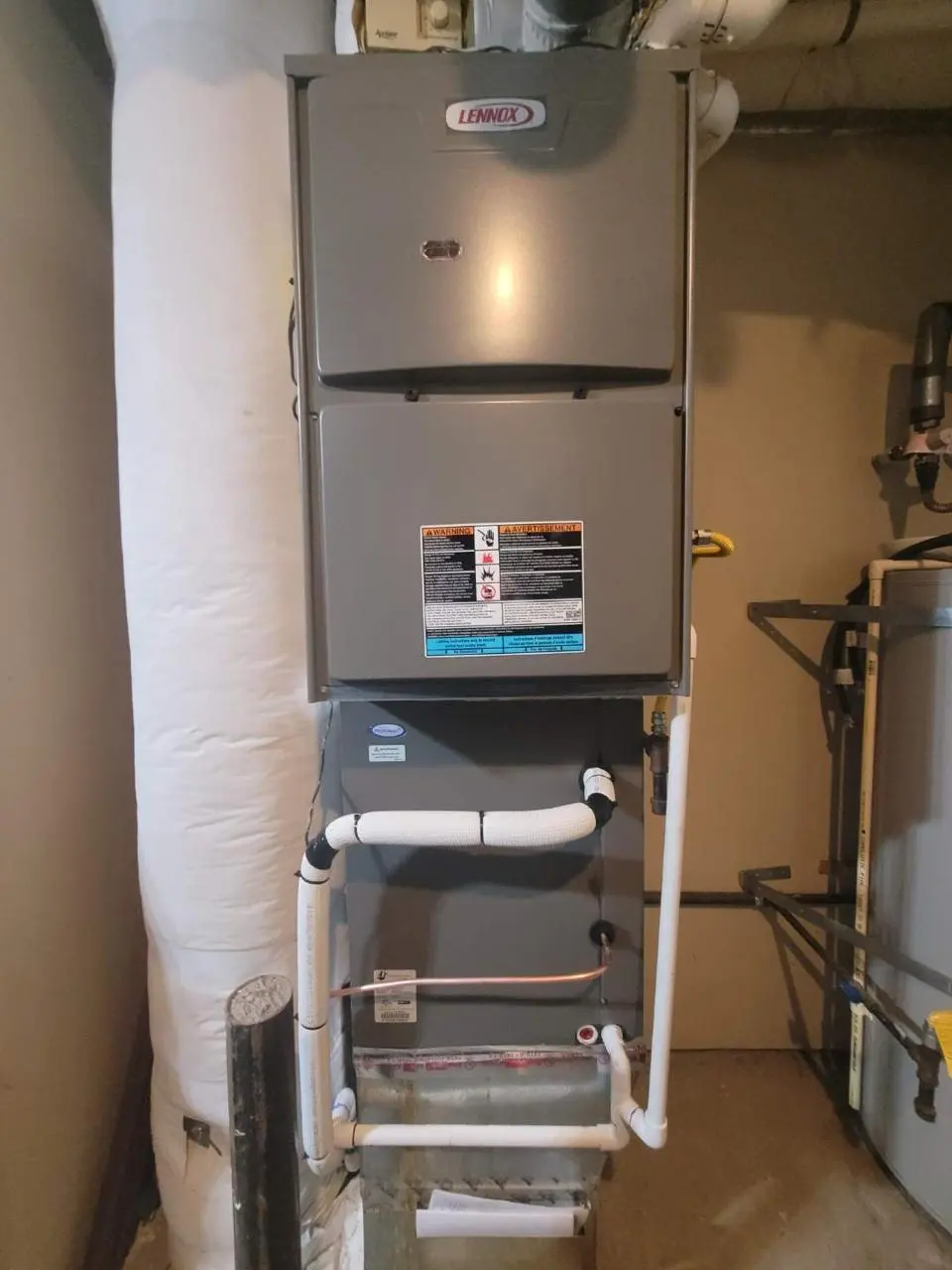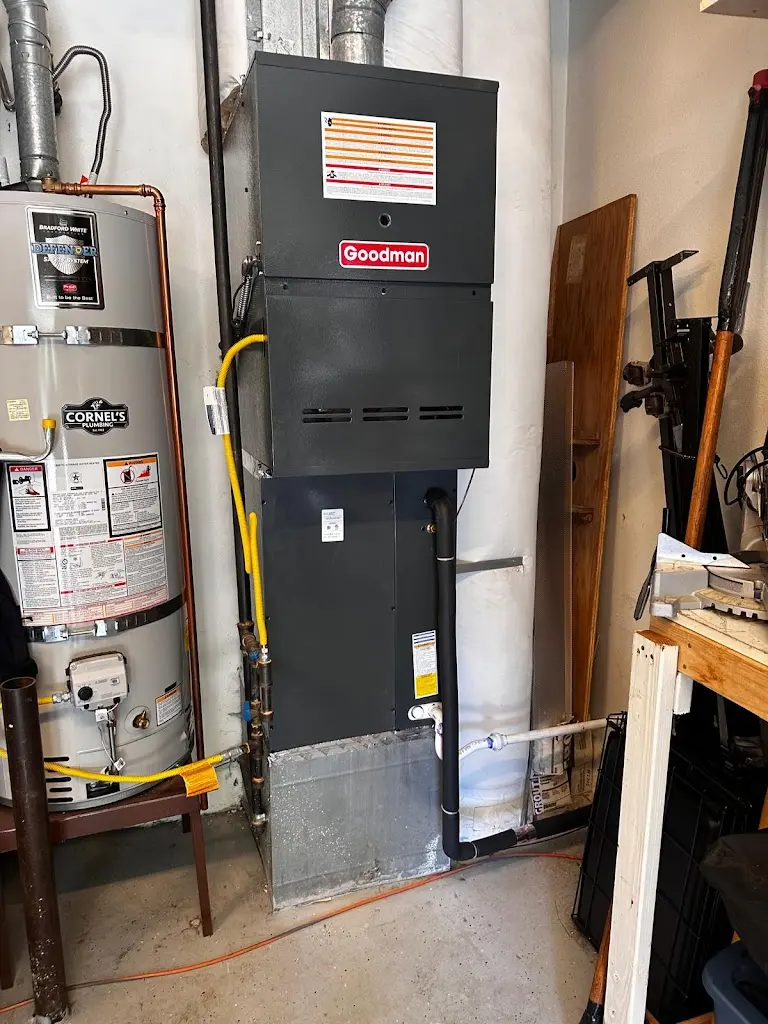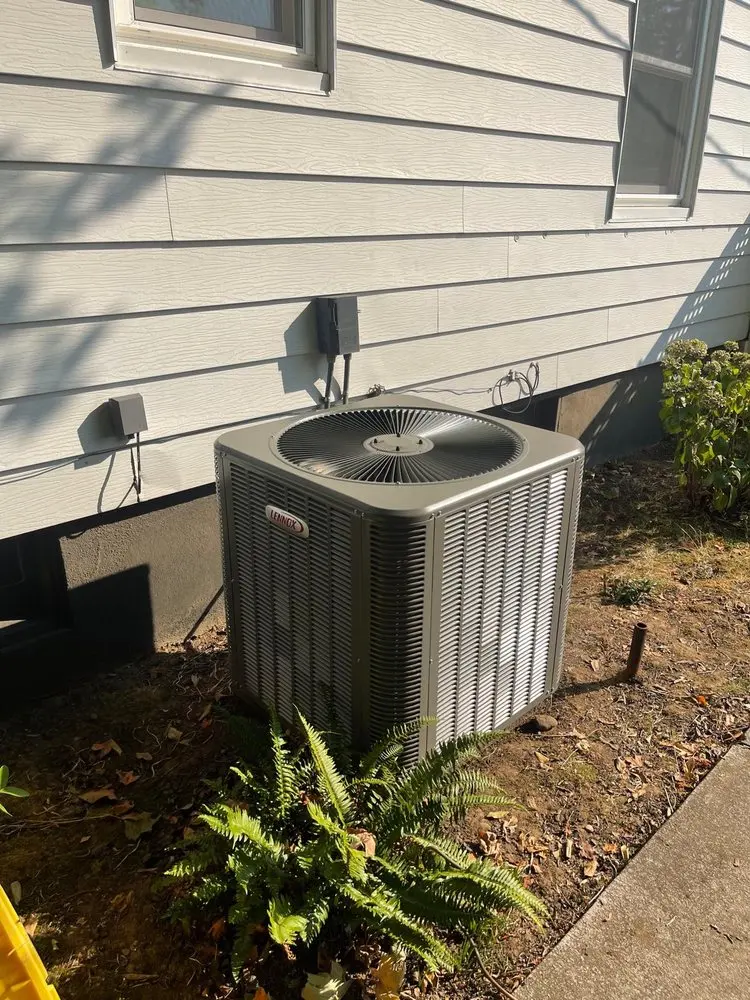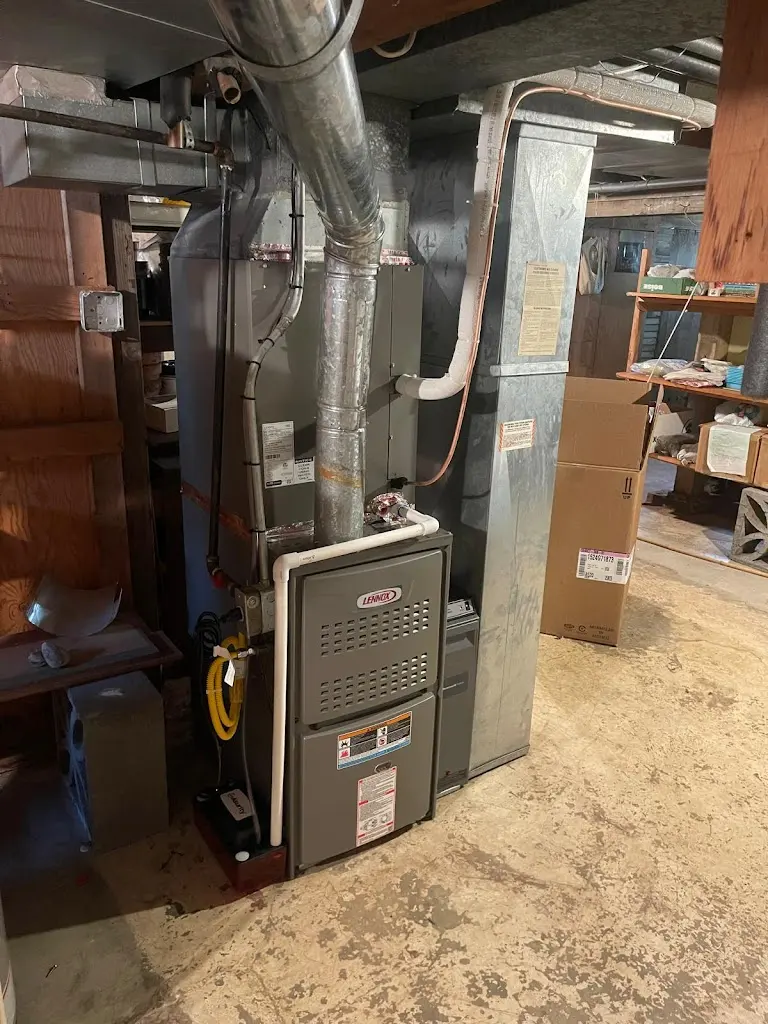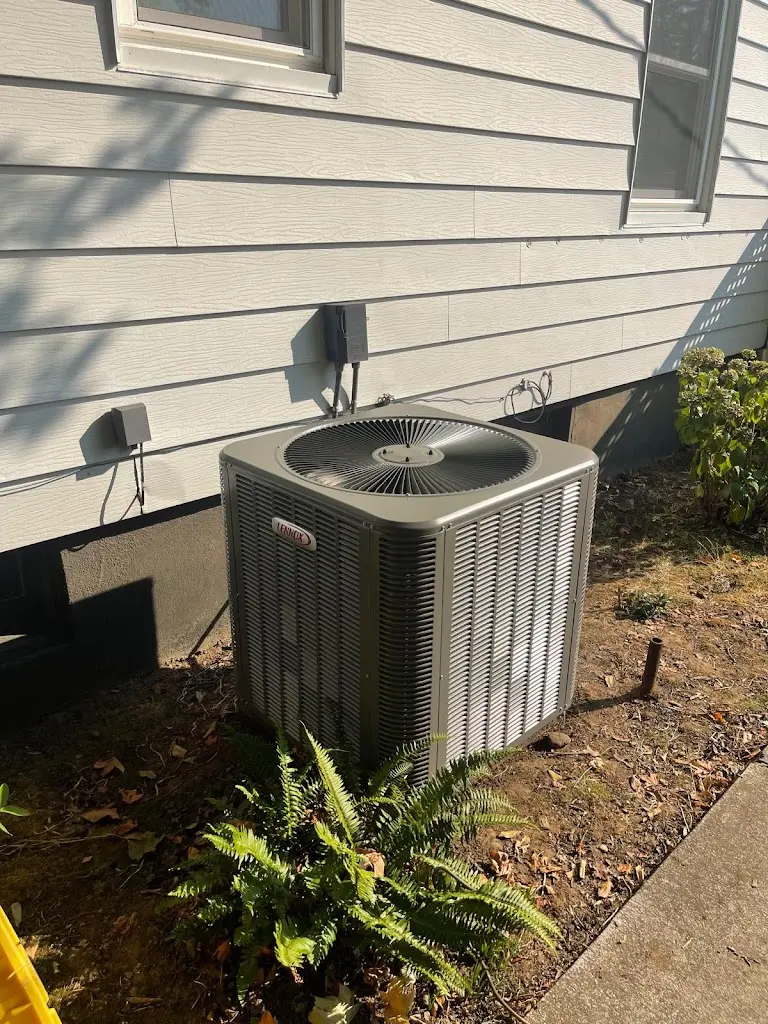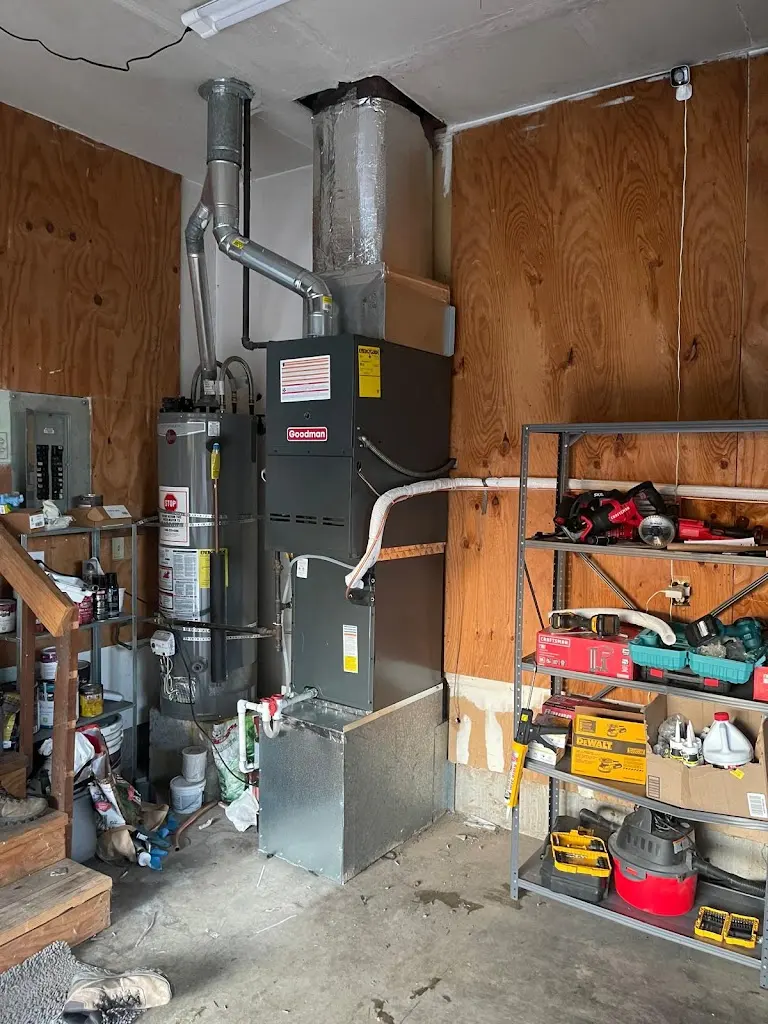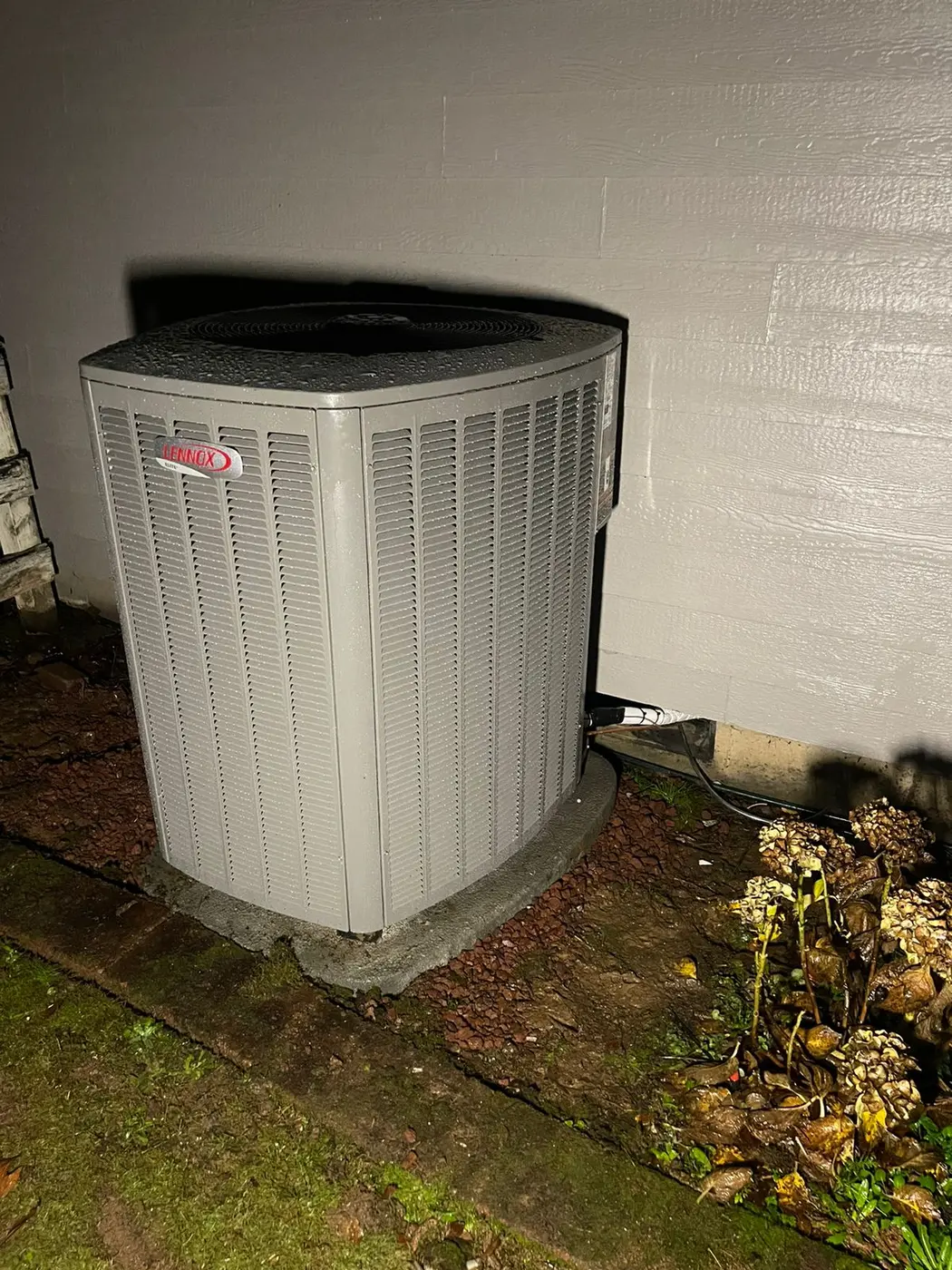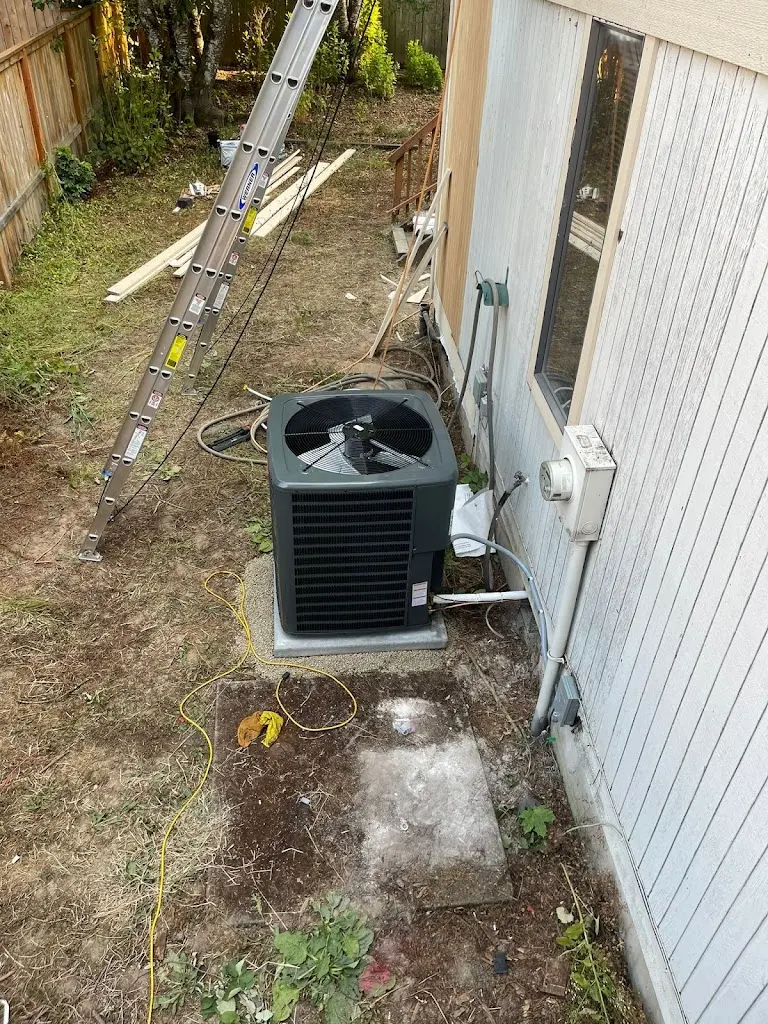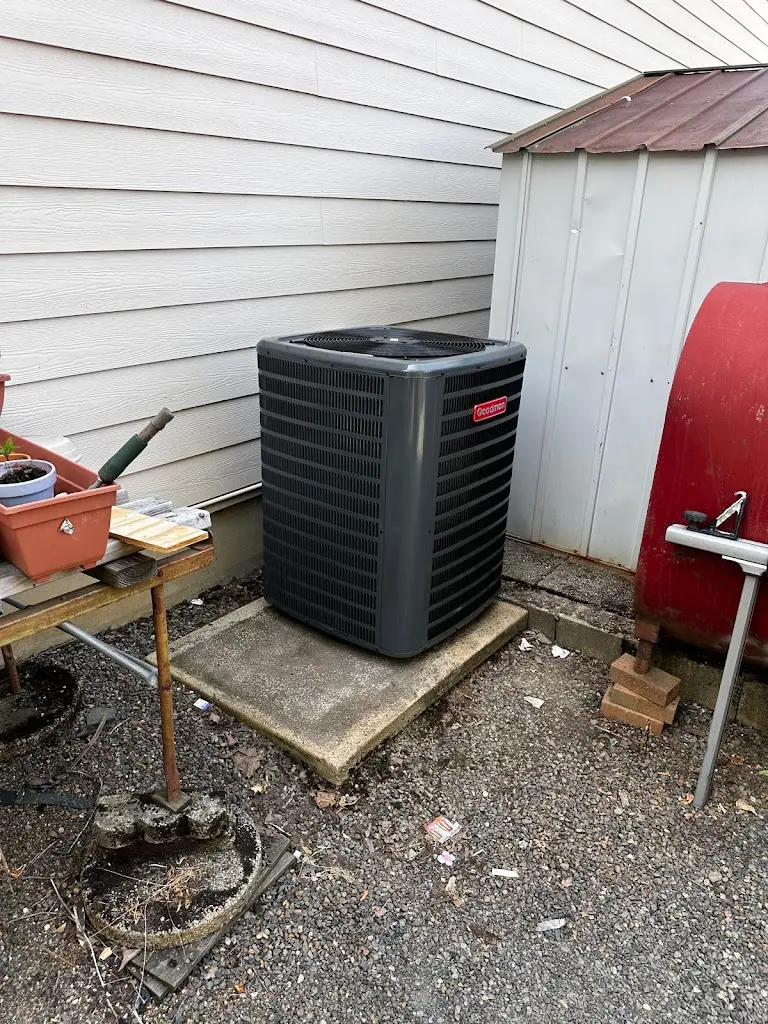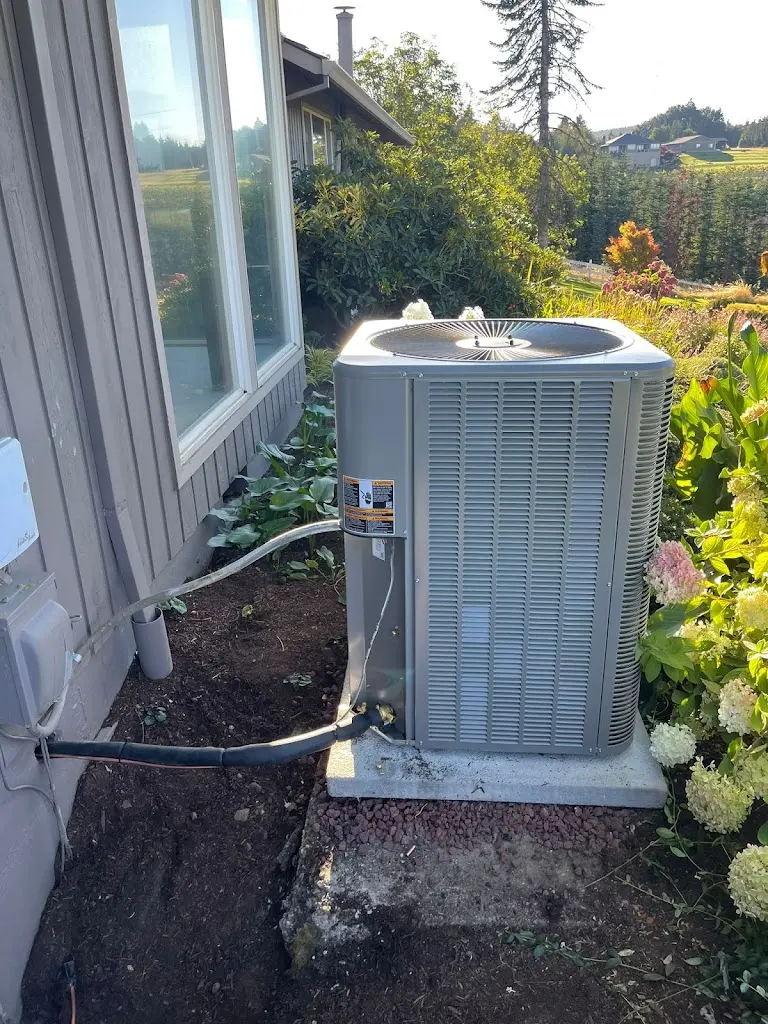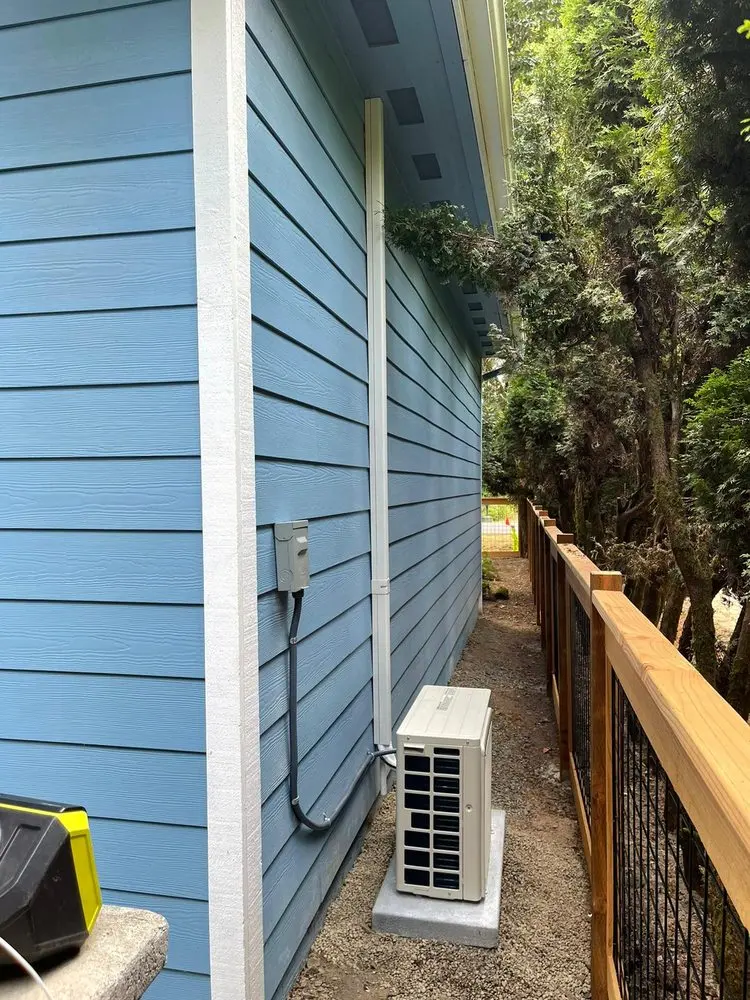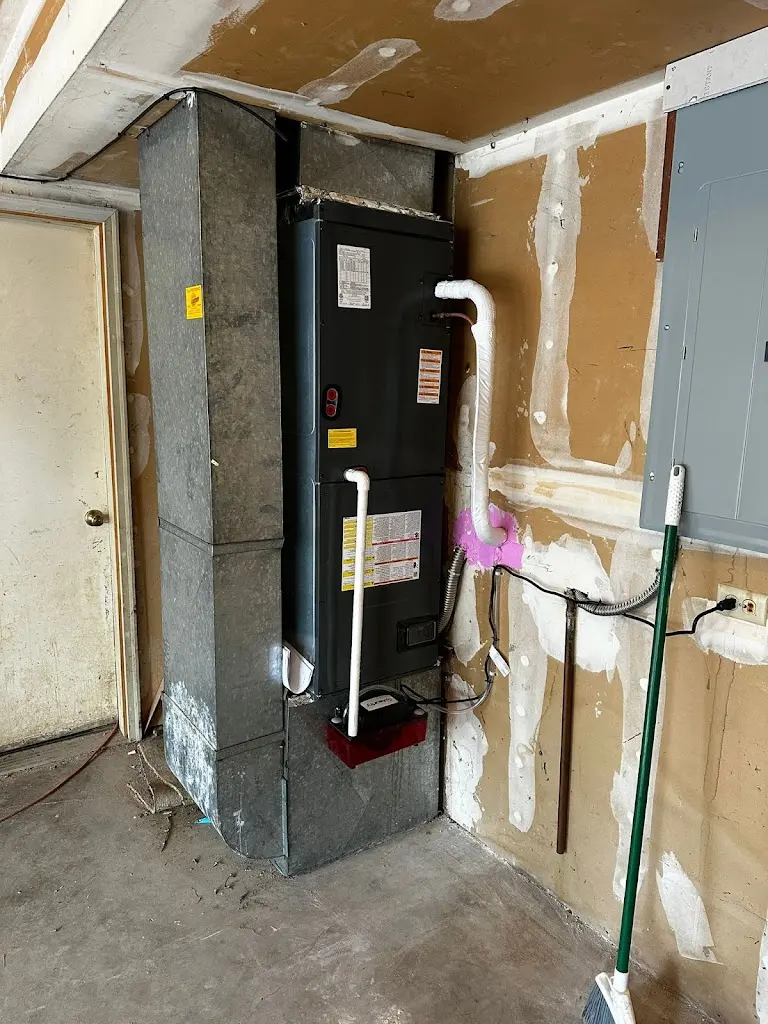
Define What the New Heating Project Needs to Do
Furnace installation in Portland Metro begins with the home and the heating result you want. HVAC & Appliance Repair Guys offers a free on-site estimator visit for installation and replacement. We review the existing setup, comfort goals and project needs before you choose equipment or approve work.
A new furnace project may start with a unit that has failed, repeated repair concerns or a plan to change the home’s heating setup. Tell us which situation applies. The reason for the project shapes the estimate. Some homes need an equipment change; others need a wider review of airflow and connections.
If the current furnace still runs, describe its strengths as well as its problems. Note rooms that stay cold, noisy operation or heat that comes in short bursts. These observations give the proposal a practical goal. They also help avoid repeating an old comfort problem with new equipment.
Installation and replacement overlap, but they do not describe every site in the same way. Replacing a unit involves the equipment already there and the work to remove it. A first-time setup may need a different route for connections or a new air distribution plan. The estimate should make those differences clear.
Choose Capacity From the Home's Heating Needs
A furnace should be properly sized for the spaces it serves. The old equipment label is useful information, but it does not prove that the same capacity is right today. Changes to rooms, windows or insulation can affect the heating need. Discuss those changes during the site visit.
A load calculation helps relate the equipment choice to the home. Floor area is one input, alongside the building features and the spaces the system will heat. Choosing a larger furnace without that review can create new operating problems. The proposed size should have a clear reason beyond matching an old unit or filling the available space.
Mention comfort issues that affect only certain rooms. A cold room does not automatically mean the entire furnace is too small. Its air supply, return path or other room conditions may need attention. The estimate should account for those issues and the equipment together.
Match the Furnace Type to the Project
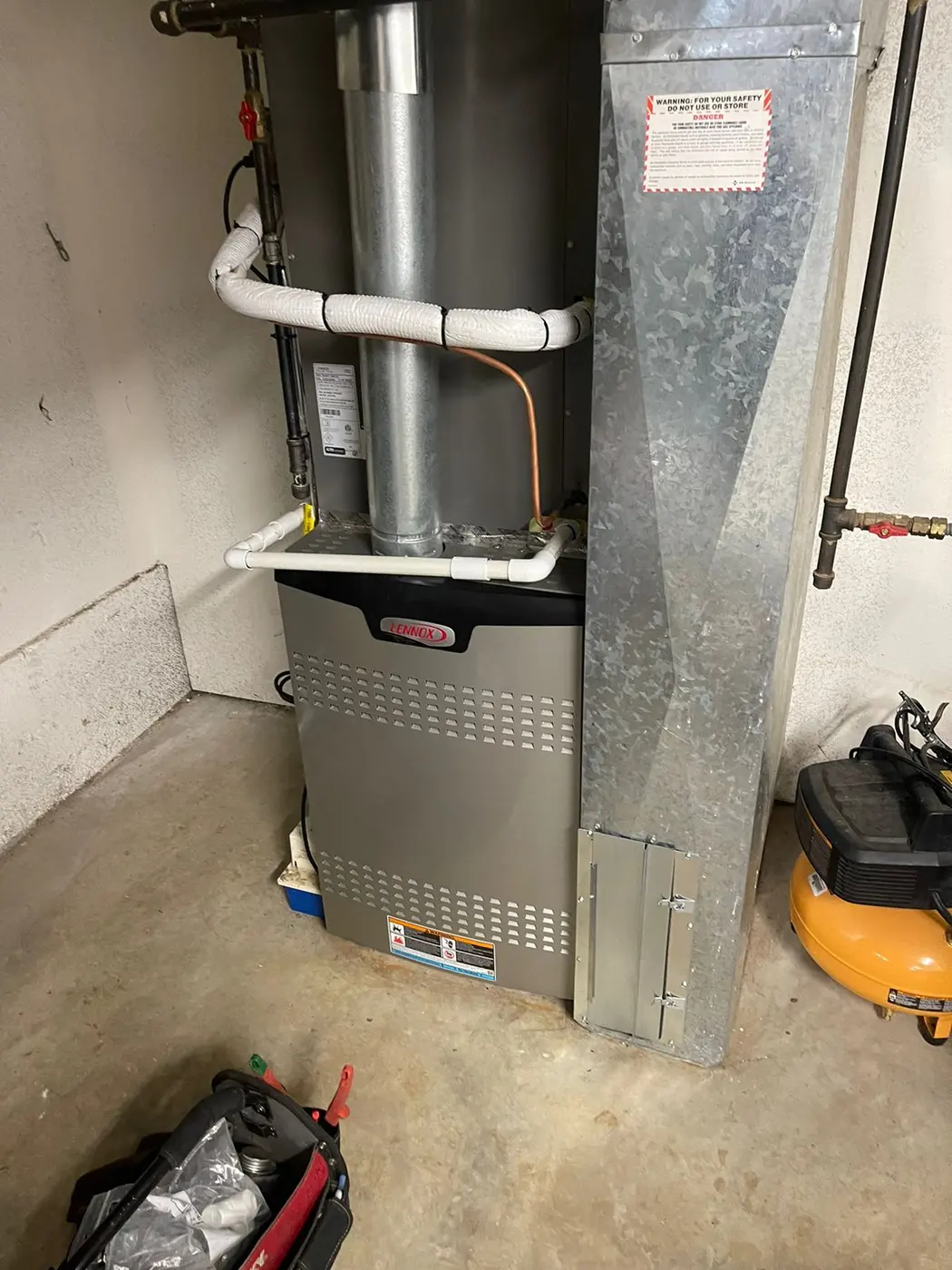
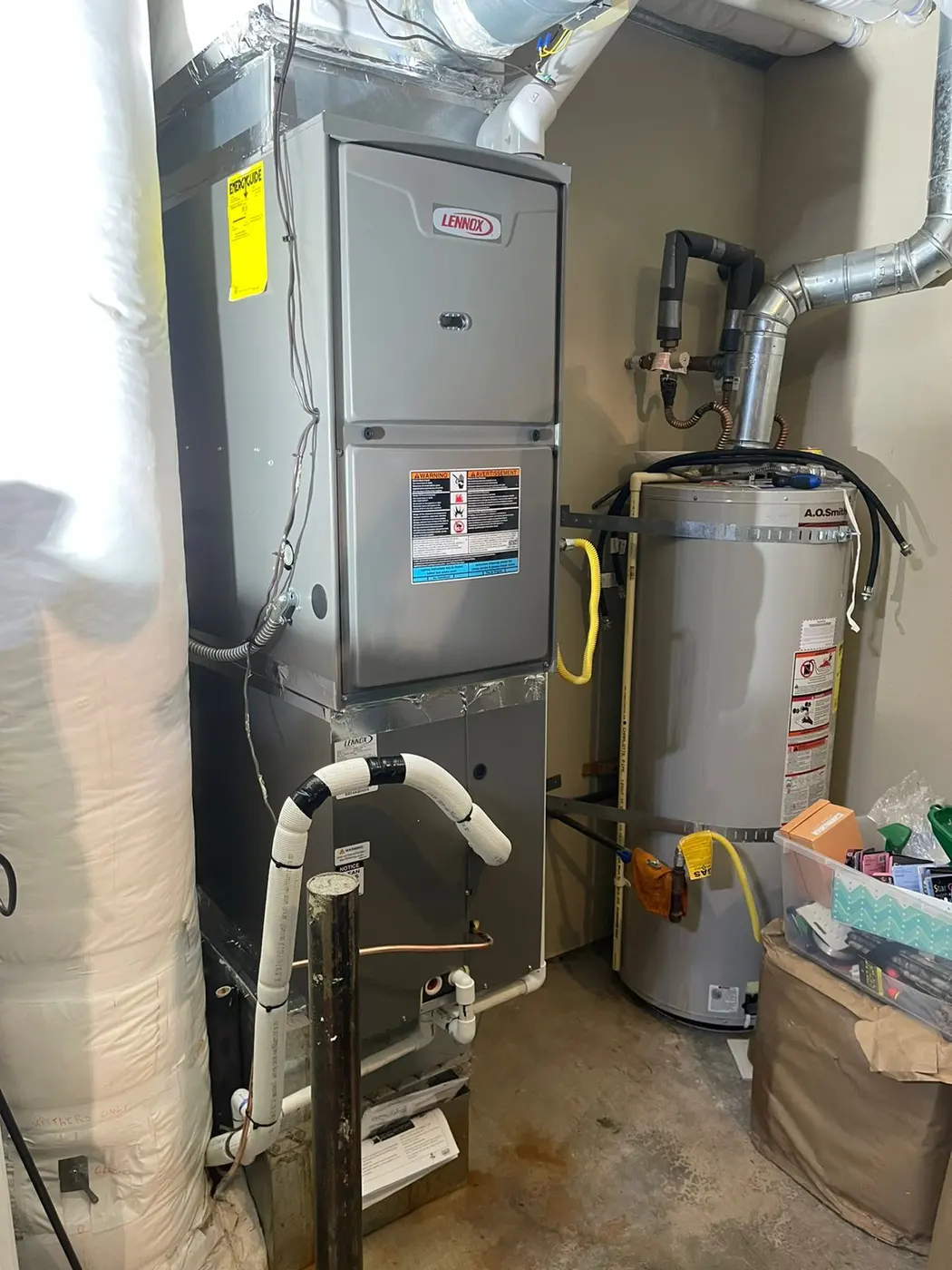
The existing heat source is an important starting point. A gas furnace installation involves different connections and venting needs from an electric furnace. Tell us what is in place and whether you want to keep that approach. A change in fuel or equipment type can widen the project beyond replacing one cabinet.
The estimator reviews the proposed equipment in the context of the home. Space, access, controls and the air path all affect the plan. A high efficiency rating alone does not establish that a furnace fits the setup. The estimate should explain what the selected equipment needs and what work goes with it.
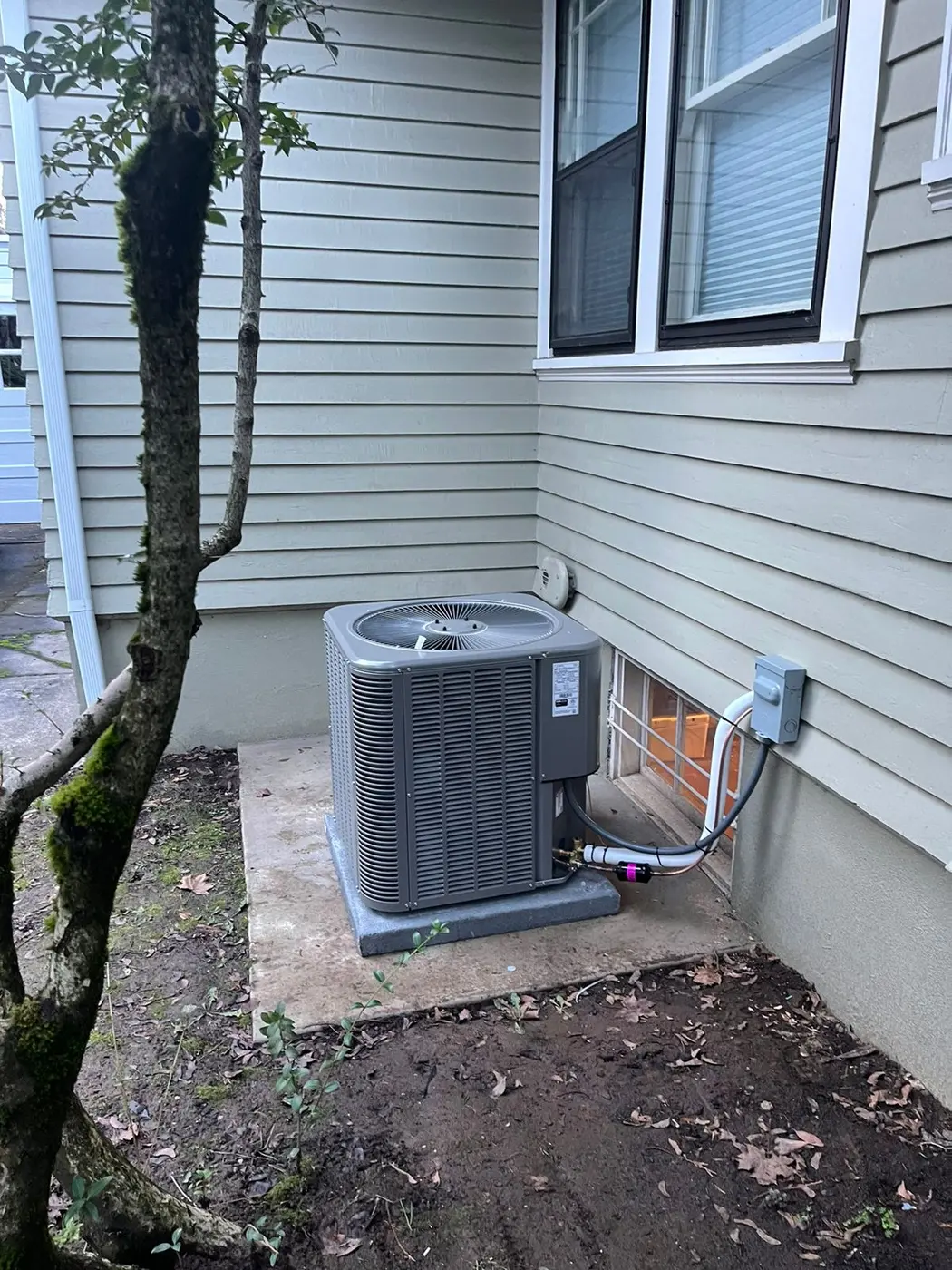
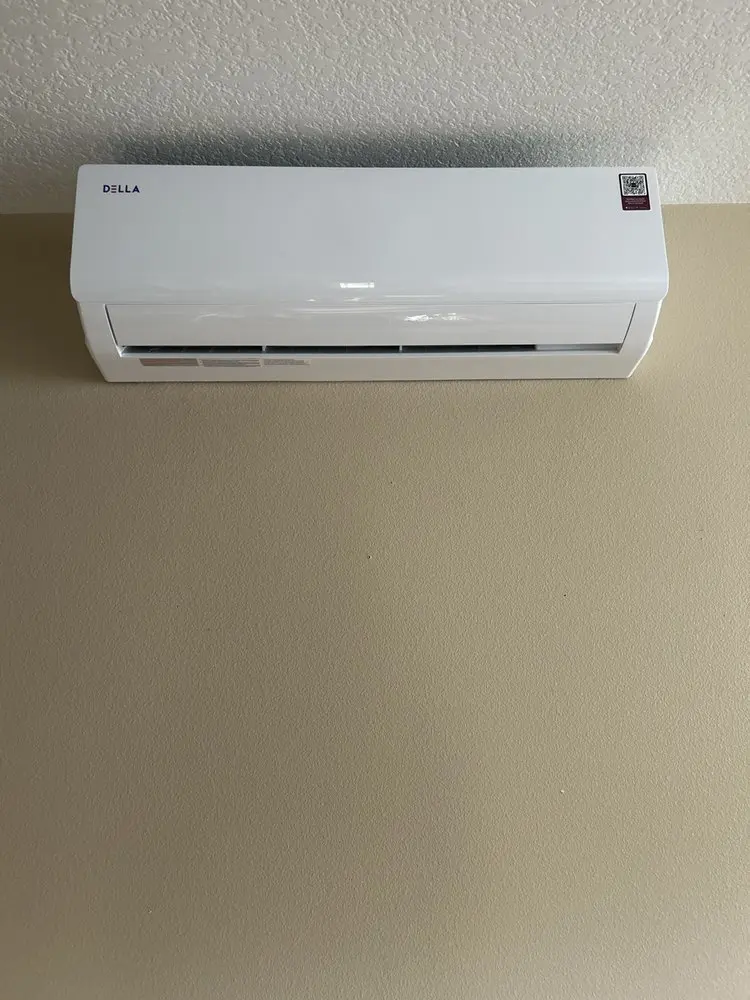
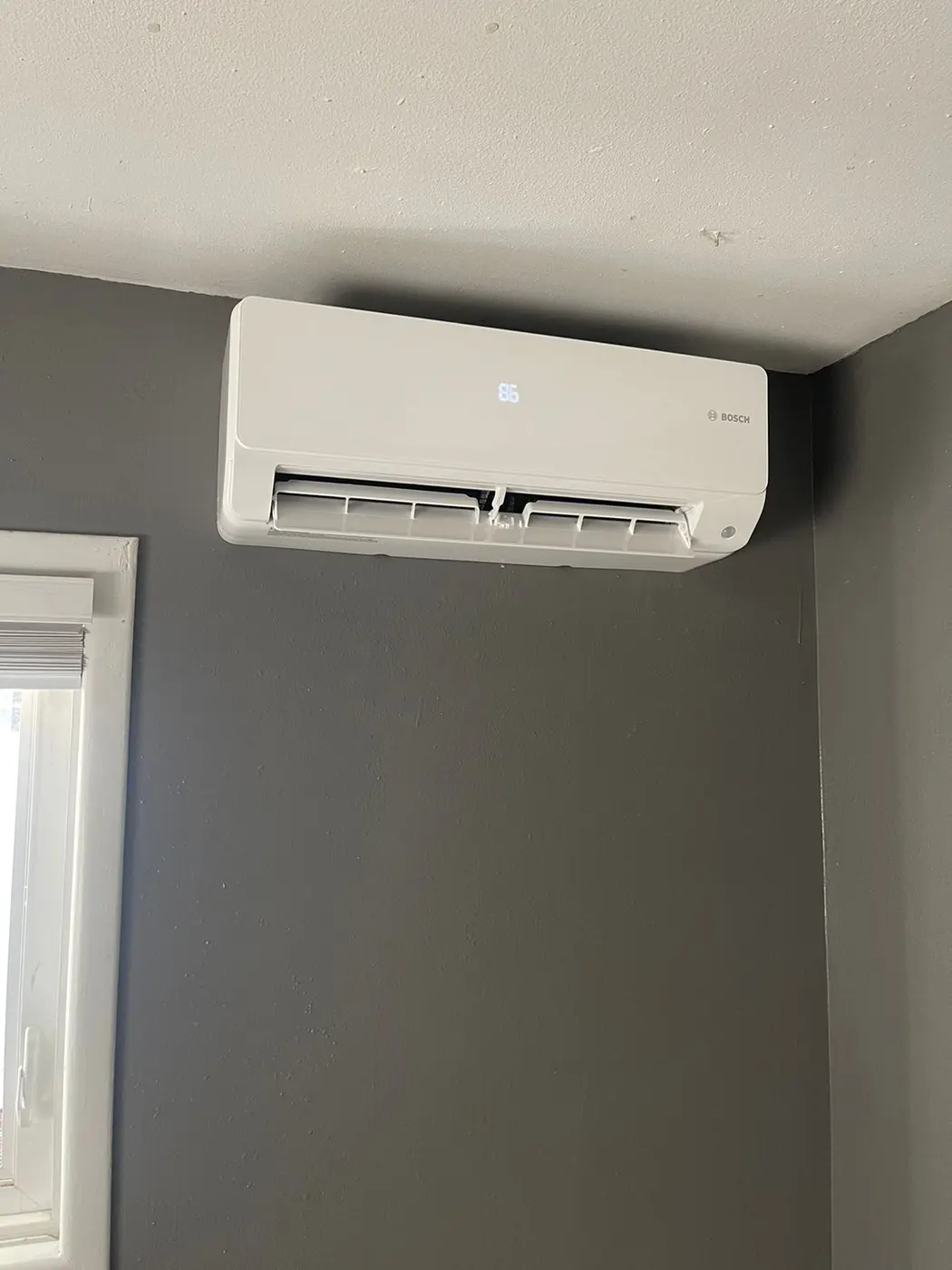
If you are comparing another way to heat and cool, heat pump installation is a separate option to review. State that interest early so the discussion covers the right choices. The comparison should consider the whole project rather than only the price of one heating unit.
Include the Supply, Return and Cooling Plans
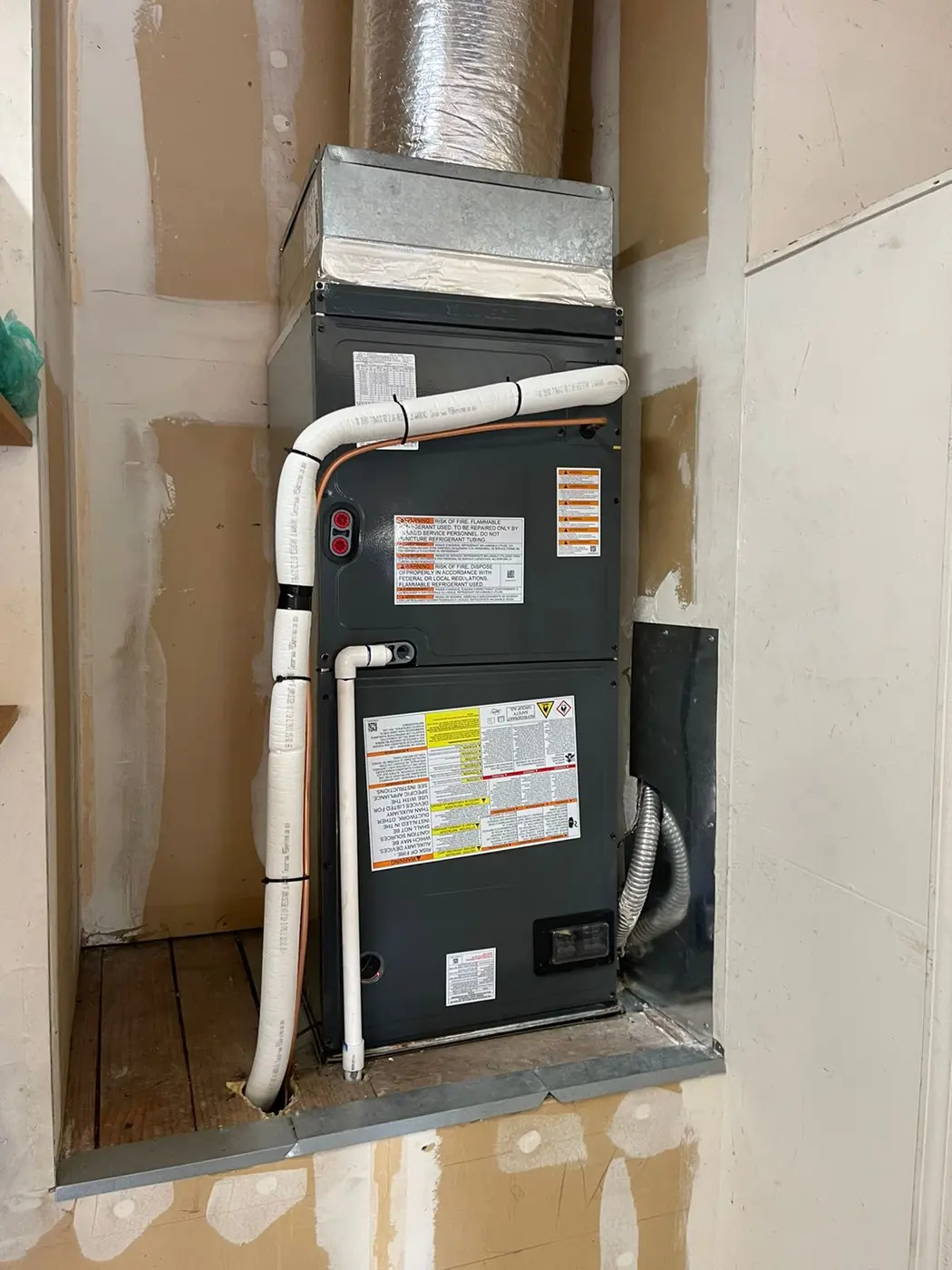
The furnace relies on a path for supply air and return air. Existing ducts and grilles need to suit the proposed airflow. The estimate should consider their layout and condition, especially when you report uneven heat. A new blower cannot automatically overcome every restriction in the rest of the system.
Filter access deserves attention while the equipment plan is still flexible. The filter needs the right fit, and someone must be able to reach it for care. A position that leaves little room for service can create a lasting inconvenience. Review that access along with the space around the furnace itself.
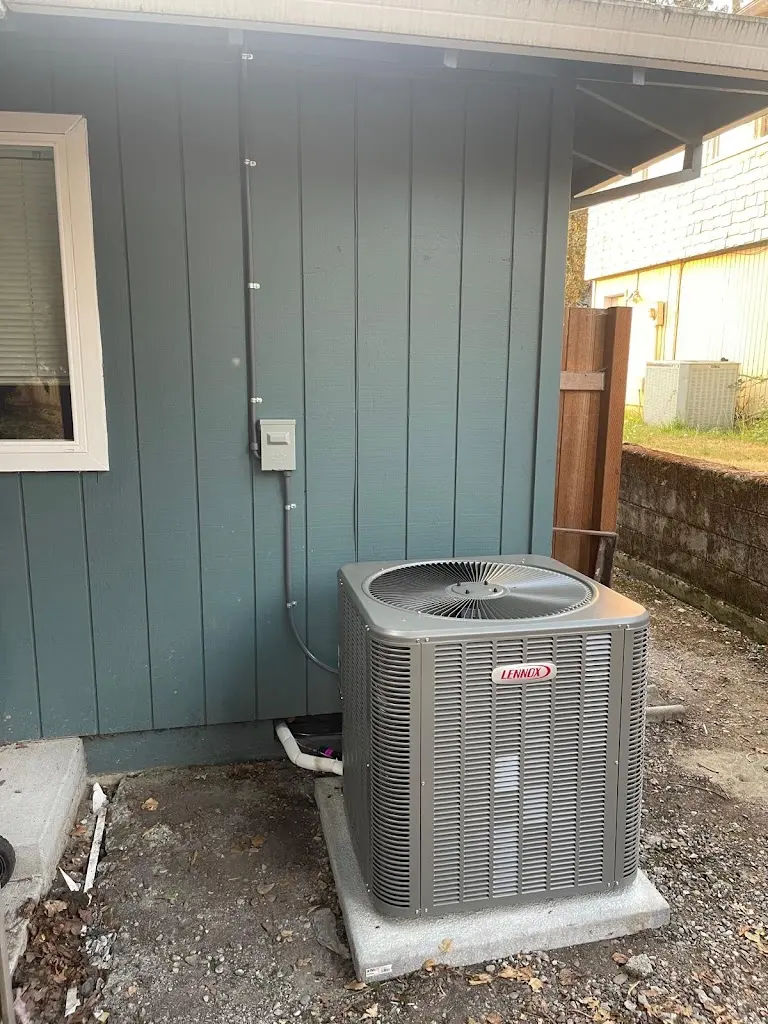
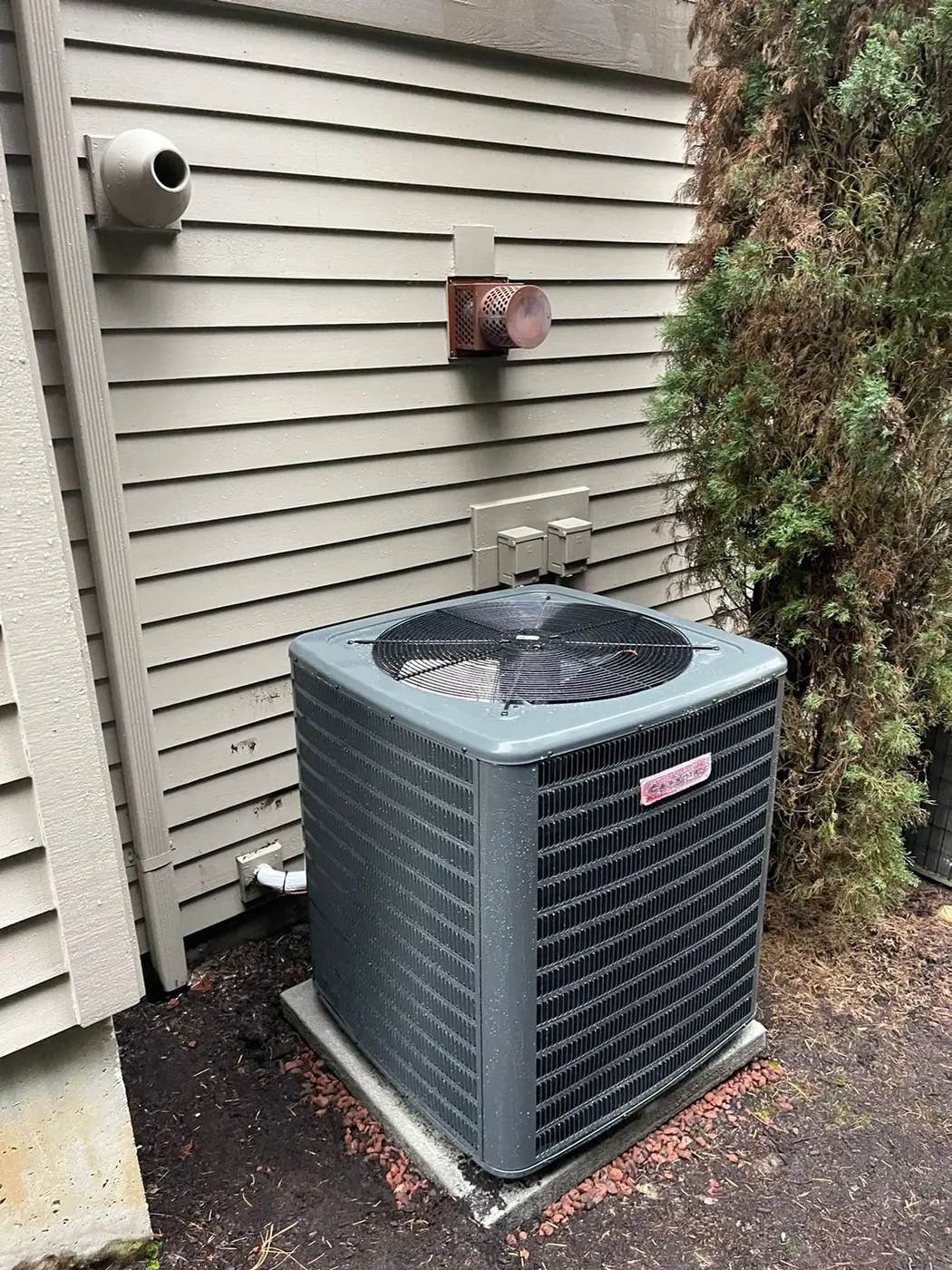
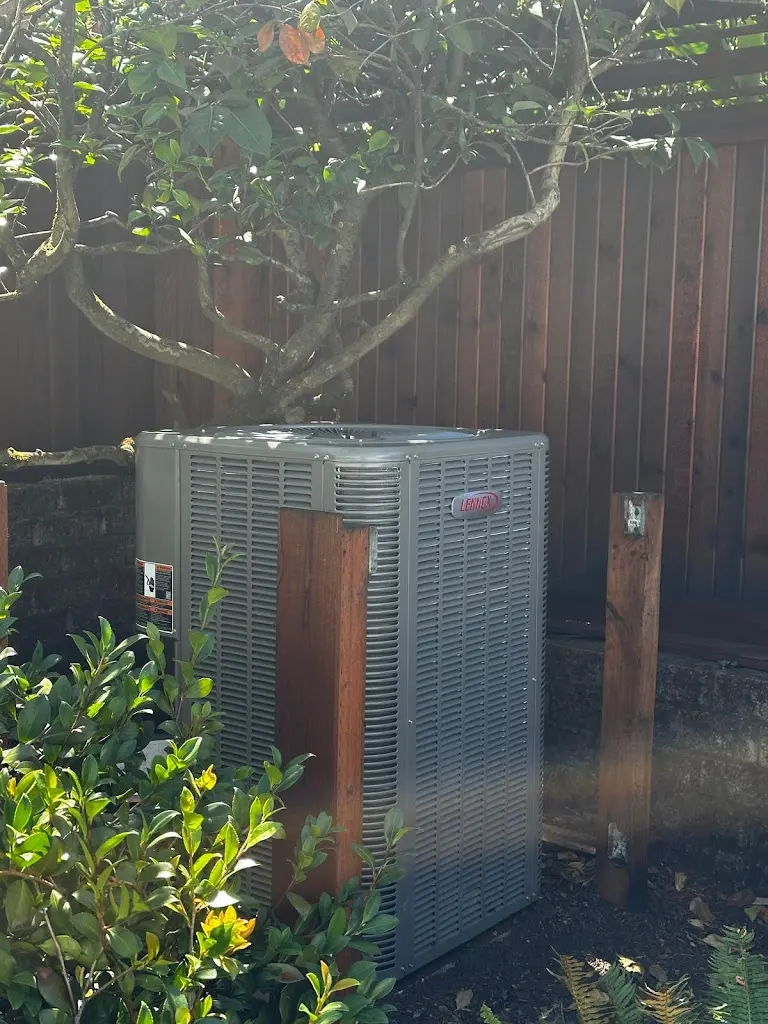
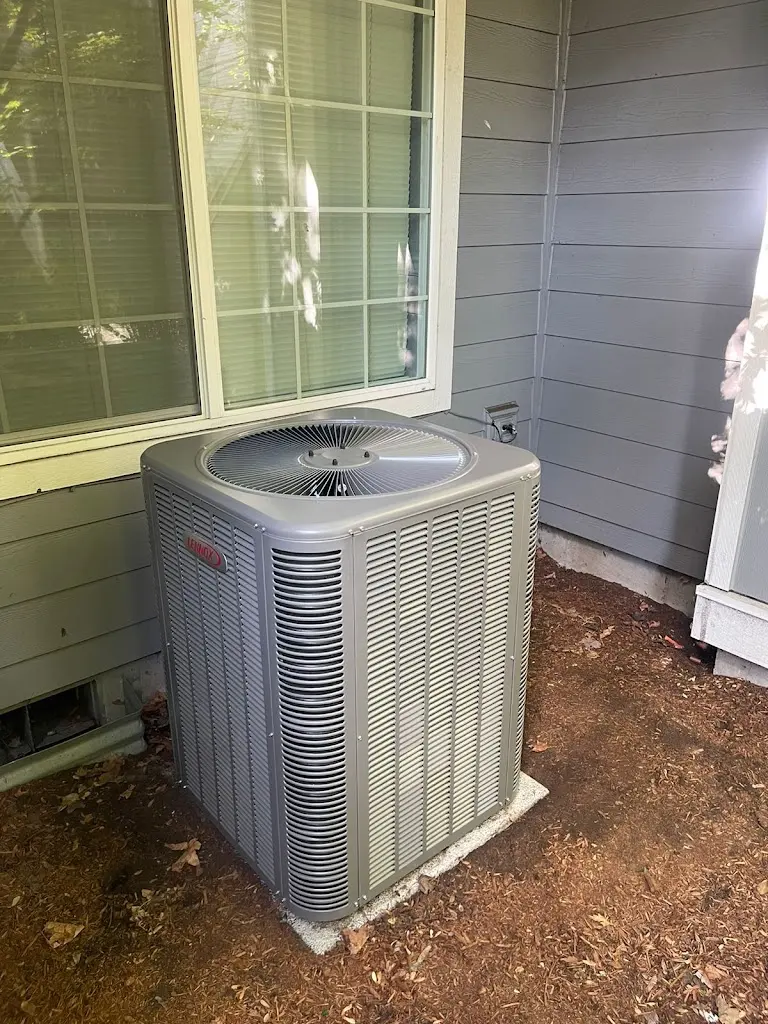
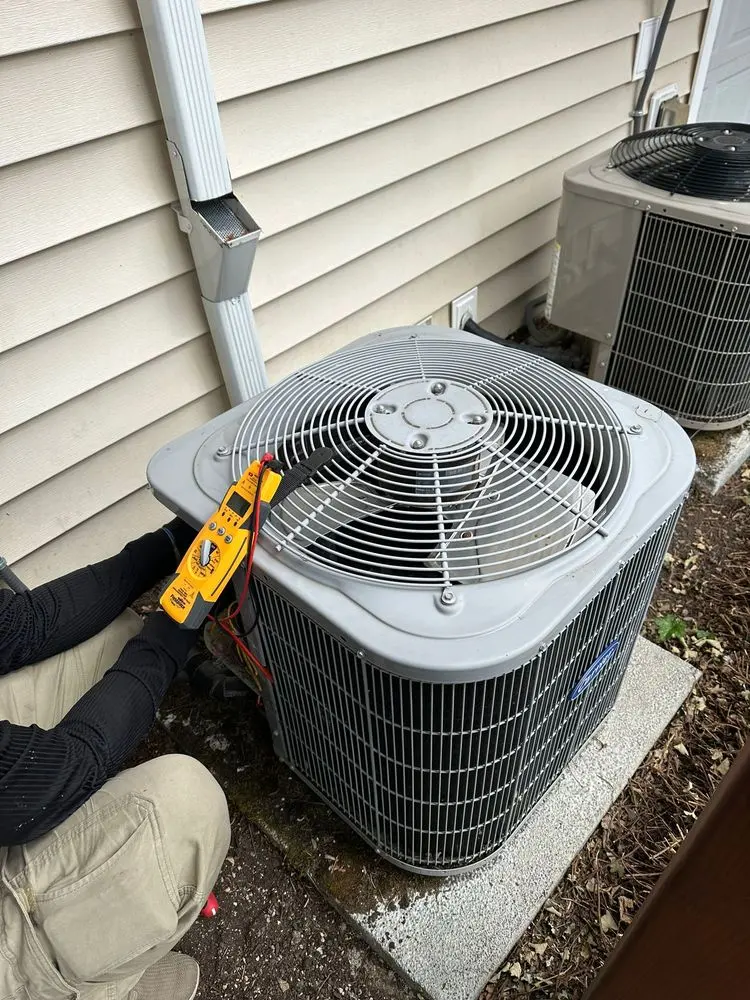
If you want cooling now or later, bring that goal into the estimate. AC installation may involve the furnace blower, coil space and shared controls. The equipment needs to support the intended combination. Future cooling should not be an assumption left until after the heating unit is in place.
The broader HVAC installation plan keeps decisions about several components together. Explain which equipment you want to retain and which you may replace. The written scope should show how the pieces fit, rather than treat each purchase as an unrelated choice.
Review Venting, Power and Other Connections
The proposed furnace may need changes to existing connections. Power, controls and the gas supply where applicable all belong in the scope discussion. Old connections are not automatically suitable just because they served the previous unit. The estimator should identify what the new equipment requires before you approve the work.
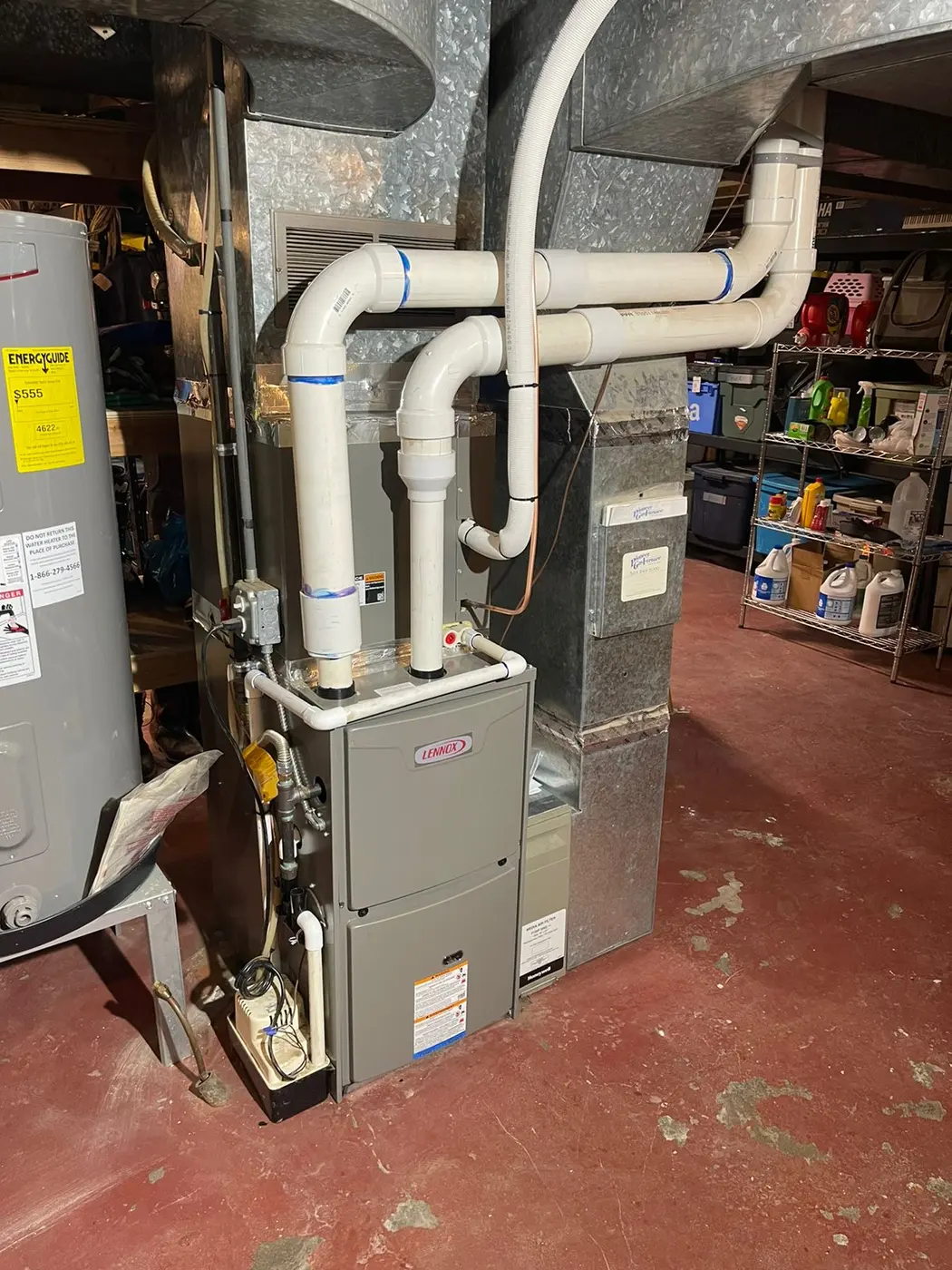
Venting and combustion-air needs depend on the furnace and its setup. Some equipment also has condensate drainage requirements. Those details can affect placement and the route through the home.
Ask which connection changes the proposal includes. That helps avoid an unclear scope once the project starts.
Keep hands-on connection work with the installation team. You do not need to disconnect a gas line, wiring or venting to prepare for the estimate. Point out the current routes and any access limits instead. A clear view of the site helps the team discuss the scope without asking you to disturb equipment.
Plan Removal and Access Before the Work Date
Removing the old furnace can require more space than a routine service visit. Tell us about narrow doors, stairs, a low crawlspace or equipment behind fixed storage. The access plan should cover how equipment comes out as well as how the new unit goes in. That review helps define the practical work involved.
Ask what the proposal includes for removal and handling of the existing equipment. Also review any access work you need to arrange beforehand. Keeping responsibilities clear helps the project move through the agreed steps. Do not remove the old unit or clear connected components yourself to make space.
Discuss the planned period without heat and the work sequence before we confirm the date. Equipment availability, the site and the connection scope can affect timing. One promised duration would not fit every installation. If another person must provide entry, arrange that access when we set the schedule.
Compare the Complete Estimate With Repair Options
A useful estimate identifies the furnace and the work needed to install it. Review duct changes, controls, connection work and any required permit responsibilities that apply to the project. Ask which items belong in the price and which need further review. A low equipment-only figure may not describe the completed installation you need.
Efficiency is part of the decision, but it is not a fixed savings promise. Heating bills also depend on weather, settings, home conditions and use. The proposal should help you compare the equipment and overall scope on that basis. Avoid treating a rating as a guarantee of what your household will spend.
To review the option of keeping the existing unit, start with furnace repair diagnosis. The free estimator visit reviews installation or replacement. These visits serve different decisions. Explain whether you want to compare both options before arranging the appointment.
Use the Handoff to Understand the New Setup
Before the project handoff, review how to select heat and use the controls included in the installation. Ask what operating behavior to expect from the new unit. A different sound or run pattern may be part of the setup. Discuss any unanswered concern so you do not have to guess.
Locate the filter and discuss the care needs of the installed equipment. Keep model details, project records and any follow-up notes together. Those records support later furnace maintenance and make future service requests more precise. The goal is to leave you with both working equipment and a clear understanding of its care.
Check the spaces that were central to your comfort goals and discuss any questions about the result. The new furnace works within the home’s wider air path. If the proposal identified additional work, keep that scope and decision in the records. This helps distinguish the installation from separate work you may choose later.
Frequently Asked Questions
Is the furnace replacement estimate free?
The on-site estimator visit for installation or replacement is free. It reviews the proposed equipment and project scope. Diagnosing an existing fault serves a different purpose. Describe which decision you need help with.
Should the new furnace have the same capacity as the old one?
Not automatically. The old size may not match the home's current needs. The estimate should review the heating load and changes to the house. The old label alone is not enough to select the equipment.
Can the existing ducts stay?
That depends on their condition, layout and the airflow the proposed furnace needs. Some projects can retain them, while others need changes. Describe rooms with poor heat so the estimate includes that concern before the scope is final.
Do I have to replace the air conditioner at the same time?
Not in every project. The furnace, cooling coil, blower and controls need to form a suitable setup. The estimator should review the equipment you want to keep. That review establishes any changes the proposed combination needs.
What affects the total installation price?
Equipment choice is one part of the price. Access, removal, ducts, controls, venting and connection work can also affect the scope. The estimate should identify the included tasks so you can compare complete projects instead of equipment prices alone.