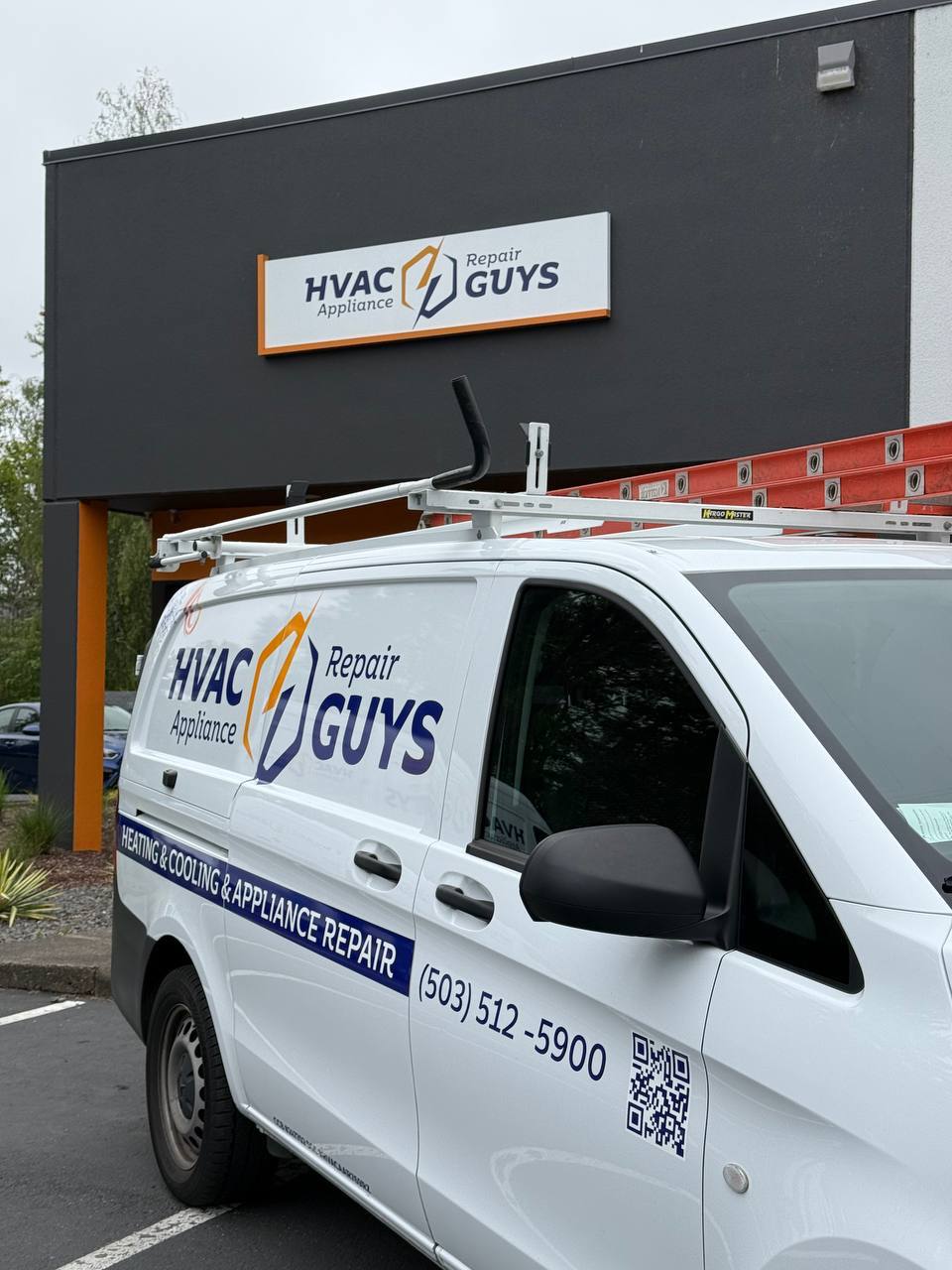
Portland Metro attic HVAC installation planning
Portland Metro attic HVAC installation should explain the regional checklist clearly: attic access, service platform, drain safety, duct transitions, finished-ceiling protection and future maintenance access.
The estimator reviews how equipment will be moved, where technicians can stand, how condensate will be protected, whether ducts and return air are ready and whether heating and cooling equipment should be planned together.
Details for the Portland Metro attic HVAC installation estimate
Share current equipment location, attic access notes, photos if available, comfort complaints, ceiling or finish concerns and whether the project involves replacement or a new attic layout.
That makes the Portland Metro attic HVAC hub useful before the estimator narrows the plan to the actual address.
Portland Metro attic HVAC installation scenario
A Portland Metro homeowner may be comparing attic HVAC work because the existing attic unit is aging, leaking, hard to service or connected to ductwork that no longer performs well.
The proposal should separate required access and drain work from comfort or efficiency upgrades before approval.
- Confirm the attic HVAC installation scope for the Portland Metro property first.
- Review the Portland Metro-specific route, access and compatibility details.
- Compare attic HVAC installation options with required scope and upgrades separated.
How to choose the right attic HVAC installation option in Portland Metro
Choose the Portland Metro attic HVAC path after access, drainage and serviceability are confirmed at the home.
- Review attic access, service platform, drain pan and condensate route.
- Check duct transitions, return air and equipment movement path.
- Compare replacement, staged and full-system attic HVAC options.
What the free estimator visit checks
- Current heating and cooling equipment, age, brand, size and visible installation condition.
- Ductwork, airflow, return air, thermostat setup and rooms with uneven comfort.
- Outdoor unit placement, indoor equipment access, electrical, venting and line-set conditions.
- Whether the project should include AC, furnace, heat pump, mini-split or full system replacement.
- Permit, warranty, financing and rebate details that may change the final proposal.
Attic HVAC scope for Portland Metro homes
Attic HVAC pages should explain the hidden installation details that affect comfort and price. For attic HVAC installation in Portland Metro, the estimate should connect the attic conditions with the final heating and cooling recommendation before work is scheduled.
- Confirm attic access, service clearance, platform needs, drain safety, duct transitions, return air, electrical capacity and equipment compatibility before selecting equipment.
- Compare attic equipment replacement, full HVAC replacement, heat pump planning, duct improvements and staged comfort upgrades when more than one path fits the home.
- Make the proposal clear about which attic HVAC path fits the home before installation is scheduled.
Why the free estimator visit matters in Portland Metro
The hub page should teach homeowners why attic HVAC pricing depends on safety, access and service details.
- Use the Portland Metro visit to verify access, fit and comfort goals before pricing.
- Connect the attic HVAC installation recommendation to the home details the estimator can confirm.
- Keep the Portland Metro proposal practical enough to compare before scheduling.
Comparing Good / Better / Best attic HVAC installation options for Portland Metro
A useful attic HVAC installation proposal in Portland Metro should compare Good / Better / Best options against the actual home details, not against a generic package. Choose the Portland Metro attic HVAC path after access, drainage and serviceability are confirmed at the home.
The comparison should explain how each option changes comfort, access, equipment fit, warranty and final scope. The hub page should teach homeowners why attic HVAC pricing depends on safety, access and service details.
Why attic HVAC installation pricing must be confirmed at the home
The final number should be based on equipment, labor and verified scope. The free estimator visit checks the details that online pricing cannot confirm, including access, electrical work, line-set routing, permits or equipment compatibility.
- Equipment size, efficiency level and brand.
- Indoor equipment compatibility and whether a furnace, air handler or coil should be changed at the same time.
- Outdoor placement, line sets, electrical work, venting, permits and access conditions.
- Ductwork, airflow, thermostat setup, zoning and room-by-room comfort concerns.
- Warranty, financing, rebate questions and the installation timeline the homeowner needs.
Local scope planning for attic HVAC installation
Portland Metro homes include older ducted systems, remodels, condos, additions and newer high-efficiency equipment. The same equipment can install differently depending on access, duct layout, outdoor placement, electrical capacity, venting, controls and finished-space protection.
A local proposal for attic HVAC installation in Portland Metro should explain those property details before the homeowner chooses an option. That keeps the decision focused on comfort, scope and value instead of a generic equipment quote.
Portland Metro attic HVAC planning with service access first
Attic HVAC installation in Portland Metro should start with access, platform needs, drain safety, duct transitions and how the equipment will be serviced after installation.
The estimator should confirm attic clearance, condensate protection, electrical route, finished-ceiling protection and whether attic equipment is truly the right installation path.
- Check attic access, service clearance and drain protection before pricing.
- Review duct transitions, electrical route and ceiling protection.
- Compare attic HVAC options around comfort, safety and future maintenance.
Portland Metro installation planning notes
For attic HVAC installation in Portland Metro, the useful estimate is the one that checks the current setup, equipment access, comfort concerns and project timing before a system is selected. That local review helps prevent a generic recommendation from turning into a surprise scope change later.
- Confirm equipment age, access, duct condition, electrical or venting needs and the comfort goal.
- Compare practical options so the homeowner can choose the right balance of cost and performance.
- Use the proposal to explain what is included, what could change and what happens next.
How this attic HVAC installation page is different from a city page
This Portland Metro page is written for homeowners comparing a broader installation path before choosing a specific appointment area. It explains the decision points that apply across the region, then points the estimate toward the actual property once the homeowner sends an address.
- Use this page when the main question is equipment type, project scope, warranty level or budget range.
- Use a city page when the address, access and local scheduling window are already clear.
- Expect the final proposal to narrow the broad Portland Metro guidance into property-specific options.
- Heating, cooling, ductwork and controls should be reviewed as one comfort plan.
- The proposal should make equipment compatibility, scope and scheduling clear before approval.
Attic HVAC Installation estimate notes for Portland Metro
Portland Metro installation planning should separate direct replacements from projects that need better comfort, efficiency, access planning or equipment compatibility review. The strongest HVAC proposal separates the required installation scope from optional comfort or efficiency upgrades.
- Confirm the home details that affect sizing, scope and installation timing.
- Review equipment compatibility, ductwork, electrical or venting needs before pricing.
- Compare options so the homeowner can choose a practical path.
- Attic work should include access, platform, drain routing, insulation impact, service clearance and summer heat exposure.
Related installation pages
- HVAC Installation – review full heating and cooling installation paths.
- AC Installation – compare central AC installation options.
- Furnace Installation – review furnace replacement options.
- Heat Pump Installation – compare heat pump system options.
Attic HVAC Installation questions
Is the estimator visit free?
Yes. The estimator visit is free for attic HVAC installation projects in the Portland Metro service area. It helps confirm equipment size, access, scope and options before a proposal is prepared.
Can I get more than one option?
Yes. We can compare practical options so you can choose the balance of price, efficiency, warranty, quiet operation and comfort that fits the home.
What can change the attic HVAC installation price?
The final price can change with equipment size, efficiency, access, electrical or venting work, line sets, duct changes, permits and whether the heating and cooling system is part of a larger heating and cooling upgrade.
When should I call instead of using the form?
(503) 512-5900 is best when timing is urgent. Use the form when you can send details and prefer a follow-up to schedule the free estimator visit.
Related Attic HVAC Installation in Portland Metro pages
Service by city
- Attic HVAC Installation in Battle Ground, WA
- Attic HVAC Installation in Beaverton, OR
- Attic HVAC Installation in Camas, WA
- Attic HVAC Installation in Canby, OR
- Attic HVAC Installation in Clackamas, OR
- Attic HVAC Installation in Fairview, OR
- Attic HVAC Installation in Forest Grove, OR
- Attic HVAC Installation in Gladstone, OR
- Attic HVAC Installation in Gresham, OR
- Attic HVAC Installation in Happy Valley, OR
- Attic HVAC Installation in Hillsboro, OR
- Attic HVAC Installation in Lake Oswego, OR
- Attic HVAC Installation in McMinnville, OR
- Attic HVAC Installation in Milwaukie, OR
- Attic HVAC Installation in Newberg, OR
- Attic HVAC Installation in Oregon City, OR
- Attic HVAC Installation in Portland, OR
- Attic HVAC Installation in Ridgefield, WA
- Attic HVAC Installation in Sandy, OR
- Attic HVAC Installation in Scappoose, OR
- Attic HVAC Installation in Sherwood, OR
- Attic HVAC Installation in St. Helens, OR
- Attic HVAC Installation in Tigard, OR
- Attic HVAC Installation in Troutdale, OR
- Attic HVAC Installation in Tualatin, OR
- Attic HVAC Installation in Vancouver, WA
- Attic HVAC Installation in Washougal, WA
- Attic HVAC Installation in West Linn, OR
- Attic HVAC Installation in Wilsonville, OR
- Attic HVAC Installation in Wood Village, OR