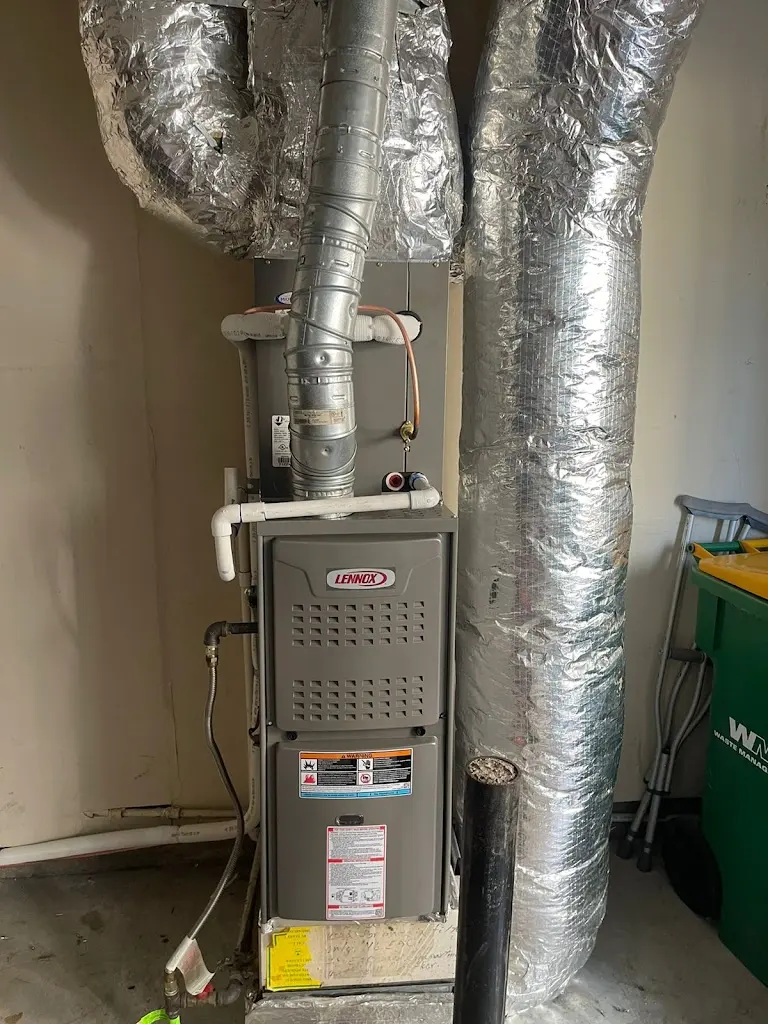
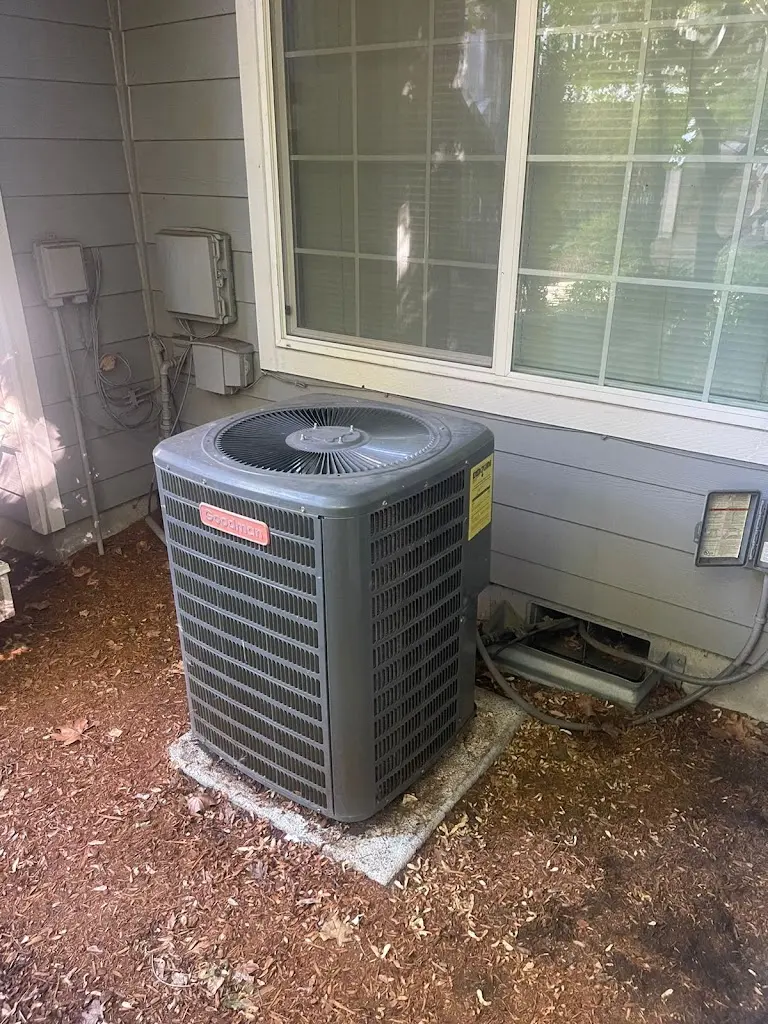
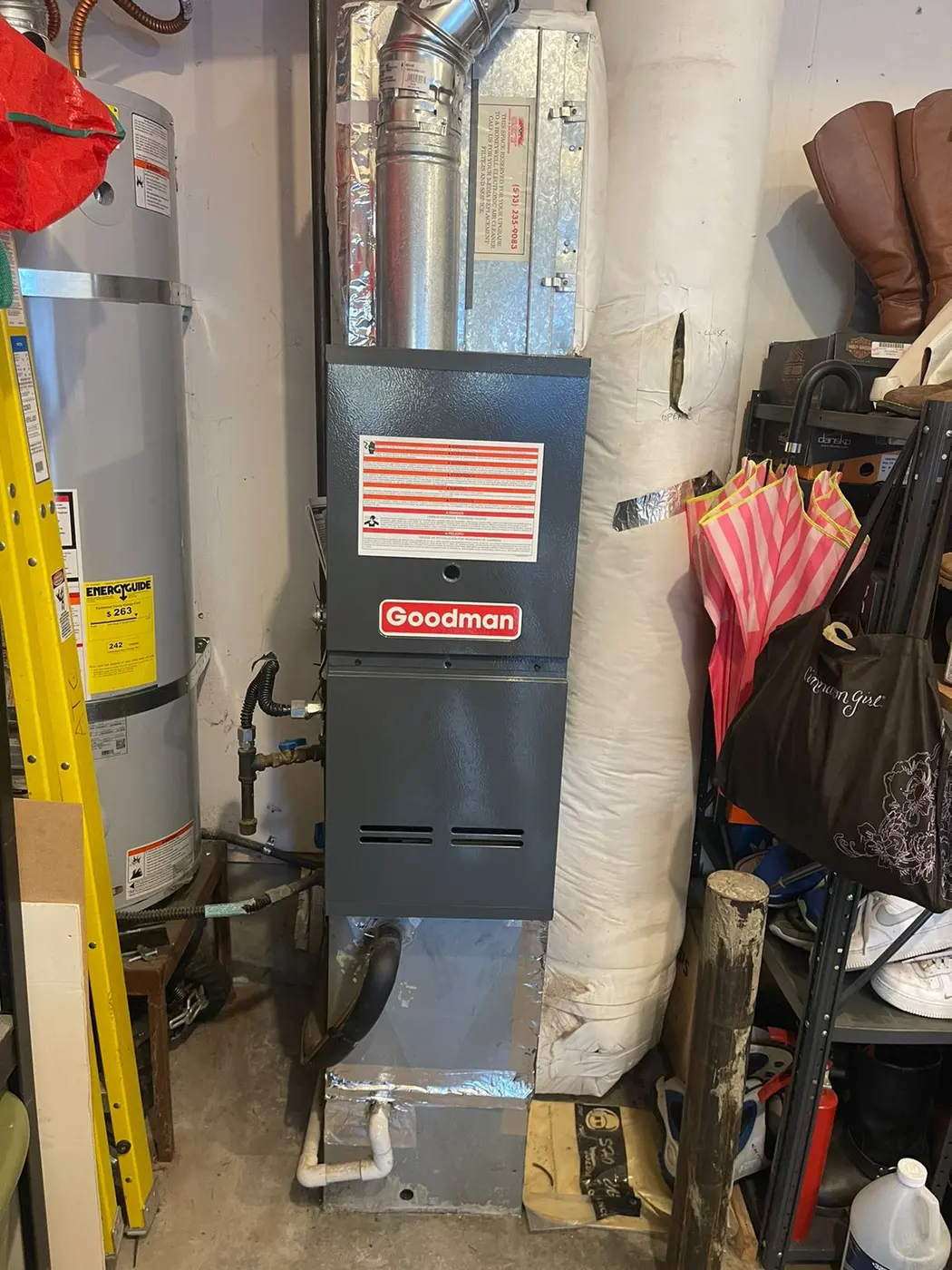
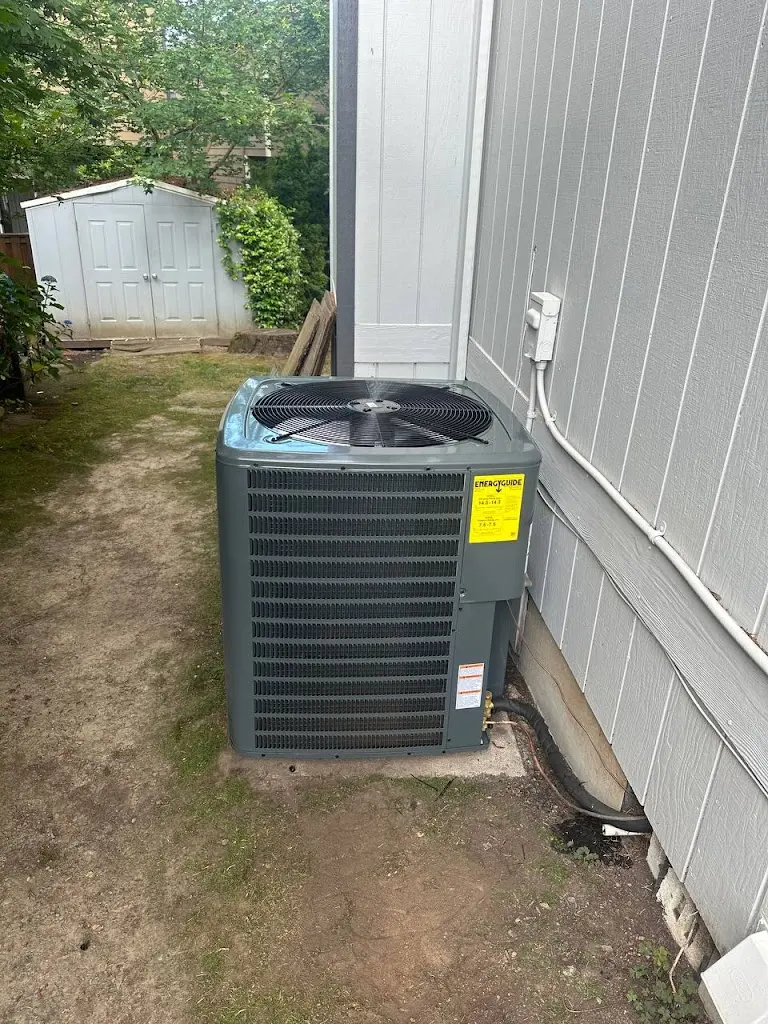
Identify the System the Project Will Change
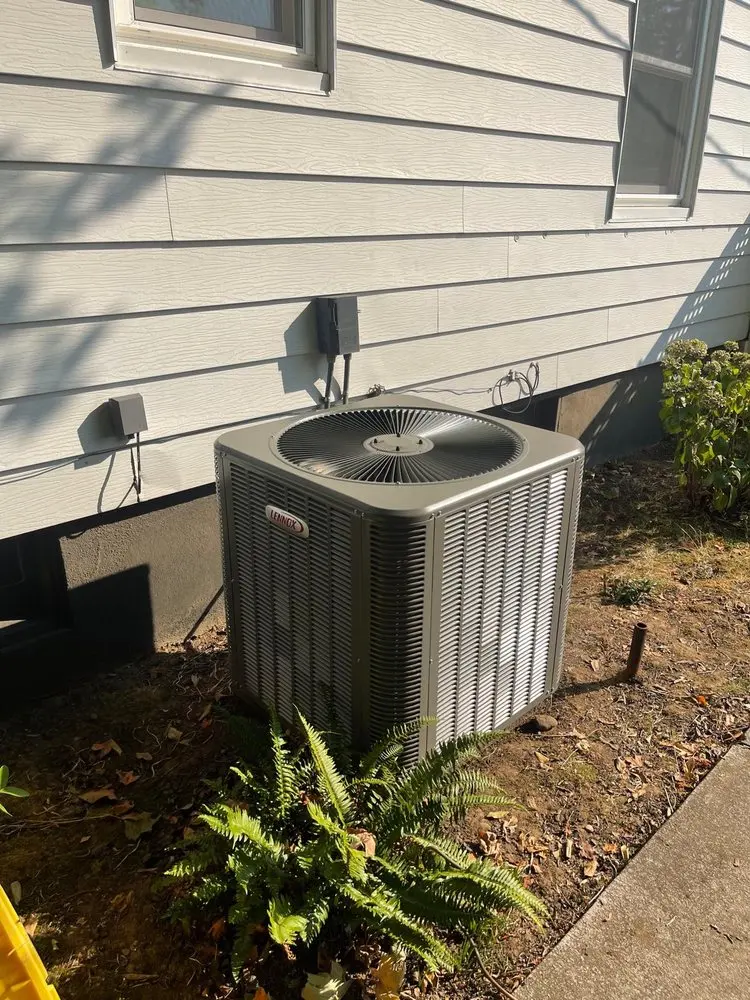
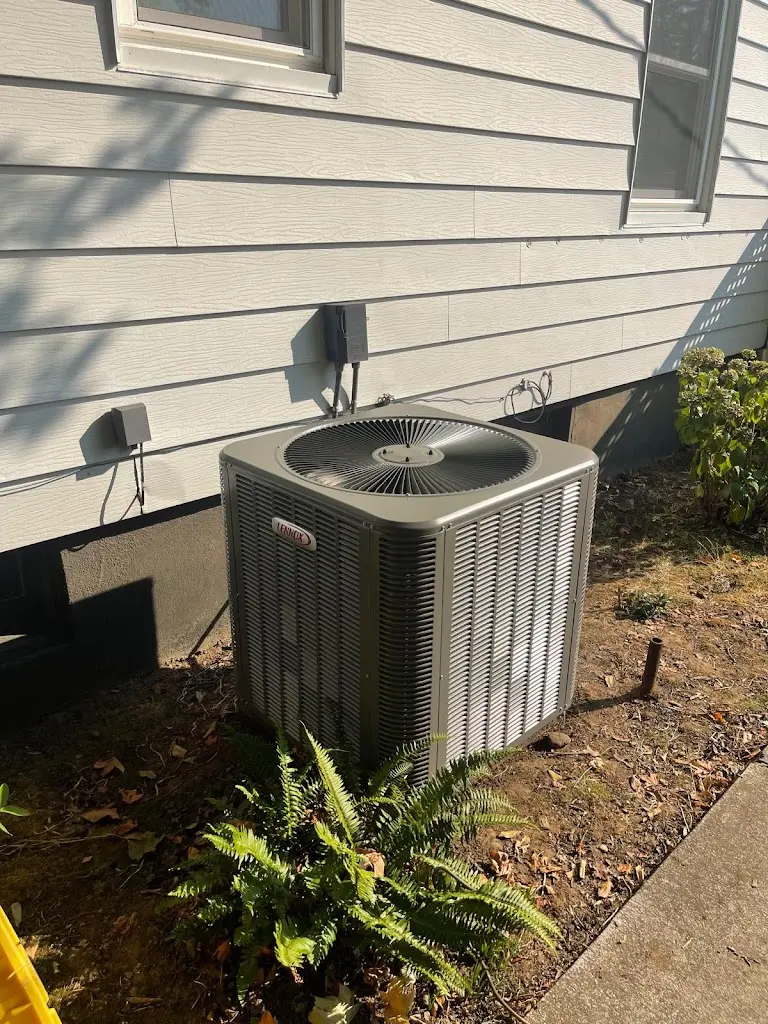
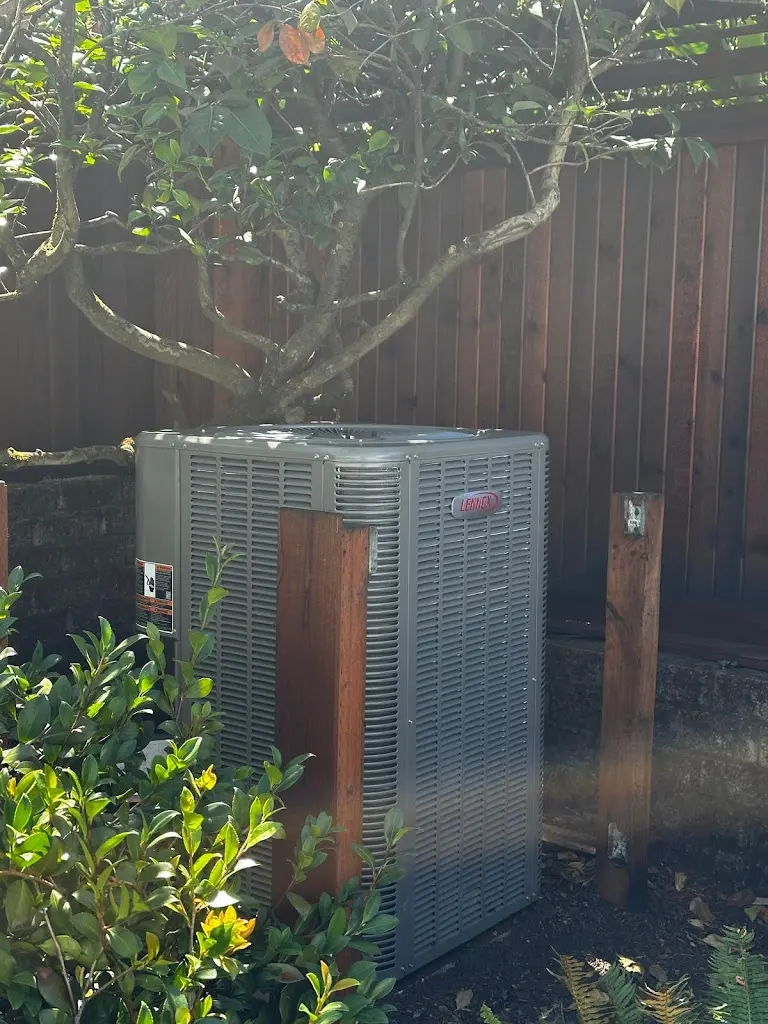
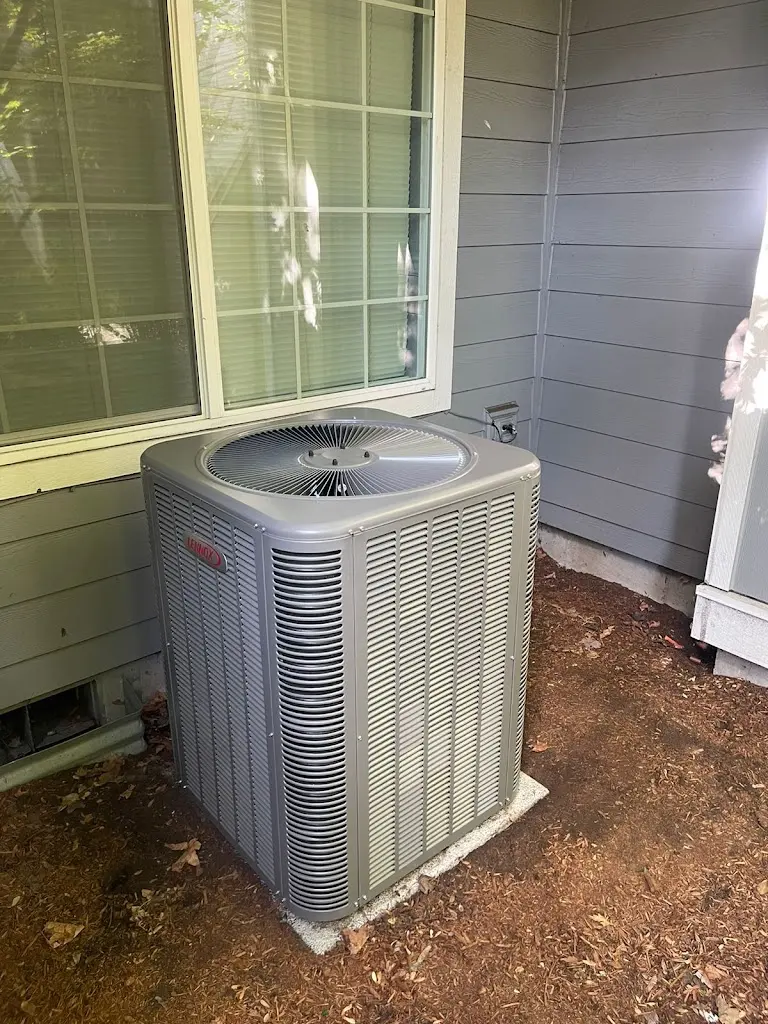
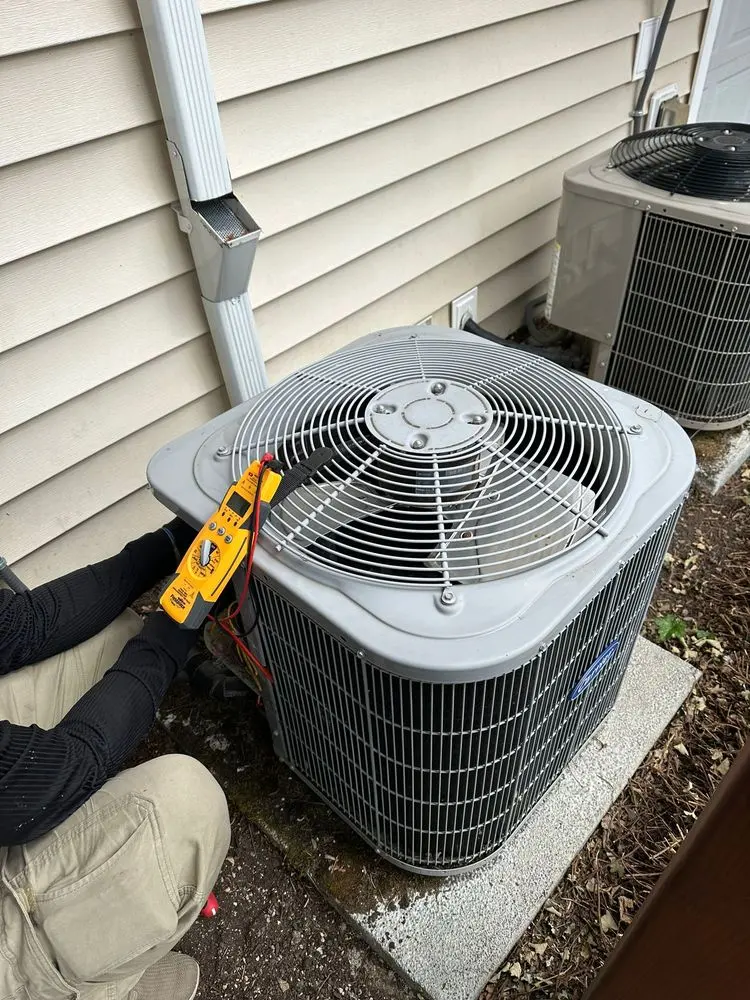
HVAC & Appliance Repair Guys provides heat pump installation in Battle Ground, WA. If your property has more than one heating and cooling system, start by identifying the one you want to change. A request to replace the heat pump should make that boundary clear. We offer a free on-site estimator visit for installation and replacement.
Tell us which part of the property needs the work and which equipment you believe serves it. You may know the control by its location rather than a model number. That is a useful starting point. The estimate should establish the actual arrangement before assuming that every outdoor cabinet belongs to one system.
Our heat pump installation service covers the selected equipment and the rooms it will serve. One proposal may replace a complete system for a defined area. Another may change equipment shared by several areas. The project needs to explain that difference before a quantity of units or a price becomes meaningful.
Connect Each Control With the Areas It Serves
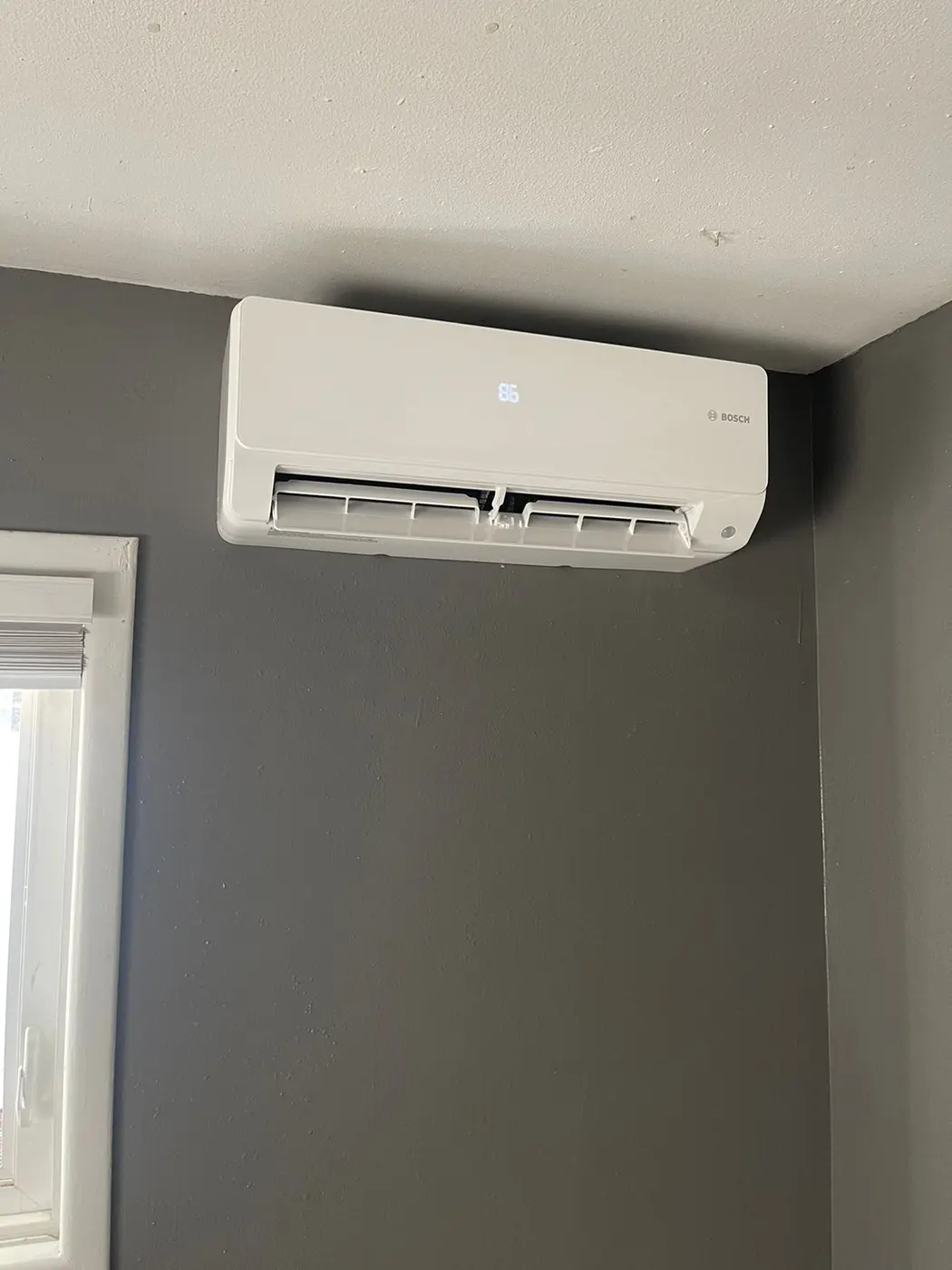
Show the estimator the controls you normally use and describe their effect on the rooms. Mention whether one setting changes comfort throughout the property or only in a particular area. Share what you have observed during normal use. You do not need to test unfamiliar settings or trace hidden wiring to prepare.
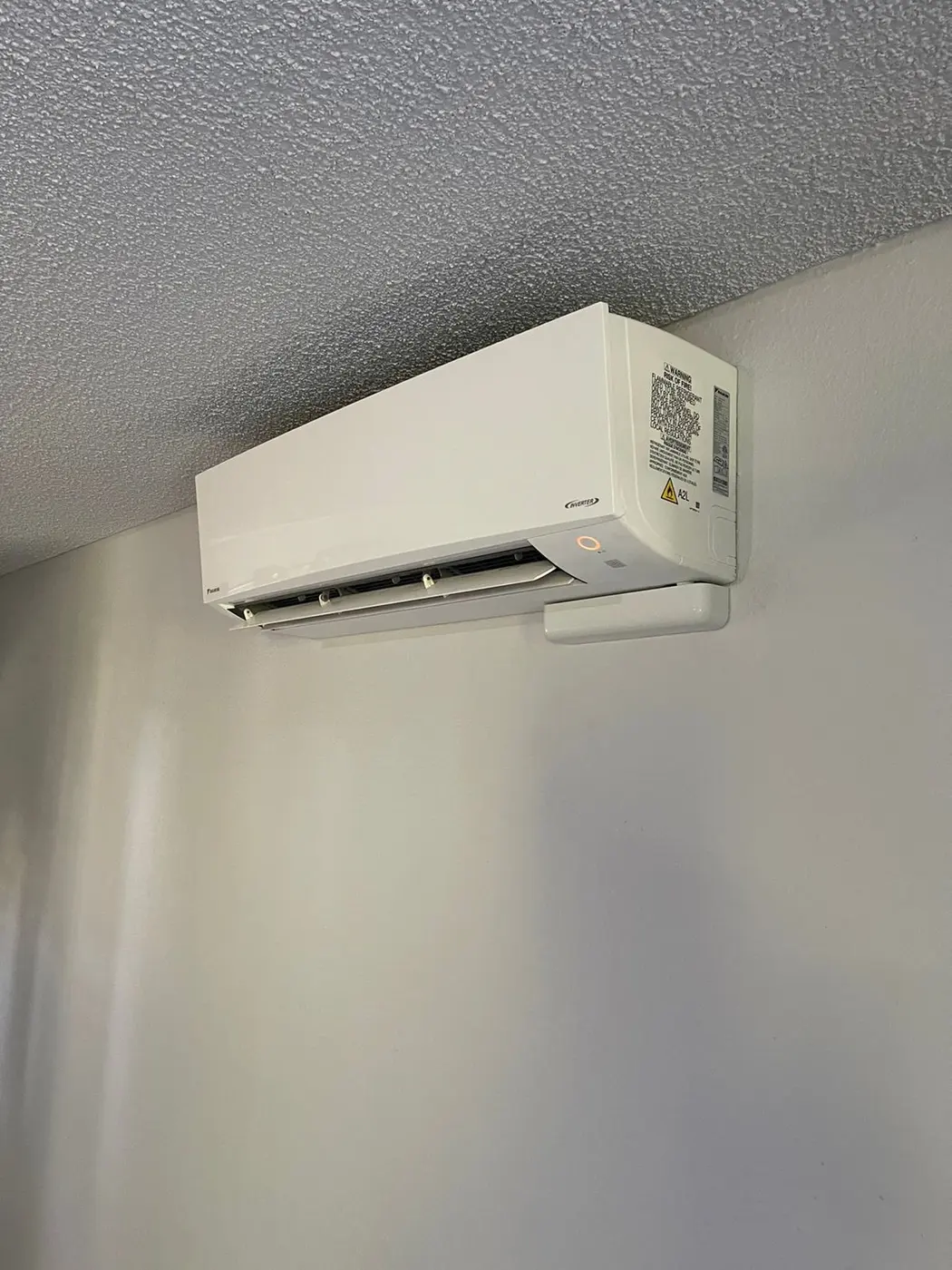
More than one control does not by itself prove that the home has several independent systems. A control may serve an area within a shared arrangement. Conversely, one visible outdoor unit may not be the only equipment involved. The review should identify those relationships rather than infer them from the number of displays.
Keep a room complaint tied to the relevant control when possible. Explain which spaces remain comfortable while another falls behind. If you do not know which rooms share equipment, say so. The assessment should settle that question before defining what the replacement can fix.
Review Indoor and Outdoor Equipment as a Pair
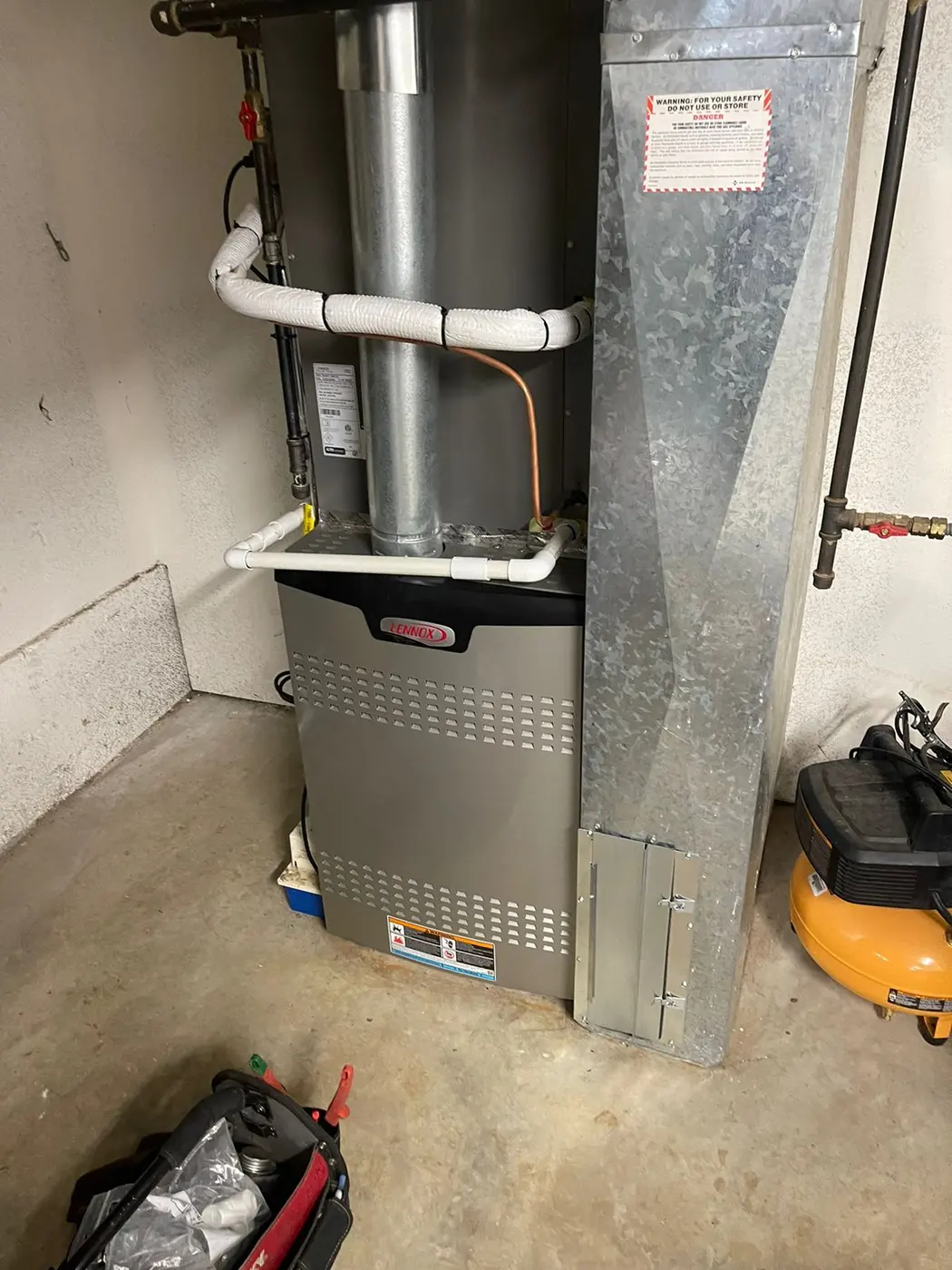
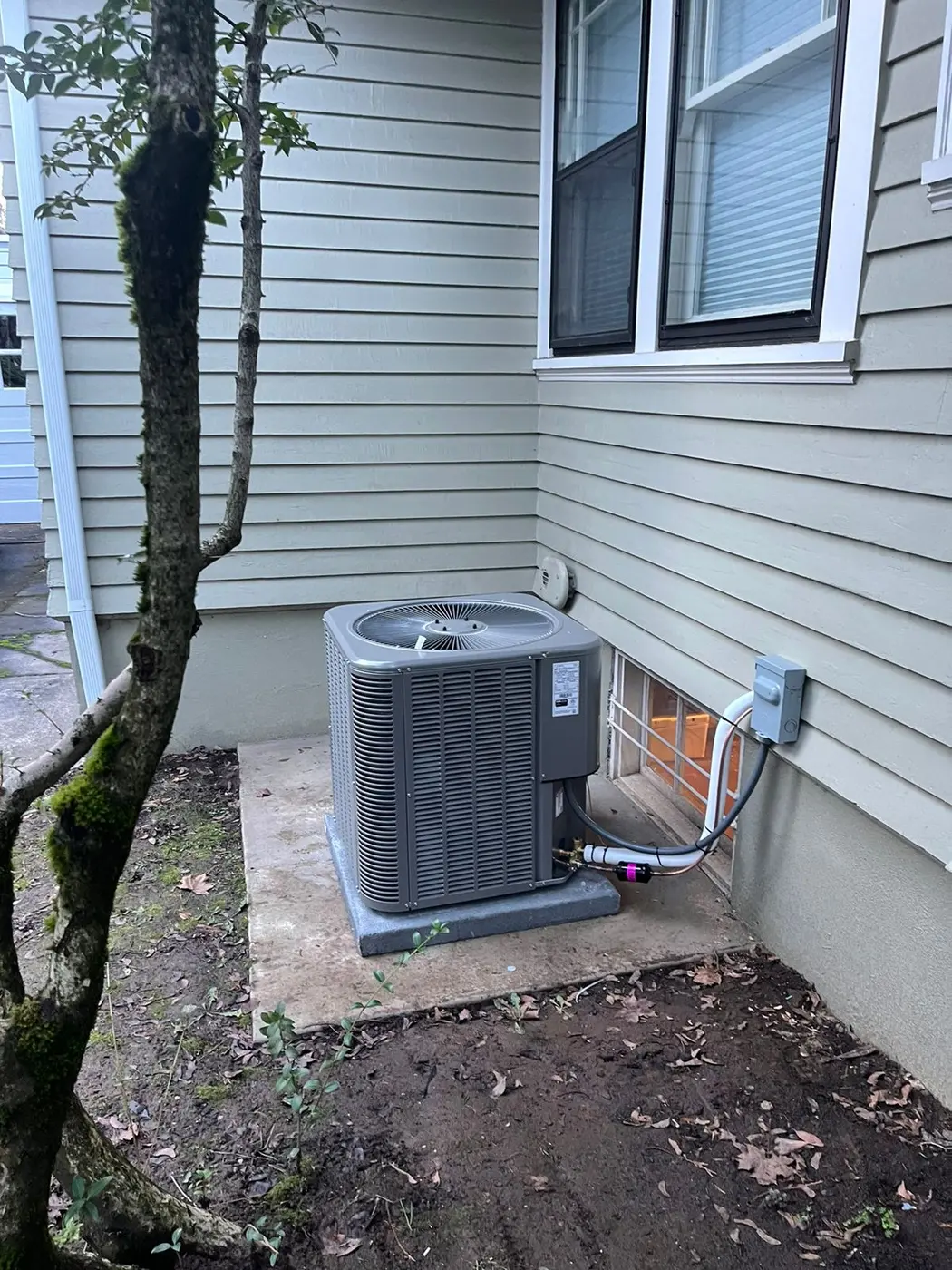
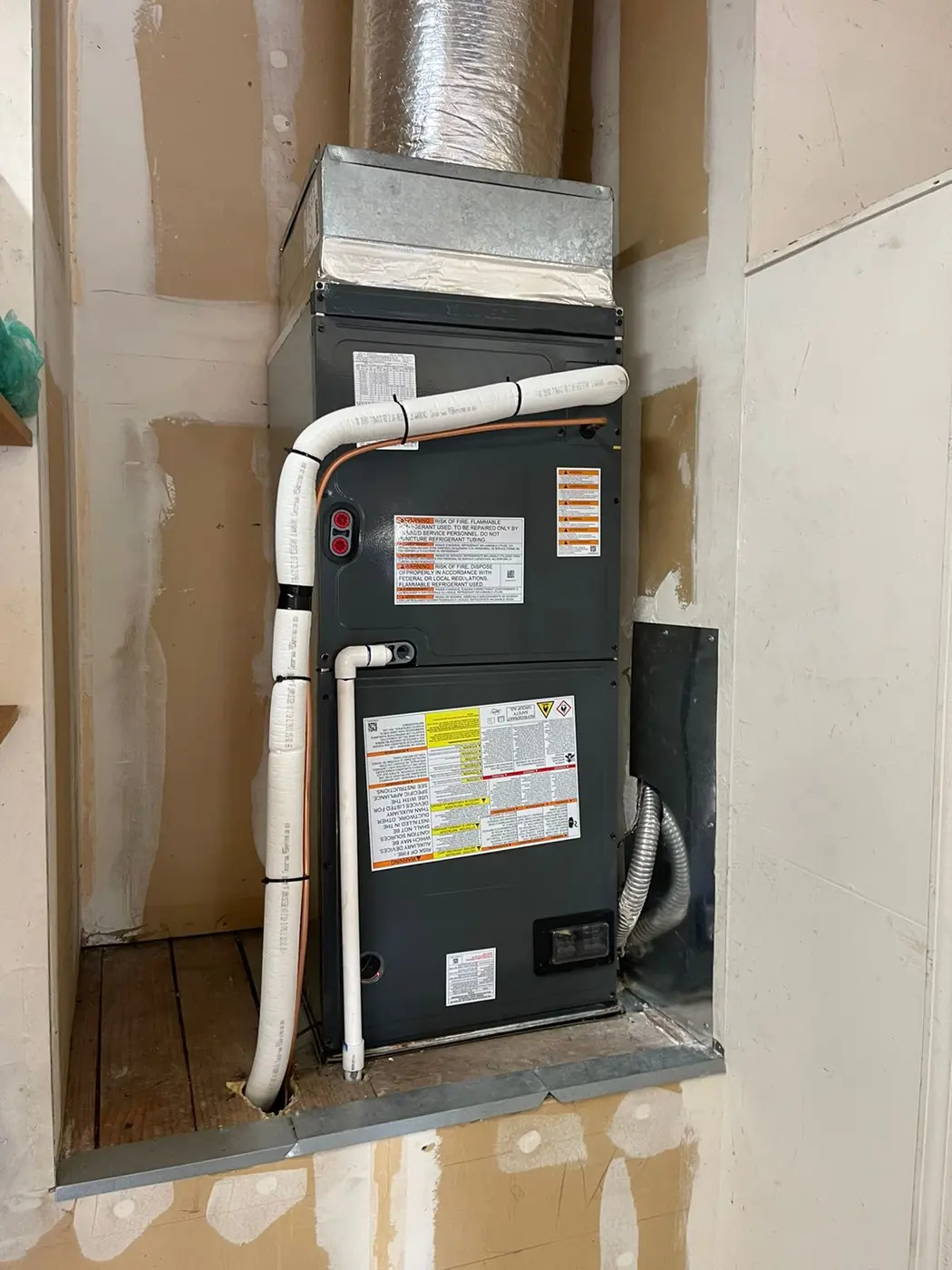
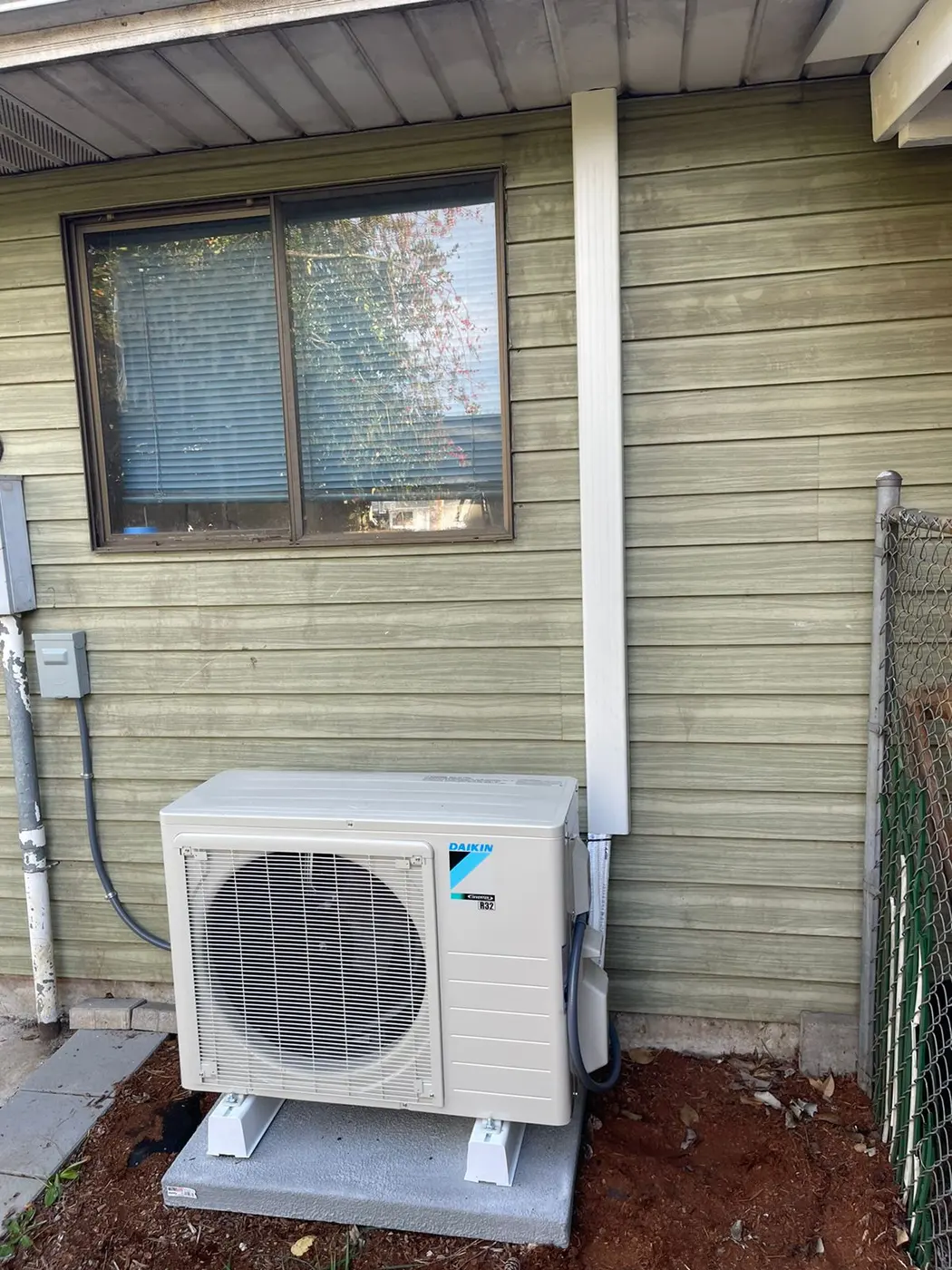
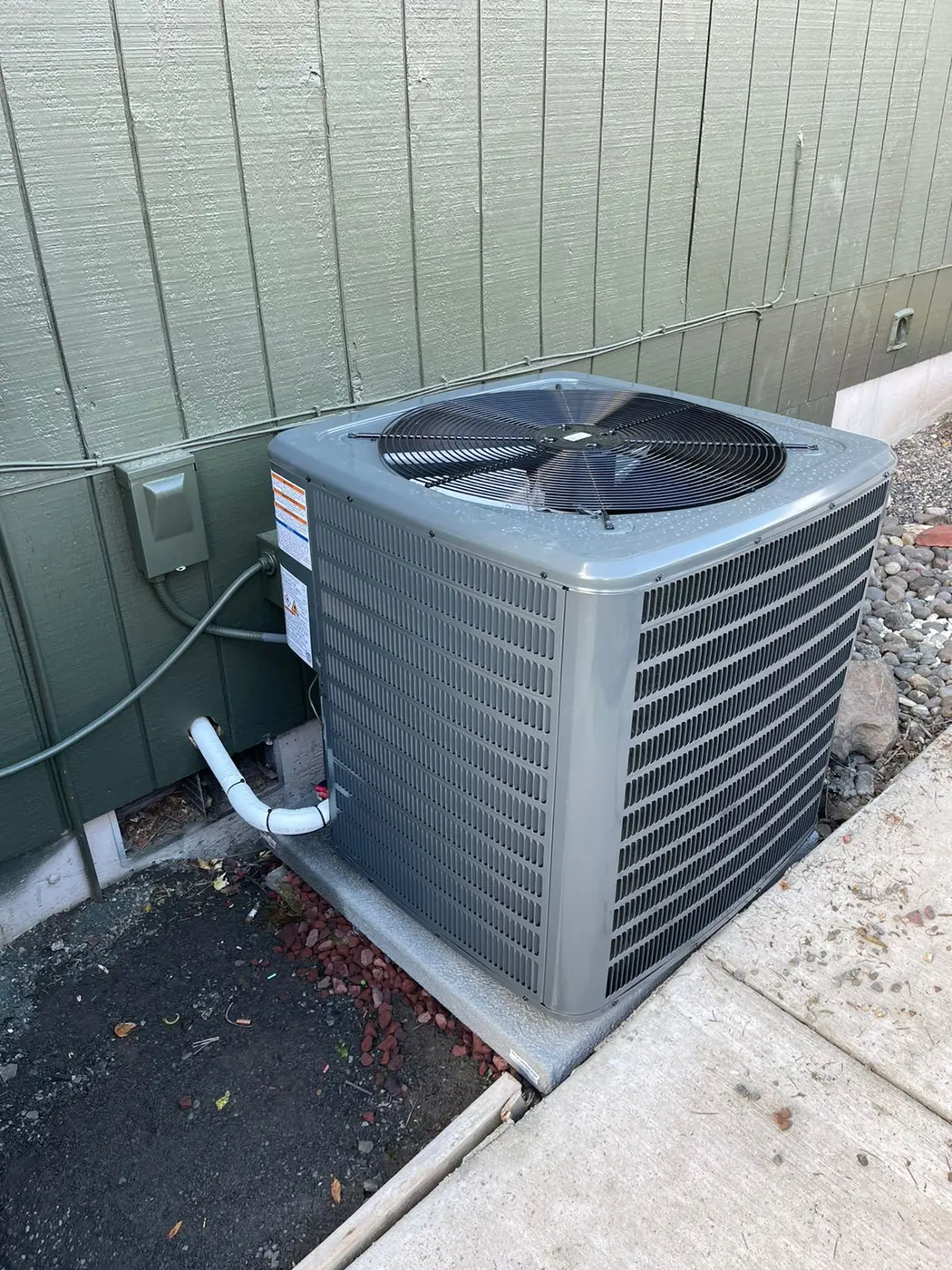
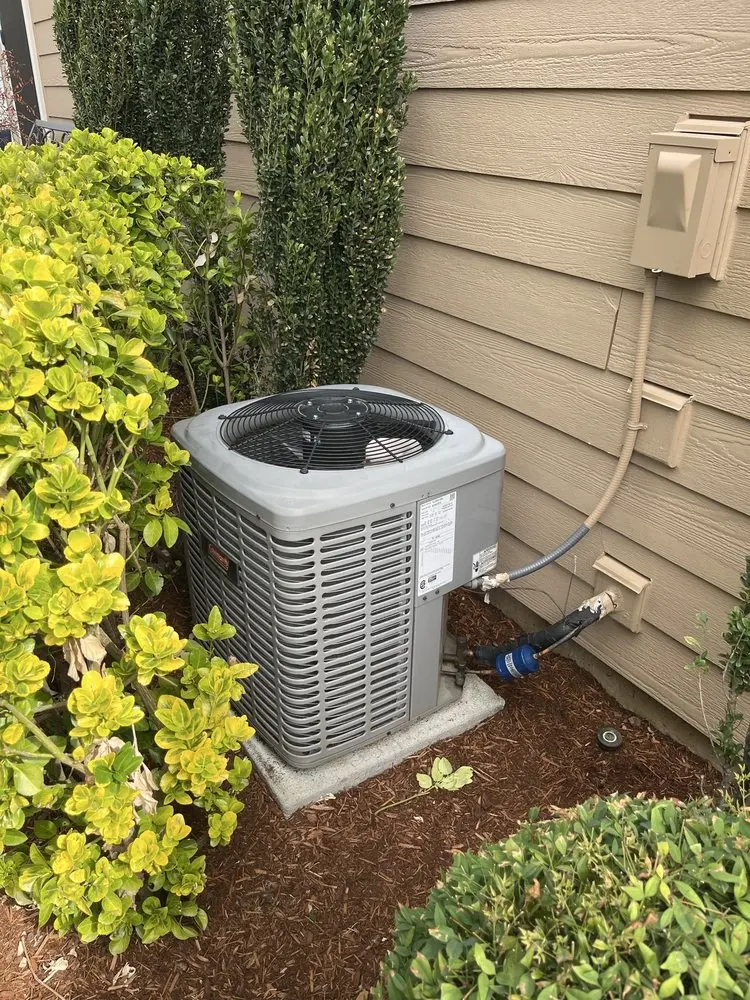
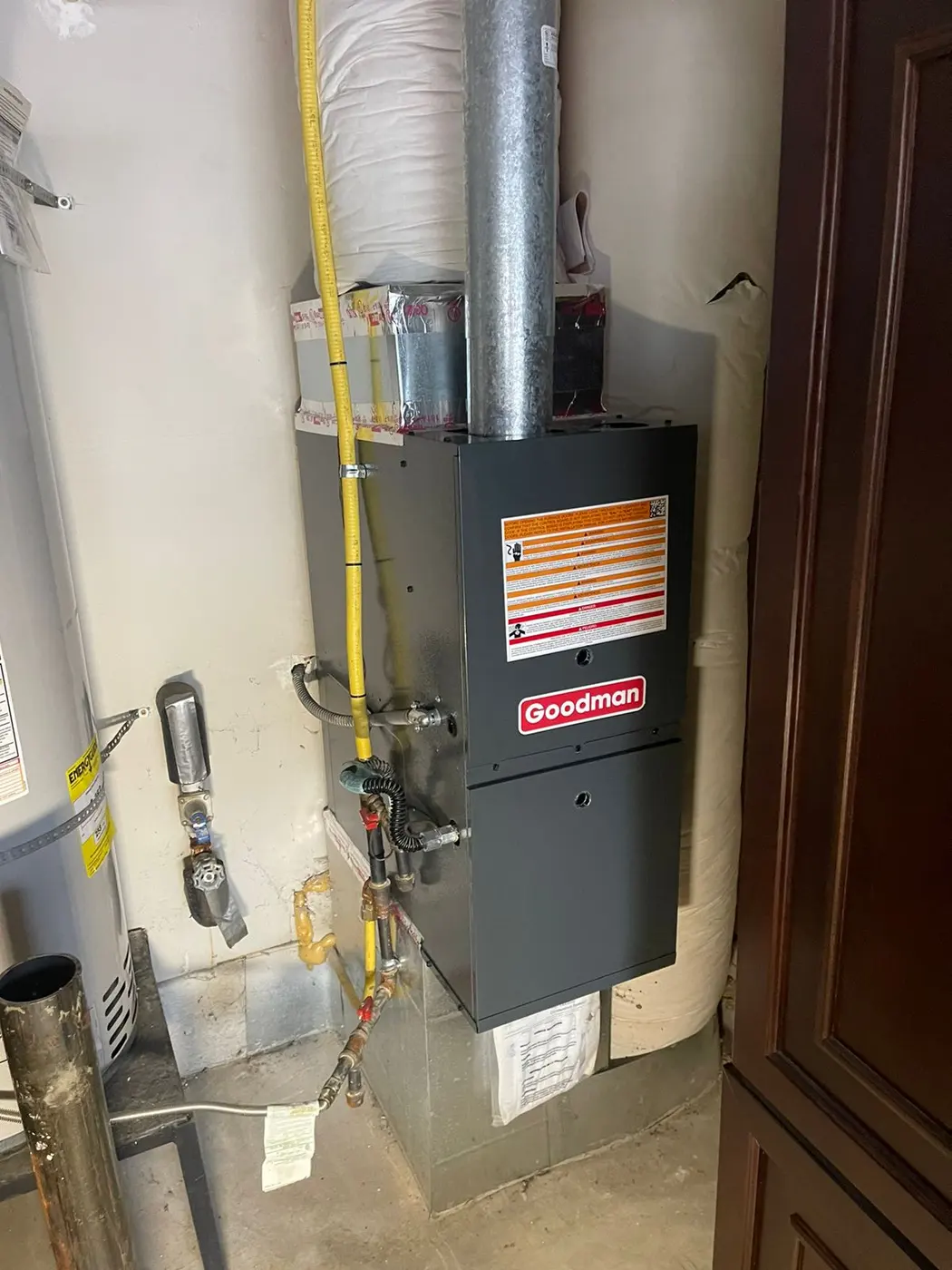
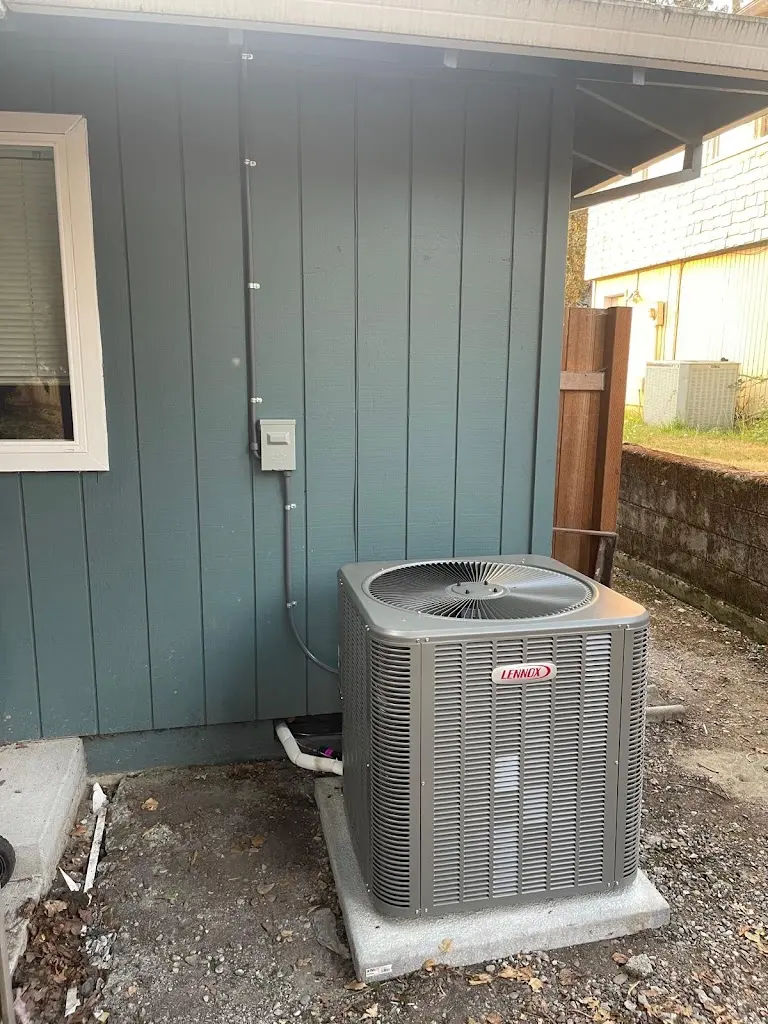
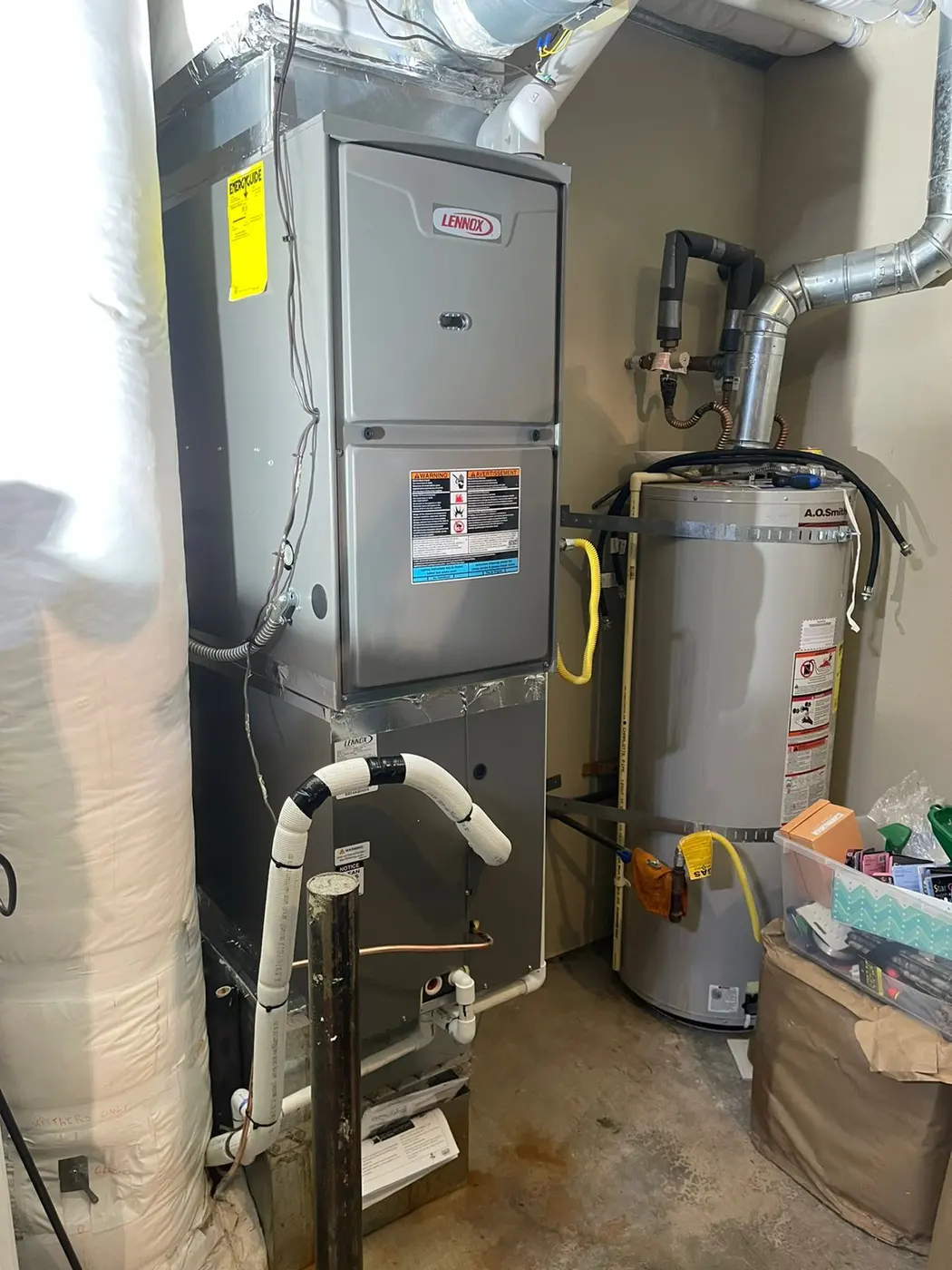
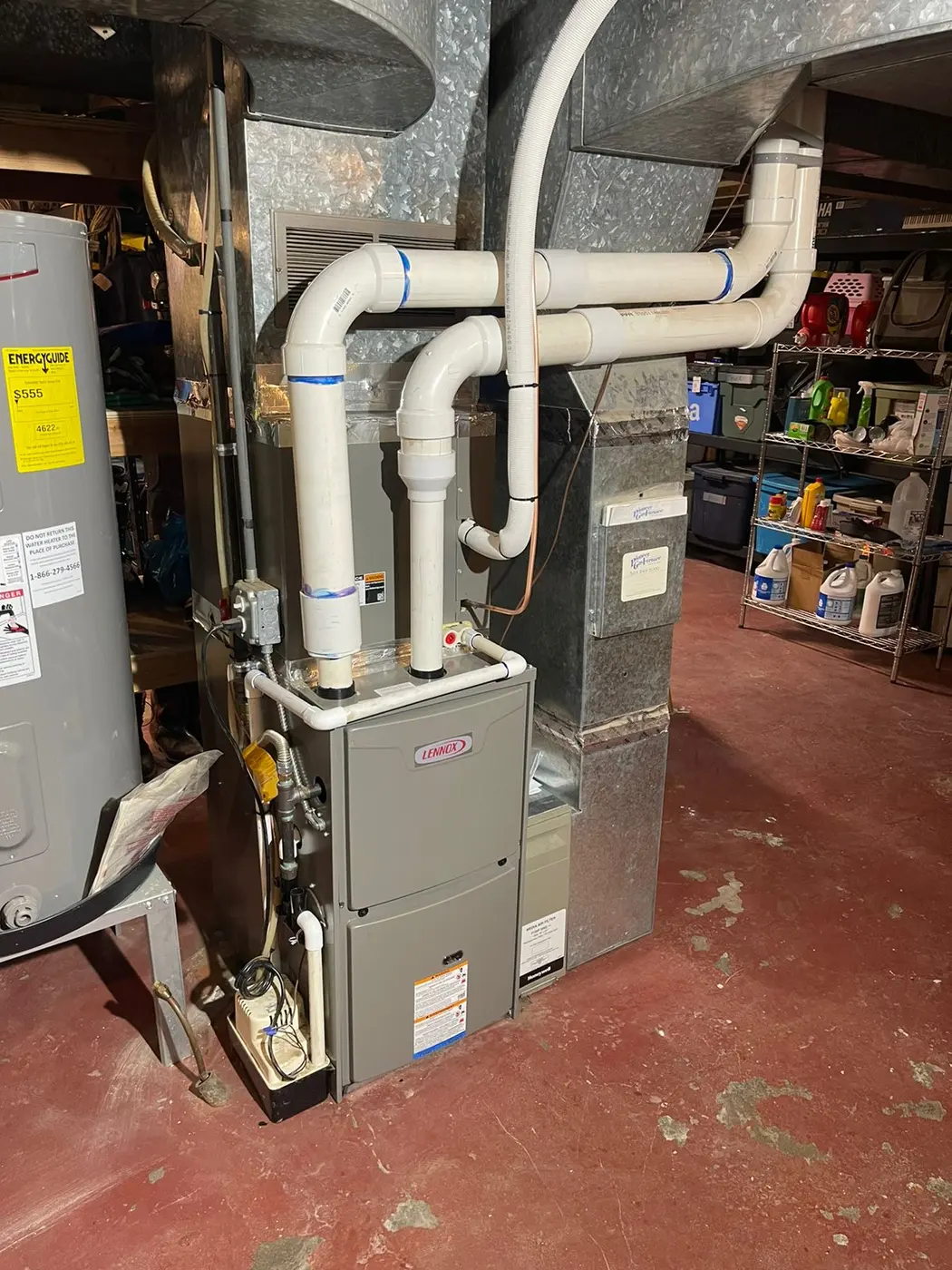
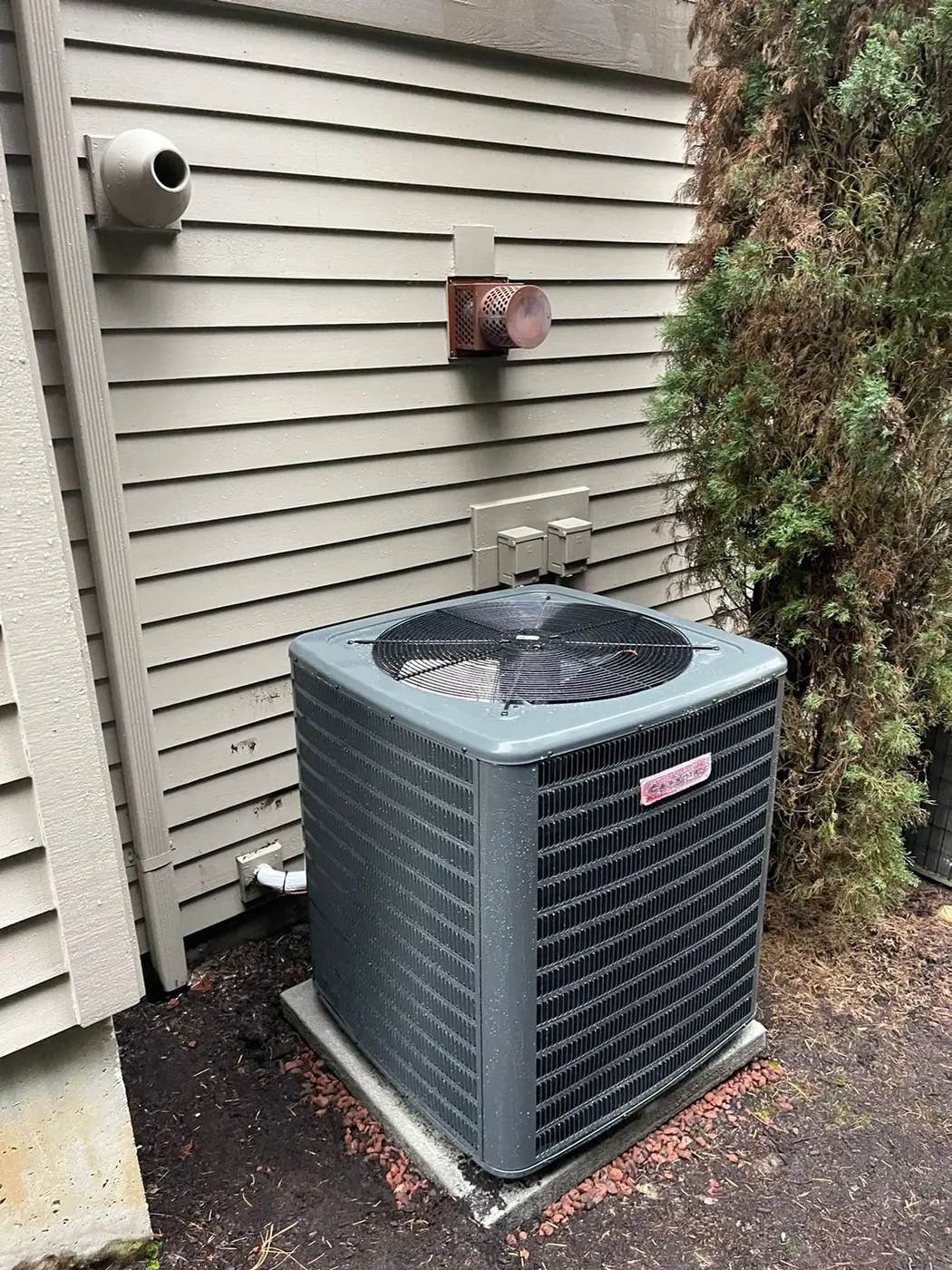
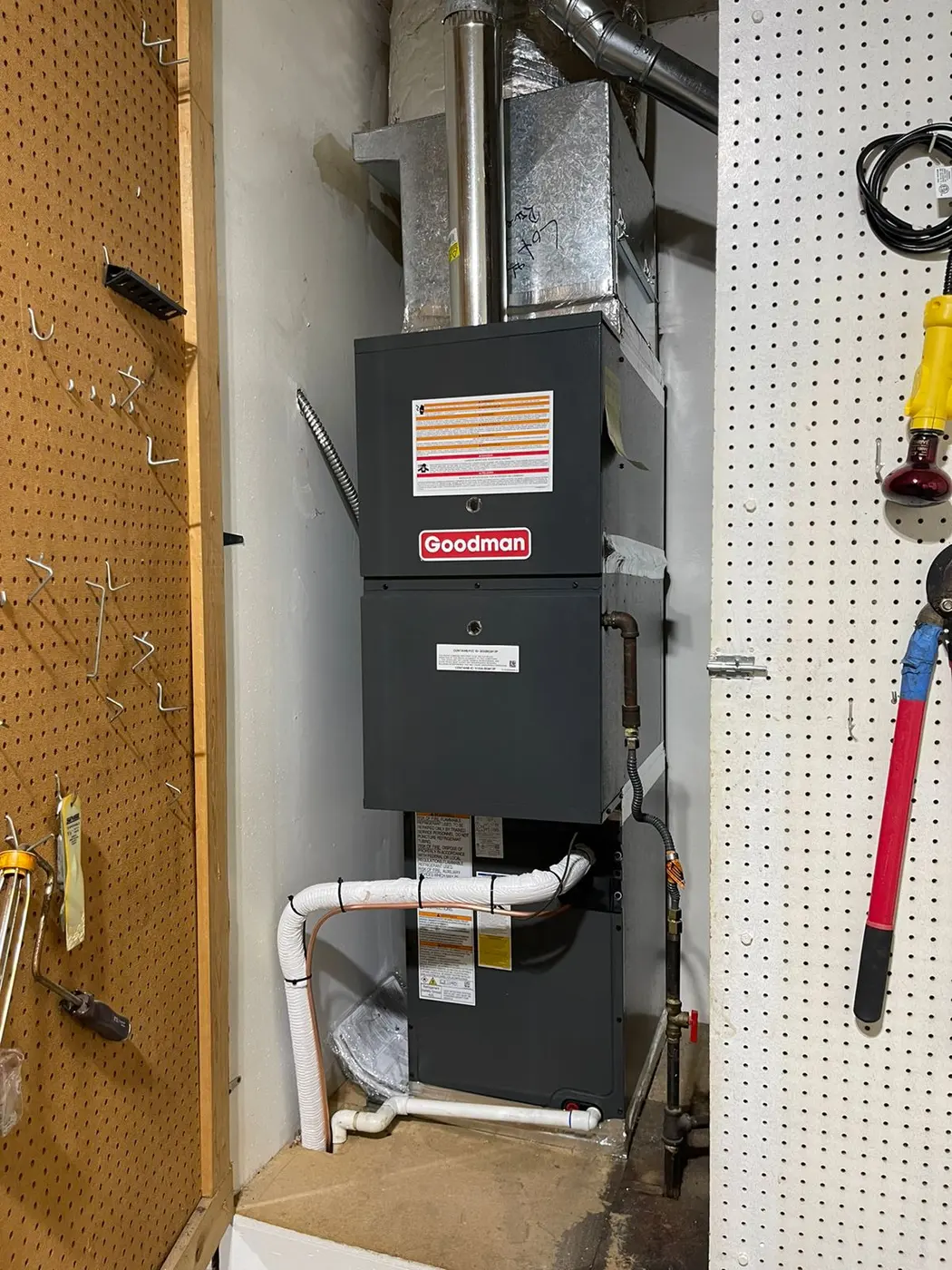
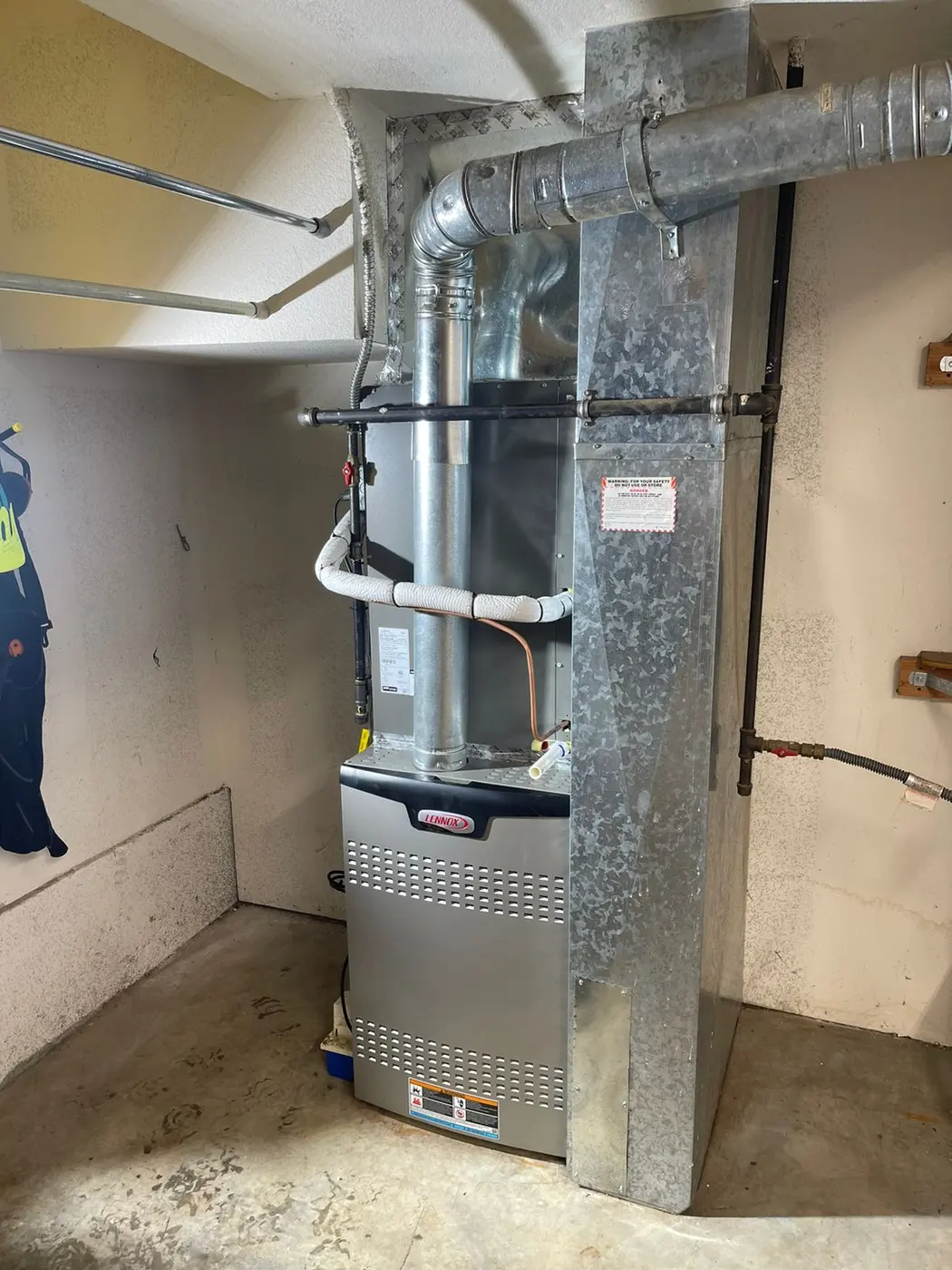
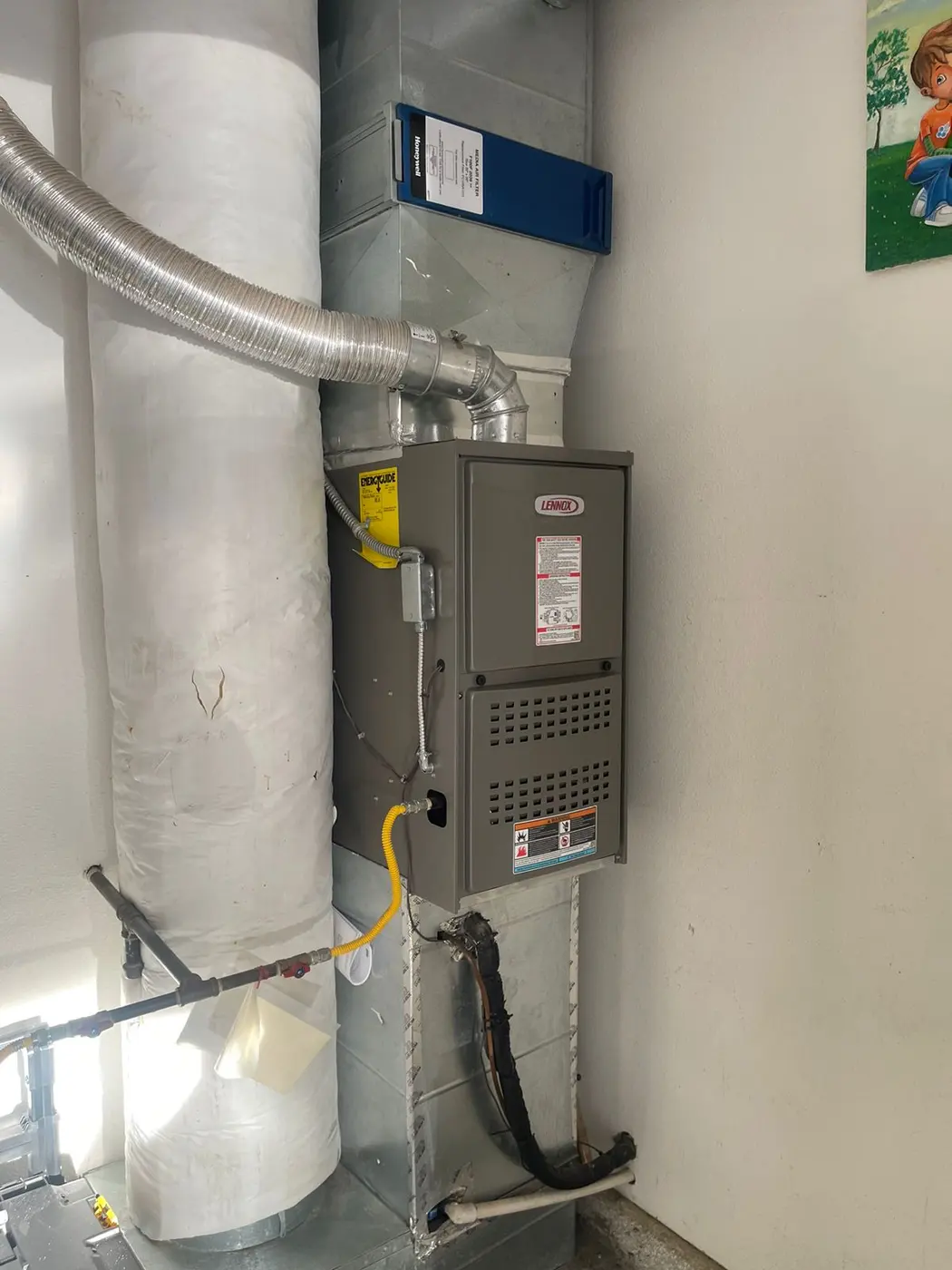
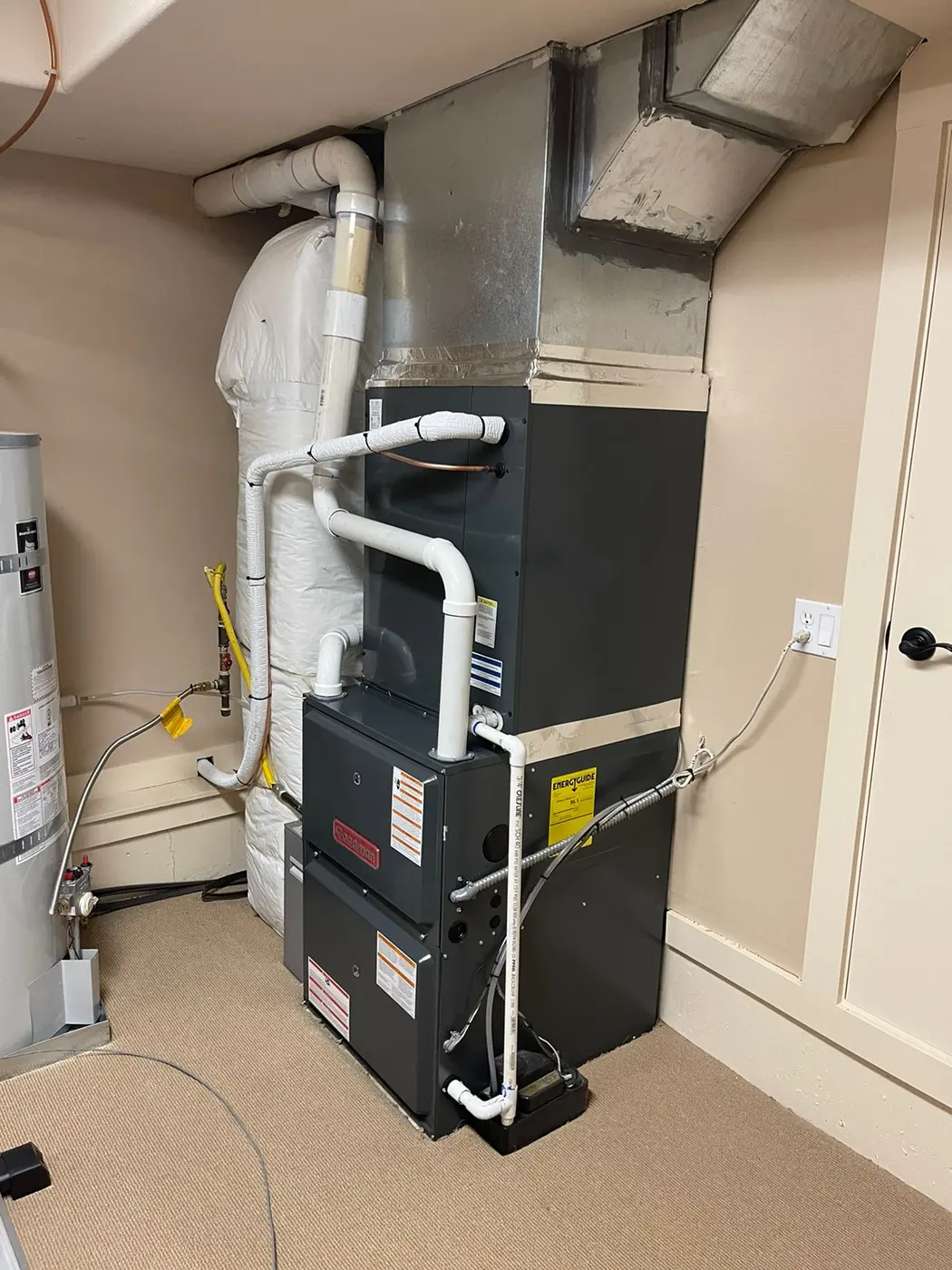
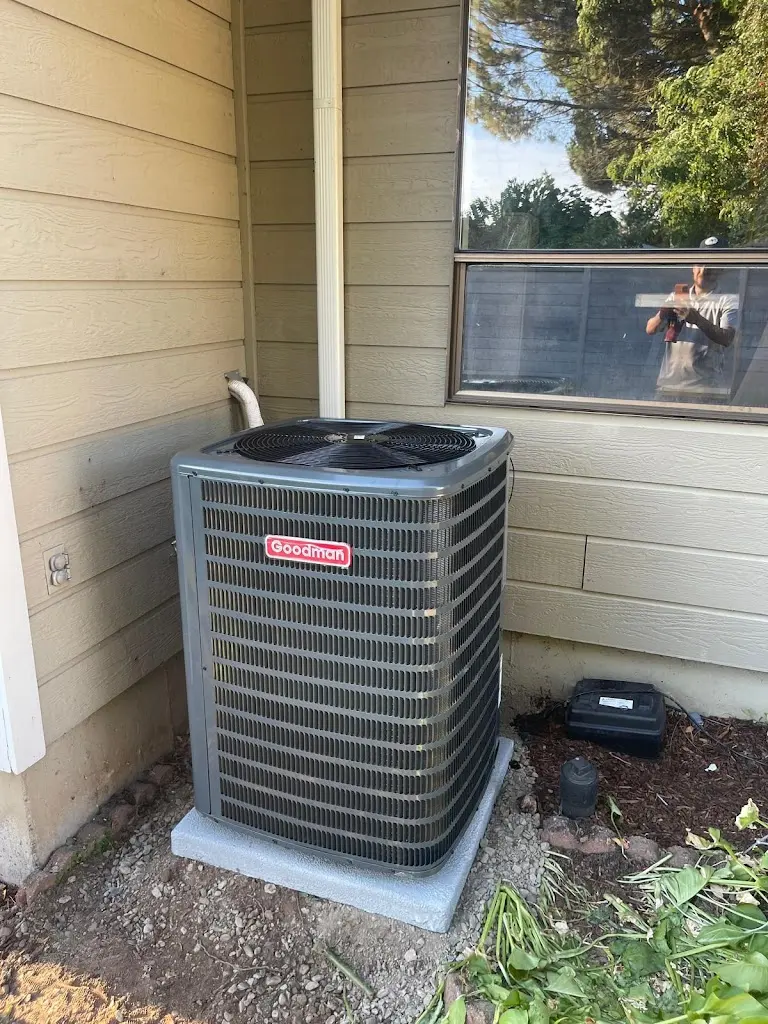
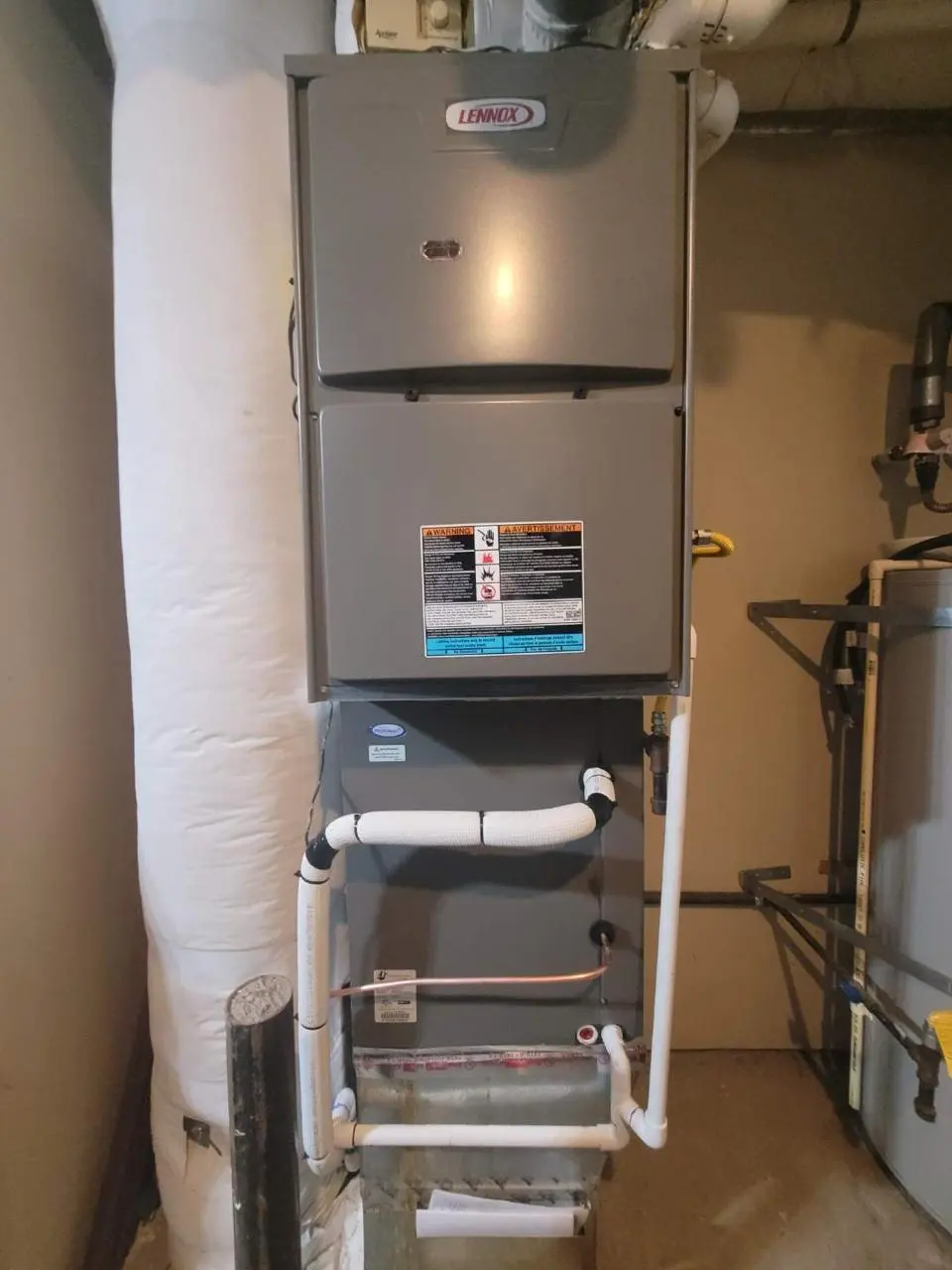
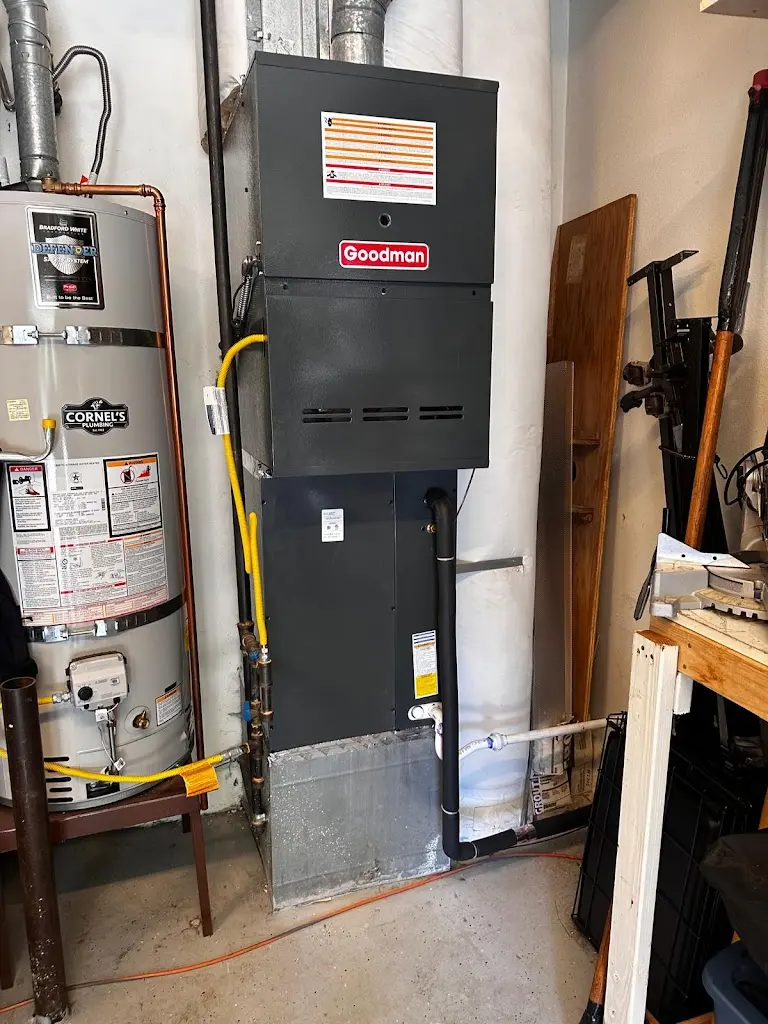
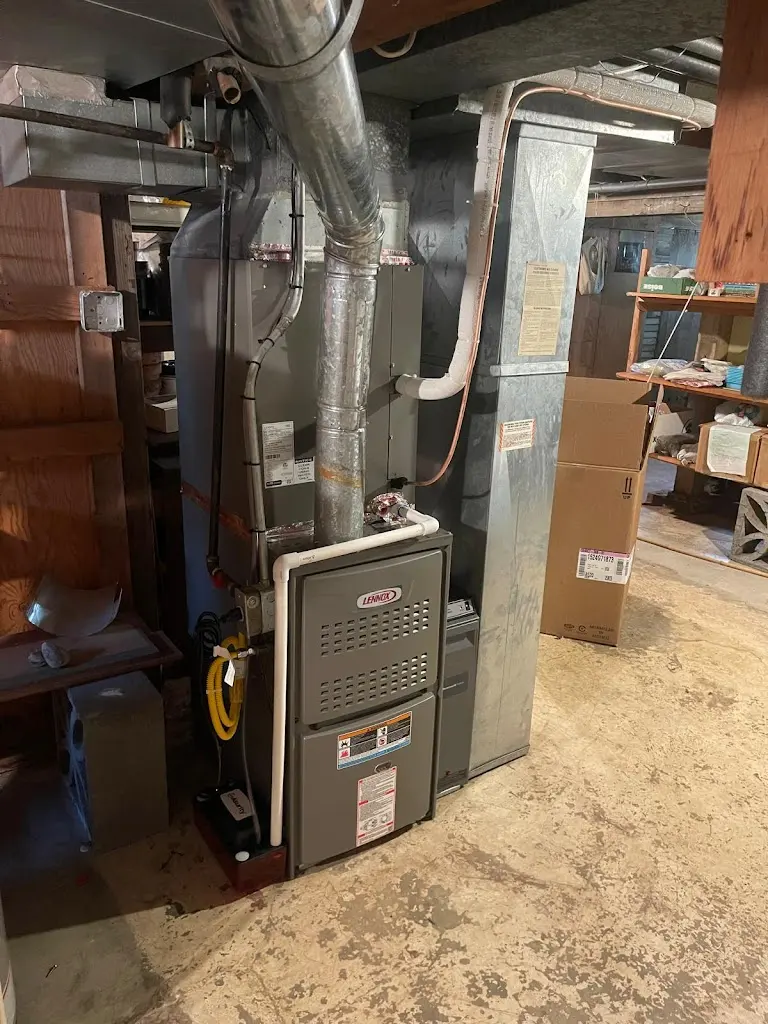
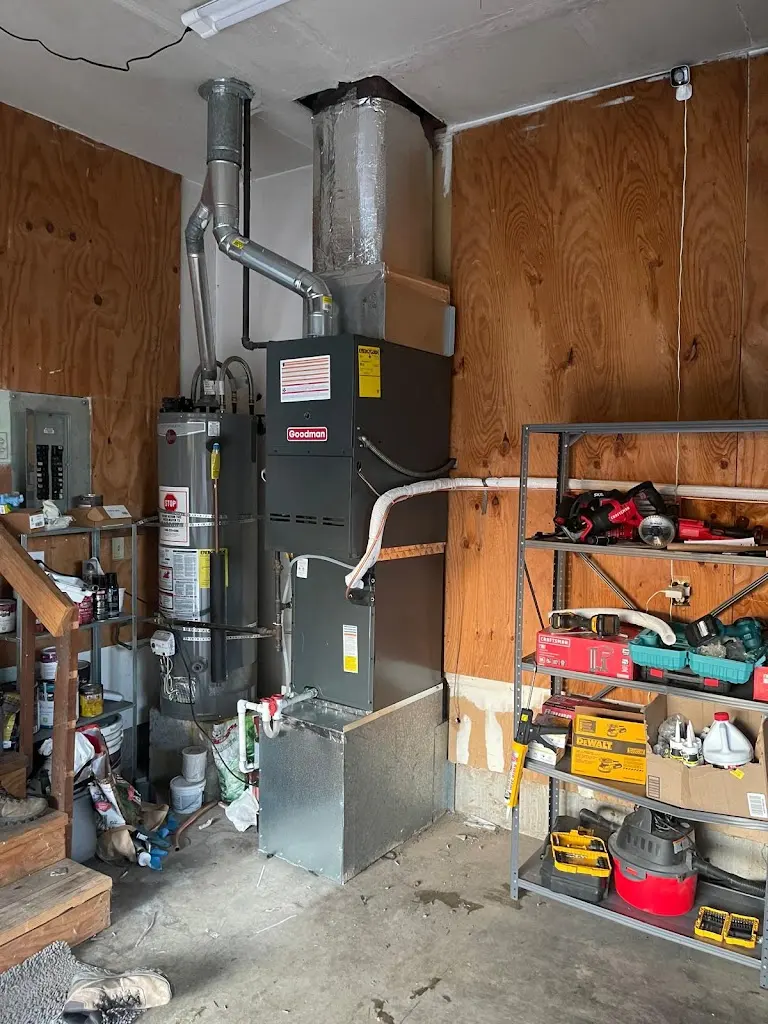
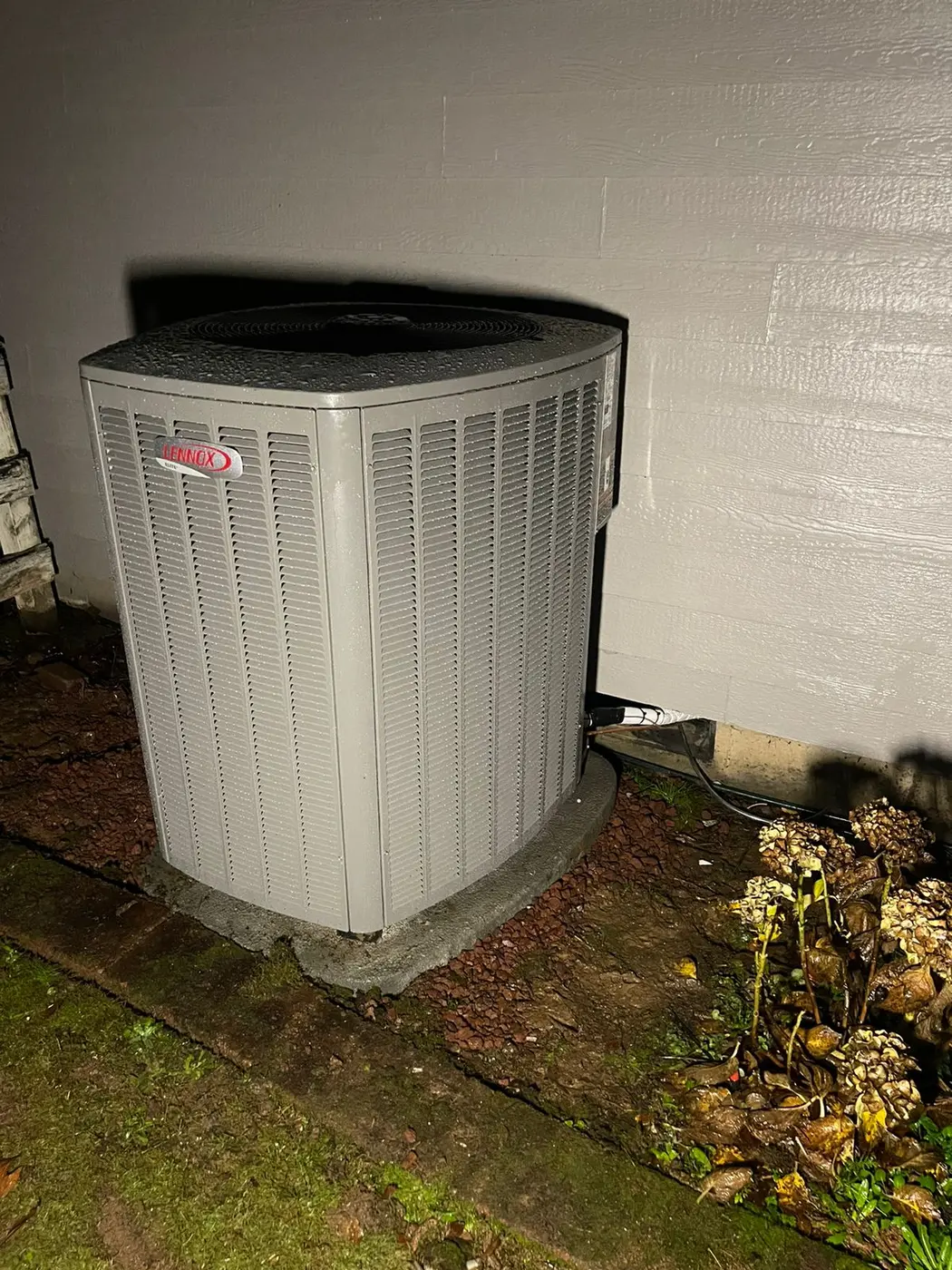
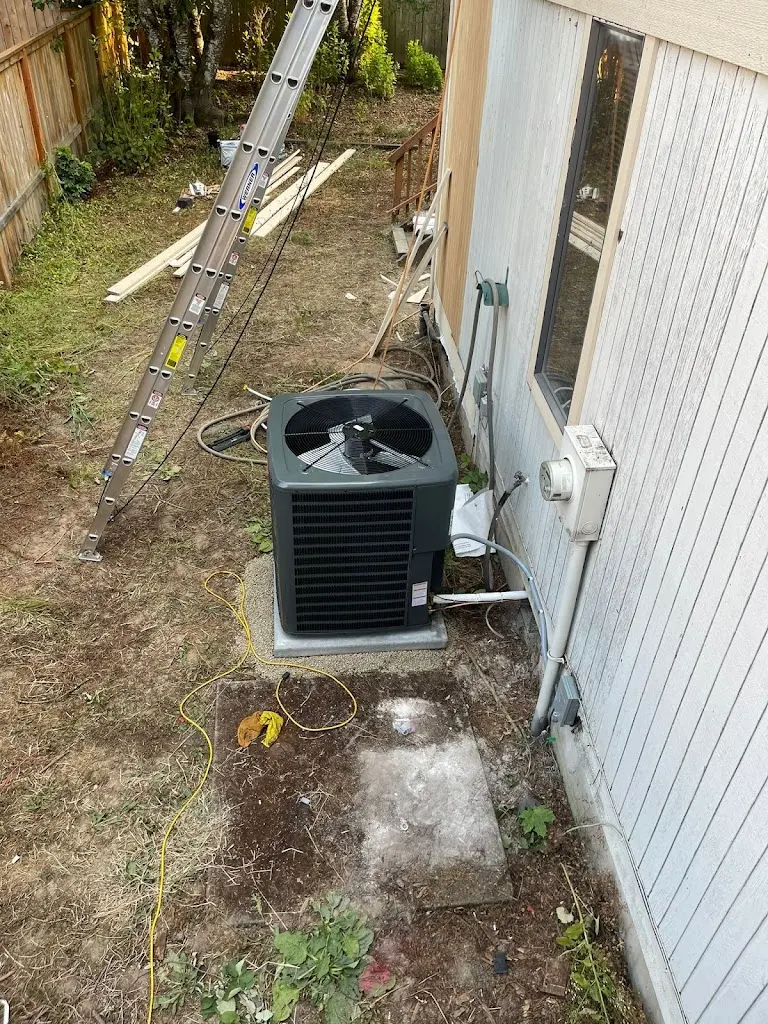
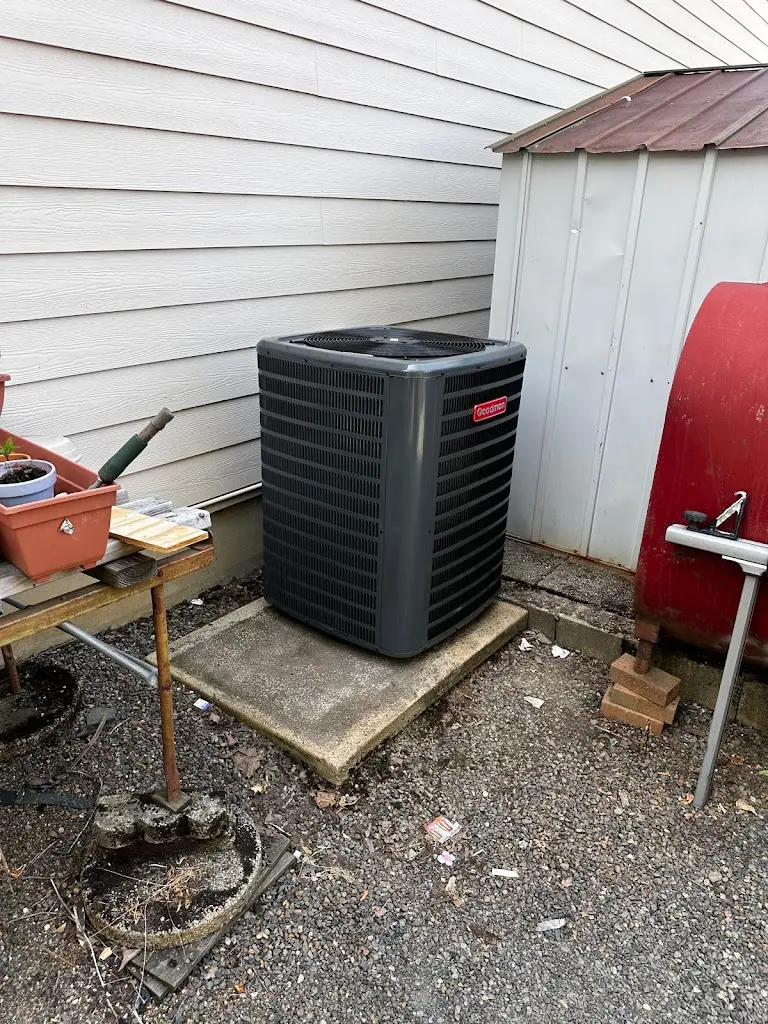
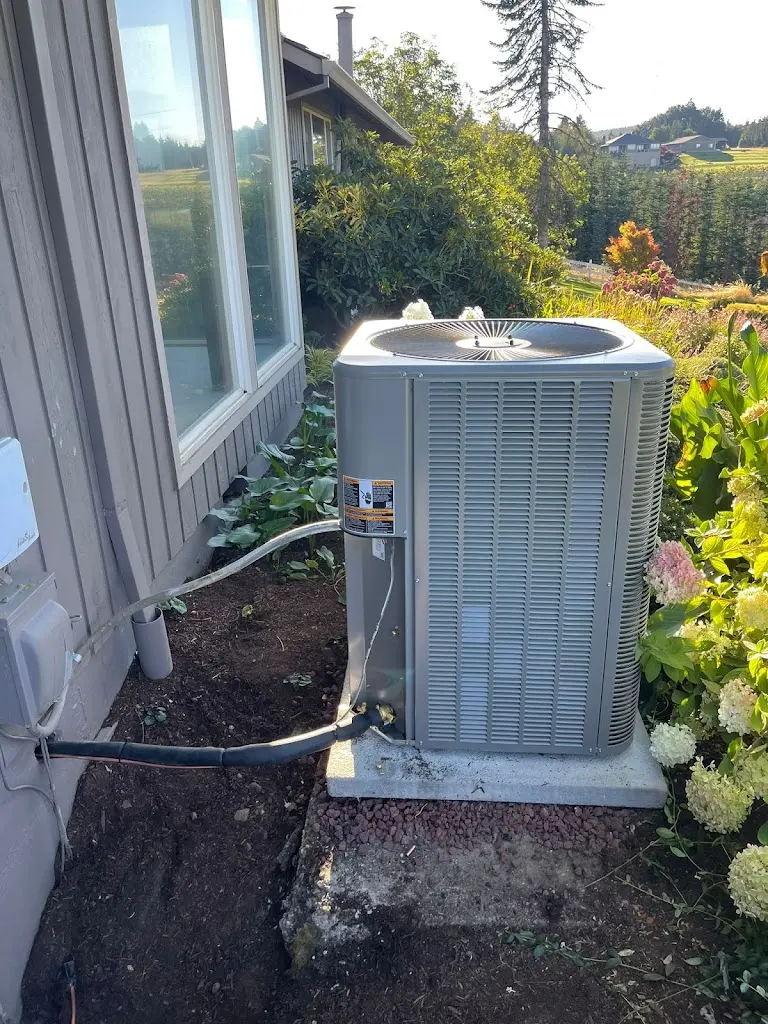
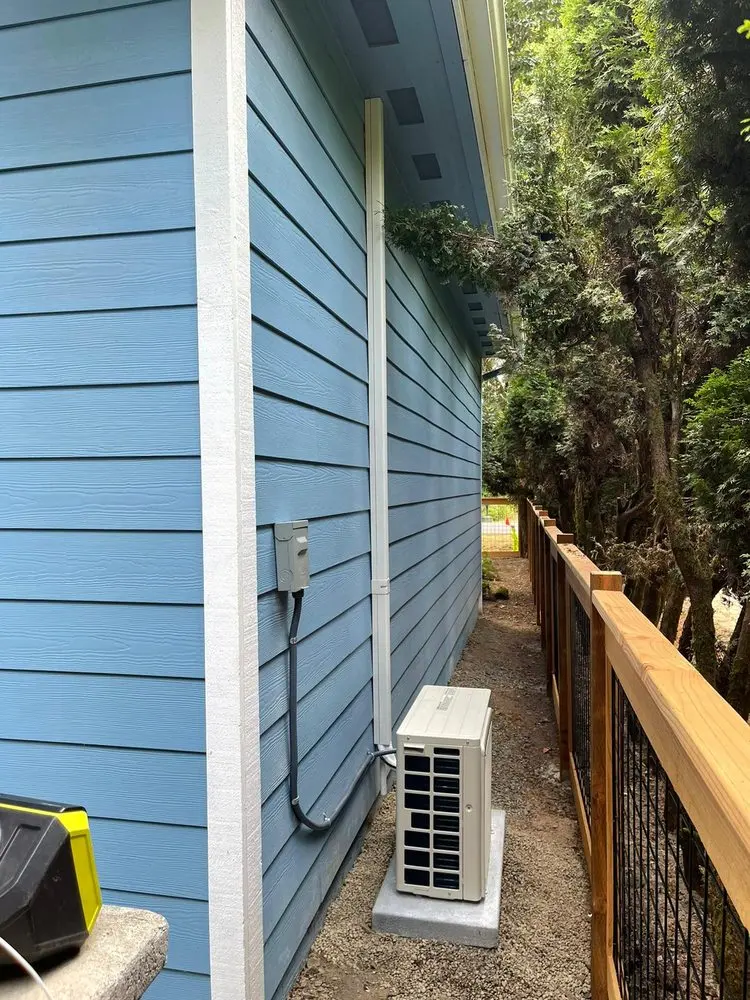
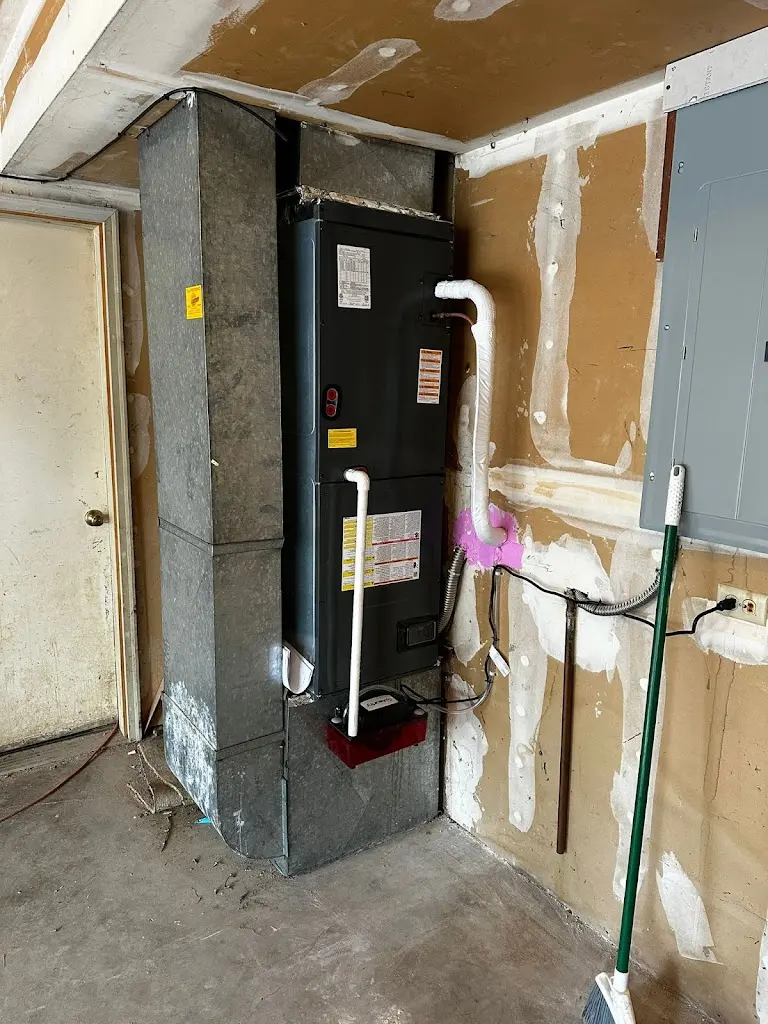
A ducted heat pump commonly works with indoor equipment that moves air through the rooms. The indoor unit has a role separate from the outdoor cabinet, even though both support the same comfort system. The estimate should identify that combination. It should also distinguish it from equipment serving an unrelated area of the property.
Provide accessible model information or earlier work records for the unit you want to replace. If records describe several systems, explain which entry you believe applies. A label from the wrong cabinet can confuse the starting point. The on-site review should confirm the selected equipment without relying on an unverified label or drawing.
For a partial replacement, ask which indoor components remain and which new outdoor unit they will support. A working unit elsewhere is not proof that a retained component suits this project. The proposed combination needs its own assessment. Similar brand names, cabinet shapes or purchase dates do not establish the connection between separate systems.
Define What the Replacement Will Leave Alone
List the areas included in the present job and any system that should continue serving other rooms. Keep that distinction in the proposal. If another area has an unrelated comfort complaint, identify it separately. A limited replacement can suit the goal without solving unrelated comfort concerns elsewhere.
An active fault may need diagnosis before you decide which equipment to replace. Our heat pump repair service in Battle Ground addresses that request. Repair testing is separate from the free installation estimate. Explain which system has failed so a finding about one unit does not become a conclusion about another.
Combining previously separate coverage changes the project. It may require more than a larger outdoor unit. Our HVAC installation service covers the equipment and air paths for that broader plan. Ask which rooms it will serve and which existing components it will keep.
Compare Proposals Using the Same Coverage
Check that each option serves the same areas before comparing its total price. One proposal may replace only the system with a fault, while another includes a second system that still works. Those are different projects. The equipment count should follow the agreed coverage instead of making a smaller total look like an equal replacement.
Ask each proposal to identify required work and optional changes. Replacing another control, moving equipment or expanding the rooms served may be a separate choice. Keep the reason for each addition clear. You should be able to see which work makes the selected system function and which work extends the original request.
Efficiency ratings also belong to the equipment combination under discussion. A rating for one new system does not describe the performance of a separate system that remains. If you compare operating expectations, keep the areas and equipment distinct. Do not assume one upgrade will produce the same change across every part of the property.
An option that retains more equipment may still need connection or control work. Read those tasks beside the model list and price. Ask how any unresolved finding could alter the scope. Clear conditions make it easier to understand a later revision without confusing it with work on a different system.
Plan Access Without Confusing Separate Work Areas
For the Battle Ground appointment, explain how to reach each equipment area relevant to the estimate. Include any locked room, gate or control in a space someone else uses. Identify who can provide access. A single street address does not describe every route the team may need for the selected installation.
Discuss which heating or cooling functions may pause during the work. Confirm whether equipment serving another area can stay on during the work. Ask what the installation affects, including any shared connections. The access and interruption plan should match the systems the proposal identifies.
Keep the current scope available to the person meeting the team. If several units look alike, use the agreed location descriptions and equipment records to identify the work. Leave disconnects, wiring and covers alone. The homeowner should not isolate equipment or move labels as a way to prepare the installation area.
Review Each Changed Function at Handover
At completion, return to the rooms and equipment named in the approved project. Review which controls now operate the new setup and which continue serving retained equipment. Ask which checks support the completed heating and cooling functions. A running outdoor unit does not establish the outcome in a different area that the project did not include.
Record any remaining concern against the relevant room and system. Distinguish unfinished installation work from an issue with equipment outside the scope. Both may need attention, but they require a clear description. Keep the next step for an open item with the final work record so the follow-up addresses the right equipment.
Keep separate model details where the property has separate systems. Include the components that stayed with the one you changed. This makes later service more precise than referring only to the new heat pump. For a later comfort problem, describe the affected room, control setting and equipment.
Frequently Asked Questions
Can I replace one of two heat pumps without replacing the other?
The estimate can review that goal. First confirm that the systems are separate and identify the equipment and rooms in the proposed work. The condition of one system does not automatically decide the future of the other. The plan should explain any connection that makes the scopes depend on each other.
What if I cannot tell which outdoor unit serves a room?
Describe the controls, rooms and equipment locations you know. Provide any reliable service records, but keep uncertain details marked as uncertain. The on-site review can establish the arrangement. Do not switch disconnects, remove covers or repeatedly change settings to trace the system yourself.
Does replacing a central heat pump also change a separate room unit?
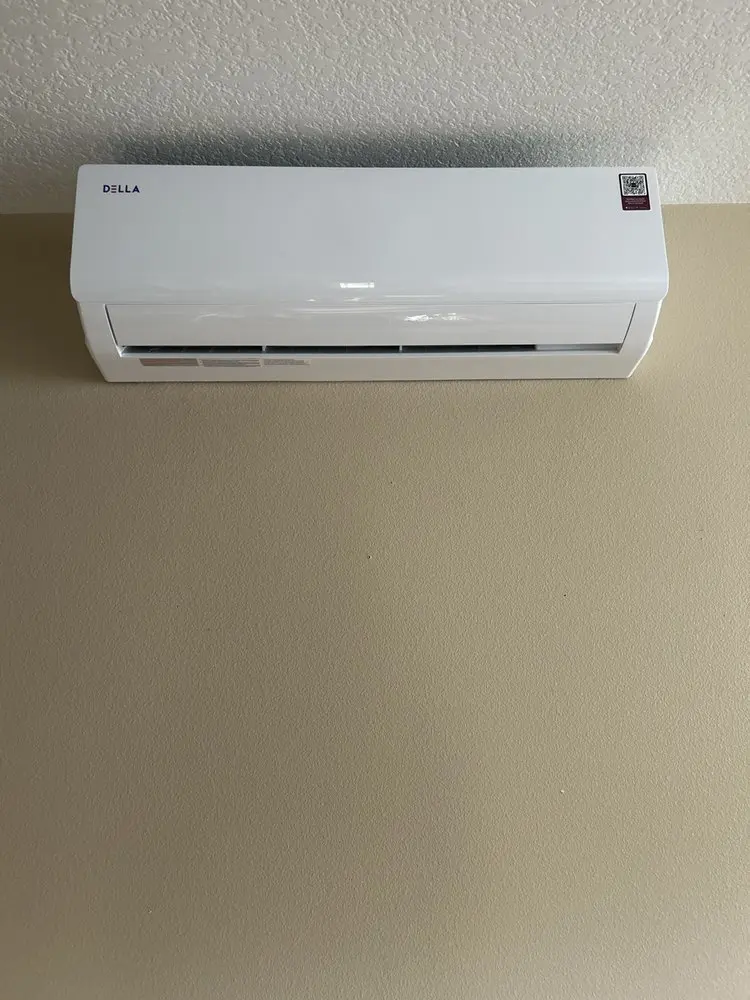
Only if that work belongs in the approved proposal. Point out the separate unit and explain whether you want to retain or change it. The estimate should state its role in the finished plan. Avoid treating the word central as a promise that every heating and cooling device on the property will change.
Can I add another system to the job after approving the estimate?
Ask us to review the expanded scope before work proceeds. Another system can change equipment, access, timing and price. Keep the revised proposal clear about both the original work and the added area. The team and the person approving the project should have the same current plan.