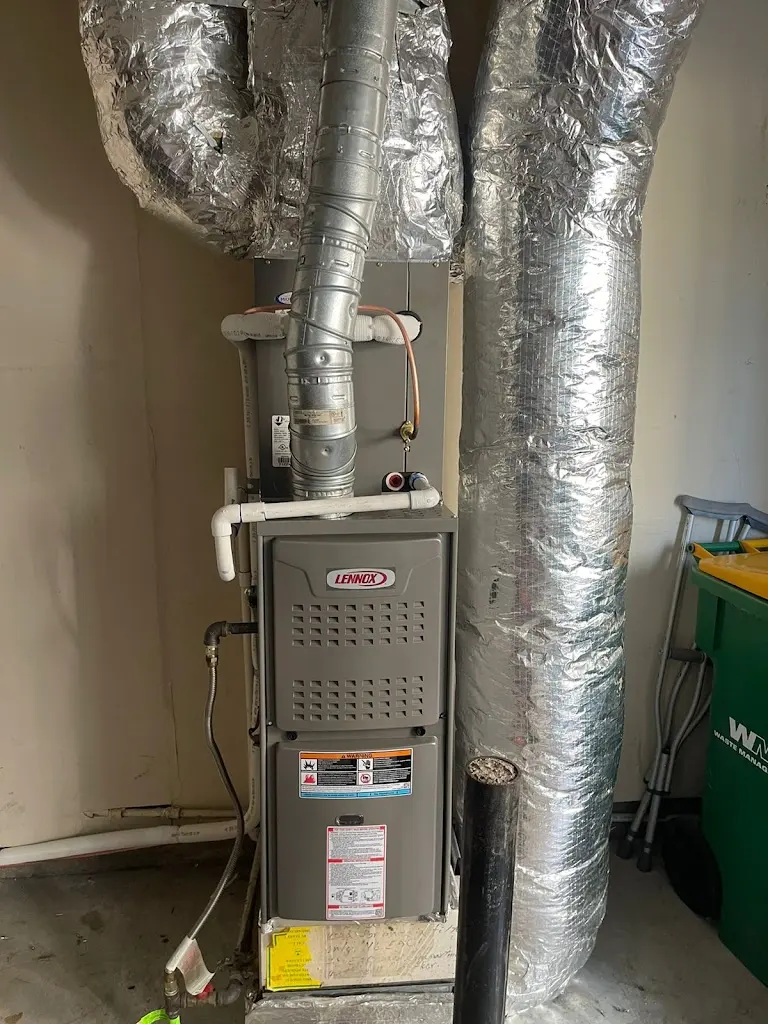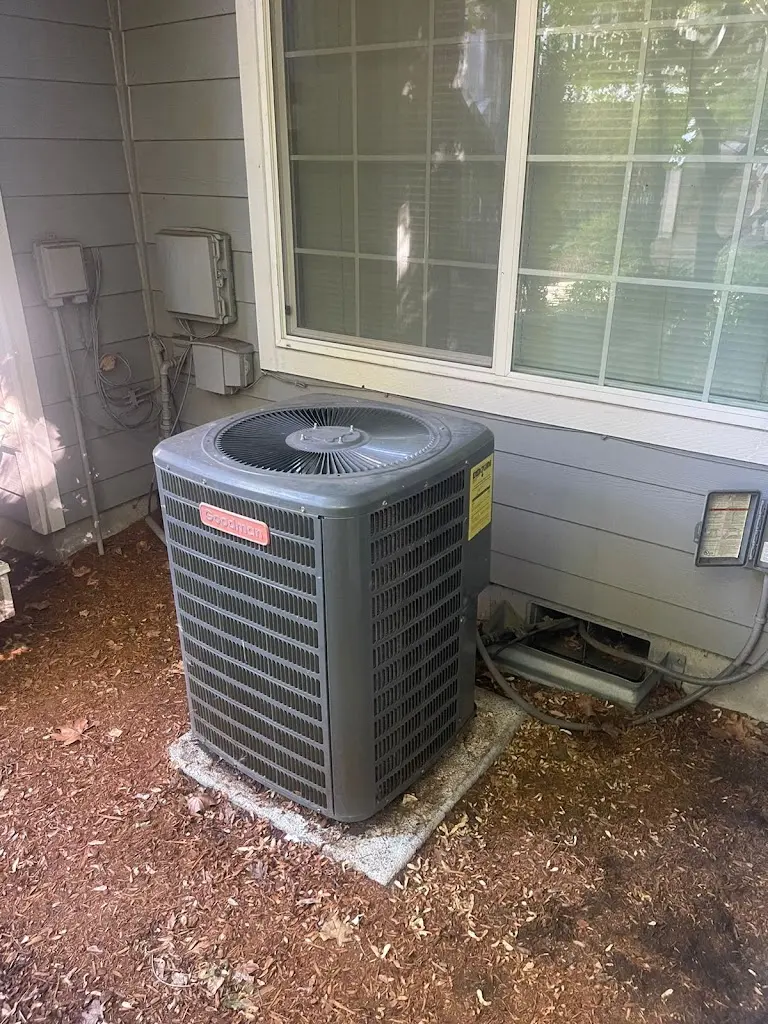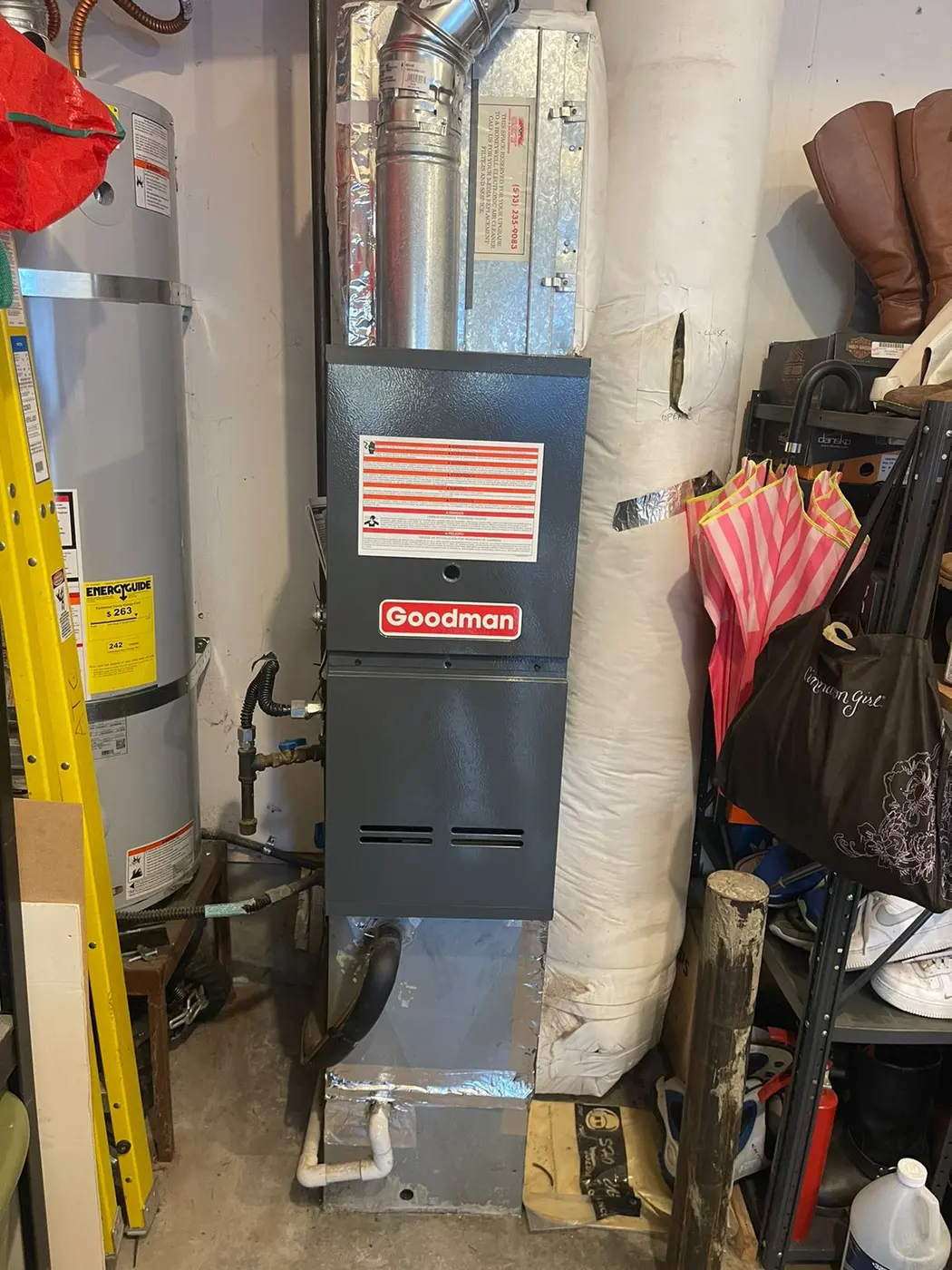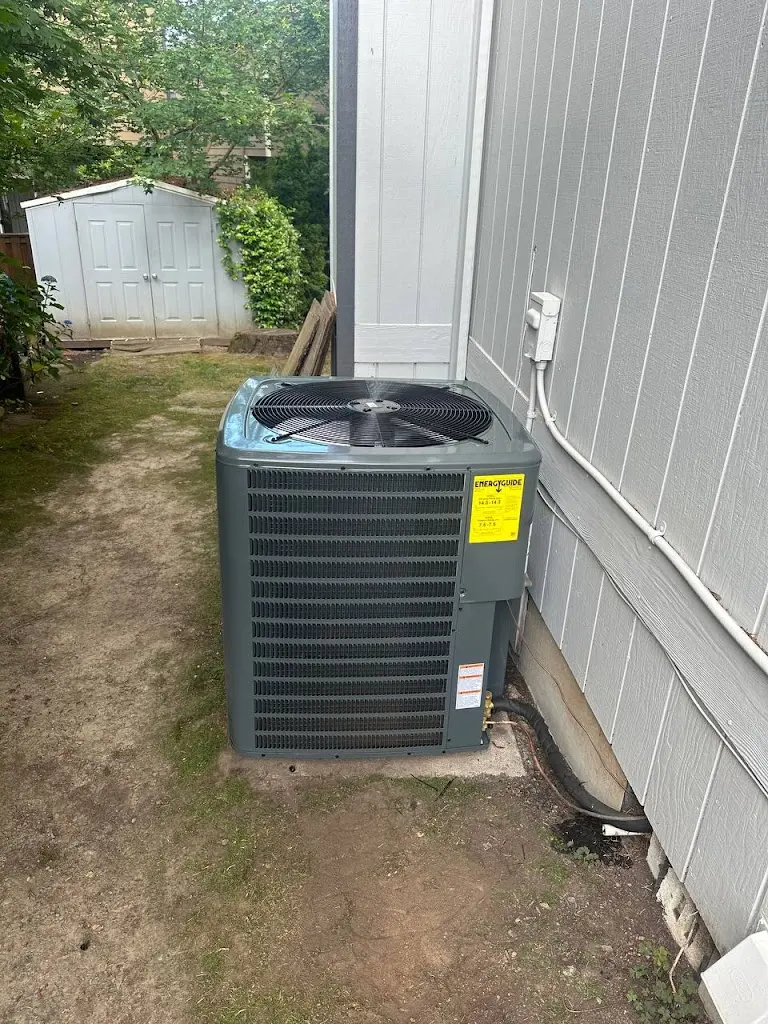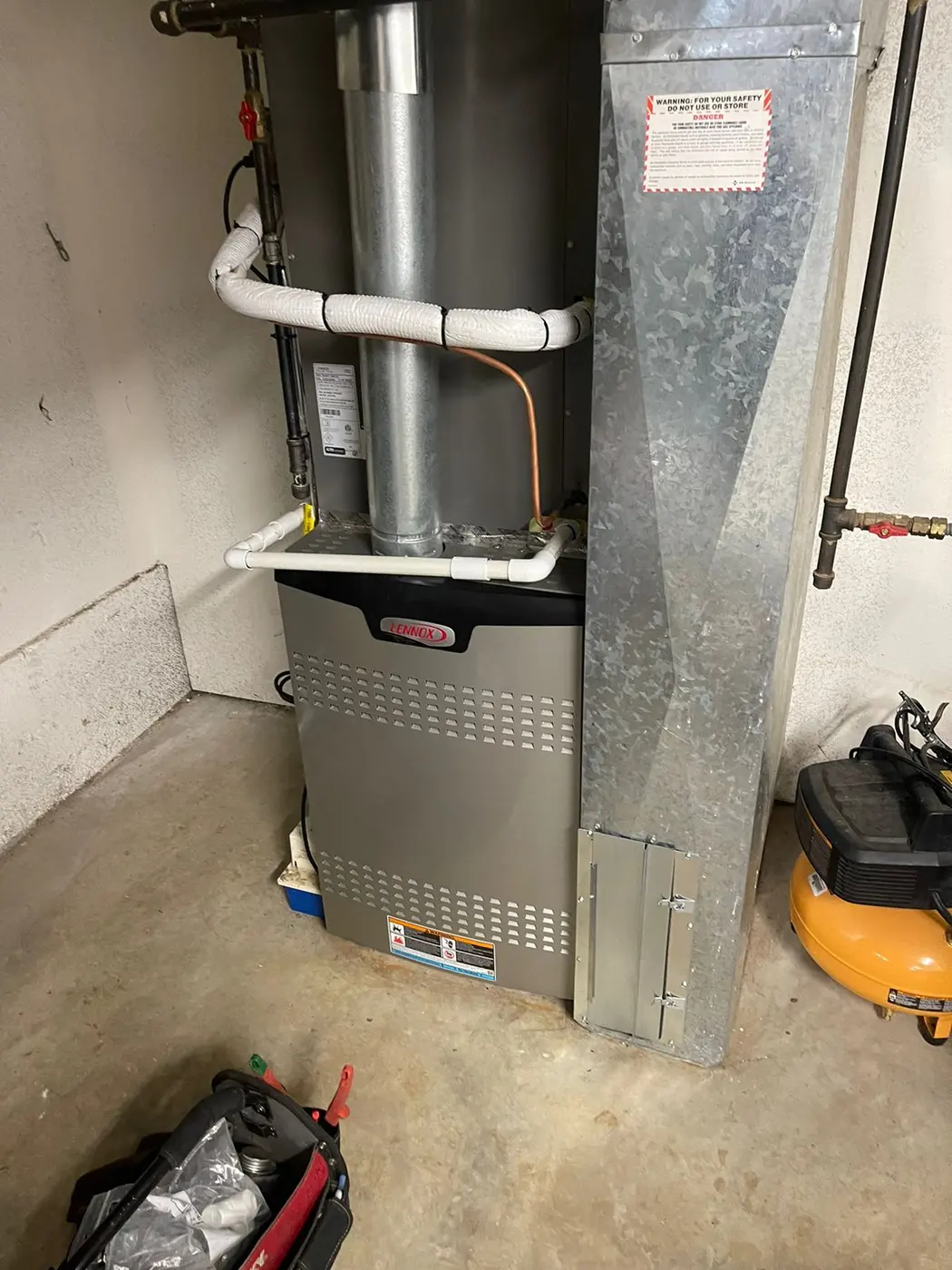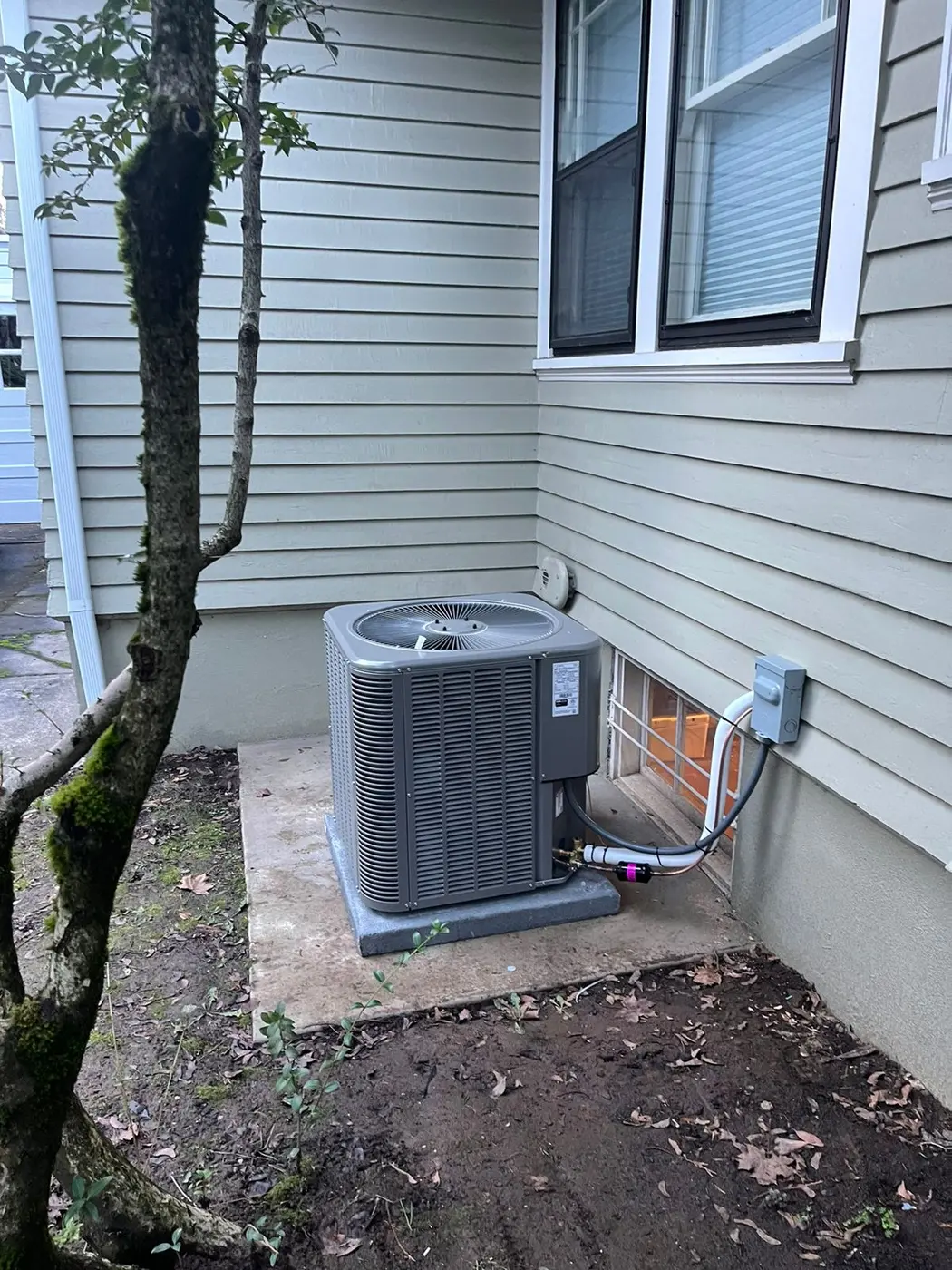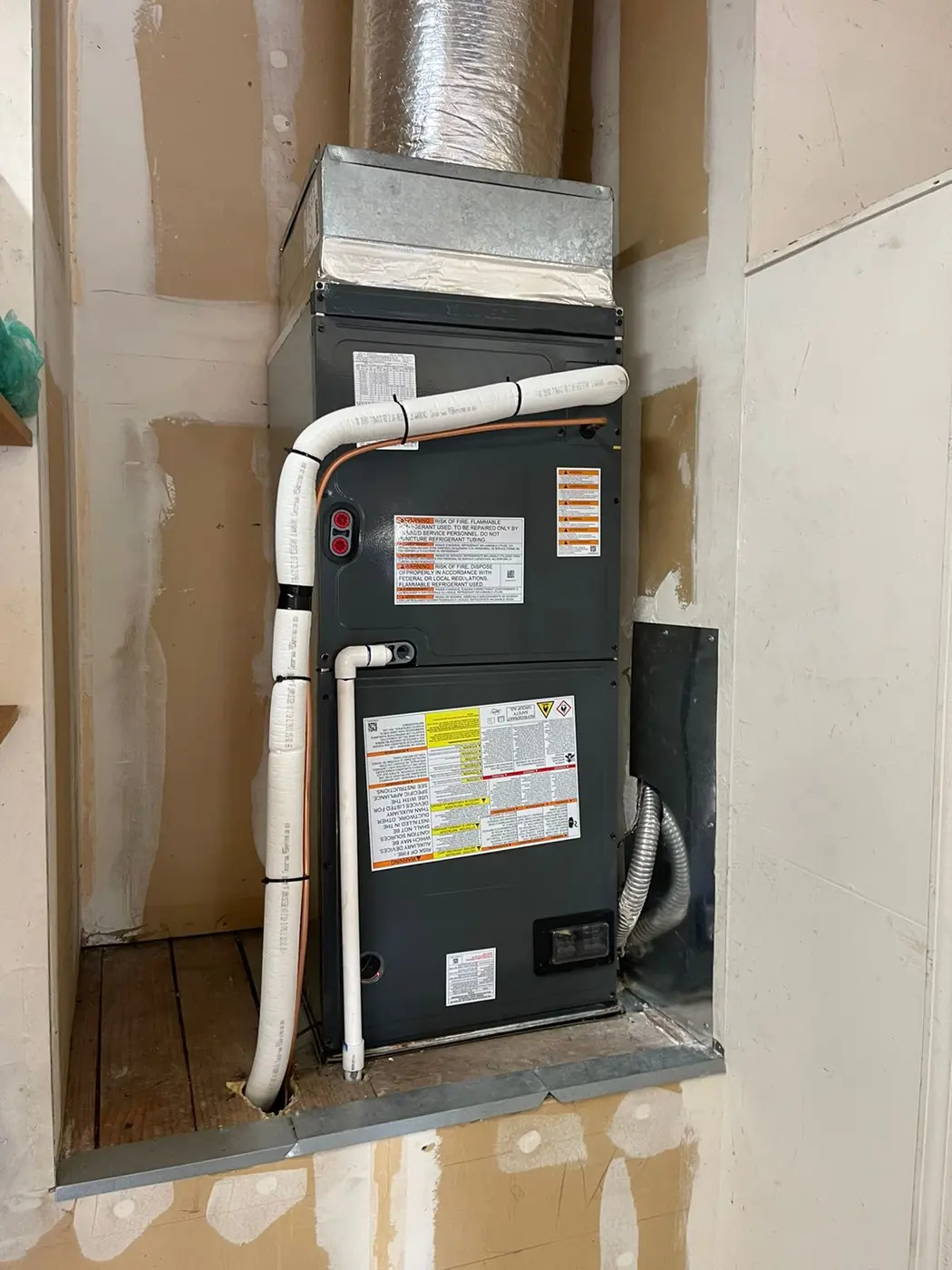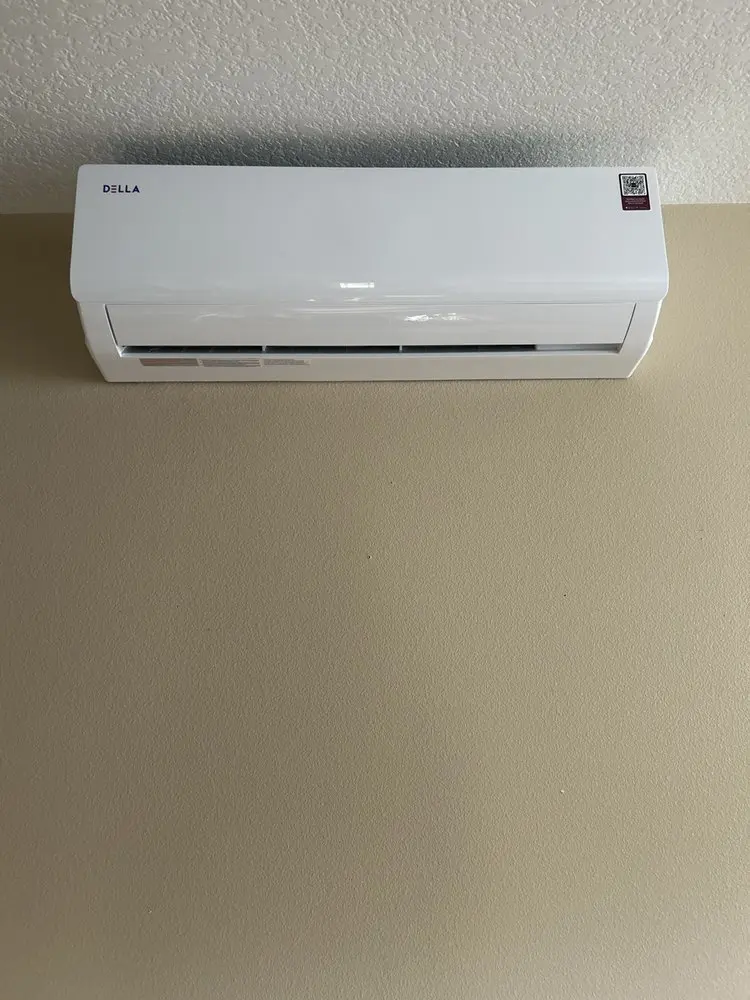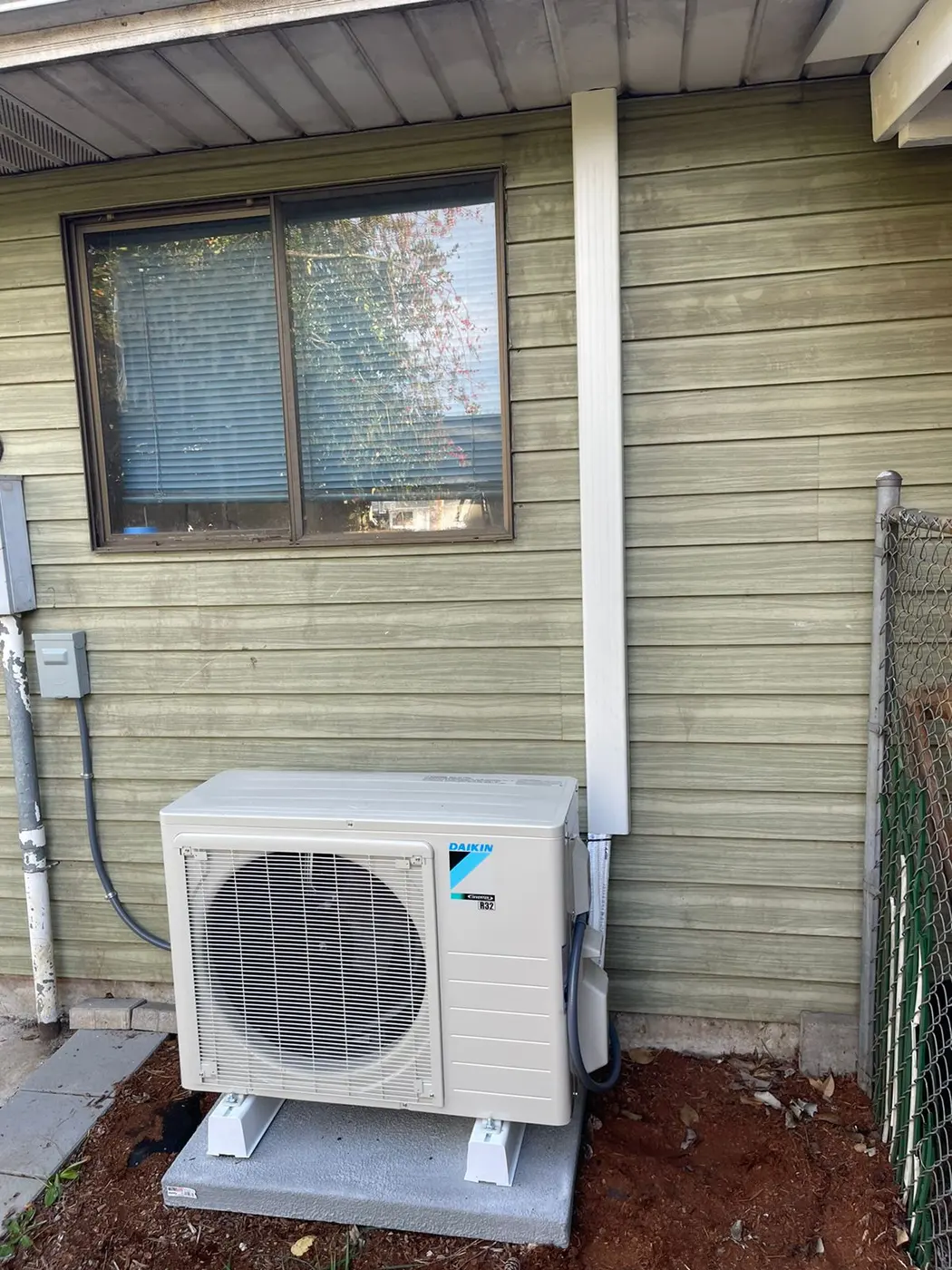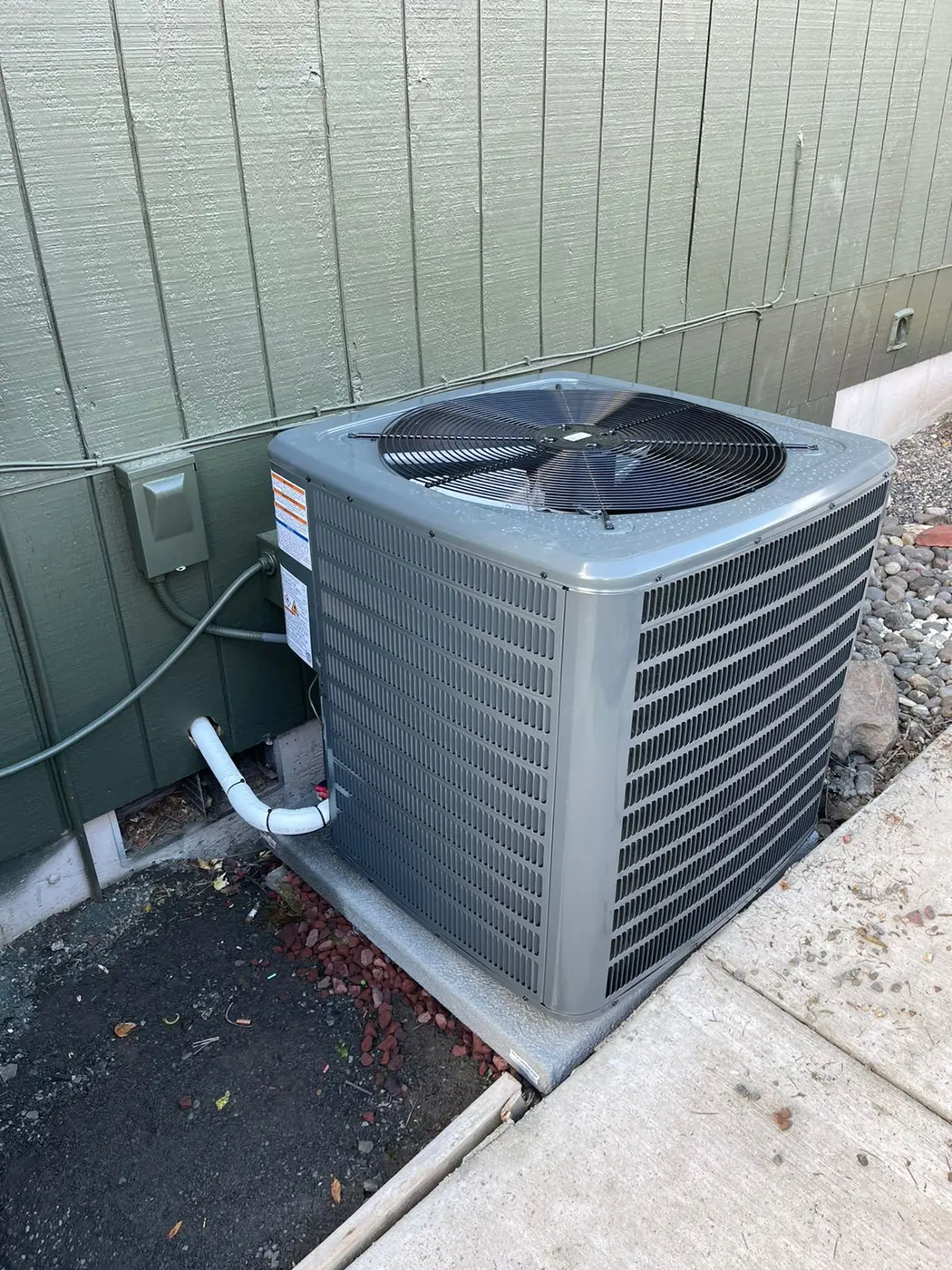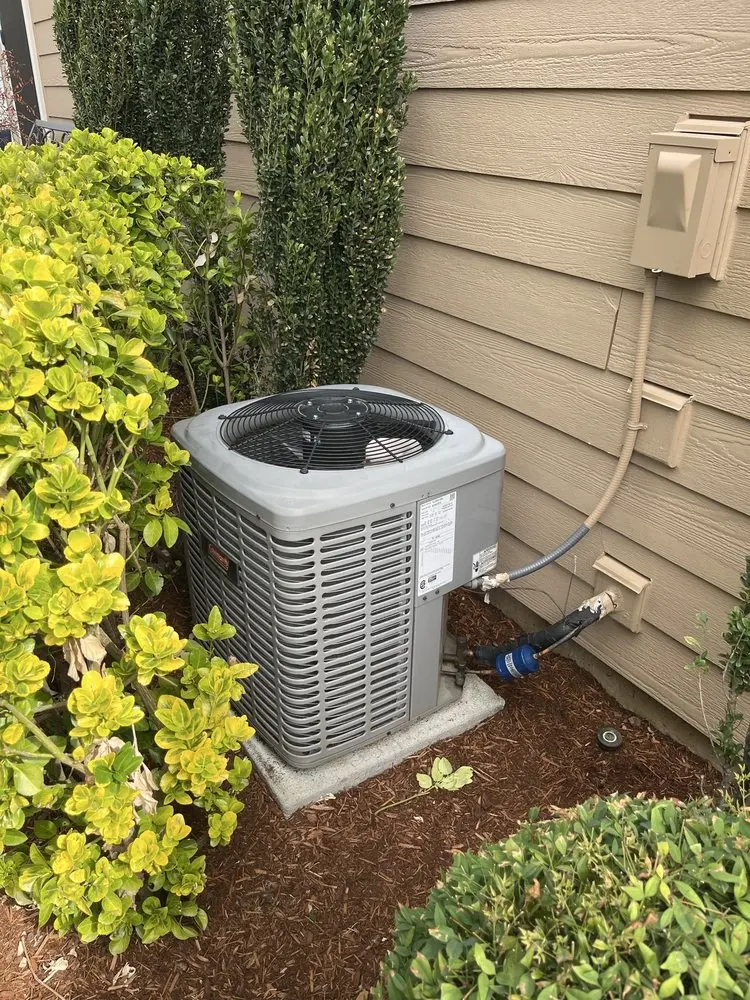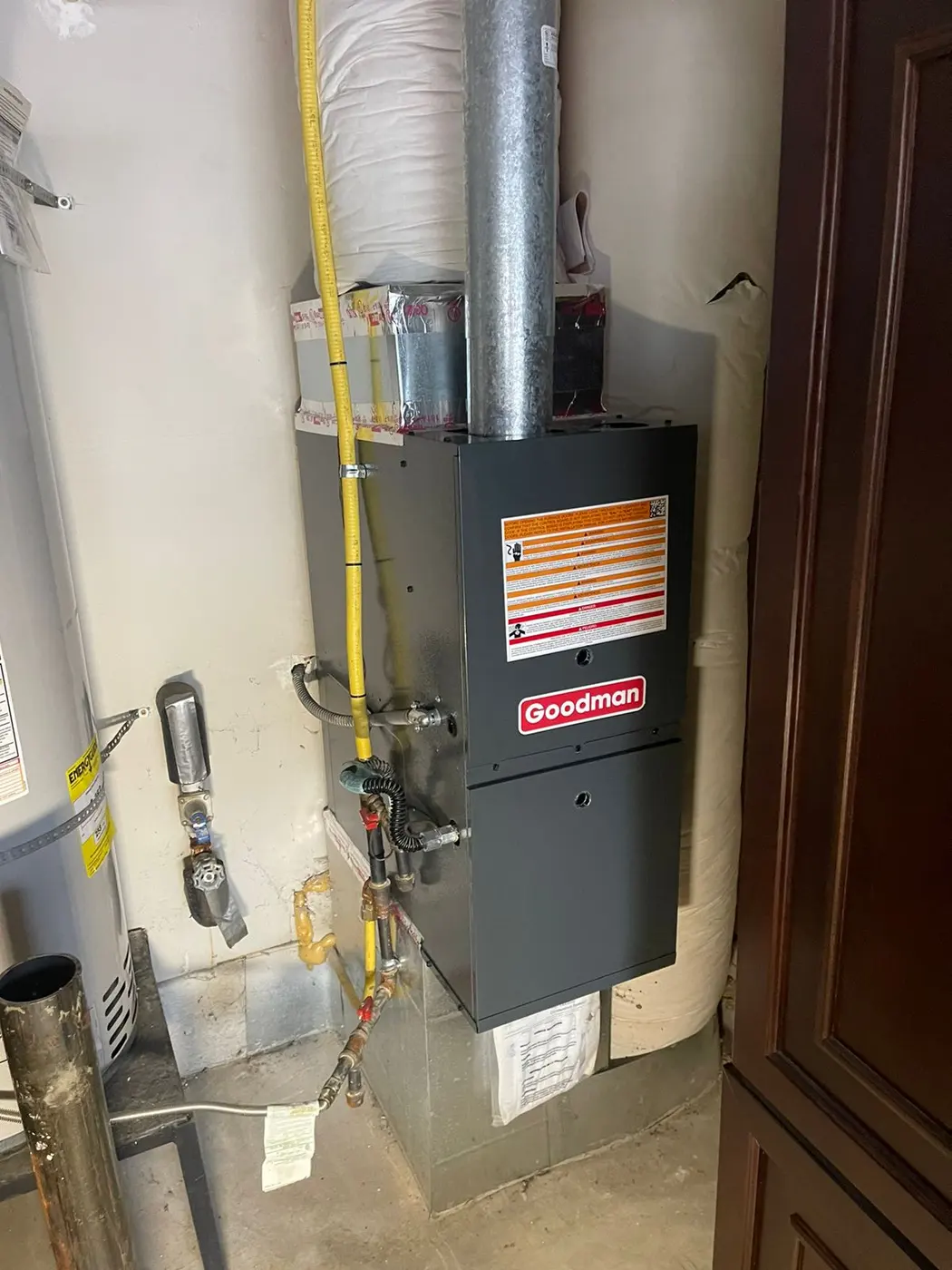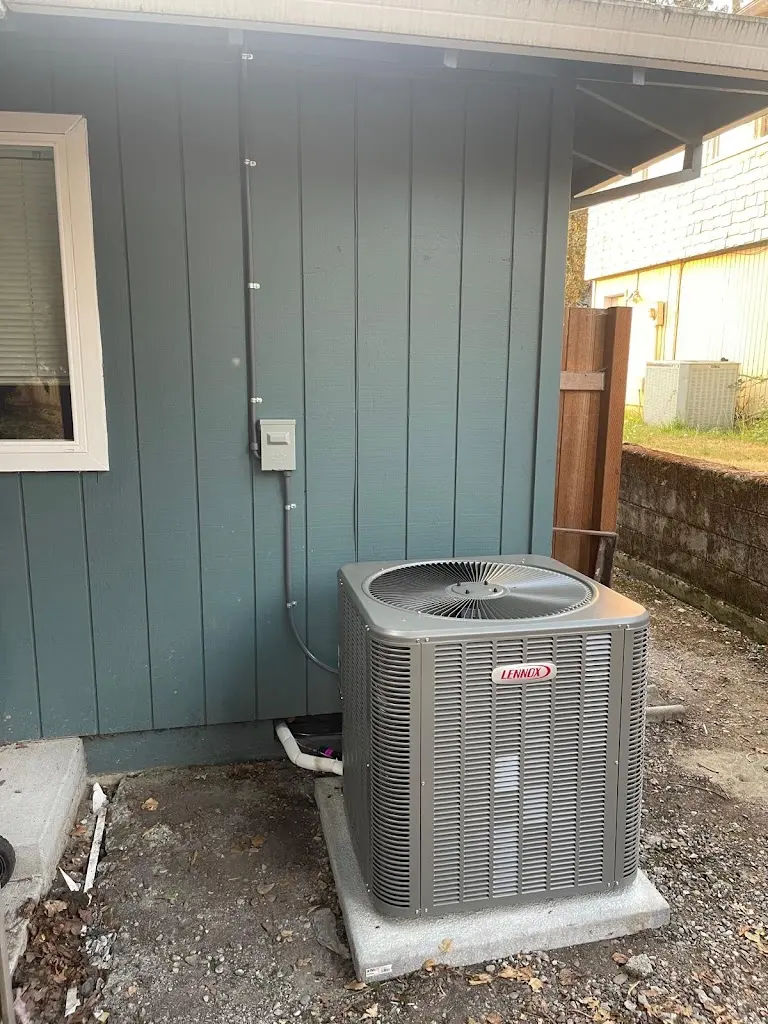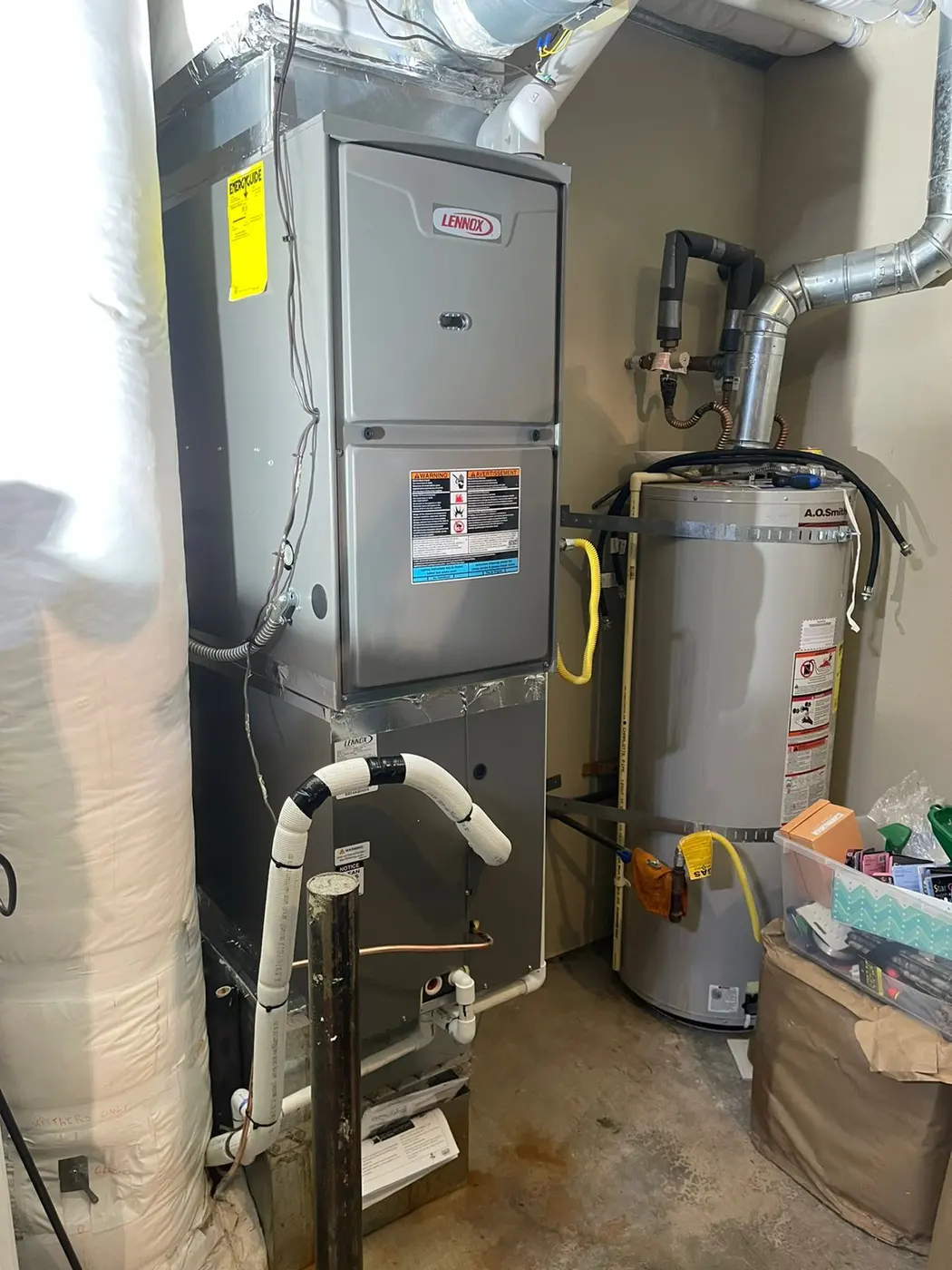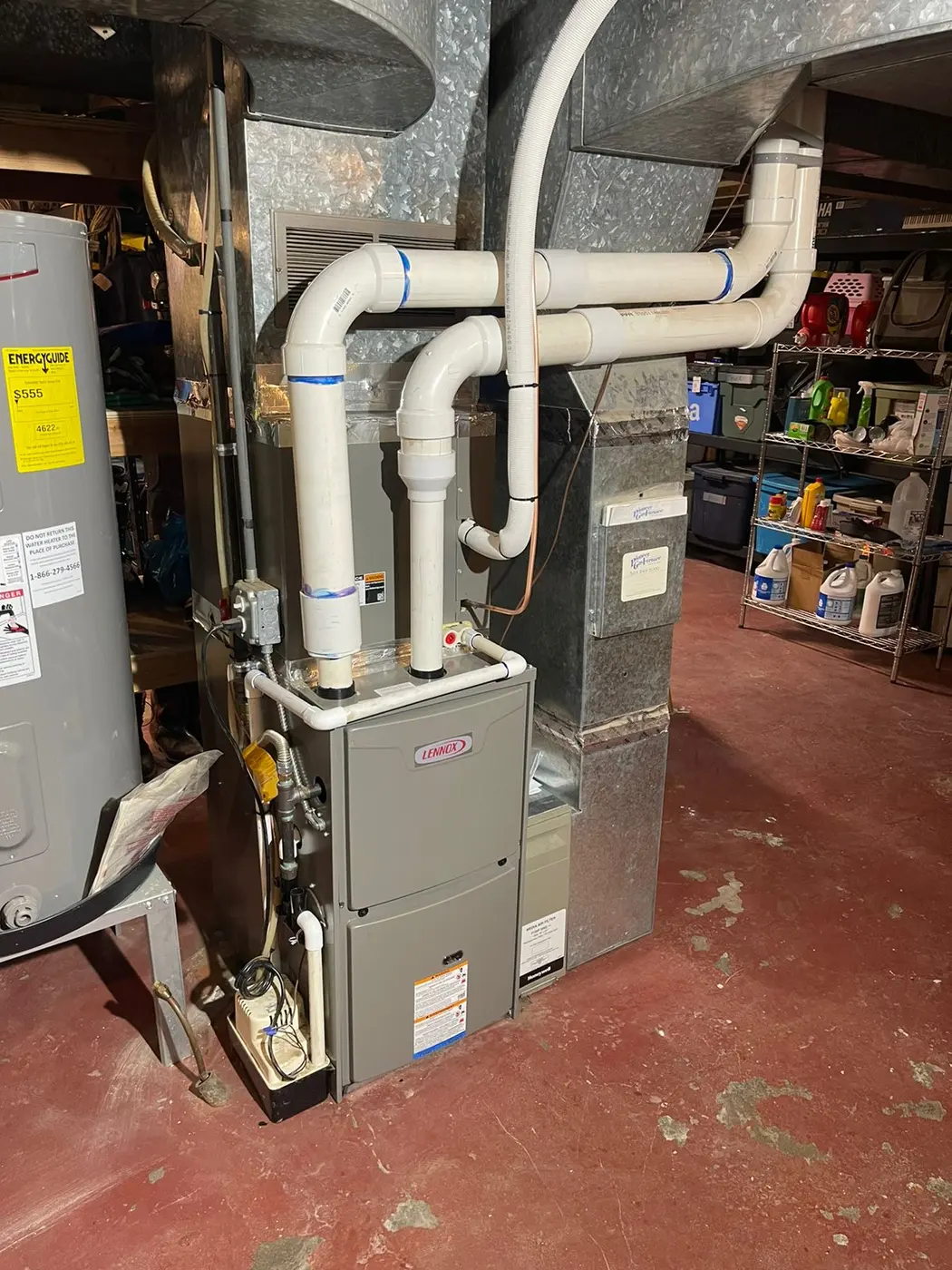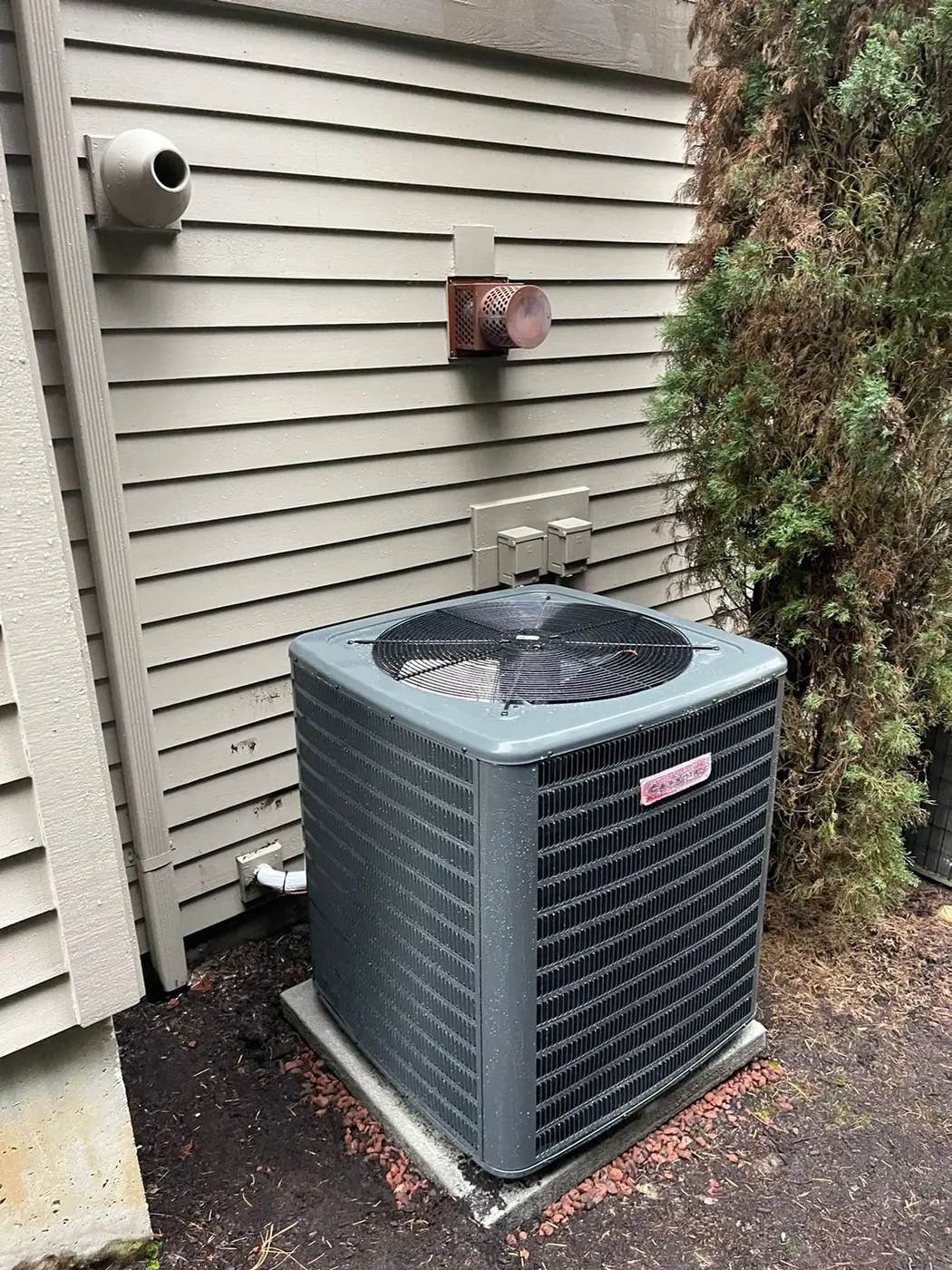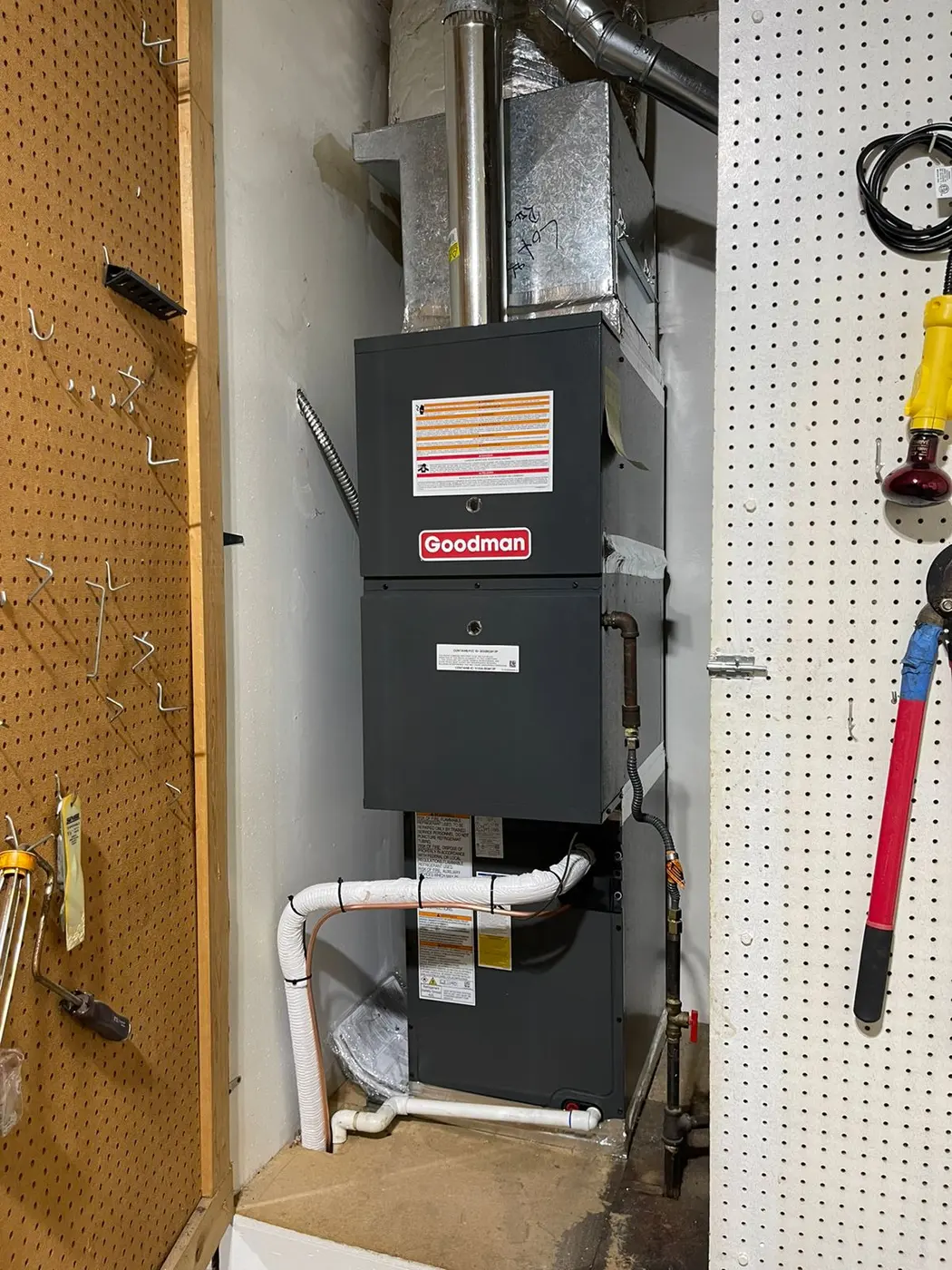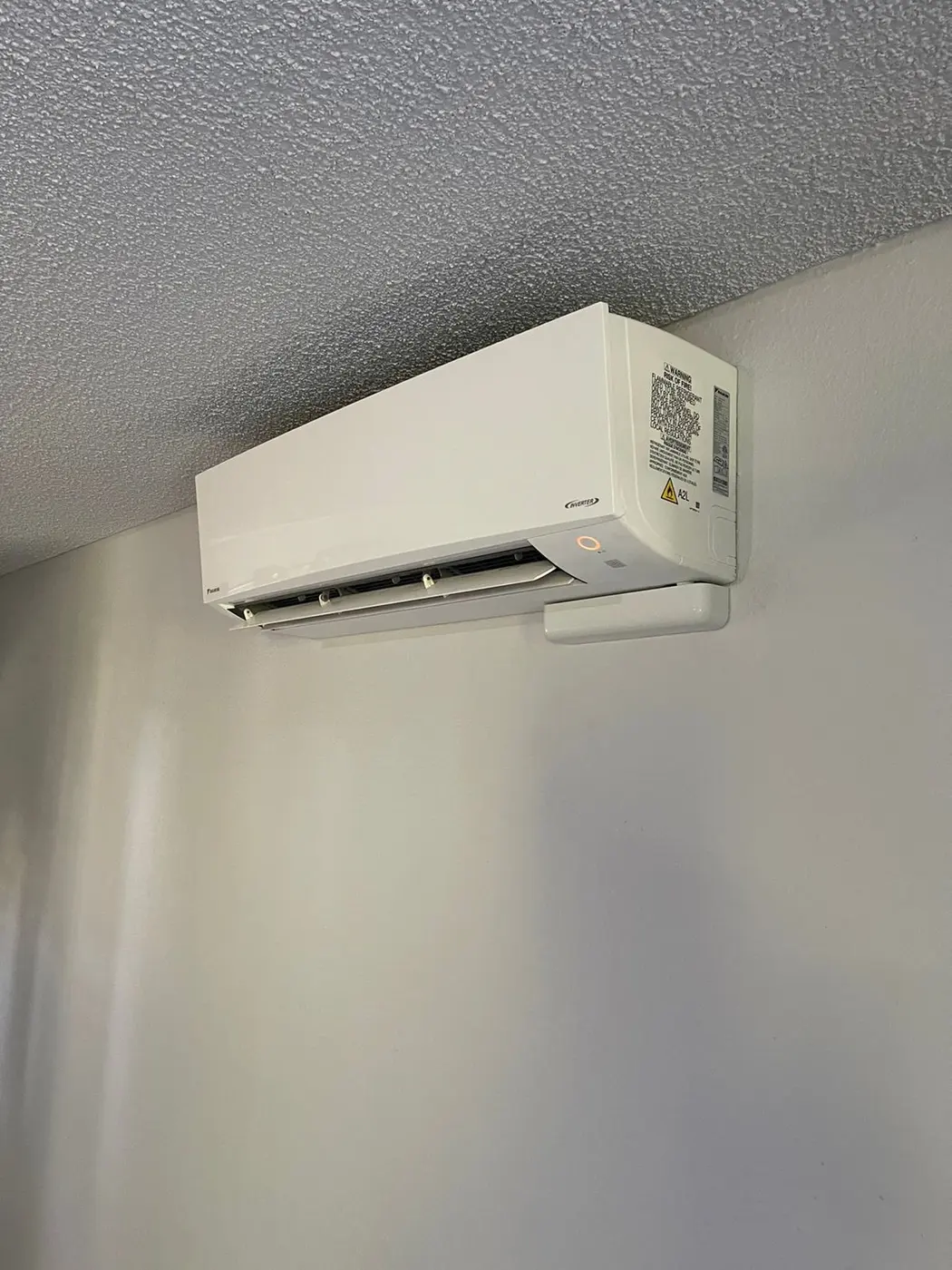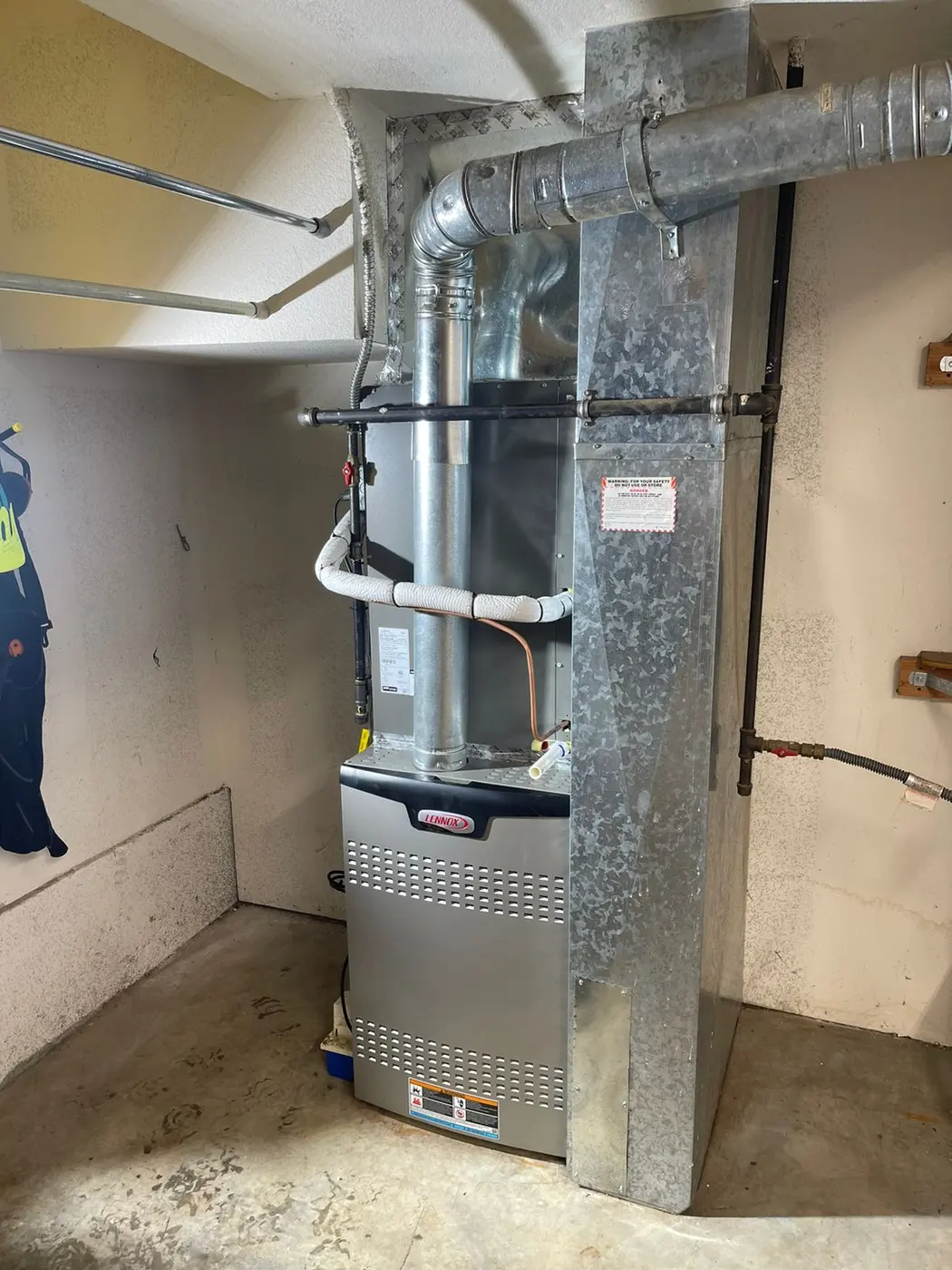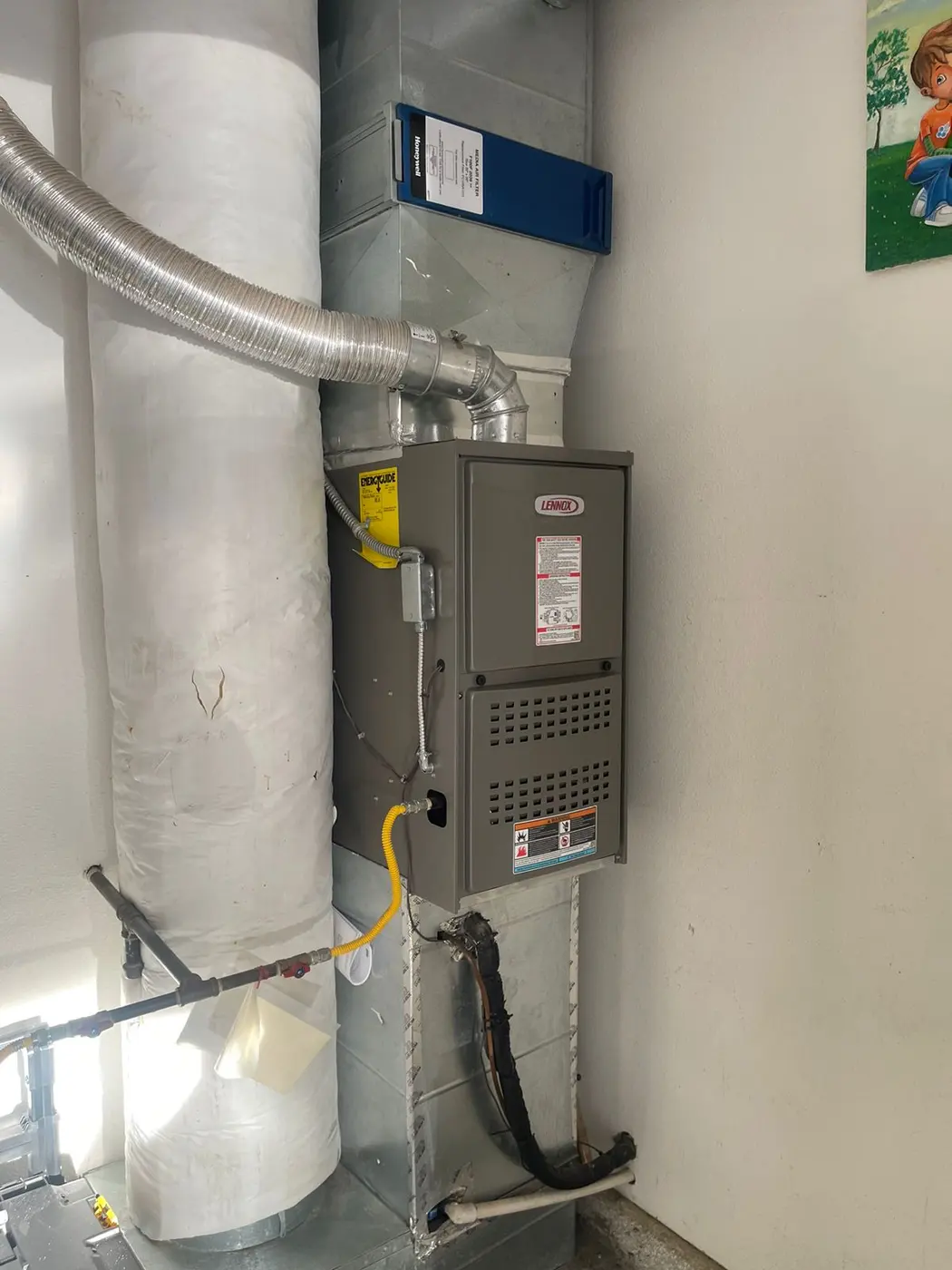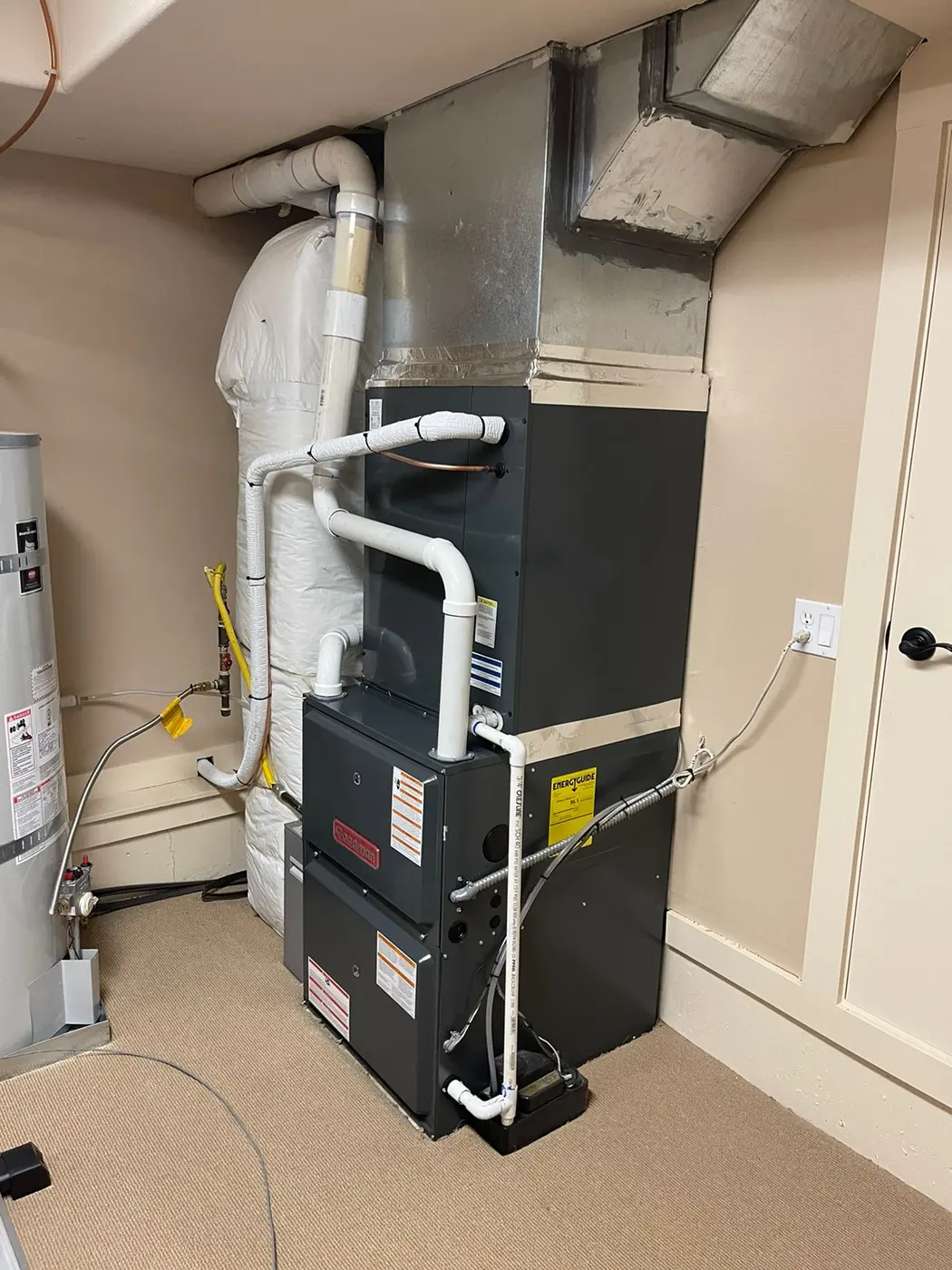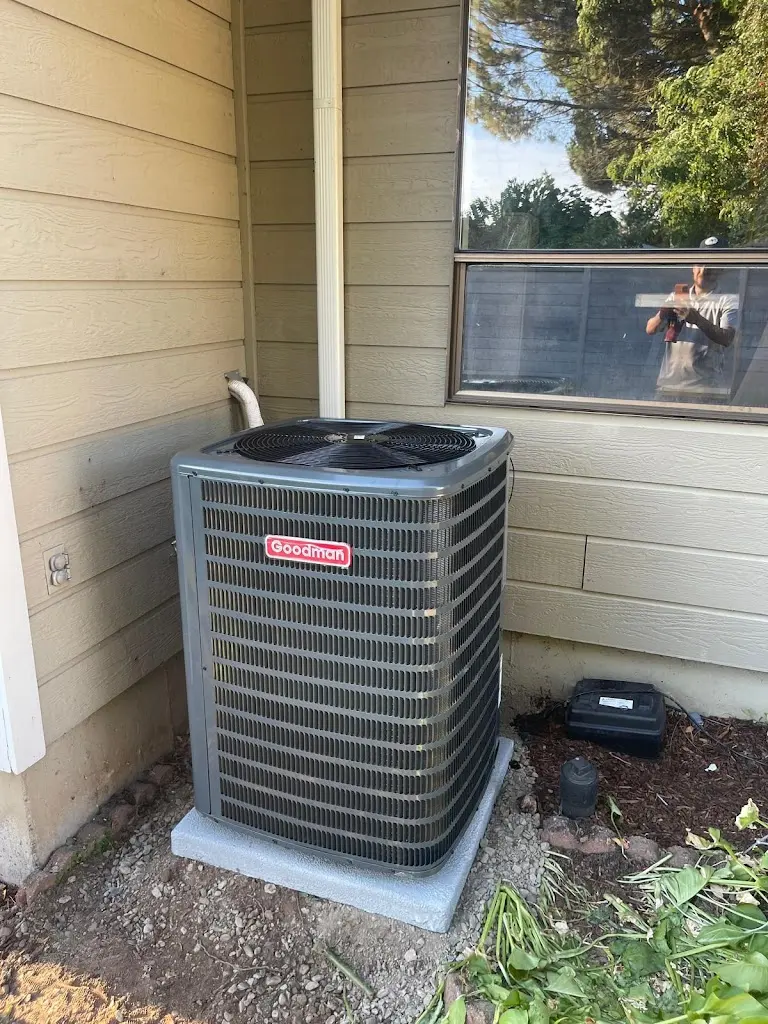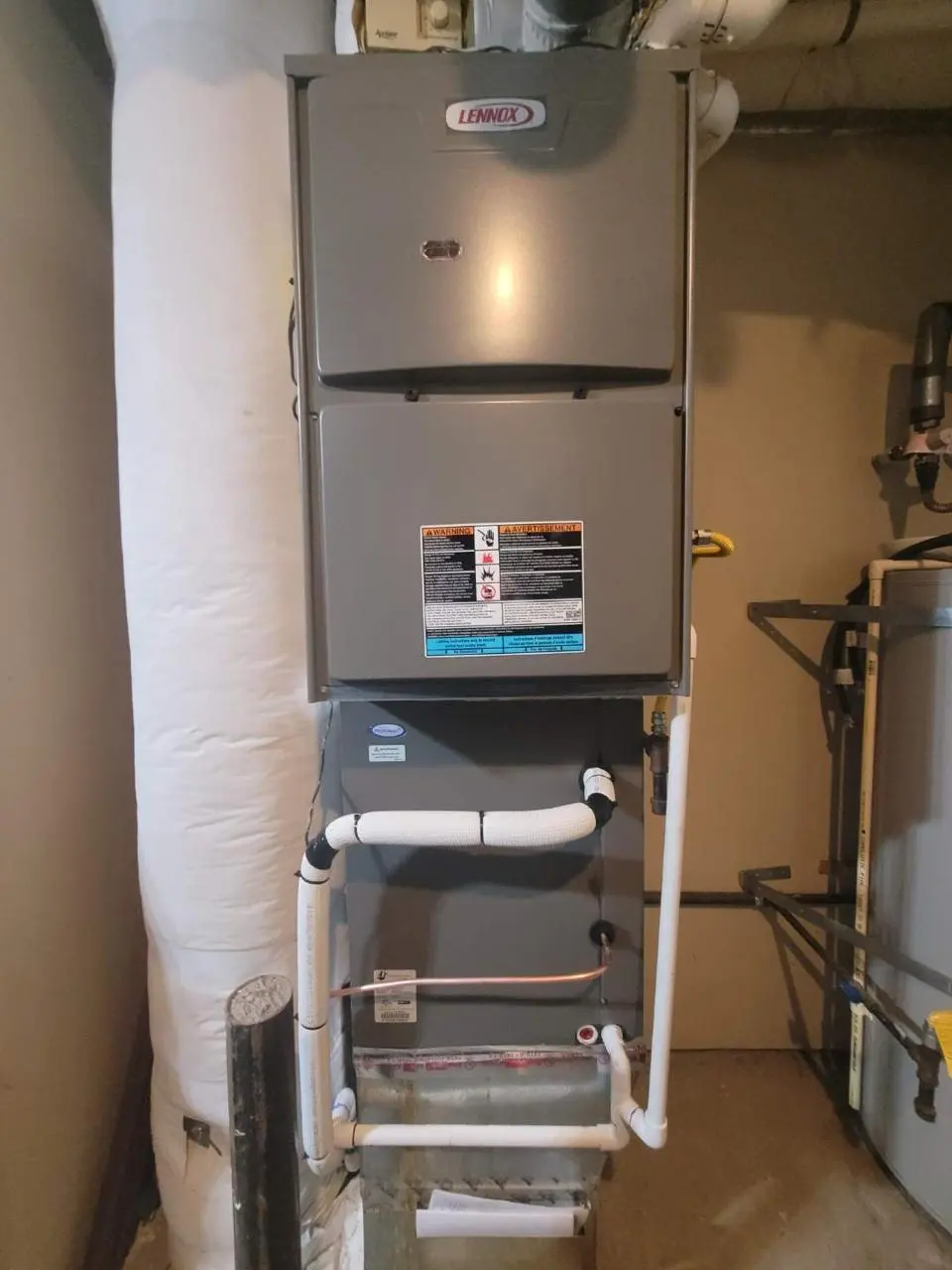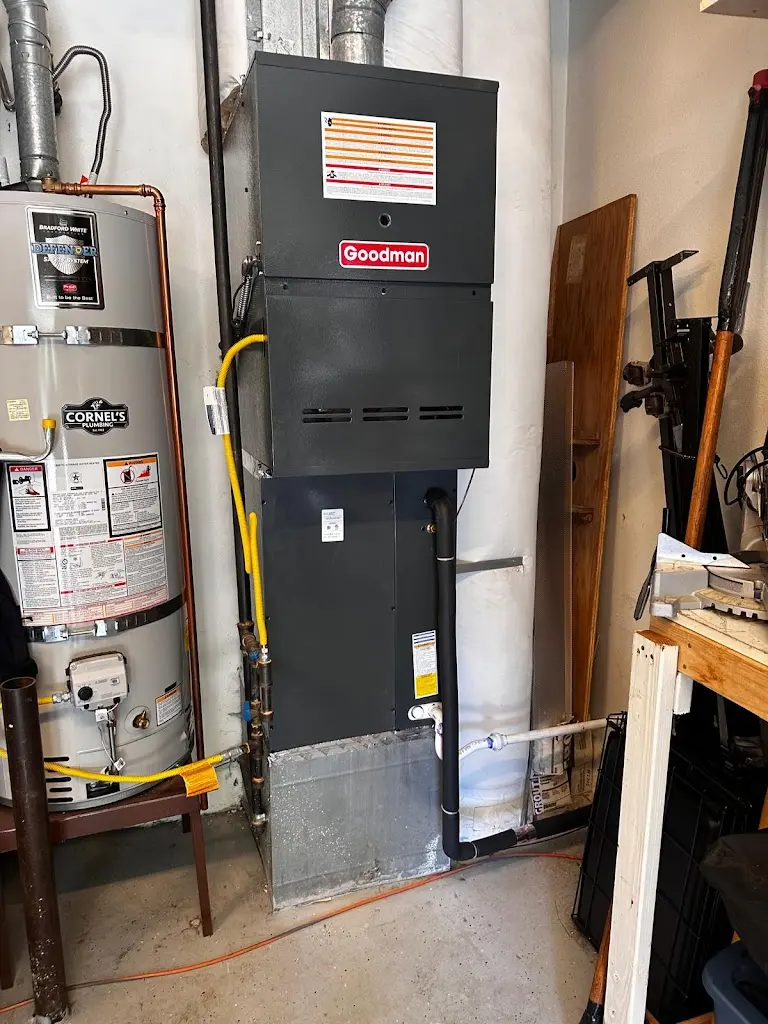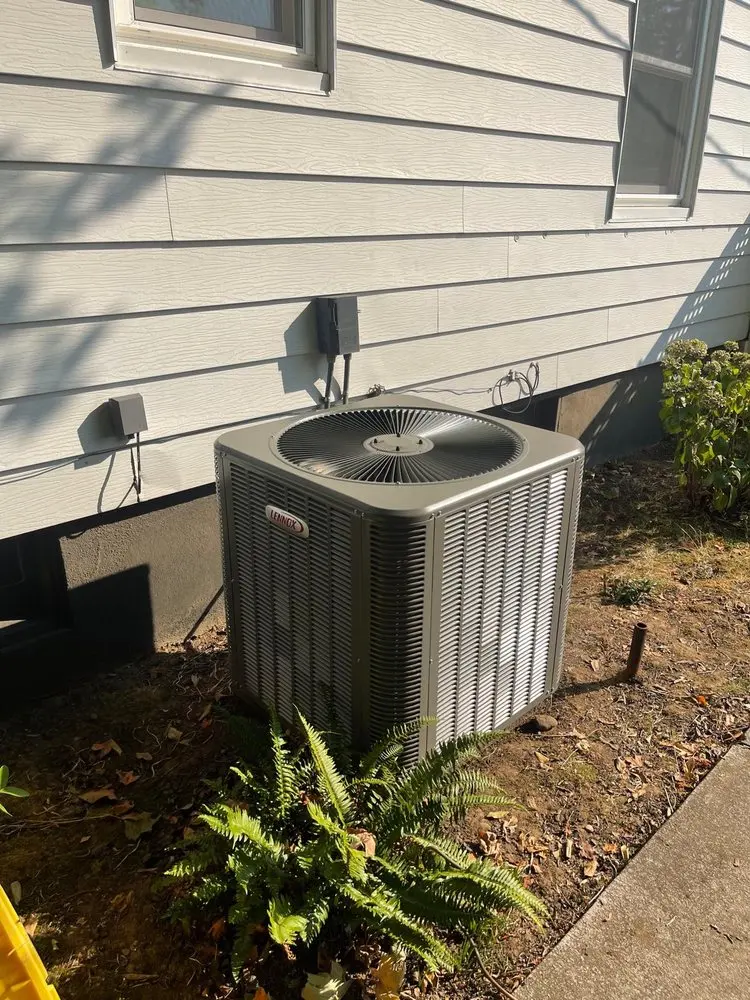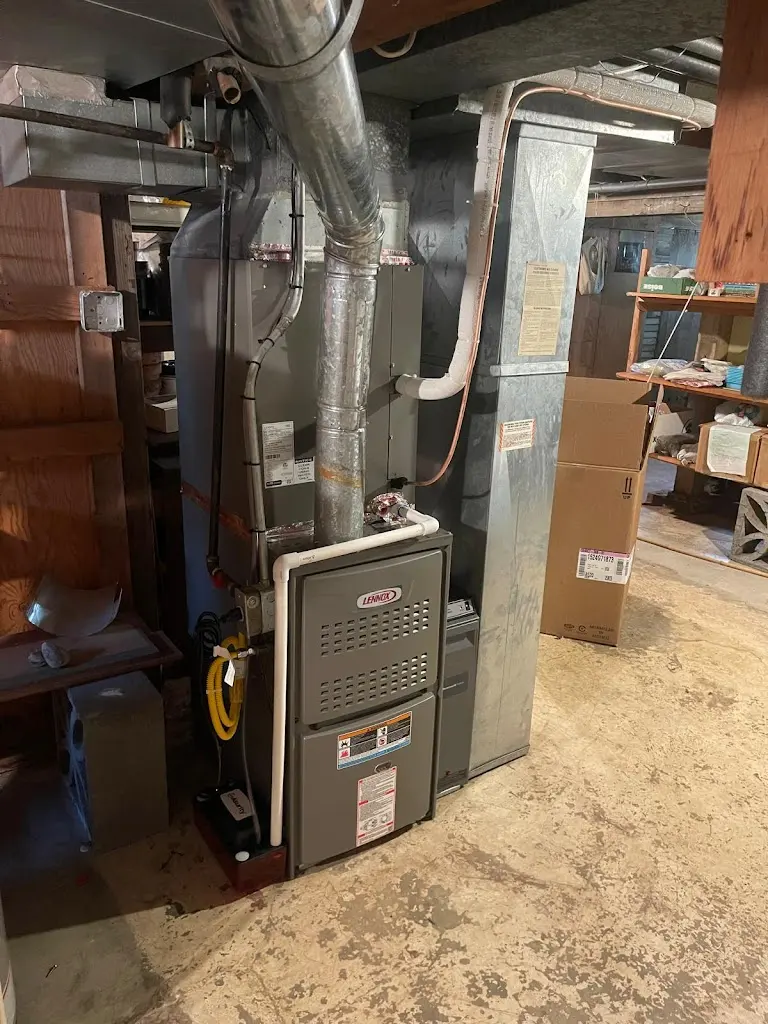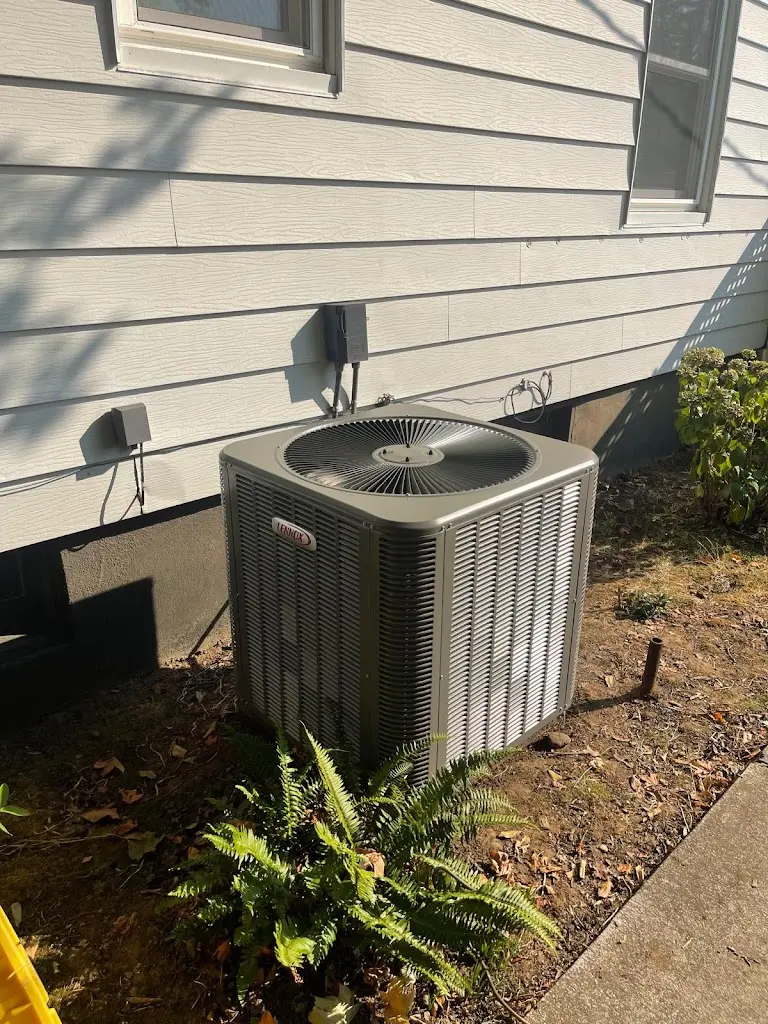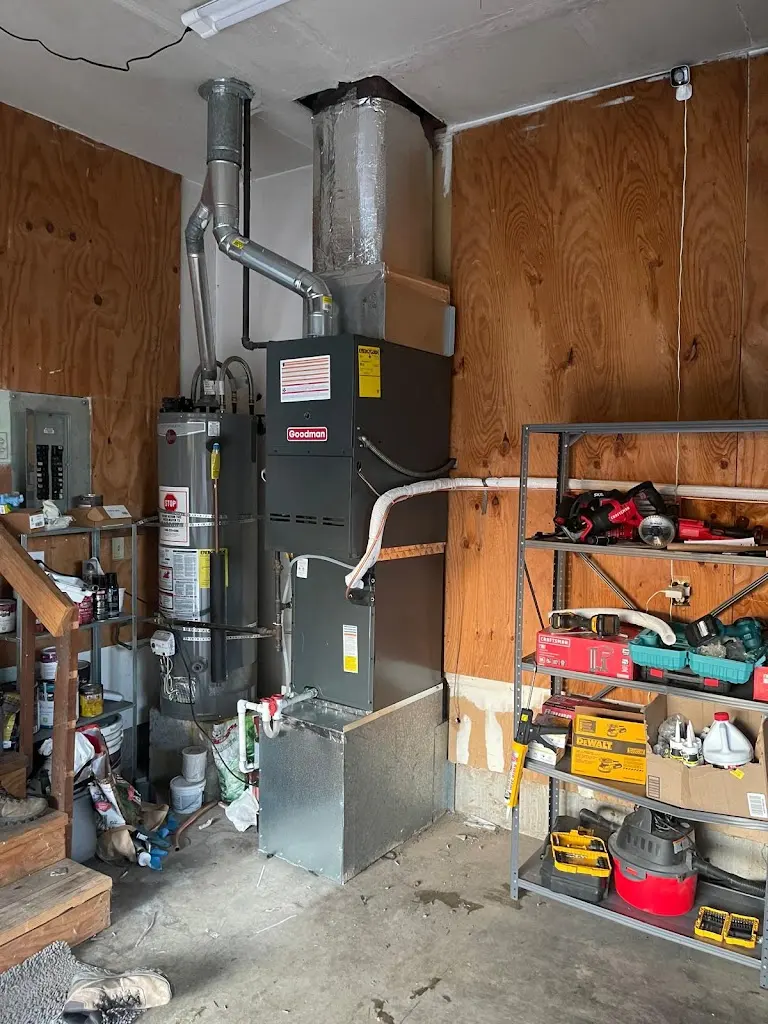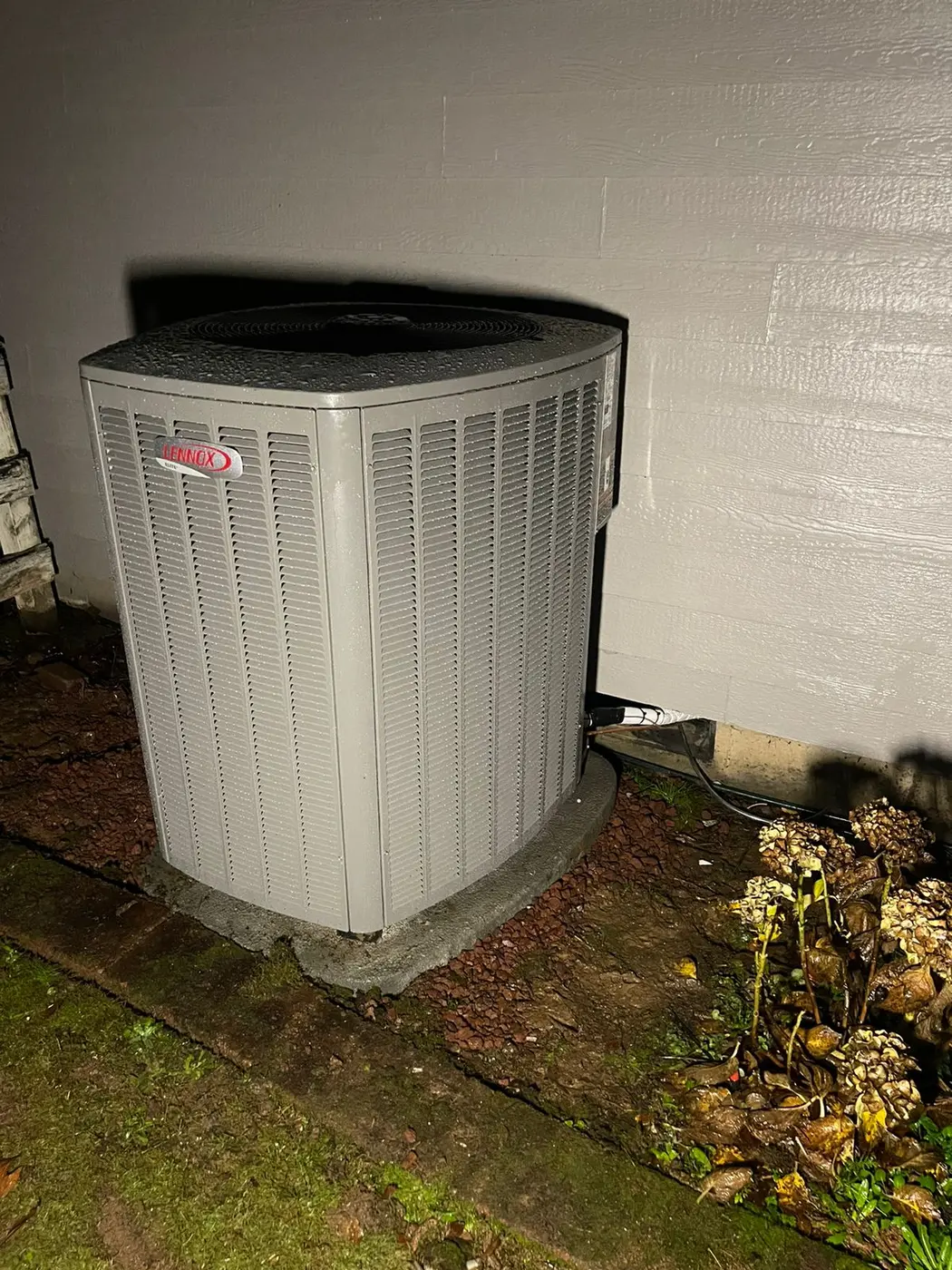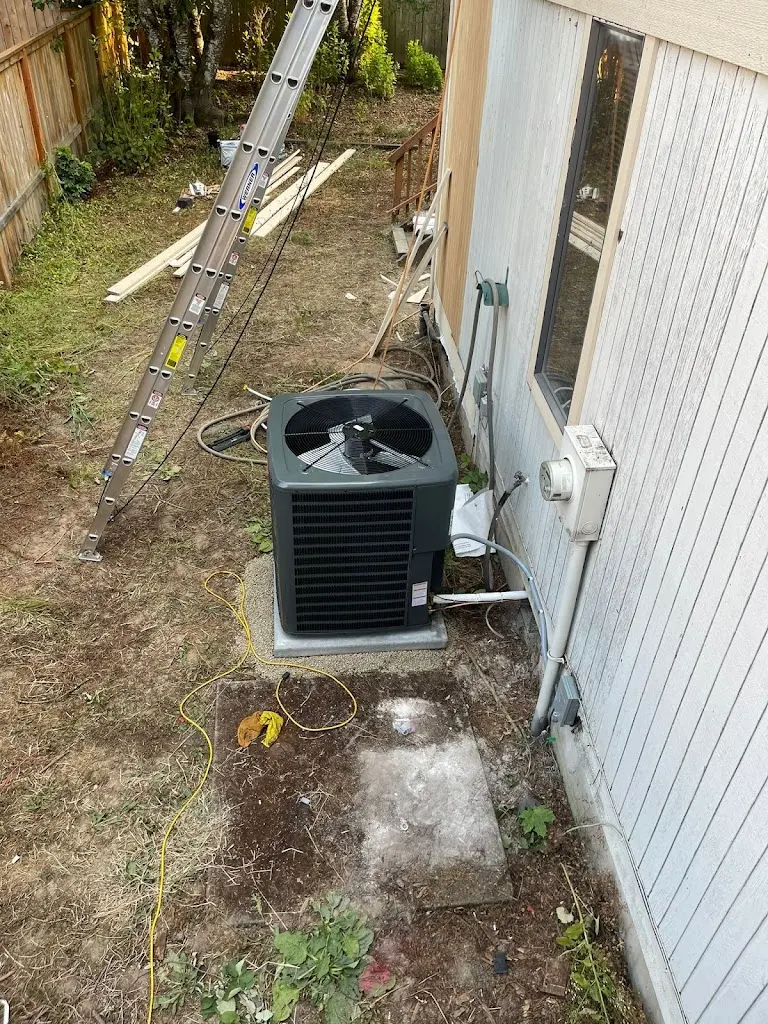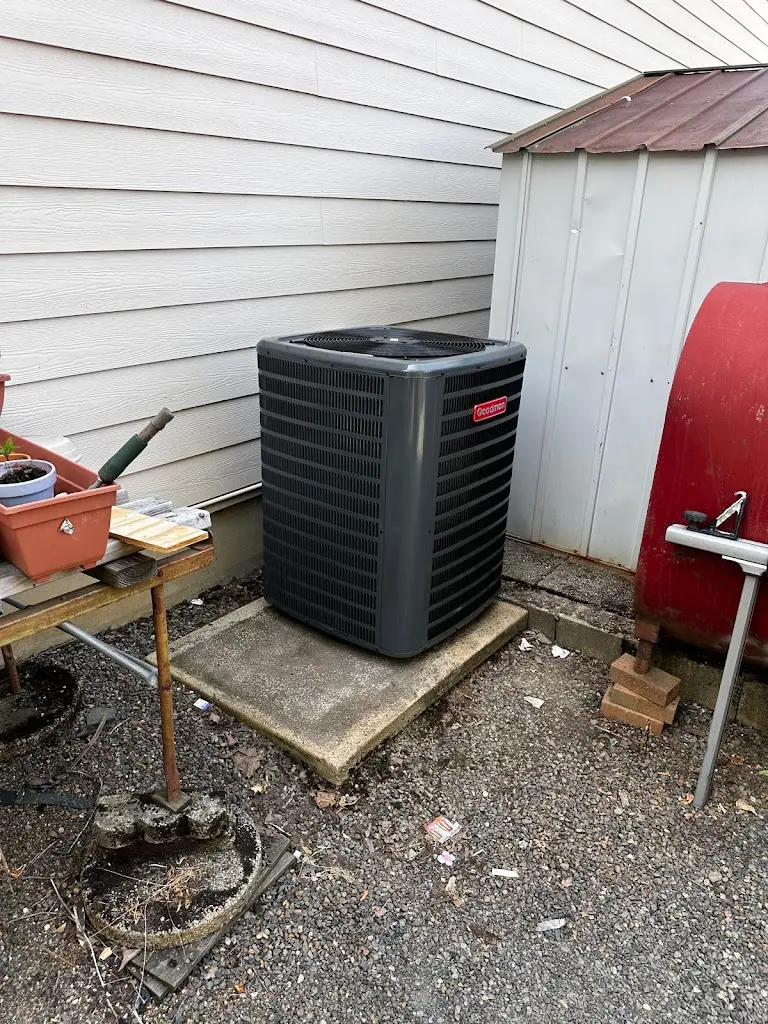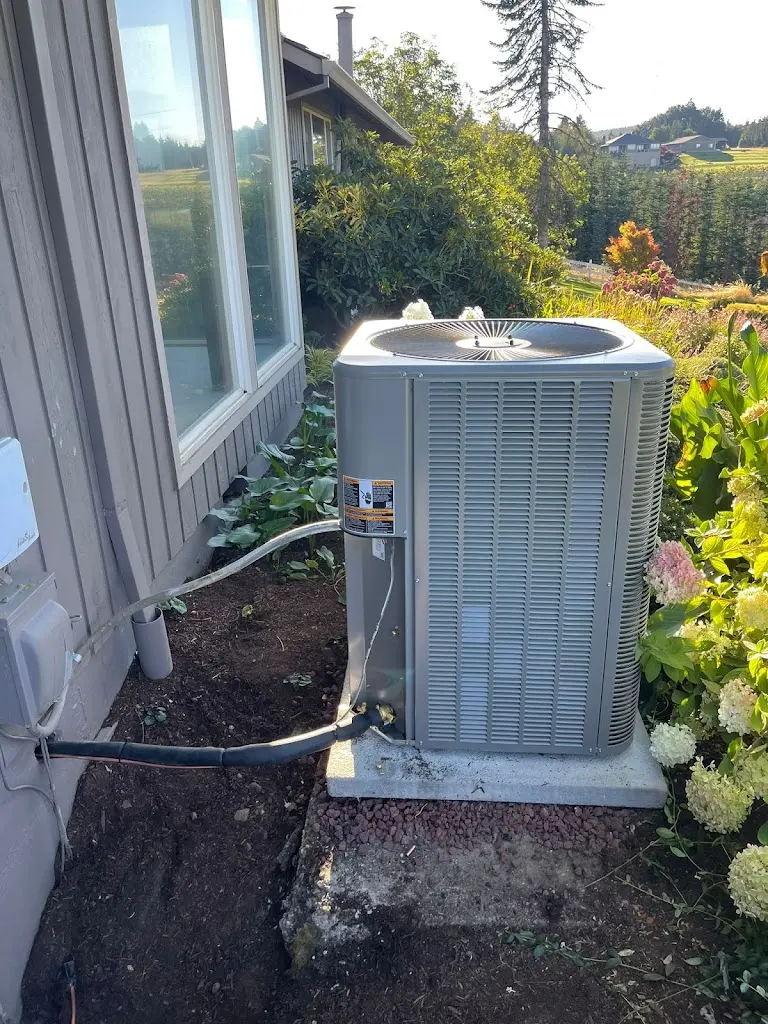
Define the Installation You Need Now
A possible future room addition can affect the questions you ask about today’s system. HVAC & Appliance Repair Guys provides HVAC installation in Battle Ground, WA. During the free on-site estimator visit, separate the current project from changes you may make later. The equipment choice needs a clear present job, with future plans visible as assumptions.
Identify the rooms and functions included now. Explain whether you want heating, cooling or both and which existing equipment may remain. Then describe any later addition or change in room use. A rough idea can be useful context without becoming part of the approved installation scope.
Our HVAC installation service covers the equipment and work required for the agreed project. A future possibility should not silently change that agreement. Ask which decisions now depend on a future plan and which need a later review.
Keep Future Assumptions Specific
A statement that you may add space can mean several different things. Plans may involve a new room use, a finished space or an addition with an unknown layout. Describe the actual idea and how certain it is. Do not turn an uncertain room count into a fixed equipment requirement.
Known details help shape a useful discussion. Explain the intended use, location and timing where you have decided them. Leave unknown dimensions or layouts open. The estimate should make clear whether it addresses those future needs or only the current spaces.
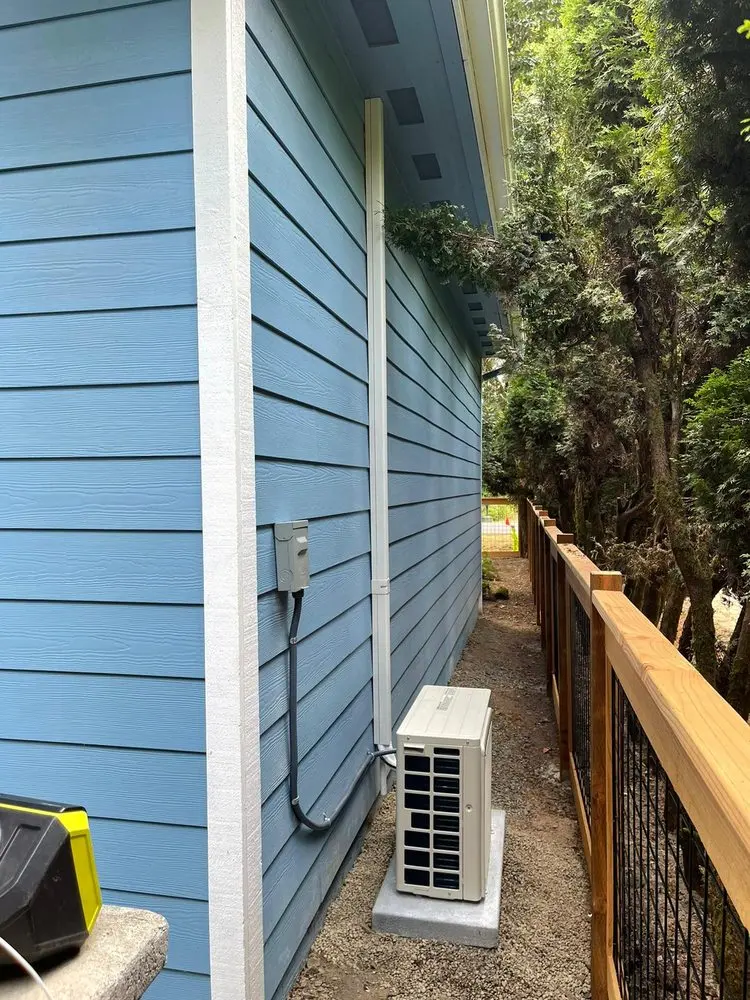
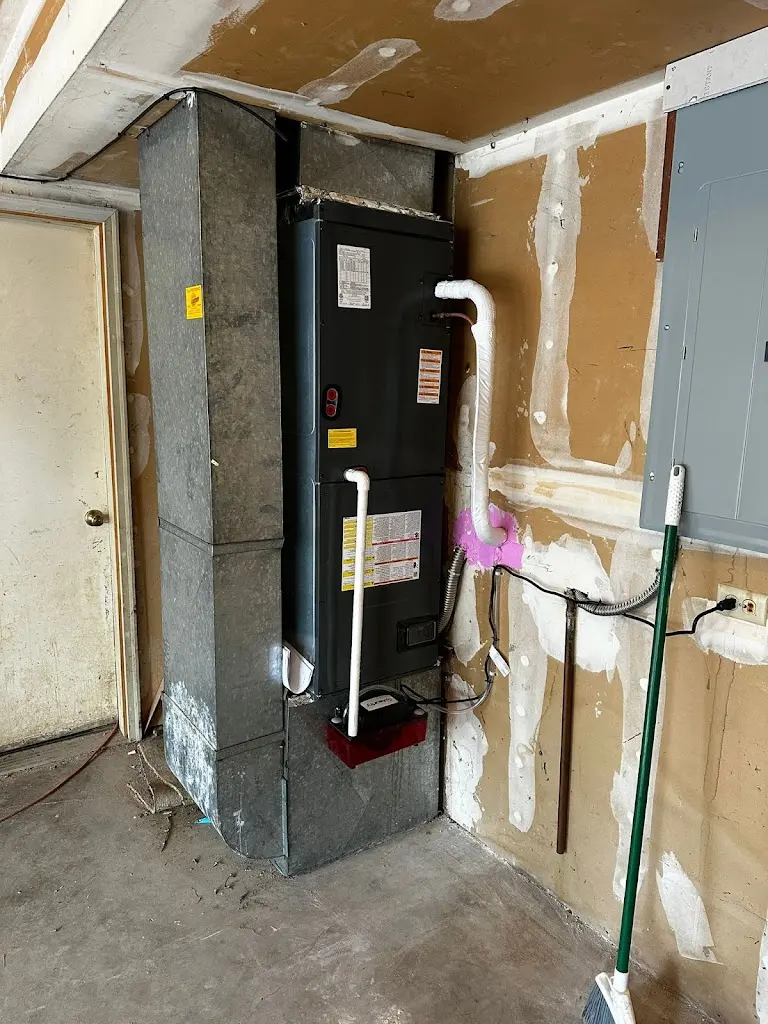
Also explain whether the future area might use the existing system or have separate equipment. That is a question to review, not a promise that either approach will fit. A new room can raise its own placement, control and connection needs. The present installation alone does not settle those later details. If replacement is being considered, furnace installation gives that project its own scope rather than treating new equipment as an automatic repair outcome.
If plans change after the estimate, raise the change before the affected work begins. A different layout or use may alter the project assumptions. Review any revised equipment or tasks with the price and schedule. Keep the confirmed scope aligned with the decisions you have actually made.
Avoid Choosing Extra Capacity as a General Expansion Plan
A larger unit is not, by itself, a complete plan for a future area. The equipment still needs to suit the current rooms and the way the system will serve them. Ask how the proposed choice relates to today’s needs. A possible later addition should not replace that review with a guess.
The retained equipment and connections also matter. Indoor components, controls and air paths must fit the proposed arrangement. A plan for more room coverage may affect those items as well as the main unit. Review the whole project rather than assume a capacity label guarantees later expansion.
Keep current faults distinct from the future plan. Our HVAC repair in Battle Ground service addresses a separate diagnosis if the old system has a present failure. The free estimator visit applies to installation or replacement planning. Discuss which decision you need to make now before combining it with an uncertain later project.
Compare Options by Their Present and Future Scope
If the estimate offers different approaches, compare them against the same current needs. Ask what each option includes now and what it assumes about later work. One proposal may cover a different group of spaces from another. Their equipment prices alone do not describe that difference.
Review any current task intended to support a later change. Ask what that task provides and what it cannot establish yet. A retained route or proposed connection does not guarantee that every future model or layout will fit. The later project still needs its own confirmed scope.
Before approval, keep the present equipment, tasks, retained parts and open assumptions clear. Confirm the installation schedule for that defined work. At handover, retain the installed model details and actual completed tasks. Those records describe the current setup without promising that it can serve every future need.
Frequently Asked Questions
Should I choose a bigger unit just in case I add a room?
Do not use a possible addition as a general sizing rule. Review the current needs and describe the future plan separately. The equipment and full installation scope should follow the actual project assessment.
Can the estimate mention an addition that is not yet definite?
Yes. State which details are known and which remain possible. Ask whether the current proposal includes any work related to that plan. Keep uncertain future coverage separate from the agreed installation.
Does new equipment guarantee that I can connect more rooms later?
No. The selected equipment, layout and connections determine what a later change would involve. A future room needs its own review when its needs are clear. Retain the current project records to support that discussion.