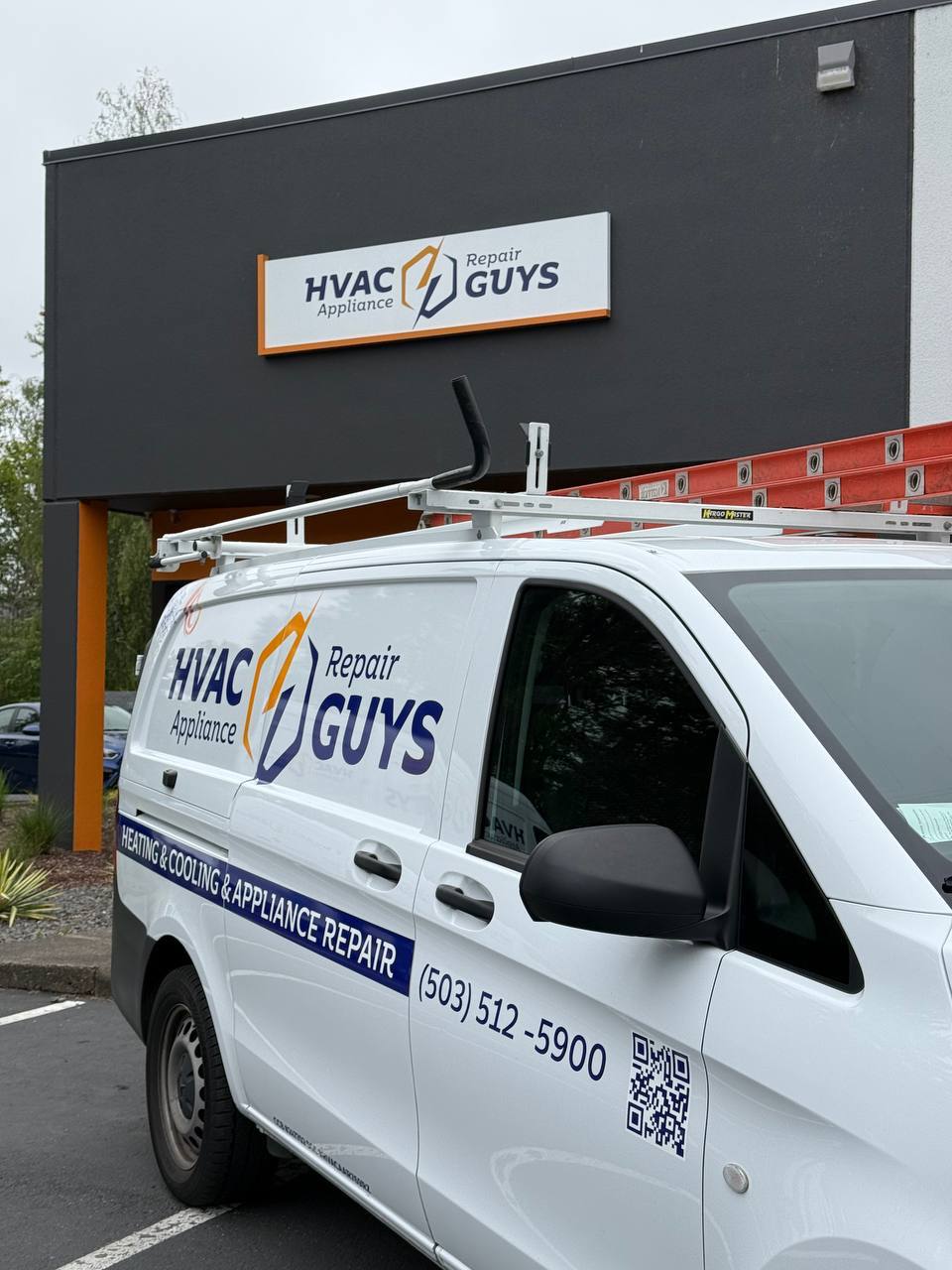
Beaumont Wilshire central AC planning for older ducts, quiet streets and outdoor placement
Beaumont Wilshire central AC installation should respect the character of an established Northeast Portland home. Older duct runs, upper bedrooms, finished spaces, mature landscaping and visible side yards can shape the cooling plan before condenser size is chosen.
The estimator should review indoor coil fit, furnace or air-handler compatibility, return air, duct delivery, line-set route, service clearance, outdoor sound, landscaping protection and whether the home needs simple cooling or a broader airflow correction.
Beaumont Wilshire central AC details to send
Send photos of the furnace or air handler, indoor coil area if visible, outdoor placement options, side yard, thermostat and rooms that stay warm upstairs or after afternoon sun.
That helps the Beaumont Wilshire proposal protect the property layout and confirm ducted cooling fit before equipment levels are compared.
A Beaumont Wilshire central AC estimate example
A homeowner may want central AC added to an older home where upstairs rooms run warm and the outdoor location must stay quiet and tidy.
The estimate should show how the condenser location, line route and duct readiness affect the final AC option.
- Review older duct delivery, return air and upper-room cooling complaints.
- Confirm indoor coil fit, furnace compatibility and service clearance.
- Plan condenser placement around mature landscaping, sound and visible side-yard routes.
- Compare AC options only after required airflow and placement work are clear.
How to choose the Beaumont Wilshire central AC path
The best Beaumont Wilshire recommendation should balance quiet placement, older-home airflow and clean installation scope. After the ducted system and exterior route are verified, the homeowner can compare standard, higher-efficiency and quieter AC options.
- Review older duct delivery, return air and upper-room cooling complaints.
- Confirm indoor coil fit, furnace compatibility and service clearance.
- Plan condenser placement around mature landscaping, sound and visible side-yard routes.
- Compare AC options only after required airflow and placement work are clear.
What the free estimator visit checks
- Current condenser size, age, brand, refrigerant type and visible equipment condition.
- Indoor coil, furnace or air-handler compatibility with the new cooling system.
- Ductwork condition, return air, airflow concerns and rooms that stay too warm.
- Outdoor condenser placement, clearance, noise concerns, line-set path and service access.
- Electrical, thermostat, permit, warranty, financing and rebate details that may affect the proposal.
Central air planning for central AC installation
Central AC installation depends on more than condenser size. For central AC installation in Beaumont Wilshire, OR, the estimate should verify the indoor coil, furnace or air handler, ductwork, refrigerant line path, electrical work and rooms that are hardest to cool.
- Confirm indoor and outdoor equipment compatibility before recommending the condenser.
- Review airflow, return air and room balance so cooling performance matches expectations.
- Compare standard and higher-efficiency options with warranty and financing details.
Why Beaumont Wilshire central AC should respect appearance and sound
Beaumont Wilshire central AC should balance mature landscaping, quiet outdoor placement and ducted cooling performance before equipment is selected.
- Review landscaping, service access and condenser visibility.
- Check indoor coil fit and return-air performance.
- Compare central AC levels around comfort and appearance.
How options are narrowed for central AC installation
After the home review, the proposal should narrow central AC installation into a few realistic paths. Each option should match the home, the access, the current equipment and the homeowner’s comfort goals.
The strongest comparison separates required work from optional upgrades. That makes it easier to understand what must be included for a proper installation and what is mainly a comfort, efficiency or warranty upgrade.
What can affect the final central AC installation price
A real installation price depends on the actual home. The free estimator visit helps confirm the installation details before the project is approved, especially when access, electrical work, line-set routing, permits or equipment compatibility could change the final scope.
- Equipment size, efficiency level and brand.
- Indoor equipment compatibility and whether a furnace, air handler or coil should be changed at the same time.
- Outdoor placement, line sets, electrical work, venting, permits and access conditions.
- Ductwork, airflow, thermostat setup, zoning and room-by-room comfort concerns.
- Warranty, financing, rebate questions and the installation timeline the homeowner needs.
Why local installation planning matters
A good Beaumont Wilshire, OR estimate should connect equipment choice to comfort goals, access and project timing. A local estimate should account for how the home is built, where equipment is located, how rooms are used and what the homeowner wants to improve. That is especially important for projects involving additions, finished spaces, older duct layouts, tight equipment access or comfort issues that only show up during heavy seasonal use.
HVAC & Appliance Repair Guys works across the Portland Metro area with installation planning focused on clear communication, practical options, clean workmanship and a written next step before the project moves forward. For central AC installation in Beaumont Wilshire, OR, the estimate should make the decision easier, not more confusing.
Beaumont Wilshire central AC planning for older ducts and quiet residential streets
Beaumont Wilshire central AC installation should review older duct delivery, upper rooms, quiet street exposure, mature landscaping and whether the existing indoor equipment can support ducted cooling.
The estimator should verify coil fit, return air, electrical readiness, line route, condenser sound and service clearance before comparing central AC options.
A useful proposal should connect central cooling choices to airflow and sound expectations in the actual home.
- Review older ducts, upper rooms, landscaping, quiet-street sound and warm spaces.
- Confirm coil compatibility, return air, electrical path, line route and condenser clearance.
- Compare central AC options around airflow, sound, warranty and installed scope.
- Separate airflow or route work from optional upgrades.
Beaumont Wilshire installation planning notes
For central AC installation in Beaumont Wilshire, OR, the useful estimate is the one that checks the current setup, equipment access, comfort concerns and project timing before a system is selected. That local review helps prevent a generic recommendation from turning into a surprise scope change later.
- Confirm equipment age, access, duct condition, electrical or venting needs and the comfort goal.
- Compare practical options so the homeowner can choose the right balance of cost and performance.
- Use the proposal to explain what is included, what could change and what happens next.
Central AC Installation estimate focus for Beaumont Wilshire
For central AC installation in Beaumont Wilshire, the estimate should turn a broad service search into a specific plan for the home. The useful details are equipment age, access, room comfort, project timing and the type of proposal the homeowner wants to compare.
- Confirm the current equipment setup and what the homeowner wants the new system to solve.
- Review access, compatibility, comfort concerns and any project preparation before quoting.
- Compare options in a way that separates required scope from optional upgrades.
- Indoor coil and outdoor condenser compatibility should be checked before the AC option is selected.
- The proposal should clarify efficiency, noise level, warranty and whether the furnace or coil should be addressed.
Central AC Installation estimate notes for Beaumont Wilshire, OR
Beaumont Wilshire homes often combine older construction, finished basements, upper bedrooms, mature landscaping and compact equipment clearances that should be reviewed before pricing. Cooling projects need the estimator to check both the outdoor unit location and the indoor system that has to move air through the home.
- Check indoor equipment fit, older duct performance and return-air limits.
- Review outdoor placement around landscaping, side-yard clearance and neighborhood noise expectations.
- Compare options that improve comfort in upper rooms without overcomplicating the scope.
- The estimator visit helps make the proposal specific enough to act on without guessing from a broad request.
Related installation pages
- AC Installation – compare central AC installation options.
- HVAC Installation – review full heating and cooling installation paths.
- Heat Pump Installation – compare heat pump alternatives when they fit the home.
- Furnace Installation – plan furnace replacement with the cooling project when needed.
Central AC Installation questions
Is the estimator visit free?
Yes. The estimator visit is free for central AC installation projects in the Portland Metro service area. It helps confirm equipment size, access, scope and options before a proposal is prepared.
Can I get more than one option?
Yes. We can compare practical options so you can choose the balance of price, efficiency, warranty, quiet operation and comfort that fits the home.
What can change the central AC installation price?
The final price can change with equipment size, efficiency, access, electrical or venting work, line sets, duct changes, permits and whether the central AC system is part of a larger heating and cooling upgrade.
When should I call instead of using the form?
(503) 512-5900 is best when timing is urgent. Use the form when you can send details and prefer a follow-up to schedule the free estimator visit.