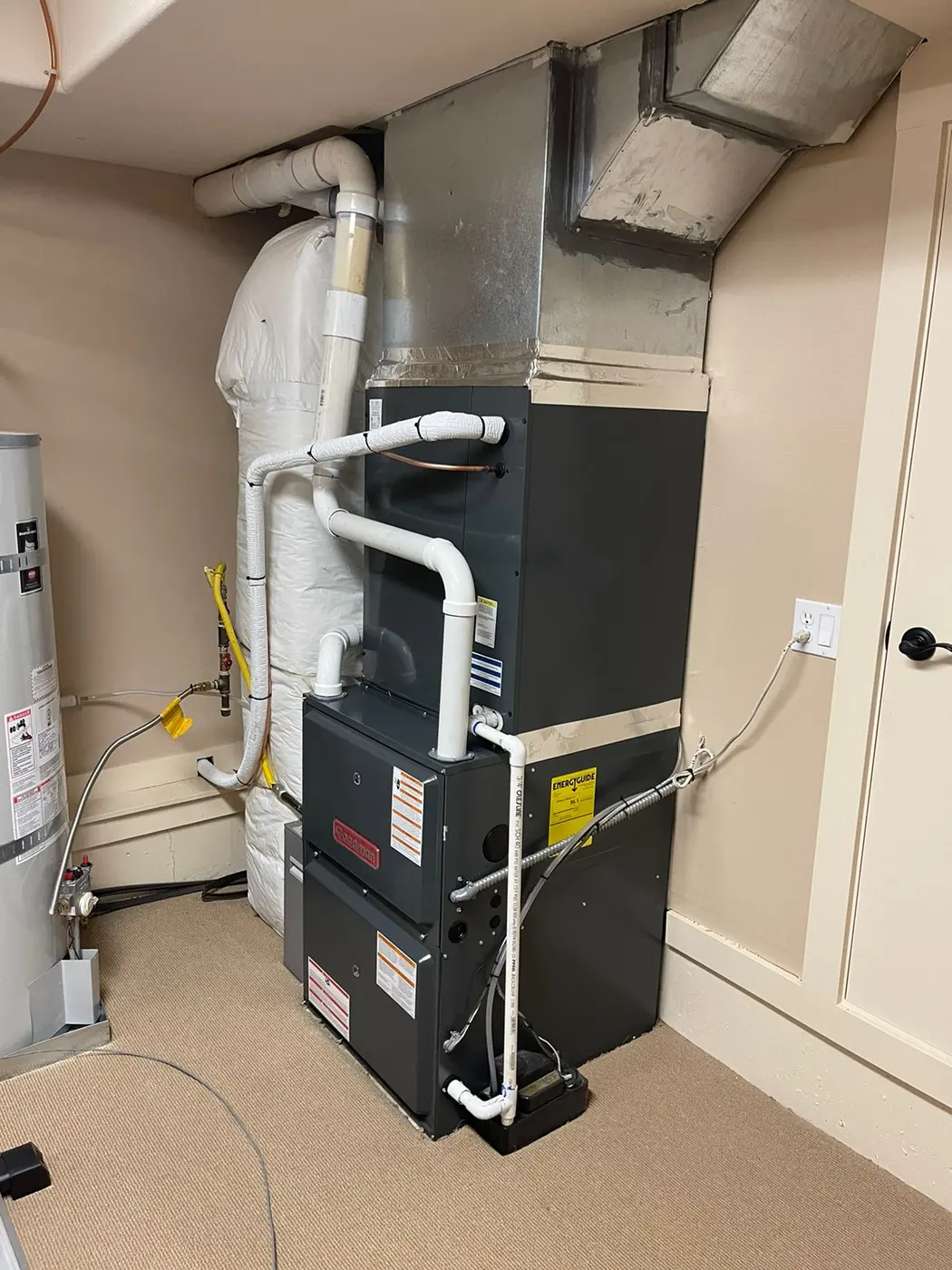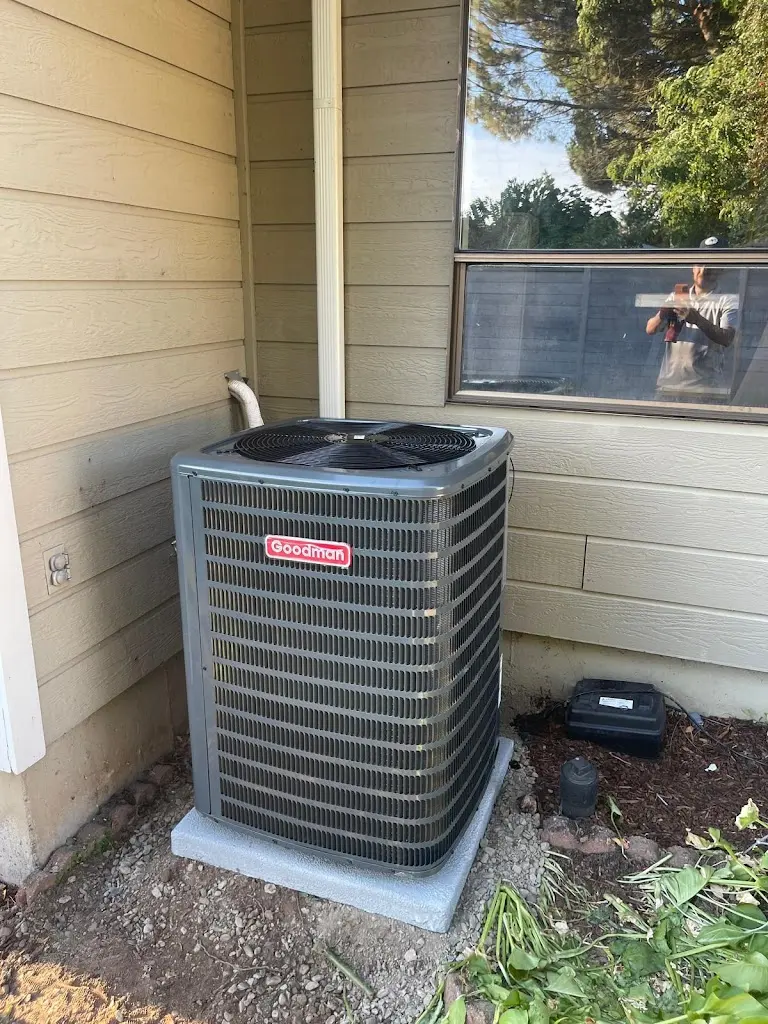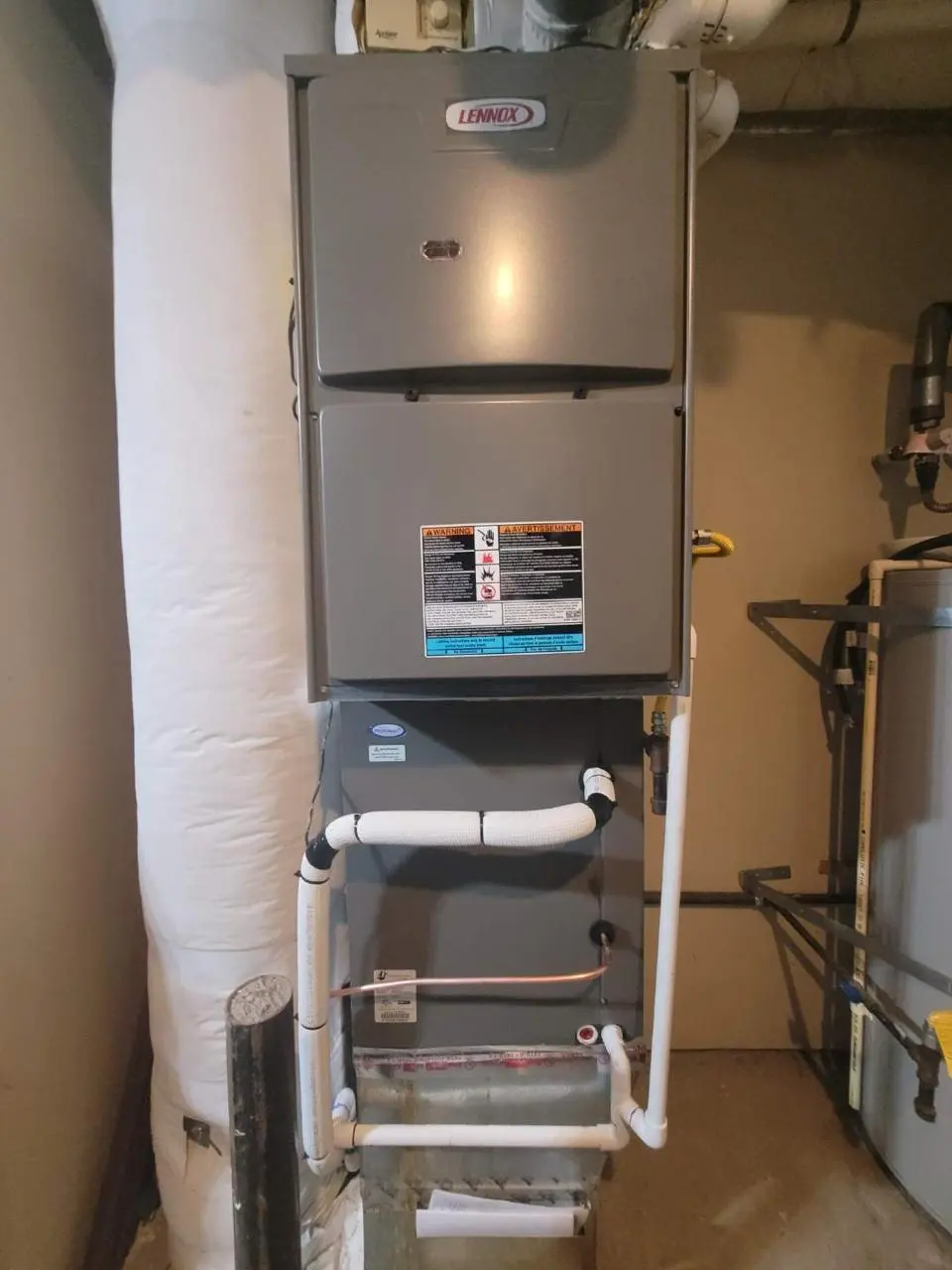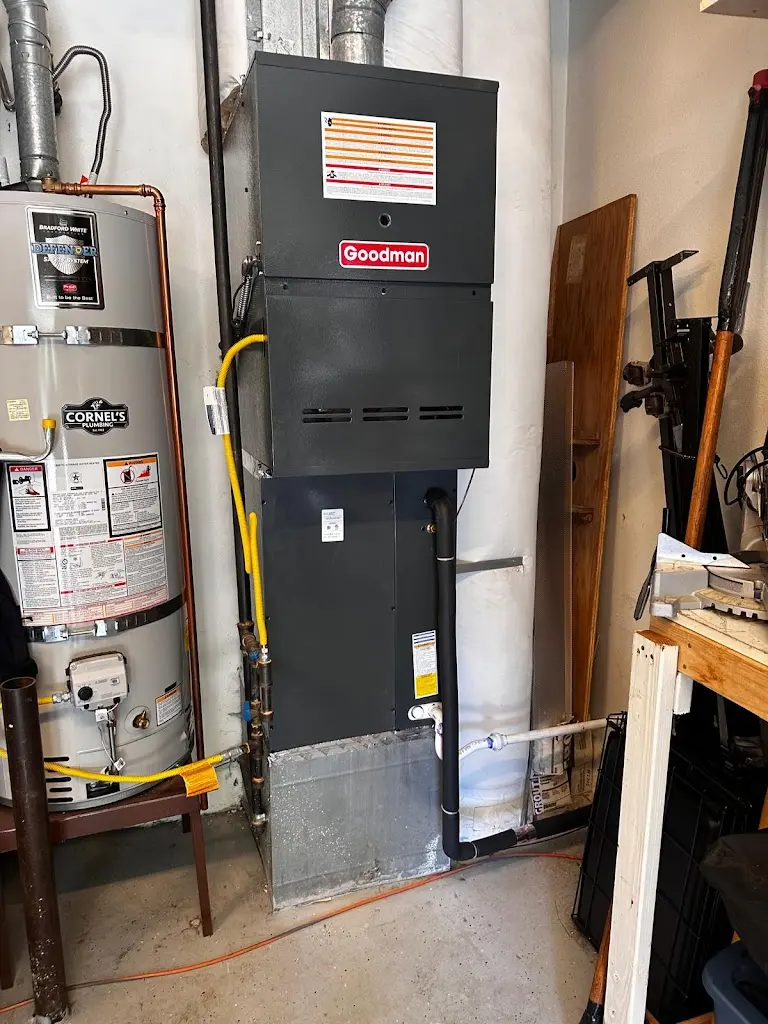
Plan the Replacement Around the Rooms That Need Better Heat
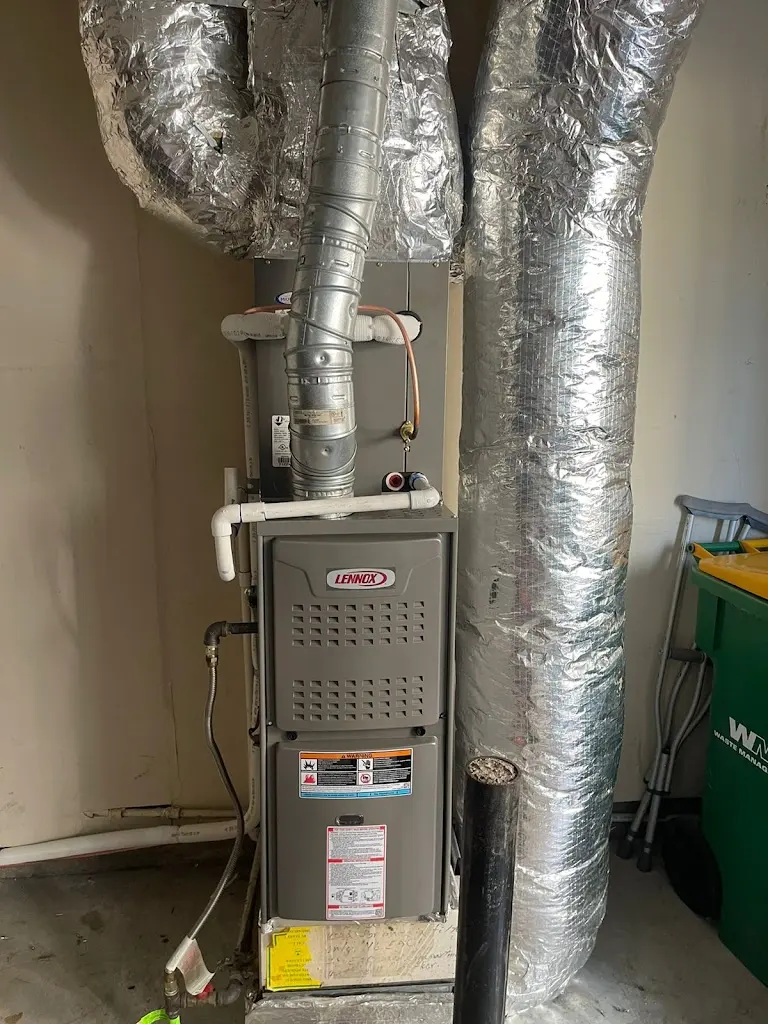
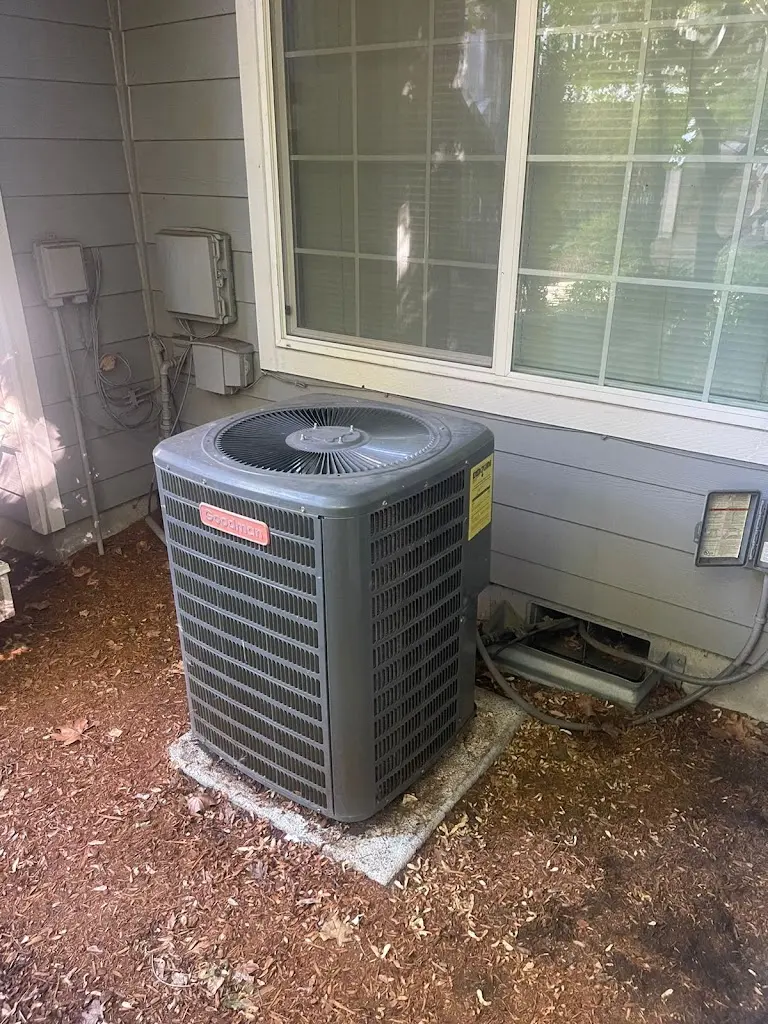
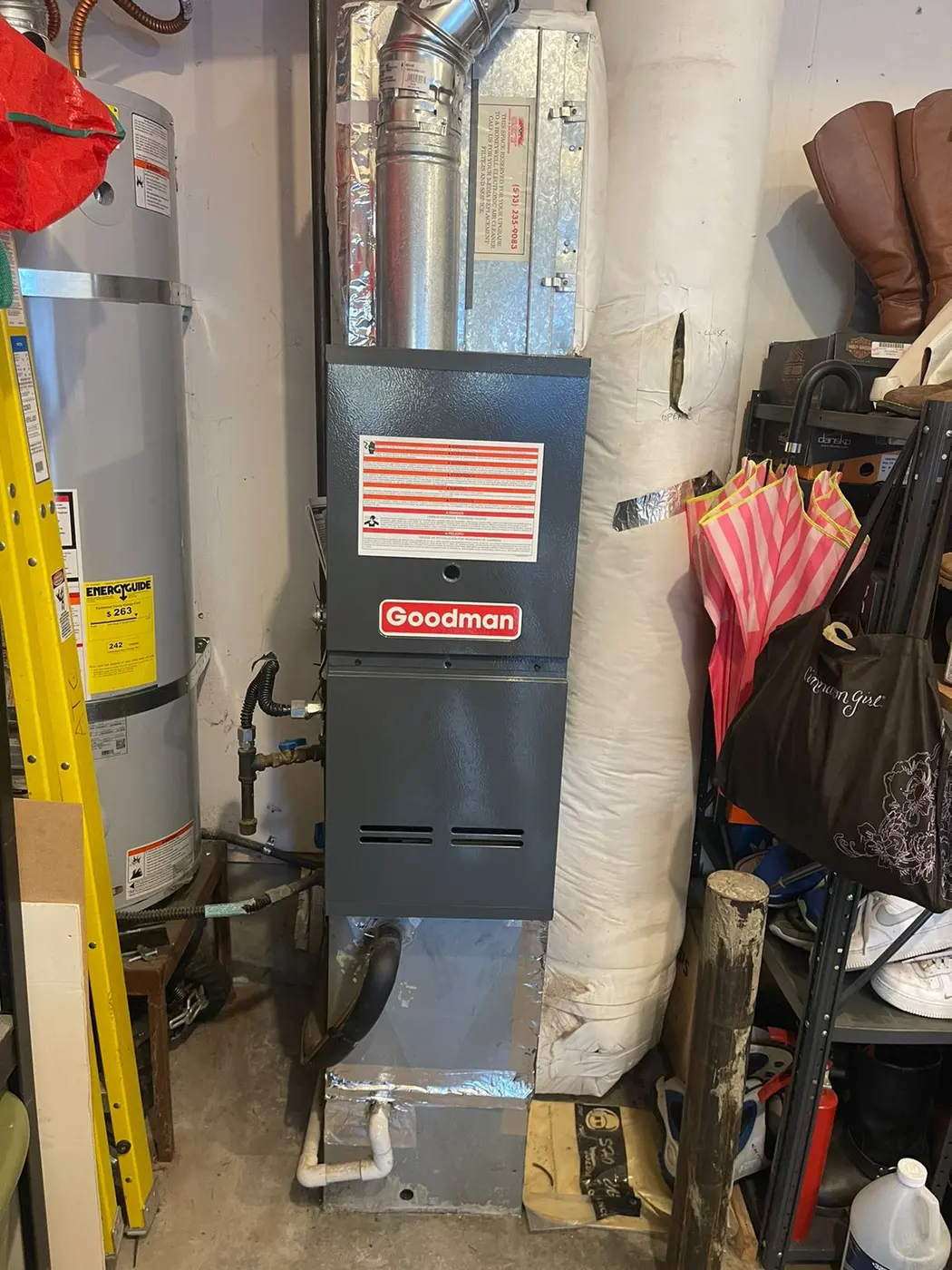
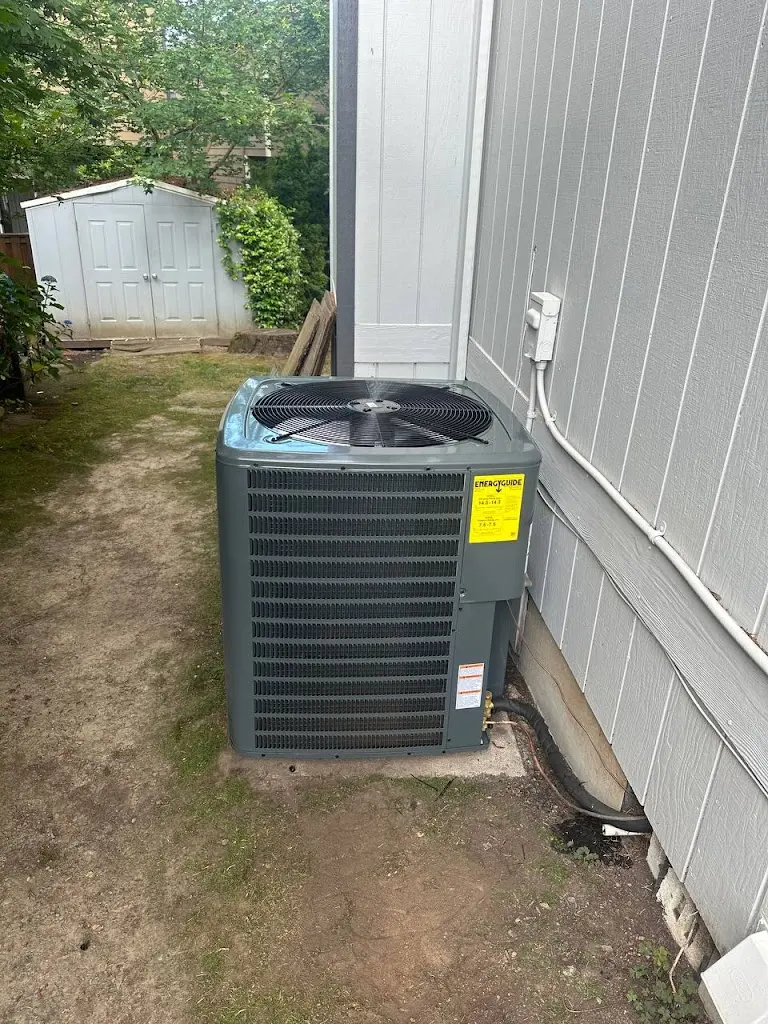
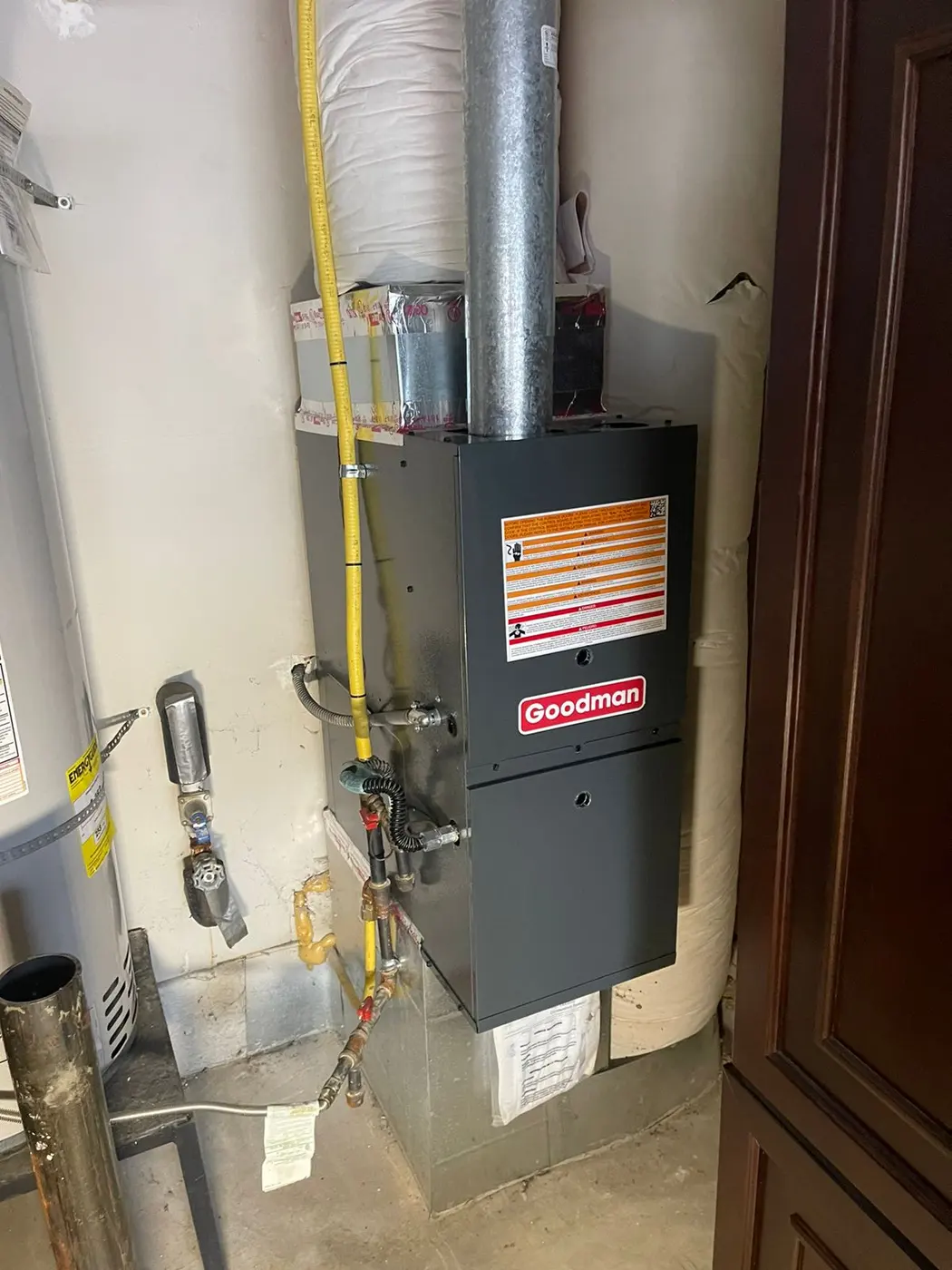
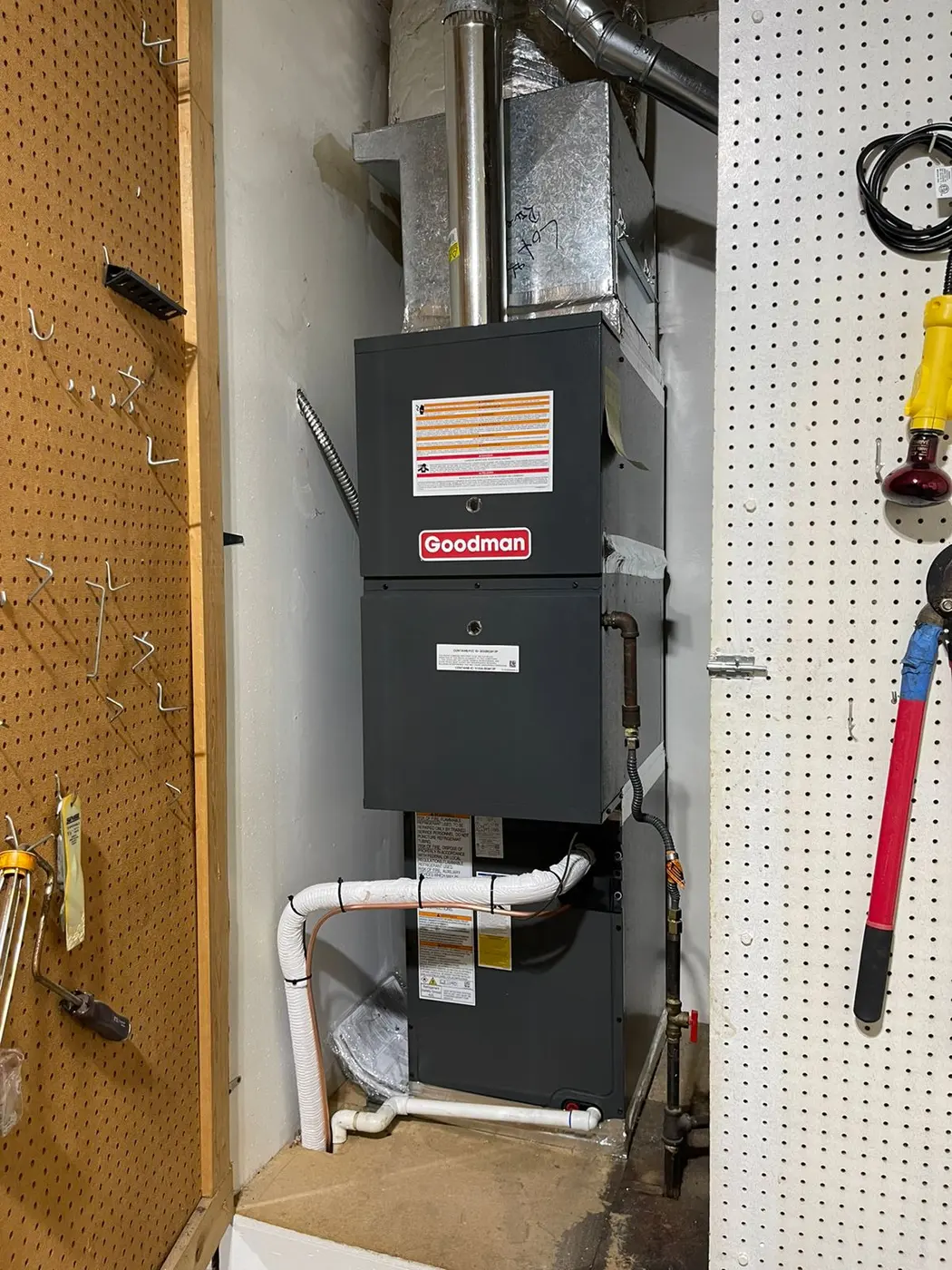
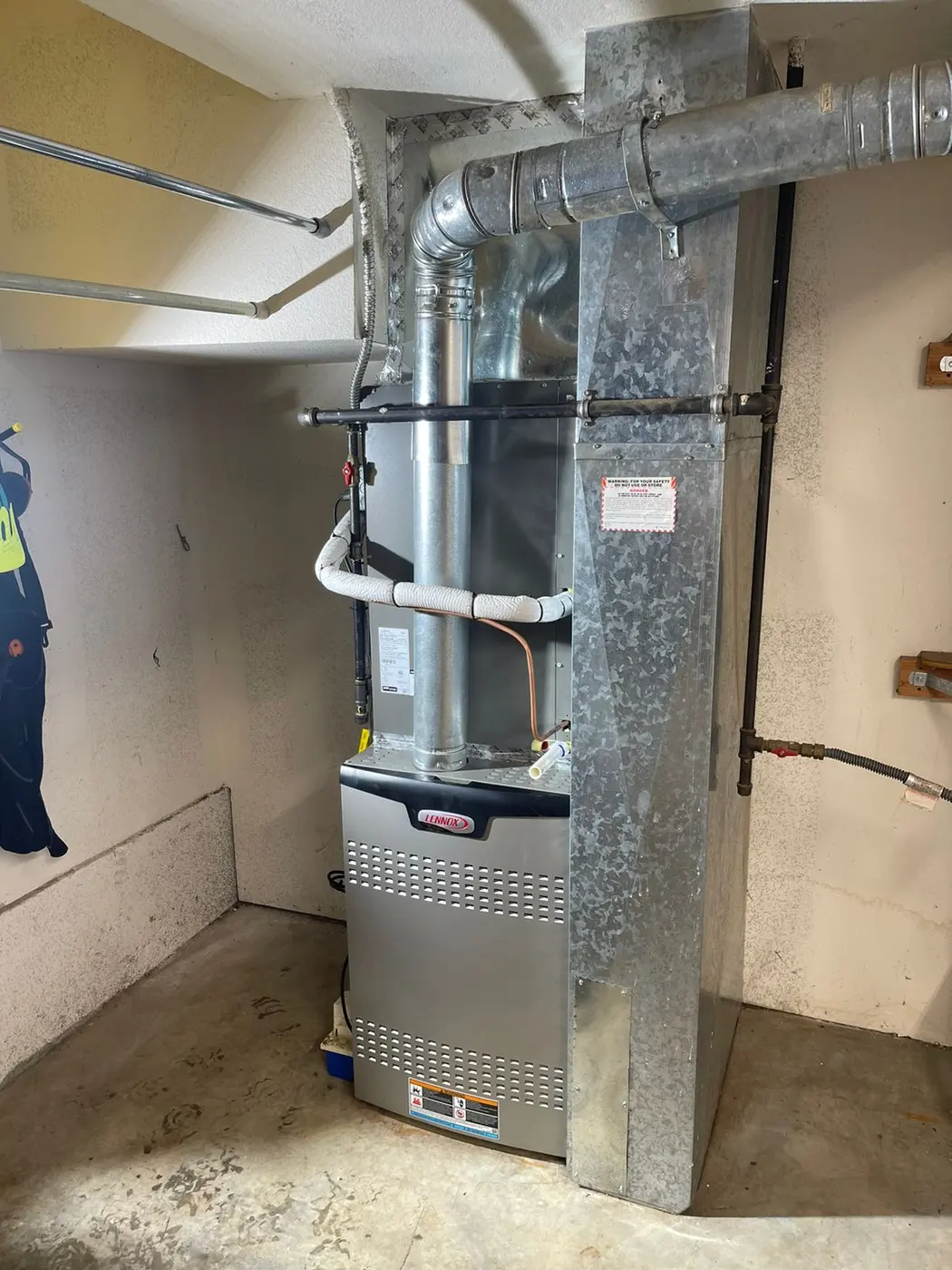
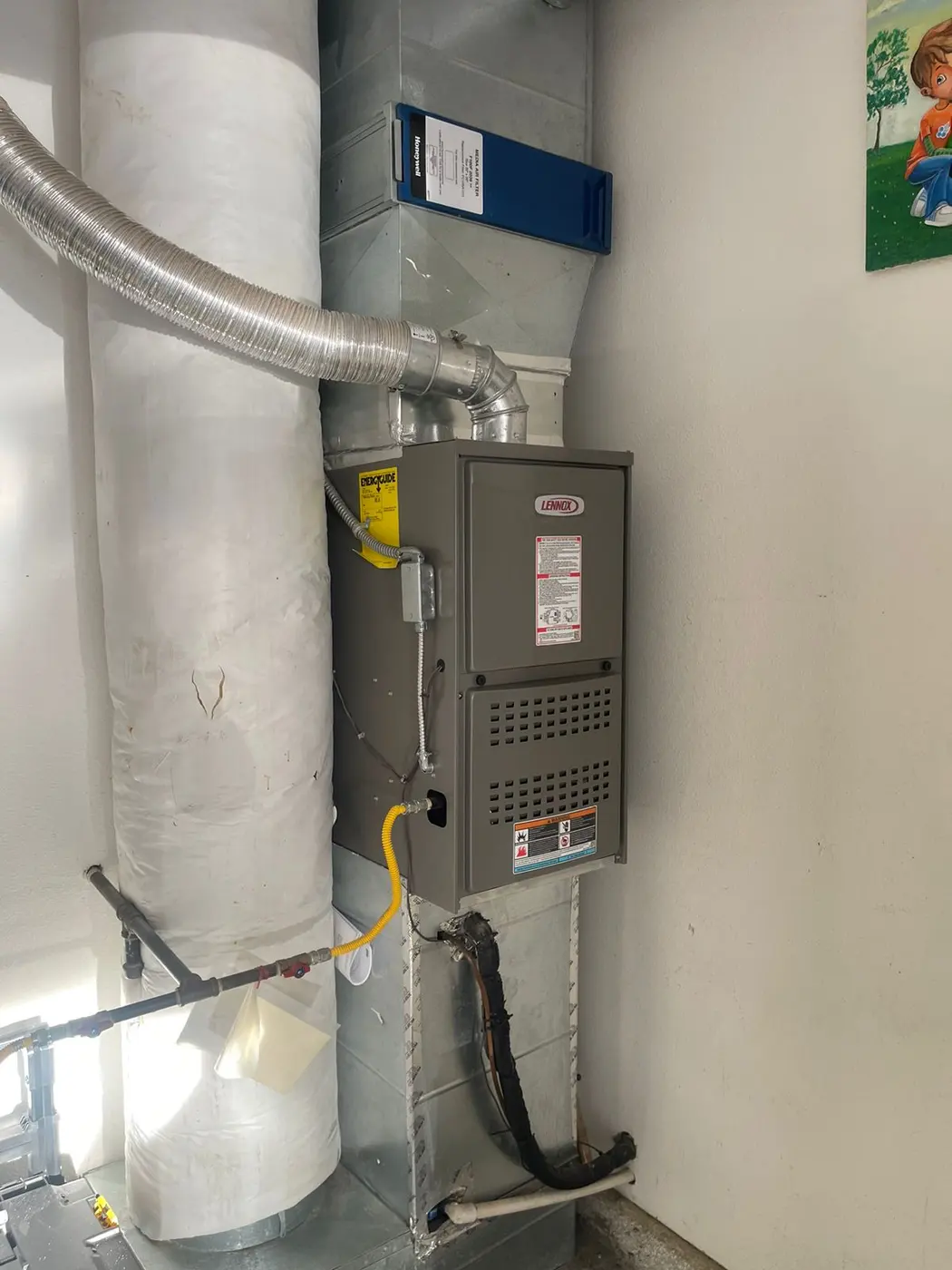
HVAC & Appliance Repair Guys provides furnace installation and replacement in Beaverton, OR. A new furnace should have a clear purpose when some rooms already struggle to stay warm. Describe the room result you want to improve before comparing equipment. That concern belongs in the project scope from the start.
Our free on-site estimator visit covers installation and replacement. Show us the current setup and explain where heating falls short. A bedroom that stays cool throughout a heating run raises different questions from a house that never reaches its setting. Those observations guide the review without proving a cause.
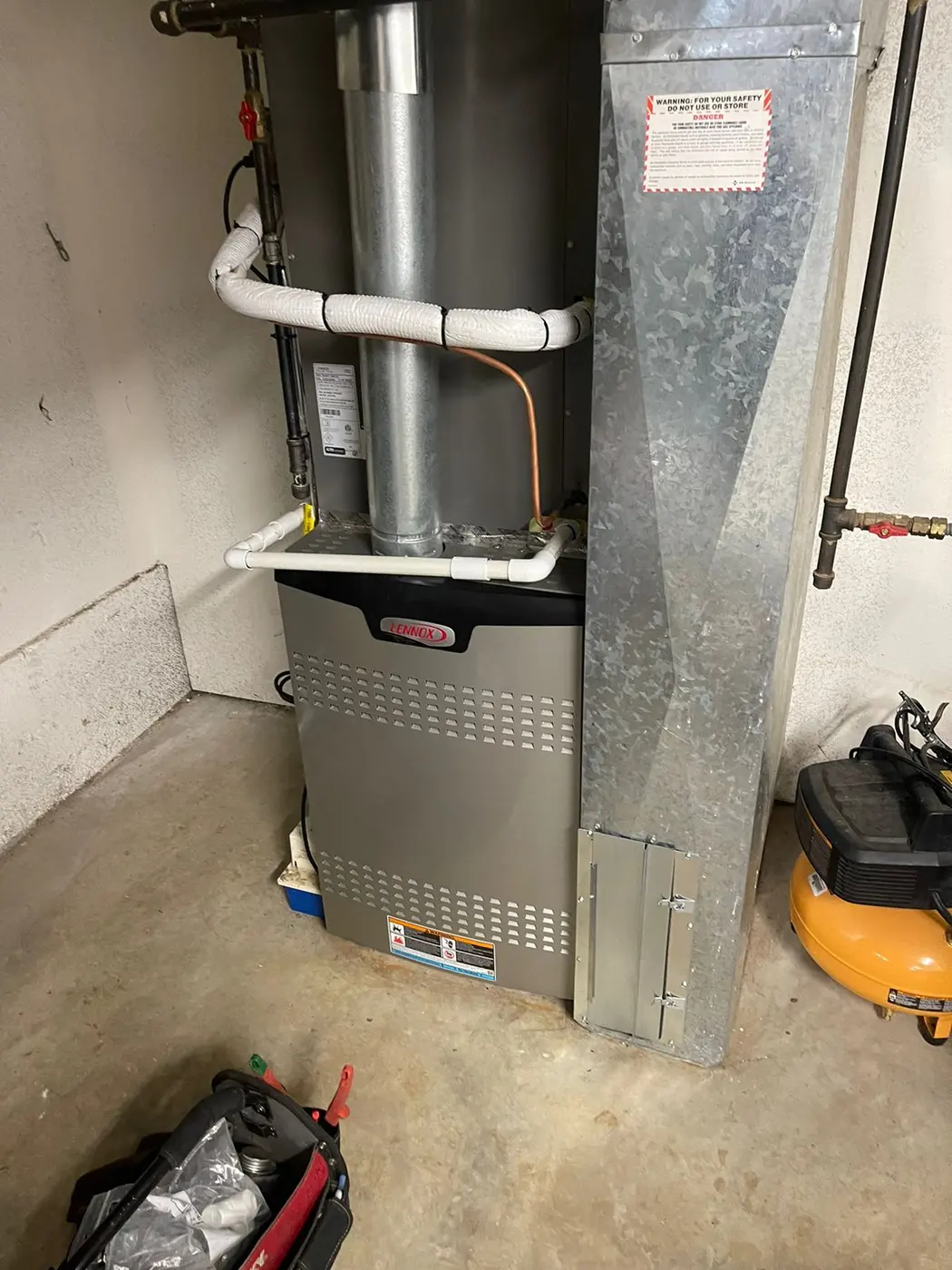
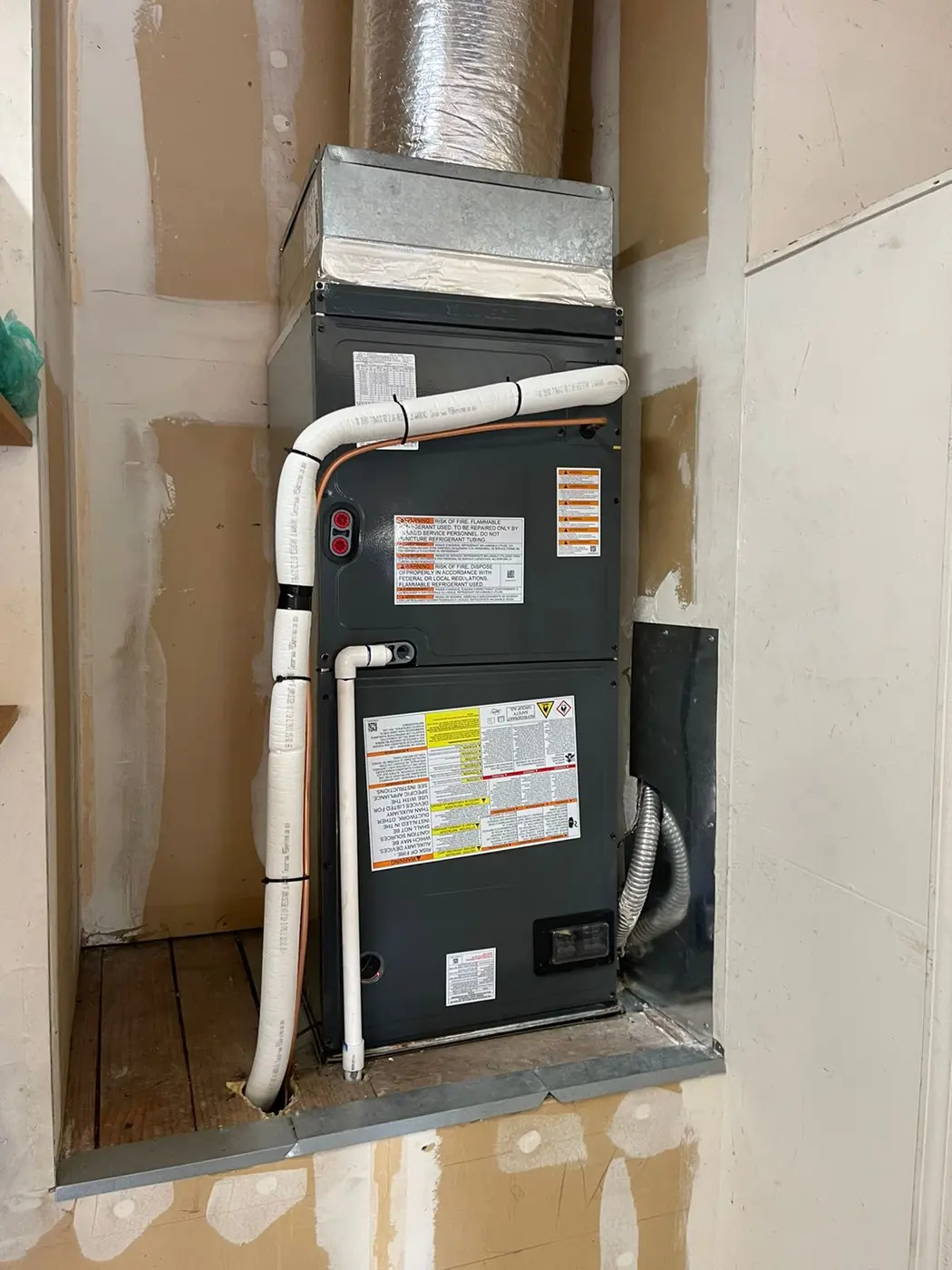
The furnace installation overview explains the wider service. Here, the key decision is how a replacement plan will address uneven heat. The new equipment, existing air path and included work need to support that goal together. A model selection alone does not settle the room concern.
Give the Estimator a Useful Picture of the Heating Pattern
Name the affected rooms and explain how you normally use them. Note whether the problem appears at startup, later in a heating run or through most of the day. Include whether the main control reaches its setting while those rooms remain cool. Keep measured readings separate from a general sense of comfort.
Describe the usual door positions and any recent change in room use. A former storage room now used as an office may bring a different expectation for heat. Say when the change happened and whether the heating concern existed before it. Do not present a planned change as a completed part of the home.
Explain which areas the furnace serves if you know. A separate room heater or another system can affect what you feel in one area. Its presence does not establish how well the furnace reaches that room. Keep those sources of heat clear in the account.
You do not need to change vent positions or run a series of tests before the estimate. Share what you have noticed during normal use. Leave hidden ducts and equipment covers alone. A useful project discussion can begin with accurate observations and a question the site visit needs to resolve.
Separate Heating Capacity From Delivery to One Room
The home’s heating need helps determine furnace capacity. Floor area alone does not describe that need; insulation, windows and the spaces the system will serve also matter. Provide known changes to those features. The old furnace label is useful background, but it is not a complete selection method.
Heat also needs a suitable supply and return air path. A cold room does not, by itself, prove that the furnace lacks capacity. Ask whether the review points to the equipment, air delivery or a separate condition in the room. The proposed work should explain the finding rather than assume that a larger unit solves it.
Keep a whole-home concern distinct from an isolated room problem. If several areas fail to warm, describe them together with the main control reading. If one room differs while others respond, preserve that distinction. It helps the estimate define the problem the chosen work should address.
An efficiency rating answers a different question from heating capacity or room delivery. It does not promise that a distant room will become comfortable. If lower energy bills are also a goal, discuss them separately. Avoid treating one rating as proof of every result you want from the project.
Make the Room Concern Visible in the Written Scope
Look for a clear account of the proposed furnace and any related work. Ask which existing ducts and controls the plan retains. If the estimate includes changes to the air path, identify the areas and tasks involved. The proposal should distinguish included work from a separate improvement you may consider later.
A useful explanation connects each proposed change with a reason. Ask how it relates to the concern you described. If the furnace replacement leaves a known room issue outside the scope, keep that limit clear. A new equipment price should not silently become a promise to solve an unrelated condition.
If the team cannot assess an area during the visit, identify what remains unknown. Discuss the access or information needed to resolve it. Keep a possible task conditional until the finding supports it. Review any resulting change in work and price before approval.
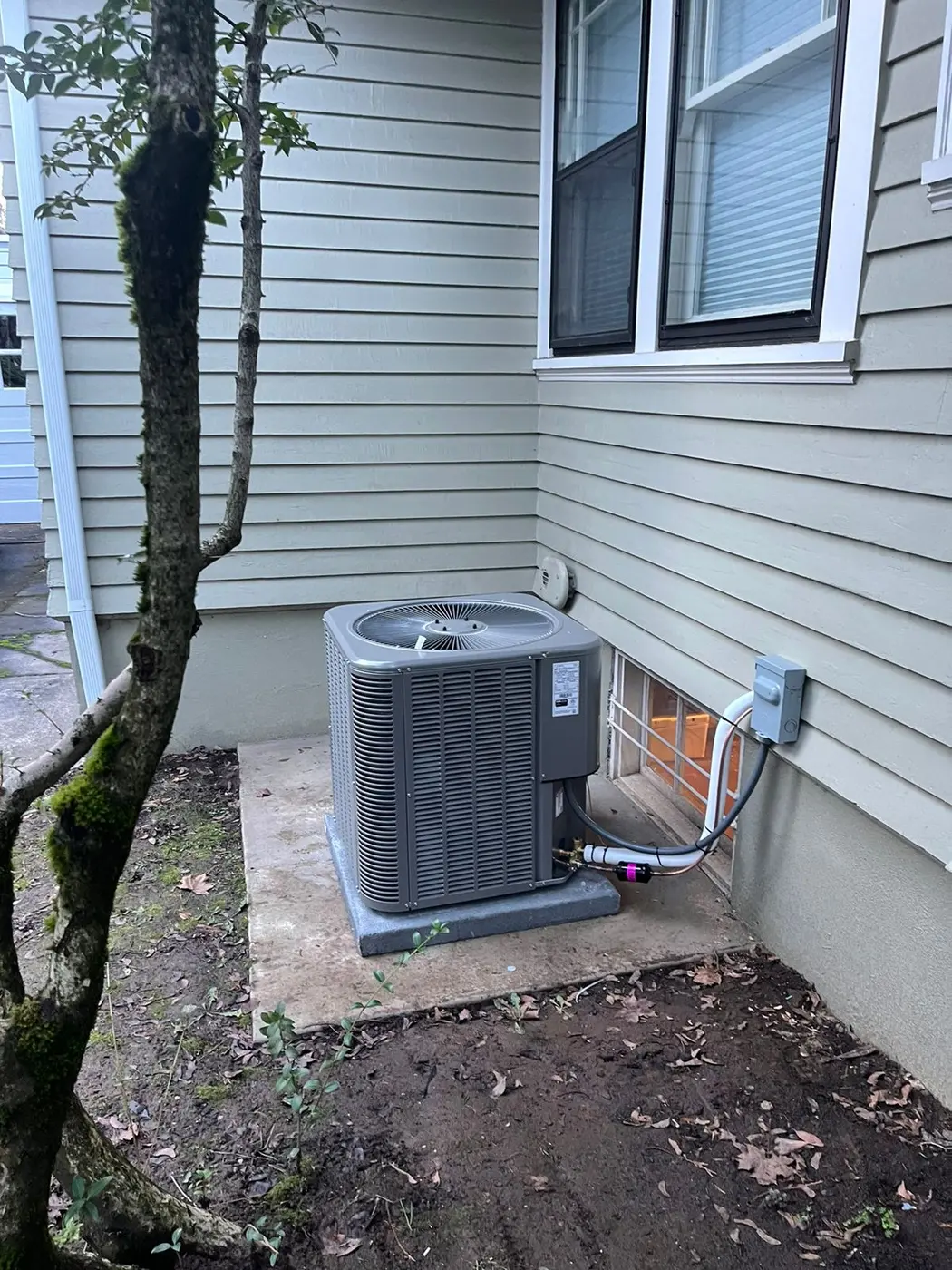
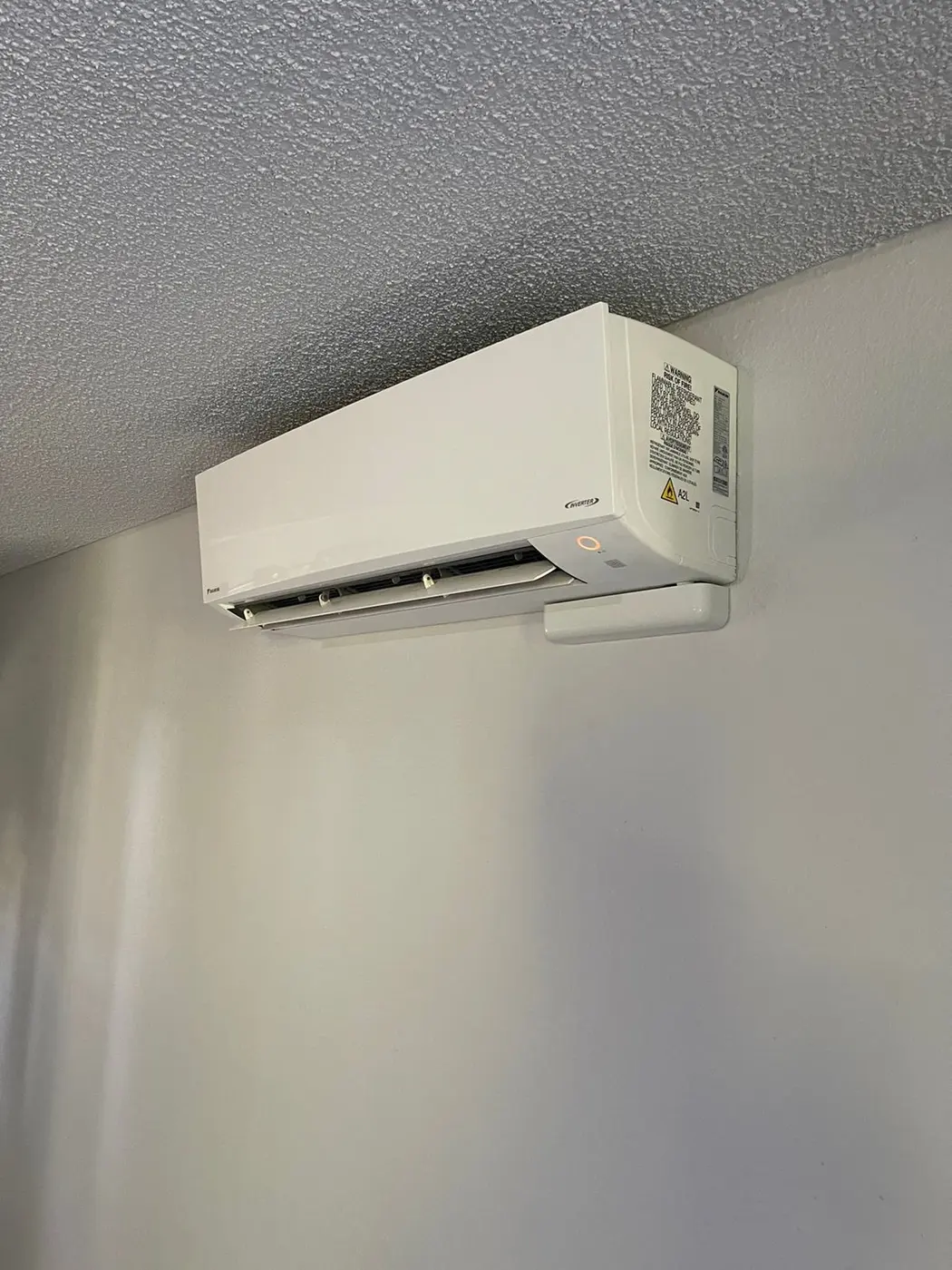
A wider project may belong in our HVAC installation service in Beaverton. State whether cooling equipment or another heating system will also change. The furnace portion still needs its own defined purpose. A larger project should preserve the original room concern rather than lose it in an equipment list.
Keep a Current Fault Separate From the New Project
Our furnace repair service in Beaverton can assess a present failure. The free installation estimate addresses a new installation or replacement. If you want to compare the two choices, explain both needs. A repair finding and a replacement proposal should each describe the work they cover.
A confirmed equipment fault may explain part of the heating problem without settling every room issue. Keep the findings from a repair review available for the estimate. Ask which concern the replacement addresses and which may need separate attention. That comparison gives each option a useful boundary.
Before choosing the work date, discuss access to the furnace and any rooms the team needs to review. Mention locked areas or another person who must provide entry. Confirm the planned period without heat. Project timing should reflect the actual equipment and work, without relying on a general service-availability statement.
Review the Finished Result Against the Original Concern
At handover, return to the room pattern you described at the estimate. Ask which heating checks the team completed and what those checks showed. Keep the installed equipment record with any related air-path or control work. The project record should explain what changed.
If conditions during the visit limit a check, retain that limit with the result. A brief heating response does not describe every future weather condition. Discuss any remaining question and the next step for it. Clear records are more useful than an undefined promise of perfect room temperatures.
Review normal control use and the care needs of the installed furnace. Keep any changed filter location or access instruction with those notes. If a room concern returns, describe its present pattern and when you first noticed it. The installation record then provides context without assuming the cause of a later problem.
Frequently Asked Questions
Should I request a larger furnace because one room is cold?
Do not choose capacity from one room symptom alone. The site review should consider the home’s heating need and the way heat reaches that room. Ask which finding supports the proposed size and any related work.
Can I bring room-temperature notes to the estimate?
Yes. Include when and where you took the readings and the normal control setting at the time. Simple notes from ordinary use can help describe the concern. You do not need to perform special tests or enter equipment settings.
Does furnace replacement include all duct work?
The proposal should name the work it includes. A furnace replacement does not automatically mean replacing every duct. Review any planned air-path change, retained section and unresolved condition before approving the project.