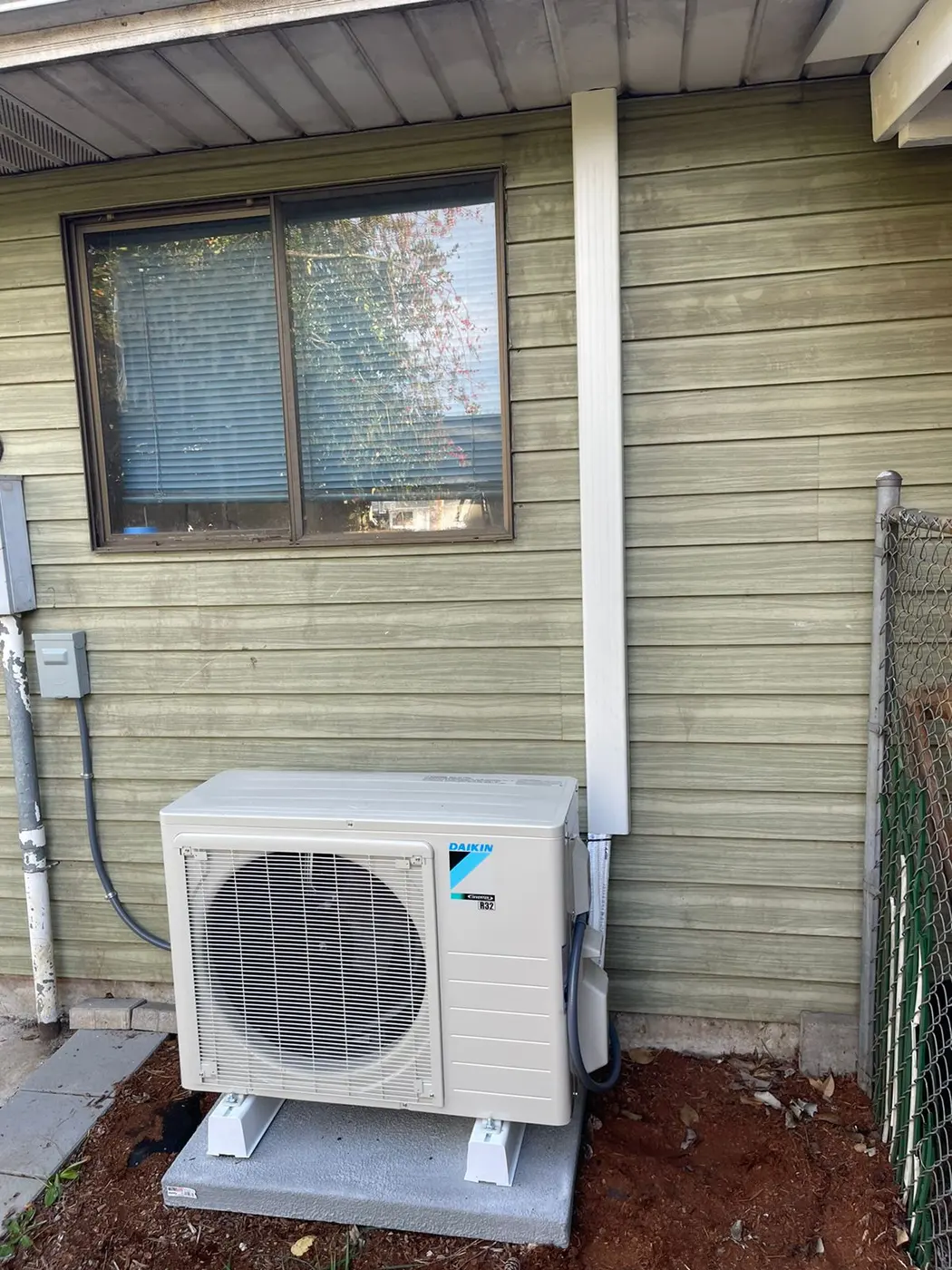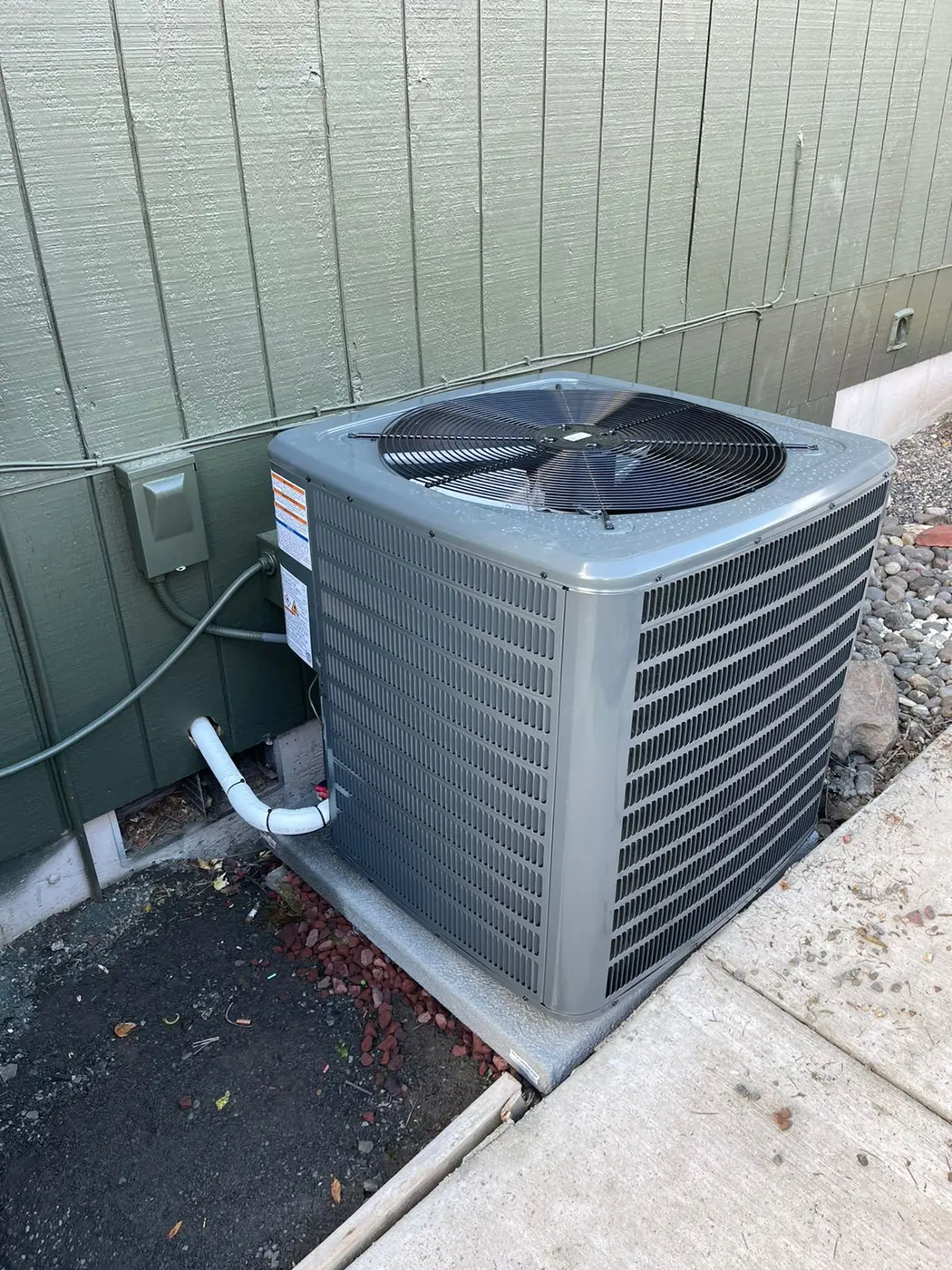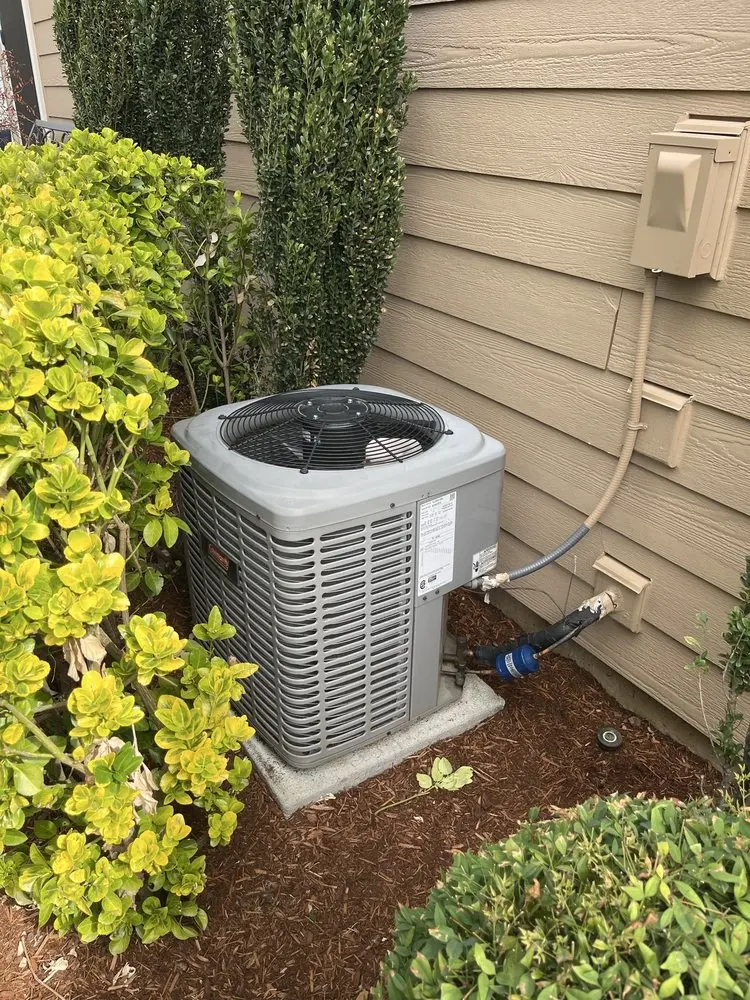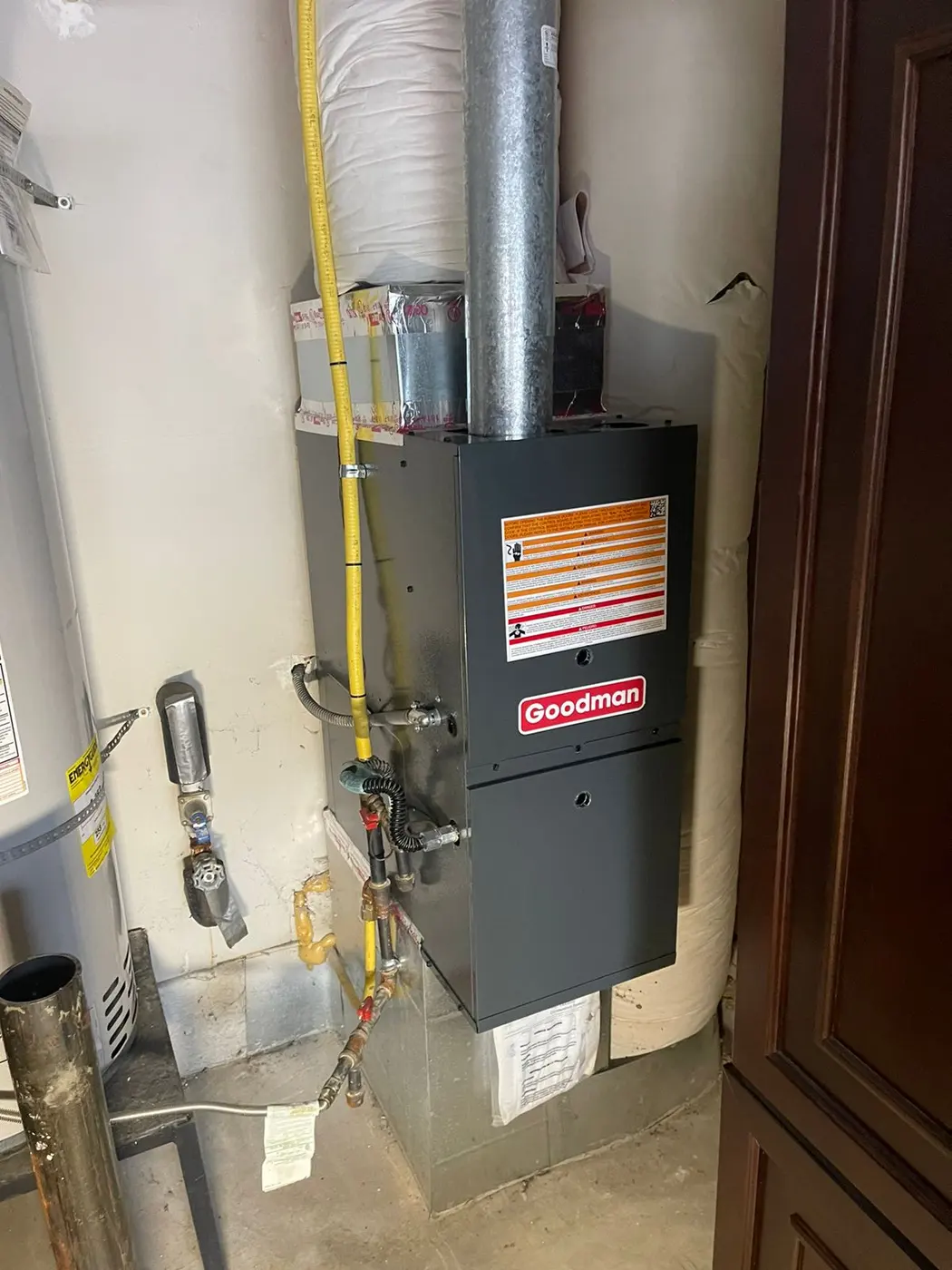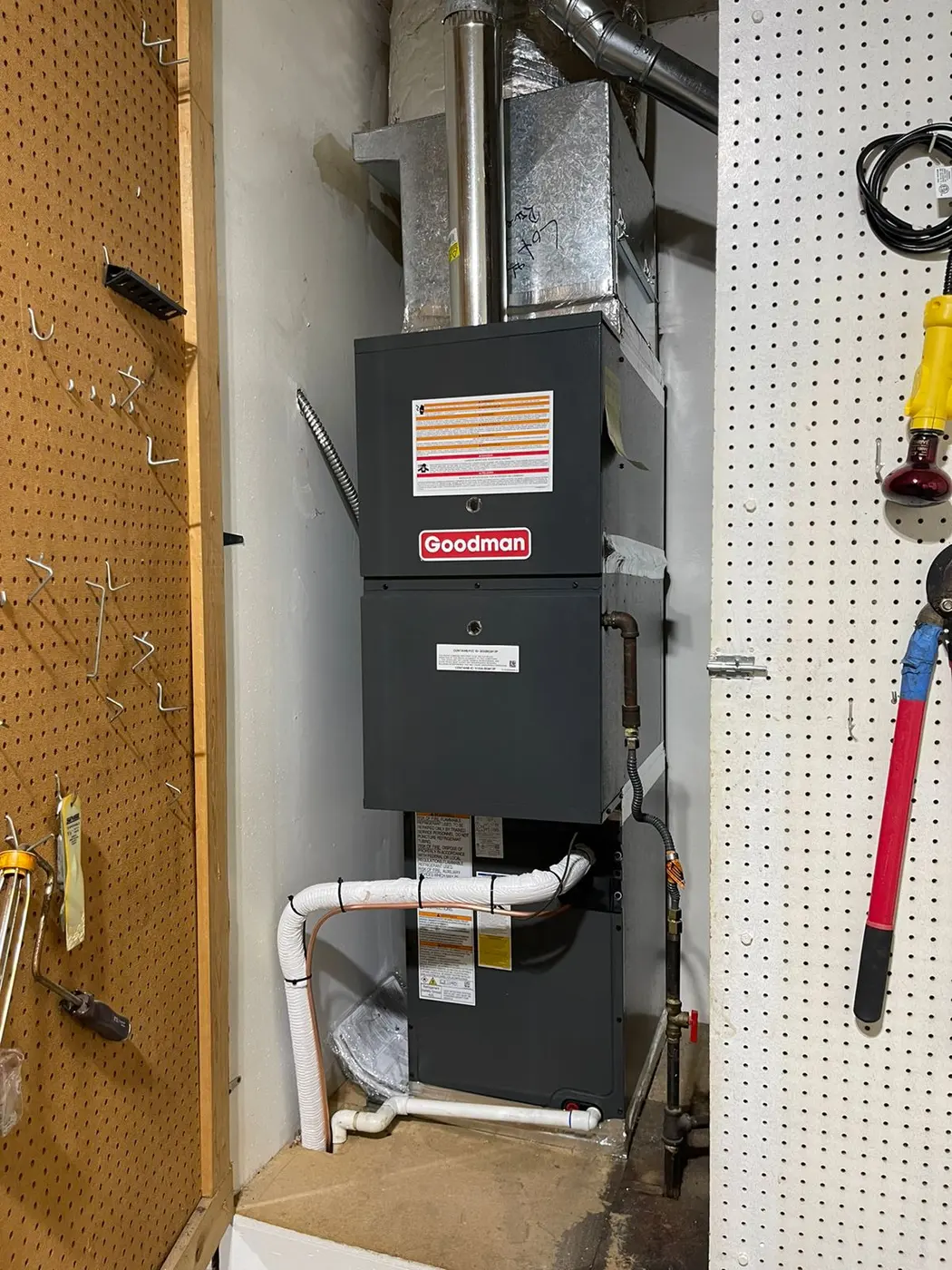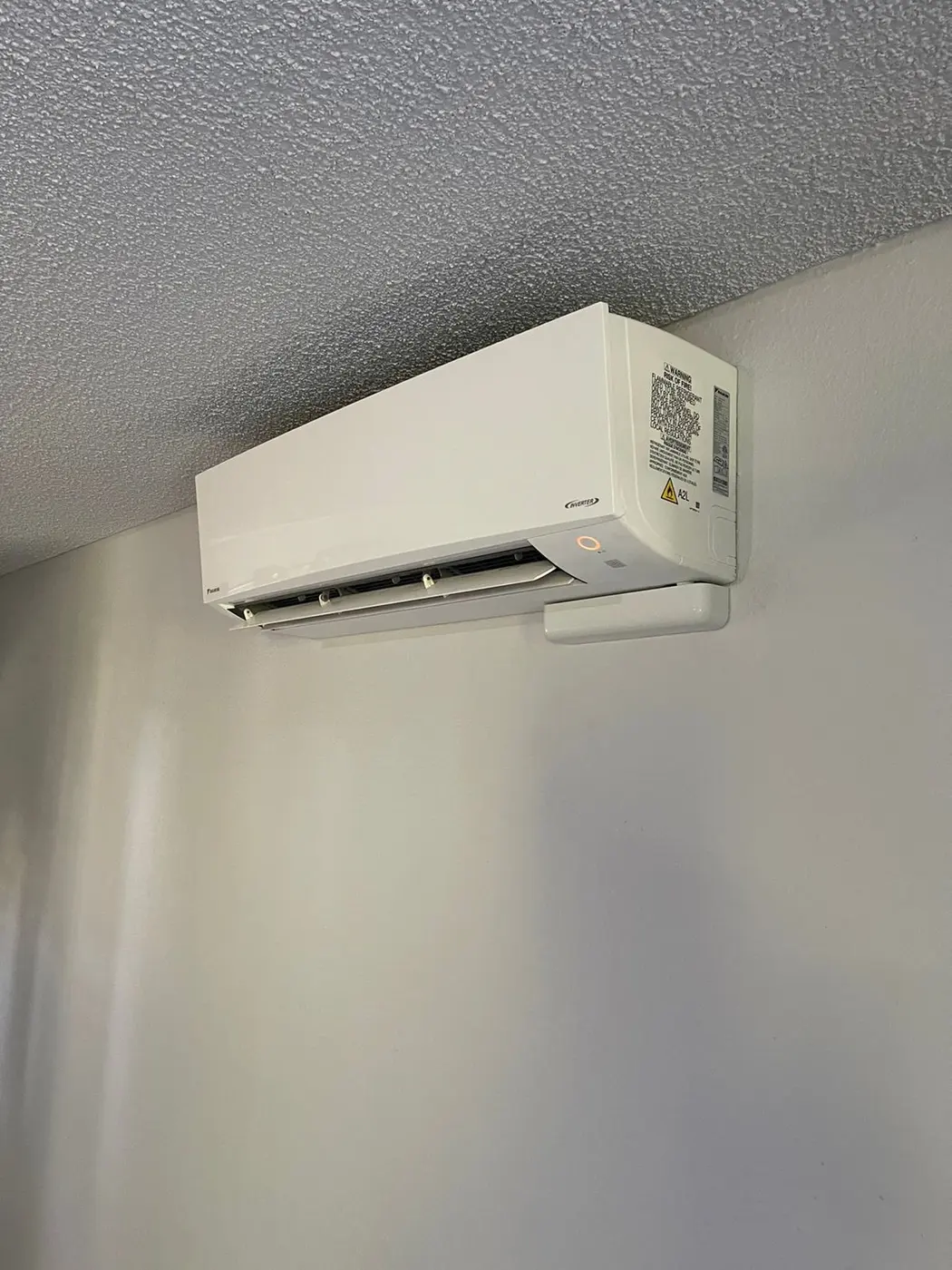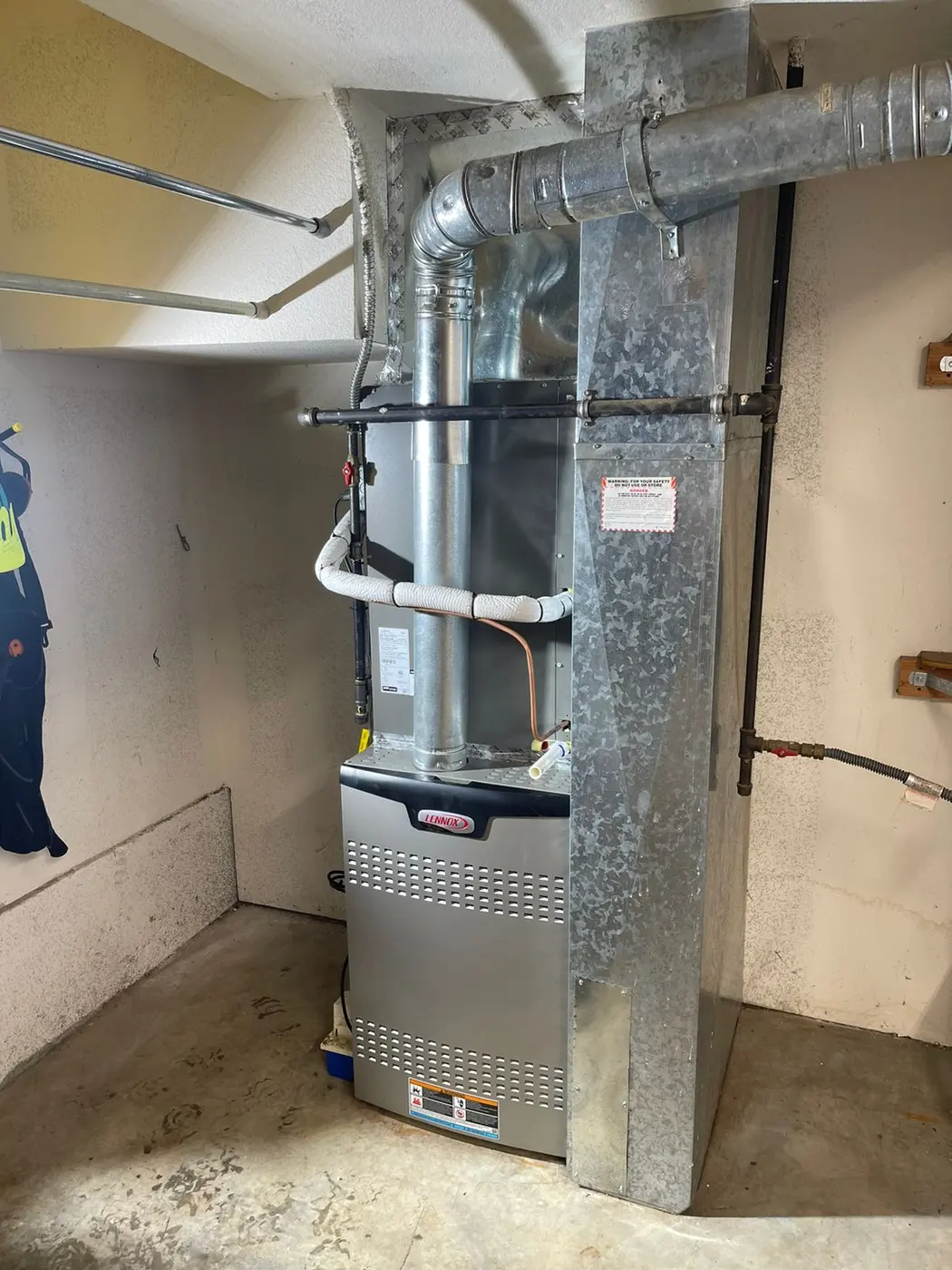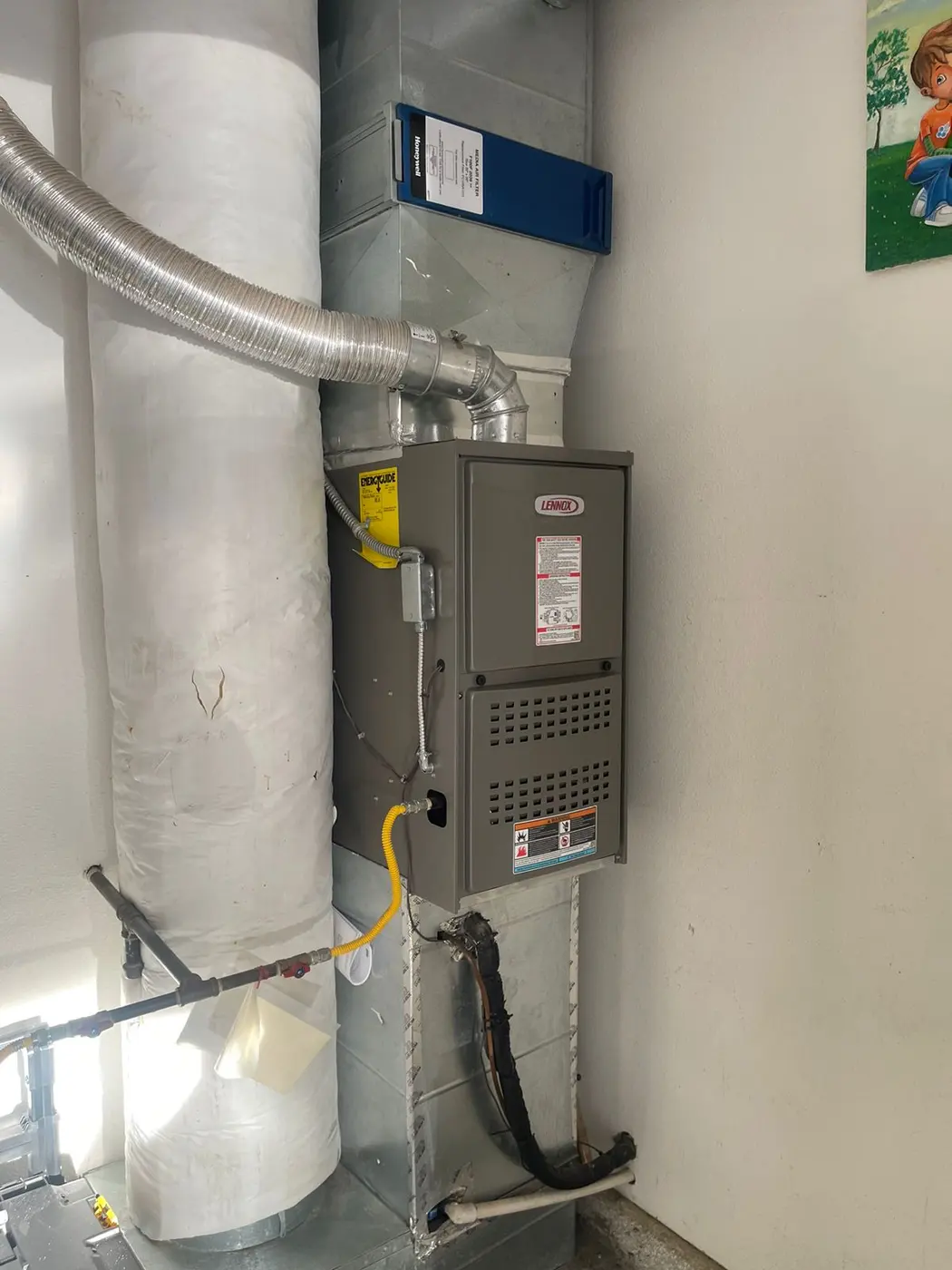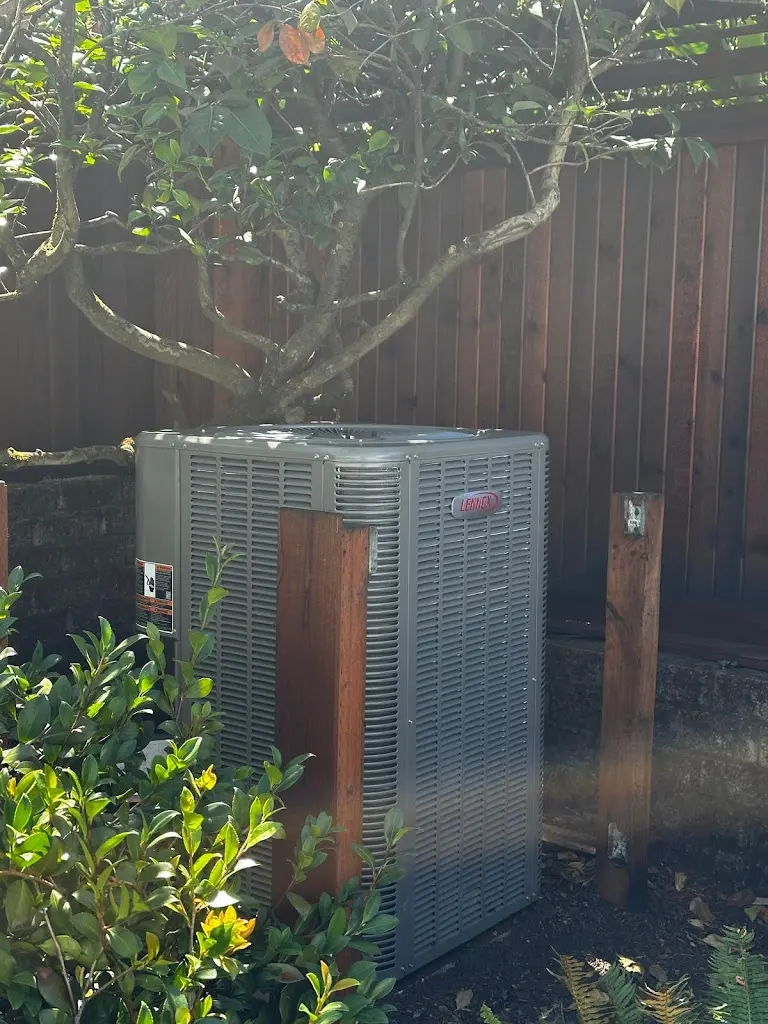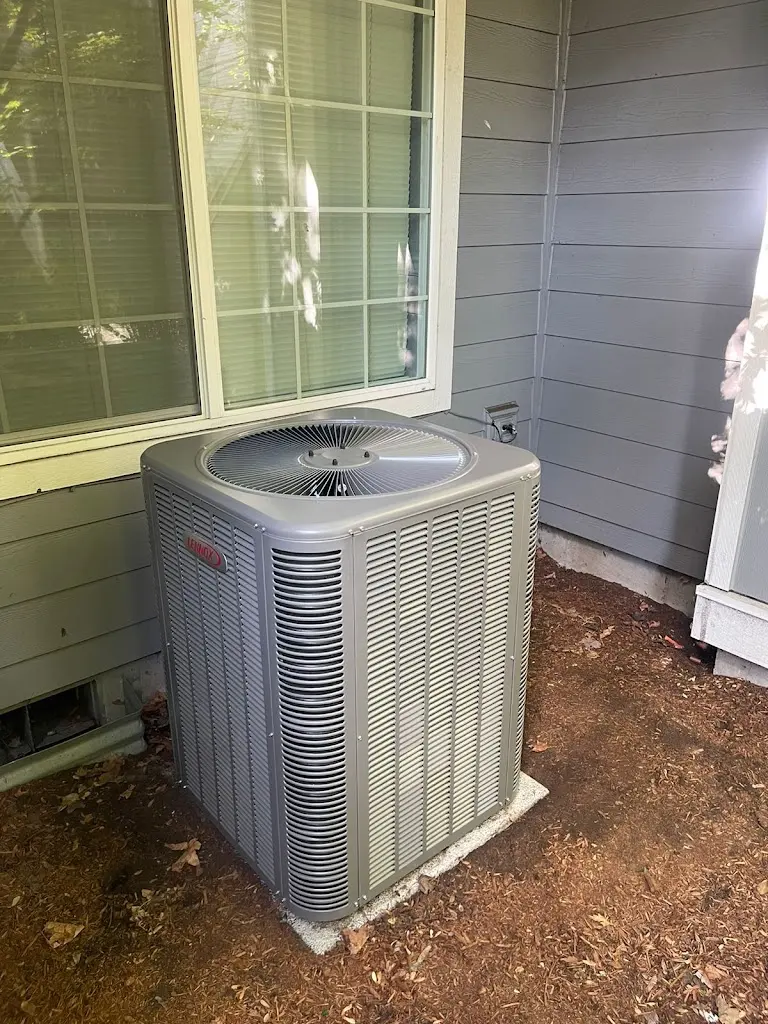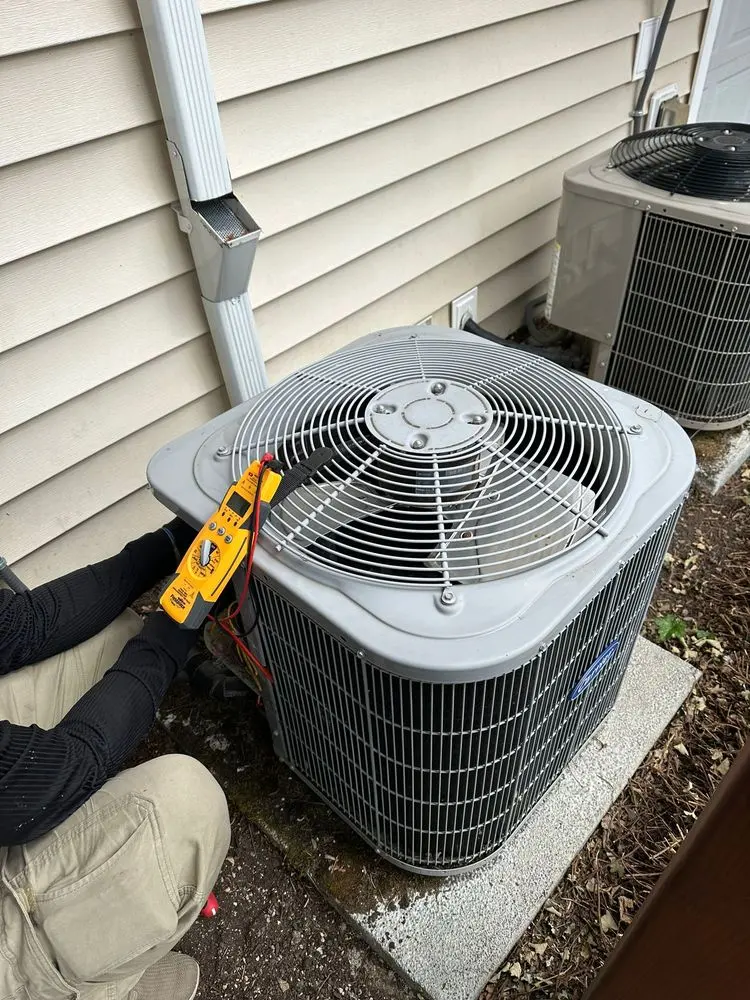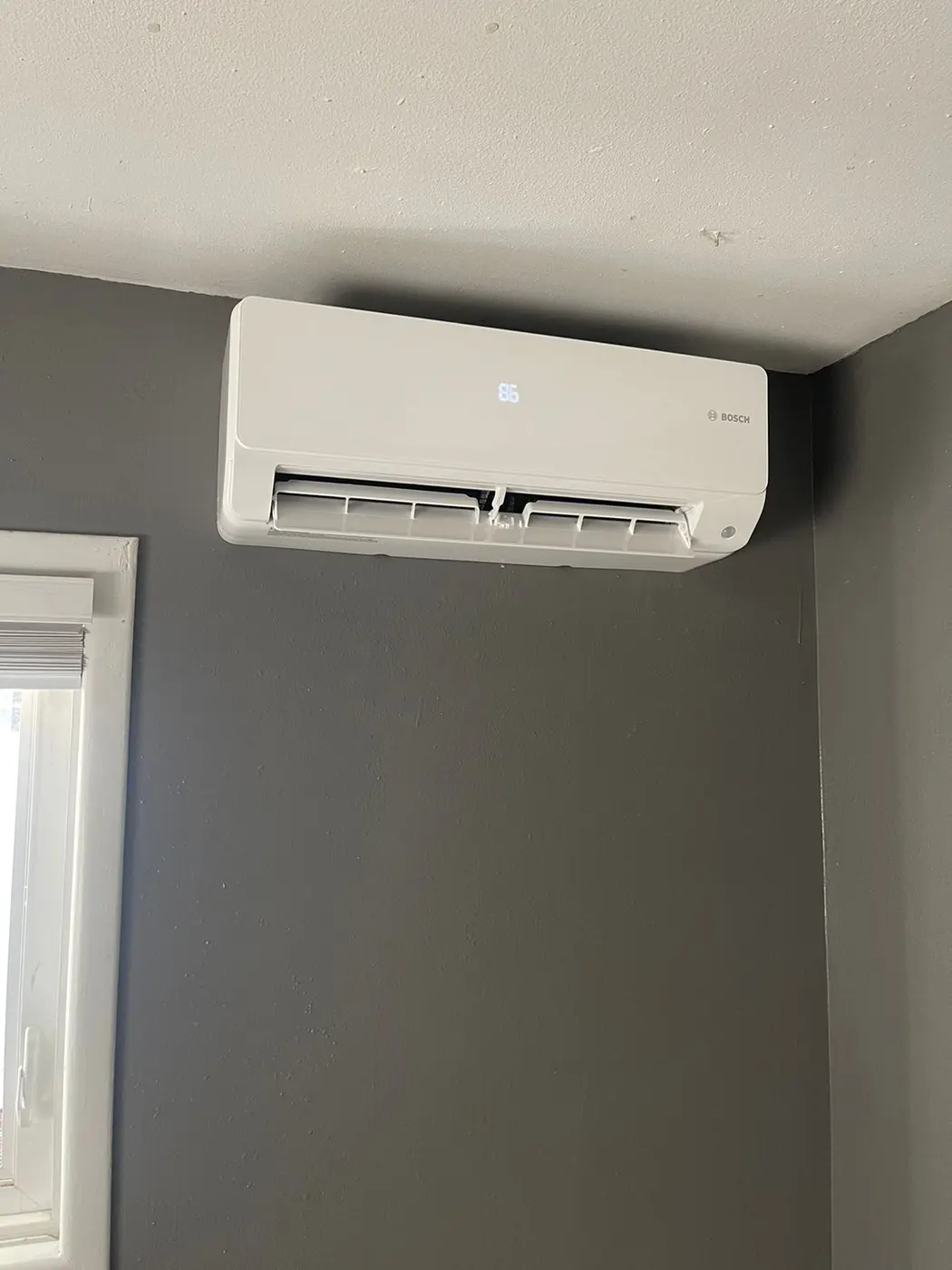
Brooklyn mini split installation for garages, studios, workshops and compact SE Portland routes
Brooklyn mini split installation should be scoped around the exact space that needs independent comfort. Converted garages, basement offices, small studios, detached workshops, back additions and upper rooms near industrial or busy-street exposure often need a focused one-zone plan instead of a full ductwork change.
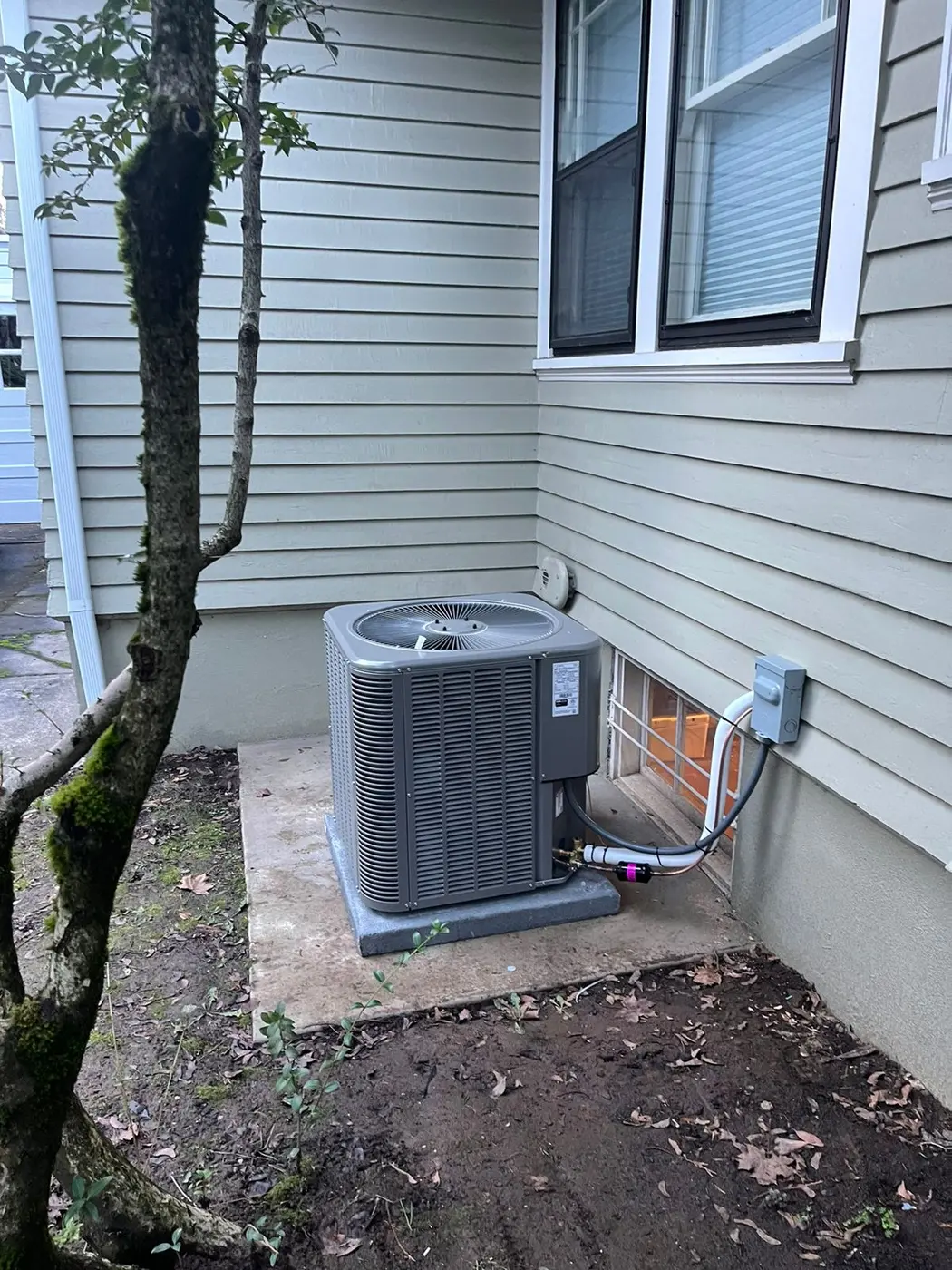
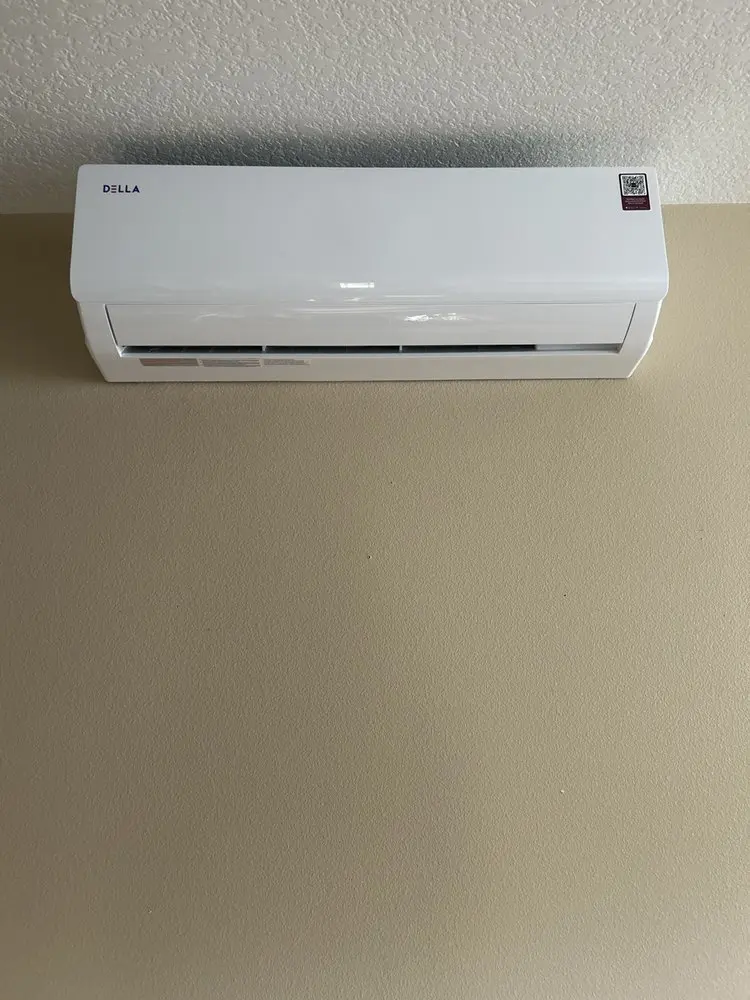
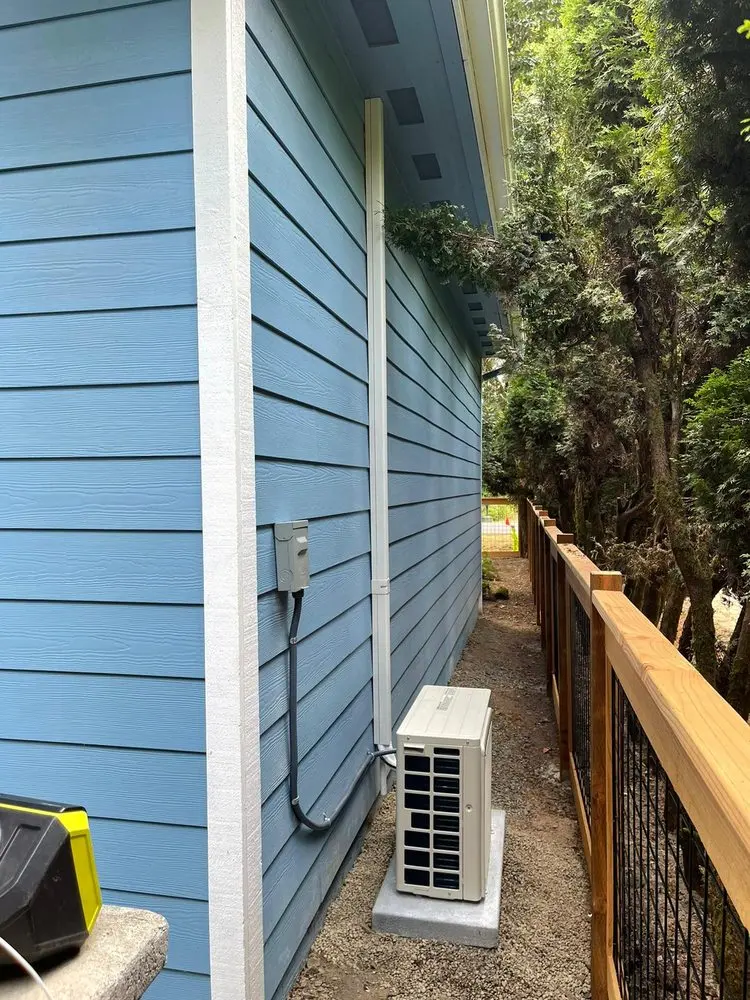
The free estimator visit checks wall-head placement, electrical access, condensate, exterior line-cover route, outdoor unit location, alley or driveway access, sound near workspaces or bedrooms and whether the system should be sized for cooling only or year-round heating and cooling.
Brooklyn mini split details to send
Send photos of the target room, garage, studio or workshop, the outside wall behind it, possible outdoor unit areas, electrical panel if easy, alley or driveway access and whether the room needs comfort every day or only part time.
Those details help prepare Brooklyn mini split options around a clean route, practical power path, focused one-zone comfort and whether future expansion should stay separate from the first installation.
A Brooklyn mini split estimate example
A Brooklyn homeowner may want comfort for a converted garage, studio or workspace that gets too hot in summer and too cold during shoulder seasons.
The estimate should show the clean route, power needs, outdoor placement and whether a single-zone mini split solves the room without expanding the scope too early.
- Review garages, studios, workshops, basement offices, back additions, upper rooms and part-time room use.
- Confirm wall-head location, line-cover route, condensate, electrical access, outdoor placement and service clearance.
- Plan around alley or driveway access, compact lots, exterior visibility, sound near bedrooms and year-round comfort needs.
- Compare one-zone mini split comfort before discussing staged or multi-zone expansion.
How to choose the Brooklyn mini split path
A strong Brooklyn proposal should keep the job tied to the room. After room load, wall placement, route visibility, condensate, electrical scope, outdoor sound and service access are clear, the homeowner can compare a simple one-zone installation with any future-ready option only when it adds real value.
- Review garages, studios, workshops, basement offices, back additions, upper rooms and part-time room use.
- Confirm wall-head location, line-cover route, condensate, electrical access, outdoor placement and service clearance.
- Plan around alley or driveway access, compact lots, exterior visibility, sound near bedrooms and year-round comfort needs.
- Compare one-zone mini split comfort before discussing staged or multi-zone expansion.
What the free estimator visit checks
- The exact room, zone or finished space that needs independent heating or cooling.
- Indoor head placement, wall type, outdoor unit location, line-cover route and exterior appearance.
- Electrical access, condensate path, mounting conditions, service clearance and whether future zones should be planned.
- Room use, sun exposure, insulation, doorways and whether one zone or several zones create the best value.
- Good, Better and Best ductless options with warranty, financing and rebate details before equipment is selected.
Mini-split proposal details for Brooklyn, OR
Brooklyn mini-split planning often starts with older inner-southeast homes, additions, basements, shop spaces and rooms near busy corridors where clean routing and quiet comfort both matter. The proposal should turn that local context into a small set of realistic zone options instead of one generic equipment quote.
- Confirm whether the request is targeted comfort or a larger zone layout.
- Review line-cover routing, condensate routing and where the indoor head will be visible.
- Use the estimate to compare single-zone room comfort, basement or addition comfort, multi-zone ductless layout, shop-space comfort and staged room planning.
Why the free estimator visit matters in Brooklyn
Brooklyn estimates should avoid overbuilding when one room or workspace is the real comfort issue.
- Use the Brooklyn visit to verify access, fit and comfort goals before pricing.
- Connect the mini-split installation recommendation to the home details the estimator can confirm.
- Keep the Brooklyn proposal practical enough to compare before scheduling.
Comparing Good / Better / Best mini-split installation options for Brooklyn
A useful mini-split installation proposal in Brooklyn should compare Good / Better / Best options against the actual home details, not against a generic package. Choose Brooklyn mini-split installation after target space and route quality are clear.
The comparison should explain how each option changes comfort, access, equipment fit, warranty and final scope. Brooklyn estimates should avoid overbuilding when one room or workspace is the real comfort issue.
How the estimate turns mini split installation cost into a proposal
Cost becomes useful when it is tied to the property. For mini split installation, the estimator reviews the conditions that affect labor, compatibility and schedule, especially wall access, electrical work, condensate routing, line-set covers, permits or zone layout.
- Number of zones, indoor head style, outdoor unit size and equipment brand.
- Wall access, line-set routing, condensate routing, electrical work and mounting conditions.
- Room size, insulation, sun exposure, doorways and how the space will be used.
- Whether the project is for an addition, garage, office, basement, attic or whole-home comfort plan.
- Warranty, financing, rebate questions, permit details and the installation timeline the homeowner needs.
Why the Brooklyn, OR address matters
In Brooklyn, older homes, additions and finished spaces can change the mini-split installation scope. Address-level details can change scheduling, equipment access, staging, permit questions and what the team should verify during the free estimator visit.
For mini split installation, the goal is to match the recommendation to the property. The homeowner should know what is included, what can change, and which option is the most practical next step.
Brooklyn mini split installation for one close-in room that needs its own comfort
Brooklyn mini split installation should start with a single room problem: a basement office, finished attic, converted room, small addition or upper bedroom that gets uncomfortable away from the main system.
The estimator should find a route that works on a compact lot, then confirm wall-head placement, condensate, electrical access and outdoor sound before recommending equipment.
For this neighborhood, a focused one-zone plan often makes more sense than changing ducts or expanding the project too early.
The proposal should keep that first-zone value clear and leave future zones as a separate choice.
- Identify the basement office, finished attic, conversion, addition or upper room.
- Map compact line routing, condensate, wall-head position, electrical access and outdoor sound.
- Compare a focused one-zone mini split with optional future expansion.
- Keep route constraints separate from equipment upgrades.
Brooklyn installation planning notes
For mini split installation in Brooklyn, OR, the useful estimate is the one that checks the current setup, equipment access, comfort concerns and project timing before a system is selected. That local review helps prevent a generic recommendation from turning into a surprise scope change later.
- Confirm equipment age, access, duct condition, electrical or venting needs and the comfort goal.
- Compare practical options so the homeowner can choose the right balance of cost and performance.
- Use the proposal to explain what is included, what could change and what happens next.
Brooklyn property details that can affect the estimate
For mini split installation in Brooklyn, the estimate often needs a closer look at older mechanical spaces, remodel history, side-yard clearance, finished basements and how much disruption the homeowner wants to avoid during installation.
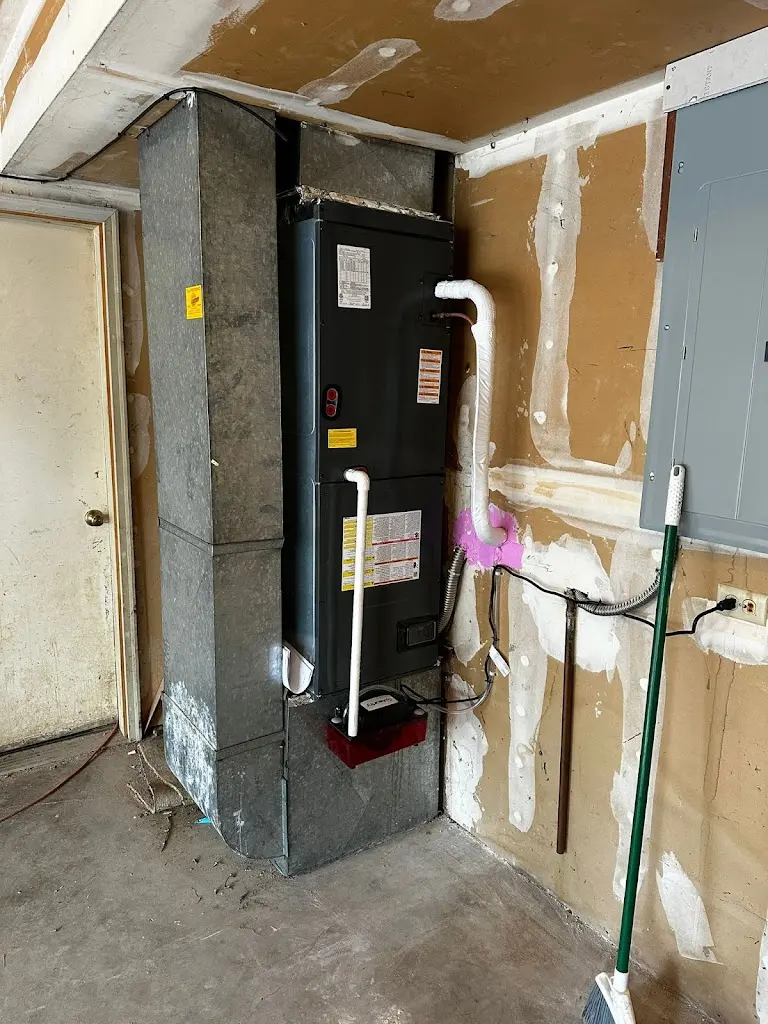
- Review older duct runs, compact equipment closets and finished-space access before selecting equipment.
- Check noise, outdoor placement and service clearance when the home sits close to neighboring properties.
- Confirm whether comfort issues are caused by equipment age, airflow limits or past retrofit choices.
- Zone layout should be planned before counting indoor heads or choosing the outdoor unit.
- The proposal should compare single-zone and multi-zone layouts when either could solve the comfort issue.
Mini Split Installation estimate notes for Brooklyn, OR
Brooklyn, OR installation planning often starts with older Portland home layouts, tight exterior clearances, finished spaces and rooms that may not match the original duct design. The estimator should decide whether one zone, multiple zones or another heating and cooling path is the cleanest solution.
- Review older duct paths, return air and indoor equipment fit before selecting equipment.
- Confirm outdoor placement, line routing and noise considerations on a compact lot.
- Compare options for upper rooms, finished spaces and daily comfort.
- The estimator visit helps make the proposal specific enough to act on without guessing from a broad request.
Related installation pages
- Mini Split Installation – compare ductless mini-split installation paths.
- Heat Pump Installation – review heat pump options for heating and cooling.
- HVAC Installation – compare larger system replacement plans.
- AC Installation – review central AC options when ductwork is available.
Mini Split Installation questions
Is the estimator visit free?
Yes. The estimator visit is free for mini split installation projects in the Portland Metro service area. It helps confirm equipment size, access, scope and options before a proposal is prepared.
Can I get more than one option?
Yes. We can compare practical options so you can choose the balance of price, efficiency, warranty, quiet operation and comfort that fits the home.
What can change the mini split installation price?
The final price can change with equipment size, efficiency, access, electrical or venting work, line sets, duct changes, permits and whether the ductless mini-split system is part of a larger heating and cooling upgrade.
When should I call instead of using the form?
(503) 512-5900 is best when timing is urgent. Use the form when you can send details and prefer a follow-up to schedule the free estimator visit.