Review a New Model Against the Room Plan You Chose
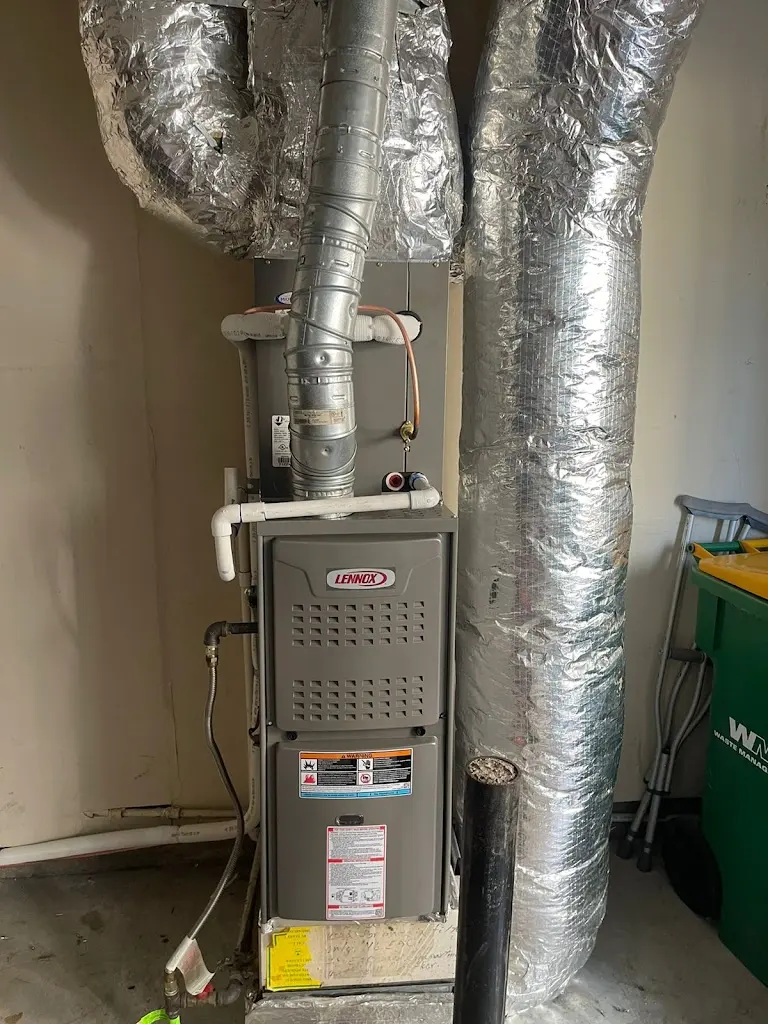
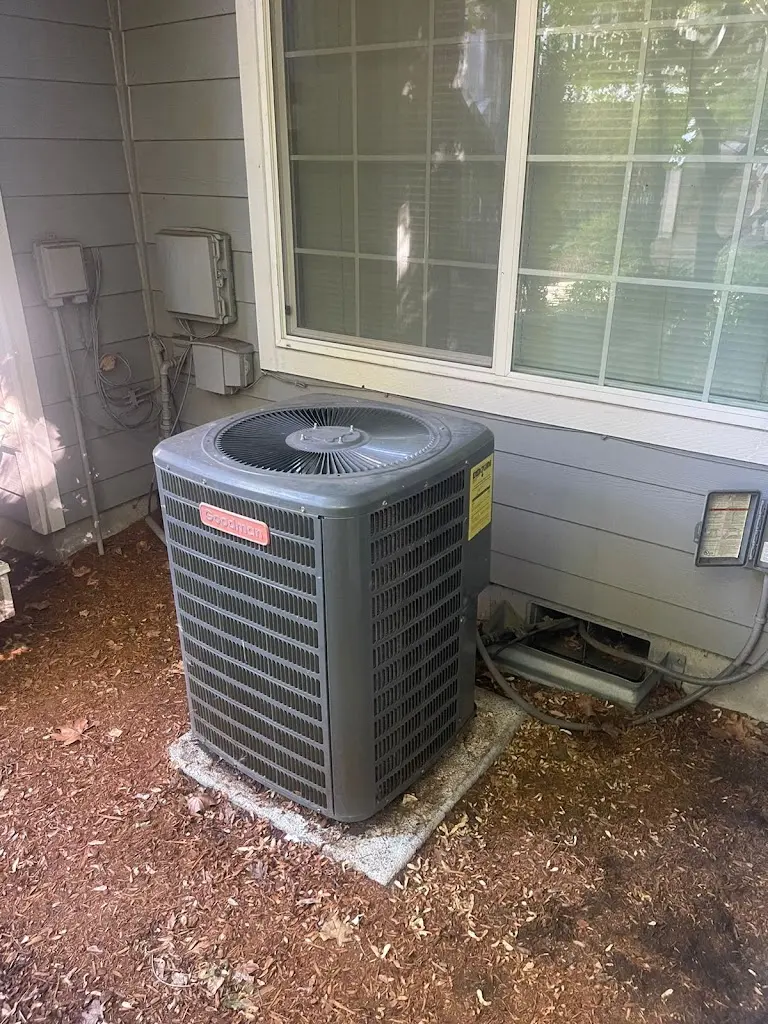
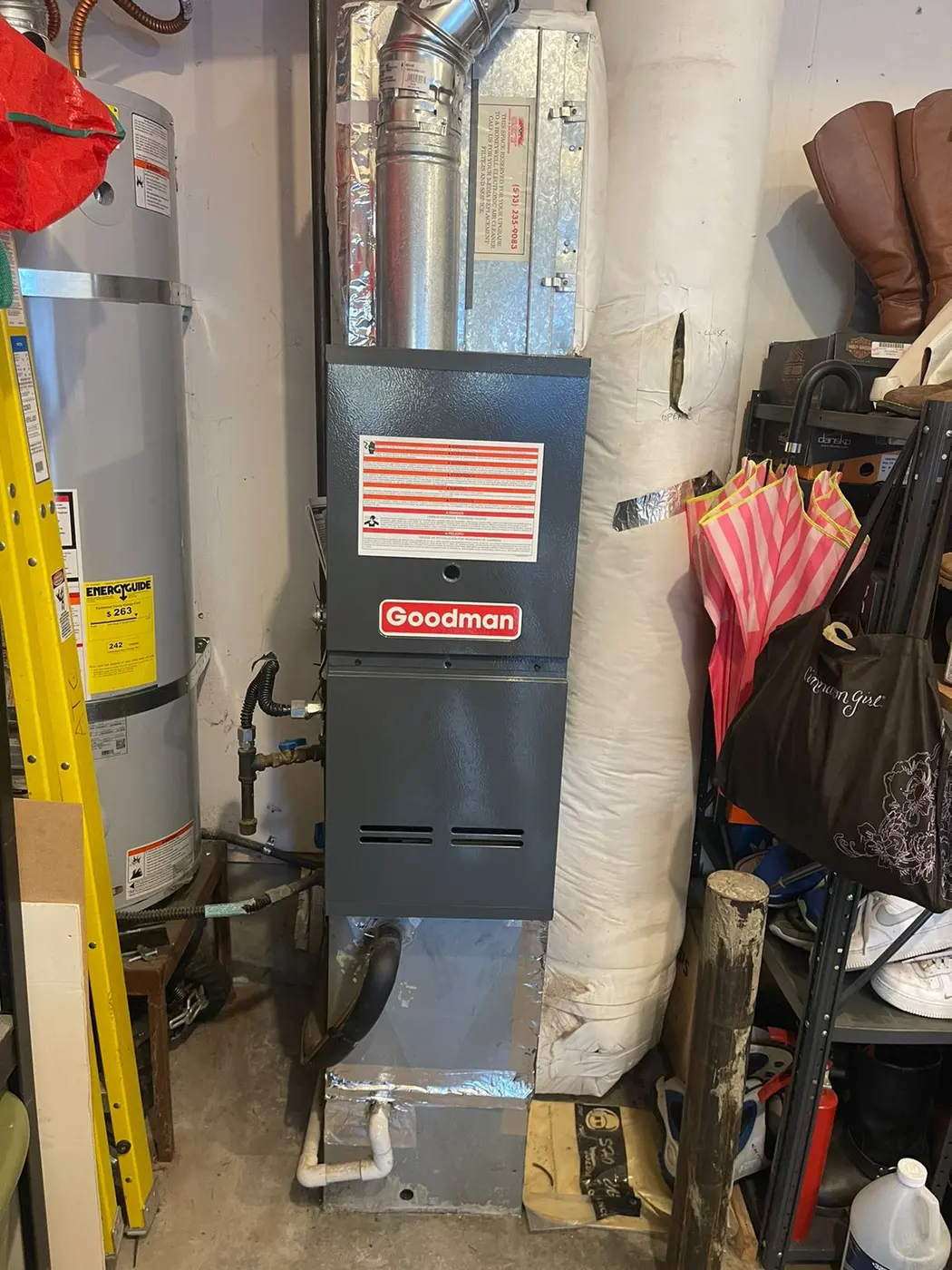
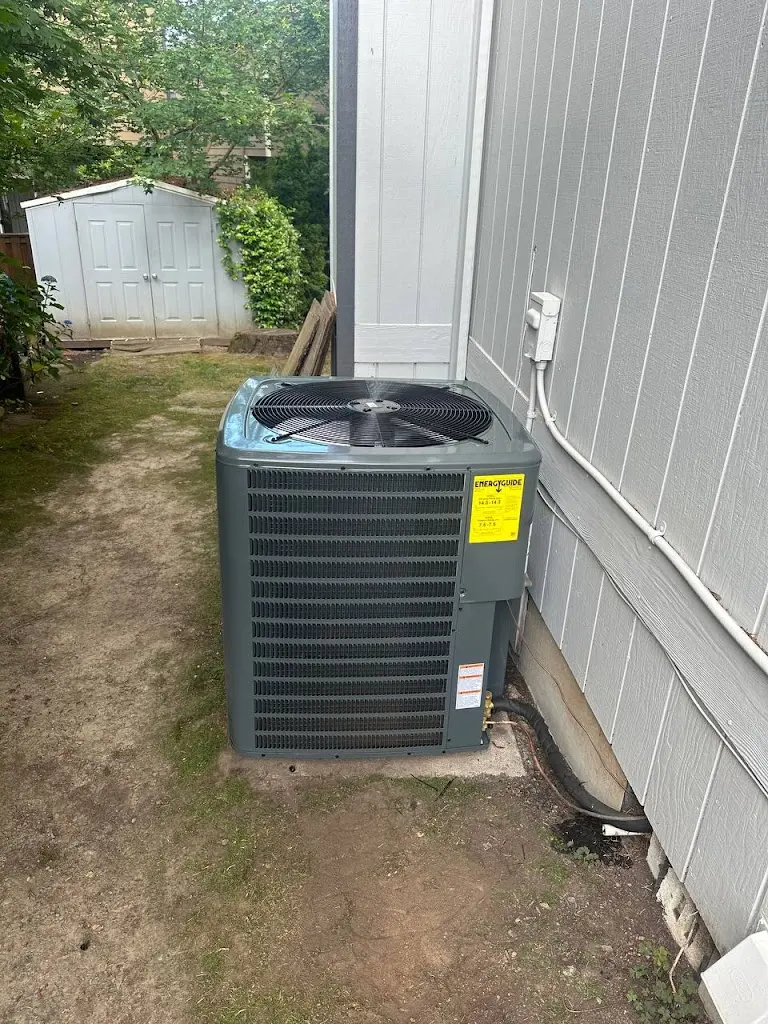
HVAC & Appliance Repair Guys provides mini-split installation in Camas, WA. If the proposed model changes during planning, compare the revised equipment with the functions and layout you approved. Our free on-site estimator visit covers installation and replacement. A later model choice still needs to fit that agreed project.
Ask which indoor or outdoor item changed and why. Keep the earlier option available for comparison without treating it as the current equipment list. A similar model name does not fully explain the change. The revised proposal should identify the actual units the team intends to install.
Begin with the room goal. You may have selected an option for its controls, position or heating and cooling role. Keep that reason visible in the review. A model that fits the system can still lack a feature you chose.
Check the Indoor Appearance and Position Again
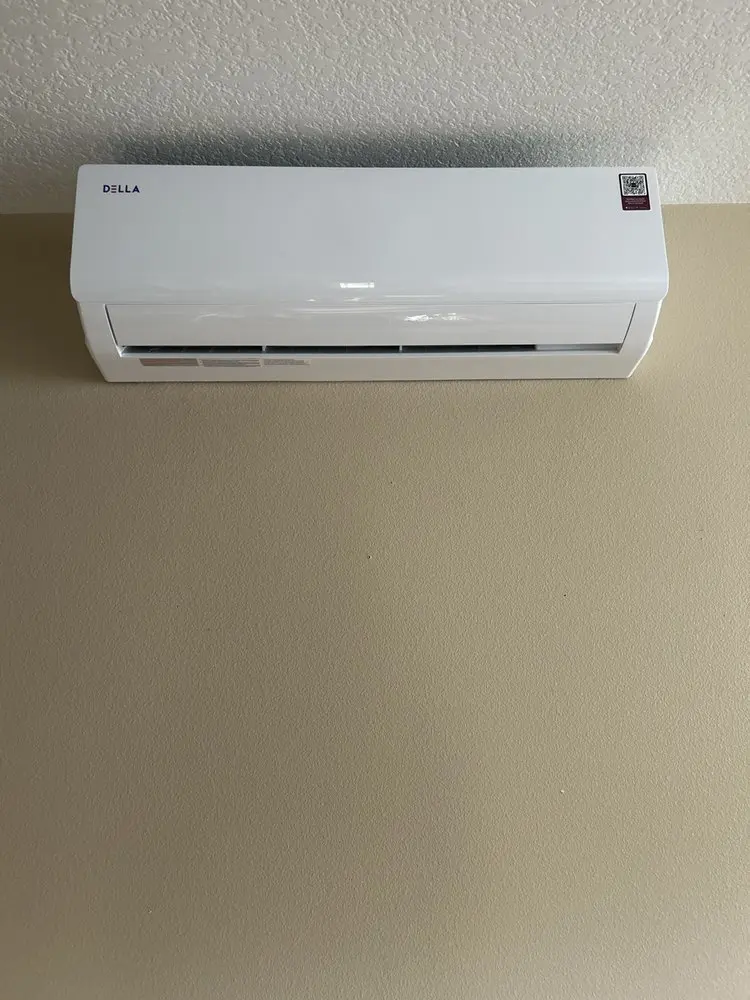
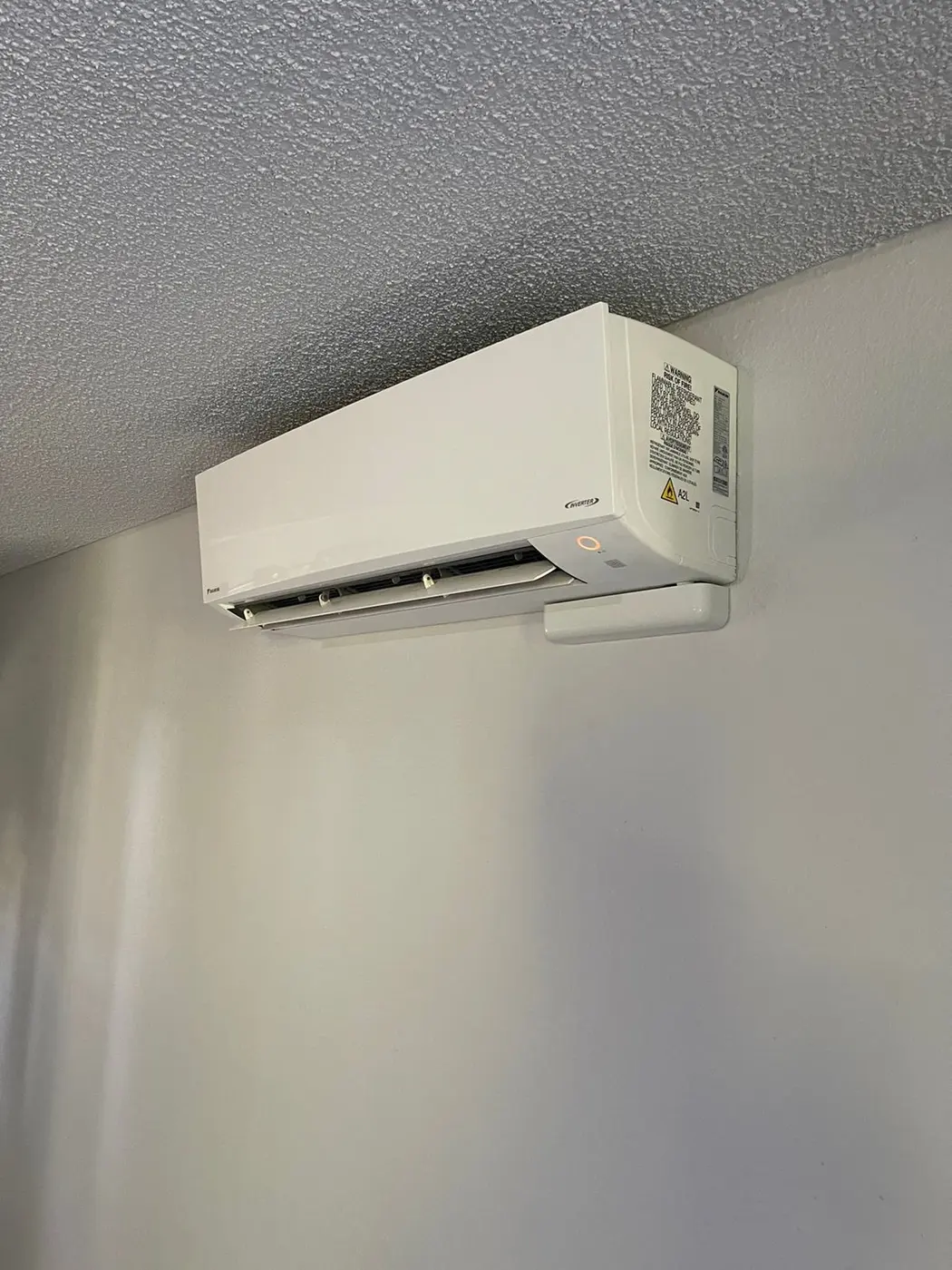
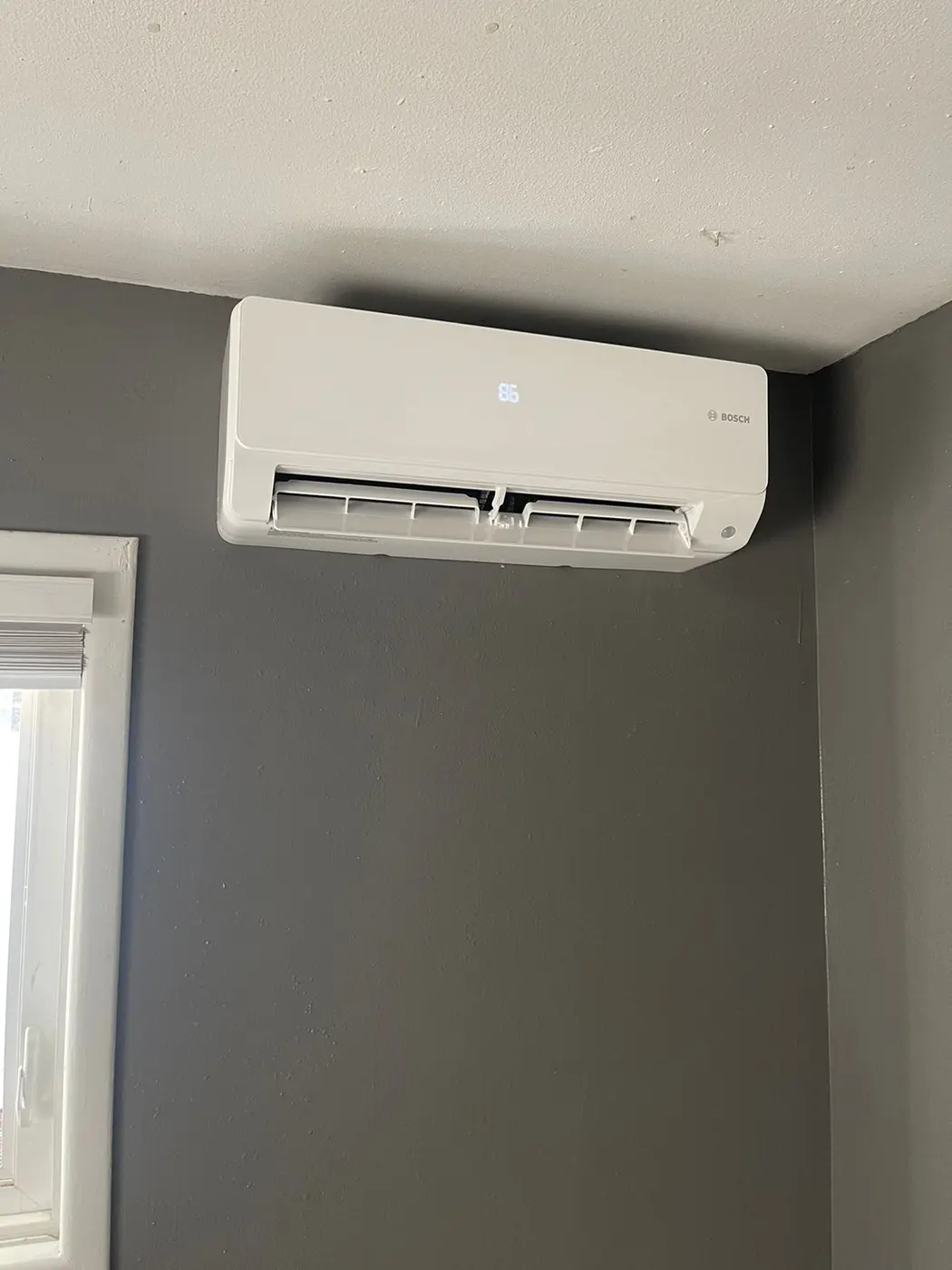
Compare the proposed indoor unit with the space you intended it to occupy. Ask whether the change affects its position or the visible route. A different cabinet can alter the finished appearance even when it serves the same room. Do not rely on a picture of the first unit as the final layout.
Review the air path from the revised position. Keep normal furniture and door use in view. A model that fits a wall still needs to serve the intended area. Ask what, if anything, changes about the room coverage.
Also confirm the access needed for filter care and later service. A different unit may have different access details. Keep those needs tied to the selected model. The finished plan should remain useful after furnishings return to the room. After installation, plan mini-split maintenance around the equipment actually fitted and retain the installation details with its care record.
Confirm the Full Indoor and Outdoor Combination
If only one proposed item changes, identify the parts that remain. Ask what supports the revised match. A shared brand name or capacity label does not establish every suitable pairing. The complete combination needs to reflect the current equipment choice.
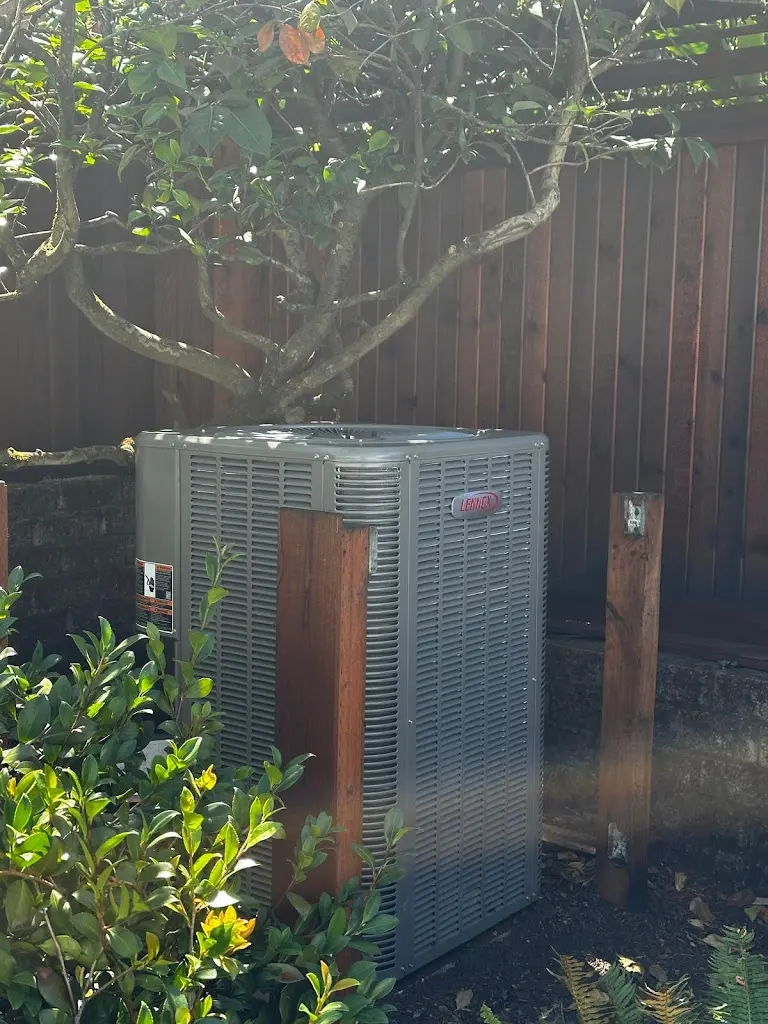
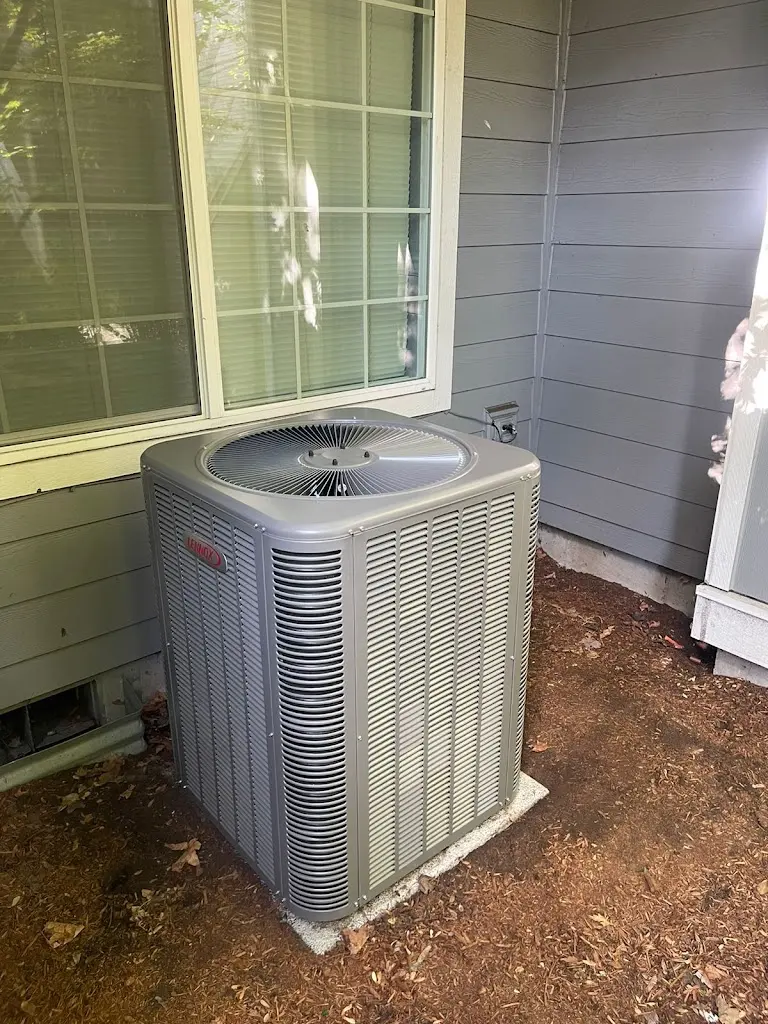
For several heads, confirm which outdoor unit serves each room. Keep any change to that arrangement clear. A new outdoor model should not quietly alter the number of supported heads or the intended functions. Review the actual room map before approval.
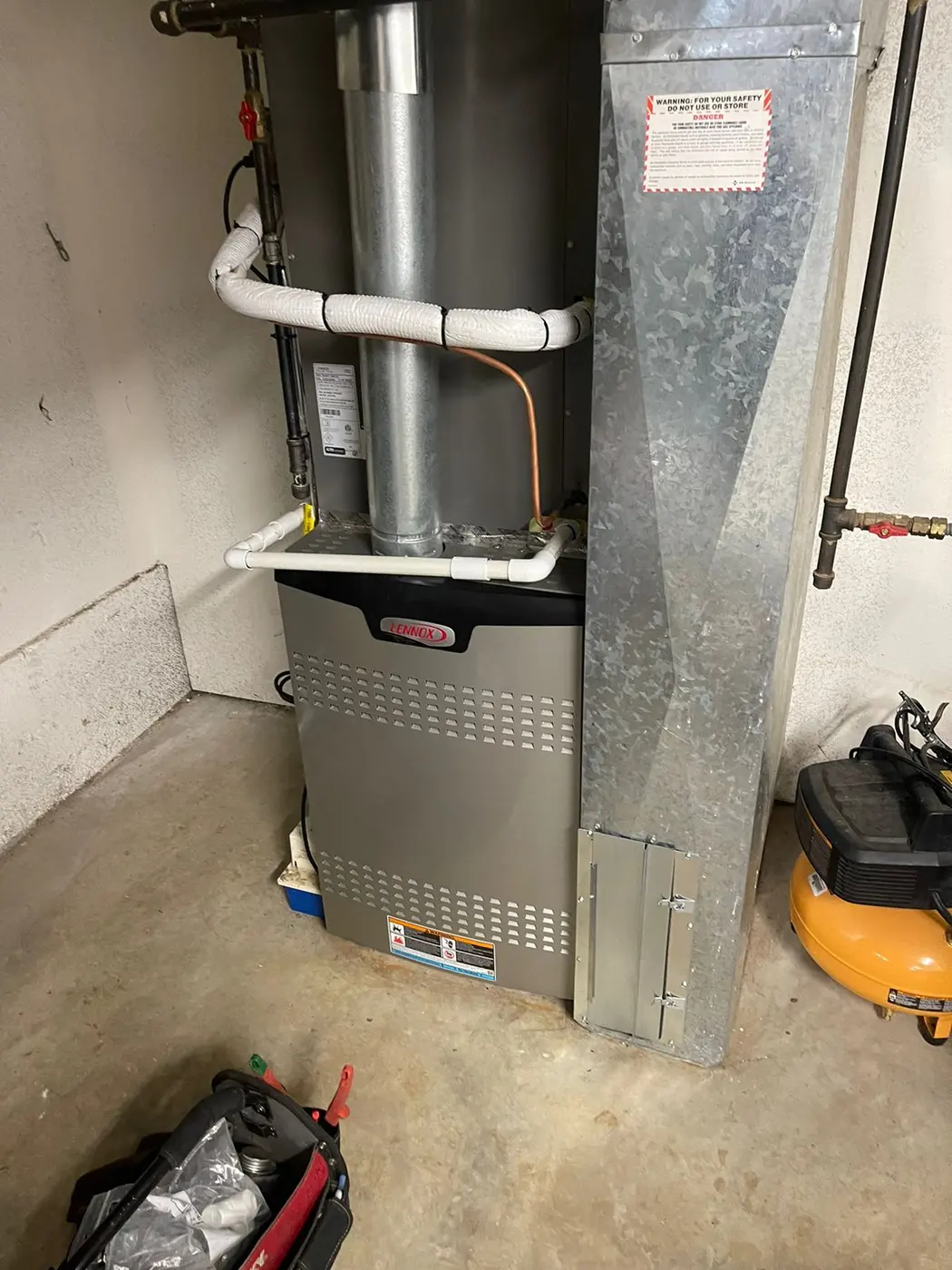
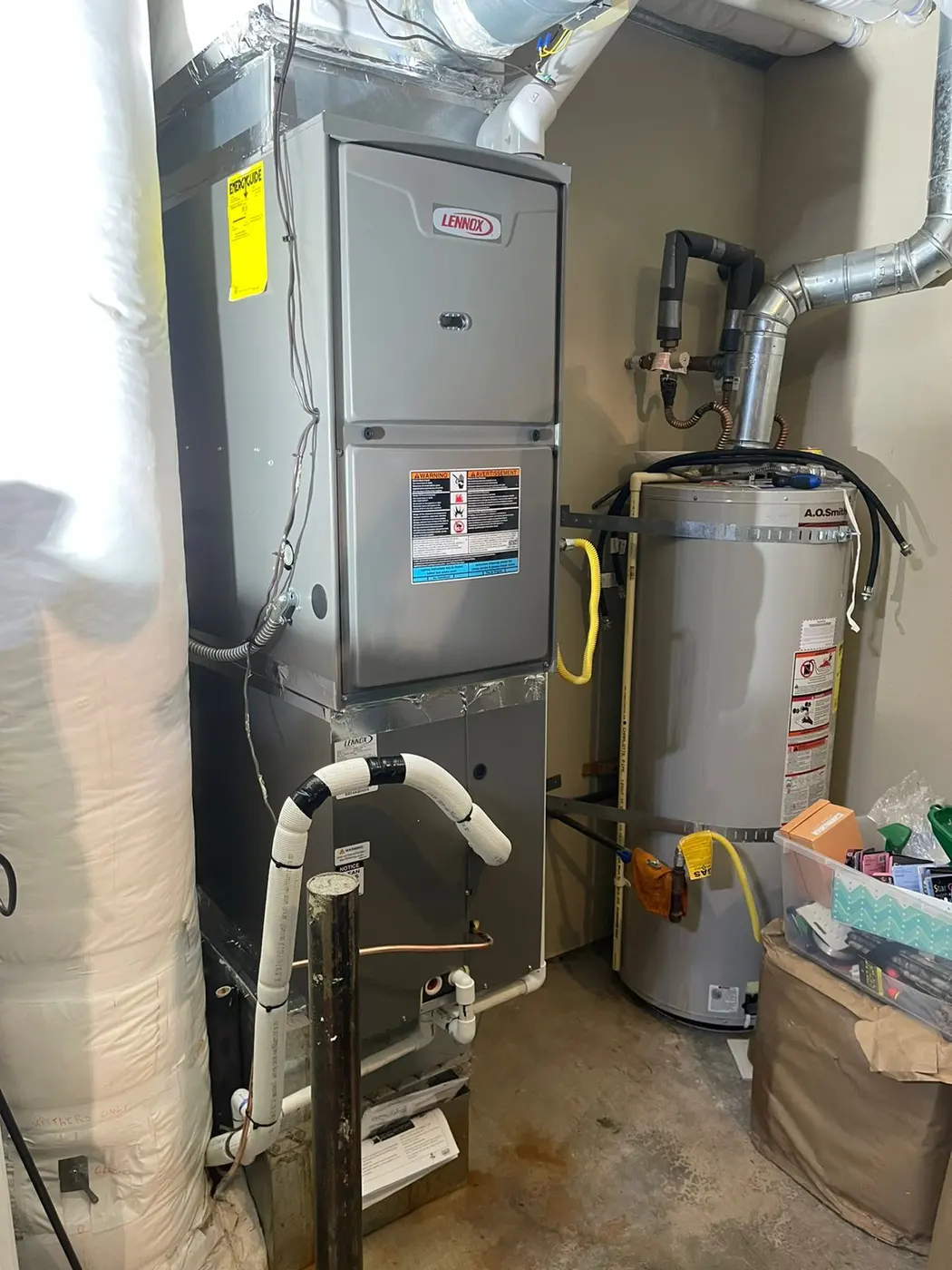
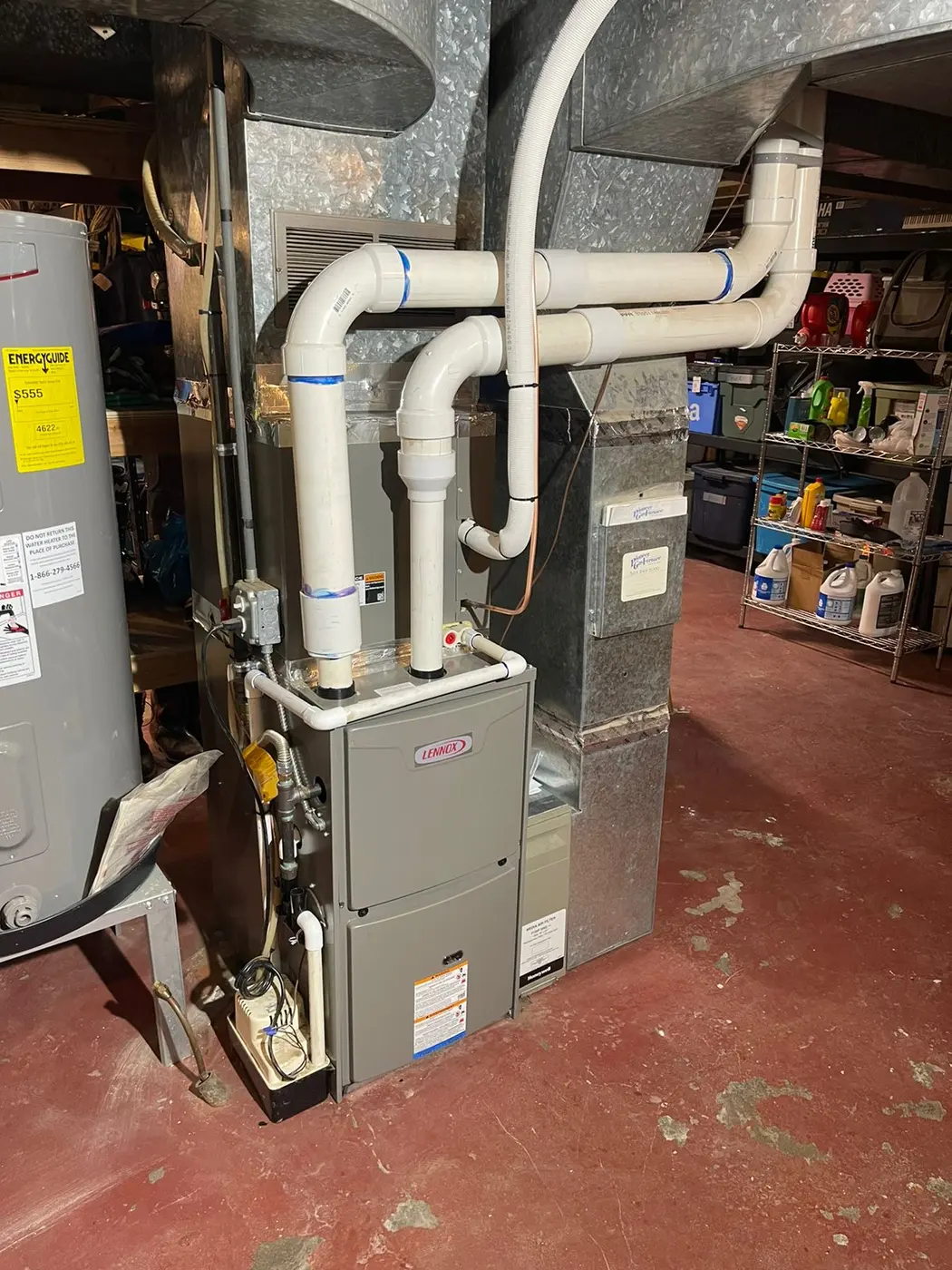
Our mini-split installation service considers the whole system behind the visible head. Ask which heating and cooling roles the revised option supports. Keep any retained heat source explicit. Do not carry every assumption from the earlier proposal into a different setup without review.
Revisit Controls That Mattered to the Original Decision
Name the everyday adjustments you expected to use. Ask whether the revised equipment still supports the agreed interface and functions. A similar-looking remote can have different options. The handover should not be the first point at which the household discovers that change.
If heads share outdoor equipment, review the operating limits that matter to your room routines. Separate room displays do not prove all modes can run at once. Keep the explanation tied to the new model combination. A control preference needs a workable equipment plan behind it.
Where more than one person uses the room, explain any need for simple controls or a fixed control location. Ask which supported choices remain available. Treat a requested feature as confirmed only when it belongs to the revised scope. Extra features are useful only if they fit the intended daily use.
Follow the Model Change Through Routes and Price
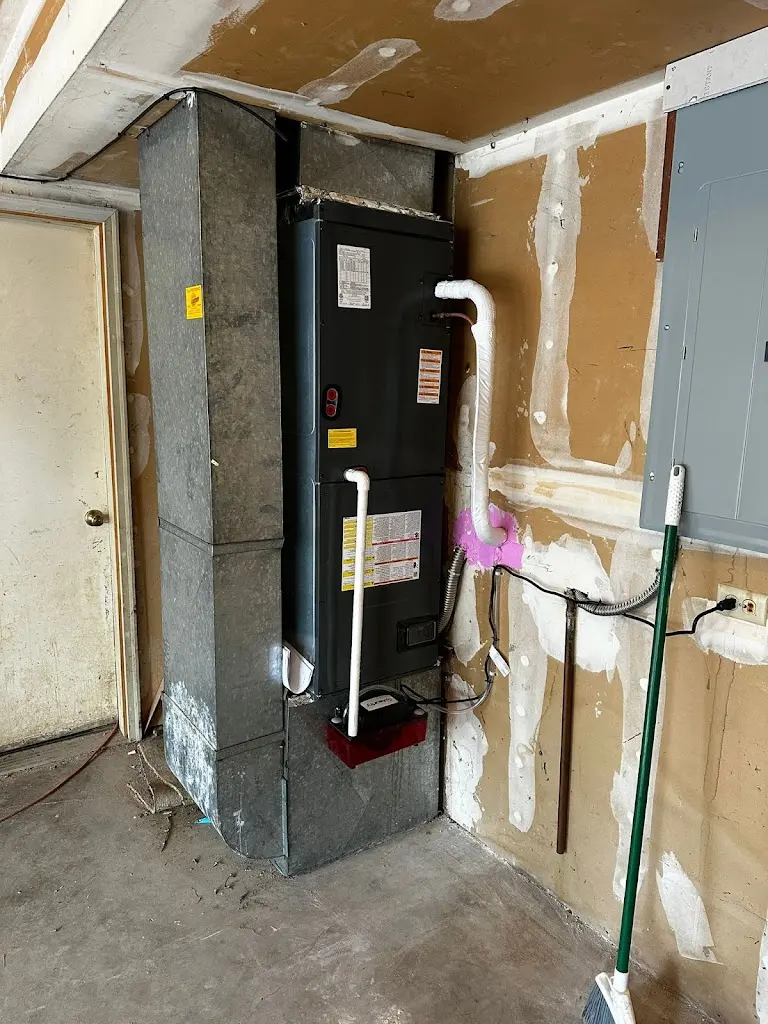
Ask whether the revised unit changes the lines, drain arrangement or power work. The cabinet name alone does not describe those tasks. Keep any added preparation clear in the price. A model substitution can affect installation work even when the room goal stays the same.
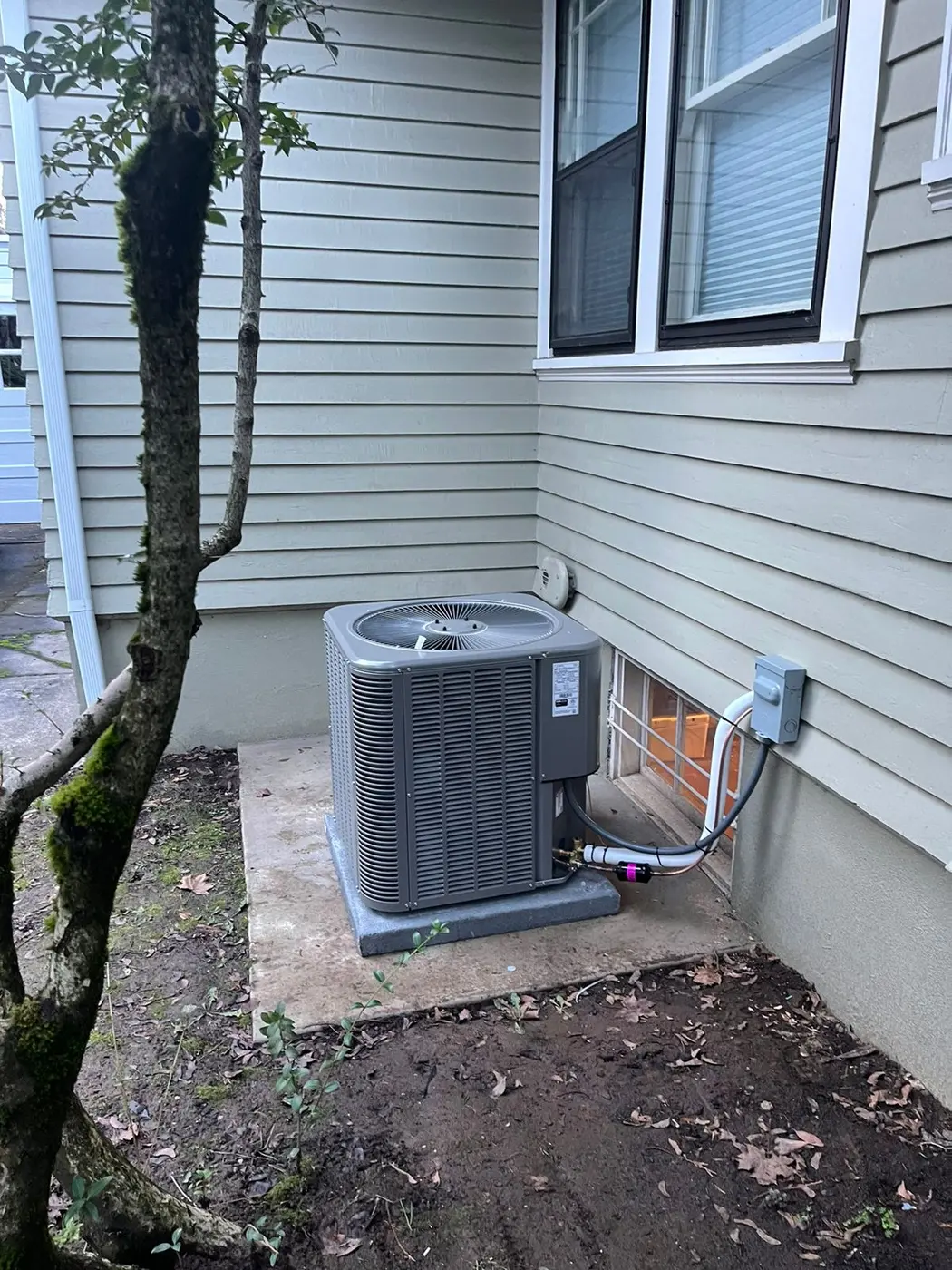
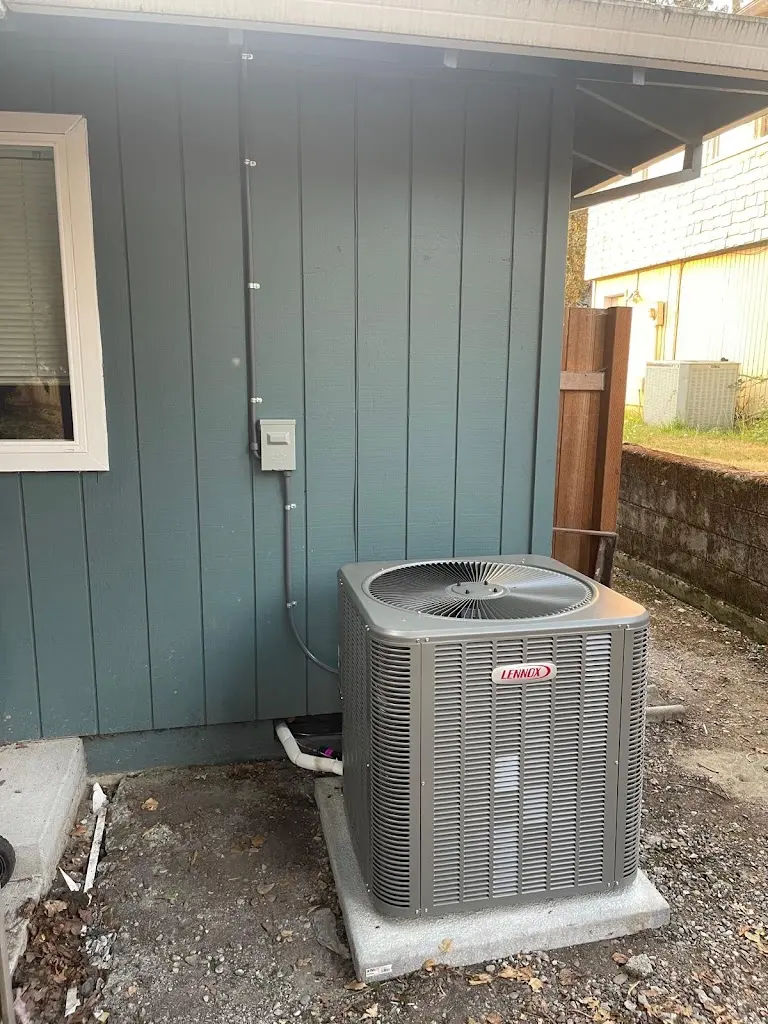
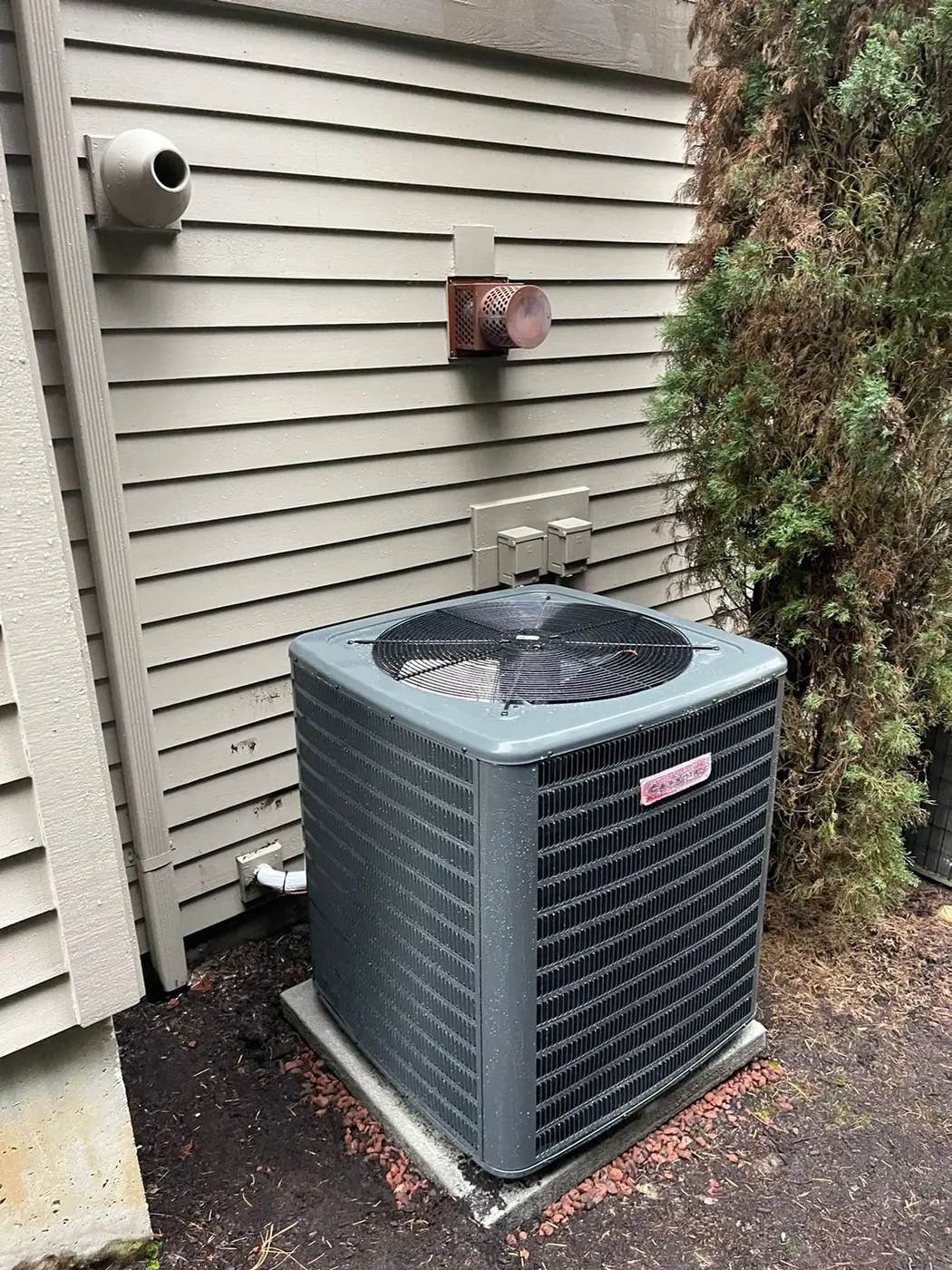
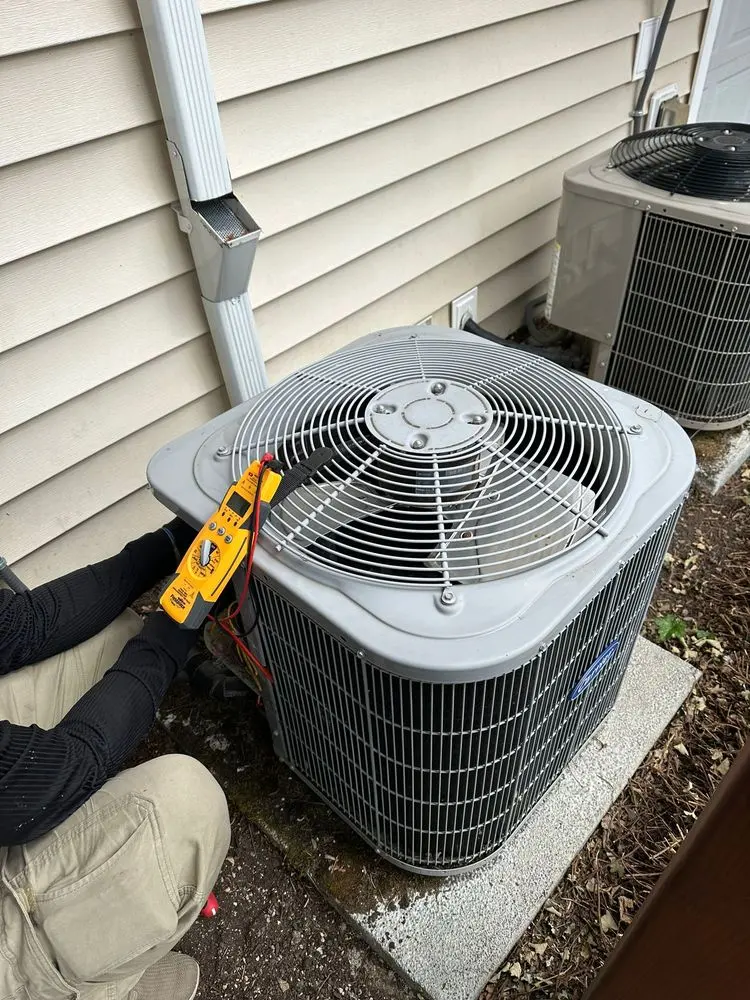
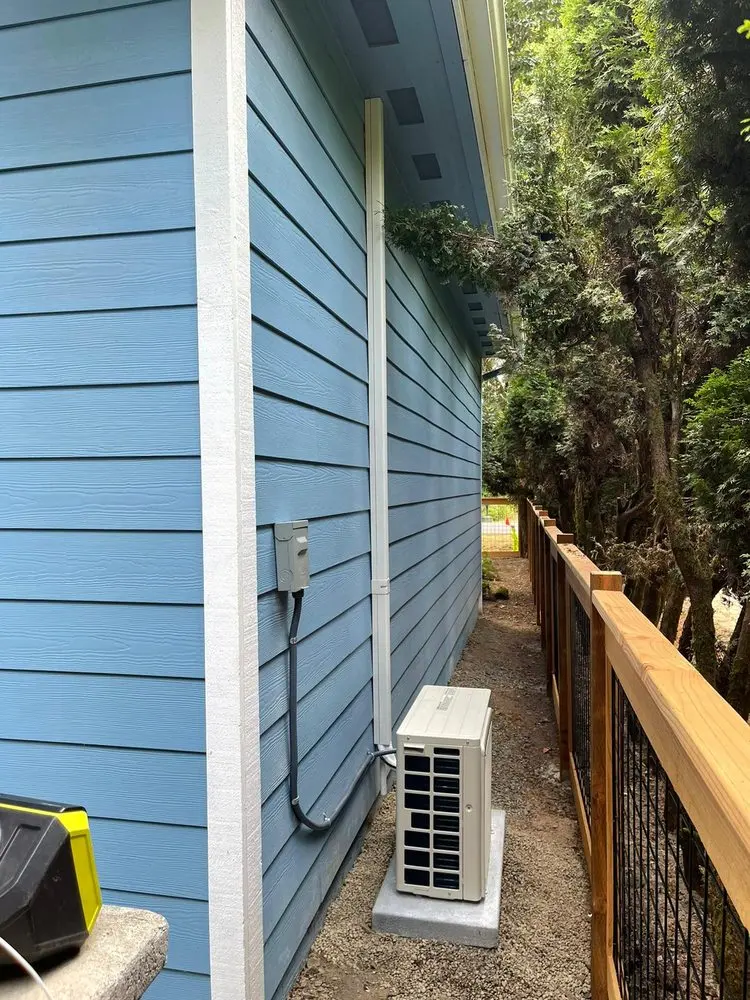
Also review the outdoor location and service access. The new unit needs to suit the actual spot, not just the first drawing. If the route changes, ask how that affects visible covers or surrounding finishes. Keep included tasks distinct from work outside the agreement.
Our HVAC installation in Camas service covers a broader equipment project. Include that scope if the revised option changes another system’s role. Name the work instead of treating it as part of a vague upgrade. The accepted price should describe the complete chosen result.
Use the Revised Plan for Scheduling and Completion
Confirm timing through the actual models and required tasks. A date discussed for the earlier option may need review. Ask about the expected interruption to the rooms. Keep equipment readiness and site preparation with the current work plan.
Before work, compare the approved model list with the units that will go in. Review a proposed change before the affected task proceeds. Give the current scope to the person who will make decisions. Earlier options should not leave the final choice unclear.
At handover, retain the installed model details and the reason for any agreed change. Review normal controls and completed operating checks. Keep an open task with its next step. The final record should describe the system you received, including any difference from the first proposal.
Frequently Asked Questions
Does an unchanged price mean I can skip reviewing a substituted model?
No. Functions, appearance and required work can still differ. Compare the actual proposed equipment with the room goal and controls you chose. The same price does not prove the same result.
Can the indoor unit change while the outdoor model stays the same?
That needs a supported combination of the exact models. Ask what establishes the revised match and whether controls or connections also change. Do not assume the same product family guarantees every pairing.
Which version of the estimate should I keep after installation?
Keep the final approved scope easy to identify alongside the installed model details. Earlier versions can explain the decision history. They should not appear to describe equipment that the project did not install.