Cathedral Park AC installation planning
Cathedral Park AC installation should account for North Portland access, older homes, basement or crawl details, hillside or bridge-area exposure and rooms that need reliable cooling.
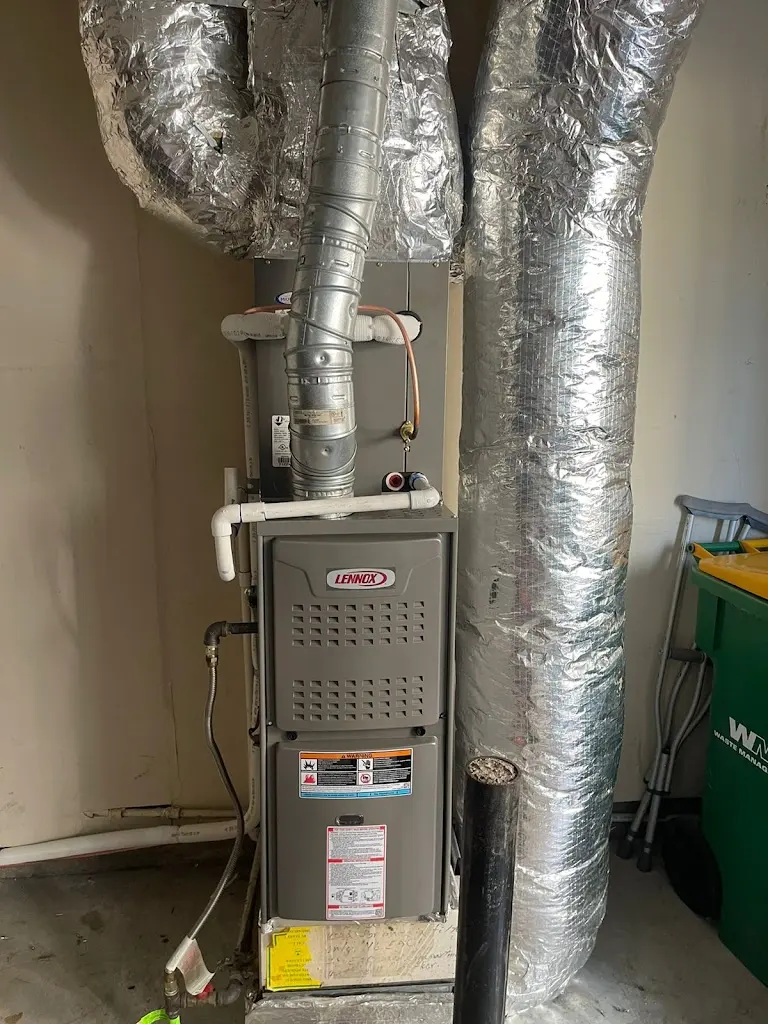
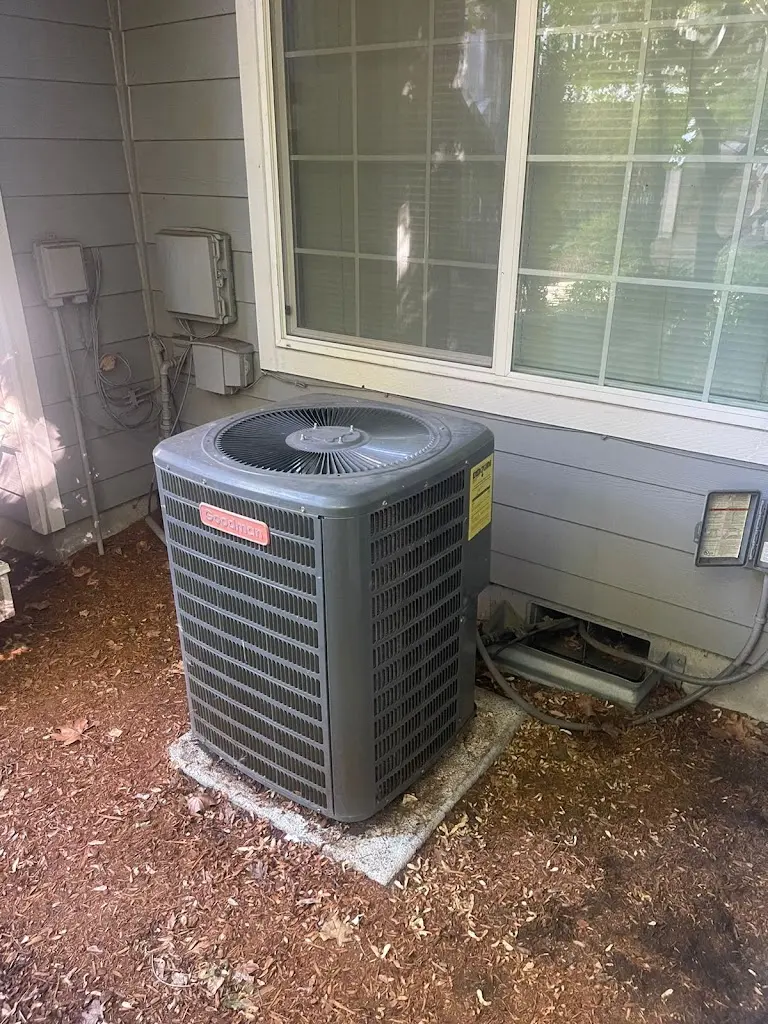
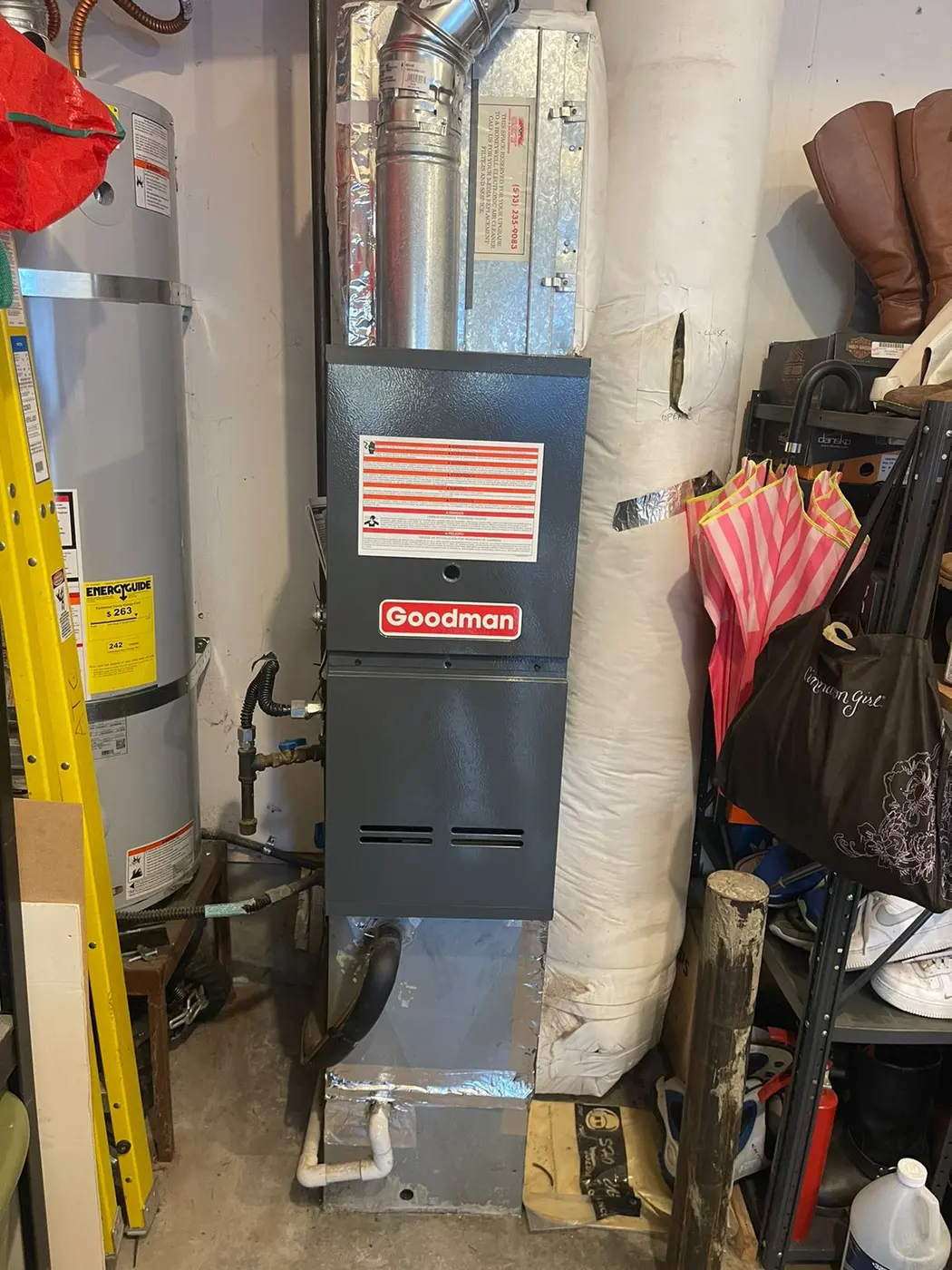
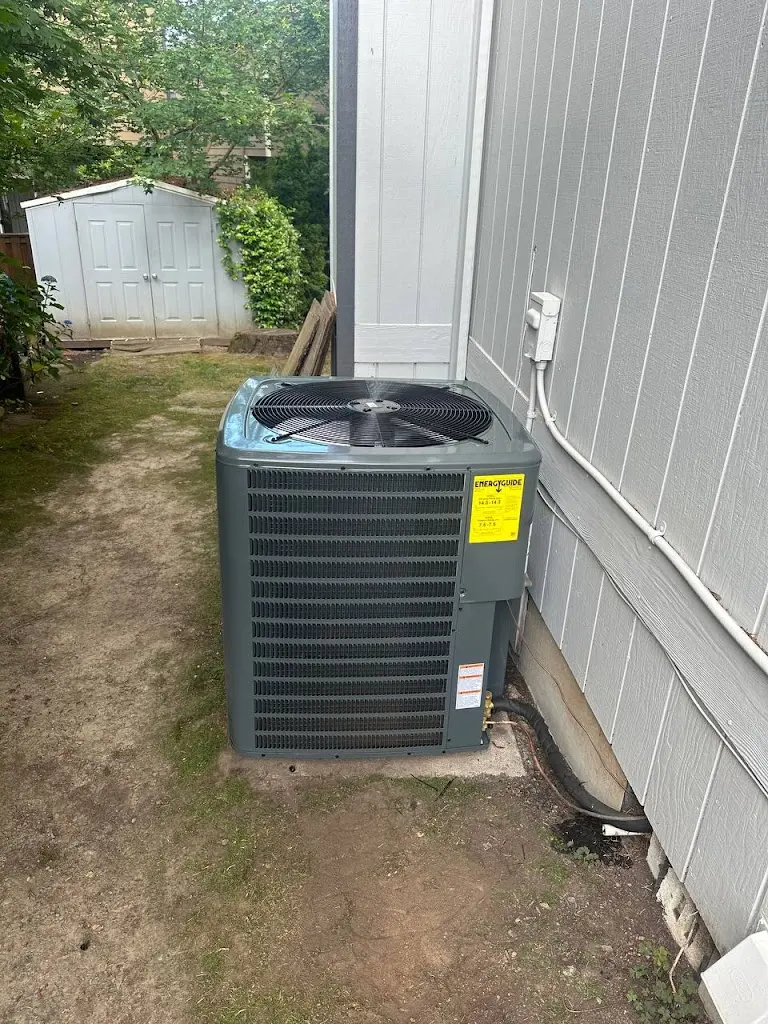
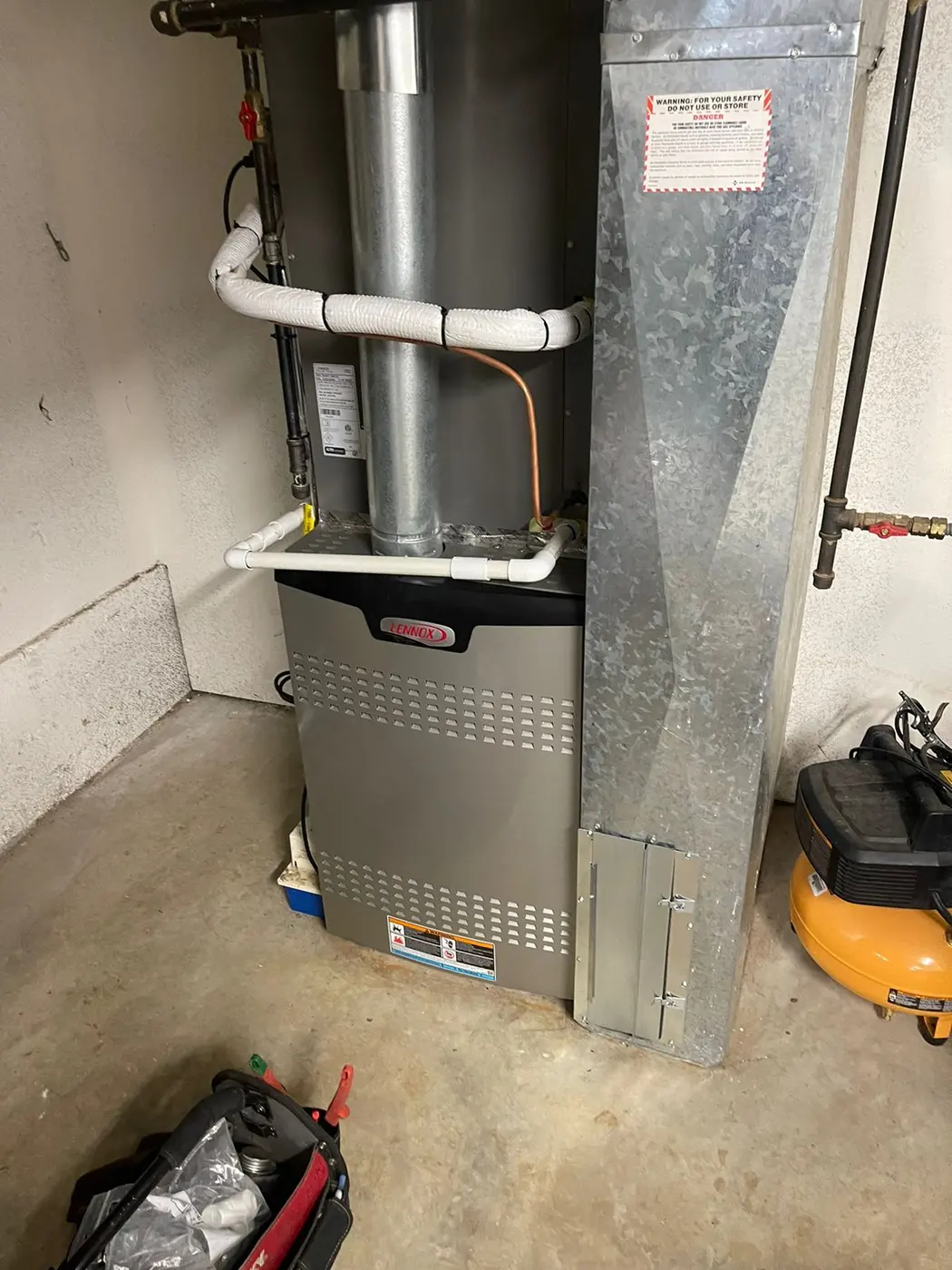
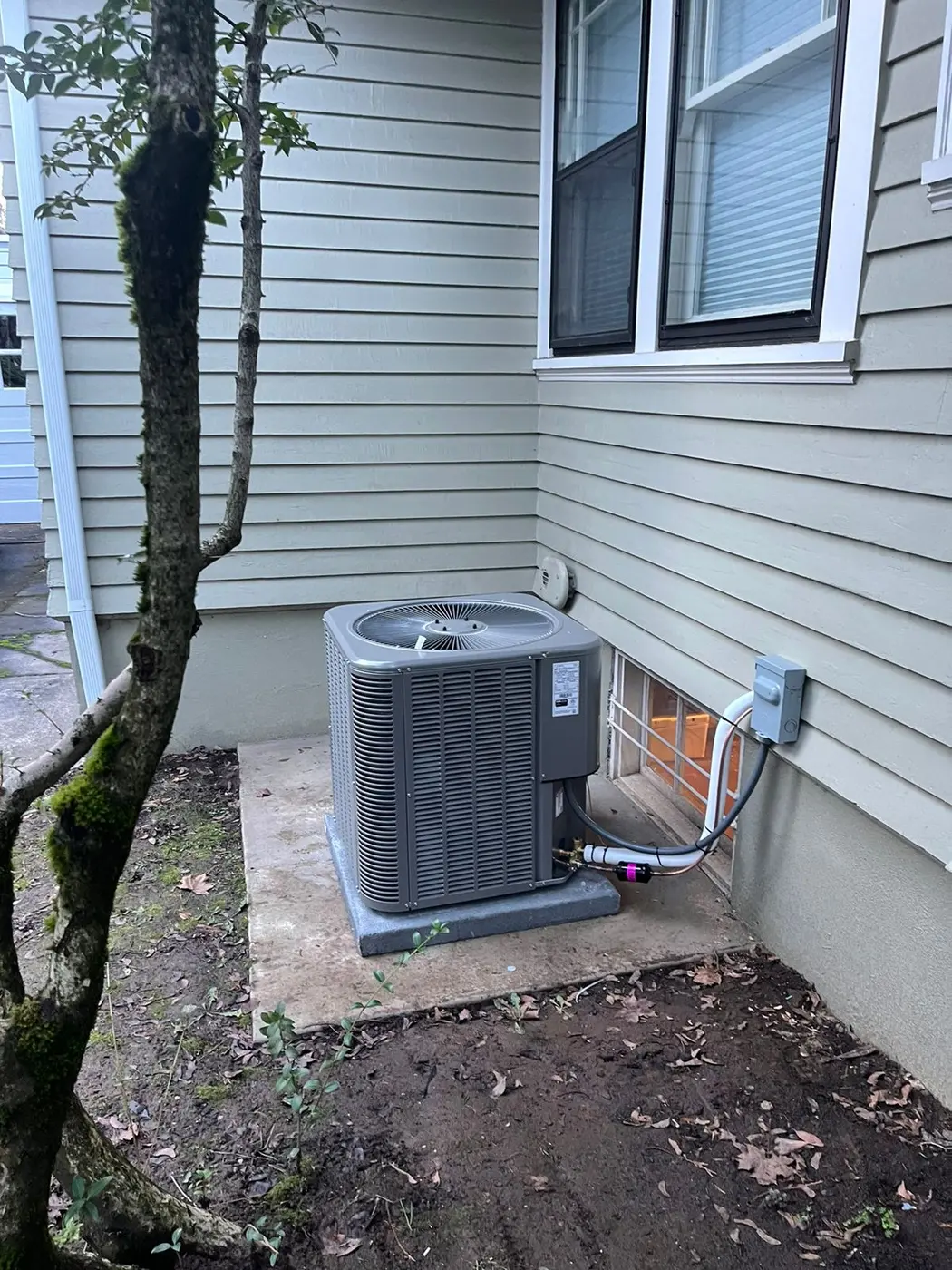
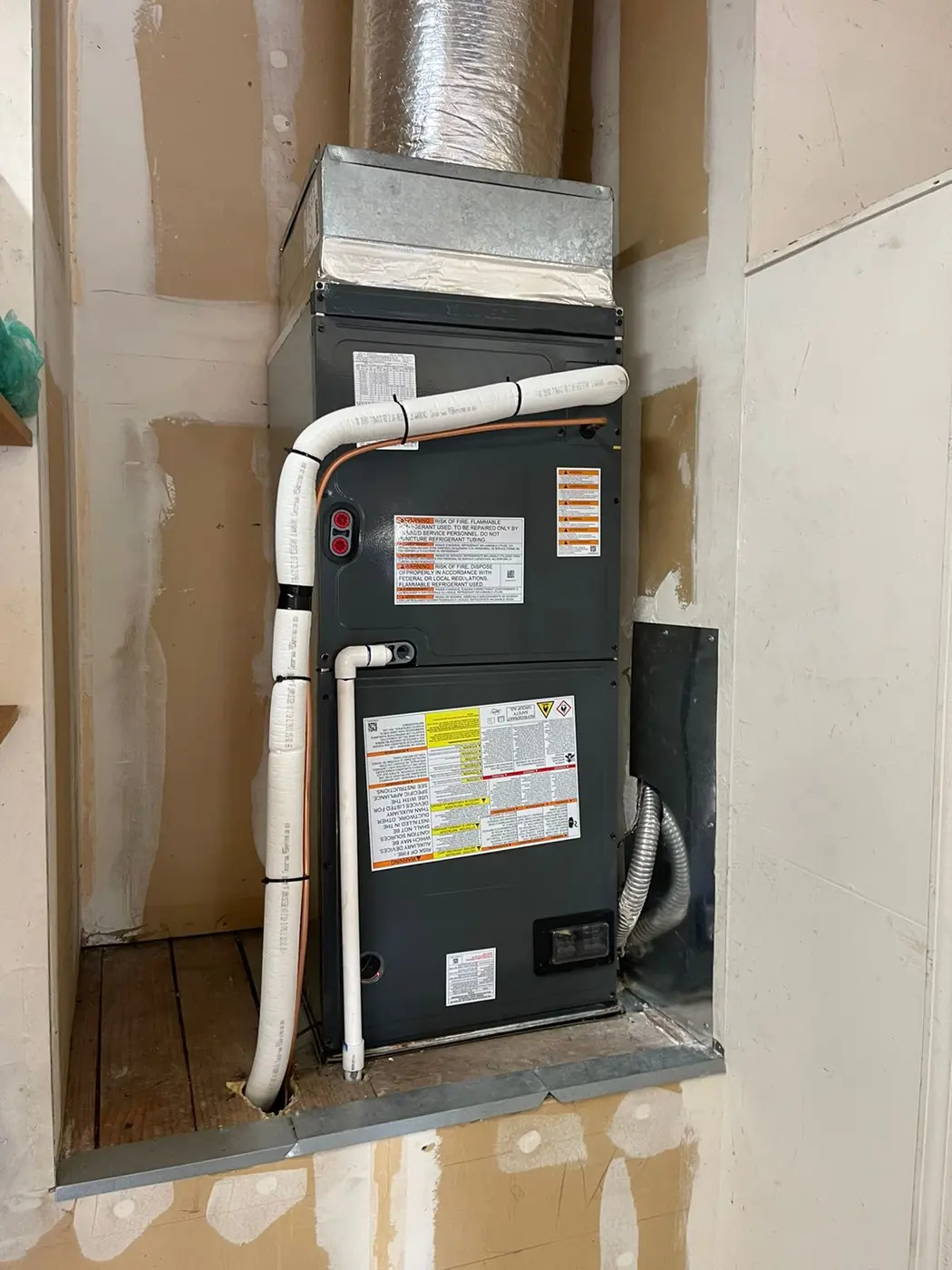
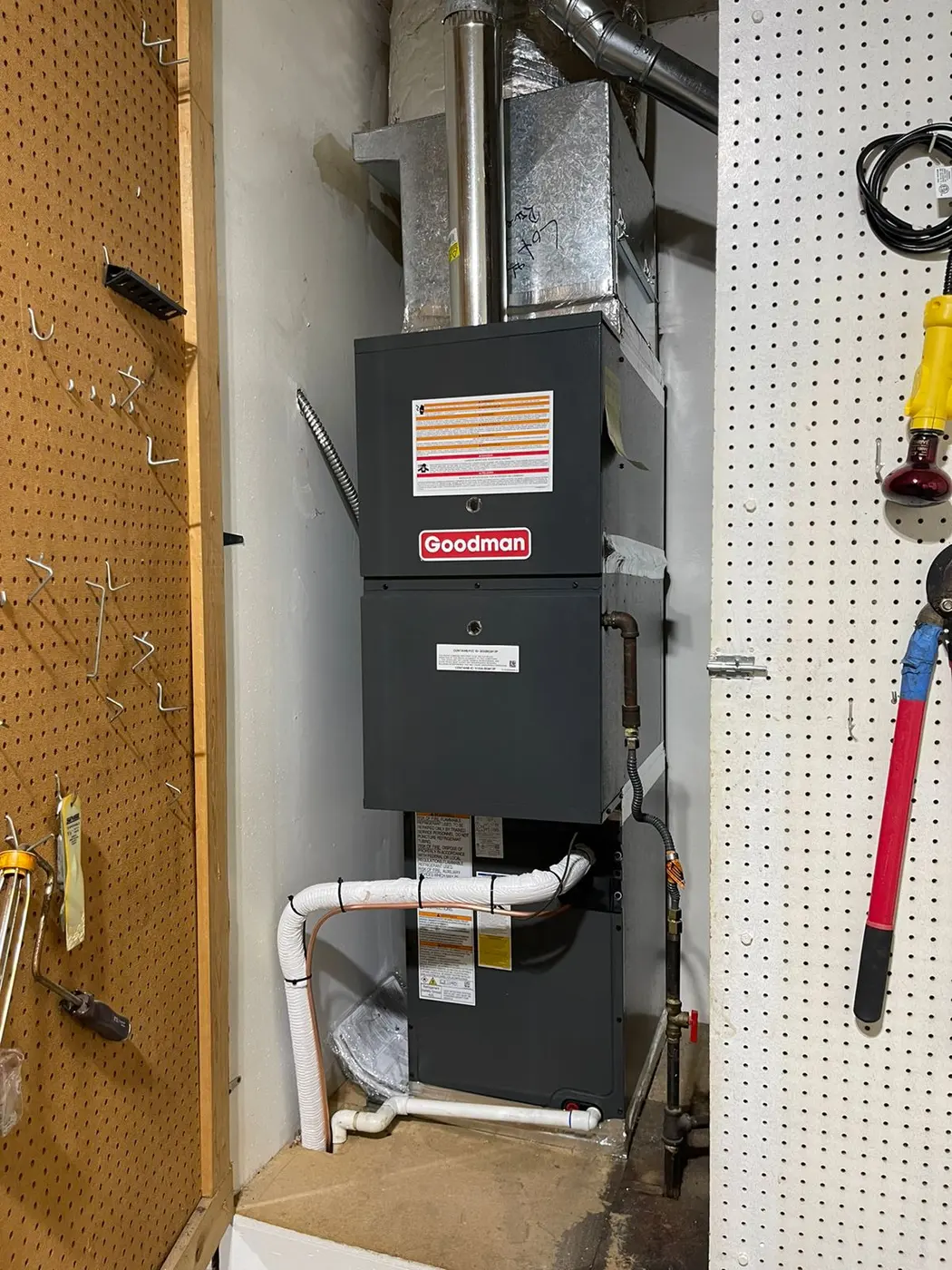
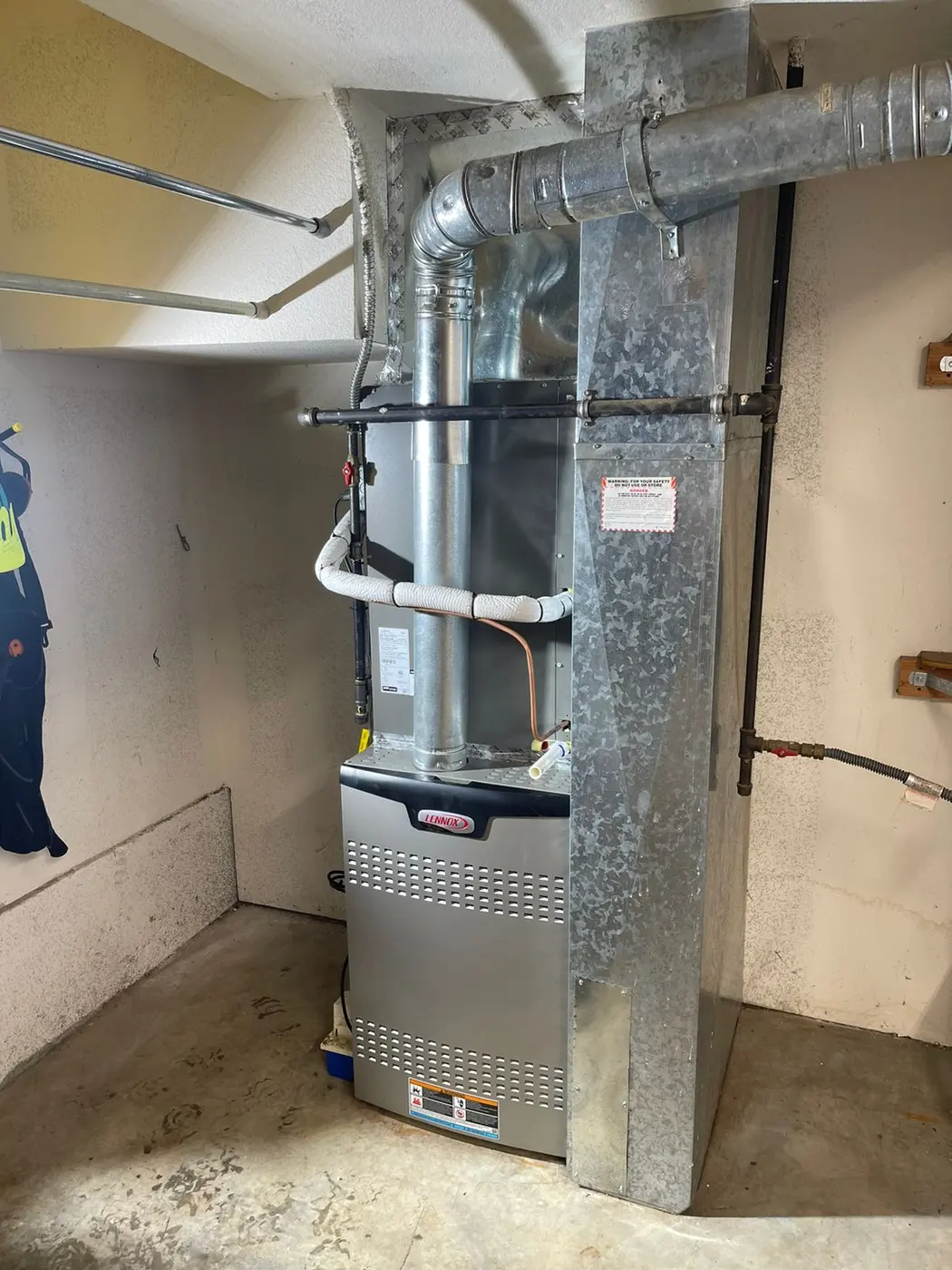
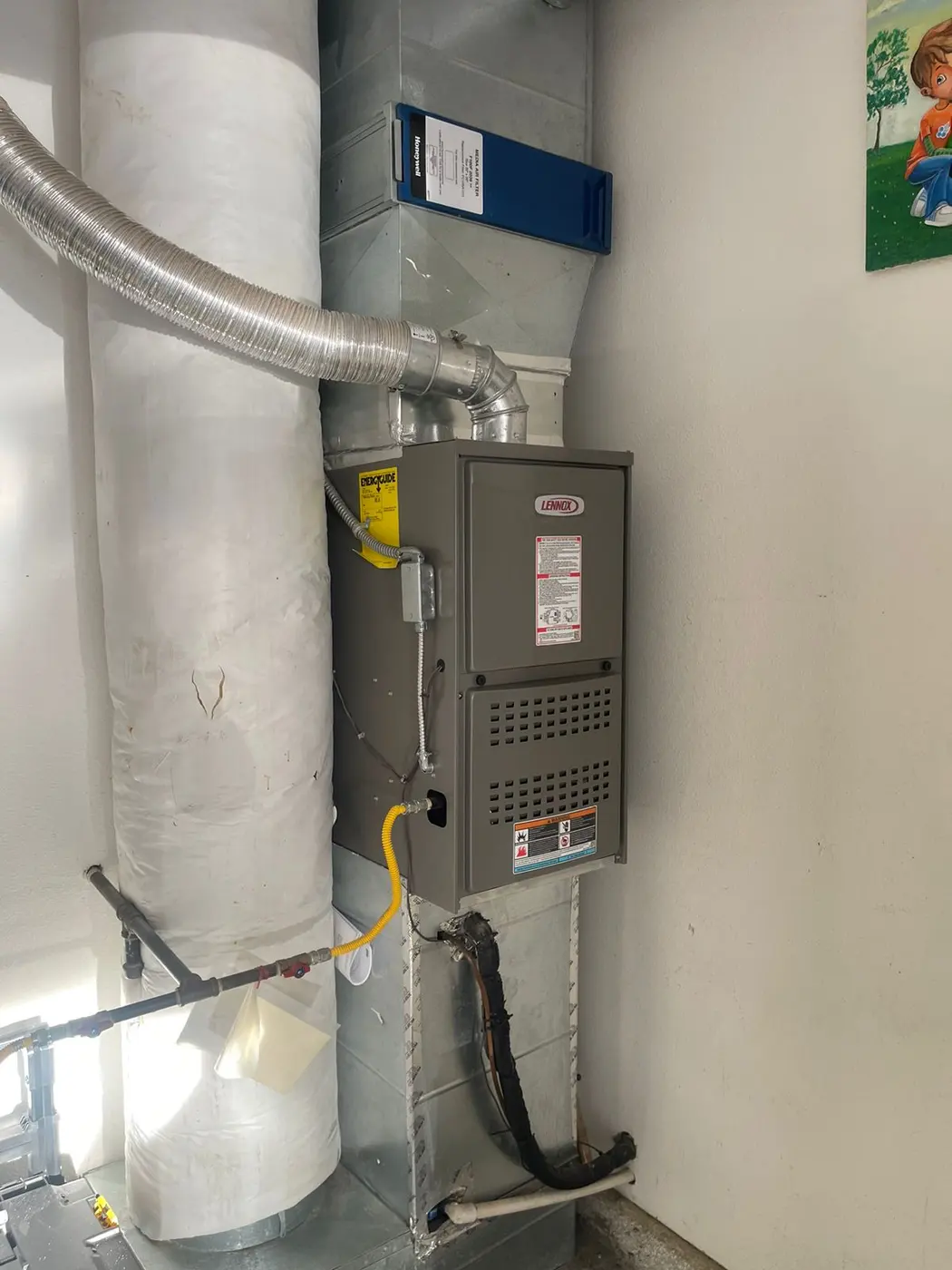
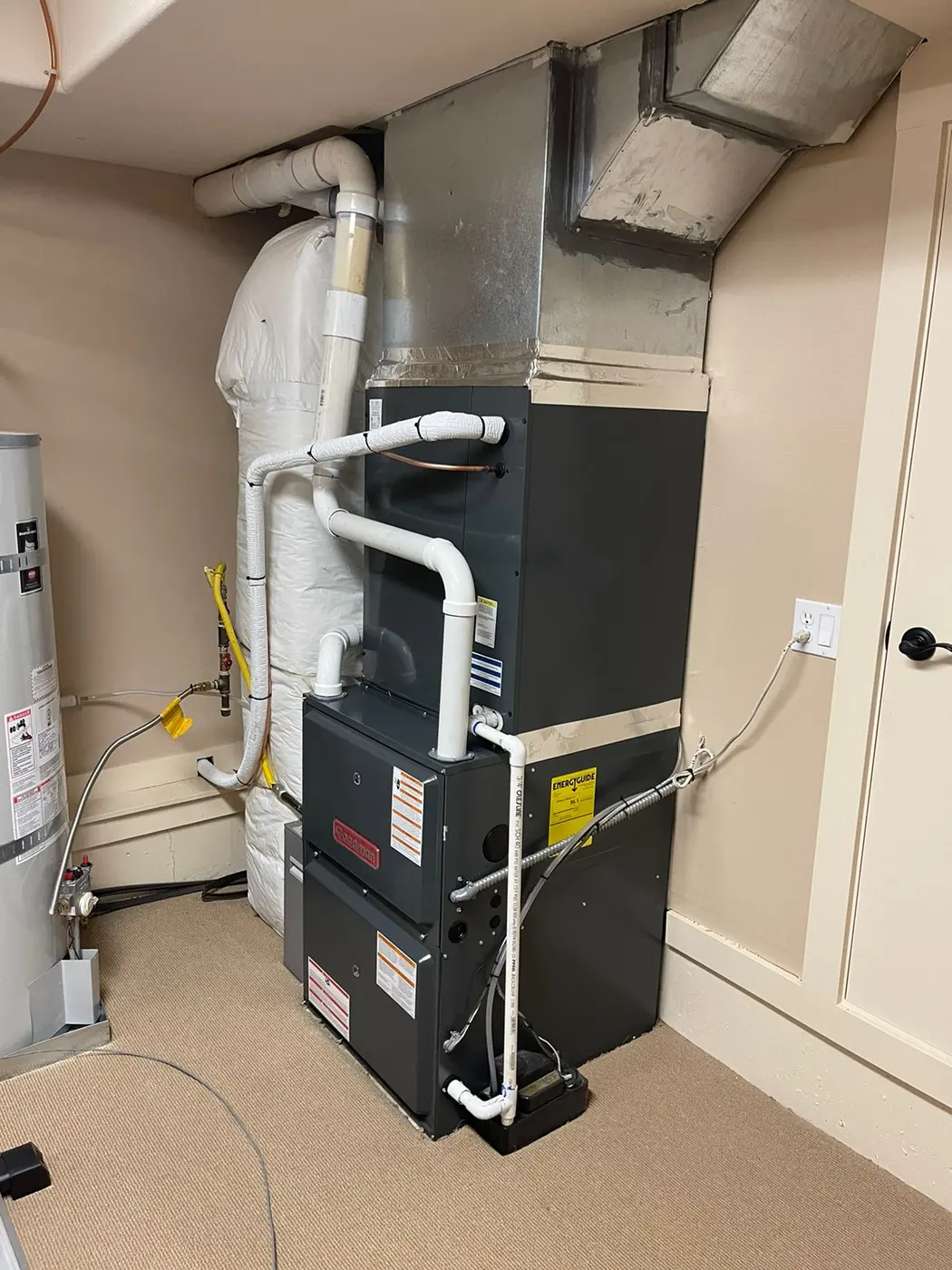
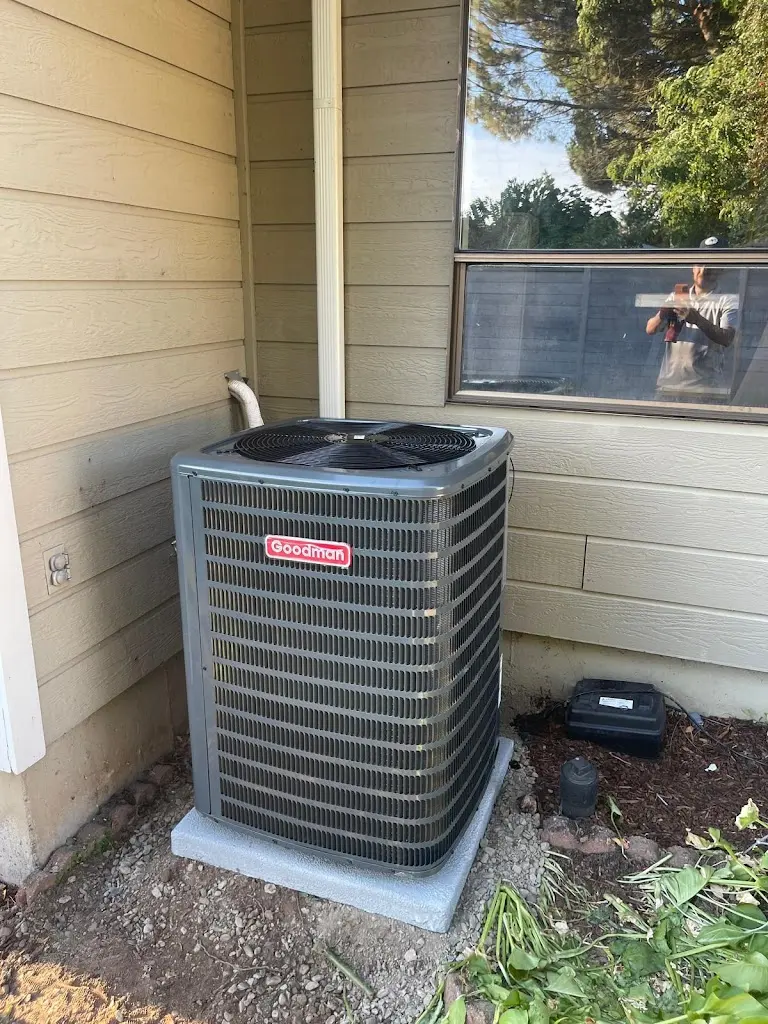
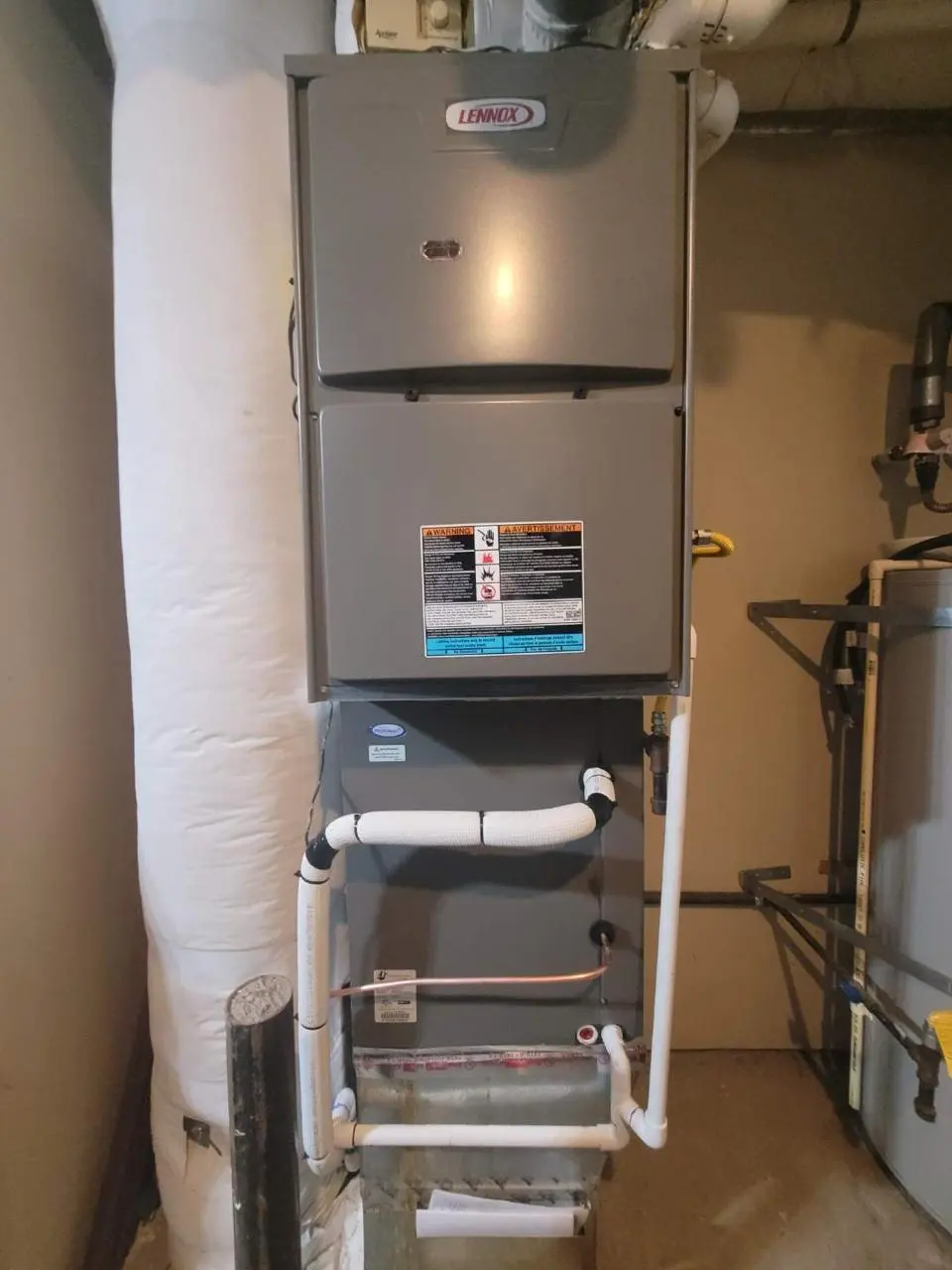
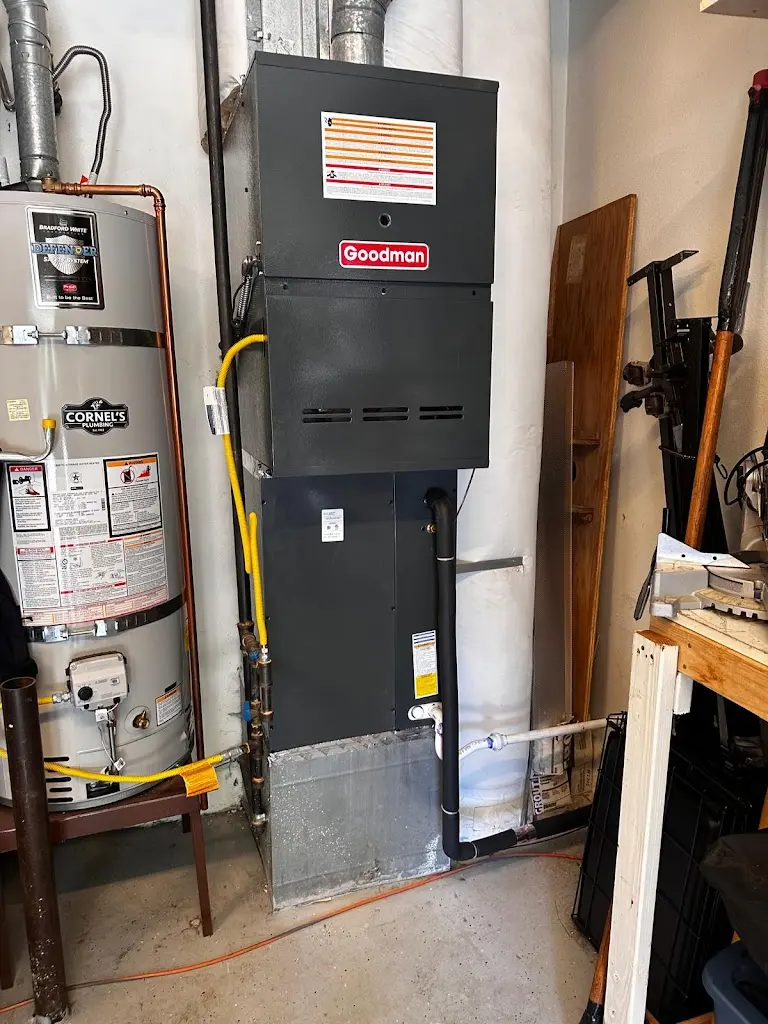
The free visit checks indoor equipment compatibility, duct delivery, return air, line route, outdoor placement, electrical readiness, access path and whether central AC is the best fit.
Details for the Cathedral Park AC installation estimate
Share current system age, rooms needing cooling, basement or crawl access, outdoor placement notes, route concerns and whether the home has had AC before.
That helps compare Cathedral Park AC choices around access and practical cooling performance.
Cathedral Park AC installation scenario
A Cathedral Park homeowner may need AC where older-home access and room comfort shape the installation scope.
The estimate should compare AC options with installability and comfort gain explained.
- Confirm the AC installation scope for the Cathedral Park property first.
- Review the Cathedral Park-specific route, access and compatibility details.
- Compare AC installation options with required scope and upgrades separated.
How to choose the right AC installation option in Cathedral Park
Choose Cathedral Park AC after duct readiness, route and outdoor placement are clear.
- Review ducts, basement or crawl access and warm rooms.
- Check line route, electrical readiness and outdoor placement.
- Compare AC choices by comfort, access and scope.
What the free estimator visit checks
- Whether the home already has central AC or needs cooling added to an existing furnace or air handler.
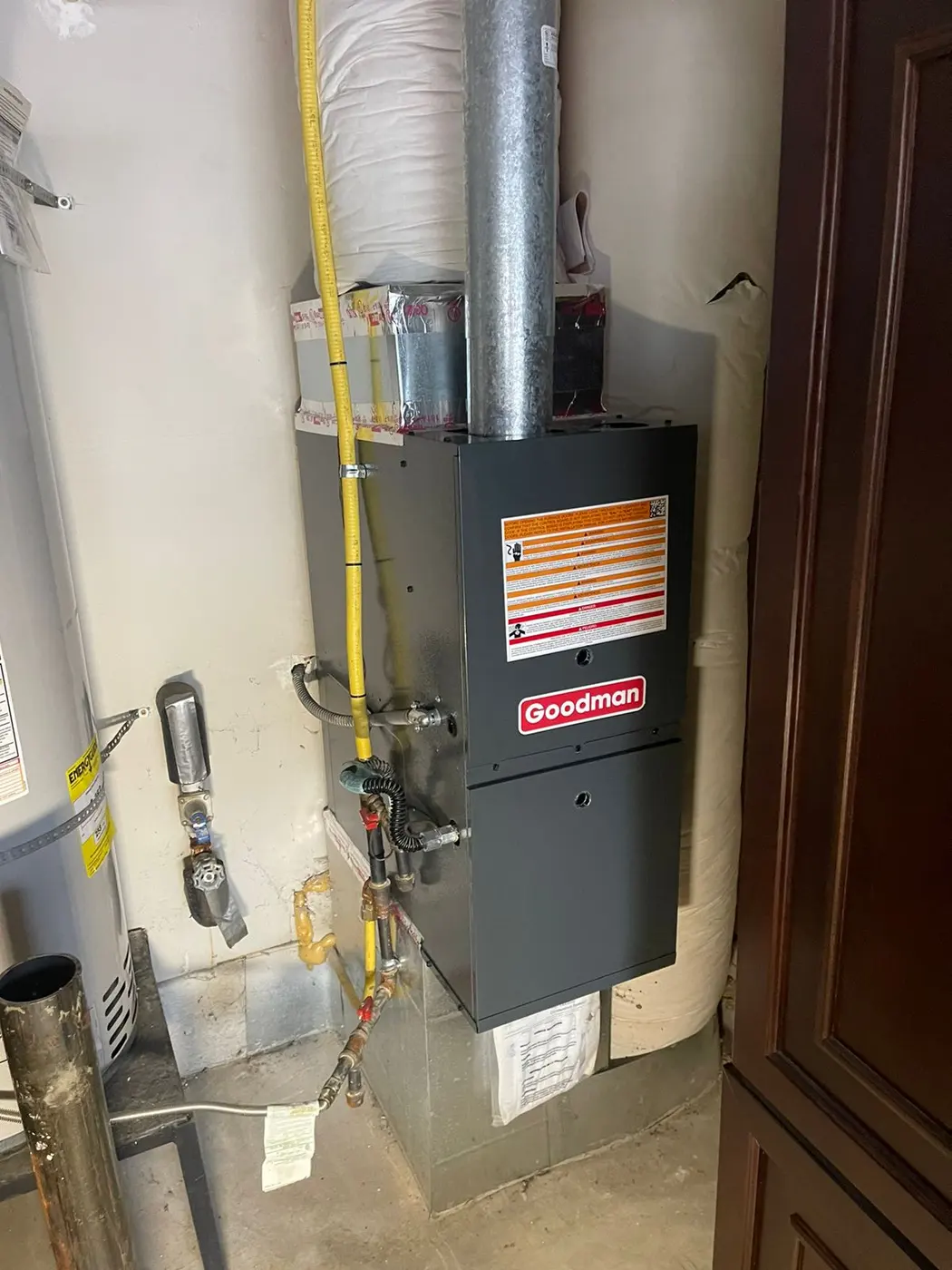
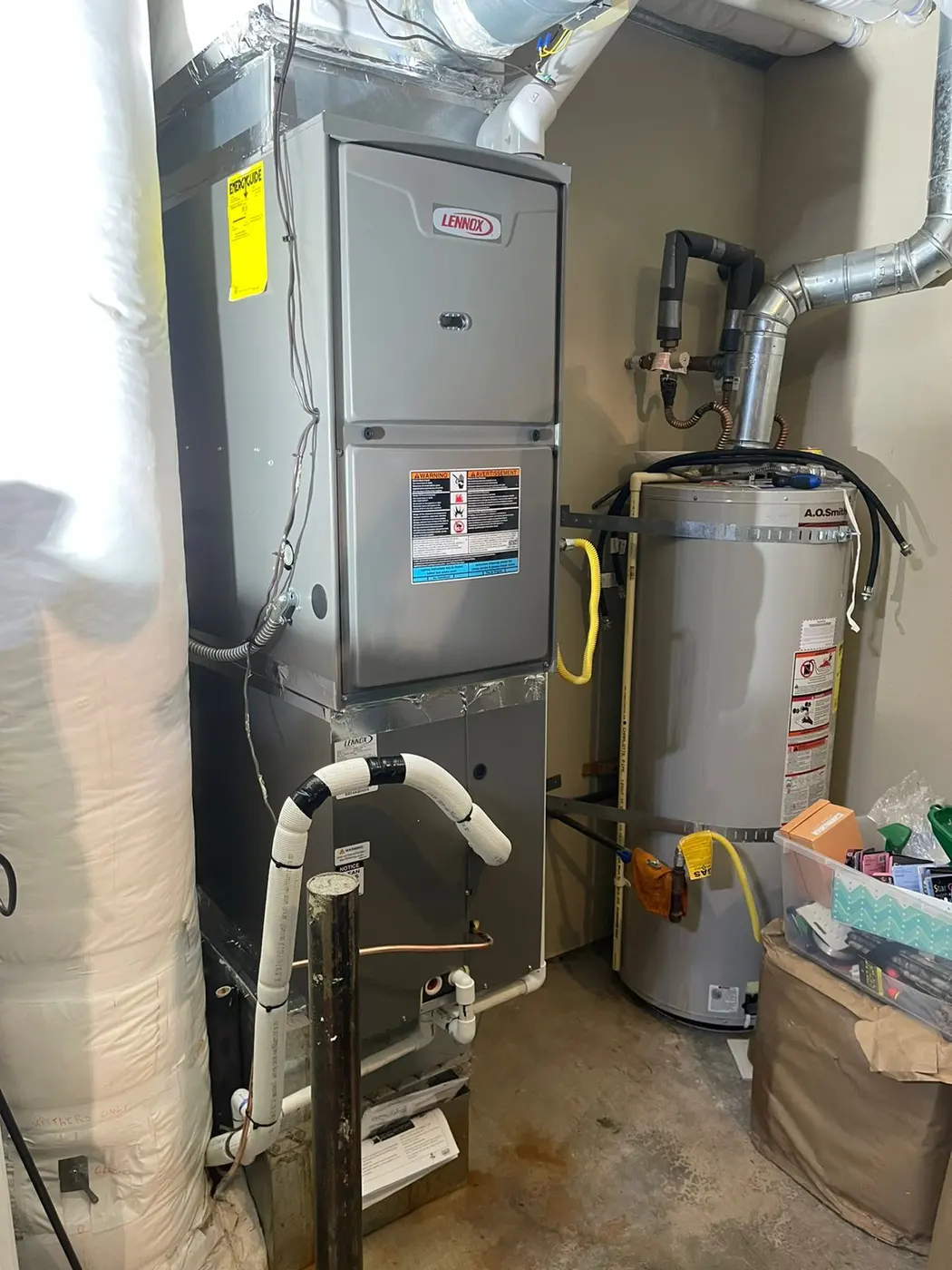
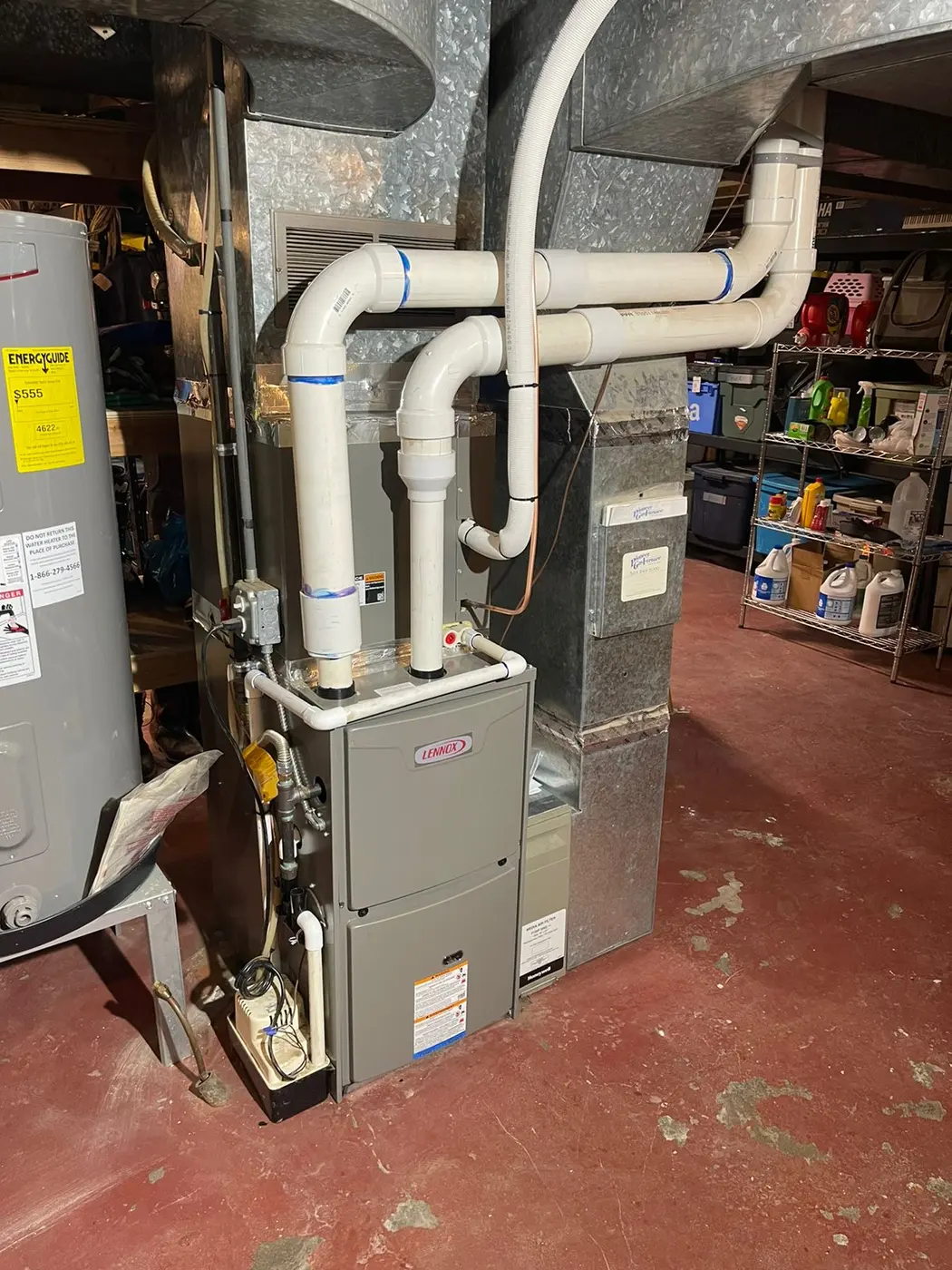
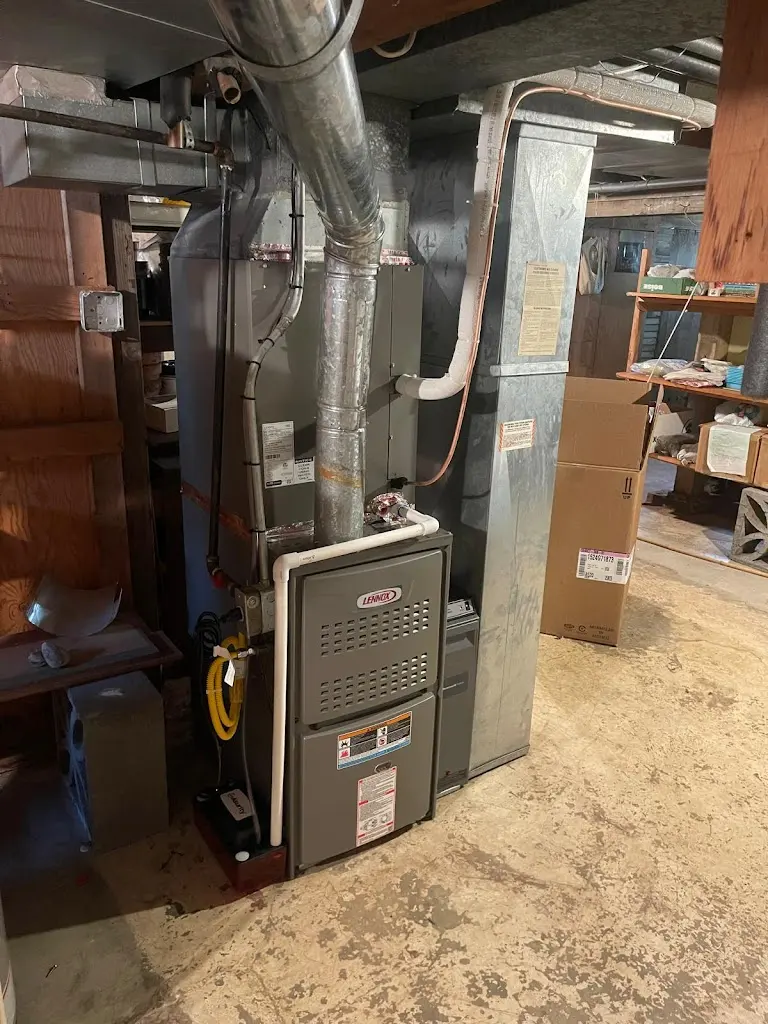
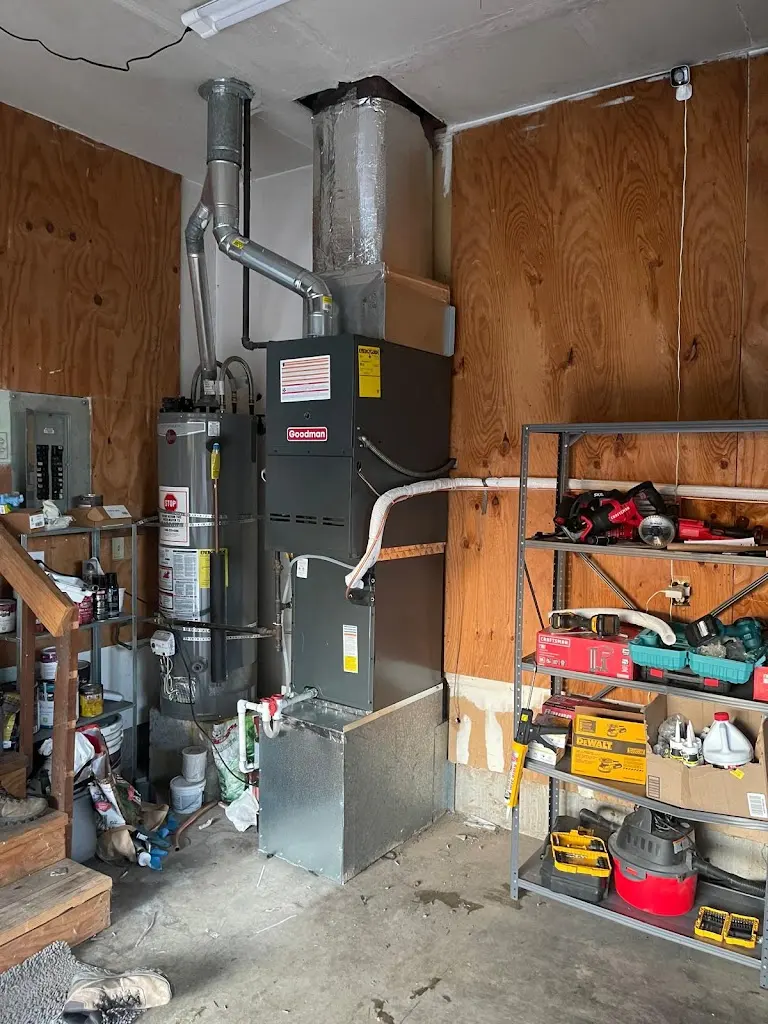
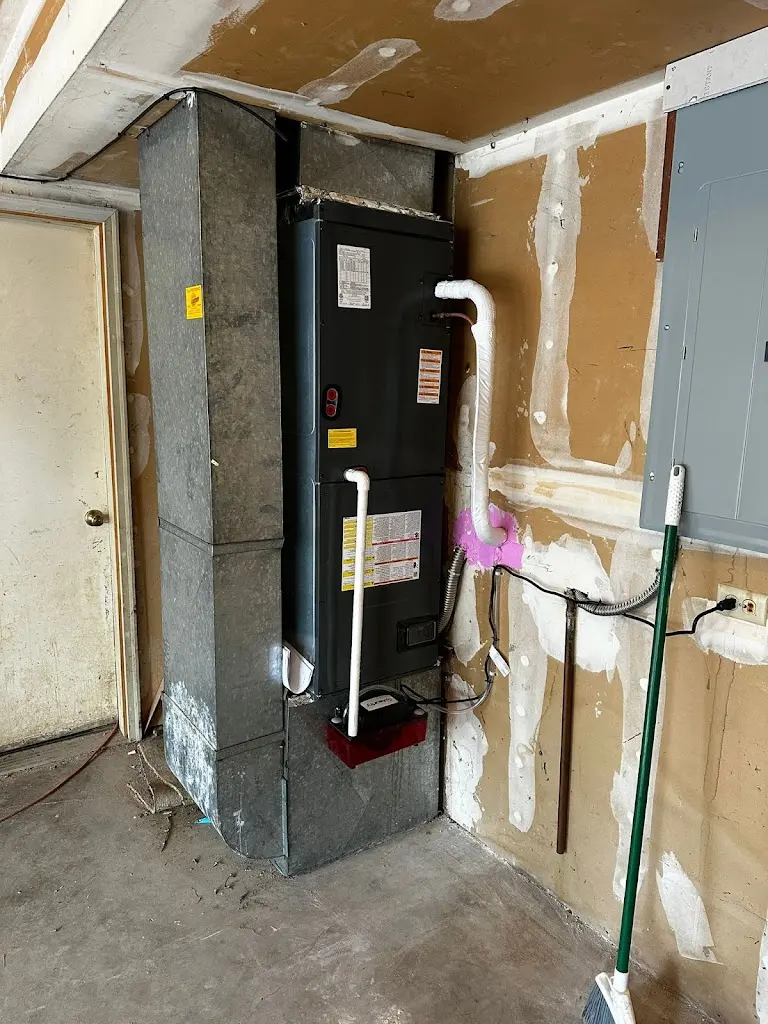
- Indoor coil fit, duct delivery, return air and rooms that need better summer comfort.
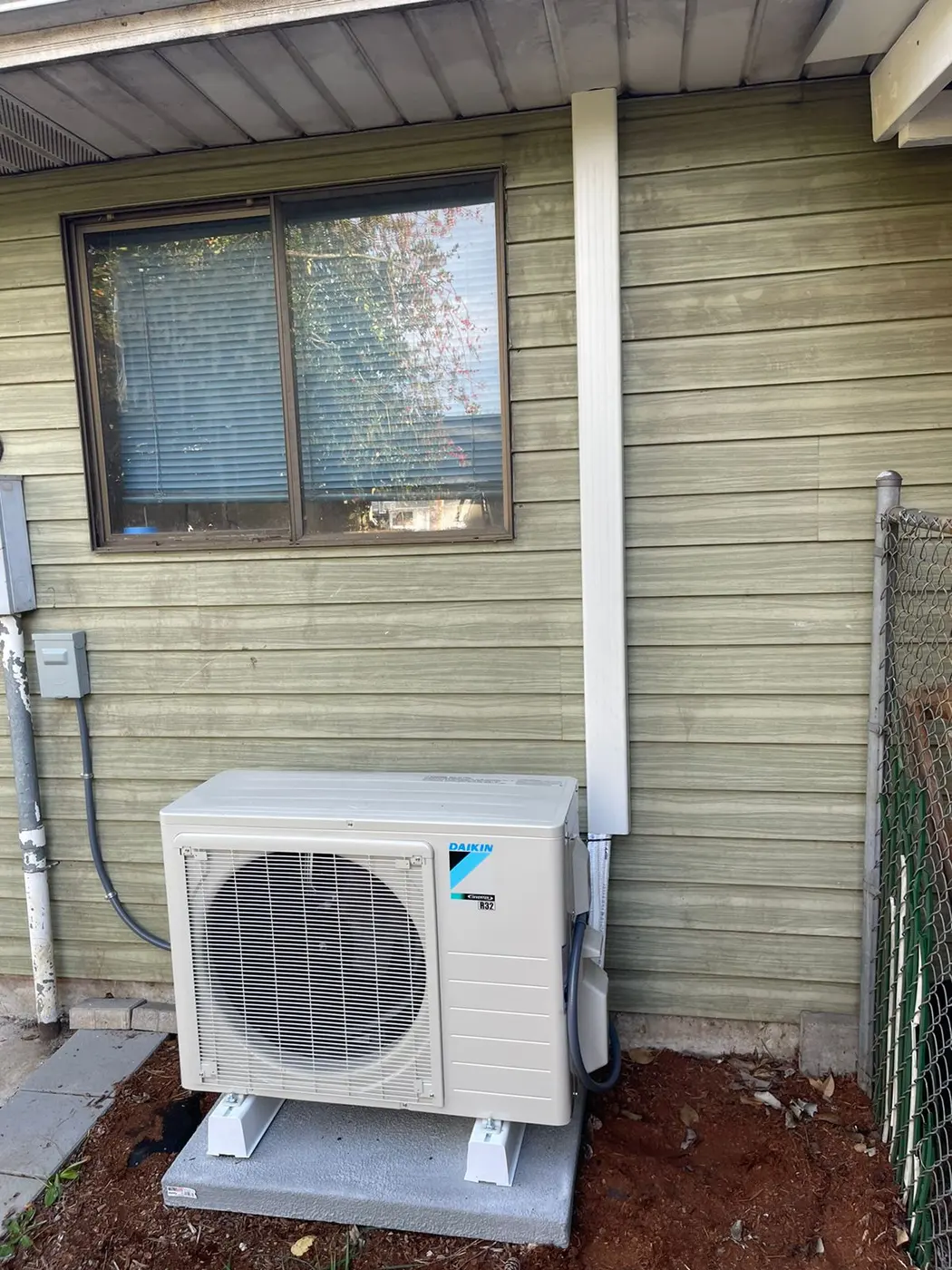
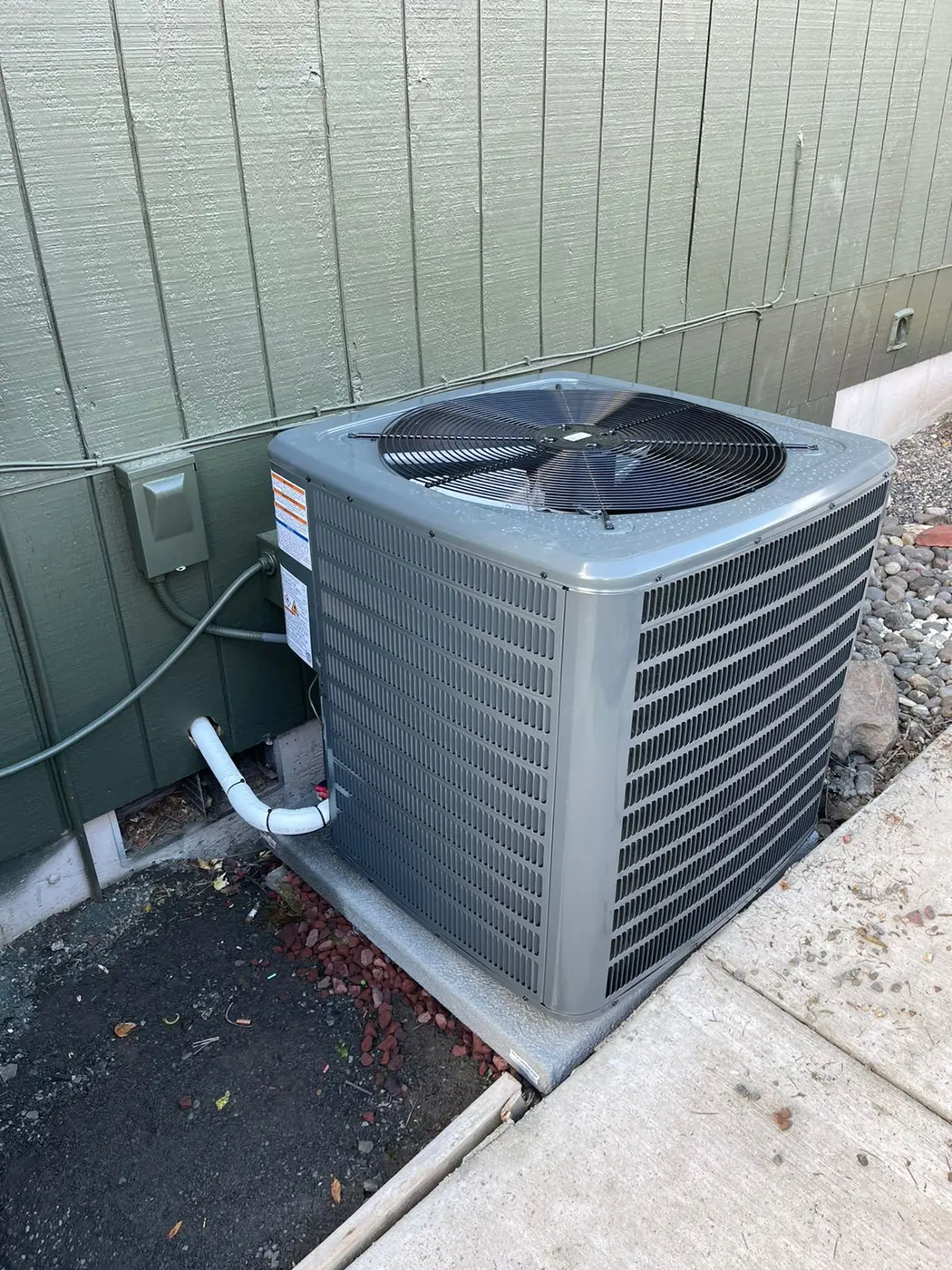
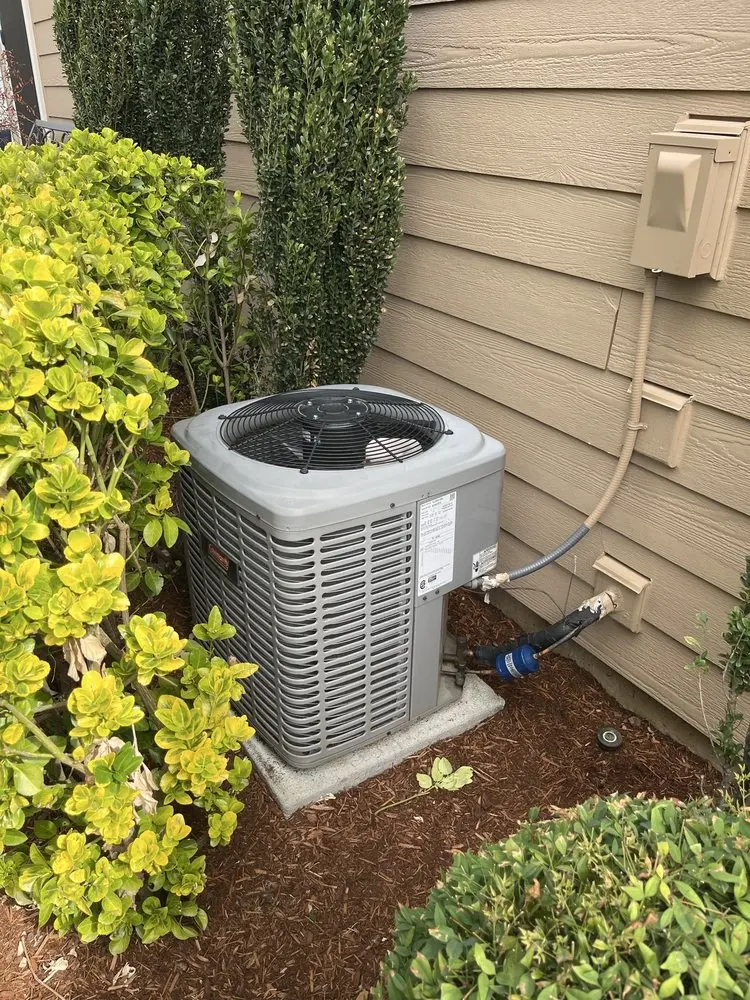
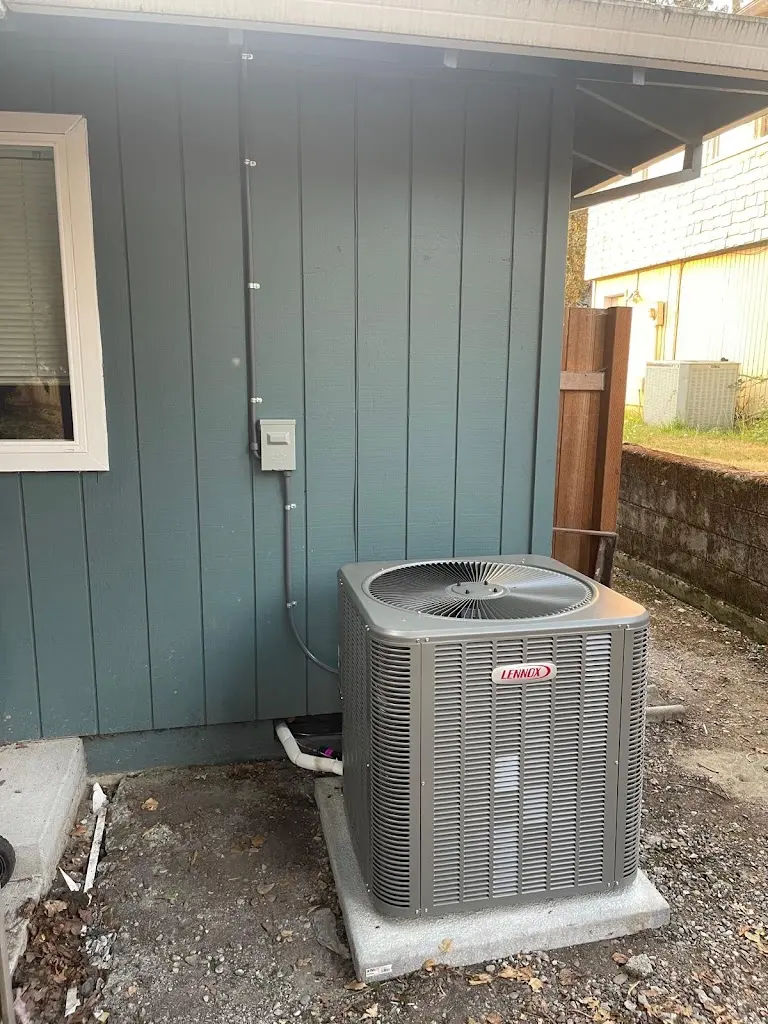
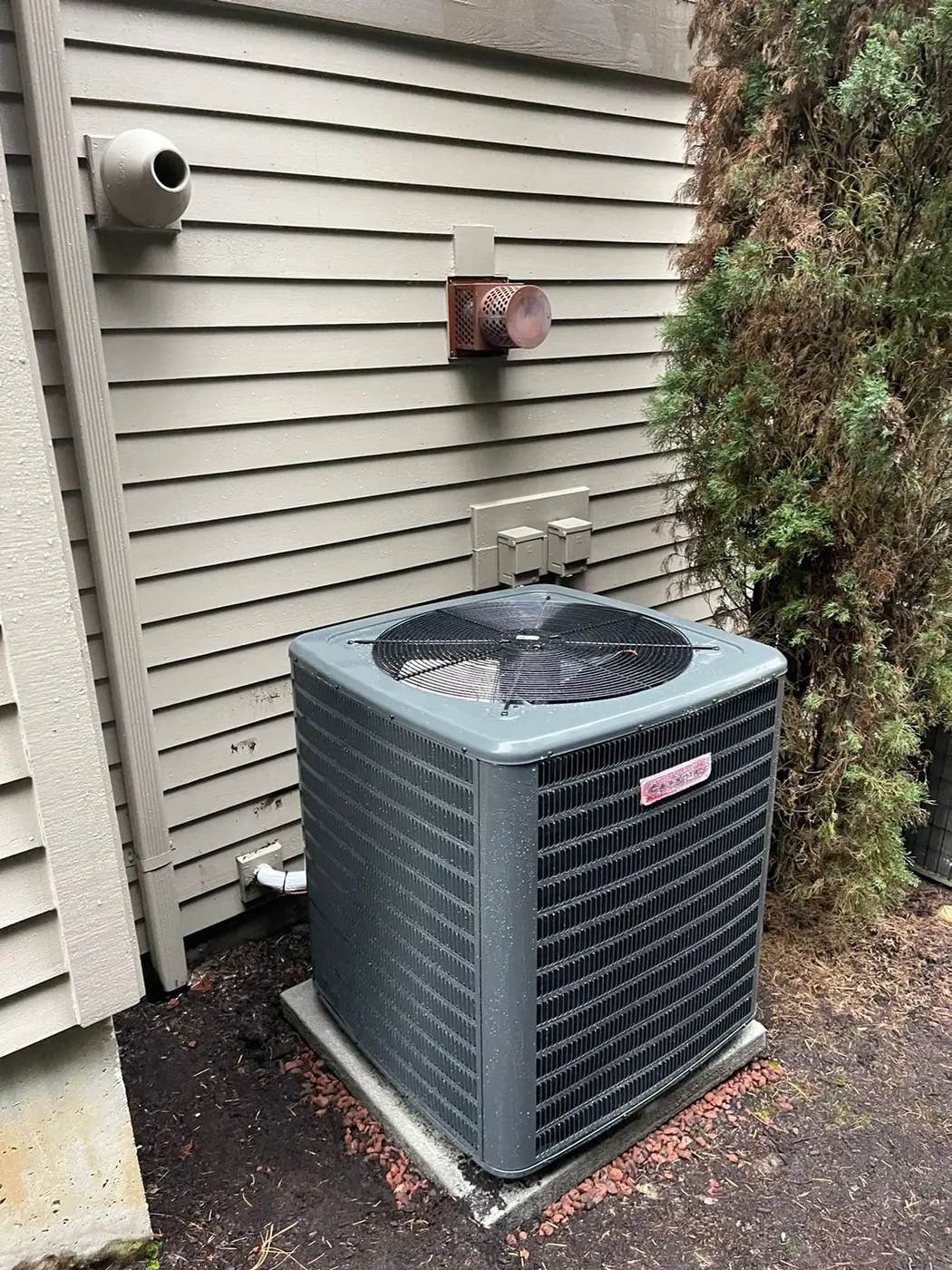
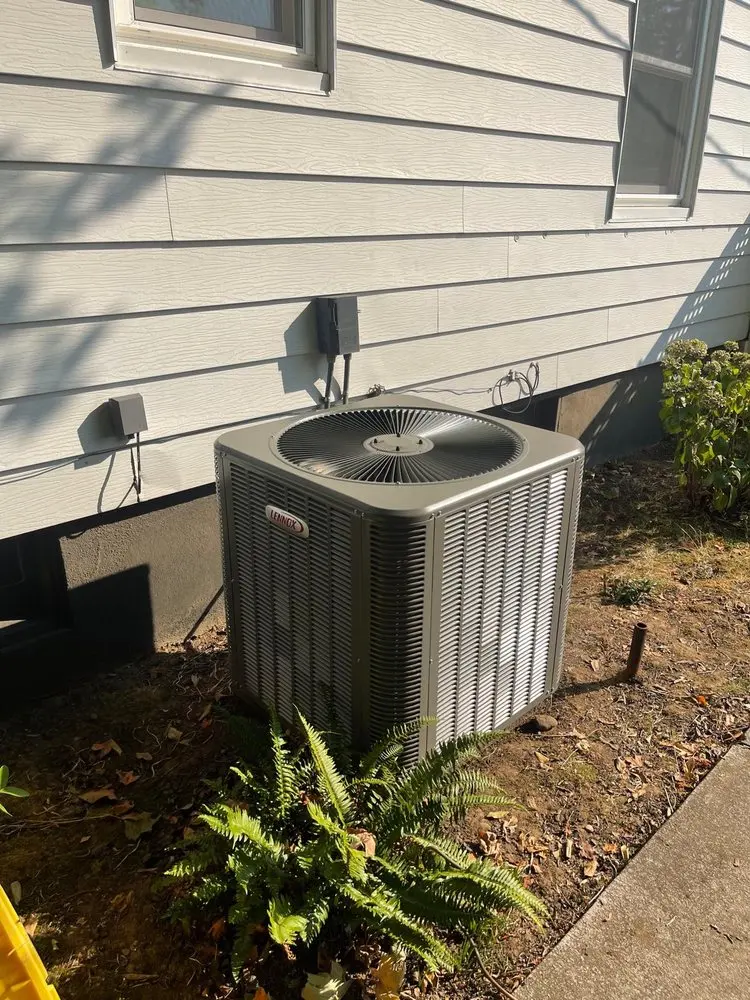
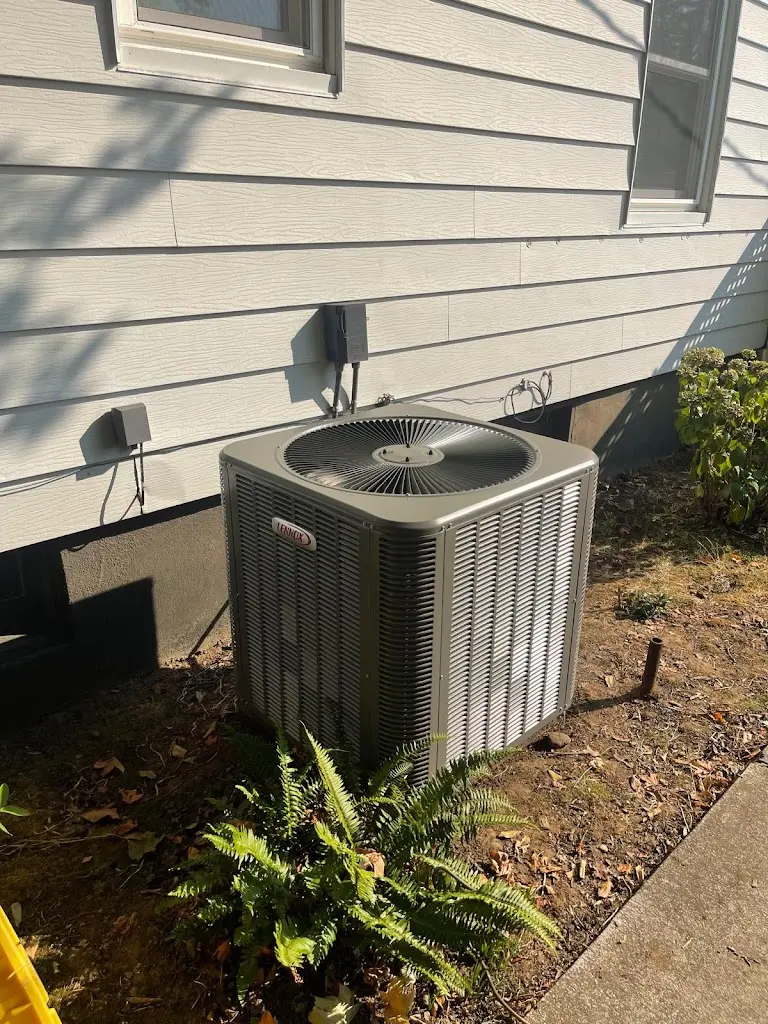
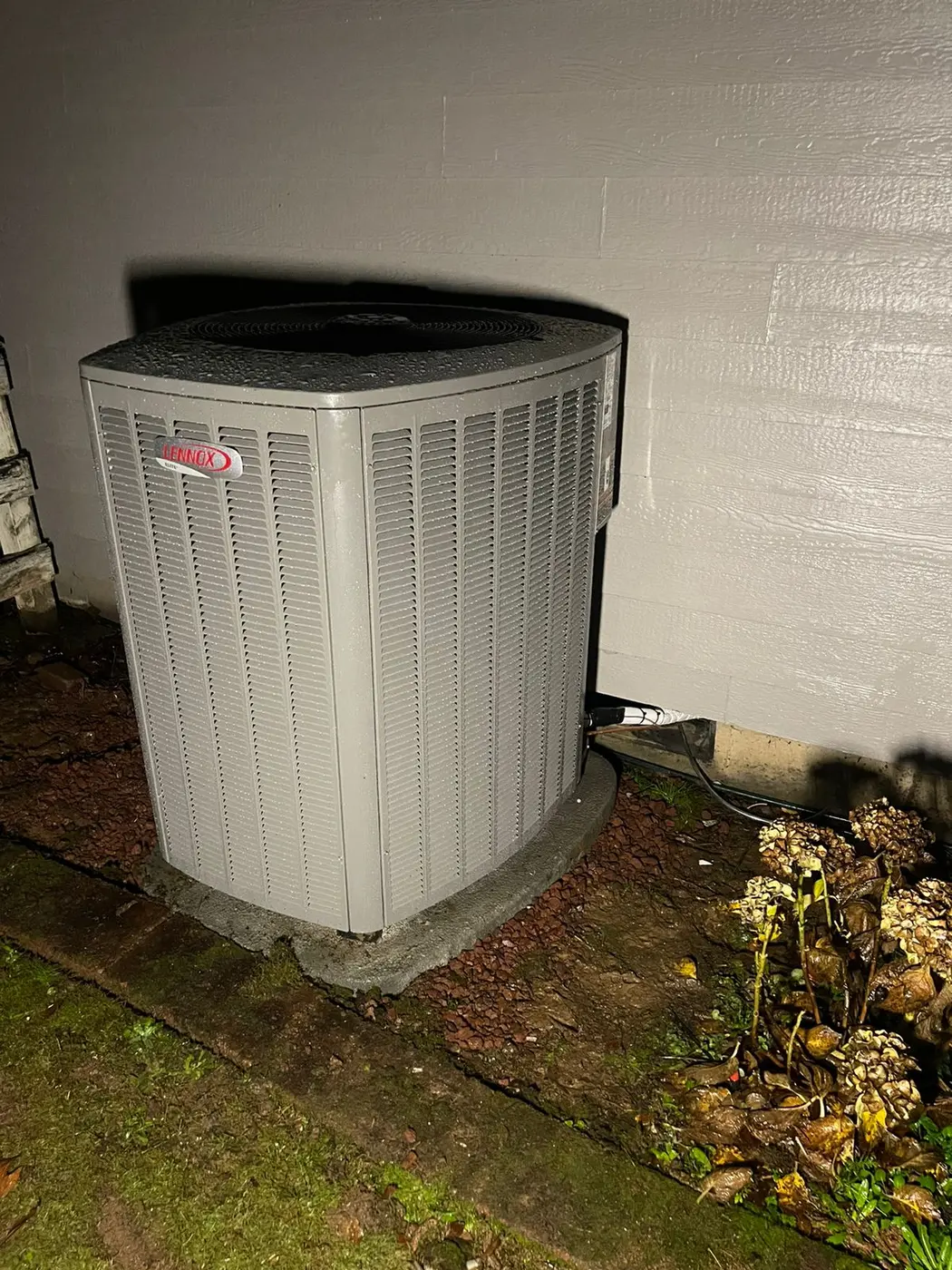
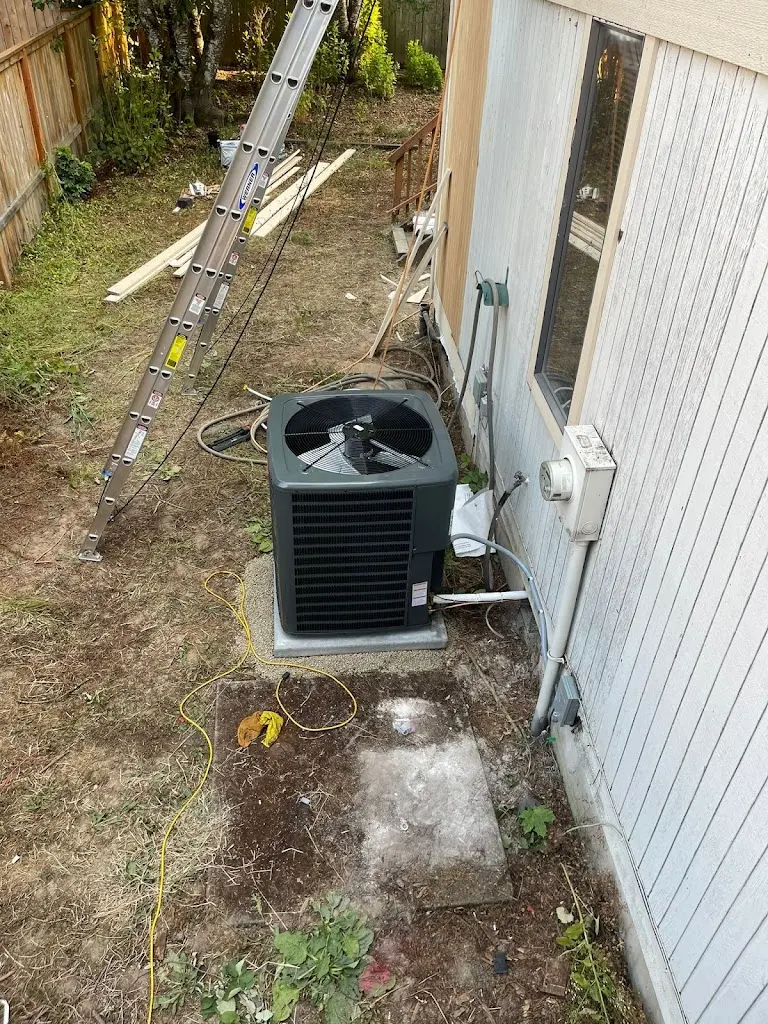
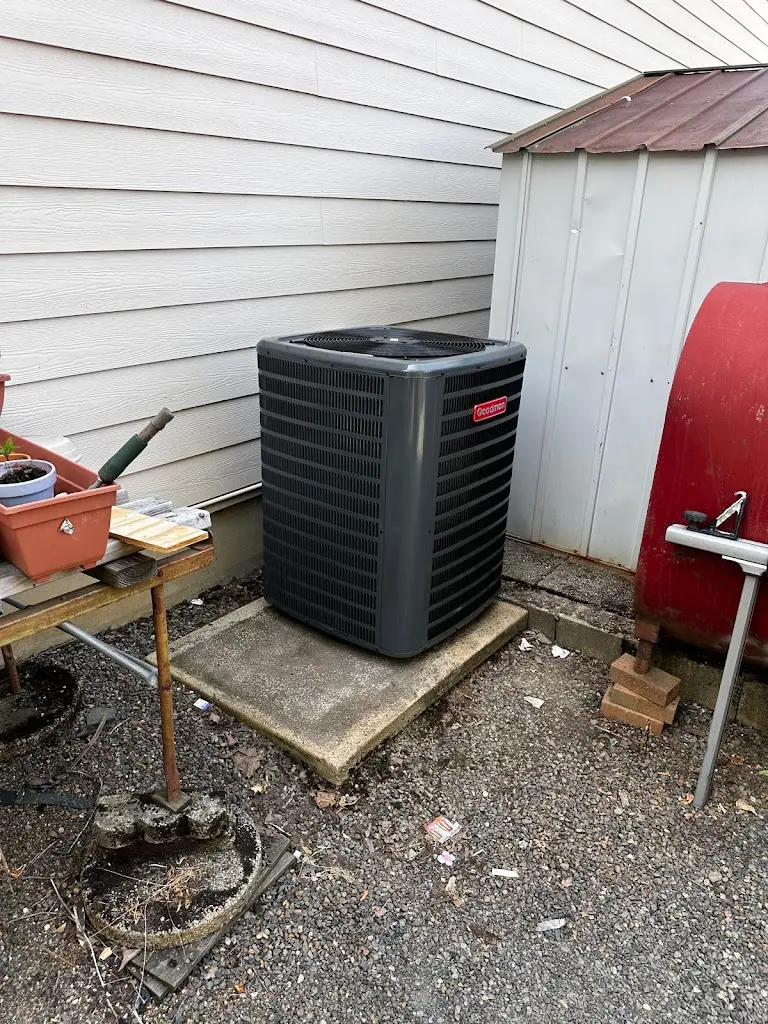
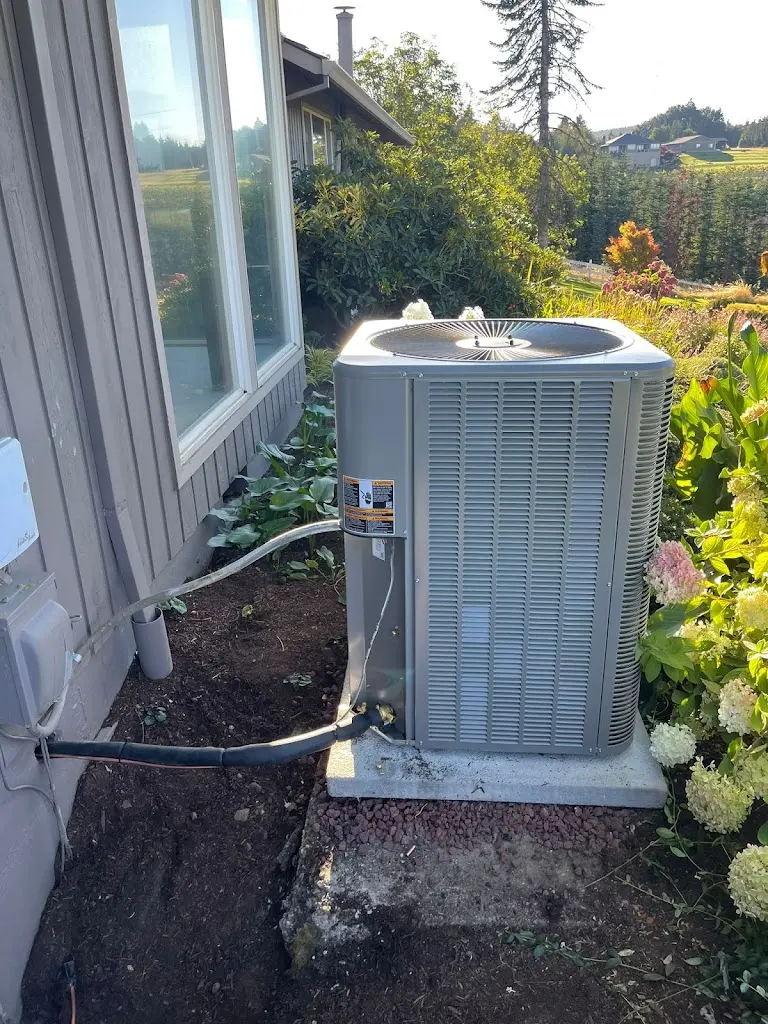
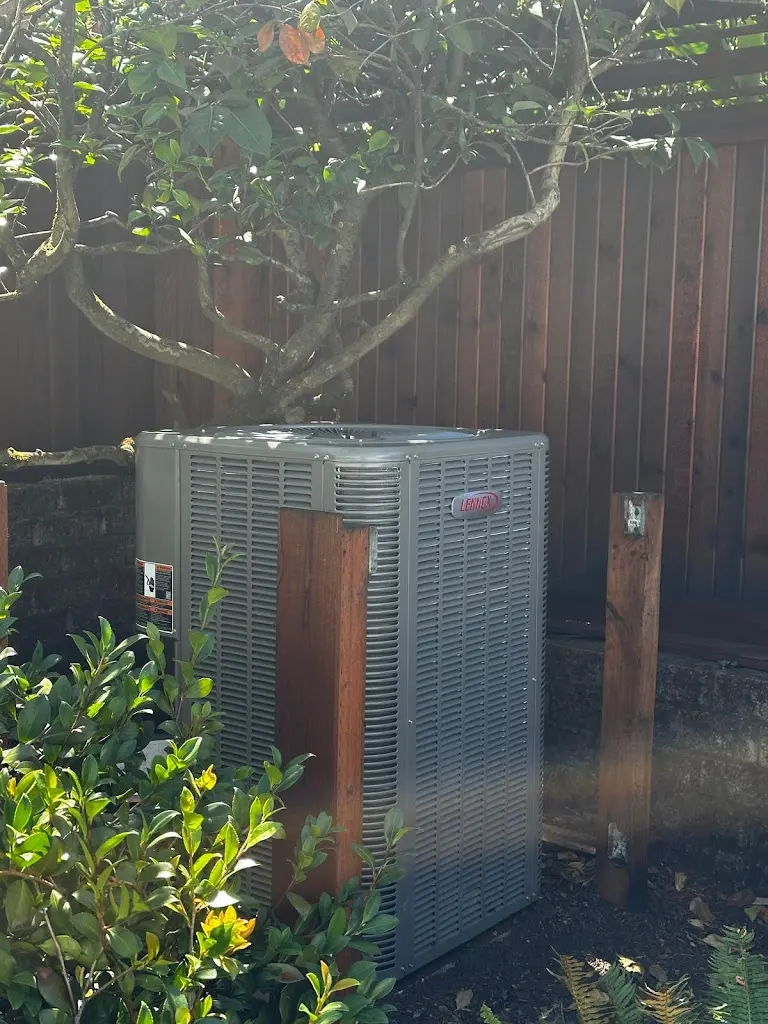
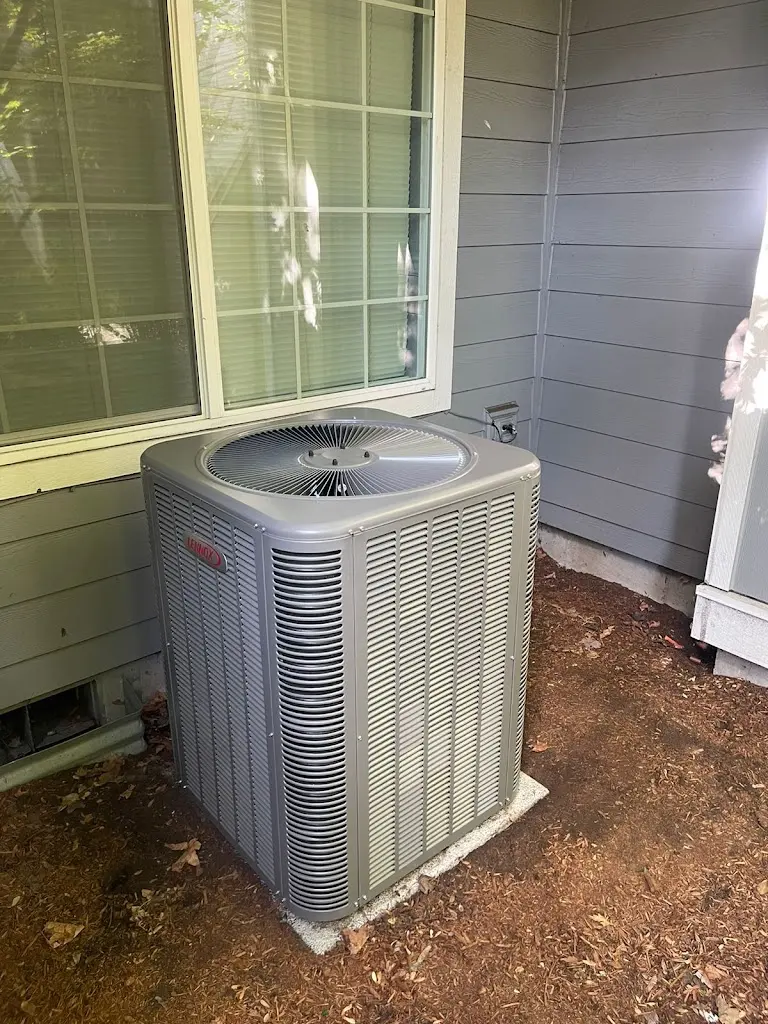
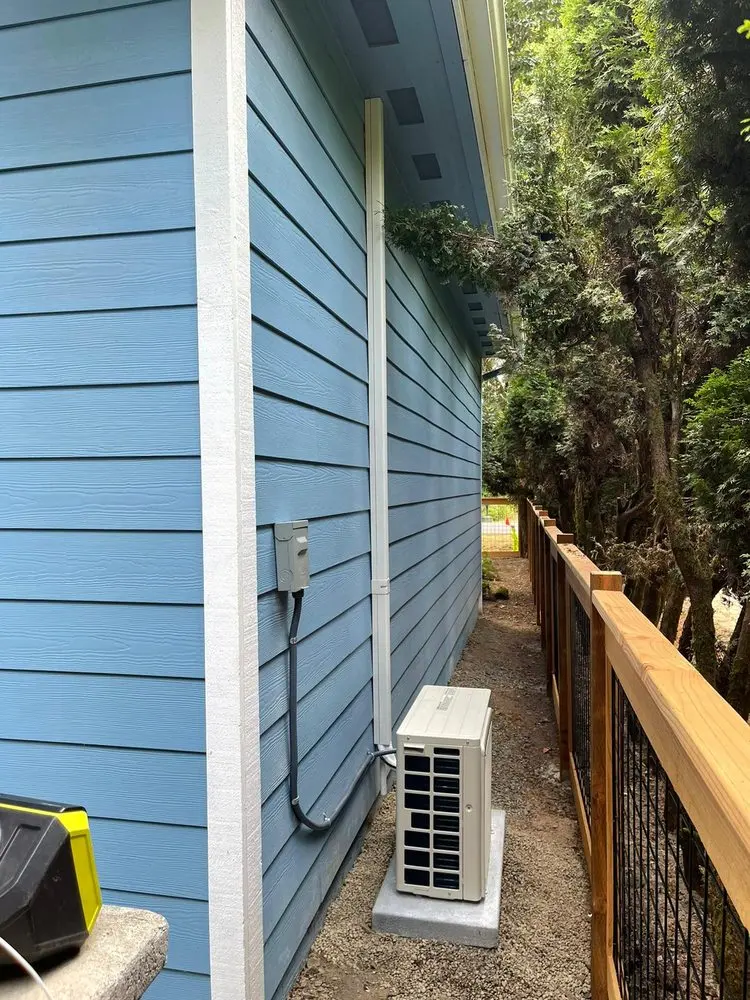
- Outdoor condenser placement, side-yard clearance, sound exposure, line-set path and service access.
- Electrical readiness, thermostat setup, permits and whether the cooling plan should support future HVAC work.
- Good, Better and Best AC options with warranty, financing and rebate details before equipment is selected.
How the AC installation proposal is built
The proposal for AC installation in Cathedral Park, OR should come from verified site conditions, not a one-size-fits-all package. The estimator reviews current equipment, access, comfort complaints, compatibility and project timing before narrowing the choices.
- Identify which parts of the existing system can stay and which should be replaced.
- Separate required installation scope from optional comfort or efficiency upgrades.
- Show the homeowner how each option changes price, warranty, schedule and long-term value.
Why the free estimator visit matters in Cathedral Park
Cathedral Park estimates should connect the cooling plan to access and the existing ducted system.
- Use the Cathedral Park visit to verify access, fit and comfort goals before pricing.
- Connect the AC installation recommendation to the home details the estimator can confirm.
- Keep the Cathedral Park proposal practical enough to compare before scheduling.
Comparing Good / Better / Best AC installation options for Cathedral Park
A useful AC installation proposal in Cathedral Park should compare Good / Better / Best options against the actual home details, not against a generic package. Choose Cathedral Park AC after duct readiness, route and outdoor placement are clear.
The comparison should explain how each option changes comfort, access, equipment fit, warranty and final scope. Cathedral Park estimates should connect the cooling plan to access and the existing ducted system.
Project details that shape AC installation cost
Two homes can ask for the same service and need different scopes. The estimate looks at required installation details, optional upgrades and possible constraints such as access, electrical work, line-set routing, permits or equipment compatibility before the homeowner approves the project.
- Equipment size, efficiency level and brand.
- Indoor equipment compatibility and whether a furnace, air handler or coil should be changed at the same time.
- Outdoor placement, line sets, electrical work, venting, permits and access conditions.
- Ductwork, airflow, thermostat setup, zoning and room-by-room comfort concerns.
- Warranty, financing, rebate questions and the installation timeline the homeowner needs.
How local homes change AC installation planning
In Cathedral Park, OR, older homes, finished basements, compact lots and duct limitations can change the AC installation scope. Layout, access and existing equipment condition can change the project even when the service request sounds similar.
The estimator visit gives the team enough information to compare options for AC installation in Cathedral Park, OR without relying on assumptions that may not fit the home.
Cathedral Park AC planning near older North Portland layouts
Cathedral Park AC installation often needs planning around older homes, basement or crawlspace access, larger shade changes and rooms that warm differently across the floor plan.
The estimate should verify condenser placement, indoor compatibility, return air and whether airflow corrections matter before the homeowner chooses an AC option.
- Check old duct delivery, shaded rooms and condenser placement early.
- Confirm return air and indoor equipment compatibility before selecting capacity.
- Compare cooling options around dependable summer comfort and service access.
Cathedral Park installation planning notes
For AC installation in Cathedral Park, OR, the useful estimate is the one that checks the current setup, equipment access, comfort concerns and project timing before a system is selected. That local review helps prevent a generic recommendation from turning into a surprise scope change later.
- Confirm equipment age, access, duct condition, electrical or venting needs and the comfort goal.
- Compare practical options so the homeowner can choose the right balance of cost and performance.
- Use the proposal to explain what is included, what could change and what happens next.
Cathedral Park property details that can affect the estimate
For AC installation in Cathedral Park, the estimate often needs a closer look at older mechanical spaces, remodel history, side-yard clearance, finished basements and how much disruption the homeowner wants to avoid during installation.
- Review older duct runs, compact equipment closets and finished-space access before selecting equipment.
- Check noise, outdoor placement and service clearance when the home sits close to neighboring properties.
- Confirm whether comfort issues are caused by equipment age, airflow limits or past retrofit choices.
- Cooling complaints should be tied to airflow, return air, shade, room exposure and condenser placement.
- Indoor coil and outdoor condenser compatibility should be checked before the AC option is selected.
AC Installation estimate notes for Cathedral Park, OR
Cathedral Park homes can involve older layouts, sloped lots, compact exterior clearances and comfort concerns near finished upper spaces or remodeled rooms. AC estimates should also confirm indoor coil fit, condenser clearance, refrigerant routing, return air and rooms that stay warm during summer.
- Review mechanical access, older duct paths and outdoor clearance before the proposal.
- Confirm whether the installation should solve one hard-to-condition area or the whole home.
- Compare quiet equipment and clean routing for visible exterior areas.
- The free estimate turns AC installation into a specific plan for the actual home instead of a generic equipment recommendation.
Related installation pages
- AC Installation – compare central AC installation options.
- HVAC Installation – review full heating and cooling installation paths.
- Heat Pump Installation – compare heat pump alternatives when they fit the home.
- Furnace Installation – plan furnace replacement with the cooling project when needed.
AC Installation questions
Is the estimator visit free?
Yes. The estimator visit is free for AC installation projects in the Portland Metro service area. It helps confirm equipment size, access, scope and options before a proposal is prepared.
Can I get more than one option?
Yes. We can compare practical options so you can choose the balance of price, efficiency, warranty, quiet operation and comfort that fits the home.
What can change the AC installation price?
The final price can change with equipment size, efficiency, access, electrical or venting work, line sets, duct changes, permits and whether the central AC system is part of a larger heating and cooling upgrade.
When should I call instead of using the form?
(503) 512-5900 is best when timing is urgent. Use the form when you can send details and prefer a follow-up to schedule the free estimator visit.