Plan for Care After the New Furnace Is in Place
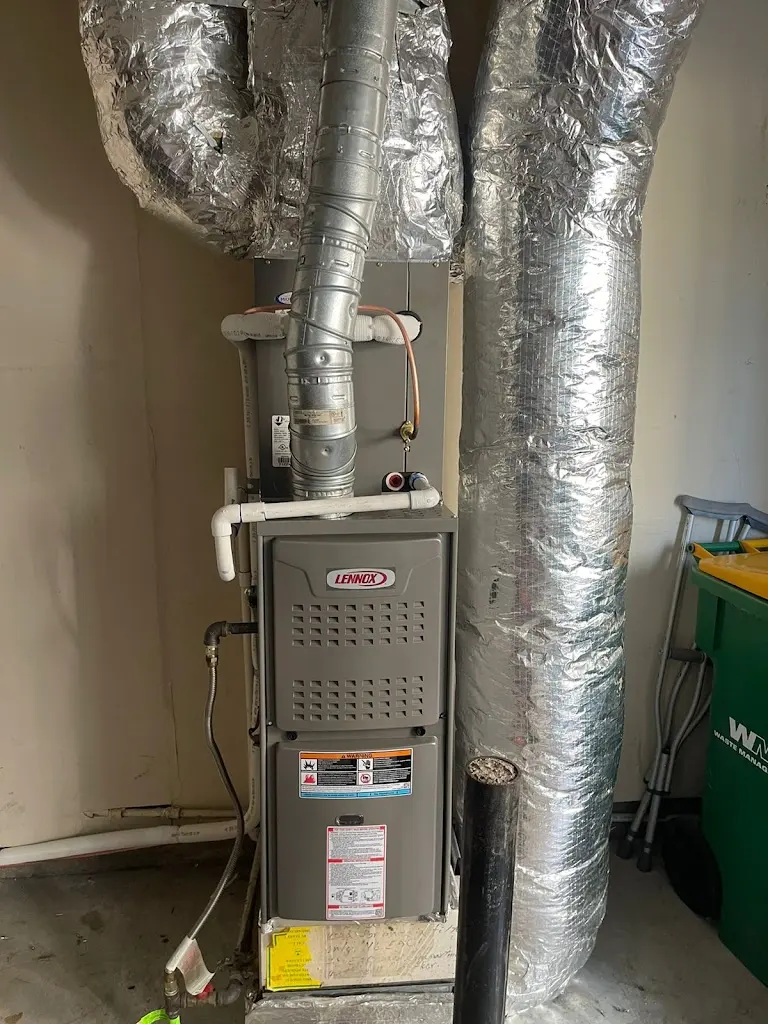
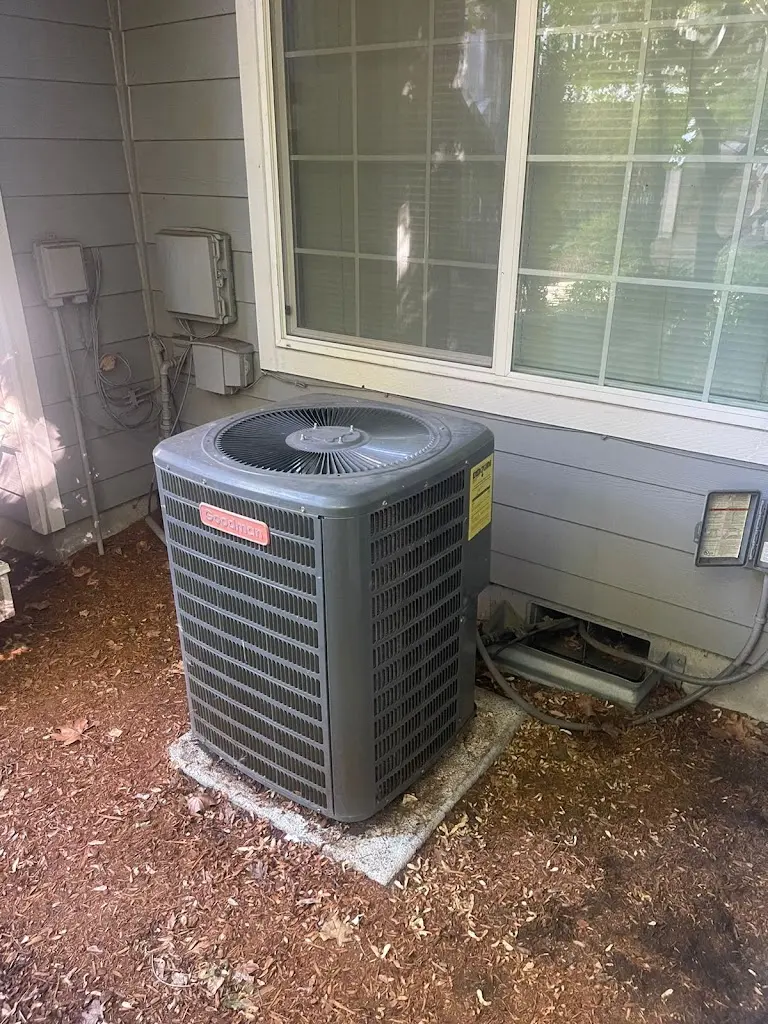
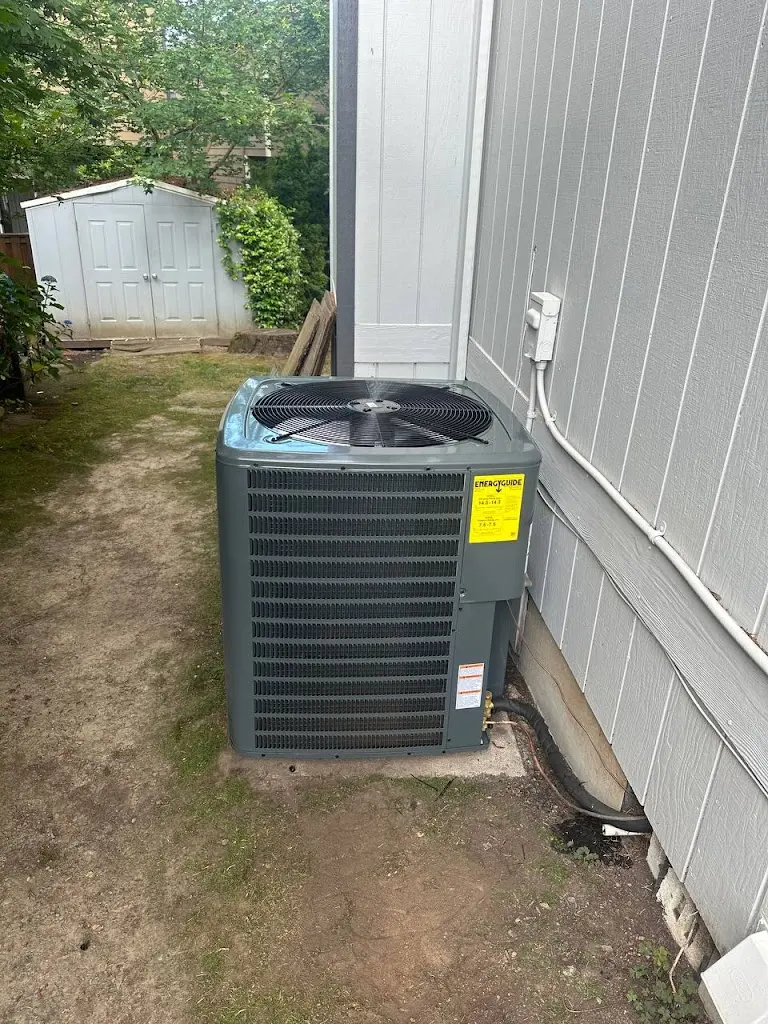
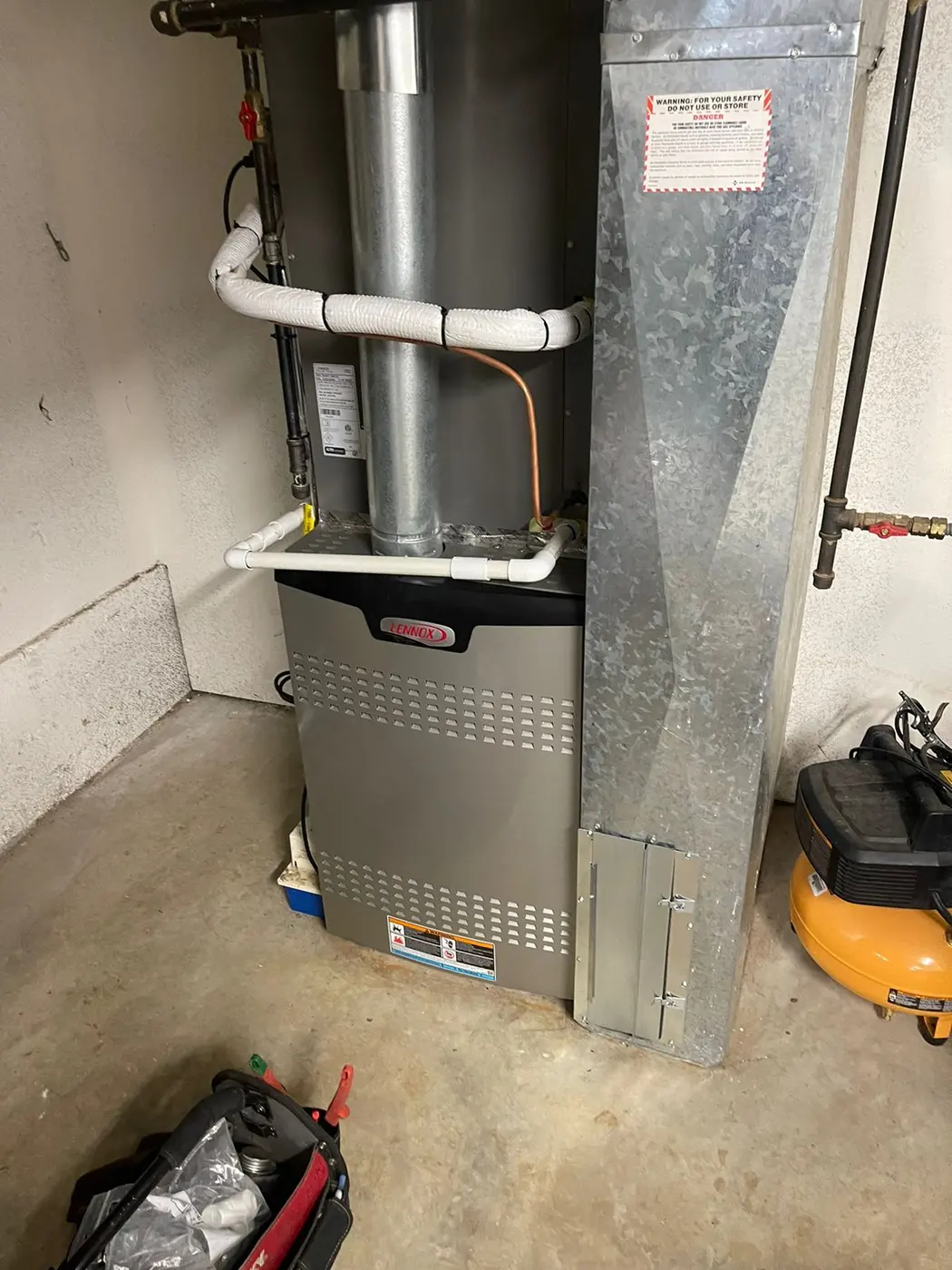
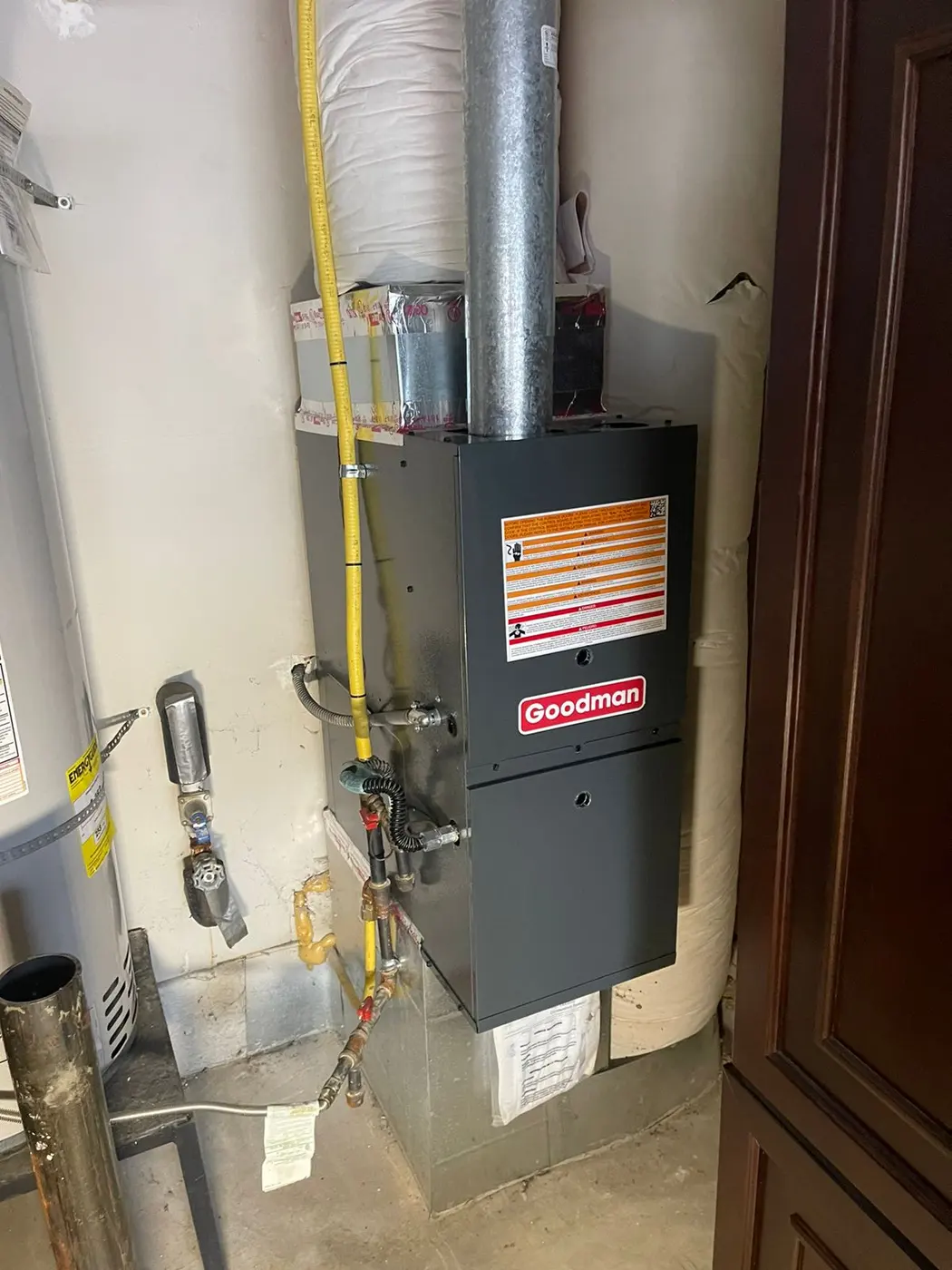
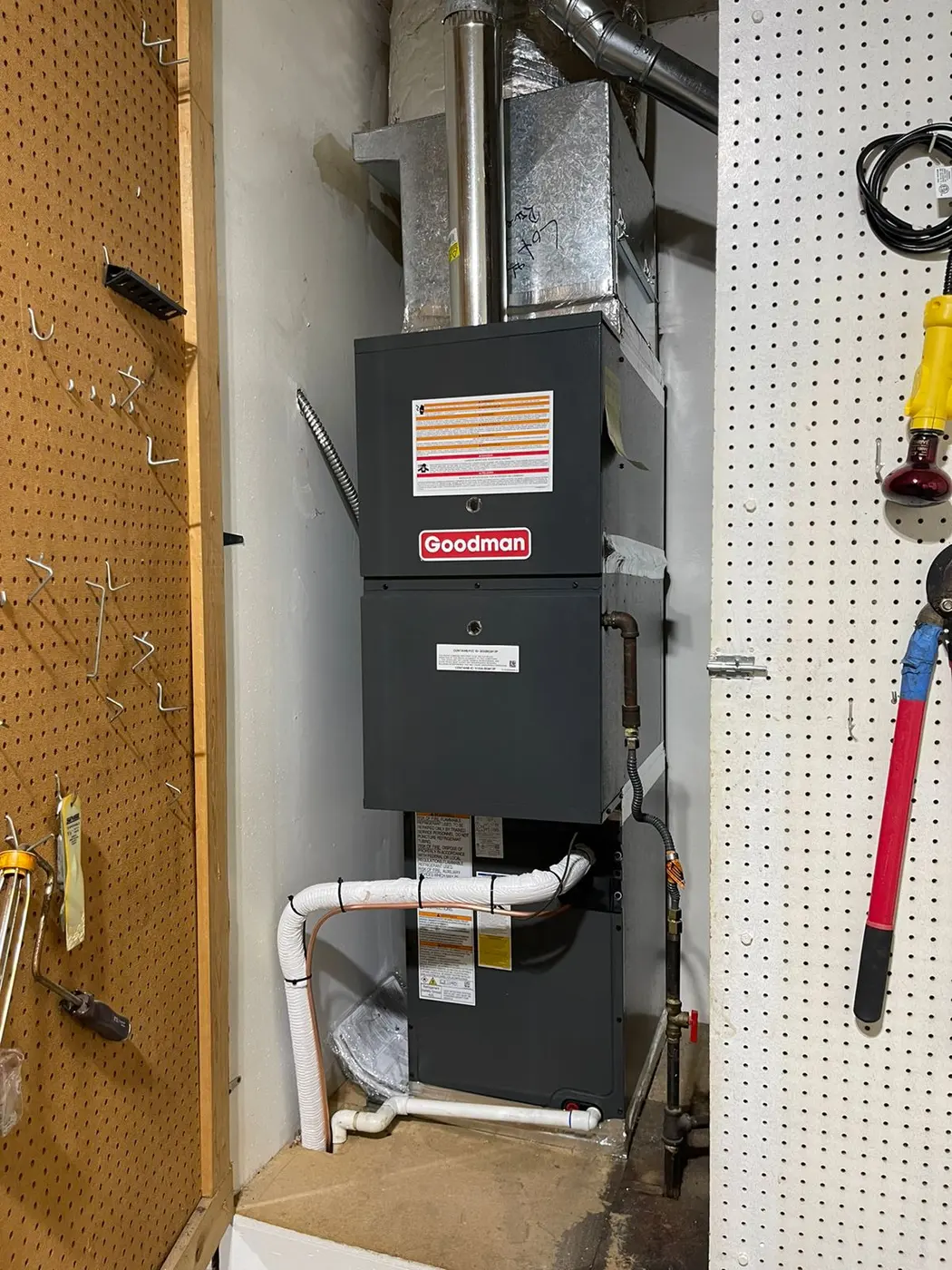
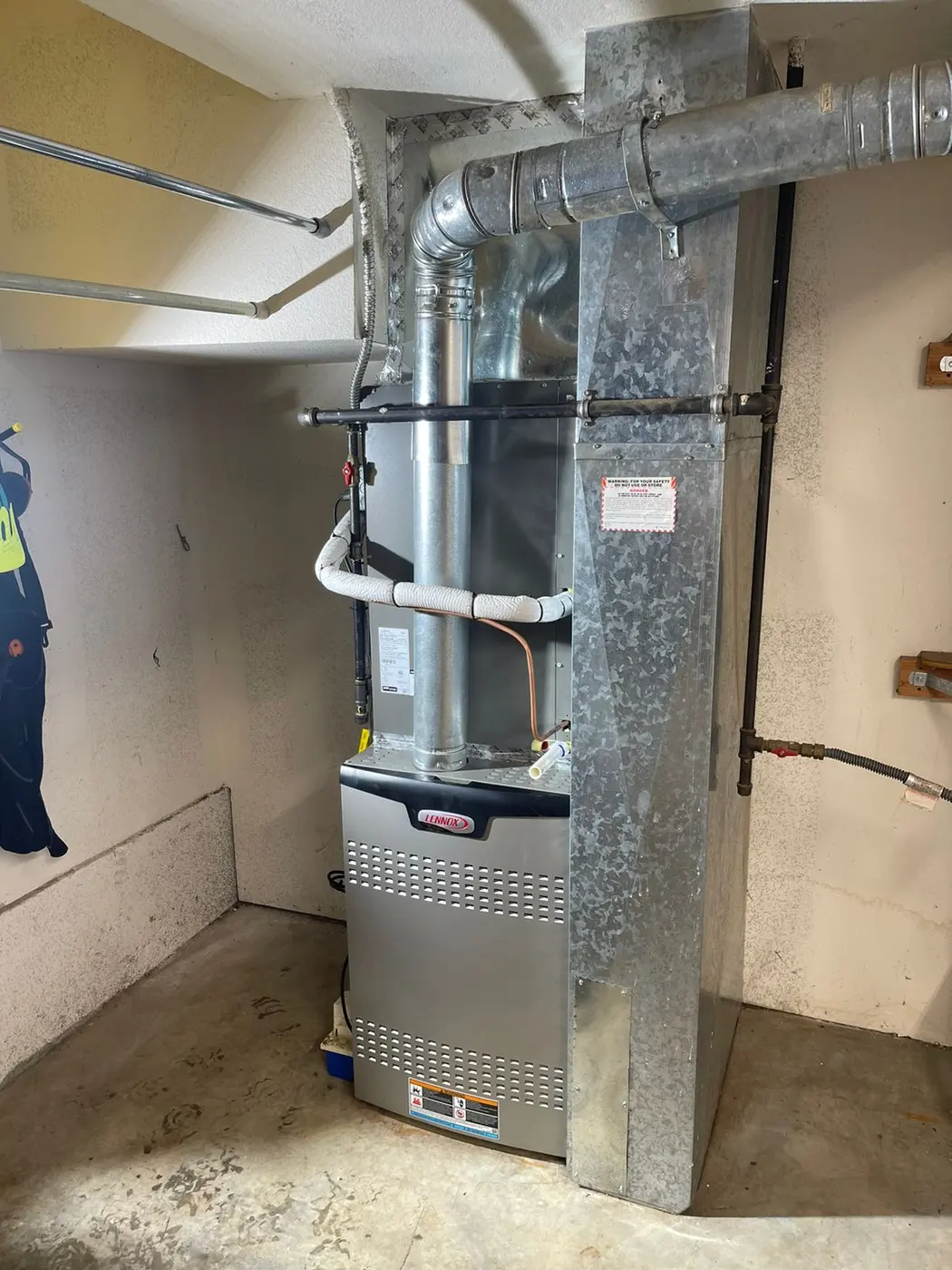
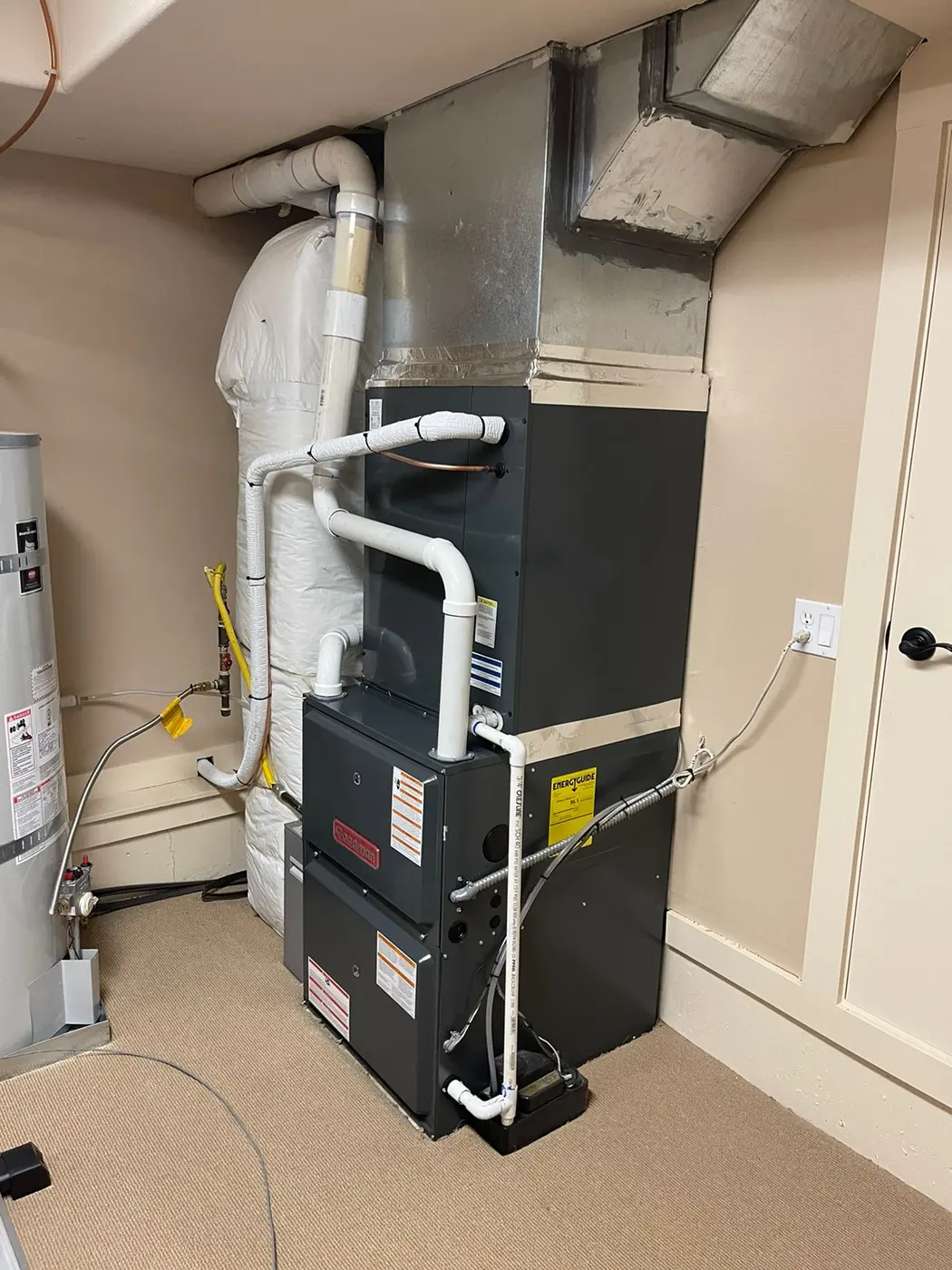
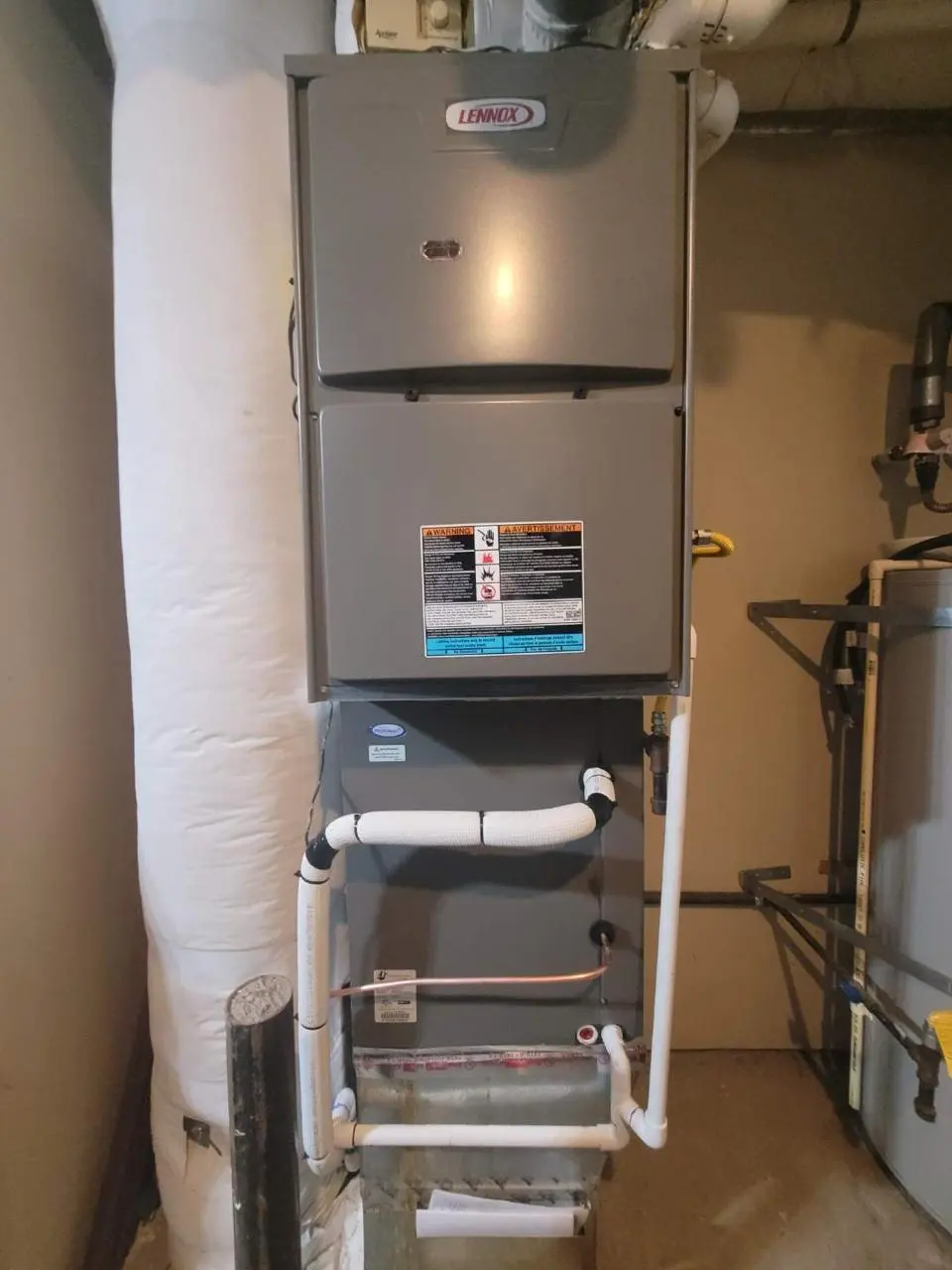
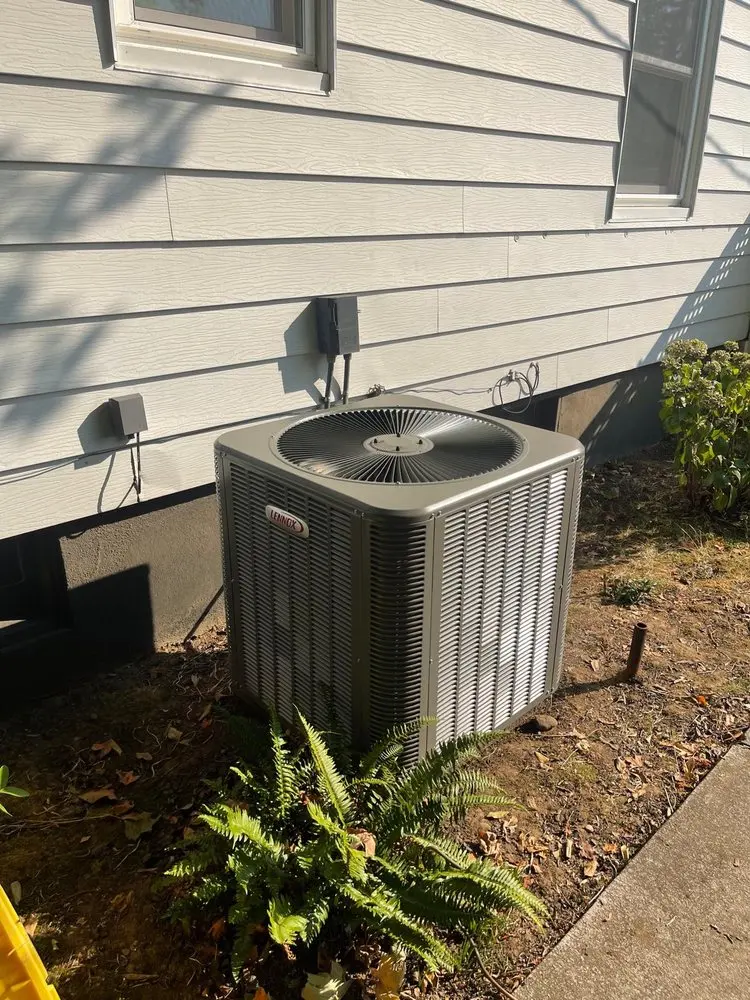
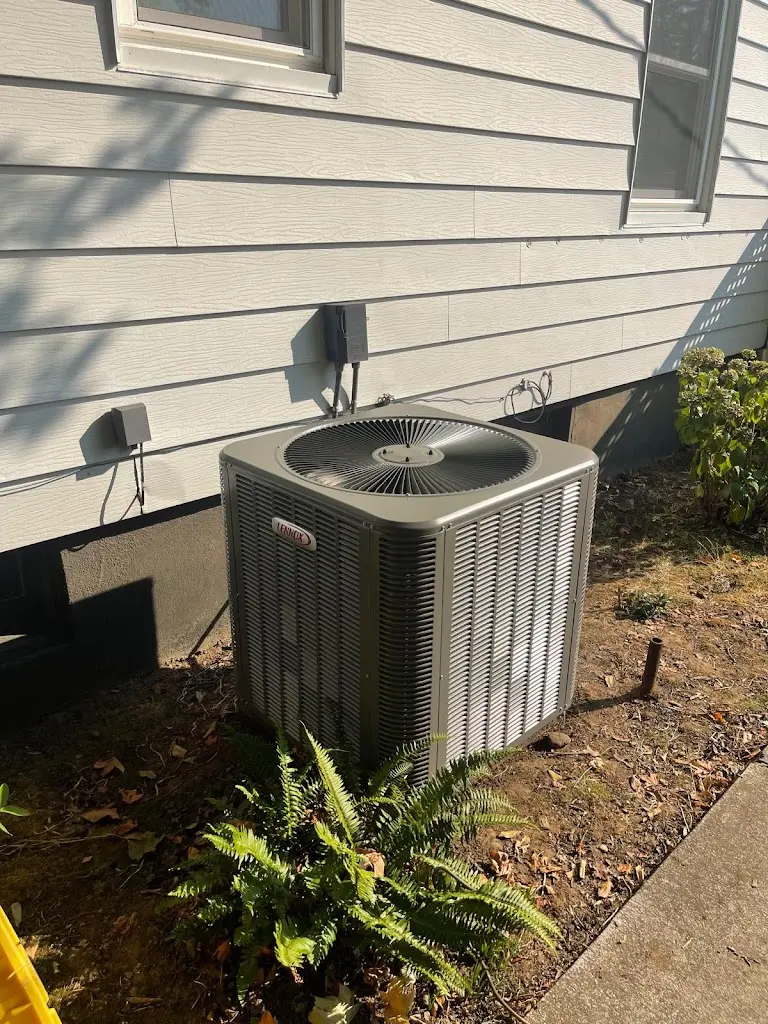
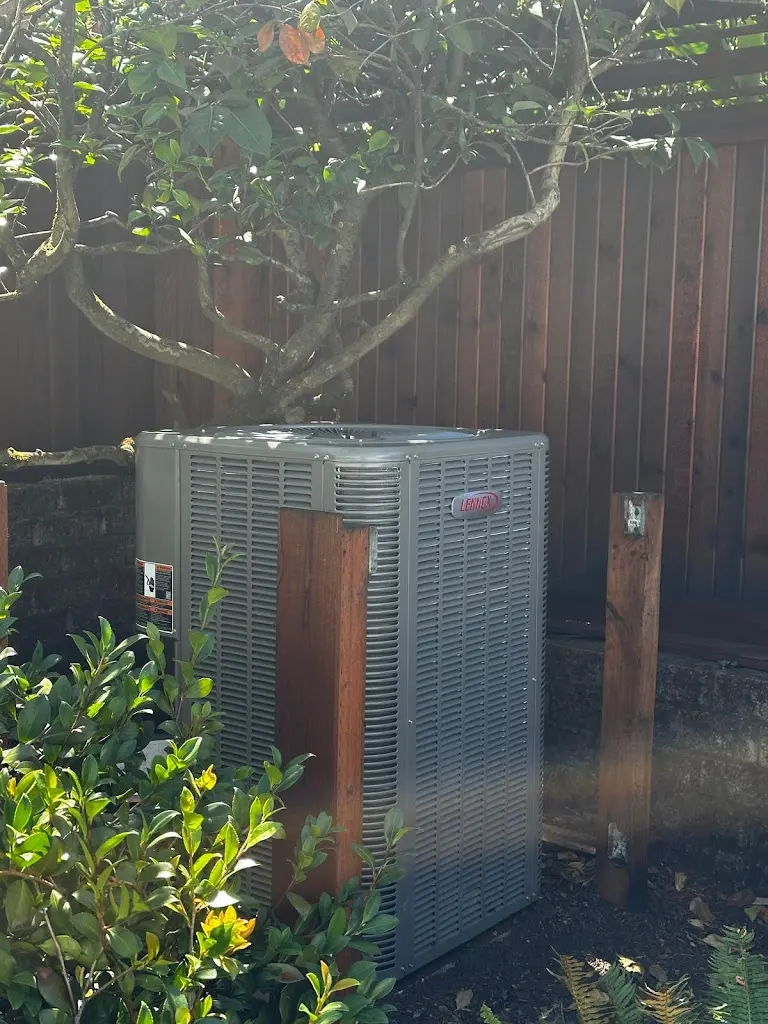
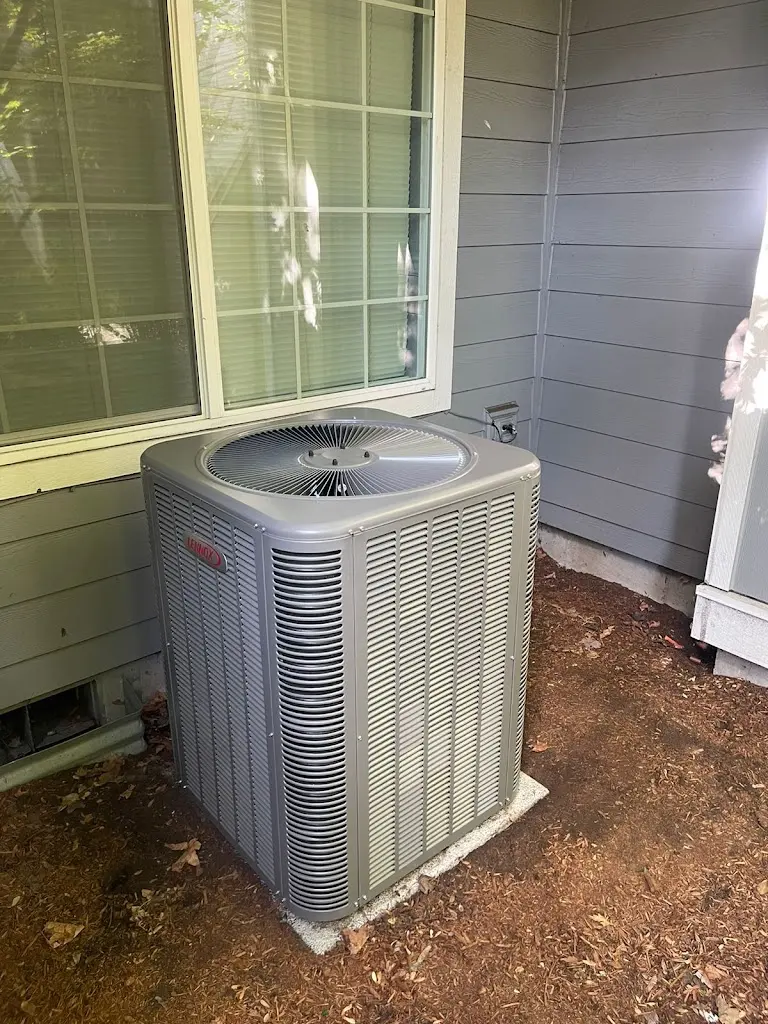
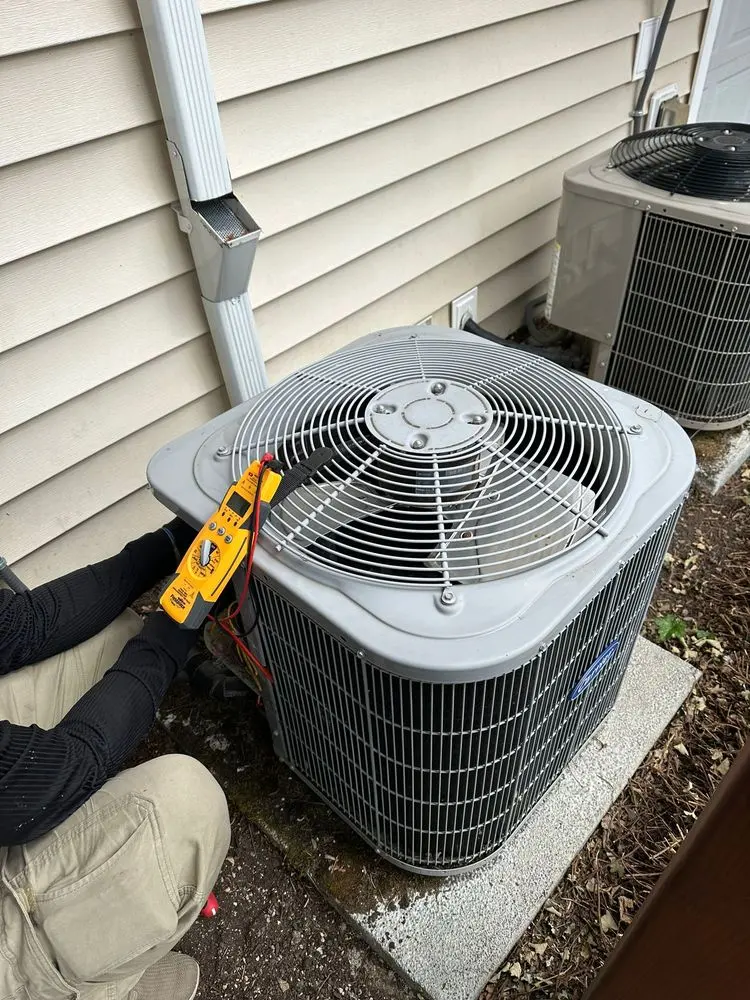
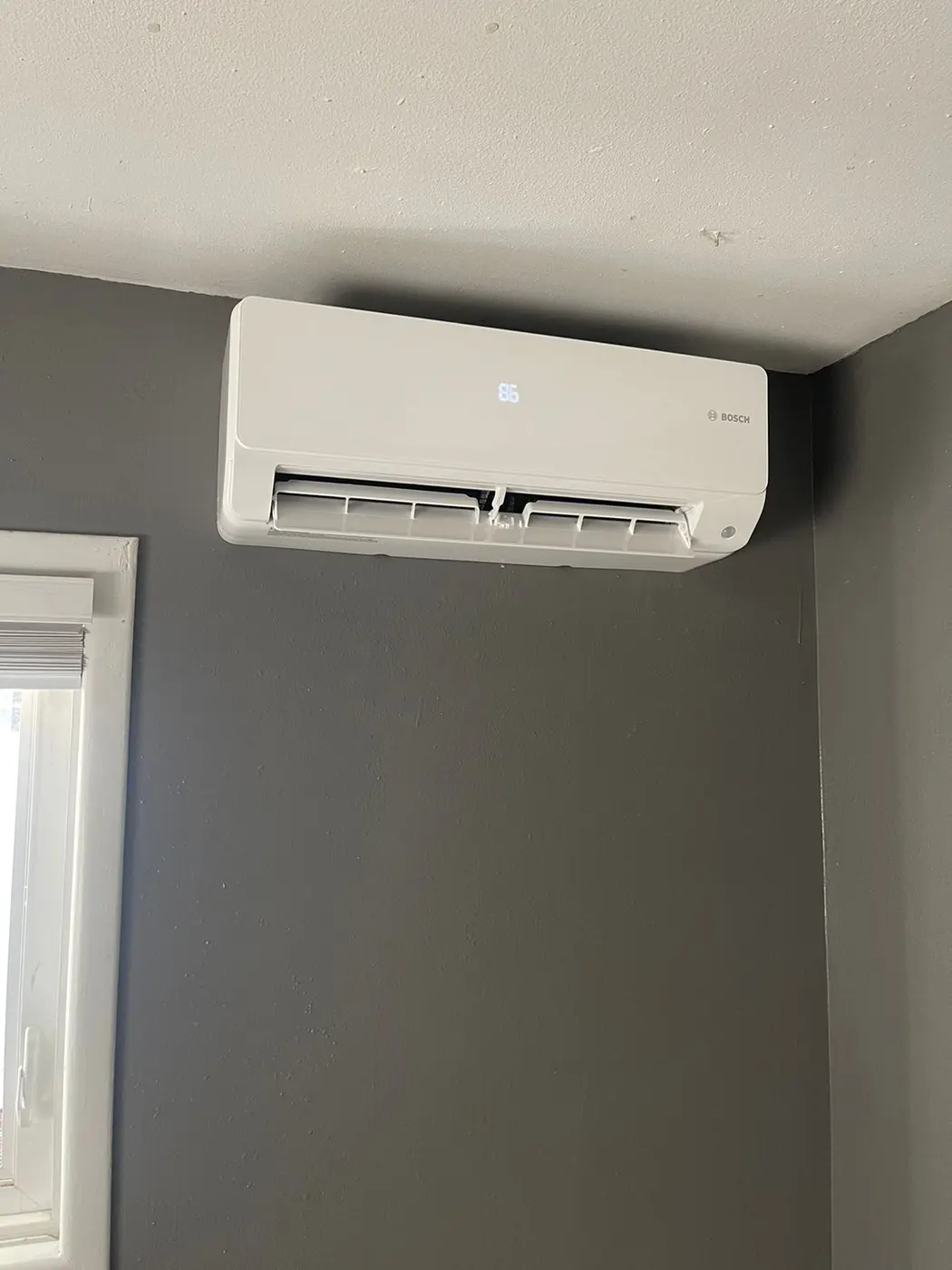
HVAC & Appliance Repair Guys provides furnace installation and replacement in Clackamas, OR. The finished setup needs practical access as well as space for the equipment. Explain any difficulty reaching the current filter or arranging service. A replacement estimate can keep those concerns visible while the plan is still open.
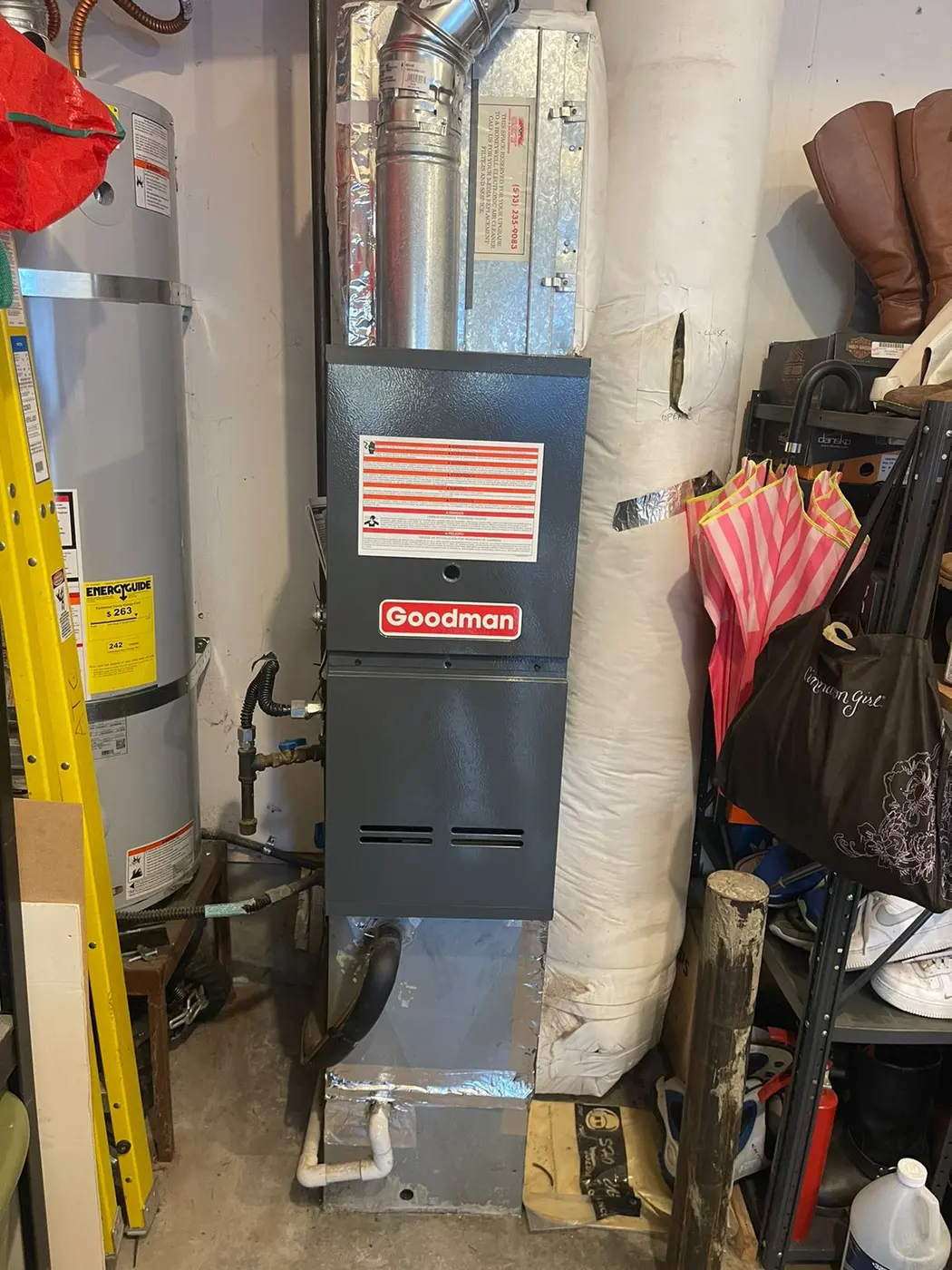
We offer a free on-site estimator visit for installation and replacement. Show the normal route to the furnace and the space around it. Mention stored items, fixed obstructions or planned changes nearby. The estimate should distinguish current conditions from the arrangement you expect after installation.
Review the Filter Location With the Equipment Choice
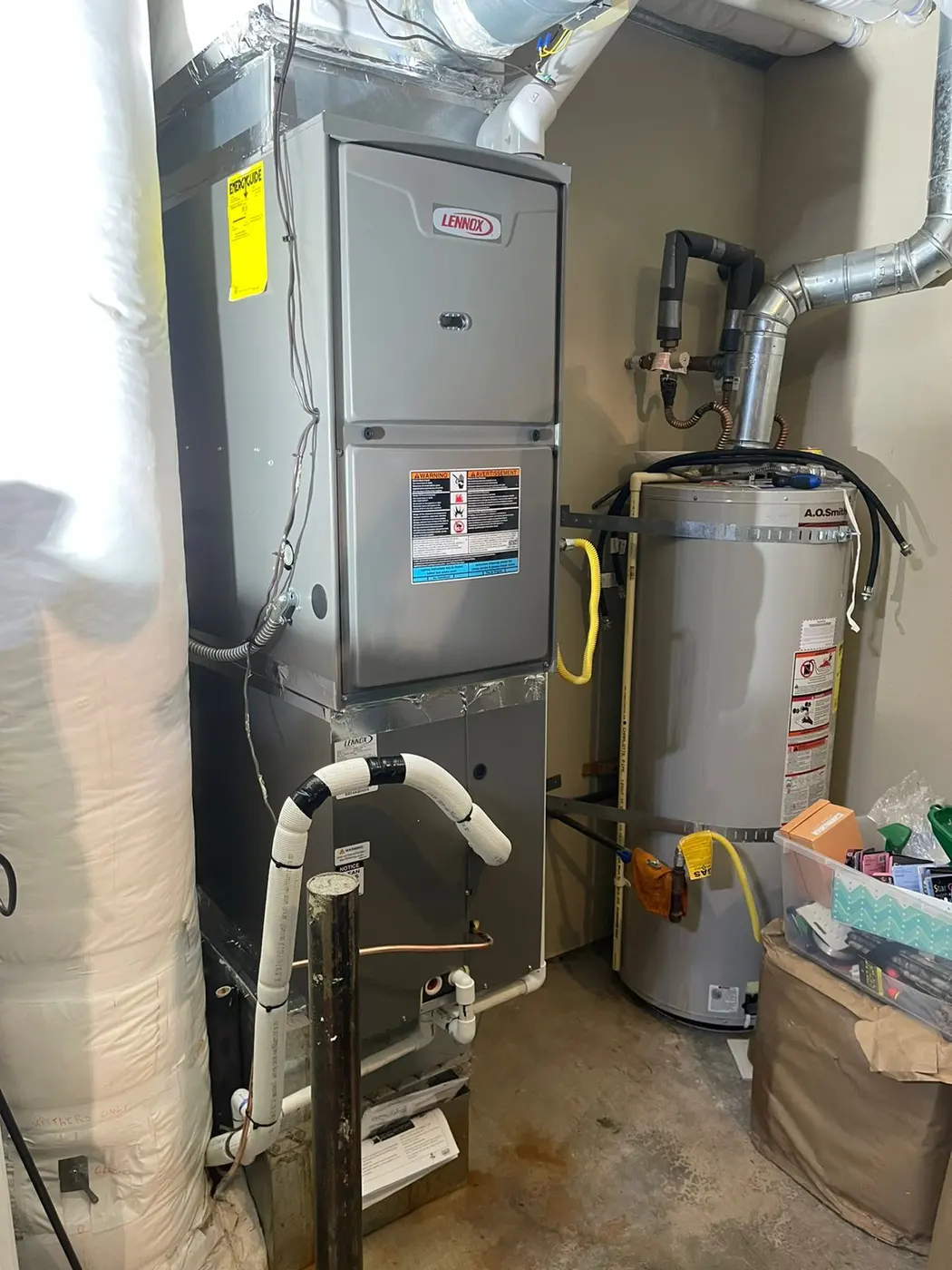
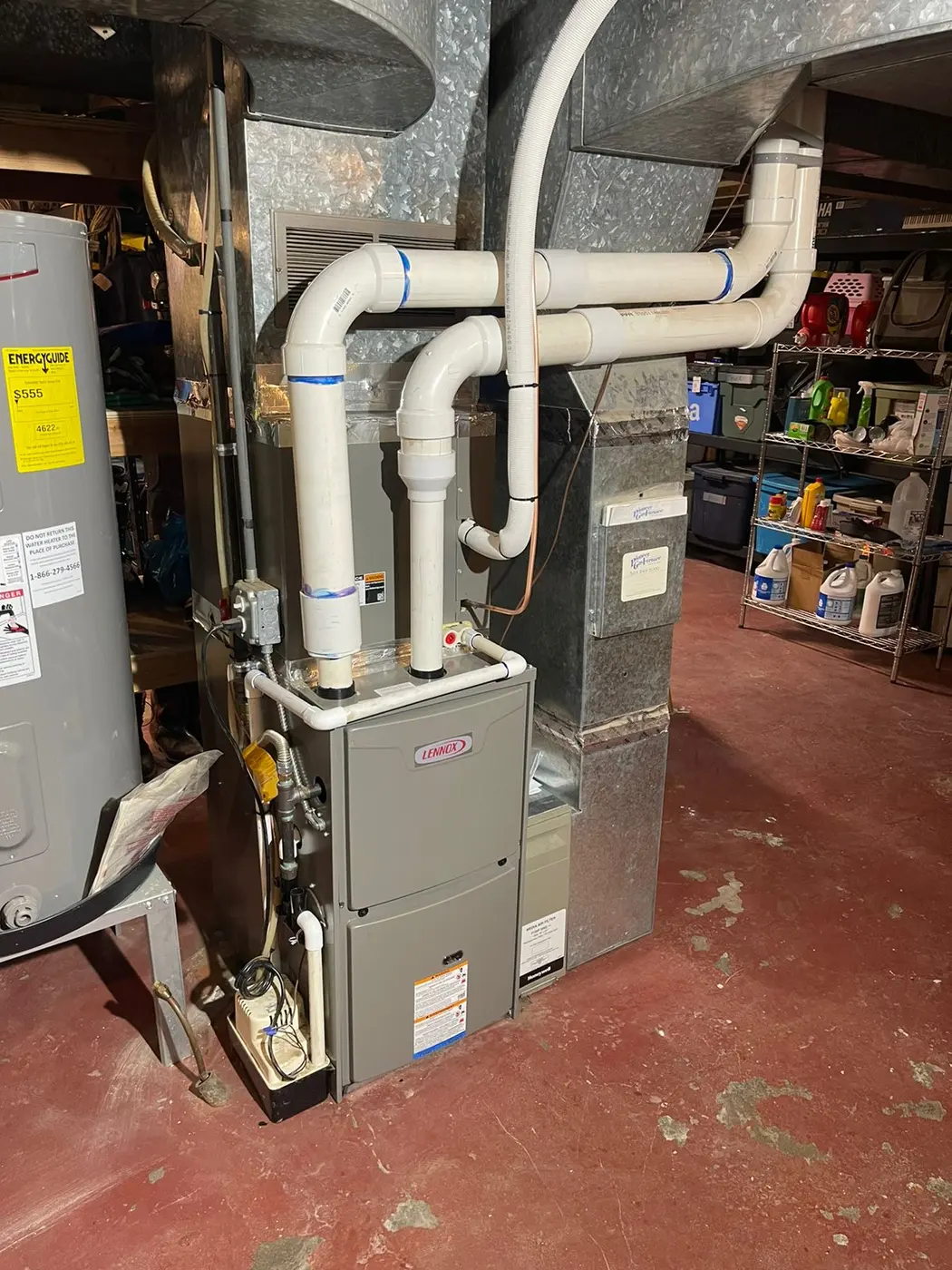
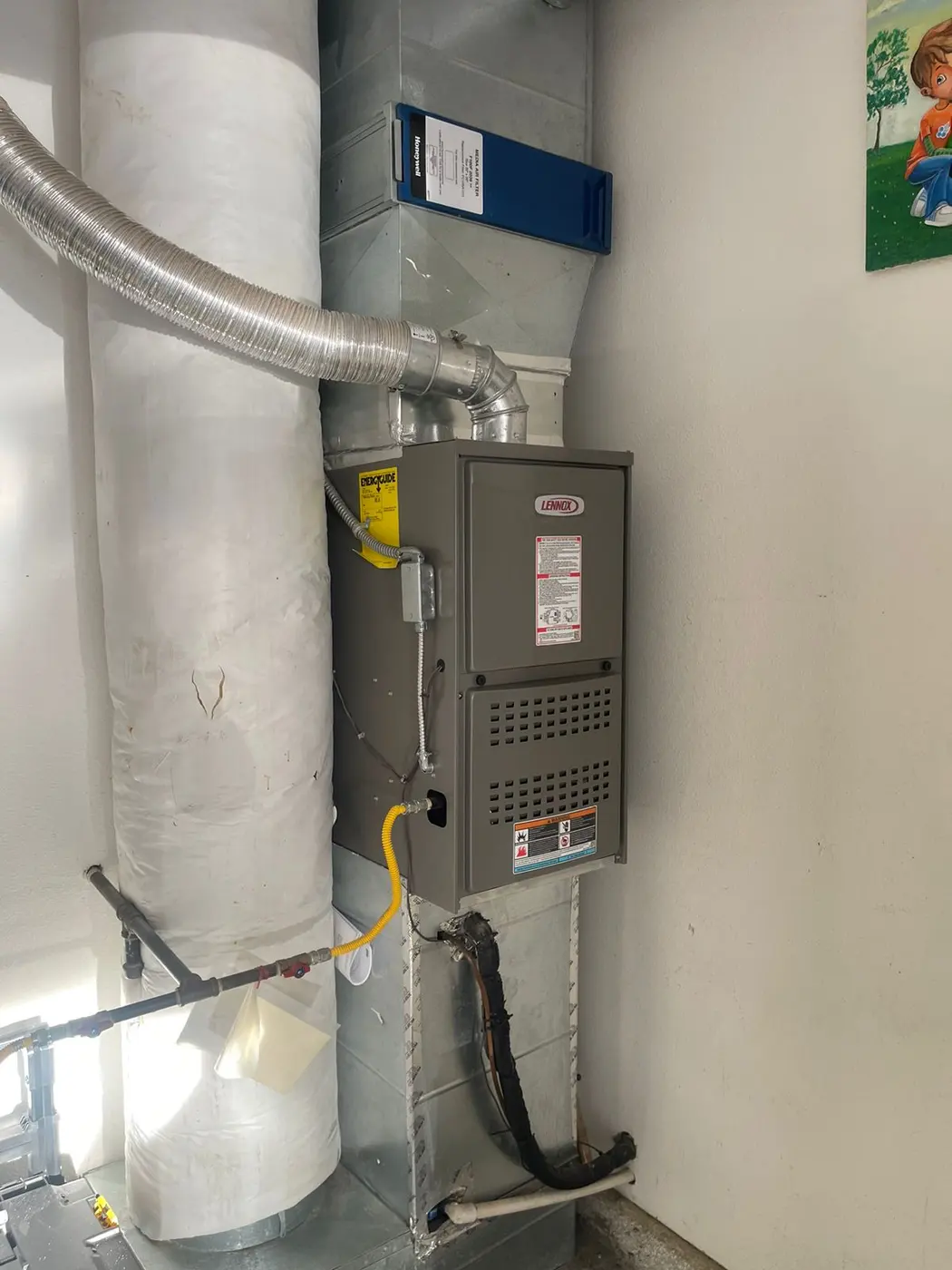
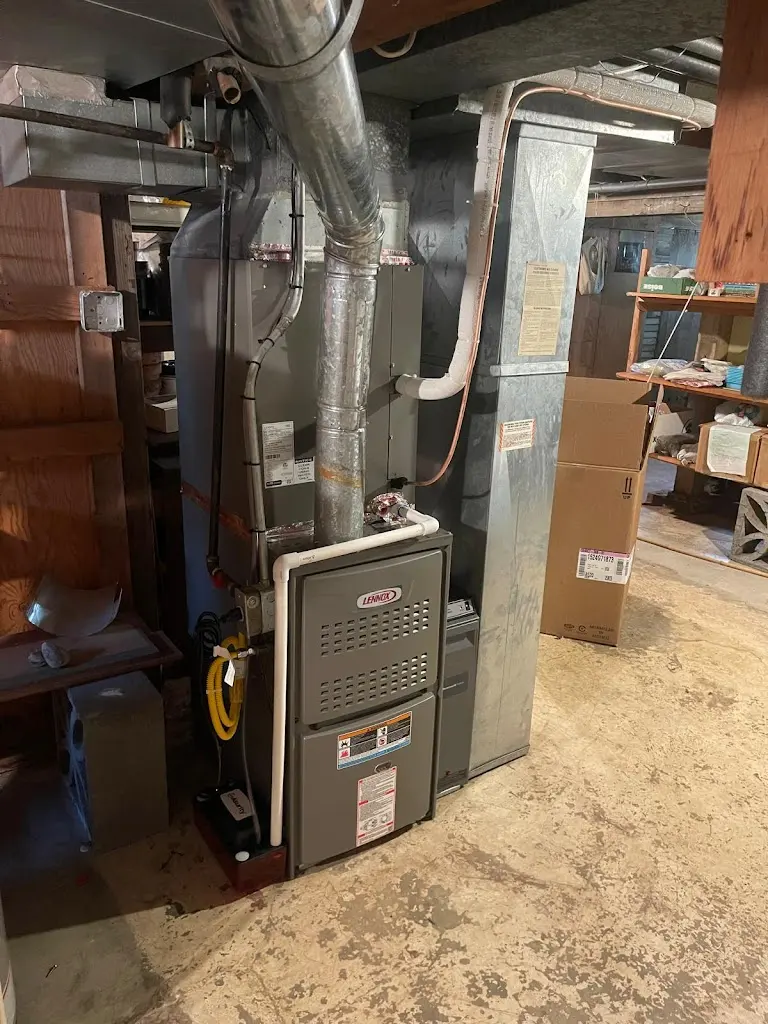
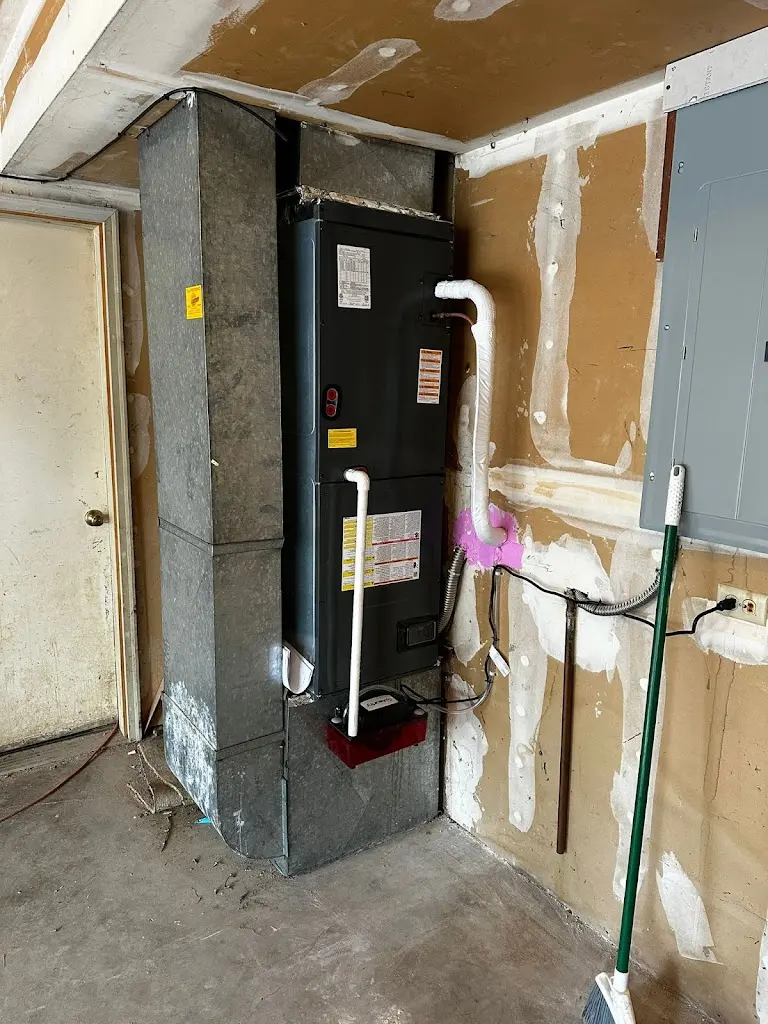
Ask where the proposed setup places the filter and how you will reach it for ordinary care. A new furnace may not use the same filter arrangement as the old one. Keep the correct type and access method tied to the installed equipment. Do not buy a different filter solely because it fits an available opening.
Describe any present task that requires an awkward reach or access through a blocked area. That gives the estimator a specific concern to review. A cabinet fitting into the old space does not settle every care task. Ask what the proposed arrangement changes and what difficulty may remain.
Our furnace installation overview explains the broader project. Here, the access goal should remain part of the equipment decision. It should not appear only after the unit is in place. The proposal can then show any work needed to support the agreed arrangement.
Separate Installation Access From Later Service Space
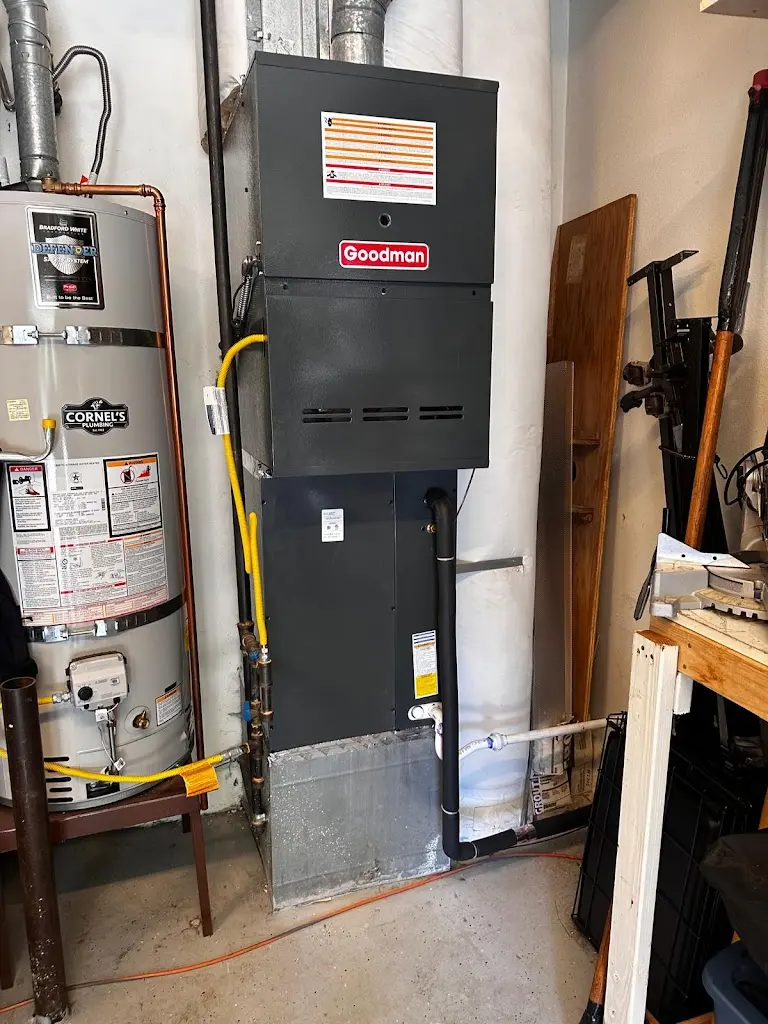
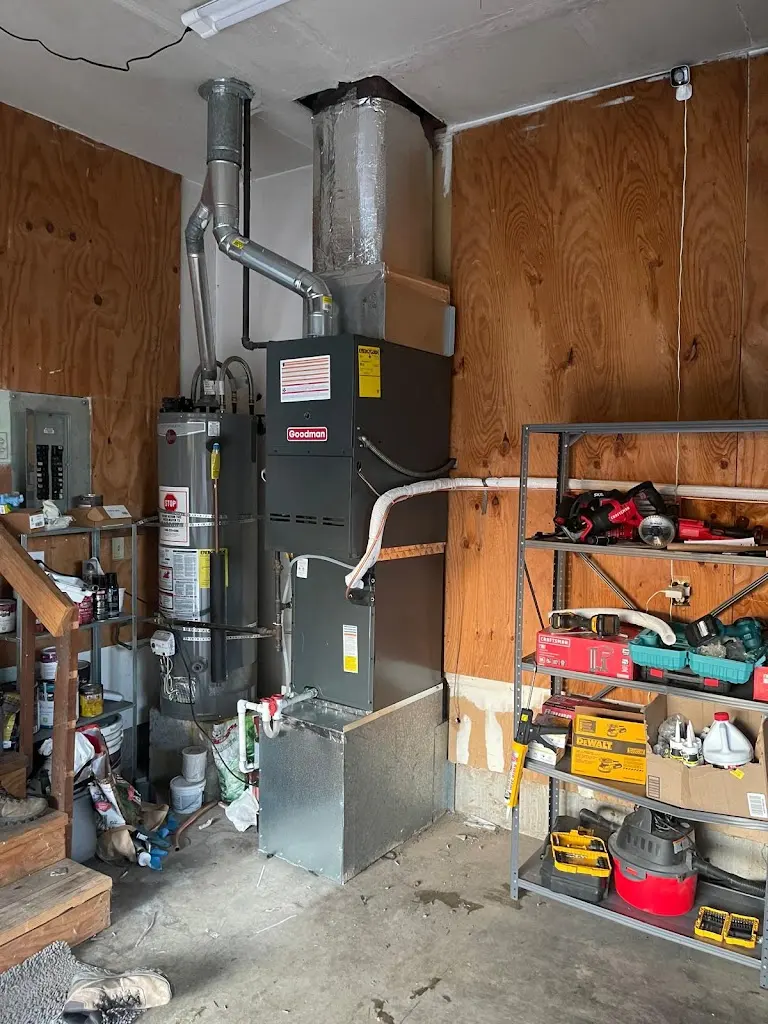
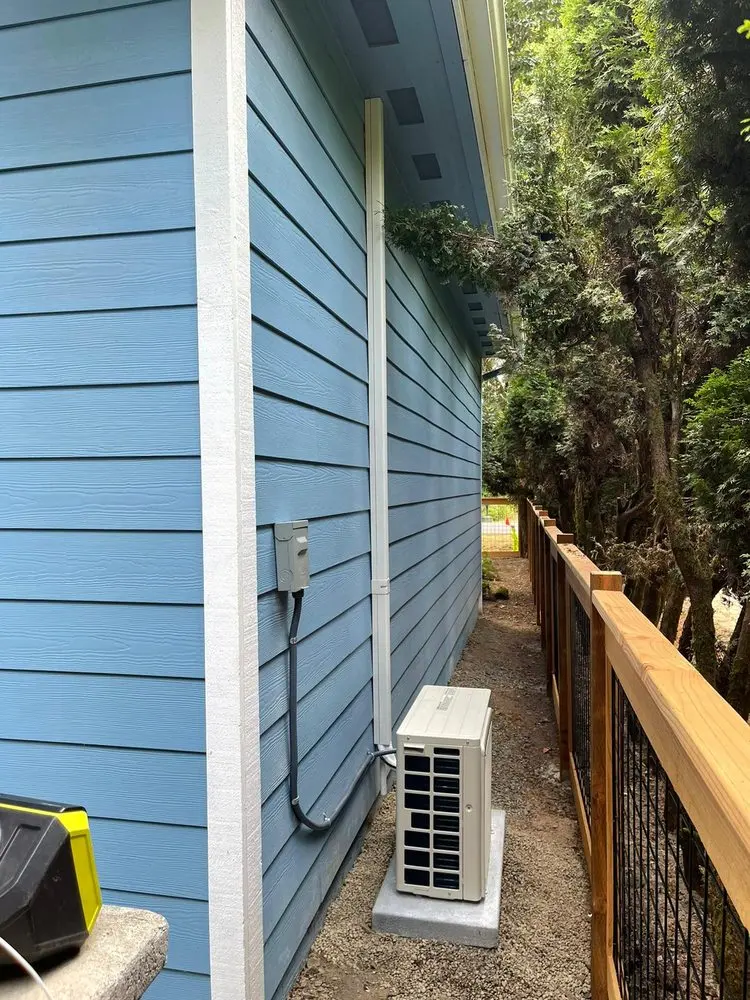
The route for carrying equipment into the home differs from the space needed to service it later. Ask about both during the estimate. A clear path on installation day does not by itself establish a useful finished layout. Review nearby doors, shelves and planned storage without assuming a fixed clearance rule.
Leave wiring, fuel connections and equipment covers untouched when preparing for the visit. Identify an access limit and ask how the project will address it. Keep any building work or removal of fixed items clear in the scope. Do not assume that the installation price includes every change around the furnace.
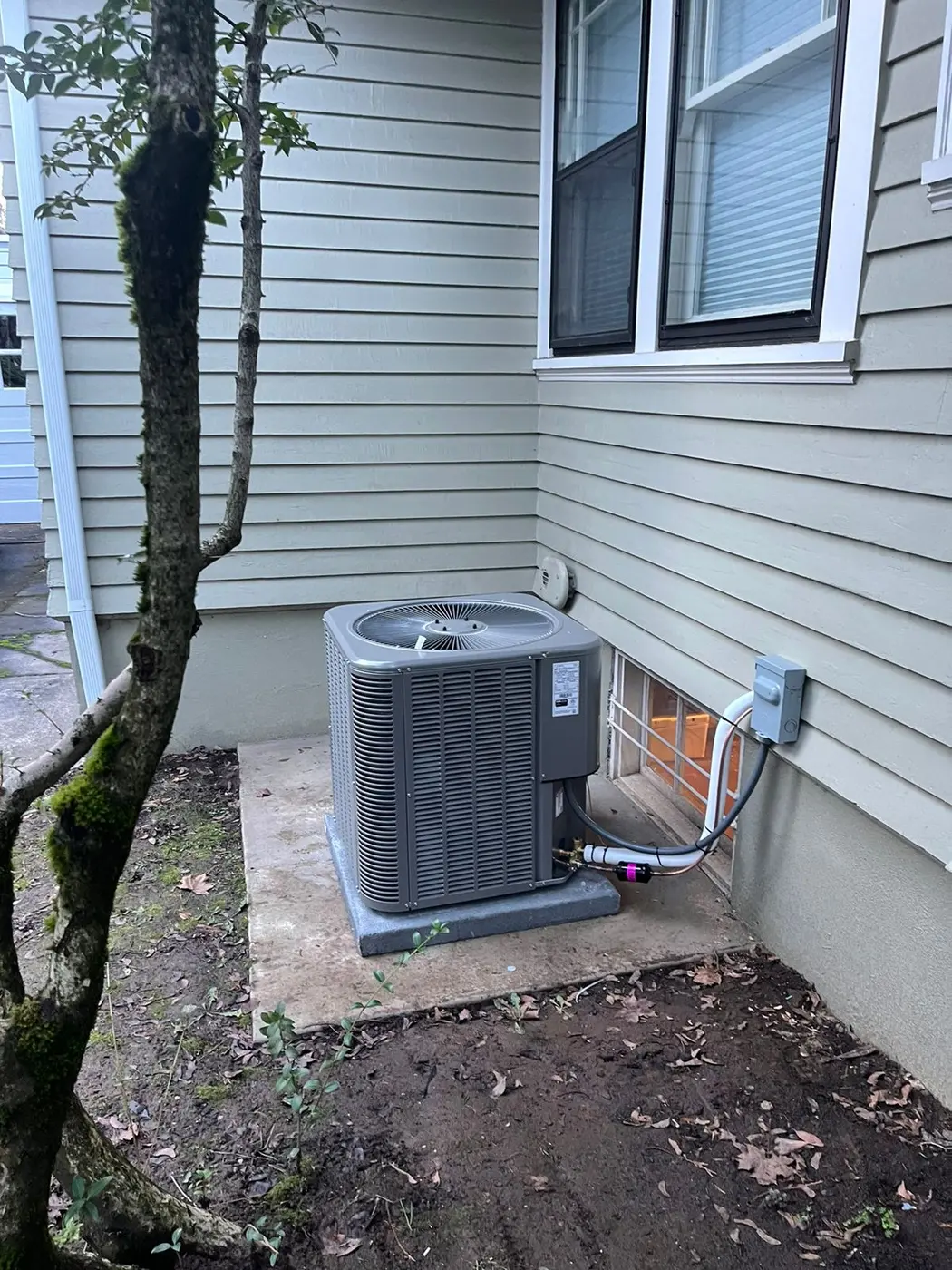
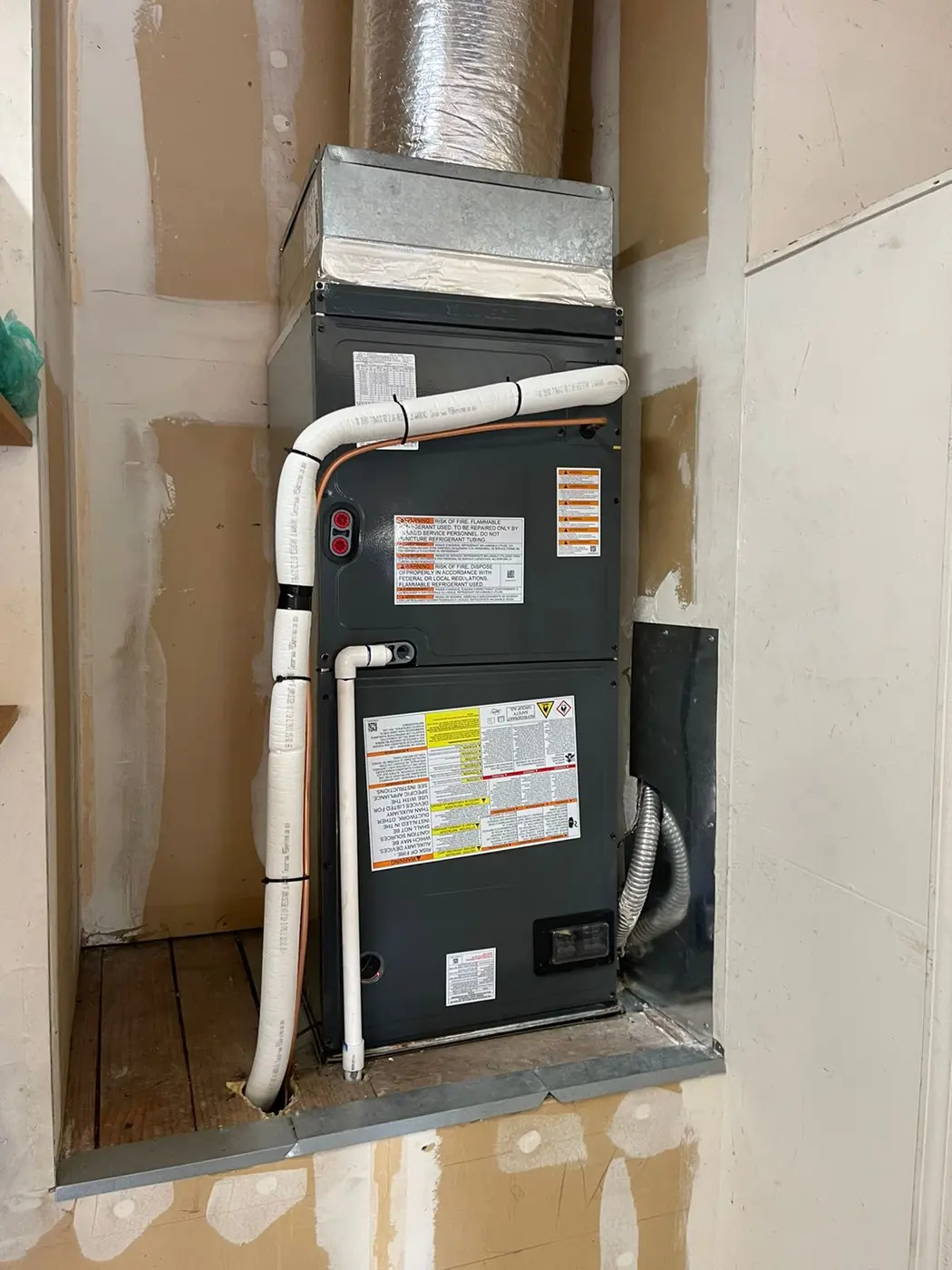
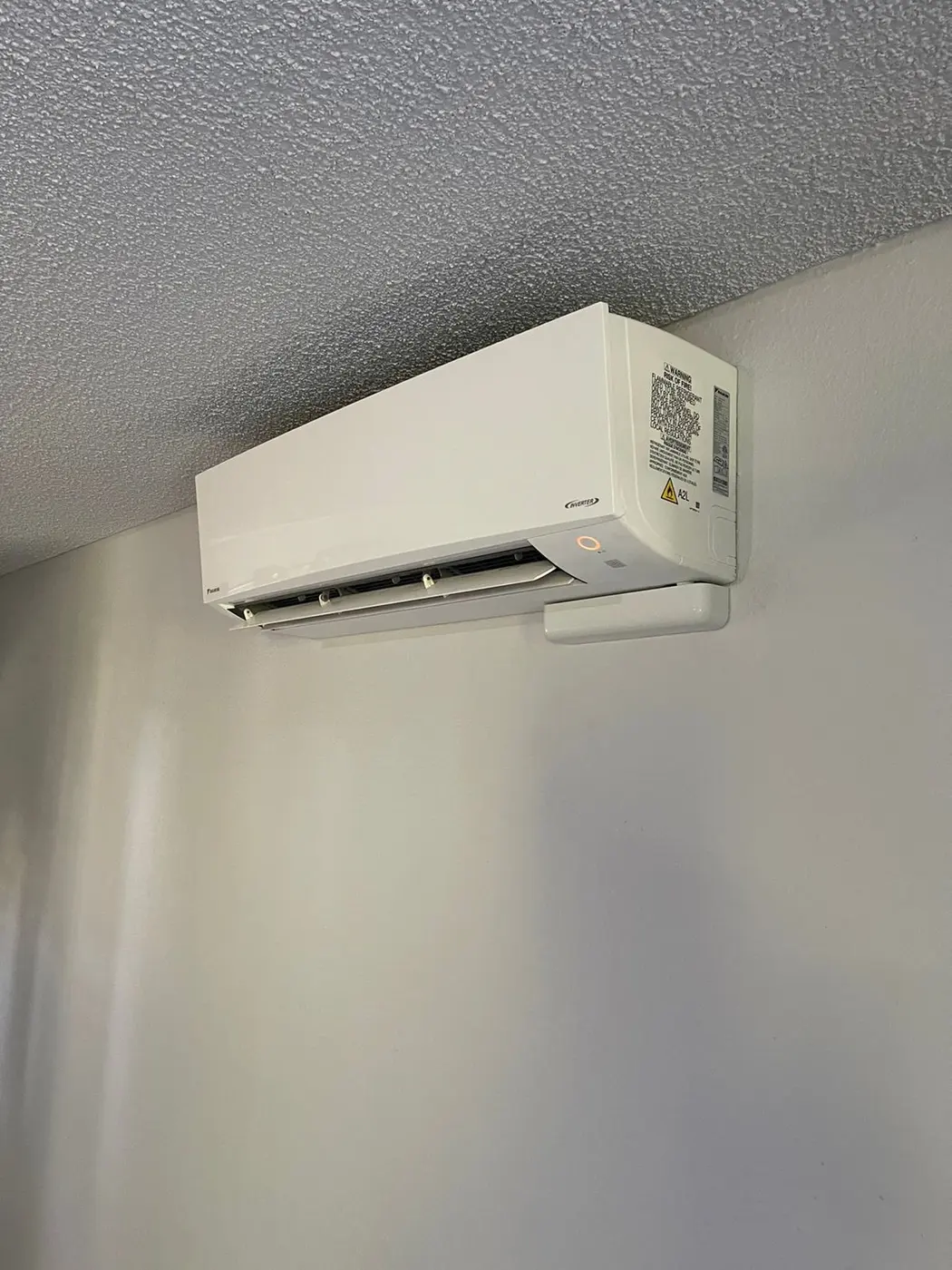
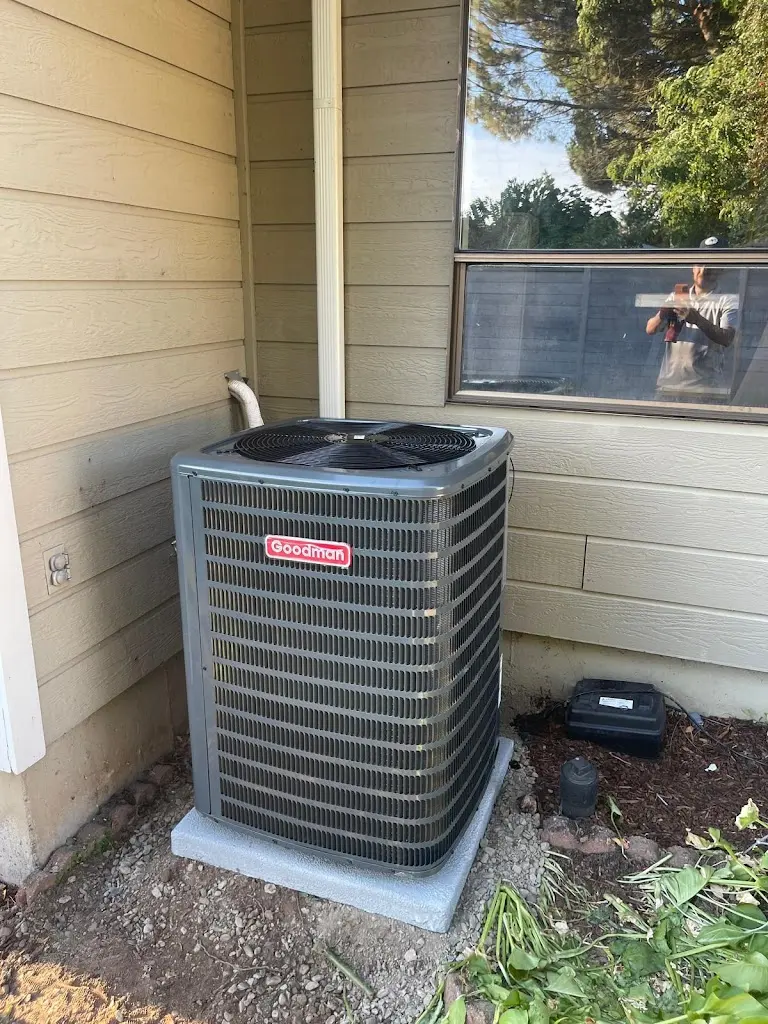
If several components share the same area, our HVAC installation service in Clackamas can address the wider plan. Identify which equipment will stay. Access for the new furnace should not leave another retained unit out of the discussion. The estimate needs the finished arrangement as a whole.
Check the Agreed Arrangement at Handover
Review the filter location and normal care guidance after installation. Ask which tasks belong to the owner and which need professional service. Keep the equipment details and instructions together. The new setup needs its own care guidance.
Compare the completed layout with the access concern raised at the estimate. If an item remains open, keep it with the project record and agree on the next step. Confirm who handles any preparation still outside the installation scope. The final handoff should distinguish completed equipment work from a separate access task.
Frequently Asked Questions
Must the furnace move to improve filter access?
Not necessarily. Describe the difficulty and review the options for the actual setup. A location change needs its own work scope. Review the need and included work at the property before deciding.
Can storage return to its old position after installation?
Review that position with the finished equipment and its care needs. Keep the access the team identifies available after the work. An old storage arrangement may not suit the new setup.
Does the free estimate cover ongoing maintenance?
The free on-site estimator visit concerns installation or replacement. Ongoing care is a separate service request. Use the handover to understand the new equipment’s care needs and discuss later service on its own terms.