Give Cooling Water a Route Before Choosing the Wall Position
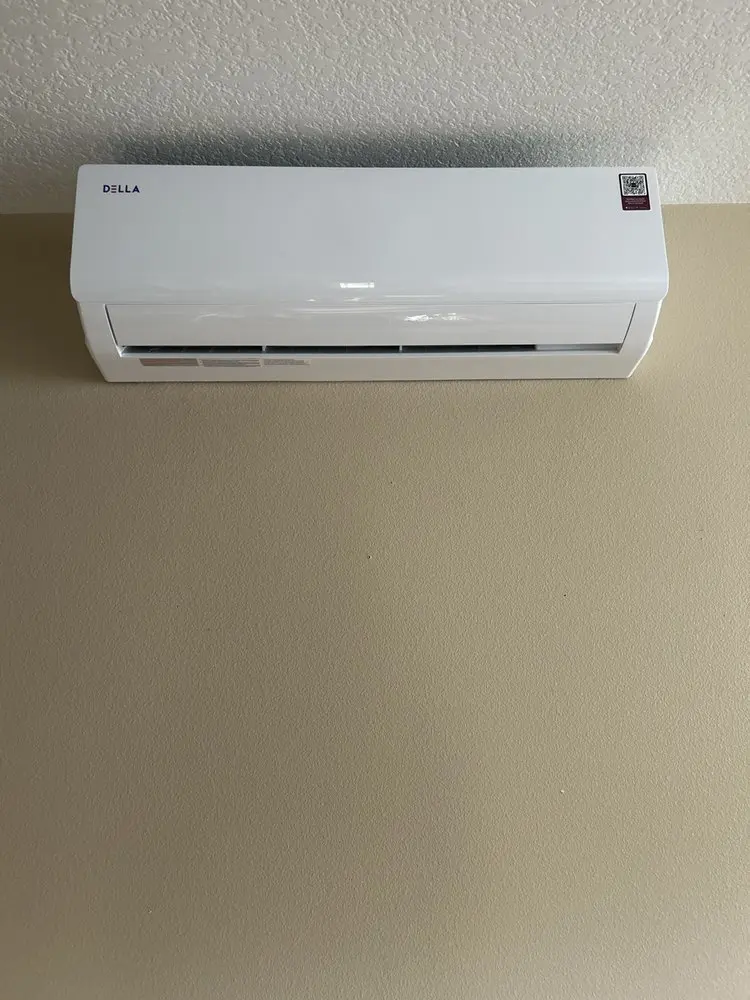
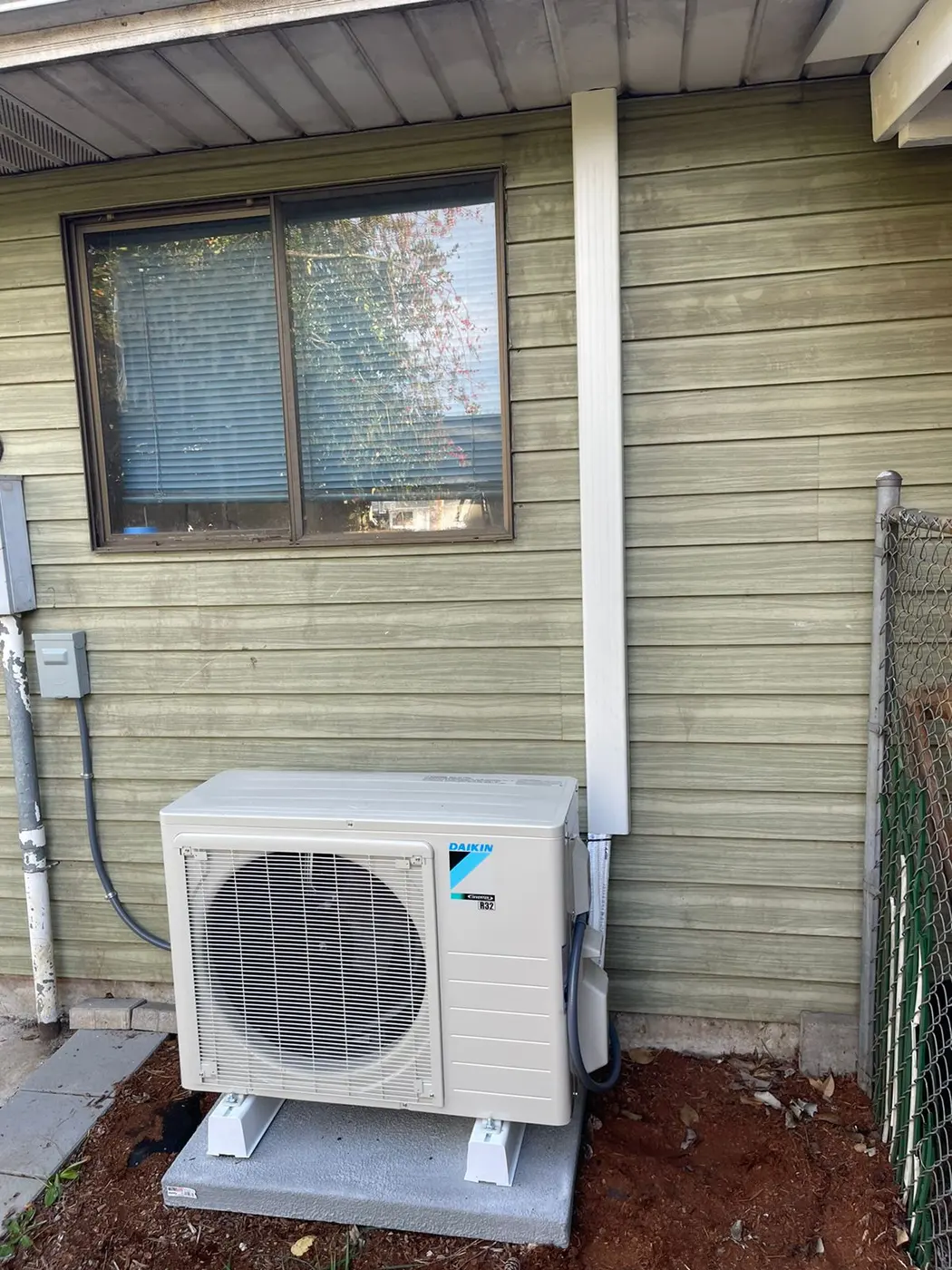
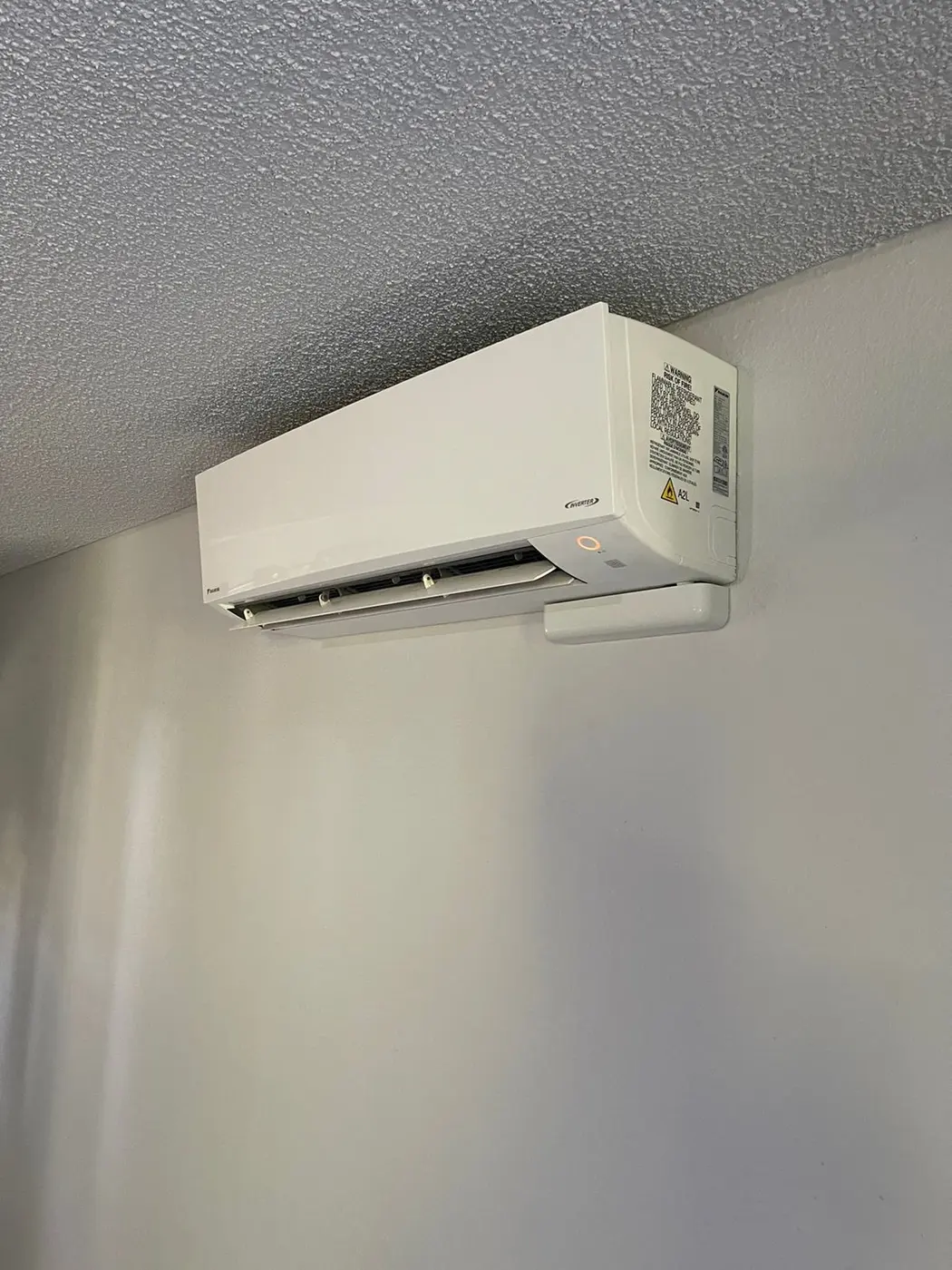
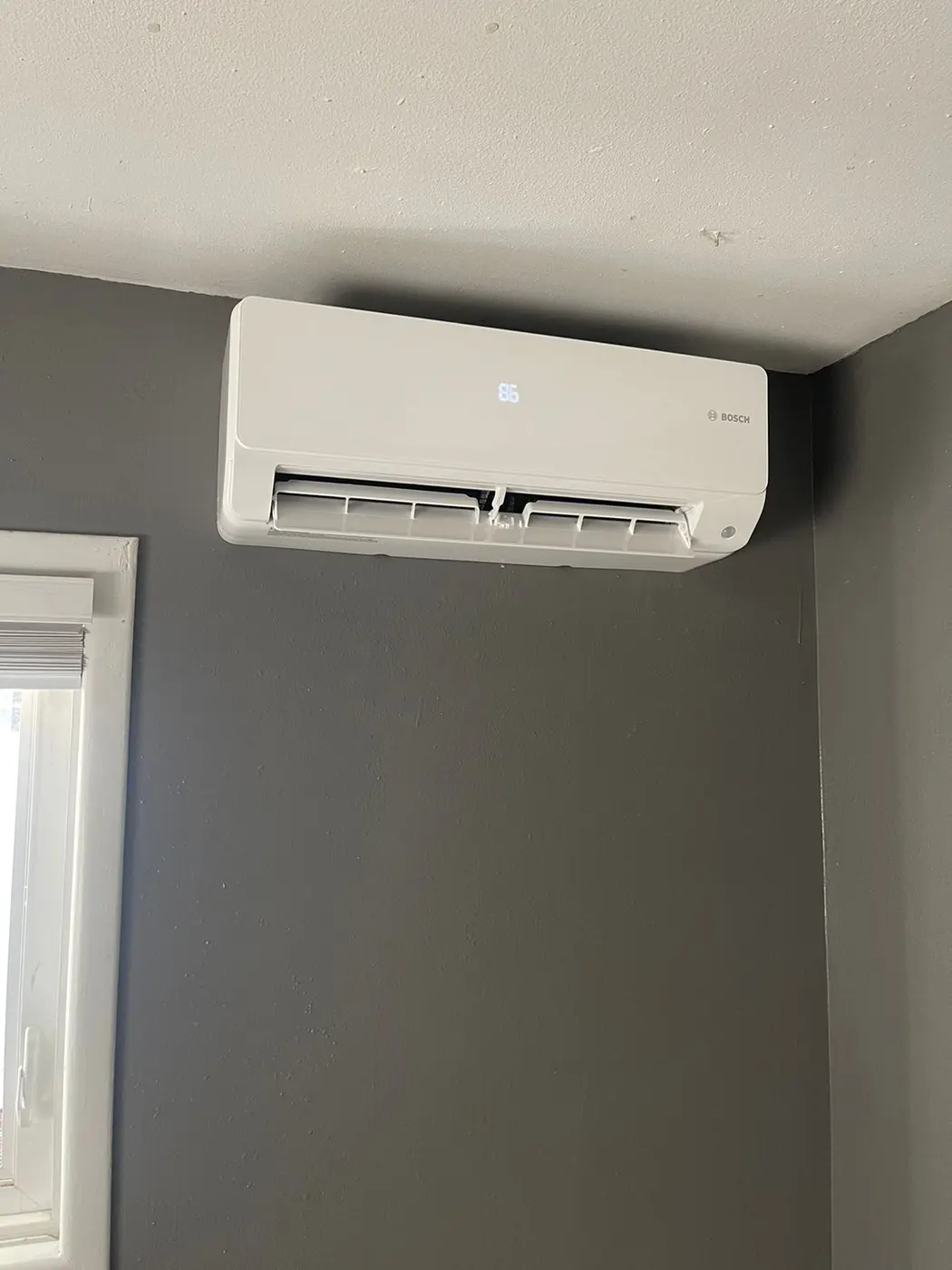
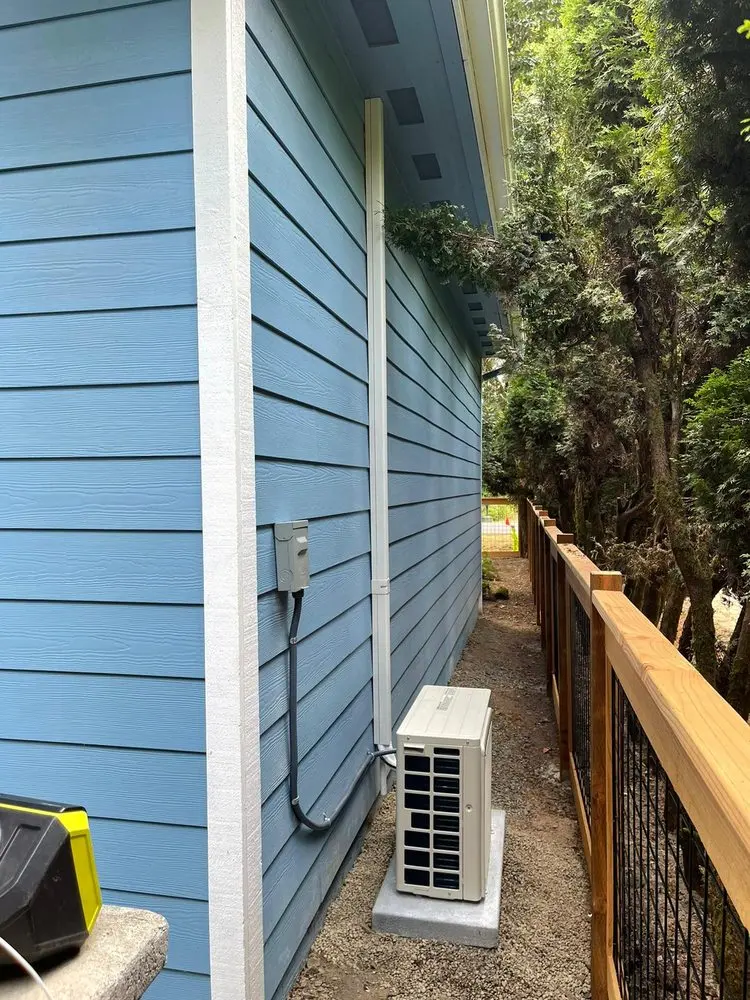
HVAC & Appliance Repair Guys provides mini-split installation in Clackamas, OR. The indoor head needs a plan for water produced during cooling. Our free on-site estimator visit covers installation and replacement. Include the drain route when discussing where you want the unit to sit.
A clear wall can look like a good position without showing where that water will go. Ask how the proposed route works with the room and outdoor layout. A path for the equipment lines does not settle every drain question. The complete plan should address both.
Review the Drain Alongside the Room Layout
Show the preferred head location and the area it should serve. Include fixed cabinets, doors and finishes near the possible route. Ask which part of the path will remain visible. This helps you compare the finished appearance with the actual work.
Keep a concealed section clear as an open question. An old opening or nearby pipe does not prove that it suits the new setup. The site review should establish the route and any further access it needs. Do not cut an opening or install a guessed drain in advance.
Our mini-split installation service plans the indoor and outdoor equipment together. For several heads, ask how each handles cooling water. A route for the first room may not describe the next one. Keep the work for each head in the scope.
Ask Which Drain Parts and Access the Project Includes
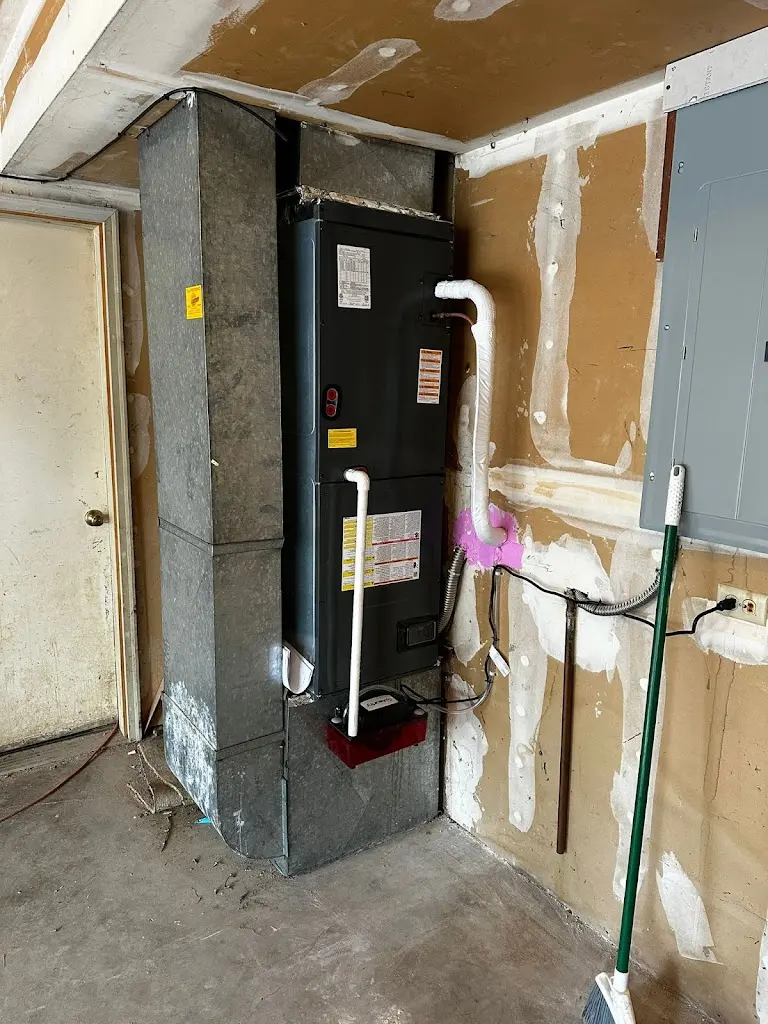
Some proposed layouts may involve a drain pump; others may use a different arrangement. Ask what the actual plan requires and why. Do not assume a pump is always necessary or that one existing route fits every model. Keep any added part tied to the selected setup.
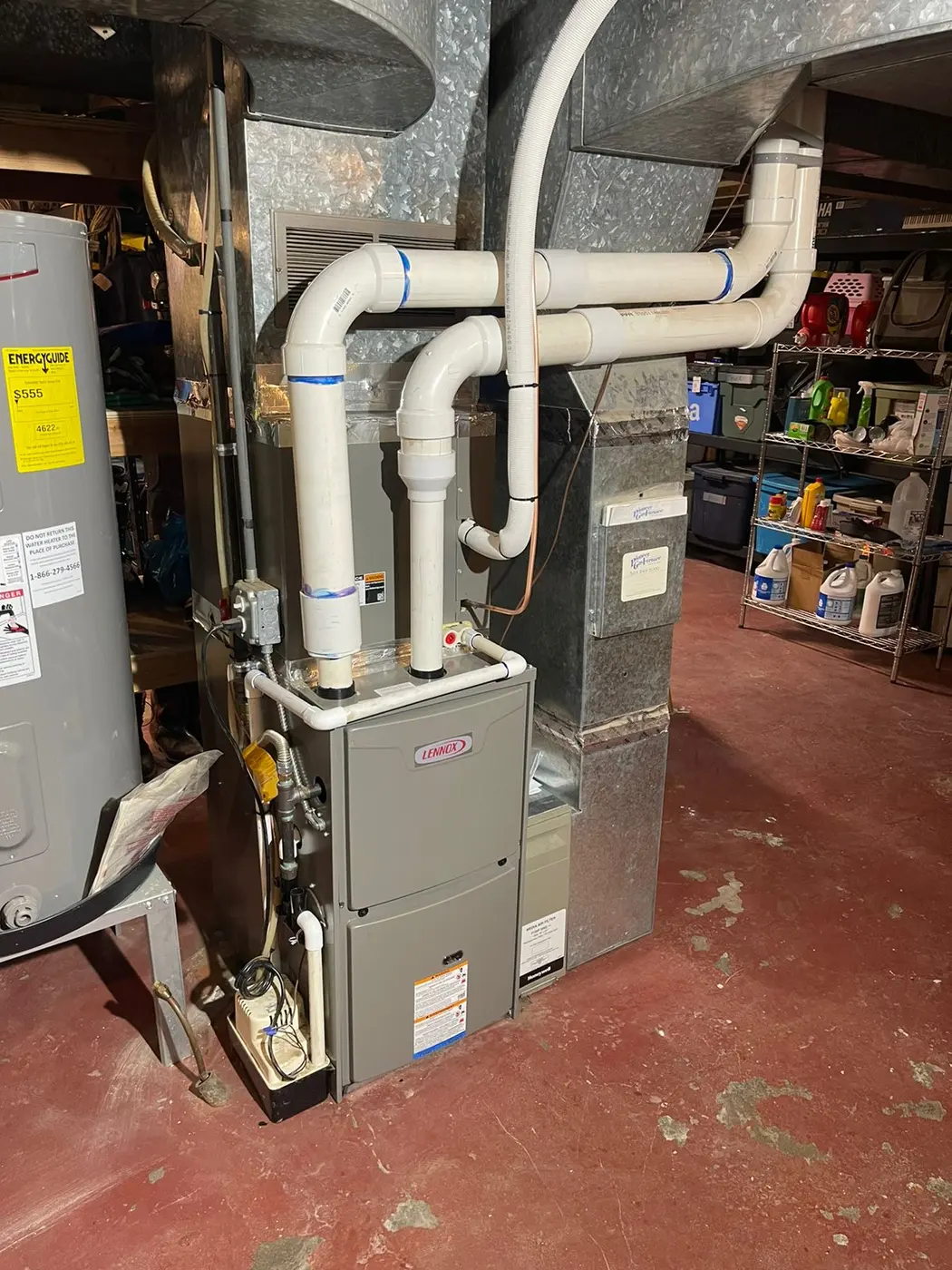
If a pump forms part of the proposal, ask where it will sit and how service can reach it. Discuss its position with your normal room use. A hidden part still needs a defined role and access. Keep that item in the equipment record after installation.
Our HVAC installation in Clackamas service covers a wider project involving other equipment. Use that scope if the drain route depends on broader work. Clarify which tasks belong in this price. A room finish task should not remain an unstated part of the equipment job.
Keep the Approved Route in the Handover Record
Before installation, review the head position, drain path and required preparation together. Report a room change that affects any of them. A new fixed item can block a route or service point. The work should follow the current layout rather than an earlier sketch.
At handover, ask which checks the team completed on the installed drain arrangement. Keep the route and any included pump with the model details. If you later notice water indoors, describe its exact source and operating mode. Leave covers and internal connections alone rather than altering the new path.
Frequently Asked Questions
Does every mini-split need a drain pump?
No universal rule fits every location and equipment plan. Ask how the selected setup will handle cooling water. The estimate should identify any required pump and explain its role in that route.
Can the replacement use the old indoor drain?
That needs review with the new equipment and current route condition. An existing drain can inform the plan without proving that it should stay. Ask the scope to distinguish confirmed reuse from an unresolved check.
Is outdoor water the same issue as a leak from the indoor head?
No. Give the exact location and mode when describing water. Different parts of the setup have different roles. Use the indoor drain record to explain a concern without guessing its cause.